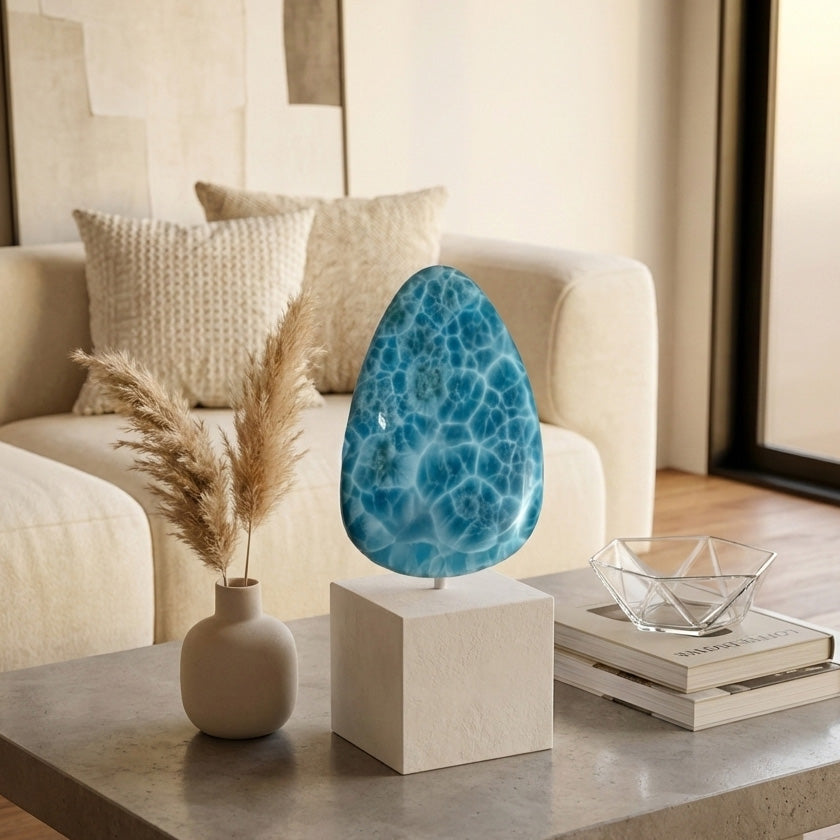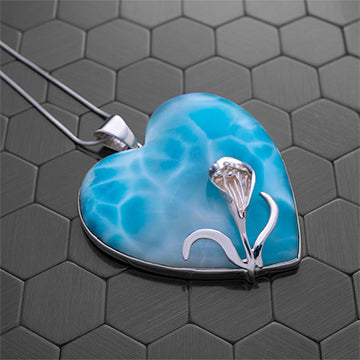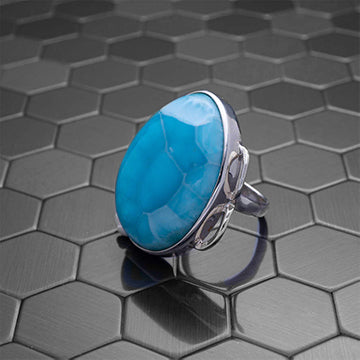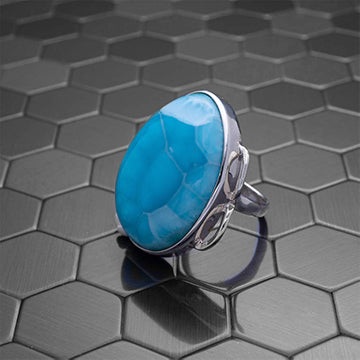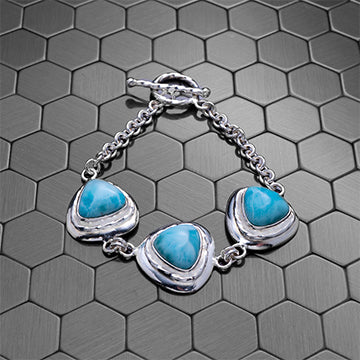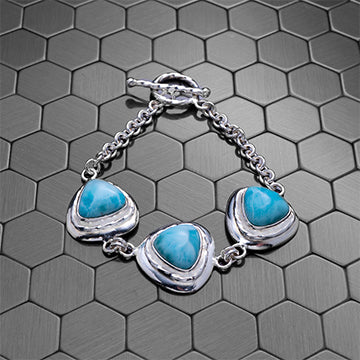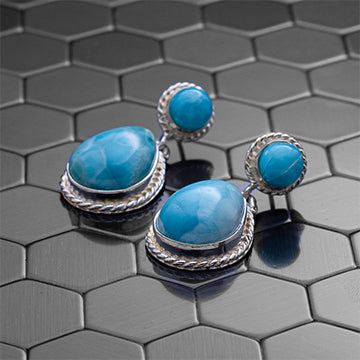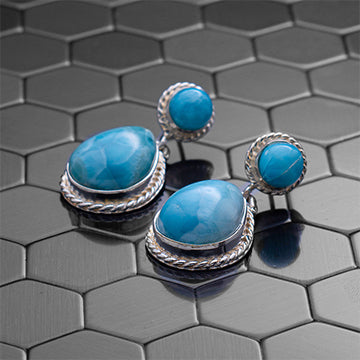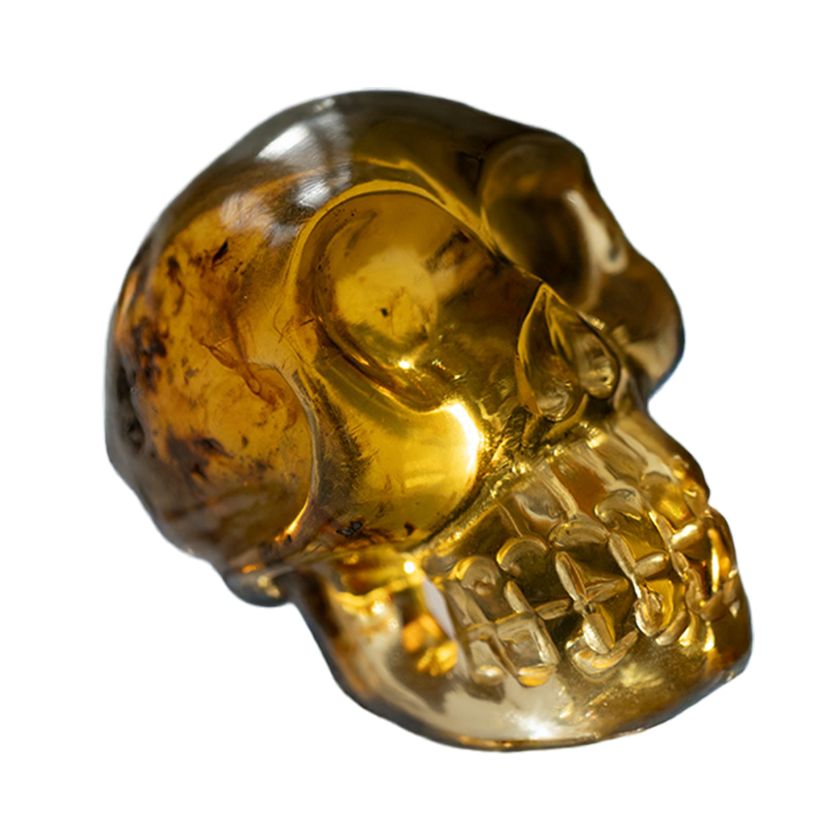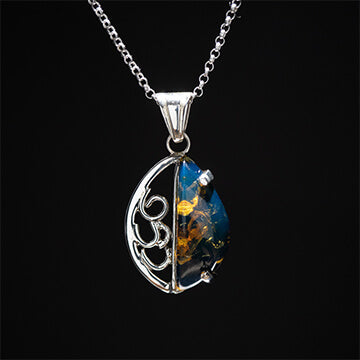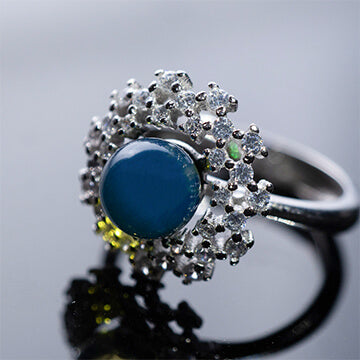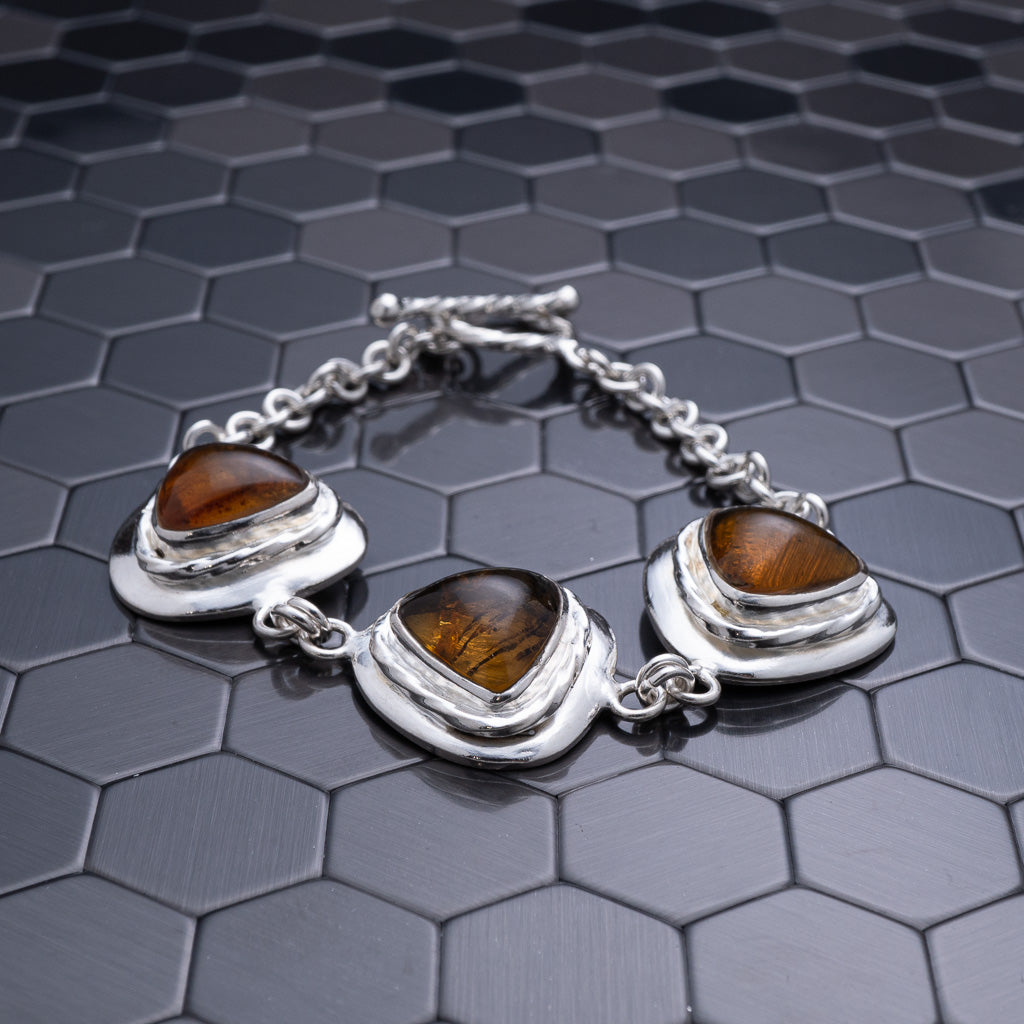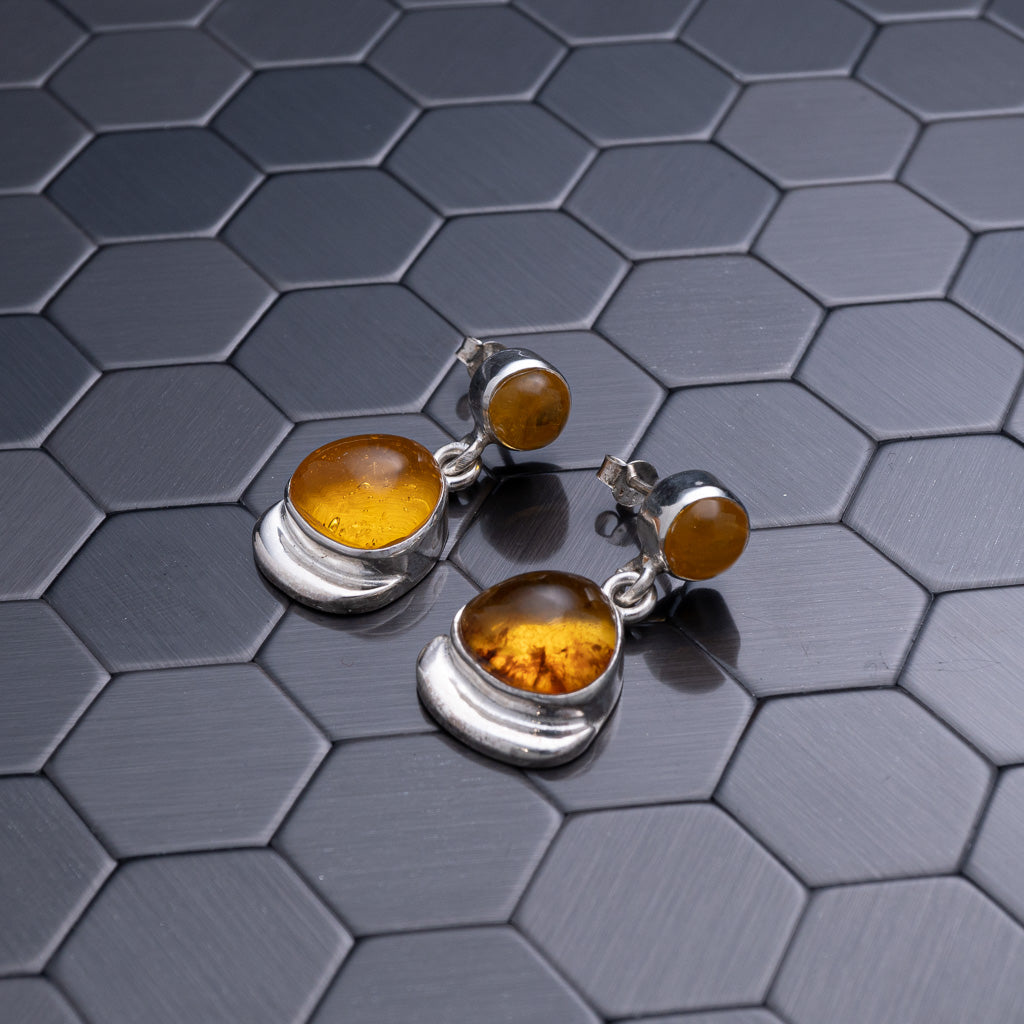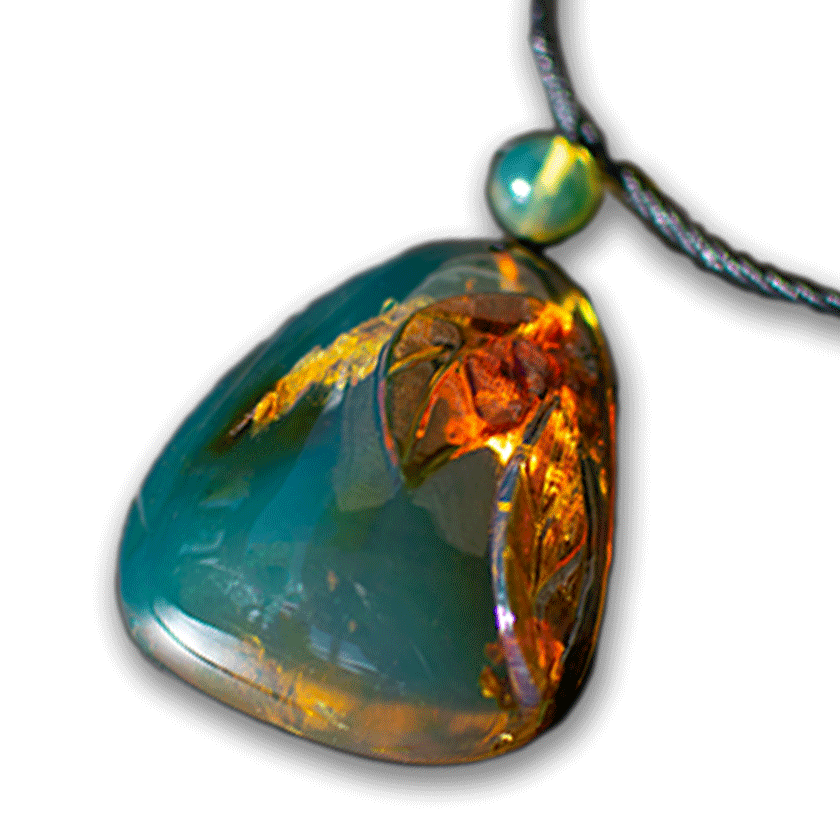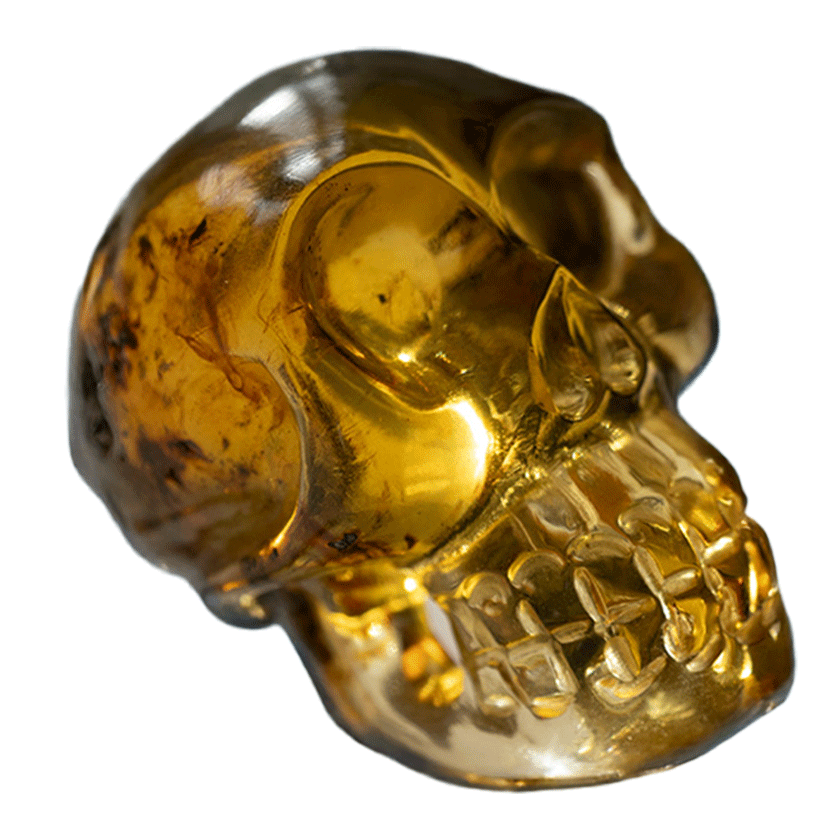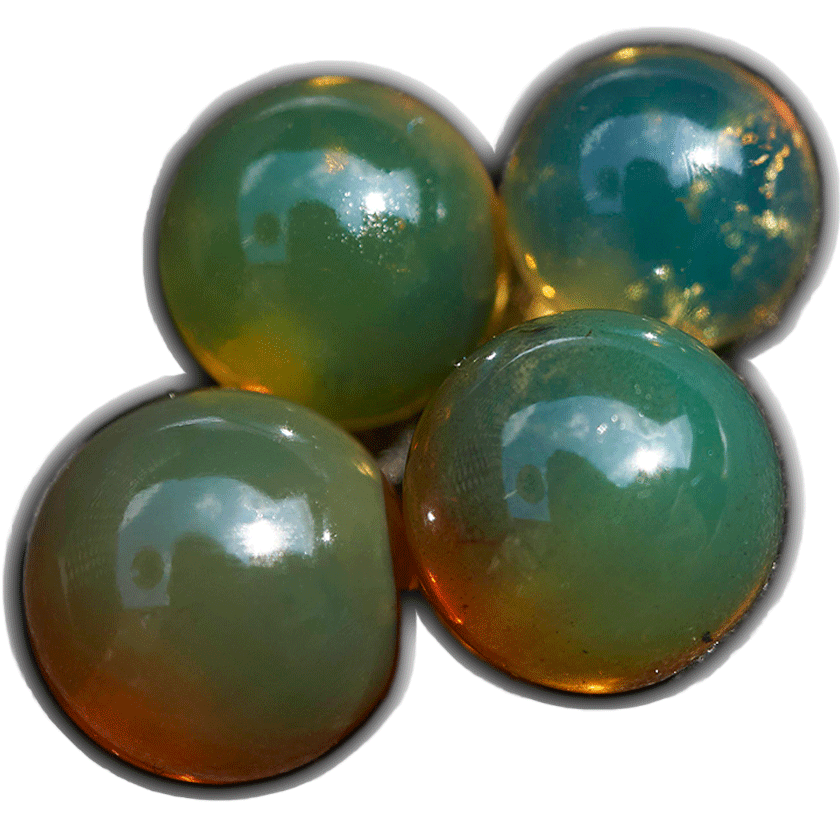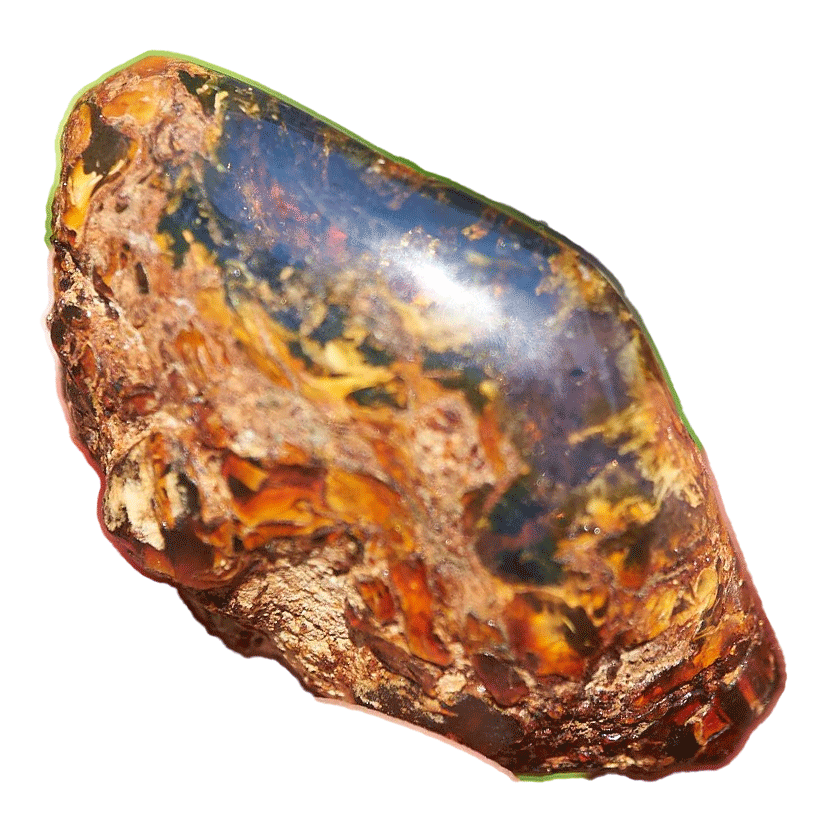


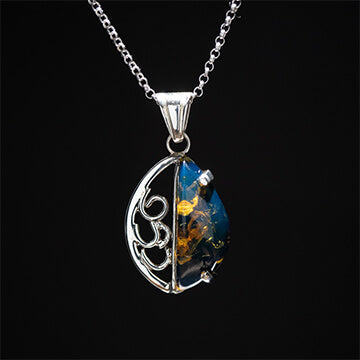
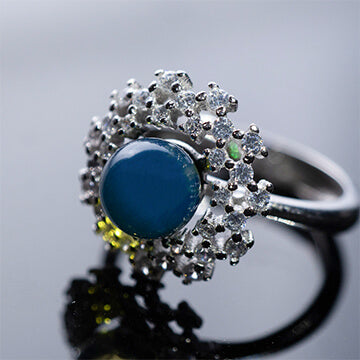
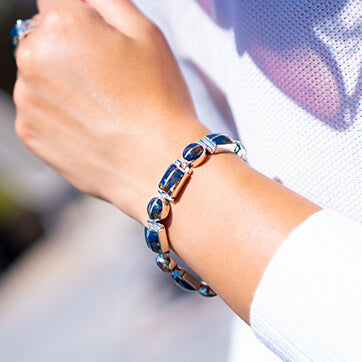
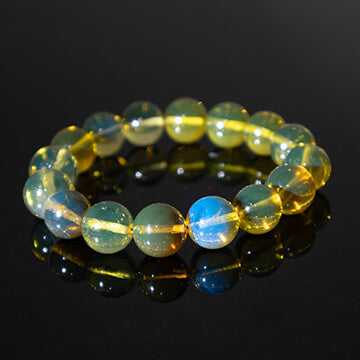
Handcrafted in DR.

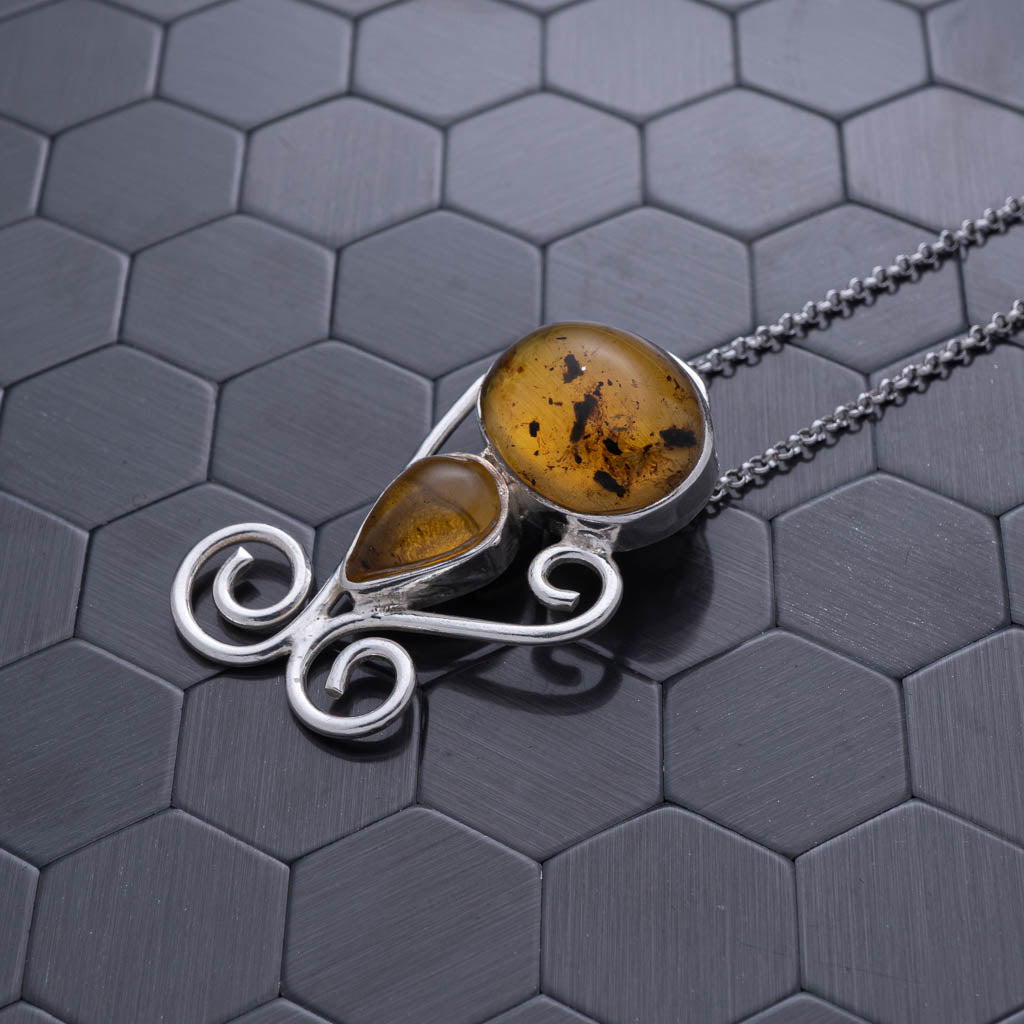
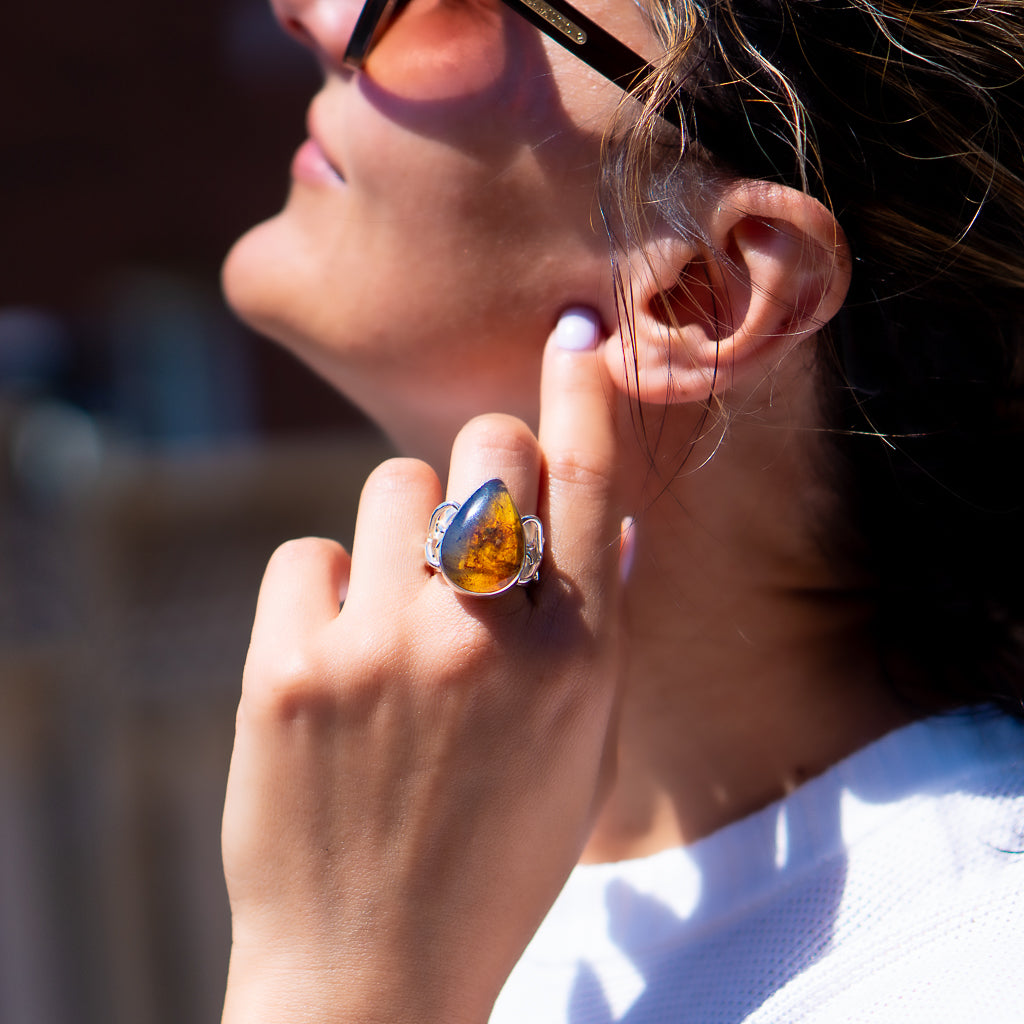
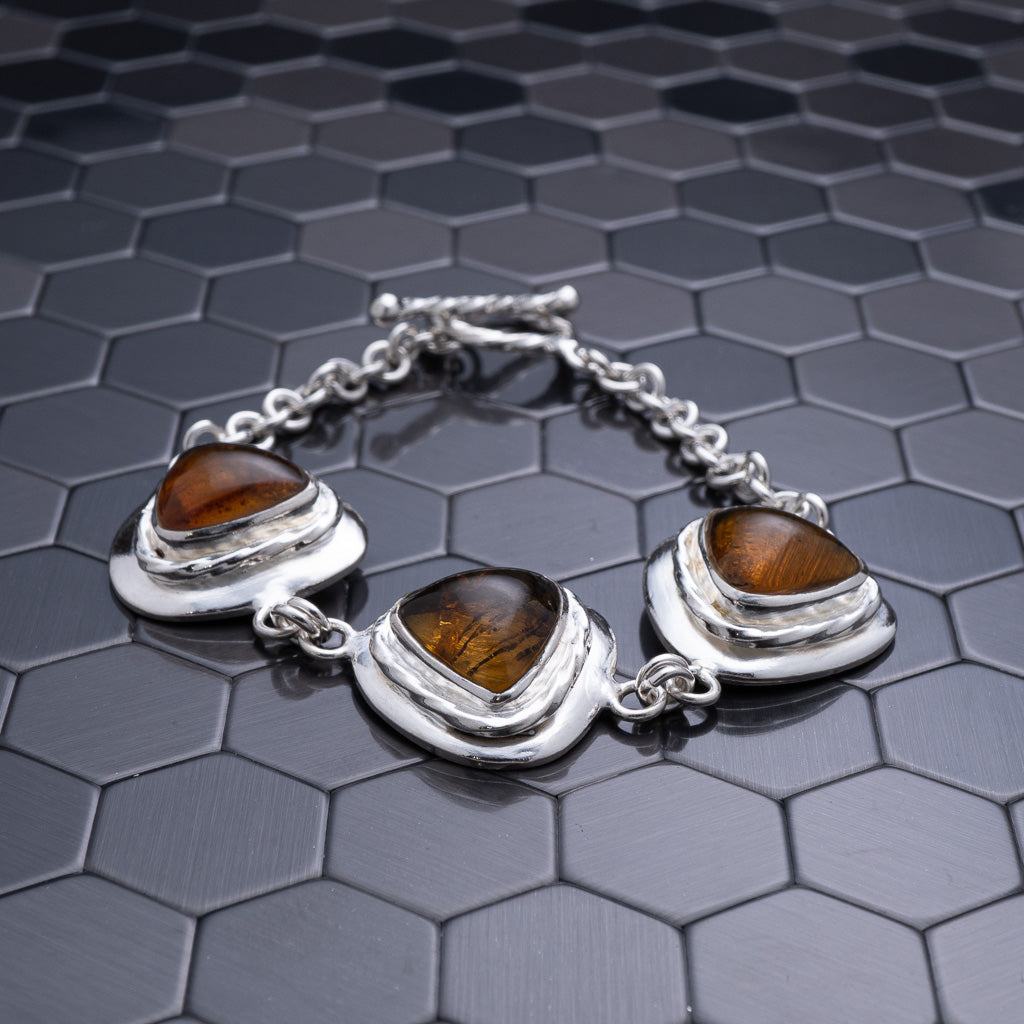
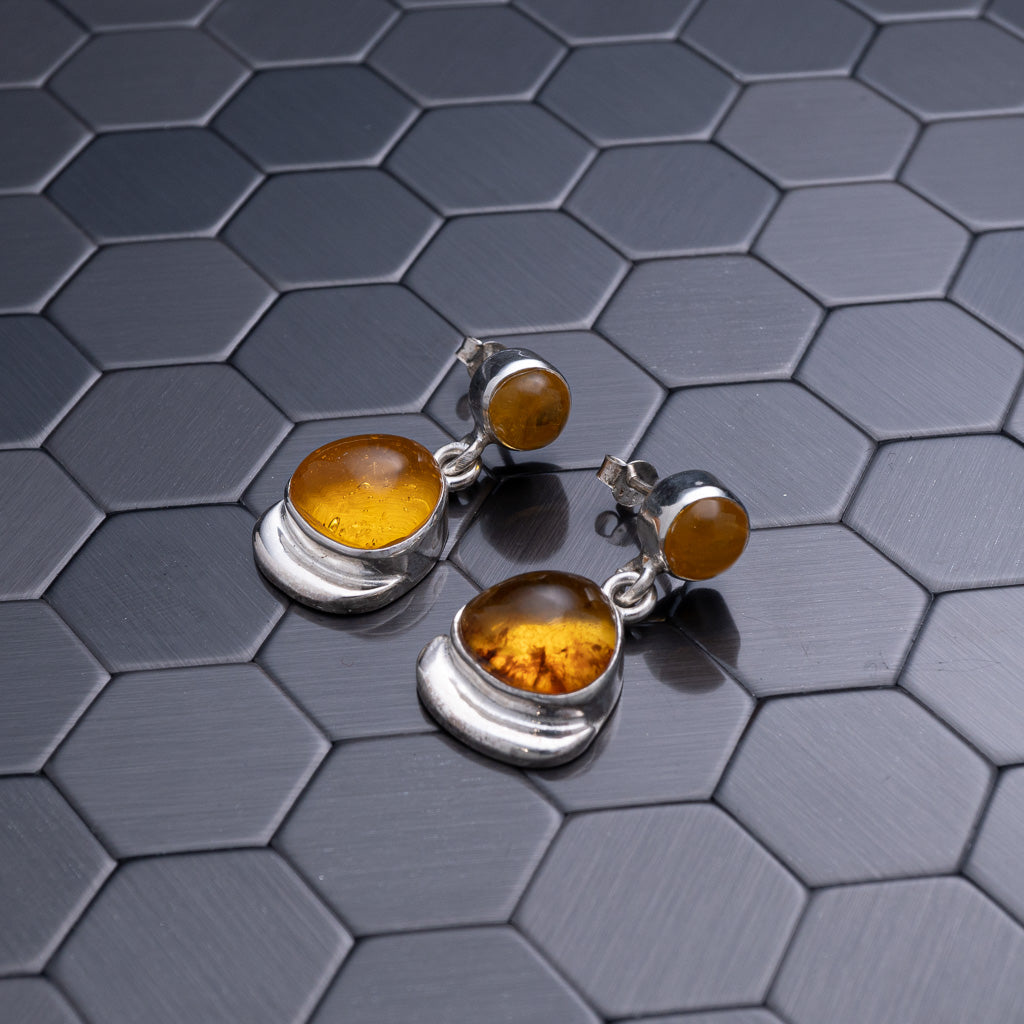


100% Handcrafted in DR.

Sterling silver has captivated jewelry enthusiasts for centuries, combining precious metal beauty with everyday durability. When you see "925" stamped on a silver piece, you're looking at a quality benchmark that has defined fine jewelry since the 1300s. This hallmark represents more than just a number-it's a promise of authenticity, a guarantee of composition, and a testament to craftsmanship that continues to set the standard in 2026. Whether you're purchasing larimar pendants with sterling silver settings or exploring other fine jewelry options, understanding what makes 925 sterling silver jewerly exceptional will help you make informed decisions that last a lifetime.
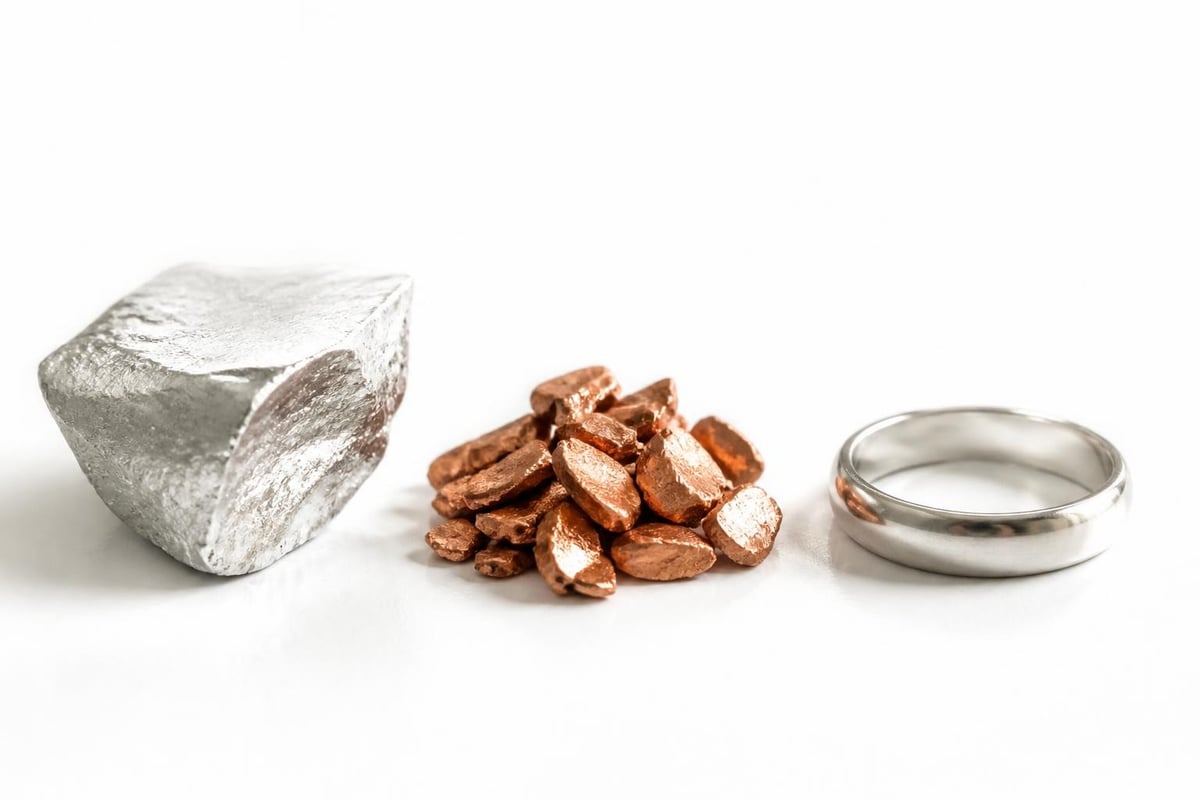
The "925" marking indicates that your jewelry contains 92.5% pure silver and 7.5% other metals, typically copper. This precise composition exists for compelling reasons that balance beauty with practicality.
Pure silver, while stunning, is remarkably soft. A ring made from 100% silver would bend during normal wear, lose its shape within weeks, and fail to hold gemstones securely. The addition of copper and other alloy metals transforms this delicate precious metal into a workable material that craftspeople can shape, polish, and set with stones.
When silversmiths discovered this optimal ratio centuries ago, they found the sweet spot between durability and silver content. The 92.5% pure silver standard creates jewelry that:
The remaining 7.5% usually consists of copper, which strengthens the metal matrix without dramatically altering its color. Some manufacturers experiment with other alloy combinations, adding zinc or nickel, but copper remains the traditional choice for authentic 925 sterling silver jewerly.
With the jewelry market flooded with imitations, knowing how to verify authenticity protects your investment. Several reliable methods exist for confirming whether your piece contains genuine sterling silver.
Legitimate manufacturers stamp their sterling silver pieces with identifying marks. Look for these common hallmarks:
| Marking | Meaning | Region |
|---|---|---|
| 925 | 92.5% silver content | International |
| Sterling | Sterling silver standard | United States |
| .925 | Alternative notation | Various |
| Sterling 925 | Combined marking | International |
The 925 stamp location varies by jewelry type. Rings typically feature markings on the interior band, while pendants and bracelets may have stamps on clasps or less visible surfaces.
Beyond visual inspection, several tests confirm sterling silver authenticity. The magnet test provides quick initial screening-genuine silver exhibits no magnetic attraction. If your piece sticks to a magnet, it contains significant ferrous metal content and isn't authentic 925 sterling silver jewerly.
The ice test leverages silver's exceptional thermal conductivity. Place an ice cube on your jewelry-real sterling silver conducts heat so efficiently that the ice begins melting almost immediately. This method works particularly well for larger pieces like bracelets or substantial pendants.
For valuable pieces, professional testing offers absolute certainty. Jewelers use authentication methods including acid testing, X-ray fluorescence, and electronic testing devices that analyze metal composition without damaging the piece.
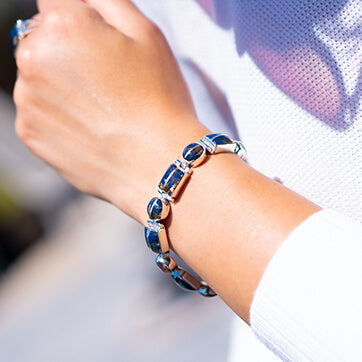
When purchasing fine jewelry from specialized craftspeople who work with rare gemstones, such as those creating Larimar jewelry pieces, verifying the sterling silver quality ensures your entire investment-gemstone and setting-meets professional standards.
Sterling silver develops a natural patina over time, a characteristic that some collectors appreciate. However, maintaining the bright, polished appearance most people prefer requires understanding proper care techniques.
Your 925 sterling silver jewerly benefits from regular wear. The natural oils in your skin help prevent tarnish formation, keeping pieces lustrous with minimal effort. However, certain substances accelerate tarnishing:
Remove sterling silver jewelry before swimming, showering, or applying cosmetics. This simple habit prevents most damage and extends the time between cleaning sessions.
Air exposure causes sterling silver to tarnish through oxidation. Minimize this process by storing pieces correctly:
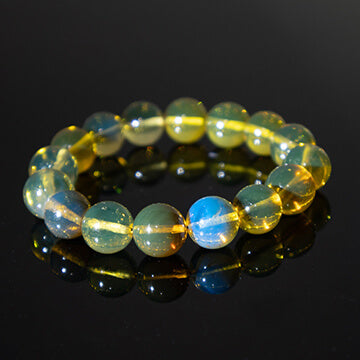
For collectors building extensive jewelry collections, including pieces from specialty sources like Blissbury's gemstone bracelets, proper storage becomes increasingly important as your collection grows.
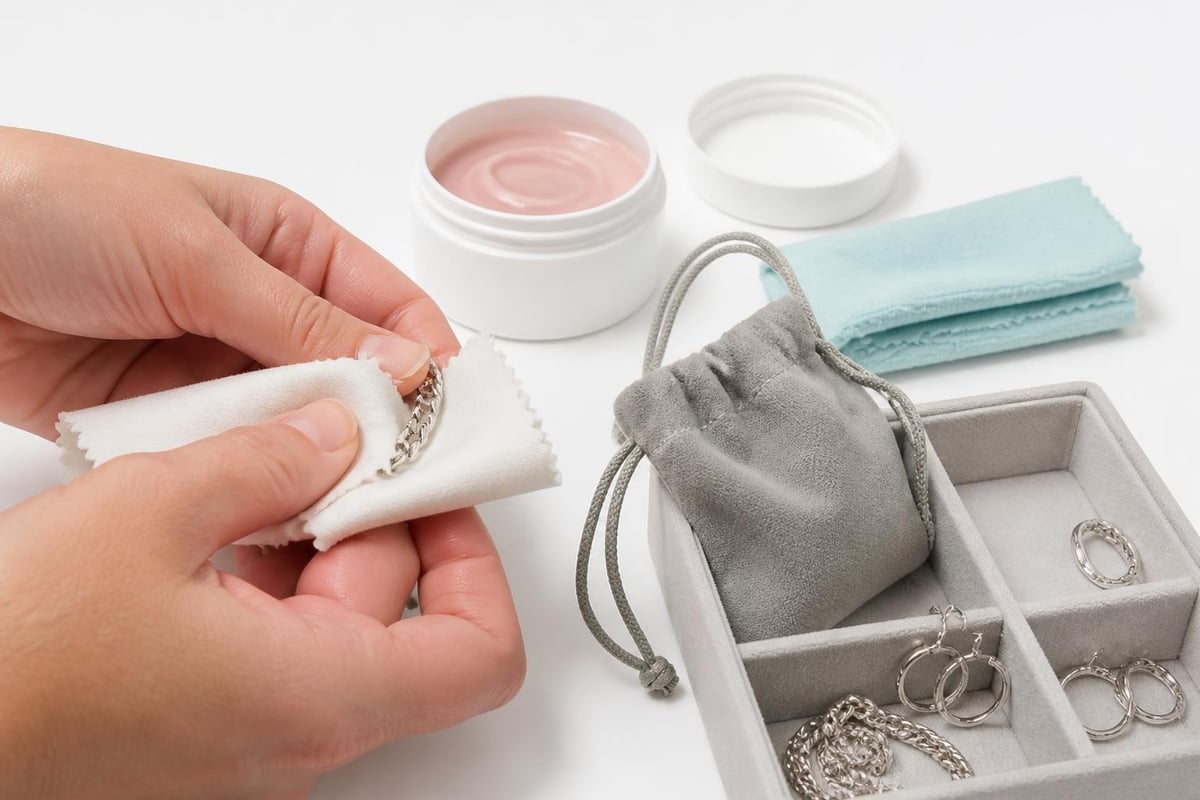
Regular cleaning restores brilliance without professional intervention. Several home methods work effectively for 925 sterling silver jewerly.
For routine maintenance, microfiber cloths specifically designed for silver provide sufficient cleaning. Wipe pieces after wearing to remove skin oils, dust, and minor tarnish. This preventive approach reduces the need for intensive cleaning.
Warm water mixed with mild dish soap creates a safe cleaning solution for moderately tarnished pieces. Soak jewelry for 5-10 minutes, then gently scrub with a soft toothbrush, paying attention to crevices and textured areas. Rinse thoroughly and dry completely before storage.
| Method | Best For | Caution Level |
|---|---|---|
| Baking soda paste | Heavy tarnish | Safe for most pieces |
| Commercial polish | Routine maintenance | Follow manufacturer directions |
| Ultrasonic cleaner | Complex designs | Avoid for gemstone-set jewelry |
| Professional cleaning | Valuable pieces | Recommended annually |
The baking soda method works remarkably well for heavily tarnished pieces. Create a paste using three parts baking soda to one part water, apply with a soft cloth, and rinse thoroughly. This gentle abrasive removes tarnish without scratching the metal surface.
Avoid ultrasonic cleaners for jewelry set with porous gemstones or pieces featuring delicate components. The vibrations can loosen settings or damage softer stones. When working with specialized gemstones, understanding their specific care requirements ensures both the sterling silver and the stone maintain optimal condition through the years.
Understanding what makes 925 sterling silver good quality extends beyond the basic composition. Craftsmanship, design complexity, and gemstone integration all contribute to overall value.
Sterling silver's value reflects multiple components. The base metal price fluctuates with global silver markets, affecting both new purchases and resale values. However, finished jewelry prices incorporate additional factors:
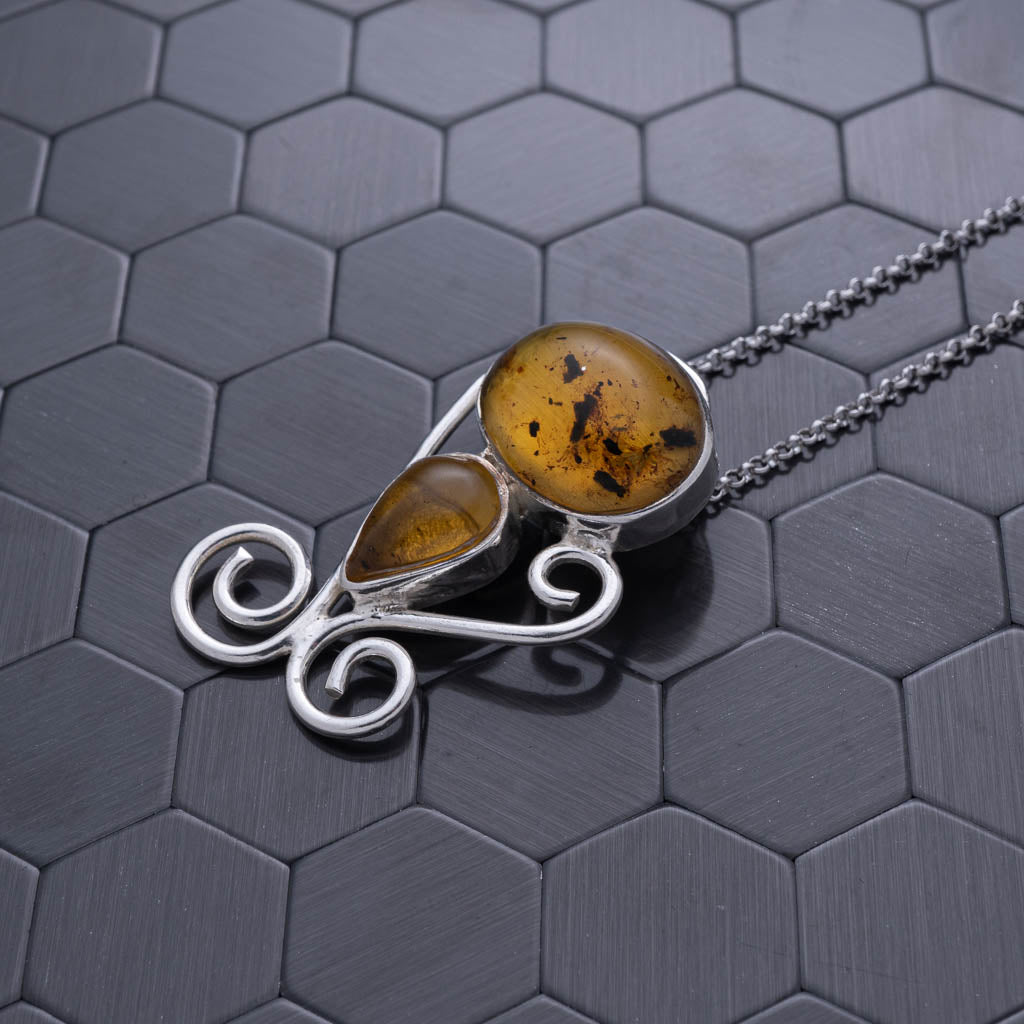
Handcrafted pieces from specialized artisans typically command premium prices compared to mass-produced alternatives. The additional cost reflects superior craftsmanship, unique designs, and often better long-term durability. When evaluating sterling silver pendant necklaces, examining the construction quality reveals whether the price reflects genuine value.
Sterling silver offers unique advantages in the jewelry metal spectrum. It costs significantly less than gold or platinum while maintaining precious metal status. The bright, cool tone complements virtually all gemstone colors, making it particularly popular for showcasing vibrant stones.
Price Comparison (approximate 2026 values):
The affordability of 925 sterling silver jewerly allows collectors to build extensive collections without prohibitive investment. This accessibility has made sterling silver the preferred choice for artisans working with rare gemstones, where customers want to invest primarily in the stone rather than the metal.
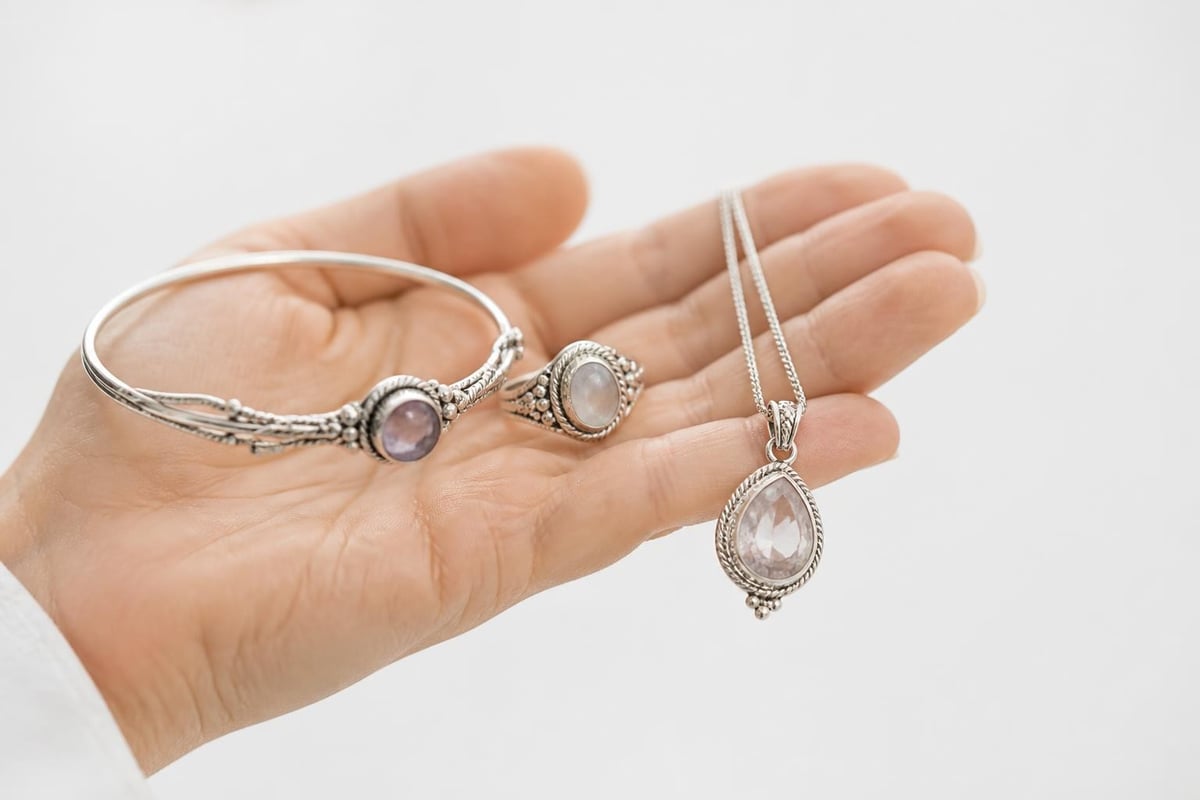
Contemporary jewelry designers continue choosing sterling silver for its exceptional workability. The metal accepts fine detail, supports various finishing techniques, and complements modern aesthetics while honoring traditional craftsmanship.
Surface treatments transform sterling silver's appearance dramatically. Polished finishes create mirror-like brilliance that maximizes light reflection. Brushed or matte finishes offer subtle elegance that resists showing fingerprints and minor scratches. Oxidized or antiqued treatments create deliberate darkening in recessed areas, enhancing dimensional details and creating vintage-inspired aesthetics.
These finishing options allow designers to create pieces ranging from contemporary minimalism to ornate traditional styles. The men's sterling silver jewelry market particularly benefits from this versatility, offering everything from sleek modern designs to rugged textured pieces.
Sterling silver's strength supports various setting styles. Prong settings secure stones while maximizing light exposure, bezel settings protect softer stones with encircling metal bands, and channel settings create continuous gemstone lines in contemporary designs.
For rare gemstones requiring careful handling and showcase settings, sterling silver provides the structural integrity needed without overwhelming the stone's beauty. Artisans creating pieces with distinctive gemstones appreciate how the metal's neutral tone enhances rather than competes with colorful stones.
Making informed purchases requires understanding quality indicators beyond the 925 stamp. Several factors separate exceptional pieces from mediocre alternatives.
Examine the following elements when evaluating potential purchases:
The comprehensive buying guide approach emphasizes checking these quality markers before purchase. Online purchases require trusting the seller's reputation and return policies, making vendor selection particularly important.
Purchase 925 sterling silver jewerly from established sources with clear quality guarantees. Look for:
Specialized jewelers focusing on particular gemstones or styles typically offer superior quality compared to mass-market retailers. Their expertise extends to properly pairing metals with stones, understanding gemstone properties, and creating pieces built to last decades rather than seasons.
Many people seeking nickel-free jewelry options turn to sterling silver as a safe alternative. While 925 sterling silver jewerly contains minimal nickel in most formulations, understanding the alloy composition helps those with metal sensitivities make appropriate choices.
Nickel causes the majority of metal allergies, creating irritation, redness, and discomfort where jewelry contacts skin. Traditional sterling silver uses copper as the primary alloy metal, making it naturally low in nickel. However, some manufacturers include small nickel amounts in their alloy mix.
Alloy Comparison for Sensitive Skin:
| Metal Type | Nickel Content | Sensitivity Risk |
|---|---|---|
| Traditional 925 sterling (copper alloy) | Minimal to none | Very low |
| Alternative 925 alloys | May contain trace amounts | Low to moderate |
| Surgical steel | Contains nickel | High |
| Pure silver (fine silver) | None | None |
For individuals with severe nickel sensitivities, requesting confirmation of the specific alloy composition ensures compatibility. Reputable jewelers provide this information readily and may offer nickel-free guarantee certifications.
If you're uncertain about your silver tolerance, conduct a simple patch test. Wear a small sterling silver piece on a less visible area for 24-48 hours. Any reaction indicates potential sensitivity requiring alternative metals or guaranteed nickel-free sterling formulations.
Conscious consumers increasingly consider the environmental impact and ethical sourcing of their jewelry purchases. Sterling silver production and recycling present both challenges and opportunities in sustainable jewelry practices.
Silver mining occurs globally, with varying environmental standards depending on location and mining operation scale. Responsible miners implement practices minimizing environmental disruption, including land rehabilitation, water conservation, and emissions reduction.
Recycled sterling silver offers an environmentally preferable alternative to newly mined metal. The recycling process requires significantly less energy than primary production while yielding identical quality material. Many contemporary jewelers now offer recycled sterling silver options, allowing customers to reduce their environmental footprint without compromising on quality or appearance.
Transparency in metal sourcing has improved dramatically in recent years. Responsible jewelers can trace their sterling silver supply chains, verifying ethical labor practices and environmental compliance. Certifications from organizations monitoring mining practices provide additional assurance for socially conscious buyers.
When purchasing 925 sterling silver jewerly, asking about sourcing practices demonstrates your values while encouraging industry-wide improvements. Jewelers committed to ethical practices typically highlight this information prominently, recognizing that today's consumers value sustainability alongside aesthetics.
The neutral, brilliant quality of sterling silver makes it an ideal complement for virtually all gemstone colors and types. Understanding which pairings create the most striking effects helps in selecting pieces that maximize visual impact.
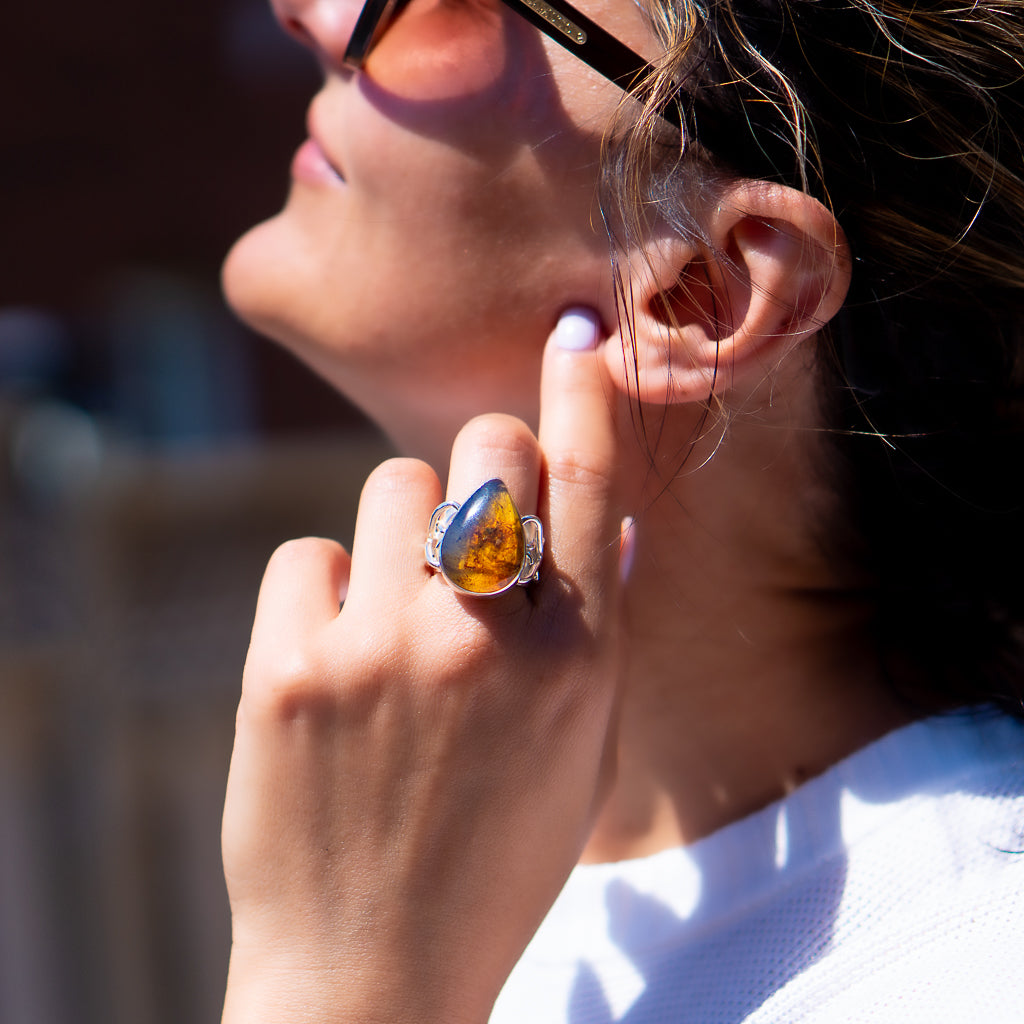
Silver's cool tone enhances blue, purple, and green gemstones particularly effectively. The metal creates stunning contrast with warm-toned stones like amber, garnet, and citrine. This versatility explains why artisans working with rare gemstones frequently choose sterling silver settings.
Blue stones paired with sterling silver create harmonious, calming combinations. The cool tones complement each other naturally, enhancing the gemstone's color saturation while the silver provides brilliant contrast. When examining options for unique gemstones, considering how the sterling silver setting will enhance or balance the stone's natural color ensures maximum visual appeal.
Harder gemstones like sapphires and diamonds withstand prong settings that maximize light exposure. Softer stones benefit from protective bezel settings that shield edges from impact. Understanding these technical considerations helps in selecting pieces that will maintain their beauty through years of wear.
Porous gemstones require particular care in both setting and cleaning. The sterling silver can be cleaned aggressively, but the stone may require gentler treatment. This consideration becomes important for pieces combining multiple materials, where each component has different care requirements.
Sterling silver's enduring popularity reflects its perfect balance of beauty, durability, and value. Understanding the 925 standard, recognizing quality indicators, and implementing proper care ensures your sterling silver jewelry remains brilliant for generations. When you're ready to invest in authentic, handcrafted jewelry that pairs museum-quality gemstones with premium sterling silver settings, explore the exceptional collection at Larimar Creations, where rare Dominican gemstones meet traditional silversmithing craftsmanship in pieces designed to become treasured heirlooms.