
by Admin August 05, 2026 6 min read

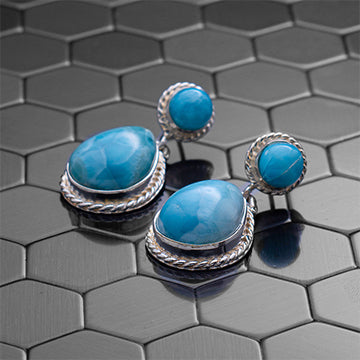
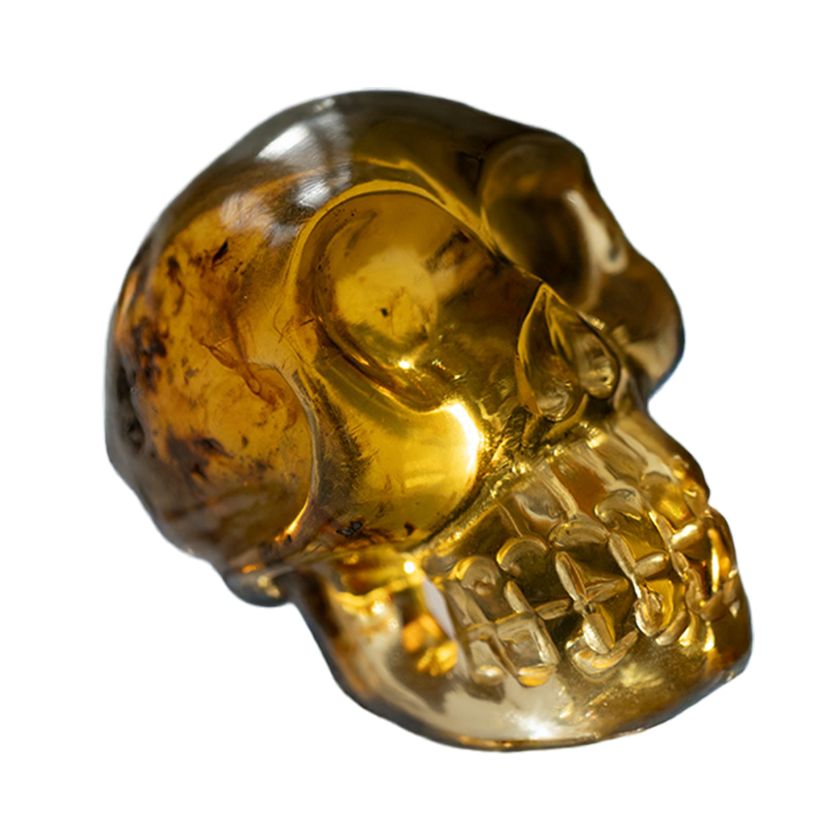
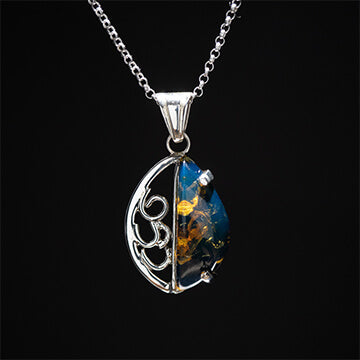
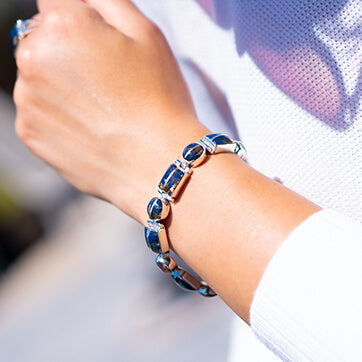
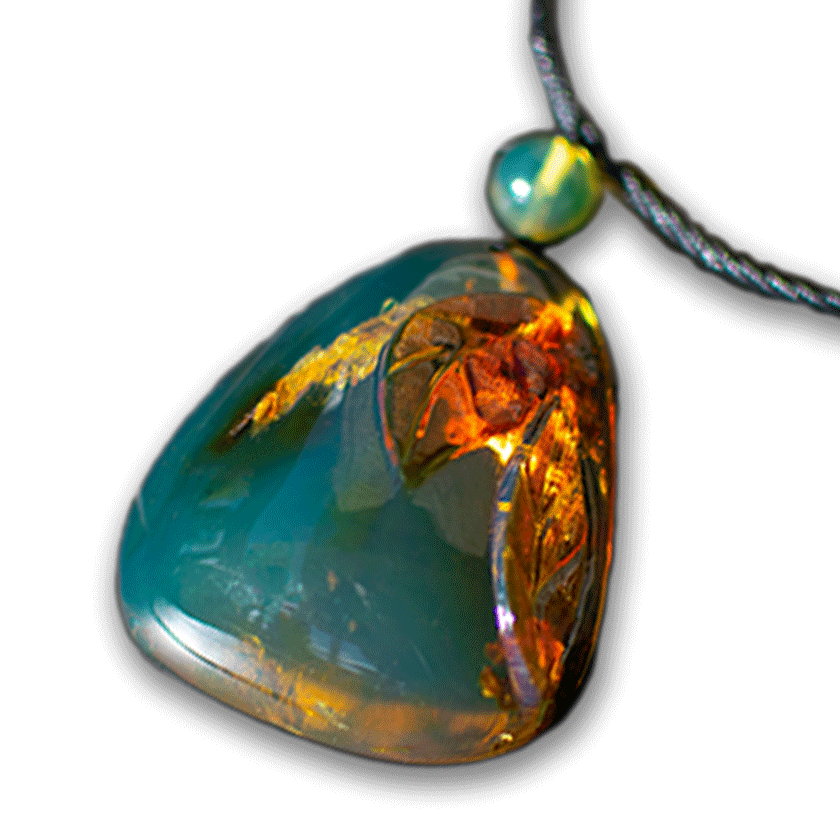
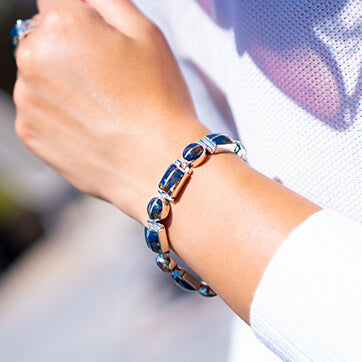
A Larimar pendant can hold the soft blue of Caribbean water, while Dominican Blue Amber can flash with an otherworldly glow under the right light. Those details are not incidental. When considering artisan jewelry versus mass produced pieces, the real difference is often found in the stone itself, the hand that sets it, and the story the finished piece is able to carry.

For buyers who want more than a passing trend, jewelry is not simply decoration. It can mark a milestone, honor a loved one, or create a lasting connection to a place. The right choice depends on your priorities: immediate convenience and uniformity, or rarity, natural character, and personal craftsmanship.

Artisan Jewelry Versus Mass Produced: The Core Difference

Mass-produced jewelry is designed for repeatability. A factory follows a standardized model to create large quantities of nearly identical rings, earrings, and pendants. This approach can make a style widely available and keep pricing accessible, particularly for fashion pieces intended to be worn for a season or an occasion.

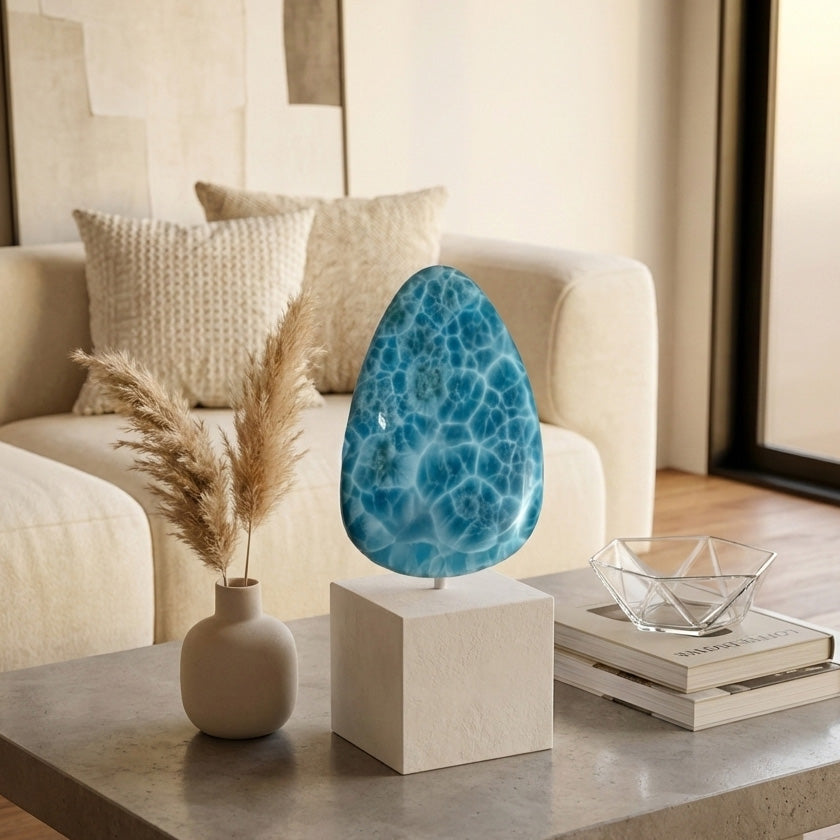
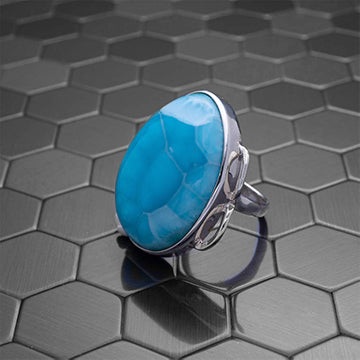
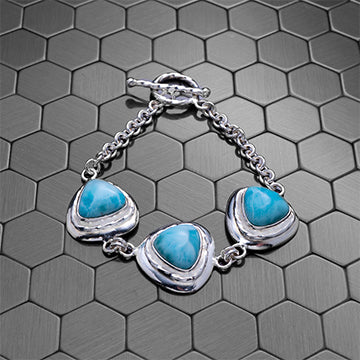
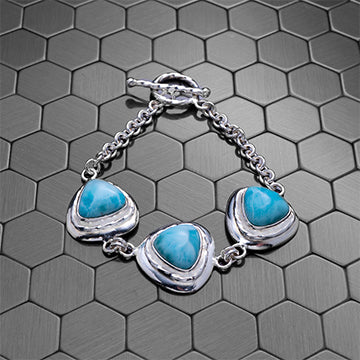
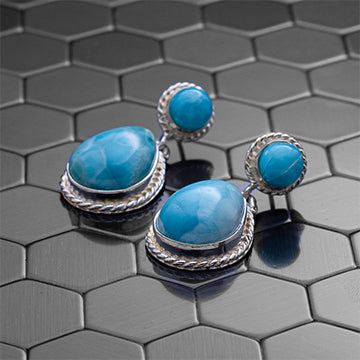
Artisan jewelry begins from a different point of view. A maker selects materials, considers proportion and color, and crafts or finishes the piece with attention to its individual components. Even when a design is revisited, natural gemstones ensure that no two pieces are perfectly alike. One Larimar cabochon may resemble quiet blue water, while another carries white, cloudlike patterns or deeper ocean tones.

Neither approach is automatically right for every purchase. If you need matching accessories for a wedding party or prefer a highly consistent look, mass production can be practical. But if you are searching for a meaningful gift, a collector-quality gemstone, or a signature piece with visible individuality, artisan work offers something a production line cannot replicate.

Natural Gemstones Are Never Truly Identical

The most compelling distinction appears when jewelry features rare, natural stones. A machine can reproduce a setting, but it cannot reproduce the geological history inside an authentic gemstone.

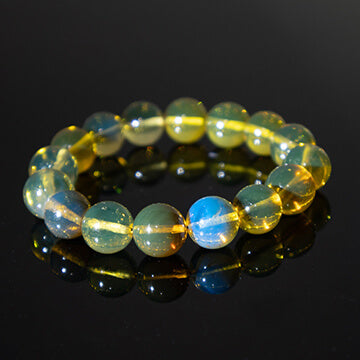
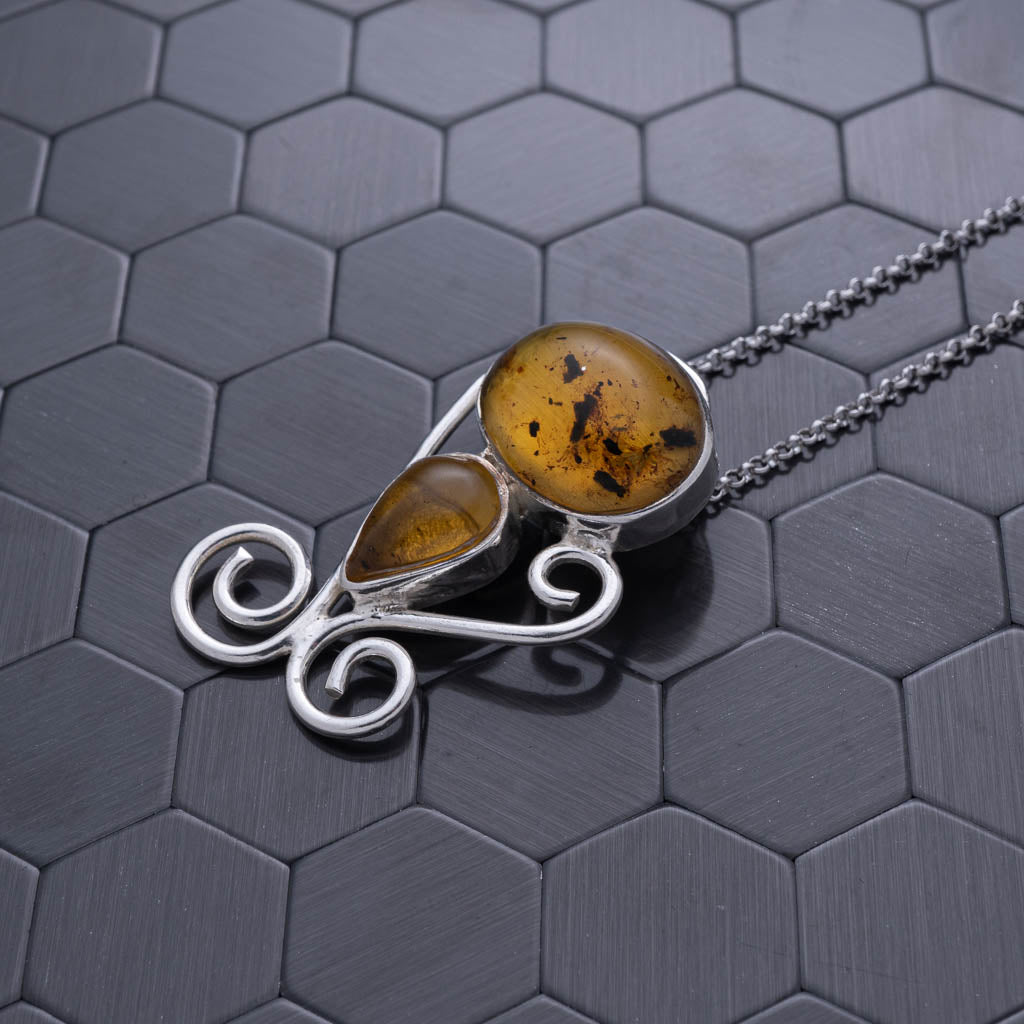
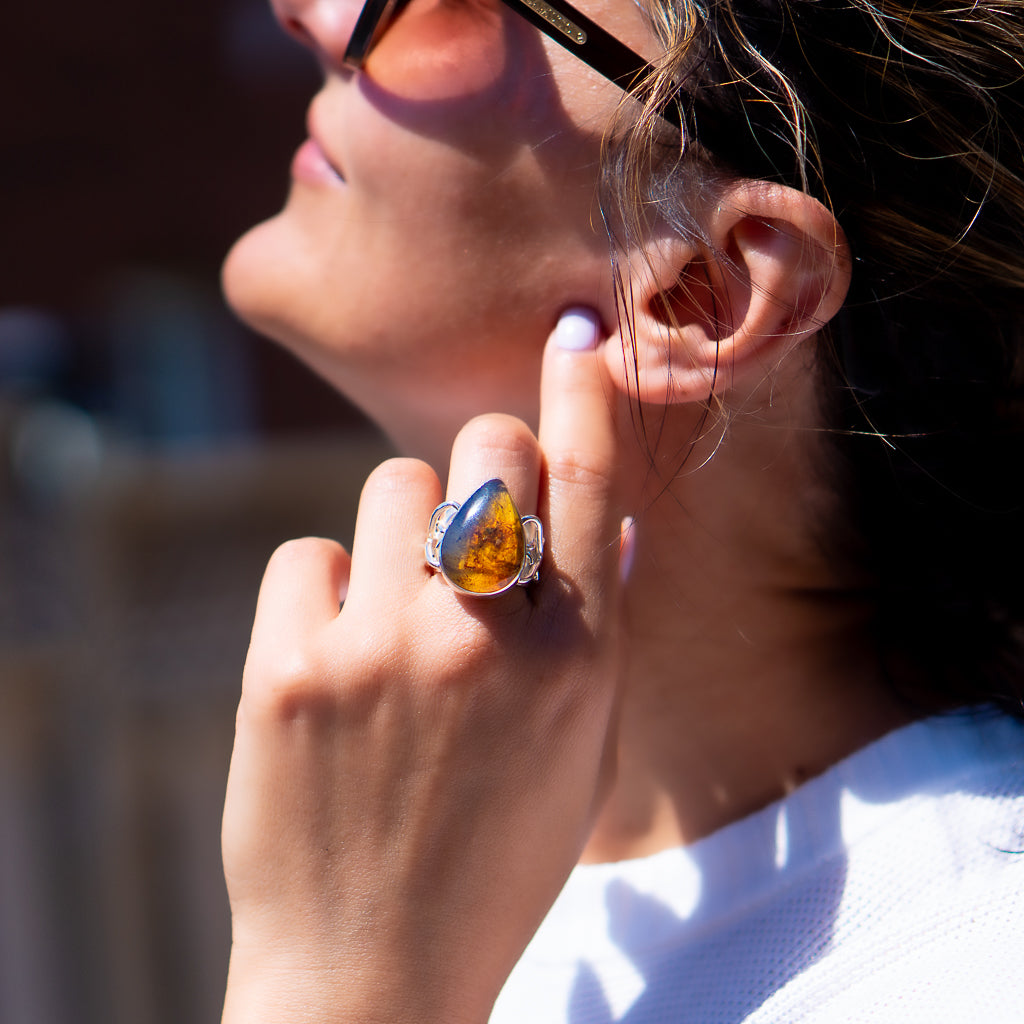
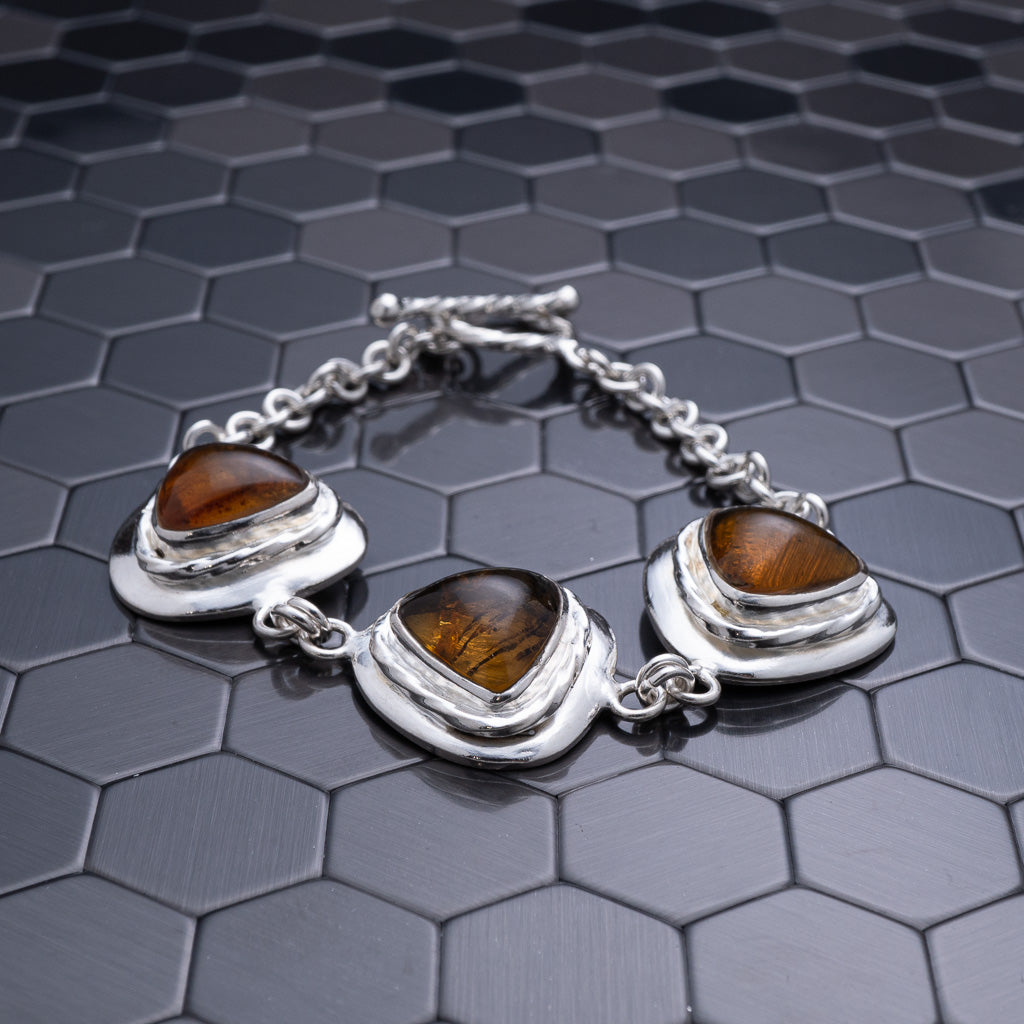
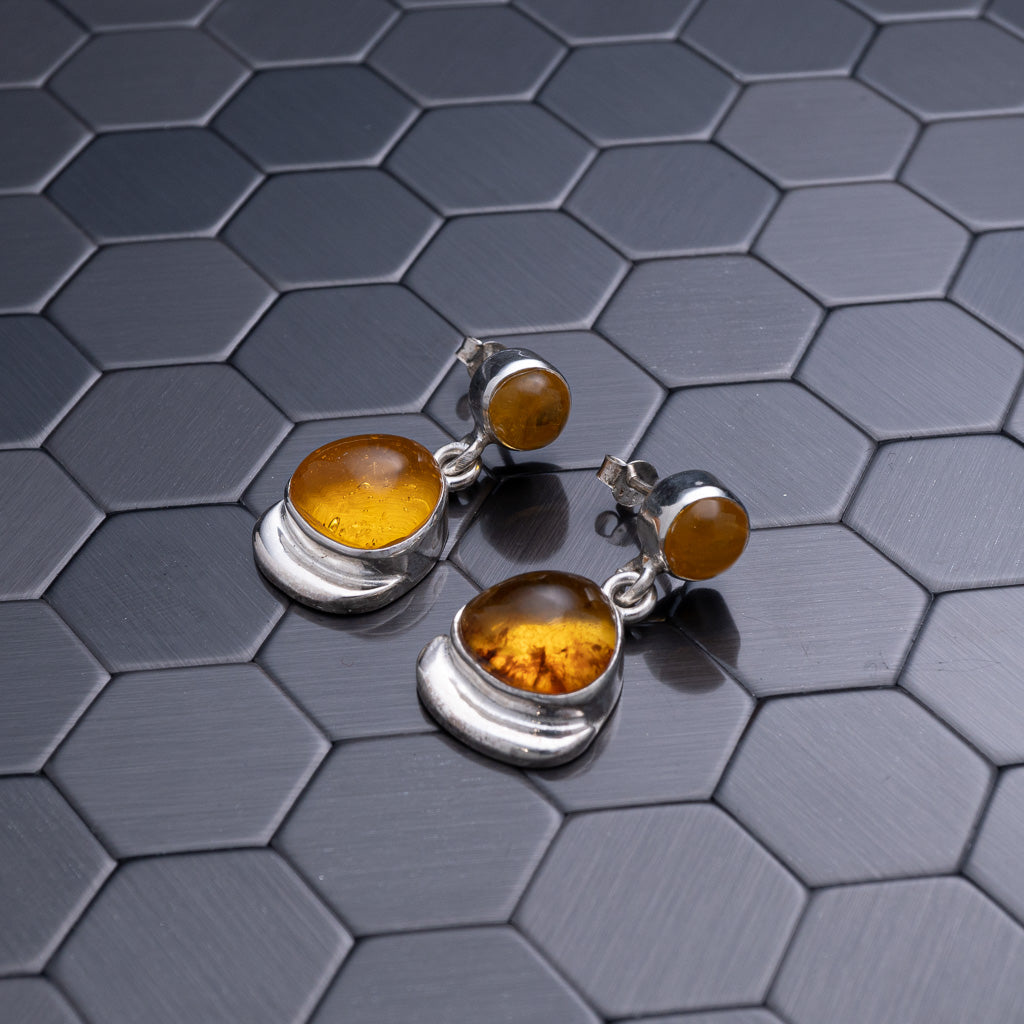
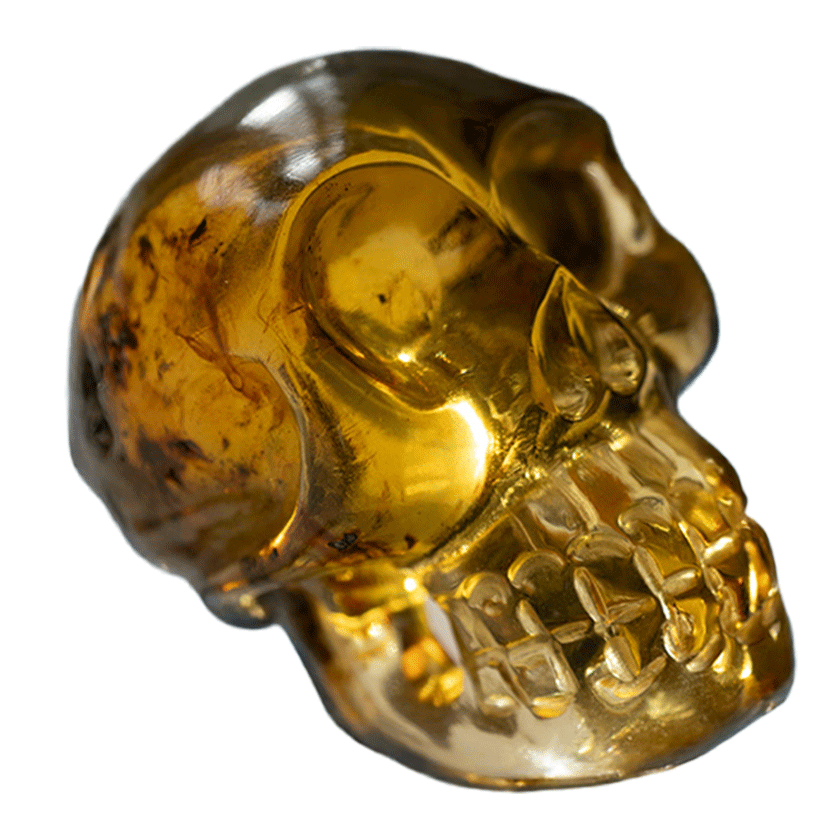
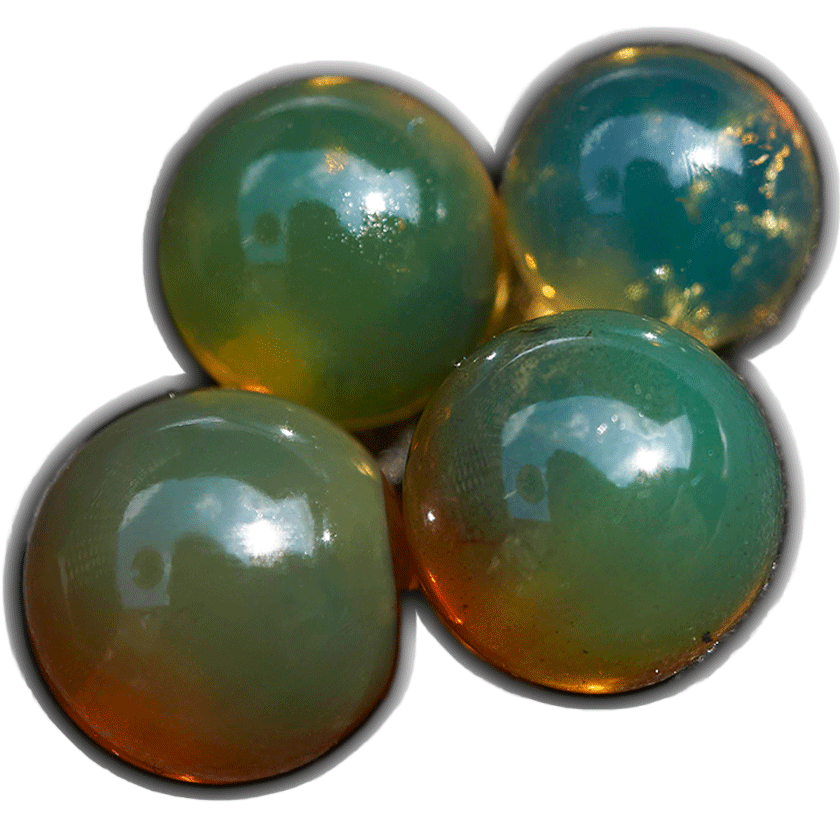
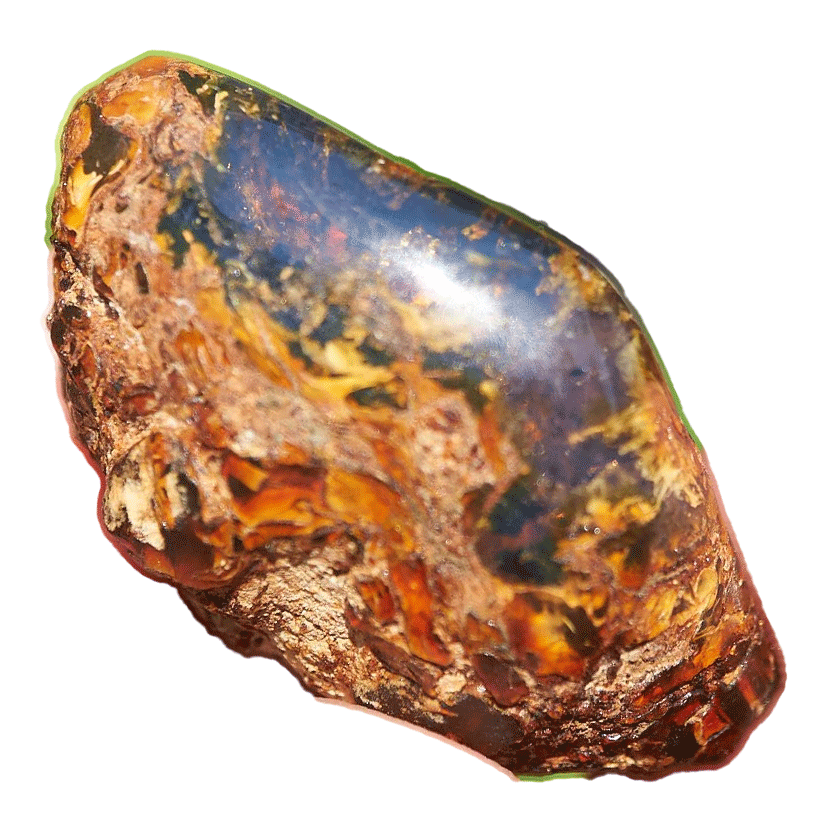
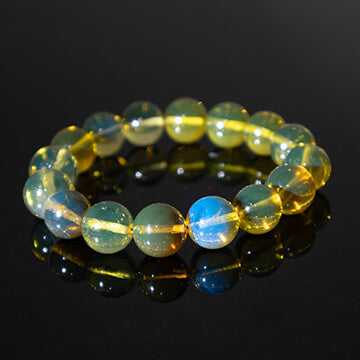
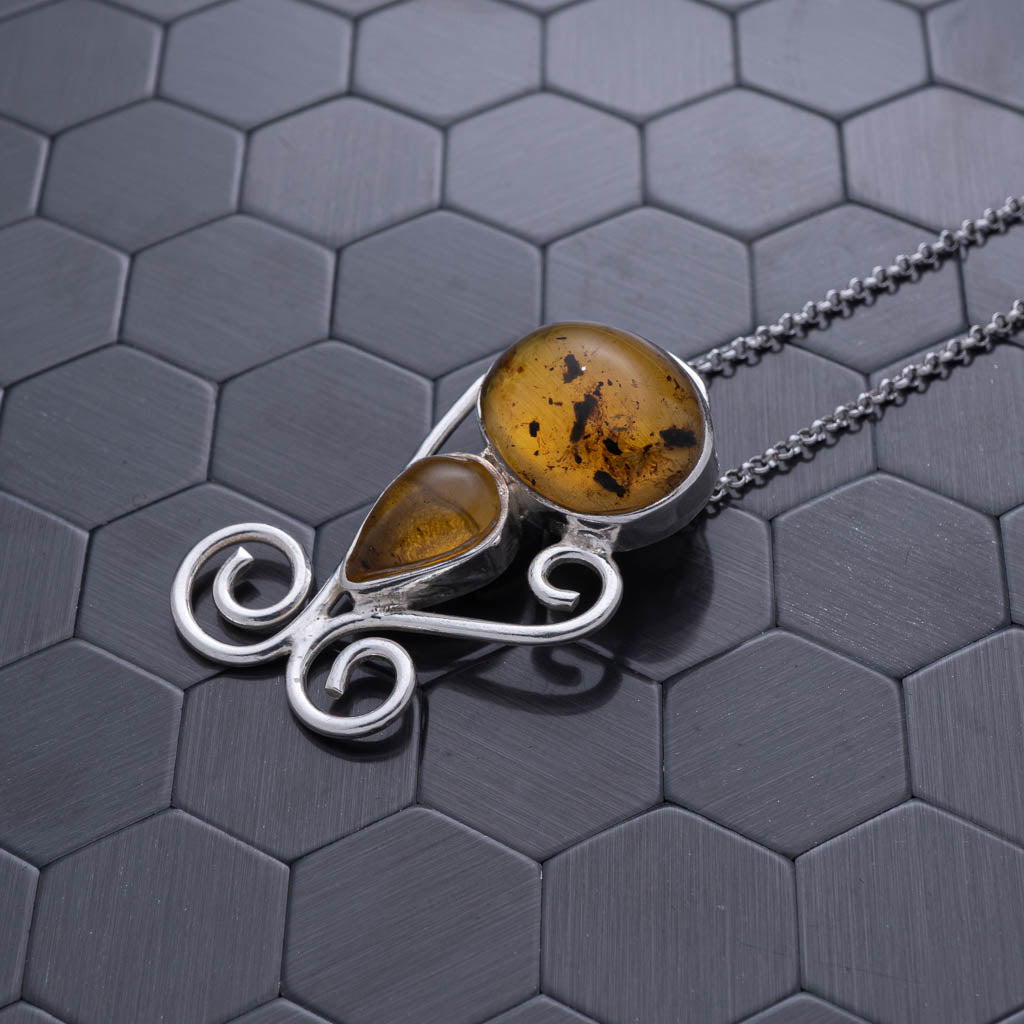
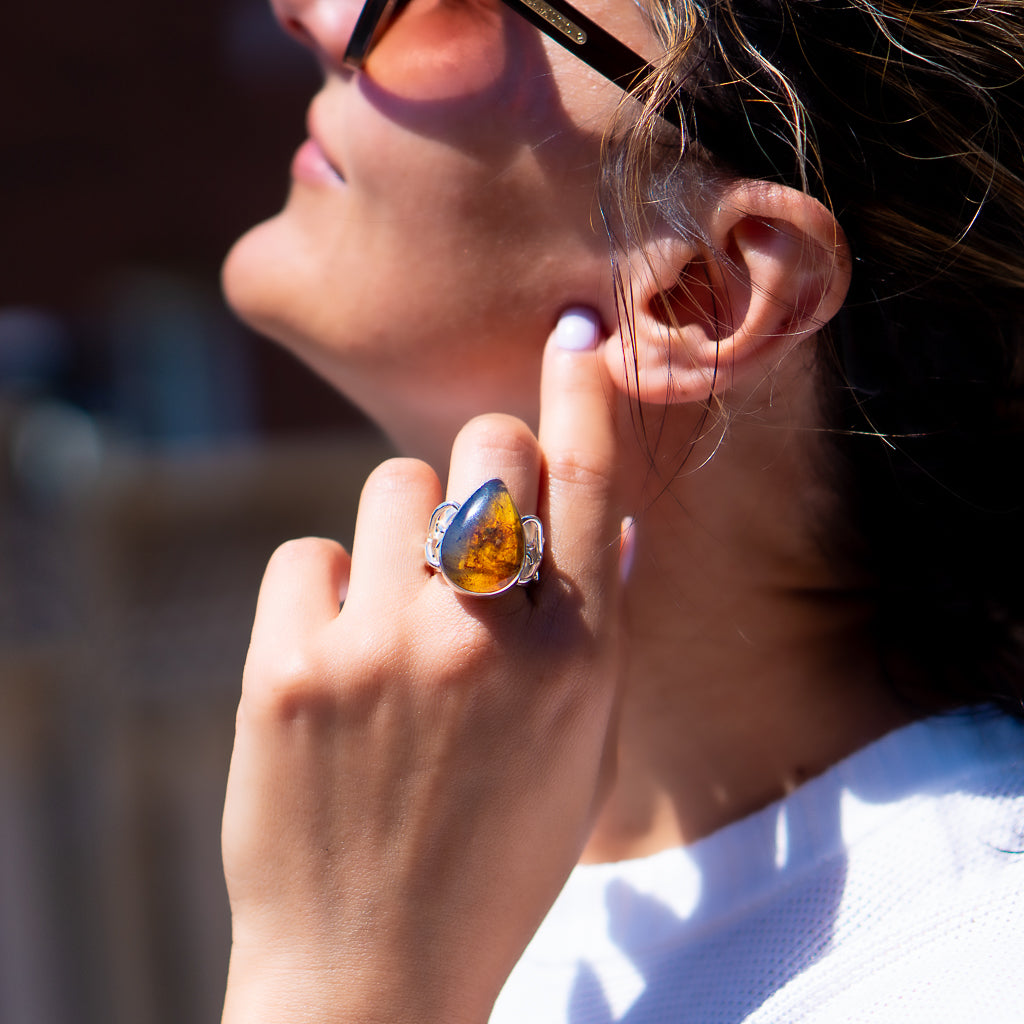
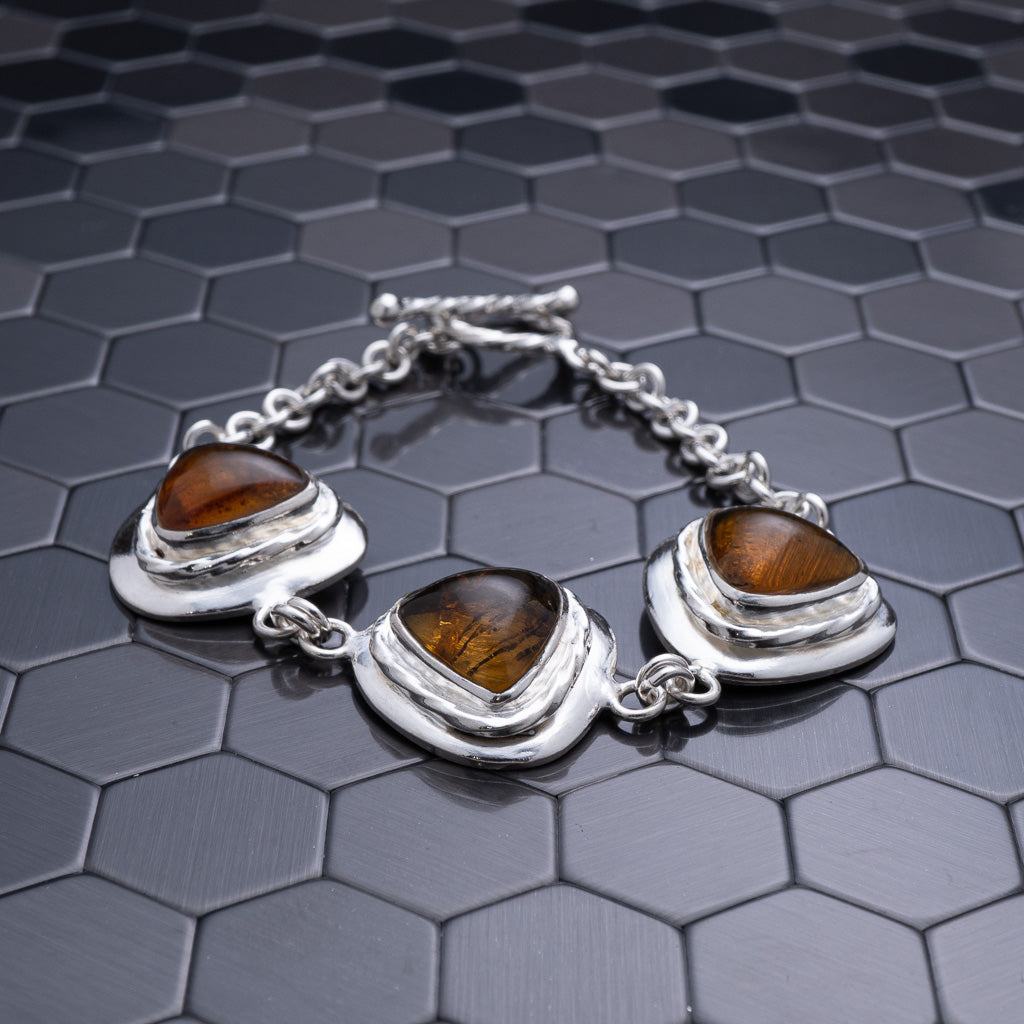
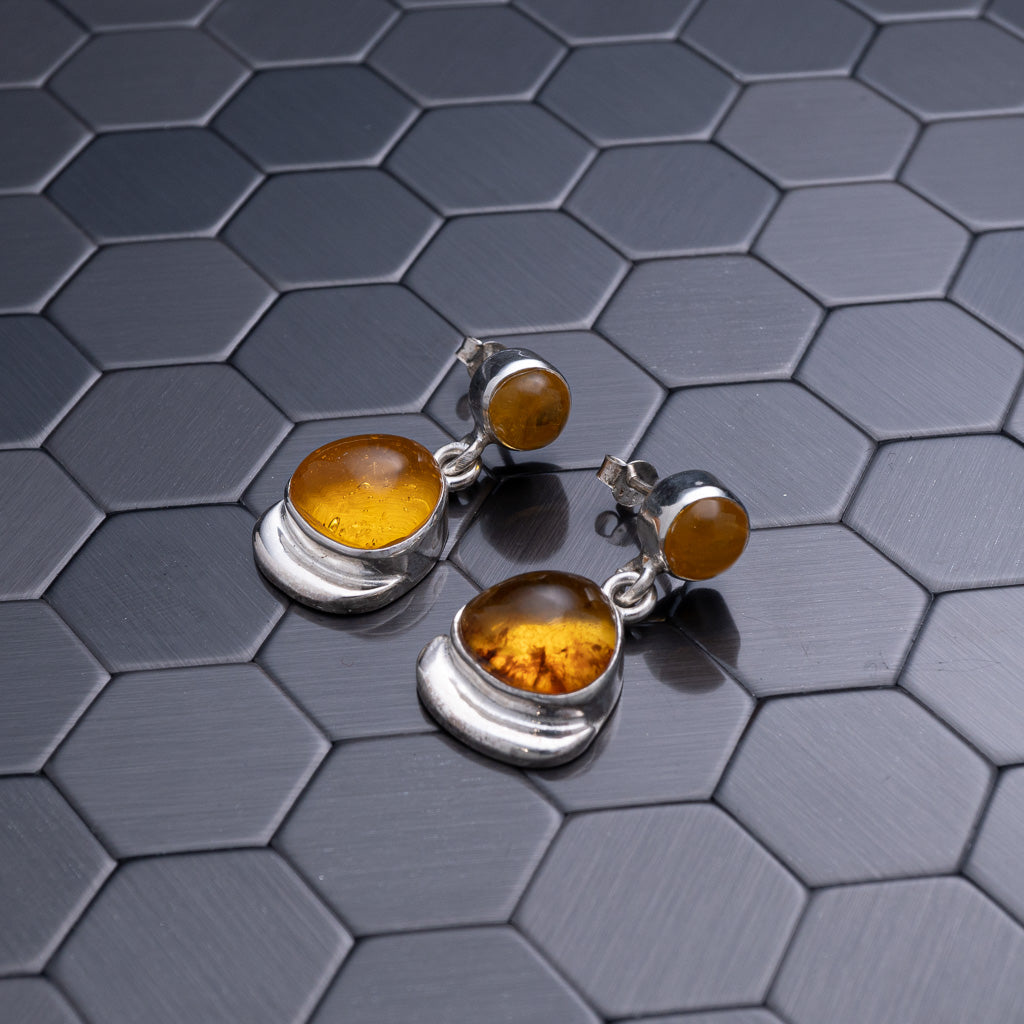
Larimar is found only in the Dominican Republic, and its color ranges from pale sky blue to rich, saturated blue with distinctive white marbling. Dominican amber is equally expressive. Its warm honey, cognac, green, and rare blue varieties reveal a natural world preserved over immense time. In some pieces, inclusions offer an extraordinary glimpse of ancient plant life or small creatures held within the resin.

Mass-market jewelry frequently relies on calibrated stones selected to look as uniform as possible. There is value in that consistency, but it may also mean the visual character of the stone has been minimized. Artisan jewelers often work with the individual gem rather than forcing it into a generic standard. A slightly asymmetrical cabochon, an unusual amber inclusion, or a shifting wash of blue can become the feature that makes a piece unforgettable.

For this reason, a buyer should look beyond a general label such as “blue stone” or “amber jewelry.” Ask whether the gemstone is natural, whether its origin is clearly identified, and whether any treatments or enhancements have been disclosed. Authenticity is part of beauty, especially when the material itself is rare.

Origin Adds Meaning, Not Just Marketing

A gemstone’s source can shape its value, appearance, and emotional resonance. Larimar’s connection to the Dominican Republic is inseparable from its appeal. Wearing it is a way to wear a piece of the Caribbean - serene, luminous, and shaped by a landscape found nowhere else.

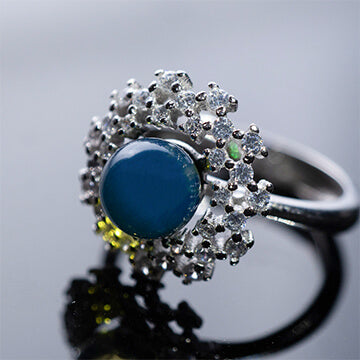
Dominican amber has its own distinction. It is prized by collectors for its clarity, color range, and exceptional inclusions. Dominican Blue Amber, in particular, is admired for its remarkable fluorescence and its rare blue appearance under certain lighting conditions. A handcrafted setting that respects this stone’s character allows that rarity to remain at the center of the design.

Craftsmanship You Can See and Feel

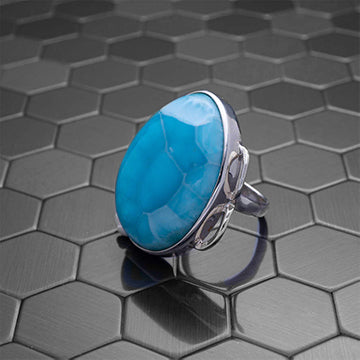
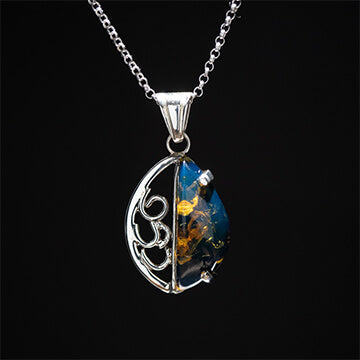
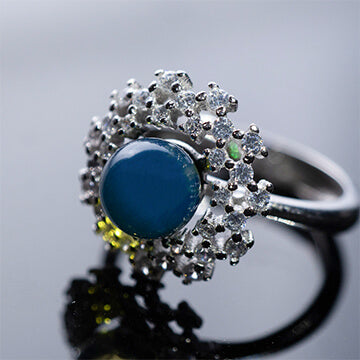
Fine artisan jewelry often reveals its quality in quiet details. The bezel follows the curve of the stone cleanly. Prongs sit securely without overwhelming the gem. A pendant hangs with balance. A ring feels comfortable across the finger, with carefully finished edges and a setting built for regular wear.

These choices matter because natural stones are not interchangeable factory components. An artisan may alter a bezel by a fraction, adjust the placement of a bail, or choose a particular stone orientation to bring out a flash of color. The finished piece reflects thoughtful decisions instead of a one-size-fits-all mold.

That said, “handmade” should not be treated as a guarantee by itself. Quality artisan jewelry requires both artistic sensitivity and technical skill. Examine the metalwork, the security of the setting, the clarity of gemstone information, and the seller’s willingness to stand behind the piece. A beautiful photograph is not a substitute for credible material details.

Mass-produced jewelry can also be well made, particularly from established fine-jewelry manufacturers. The trade-off is often less about whether a piece is wearable and more about what it expresses. A standard production setting is built to repeat. An artisan setting is often built to honor one particular gemstone.

Price, Value, and What You Are Really Buying

Price comparisons can be misleading when artisan jewelry and mass-produced jewelry appear similar at a glance. Two silver pendants may have the same general silhouette, yet differ greatly in stone origin, metal weight, setting quality, and the time invested in finishing them.

Mass production can reduce unit costs through volume. That makes it a sensible choice for trend-driven accessories or buyers with a strict budget. However, lower cost may come with plated metals, unidentified gemstones, synthetic materials, or construction that is difficult to repair over time.

Artisan jewelry may cost more because it includes skilled labor, carefully sourced materials, smaller production quantities, and unique gems. The higher price is not always about exclusivity for its own sake. It can reflect the difference between a generic stone and a certified Dominican gemstone selected for its color, clarity, and natural personality.

Value is personal. If a piece will become part of your daily wardrobe, commemorate an anniversary, or enter a gemstone collection, spending more on authenticity and craftsmanship can be deeply worthwhile. If you want an inexpensive accent for a single event, a mass-produced option may be the sensible answer.

How to Choose With Confidence

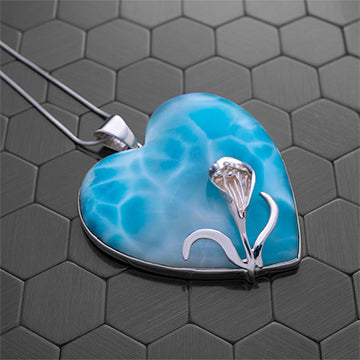
Start with the purpose of the piece. A gift for someone who loves the sea may call for a handcrafted Larimar heart pendant. A collector may be drawn to a Dominican Blue Amber cabochon with a remarkable inclusion. A simple pair of earrings for occasional wear may not require the same level of rarity or investment.

Then consider these practical questions in your evaluation:

  • Is the gemstone identified clearly, with its origin stated when origin is central to its value?
  • Does the piece show natural variation rather than an overly uniform, generic appearance?
  • Is the setting appropriate for the stone and the way you plan to wear it?
  • Are the metal, gemstone treatments, and care needs described honestly?
A trustworthy seller will make these answers easy to find. At Larimar Creations, the focus on authentic, certified Caribbean gemstones reflects a belief that buyers deserve to know what they are wearing, especially when choosing stones as distinctive as Larimar and Dominican amber.

Consider Wearability Alongside Beauty

An artisan piece should fit your life as well as your aesthetic. Larimar is beautiful but should be protected from hard impacts, harsh chemicals, and prolonged exposure to intense heat. Amber is lightweight and warm to the touch, yet it is softer than many traditional gemstones and benefits from gentle care.

Choose a setting that suits your habits. A low-profile ring may be better for everyday wear than a high-set statement design. A substantial bezel can offer reassuring protection for a pendant stone. Store gemstone jewelry separately, clean it with a soft cloth, and avoid ultrasonic cleaners unless the specific piece is confirmed safe for that method.

The goal is not to keep a meaningful piece hidden away. It is to wear it with the kind of care that lets it remain beautiful for years.

The Beauty of Choosing the Unrepeatable

Mass-produced jewelry offers familiarity. Artisan jewelry offers recognition: the feeling that the piece in your hand could not belong to just anyone. Its color variation, hand-finished setting, and natural gemstone character make it personal before it has even become part of your story.

Choose the piece that invites you to look closer. A true Caribbean gem, thoughtfully crafted and honestly represented, does more than complete an outfit. It gives you something rare to carry forward.


Let's Stay In Touch