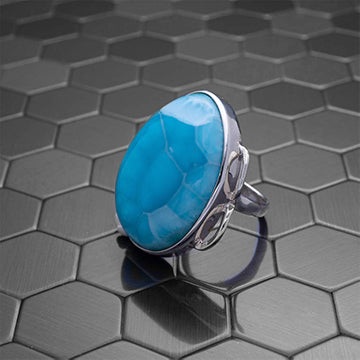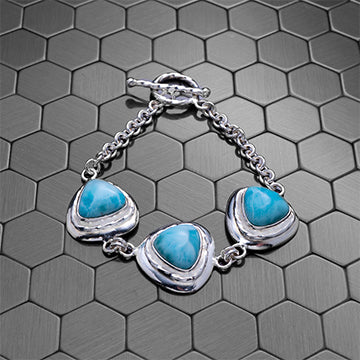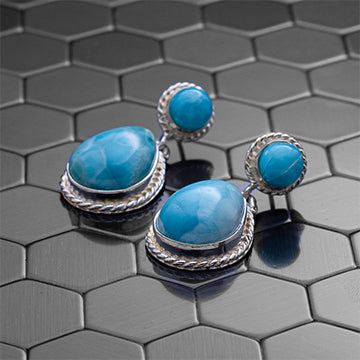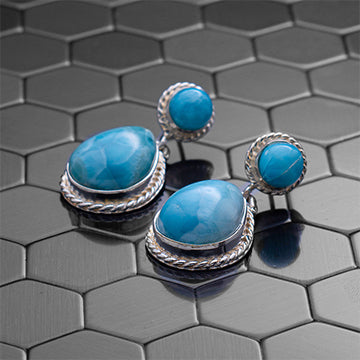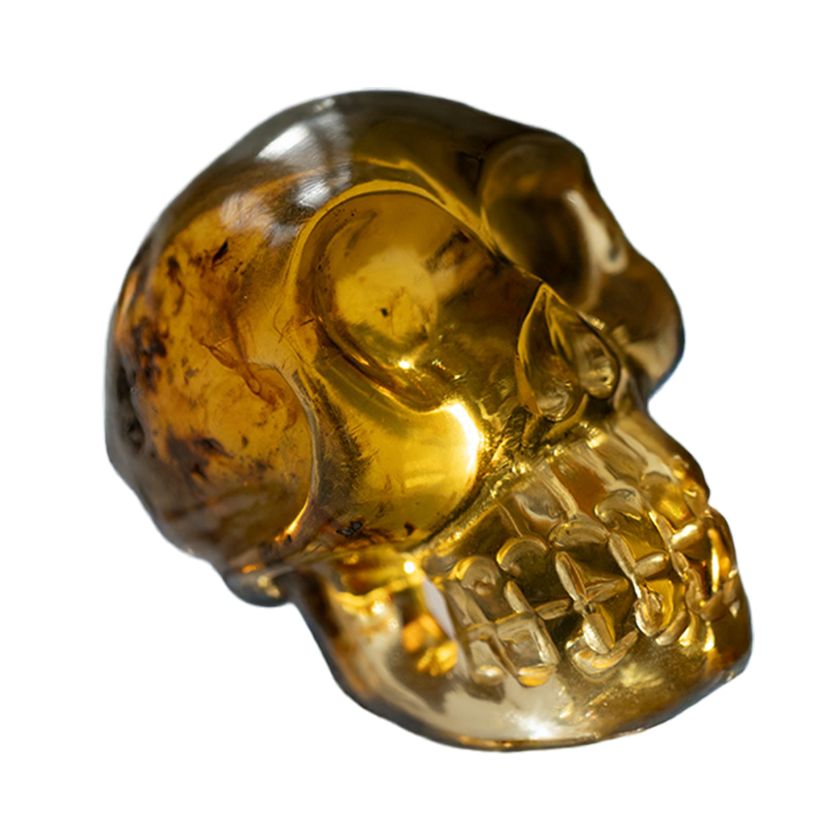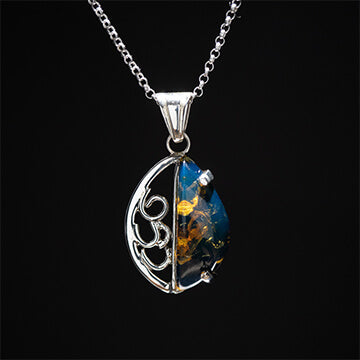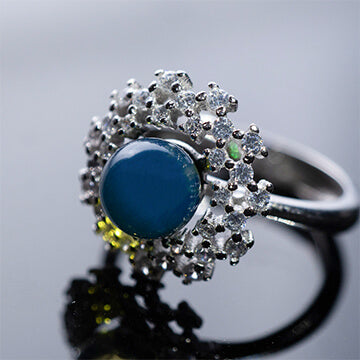


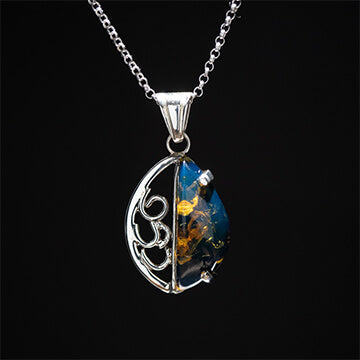
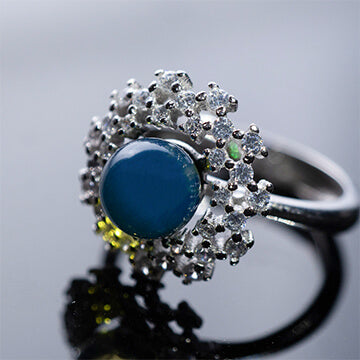
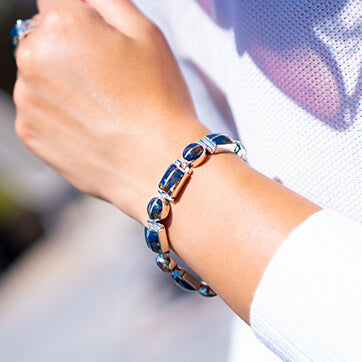
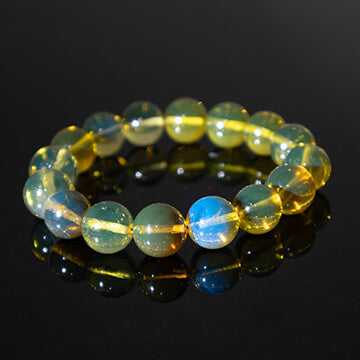
Handcrafted in DR.

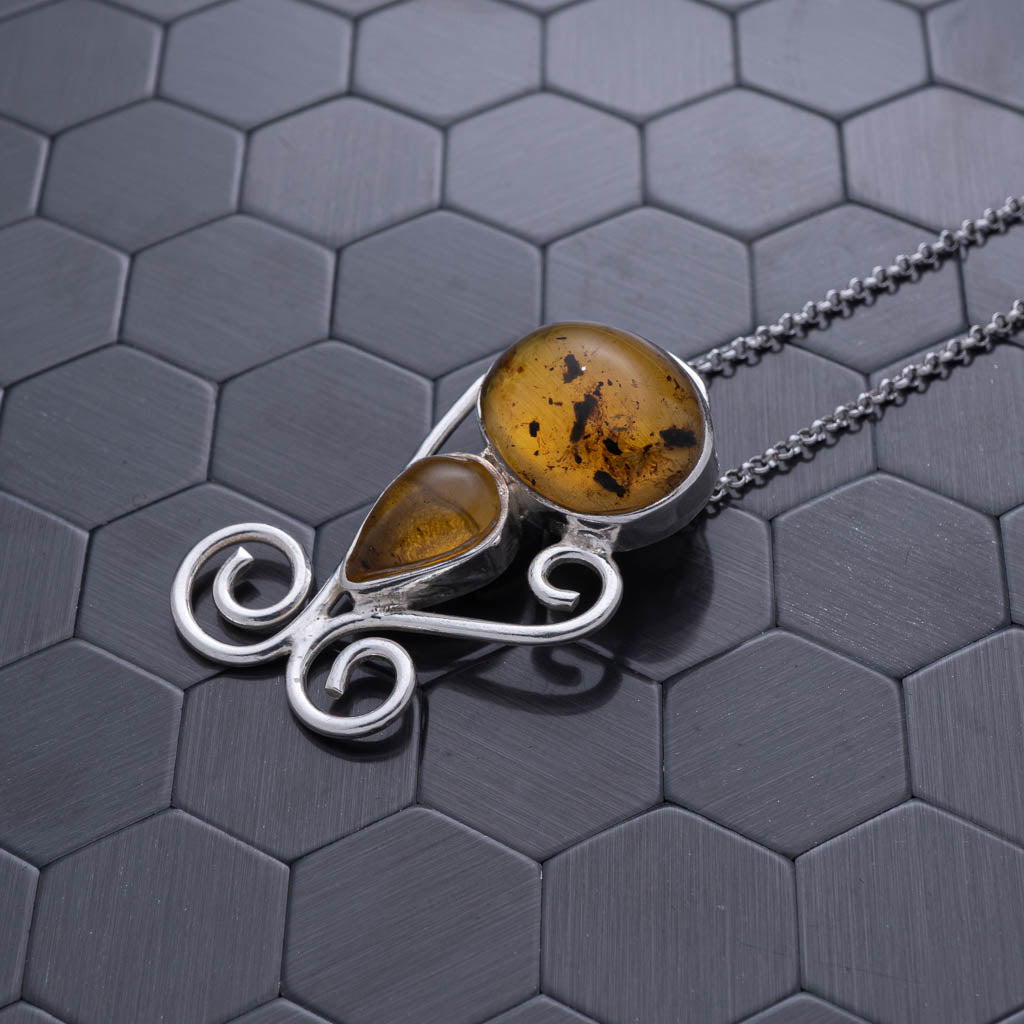
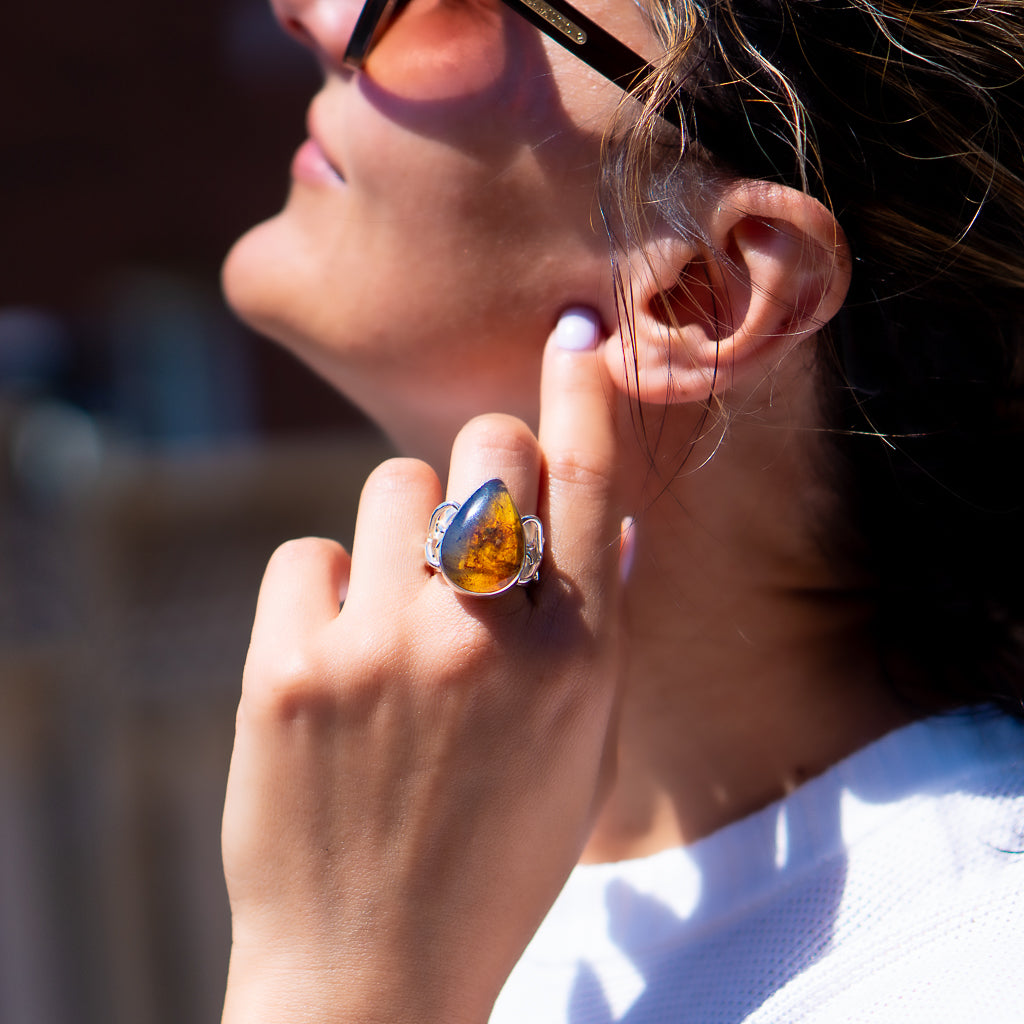
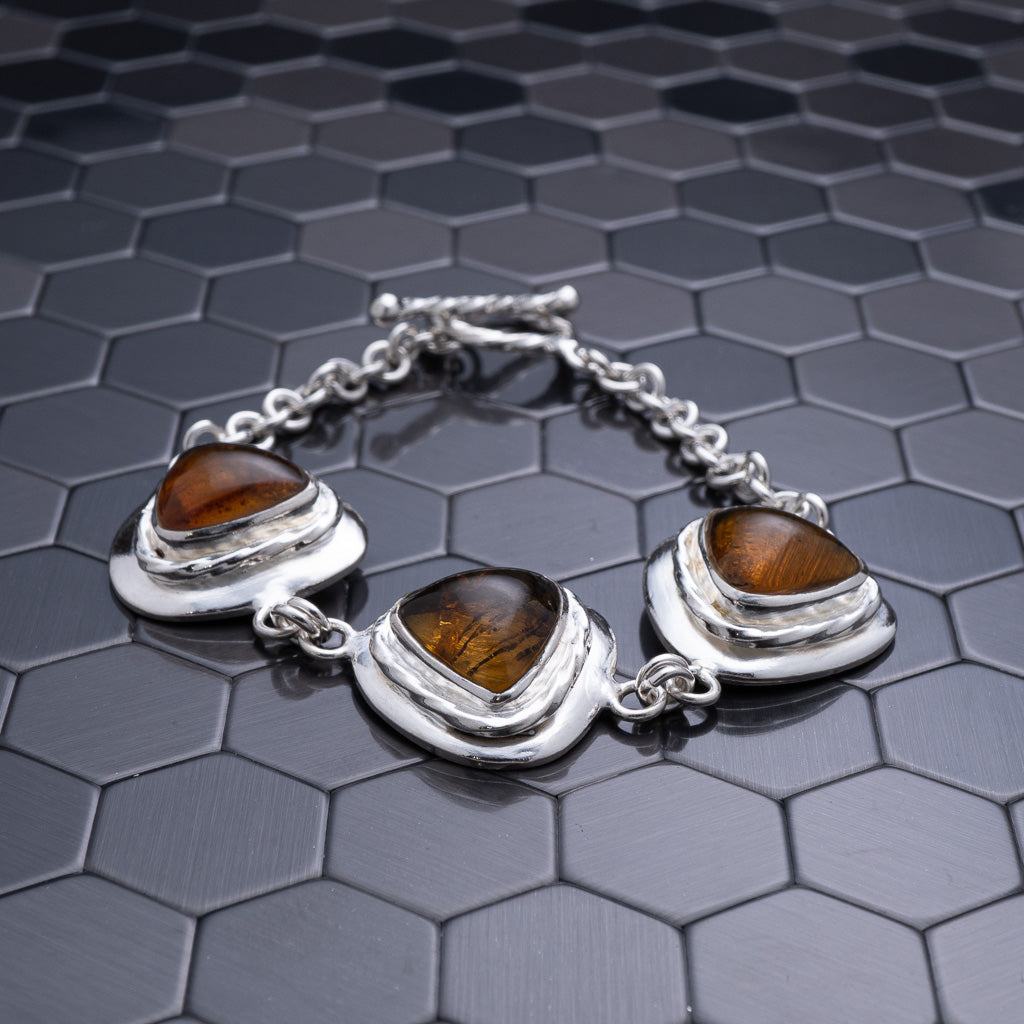
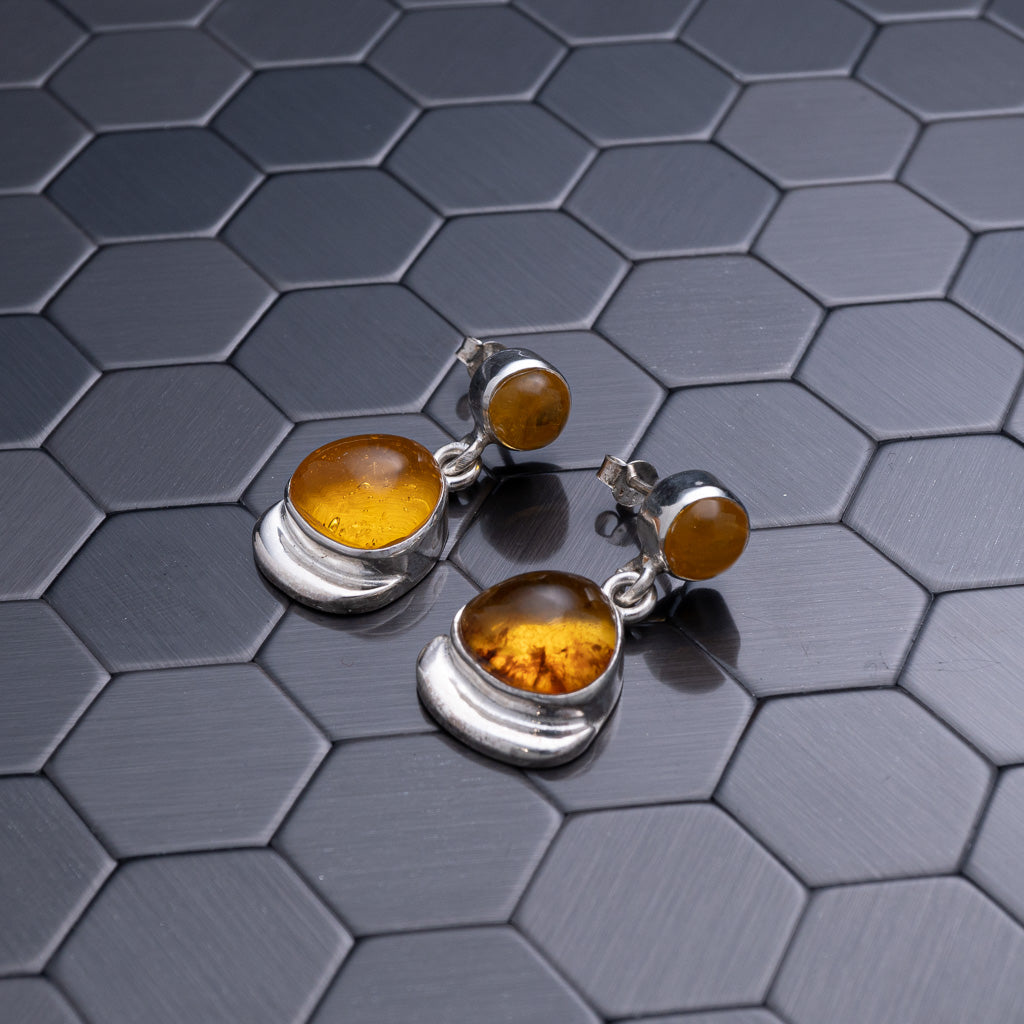


100% Handcrafted in DR.

Are you ready to discover why amber and blue are set to define the trends and applications landscape in 2025? These two vibrant hues are capturing the imagination of designers, technologists, and cultural tastemakers everywhere.
In this guide, we’ll explore how amber and blue are influencing everything from style and technology to safety and global culture. You’ll gain insights into the psychology behind these colors, emerging trends in fashion and design, and their growing role in innovative technology and communication.
Get inspired by the resurgence of amber and blue, see their practical uses, and learn how to harness their impact in your own projects and spaces. Let’s dive into the world of color and discover what’s ahead for 2025.
Color shapes how we feel, think, and connect with the world. In 2025, understanding the psychology behind amber and blue is more important than ever as these hues influence everything from personal spaces to major branding decisions. Let’s explore how each color impacts mood, behavior, and design—and why their combination is so powerful.
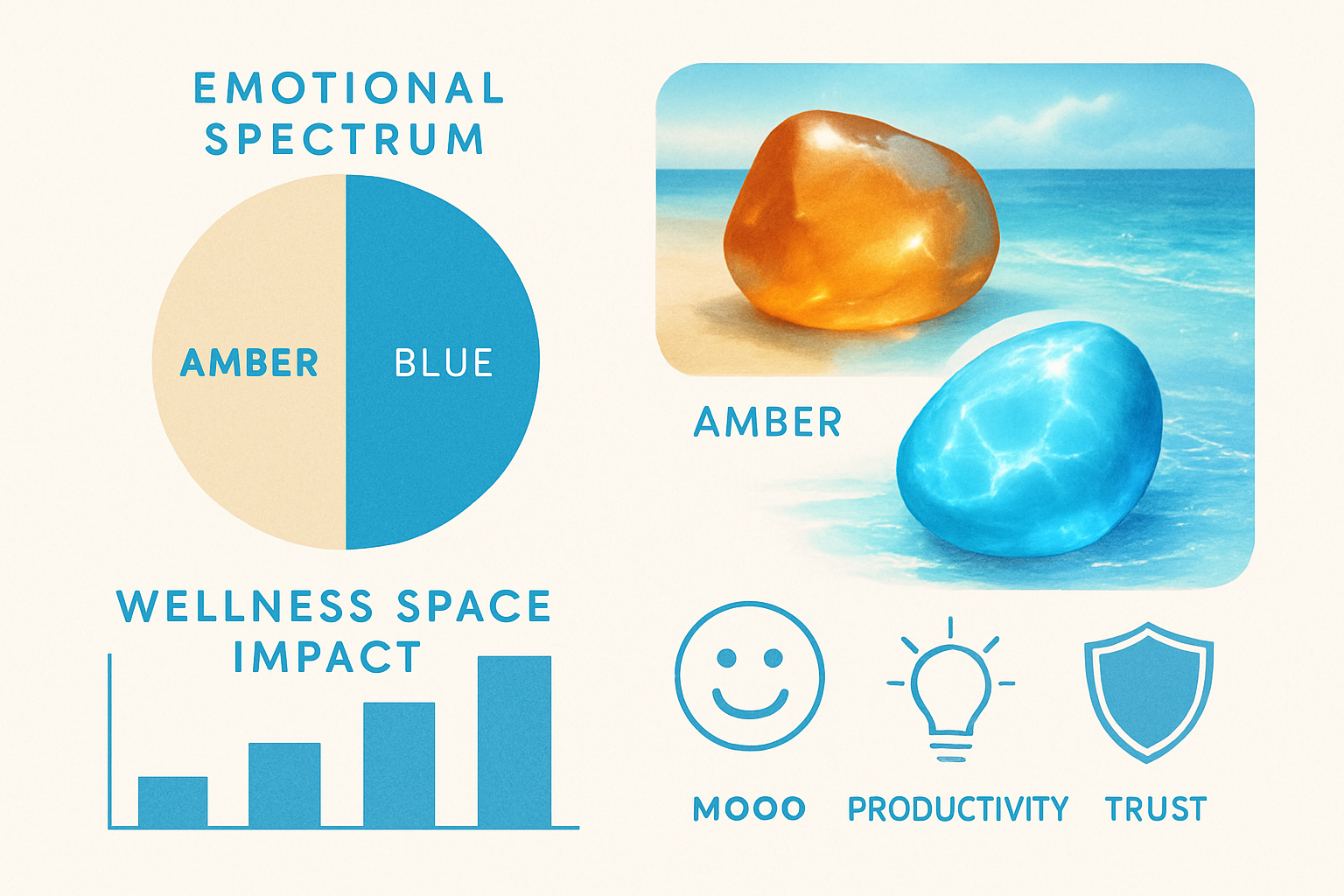
Amber evokes immediate warmth and positivity. This color is often linked to energy, optimism, and creativity, making it a favorite in spaces designed for inspiration. When used in home offices or collaborative workspaces, amber and blue can uplift mood and boost productivity. Amber’s friendly undertones make it a go-to for brands wanting to foster trust and openness.
Many wellness centers now use amber lighting to promote relaxation and a sense of organic comfort. In nature-inspired interiors, amber and blue hues mimic sunsets or rich earth tones, reinforcing a grounded, welcoming atmosphere. Marketers tap into amber’s power to draw attention and convey reliability, as explored in Amber's Influence in Design and Marketing.
These examples show why amber and blue are increasingly chosen for their ability to spark both trust and energy in 2025.
Blue is synonymous with calmness and stability. Spaces that feature blue hues are known to reduce stress, promote clarity, and create a peaceful environment. In healthcare and educational settings, amber and blue play distinct roles—blue, in particular, helps lower anxiety and increase focus.
Digital designers favor blue for app backgrounds and interface elements, as it soothes users and enhances readability. Blue tones are also prevalent in hospital rooms and classrooms, supporting concentration and emotional balance. The psychological benefits of blue are backed by studies showing improved learning outcomes and patient comfort in blue-themed environments.
With their combined effects, amber and blue are becoming the palette of choice for spaces demanding serenity and mental clarity.
Pairing amber and blue creates a dynamic contrast that feels both balanced and visually striking. Designers use this synergy to craft interiors, branding, and digital experiences that are inviting and memorable. In 2024–2025, trends show a surge in complementary color palettes, with amber and blue leading the way.
The interplay between these colors offers harmony: amber injects energy, while blue tempers it with calm. Interior designers are blending amber and blue in living rooms, kitchens, and offices for a look that feels both fresh and timeless. Data from recent design projects confirm a significant rise in the use of these hues together, reflecting their appeal across industries.
Together, amber and blue provide a unique psychological balance that will continue to shape trends in 2025.
The spotlight is shining brightly on amber and blue in 2025, with these hues transforming both wardrobes and living spaces. Their versatility, emotional impact, and connection to current values make them favorites for designers and consumers alike. Let’s explore how amber and blue are shaping the year’s most exciting trends in fashion, interiors, and material innovation.
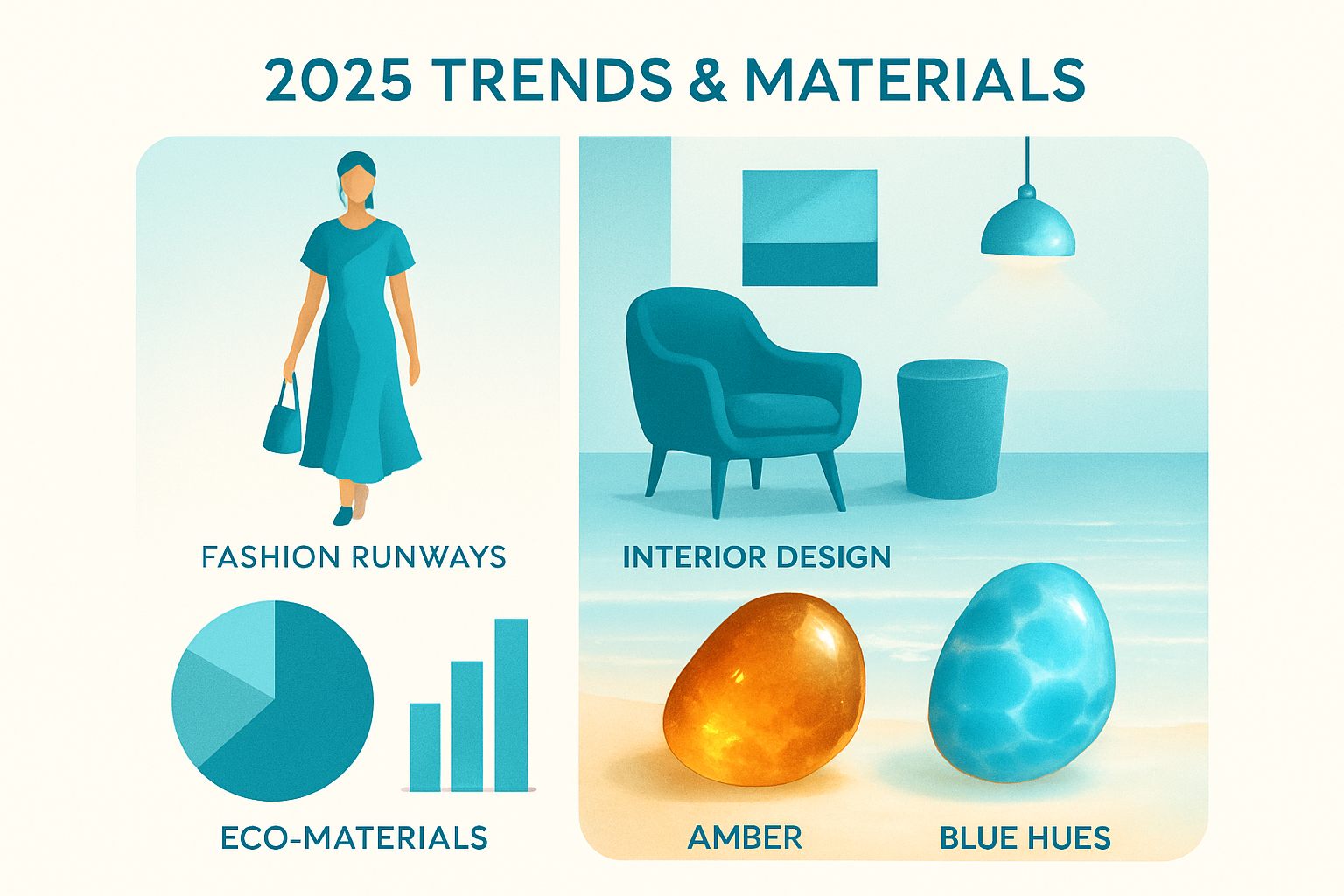
Amber and blue are taking center stage on runways and in street style across the globe in 2025. Designers are embracing the warmth of amber and the tranquility of blue, weaving these colors into collections that feel both timeless and fresh. Major fashion weeks have showcased bold amber jackets paired with deep blue slacks, while street style icons mix amber scarves with blue denim for a playful yet polished look.
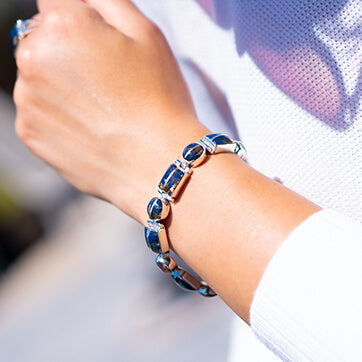
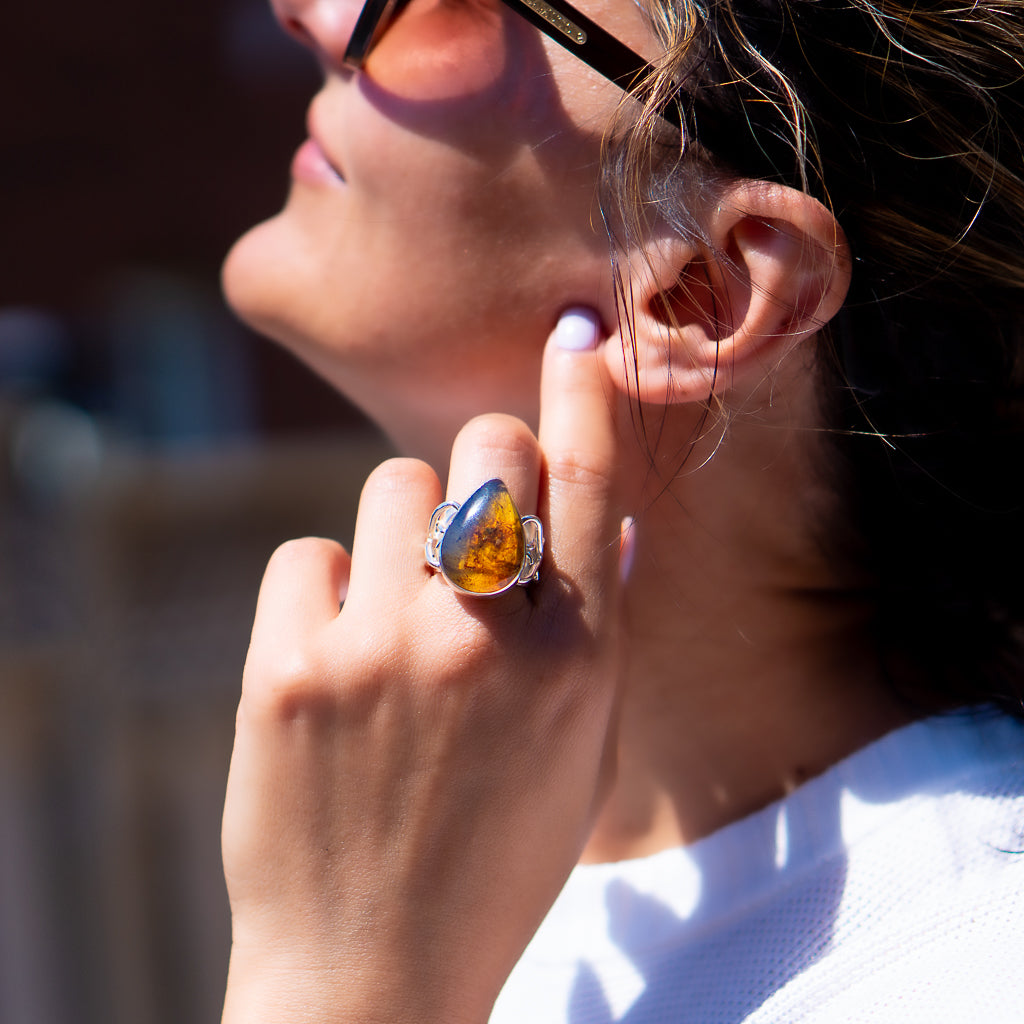
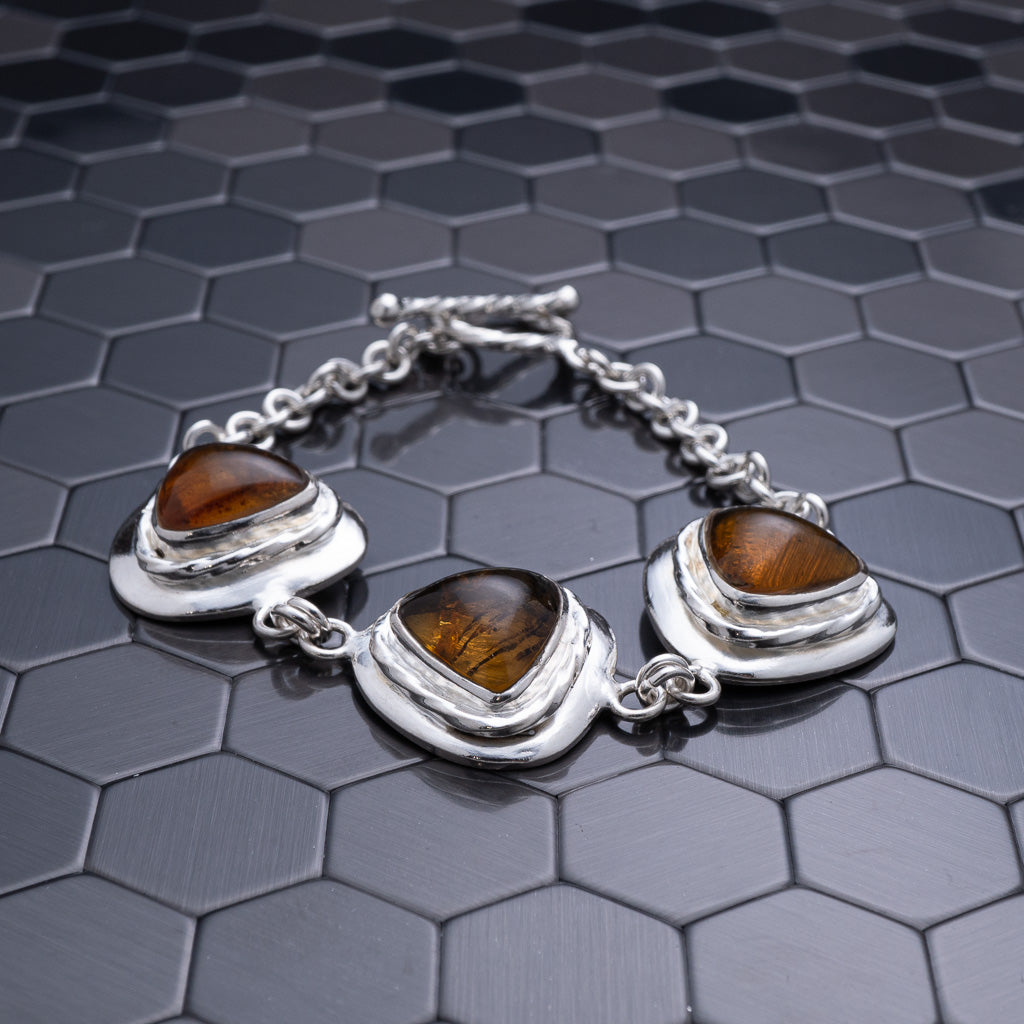
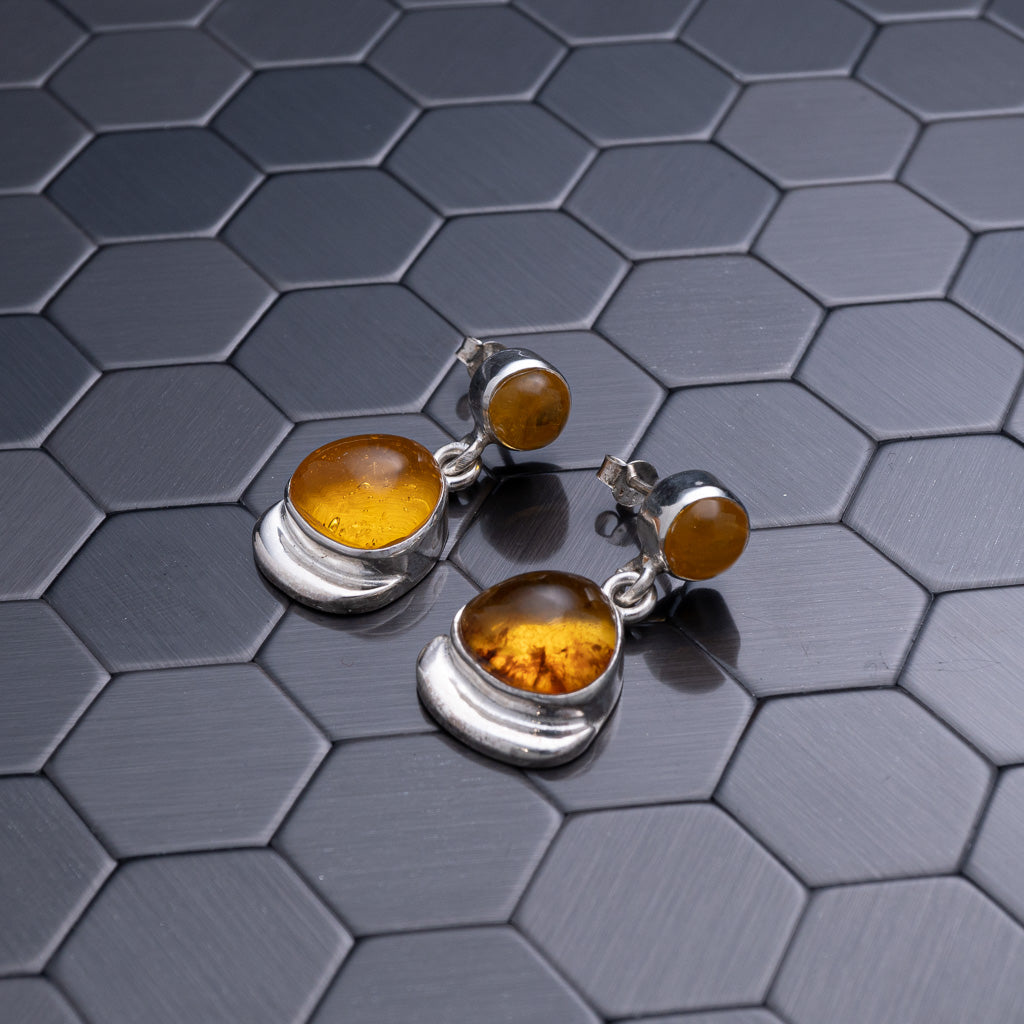
Accessories are also riding the wave, with bags, shoes, and jewelry making a statement in amber and blue. The duo is especially popular in layered jewelry pieces, where the contrast creates visual intrigue. Data from industry reports reveal a 30% increase in blue and amber apparel lines compared to 2024, signaling a clear consumer shift toward these dynamic tones.
Both men’s and women’s collections are influenced, offering versatile options for every season. Designers cite the psychological appeal—amber’s energy and blue’s calm—as key to their widespread adoption. For a deeper look at how these shades are shaping the industry, see the 2025 Color Trends in Fashion and Design, which highlights digital pastels and expressive chromas as leading influences.
The influence of amber and blue extends beyond fashion into the heart of interior design. These hues are being used in wall paints, furniture, and accent pieces to craft spaces that feel both welcoming and sophisticated. Homeowners and commercial designers alike are drawn to the mood-setting abilities of amber and blue, using them to create vibrant, inviting environments.
In minimalist settings, amber pendant lights or blue velvet sofas provide a pop of color without overwhelming the space. Maximalist schemes, on the other hand, layer various shades of amber and blue for a dramatic, eclectic feel. Dual-tone kitchens featuring blue cabinetry and amber hardware are especially on trend, offering a fresh take on classic design.
Leading interior designers point to the versatility of amber and blue as a reason for their popularity in 2025’s color palettes. The combination works well in both open-concept lofts and cozy, traditional homes, adapting seamlessly to different styles. Their ability to evoke both comfort and creativity ensures their continued relevance in design projects throughout the year.
Sustainability is at the forefront of 2025’s design ethos, and amber and blue are leading the way in eco-friendly innovation. Brands are increasingly turning to natural dyes and recycled materials to achieve vibrant amber and blue hues without compromising environmental values. Amber-tinted glass, for example, is crafted from recycled materials, adding both beauty and sustainability to lighting and decor.
Blue textiles made from upcycled fibers are gaining traction, offering a responsible alternative for fashion and interiors. Some brands have launched collections where every piece is colored using plant-based dyes, reducing chemical waste and water usage. This commitment to ethical production is influencing purchasing decisions, with consumers actively seeking out products that align with their values.
A case study highlights a furniture brand that introduced a line of blue and amber seating using only sustainable fabrics and finishes. Their success underscores the growing demand for responsible design and the enduring appeal of these colors. As sustainability becomes non-negotiable, expect amber and blue to remain at the cutting edge of material innovation.
The fusion of amber and blue is setting new standards in lighting and display technology for 2025. From smart LEDs to advanced screens, these colors are redefining how we see and interact with our environments.
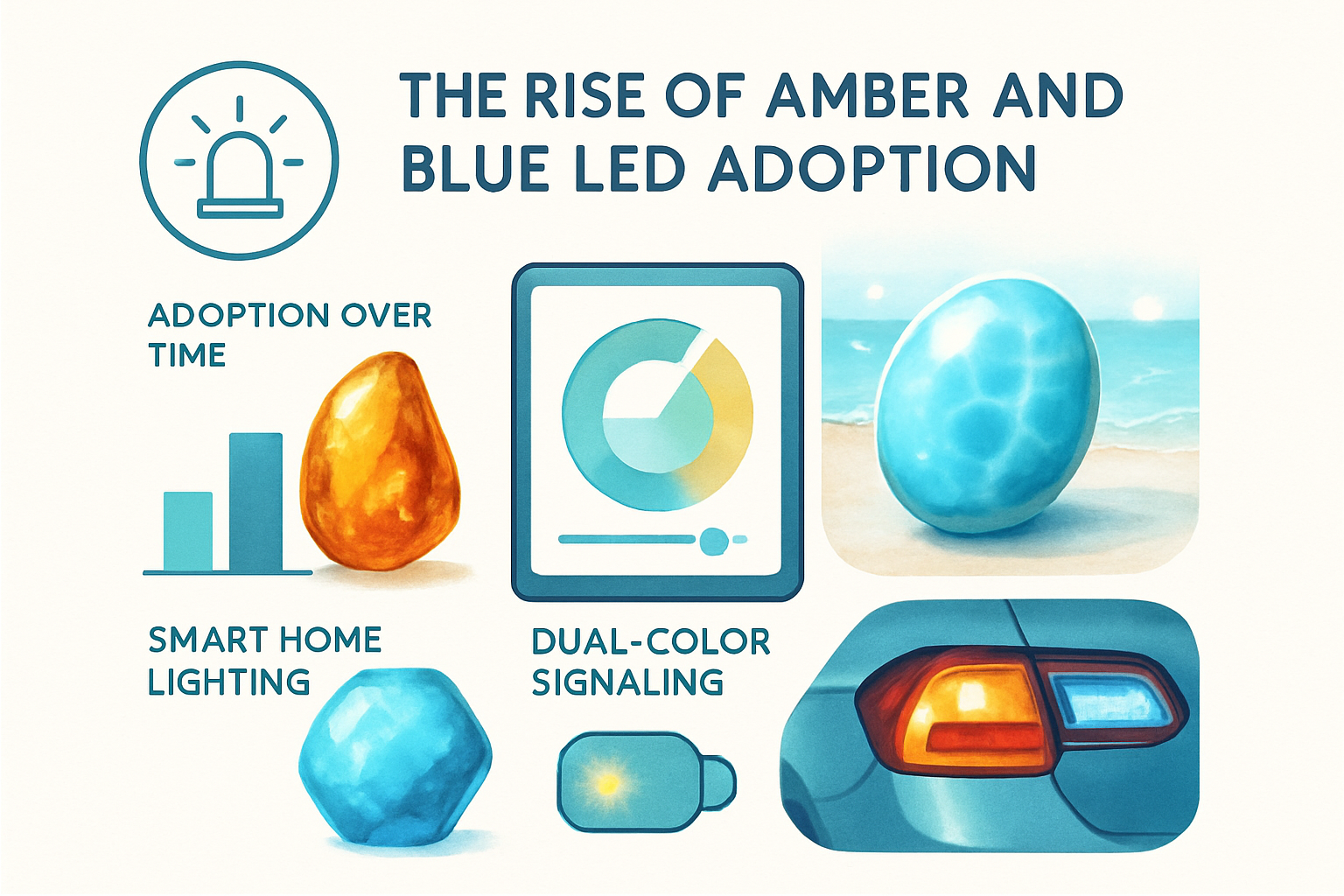
Amber and blue are revolutionizing the LED lighting market with energy-efficient, wellness-focused solutions. Amber LEDs provide a warm glow that supports relaxation, while blue LEDs are prized for their crisp clarity and mood-enhancing effects. When combined, amber and blue lighting help mimic natural daylight, supporting circadian rhythms in homes and offices.
Smart lighting systems now let users adjust color temperatures, switching from energizing blue in the morning to soothing amber at night. This flexibility is transforming personal and professional spaces, making them healthier and more productive.
Recent data shows a 20% growth in amber and blue LED products between 2024 and 2025. These lights are increasingly integrated into eco-friendly designs, supporting both sustainability and human well-being. For those curious about the origins and unique properties of these colors, the Blue Amber Origins and Types guide offers fascinating insights into their natural appeal.
Digital displays are another frontier where amber and blue shine. Blue light is essential for vivid, high-contrast visuals, yet excessive exposure can strain the eyes. Manufacturers are now introducing amber screen filters and advanced night mode settings to help users balance comfort and clarity.
Leading smartphone and monitor brands are investing in display panels that accurately reproduce amber and blue tones for immersive, true-to-life color. These advancements benefit creatives, gamers, and professionals alike, making screens more enjoyable and less fatiguing.
In healthcare and education, blue-dominant backgrounds promote focus, while amber overlays are used in apps and reading devices to reduce stress and support longer screen sessions. The interplay of amber and blue is central to these innovations, ensuring technology serves both function and wellness.
Safety and signaling systems are embracing amber and blue as the gold standard for visibility and clarity. Emergency vehicles, public transport, and utility fleets rely on these colors for instant recognition on the road. Amber is universally associated with caution, while blue signals authority and urgency.
Regulatory bodies like the DOT and EU have set strict standards for amber and blue use in signaling, shaping how these hues appear on vehicles and in public spaces. In 2025, the adoption of dual-color warning lights is up by 15%, reflecting their proven effectiveness in diverse conditions.
Smart city infrastructure is also leveraging amber and blue LEDs for crosswalks, signage, and hazard alerts. This trend is making urban environments safer and more intuitive for everyone. The future of amber and blue in safety tech is just beginning, with ongoing innovations promising even greater impact.
Amber and blue are taking center stage in public environments, shaping how we navigate cities, respond to emergencies, and absorb information. Their distinct visibility and psychological impact make them the colors of choice for safety, communication, and design in 2025.
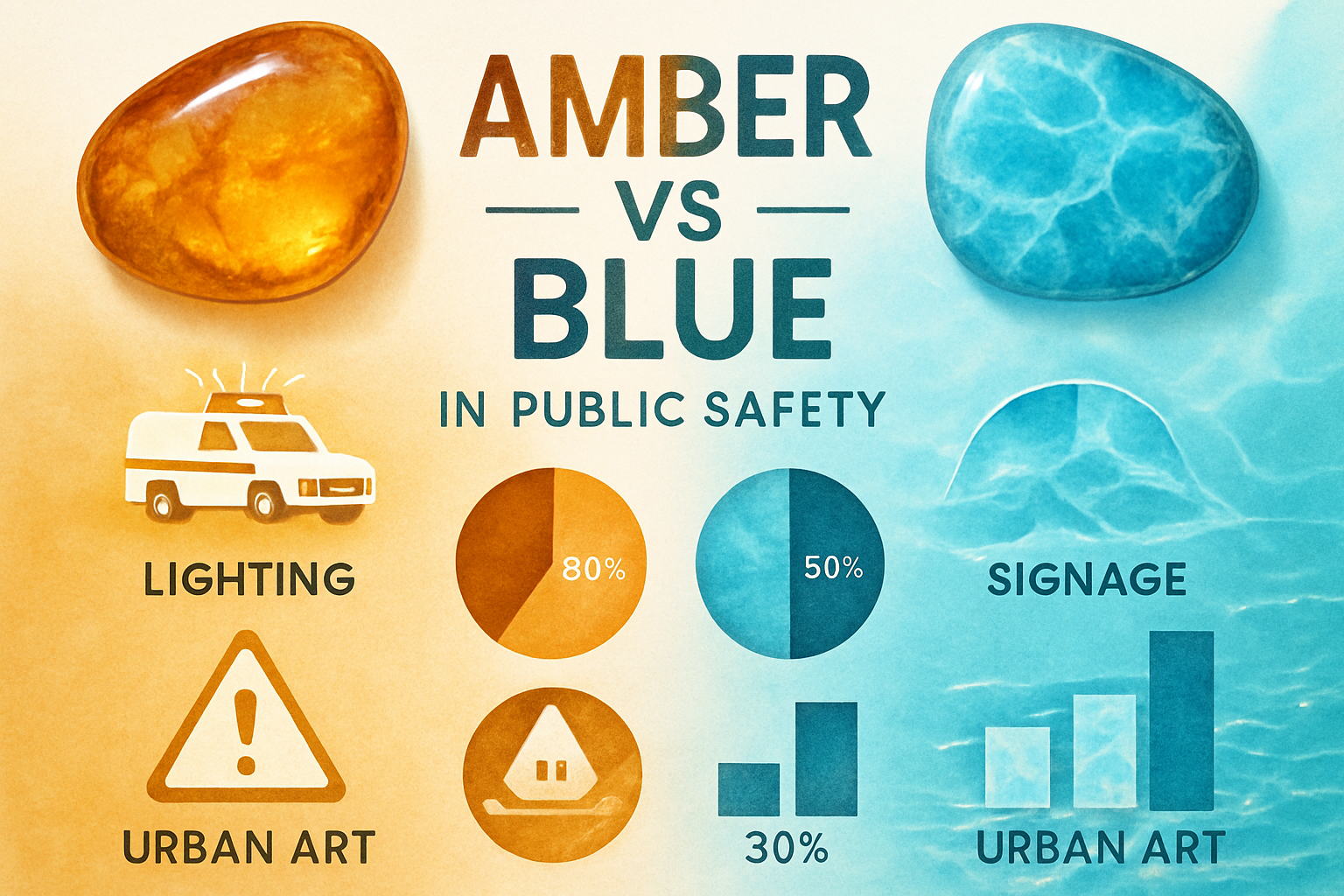
Amber and blue have become the global standard for warning and emergency lighting. Their unique wavelengths cut through fog, rain, and darkness, making them ideal for urgent visual signals. Amber and blue lights are now featured on police, fire, and utility vehicles, ensuring rapid public recognition and response.
Key benefits of amber and blue in emergency lighting:
In 2025, multi-color warning lights that combine amber and blue have seen a 15% rise in installations across public sectors. This shift reflects both regulatory updates and a growing appreciation for the psychological clarity these hues provide. With both colors working in tandem, communities feel safer and more alert to potential hazards.
Amber and blue are equally vital in the world of communication and signage. Their contrast makes information easy to spot and understand, whether on digital screens or physical signs. Airports, hospitals, and transit systems increasingly rely on amber and blue to guide passengers, patients, and commuters with clarity.
Considerations for effective amber and blue signage:
A recent trend is the use of dual-tone LED displays that shift from amber to blue based on time of day or urgency level. This dynamic approach maximizes the strengths of both colors, making sure important messages are never missed. As a result, amber and blue are transforming how we process critical information in fast-paced public spaces.
Amber and blue have also found a home in urban design and public art. Cities are embracing these hues in murals, installations, and wayfinding to foster identity and community engagement. From glowing amber pathways to bold blue sculptures, the interplay of these colors creates spaces that feel both vibrant and welcoming.
Case studies from 2025 highlight how urban planners are revitalizing neighborhoods with amber and blue palettes. Murals featuring these hues draw residents together and signal renewal. Public art installations, such as illuminated blue amber sculptures, offer both beauty and a sense of safety at night.
For a deeper look at how blue hues are influencing the built environment, see the 2025 Architectural Color Trends report, which explores the resurgence of blue in architecture and public spaces.
As amber and blue continue to color our cities, they’re not just guiding us—they’re helping define the urban experience for a new era.
Amber and blue have left a vibrant mark on civilizations across continents and centuries. Their emotional resonance and unique beauty make them more than just colors—they’re symbols that shape identity, meaning, and connection in 2025.
Amber and blue have captivated humanity since ancient times. Amber, often called "the gold of the north," adorned jewelry and amulets in Baltic, Mediterranean, and Asian cultures. Its warm glow was believed to carry protective and healing powers.
Blue, meanwhile, was a rare and prized pigment. Ancient Egyptians used lapis lazuli for godly statues and royal artifacts. In Mediterranean art, blue symbolized the divine, the infinite sky, and the tranquil sea. Across Asia and Europe, blue became associated with royalty, spirituality, and peace.
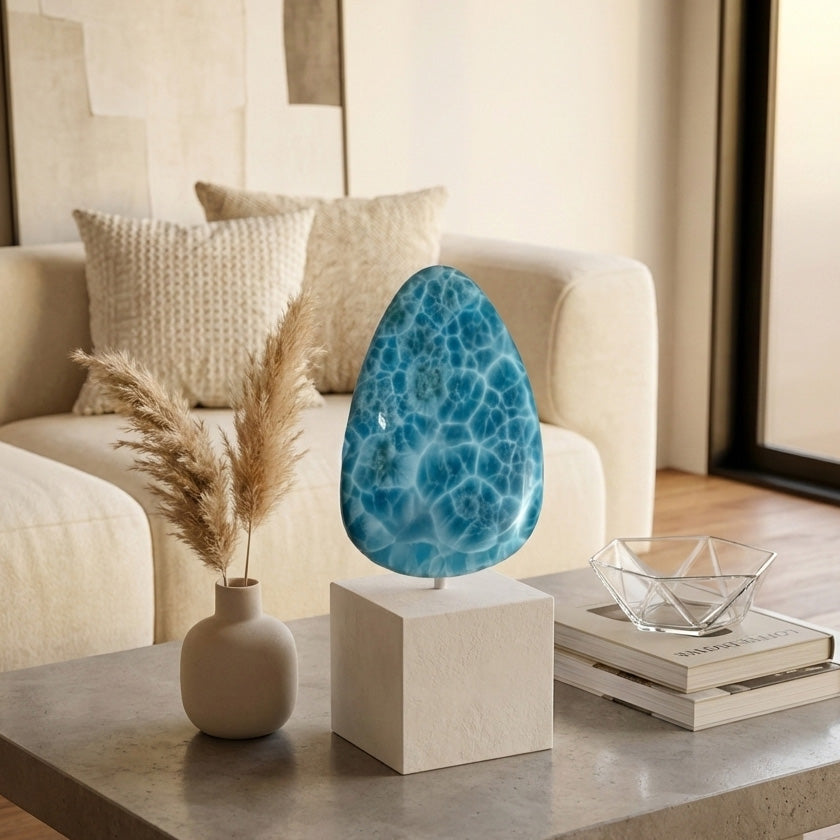
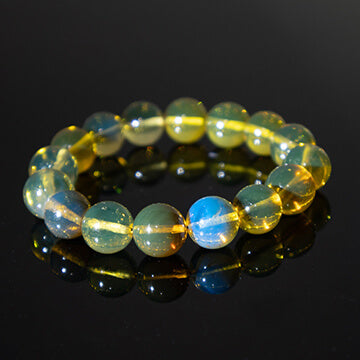
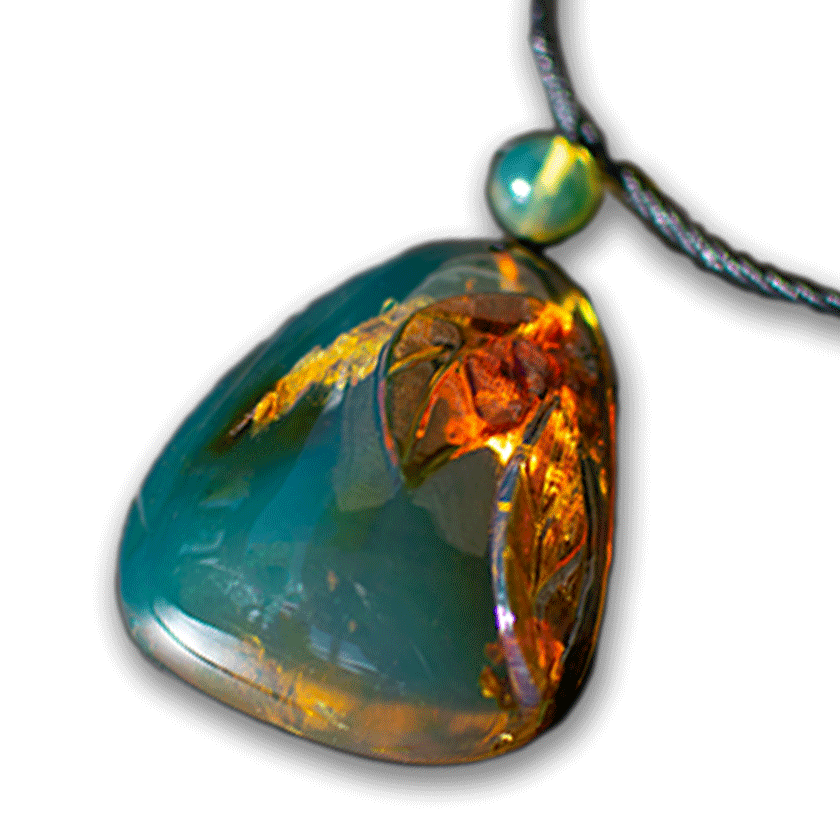
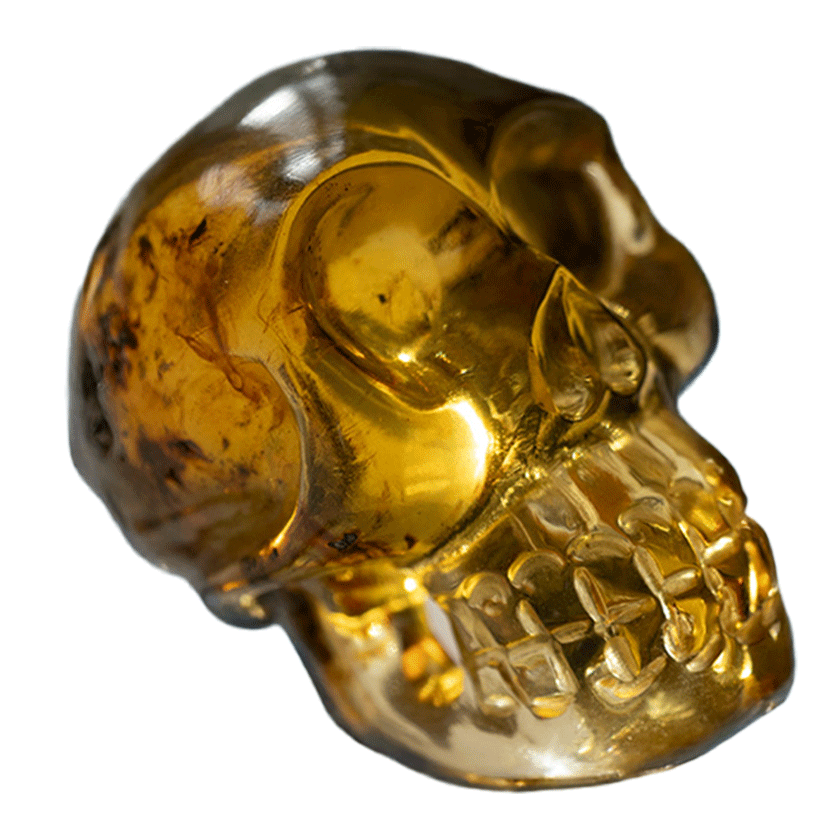
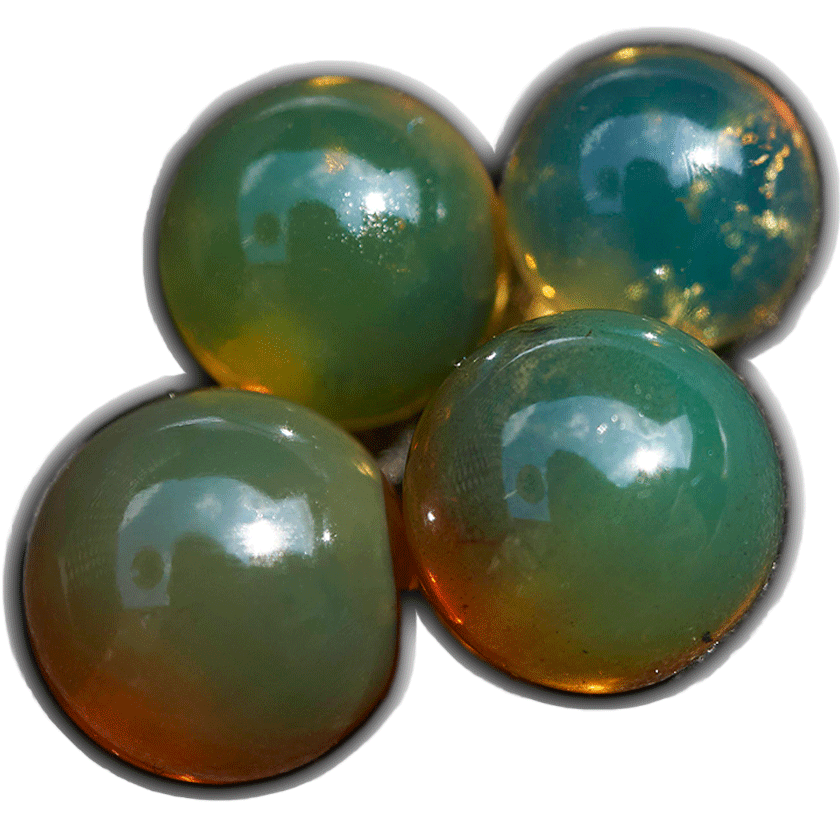
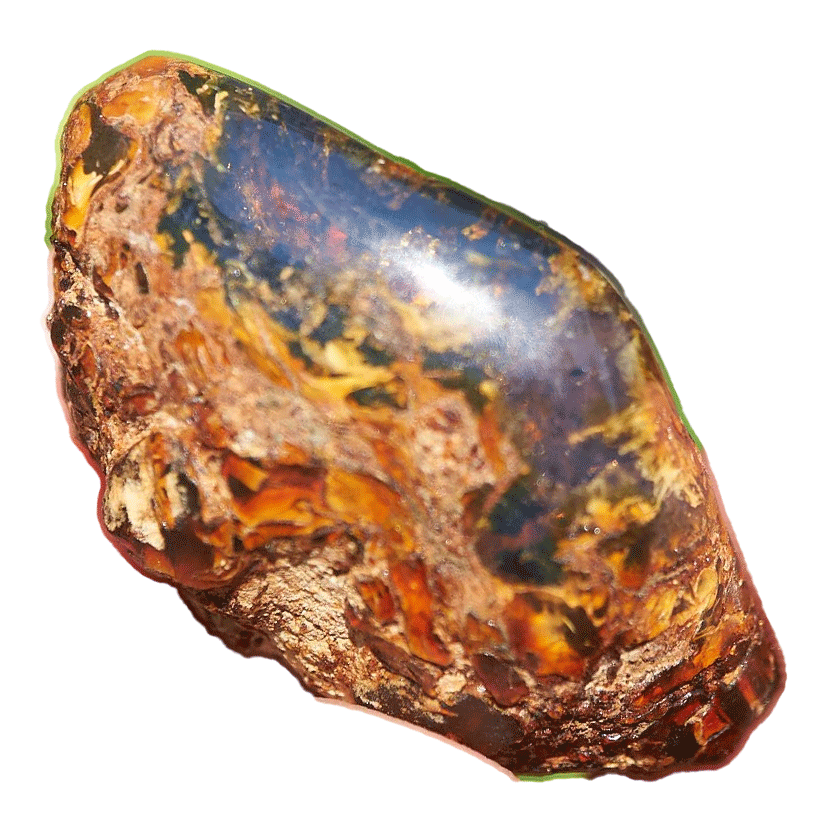
Distinctive forms like Dominican blue amber highlight the intersection of rarity and culture. This unique gemstone, found only in the Dominican Republic, is celebrated for its luminous blue sheen and heritage significance. To explore its story further, see the Dominican Blue Amber Guide.
Today, amber and blue continue to shape our lives in powerful ways. Amber often represents renewal, resilience, and the organic connection to nature. Brands use amber to signal trustworthiness, optimism, and authenticity, tapping into its earthy appeal.
Blue, in contrast, stands for technology, trust, and global unity. It’s the color of social media giants, fintech innovators, and international organizations. Blue’s calming influence is leveraged in everything from healthcare logos to national flags.
The psychological impact of these hues is profound. According to the 2025 Color Trends Across Industries, blue and purple tones are set to dominate branding and design, thanks to their calming yet mysterious qualities. Amber and blue together symbolize a bridge between tradition and modernity.
Amber and blue colors shine in public celebrations and cultural rituals worldwide. In the Baltic region, amber is featured in music festivals and traditional crafts, connecting communities to their history. Blue appears prominently in Mediterranean parades, symbolizing peace and open horizons.
Modern events amplify these colors for unity and joy. From illuminated city landmarks to themed parades, amber and blue light up festivals, sporting events, and global awareness days. Recent surveys show that these hues remain top choices for symbolic color in 2025, reflecting a universal appreciation for their beauty and meaning.
Amber and blue serve as vibrant threads weaving together the past, present, and future of global culture.
The year ahead promises a dynamic evolution for amber and blue. As industries adapt to shifting consumer demands, these hues are set to shape everything from tech to wellness. Whether you’re a designer, brand strategist, or simply a color enthusiast, understanding what’s next for amber and blue can give you a creative edge.
Amber and blue are fueling innovation across multiple sectors. In 2025, tech companies are integrating these colors into smart devices, with automotive manufacturers following suit in their newest models. The wellness industry, too, is seeing a surge in amber and blue lighting for mood regulation.
Let’s break down projected growth:
| Industry | 2024 Market Share | 2025 Projected Share | Growth Trend |
|---|---|---|---|
| Tech & Gadgets | 18% | 25% | ↑ |
| Automotive | 12% | 17% | ↑ |
| Wellness | 9% | 15% | ↑ |
| Home Decor | 21% | 28% | ↑ |
With this momentum, amber and blue are on track to become industry standards—especially in products that emphasize sustainability, well-being, and user experience.
Consumers are gravitating toward amber and blue for their emotional resonance and visual appeal. Recent surveys show a 30% increase in preference for these hues compared to last year. Social media platforms, especially Instagram and Pinterest, are amplifying these trends through viral posts featuring color-rich interiors, fashion, and digital art.
Influencers and brands are harnessing the power of amber and blue to create distinctive, memorable campaigns. From mood-boosting office spaces to calming digital interfaces, these colors are shaping the visual language of 2025. As user-generated content rises, expect even more creative interpretations across platforms.
For designers, marketers, and entrepreneurs, now is the time to leverage the amber and blue wave. Consider these actionable tips:
Jewelry designers, in particular, are embracing the trend, as seen in the latest Amber and Blue Jewelry Trends. Collaborating with influencers or launching limited-edition collections can drive buzz and engagement. Listening to industry leaders and staying agile will help you ride the amber and blue momentum well into the future.
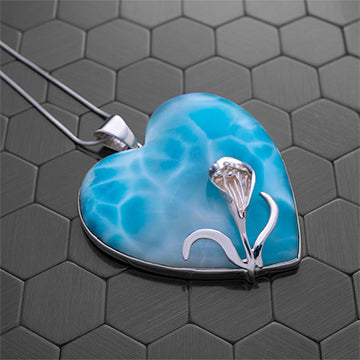
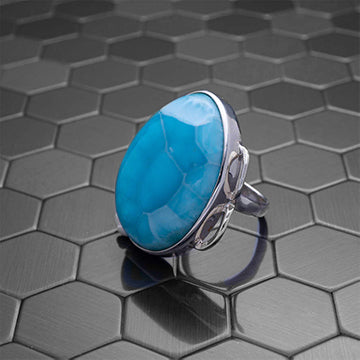
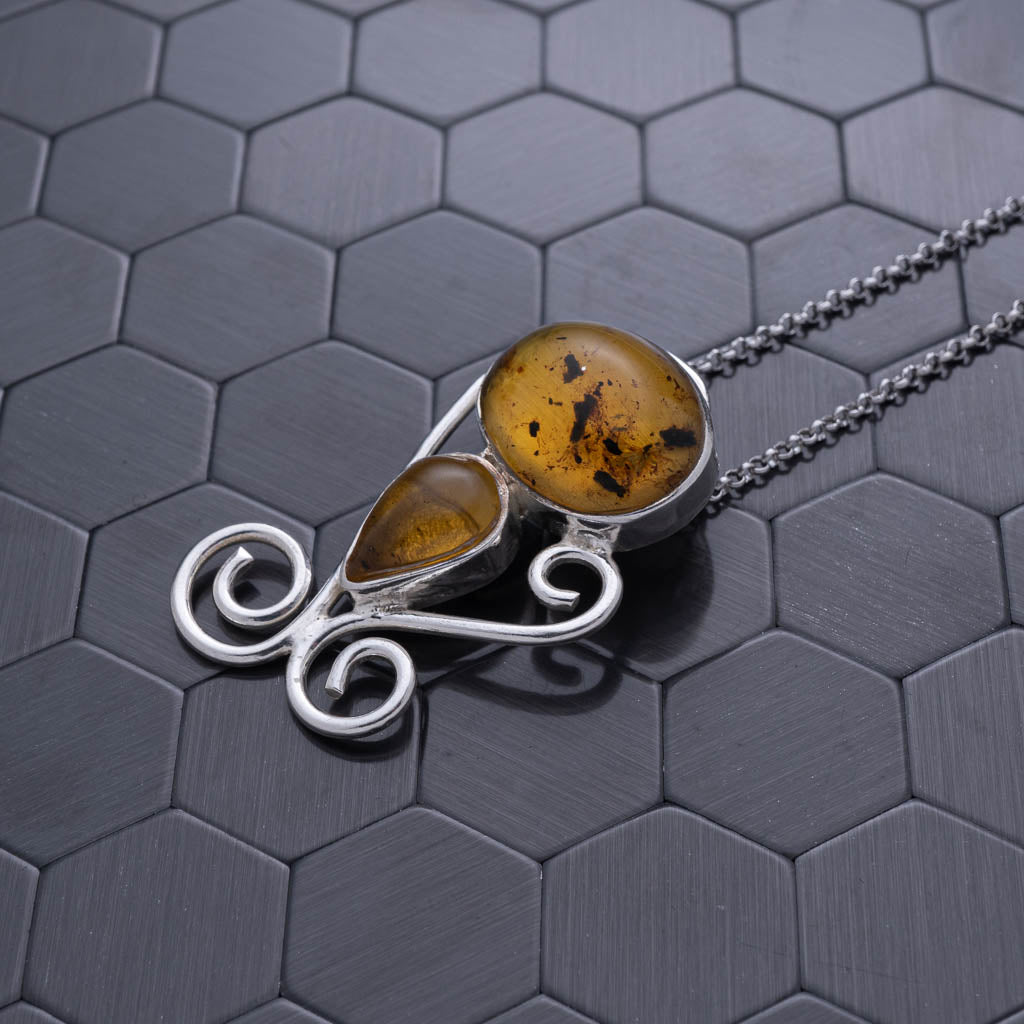
Now that you know how amber and blue are shaping trends in style, design, and culture for 2025, why not make these colors a part of your own story? If you’re inspired by the beauty and meaning behind these hues, explore the artistry of Larimar and Dominican Blue Amber crafted by Larimar Creations. Each piece is a celebration of nature’s rarest gems—perfect for marking a special moment or simply treating yourself to something unique. Ready to discover stunning, handcrafted pieces that capture the magic of amber and blue? Find Your Perfect Gift