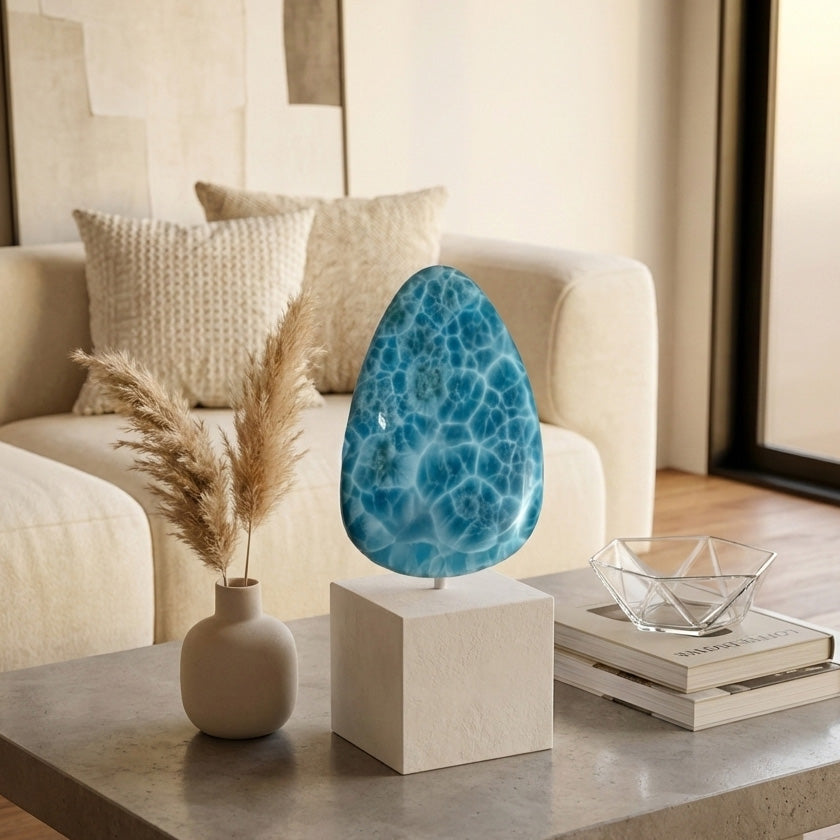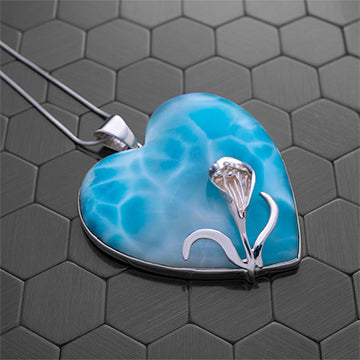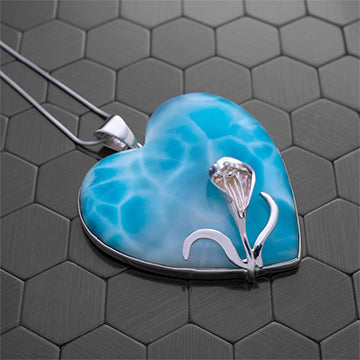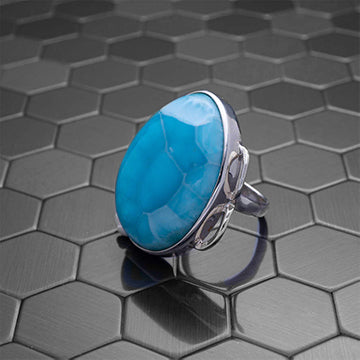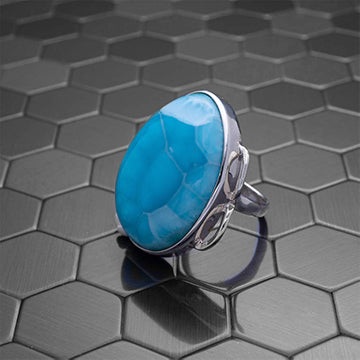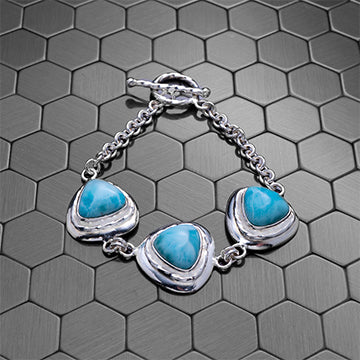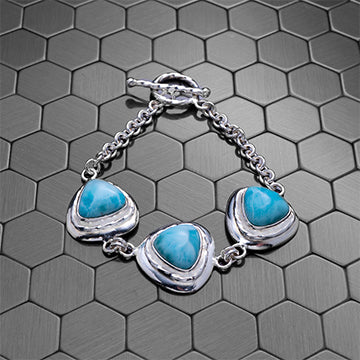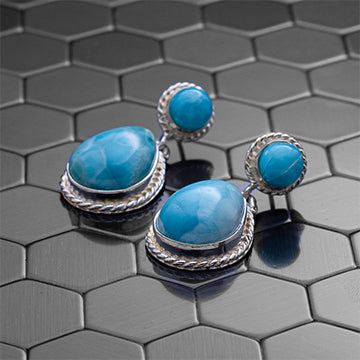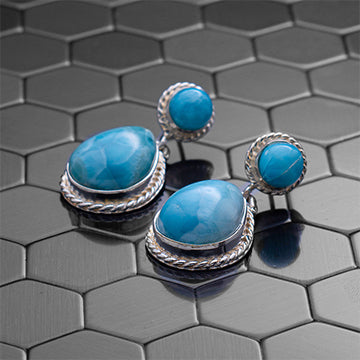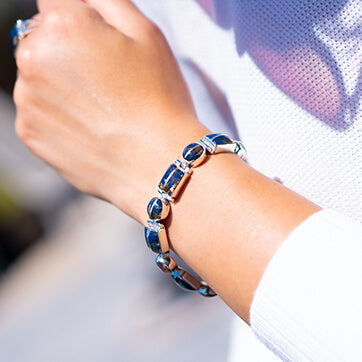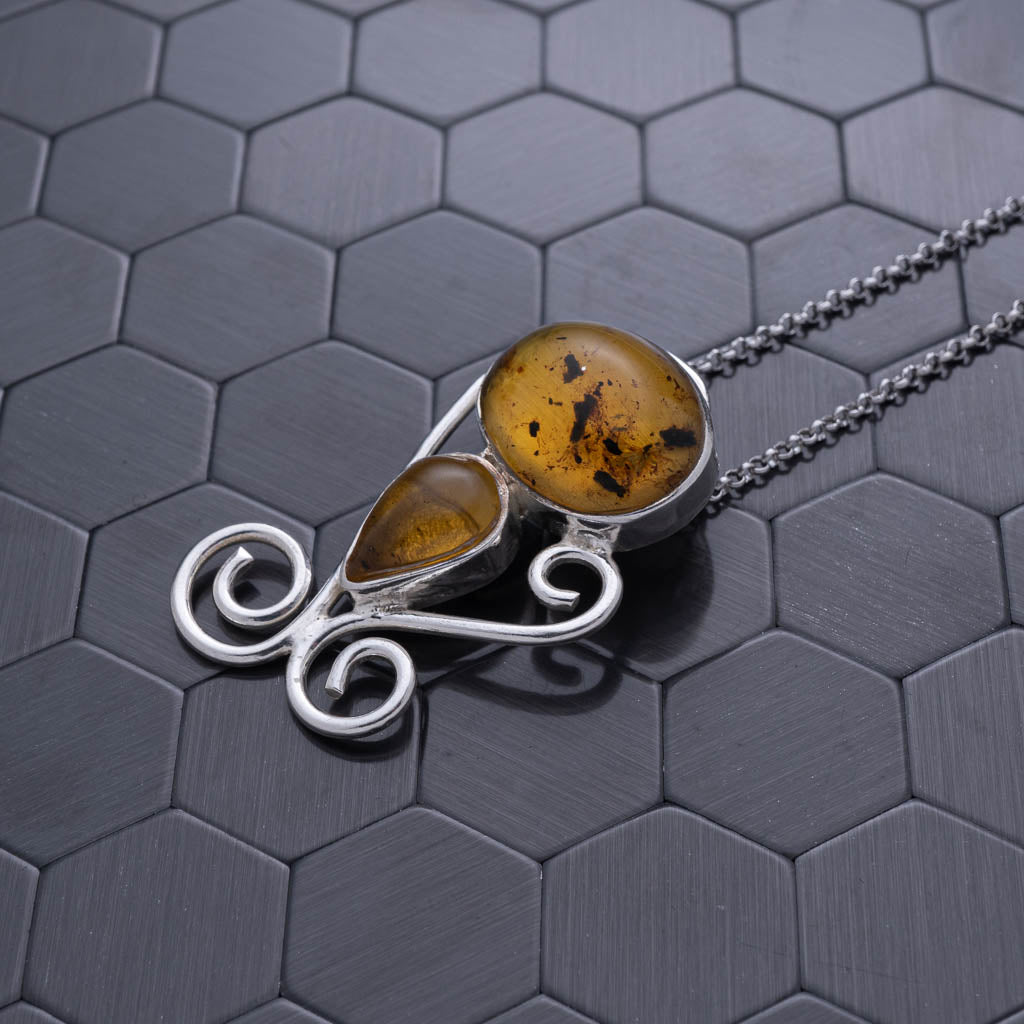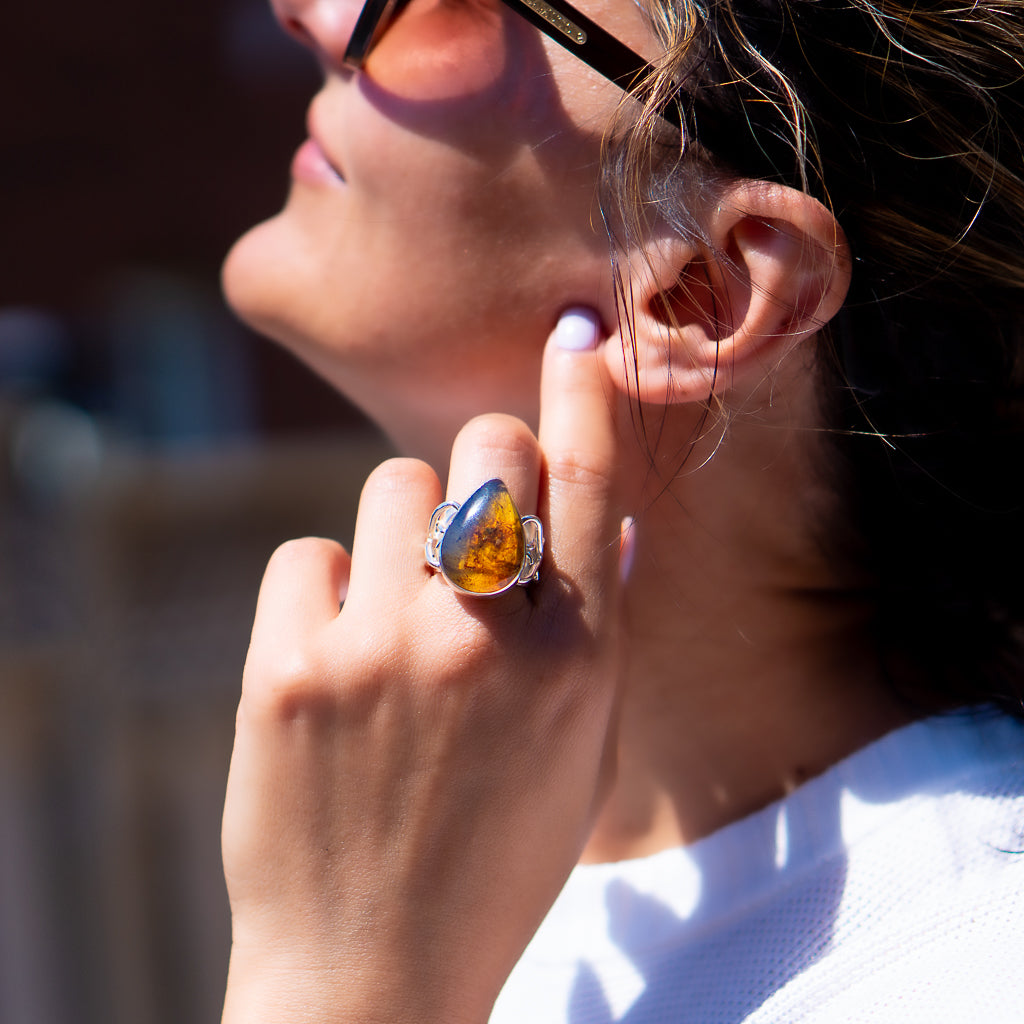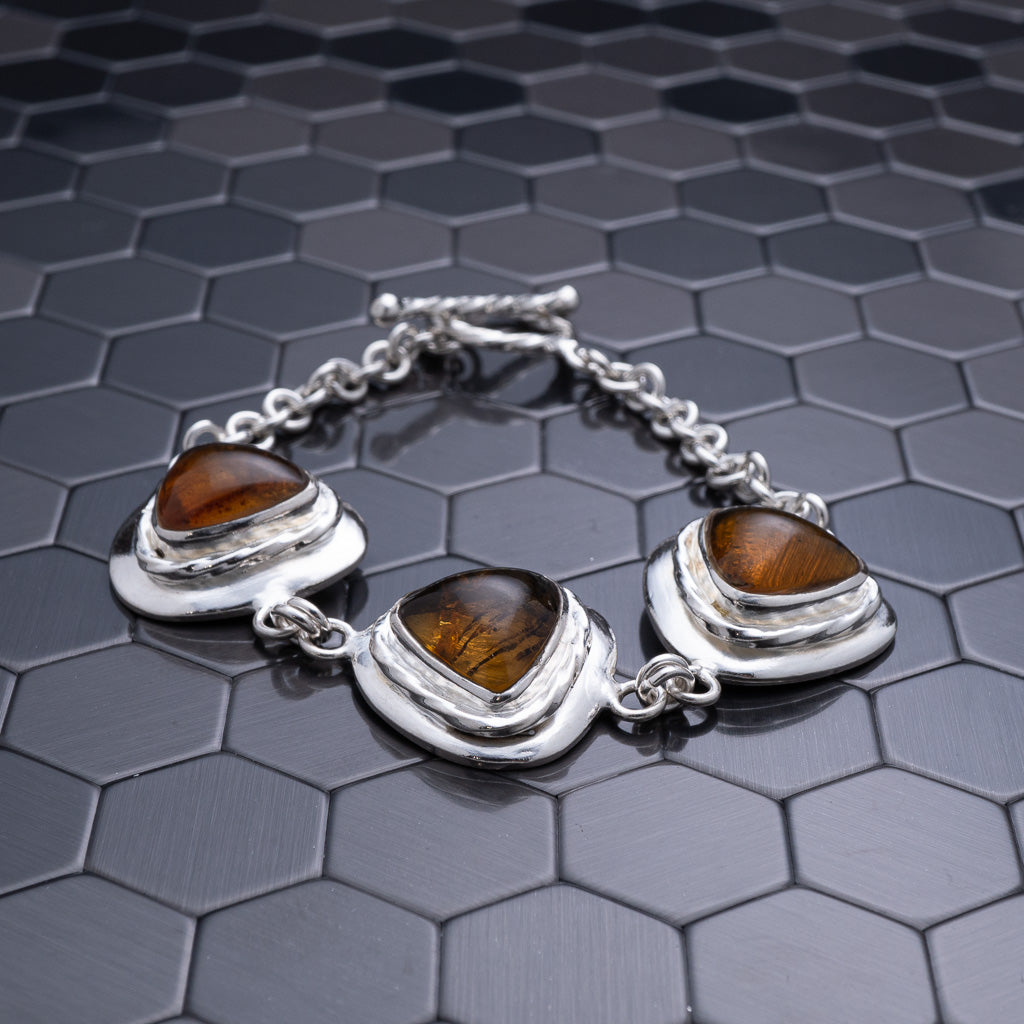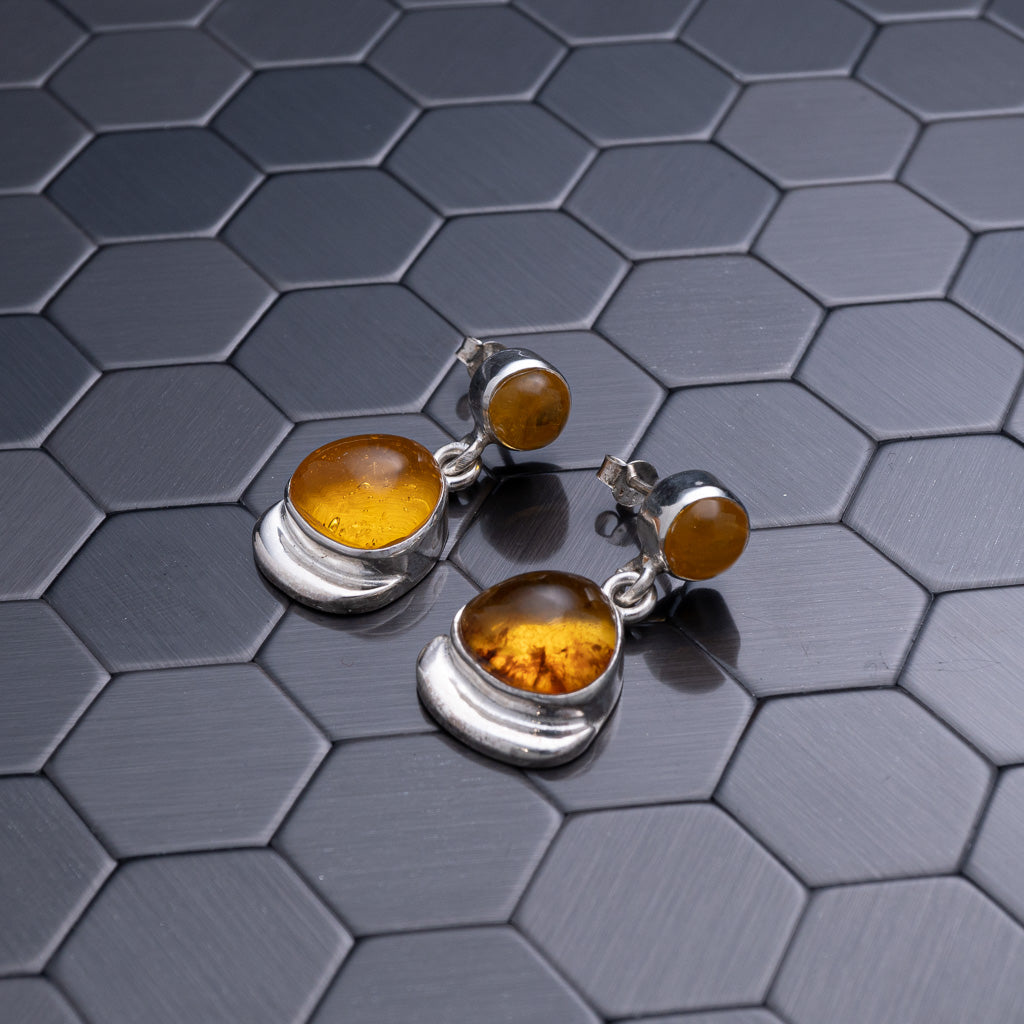


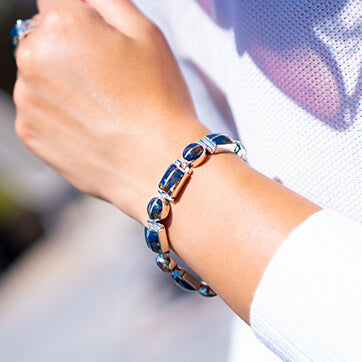
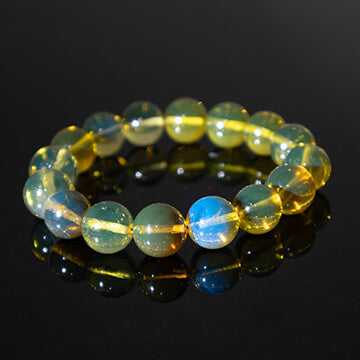
Handcrafted in DR.

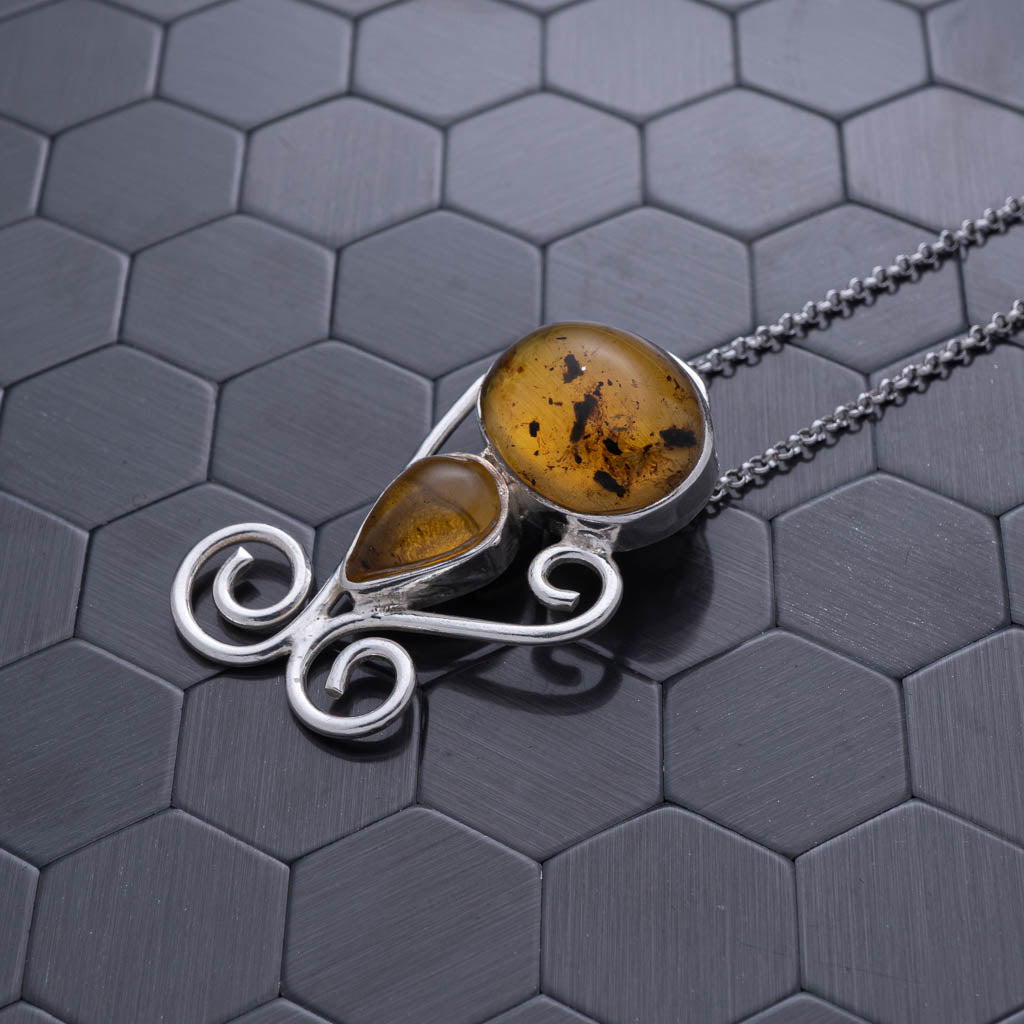
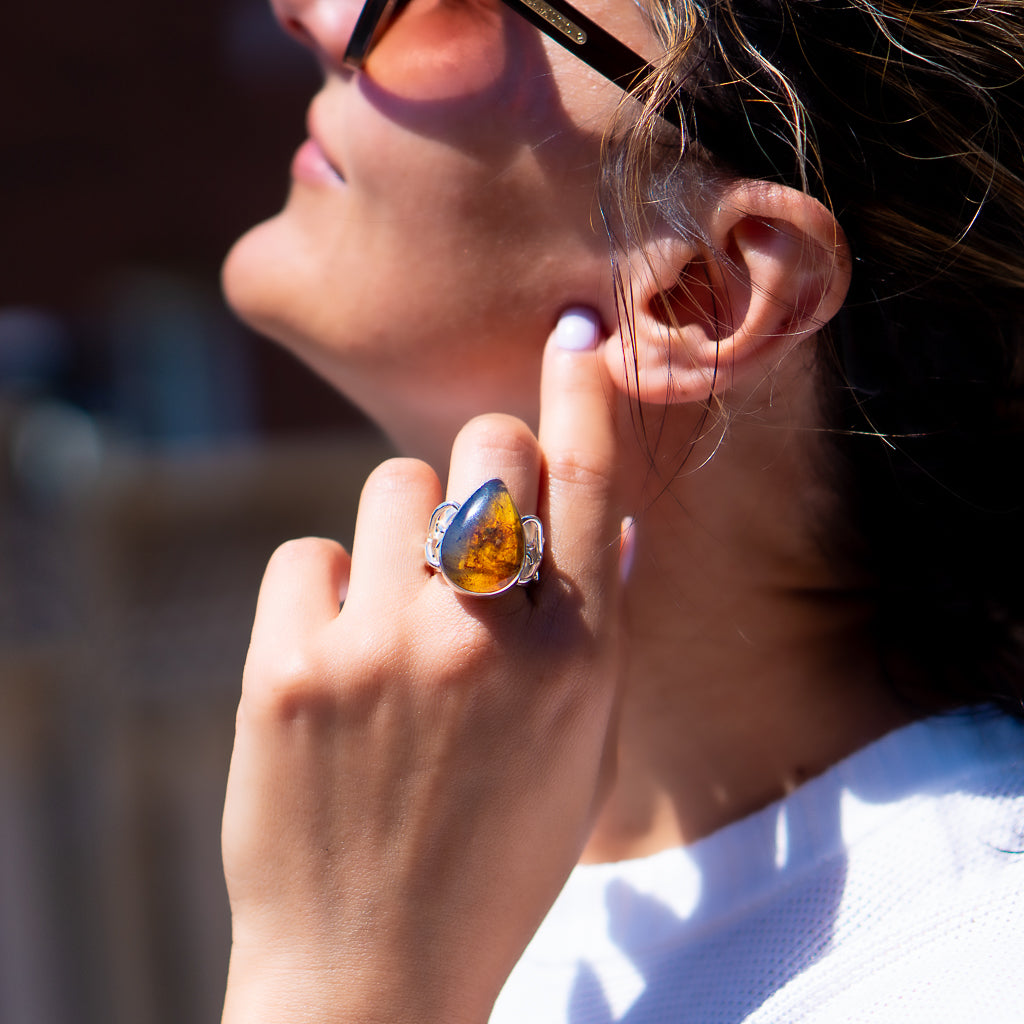
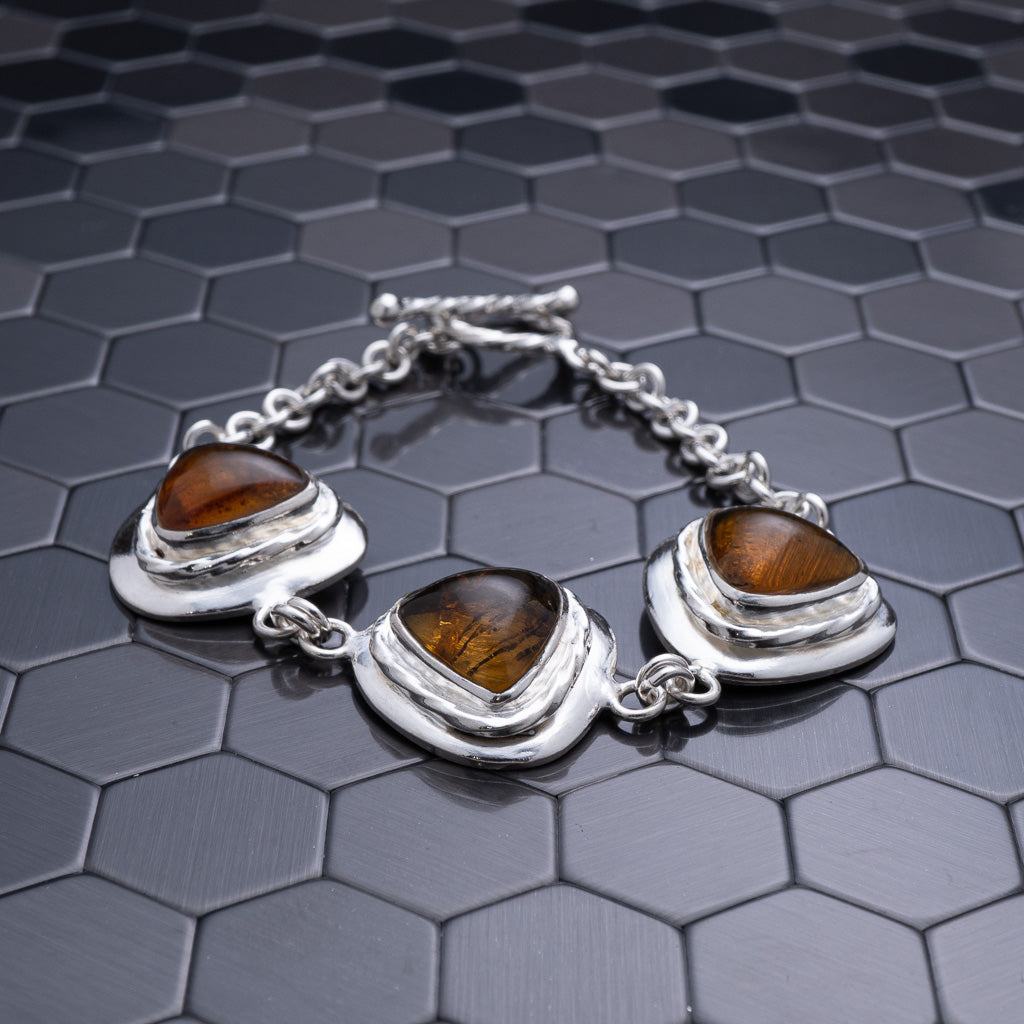
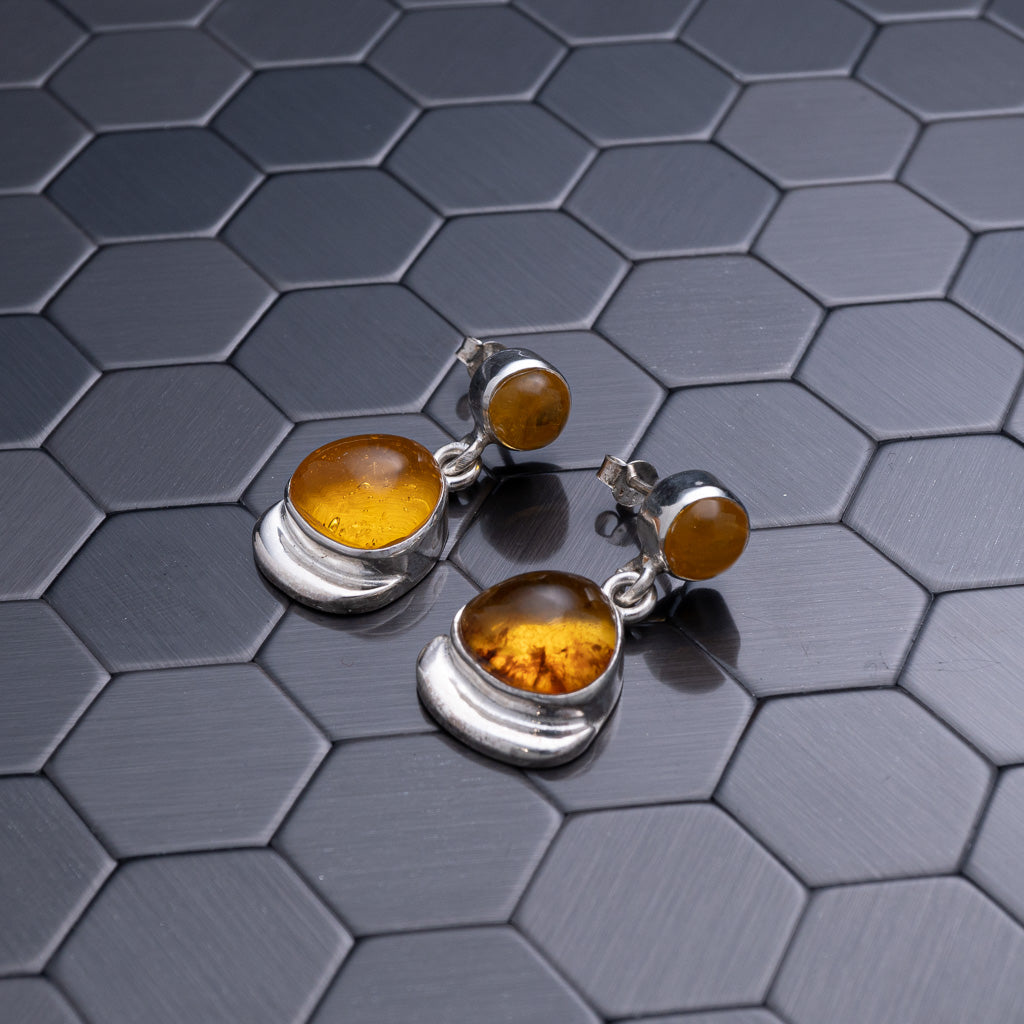


100% Handcrafted in DR.

Step into the mesmerizing world of the amber gemstone, a timeless treasure that has fascinated collectors, healers, and jewelry enthusiasts for centuries. What is it about this ancient resin that continues to inspire awe in 2025?
This guide will unlock the secrets of the amber gemstone, from its mysterious origins and unique properties to its healing benefits and growing value in today’s market.
Discover how the amber gemstone’s story weaves through history, wellness, and modern jewelry. Ready to make informed, inspired choices for your collection or self-care ritual? Let’s explore the magic and meaning of amber together.
The story of amber gemstone stretches across millennia, weaving together nature’s artistry and humanity’s fascination with this golden treasure. Understanding where amber comes from and how it became so valued offers insight into its enduring appeal.
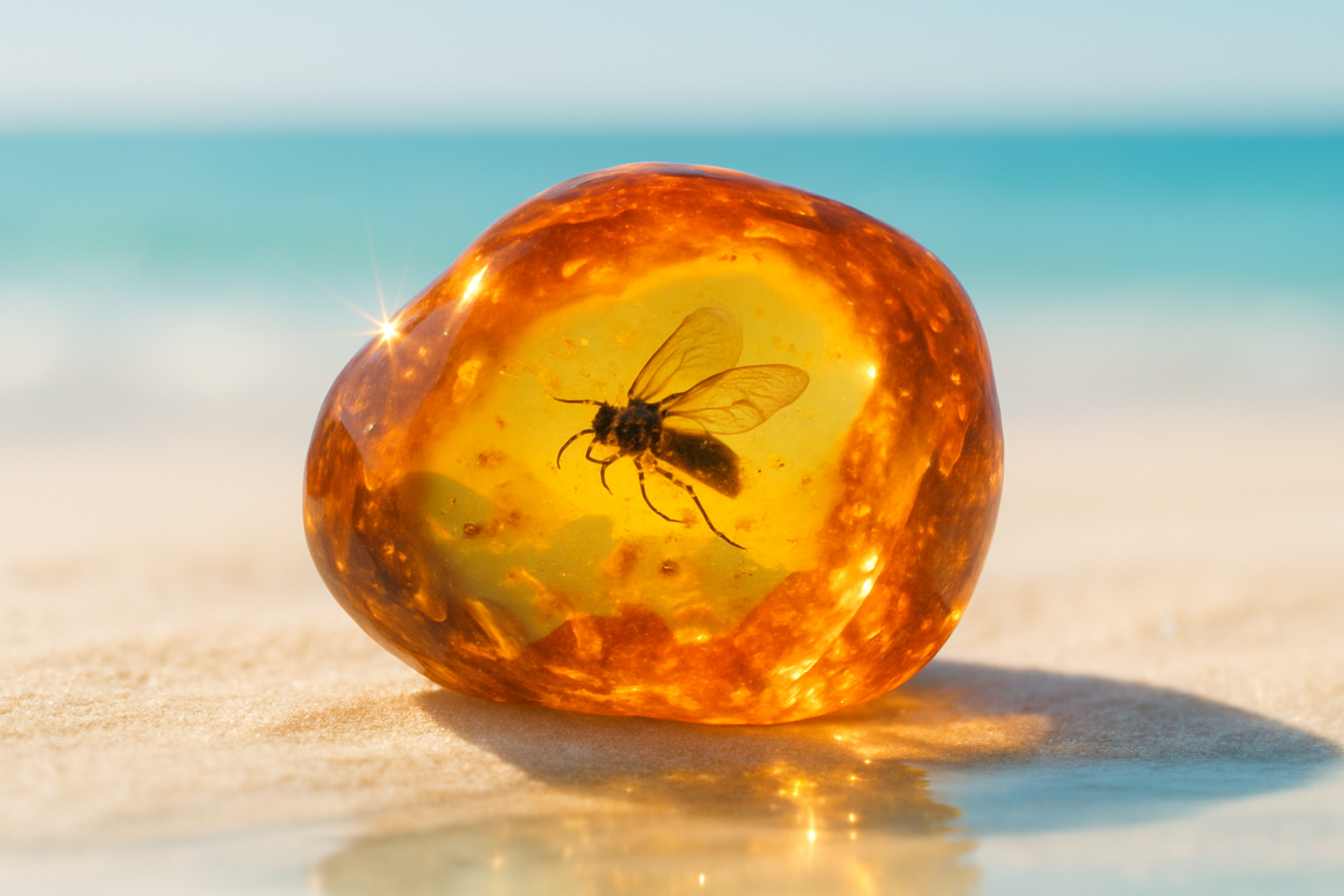
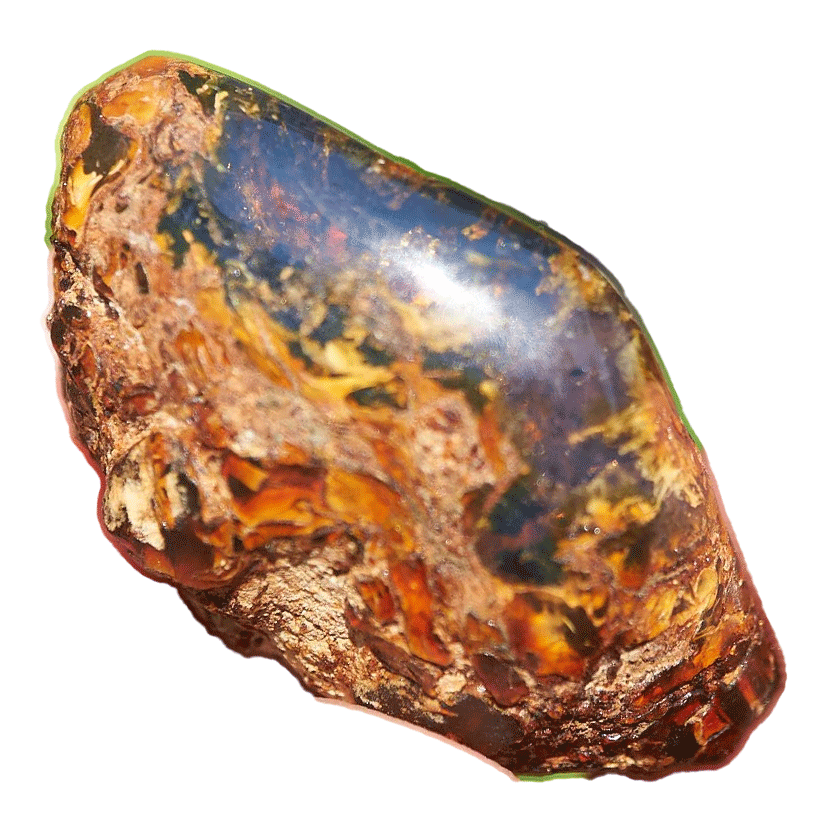
Amber gemstone is not a mineral but ancient fossilized tree resin, formed millions of years ago. This natural resin, primarily from extinct coniferous trees, oozed out and trapped fragments of the prehistoric world. Over time, layers of earth, pressure, and gentle heat transformed sticky resin into the hard, golden material we recognize today.
Major sources include the Baltic region, Dominican Republic, Myanmar, and Mexico. Each area produces amber gemstone with distinct color, clarity, and inclusions. Scientific interest is high because some amber contains perfectly preserved insects and plants, unlocking secrets of ancient ecosystems.
The transformation from resin to amber gemstone is a slow, delicate process. Resin hardens, fossilizes, and sometimes captures air bubbles or organic material, making each specimen unique. For a deeper dive into amber’s origins and many uses, see this helpful Amber Stone Overview and Uses.
Amber gemstone has held a special place in human culture for thousands of years. Neolithic peoples crafted beads, amulets, and decorative objects from amber, believing it held mystical powers. The famous “Amber Road” trade route connected the Baltic Sea to the Mediterranean, spreading the stone’s influence.
Ancient Greeks, Romans, Egyptians, and Chinese civilizations valued amber gemstone for spiritual protection and healing. Archaeological digs have uncovered amber beads in tombs and royal treasures, proving its importance. Legends abound—some said amber was the tears of the gods or sunlight solidified into stone.
Known as “Nordic Gold,” amber gemstone adorned royalty and was used in rituals. Its warm glow and mysterious inclusions inspired countless myths and stories throughout history.
Today, amber gemstone is experiencing a renaissance in jewelry, decorative arts, and scientific research. Designers favor its warm hues and organic charm, while collectors seek rare colors or fossil inclusions. Museums around the world feature stunning amber gemstone displays, including pieces with ancient insects inside.
Scientists use amber gemstone to study prehistoric life and even attempt DNA extraction from trapped specimens. Ethical concerns have arisen regarding mining practices, prompting a shift toward sustainable sourcing. Record-setting auctions and high-profile exhibitions highlight the ongoing fascination with amber gemstone in both wellness and art.
Amber gemstone is also embraced in holistic medicine and alternative therapies, believed to promote balance and healing.
The Baltic Sea region remains the world’s largest and most renowned source of amber gemstone, famed for its golden clarity and abundance. Dominican amber is celebrated for rare blue and green varieties, often more transparent than Baltic types. Myanmar’s Burmese amber is among the oldest, offering deep, rich hues prized by collectors.
Mexico and Canada have emerging deposits, adding diversity to the amber gemstone market. Compare sources below:
| Region | Key Features | Notable Colors |
|---|---|---|
| Baltic | Largest, most abundant | Golden, honey, red |
| Dominican | High clarity, rare blue | Blue, green, yellow |
| Myanmar (Burmite) | Oldest, deep hues | Deep red, brown |
| Mexico/Canada | Emerging, varied inclusions | Yellow, orange |
Amber mining shapes local economies and cultures, with export statistics highlighting its global trade value. Each region’s amber gemstone offers unique beauty and historic significance, making it a prized addition to collections worldwide.
Amber gemstone is a captivating organic gem, celebrated for its warm hues and mesmerizing inclusions. Understanding its properties and how to identify genuine specimens is essential for collectors and enthusiasts. Let’s dive into what sets this ancient treasure apart.
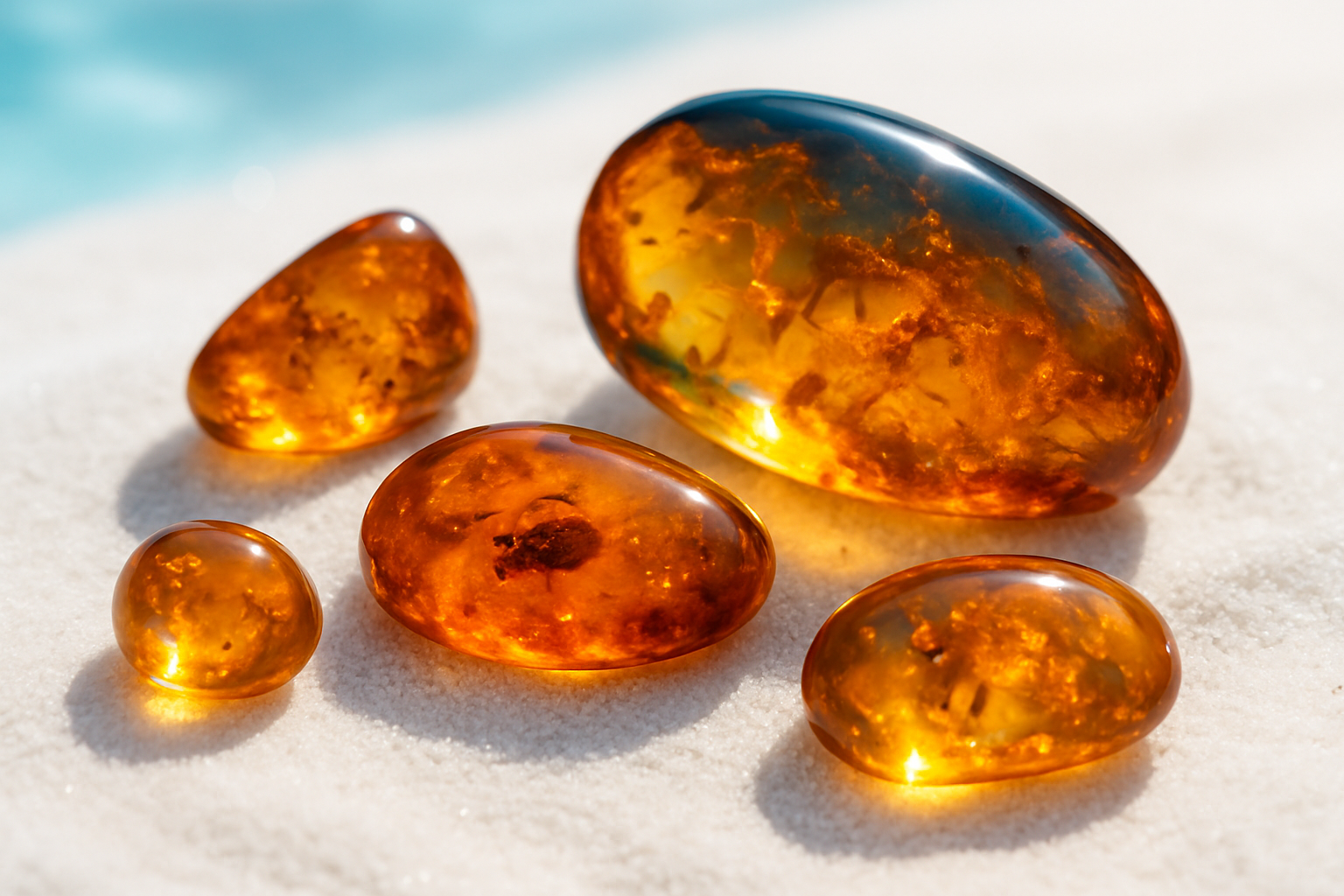
Amber gemstone is not a crystal, but rather fossilized tree resin formed over millions of years. Its composition is primarily organic, with a Mohs hardness of 2–2.5, making it relatively soft compared to other gems.
Amber’s color palette is broad, ranging from classic golden yellow and honey to deep reds, greens, rare blues, and even black. Transparency varies from opaque to crystal-clear, and inclusions of ancient plant matter or insects are highly prized.
Under UV light, some amber gemstone varieties glow blue or green, adding to their allure. When gently heated or rubbed, amber releases a distinctive pine-like fragrance—a signature trait that sets it apart from imitations.
There are several prominent types of amber gemstone, each with distinct features. Baltic amber is the most abundant and valued for its clarity and warm tones. Dominican amber stands out for its exceptional transparency and rare blue or green hues. Burmese amber, also called Burmite, is the oldest variety and often displays deep, rich colors.
Younger resins like copal are sometimes mislabeled as amber gemstone, but true amber has a much older geological age. Pressed or reconstituted amber is created by fusing smaller fragments, while synthetics and imitations are common in the market.
Here’s a quick comparison:
| Type | Origin | Color Range | Notable Feature |
|---|---|---|---|
| Baltic | Northern Europe | Yellow, orange | Abundant, classic |
| Dominican | Caribbean | Blue, green, yellow | Rare fluorescence |
| Burmese (Burmite) | Myanmar | Red, brown | Oldest, deep hues |
| Copal | Various | Light, yellow | Younger resin |
Spotting real amber gemstone requires a blend of observation and simple tests. Genuine amber feels warm and lightweight in your hand. Its natural inclusions—like plants or insects—appear three-dimensional and not painted on.
Try the smell test: when gently heated, authentic amber emits a pine scent, while plastics or fakes do not. The saltwater test is handy—amber gemstone floats in saltwater, but most imitations sink.
Other checks include UV fluorescence (blue or green glow), solubility (amber resists acetone), and professional gemological testing. For more in-depth techniques, the Amber Properties and Identification guide offers valuable tips for confirming authenticity.
Amber gemstone value hinges on clarity, color, inclusions, size, and craftsmanship. Transparent amber is typically more valuable than cloudy varieties, while rare colors like blue, green, or cherry fetch premium prices.
The presence of fossil inclusions, such as insects or plants, can significantly increase value—especially if they’re well-preserved and visible. Size and shape also matter; larger, well-formed pieces are sought after for jewelry and collections.
Cut and polish quality affect the gem’s appeal, and natural amber gemstone is generally more prized than treated or enhanced pieces. Industry grading systems help buyers navigate these nuances, ensuring informed purchases.
Some amber gemstone specimens are world-famous for the prehistoric life they encase. Insects, spiders, and even ancient flowers have been found perfectly preserved, providing a window into Earth’s distant past.
Museums around the globe showcase these extraordinary finds, and some private collections boast record-breaking pieces sold at auction. Scientific breakthroughs, like attempts to extract ancient DNA, have added to amber’s mystique and value.
Rarely, amber gemstone appears in unique colors or as exceptionally large specimens—these often become the centerpiece of exhibitions or media stories. Proper care and conservation help preserve these treasures for future generations.
Amber gemstone has fascinated humanity for thousands of years, not just for its beauty but for its rich tapestry of meanings and legends. Across continents and cultures, amber gemstone has been woven into mythology, spiritual practices, personal identity, and even the arts. Let’s explore how this ancient gem continues to inspire collectors, healers, and creatives alike.
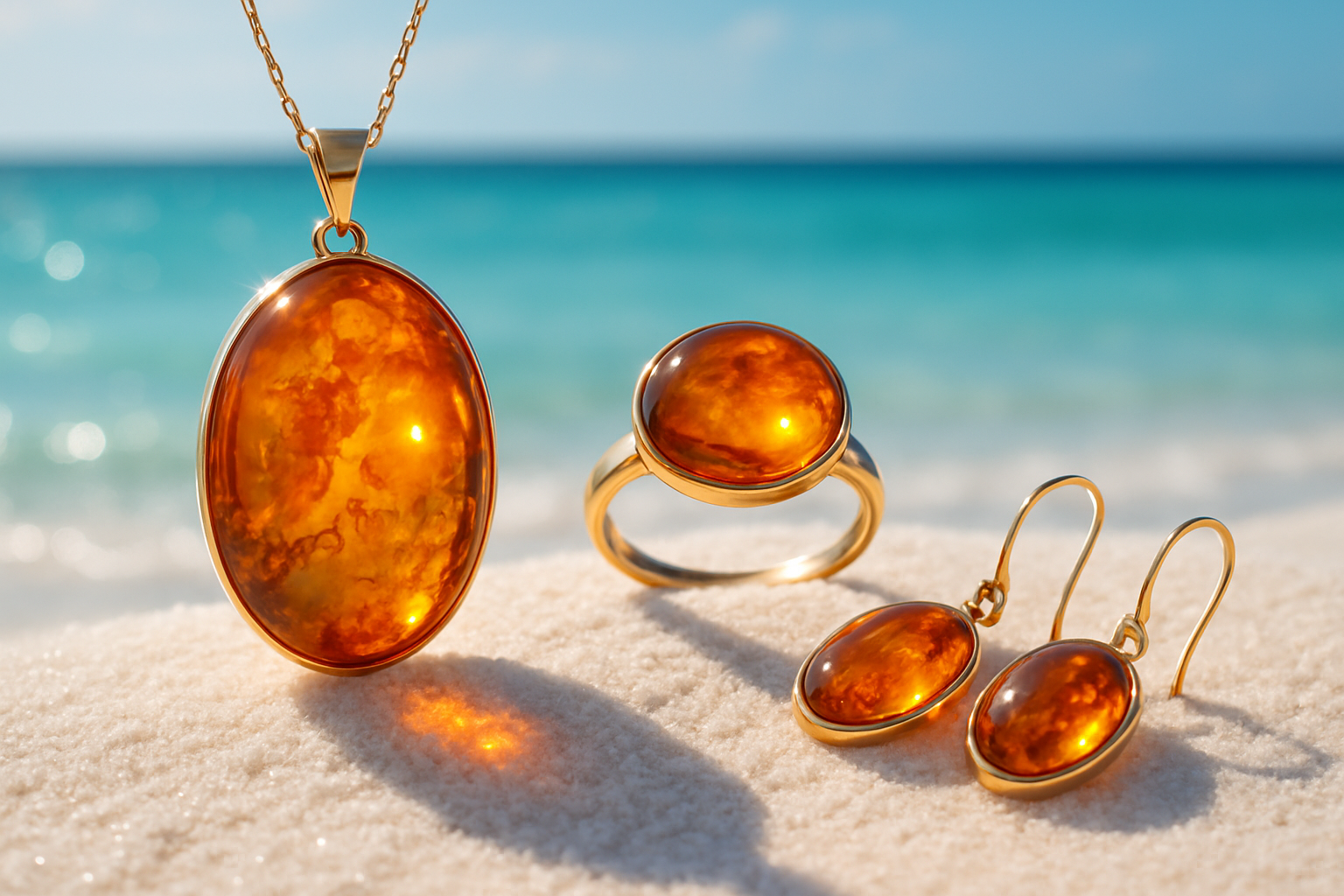
Amber gemstone is steeped in legend, often described as the “tears of the gods” or “sunlight trapped in stone.” In Greek mythology, amber was linked to the sun god Helios, while Romans believed it held protective powers. Norse myths called it “Nordic Gold,” associating it with Freyja, the goddess of love.
Chinese traditions valued amber gemstone for spiritual protection and harmony. For a deeper historical perspective, see the Amber Gemstone Information by AGTA, which explores amber’s roots in world cultures.
Many believe the amber gemstone radiates a calming, grounding energy. It’s a favorite in meditation and mindfulness practices, said to connect wearers to the warmth of sunlight and the renewal of nature. Spiritual healers often use amber gemstone to soothe stress, dispel negativity, and encourage emotional resilience.
Modern holistic wellness circles frequently turn to amber gemstone for its perceived ability to balance emotions and promote inner peace.
Amber gemstone is a popular alternative birthstone for November and is linked to several zodiac signs, including Leo, Aquarius, and Taurus. It’s featured on both traditional and modern birthstone lists, making it a meaningful gift for birthdays and anniversaries.
Birthstone jewelry featuring amber gemstone is treasured for its warmth and personal symbolism, making it a thoughtful choice for special occasions.
Amber gemstone has left a shimmering mark on art and culture throughout history. The legendary Amber Room of Russia, once dubbed the “Eighth Wonder of the World,” showcased its opulent beauty. Literary giants like Homer and Pliny the Elder praised amber gemstone in their works.
Amber gemstone’s golden hues and ancient allure continue to influence creative expression, from museum exhibitions to high-fashion runways.
Unlocking the true value of an amber gemstone in 2025 means understanding the delicate interplay of rarity, demand, and provenance. As trends shift and collectors seek out unique specimens, the market for amber gemstones has never been more dynamic. Whether you’re an investor, collector, or jewelry enthusiast, knowing what drives value ensures you make smart decisions in a competitive landscape.
Several key factors determine the value of an amber gemstone. The source is crucial—Baltic, Dominican, and Burmese amber each have unique traits and levels of demand. Color is a major influencer; blue, green, and cherry hues command premium prices due to their rarity. Clarity and transparency also matter, with clear amber often fetching higher prices than cloudy or opaque stones.
Size and weight play a significant role, as larger pieces are more desirable for collectors. Inclusions, especially those featuring prehistoric insects or plants, can dramatically increase the worth of an amber gemstone. Natural, untreated amber is valued above treated or enhanced varieties, and market demand fluctuates with fashion and jewelry trends. Understanding these factors is essential for anyone navigating the amber market in 2025.
Pricing for amber gemstones in 2025 reflects both global trends and unique specimen characteristics. Baltic amber remains the most accessible, while Dominican blue amber is prized for its rarity and vibrant fluorescence. Fossil inclusions and rare colors can drive auction prices sky-high. According to Amber Value and Pricing Information, collectors should compare price ranges and quality factors before purchasing.
| Amber Type | Price Range (per gram) | Notable Features |
|---|---|---|
| Baltic Amber | $2–$10 | Abundant, classic golden hues |
| Dominican Amber | $10–$40 | Clarity, occasional blue/green |
| Burmese Amber | $15–$50 | Deep colors, ancient origins |
| Blue Amber | $30–$100+ | Rare fluorescence, high demand |
Prices have risen compared to previous years, especially for unique colors and sizable specimens. Economic factors and increased demand for natural gems are expected to keep values strong through 2025.
For those considering an amber gemstone as an investment, the market offers both opportunity and challenge. Historically, amber has shown steady appreciation, particularly for pieces featuring rare inclusions or exceptional color. Building a valuable collection requires diligence—focus on authenticity, provenance, and certification to avoid fakes.
Tips for collectors:
Risks include market fluctuations and the presence of imitations. Notable collectors and record-breaking sales highlight the enduring appeal of amber gemstones in the investment world.
With growing awareness of environmental impact, ethical sourcing is increasingly important for amber gemstone buyers. The Baltic region is known for established, regulated mining practices, while the Dominican Republic is making strides in sustainable extraction. Certification schemes and traceability initiatives are gaining traction to ensure stones are responsibly sourced.
Consumers are advised to:
Sustainability is shaping consumer preferences, with more buyers seeking ethically mined amber gemstones for both jewelry and collections.
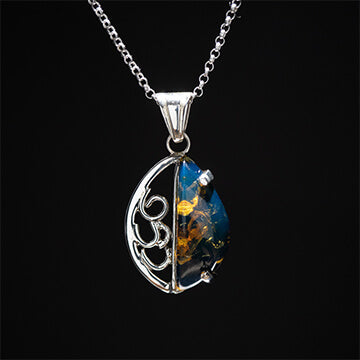
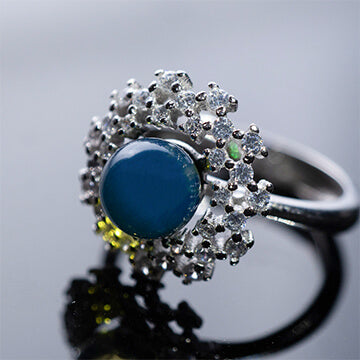
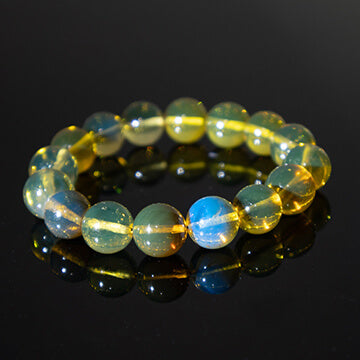
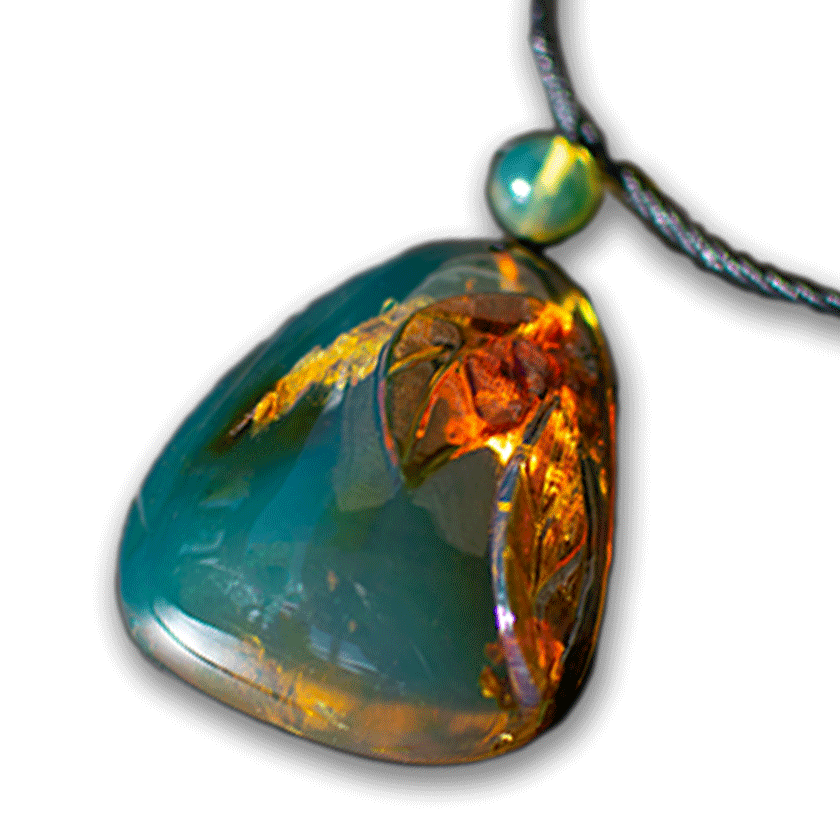
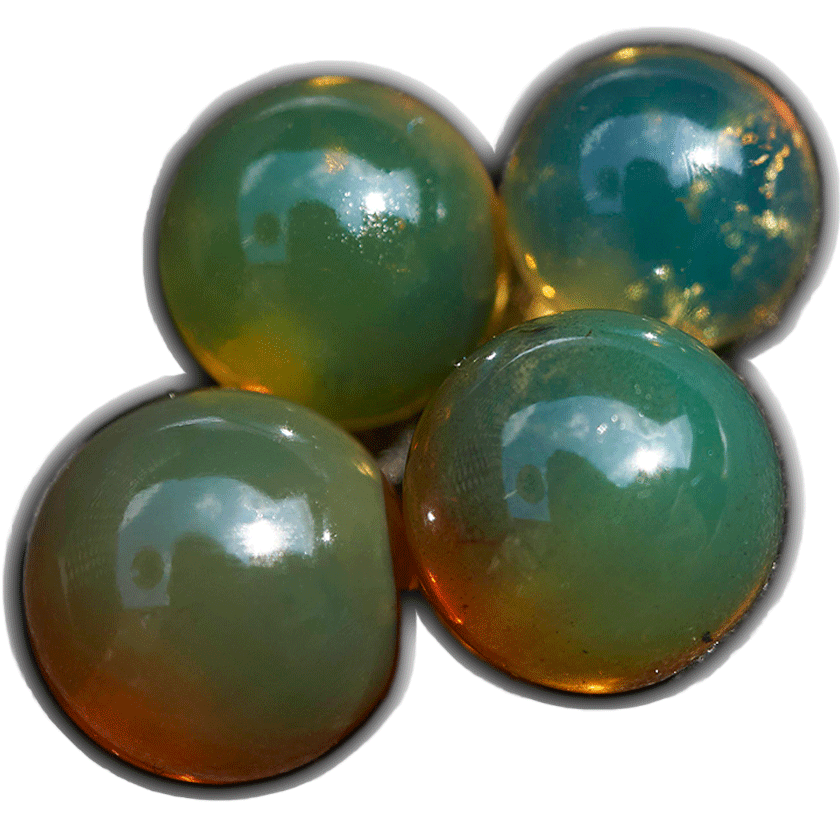
Dominican blue amber is a standout among amber gemstone varieties, renowned for its captivating blue fluorescence and clarity. Found exclusively in the Dominican Republic, this amber is sought after by collectors and jewelers worldwide. Its vibrant color sets it apart from Baltic amber, making each piece a unique treasure.
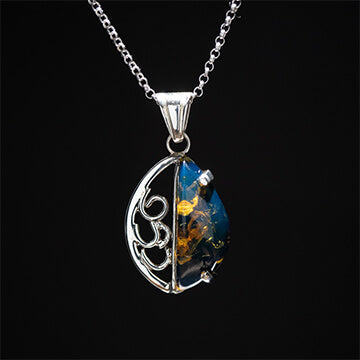
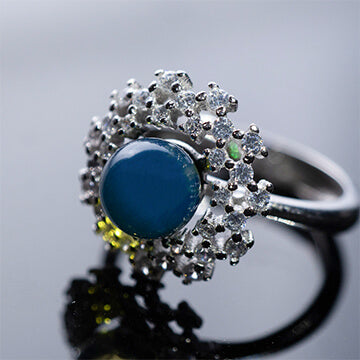
Handcrafted into high-end jewelry and specialty carvings, Dominican blue amber is celebrated for both its natural beauty and artisanal quality. Retailers like Larimar Creations are dedicated to authenticity and offer global accessibility with free shipping, making it easier than ever to own a piece of this rare gemstone. Collectors, gift buyers, and investors are increasingly drawn to Dominican blue amber as a symbol of luxury and rarity.
The allure of amber gemstone stretches far beyond its visual beauty. Across centuries, people have treasured it for remarkable healing, emotional, and spiritual benefits. In modern times, amber gemstone continues to enrich daily life, wellness routines, and even interior spaces. Let’s explore the many advantages this ancient treasure offers.
For centuries, the amber gemstone has been cherished in folk medicine for its reputed ability to ease pain and inflammation. Ancient cultures crafted amber teething necklaces for babies, believing the stone’s energy could soothe discomfort. While modern doctors caution against using these necklaces for children due to choking risks, adults still use amber gemstone in massage therapy, balms, and wellness products.
Some proponents claim that succinic acid, found in amber, may offer anti-inflammatory benefits. However, scientific studies remain inconclusive about direct health effects. Despite this, testimonials from holistic practitioners highlight the amber gemstone’s perceived ability to relieve joint pain and support detoxification.
Amber-infused creams and oils are popular for wellness routines, blending traditional beliefs with modern self-care practices. Whether worn as jewelry or used in topical products, the amber gemstone’s healing reputation endures in many cultures.
The amber gemstone is often praised for its calming and soothing energy. Many people turn to amber to help manage stress and promote emotional balance in their daily lives. The stone is believed to absorb negative emotions and replace them with a sense of warmth and optimism.
Therapists and holistic healers sometimes recommend amber gemstone as a supportive tool for anxiety or mood swings. Its gentle energy is said to foster resilience and encourage a positive outlook. Amber is also a favorite addition to mindfulness and meditation practices, thanks to its grounding effect.
In spa settings, amber gemstone is used in relaxation products such as massage oils and bath salts. Users frequently report a comforting sense of stability and emotional clarity when incorporating amber into their wellness rituals.
Across spiritual communities, the amber gemstone is valued as a powerful ally for energy work and crystal healing. It’s commonly associated with the solar plexus and sacral chakras, supporting confidence, creativity, and vitality.
Many believe the amber gemstone acts as a protective shield, warding off negative energies and psychic disturbances. It’s often used in manifestation rituals and intention-setting, helping users focus on goals and attract positive outcomes.
Amber gemstone is also thought to enhance creativity, spark inspiration, and encourage self-expression. Spiritual practitioners share stories of using amber in meditation to deepen awareness and promote inner harmony. Compared to other stones, amber’s ancient origins and organic warmth make it uniquely suited for holistic practices.
The amber gemstone is a favorite among jewelry designers and collectors for its versatility and timeless appeal. From classic beads and cabochons to modern statement pieces, amber adapts to a range of styles—bohemian, vintage, or contemporary.
Its warm hues complement every skin tone and outfit, making amber gemstone jewelry a staple for both casual and formal occasions. Customization is popular, with artisans offering personalized rings, bracelets, and pendants.
Celebrity endorsements and influencer trends have helped boost amber gemstone’s popularity in recent years. If you’re looking to explore different jewelry options, the Amber Jewelry Guide offers insights on styles, care, and choosing the perfect piece.
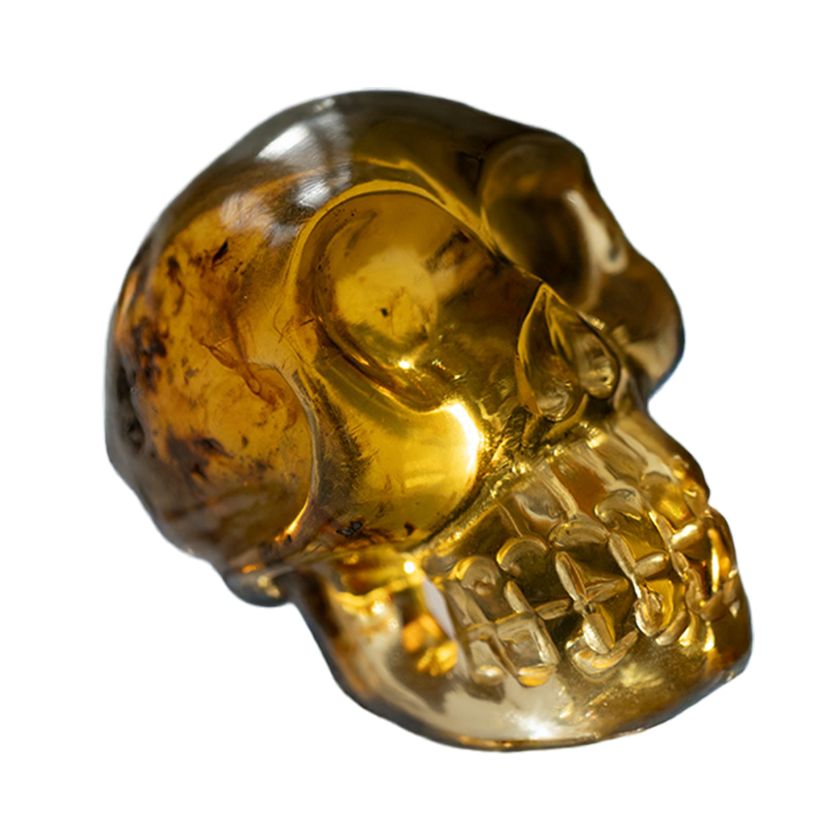
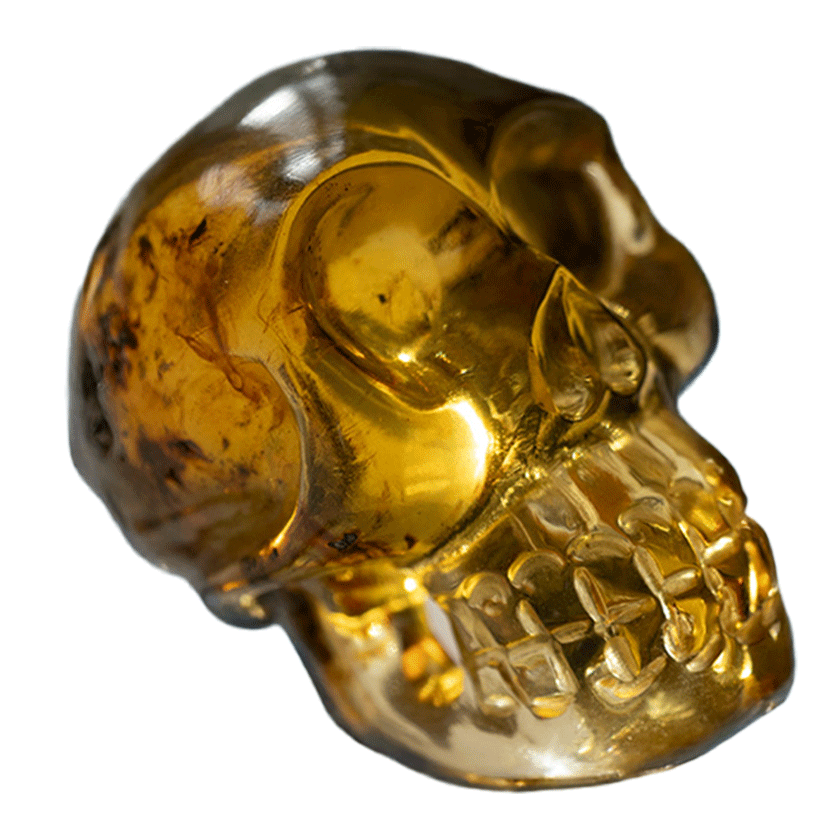
The beauty of the amber gemstone extends beyond personal adornment into the world of home decor. Amber carvings, sculptures, and beads serve as stunning decorative objects that bring warmth and natural elegance to any space.
Amber is also used in incense, essential oils, and perfumes, valued for its rich, piney fragrance. Lamps and home accents made from amber gemstone are believed to purify and uplift the environment, fostering a sense of well-being indoors.
Collectors prize amber fossils and inclusions as unique art pieces and conversation starters. In holistic living spaces, the amber gemstone is often displayed to promote positive energy and a serene atmosphere. The demand for amber-infused decor continues to rise as more people seek natural, meaningful touches for their homes.
When purchasing or using an amber gemstone, authenticity is key. The market is filled with imitations and treated stones, so always buy from reputable sources. It’s also wise to avoid using amber teething necklaces for children, as they present choking and strangulation hazards.
Some individuals may experience skin sensitivity or allergic reactions when wearing amber gemstone jewelry. Always test products before prolonged use, especially with oils or balms. Proper storage and gentle cleaning help preserve the stone’s quality and appearance.
To ensure you’re getting a genuine and valuable piece, consult resources like the Amber Identification, Value, and Care guide. Staying informed and cautious will help you enjoy all the benefits of amber gemstone safely.
Investing in an amber gemstone in 2025 requires a sharp eye and a bit of know-how. The market is filled with both treasures and imitations, so being informed is your best asset. Whether you’re a new collector or a seasoned enthusiast, these tips will help you buy, care for, and enjoy your amber gemstone to the fullest.
When searching for an amber gemstone, always buy from reputable dealers. Ask for gemological certificates and provenance to confirm authenticity. Examine the color and transparency, and be cautious of prices that seem too good to be true. The Amber Buyer's Guide by GIA offers detailed insights into quality factors and how to spot fakes.
Test the amber gemstone by feeling its warmth, checking for a pine scent when gently heated, and using a UV light to observe fluorescence. Inquire about the stone’s origin—Baltic, Dominican, or Burmese—as these details can affect value. When shopping online, read reviews and ask questions about return policies to ensure a secure transaction.
Choosing the right amber gemstone jewelry starts with your personal style and needs. Decide if you prefer beads, pendants, rings, or statement pieces, and match the amber color to your wardrobe—golden hues for warmth or rare blue and green for a unique touch.
Consider custom designs for a personal flair or select ready-made pieces for convenience. Confirm sizing for rings or bracelets to ensure comfort. Check if the jewelry features natural inclusions, as these can increase both value and charm. In 2025, trends include layering amber gemstone necklaces and mixing with other natural stones for a modern look.
Proper care keeps your amber gemstone beautiful for years. Clean it gently with a soft, damp cloth—avoid harsh chemicals, ultrasonic cleaners, or abrasives that can scratch the surface. Store amber gemstone jewelry in a cool, dry place away from direct sunlight and heat to prevent fading or cracking.
Handle your amber gemstone with care to avoid chips. For antique or inclusion-rich pieces, consult a professional for repairs or re-polishing. Wrap jewelry in a soft pouch for travel and keep separate from harder stones to prevent scratches. Regular care ensures your amber gemstone retains its natural glow.
Beyond jewelry, there are many creative ways to use an amber gemstone. Display polished pieces or specimens in your home as décor, or incorporate amber into DIY crafts, such as keychains or meditation beads. Amber-infused oils and incense are popular for their soothing scent and holistic benefits.
Try using amber gemstone in meditation, placing it on your solar plexus or sacral chakra. For a unique gift, present amber carvings or fossil inclusions to collectors or nature lovers. Community events and workshops often feature amber gemstone art, fostering creativity and connection.
The amber gemstone market in 2025 is shaped by sustainability, rare colors, and personalization. Ethical sourcing is gaining ground, with consumers seeking transparency about mining practices. Demand for blue, green, and cherry amber gemstone varieties is on the rise, making unique colors a top trend.
Custom jewelry and statement pieces are increasingly popular, often inspired by natural textures and oceanic themes. Amber gemstone wellness products, such as massage tools and energy charms, are entering mainstream holistic routines. Influencers and celebrities continue to spotlight amber gemstone as a symbol of style and status, driving innovation in design and craftsmanship.
Now that you’ve explored the fascinating world of amber—its rich history, unique properties, and the many ways it can enrich your life—it’s the perfect moment to make this enchanting gemstone part of your own story. Whether you’re drawn to amber’s timeless beauty, its metaphysical benefits, or its investment potential, starting your own collection is a rewarding way to experience everything amber has to offer. If you’re ready to bring a piece of this natural wonder into your life, why not Start Your Collection Today? Let’s discover the magic of amber together!