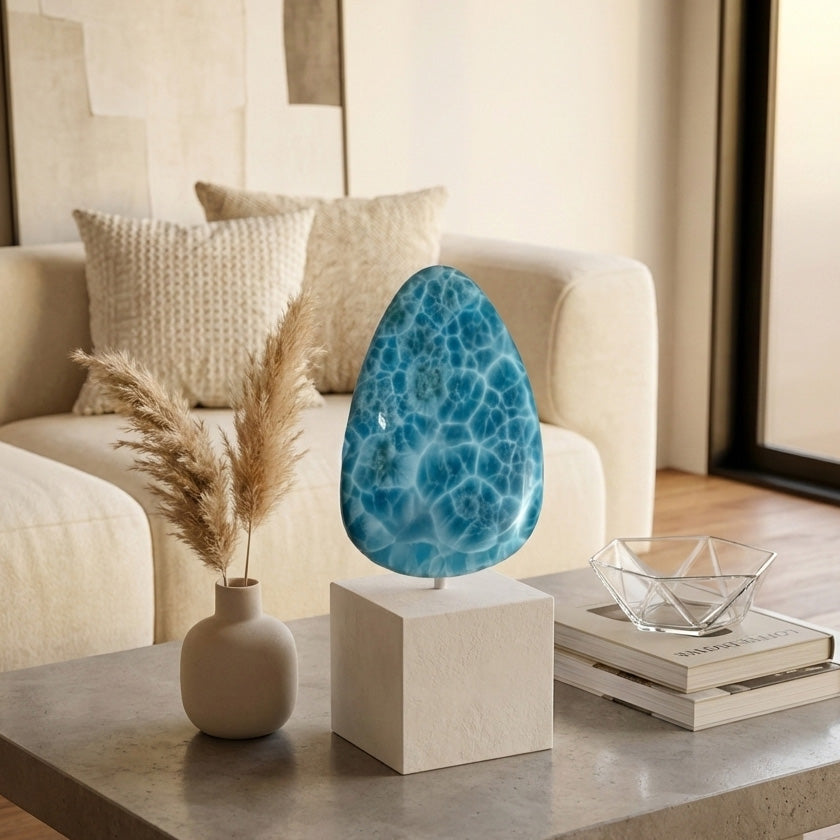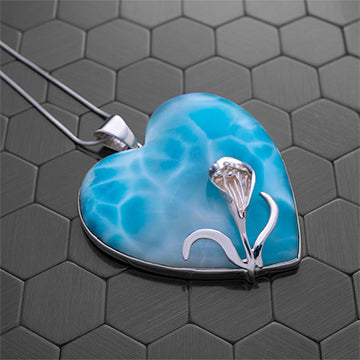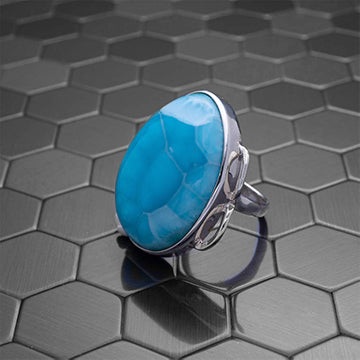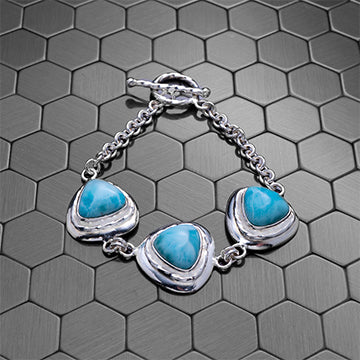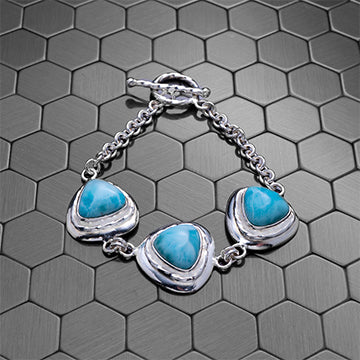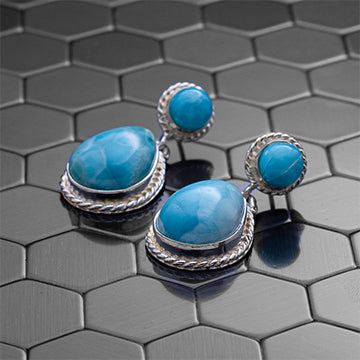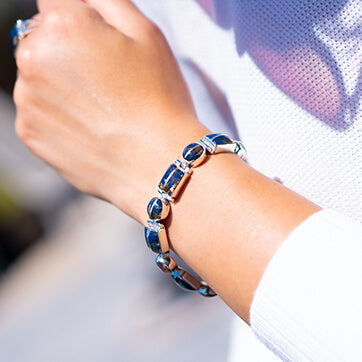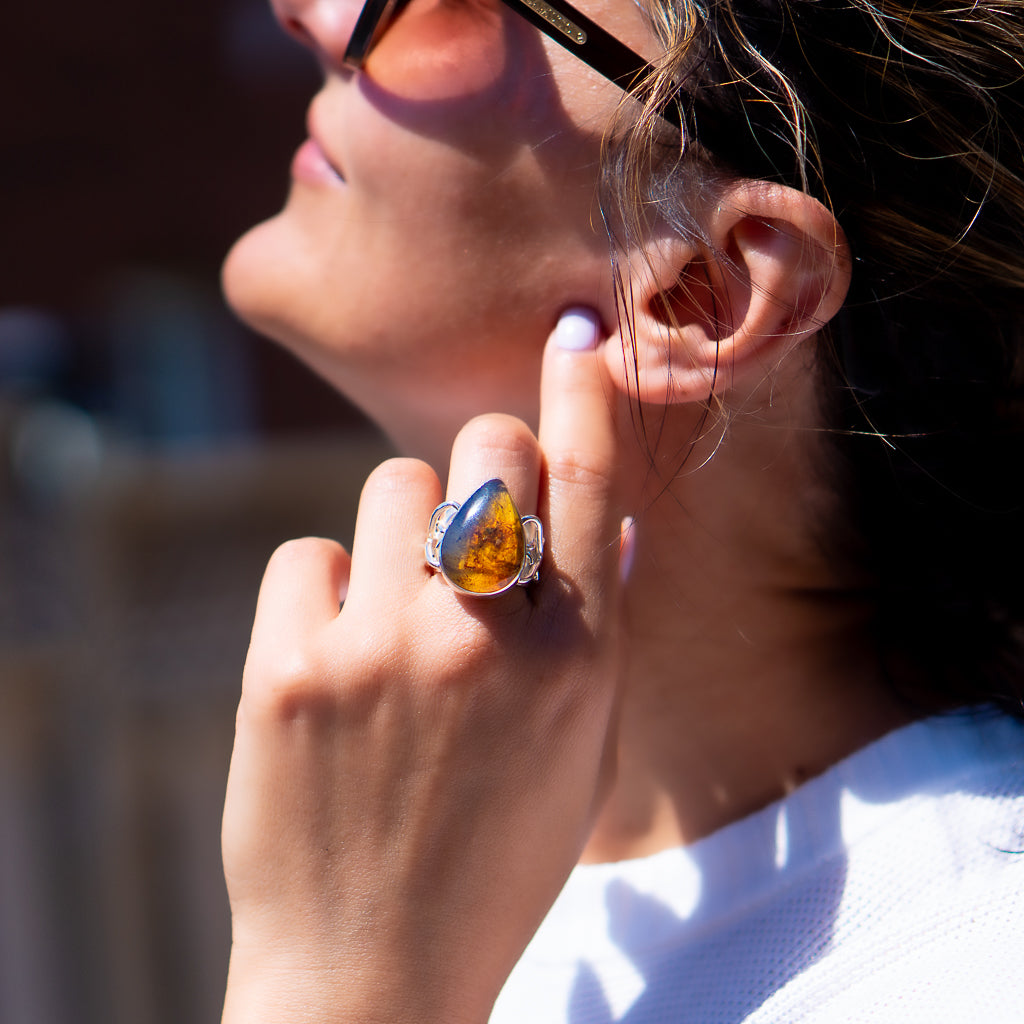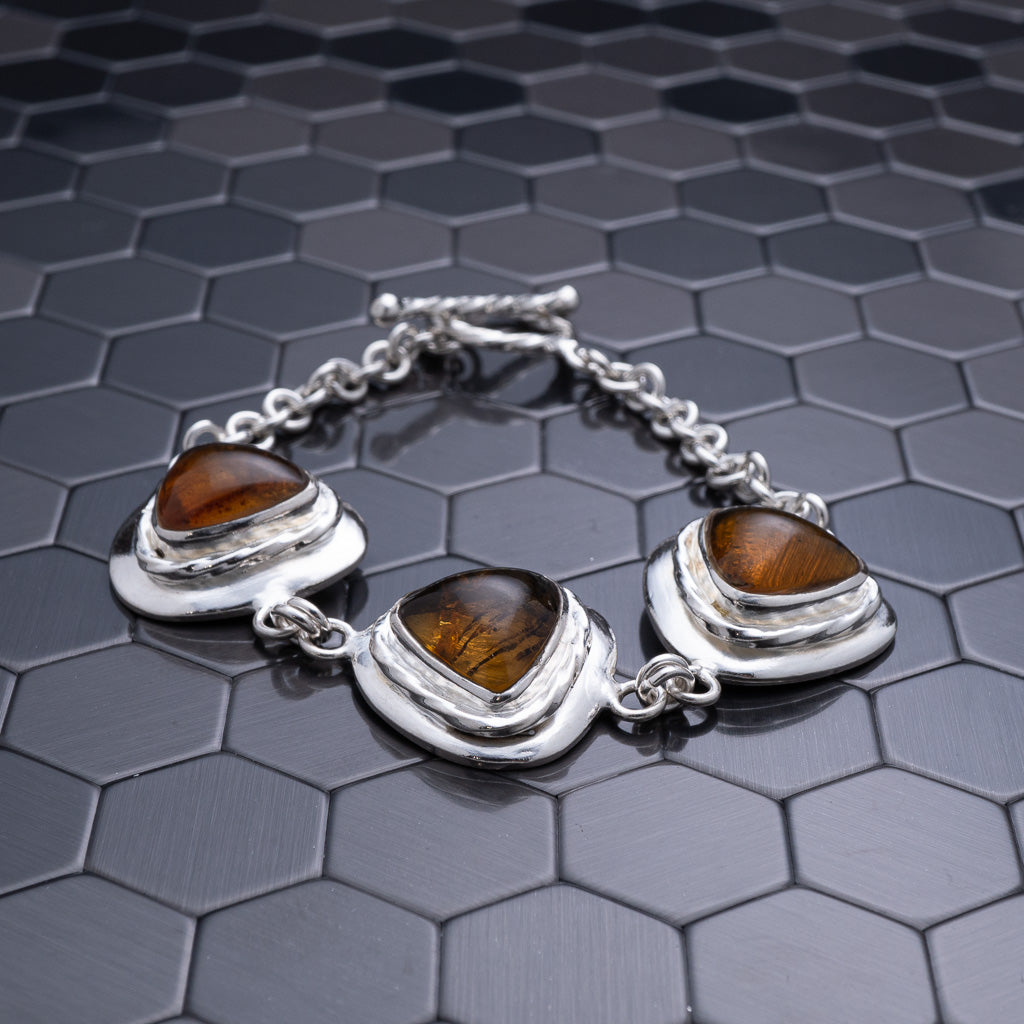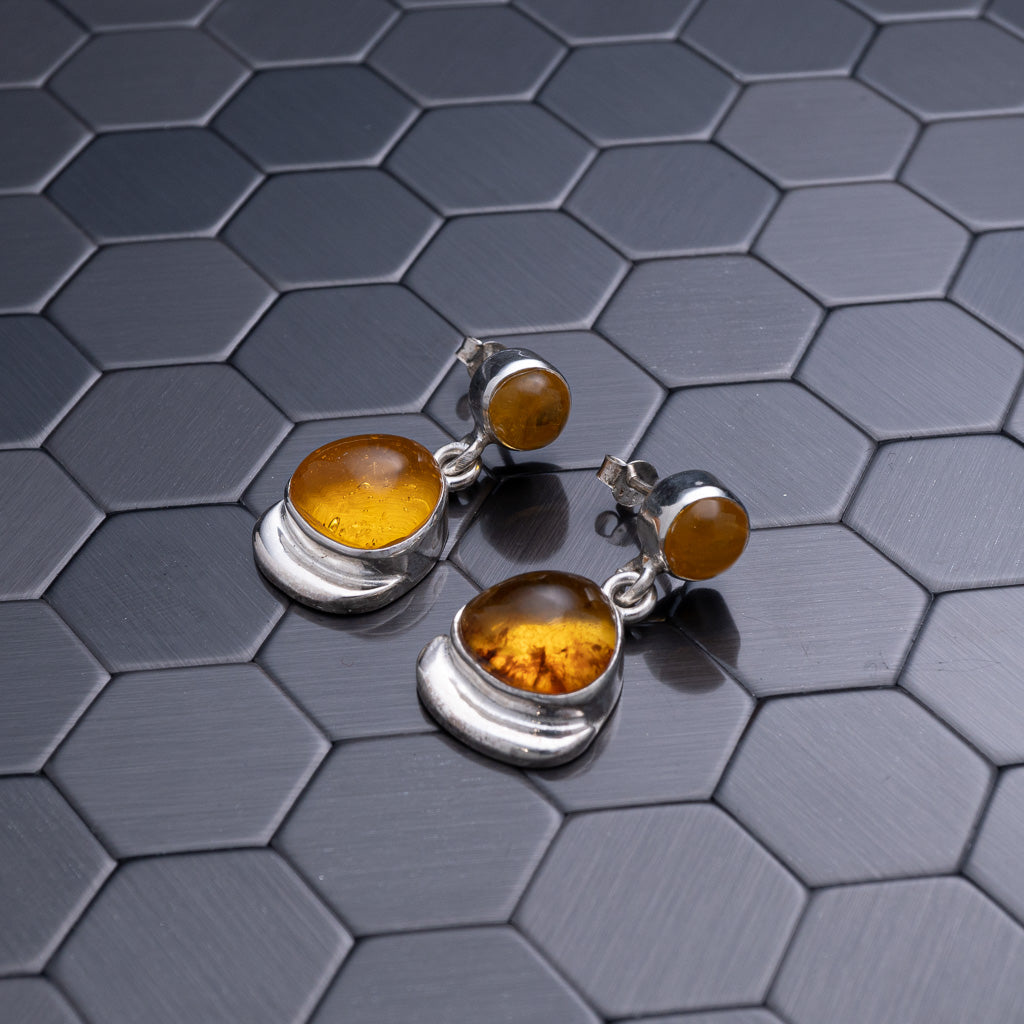


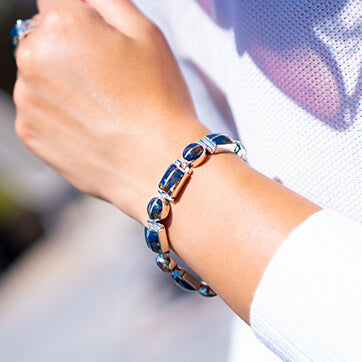
Handcrafted in DR.

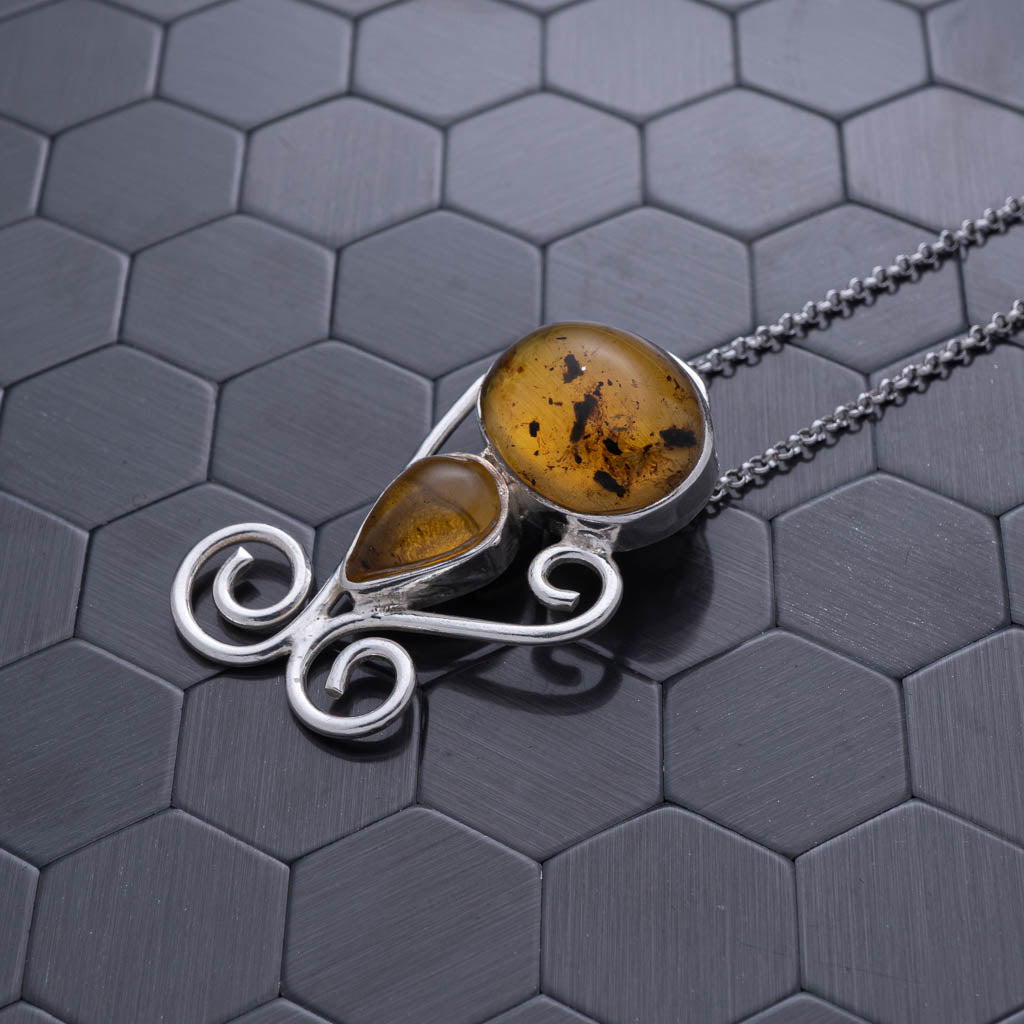
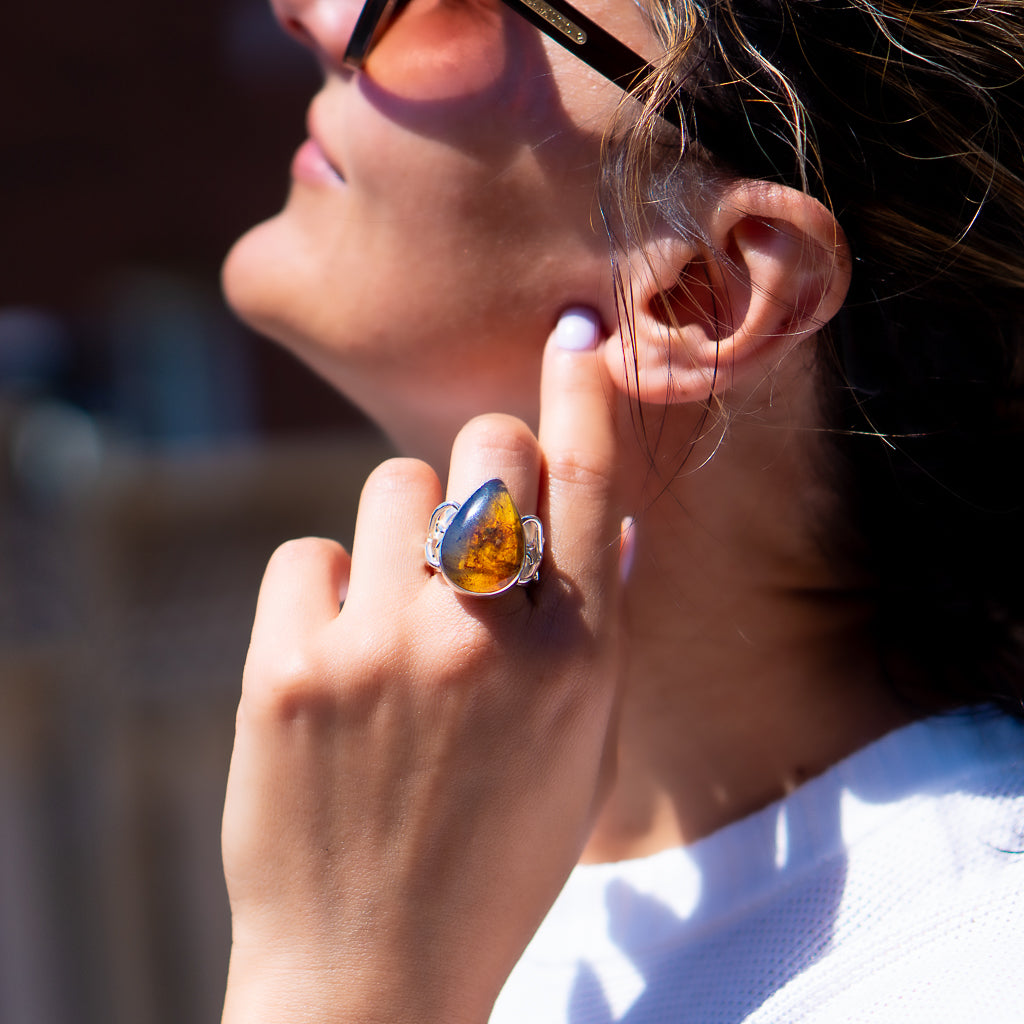
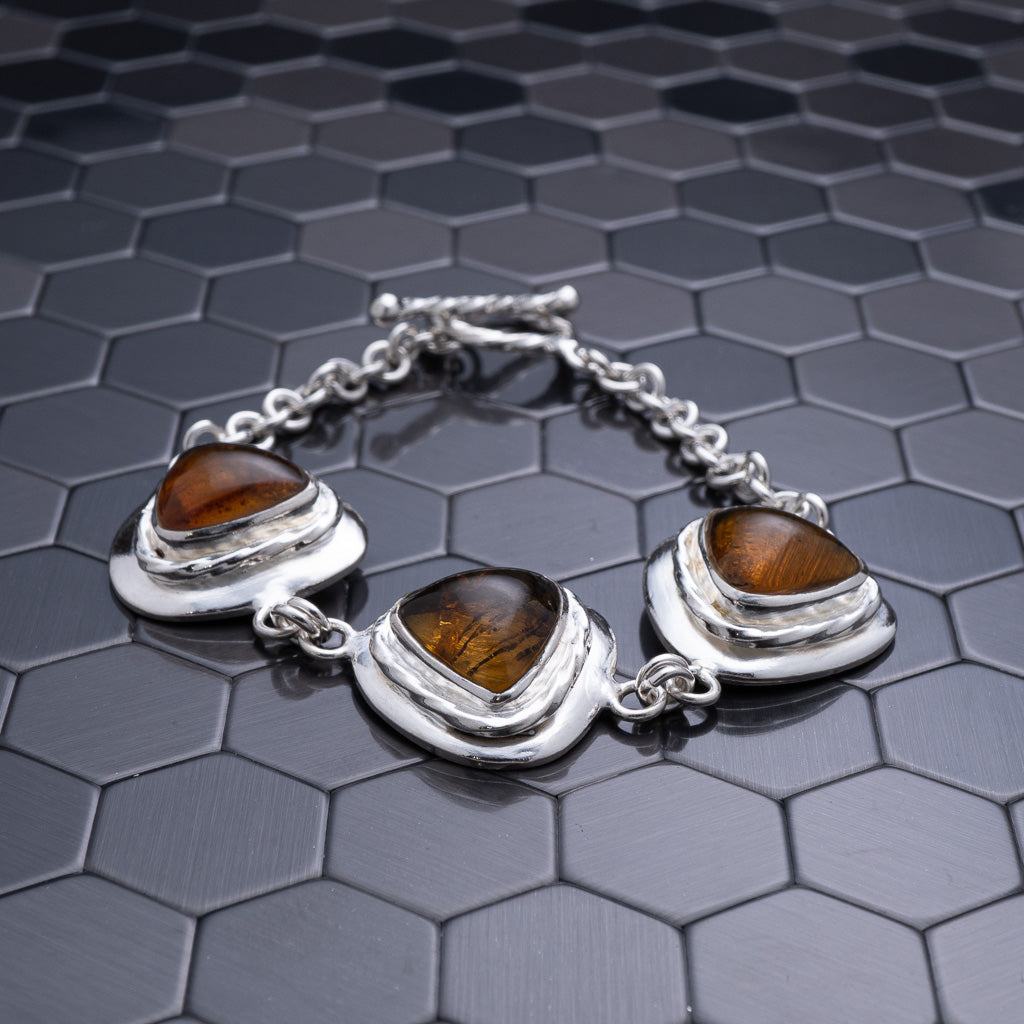
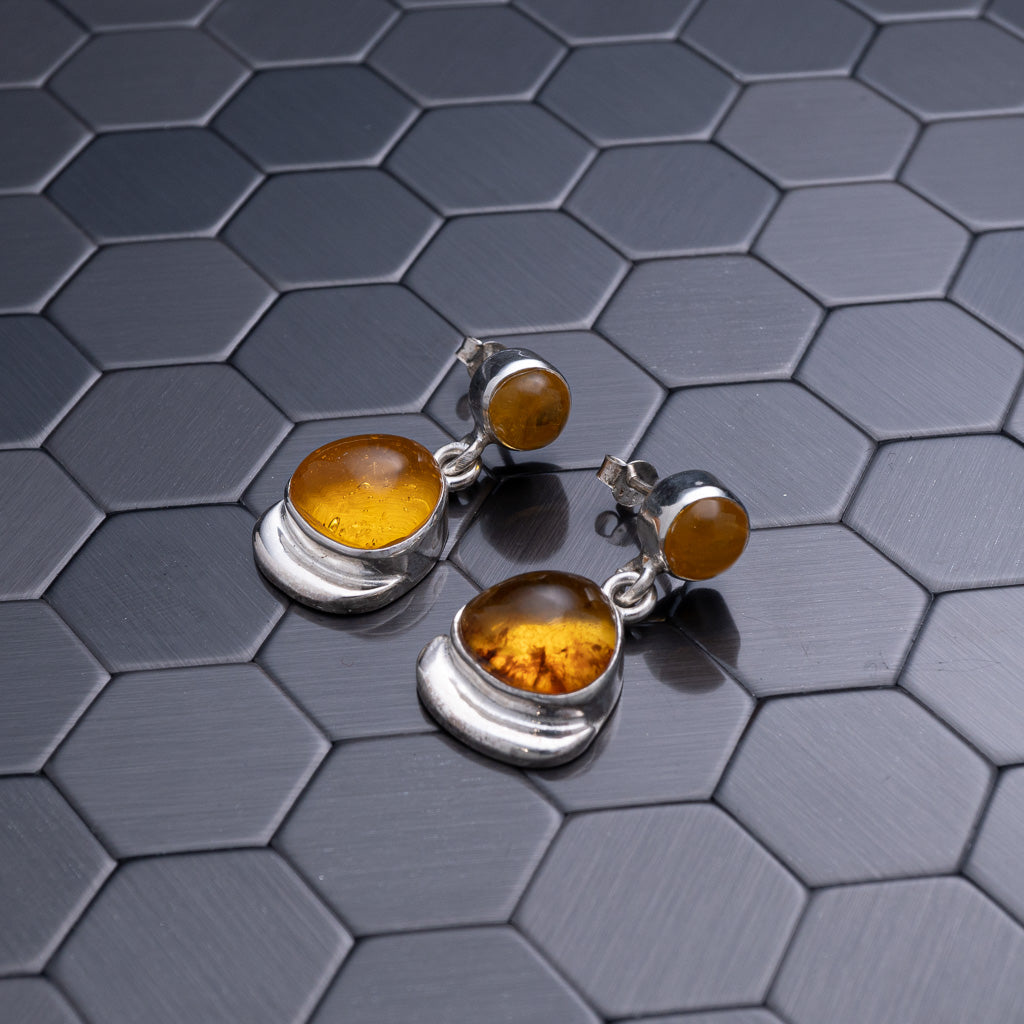


100% Handcrafted in DR.

Amber bracelets have captivated humanity for millennia, combining natural beauty with cultural significance and purported wellness benefits. These unique pieces of jewelry are crafted from fossilized tree resin, transformed over millions of years into warm, golden gemstones that seem to capture sunlight within their depths. Whether you're drawn to amber bracelets for their aesthetic appeal, historical connections, or the traditional beliefs surrounding their properties, understanding what makes these accessories special can help you make informed decisions when selecting and caring for them. From the Baltic shores where the finest specimens originate to modern artisan workshops, amber continues to hold a special place in the world of jewelry.
Amber's journey through human history spans thousands of years, with archaeological evidence showing its use in adornment dating back to prehistoric times. Ancient civilizations prized this fossilized resin not merely for decoration but as a symbol of wealth, protection, and spiritual connection. The Greeks called it "elektron" due to its static properties, while Romans traded it extensively throughout their empire.
The Baltic region emerged as the primary source of the world's finest amber, establishing trade routes that connected Northern Europe with the Mediterranean and beyond. The cultural significance of amber extended far beyond its monetary value. Various cultures attributed protective and healing properties to the gemstone, incorporating it into religious ceremonies and medicinal practices.
Key historical uses included:
Different regions developed distinct styles of working with amber, creating bracelets and other jewelry that reflected local artistic traditions. The warm, honey-colored gemstone became particularly valued in areas where sunshine was scarce, perhaps representing captured light during long, dark winters.
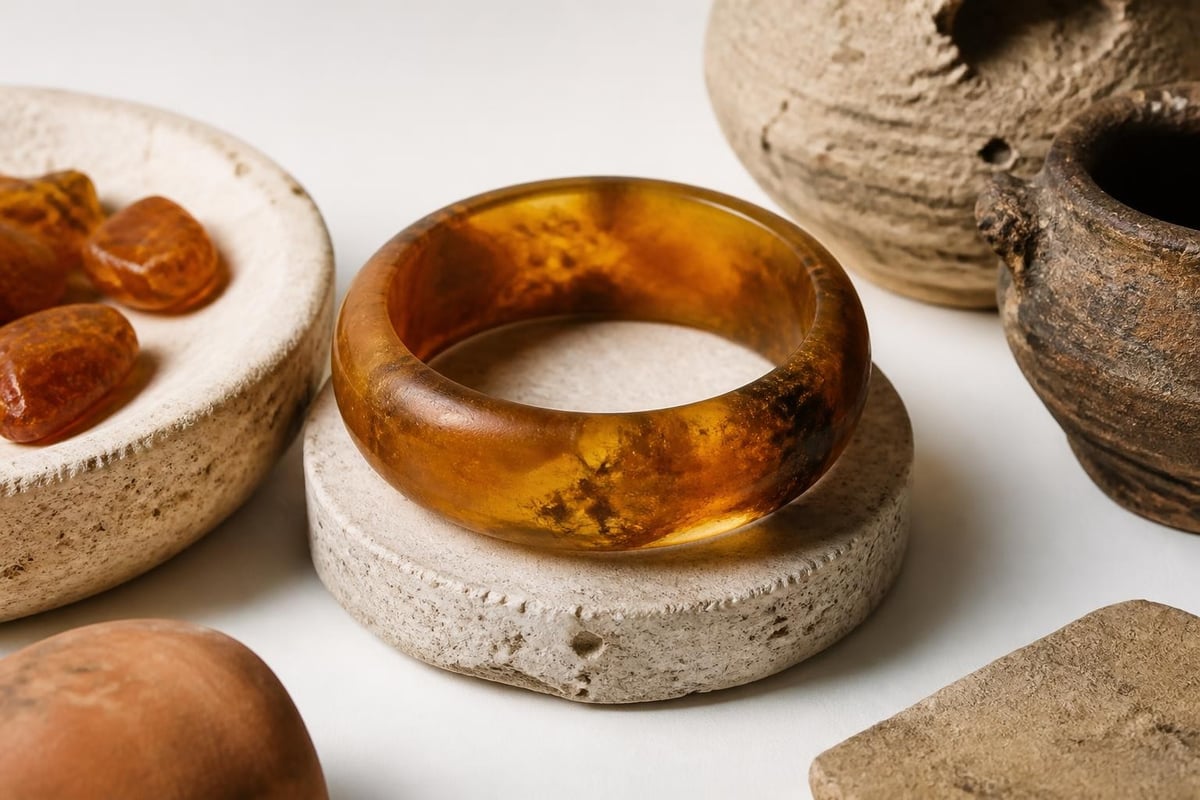
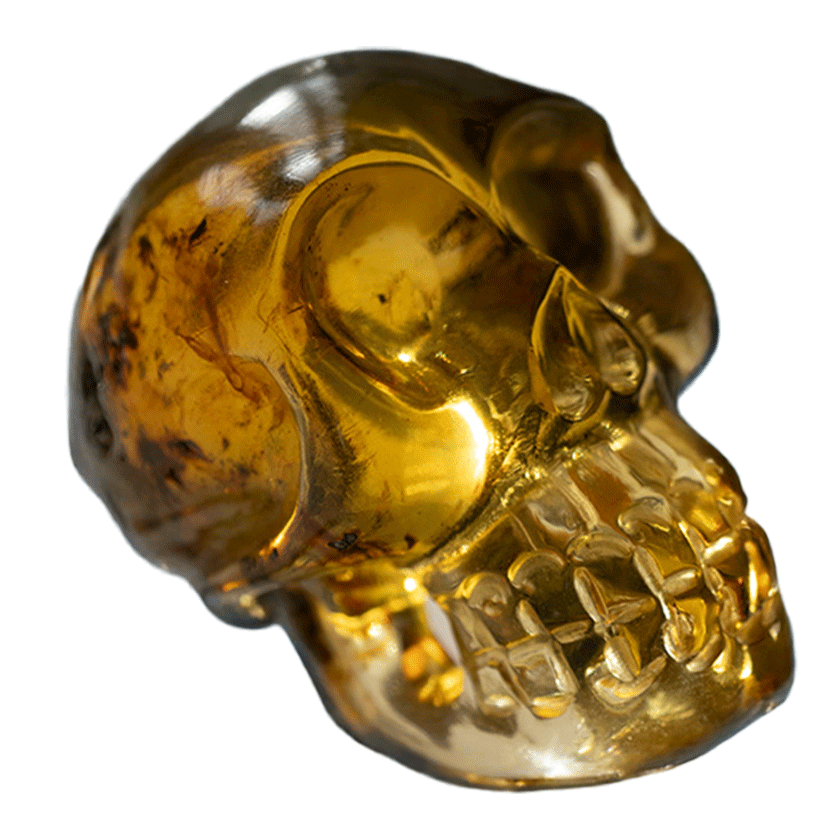
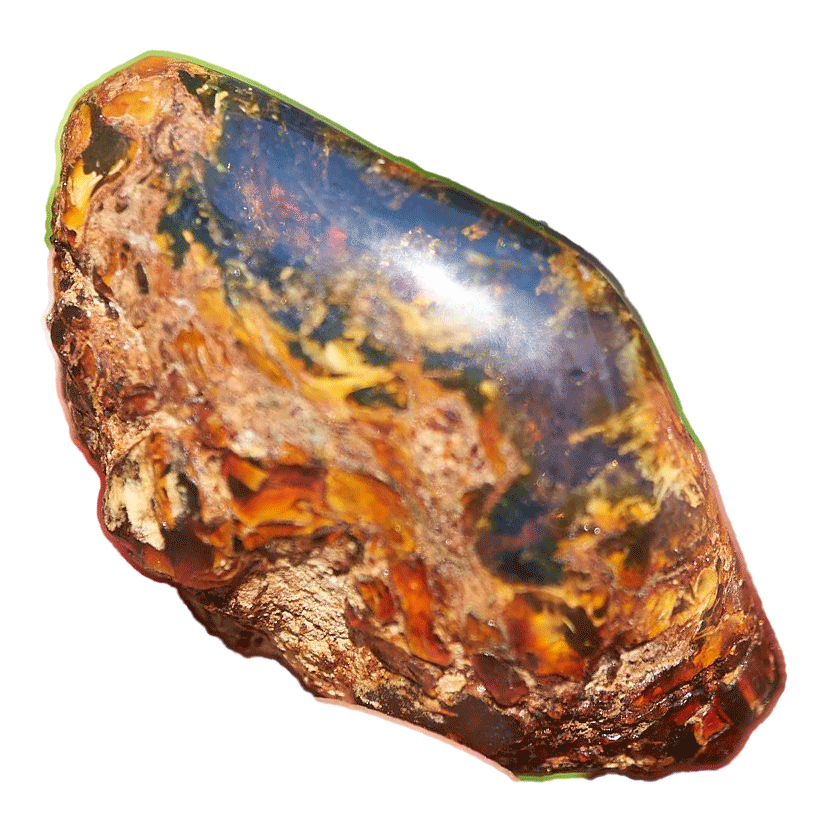
Amber forms through a remarkable process that takes millions of years, beginning with tree resin that oozed from ancient conifers. This resin hardened and became buried under layers of sediment, where heat and pressure gradually transformed it into the gemstone we recognize today. The process preserves incredible details, occasionally trapping insects, plant matter, or air bubbles that provide scientists with windows into prehistoric ecosystems.
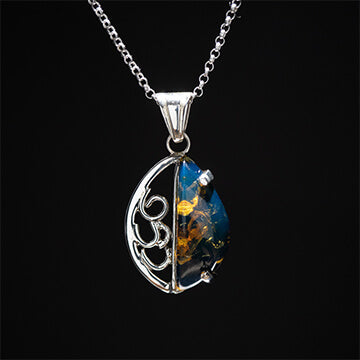
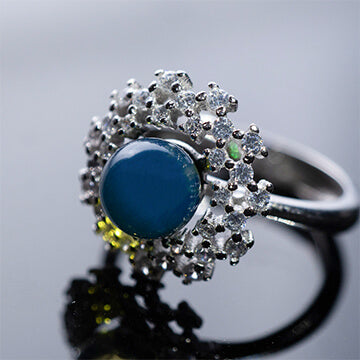
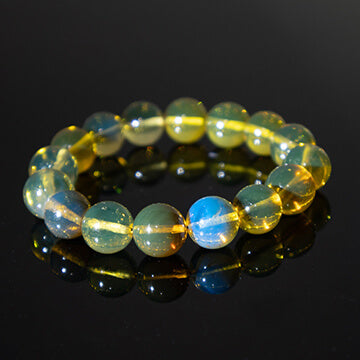
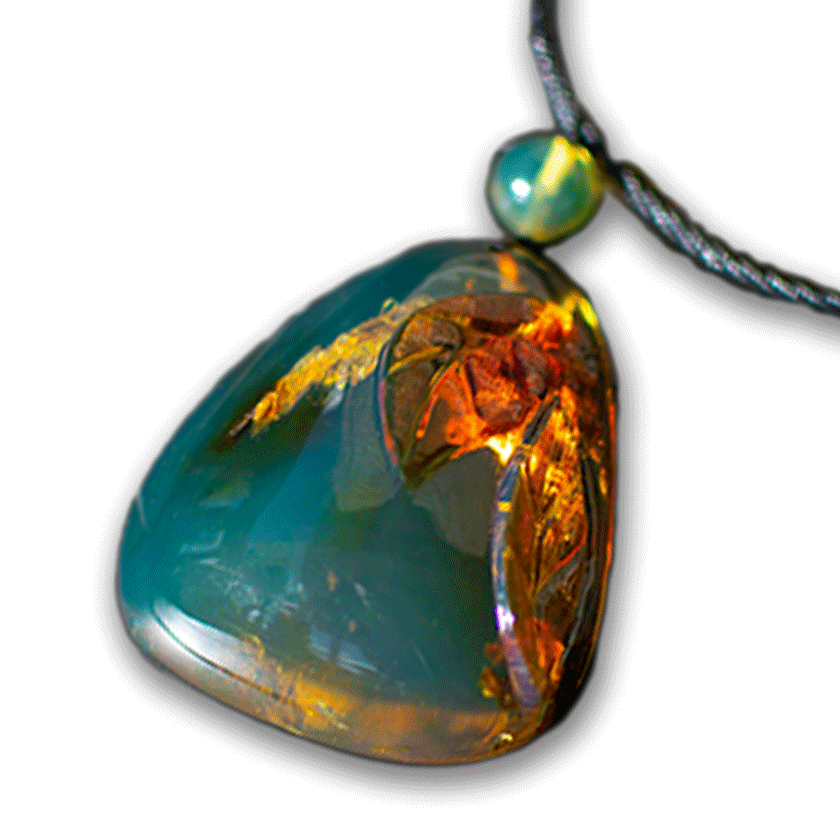
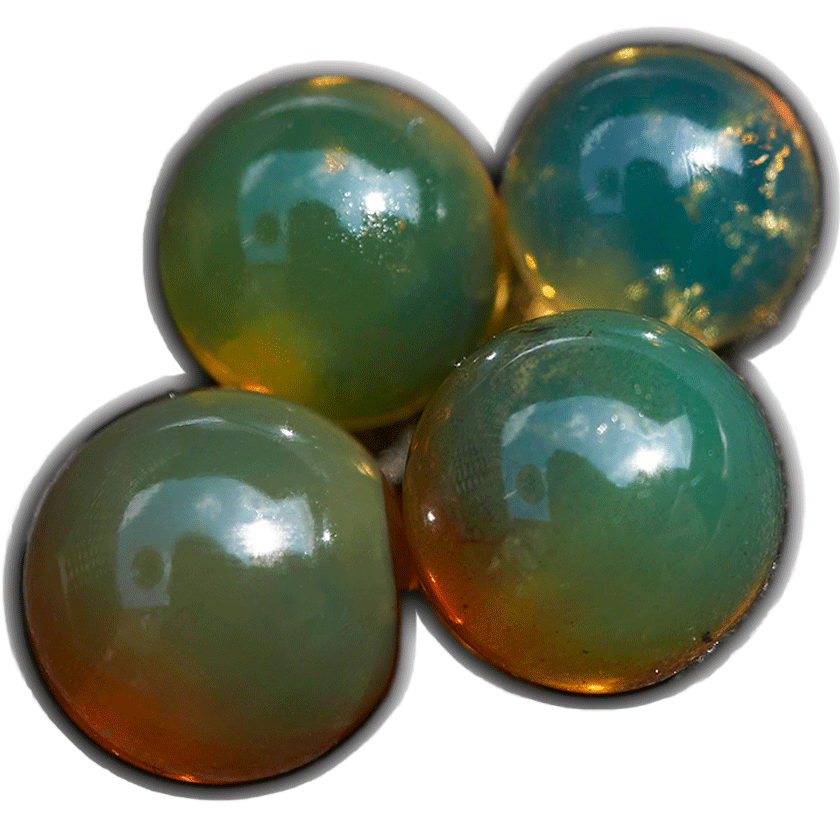
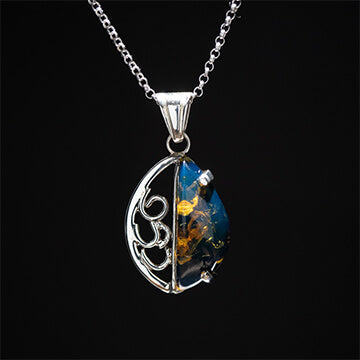
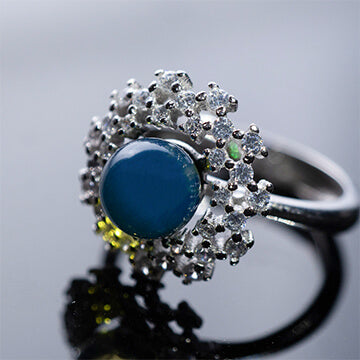
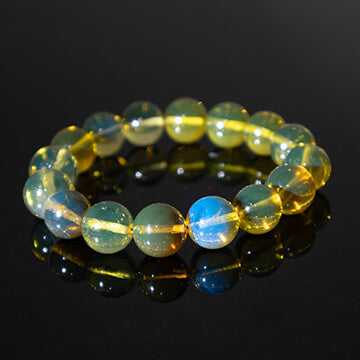
Not all amber is created equal, and understanding the different varieties helps buyers make informed choices. Baltic amber remains the most sought-after type, prized for its clarity, color range, and high succinic acid content. Dominican Blue Amber represents one of the rarest varieties, exhibiting a remarkable blue fluorescence under UV light that sets it apart from traditional golden amber.
| Amber Type | Origin | Characteristics | Typical Color Range |
|---|---|---|---|
| Baltic Amber | Baltic Sea Region | High succinic acid, warm tones | Golden, honey, cognac |
| Dominican Amber | Dominican Republic | Blue fluorescence, clarity | Yellow to blue |
| Mexican Amber | Chiapas, Mexico | Clear with inclusions | Red, golden, green |
| Burmese Amber | Myanmar | Ancient (99M years), hard | Red, brown, yellow |
The popularity of amber bracelets has unfortunately led to a market flooded with imitations and treated materials. Genuine amber possesses unique characteristics that distinguish it from plastic, copal, or glass substitutes. One simple test involves saltwater: authentic amber floats in a saturated salt solution, while most imitations sink.
Authentication methods include:
When purchasing amber bracelets, especially for higher investments, requesting certification from reputable gemological laboratories provides peace of mind. The piece should feel warm to the touch, unlike glass or plastic, and may display natural imperfections that actually confirm its organic origin.
The appeal of amber bracelets extends beyond their visual beauty. For centuries, various cultures have attributed healing and protective properties to amber, creating a rich tradition of beliefs that persist into modern times. While scientific evidence for many of these claims remains limited, understanding the traditional perspectives offers insight into why people continue to seek out amber jewelry.
Many enthusiasts believe that amber bracelets, when worn against the skin, release succinic acid-a compound found naturally in Baltic amber. Traditional beliefs suggest this substance may provide various wellness benefits, though these claims should be viewed with appropriate skepticism and not replace medical treatment.
Traditionally attributed properties include:
Contemporary discussions about amber jewelry often blend traditional beliefs with attempts at scientific explanation. While some wearers report positive experiences, it's essential to approach these claims with balanced perspective. The placebo effect may play a role in perceived benefits, though this doesn't diminish the subjective value individuals find in wearing amber bracelets.
Understanding how amber bracelets are believed to work involves examining both the traditional theories about succinic acid absorption and the psychological comfort people derive from wearing meaningful jewelry. Whether the benefits are physical, psychological, or purely aesthetic, amber bracelets continue to attract devoted followers who appreciate their unique qualities.
Choosing an amber bracelet involves considering multiple factors beyond simple aesthetic preference. The quality, authenticity, craftsmanship, and intended use all play crucial roles in finding the right piece. Whether you're seeking a statement piece, a daily wear accessory, or a meaningful gift, understanding what to look for ensures satisfaction with your purchase.
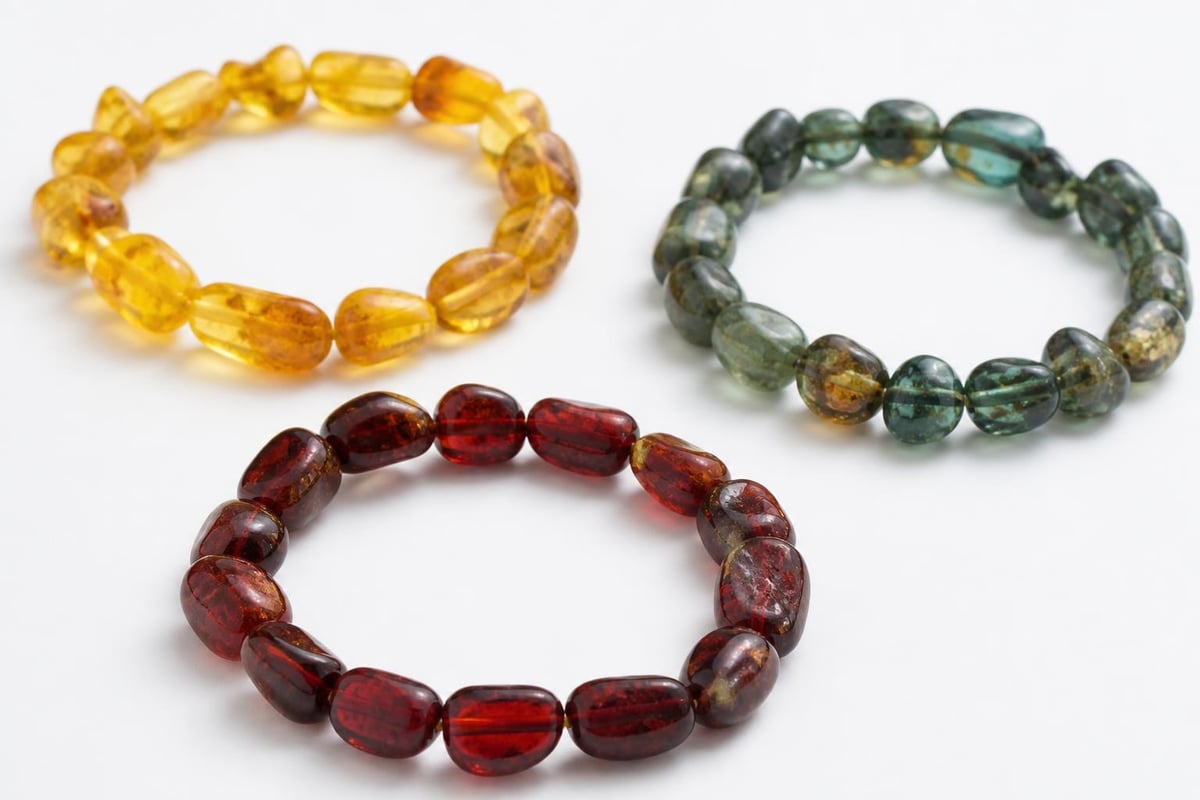
Color represents one of the most immediately noticeable characteristics of amber bracelets. Baltic amber displays a stunning range from pale lemon yellow through rich cognac tones to rare cherry red. Each color variation possesses its own appeal, and personal preference should guide selection. However, certain factors indicate higher quality regardless of color preference.
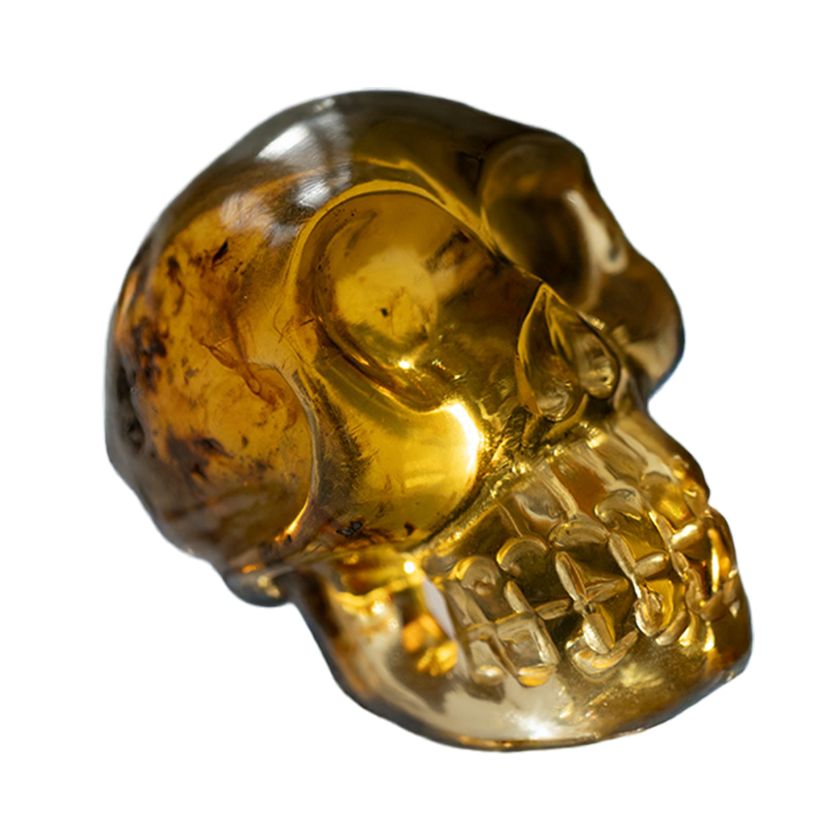
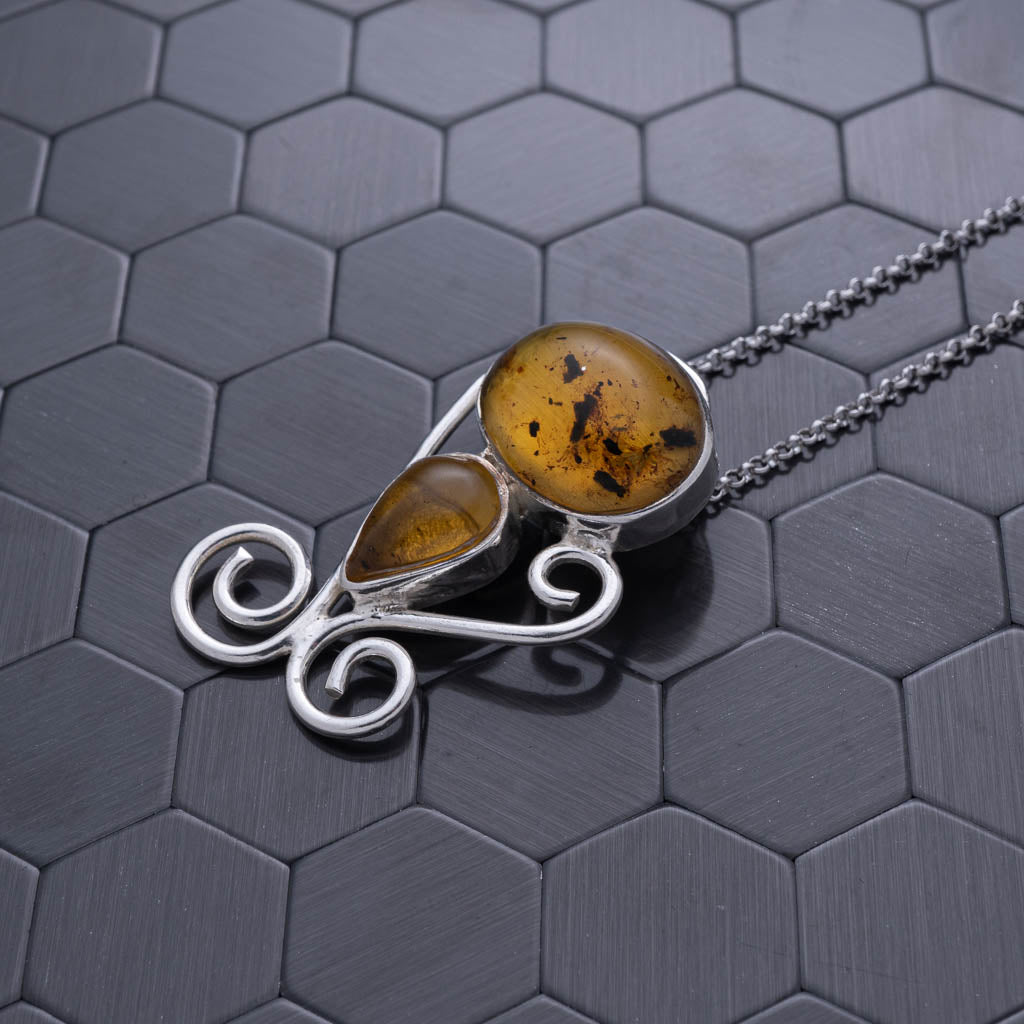
Clarity matters significantly in amber evaluation. While completely clear amber is beautiful, pieces with interesting inclusions-particularly those containing preserved insects or plant matter-often command premium prices among collectors. These natural time capsules add both scientific and aesthetic value to amber bracelets.
Quality indicators to assess:
Beyond the amber itself, how the bracelet is constructed affects both durability and comfort. Traditional stringing methods using knotted silk or modern elastic cords each offer advantages. Metal components-clasps, spacers, and findings-should be quality materials that won't tarnish or cause skin reactions.
| Construction Type | Advantages | Considerations |
|---|---|---|
| Knotted String | Traditional, secure, prevents bead loss | Requires periodic restringing |
| Elastic Cord | Easy wear, no clasp needed | May stretch over time |
| Metal Links | Durable, adjustable sizing | Higher cost, metal sensitivities |
| Wire Wrapped | Artistic, secure settings | More delicate handling required |
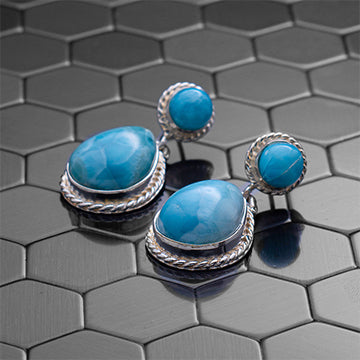
Design styles range from simple strands of uniform amber beads to elaborate creations combining amber with precious metals and other gemstones. For those interested in exploring diverse gemstone jewelry, Larimar Pendants offer another avenue into the world of rare, naturally beautiful stones that pair beautifully with amber pieces in a jewelry collection.
Proper sizing ensures both comfort and security when wearing amber bracelets. Measure your wrist circumference and add approximately one-half to three-quarters of an inch for a comfortable fit that moves without sliding off. Bracelets worn for purported wellness benefits should fit snugly enough to maintain skin contact without causing restriction.
Baltic amber jewelry requires specific care practices to maintain its beauty and longevity. Unlike harder gemstones, amber ranks relatively low on the Mohs hardness scale at approximately 2-2.5, making it susceptible to scratching and damage from chemicals. Proper maintenance ensures your amber bracelet remains beautiful for generations.
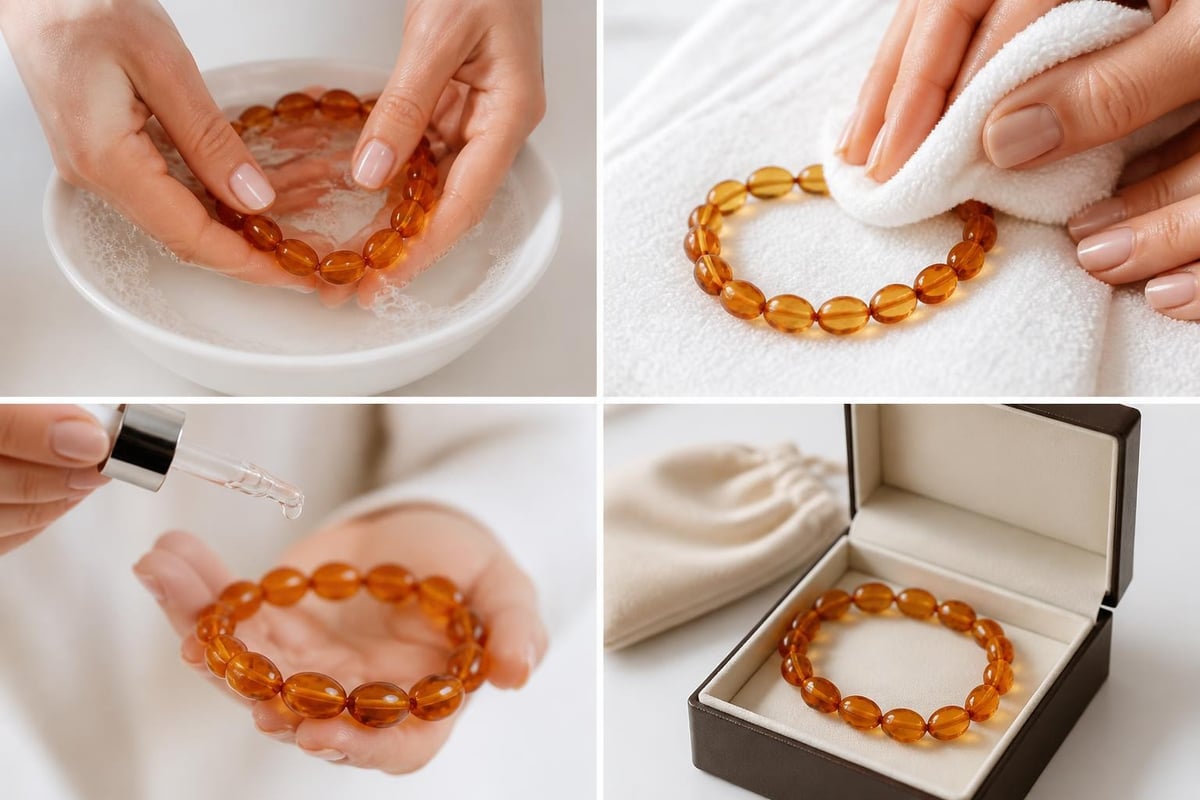
Amber bracelets should be put on after applying cosmetics, perfumes, and hairsprays, as chemicals in these products can damage the surface. The organic nature of amber means it can dry out over time, so occasional application of natural oils helps maintain luster. Simply rubbing the bracelet between your palms generates natural oils from your skin that nourish the amber.
Essential care practices:
Cleaning amber bracelets requires gentleness. Use only lukewarm water with mild, natural soap, avoiding detergents with harsh chemicals. Gently wipe the surface with a soft, lint-free cloth, then dry thoroughly. For pieces that have lost their luster, professional polishing by experienced jewelers familiar with amber can restore the original glow.
Periodic inspection of the bracelet's stringing material or metal components prevents unexpected breakage. If you notice fraying, stretching, or loose components, seek professional restringing services. Many jewelry artisans who work with rare gemstones from the Dominican Republic and other regions understand the specific needs of organic materials like amber.
The versatility of amber bracelets makes them suitable for various style approaches, from bohemian and vintage to contemporary minimalist aesthetics. The warm tones of amber complement a wide range of skin tones and work with both casual and formal attire. Understanding how to incorporate these pieces into modern wardrobes maximizes their wearability and enjoyment.
Amber bracelets can be worn alone as statement pieces or layered with other bracelets for a more eclectic look. When stacking, consider texture and color coordination. Amber pairs beautifully with silver, gold, leather, and wooden elements. The organic nature of amber makes it particularly compatible with other natural materials.
Styling approaches for different occasions:
The warm, golden tones of amber bracelets make them particularly appealing during autumn and winter months, though they work year-round. Summer styling might feature lighter, more translucent amber pieces, while deeper cognac and cherry tones suit cooler seasons. The natural warmth amber brings to any outfit provides both visual and perceived energetic qualities.
High-quality amber bracelets can represent both aesthetic enjoyment and financial investment. The finest Baltic amber pieces, especially those with rare inclusions or unusual colors, appreciate in value over time. Understanding factors that influence amber's investment potential helps collectors make informed acquisition decisions.
Size matters in amber valuation, with larger, flawless pieces commanding higher prices. Rare colors like blue or cherry red attract premium pricing compared to common golden yellow. Inclusion quality significantly impacts value-a well-preserved insect in clear amber can increase worth substantially.
| Value Factor | Impact on Price | What to Look For |
|---|---|---|
| Color Rarity | High | Blues, reds, greens over common yellows |
| Clarity | Medium-High | Clear or interesting inclusions |
| Size | High | Larger pieces, substantial beads |
| Age/Origin | Medium | Baltic, documented ancient sources |
| Inclusions | Variable | Well-preserved insects, rare specimens |
| Craftsmanship | Medium | Artistic design, quality construction |
Collecting amber bracelets can become a rewarding hobby that combines aesthetic appreciation with historical interest. Some collectors focus on specific regions, others on particular colors or inclusion types. Documentation of provenance and authenticity certificates add both historical value and future resale potential.
For those passionate about unique gemstones beyond amber, exploring the story behind artisan jewelry makers reveals how dedication to quality and authenticity creates lasting value. Whether building a collection or selecting a single special piece, choosing reputable sources ensures genuine materials and ethical sourcing practices.
As consumers become increasingly conscious of sustainability and ethical sourcing, the amber industry faces both challenges and opportunities. Responsible amber harvesting practices protect fragile coastal ecosystems while ensuring future generations can enjoy these natural treasures. Understanding the environmental and social aspects of amber production adds another dimension to informed purchasing.
The majority of the world's amber comes from Baltic Sea regions, where it washes ashore naturally or is carefully extracted from shallow deposits. Responsible sourcing prioritizes environmental protection and fair labor practices. Reputable dealers provide transparency about their amber's origins and harvesting methods.
Sustainable amber practices include:
Contemporary designers continue finding new ways to showcase amber's beauty, creating pieces that honor tradition while embracing modern aesthetics. Innovative setting techniques, combination with contemporary materials, and artistic approaches expand amber's appeal to younger generations. The enduring popularity of amber bracelets suggests this ancient material will continue captivating jewelry lovers for decades to come.
Amber bracelets represent a timeless connection between natural beauty, historical tradition, and personal expression. Whether you're drawn to their warm aesthetic appeal, intrigued by their cultural significance, or simply appreciate unique jewelry, selecting quality amber pieces enhances any collection. At Larimar Creations, we understand the appreciation for rare, authentic gemstones and the craftsmanship required to showcase their natural beauty. While we specialize in exquisite Larimar and Dominican Blue Amber jewelry, our commitment to quality and authenticity reflects the same values that guide discerning amber enthusiasts in building meaningful collections.