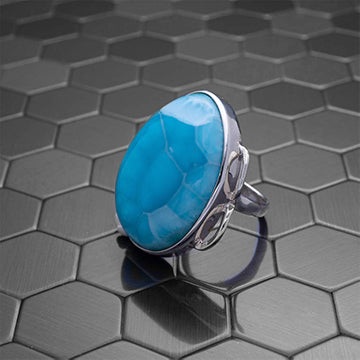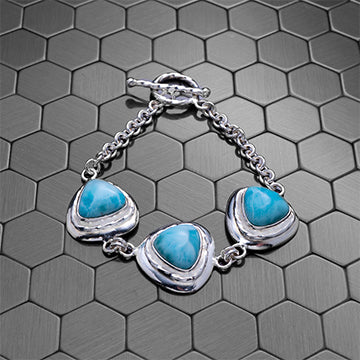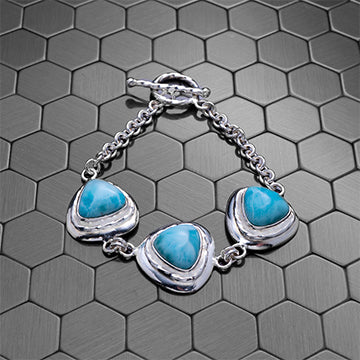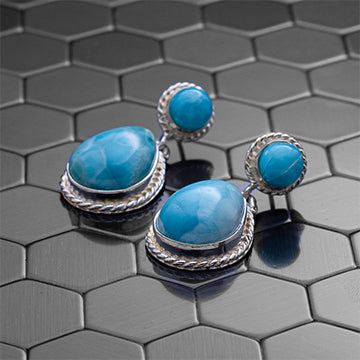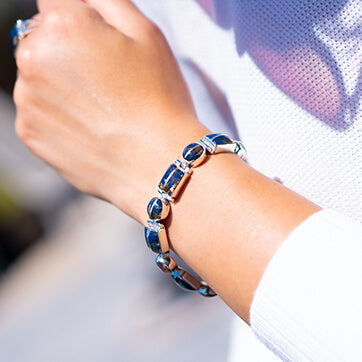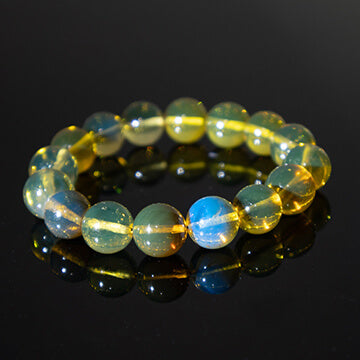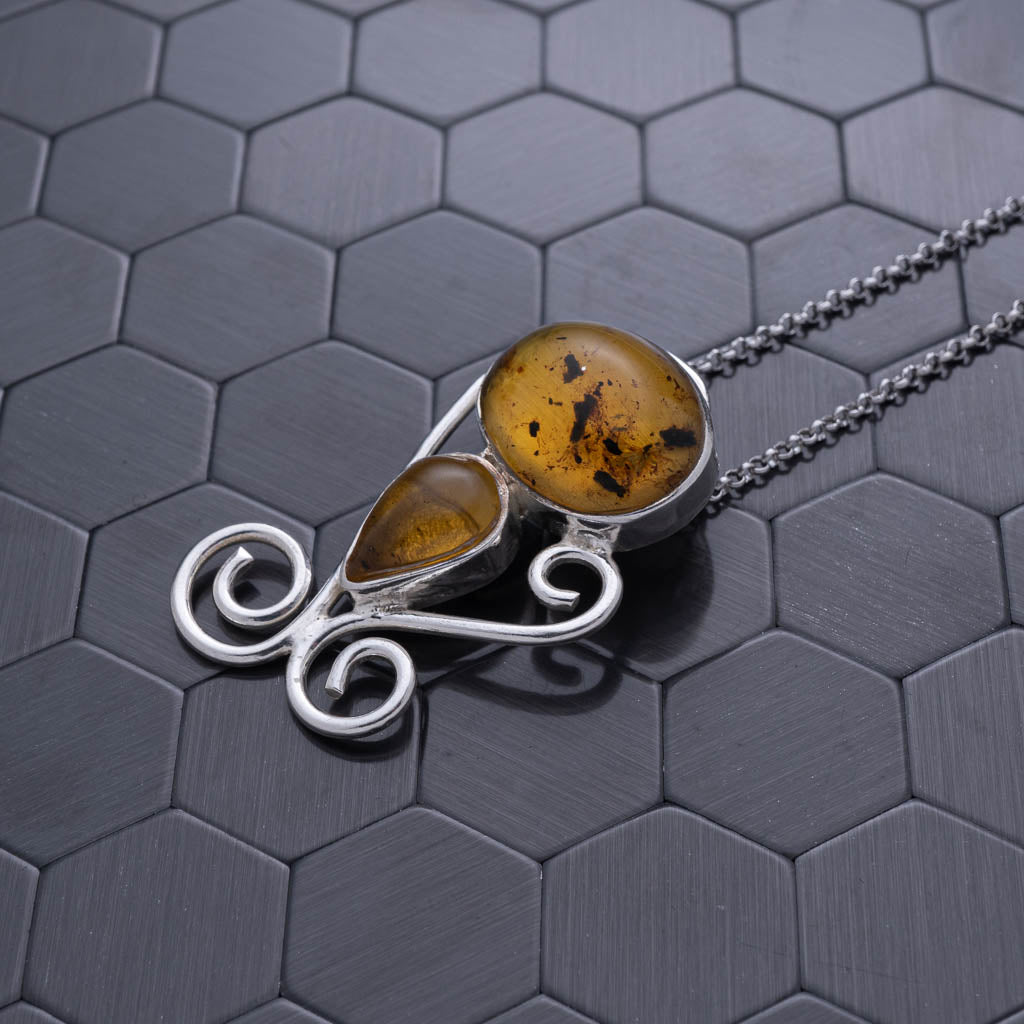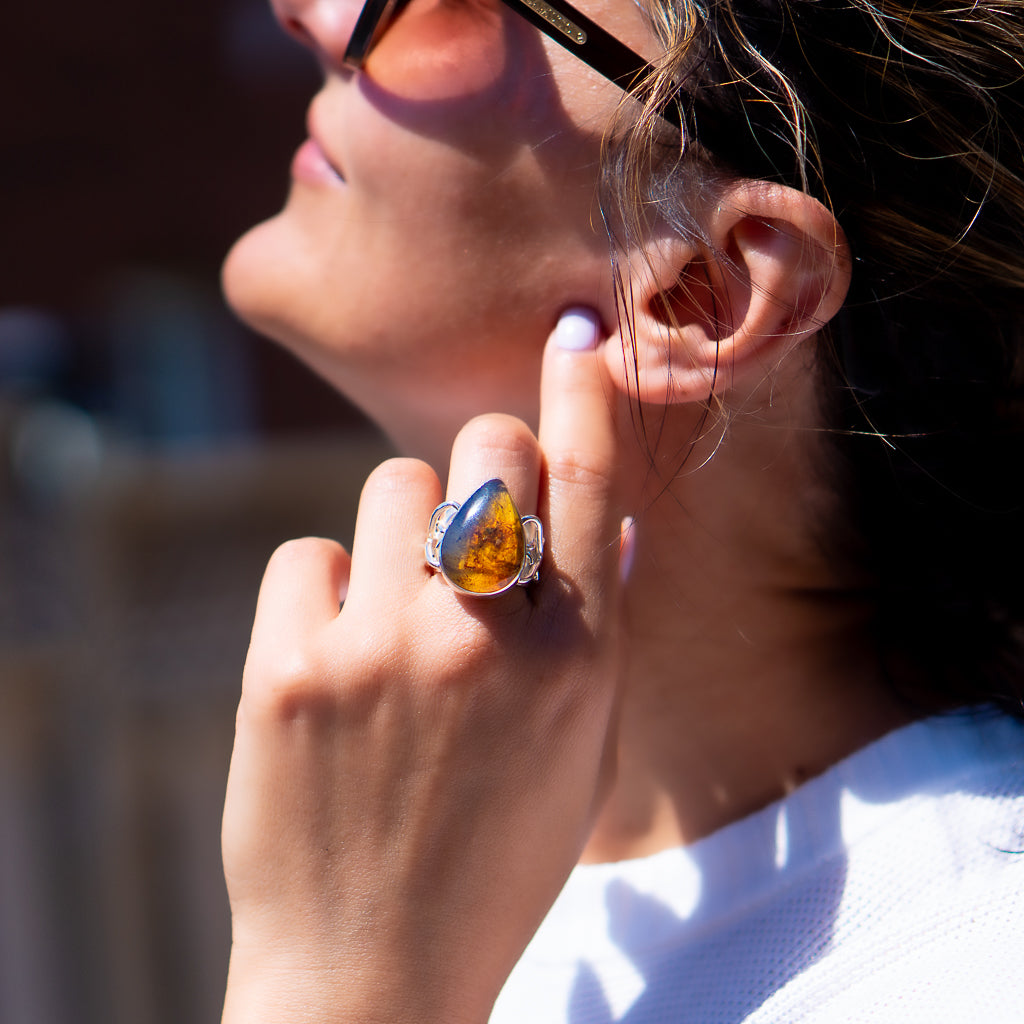

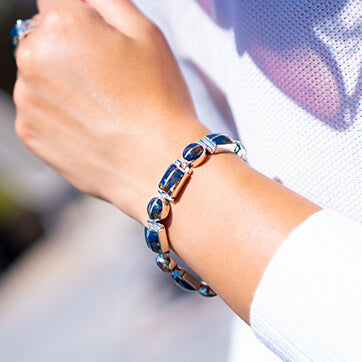
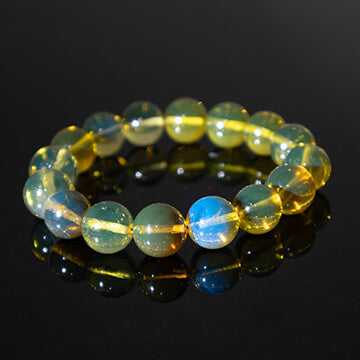
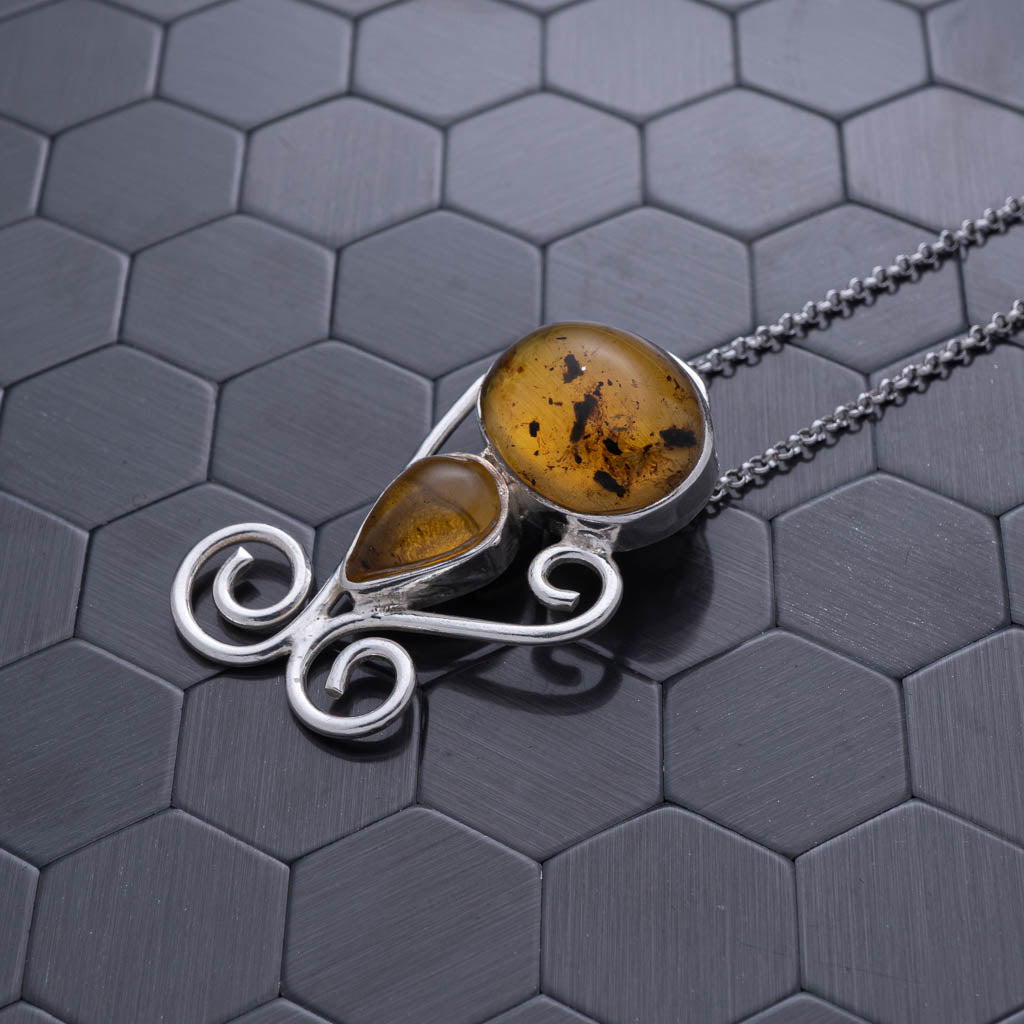
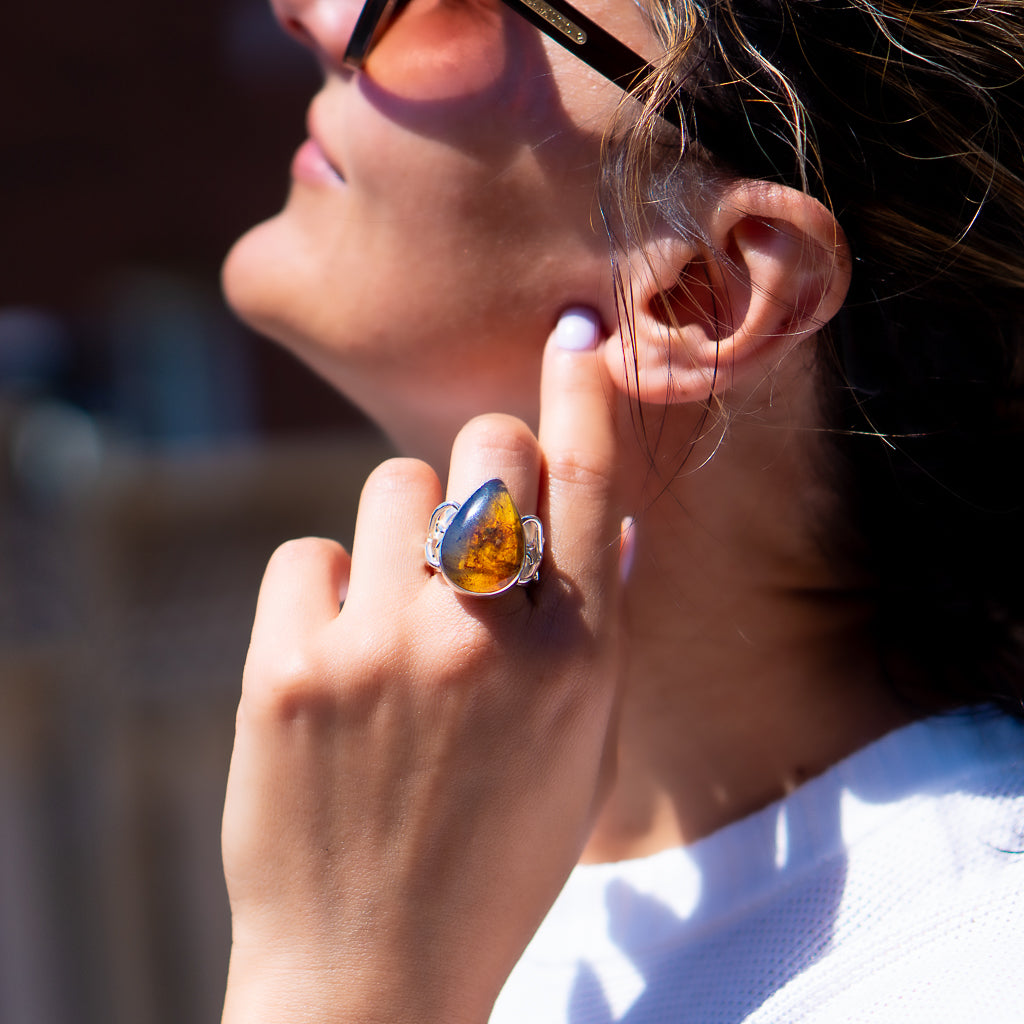
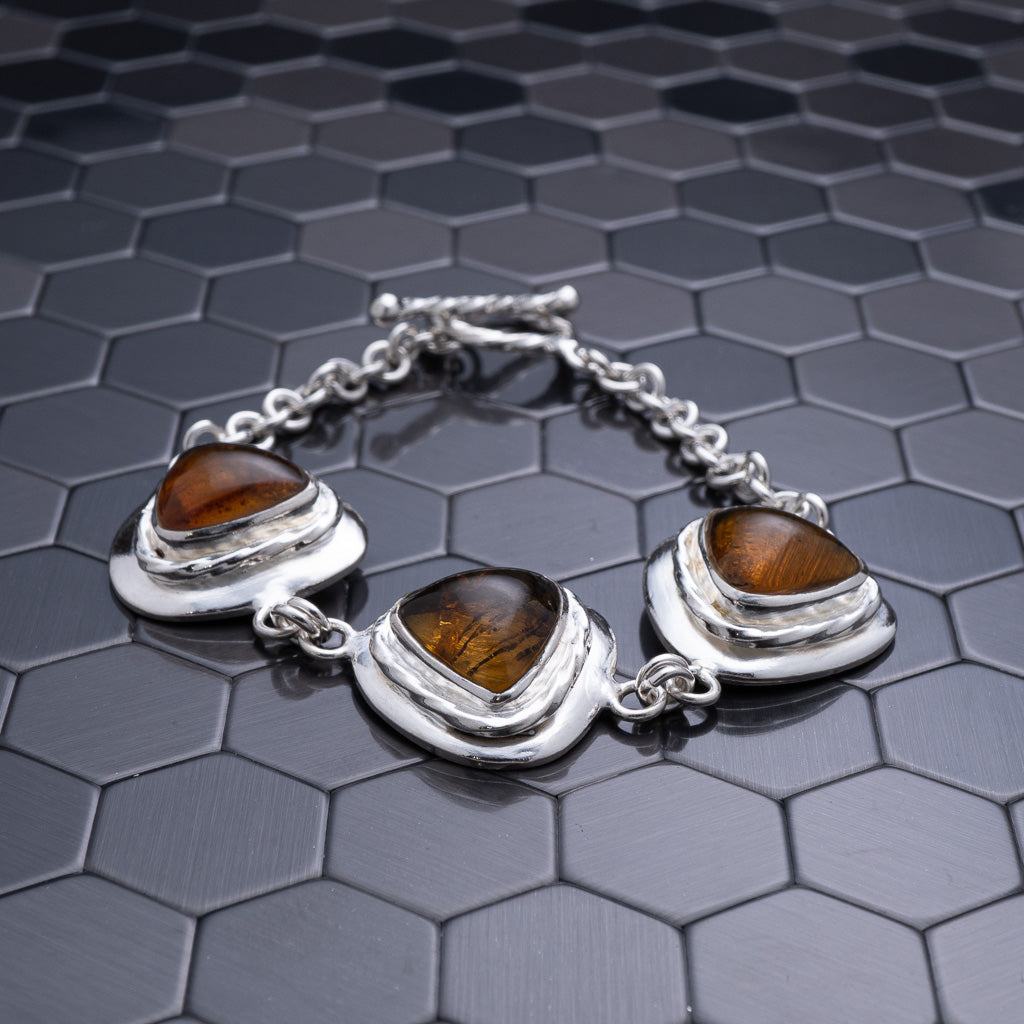

A gemstone can be rare, luminous, and expertly cut - and still leave a buyer with one quiet question: where did it really come from? That question is shaping ethical gemstone sourcing trends across fine jewelry, especially for collectors and buyers who care as much about origin and craftsmanship as they do about color, clarity, and design. For distinctive stones with a strong sense of place, sourcing is no longer a background detail. It is part of the gem’s value.
For a brand rooted in authentic Caribbean gemstones, this shift feels less like a passing market theme and more like a long-overdue correction. Buyers want beauty, but they also want confidence. They want to know whether a gemstone’s journey reflects skilled hands, legitimate mining, regional heritage, and honest representation. That expectation is changing how rare stones are marketed, certified, and selected.
Luxury buyers have become more exacting. A beautiful gemstone still captures attention first, but purchase decisions increasingly turn on proof. Shoppers are asking harder questions about mining conditions, treatment disclosure, cutting practices, and whether the stated origin is real or simply convenient branding.
Part of that change comes from wider awareness of supply chain issues in fashion and jewelry. Part of it comes from the growth of collector culture, where provenance matters. And part of it comes from a simple truth: when a gemstone is sold as rare and meaningful, the story behind it has to withstand scrutiny.
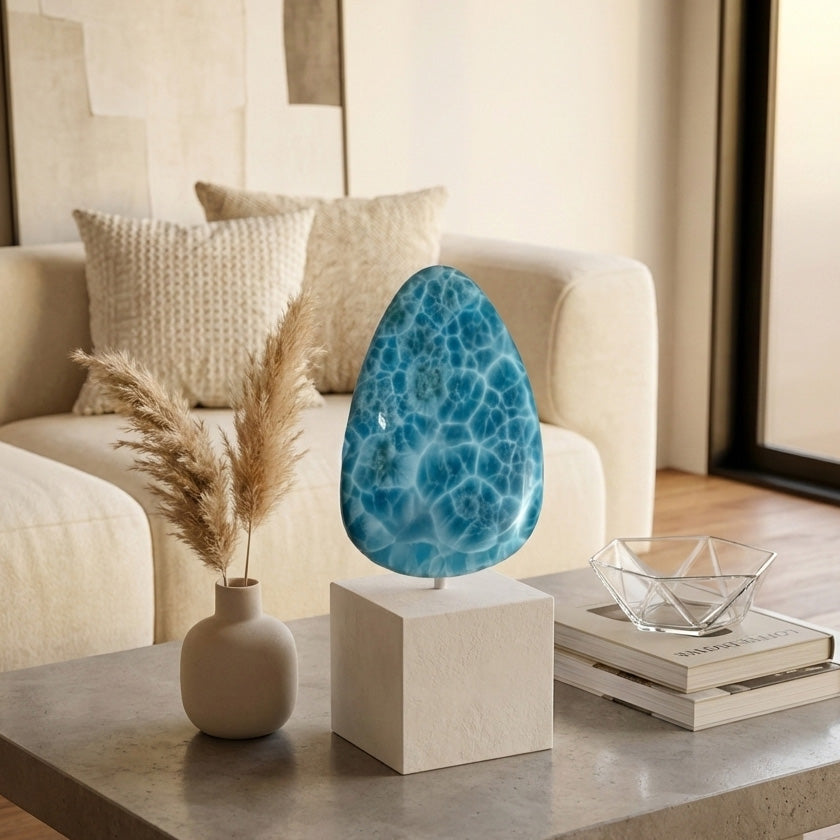
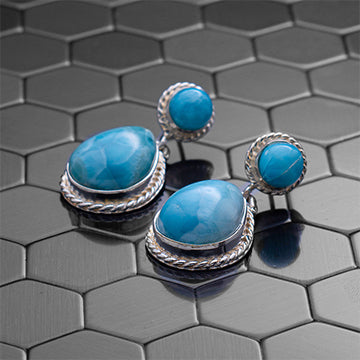
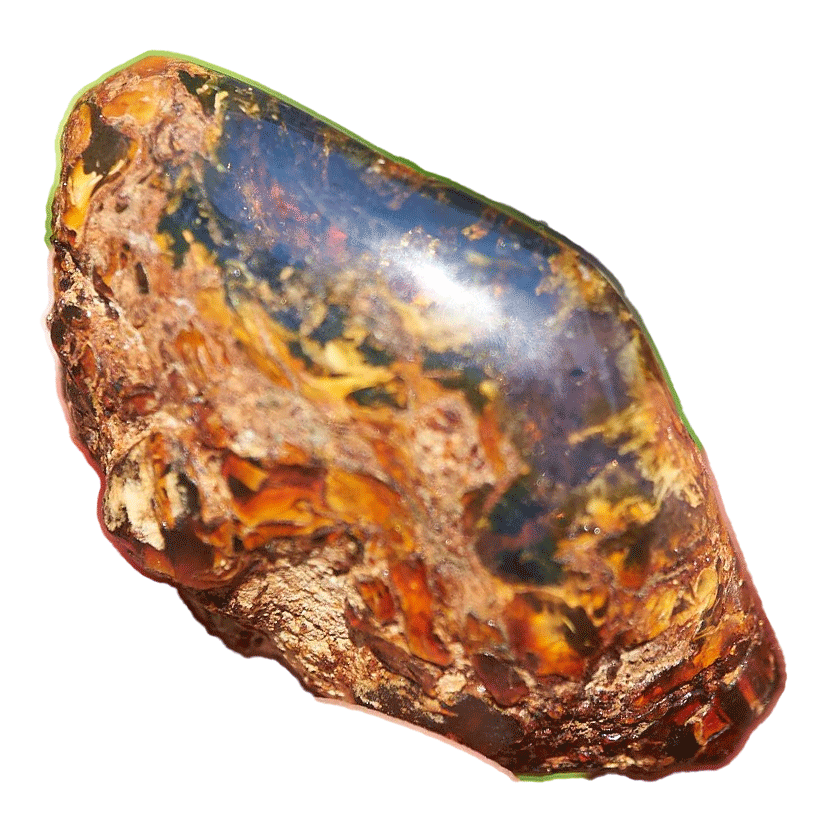
This is especially relevant for stones with geographic identity. Larimar and Dominican amber, for example, are not generic materials. Their appeal is inseparable from place. The Caribbean connection is not decoration - it is central to authenticity. As a result, ethical sourcing in these categories depends heavily on honest origin claims, transparent handling, and respect for the communities and crafts connected to the stone.
The clearest trend is traceability. In practical terms, that means buyers want a more documented path from mine to finished piece. Not every gemstone supply chain can offer perfect, item-by-item traceability, especially in artisanal mining environments, but the direction is unmistakable. Jewelers and gemstone sellers are expected to provide more than a vague country name.
That documentation can take several forms. Sometimes it is certification. Sometimes it is direct sourcing from known mining regions. Sometimes it is a smaller, more controlled supply chain where the seller can speak confidently about who mined, cut, or handcrafted the piece. The point is not corporate jargon. The point is credibility.
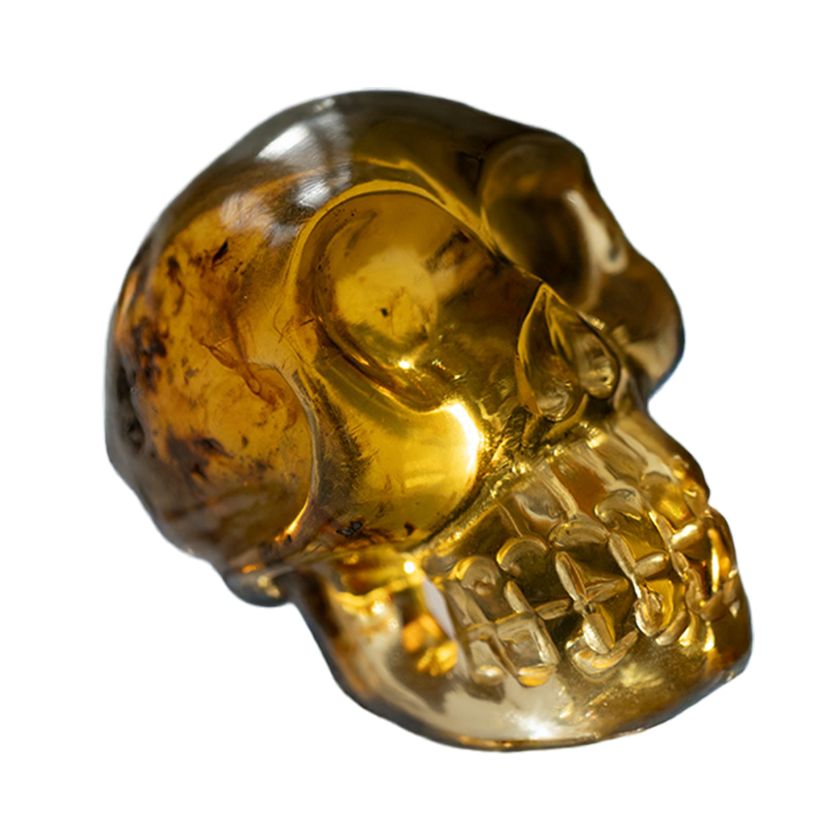
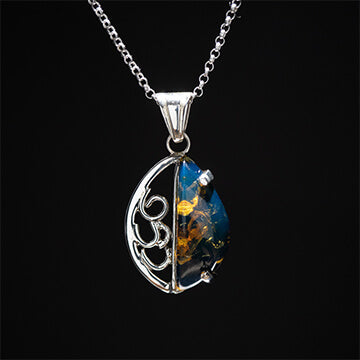
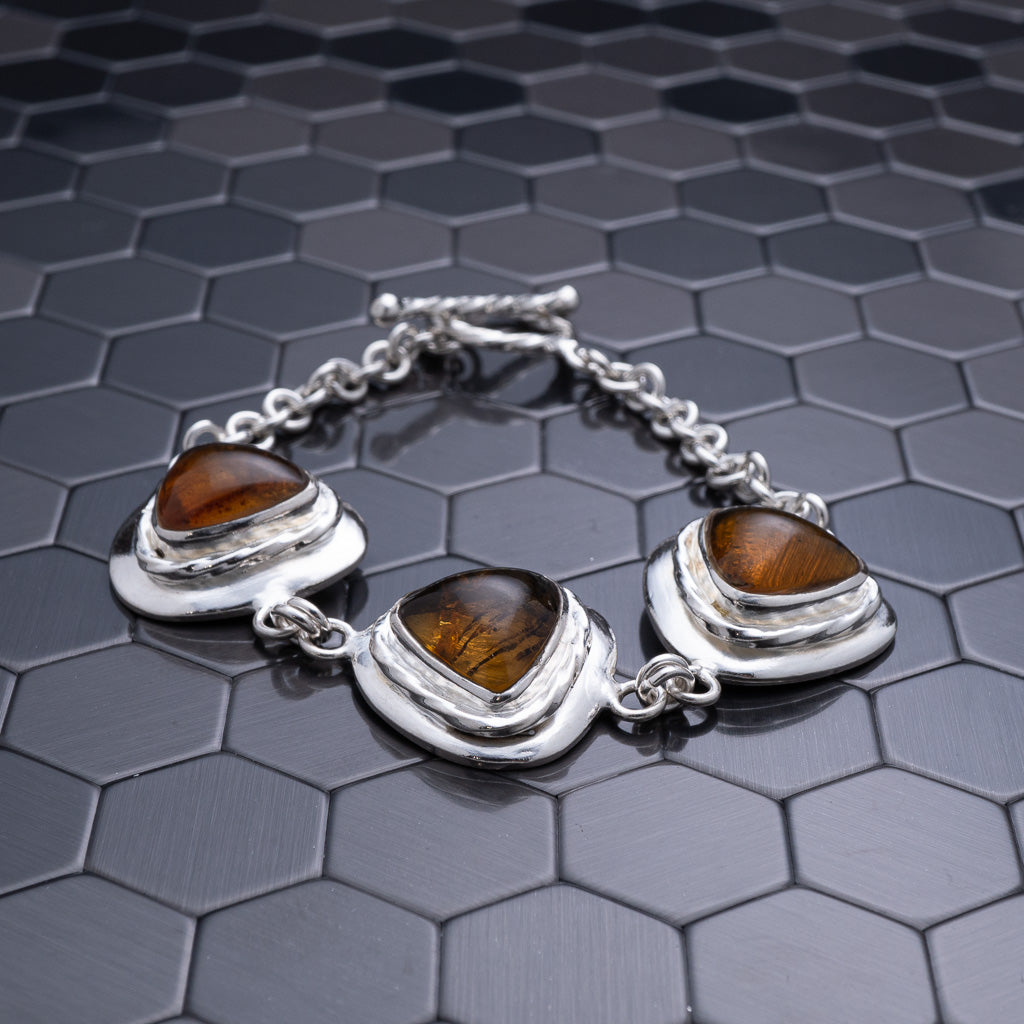
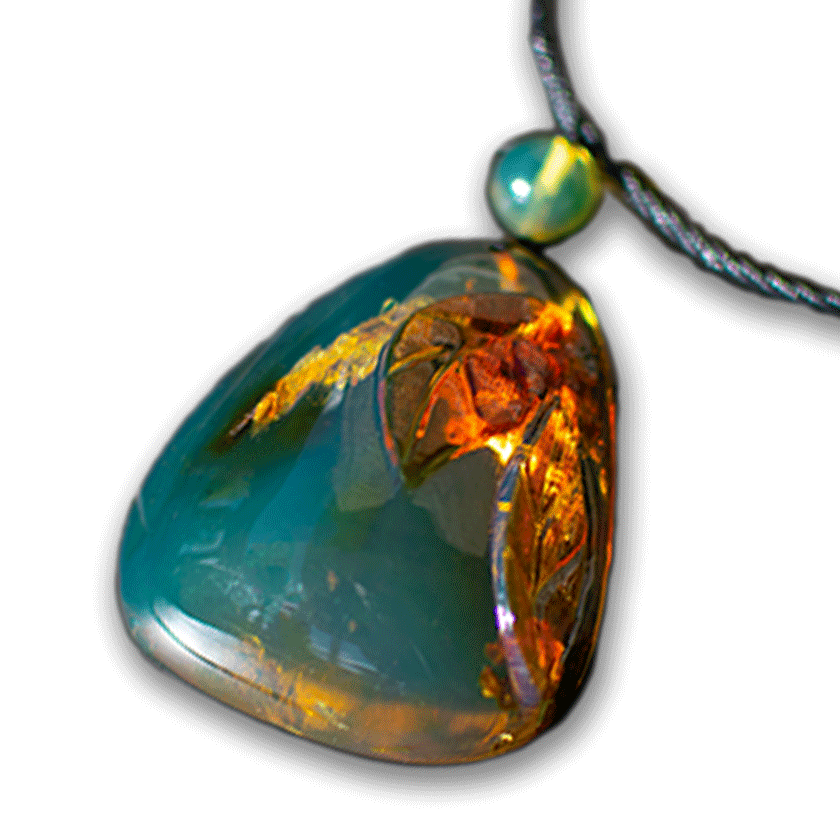
Another major trend is the move away from anonymous inventory. Buyers are showing stronger interest in gemstones that feel specific rather than interchangeable. A Dominican Blue Amber cabochon with verified origin carries a different kind of appeal than an amber listing with little context. The same is true of Larimar. In premium categories, distinct origin is becoming part of luxury itself.
There is also growing attention to fair labor and artisanal mining realities. This area is nuanced. Ethical sourcing does not always mean industrial-scale oversight or flawless documentation from every stage. In many gemstone regions, mining is carried out by small operations and skilled local workers rather than large corporations. For buyers who value cultural heritage and handcraft, that is not a drawback. It can be a strength, provided the seller is transparent and respectful about what they know, what they verify, and how the material enters the market.
A few years ago, many shoppers were satisfied with broad assurances. Now they want specifics. Was the gemstone actually mined in the region claimed? Is it natural? Has it been treated, stabilized, or enhanced? Was the jewelry handcrafted, cast in volume, or assembled from standardized imported components?
These questions are not signs of distrust alone. They are signs of a more informed customer. In a premium market, proof of origin increasingly functions like proof of quality. A gemstone tied clearly to its source tends to feel more collectible, more meaningful, and more worthy of long-term ownership.
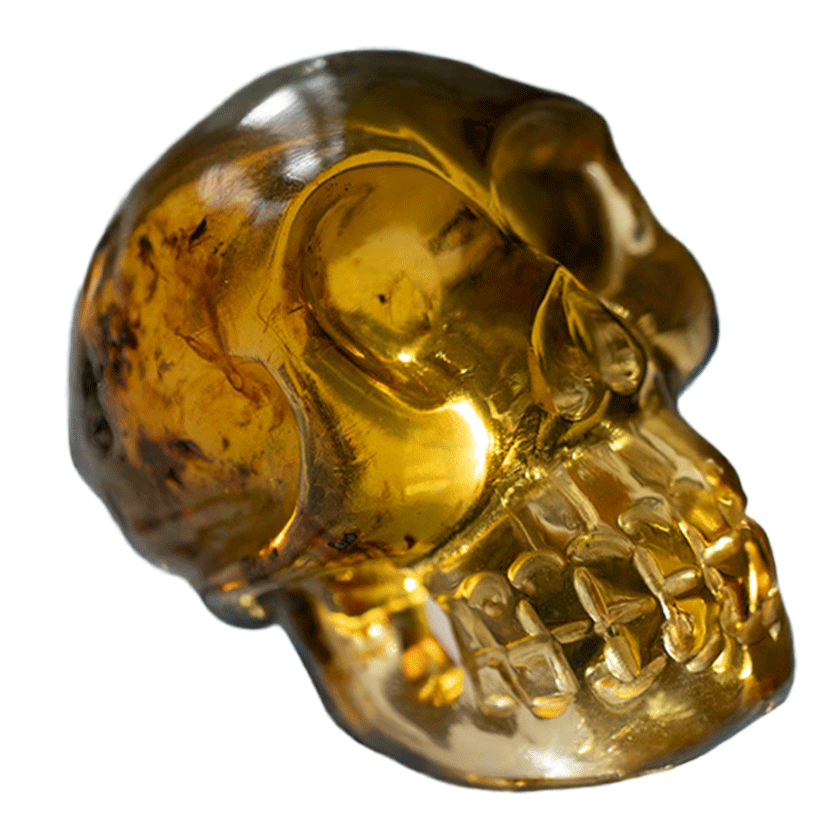
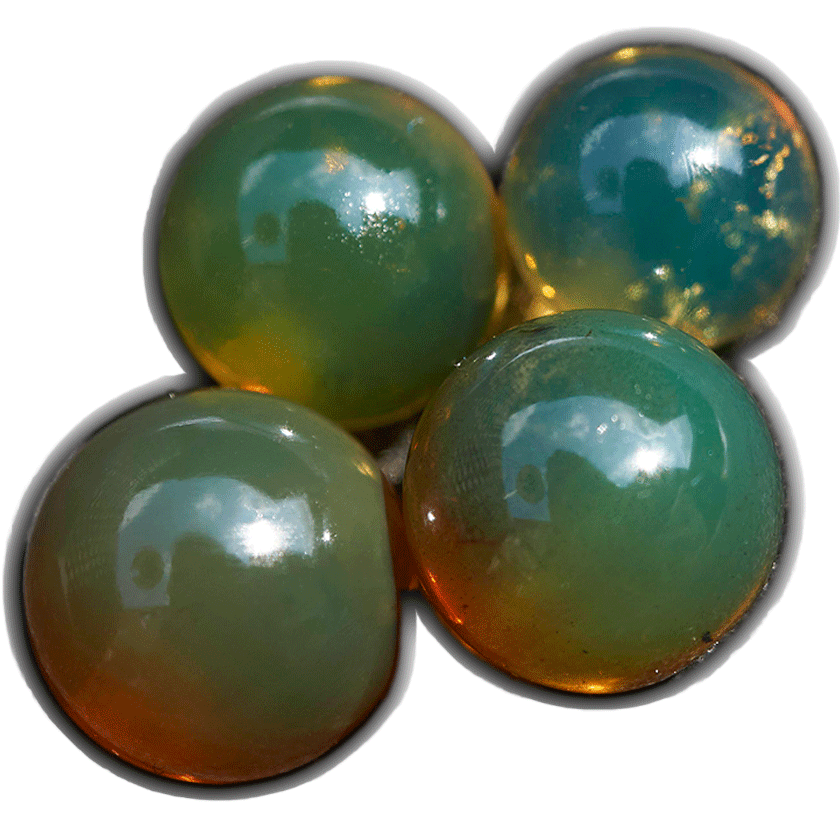
That matters greatly for rare Caribbean stones. The ocean-toned identity of Larimar and the golden to blue glow of Dominican amber are deeply bound to geology and location. When origin is verified, the gemstone feels more than beautiful. It feels singular.
There is a temptation to divide the market into good and bad actors with neat certainty. Real supply chains are rarely that simple. Some small miners work responsibly but lack polished documentation. Some sellers use the language of ethics generously while offering little hard evidence. Some gemstones pass through multiple hands before they reach a designer, which can blur accountability even when no one is acting deceptively.
That is why the most meaningful ethical gemstone sourcing trends are not based on perfect slogans. They are based on better disclosure. Honest sellers explain what is known, what is certified, and what standards guide their sourcing decisions. They do not overstate traceability if the chain is partially documented. They do not hide treatment information. They do not use rarity claims as a substitute for provenance.
For buyers, this means ethical purchasing often comes down to discernment rather than labels alone. A gemstone accompanied by clear origin details, natural stone disclosure, and knowledgeable seller communication may be a stronger ethical choice than one wrapped in polished language but short on substance.
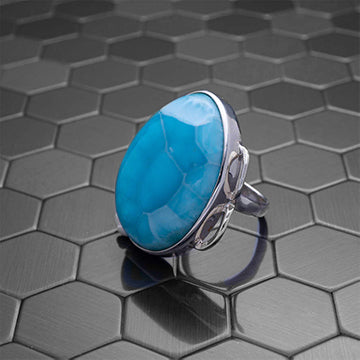
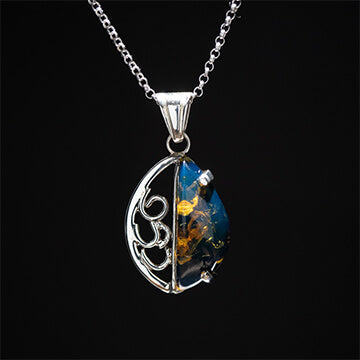
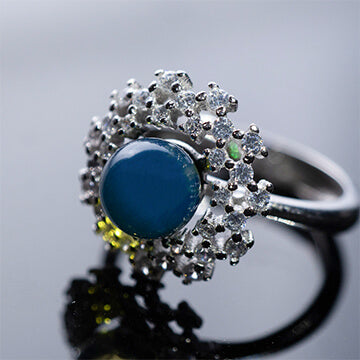
As ethical gemstone sourcing trends gain momentum, design itself is changing. Buyers are leaning toward pieces that let the stone remain the focal point. That often favors handcrafted settings, one-of-a-kind cuts, collector-style cabochons, and artisan jewelry where the gem’s natural character is preserved rather than standardized.
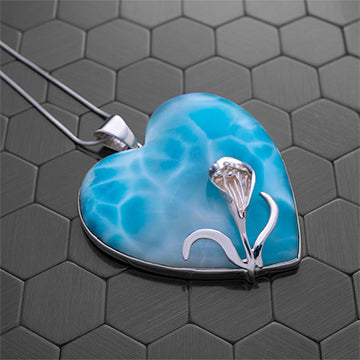
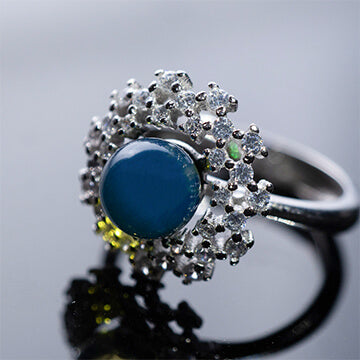
This shift aligns with a broader preference for meaningful rarity over mass-market sameness. A buyer looking for a statement pendant or ring is often less interested in trend-chasing sparkle and more interested in owning something that feels rooted, certified, and uncommon. In that sense, ethical sourcing and aesthetic preference now reinforce each other.
Gift buying is changing too. When someone chooses a gemstone necklace or pendant as a personal gift, the backstory matters. Origin, authenticity, and handcraft add emotional weight. A stone connected to the Caribbean, shaped by natural formation and artisan workmanship, carries a more intimate sense of place than a generic luxury item.
For shoppers who want beauty with confidence, a few questions can reveal a great deal. Ask where the gemstone was mined, whether its origin is certified or otherwise documented, and whether any treatments have been applied. Ask whether the piece is handcrafted and how the seller sources the stone. Ask in a way that invites detail.
The quality of the answer matters as much as the answer itself. A trustworthy seller should be able to speak clearly about authenticity, origin, and material characteristics without relying on vague claims. Precision is a good sign. So is restraint. When a seller is honest about the limits of available documentation while still providing meaningful verification, that often reflects real expertise.
For collectors, it is also worth paying attention to consistency. Does the brand specialize in certain gemstones with clear regional authority, or does it sell every category under the sun with the same generic story? Depth can be a strong indicator of credibility. A specialist in authentic Dominican stones, for instance, is often better positioned to discuss sourcing standards, certification, and material differences than a broad inventory reseller.
The next phase will likely bring more formalized traceability, stronger origin language, and greater pressure on sellers to document what they claim. But it will also reward brands that have always treated authenticity as more than a marketing angle. Larimar Creations sits naturally in that conversation because origin, certification, and handcrafted value are already central to how discerning buyers evaluate rare Caribbean gemstones.
At the same time, buyers should expect nuance to remain. Not every ethical standard will look identical across every gemstone category or mining region. The best path forward is not oversimplified perfection. It is greater transparency, better proof, and a deeper respect for the people and places behind exceptional stones.
When you wear a gemstone with verified origin and honest craftsmanship, the beauty feels different. It is not just visual. It carries the quiet assurance that rarity was honored properly from the earth to the finished piece.