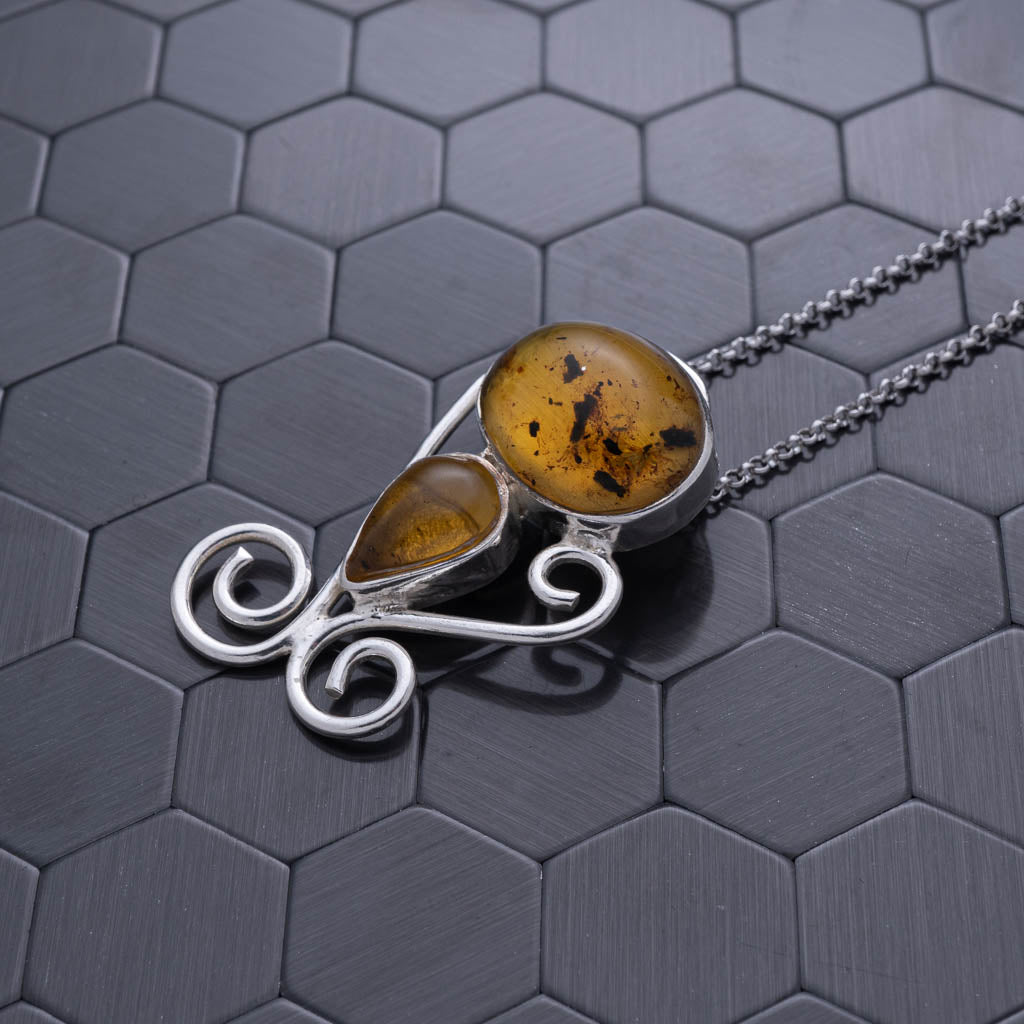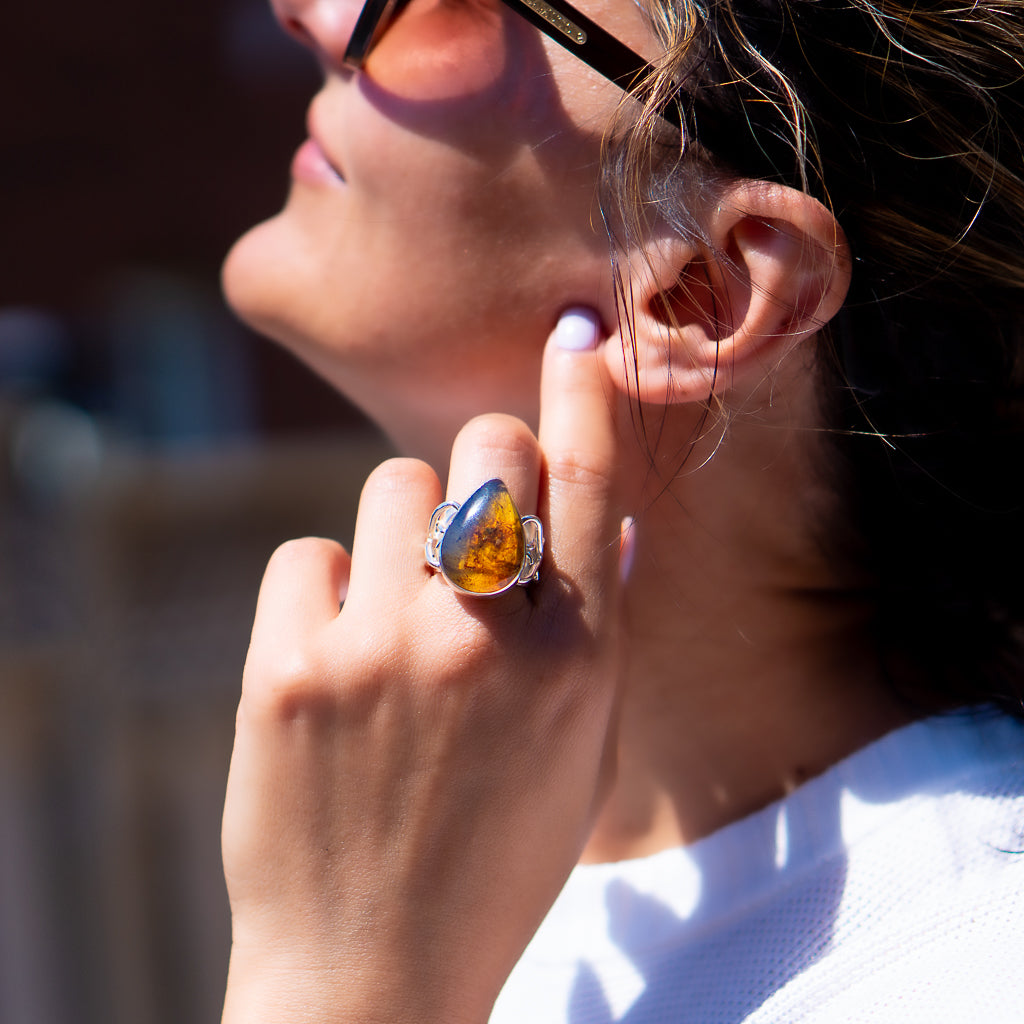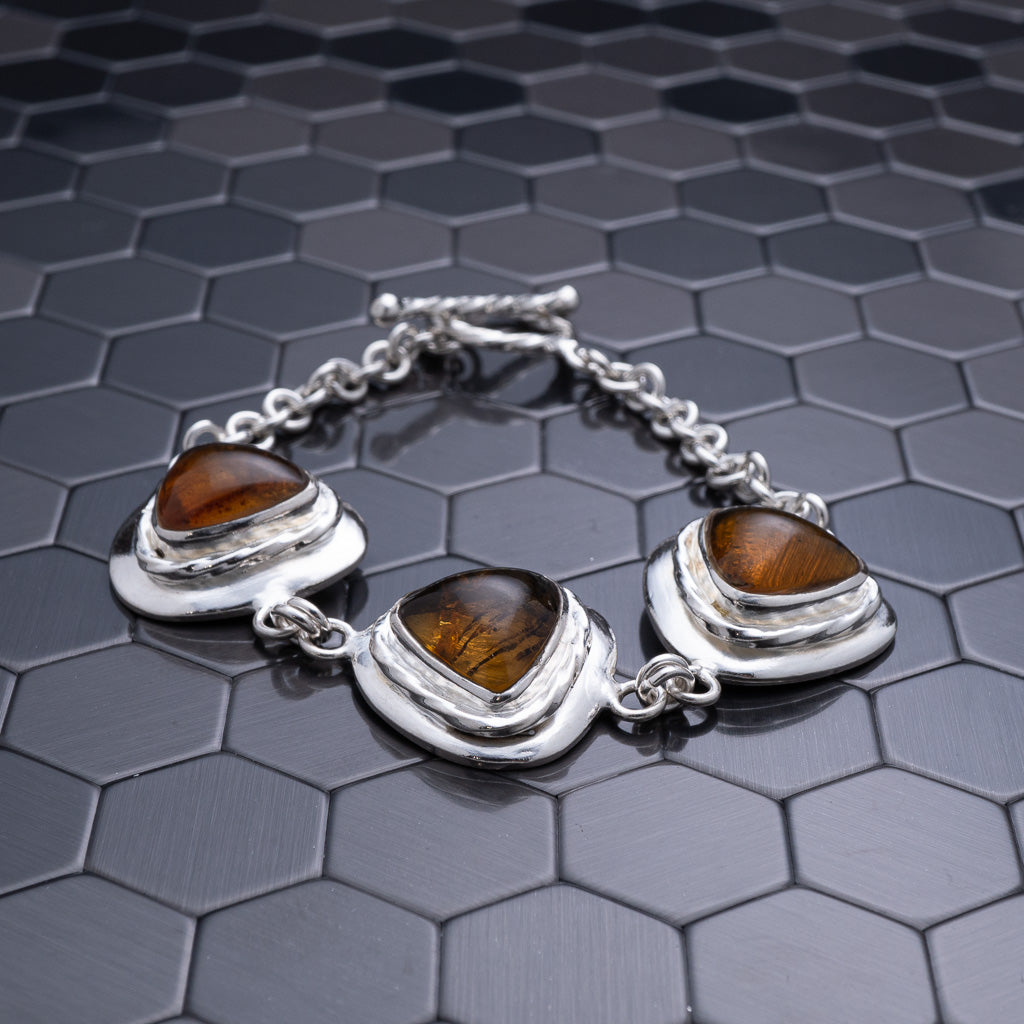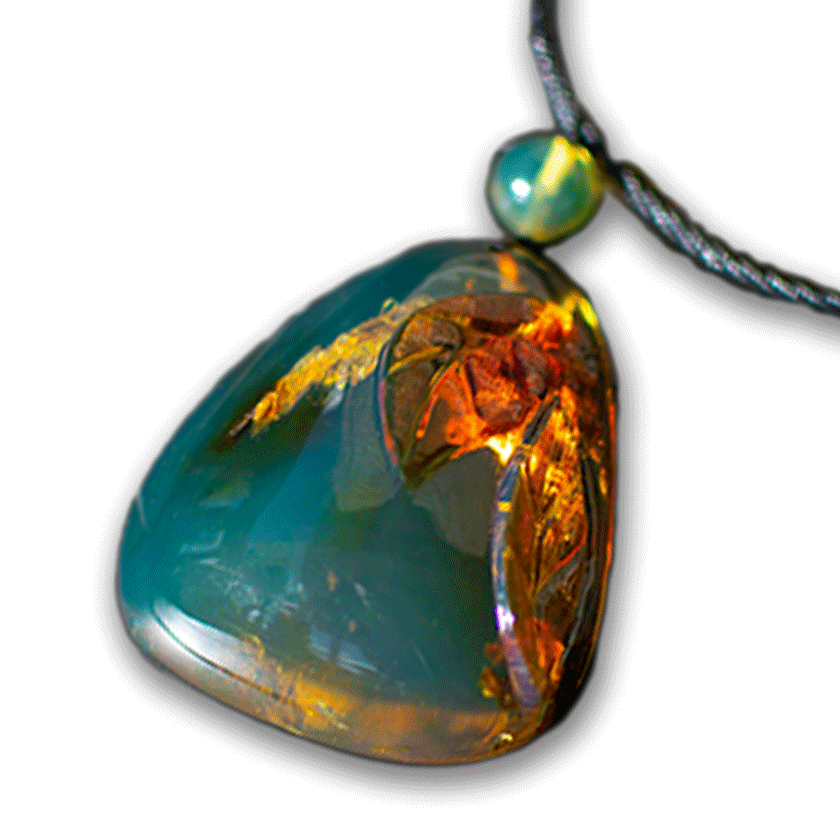


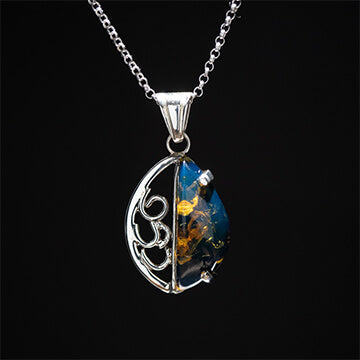

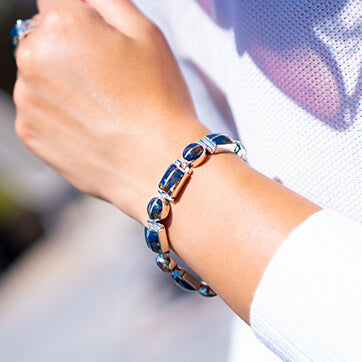

Handcrafted in DR.

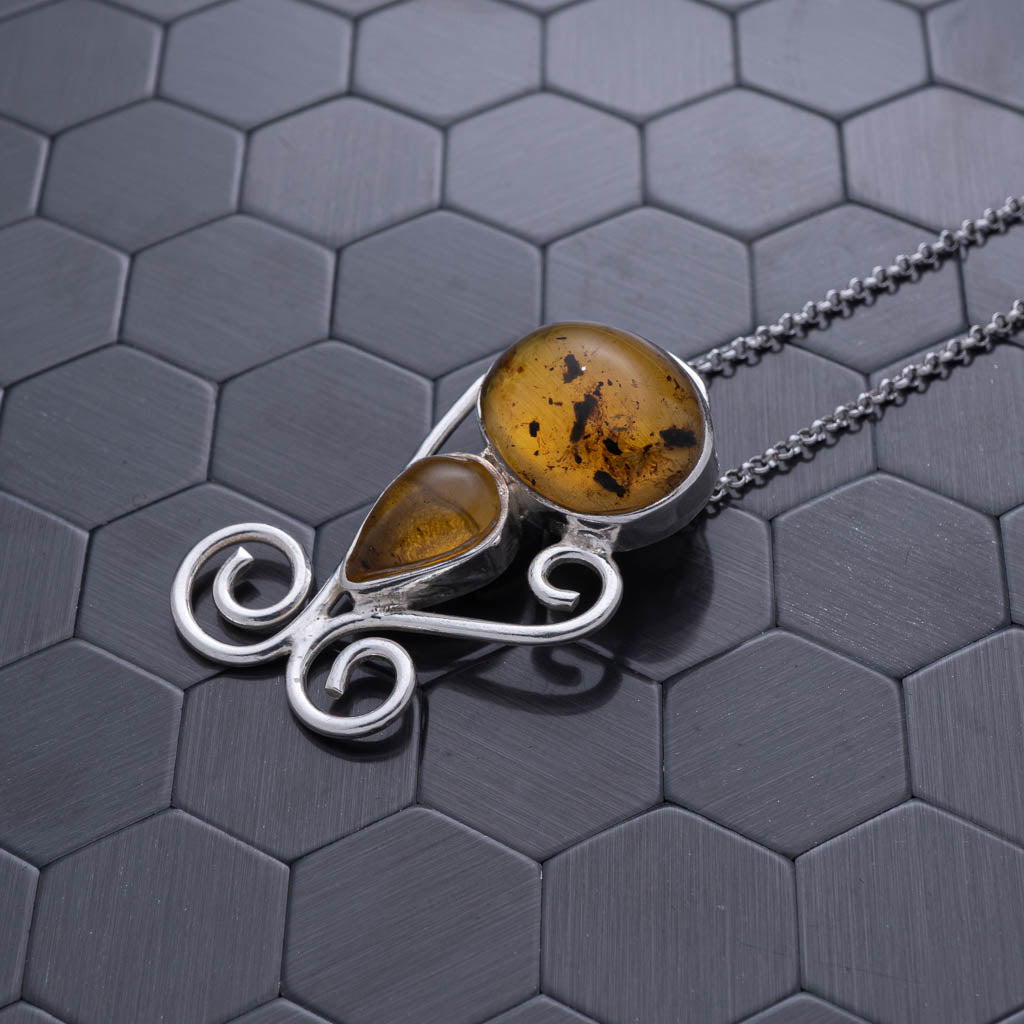
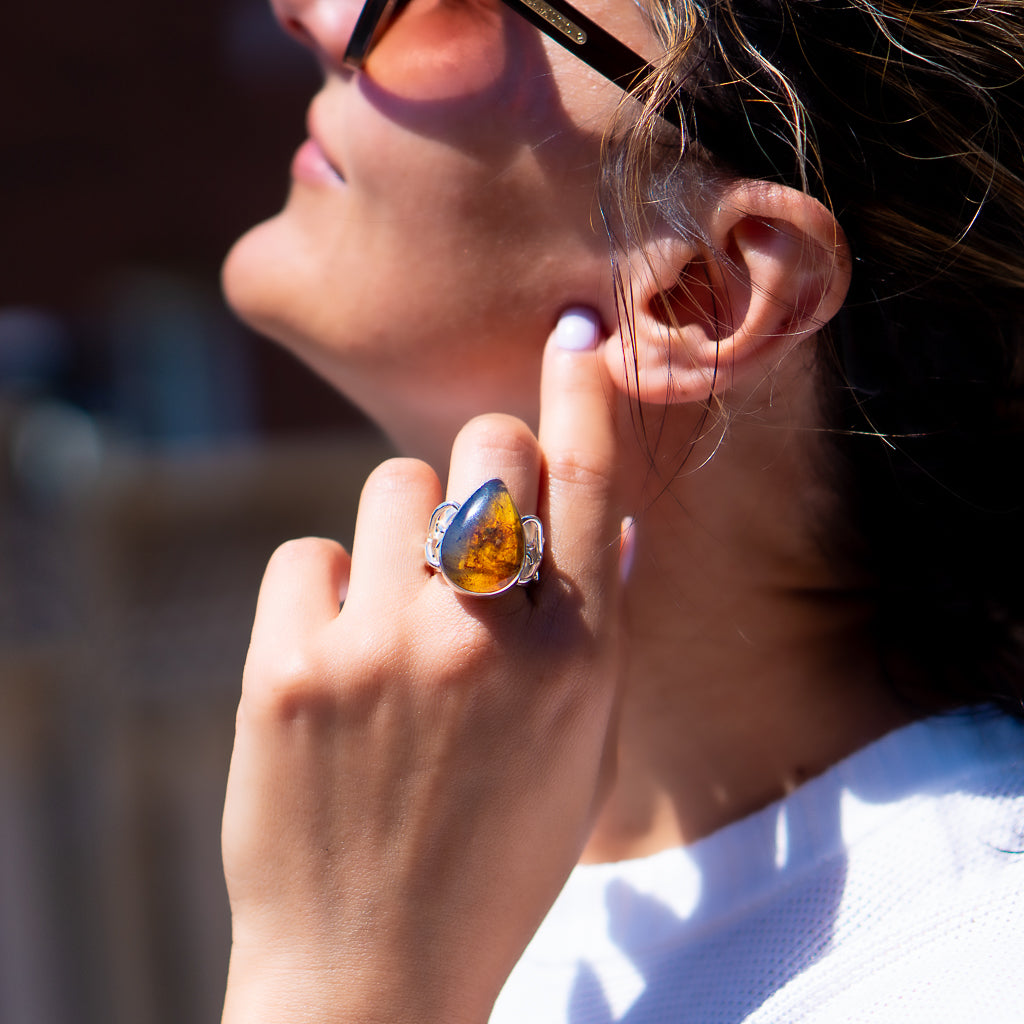
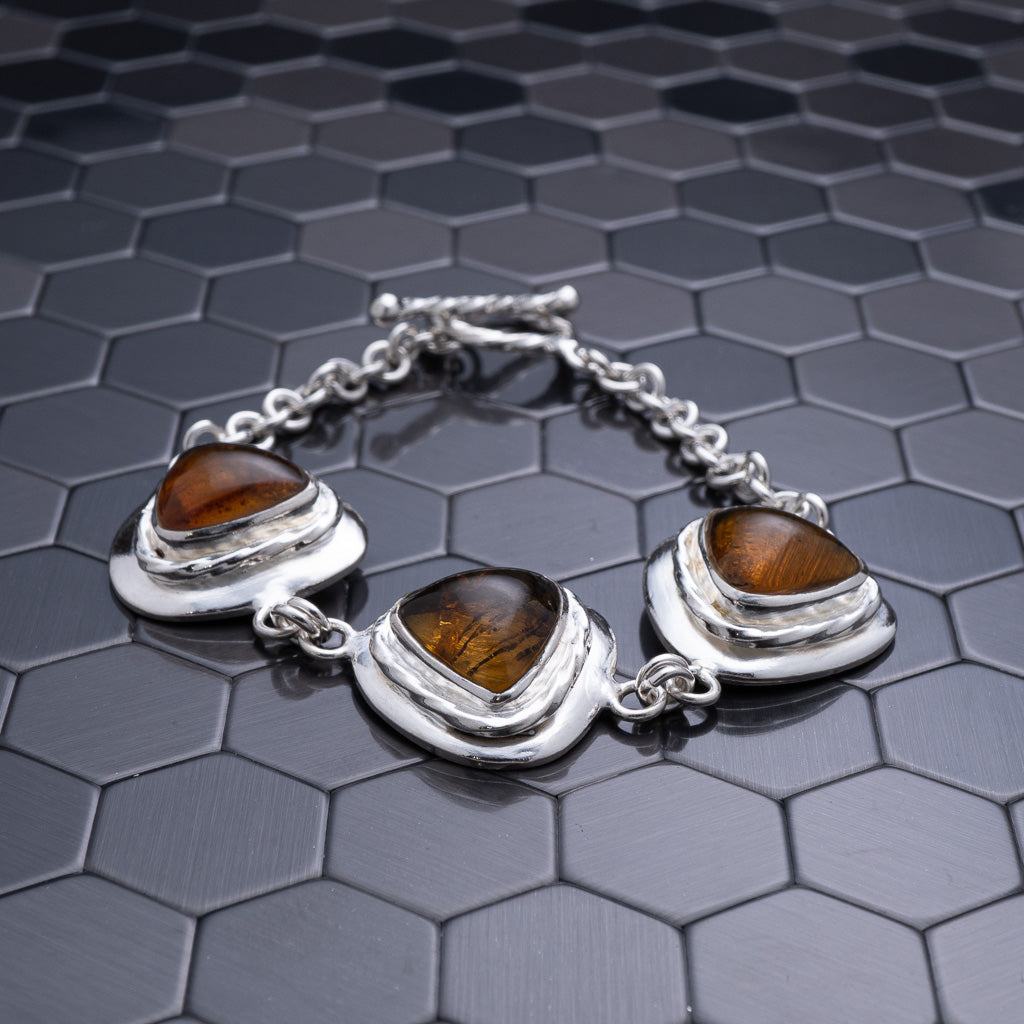



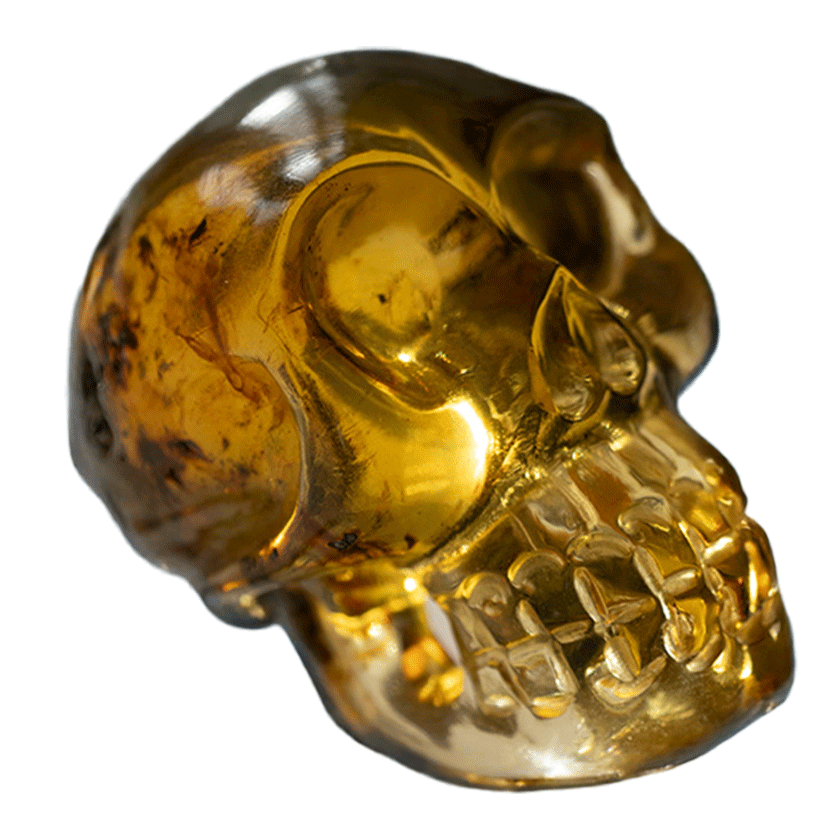
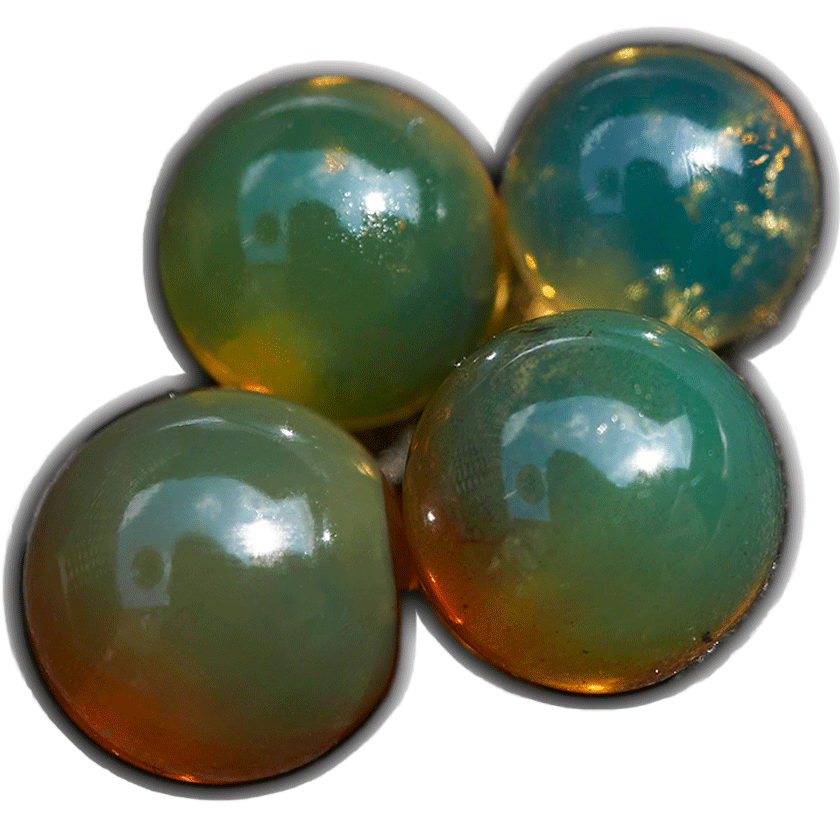
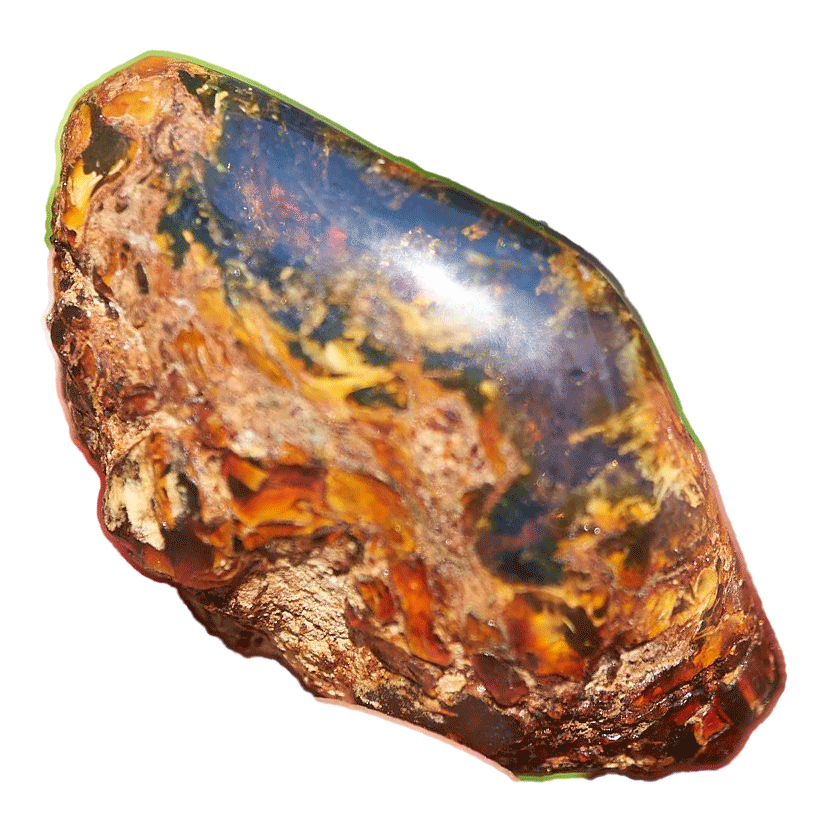
100% Handcrafted in DR.

The Dominican Republic stands as a vibrant testament to cultural fusion, where African, Spanish, and indigenous Taíno influences have blended over centuries to create a distinctive national identity. From the infectious rhythms of merengue and bachata echoing through city streets to the hands of artisans crafting traditional goods, dominican republic culture embodies passion, resilience, and creativity. Understanding this rich cultural tapestry reveals not only the soul of a nation but also the deep connections between heritage and contemporary expression that continue to shape Dominican life in 2026.
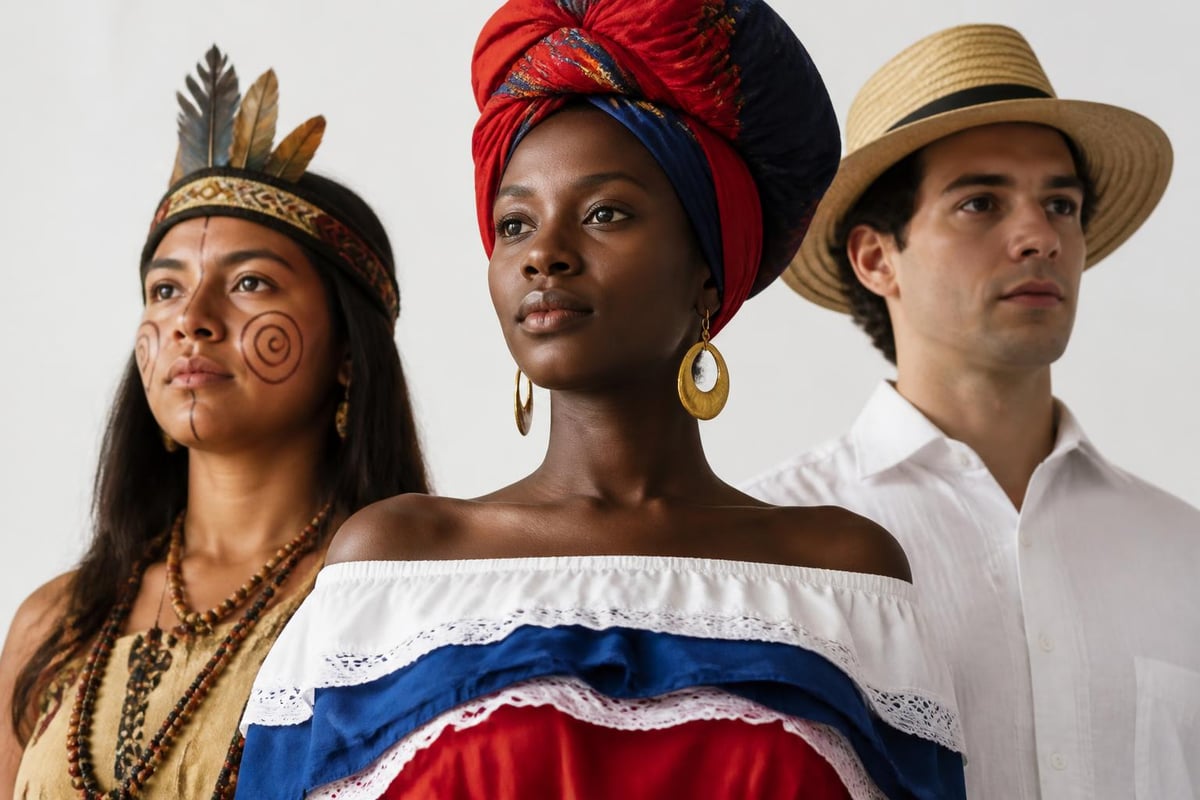
The cultural landscape of the Dominican Republic emerged from three distinct civilizational streams that converged on the island of Hispaniola. The indigenous Taíno people established the foundational layer, contributing agricultural practices, spiritual beliefs, and linguistic elements that persist today. Spanish colonization beginning in 1492 introduced European customs, Catholicism, and architectural traditions that dramatically reshaped island society.
The African diaspora, brought through the tragic institution of slavery, infused the culture with musical traditions, culinary techniques, and spiritual practices that would become inseparable from Dominican identity. This tripartite cultural heritage created a syncretic society where elements from each tradition coexist and continuously evolve.
Spanish serves as the official language, yet Dominican Spanish possesses distinctive characteristics that set it apart from other Latin American variants. Dominicans often drop final consonants, speak at a rapid pace, and incorporate unique vocabulary from Taíno and African sources. Words like "guagua" for bus and "chin" for a small amount reflect this linguistic blending.
The communication style emphasizes warmth, humor, and relationship-building over purely transactional exchanges. Gestures, facial expressions, and physical proximity play significant roles in conversation, reflecting a culture that values personal connection and emotional expression.
No exploration of dominican republic culture would be complete without acknowledging the central role of music and dance in daily life. These art forms transcend entertainment, serving as vehicles for storytelling, social commentary, and communal bonding.
Merengue holds official status as the national dance and music genre. Characterized by its fast-paced 2/4 rhythm and distinctive accordion sound, merengue originated in rural communities during the 19th century. The dance involves hip movements and close partner positioning, creating an energetic and joyful experience.
Traditional merengue ensembles feature:
The genre has evolved significantly, with contemporary artists incorporating electric instruments and international influences while maintaining core rhythmic patterns.
Bachata emerged in the 1960s from working-class neighborhoods, initially dismissed by elites as crude entertainment. The genre features romantic, often melancholic lyrics accompanied by guitar-driven melodies. Over decades, bachata gained respectability and international recognition, with artists like Romeo Santos bringing the style to global audiences.
The bachata dance emphasizes sensuality through hip movements and close partnering, requiring coordination and emotional connection between dancers. Modern bachata has diversified into subgenres including bachata urbana and bachata sensual, demonstrating the form's continuous evolution.
Dominican cuisine represents another expression of cultural blending, combining indigenous ingredients with Spanish cooking techniques and African flavors. The culinary landscape reflects both the island's agricultural bounty and historical influences.
| Dish | Main Ingredients | Cultural Origin |
|---|---|---|
| La Bandera | Rice, beans, meat, salad | Blended tradition |
| Sancocho | Various meats, root vegetables | African-Spanish fusion |
| Mangú | Mashed plantains, onions | Taíno-African |
| Casabe | Cassava flatbread | Indigenous Taíno |
The largest meal typically occurs at midday, often featuring "la bandera dominicana" (the Dominican flag), which consists of white rice, red beans, meat, and salad. This combination symbolizes the national flag's colors while providing balanced nutrition.
Street food culture thrives throughout the country, with vendors offering:
Food preparation remains a communal activity in many households, with recipes passed through generations and cooking techniques learned through observation rather than written instruction.
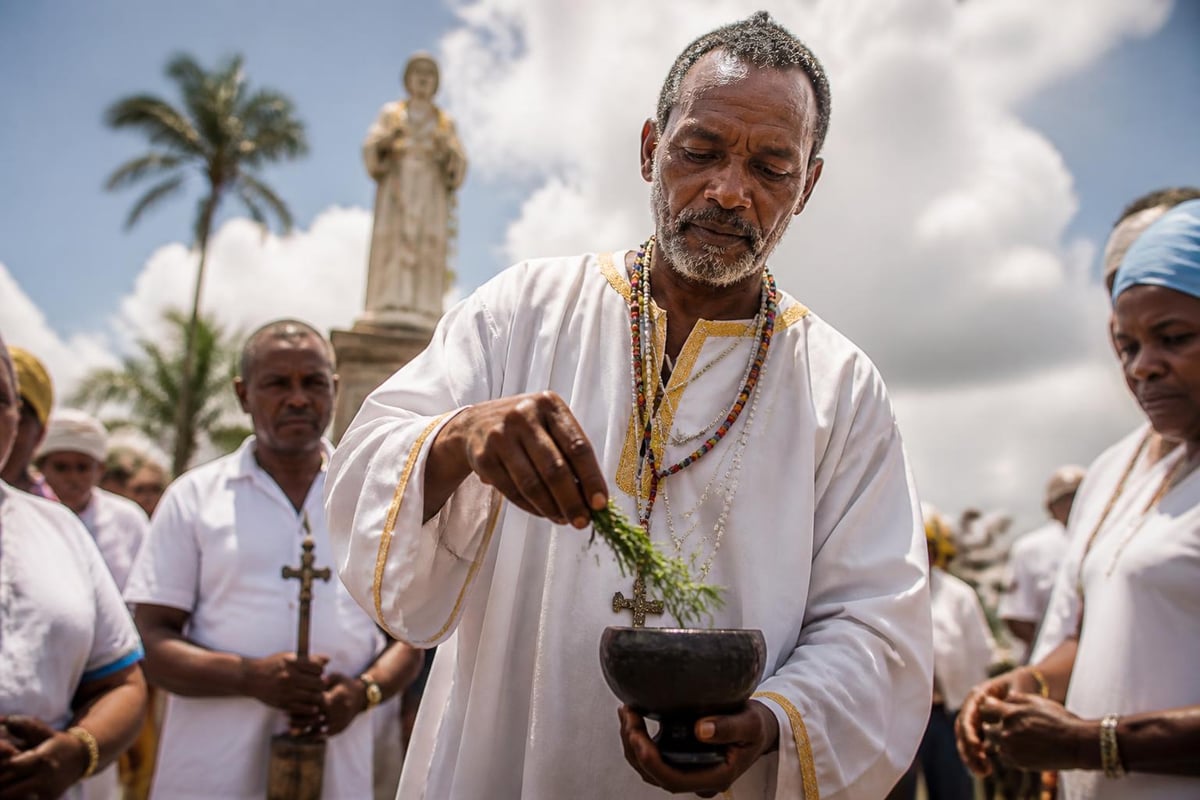
Approximately 70% of Dominicans identify as Roman Catholic, a legacy of Spanish colonization. However, Dominican religious practice often incorporates syncretic elements, blending Catholic saints with African spiritual traditions and indigenous beliefs.
Catholic observance in the Dominican Republic features distinctive characteristics including vibrant processions, elaborate celebrations of patron saint festivals, and integration of African-derived rhythms into religious music. The Virgin of Altagracia serves as the nation's patron saint, celebrated annually on January 21st with massive pilgrimages to her basilica in Higüey.
Protestant denominations have grown significantly in recent decades, now comprising roughly 25% of the population. These communities often emphasize evangelical worship styles and community service initiatives.
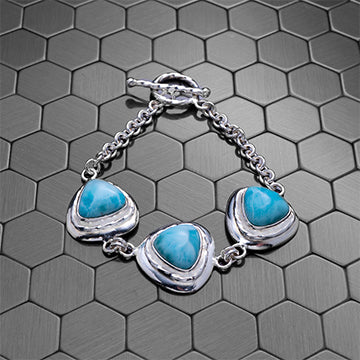
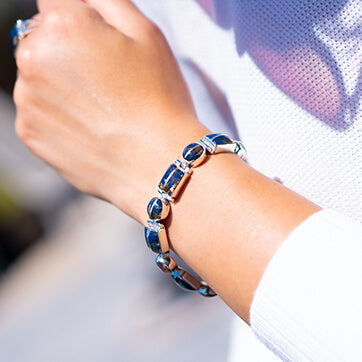
The Dominican Republic possesses rich traditions of handcrafted goods, from ceramics and woodcarving to jewelry-making using indigenous materials. These crafts represent both economic activities and cultural expression, connecting contemporary artisans to centuries-old techniques.
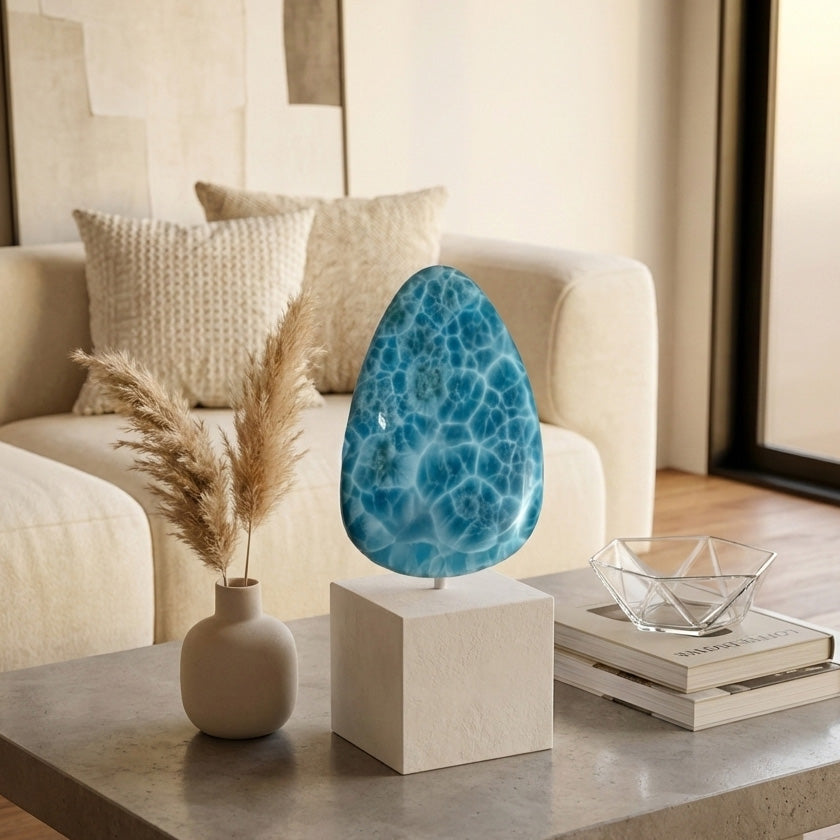
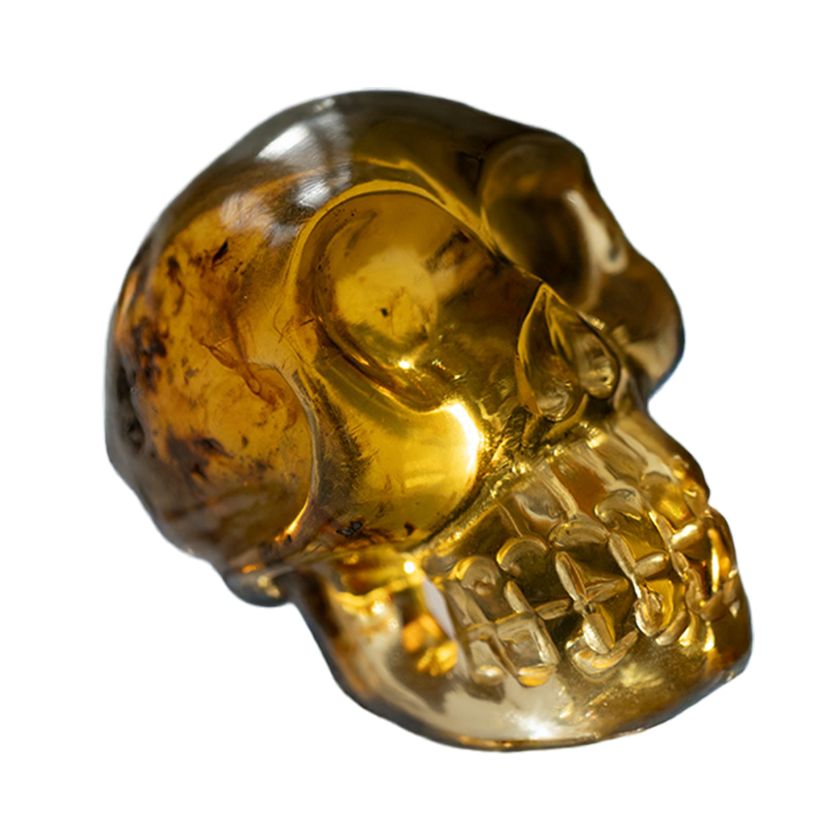
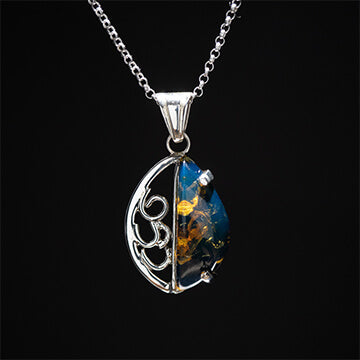
The country produces two unique gemstones found nowhere else on Earth: Larimar and Dominican Blue Amber. Larimar's rarity makes it particularly valuable, with its blue coloration ranging from light sky tones to deep volcanic blues. Artisans have developed specialized techniques for cutting and setting these stones, creating pieces that capture the essence of Caribbean waters.
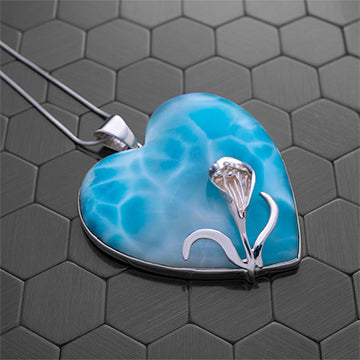
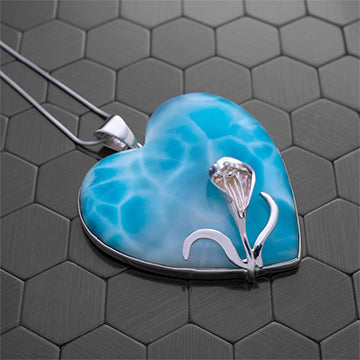
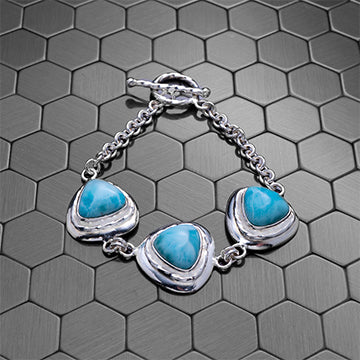
Traditional jewelry-making extends beyond these signature stones to include work with indigenous woods, seeds, and metals. Many artisans operate small family workshops, maintaining techniques passed through generations while adapting designs to contemporary aesthetics. Those seeking authentic representations of Dominican material culture often find Larimar pendants that showcase both the gemstone's natural beauty and skilled craftsmanship.
Dominican artisans excel in multiple disciplines:
Ceramics: Pottery production continues pre-Columbian techniques, particularly in communities like Higüerito where artisans create both functional vessels and decorative pieces using traditional firing methods.
Basket Weaving: Artisans weave palm fronds and other natural fibers into baskets, hats, and decorative items, maintaining skills that predate European contact.
Carnival Masks: Elaborate masks called "caretas" are crafted for carnival celebrations, featuring bright colors, exaggerated features, and symbolic elements representing various characters from Dominican folklore.
Family serves as the central organizing principle in Dominican society, extending beyond nuclear households to include extended relatives and close friends considered "like family." Multiple generations often live in proximity, providing mutual support and maintaining strong intergenerational bonds.
Traditional gender roles remain influential, with men historically positioned as primary breadwinners and women as household managers. However, these patterns have shifted significantly in recent decades. Women now comprise approximately 40% of the formal workforce and increasingly pursue higher education and professional careers.
Respect for elders remains a fundamental value, with younger generations expected to show deference through language use, priority seating, and consultation on important decisions. This respect extends to community elders who serve as informal advisors and keepers of cultural knowledge.
Baseball dominates Dominican sports culture, functioning as a national passion that transcends mere recreation. The country has produced more Major League Baseball players per capita than any other nation, with stars like David Ortiz, Vladimir Guerrero, and Pedro Martinez achieving legendary status.
Young boys throughout the country practice baseball skills hoping to follow this path to professional success. Baseball academies operated by MLB teams dot the landscape, providing training facilities and educational support for promising prospects.
Beyond baseball, Dominicans embrace:
Dominican republic culture expresses itself most vibrantly during festivals and celebrations that punctuate the annual calendar. These events combine religious observance, cultural performance, and communal gathering.
Dominican Carnival varies by region but universally features elaborate costumes, masks, music, and street processions. The celebration occurs throughout February, culminating on Independence Day (February 27th). Different regions showcase distinctive characters:
| Region | Signature Character | Characteristics |
|---|---|---|
| La Vega | Diablos Cojuelos | Horned devils with whips |
| Santiago | Lechones | Pig-themed costumes |
| Monte Cristi | Toros | Bull figures |
| Santo Domingo | Various | Mixed traditions |
Semana Santa (Holy Week) brings the country to near-standstill as families gather, businesses close, and religious processions fill streets. Beaches become packed with vacationers, and traditional foods like habichuelas con dulce (sweet cream of beans) appear on tables nationwide.
Christmas Season extends from early December through January 6th (Three Kings Day), featuring gift-giving, special meals, and aguinaldos (caroling groups) visiting homes throughout neighborhoods.
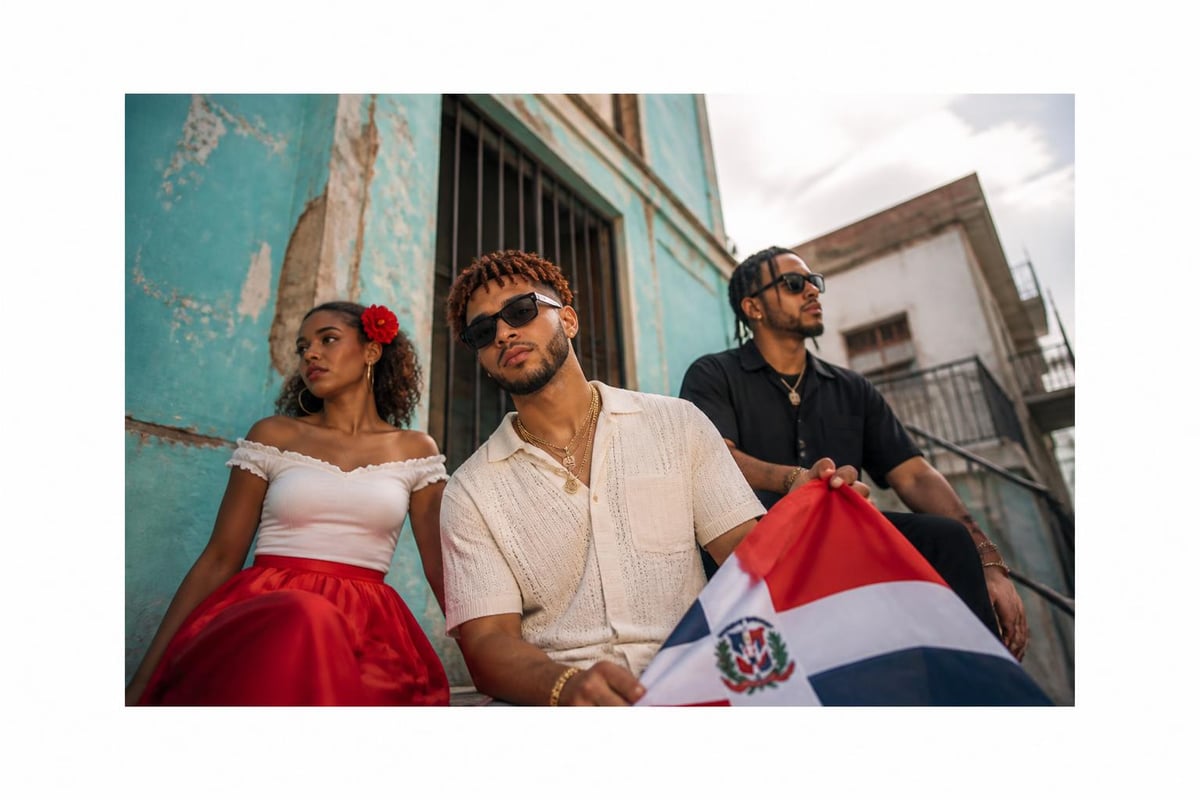
Modern dominican republic culture continues evolving while maintaining connections to tradition. Urban youth culture blends international hip-hop and reggaeton influences with Dominican musical roots, creating hybrid genres like dembow that dominate nightclubs and radio stations.
Dominican visual artists have gained international recognition for works exploring themes of identity, history, and social commentary. Painters like Jaime Colson and contemporary artists working in Santo Domingo's galleries create pieces reflecting both Caribbean aesthetics and global art movements.
Literary traditions include renowned authors such as Julia Alvarez and Junot Díaz, who explore Dominican-American experiences while maintaining connections to island culture. Poetry remains particularly valued, with verses recited at gatherings and competitions celebrating linguistic artistry.
Personal appearance holds significant cultural importance, with Dominicans generally maintaining polished, well-groomed presentations regardless of economic circumstances. This emphasis reflects values around dignity, self-respect, and social positioning.
Traditional clothing appears primarily during festivals and cultural performances, featuring:
Contemporary fashion follows international trends while incorporating tropical climate considerations. Lightweight fabrics, vibrant colors, and form-fitting styles remain popular choices for daily wear.
Growing awareness of environmental issues has sparked interest in sustainable practices throughout Dominican communities. While challenges persist regarding waste management and coastal development, grassroots movements promote conservation and eco-friendly lifestyles. This consciousness extends to consumer choices, with increasing interest in products that minimize environmental impact. Organizations advocating for sustainable living demonstrate how everyday choices can support both cultural values and ecological responsibility, principles that resonate with Dominican traditions of resourcefulness and community stewardship.
Formal education follows a Spanish-language curriculum emphasizing literacy, mathematics, sciences, and Dominican history. However, significant cultural knowledge transmission occurs outside classrooms through informal mentorship, family storytelling, and community participation.
Informal Education Channels:
This dual system ensures both academic achievement and cultural continuity, preparing younger generations to navigate modern society while maintaining connections to heritage.
Significant cultural variations exist between urban centers like Santo Domingo and rural communities. Cities showcase greater international influence, faster-paced lifestyles, and more diverse economic opportunities. Rural areas maintain stronger connections to agricultural traditions, closer-knit community structures, and preservation of older cultural practices.
Yet these distinctions blur as improved transportation and communication technologies connect previously isolated communities to broader national and global cultures. Rural youth increasingly access urban music, fashion, and opportunities while maintaining pride in regional traditions.
Dominican republic culture represents a dynamic, evolving synthesis of historical influences and contemporary innovations that continue shaping national identity in 2026. From musical traditions that move bodies and souls to artisan crafts preserving ancient techniques with modern aesthetics, this cultural richness offers countless ways to connect with Caribbean heritage. Larimar Creations brings one tangible expression of this culture to jewelry enthusiasts worldwide, offering handcrafted pieces featuring Larimar and Dominican Blue Amber that embody the island's natural beauty and artistic traditions. Explore authentic Dominican craftsmanship and bring a piece of this vibrant culture into your life today.