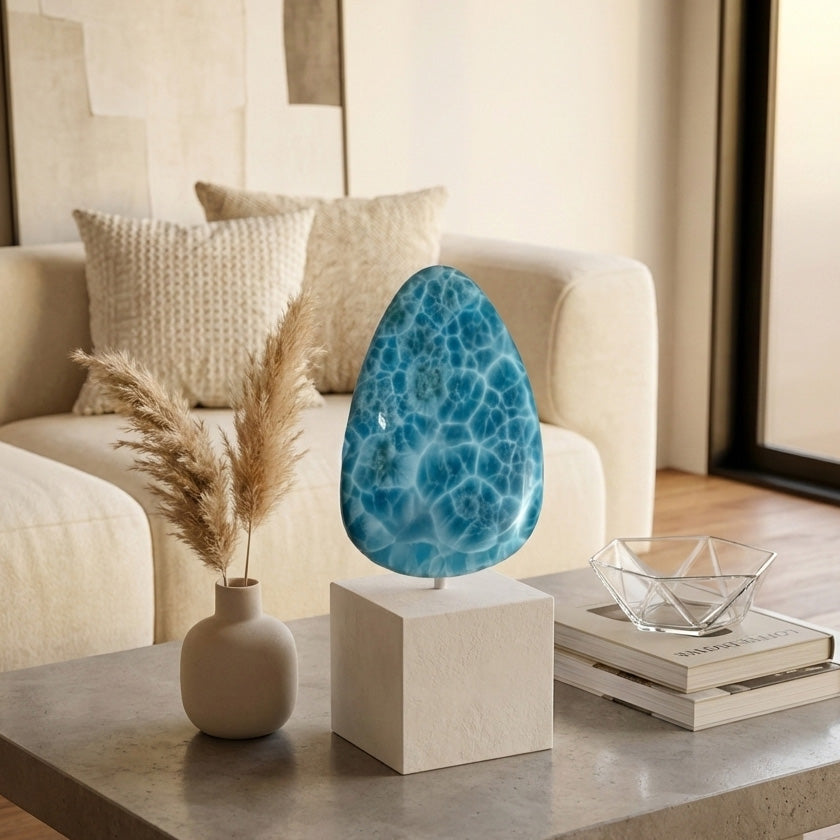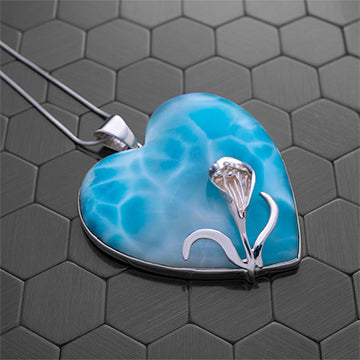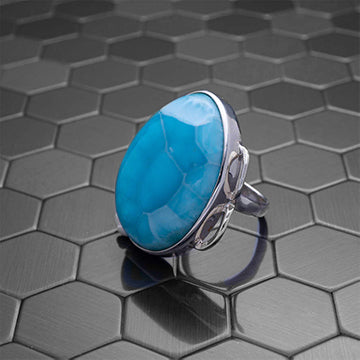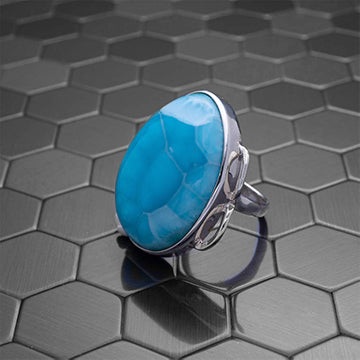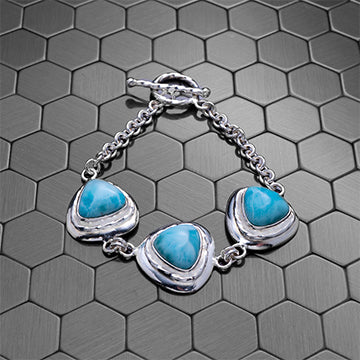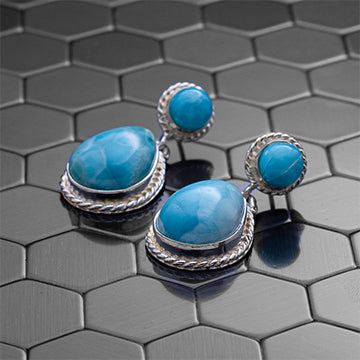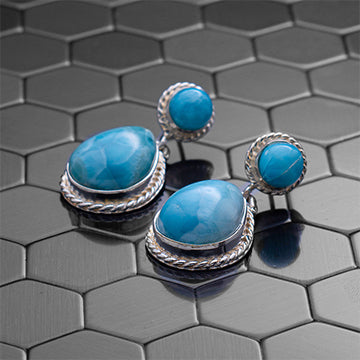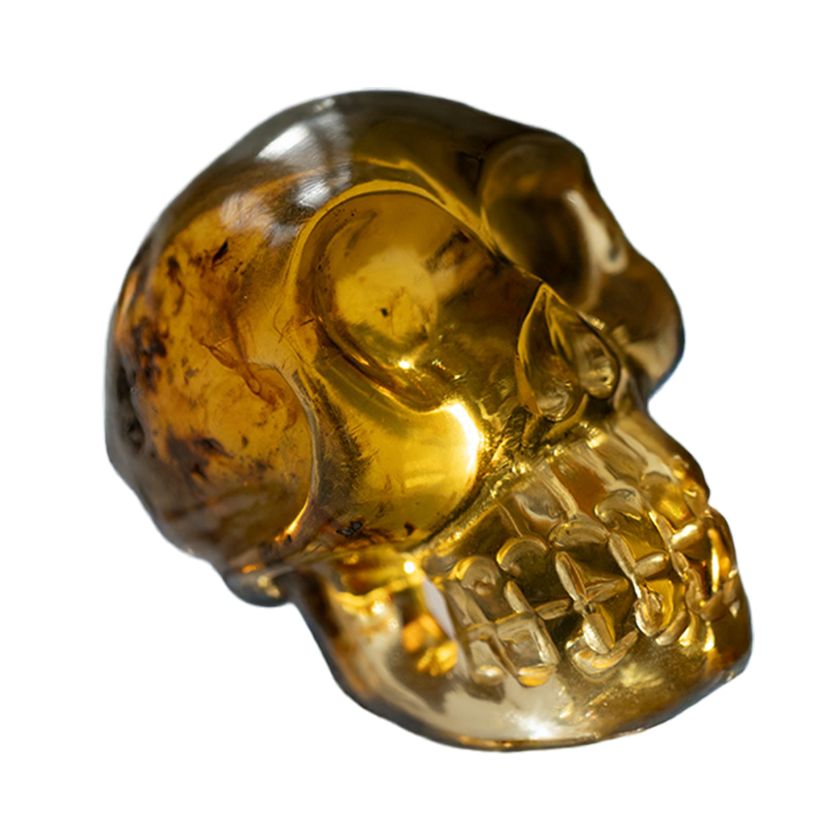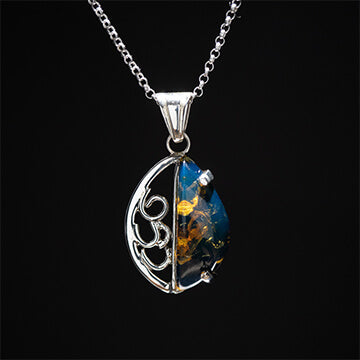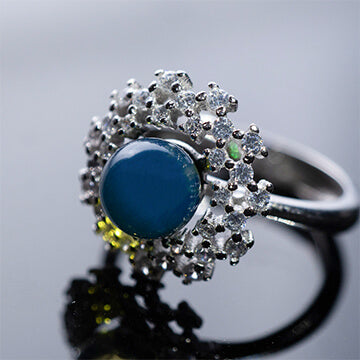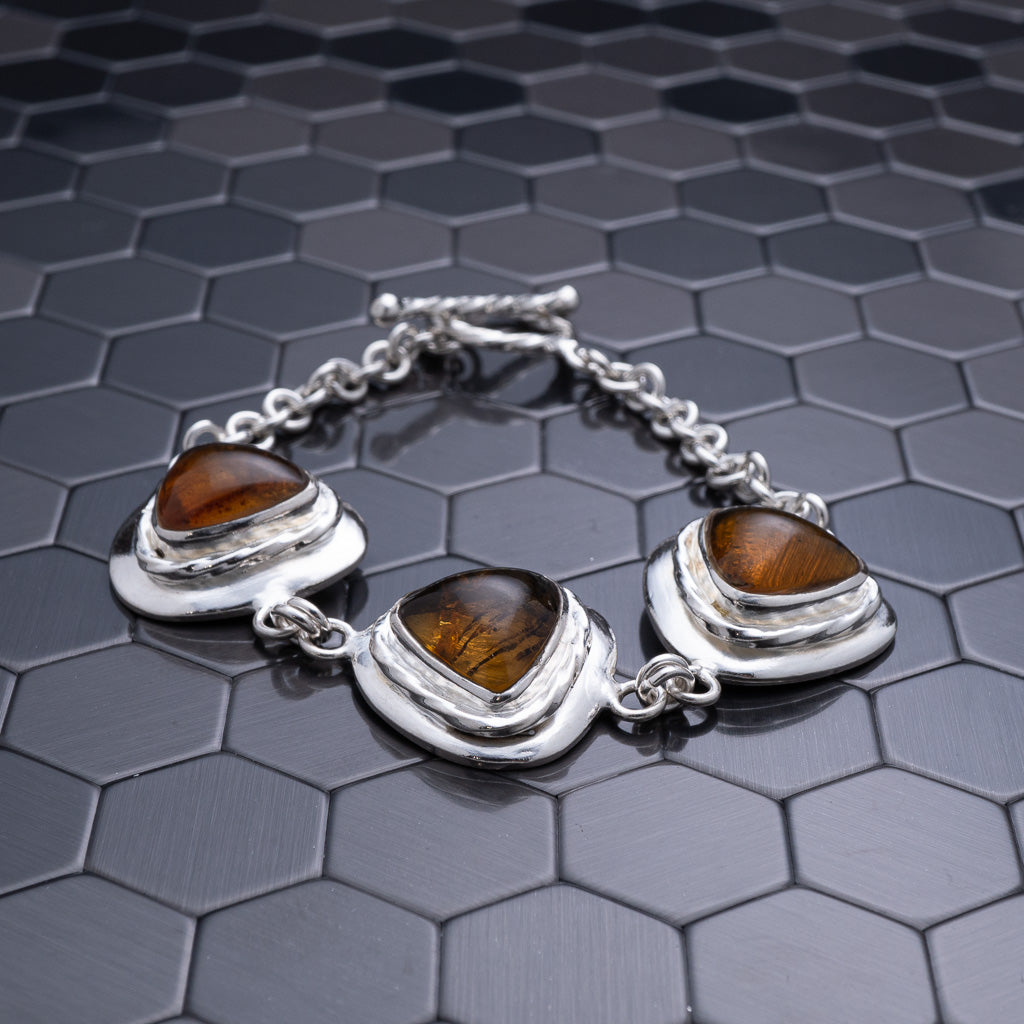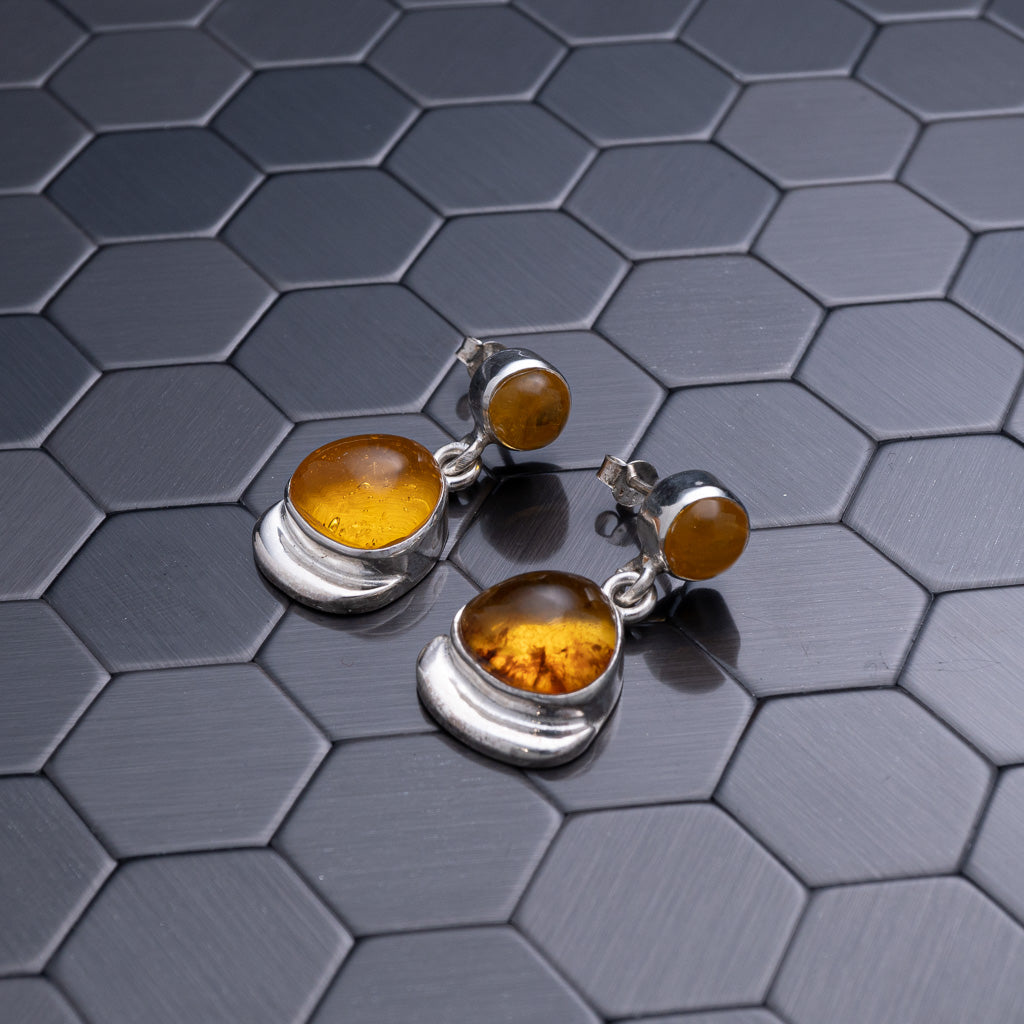


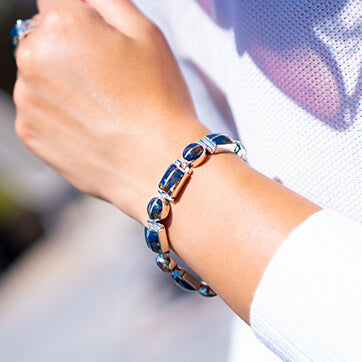
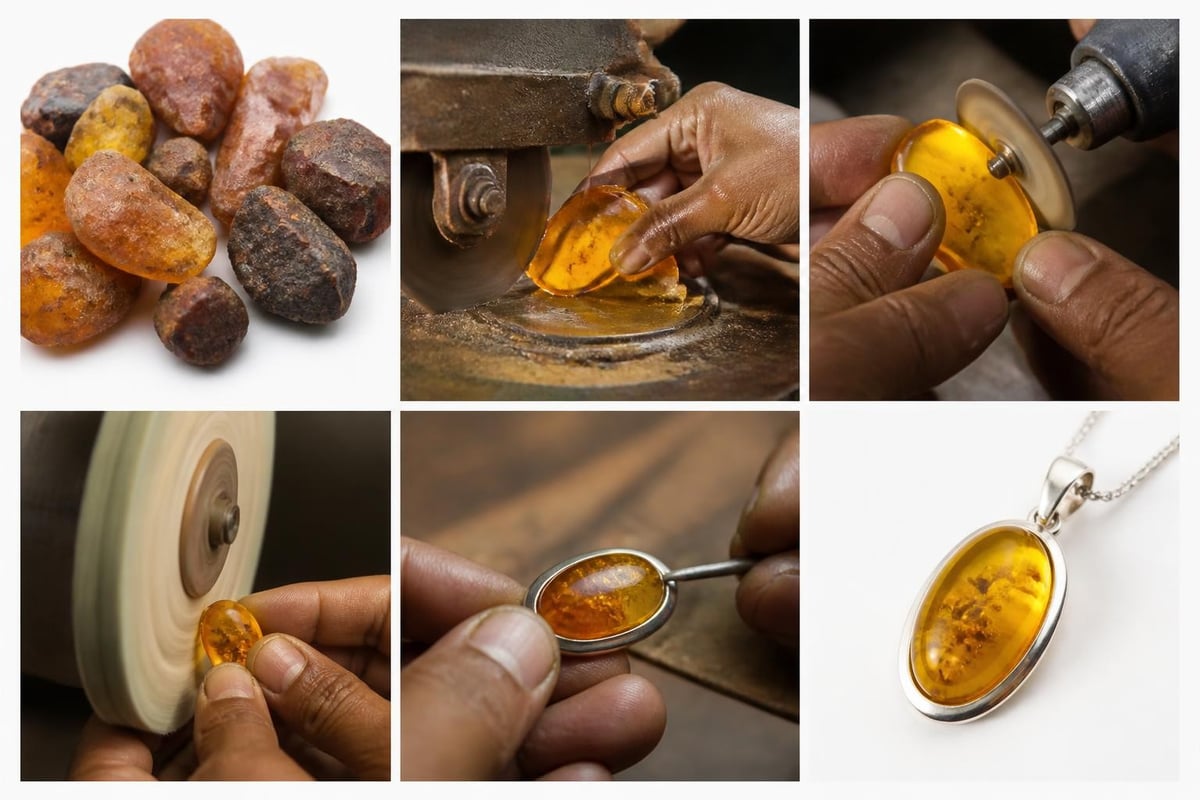
Handcrafted in DR.

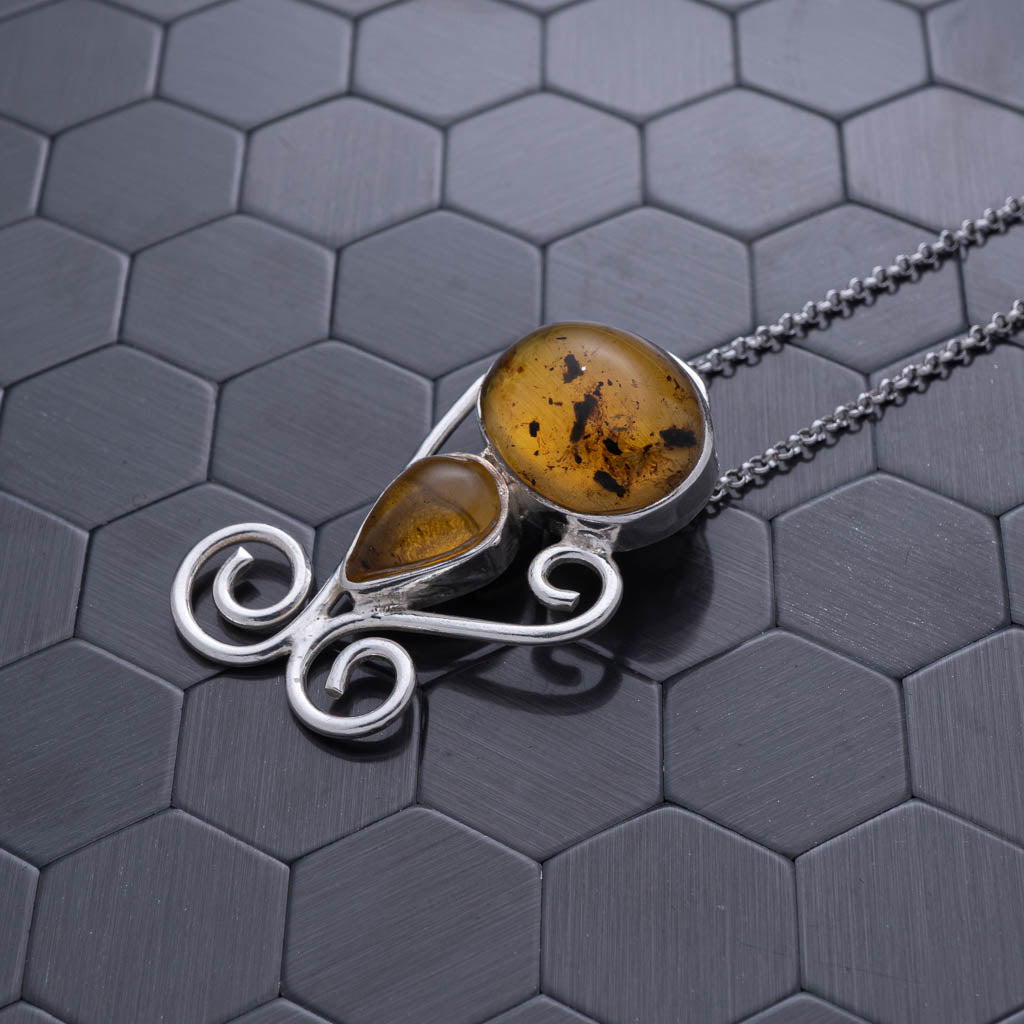
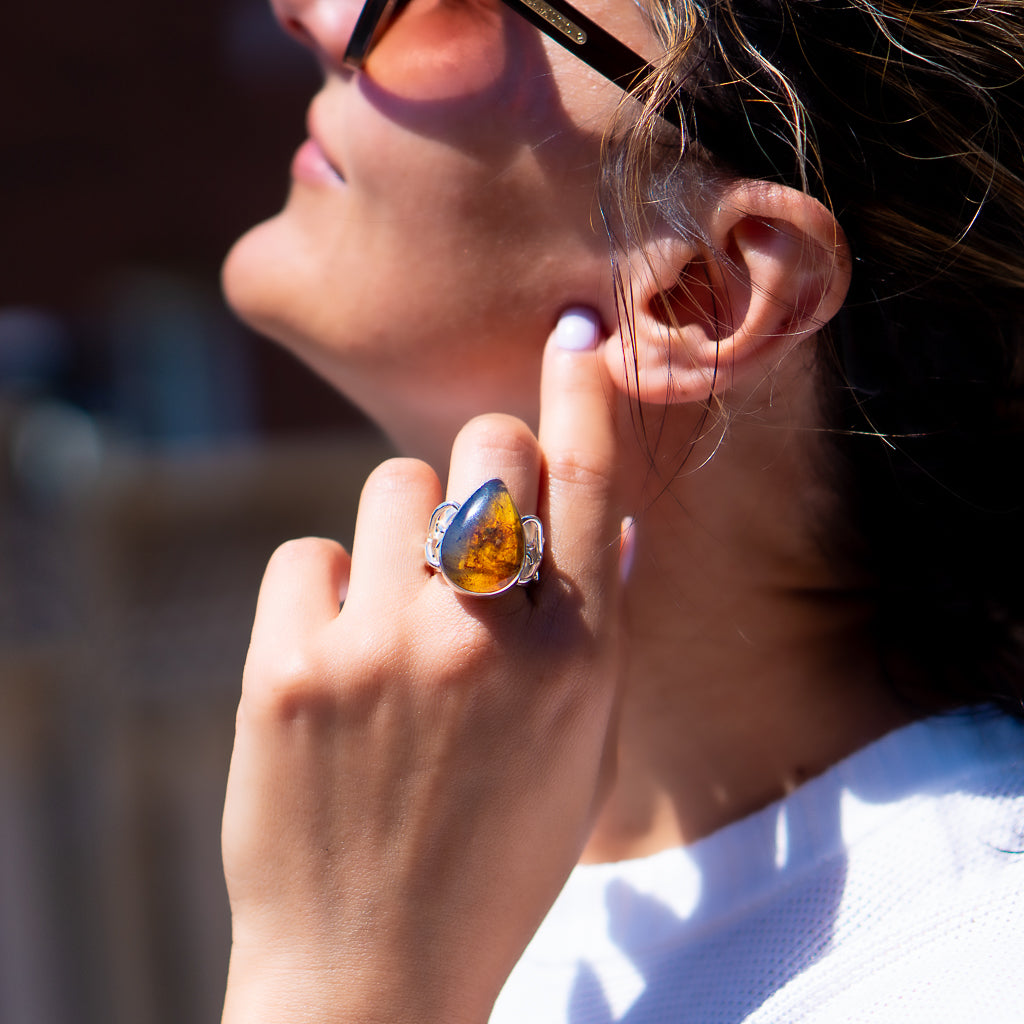
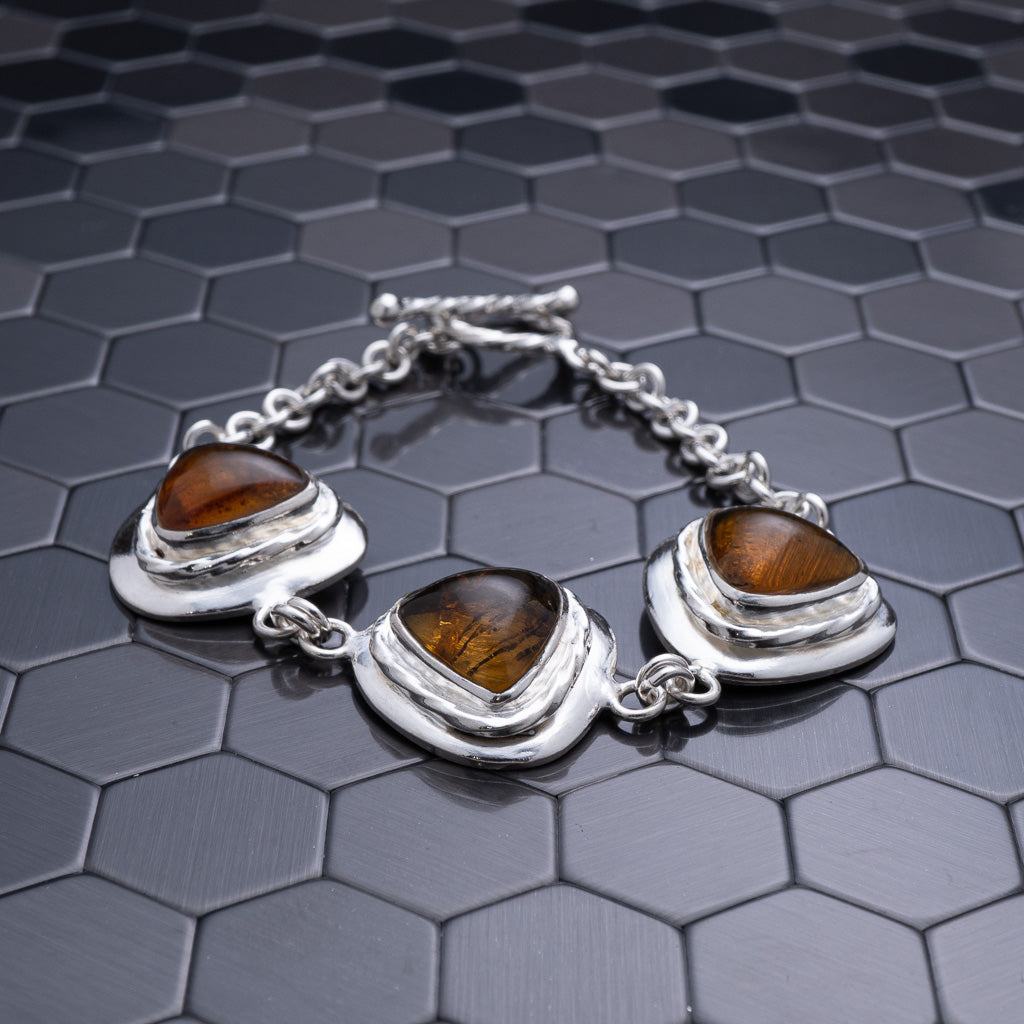
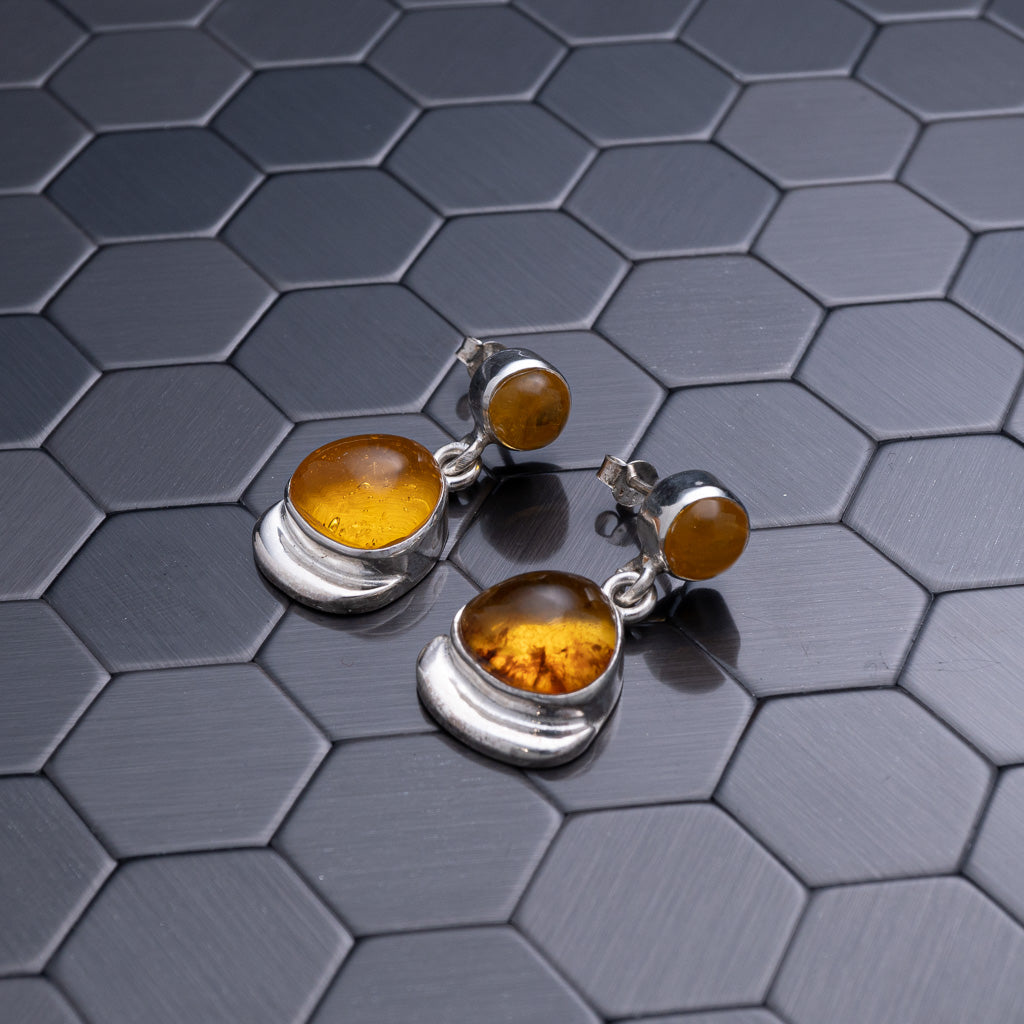


100% Handcrafted in DR.

The Dominican Republic produces some of the world's most extraordinary amber, distinguished by its exceptional clarity, vibrant colors, and rare inclusions. Unlike the more commonly known Baltic amber, amber dominican republic specimens formed approximately 15 to 20 million years ago from the resin of the extinct tree species Hymenaea protera. This fossilized resin has captivated collectors, scientists, and jewelry enthusiasts worldwide due to its remarkable fluorescent properties and the perfectly preserved prehistoric organisms often found within. From the mountainous regions of the north to specialized mining operations scattered throughout the island, Dominican amber represents both a geological wonder and a thriving artisanal industry.
Amber dominican republic formed during the Miocene epoch when the Caribbean island was covered in tropical forests dominated by leguminous trees. These ancient trees produced copious amounts of resin as a defense mechanism against insects and disease. Over millions of years, this resin underwent a complex process of polymerization and fossilization, transforming into the hard, translucent material we recognize today.
The geological conditions in the Dominican Republic created amber with distinct characteristics. The fossilized resin deposits are found primarily in sedimentary rock formations, particularly in areas that experienced volcanic activity and tectonic shifts. This unique geological history contributed to the exceptional preservation of inclusions and the development of unusual color variations.
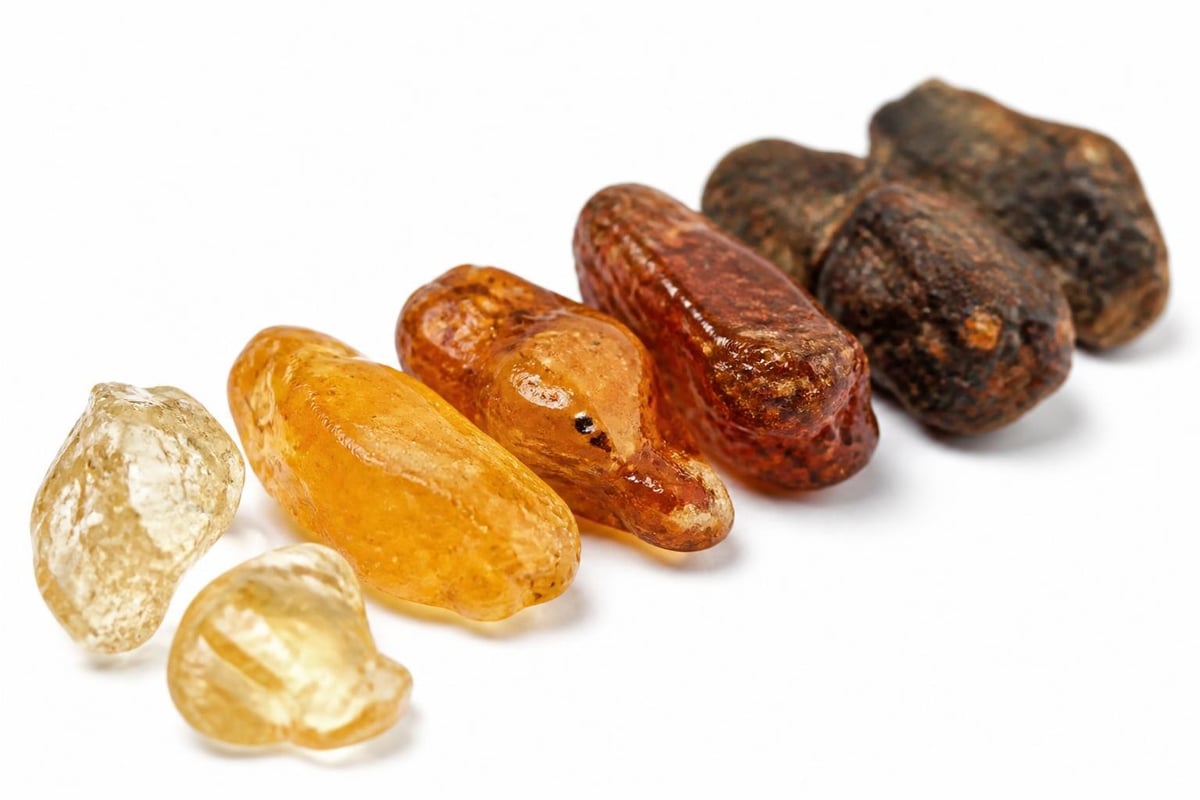
The chemical structure of amber dominican republic differs significantly from Baltic amber, contributing to its unique properties. According to research on Dominican amber's internal structure, the material exhibits distinctive thermal and fluorescence characteristics that set it apart from other amber varieties worldwide.
Key Chemical Properties:
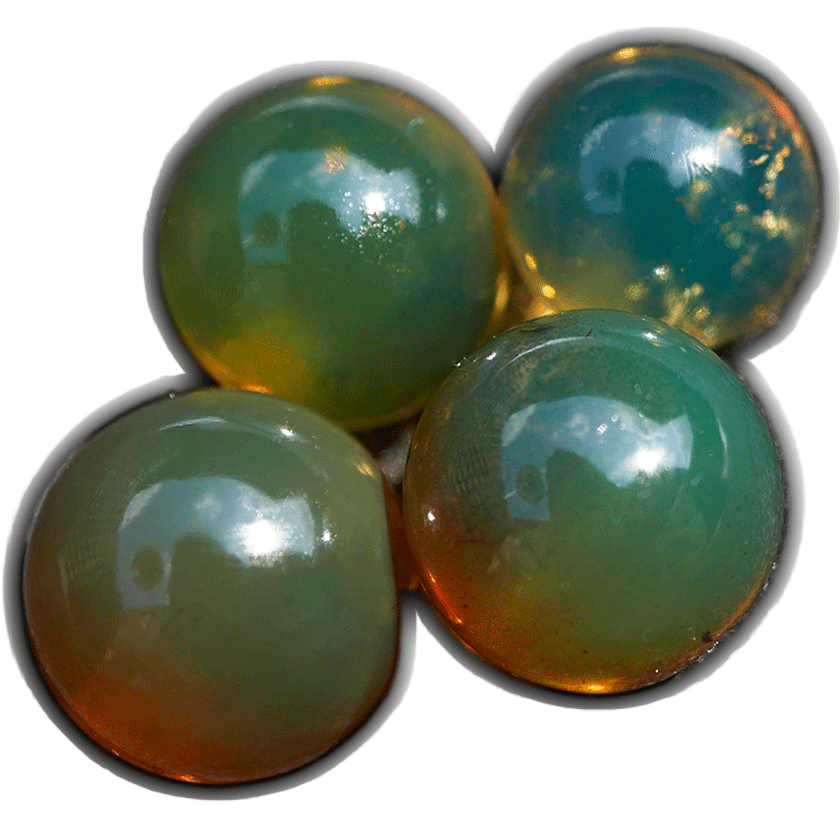
These chemical differences result in amber that displays extraordinary visual properties, particularly the famous blue fluorescence that makes Dominican blue amber highly sought after by collectors and jewelers.
The primary amber-producing regions in the Dominican Republic are concentrated in the northern mountain ranges. The major amber deposits include La Cumbre, Palo Quemado, and the Santiago province, each producing amber with slightly different characteristics based on the local geological conditions.
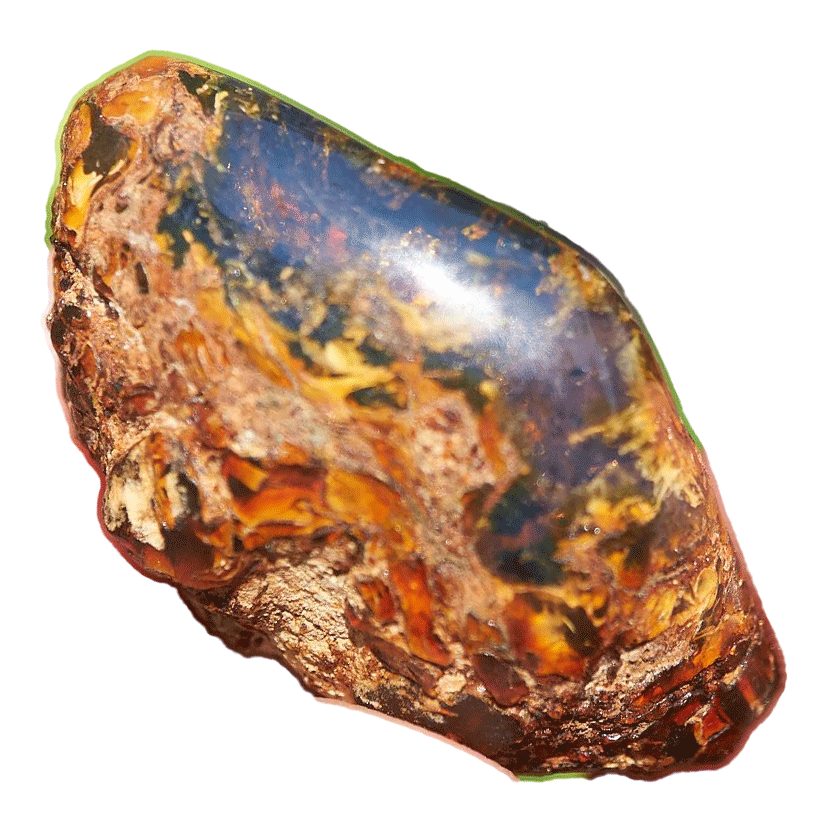
La Cumbre represents one of the most significant amber sources in the country. Miners extract amber from deep within mountainous terrain, often working in challenging conditions. The process remains largely artisanal, with small-scale operations using hand tools to carefully extract amber pieces from the surrounding rock matrix.
Mining operations typically involve:
The Santiago region produces amber with exceptional clarity, while Palo Quemado is known for specimens with rich color variations. The mining practices in these regions have remained relatively unchanged for decades, preserving traditional techniques passed down through generations of miners.
| Mining Region | Primary Characteristics | Notable Features |
|---|---|---|
| La Cumbre | Blue fluorescence, high clarity | Largest production volume |
| Santiago | Exceptional transparency | Premium quality specimens |
| Palo Quemado | Color variety, inclusions | Rich fossil content |
The extraction process requires considerable skill and patience. Miners must distinguish amber-bearing rock from surrounding material while avoiding damage to delicate specimens that may contain valuable inclusions.
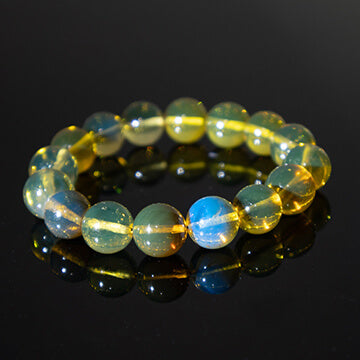
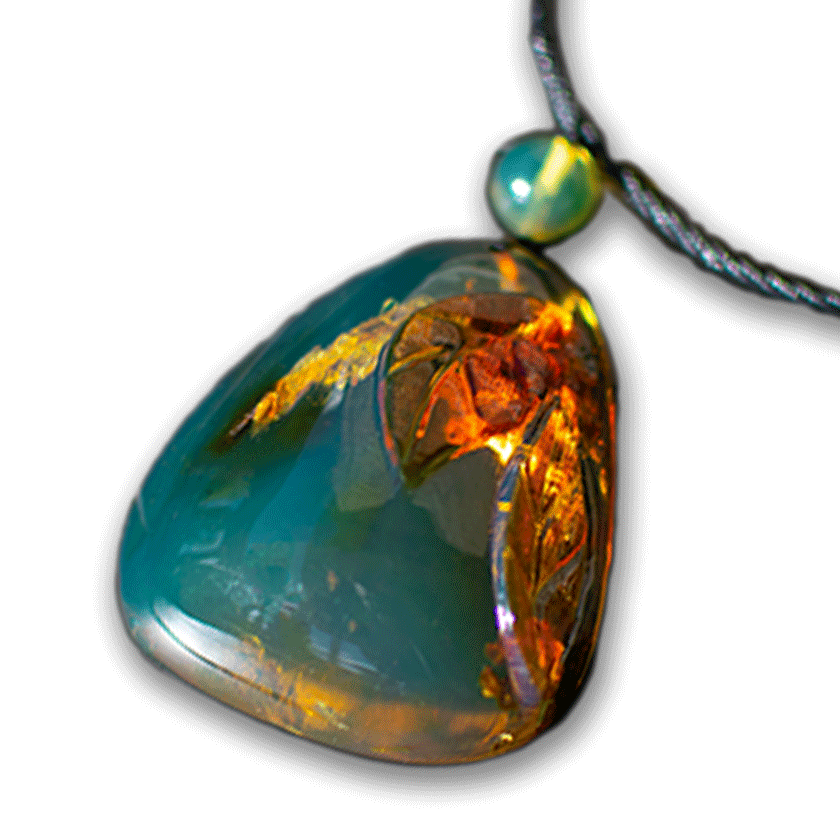
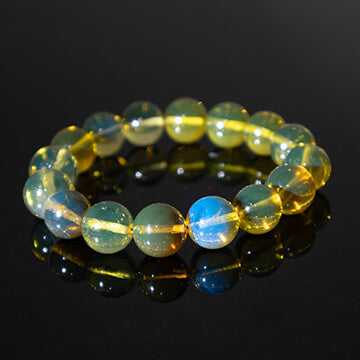
Blue amber dominican republic represents one of nature's most remarkable optical phenomena. This rare variety appears yellow or golden under normal lighting conditions but transforms into brilliant blue when viewed against dark backgrounds or under ultraviolet light. Only a small percentage of Dominican amber exhibits this property, making it exceptionally valuable.
The blue fluorescence results from specific aromatic hydrocarbon compounds within the amber's molecular structure. When exposed to UV light or viewed at certain angles, these compounds emit blue light through a process called fluorescence. This characteristic is virtually unique to Dominican amber, with only trace amounts found in amber from Mexico.
Experts evaluate amber dominican republic based on several criteria:
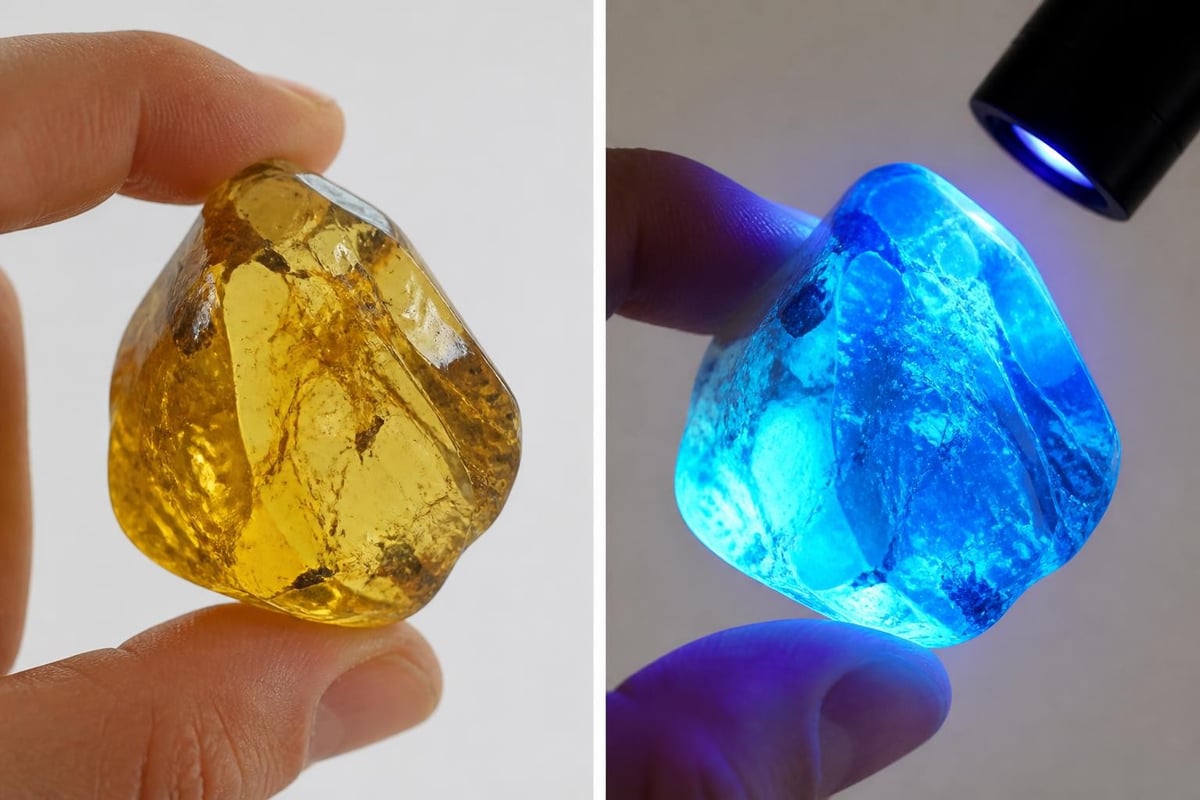
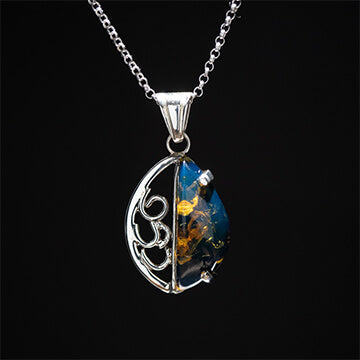
Professional jewelers and collectors use specialized UV lights to assess the quality of blue amber. The most prized pieces exhibit intense, uniform blue fluorescence throughout the entire specimen. These premium pieces often become centerpieces in high-end jewelry designs, such as blue amber pendants that showcase the stone's unique optical properties.
One of the most scientifically valuable aspects of amber dominican republic is its extraordinary inclusions. The Wikipedia entry on Dominican amber details the diverse range of organisms preserved within these fossilized resins, providing researchers with unprecedented insights into Miocene ecosystems.
Dominican amber has preserved an astonishing variety of prehistoric life forms with exceptional detail:
Insects and Arachnids:
Plant Material:
Vertebrate Remains:
The preservation quality in amber dominican republic often surpasses that of Baltic amber due to the rapid polymerization process and favorable environmental conditions. Some specimens preserve cellular structures, allowing scientists to study ancient DNA and protein sequences.
The market for amber dominican republic has grown significantly over the past two decades as awareness of its unique properties has spread globally. Blue amber commands premium prices, with exceptional specimens selling for hundreds or thousands of dollars per gram.
| Amber Type | Price Range (per gram) | Primary Markets |
|---|---|---|
| Standard yellow/cognac | $2-$10 | General jewelry, carving |
| High-clarity specimens | $10-$30 | Premium jewelry |
| Blue amber (standard) | $30-$100 | Collectors, fine jewelry |
| Premium blue amber | $100-$500+ | Investment, museums |
| Inclusion specimens | Variable | Scientific, collectors |
The value depends heavily on quality factors including size, clarity, color intensity, and the presence of significant inclusions. The comprehensive guide to Dominican amber provides detailed information on market trends and pricing structures that have evolved through 2026.
As demand for amber dominican republic has increased, so has the prevalence of imitations and enhanced specimens. Authentic Dominican amber can be distinguished through several scientific methods:
Reputable dealers provide certification and guarantee the authenticity of their specimens. Some amber undergoes heat treatment to enhance clarity or color, which should be disclosed to buyers. Untreated, natural specimens typically command higher prices in the collector market.
Amber mining and trading represent significant economic activities for communities in the Dominican Republic's amber-producing regions. The industry provides livelihoods for miners, cutters, polishers, and artisans who transform raw amber into finished products. For insights into the mining operations and their cultural context, the detailed exploration of amber mines offers valuable perspectives.
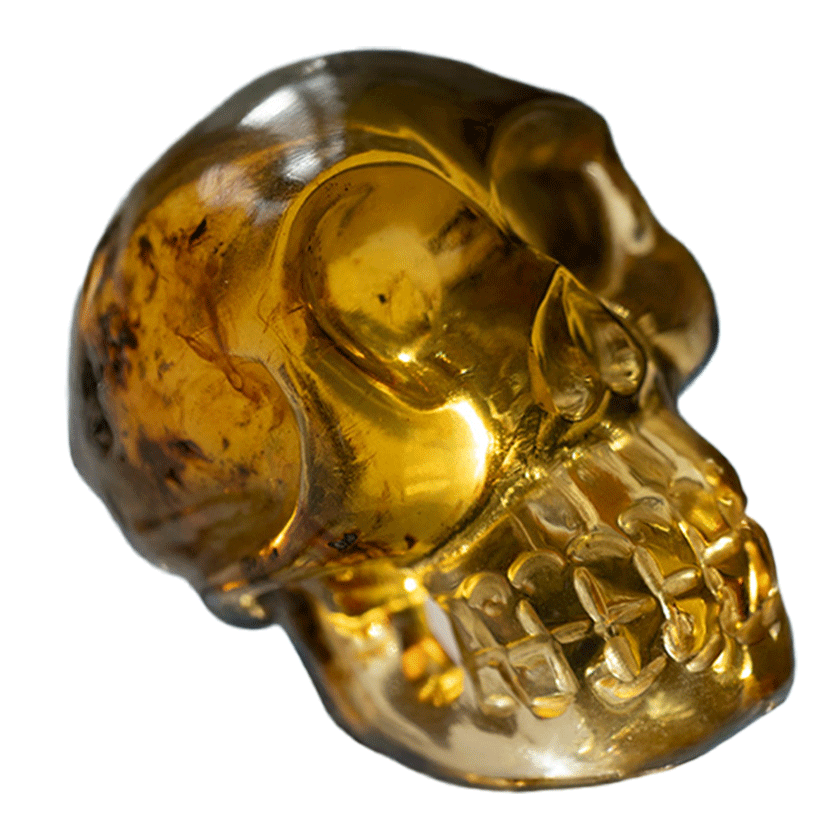
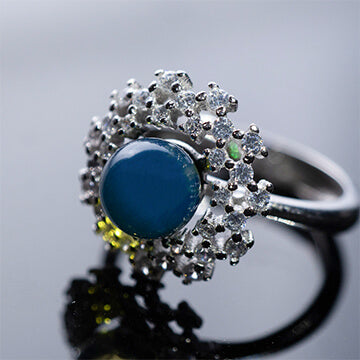
Dominican artisans have developed sophisticated techniques for working with amber dominican republic, creating everything from simple polished stones to intricate carvings. The material's relative softness compared to mineral gemstones allows for detailed sculptural work, while its beauty makes it ideal for jewelry applications.
Traditional crafting methods include:
Many workshops operate in Santo Domingo and Santiago, where skilled craftspeople produce blue amber jewelry and decorative objects. These artisans often work directly with miners, selecting raw material and envisioning the final pieces.
The scientific community has maintained intense interest in amber dominican republic due to its research potential. Paleontologists, entomologists, and evolutionary biologists study inclusions to understand ancient ecosystems, species evolution, and climate patterns during the Miocene epoch.
Research using Dominican amber has contributed to several significant scientific advances:
Evolutionary Insights:
Molecular Biology:
Universities and research institutions worldwide maintain collections of amber dominican republic specimens for ongoing study. The exceptional preservation quality makes these specimens invaluable for understanding life during the Miocene period.
As global demand for amber dominican republic continues growing, questions about sustainable extraction practices and fair trade have gained prominence. Small-scale mining operations that characterize the industry present both challenges and opportunities for responsible resource management.
Traditional mining methods in the Dominican Republic generally have limited environmental impact compared to large-scale industrial operations. However, concerns exist about:
Progressive mining cooperatives have begun implementing restoration programs and sustainable extraction guidelines. These initiatives aim to balance economic needs with environmental preservation.
The amber industry involves numerous intermediaries between miners and end consumers. Ensuring fair compensation for miners and artisans has become increasingly important to ethically conscious buyers. Direct relationships between specialized retailers and source communities help ensure equitable value distribution throughout the supply chain.
Serious collectors view high-quality amber dominican republic, particularly blue amber specimens, as both aesthetic treasures and potential investments. The limited geographic distribution, finite supply, and growing global appreciation have contributed to steady value appreciation over time.
Knowledgeable collectors focus on several strategies:
Collection Categories:
| Focus Area | Investment Level | Market Liquidity |
|---|---|---|
| General amber specimens | Low-Medium | High |
| Quality blue amber | Medium-High | Medium |
| Rare inclusions | High | Low-Medium |
| Museum-grade pieces | Very High | Low |
The market for exceptional amber dominican republic specimens has shown consistent growth, with museum-quality pieces appreciating significantly. However, like all collectibles, values fluctuate based on market conditions and collector interest.
Proper care ensures that amber dominican republic jewelry and specimens maintain their beauty for generations. Despite its durability, amber requires specific handling to prevent damage and preserve its optical properties.
Daily Care:
Long-term Storage:
Amber can develop small surface cracks over time, particularly if exposed to extreme temperature changes. Professional jewelers can repolish affected pieces to restore their original luster. The material's organic nature means it requires more careful handling than mineral gemstones but rewards proper care with lasting beauty.
Understanding the unique characteristics, origins, and value of amber dominican republic enriches appreciation for this remarkable natural material. Whether drawn to its scientific significance, rare blue fluorescence, or timeless beauty in jewelry applications, Dominican amber offers something for collectors, researchers, and jewelry enthusiasts alike. Larimar Creations combines expertise in Dominican gemstones with skilled craftsmanship to create exceptional amber jewelry pieces that showcase the stone's natural beauty while ensuring authenticity and quality. Explore their collection to discover how these ancient treasures can become part of your jewelry collection.