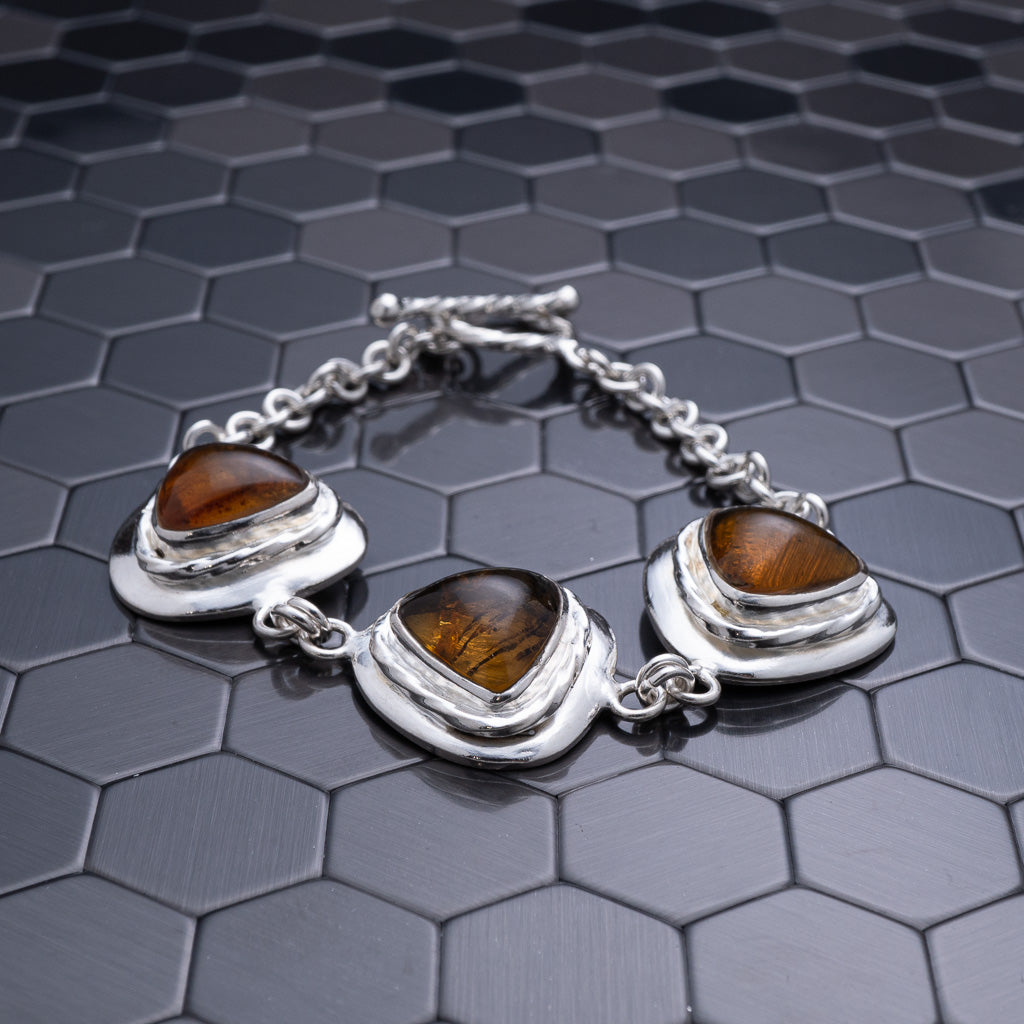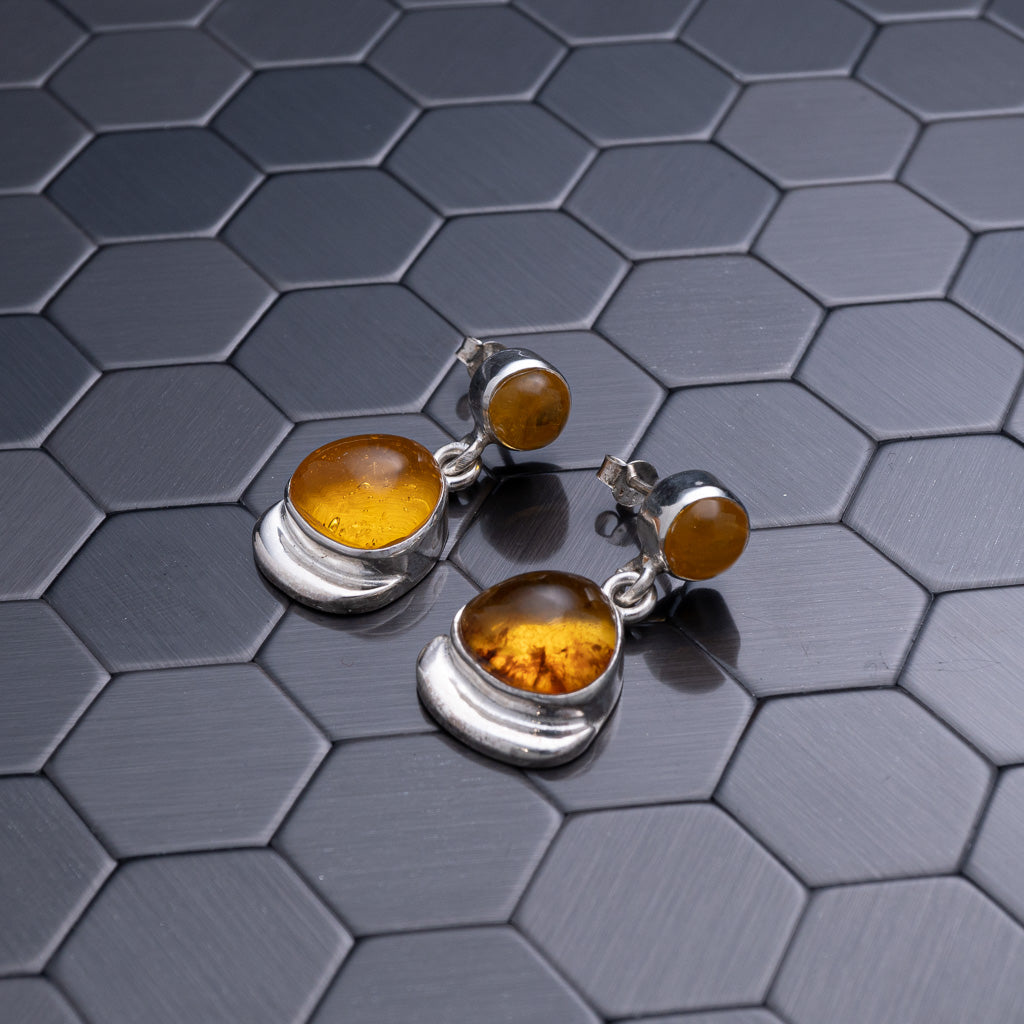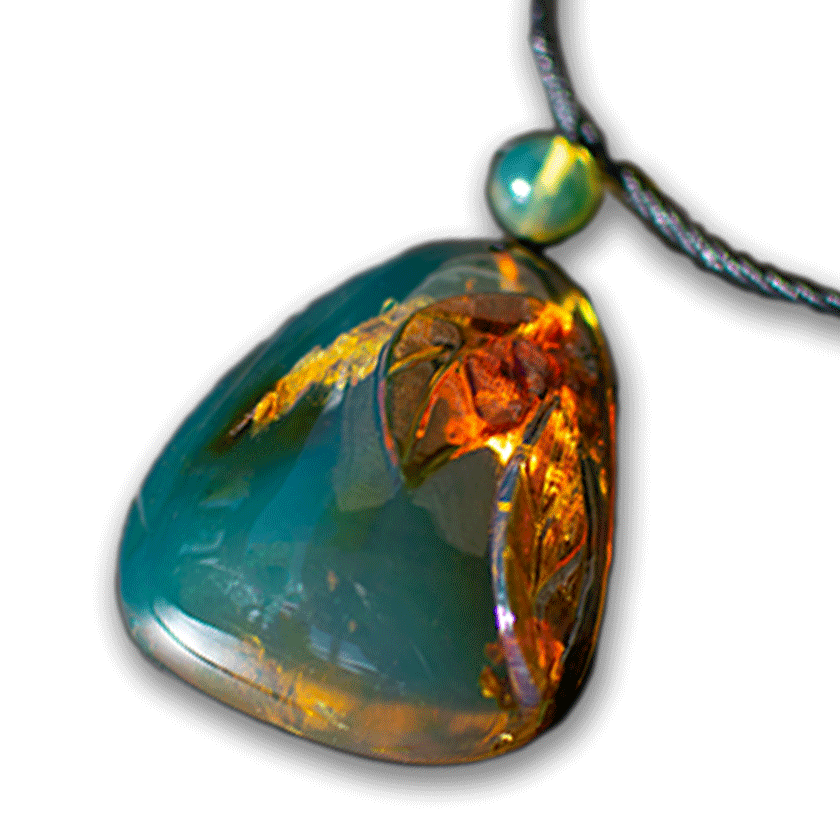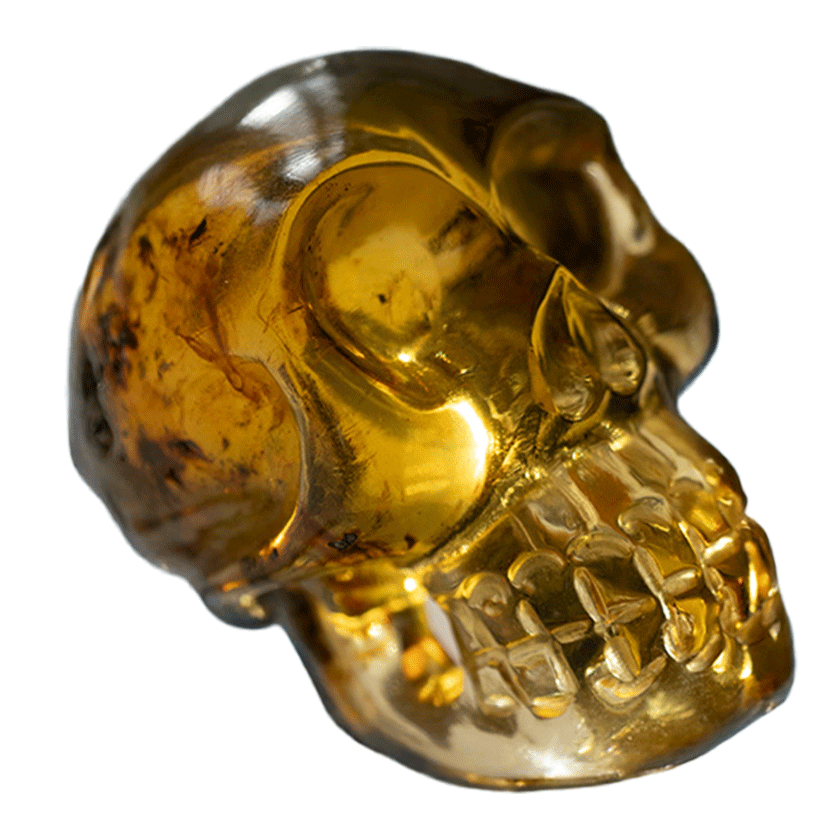

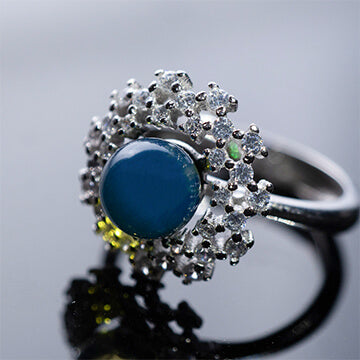
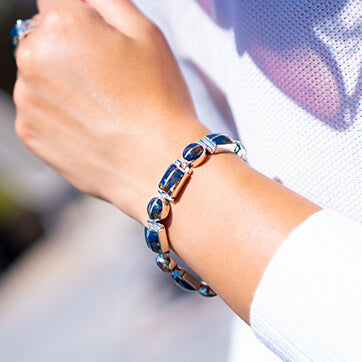
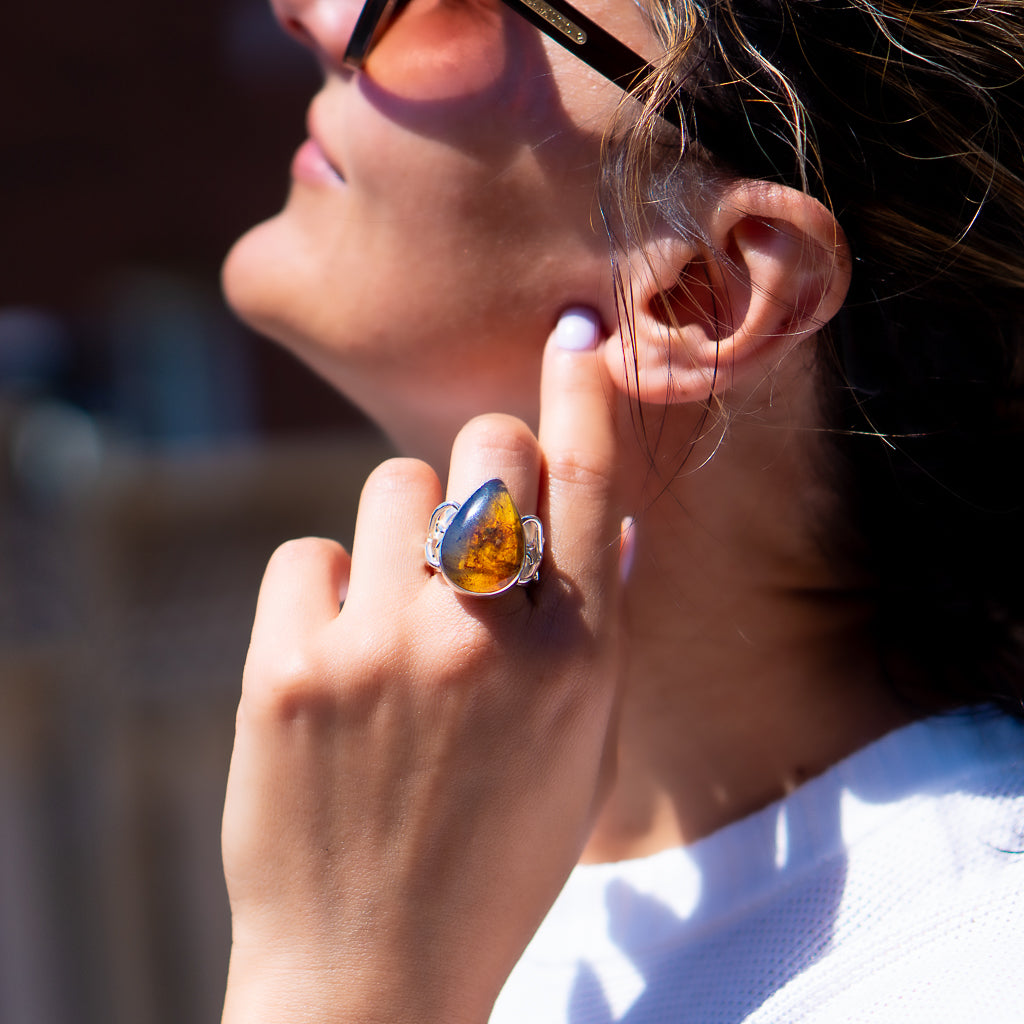
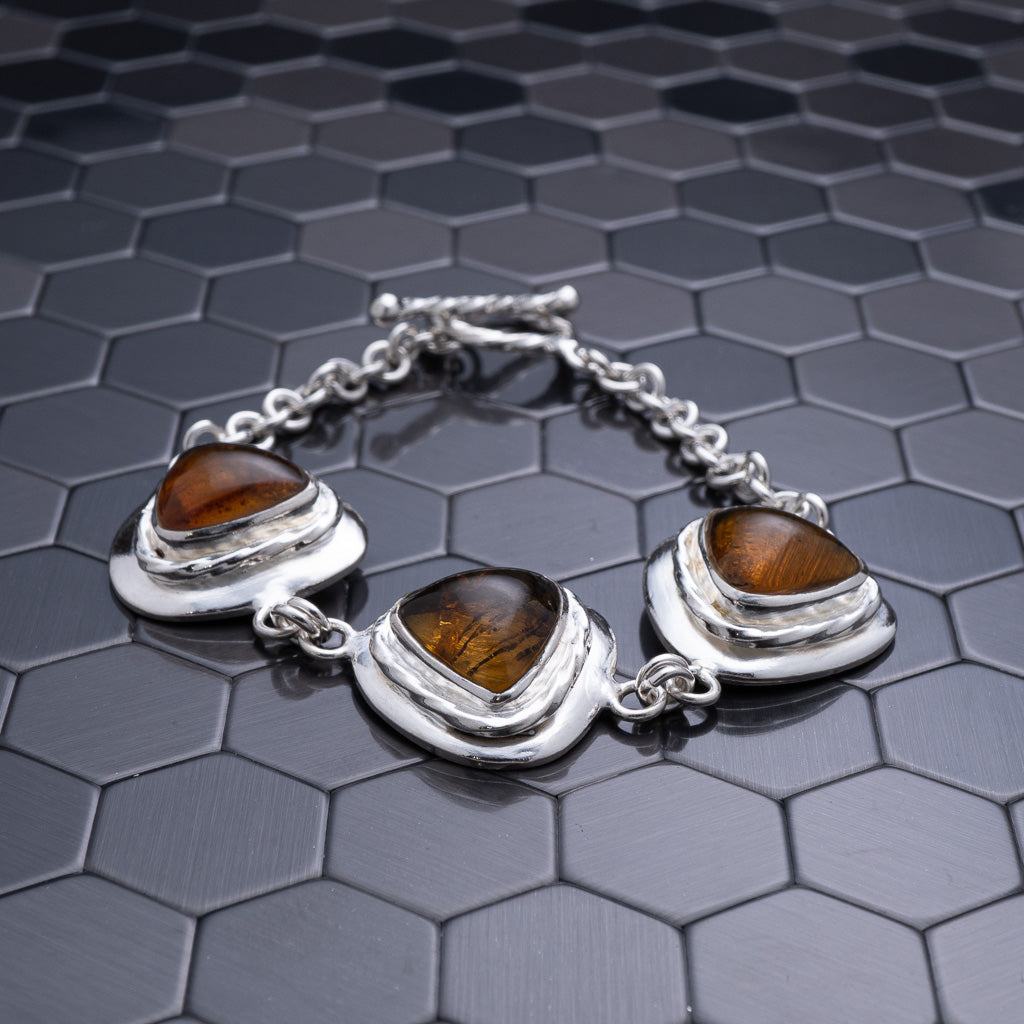
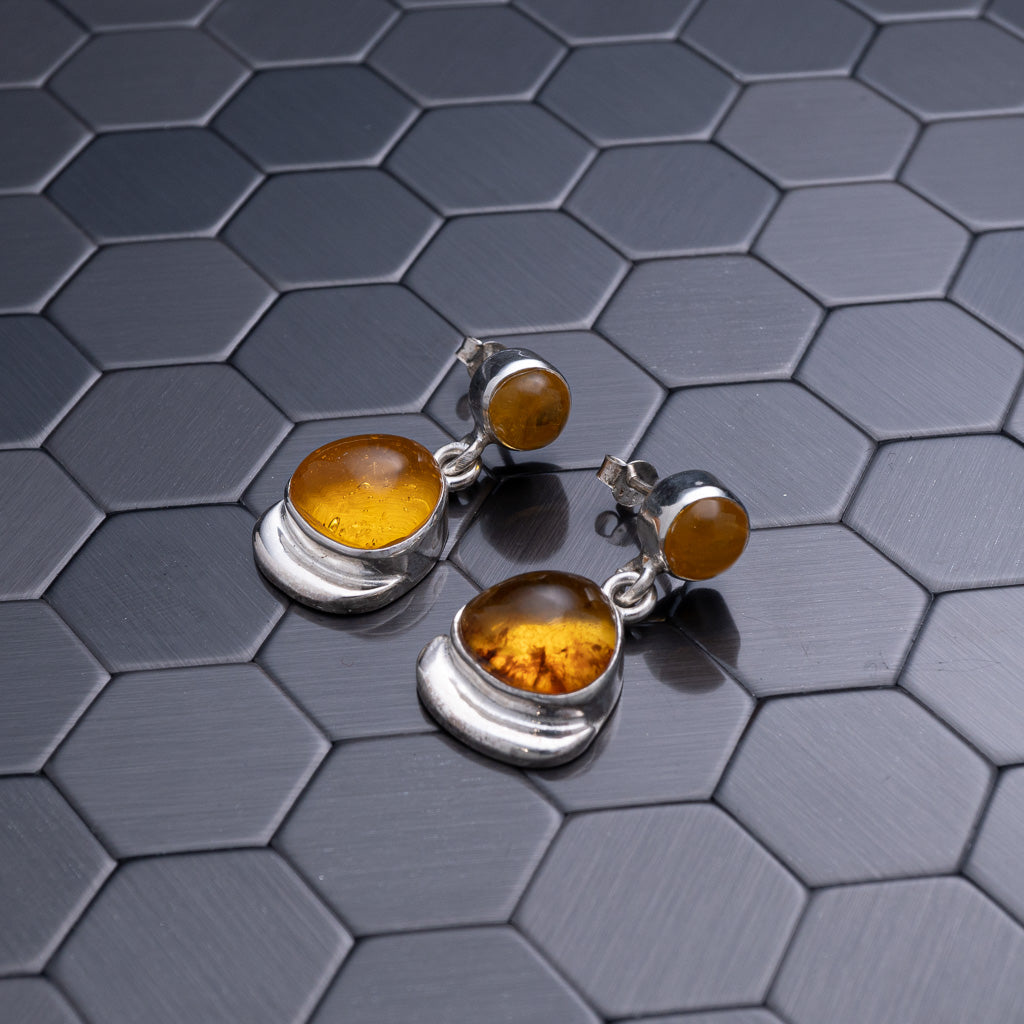
A mosquito frozen inside golden resin can look almost too perfect to be real - and that is exactly why buyers need to know how to authenticate amber fossils before falling in love with a piece. In the world of fine gemstone collecting, genuine amber fossils carry a rare kind of beauty: natural history, preserved in warm translucent light. But because amber is lightweight, easy to imitate, and often enhanced, authenticity takes more than a quick glance.
For jewelry lovers, collectors, and gift buyers drawn to the romance of Dominican amber, this is where discernment matters. A real fossil in amber is not simply decorative. It is an organic treasure shaped by time, origin, preservation, and craftsmanship. The closer a specimen appears to museum-grade perfection, the more carefully it deserves to be examined.
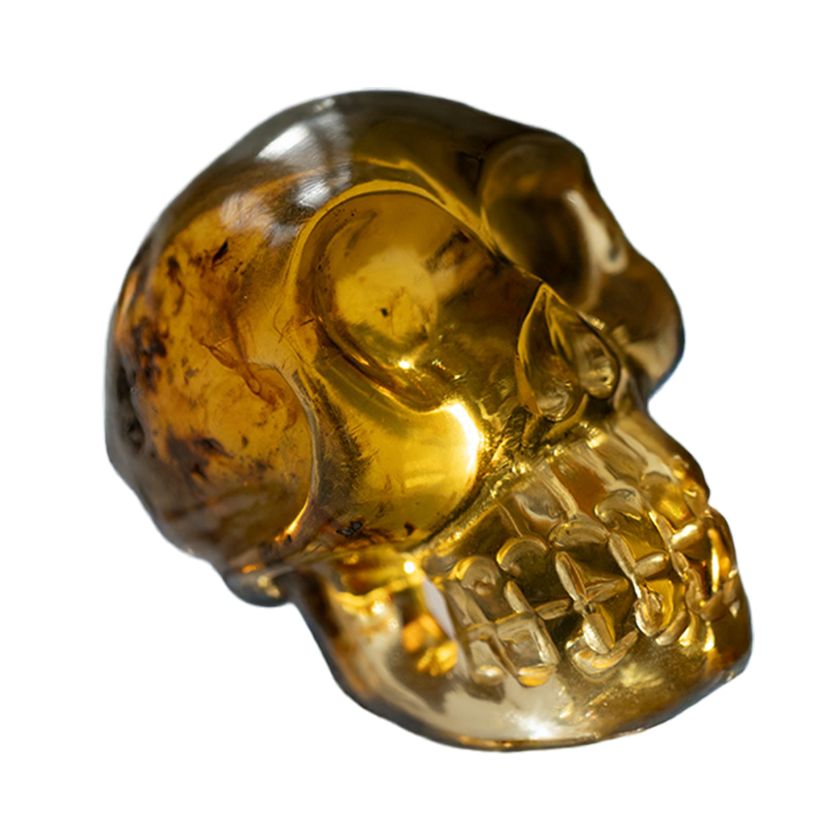
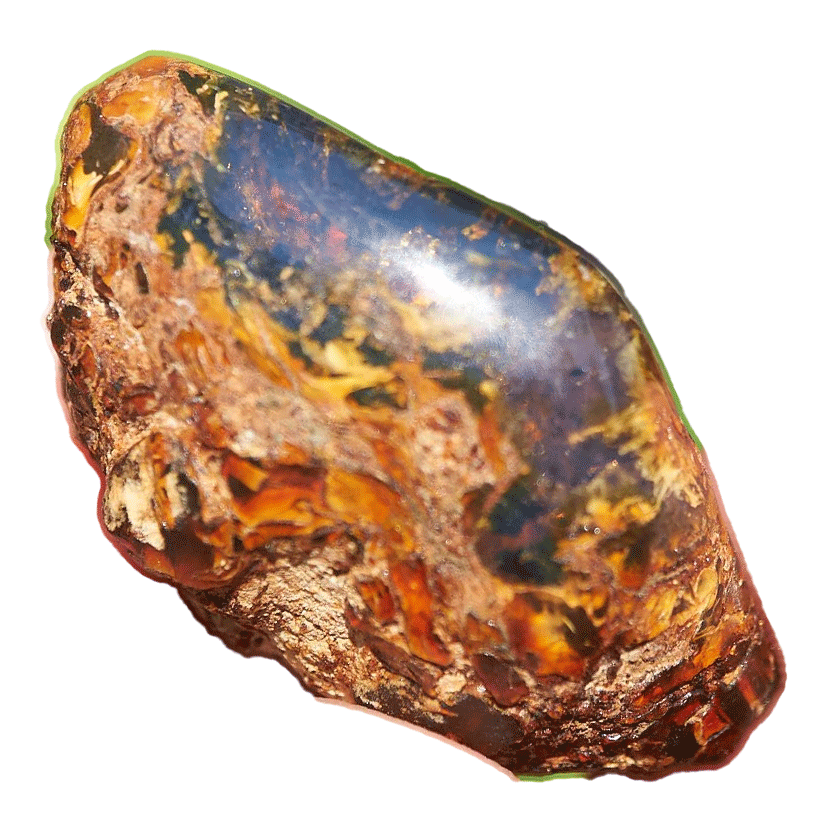
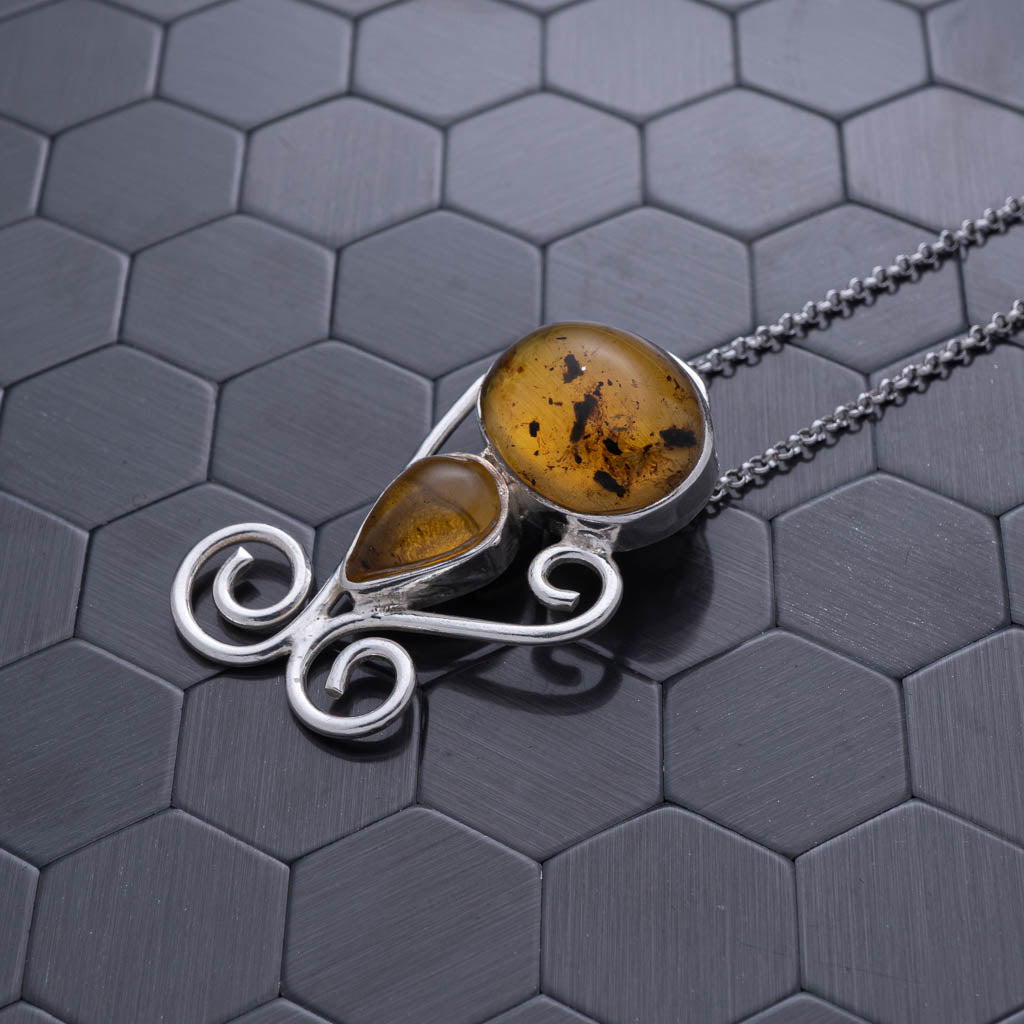
The first step is visual, but not superficial. Real amber has depth. Even when highly polished, it usually shows internal variation rather than the flat uniformity common in plastic or resin replicas. You may see soft clouding, tiny fractures, plant traces, bubbles, or subtle shifts in tone. These are not flaws. In many cases, they are signs of natural formation.
A fossil inclusion should also look integrated into the amber, not placed inside it like a staged object in clear epoxy. In genuine material, the insect, leaf, or organic fragment often sits at a believable angle with natural distortion caused by the resin’s flow. Legs may be folded awkwardly, wings may appear partly obscured, and the body may not be centered for display. Nature is rarely that neat.
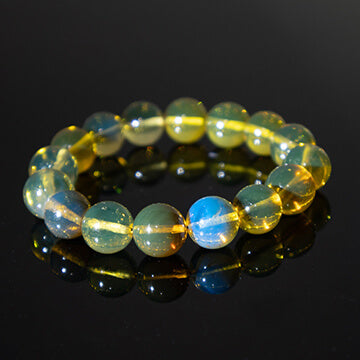
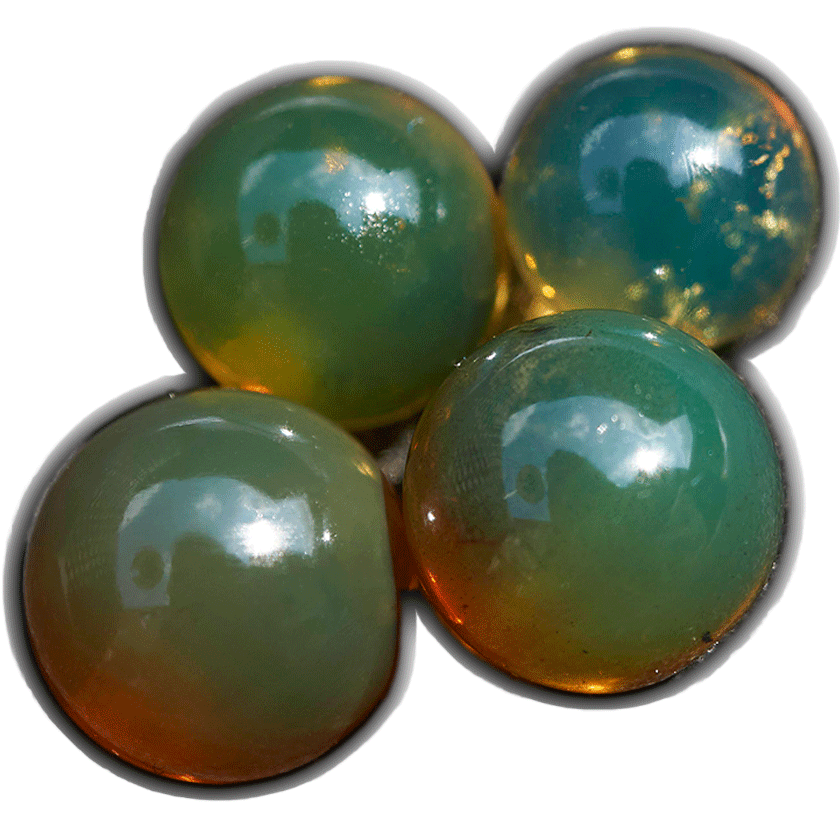
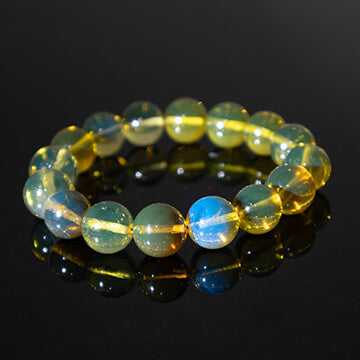
Color can offer clues, but it is not a verdict on its own. Amber ranges from honey and cognac to butterscotch, reddish tones, greenish hues, and the coveted blue fluorescence associated with select Dominican material. Exceptionally bright, overly even color can suggest treatment or imitation, though some authentic amber is indeed vivid. This is one of those places where experience matters.
The most common imitations are copal, plastic, glass, and modern resin. Each can mimic the glow of amber, especially in online photos, but they behave differently.
Copal is the most confusing substitute because it is also natural tree resin, just much younger than amber. It can still contain inclusions, and to an untrained eye it may look convincing. The difference is age and stability. Amber is fully fossilized resin, while copal is softer, younger, and more vulnerable to heat and solvents. A seller may not always misrepresent it intentionally, but the value is not the same.
Plastic and resin imitations often reveal themselves through perfection. The inclusion looks too centered, too dramatic, or too visible from every angle. The amber itself may appear overly clear, almost like a display block. Some replicas are made by embedding modern insects into synthetic resin, which can be visually striking but have none of the rarity or geological significance of authentic fossil amber.
Glass is less common for fossil simulations because it is heavier and lacks the same organic feel. If a piece feels surprisingly dense and cold in the hand, that should raise questions.
People often search for home tests, but with amber fossils, aggressive testing can damage the specimen or the setting. If a piece is mounted in fine jewelry, destructive methods are not worth the risk.
The saltwater test is widely mentioned because amber floats in saltwater while many plastics sink. It can be helpful on loose pieces, but it is not foolproof. Some plastics float too, and jewelry settings make the test unreliable. It should never be your only standard.
A warm needle test is even less suitable for valuable material. Genuine amber releases a pine-like scent when touched with a heated needle, while plastic smells chemical. The problem is obvious - you are melting the surface. For collector fossils, cabochons, or finished jewelry, this is a poor trade.
UV light is more useful. Many amber specimens fluoresce under ultraviolet light, and Dominican blue amber is especially prized for this phenomenon. Still, fluorescence varies by origin and treatment, so a response under UV can support authenticity but not prove it in isolation.
Touch is underrated. Real amber is light for its size and tends to warm quickly against the skin. Plastic may feel similar in weight, which is why this is only one clue. But when paired with visual inspection, it becomes part of a stronger judgment.
Origin is not a marketing detail. It is central to value, rarity, and confidence.
Baltic amber and Dominican amber are among the best-known sources, but they differ in age, appearance, and inclusion character. Dominican amber is often more transparent, making fossil inclusions easier to appreciate. It is also famous for rare color phenomena, including blue amber, which has earned a devoted following among collectors and jewelry buyers who want something genuinely uncommon.
When a seller states origin, ask what supports that claim. Is there certification, gemological documentation, or a trustworthy sourcing history? A refined piece should come with more than a romantic story. Serious amber merchants understand that provenance builds trust.
This is especially true for high-value fossil specimens. If the inclusion is rare, highly visible, or presented as investment-worthy, origin and documentation should be part of the conversation from the start.
One of the biggest misconceptions is that the best amber fossils are the clearest and most dramatic. Sometimes they are. Often they are not.
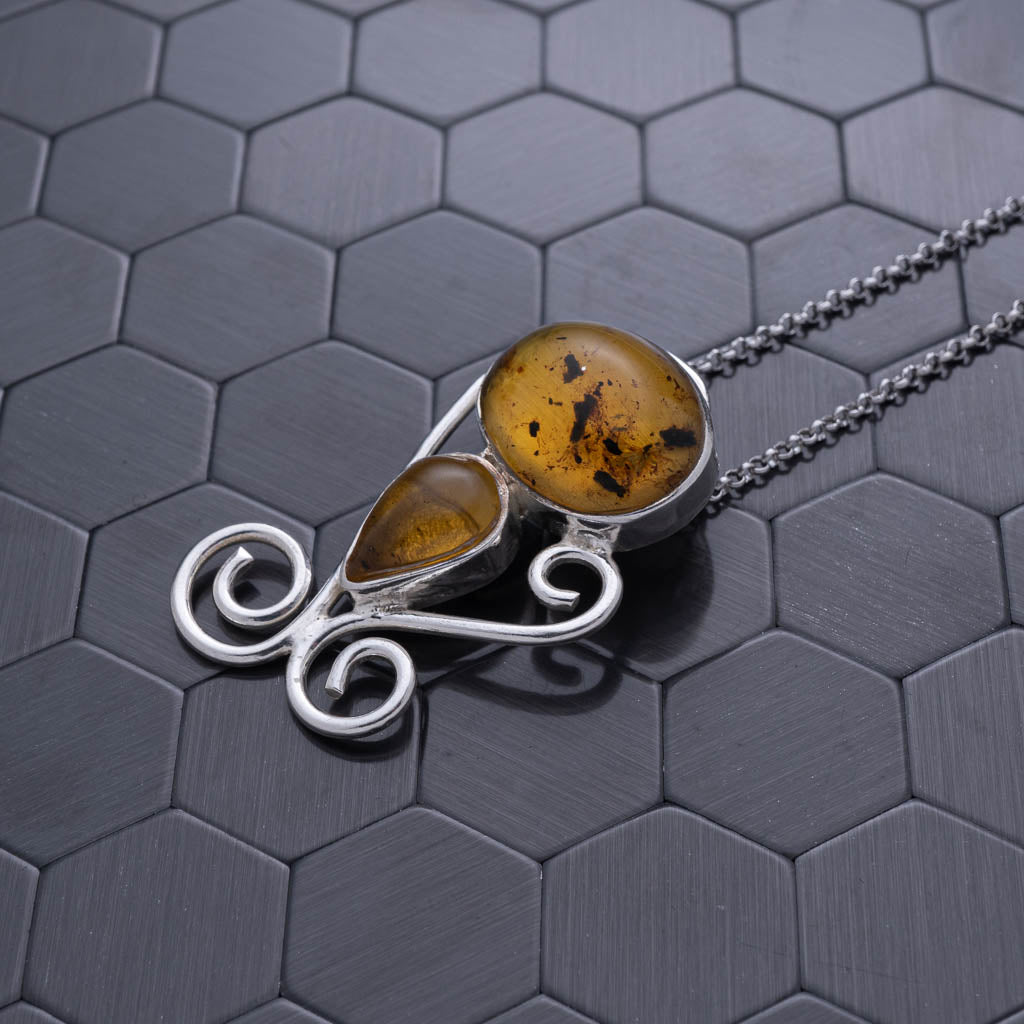
Natural inclusions can be partial, distorted, or surrounded by internal features that soften visibility. An insect may have deteriorated before full encapsulation. A wing may be separated from the body. Tiny debris may float nearby. These details can actually support authenticity because they reflect a natural entrapment event rather than a carefully staged replica.
Look closely at the interaction between the inclusion and the amber around it. In genuine specimens, you may notice stress lines, oxidation halos, or movement patterns in the resin. In fake pieces, the insect can appear suspended in a way that looks almost too clean, with no evidence of flow or age.
Very large insects in very small, crystal-clear pieces deserve extra scrutiny. So do scorpions, spiders, and other dramatic inclusions sold at surprisingly low prices. Rare fossils command attention for a reason. If the price feels disconnected from the rarity, pause.
If you are serious about learning how to authenticate amber fossils, the most reliable method is not a single test. It is buying from a specialist who values transparency as much as beauty.
A trustworthy seller should be comfortable discussing whether a piece is amber or copal, whether it has been stabilized or heat treated, and where it comes from. They should describe the inclusion honestly, not inflate a common specimen into a once-in-a-lifetime find. Certification, clear photography, and close-up views matter. So does the willingness to answer detailed questions.
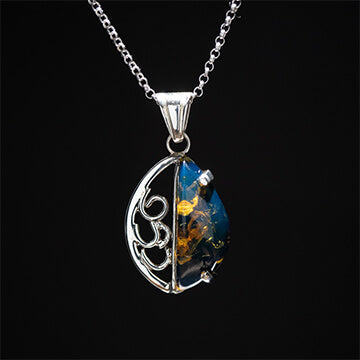
For jewelry buyers, craftsmanship should not distract from material truth. A beautiful pendant can still contain imitation amber. Likewise, a genuine fossil can lose value if the seller cannot verify what it is. The strongest purchase is one where artistry and authenticity stand together.
Brands that specialize in Caribbean gemstones, including Dominican amber, tend to understand these nuances more deeply than broad fashion retailers. That specialization often shows in the way pieces are presented, documented, and described.
Some warning signs are straightforward. If every fossil looks unusually perfect, if the amber is ultra-clear across the entire inventory, or if rare inclusions are priced like costume jewelry, skepticism is wise. The same goes for vague product descriptions using phrases like real amber style or natural resin fossil without specific mineral or origin language.
Another red flag is confusion between amber and copal. This happens often in casual selling spaces. Copal is beautiful in its own right, but it should be identified correctly. When terminology gets slippery, trust should not come easily.
Photos can also conceal more than they reveal. Overlit images may erase internal features that would help you assess authenticity. If a listing offers only one polished glamour shot and no magnified detail, ask for more before you commit.
Amber fossils carry a special kind of wonder because they join adornment with deep time. That wonder deserves a careful eye. When you learn to read color, weight, inclusions, origin, and seller credibility together, you move beyond impulse and into connoisseurship. The right piece will still capture your heart - but it will also earn your trust.