

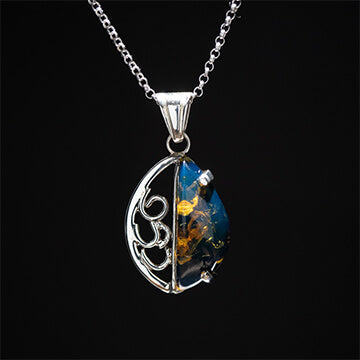



Handcrafted in DR.







100% Handcrafted in DR.

The Dominican Republic holds a unique position in the global mining landscape, with geological treasures that range from rare gemstones to industrial minerals. While many nations boast extensive mining operations, the mines in Dominican Republic stand out for their production of exclusive materials found nowhere else on Earth. From the turquoise-blue larimar to the luminescent Dominican amber, these operations represent both economic opportunity and cultural heritage. Understanding the scope, diversity, and significance of these mining activities reveals much about the country's natural resources and the communities that depend on them.
The Dominican Republic sits on the Caribbean Plate, where complex geological processes have created ideal conditions for mineral formation. The island's volcanic history, combined with hydrothermal activity and sedimentary processes, has produced a remarkable variety of mineral deposits. This geological diversity makes the mines in Dominican Republic particularly interesting from both scientific and commercial perspectives.
The Caribbean region's tectonic activity has played a crucial role in creating mineral deposits throughout the Dominican Republic. Fault lines, volcanic intrusions, and metamorphic processes have concentrated minerals in specific locations, creating economically viable mining opportunities. These geological events occurred over millions of years, with some deposits dating back to the Cretaceous period.
Key geological factors influencing mineral deposits:
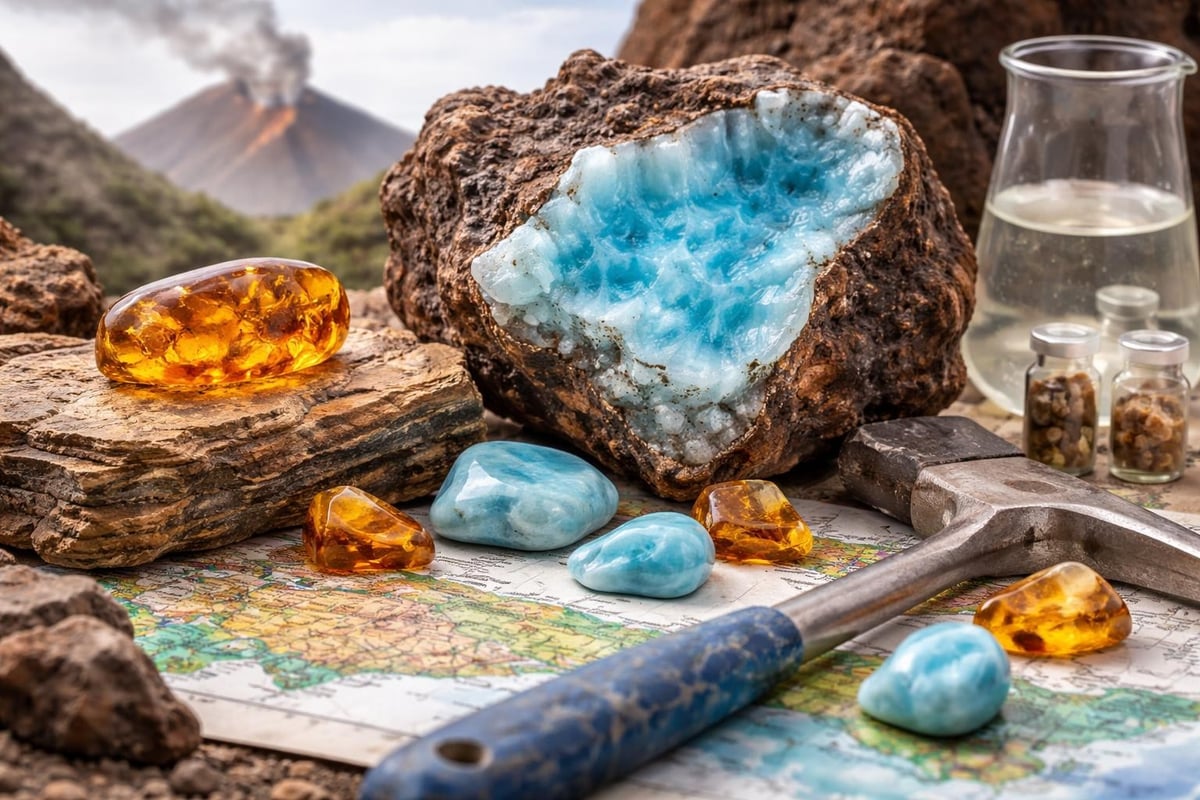
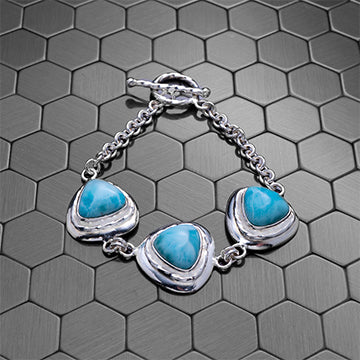
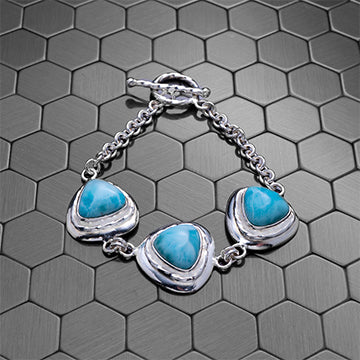
Among all mines in Dominican Republic, the larimar operations hold special significance as the only source of this rare gemstone worldwide. Larimar, scientifically known as pectolite, occurs exclusively in the southwestern Barahona province. The unique volcanic conditions and mineral composition required for larimar formation exist nowhere else on the planet.
The larimar mines in Barahona operate primarily through artisanal methods, with miners working in challenging conditions to extract this precious stone. The primary mining area centers around Los Chupaderos in the Sierra de Bahoruco mountain range. Unlike industrial mining operations, larimar extraction remains largely a hand-worked endeavor, preserving traditional techniques while facing modern challenges.
Recent efforts have focused on improving safety standards in these operations, recognizing the need to protect miners while maintaining production. The mines descend deep into the mountainside, with tunnels following veins of larimar through volcanic rock.
| Aspect | Details |
|---|---|
| Primary Location | Los Chupaderos, Barahona |
| Mining Method | Artisanal, hand-excavation |
| Depth | Up to 200 meters underground |
| Production | Variable, quality-dependent |
| Employment | Approximately 200-300 miners |
Extracting larimar requires significant manual labor and geological knowledge. Miners identify promising veins by examining rock formations and following established deposits. The process involves:
The unique coloration of larimar results from copper substitution within the mineral structure, creating the characteristic blue tones that range from light sky blue to deep volcanic blue. This natural variation makes each stone distinct, contributing to its value in jewelry markets worldwide.
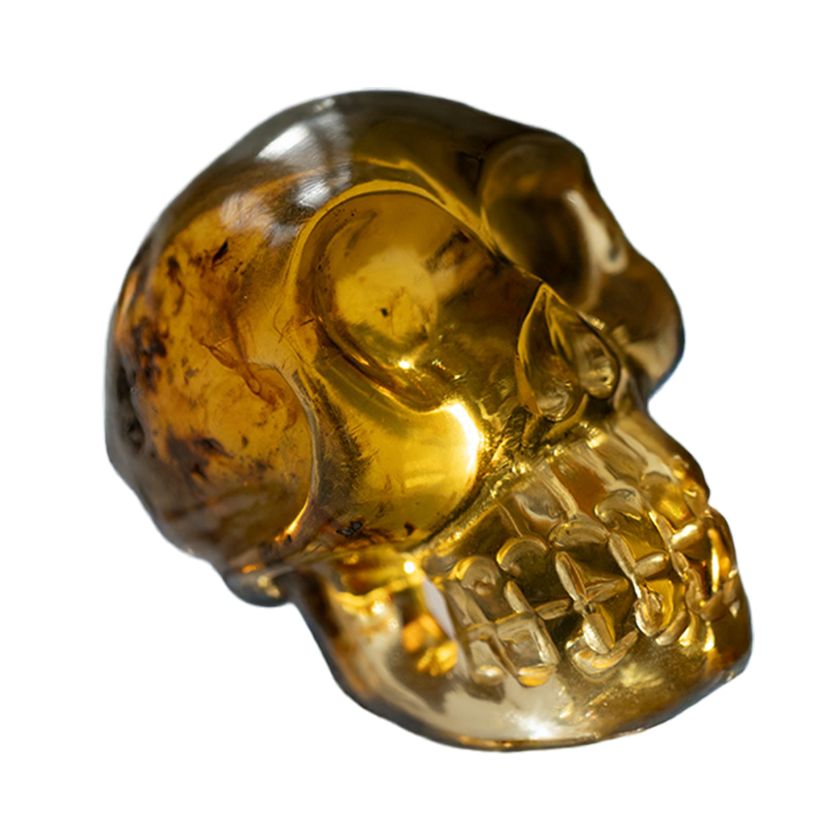
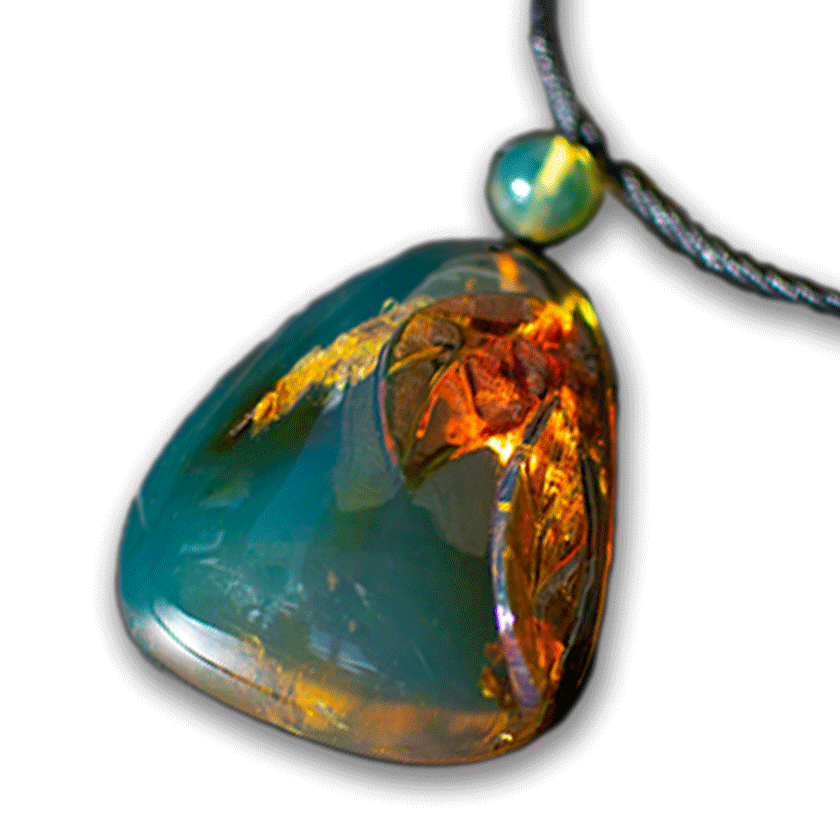
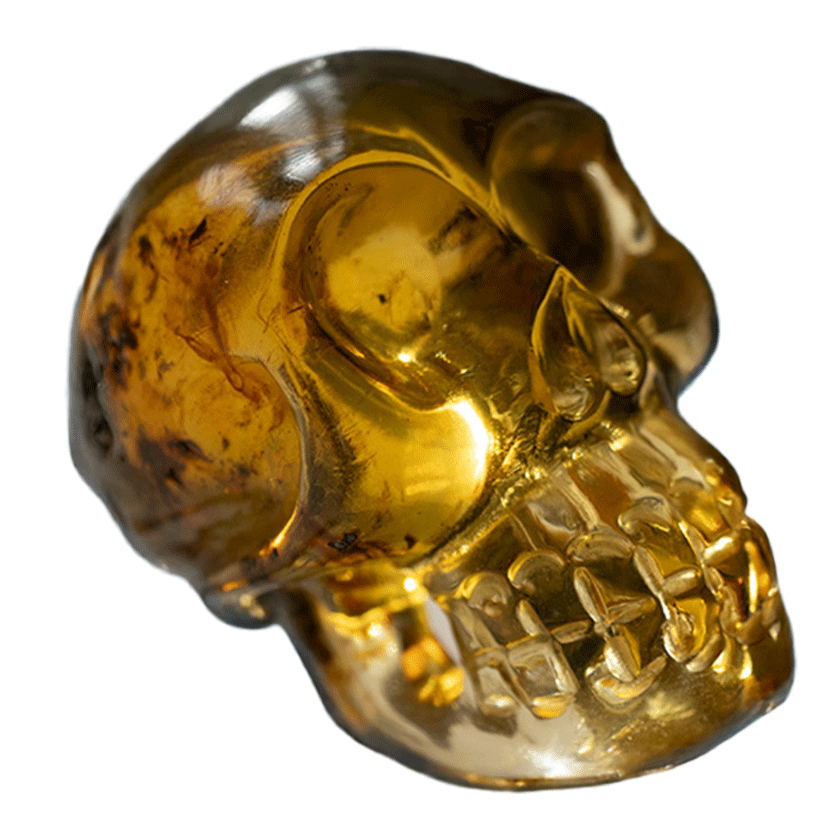
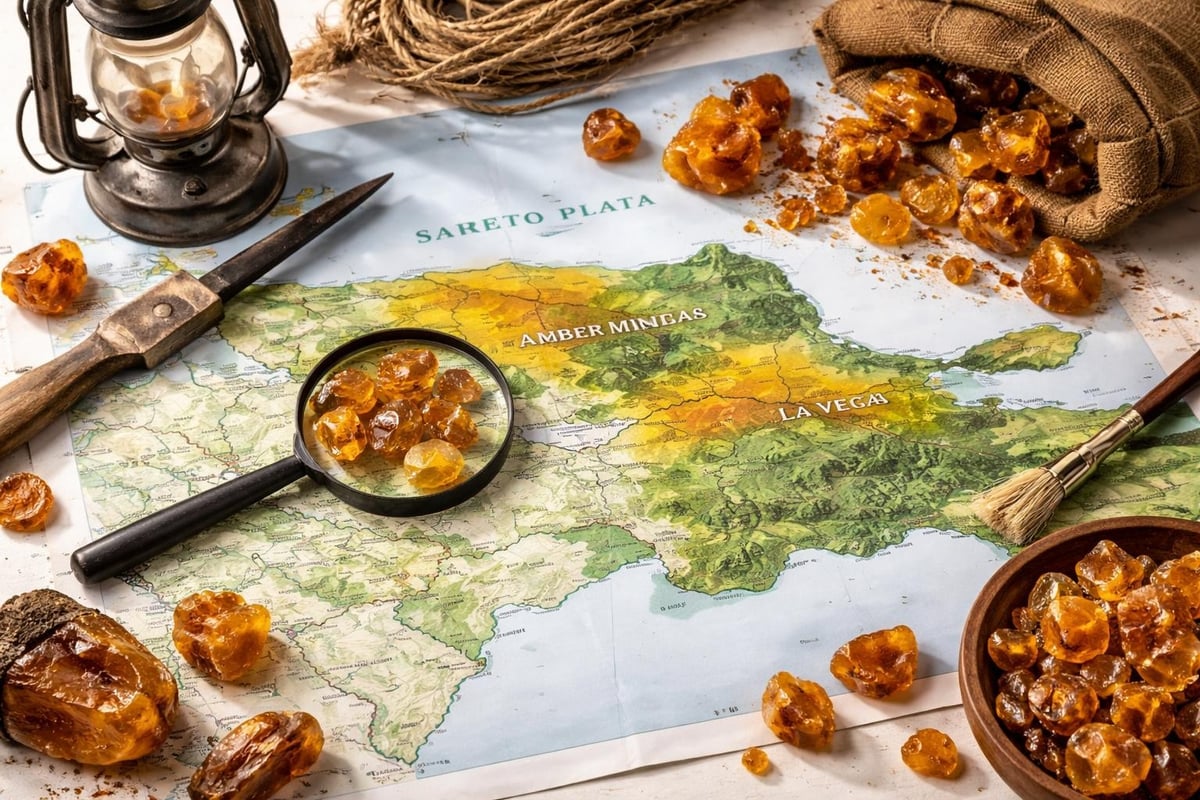
The amber mines in Dominican Republic produce some of the world's most valued amber specimens. Dominican amber distinguishes itself through its exceptional clarity, rich colors, and frequent inclusions of perfectly preserved organisms from millions of years ago. These deposits formed during the Oligocene and Miocene epochs, trapping ancient life forms in fossilized tree resin.
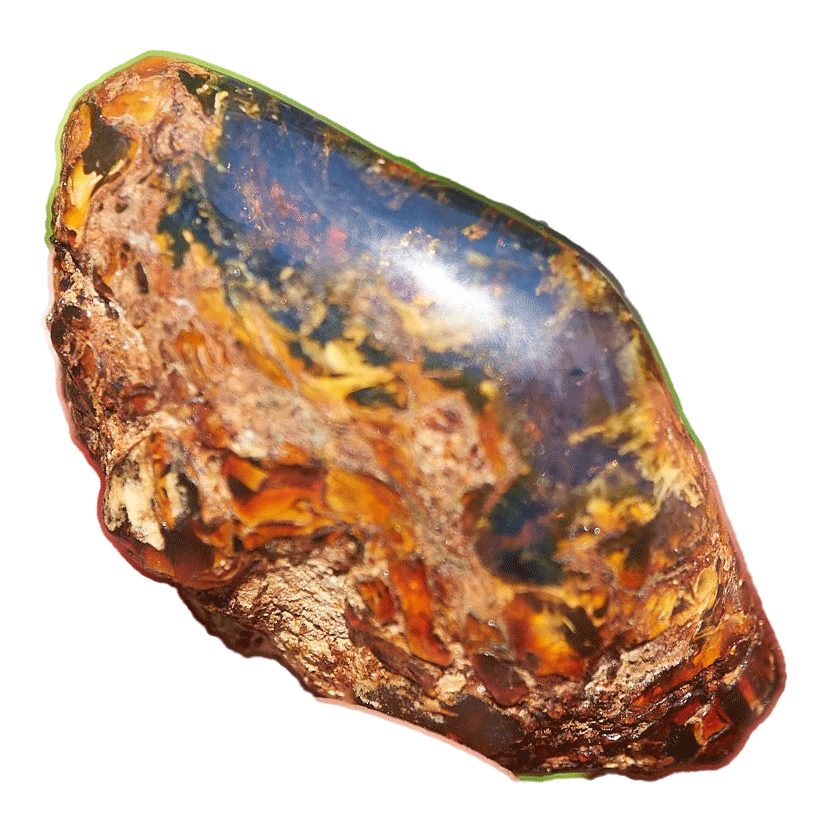
The primary amber mining operations concentrate in the northern mountains, particularly around Santiago, Puerto Plata, and La Vega. Unlike larimar, amber occurs in sedimentary formations where ancient forests once thrived. Miners work in hillsides and mountains, following layers of amber-bearing rock.
Distinctive characteristics of Dominican amber:
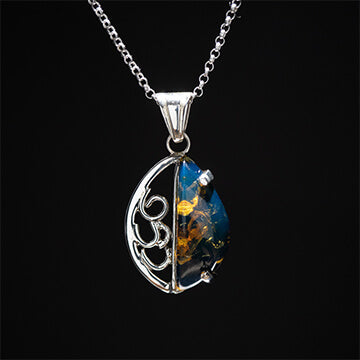
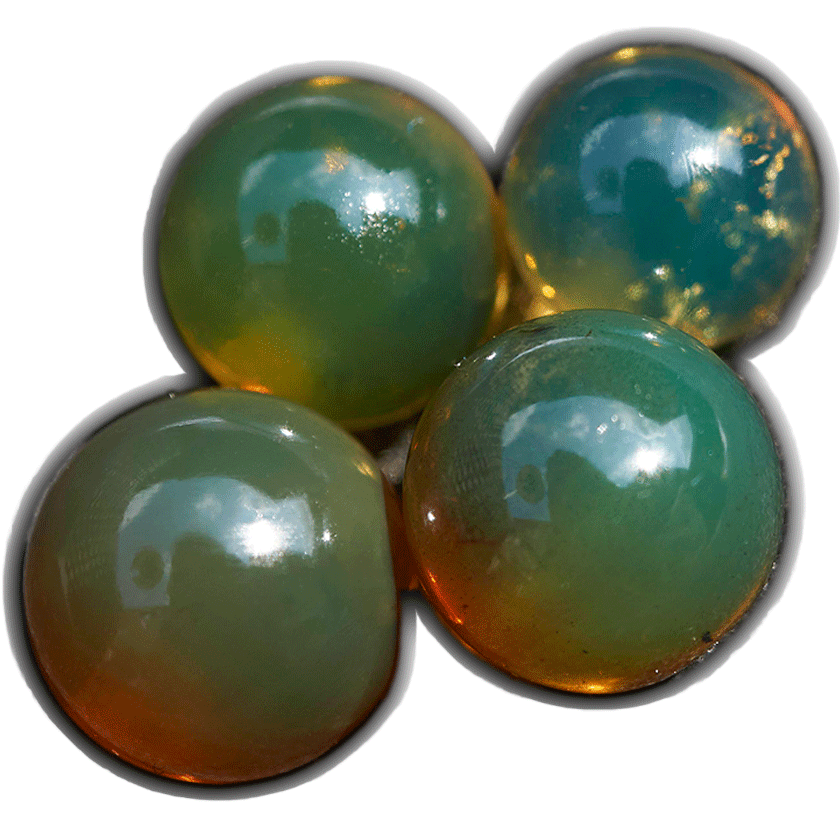
The blue stone varieties of Dominican amber represent particularly rare finds, exhibiting a blue glow under natural light. This phenomenon results from specific aromatic compounds within the resin, creating one of the most sought-after amber types globally.
Beyond gemstones, the mines in Dominican Republic extract various industrial minerals and metals that contribute significantly to the national economy. These operations typically employ more mechanized methods than gemstone mining, operating at larger scales with greater infrastructure investment.
Gold mining has historical importance in the Dominican Republic, dating back to pre-Columbian times. Modern operations focus on several key deposits:
The Pueblo Viejo mine represents one of the world's most significant gold deposits, producing substantial quantities annually through open-pit and underground operations. This industrial-scale facility contrasts sharply with the artisanal gemstone mines, employing advanced technology and extensive infrastructure.
The Dominican Republic possesses substantial deposits of industrial minerals essential for construction and manufacturing:
| Mineral | Primary Use | Major Deposits |
|---|---|---|
| Gypsum | Construction materials | Multiple locations nationwide |
| Limestone | Cement production | Northern and southern regions |
| Salt | Chemical and food industries | Coastal evaporation facilities |
| Marble | Construction and decoration | Central mountains |
| Nickel | Industrial applications | Bonao region |
These operations provide employment for thousands of workers and supply both domestic markets and export channels. The mining industry overview demonstrates the sector's importance to Dominican economic development.
Mining operations throughout the Dominican Republic face increasing scrutiny regarding environmental impact and community welfare. The mines in Dominican Republic must balance economic benefits with ecological preservation and social responsibility.
Artisanal mining, while culturally significant, often occurs with minimal environmental oversight. Challenges include:
Larger industrial operations typically implement more comprehensive environmental management systems, though concerns persist about long-term impacts. The balance between resource extraction and environmental stewardship remains an ongoing conversation among stakeholders.
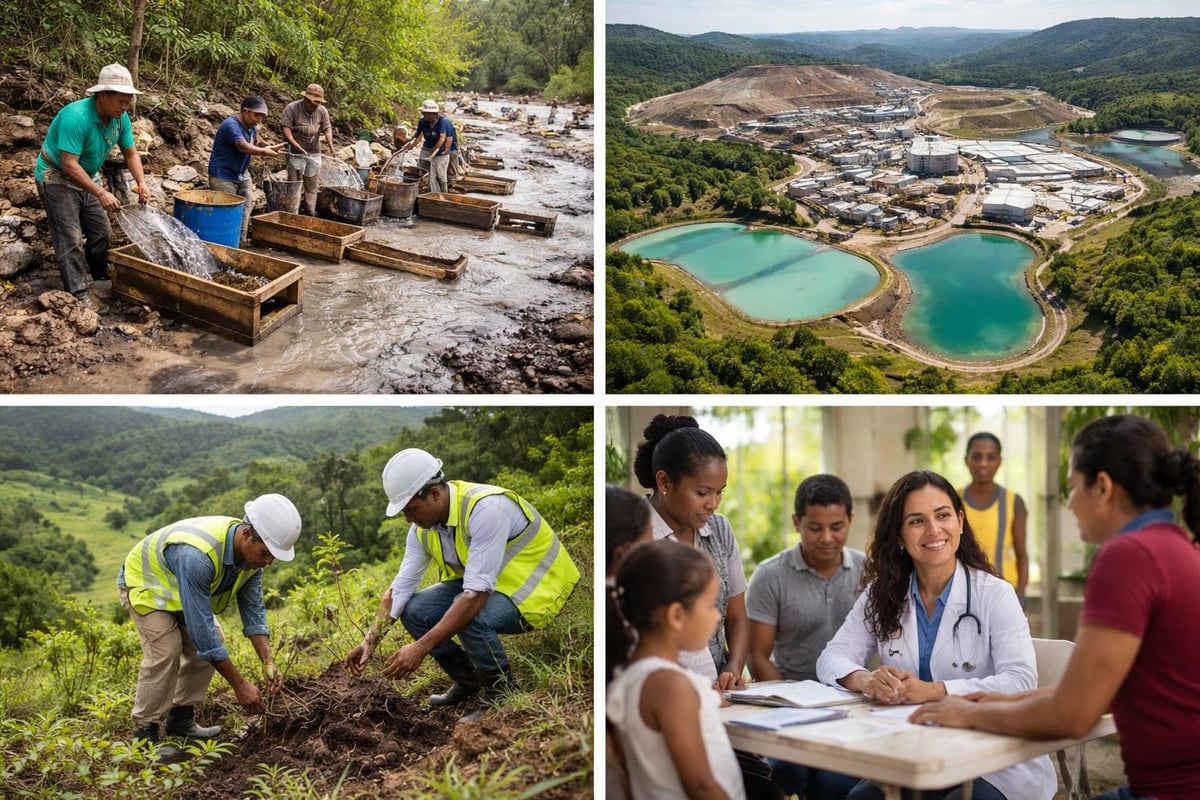
Mining provides crucial employment in regions with limited economic alternatives. In Barahona, the larimar industry supports entire communities, with miners, cutters, polishers, and merchants all participating in the value chain. This economic interdependence creates both opportunities and vulnerabilities.
Community benefits from mining:
However, the informal nature of much artisanal mining means workers often lack formal protections, consistent income, or safety equipment. Organizations and government agencies continue working to formalize these operations while preserving their artisanal character.
The mines in Dominican Republic face an evolving landscape as technology advances, environmental awareness grows, and global markets shift. Several trends will likely shape the industry's future development through the coming decades.
Even traditionally artisanal operations are beginning to adopt technology for safety and efficiency. GPS mapping helps prevent tunnel collapses, while improved ventilation systems protect miner health. Industrial operations increasingly employ automation and data analytics to optimize extraction and minimize waste.
The Dominican Republic has opportunities to capture more value from its mineral resources through:
Companies like those specializing in Larimar Pendants demonstrate how Dominican minerals can be transformed into high-value finished products, keeping more economic benefit within the country while showcasing the gemstones' natural beauty.
The Dominican government continues developing mining regulations to address contemporary challenges. Recent initiatives focus on environmental protection, worker safety, formalization of artisanal mining, and transparent resource management. These regulatory changes aim to sustain the industry while addressing historical concerns.
The unique materials extracted from mines in Dominican Republic have gained international recognition. Larimar and Dominican blue amber particularly command premium prices in gemstone markets worldwide. The cultural significance of larimar extends beyond mere economics, representing Dominican identity and natural heritage.
Dominican minerals serve diverse markets:
| Market Segment | Primary Materials | Key Characteristics |
|---|---|---|
| Fine Jewelry | High-grade larimar, blue amber | Premium pricing, unique pieces |
| Collector Specimens | Amber with inclusions, rare larimar | Scientific and aesthetic value |
| Commercial Jewelry | Standard-grade larimar and amber | Accessible pricing, consistent supply |
| Industrial Applications | Nickel, gypsum, aggregates | Bulk quantities, specification-driven |
The rarity factor significantly influences value. According to gemstone specialists, larimar's exclusive Dominican source creates inherent scarcity that supports pricing and collector interest. Similarly, Dominican amber's superior clarity and fossil content distinguish it from other amber sources.
Beyond commercial applications, mines in Dominican Republic yield materials of tremendous scientific importance. Amber inclusions provide windows into ancient ecosystems, preserving species that existed millions of years ago. Paleontologists and biologists study these specimens to understand evolutionary processes and extinct species.
The Wikipedia overview of larimar and gemstone organization resources document the scientific interest in Dominican minerals, detailing mineral composition, formation processes, and geological significance. This academic attention validates the importance of preserving mining sites and studying extraction areas.
The human dimension of mines in Dominican Republic deserves particular attention. Unlike mechanized industrial operations, much of the country's gemstone mining relies on traditional knowledge passed through generations. The photojournalistic documentation of these operations reveals both the challenges and dignity of this work.
Miners develop specialized skills through apprenticeship and experience. Reading rock formations, identifying promising veins, and safely excavating tunnels require knowledge that cannot be easily replaced by technology. This expertise represents cultural capital worth preserving even as the industry modernizes.
Artisanal miners face uncertain income dependent on successful finds. A productive week might yield stones worth substantial sums, while other periods produce little of value. This volatility creates financial instability for mining families, making formalization and worker protections increasingly important.
The connection between larimar's healing properties beliefs and the miners who extract the stones adds another dimension to the cultural significance. Many miners view their work as providing materials that benefit others, adding meaning beyond economic considerations.
The physical infrastructure supporting mines in Dominican Republic varies dramatically between artisanal and industrial operations. Understanding these differences illuminates the challenges and opportunities within the sector.
Small-scale gemstone operations typically feature:
These limitations reflect both the economic constraints of small operators and the remote locations of many deposits. Improving infrastructure without destroying the artisanal character remains a key challenge for development initiatives.
Large-scale operations like the Pueblo Viejo gold mine employ sophisticated infrastructure:
This infrastructure requires substantial capital investment but enables efficient large-scale extraction impossible through artisanal methods.
Dominican minerals reach global markets through various channels. The mines in Dominican Republic feed supply chains that ultimately serve consumers and industries worldwide.
Larimar and amber typically follow these paths:
The rise of e-commerce has democratized access to Dominican gemstones, allowing small producers to reach international customers directly. However, authenticity verification remains crucial as markets expand.
Bulk minerals like nickel, gypsum, and aggregates enter international commodity markets through established trading relationships. These materials typically flow to nearby markets in North America and other Caribbean nations, with transportation costs significantly influencing competitiveness.
The historical context of Dominican mineral trade demonstrates how these resources have shaped the nation's economic relationships and development trajectory over centuries.
Evaluating materials from mines in Dominican Republic requires understanding quality factors specific to each mineral type. These standards influence value and market positioning.
Experts assess larimar based on several criteria:
Market preferences shift over time, with some collectors favoring intense blue tones while others appreciate lighter shades with distinctive patterning.
Dominican amber quality depends on different factors:
| Quality Factor | Impact on Value |
|---|---|
| Clarity | Higher transparency increases value |
| Color | Blue and red amber command premiums |
| Inclusions | Well-preserved organisms significantly increase value |
| Size | Larger clear pieces are progressively rarer |
| Authenticity | Verification essential due to synthetic alternatives |
The scientific and collector markets for amber often value different characteristics than jewelry manufacturers, creating diverse pricing structures within the same material category.
The mines in Dominican Republic represent far more than simple extraction operations-they embody geological wonders, cultural heritage, and economic opportunity intertwined with environmental responsibility and social development challenges. From the exclusive larimar deposits of Barahona to the ancient amber preserving extinct species, these resources tell stories spanning millions of years while supporting contemporary communities. Whether you're drawn to the metaphysical allure, the aesthetic beauty, or the geological fascination of these remarkable stones, Larimar Creations offers expertly crafted jewelry that celebrates the Dominican Republic's unique mineral heritage with authenticity and artisanship, delivering these treasures to enthusiasts worldwide.