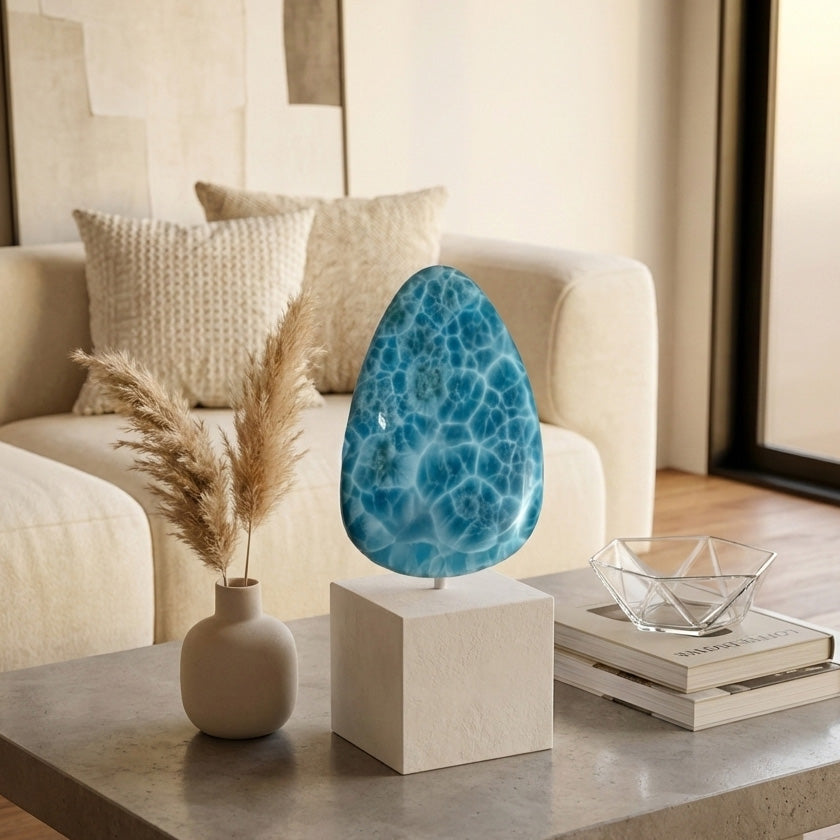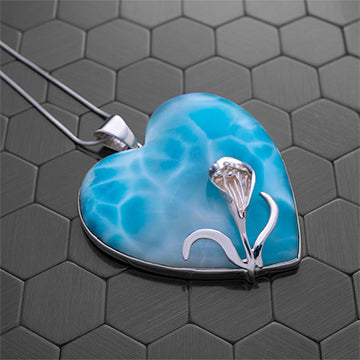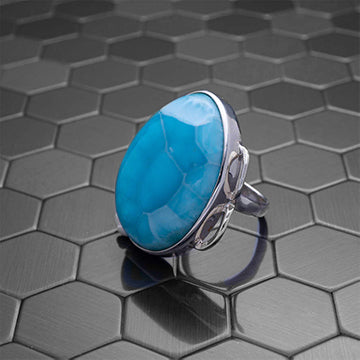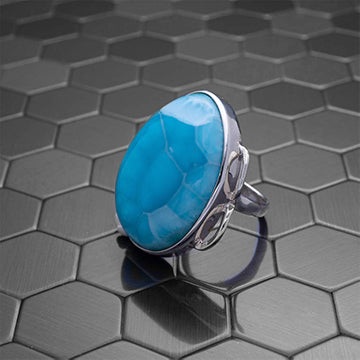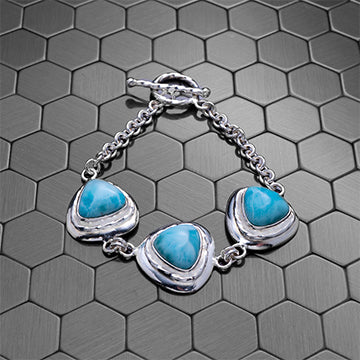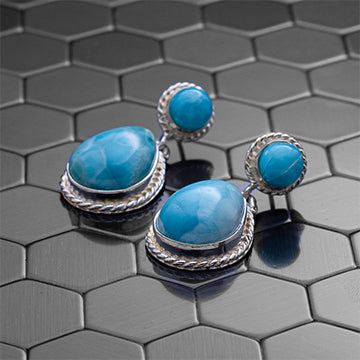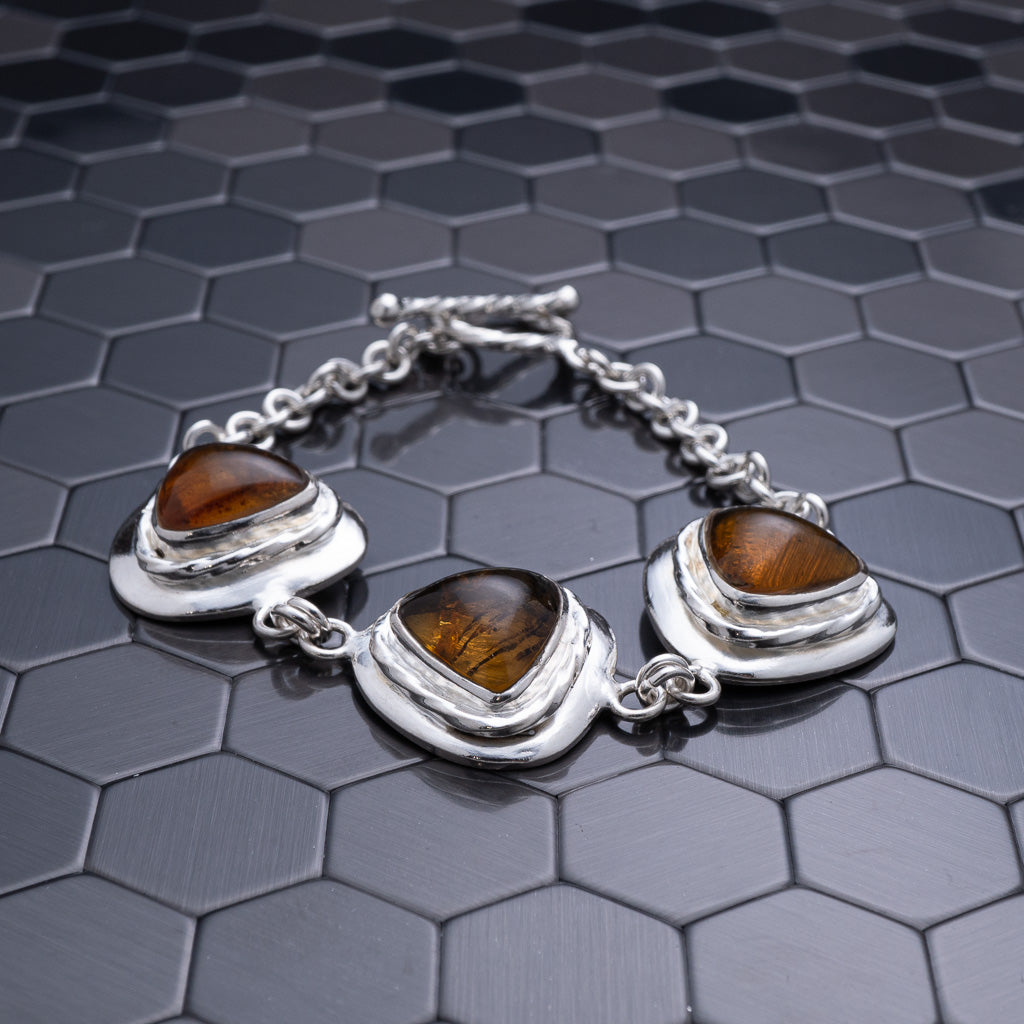


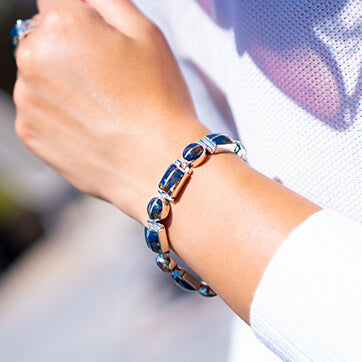
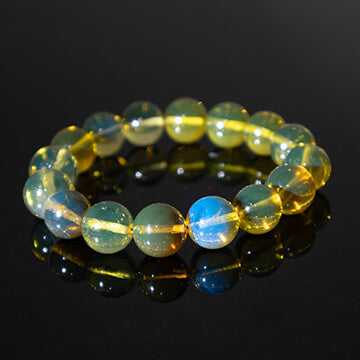
Handcrafted in DR.

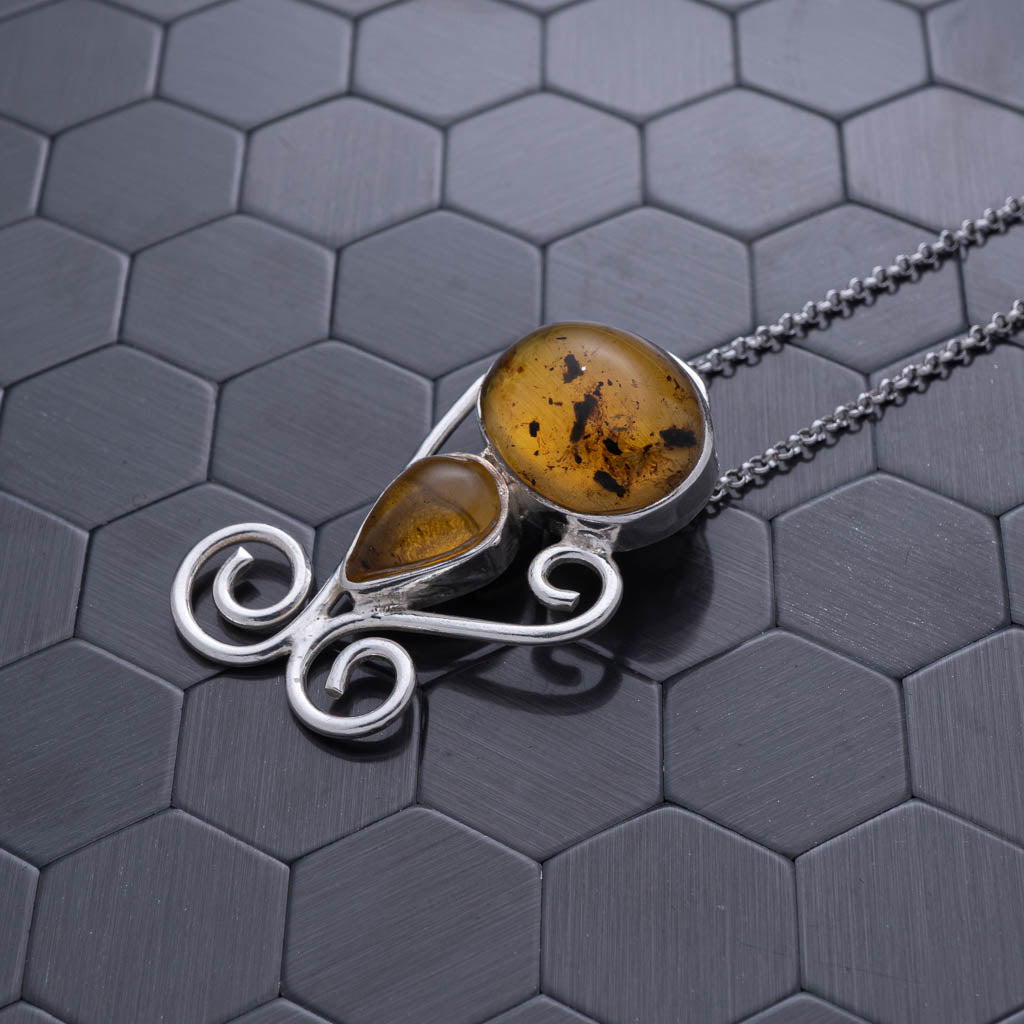
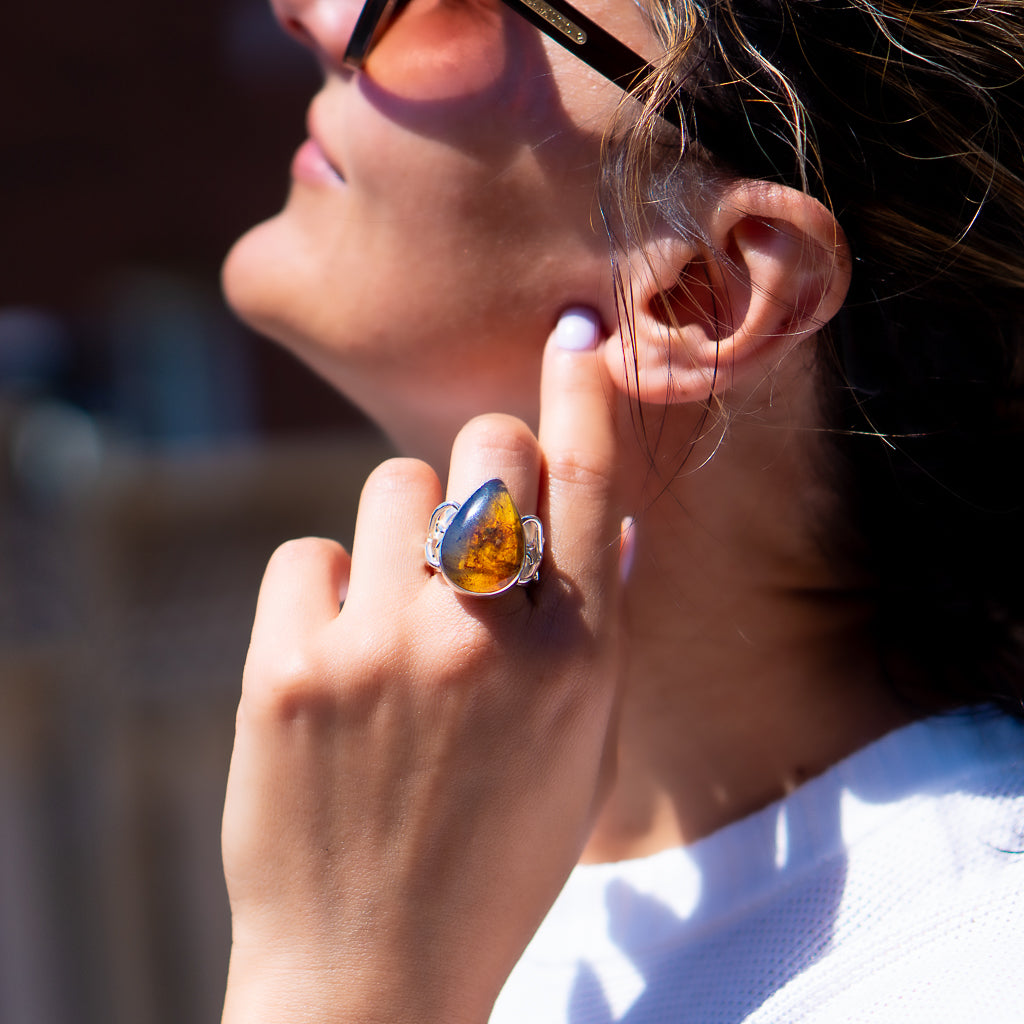
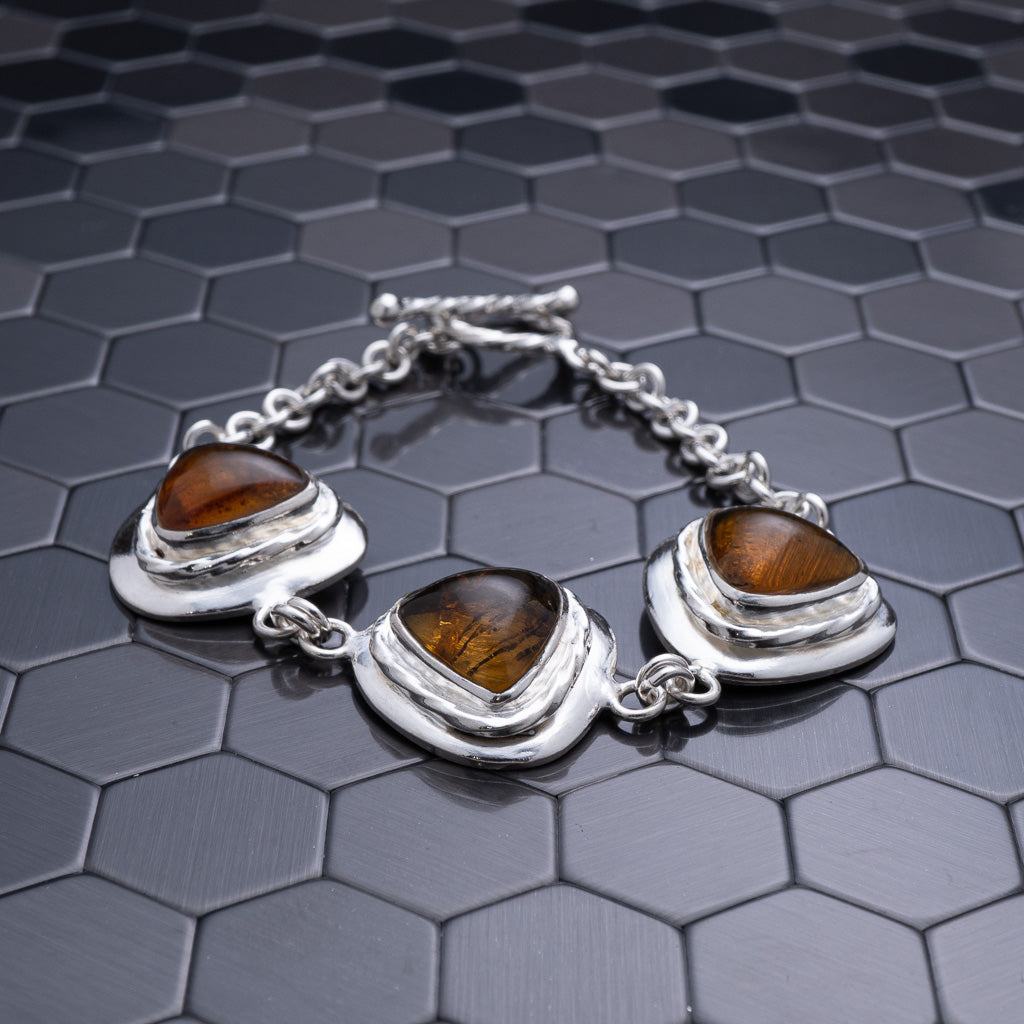
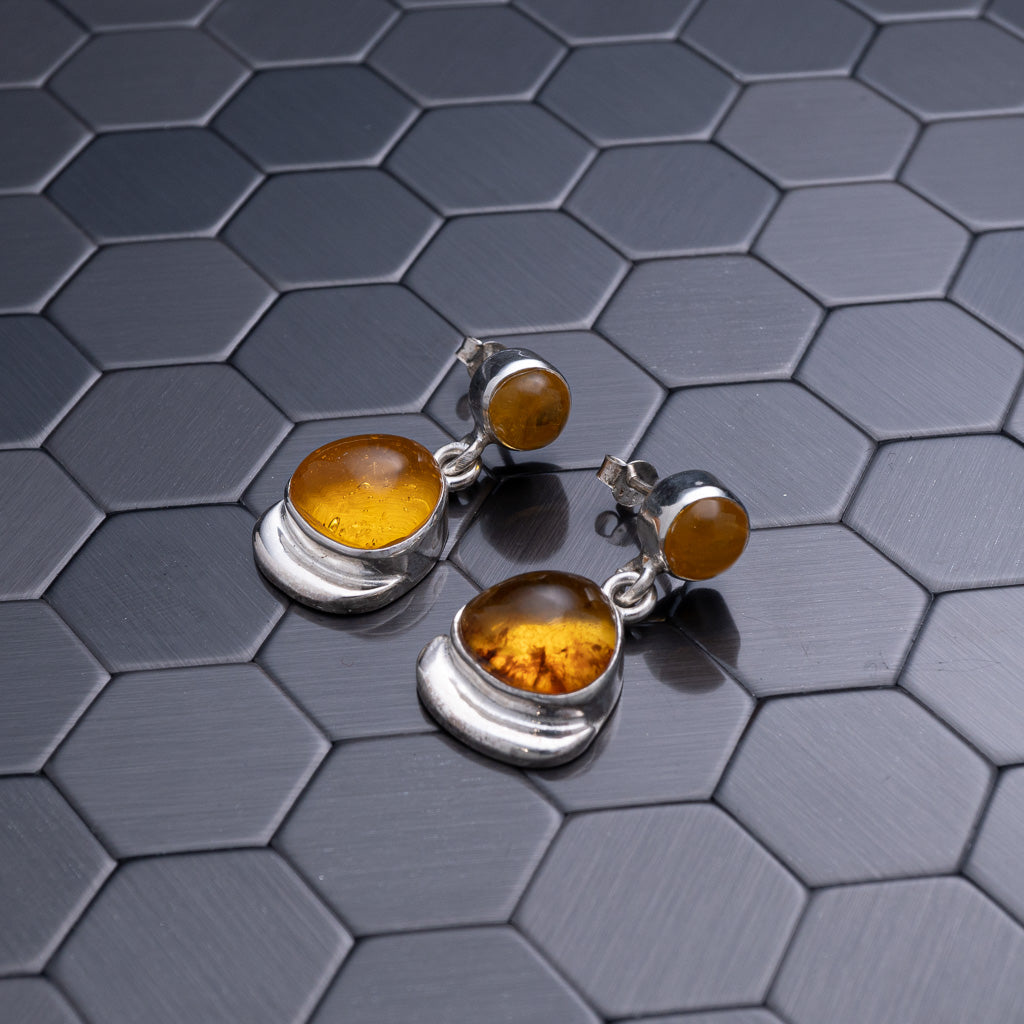


100% Handcrafted in DR.

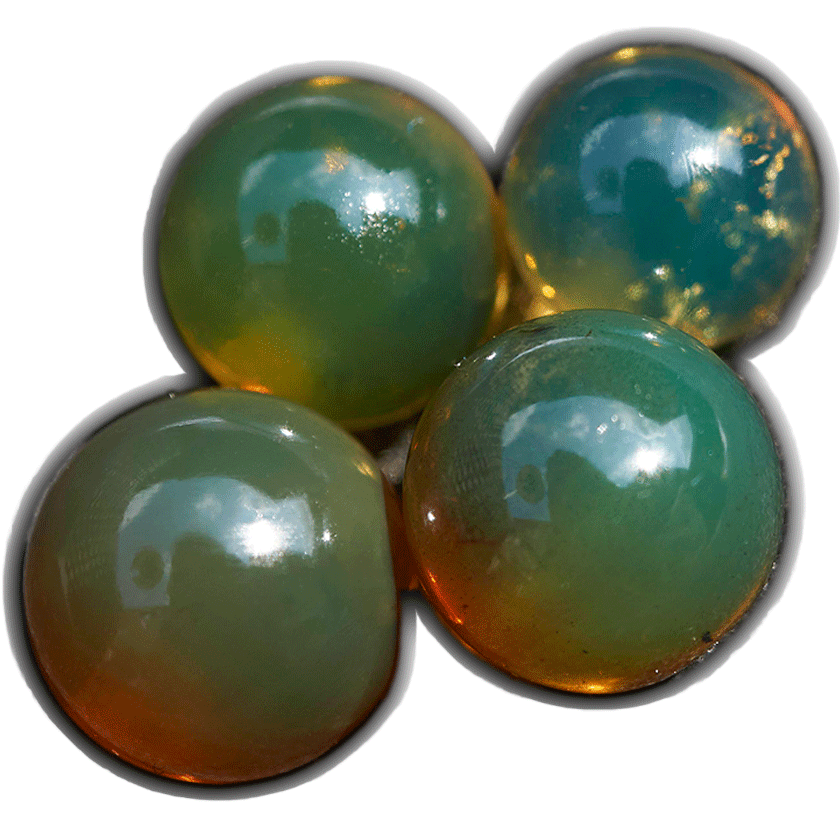
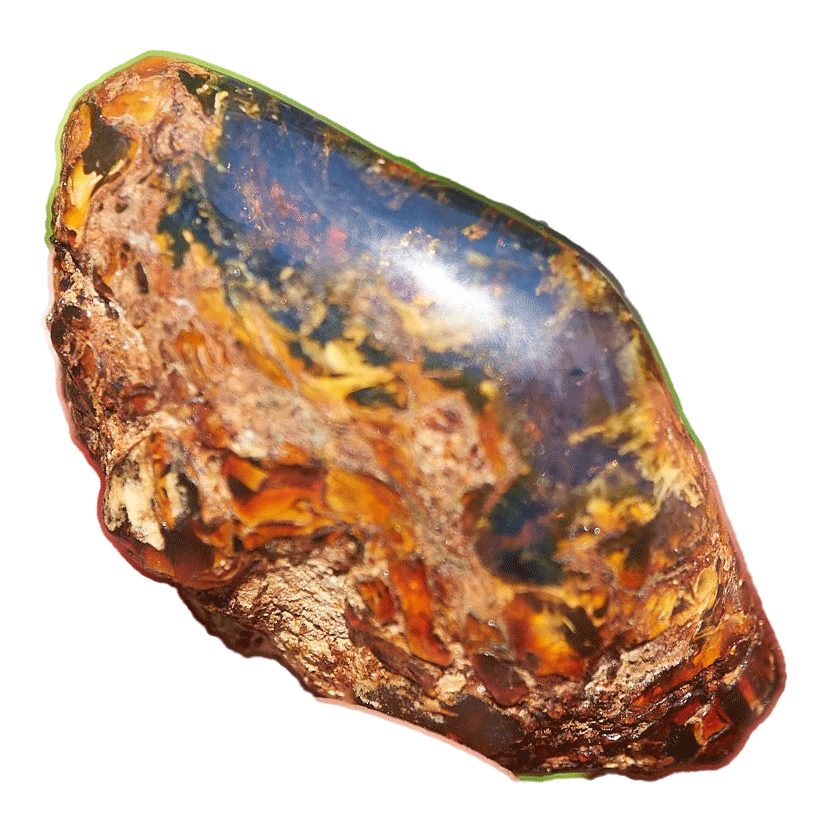
Amber has captivated humans for thousands of years, transforming from ancient tree resin into one of the most sought-after gemstones in jewelry design. When crafted into earrings, this organic gem offers a unique combination of warmth, luminosity, and natural beauty that few other materials can match. Whether you're drawn to the honeyed glow of traditional Baltic amber or the rare blue and green varieties from the Dominican Republic, amber earrings represent a connection to nature's artistry spanning millions of years. Understanding the characteristics, varieties, and proper care of these distinctive pieces allows you to make informed choices and preserve their beauty for generations.
Amber forms through a remarkable geological process that begins with tree resin secreted millions of years ago. As this sticky substance hardens and becomes buried under layers of sediment, it undergoes a transformation over 25 to 50 million years, eventually fossilizing into the gemstone we recognize today. This extended formation period gives amber its distinctive properties and explains why genuine pieces carry such inherent value.
The organic nature of amber sets it apart from crystalline gemstones. Unlike minerals formed through inorganic processes, amber contains complex organic compounds that create its characteristic warm appearance and lightweight feel. This composition makes it remarkably comfortable to wear, especially in earrings where weight can become a concern with heavier gemstones.
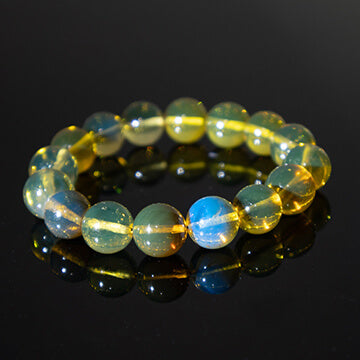
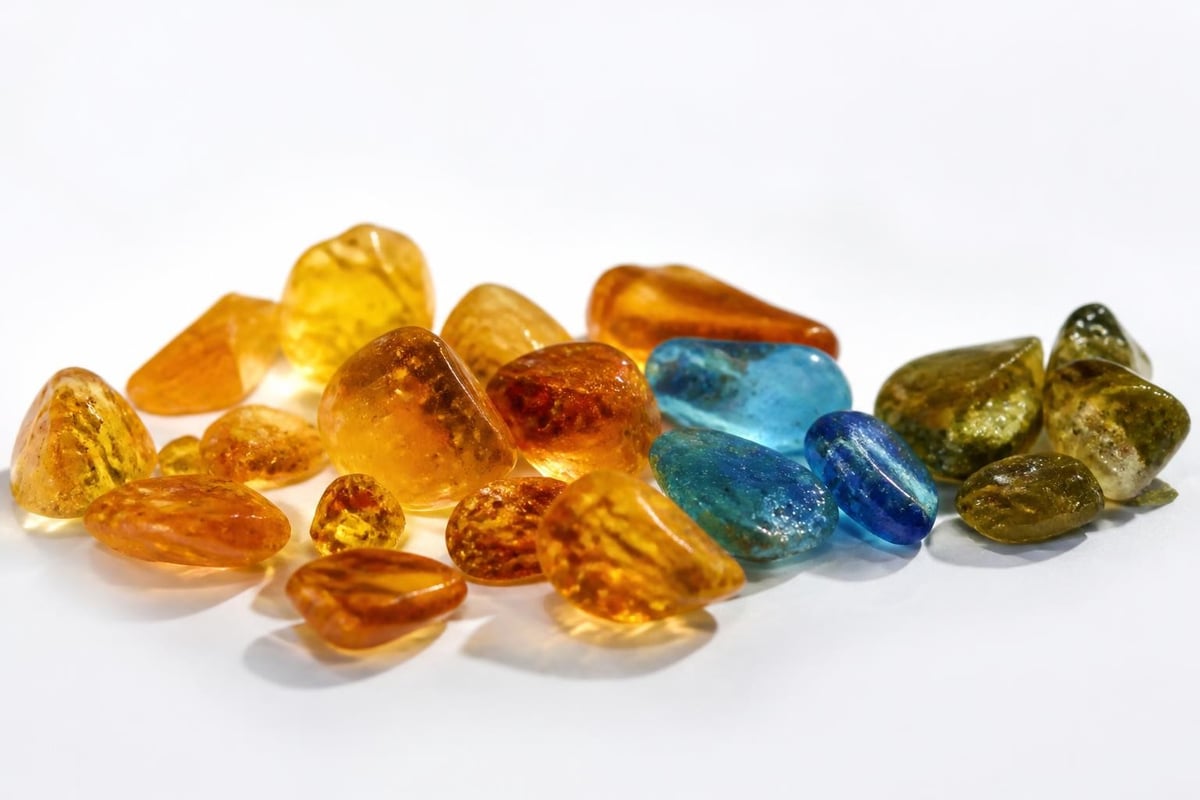
Amber occurs in an impressive spectrum of colors, each influenced by the specific tree species, environmental conditions, and geological factors present during formation:
The cultural significance of amber extends back centuries, particularly along the Baltic coast where amber hunting remains a cherished tradition. Each regional source produces amber with distinct characteristics, making the origin an important consideration when selecting amber earrings.
The versatility of amber as a gemstone material allows jewelry designers to create an extensive range of earring styles. From minimalist studs to elaborate chandelier designs, amber adapts beautifully to various aesthetic preferences and occasions.
Stud earrings showcase amber's natural beauty in its purest form. These designs typically feature:
| Style Element | Description | Best For |
|---|---|---|
| Cabochon cuts | Smooth, polished domes highlighting clarity | Daily wear, professional settings |
| Faceted amber | Angular cuts creating sparkle and dimension | Evening occasions, special events |
| Raw chunks | Unpolished or minimally processed pieces | Bohemian, natural aesthetic |
| Bezel settings | Metal surrounds protecting the amber | Active lifestyles, durability |
Simple studs allow the amber's inherent warmth to take center stage without competing visual elements. The lightweight nature of amber makes even larger stud designs comfortable for extended wear.
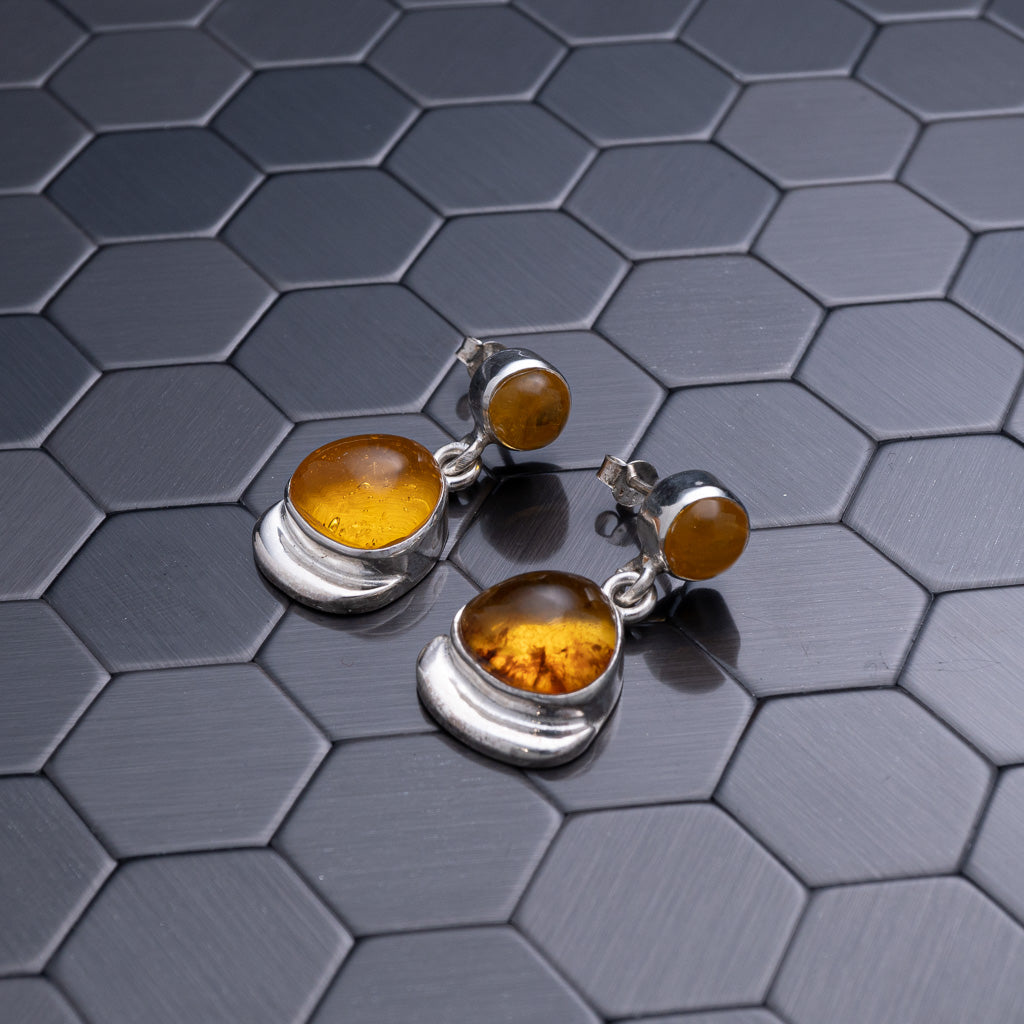
Drop earrings introduce movement and elegance, with amber suspended below the ear. These designs range from simple single-drop configurations to complex multi-tiered arrangements. The natural translucency of amber becomes particularly striking when light passes through dangling pieces, creating a captivating glow effect.
Dangle earrings often incorporate complementary materials like sterling silver, which provides a beautiful contrast to amber's warm tones. The combination of 925 sterling silver jewelry with amber creates pieces that balance contemporary design with timeless natural beauty.
Hoop earrings featuring amber beads or inlays offer a modern interpretation of this ancient material. Chandelier designs, meanwhile, allow for dramatic displays of multiple amber pieces arranged in intricate patterns. These statement pieces work exceptionally well for formal occasions or when you want your jewelry to serve as a conversation starter.
The popularity of amber earrings has unfortunately led to a market flooded with imitations and synthetic alternatives. Developing the ability to recognize genuine amber protects your investment and ensures you're wearing the real natural gemstone.
Several reliable tests can help verify amber authenticity:
Professional gemological testing provides the most definitive authentication, particularly for expensive pieces. When investing in high-quality amber earrings, requesting certification from reputable gemological laboratories adds assurance.
Beyond authenticity, several factors determine amber quality and value:
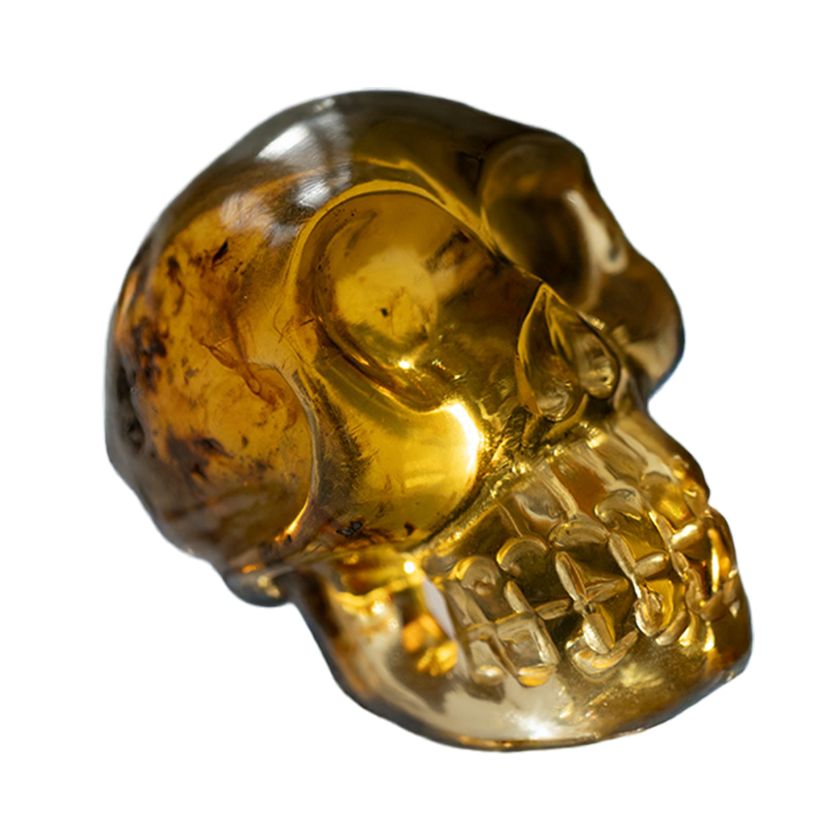
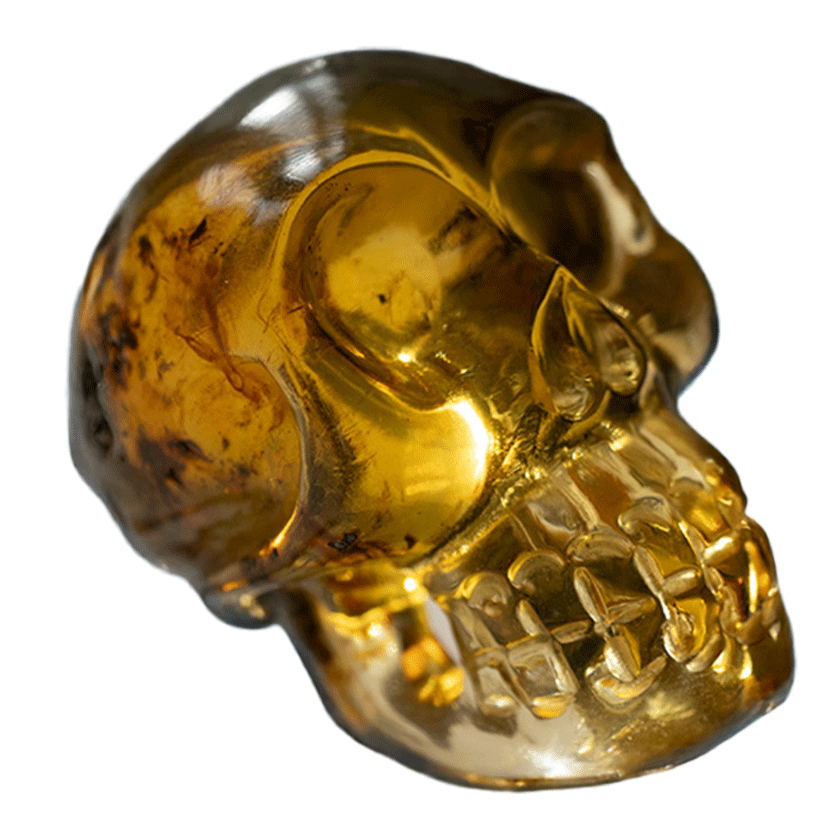
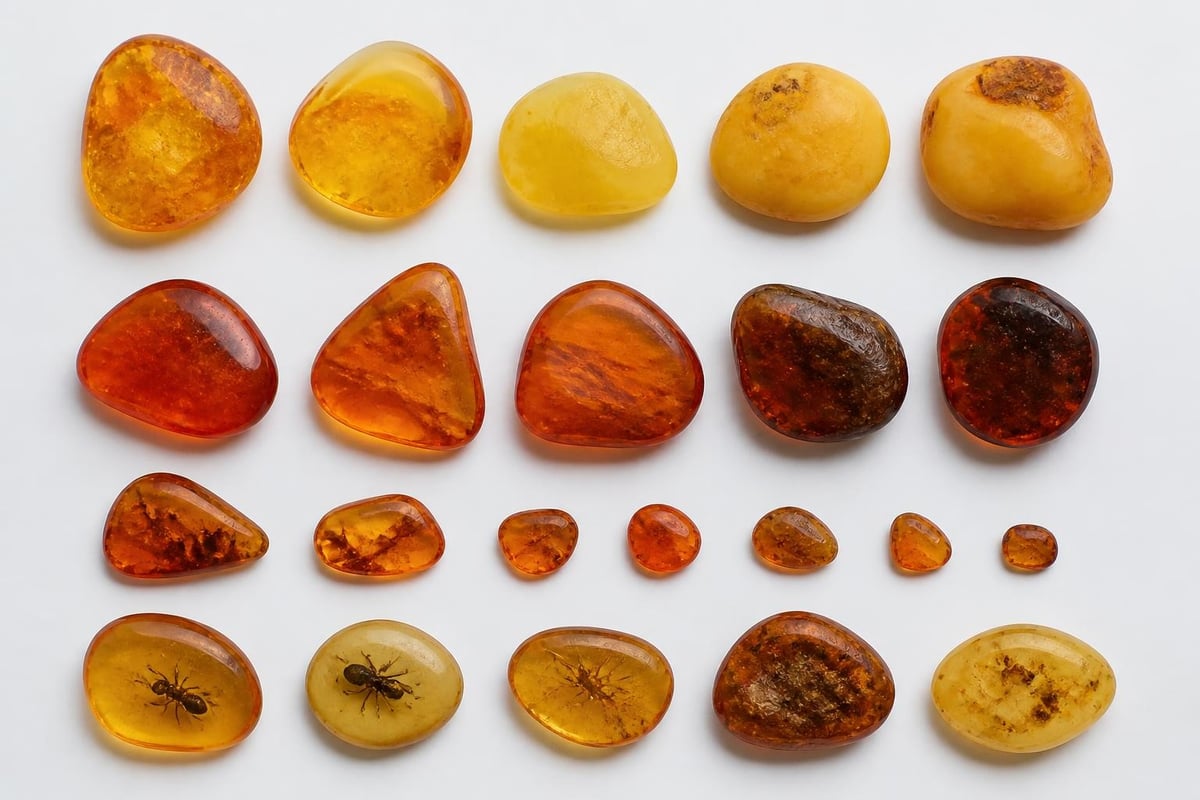
Understanding amber with inclusions reveals how these natural time capsules can transform ordinary pieces into extraordinary collector's items.
The versatility of amber earrings extends beyond their physical characteristics to their remarkable ability to complement various style preferences and settings. Knowing how to pair these distinctive pieces with your wardrobe maximizes their impact.
For daily styling, smaller amber studs or simple drop earrings provide subtle elegance without overwhelming casual outfits. The warm tones of amber pair beautifully with:
The natural aesthetic of amber complements organic fabrics like cotton, linen, and wool, making it ideal for relaxed, nature-inspired wardrobes.
In business environments, amber earrings offer sophisticated polish while maintaining approachability. Medium-sized studs or modest drop designs in clearer amber varieties project professionalism without appearing overly formal. The warm glow creates a welcoming impression during client meetings and presentations.
Pairing amber with professional attire works particularly well with:
Dramatic amber earrings truly shine during evening occasions. Larger chandelier designs, multi-stone arrangements, or rare color varieties like blue or green amber create memorable statements. The way amber captures and reflects light gives these pieces an almost magical quality in candlelit or dimmed settings.
For formal events, consider coordinating amber earrings with other amber jewelry pieces, though moderation prevents overwhelming your overall look. If wearing an amber necklace, choose simpler earring designs to maintain balance.
As an organic gemstone, amber requires specific care practices that differ significantly from traditional mineral gemstones. Understanding these requirements ensures your amber earrings maintain their beauty and integrity for years to come.
Amber's relative softness (2.0-2.5 on the Mohs scale) makes it susceptible to scratching and damage from harder materials. Always apply perfumes, hairsprays, and cosmetics before putting on amber earrings, as chemicals in these products can damage the surface or cause cloudiness over time.
When wearing amber earrings, avoid contact with:
Remove amber earrings before engaging in physical activities, swimming, or showering. The amber jewelry care guide emphasizes the importance of protecting these organic gems from harsh environmental conditions.
Proper cleaning maintains amber's lustrous appearance without causing damage. The safest cleaning method involves:
Never use ultrasonic cleaners, steam cleaners, or harsh chemical solutions on amber. These methods can crack, cloud, or permanently damage the organic material. For detailed maintenance protocols, consult comprehensive resources on how to care for amber jewelry.
Proper storage prevents scratching and maintains amber's condition during periods of non-wear:
| Storage Method | Benefits | Considerations |
|---|---|---|
| Fabric pouches | Soft protection, breathability | Individual storage prevents scratching |
| Lined jewelry boxes | Organization, compartmentalization | Avoid direct contact with other jewelry |
| Anti-tarnish strips | Protects metal components | Change regularly for effectiveness |
| Room temperature areas | Prevents thermal stress | Avoid basements, attics, or bathrooms |
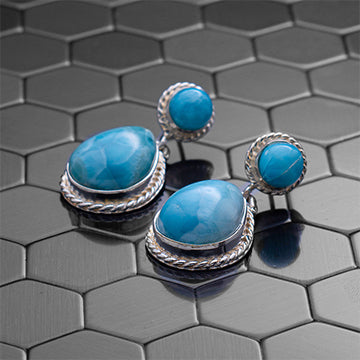
Store amber earrings separately from harder gemstones like diamonds, sapphires, or even Larimar jewelry that might scratch the softer amber surface. Climate-controlled environments away from direct sunlight provide ideal long-term storage conditions.
The amber market has experienced notable evolution in recent years, with certain varieties commanding premium prices while others remain accessible to broader audiences. Understanding these market dynamics helps buyers make informed purchasing decisions.
Several elements influence amber earring prices in today's market:
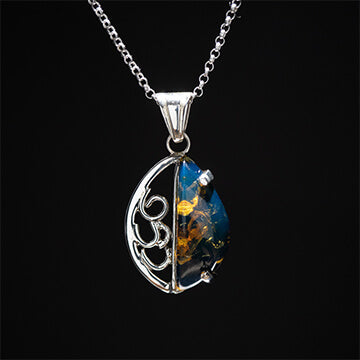
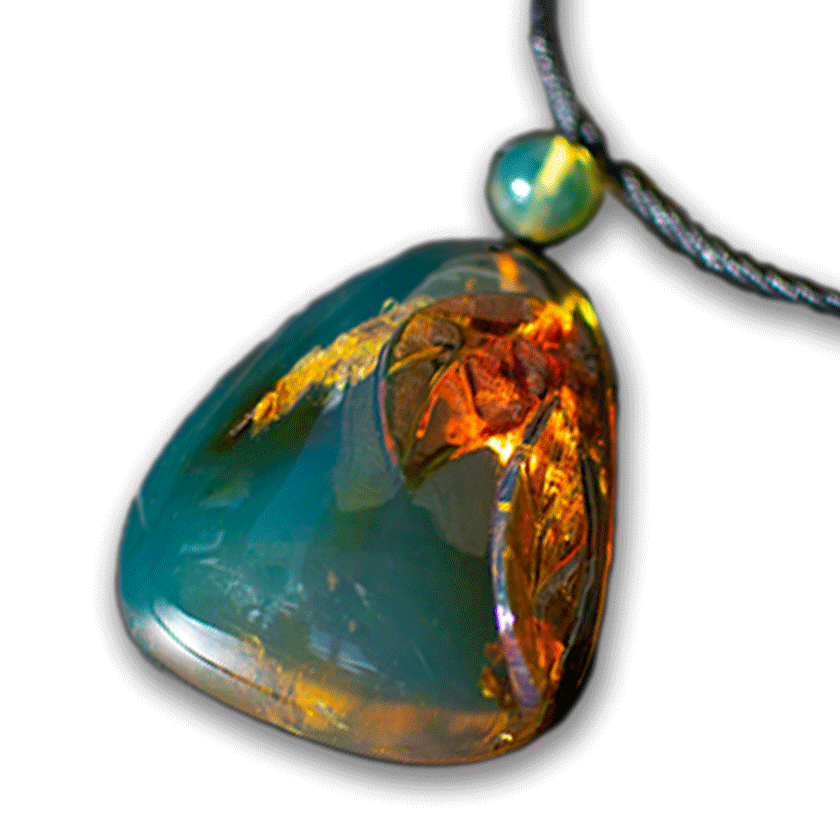
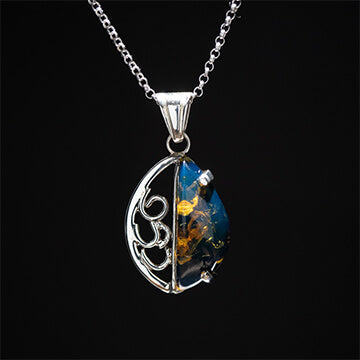
Dominican blue amber, in particular, has seen remarkable appreciation due to its extreme rarity and unique fluorescent properties. For those interested in exploring these exceptional varieties, Dominican blue amber pendants showcase the distinctive characteristics that make this material so prized.
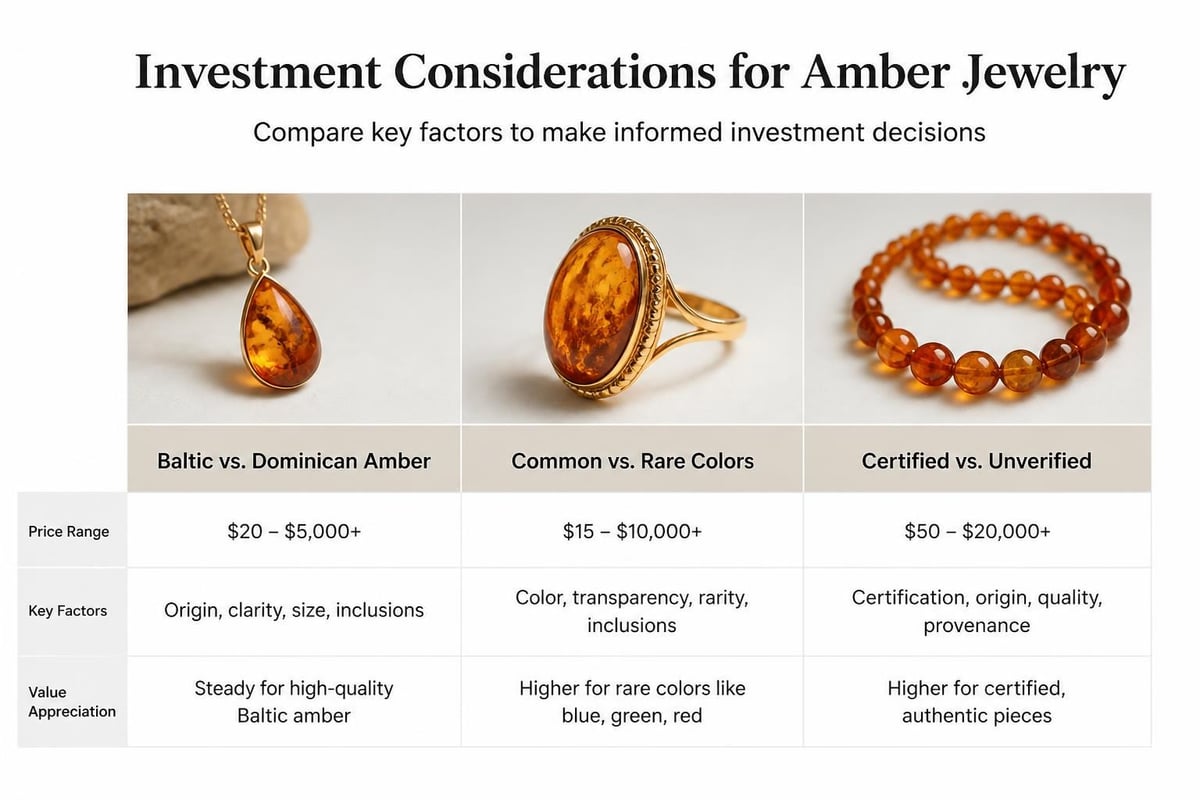
For collectors, amber earrings represent both aesthetic pleasure and potential investment. Focus areas for serious collectors include:
Building a meaningful collection requires patience, as truly exceptional pieces appear infrequently on the market. Establishing relationships with reputable dealers and staying informed about amber jewelry history and types enhances collecting success.
Throughout history, diverse cultures have attributed special meanings and properties to amber. Ancient Greeks called it "electron" due to its static electricity properties, while Baltic peoples considered it tears of the gods. These rich cultural associations continue influencing modern amber jewelry appreciation.
Historical cultures believed amber possessed healing properties, particularly for throat ailments and stress relief. While modern science doesn't support these medicinal claims, many wearers report psychological benefits from amber's warm, natural presence. The connection to ancient forests and prehistoric times creates a tangible link to Earth's history that resonates with environmentally conscious consumers.
As an organic material formed millions of years ago, amber represents a finite resource. Responsible sourcing has become increasingly important to environmentally aware buyers. Ethical suppliers focus on:
When purchasing amber earrings, asking about sourcing practices demonstrates commitment to ethical consumption. Reputable jewelers like Larimar Creations prioritize authenticity and responsible sourcing in all their gemstone offerings.
Coordinating amber earrings with other jewelry pieces creates cohesive, sophisticated looks. Understanding which combinations enhance amber's beauty versus those that compete with it helps develop polished personal style.
The warm tones of amber harmonize beautifully with certain metals:
Avoid overly shiny, highly polished metals that might overwhelm amber's subtle luster. Brushed or matte finishes often create more balanced pairings.
When wearing amber earrings with other gemstone jewelry, consider:
Compatible pairings:
Challenging combinations:
For those who appreciate diverse gemstones, exploring the unique characteristics of materials like the Larimar gemstone reveals how different natural stones each offer distinct aesthetic qualities.
Working with skilled artisans to create custom amber earrings allows for personalized pieces that perfectly match individual preferences and style requirements. Understanding the design process helps communicate your vision effectively.
Creating custom amber earrings typically involves:
Custom work allows incorporating personal elements like birthstones, meaningful symbols, or matching existing jewelry pieces in your collection.
Vintage or inherited amber earrings sometimes require updating to suit contemporary tastes. Common modifications include:
Professional jewelers experienced with amber understand its unique properties and can execute modifications while preserving the integrity of these organic gems.
While amber's timeless appeal transcends seasonal trends, understanding how to adapt these pieces throughout the year maximizes their versatility in your jewelry wardrobe.
Amber's warm, golden tones naturally complement fall and winter palettes. During these seasons, embrace:
The emotional warmth amber provides during darker months makes these seasons ideal for showcasing statement amber earrings.
Lighter amber varieties shine during warmer months:
Remember to protect amber from extended sun exposure and avoid wearing in chlorinated or saltwater despite seasonal temptations.
Amber earrings offer a distinctive combination of natural beauty, historical significance, and versatile styling options that few other gemstones can match. By understanding proper care techniques, authenticity indicators, and styling approaches, you can fully appreciate these remarkable organic gems while ensuring their longevity. Whether you're drawn to classic Baltic honey tones or rare Dominican varieties, Larimar Creations provides expertly crafted jewelry featuring exceptional natural gemstones, with worldwide shipping bringing these unique pieces to discerning customers everywhere.