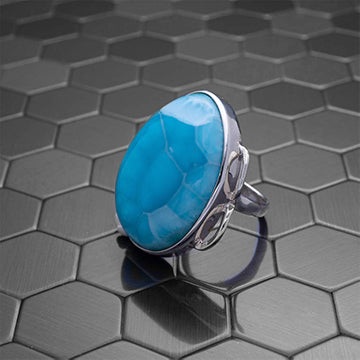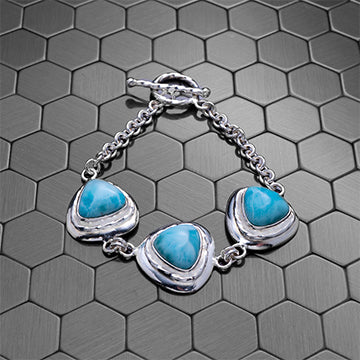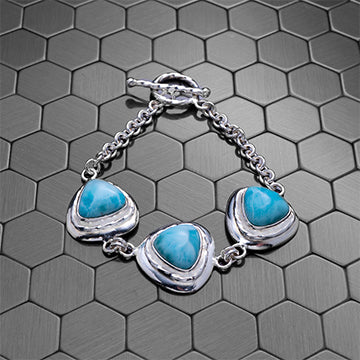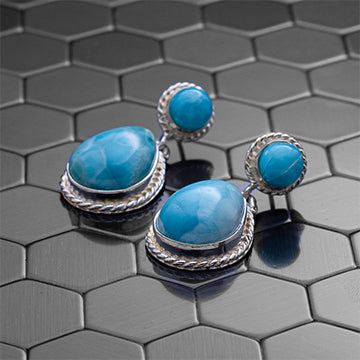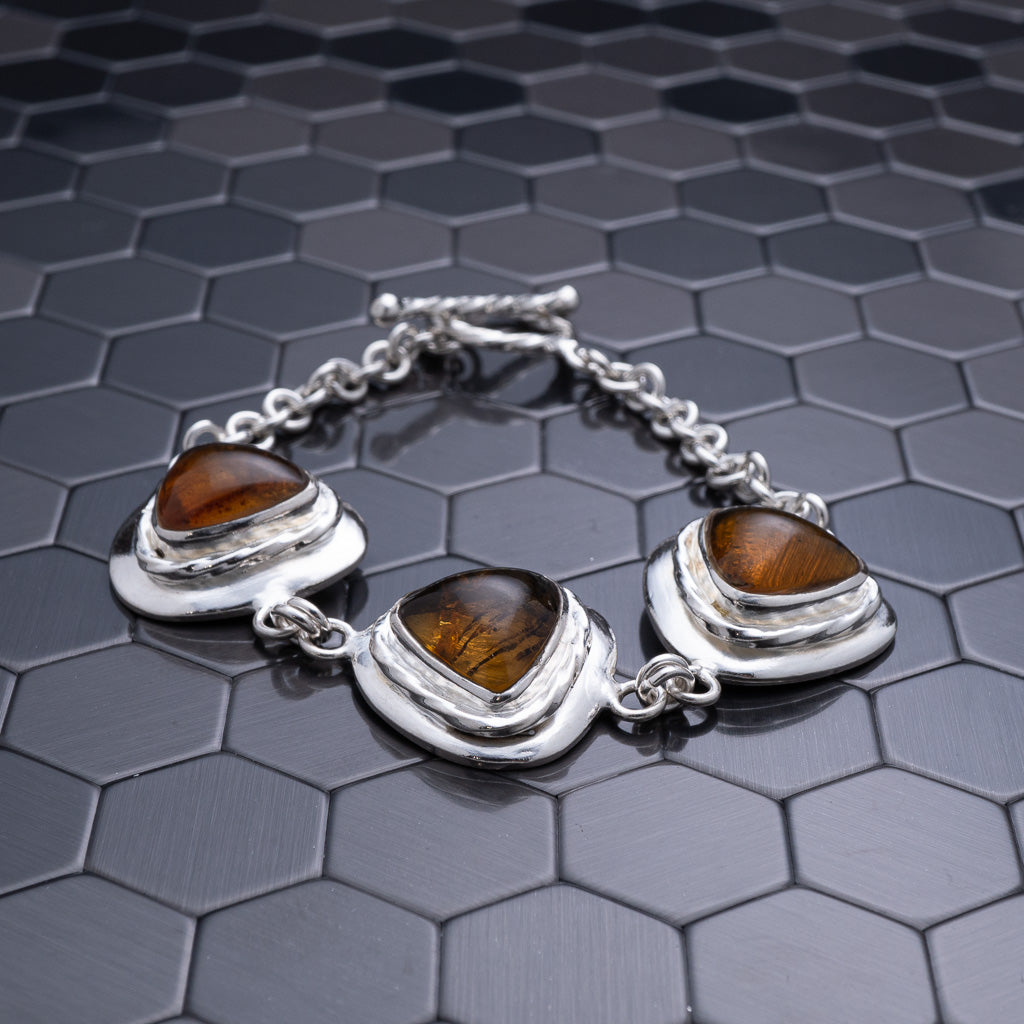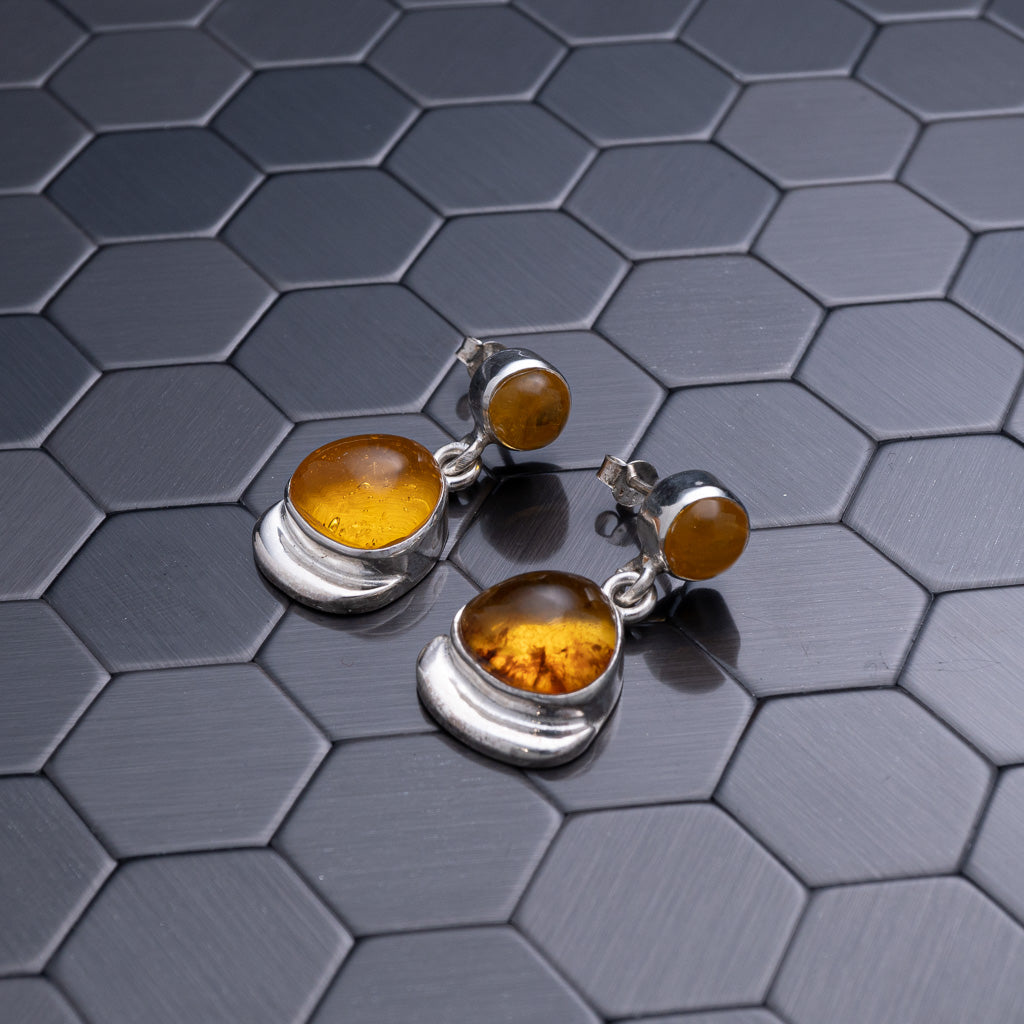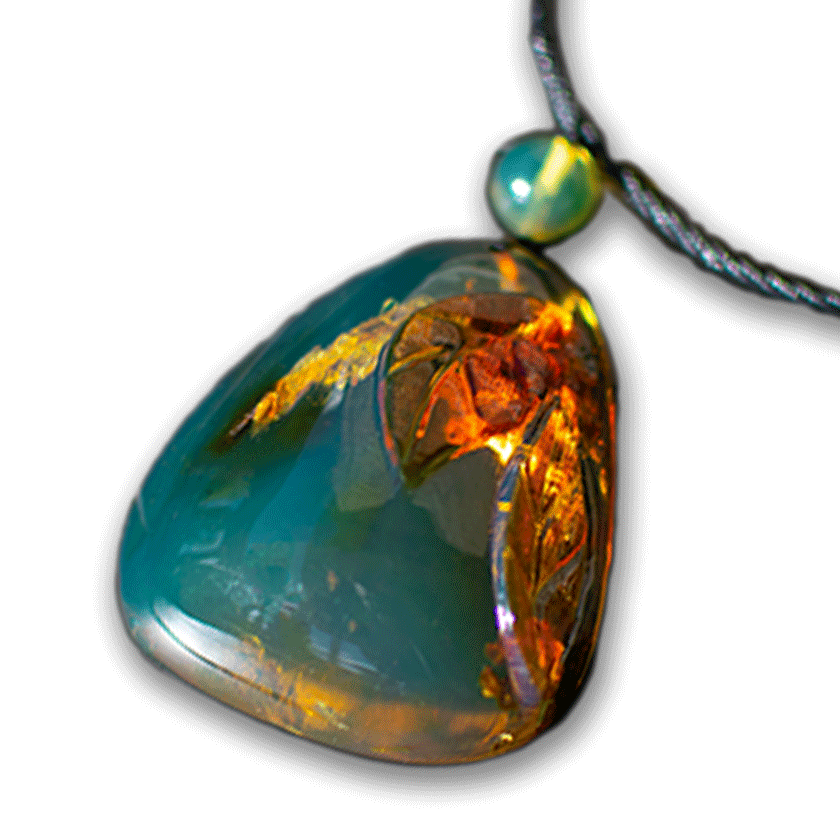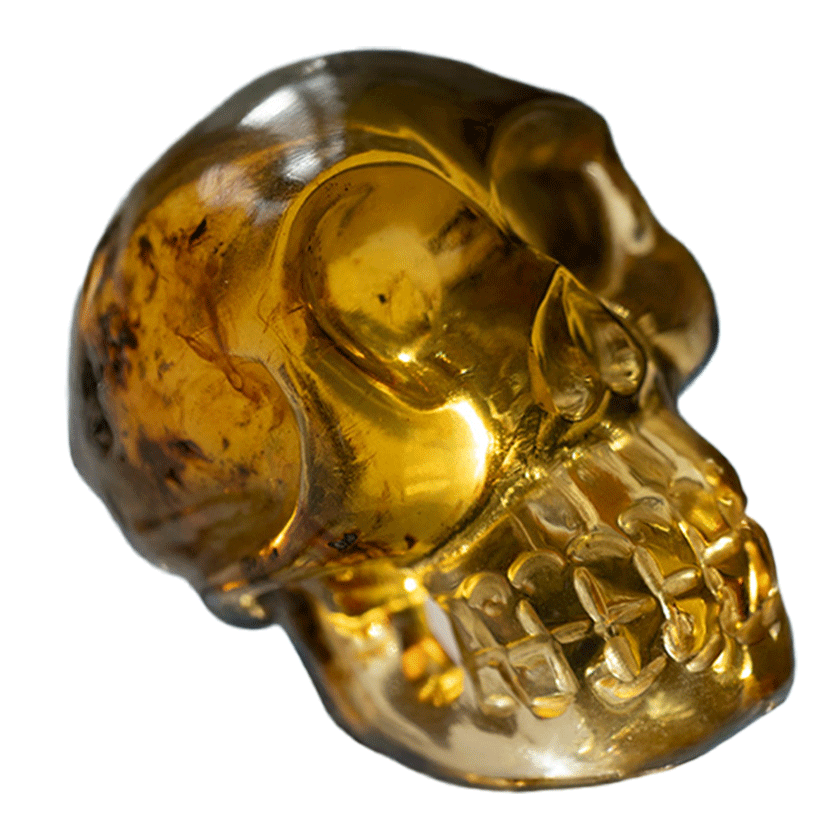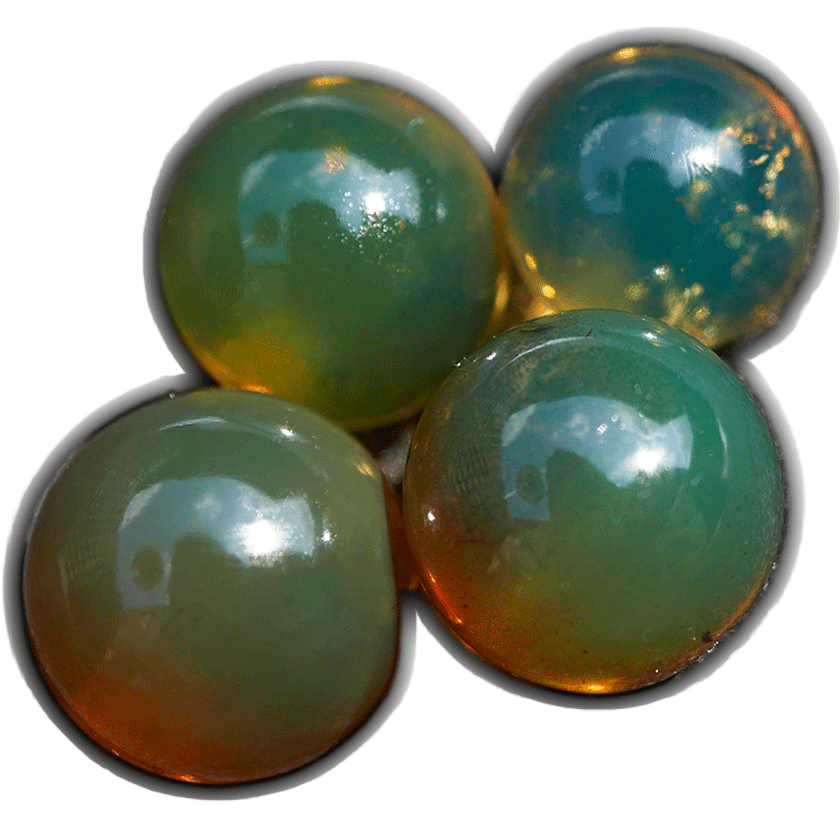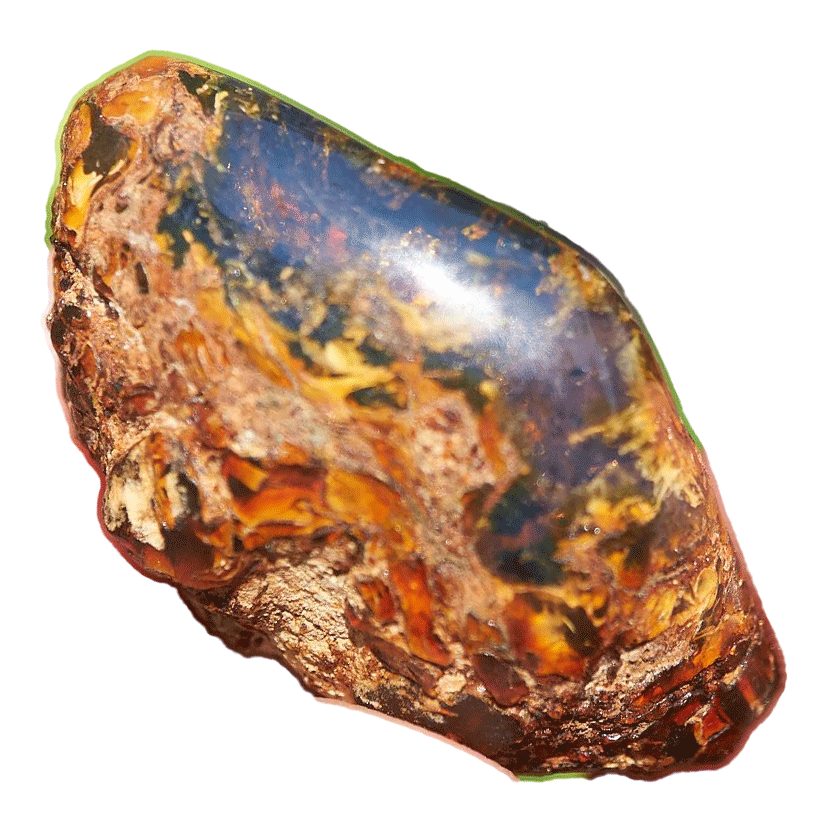


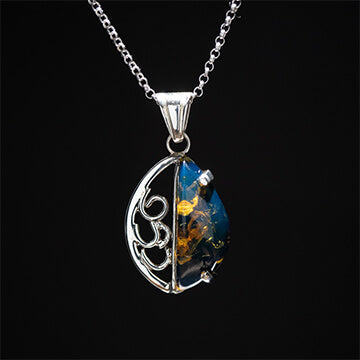
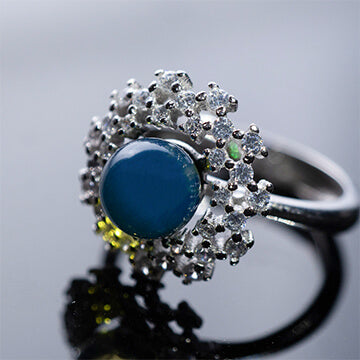
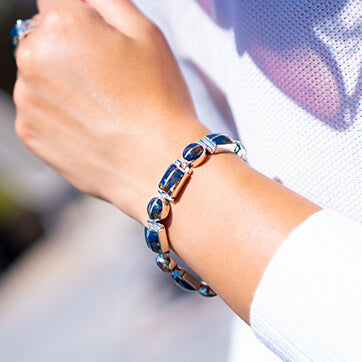
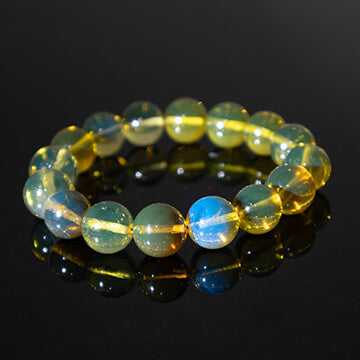
Handcrafted in DR.

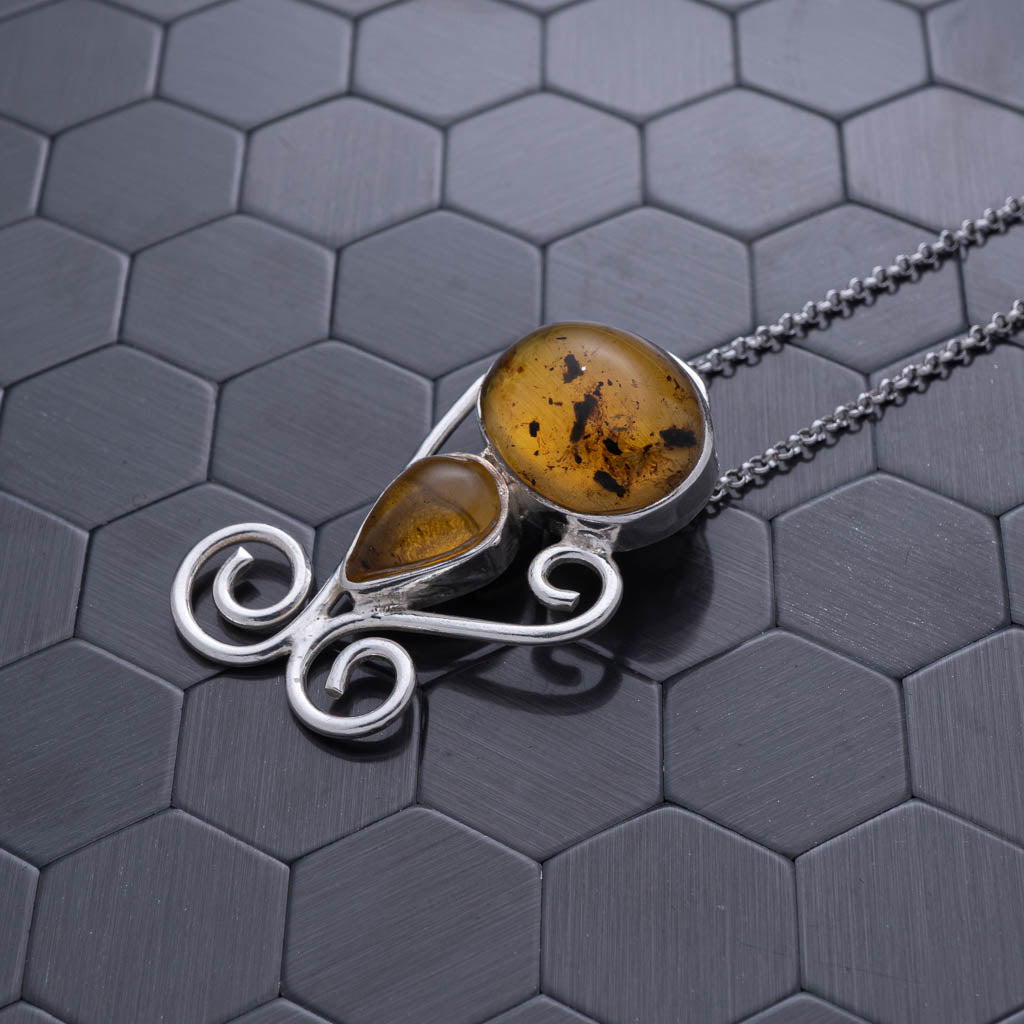
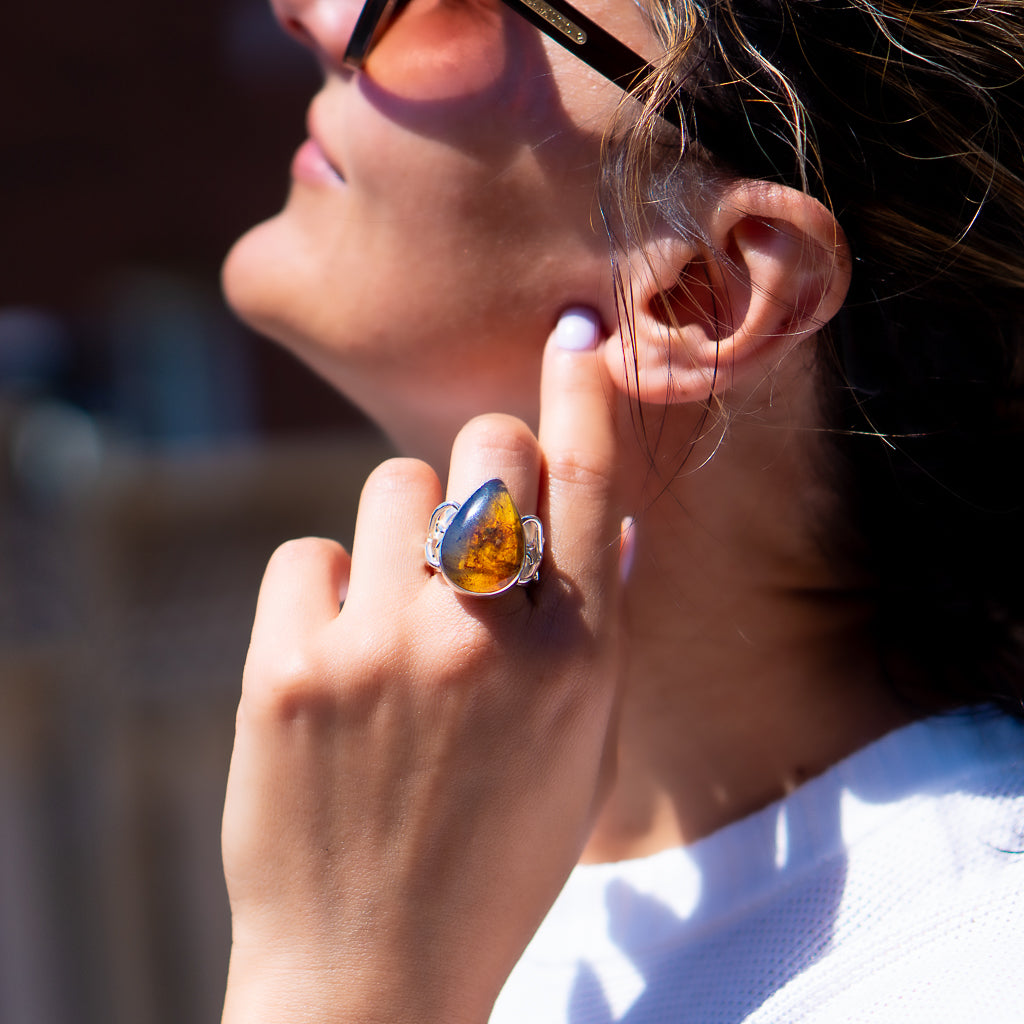
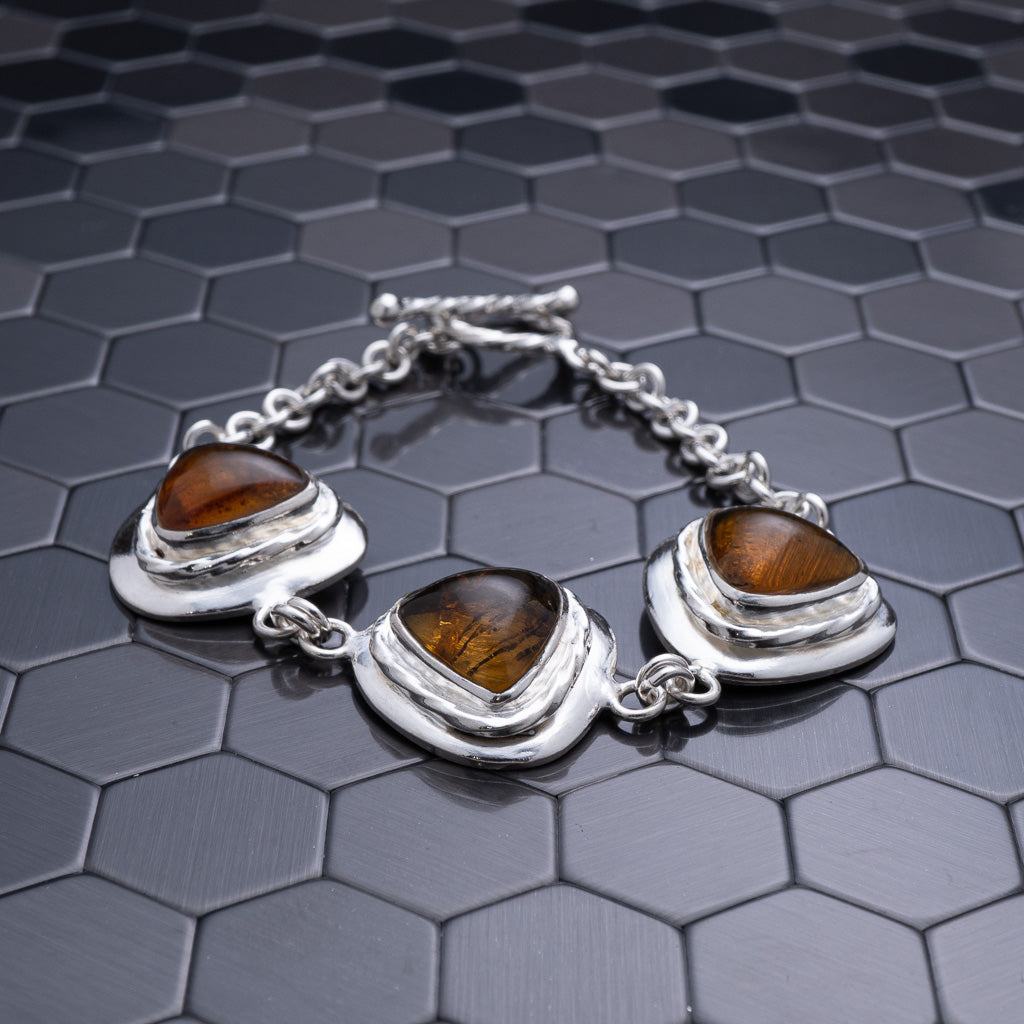
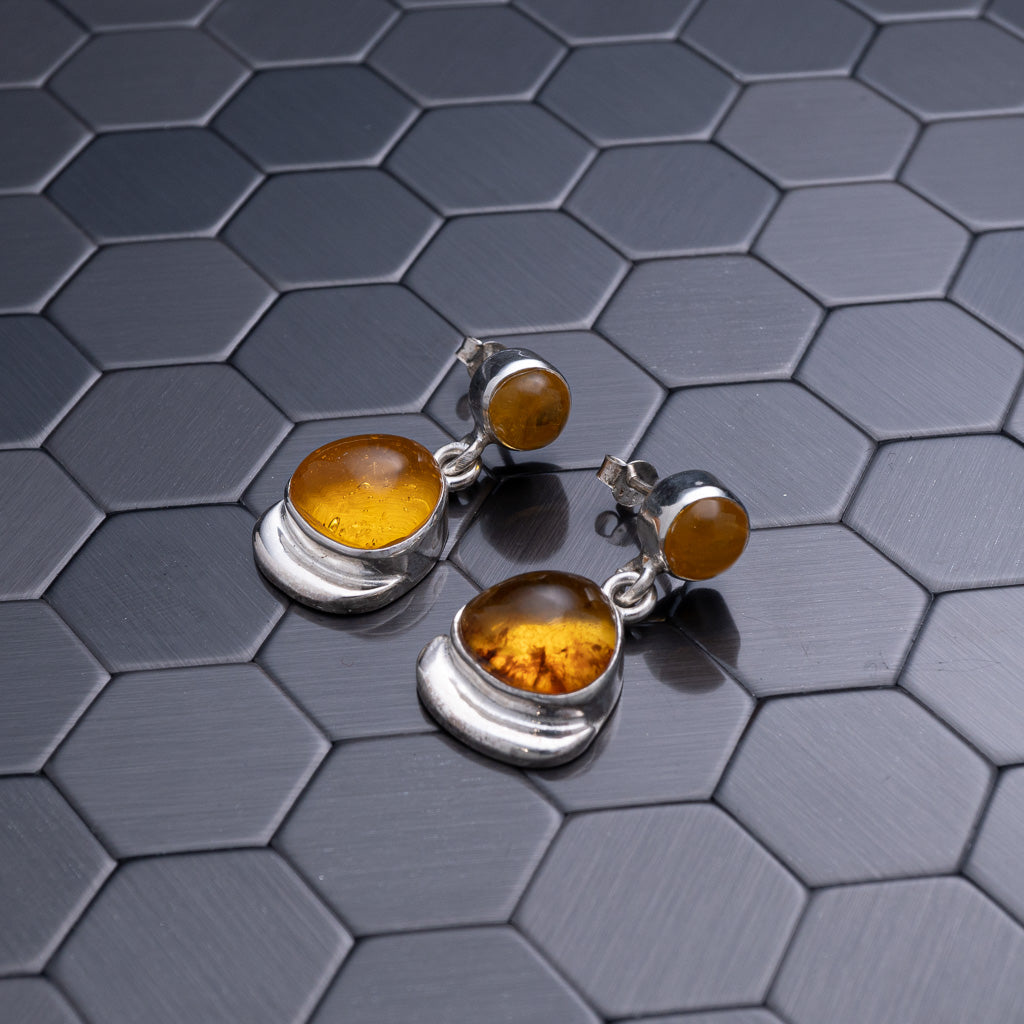


100% Handcrafted in DR.

Natural stone jewelry continues to captivate collectors and fashion enthusiasts alike in 2026, offering a timeless connection to the earth's geological artistry. Whether you're drawn to the serene blues of larimar, the warmth of amber, or the brilliance of traditional gemstones, understanding what makes natural stone jewelry authentic, valuable, and worth your investment requires informed decision-making. This comprehensive guide explores everything from identifying genuine stones to caring for your precious pieces, ensuring that your jewelry collection remains beautiful and meaningful for generations.
The market for natural stone jewelry has grown increasingly complex, with treatments, synthetics, and imitations becoming more sophisticated. Knowing how to verify authenticity protects your investment and ensures you receive exactly what you pay for.
Natural stones form through geological processes over thousands or millions of years without human intervention in their creation. The National Association of Jewellers provides detailed guidance on proper gemstone descriptions and terminology that helps consumers understand the distinctions between natural, treated, and synthetic materials.
Key characteristics of genuine natural stone jewelry include:
Not all treatments disqualify a stone from being "natural." Heat treatment, for instance, is widely accepted for enhancing color in sapphires and tanzanite. However, according to the Federal Trade Commission's Jewelry Guides, sellers must disclose any treatments that affect a gemstone's value or durability.
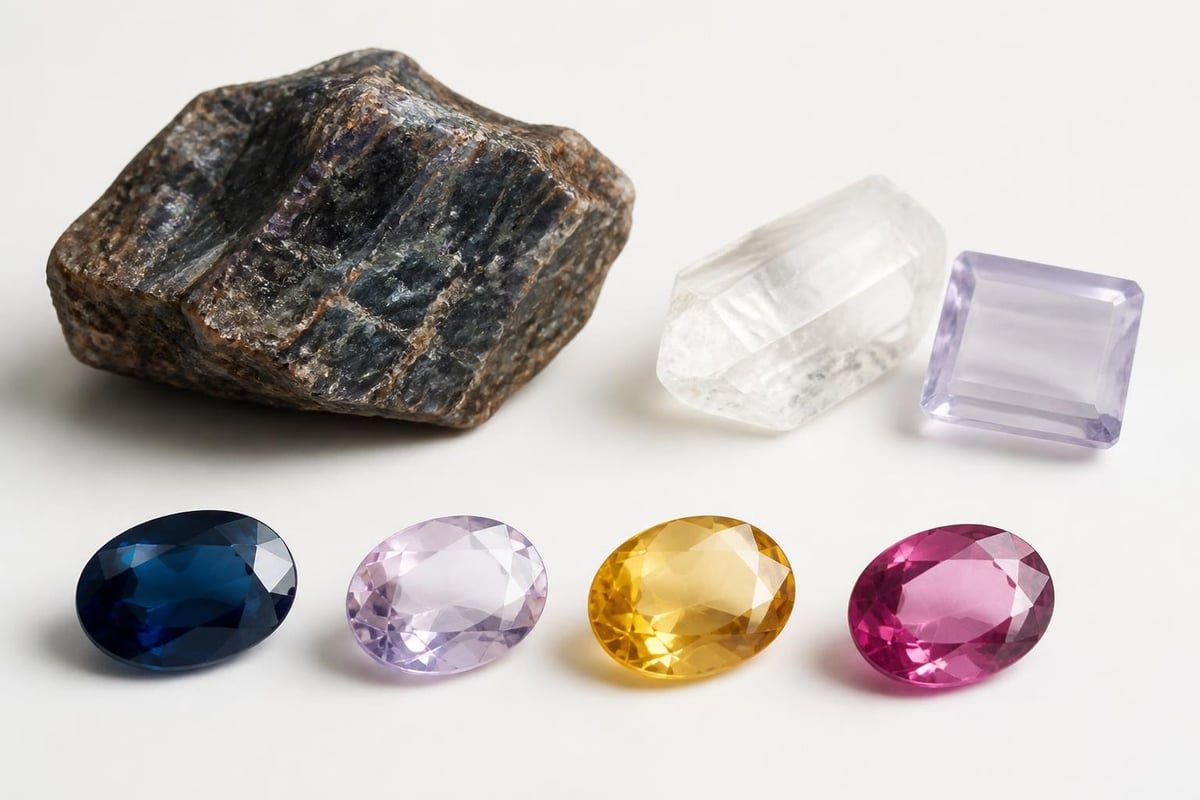
Professional gemological certification provides peace of mind when purchasing high-value natural stone jewelry. Reputable laboratories examine stones using specialized equipment to determine origin, treatments, and quality characteristics.
Essential documentation includes:
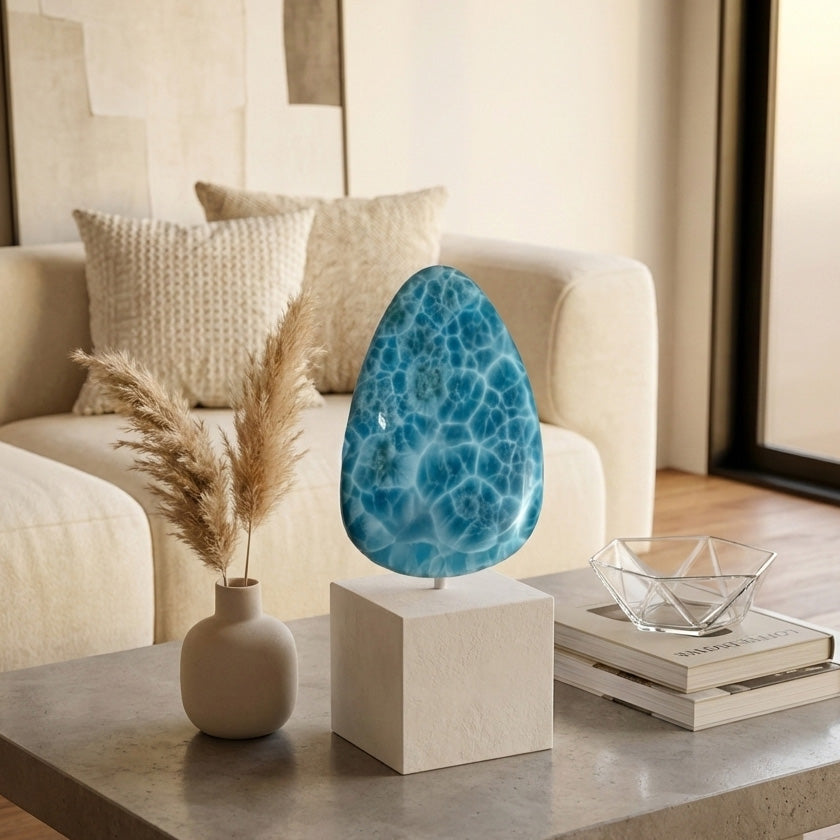
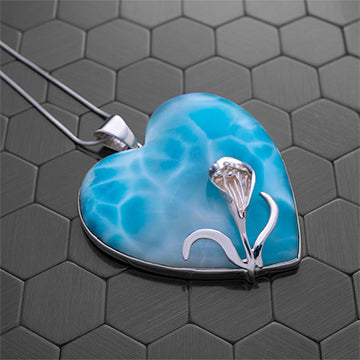
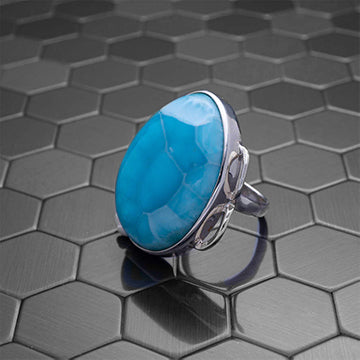
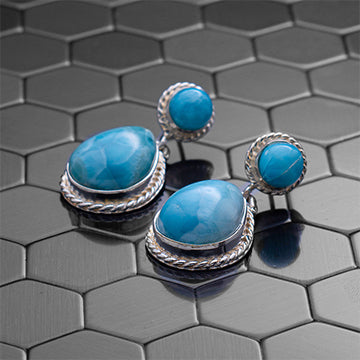
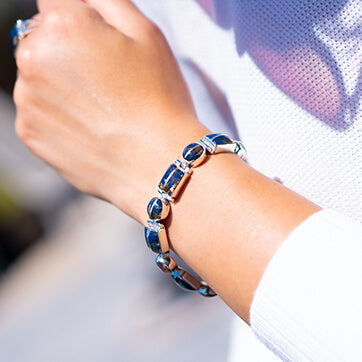
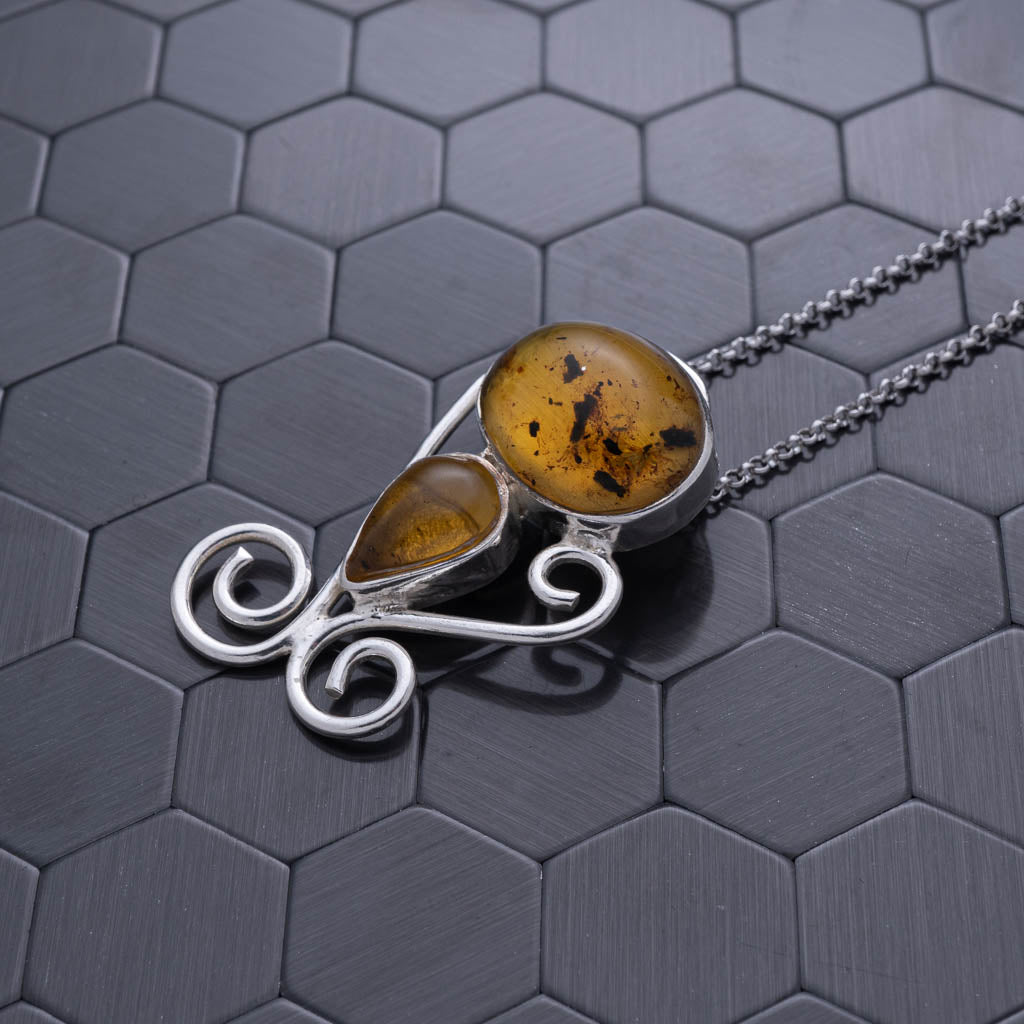
For pieces featuring rare stones like larimar, which originates exclusively from the Dominican Republic, provenance documentation becomes especially valuable. Many collectors seek Larimar pendants specifically because of the gemstone's single-source origin and limited availability.
Quality assessment goes beyond simple beauty, encompassing technical factors that determine a stone's value and longevity. Understanding these elements helps you make informed purchasing decisions.
While originally developed for diamonds, the Four Cs framework applies effectively to colored natural stone jewelry with modifications:
| Quality Factor | What to Evaluate | Impact on Value |
|---|---|---|
| Color | Hue, tone, saturation, and uniformity | Often the most significant factor |
| Clarity | Visibility of inclusions, cracks, or clouds | Varies by stone type expectations |
| Cut | Proportions, symmetry, polish quality | Affects brilliance and durability |
| Carat | Weight and size relative to stone type | Larger sizes increase exponentially in rare stones |
The Jewelers of America gemstone buying guide offers detailed explanations of how these factors interact differently across various gemstone families.
Different natural stones have unique evaluation criteria. Emeralds, for instance, almost always contain inclusions (called "jardin" or garden), which are accepted as part of their character. In contrast, aquamarine commands premium prices for eye-clean clarity.
Hardness also plays a crucial role in determining appropriate jewelry applications. The Mohs scale measures scratch resistance from 1 (talc) to 10 (diamond):
Understanding these distinctions helps you select natural stone jewelry that matches your lifestyle and wearing habits.
The origins of your natural stone jewelry matter not only for rarity and value but also for ethical and environmental reasons. Responsible sourcing has become a priority for conscious consumers in 2026.
The gemstone industry faces ongoing challenges related to labor conditions, environmental impact, and conflict financing. The Better Jewelry Project provides independent guidance on identifying responsibly sourced materials and supporting transparent supply chains.
Questions to ask your jeweler include:
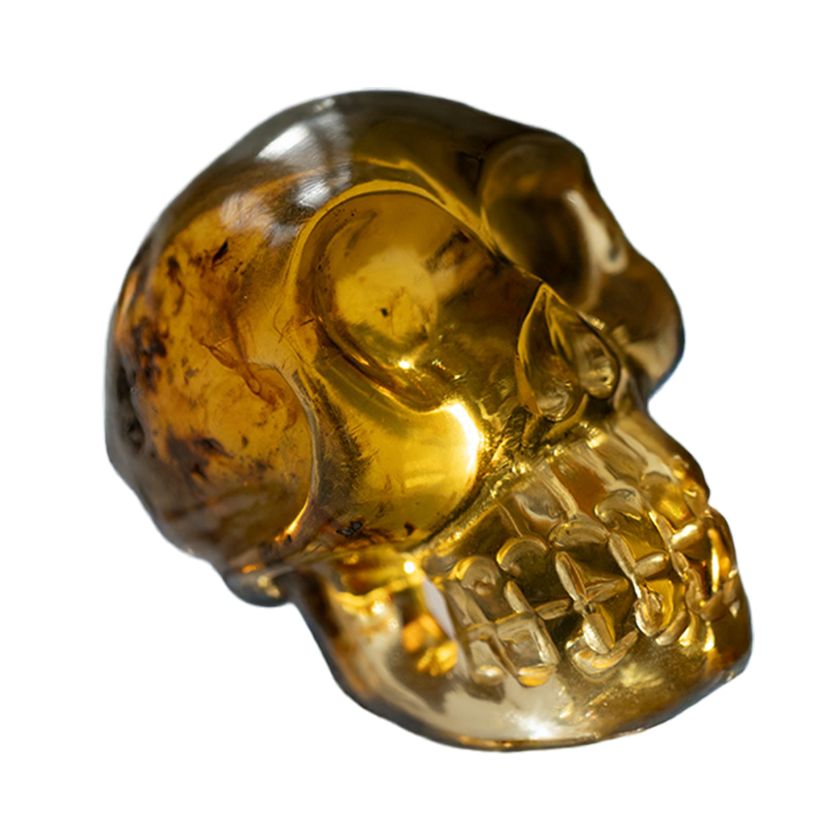
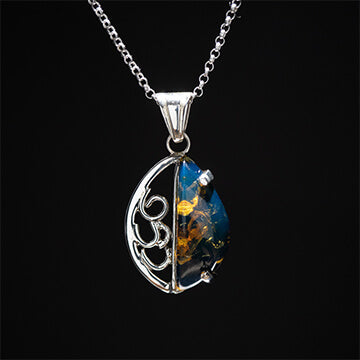
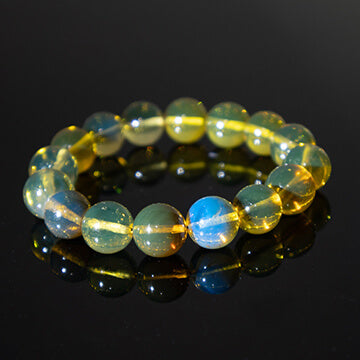
Small-scale artisan operations often maintain direct relationships with miners, providing greater transparency than large commercial operations. For instance, artisans specializing in Dominican Blue Amber typically work directly with local miners, supporting regional economies while ensuring material authenticity.
Natural stone extraction inevitably affects the environment, but responsible mining operations implement rehabilitation plans and minimize ecological disruption. Look for suppliers who prioritize:
Choosing natural stone jewelry from single-origin sources with documented sustainability practices helps ensure your purchase supports responsible environmental stewardship.
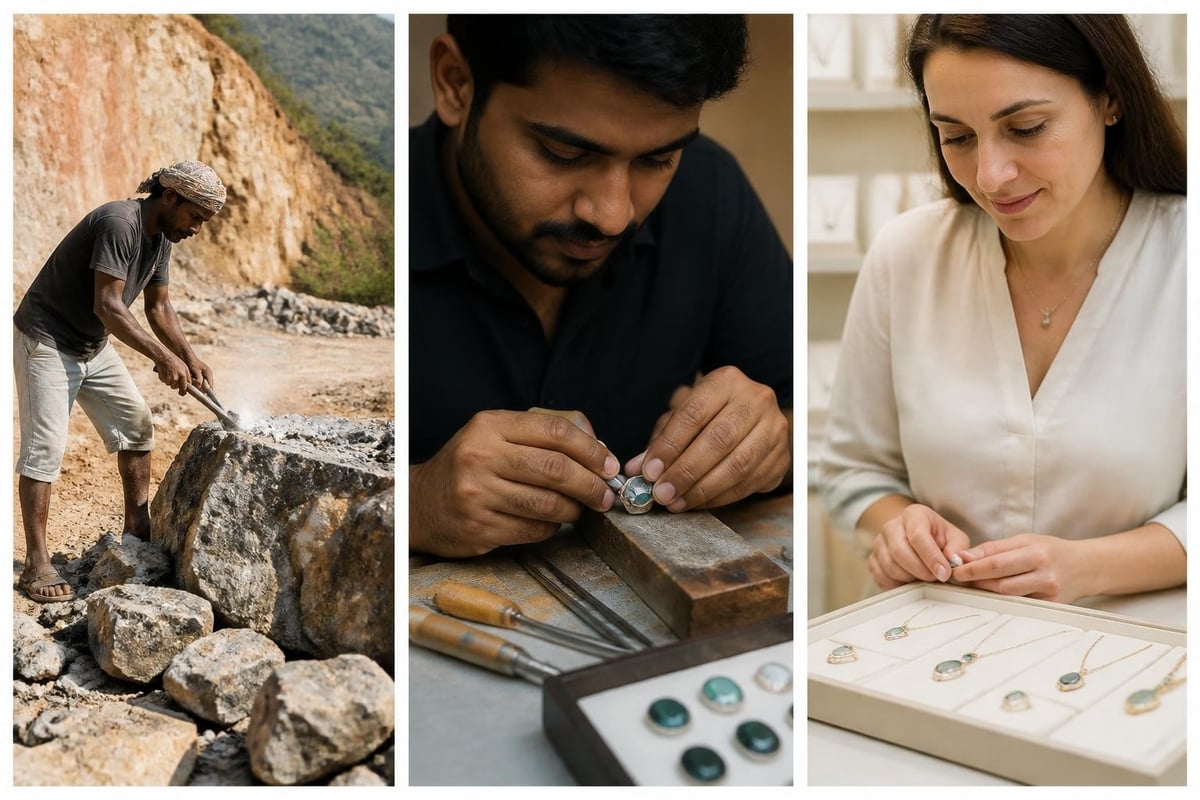
Proper maintenance preserves the beauty and integrity of natural stone jewelry for decades. Different stones require specific care approaches based on their chemical composition and physical properties.
Simple precautions prevent most damage to natural stone jewelry:
The Canadian Conservation Institute offers museum-standard guidance on protecting delicate materials from environmental pollutants, principles that apply equally to personal jewelry collections.
| Stone Hardness | Cleaning Method | Avoid |
|---|---|---|
| Hard (8-10): Sapphire, Ruby | Warm soapy water, soft brush, ultrasonic cleaner | Harsh chemicals, excessive heat |
| Medium (6-7.5): Amethyst, Garnet | Mild soap solution, soft cloth | Ultrasonic cleaners, steamers |
| Soft (Below 6): Turquoise, Opal | Damp cloth only | Water immersion, chemicals, heat |
| Organic: Amber, Pearl | Barely damp soft cloth | All chemicals, water, ultrasonic |
For pieces combining silver and natural stones, clean the metal separately using appropriate silver care products, avoiding contact with the gemstone itself.
Even with excellent home care, natural stone jewelry benefits from periodic professional attention:
Establishing a relationship with a trusted jeweler ensures your pieces receive expert care tailored to their specific requirements.
The versatility of natural stone jewelry allows seamless transitions from casual to formal settings. Understanding how to select and combine pieces creates polished, intentional looks.
Natural stones offer an extraordinary color palette that can complement or contrast with your wardrobe. Consider these approaches:
Complementary styling pairs stones with similar tones in your clothing:
Contrasting styling creates visual interest through opposition:
Neutral foundations allow natural stone jewelry to become the focal point. Cream, gray, black, and white wardrobes showcase gemstone colors effectively.
Different events call for varying approaches to natural stone jewelry:
Professional settings benefit from:
Casual occasions allow more freedom:
Formal events suit:
Contemporary jewelry styling embraces mixed metals and multiple stone types. Creating cohesive looks requires intentional selection:
Collections from specialized artisans, like those found at Larimar Creations, often feature coordinated pieces designed to work together harmoniously.
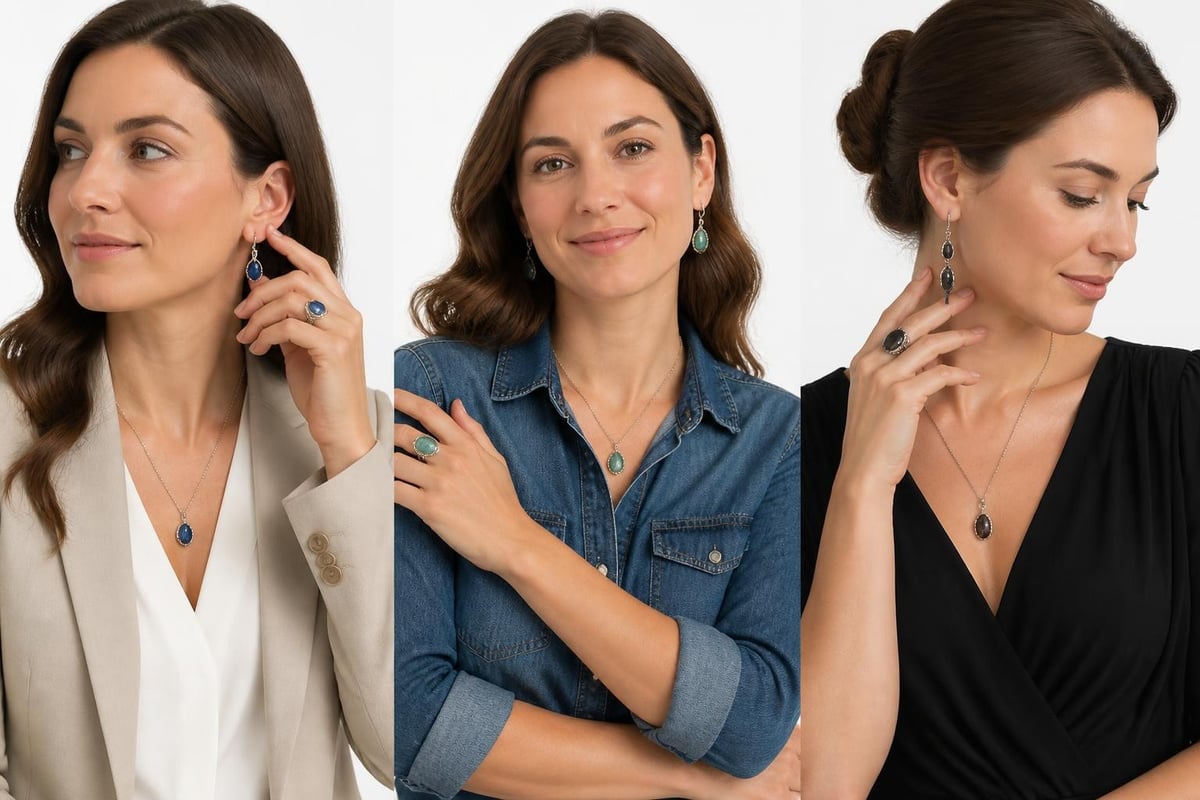
Beyond aesthetic appeal, natural stone jewelry can represent significant financial investment. Understanding market dynamics helps you make purchases that retain or increase value over time.
Certain characteristics make natural stone jewelry more likely to appreciate:
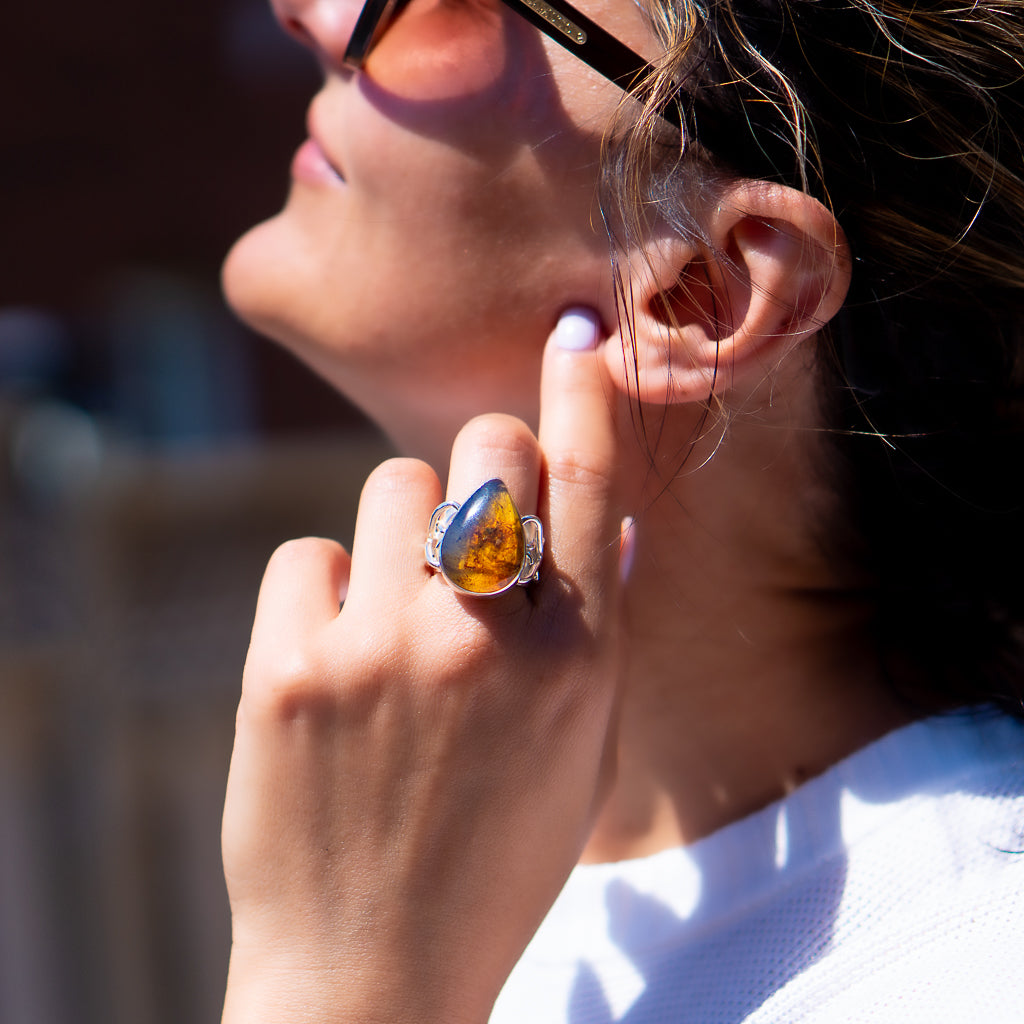
Stones from singular geographic sources, such as Dominican green amber, often maintain stronger value due to supply constraints and collector interest.
Strategic collecting focuses on acquiring pieces that bring both personal joy and potential value appreciation:
Develop expertise in specific stone types or regions:
Prioritize quality over quantity:
Document your collection thoroughly:
Valuable natural stone jewelry requires adequate insurance coverage. Standard homeowner's policies often have low limits for jewelry, necessitating additional protection through:
The natural stone jewelry market continues evolving, influenced by technological advances, changing consumer values, and design innovation.
Modern consumers increasingly seek unique pieces that reflect individual style. Custom natural stone jewelry creation has become more accessible through:
Working with specialized craftspeople, such as those at Larimar Creations, enables creation of truly one-of-a-kind pieces featuring rare materials.
Digital tools transform how consumers discover and purchase natural stone jewelry:
Virtual try-on applications use augmented reality to show how pieces look when worn, reducing uncertainty in online purchasing. Blockchain verification provides immutable records of stone origin and ownership history. High-resolution imaging allows detailed examination of stones and settings before buying. AI-powered recommendations suggest pieces based on style preferences and past purchases.
Environmental and social consciousness has shifted from niche concern to mainstream expectation. Natural stone jewelry buyers in 2026 routinely request:
Brands meeting these expectations gain competitive advantage, while those ignoring sustainability concerns risk losing market relevance.
Mass production faces growing competition from handcrafted natural stone jewelry. Consumers value:
This trend particularly benefits specialists in rare materials who combine traditional methods with contemporary design sensibilities.
Separating fact from fiction helps consumers make informed decisions and set realistic expectations.
Reality: Most natural stones undergo some treatment to enhance their appearance. Heat treatment, a standard practice for sapphires and tanzanite, doesn't make stones "unnatural." What matters is honest disclosure. Responsible sellers clearly communicate any treatments, allowing buyers to make informed choices.
Reality: Size matters less than overall quality. A smaller stone with exceptional color and clarity typically holds more value than a larger stone with poor color or visible flaws. Additionally, proportion matters for wearability. Oversized stones in poorly designed settings can overwhelm the wearer and prove impractical for daily wear.
Reality: Some inclusions actually verify authenticity and can enhance beauty. The "jardin" in emeralds, rutile needles creating star effects in sapphires, and unique patterns in stones like larimar add character and confirm natural formation. Completely inclusion-free stones in certain varieties may warrant suspicion of synthetic origin.
Reality: All jewelry needs maintenance regardless of materials. Natural stones particularly require protection from chemicals, impacts, and environmental extremes. Even durable stones like sapphire benefit from regular cleaning and setting inspection. Neglected pieces deteriorate faster and require costly restoration.
Natural stone jewelry offers timeless beauty, geological wonder, and potential investment value when chosen with knowledge and care. Understanding authenticity markers, quality factors, proper maintenance, and styling principles ensures your pieces bring lasting satisfaction and retain their value. Whether you're drawn to rare Caribbean blue gemstones or classic precious stones, informed purchasing decisions protect your investment while connecting you to earth's magnificent artistry. Explore the exquisite collection at Larimar Creations, where handcrafted pieces showcase the unique beauty of rare Dominican gemstones with worldwide shipping and unwavering commitment to quality and authenticity.