
by Admin April 21, 2026 6 min read

Some amber pieces are simply beautiful. Others stop you because they hold a preserved moment from another world - a wing, a leaf, a tiny fragment of life suspended in golden resin for millions of years. That is the real appeal of amber fossils for collectors. They are not only gemstones or display pieces. They are natural records of time, valued for rarity, authenticity, and the quiet wonder they bring to a collection.

For serious buyers, the difference between an attractive amber piece and a collector-grade fossil often comes down to a few details: origin, preservation, transparency, and whether the inclusion feels genuinely exceptional. This is where taste meets expertise. A strong collection is not built on size alone. It is built on discernment.

What makes amber fossils collectible

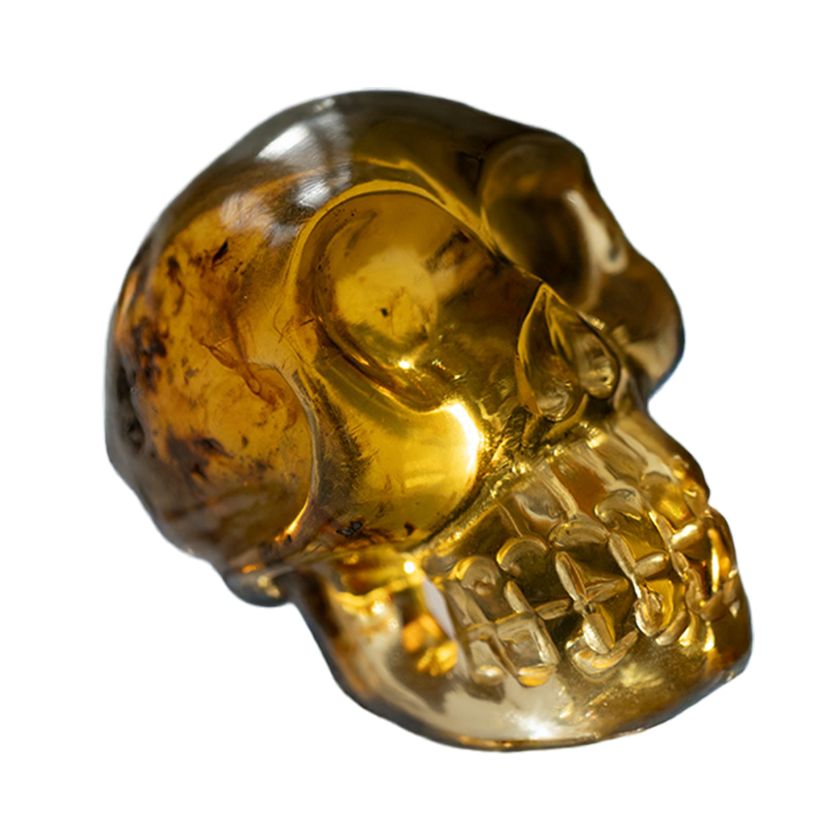
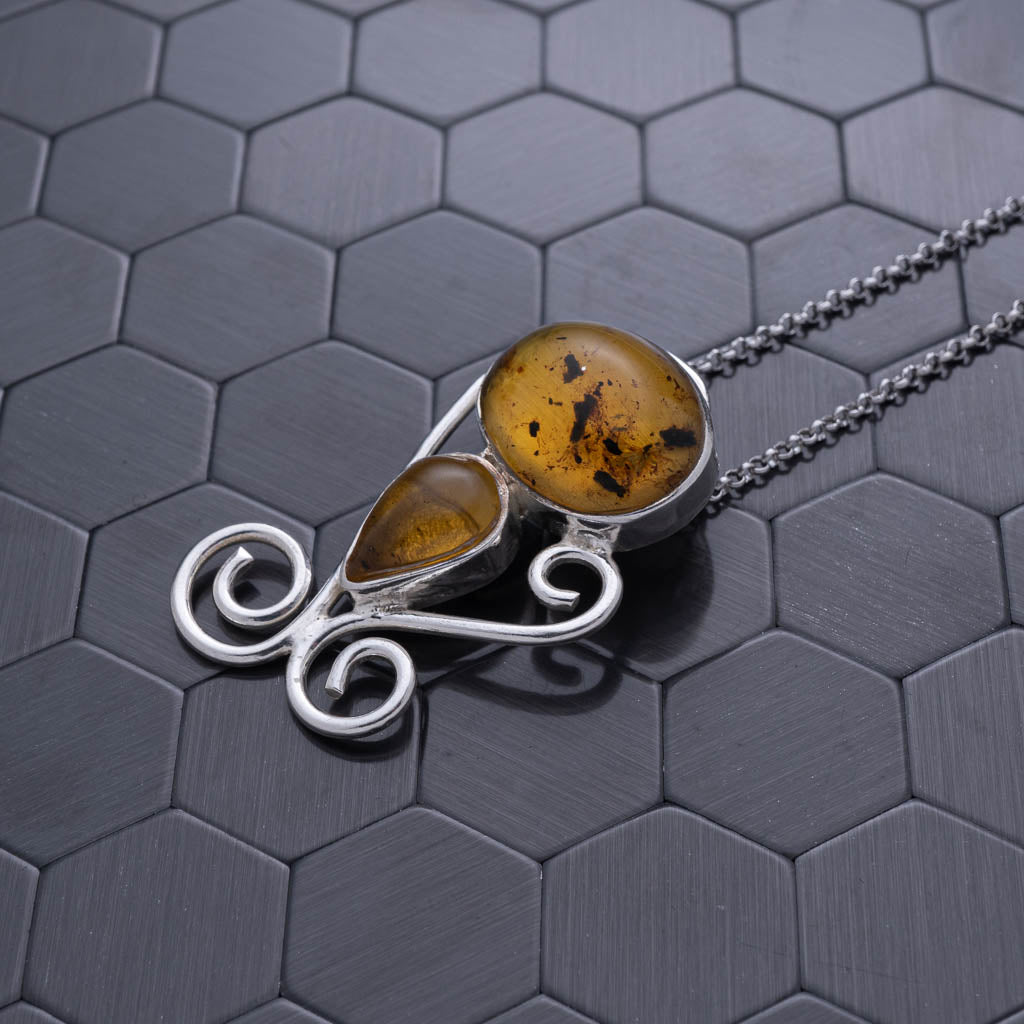
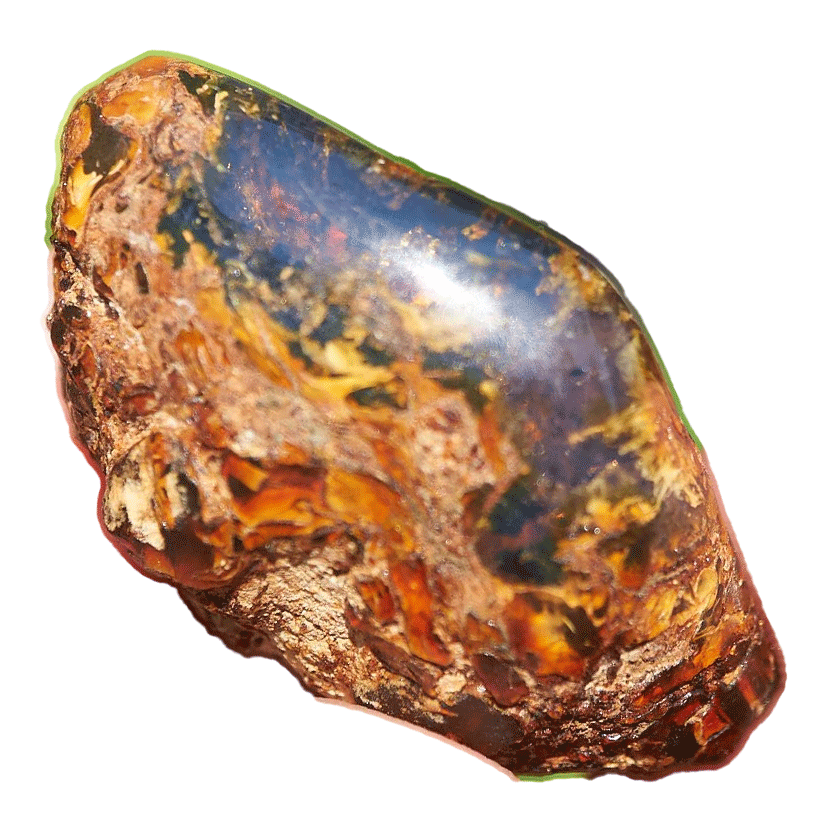
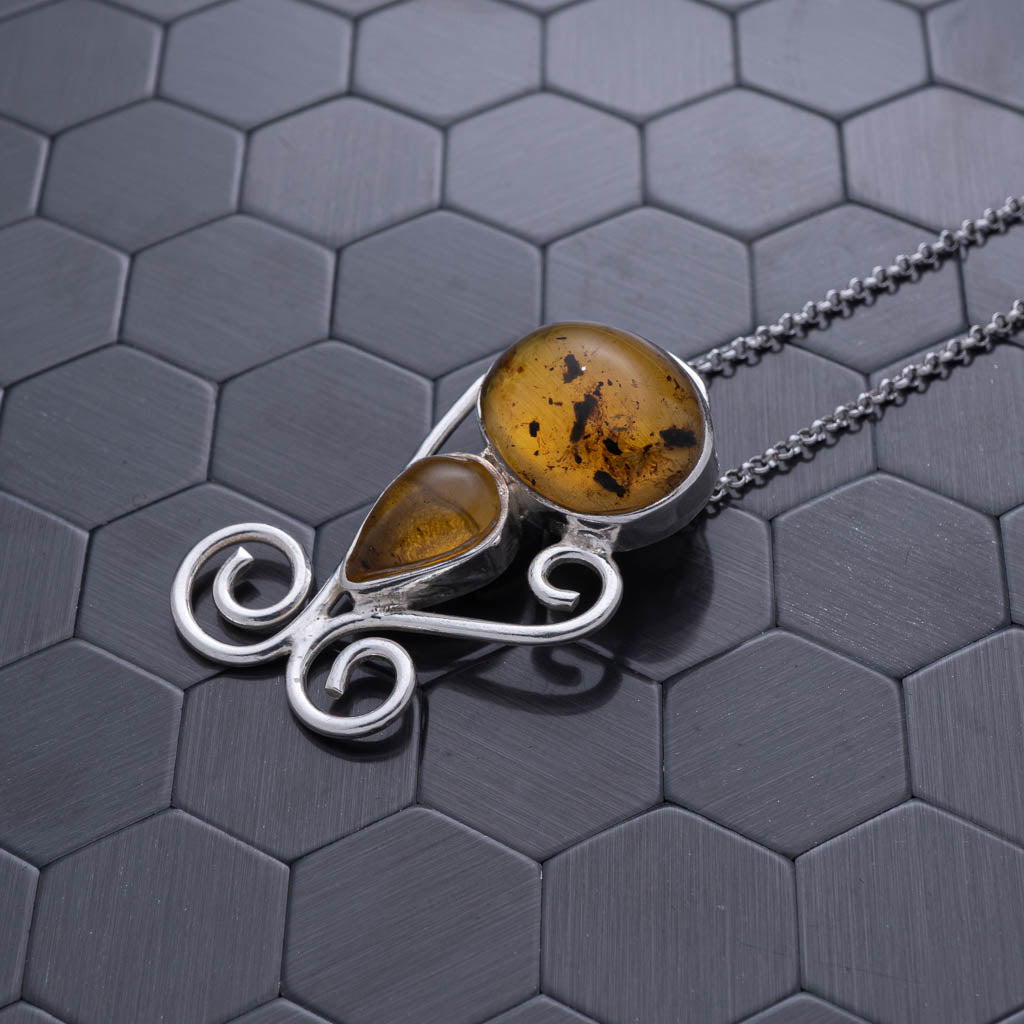
Amber is fossilized tree resin, and not every piece of amber becomes a meaningful fossil specimen. Collectors are usually looking for inclusions - preserved insects, plant matter, feathers, or organic fragments trapped before the resin hardened over time. The more distinct and well-preserved the inclusion, the more compelling the piece becomes.

Clarity matters, but not in a simplistic way. A crystal-clear amber specimen can beautifully reveal an insect in full detail, yet some inclusions remain desirable even in slightly cloudy material if the subject is rare or unusually positioned. A complete insect with visible legs, wings, or body segmentation will generally draw more collector interest than a partial inclusion, but there are exceptions. Botanical inclusions, for example, can be captivating when they show structure, movement, or unusual patterns within the resin.

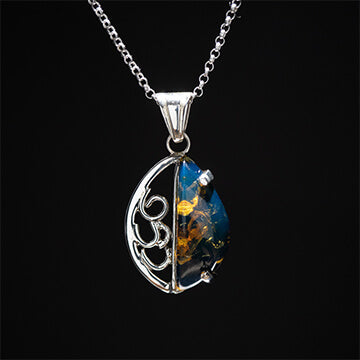
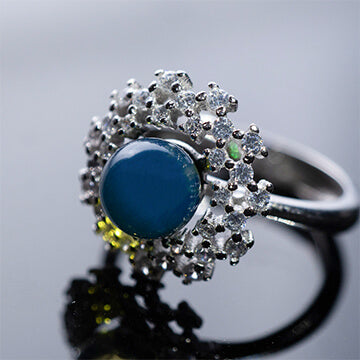
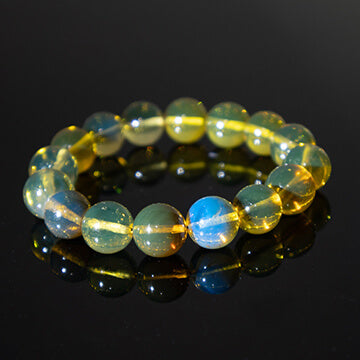
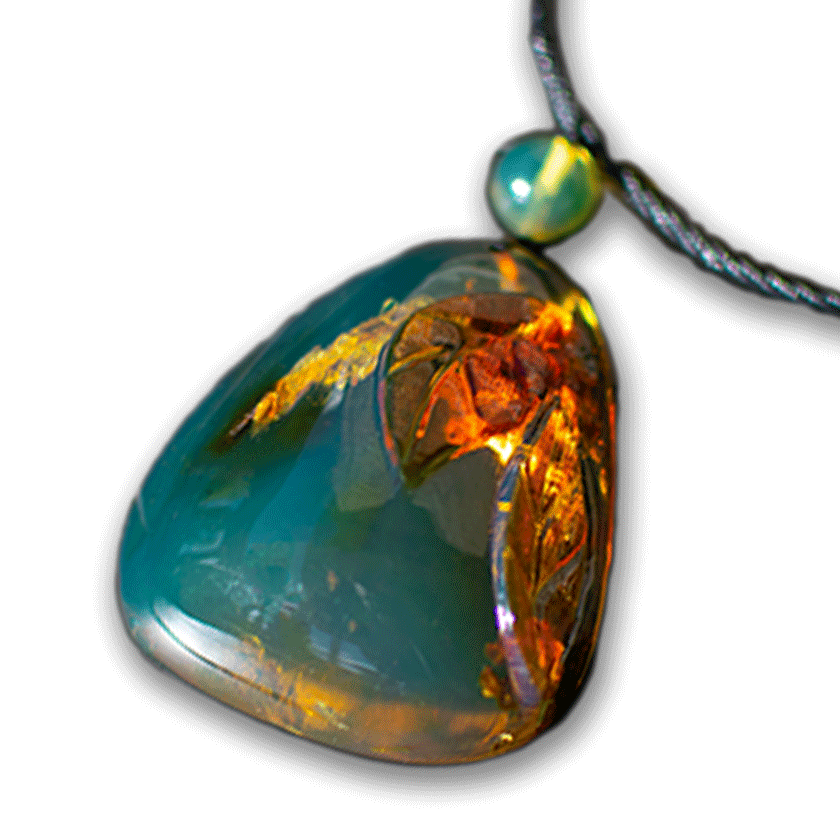
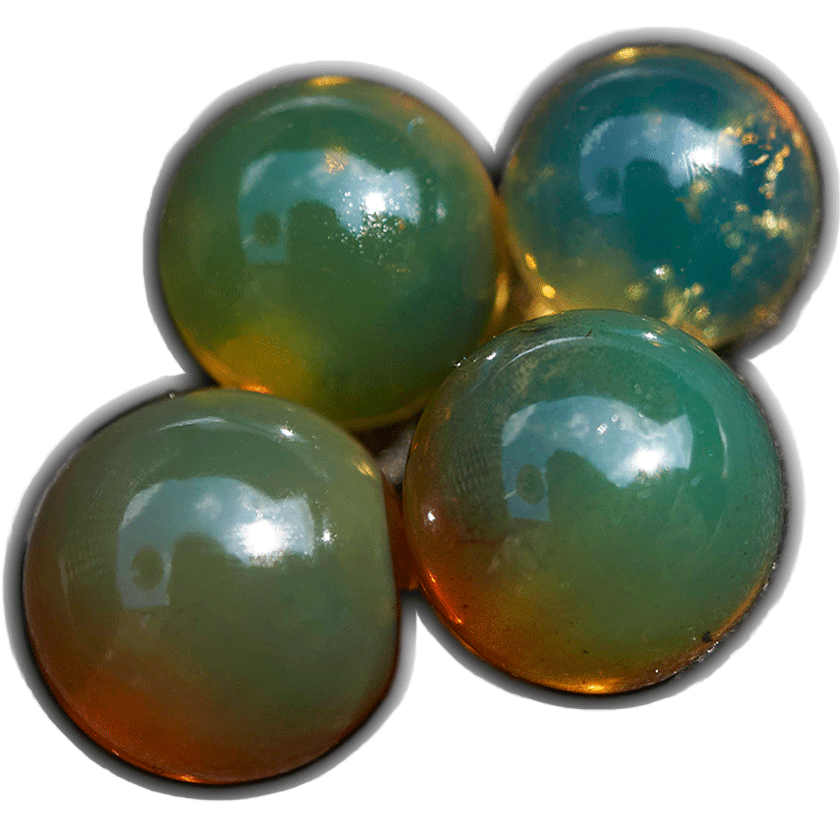
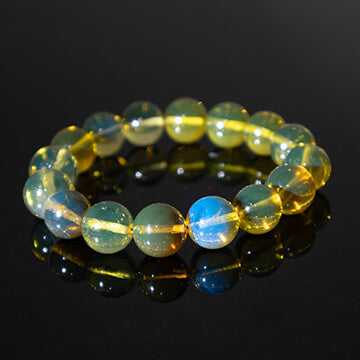
Color also influences collectibility. Honey, cognac, and golden amber remain classic, but Dominican amber holds special appeal because of its exceptional transparency and, in rare cases, its remarkable blue fluorescence or blue appearance under certain light conditions. For collectors who appreciate Caribbean rarity, origin can be as meaningful as the fossil itself.

Why origin matters in amber fossils for collectors

Collectors do not view all amber equally. Origin shapes beauty, age range, clarity, and market perception. Dominican amber is especially admired for its transparency and the refined visibility it can offer for inclusions. When a fossil is easy to read with the eye, the experience becomes more intimate. You are not guessing at what is inside. You are witnessing it.

Baltic amber has its own legacy and broad recognition, particularly in historical and ornamental contexts. But Dominican material often feels more jewel-like, which matters to collectors who want specimens that are both scientifically intriguing and visually luxurious. That crossover appeal is part of what makes high-quality Dominican amber so desirable in both gemstone and fossil circles.

This does not mean one source is always better. It depends on the collector's purpose. If your focus is display beauty, Dominican amber may offer a cleaner, brighter presentation. If you are building a collection around regional diversity or historical significance, you may value multiple sources. The key is to buy with intention rather than treating amber as one uniform category.

Authenticity is the first standard

A genuine specimen should never rely on mystery to justify its price. In the amber market, imitations and altered pieces are common enough that authenticity should be your first filter, not your last question. Pressed amber, copal, synthetic resin, and assembled pieces can all appear convincing to an untrained eye.

Copal deserves special mention because it is real resin, but it is much younger and softer than true amber. It may contain inclusions, yet it does not hold the same geological age or collector value. For a new buyer, the visual difference can be subtle. For that reason, provenance and seller credibility matter just as much as appearance.

A trustworthy source should be comfortable discussing origin, treatments, and whether the piece has been polished, stabilized, or modified. Certification can add confidence, especially for higher-value specimens. So can a clear presentation of what the inclusion is and why it is notable. Premium collectors are not only buying beauty. They are buying confidence in what that beauty truly is.

How to judge quality beyond first impressions

The first glance matters, but collector-grade evaluation goes deeper. Start with the inclusion itself. Is it complete, partial, or fragmented? Can you identify it easily? Does it show interesting anatomical or organic detail? A midge floating in a dull, cracked matrix may be less compelling than a smaller but sharply visible inclusion in bright, transparent amber.

Then consider the amber around it. Surface polish affects presentation, but over-polishing can sometimes flatten a specimen's natural character. Internal fractures are not always disqualifying, especially in natural material, yet they can interfere with visibility and long-term desirability. Shape also matters. A well-cut display piece with good viewing angles tends to feel more finished and premium.

Scale is another area where collectors can make expensive mistakes. Larger is not automatically better. A smaller specimen with extraordinary clarity and a distinct inclusion often carries more charm and value than a bulky piece with little visual focus. In amber fossils, presence comes from what the eye can actually appreciate.

Rare inclusions and realistic expectations

Most collectors are drawn first to insects, and for good reason. They offer immediate recognition and a strong sense of preserved life. Flies, gnats, ants, and small winged insects are among the more commonly encountered inclusions. That does not make them unworthy. A common species can still make an exceptional specimen if the preservation is crisp and the composition is striking.

Rarity becomes more meaningful when it combines with legibility. A rare inclusion hidden in dark or heavily fractured amber may appeal to a specialist, but many collectors prefer pieces they can enjoy without magnification. This is one of the central trade-offs in the category. Scientific rarity and visual elegance do not always arrive together.

Plant inclusions can be undervalued by beginners and deeply appreciated by experienced collectors. Fern-like structures, seeds, floral fragments, and unusual organic textures often create a more poetic kind of beauty. They may not have the instant drama of a visible insect, but they can offer a more refined, almost painterly quality that suits curated collections beautifully.

Building a collection with taste

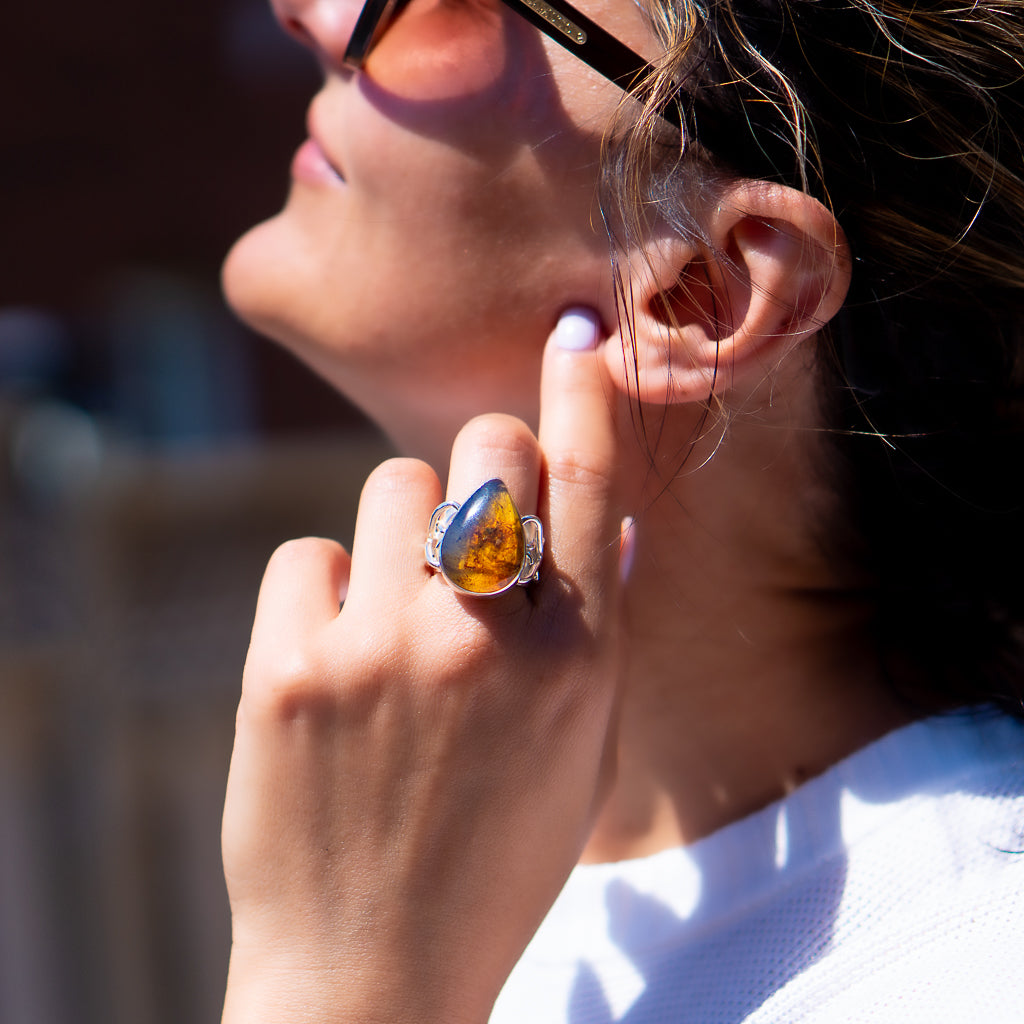
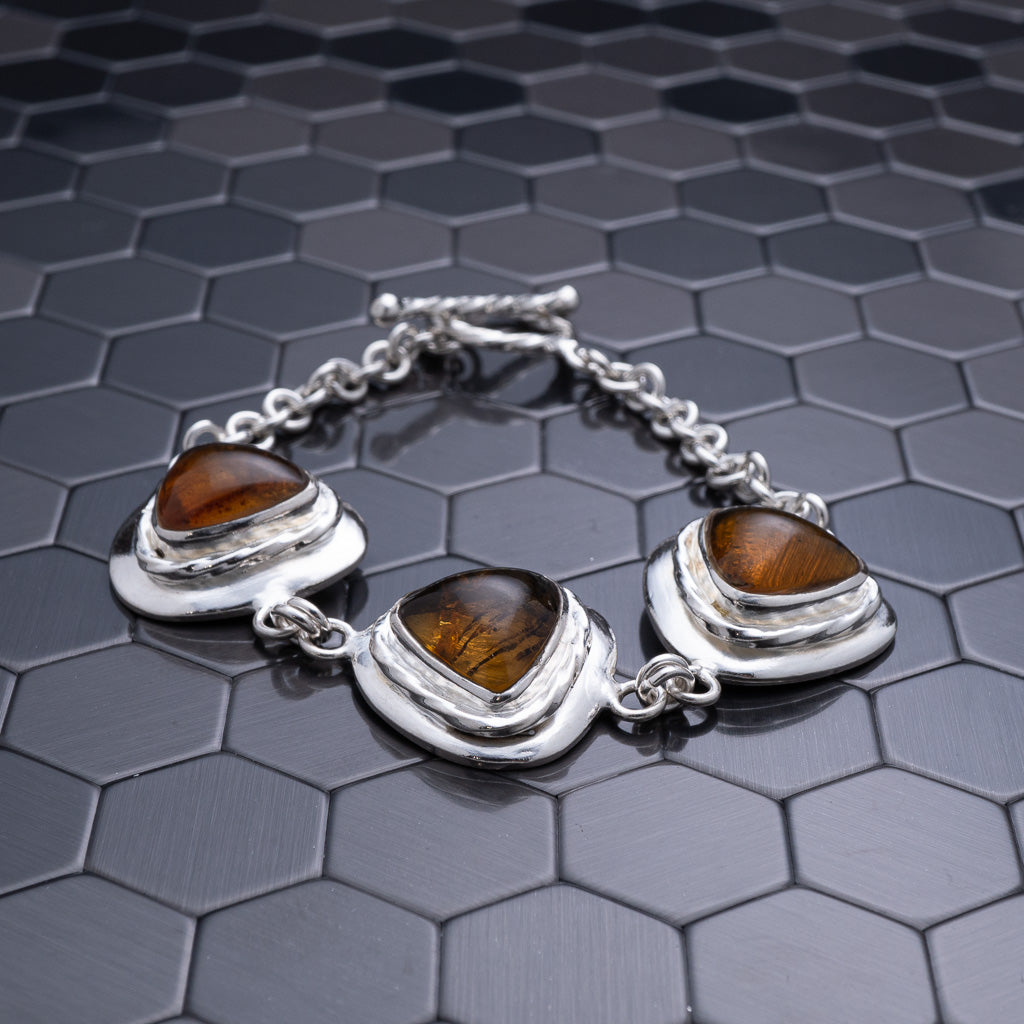
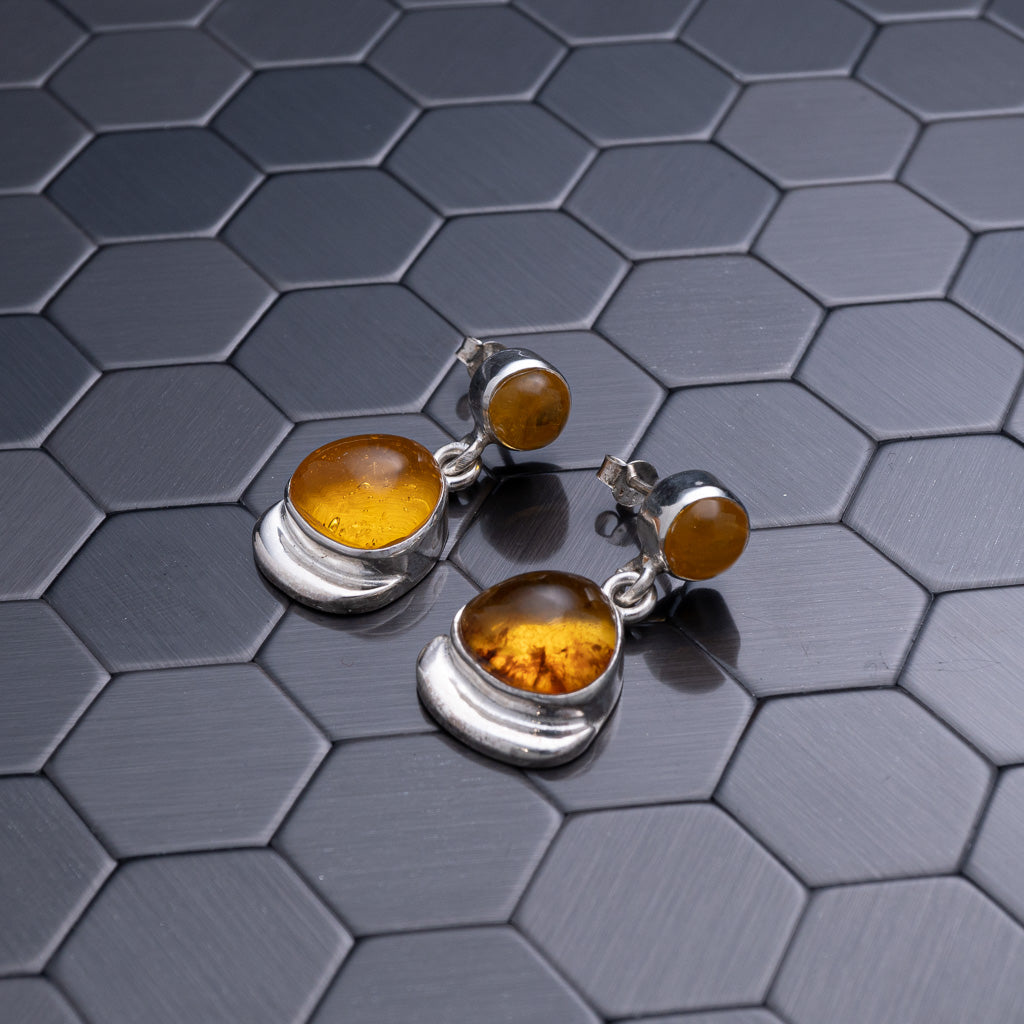
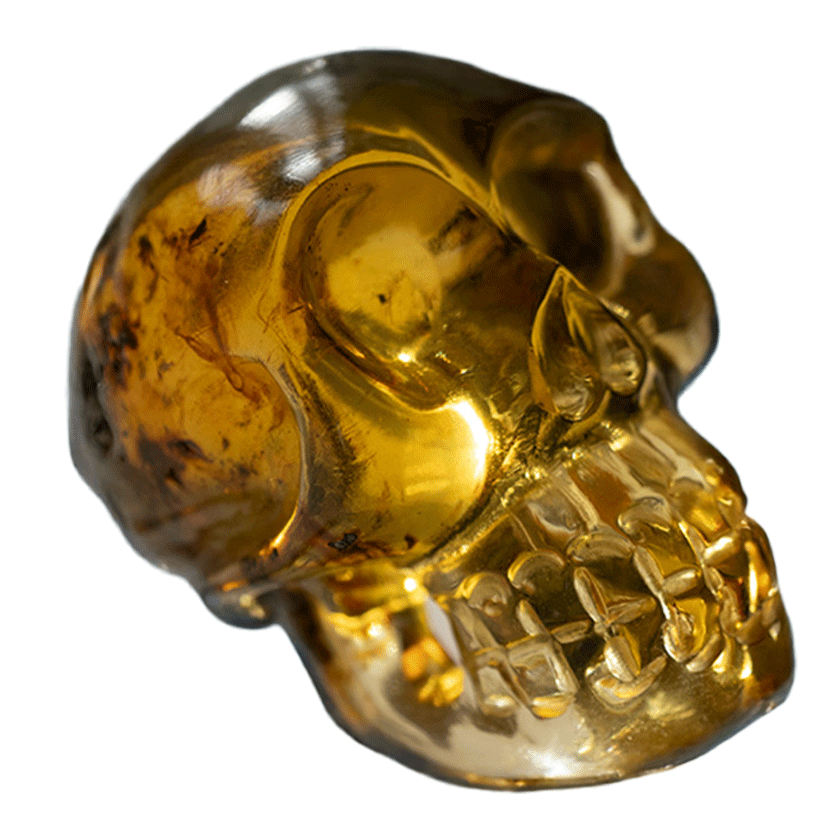
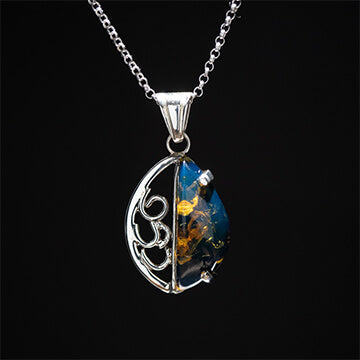
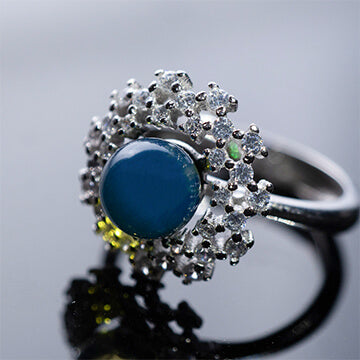
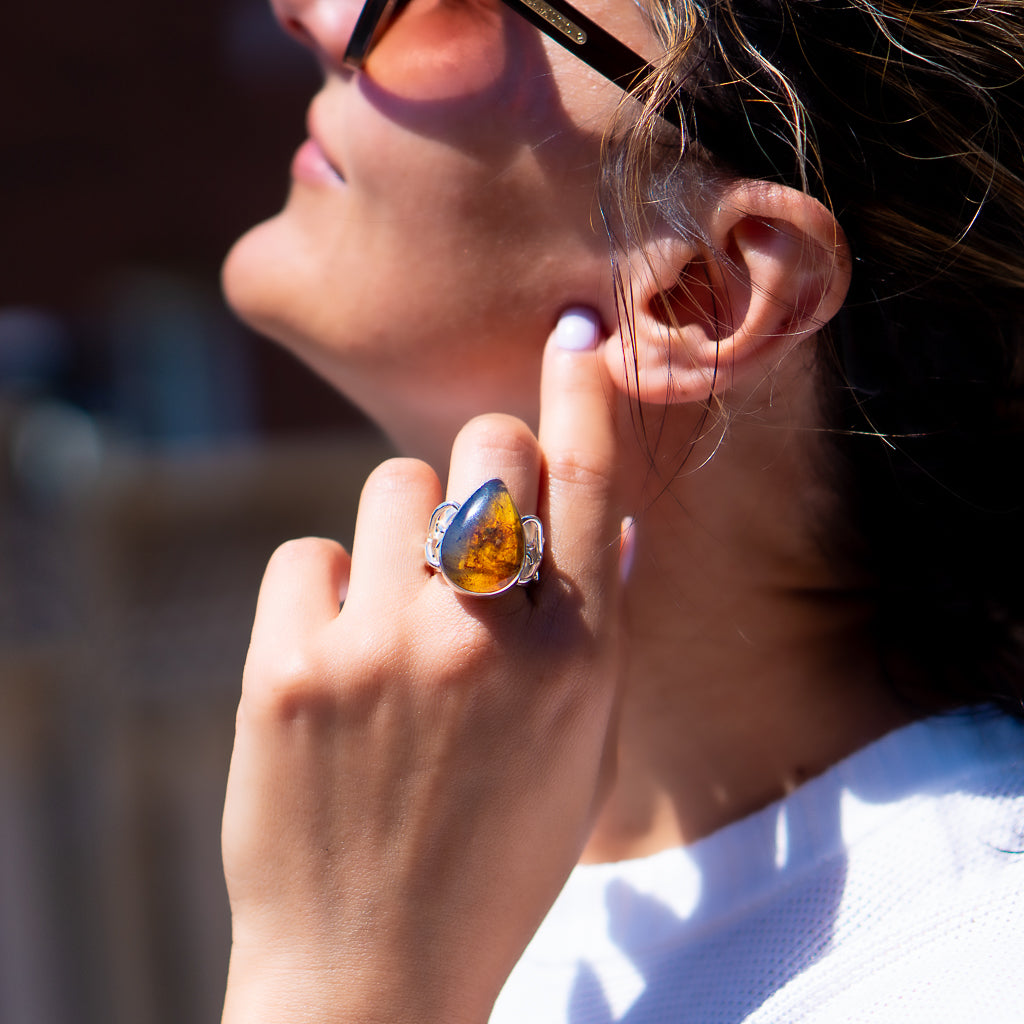
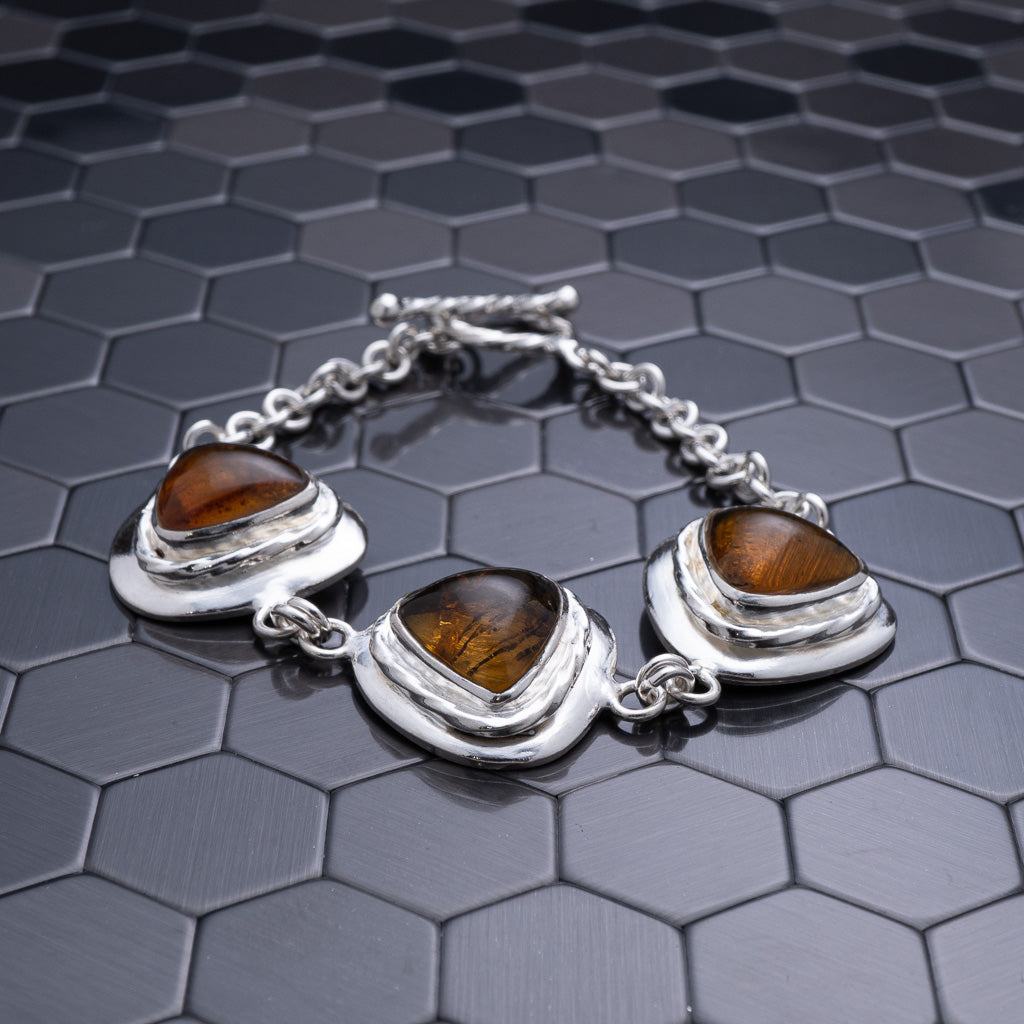
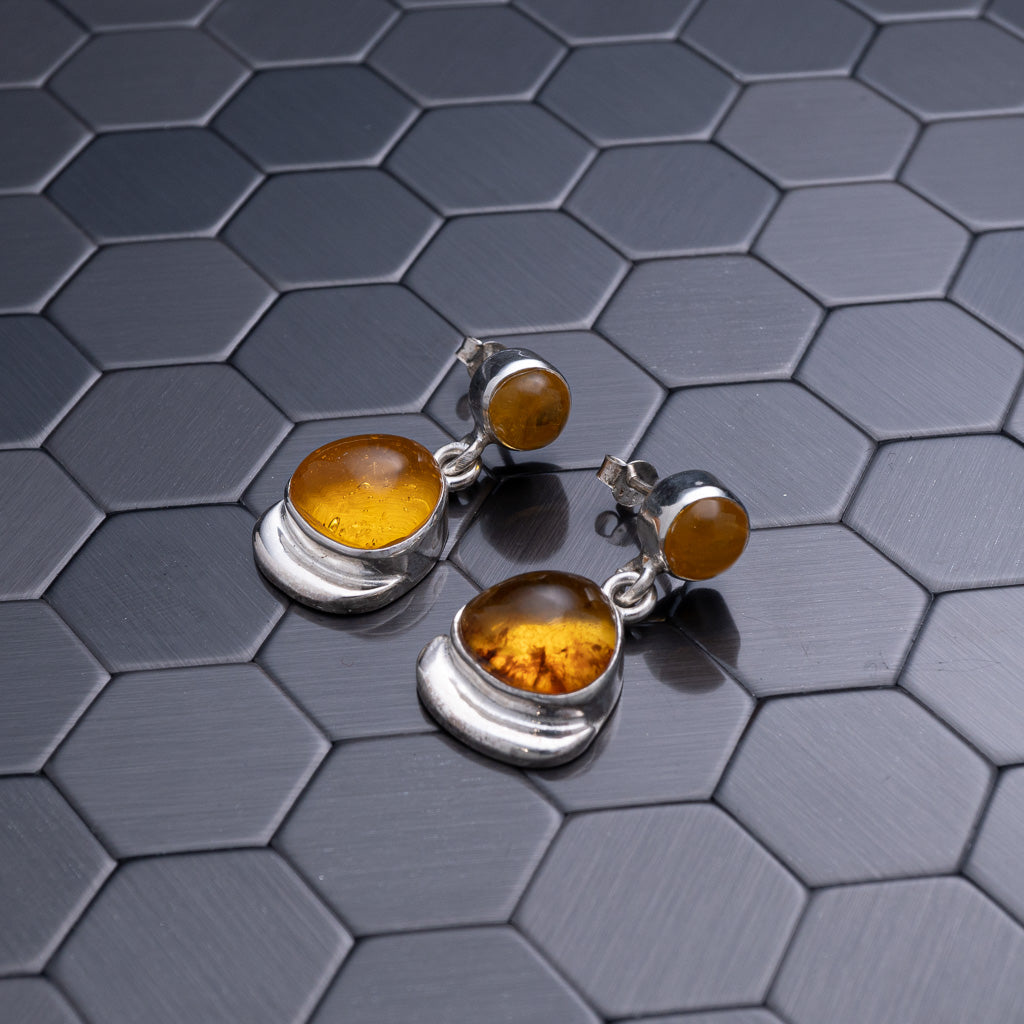
The strongest collections usually have a point of view. Some collectors focus on origin, seeking a refined group of Dominican amber specimens with exceptional clarity. Others collect by inclusion type, favoring insects, botanical material, or unusual organic scenes. Some prefer loose display fossils, while others appreciate pieces that can cross into wearable art, where the specimen retains collector value while becoming part of a pendant or heirloom object.

This is where brand trust and curation begin to matter even more. A carefully selected amber fossil feels different from a random marketplace find. It reflects standards. For buyers who value Caribbean gemstones and authentic sourcing, Larimar Creations speaks to that desire for rarity anchored in place, craftsmanship, and certified natural beauty.

If you are just beginning, it is often wiser to buy fewer, better pieces. Look for specimens you would still admire years from now, even if trends shifted. Collecting amber rewards patience. A meaningful collection grows through selectivity, not urgency.

Caring for amber fossils for collectors

Amber is beautiful, but it is softer and more sensitive than many people expect. Heat, prolonged direct sunlight, harsh chemicals, and rough handling can affect its surface over time. Collector pieces should be stored with care, ideally away from harder stones or metals that could scratch them.

Clean amber gently with a soft cloth. Avoid commercial jewelry cleaners unless a trusted expert specifically confirms they are safe for that specimen. If a fossil piece includes a polished display face, fingerprints and residue can dull the viewing experience, so light maintenance goes a long way.

Storage also affects enjoyment. A well-lit display can enhance transparency, but strong constant sun is not ideal. Soft ambient light usually presents inclusions beautifully while preserving the material. Good collecting is not only about acquisition. It is also about stewardship.

Amber rewards the collector who looks closely. Not just at color or size, but at origin, preservation, and truth. The best piece is rarely the loudest one. It is the one that still feels extraordinary each time you hold it to the light.


Let's Stay In Touch