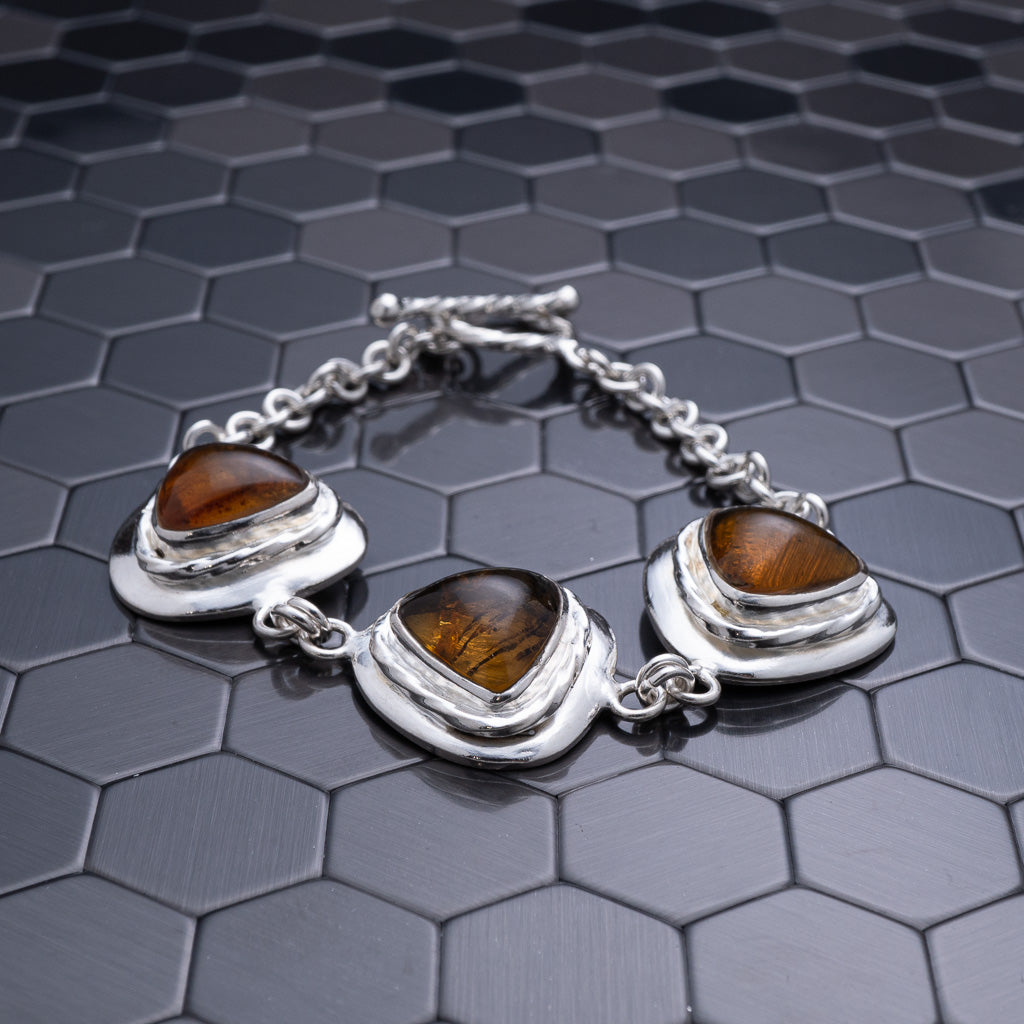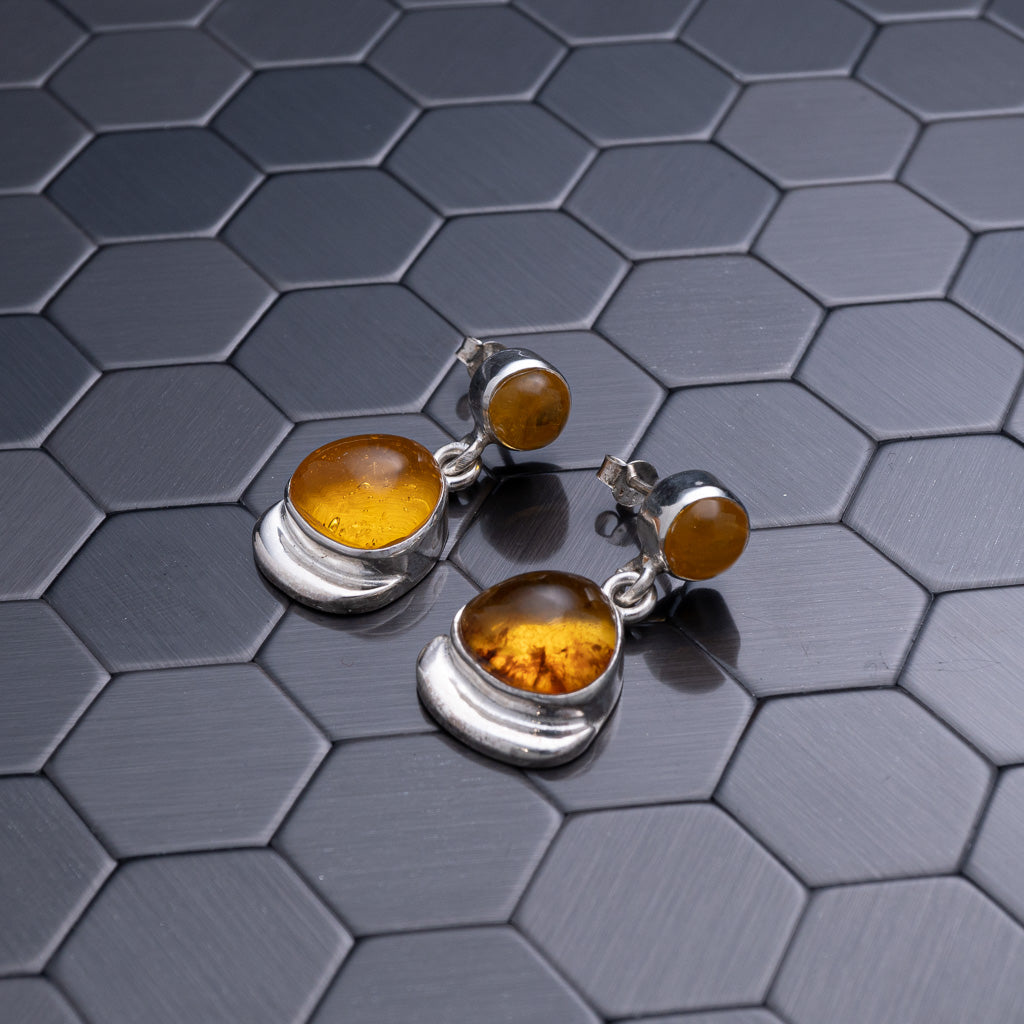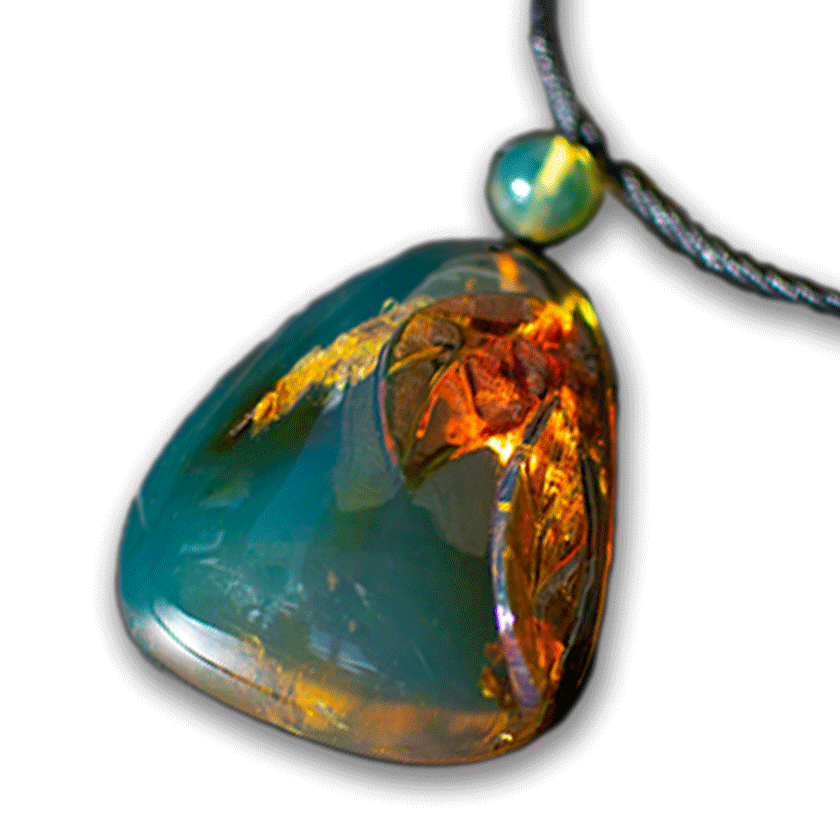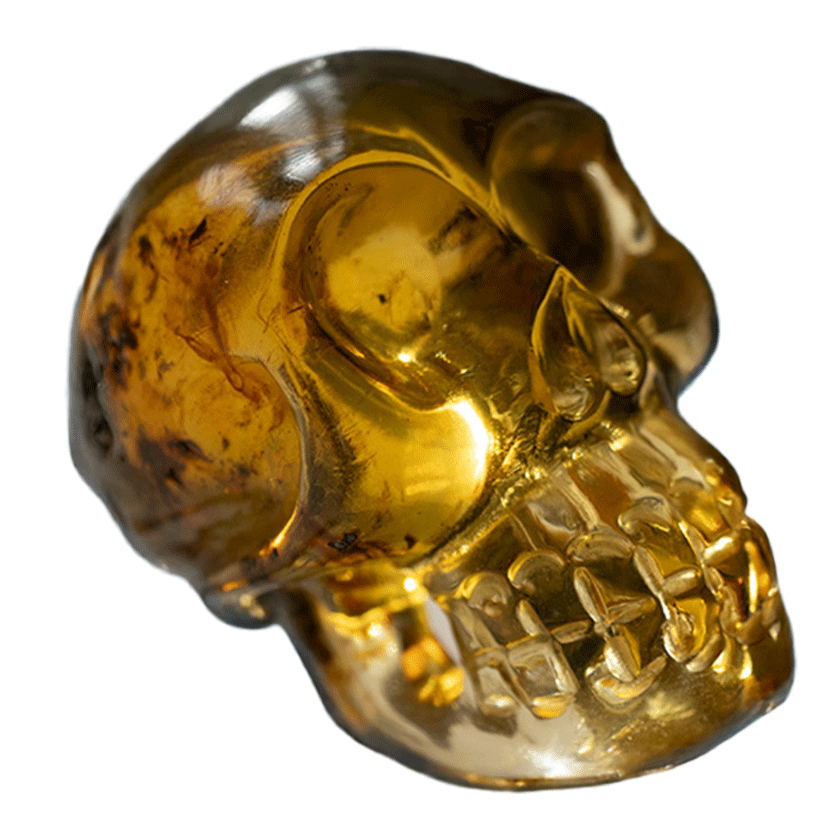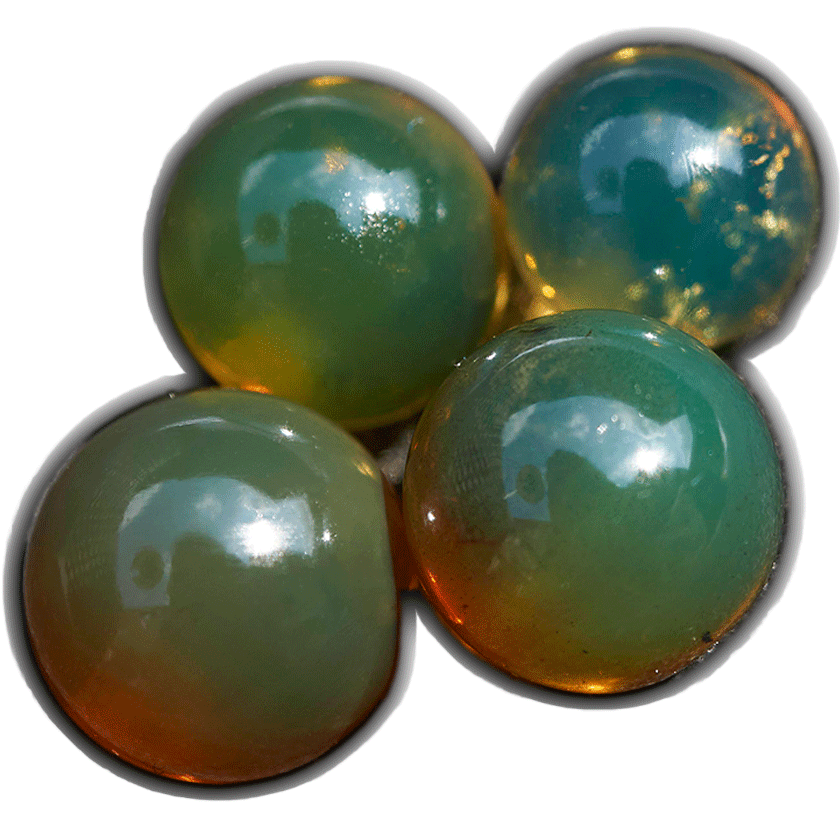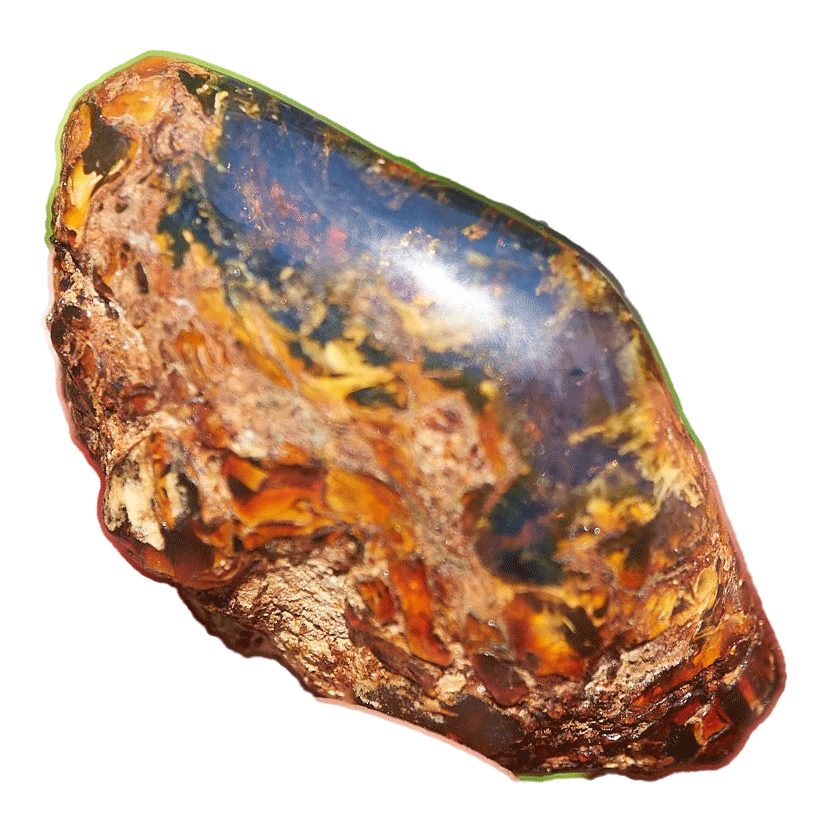


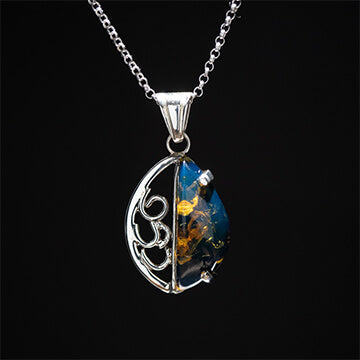
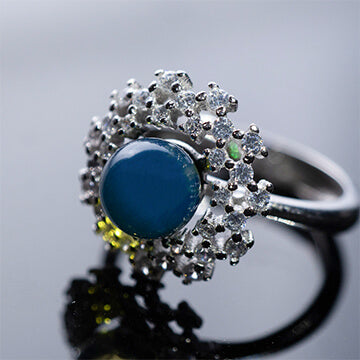
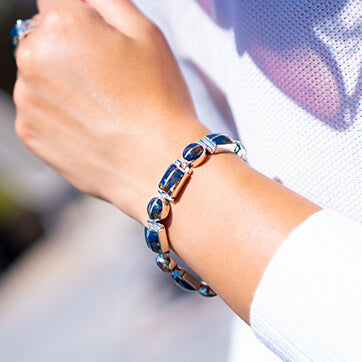
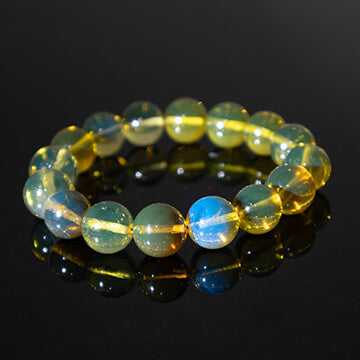
Handcrafted in DR.

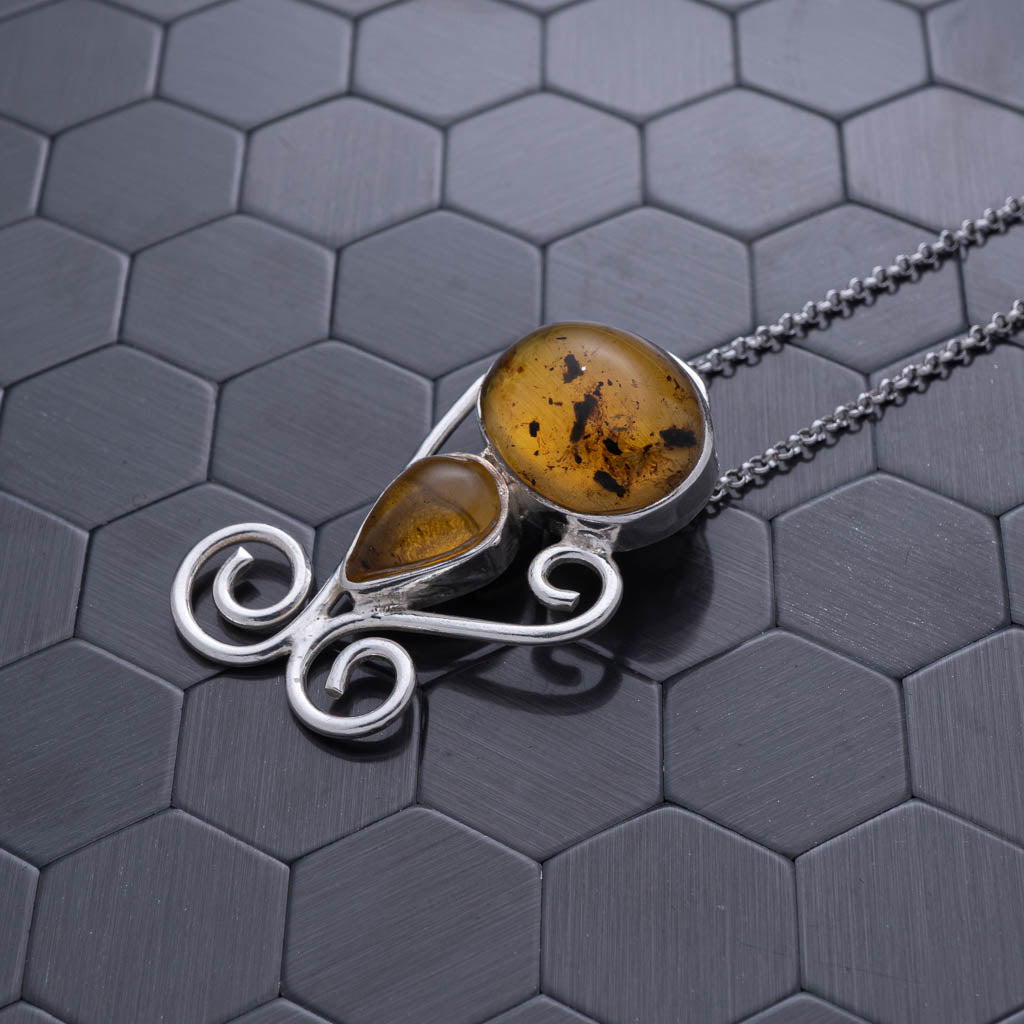
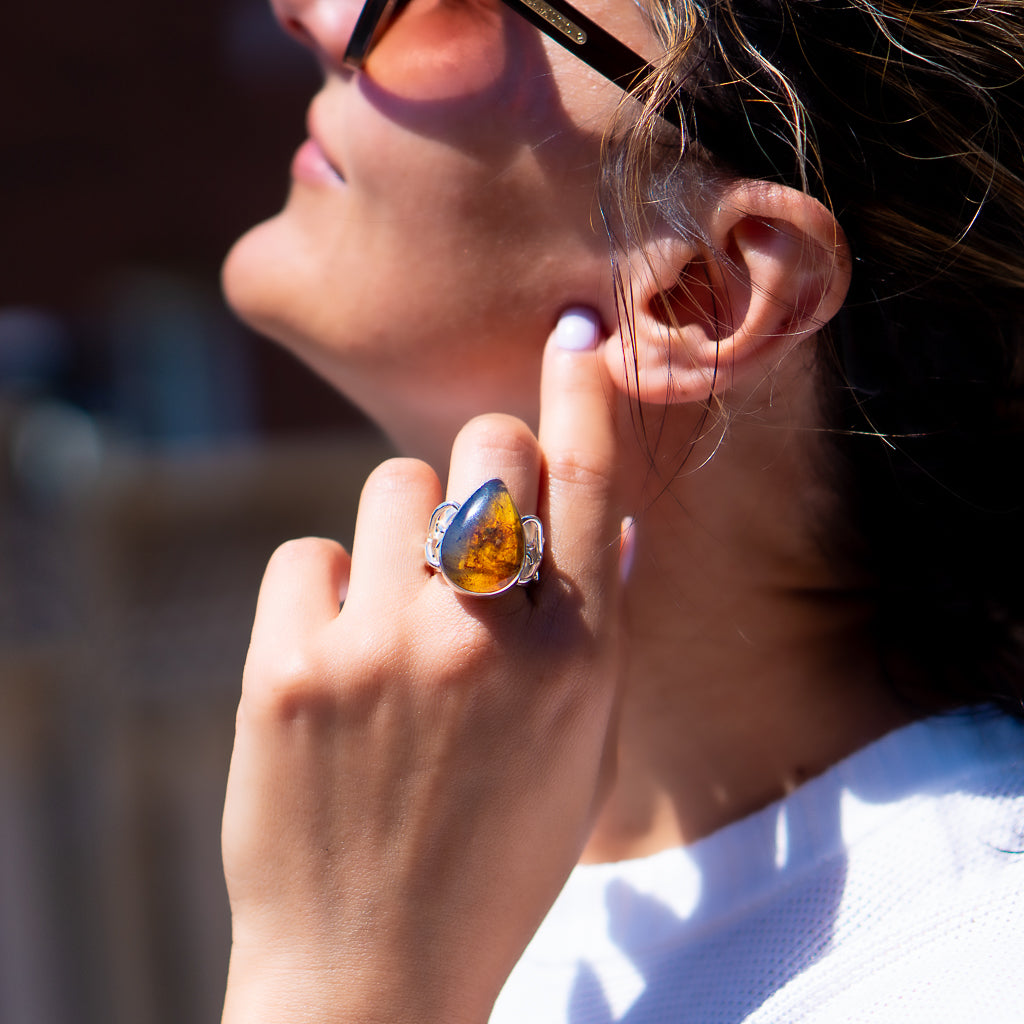
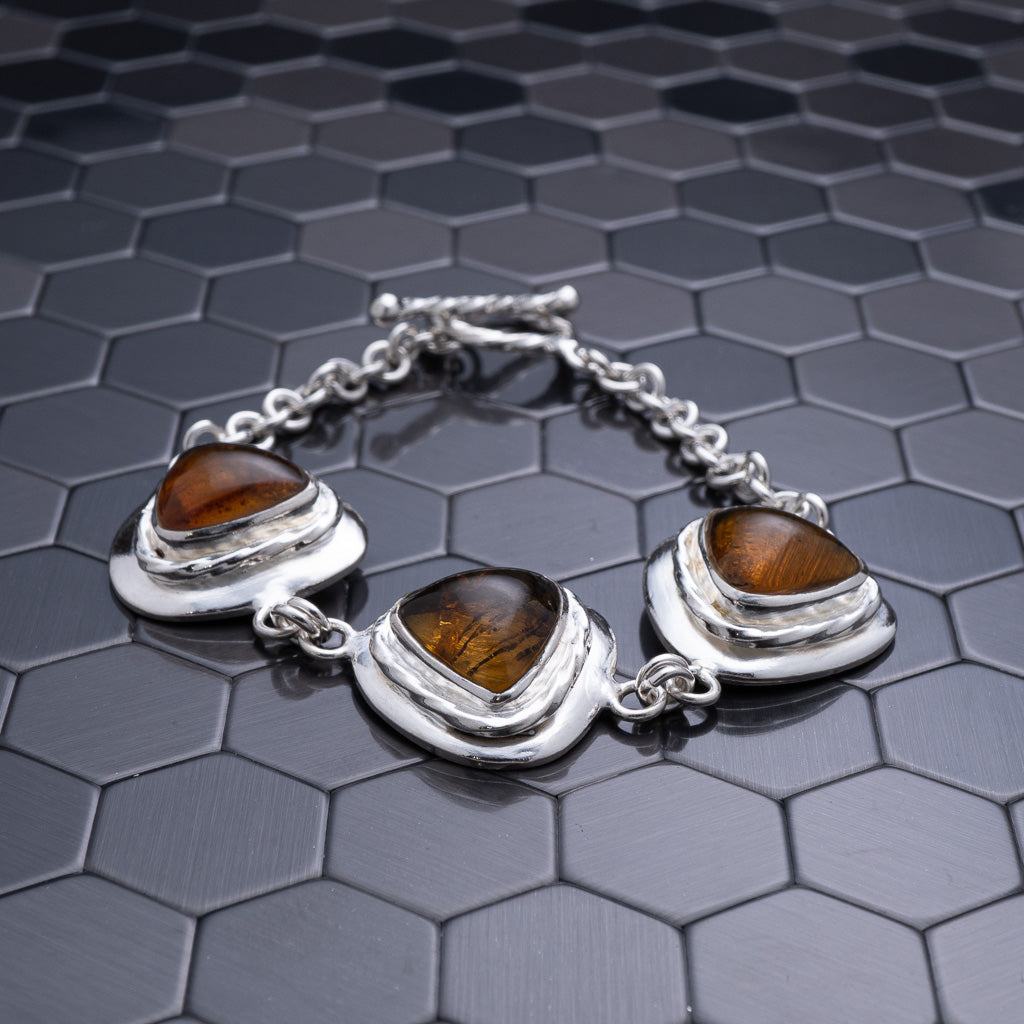
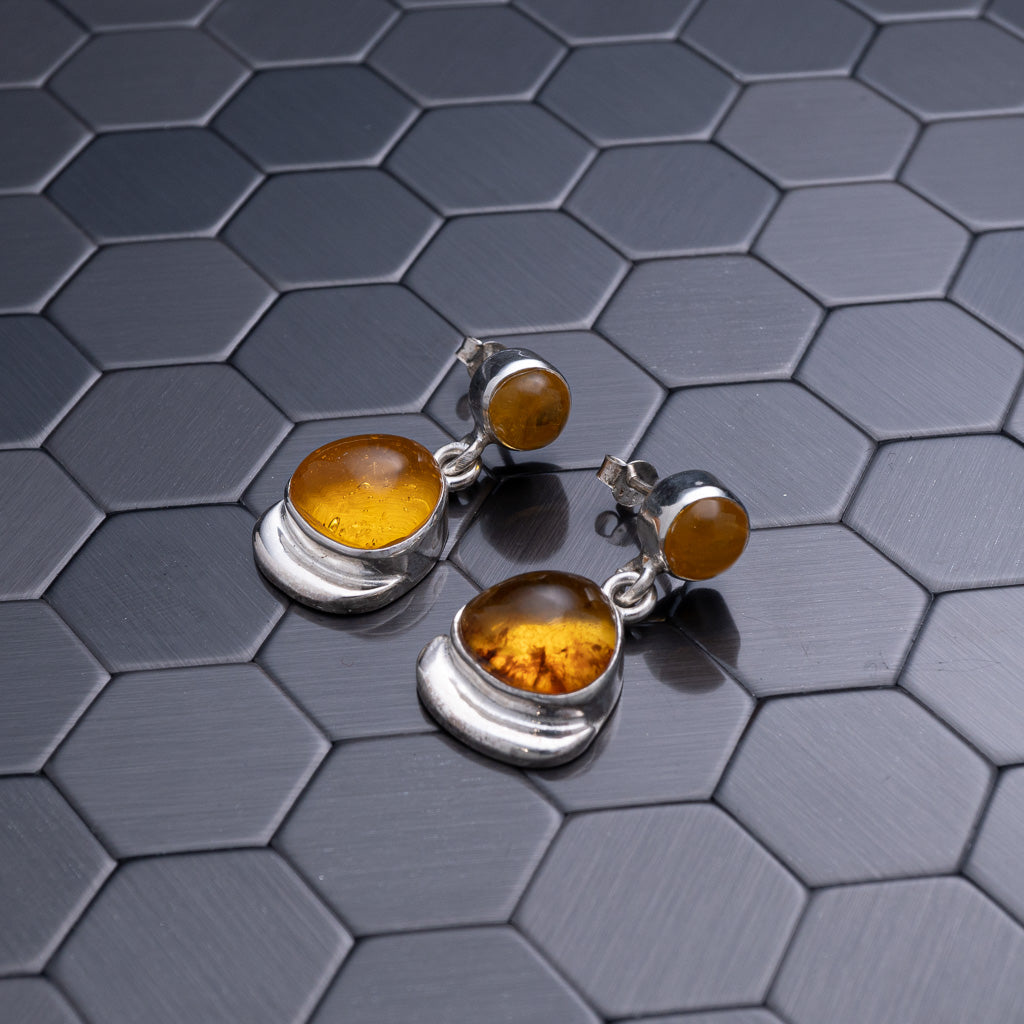


100% Handcrafted in DR.

Necklace pendants represent one of the most versatile and personal forms of jewelry adornment, serving as both decorative elements and meaningful expressions of identity throughout human history. From ancient civilizations to contemporary fashion, these suspended ornaments have captivated wearers with their ability to showcase precious materials, commemorate special moments, and complete any outfit with a distinctive focal point. Whether you're seeking a statement piece or a subtle everyday accessory, understanding the nuances of pendant selection, styling, and care ensures you make informed decisions that align with your personal aesthetic and lifestyle needs.
The history of pendants stretches back thousands of years, revealing their enduring appeal across diverse cultures and civilizations. Ancient Egyptians adorned themselves with elaborate pendants featuring scarabs and religious symbols, believing these ornaments provided protection and divine favor. Similarly, Roman nobility displayed their wealth and status through intricately designed pendants crafted from gold and precious gemstones.
During the Medieval period, religious iconography dominated pendant designs, with crosses and reliquaries becoming essential accessories for the faithful. The Renaissance era brought increased artistic sophistication, as master craftsmen created pendants that doubled as miniature works of art, often incorporating portraits, enamelwork, and complex metalworking techniques.
Different societies have assigned unique meanings to necklace pendants throughout history. In Asian cultures, jade pendants symbolized virtue and immortality, while Native American tribes crafted pendants from natural materials like turquoise and bone to represent spiritual connections to the earth. African communities developed distinctive pendant traditions, using materials ranging from carved wood to precious metals to denote tribal affiliation and social standing.
The Victorian era introduced the concept of sentimental jewelry, where pendants served as lockets containing photographs or locks of hair from loved ones. This tradition transformed necklace pendants from purely decorative items into deeply personal keepsakes that carried emotional significance beyond their material value.
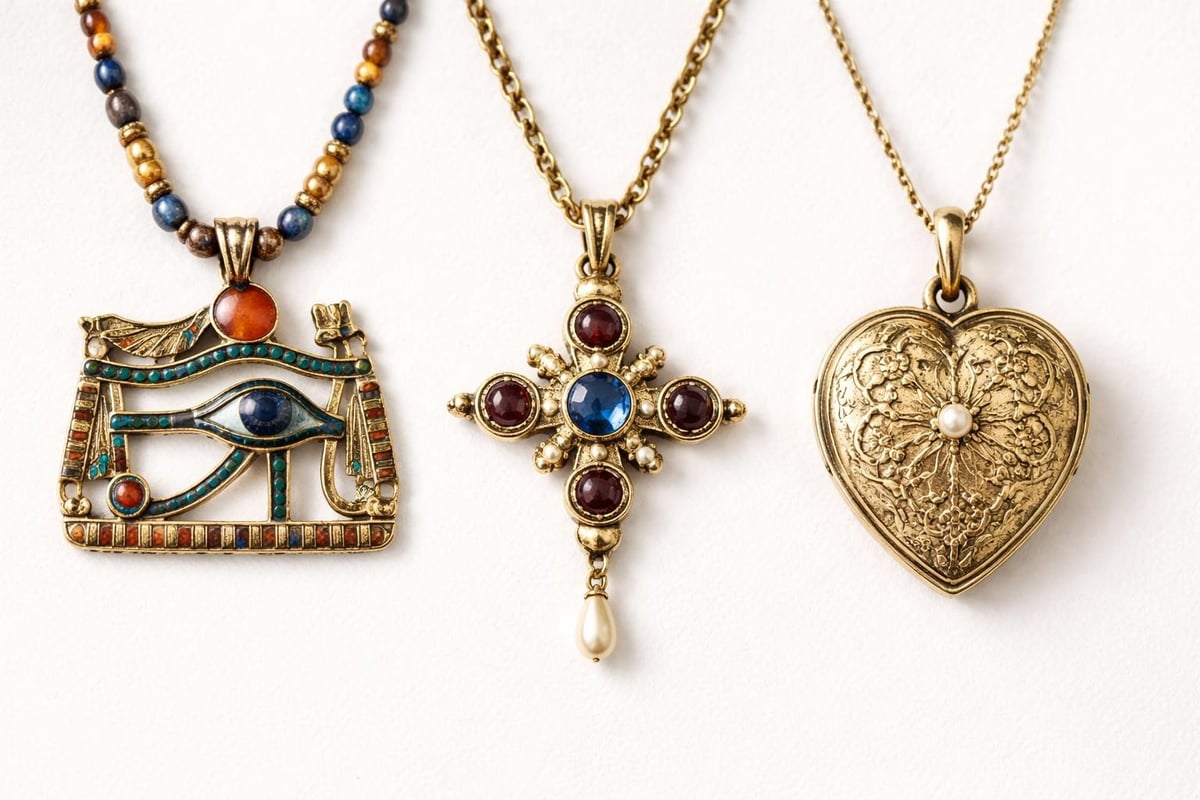
Contemporary jewelry markets offer an extraordinary variety of pendant styles, each catering to different aesthetic preferences and occasions. Understanding these categories helps buyers navigate their options and select pieces that truly resonate with their personal style.
Gemstone pendants showcase the natural beauty of precious and semi-precious stones, allowing the material itself to become the centerpiece. These pendants range from simple solitaire settings that highlight a single stone's clarity and color to elaborate designs incorporating multiple gems in intricate patterns.
Popular gemstone pendant variations include:
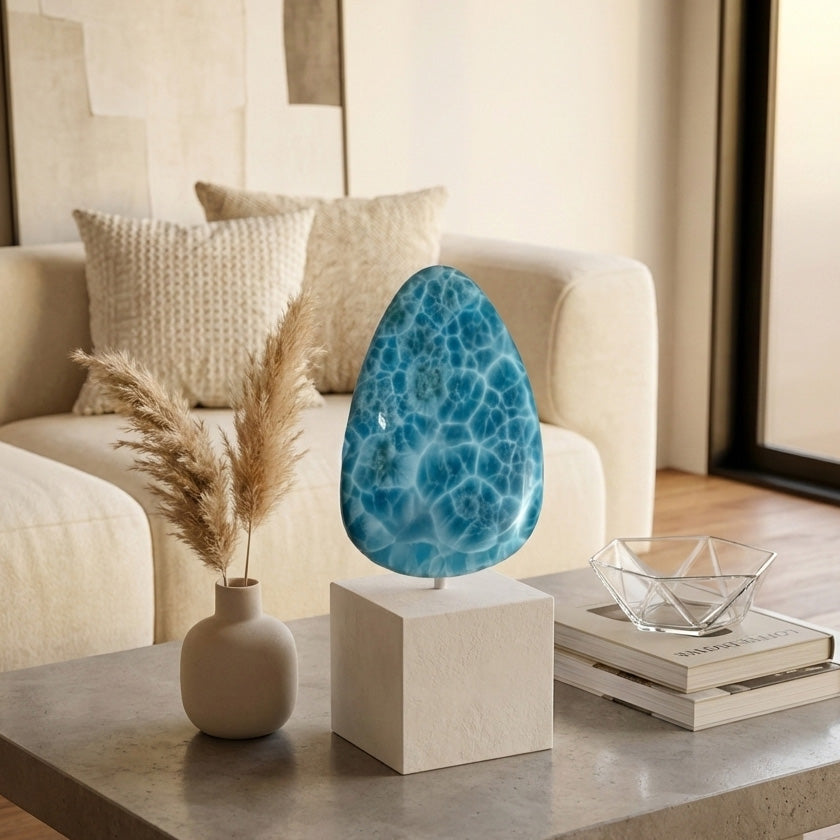
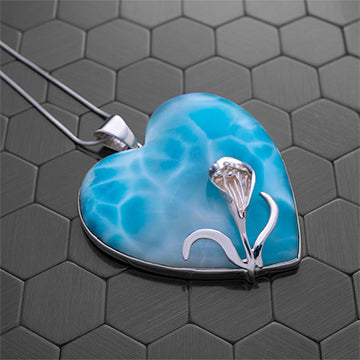
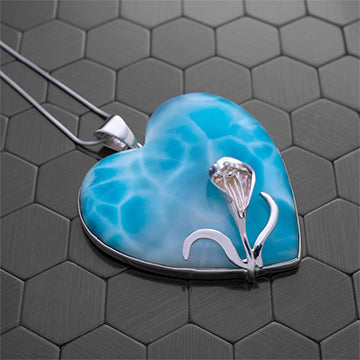
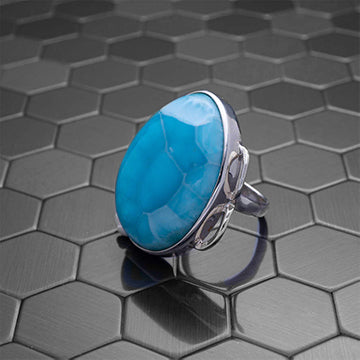
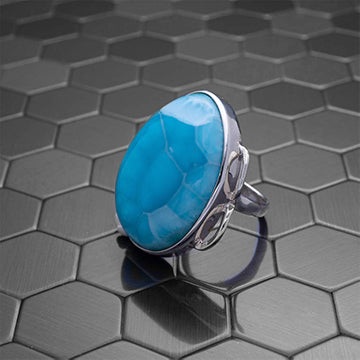
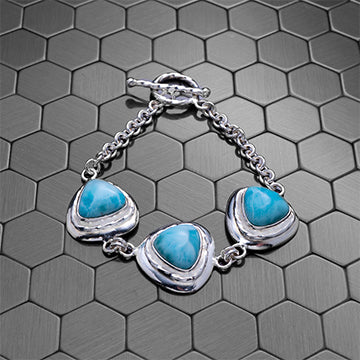
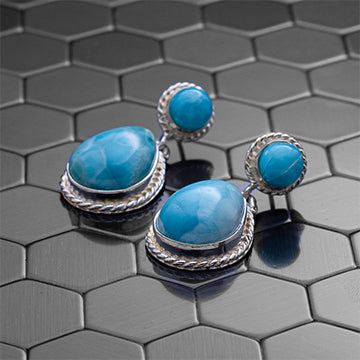
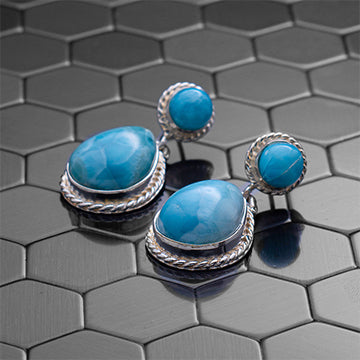
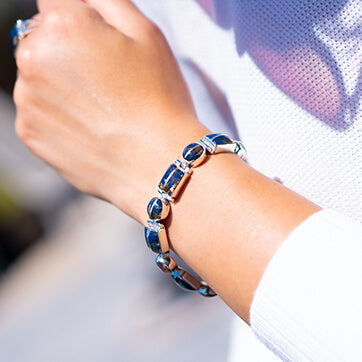
For those seeking unique gemstone options, handcrafted Dominican pieces offer exceptional alternatives to traditional stones. The rare Larimar gemstone, found exclusively in the Dominican Republic, creates stunning pendants that capture the essence of Caribbean waters with their distinctive blue coloration.
Metal pendants rely on the artistry of the craftsperson to create visual interest through form, texture, and symbolism. These pieces range from minimalist geometric shapes to elaborate sculptural creations that demonstrate advanced metalworking techniques.
| Metal Type | Characteristics | Best For |
|---|---|---|
| Gold (14k-24k) | Timeless, warm tone, hypoallergenic | Investment pieces, formal occasions |
| Sterling Silver | Affordable, versatile, requires polishing | Everyday wear, contemporary styles |
| Platinum | Durable, prestigious, naturally white | Luxury pieces, long-term wear |
| Rose Gold | Romantic tone, increasingly popular | Modern designs, feminine aesthetics |
Many wearers choose necklace pendants based on their symbolic meaning rather than purely aesthetic considerations. Religious symbols like crosses, Stars of David, and hamsa hands provide spiritual connection and protection. Cultural symbols such as Celtic knots, yin-yang designs, and tree of life motifs communicate personal beliefs and heritage.
Astrological pendants featuring zodiac signs or birthstones have experienced renewed popularity, particularly among younger consumers seeking personalized jewelry that reflects their identity. These pieces often combine symbolic elements with gemstone accents for added visual appeal.
Choosing the right necklace pendant requires consideration of multiple factors beyond simple aesthetic preference. The relationship between pendant size, chain length, neckline, and body type significantly impacts how a piece looks when worn.
Pendant size should complement both the wearer's frame and the intended occasion. Petite individuals typically look best in smaller, delicate pendants that don't overwhelm their proportions, while those with larger frames can confidently wear substantial statement pieces. The general rule suggests that pendant width should not exceed the space between your collarbones for balanced proportions.
Chain length guidelines for different pendant sizes:
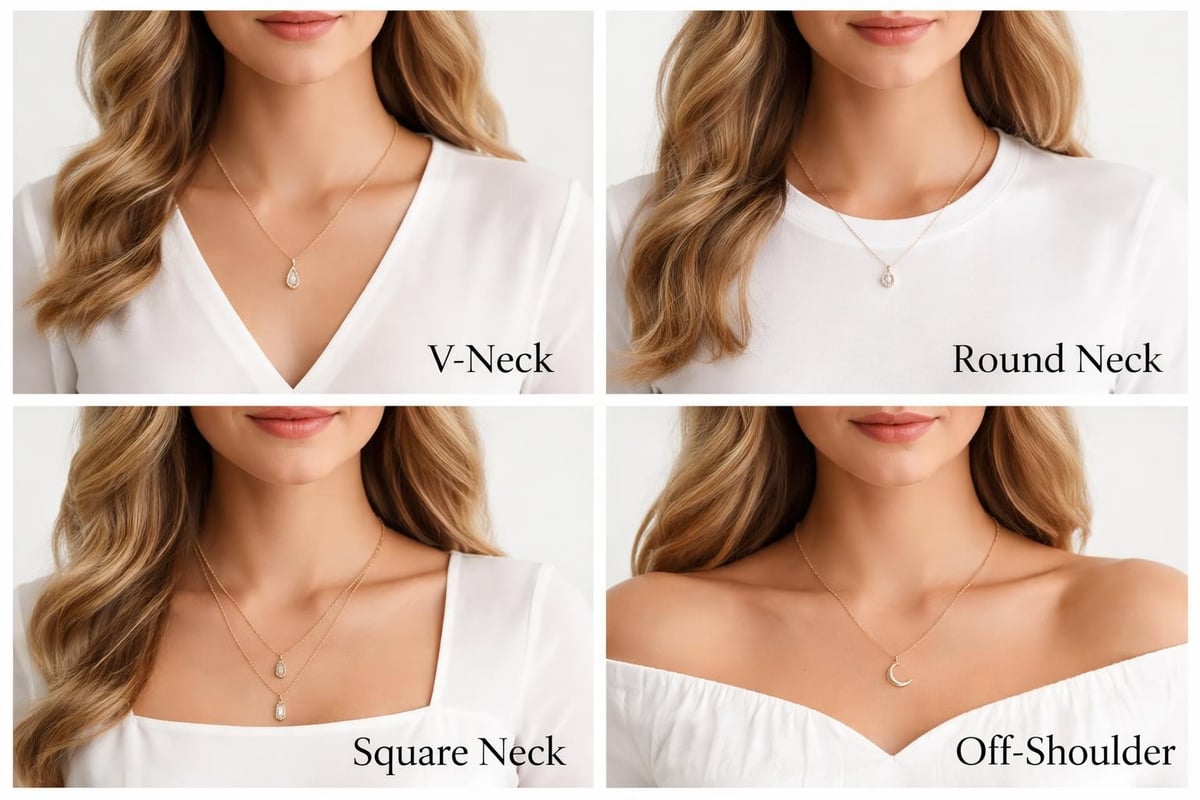
Different necklines demand specific pendant approaches for optimal visual harmony. V-neck tops and dresses pair beautifully with pointed or elongated pendants that echo the neckline's shape. Round necklines work well with circular or geometric pendants that provide contrast. Off-shoulder styles benefit from shorter chains with delicate pendants that sit at the collarbone.
For those building a versatile jewelry collection, investing in adjustable-length chains allows one pendant to adapt to multiple outfits and occasions, maximizing wearability and value.
Understanding material quality ensures your pendant purchase represents genuine value and lasting beauty. The jewelry industry includes various quality levels, from mass-produced pieces to artisan-crafted treasures, each with distinct characteristics and price points.
Authentic gemstones possess specific properties that distinguish them from synthetic alternatives or imitations. Natural stones typically display minor inclusions or color variations that synthetic versions lack. Professional gemological certification provides documentation of a stone's authenticity, origin, and quality characteristics.
When purchasing gemstone necklace pendants, request information about treatments the stone may have undergone. Common treatments include heat treatment for color enhancement and clarity improvement through fracture filling. While these treatments are standard industry practices, disclosure ensures informed purchasing decisions.
The distinctive Larimar Pendants offered by specialized artisans showcase authenticated gemstones with characteristic volcanic blue patterns unique to Dominican deposits, making them ideal for those seeking genuinely rare materials.
Metal quality directly impacts pendant durability, appearance, and value retention. Gold purity measures in karats, with 24k representing pure gold and lower numbers indicating alloy mixtures. Sterling silver maintains a standard 92.5% silver content, with remaining materials added for strength.
Quality pendants feature proper hallmarks or stamps indicating metal content. These tiny markings, though sometimes requiring magnification to read, provide crucial authenticity verification. Reputable jewelers always provide documentation regarding metal purity and origin.
Proper maintenance extends pendant lifespan while preserving their beauty and structural integrity. Different materials require specific care approaches, making knowledge of your pendant's composition essential for appropriate treatment.
Essential pendant care habits include:
Chemical exposure represents one of the most common causes of pendant damage. Chlorine, household cleaners, and even some skincare products can discolor metals, loosen gemstone settings, or damage delicate materials. Establishing a routine of removing jewelry before exposure to these substances prevents avoidable damage.
Different pendant materials demand tailored cleaning approaches. Metal pendants benefit from gentle polishing with appropriate cloths, while gemstones require consideration of their specific hardness and chemical sensitivity. Soft stones like pearls, turquoise, and larimar need especially gentle treatment to avoid surface damage.
| Material | Cleaning Method | Frequency | Avoid |
|---|---|---|---|
| Gold | Warm soapy water, soft brush | Monthly | Harsh chemicals, abrasives |
| Silver | Silver polishing cloth | As needed | Rubber, chlorine |
| Gemstones (hard) | Ultrasonic or steam cleaning | Quarterly | Impact, thermal shock |
| Soft gemstones | Damp cloth only | As needed | Chemicals, ultrasonic cleaners |
Professional cleaning services offer deep cleaning and inspection that home methods cannot replicate. Annual professional maintenance identifies potential issues before they become serious problems, potentially saving costly repairs.
The jewelry industry continually evolves, with pendant designs reflecting broader fashion movements and cultural shifts. Understanding current trends helps buyers select pieces that feel fresh and relevant while maintaining timeless appeal.
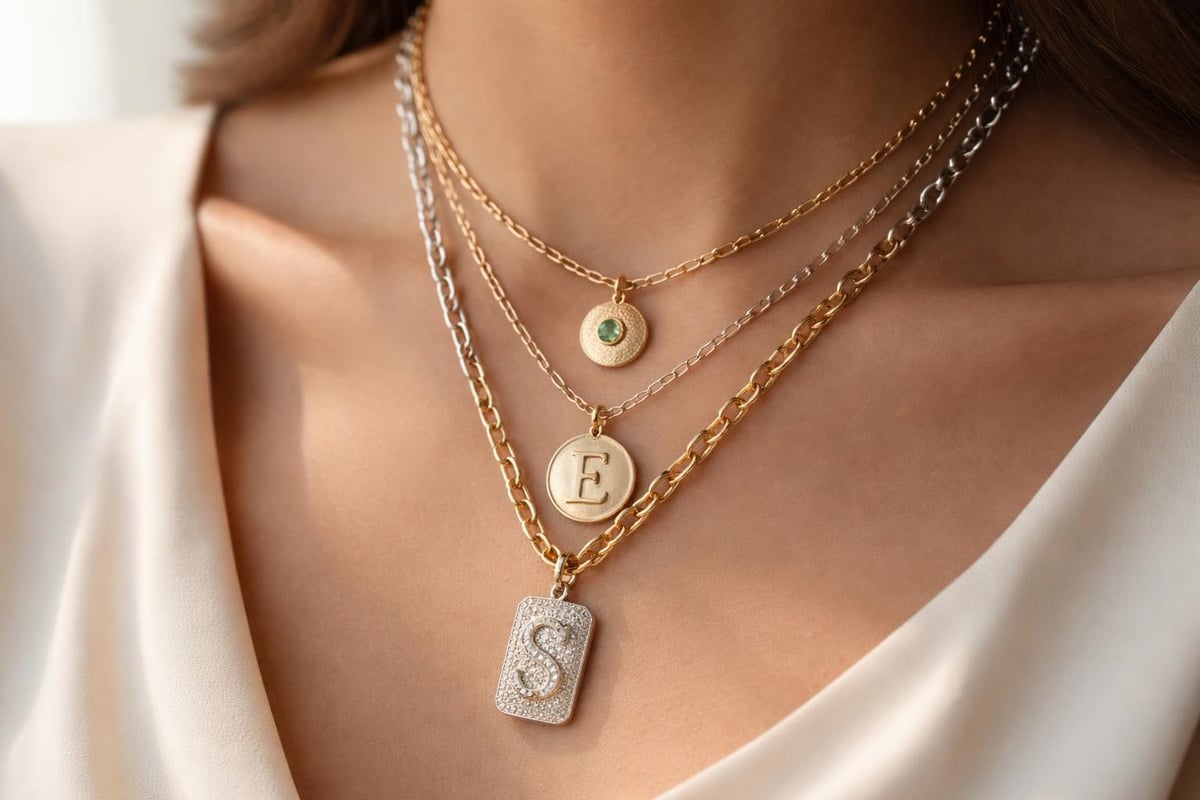
Modern styling embraces layered pendant necklaces, combining multiple pieces of varying lengths and styles for dimensional, personalized looks. This approach allows wearers to express individuality through curated combinations rather than single statement pieces. Successful layering typically includes three elements: a short choker-style piece, a medium-length pendant, and a longer accent chain.
Personalized pendants featuring initials, coordinates, or custom engravings have surged in popularity as consumers seek jewelry that tells their unique stories. These pieces often become cherished heirlooms, passed down through generations with added sentimental value beyond their monetary worth.
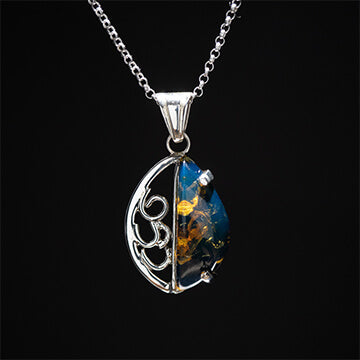
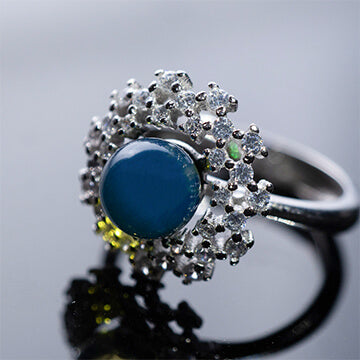
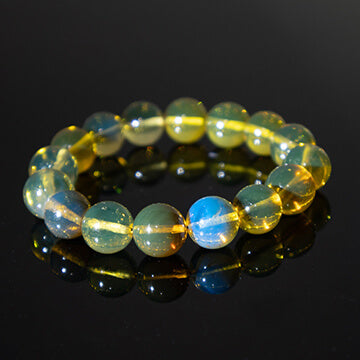
Consumer awareness regarding jewelry sourcing has intensified, driving demand for ethically produced pendants. Buyers increasingly seek information about material origins, artisan working conditions, and environmental impact. This consciousness has elevated artisan jewelers who emphasize transparency, like those creating blue crystal jewelry with documented provenance.
Recycled metals and laboratory-grown gemstones offer sustainable alternatives without compromising quality or beauty. These options appeal particularly to environmentally conscious consumers who want stunning necklace pendants aligned with their values.
Beyond their decorative function, necklace pendants can represent significant investments that appreciate over time or become treasured family heirlooms. Understanding factors that contribute to long-term value helps buyers make purchases that transcend fleeting fashion trends.
Investment-worthy pendants typically feature exceptional craftsmanship, rare materials, or designer provenance. Pieces from renowned jewelry houses often appreciate steadily, particularly limited editions or discontinued designs. Antique pendants with historical significance can command premium prices at auction, especially when accompanied by documentation of their origins.
Material rarity significantly influences investment potential. Pendants featuring rare gemstones like Alexandrite, Paraiba tourmaline, or Burmese ruby tend to appreciate as these materials become increasingly scarce. Similarly, unique stones with limited geographic sources, such as those found in specialized larimar jewelry collections, offer investment appeal due to their exclusive origins.
Creating a pendant collection with heirloom potential requires thoughtful curation balancing personal meaning with enduring design. Classic styles that transcend temporary trends ensure pieces remain relevant across generations. Quality construction using durable materials withstands decades of wear, allowing physical passage from one generation to the next.
Key considerations for heirloom-quality pendants:
Successful pendant selection aligns with your existing wardrobe, lifestyle, and aesthetic preferences. Understanding your personal style profile streamlines the selection process and ensures purchases receive regular wear rather than languishing in jewelry boxes.
Individuals drawn to timeless elegance gravitate toward pendants featuring traditional gemstones in simple settings. Solitaire diamonds, pearl drops, and precious metal lockets represent this aesthetic. These pieces emphasize quality over trendiness, often becoming signature pieces worn regularly across various occasions.
Classic pendant wearers typically prefer white metals like platinum or white gold, though yellow gold experiences periodic revivals. The focus remains on refined simplicity that complements rather than dominates an outfit.
Bohemian style embraces eclectic combinations, natural materials, and artisan craftsmanship. Necklace pendants in this category often feature organic shapes, mixed metals, and unconventional gemstones. Larger scale pieces with distinctive character appeal to this aesthetic, as do pendants incorporating multiple elements like leather, beads, or feathers alongside traditional materials.
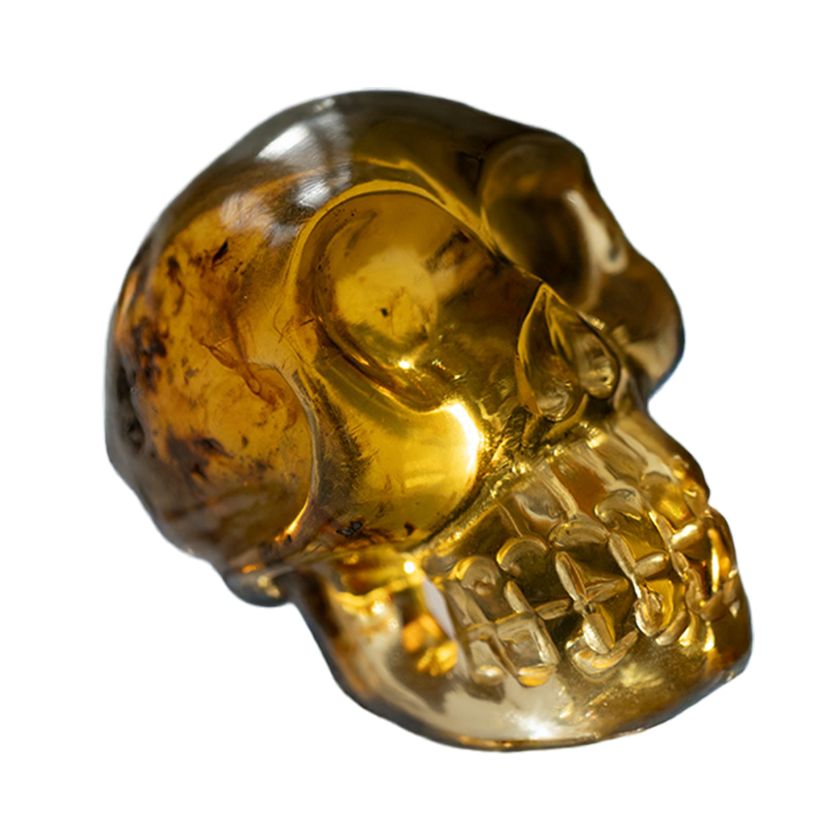
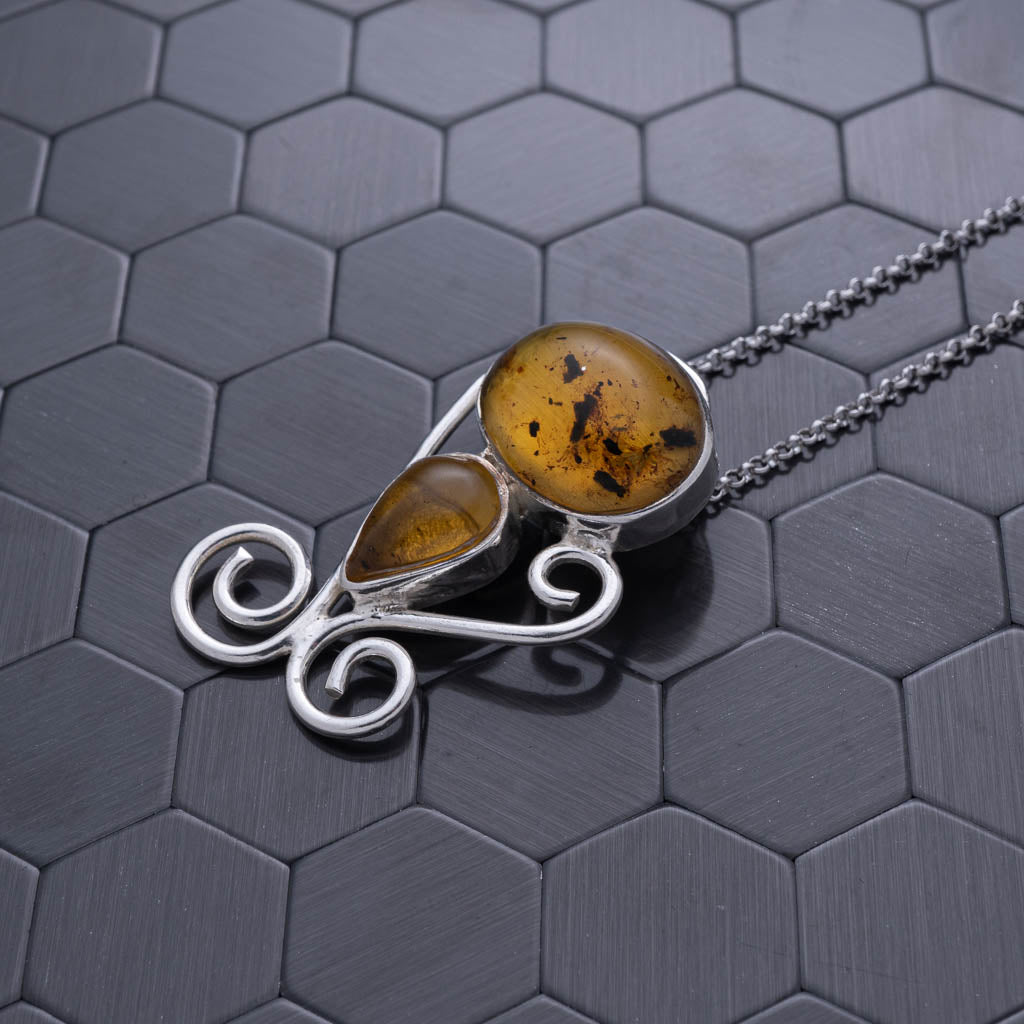
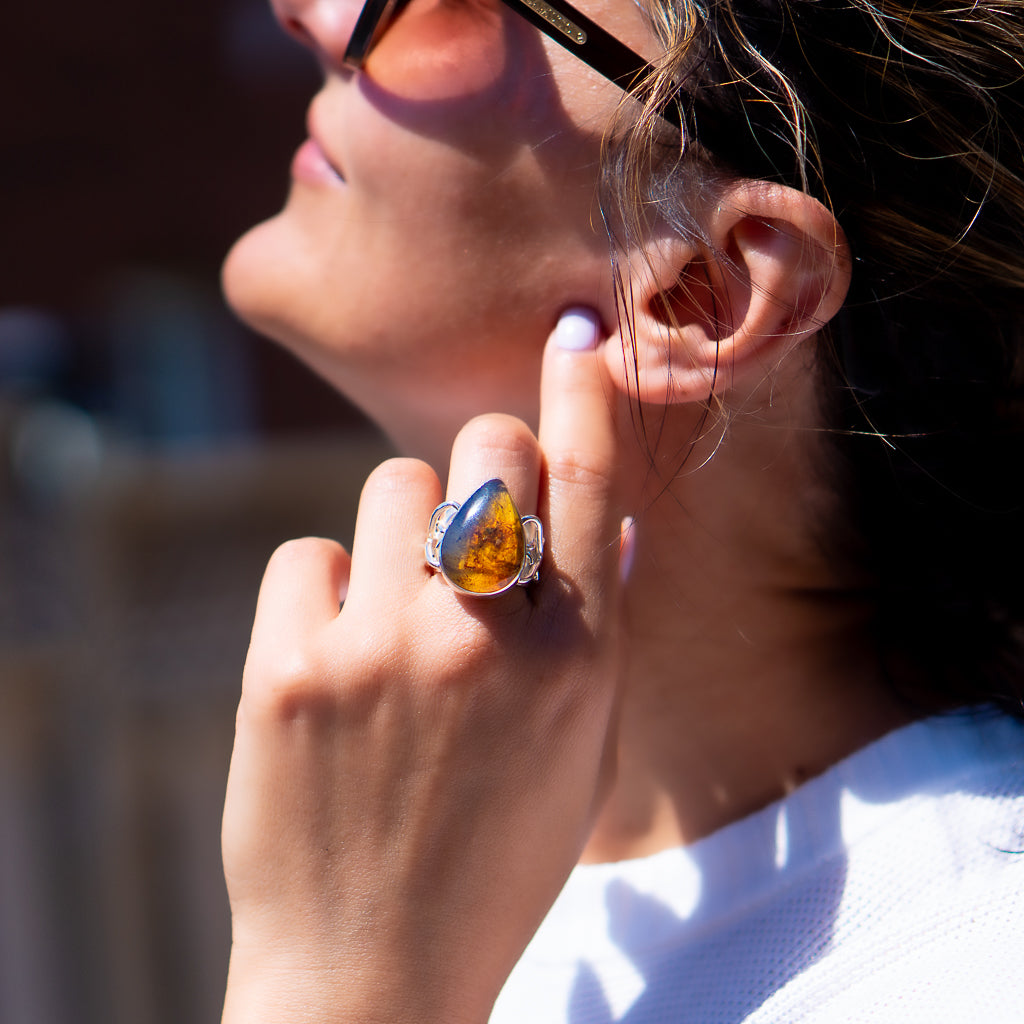
This style profile values uniqueness and story over conventional luxury markers. Pieces from small-batch artisans or those featuring unusual materials like Dominican amber resonate particularly well with bohemian sensibilities.
Minimalist jewelry enthusiasts seek pendants with clean lines, geometric forms, and understated elegance. Small-scale designs in precious metals without gemstone embellishment define this aesthetic. Negative space becomes as important as the metal itself, creating visual interest through form rather than ornamentation.
These wearers often invest in fewer, higher-quality pieces that integrate seamlessly with streamlined wardrobes. Versatility remains paramount, with pendants selected for their ability to transition from professional to casual settings effortlessly.
Pendants make exceptional gifts due to their personal nature and lasting value. However, successful pendant gifting requires consideration of the recipient's preferences, lifestyle, and existing jewelry collection.
Different milestones call for distinct pendant approaches. Graduation gifts might feature inspirational symbols or birthstones, while anniversary pendants often incorporate romantic motifs or stones representing years together. New mother jewelry frequently includes children's birthstones or initial pendants celebrating family expansion.
Understanding the evolution of necklaces and pendants throughout history reveals how different cultures mark important moments with specific jewelry traditions, providing inspiration for meaningful contemporary gifts.
When gifting pendants, chain length selection presents common challenges. Standard 18-inch chains suit most recipients, though adjustable lengths provide flexibility. Including gift receipts allows recipients to exchange chains while keeping the pendant itself.
Observing the recipient's existing jewelry provides valuable clues about metal preferences, stone colors, and size comfort levels. Someone who consistently wears delicate, minimal jewelry likely won't appreciate an oversized statement pendant, regardless of its quality or value.
Necklace pendants offer endless possibilities for personal expression, from showcasing rare gemstones to commemorating life's meaningful moments through carefully chosen symbols and designs. Whether you're drawn to classic elegance, contemporary minimalism, or distinctive artisan pieces, understanding quality markers, styling principles, and care requirements ensures your selections bring lasting satisfaction. For those seeking truly exceptional pendants featuring rare materials and expert craftsmanship, Larimar Creations specializes in handcrafted pieces from exclusive Dominican gemstones, offering authenticated quality with worldwide shipping to bring these stunning treasures directly to discerning jewelry enthusiasts everywhere.