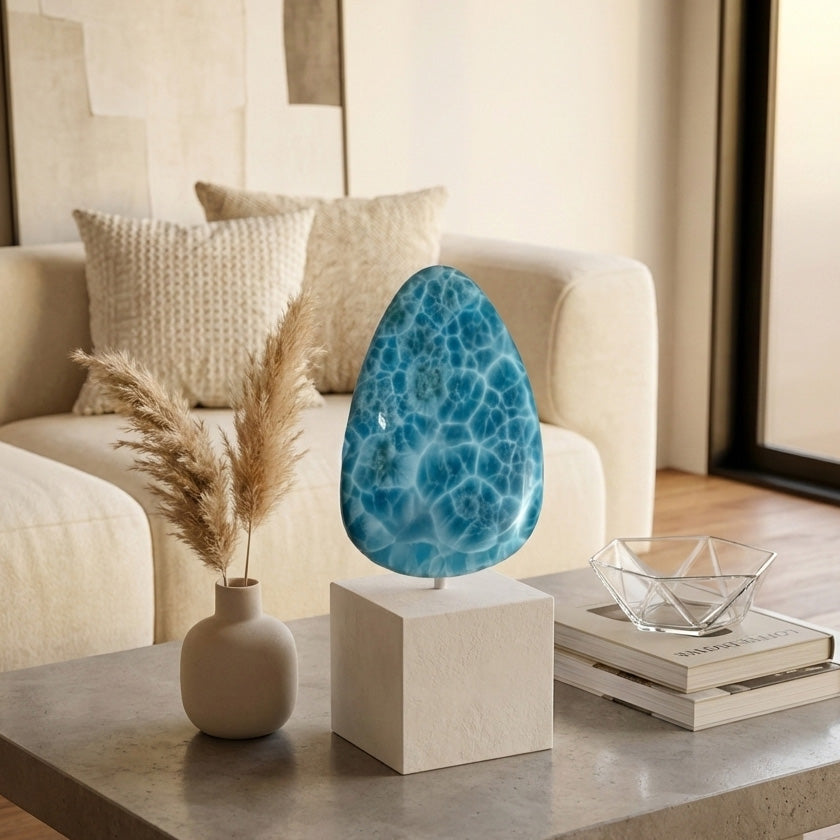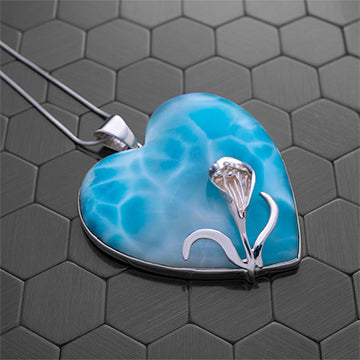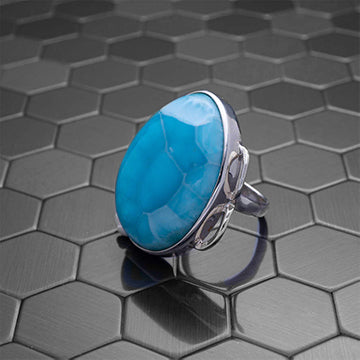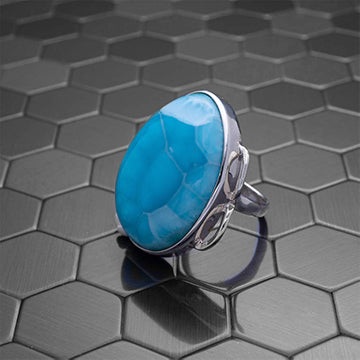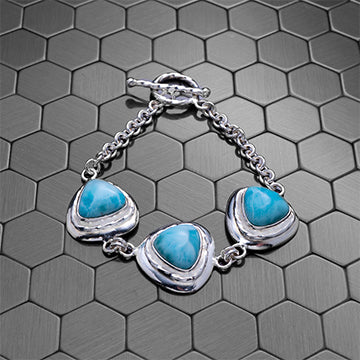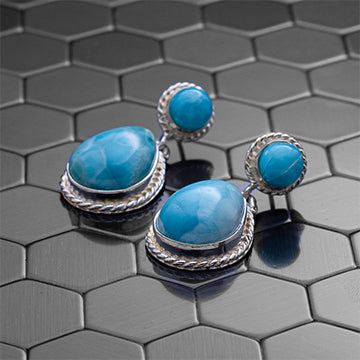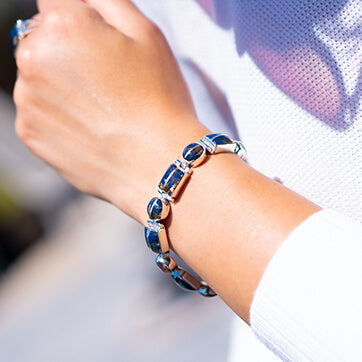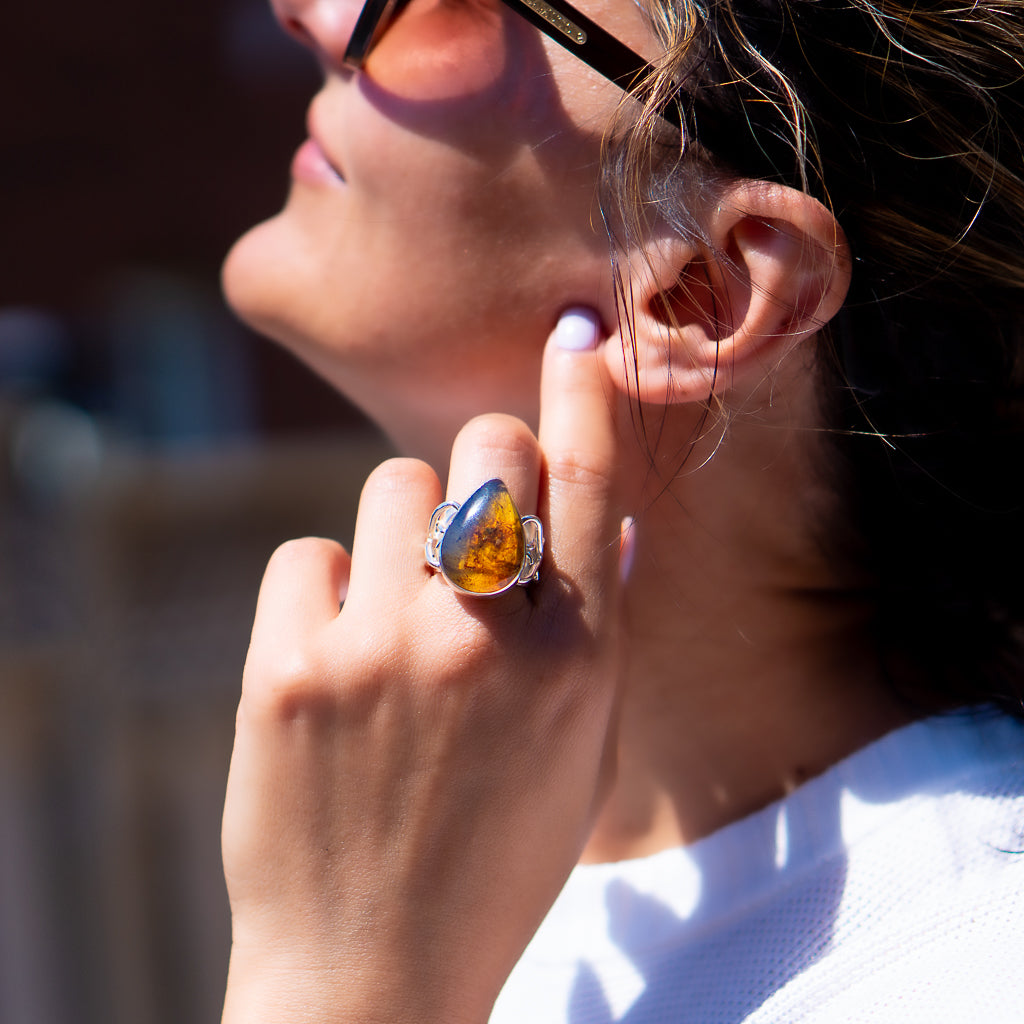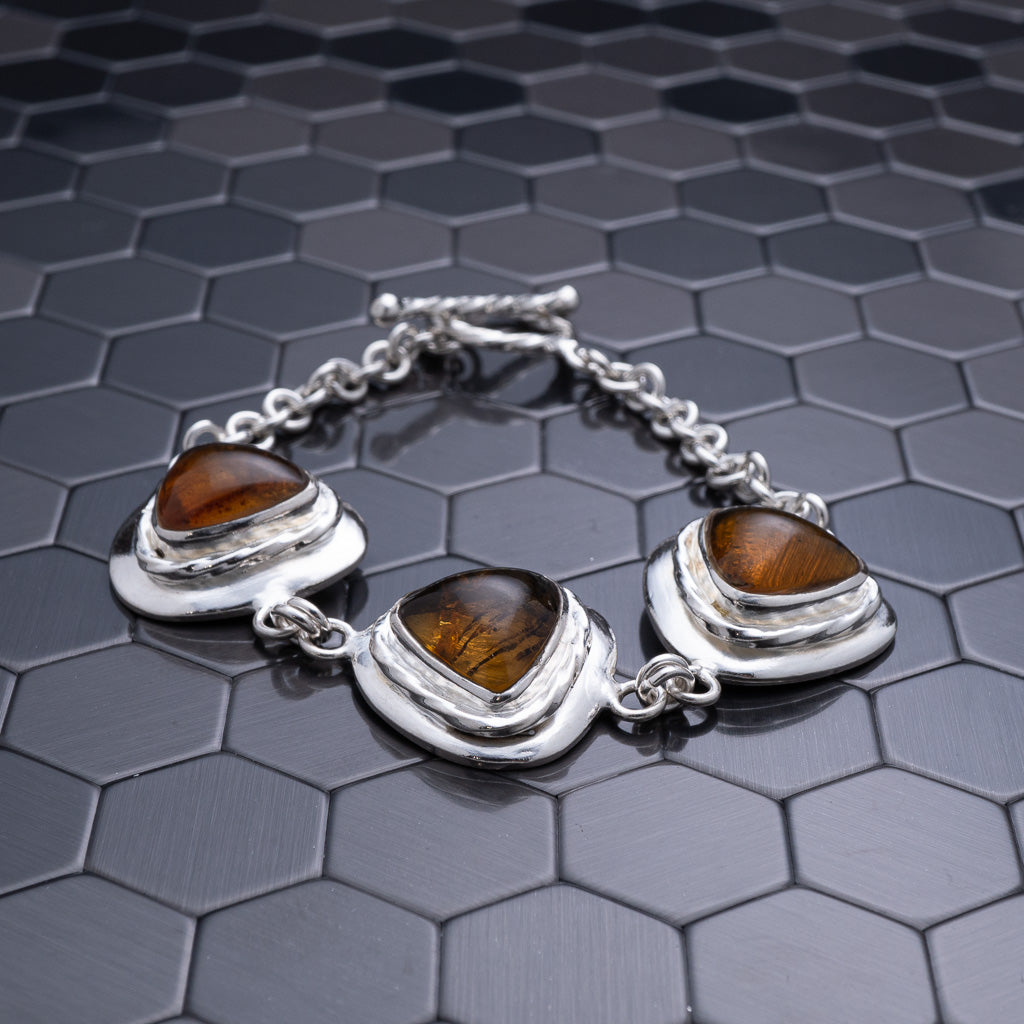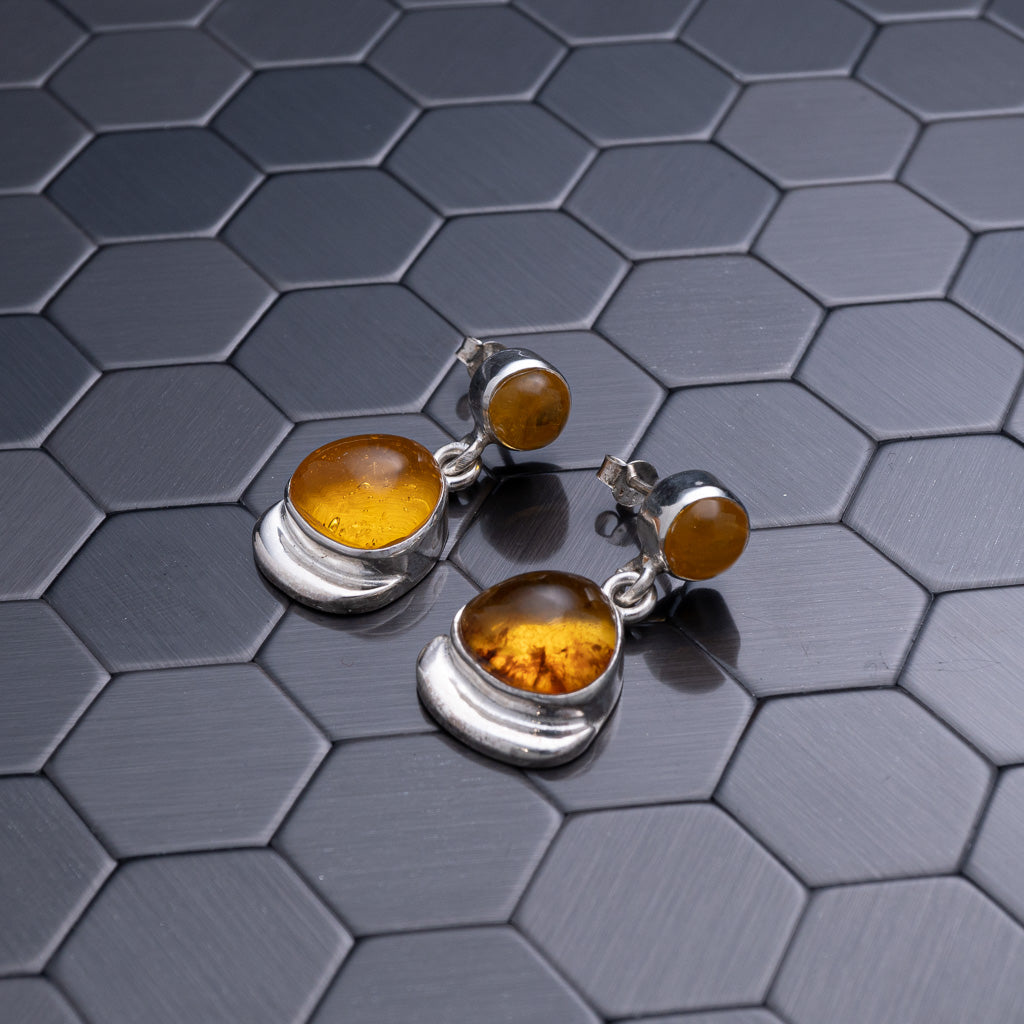


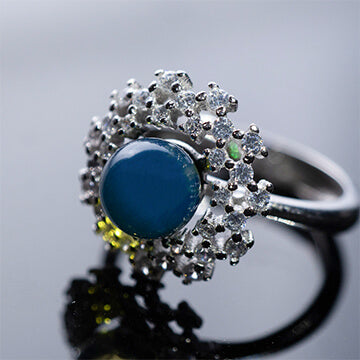
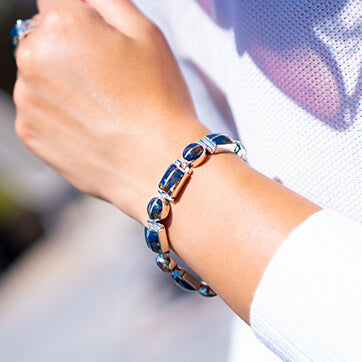
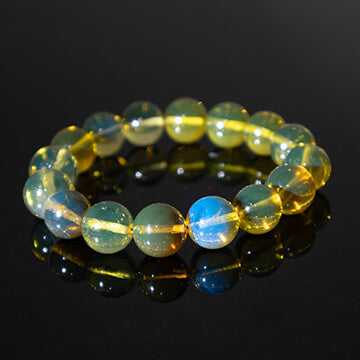
Handcrafted in DR.

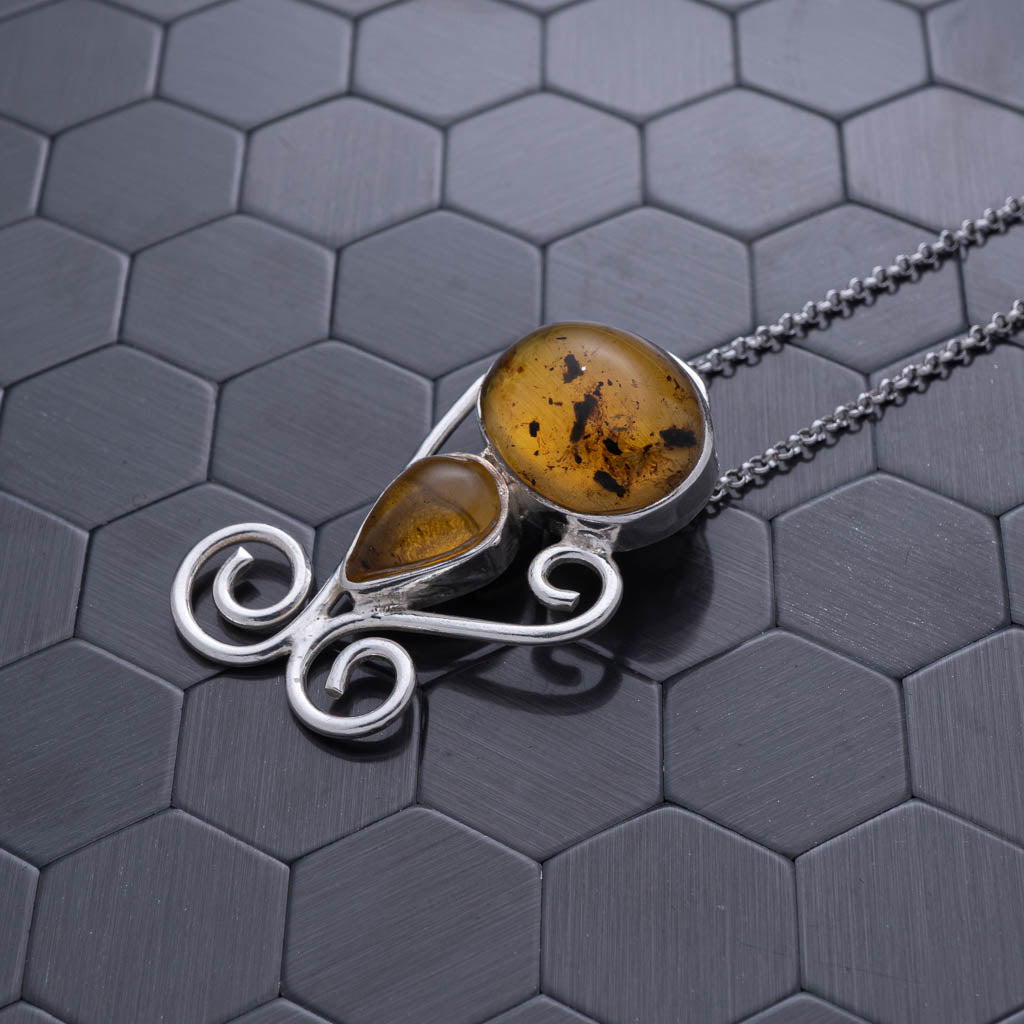
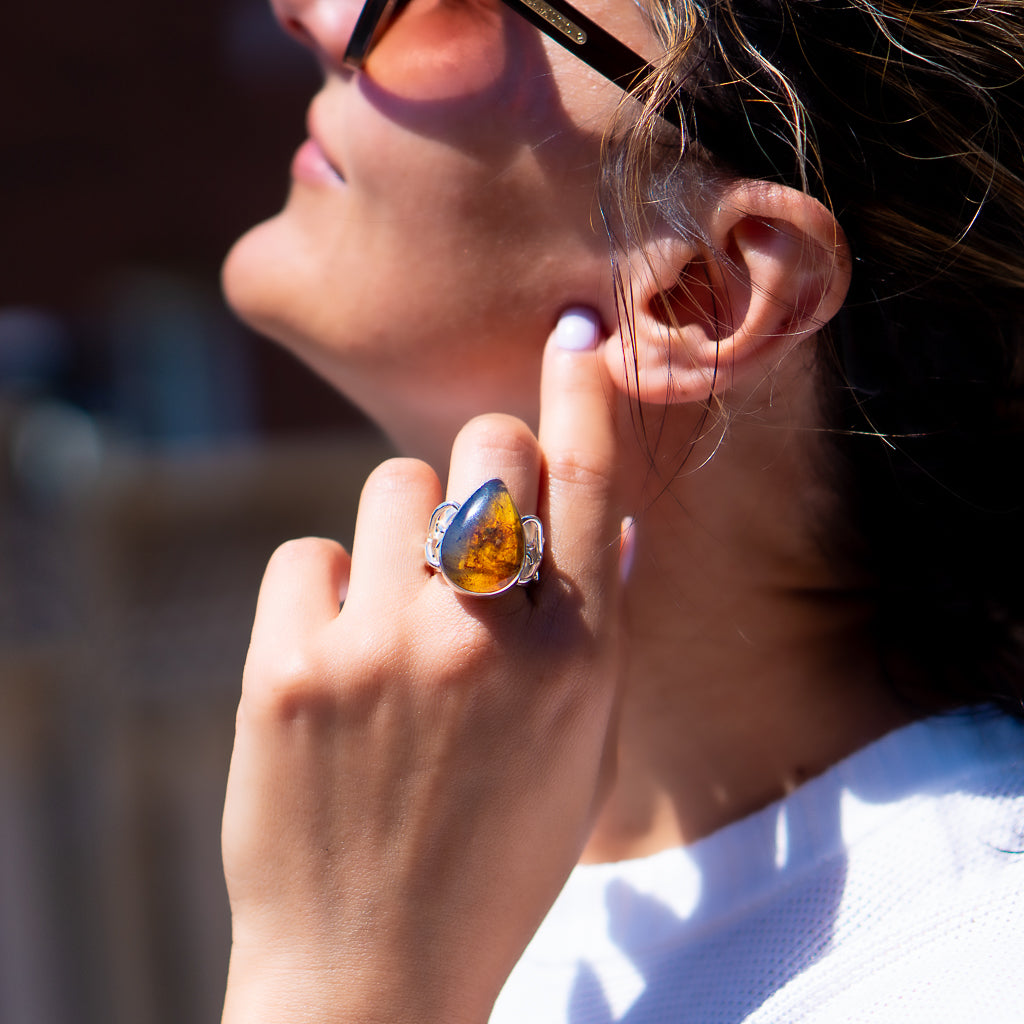
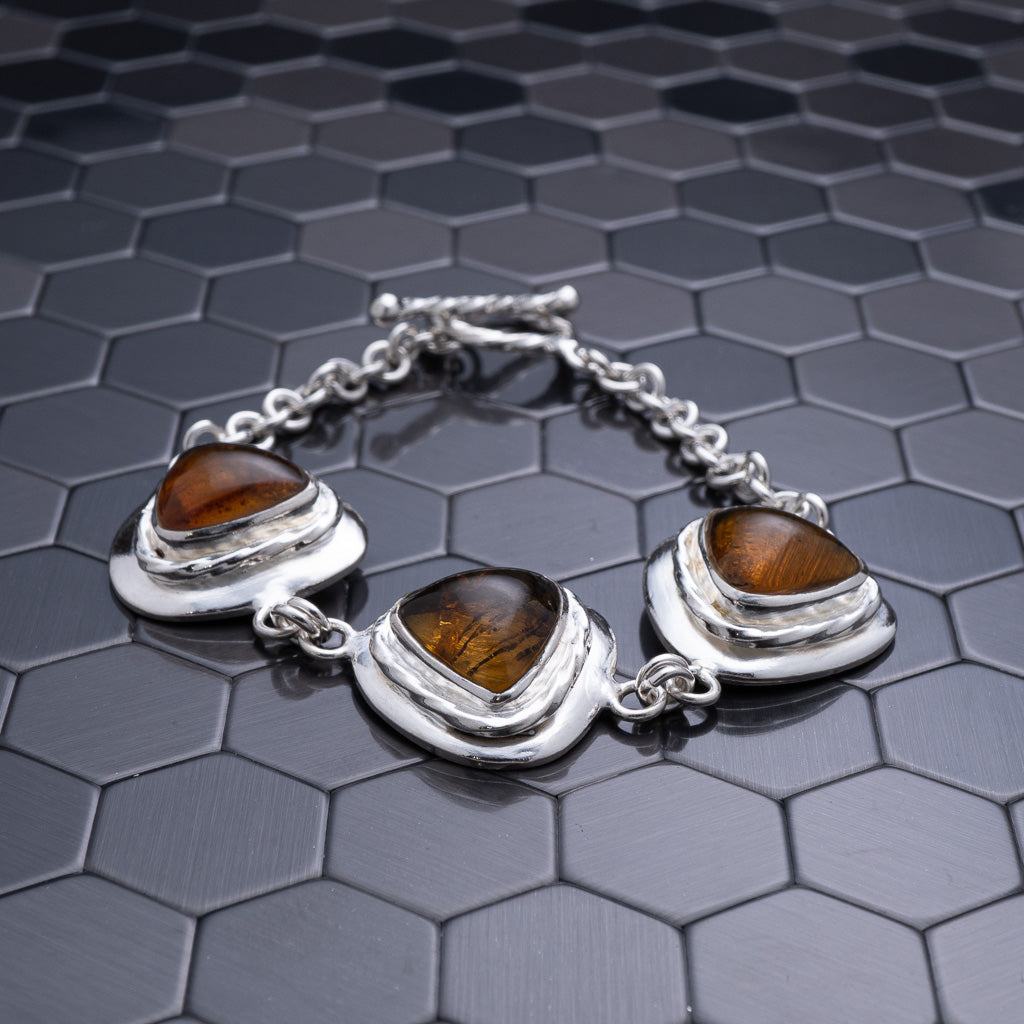
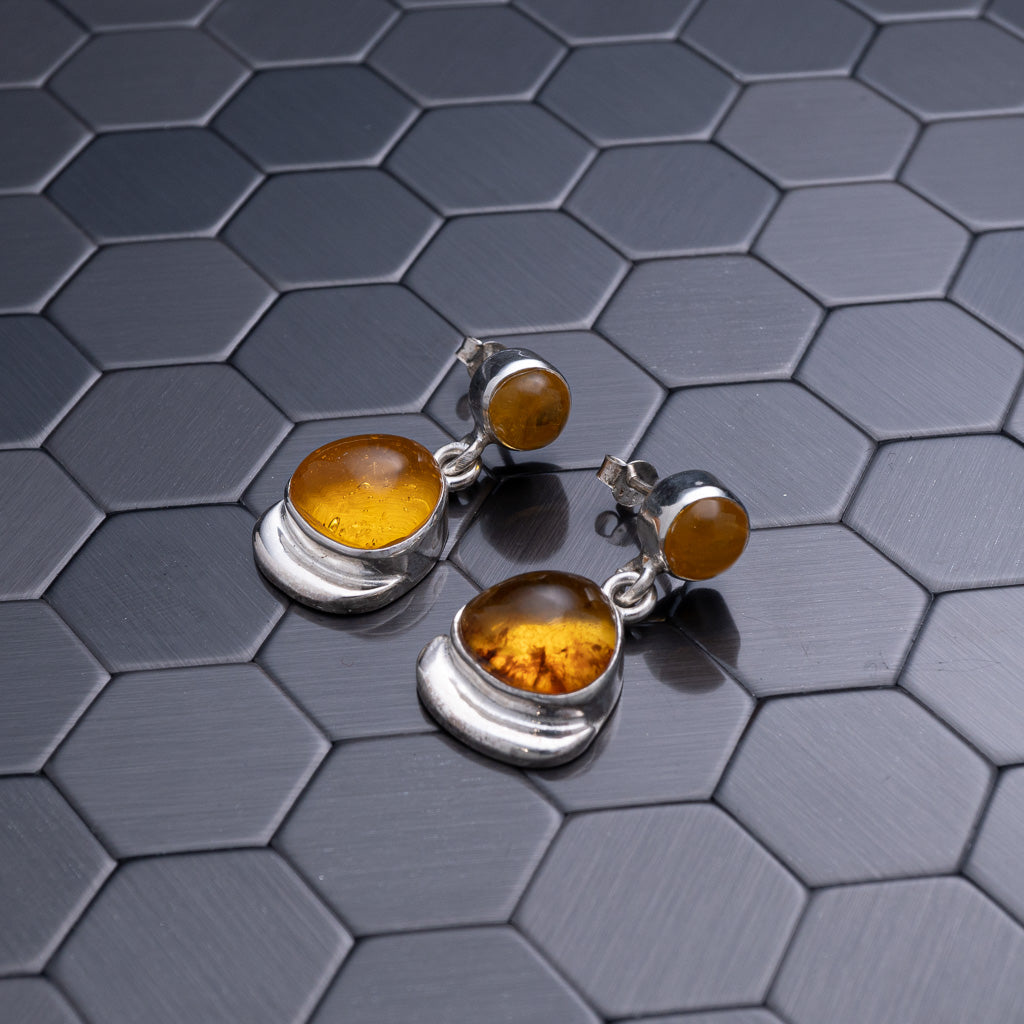


100% Handcrafted in DR.

The Caribbean island of the Dominican Republic holds a geological treasure that has captivated collectors, scientists, and jewelry enthusiasts for generations. Amber from the Dominican Republic represents some of the most valuable and scientifically significant fossilized resin in the world, distinguished by its exceptional clarity, remarkable color variations, and extraordinary fossil inclusions. Unlike amber deposits found elsewhere globally, Dominican amber possesses unique characteristics that make it highly sought after for both scientific research and fine jewelry creation. This fossilized tree resin, formed millions of years ago in tropical forests, continues to reveal secrets about ancient ecosystems while serving as a source of stunning gemstones.
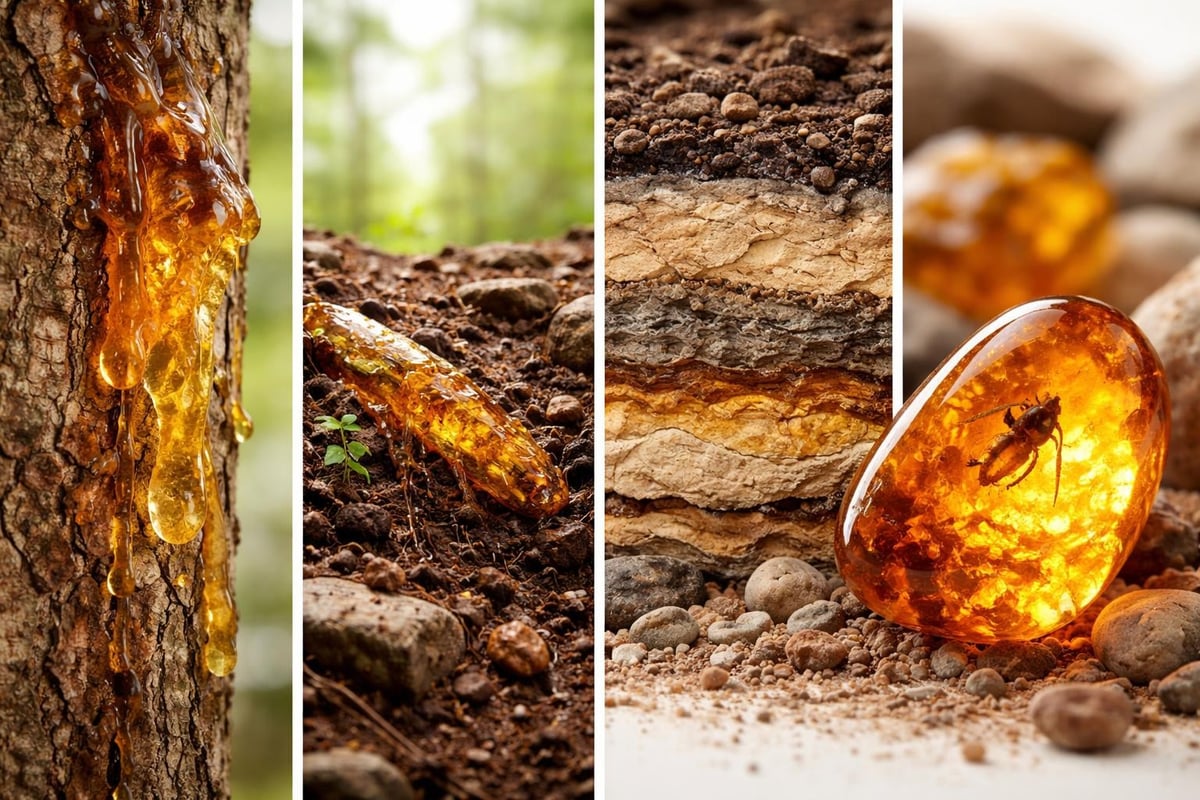
The story of amber from the Dominican Republic begins approximately 15 to 40 million years ago during the Miocene epoch. During this period, the island's landscape featured dense tropical forests dominated by an extinct leguminous tree species called Hymenaea protera. These ancient trees produced copious amounts of sticky resin that served as a natural defense mechanism against insects and diseases.
As the resin oozed from the trees, it trapped whatever came into contact with its sticky surface. Over millions of years, this resin underwent a complex fossilization process involving polymerization and molecular restructuring. The La Toca Formation, El Mamey Formation, and Yanigua Formation represent the primary geological layers where Dominican amber deposits are found today.
The transformation from tree resin to amber requires specific conditions:
This unique combination of factors occurred in the Dominican Republic's ancient coastal environments, creating ideal circumstances for amber preservation. The geological stability of the region further protected these deposits from destructive tectonic activity that might have destroyed the amber entirely.
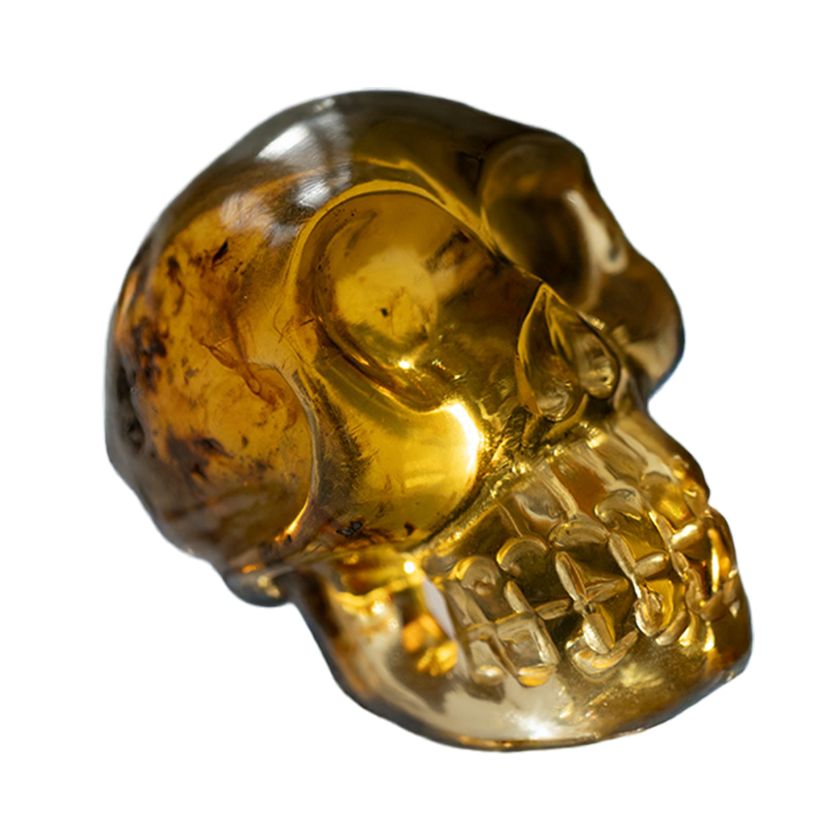
Amber from the Dominican Republic stands apart from other amber varieties found worldwide due to several distinctive characteristics. Clarity ranks as perhaps the most notable feature, with many specimens exhibiting transparency comparable to glass. This exceptional clarity allows for detailed observation of inclusions and makes Dominican amber particularly valuable for jewelry applications.
The age of Dominican amber also contributes to its significance. While Baltic amber, the world's most abundant variety, formed approximately 44 million years ago, Dominican amber typically ranges from 15 to 20 million years in age. This younger age results in better preservation of organic material and fewer internal fractures.
| Feature | Dominican Amber | Baltic Amber |
|---|---|---|
| Age | 15-40 million years | 44 million years |
| Clarity | Exceptional | Moderate |
| Color Range | Wide spectrum | Primarily yellow-orange |
| Blue Variety | Yes (rare) | No |
| Inclusion Quality | Superior detail | Good |
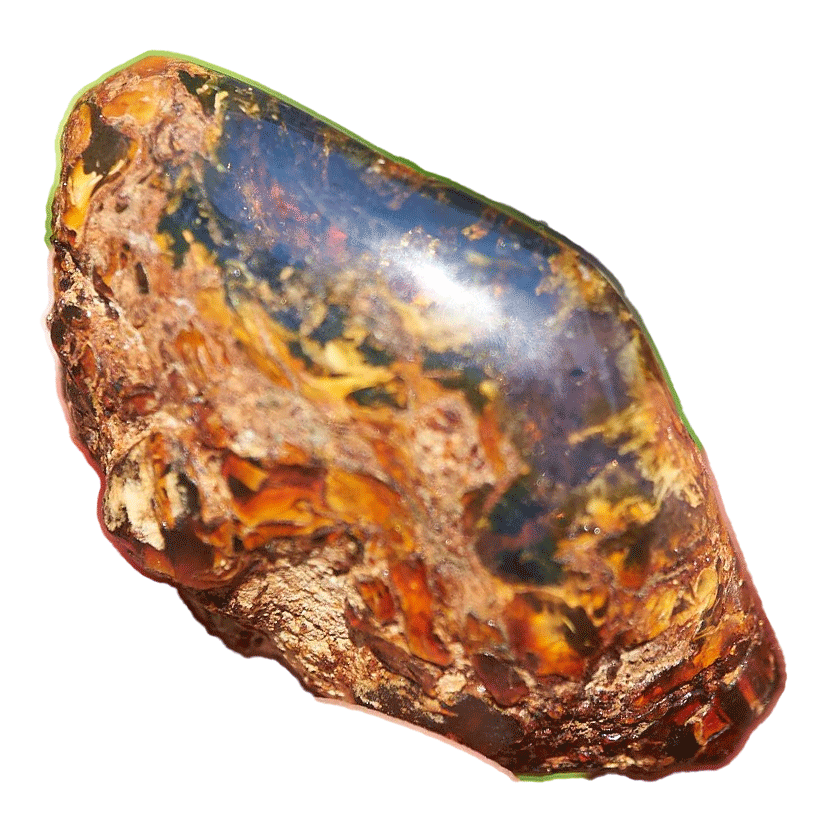
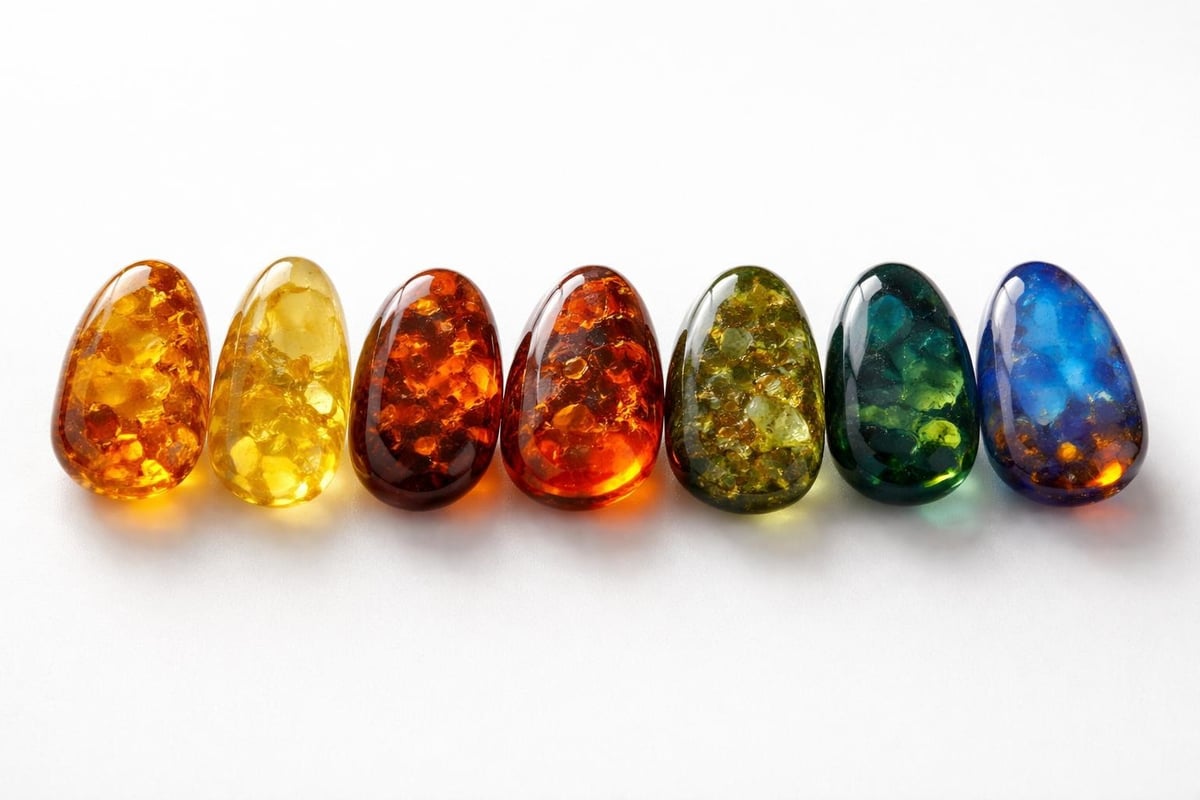
The diversity of colors found in amber from the Dominican Republic exceeds most other deposits. Standard colors include honey yellow, golden orange, cognac brown, and deep cherry red. However, the most extraordinary characteristic remains the existence of blue amber, a phenomenon found almost exclusively in the Dominican Republic.
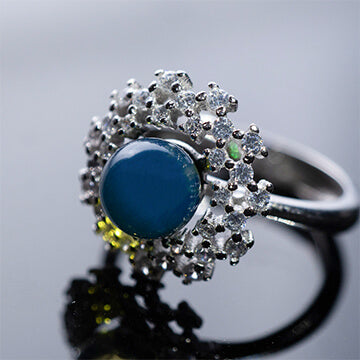
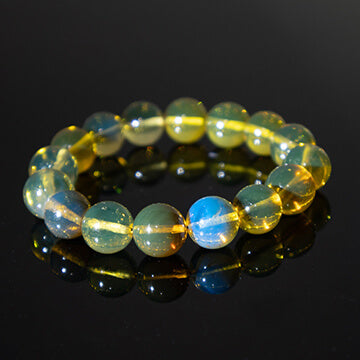
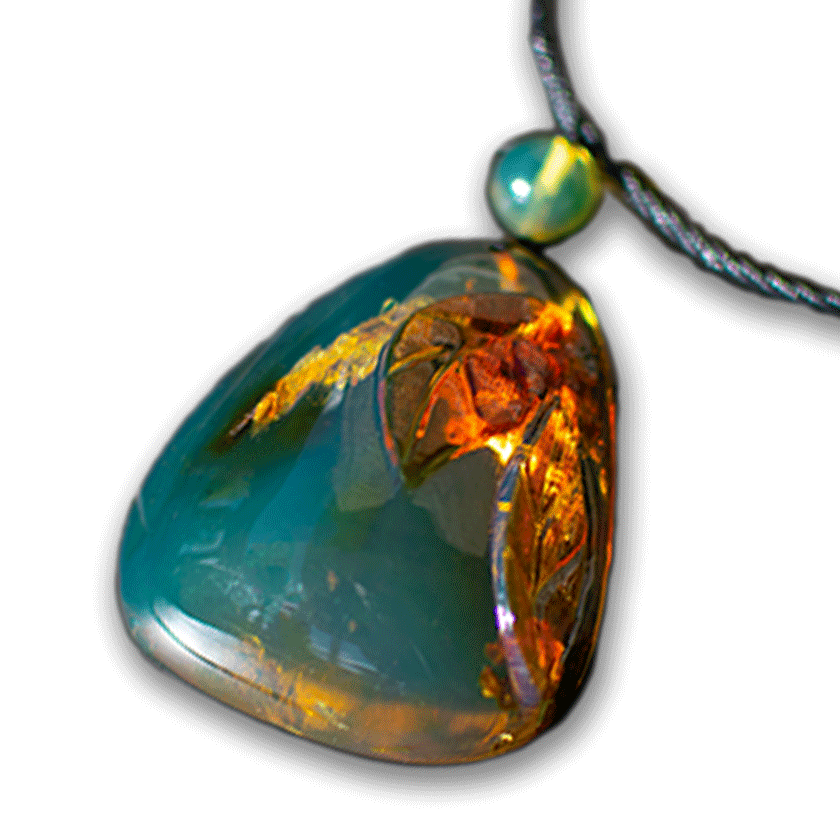
Blue amber represents one of nature's most remarkable gemological phenomena. Under normal lighting conditions, blue amber may appear yellow or light brown, but when viewed under ultraviolet light or against a dark background with natural light, it displays an intense blue fluorescence. This stunning effect results from the presence of perylene, an aromatic hydrocarbon compound formed during the fossilization process.
Only the Dominican Republic and a small region in Mexico produce blue amber in significant quantities, with Dominican specimens considered superior in quality and intensity. The mountains of the northern Dominican Republic, particularly near Santiago and Puerto Plata, yield the majority of blue amber specimens.
The creation of blue amber requires specific botanical and geological conditions. Scientists believe that the parent trees grew in volcanic soil enriched with particular minerals. When these trees produced resin, it incorporated trace compounds that would later transform into perylene during fossilization. The unique combination of volcanic activity, tropical climate, and specific tree chemistry created the perfect environment for blue amber formation.
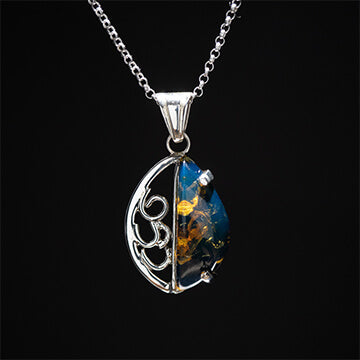
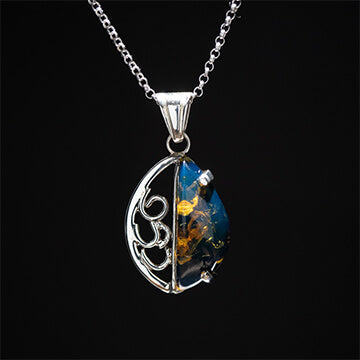
For jewelry enthusiasts seeking unique pieces, blue amber pendants showcase this rare phenomenon beautifully, displaying the gemstone's remarkable color-shifting properties in wearable art.
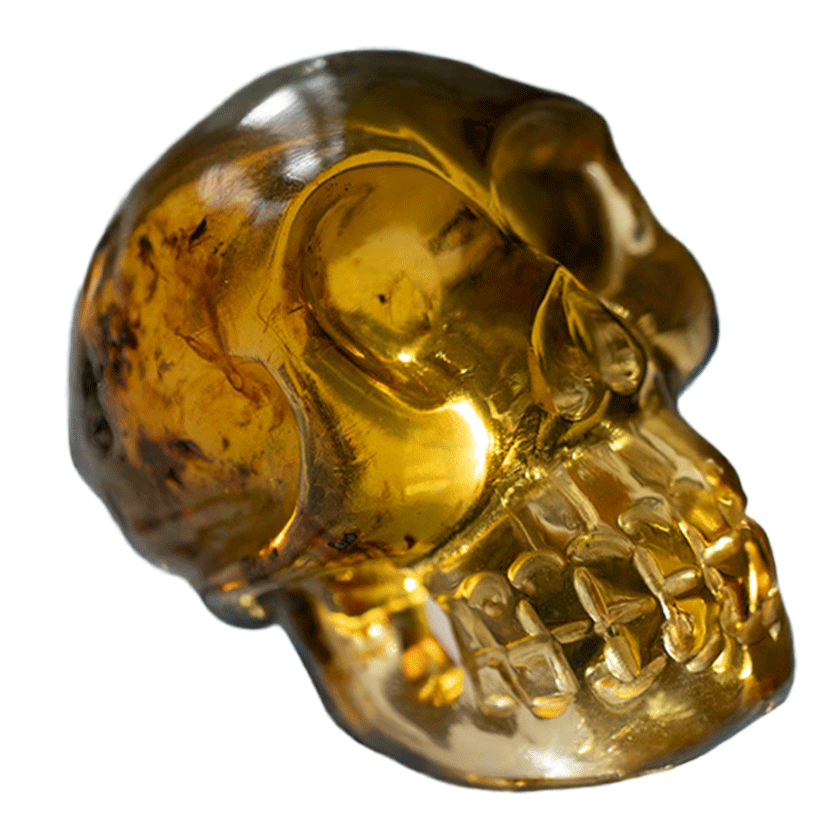
Beyond its aesthetic appeal, amber from the Dominican Republic serves as an invaluable scientific resource. The exceptional preservation quality of organisms trapped within Dominican amber provides researchers with unprecedented insights into ancient Caribbean ecosystems. Over 1,000 extinct species have been identified in Dominican amber, including insects, spiders, lizards, frogs, and even small mammals.
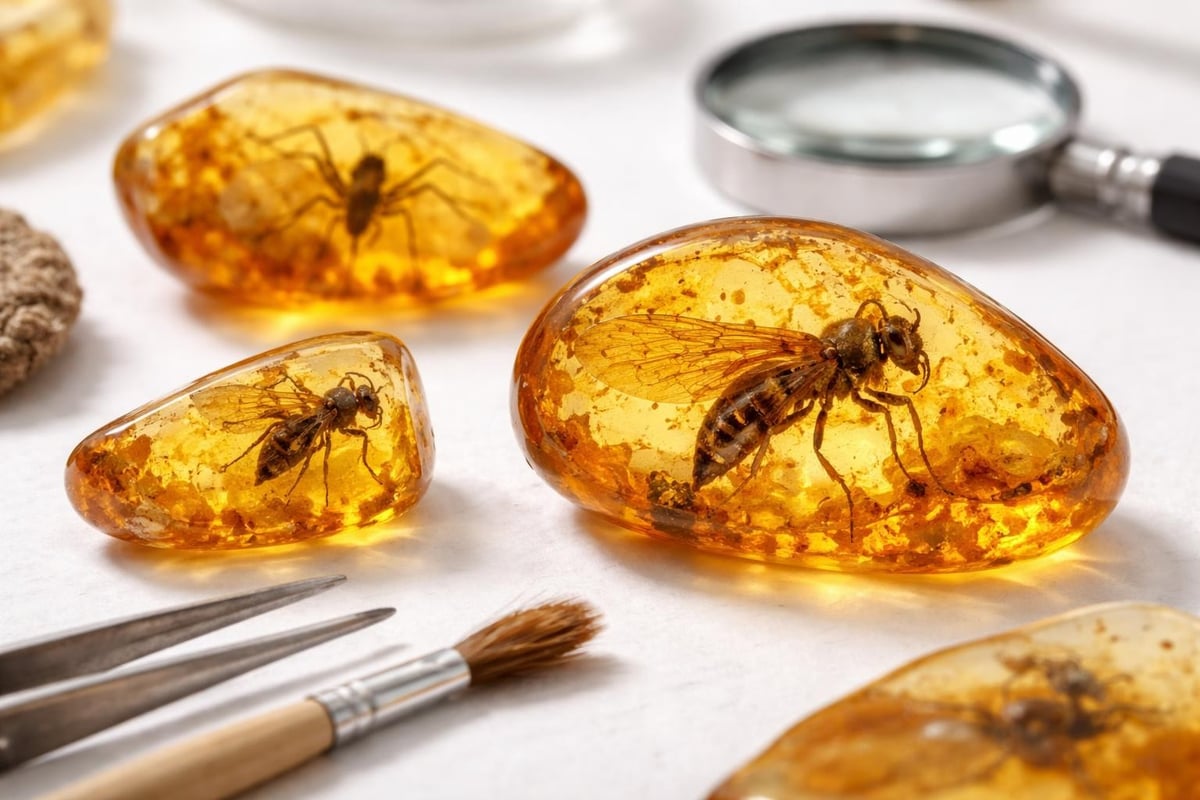
These inclusions offer more than scientific curiosity. They represent frozen moments in time, preserving three-dimensional specimens with soft tissue, coloration, and behavioral evidence intact. Researchers have discovered:
The clarity of Dominican amber allows scientists to study these specimens using advanced imaging techniques without breaking open the amber. This non-destructive analysis preserves both the scientific value and the commercial worth of inclusion pieces.
The extraction of amber from the Dominican Republic remains largely a small-scale, artisanal operation. Unlike industrial mining operations found in other gemstone sectors, Dominican amber mining typically involves independent miners and small family operations working in mountainous terrain. The primary mining regions cluster around the northern cordillera, particularly in the provinces of Santiago, Puerto Plata, and La Vega.
Traditional Dominican amber mining employs several techniques:
Safety concerns and environmental considerations pose ongoing challenges in the amber mining industry. Many operations lack modern safety equipment, and tunnel collapses remain a persistent risk. However, the economic importance of amber to local communities ensures continued mining activity.
As demand for amber from the Dominican Republic has increased, so has the prevalence of imitations and treated specimens. Distinguishing authentic Dominican amber from copal (young resin), plastic, or glass requires knowledge and sometimes laboratory testing. According to information from Dominican amber experts, several tests can help identify genuine amber.
Physical tests include:
For collectors and jewelry purchasers, understanding how to identify genuine gemstones becomes essential when investing in high-quality pieces.
The spectrum of colors found in amber from the Dominican Republic influences both value and application. While blue amber commands the highest prices, other colors possess their own appeal and market segments.
| Color | Rarity | Typical Use | Value Range |
|---|---|---|---|
| Blue | Very Rare | Premium jewelry, collectors | Highest |
| Green | Rare | Specialty jewelry | High |
| Red/Cherry | Uncommon | Fine jewelry | Medium-High |
| Cognac | Common | General jewelry | Medium |
| Yellow/Honey | Most Common | All applications | Base |
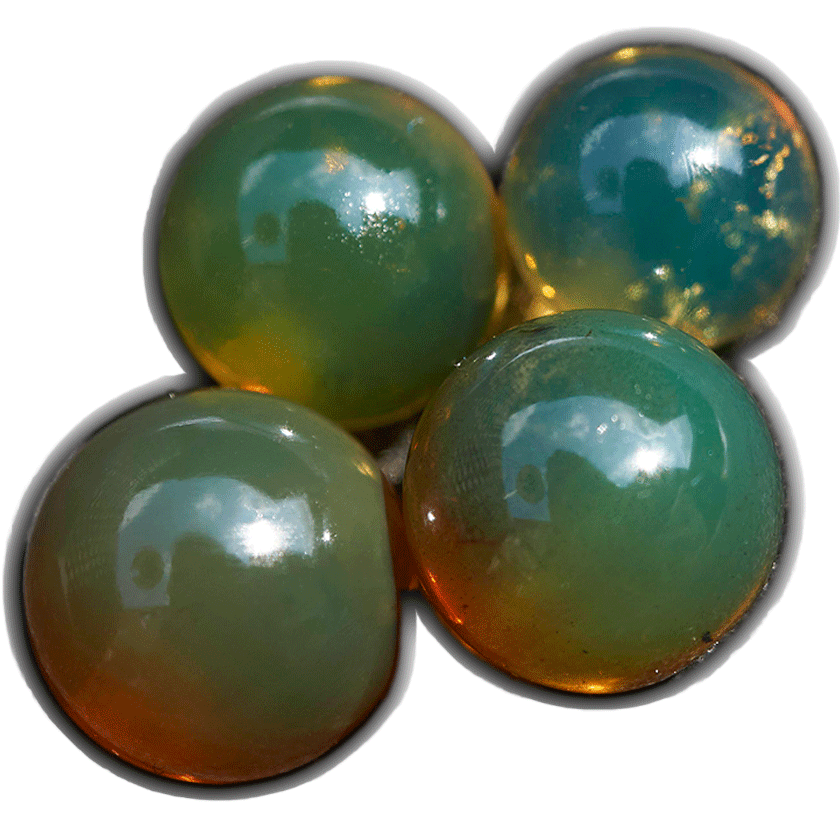
Green amber represents another unusual variety found primarily in the Dominican Republic. Similar to blue amber, green specimens display their color most vividly under specific lighting conditions. The green amber collections showcase this variety's subtle beauty and versatility in jewelry design.
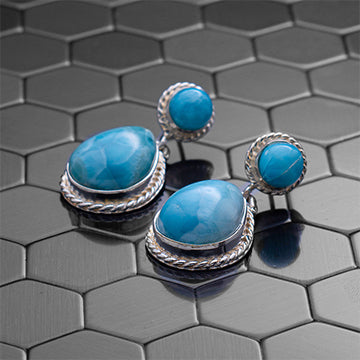
For the Dominican Republic, amber represents more than a geological curiosity. It serves as a symbol of national identity, appearing alongside larimar as one of the country's signature gemstones. The Santo Domingo tourism industry actively promotes both gemstones as must-see attractions for visitors.
The Amber Museum in Puerto Plata stands as a testament to the stone's cultural significance. This museum houses an extensive collection of amber specimens, including pieces with exceptional inclusions and rare color varieties. Educational exhibits explain the formation process, mining techniques, and scientific importance of Dominican amber.
Economically, the amber industry provides livelihoods for thousands of Dominicans, from miners to cutters, polishers, and jewelry artisans. Small workshops throughout the country transform raw amber into finished jewelry pieces, maintaining traditional craftsmanship techniques passed down through generations.
Creating jewelry from amber from the Dominican Republic requires specialized skills and understanding. Unlike harder gemstones, amber's relatively soft nature (2.0-2.5 on the Mohs scale) demands careful handling and appropriate setting techniques. Skilled artisans must balance showcasing the amber's natural beauty while providing adequate protection from impacts and scratches.
Amber's lightweight nature makes it ideal for larger pieces that would be uncomfortably heavy in denser gemstones. This characteristic allows designers to create:
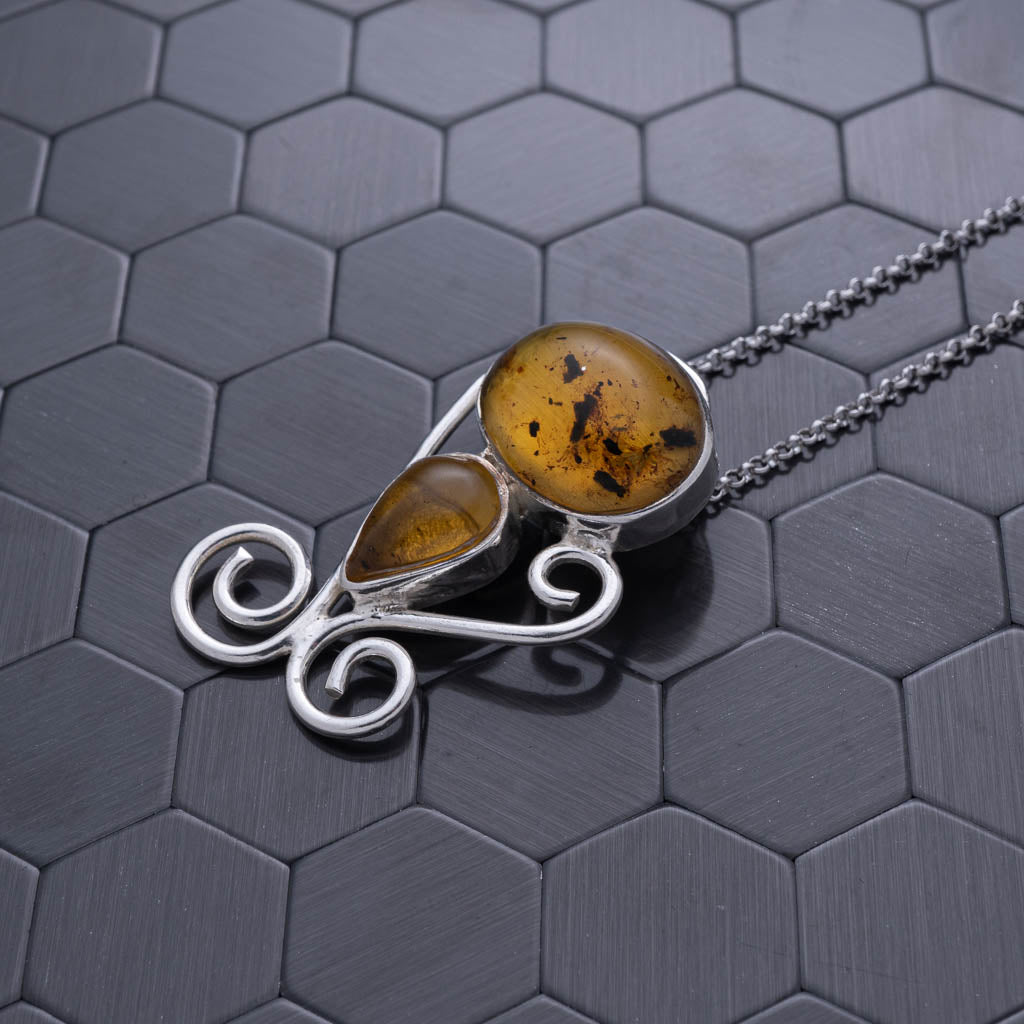
The transparency of high-quality Dominican amber enables backlighting effects in jewelry design. When set in ways that allow light to pass through the stone, amber displays its color and inclusions to maximum effect. This quality makes amber from the Dominican Republic particularly suitable for pendant designs that hang freely and catch natural light.
The global market for amber from the Dominican Republic has experienced steady growth over the past decade. Increasing awareness of the stone's rarity, combined with diminishing accessible deposits, has driven price appreciation, particularly for blue and inclusion-rich specimens. According to comprehensive research on Dominican amber, museum-quality pieces with rare inclusions have achieved significant values at auction.
Investment-grade amber typically features:
While amber markets lack the standardization of diamond or precious metal markets, specialized collectors and institutions actively seek premium specimens. The finite nature of amber deposits ensures that high-quality pieces will likely maintain or increase their value over time.
Preserving the beauty of amber from the Dominican Republic requires appropriate care and handling. Unlike inert gemstones such as diamonds or sapphires, amber can be damaged by chemicals, extreme temperatures, and physical impacts. Proper maintenance ensures that amber jewelry retains its luster and integrity for generations.
Essential care guidelines include:
Regular gentle polishing with a soft cloth maintains amber's natural shine. If deeper scratches occur, professional repolishing can often restore the stone's original appearance. For those interested in exploring additional Dominican gemstones alongside amber, learning about larimar provides insights into the island's other unique treasure.
Looking ahead, the Dominican amber industry faces both opportunities and challenges. Accessible surface deposits have largely been exhausted, requiring miners to venture deeper underground or into more remote mountainous regions. This increasing difficulty of extraction naturally limits supply while demand continues growing globally.
Environmental regulations and safety standards are gradually being implemented, improving working conditions for miners while potentially increasing production costs. Educational initiatives aim to preserve traditional knowledge while introducing modern sustainable practices.
The scientific community continues finding new applications for Dominican amber. Recent research has extracted DNA fragments from insects preserved in amber, opening possibilities for evolutionary studies. Advanced imaging techniques reveal previously invisible details within inclusions, continually yielding new discoveries about ancient ecosystems.
Tourism centered around amber provides economic incentives for preservation and sustainable practices. Visitors to the Dominican Republic increasingly seek authentic experiences, including mine tours and workshops where they can observe amber processing firsthand. This cultural tourism creates value beyond simple extraction, encouraging long-term stewardship of amber resources.
Amber from the Dominican Republic represents a convergence of natural beauty, scientific wonder, and cultural heritage that few gemstones can match. Whether you're drawn to the mesmerizing blue fluorescence, the windows into ancient life preserved in fossil inclusions, or the warm glow of traditional golden specimens, Dominican amber offers something extraordinary. Larimar Creations brings this remarkable gemstone to jewelry lovers worldwide, offering expertly crafted pieces that showcase the unique characteristics of authentic Dominican blue amber alongside exquisite larimar designs, all backed by a commitment to quality and worldwide shipping.