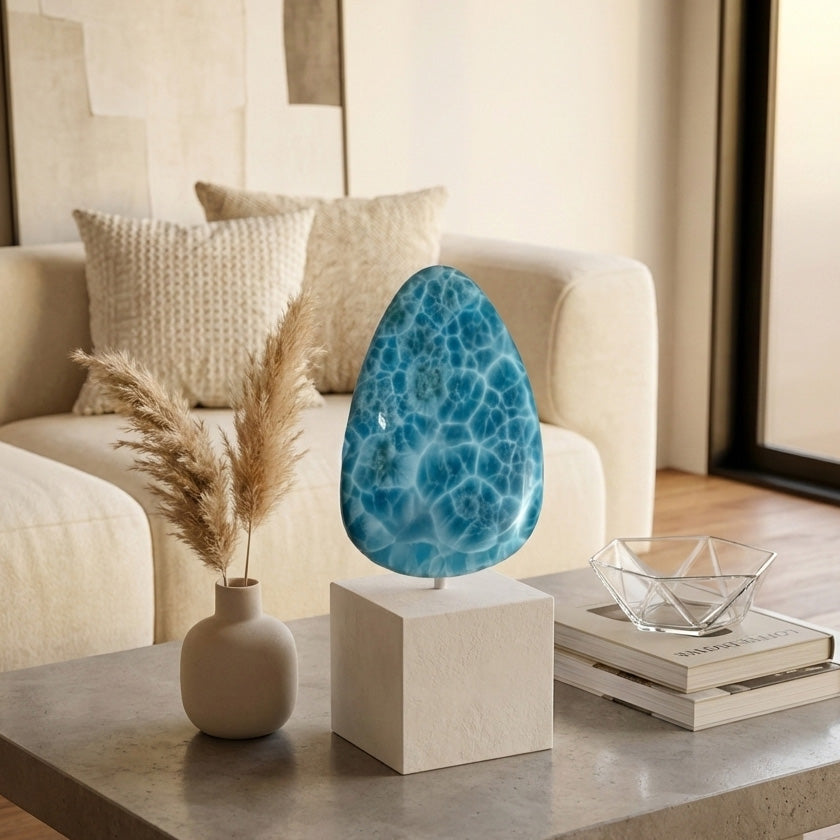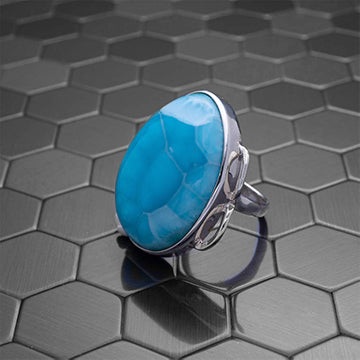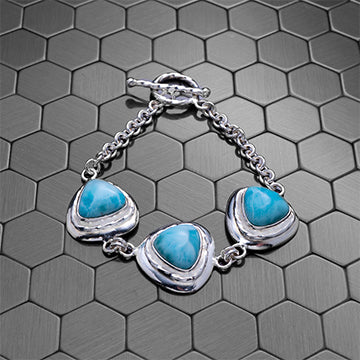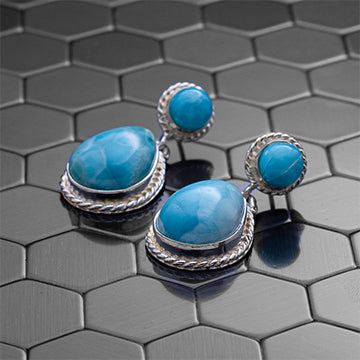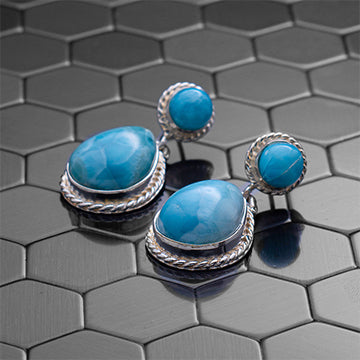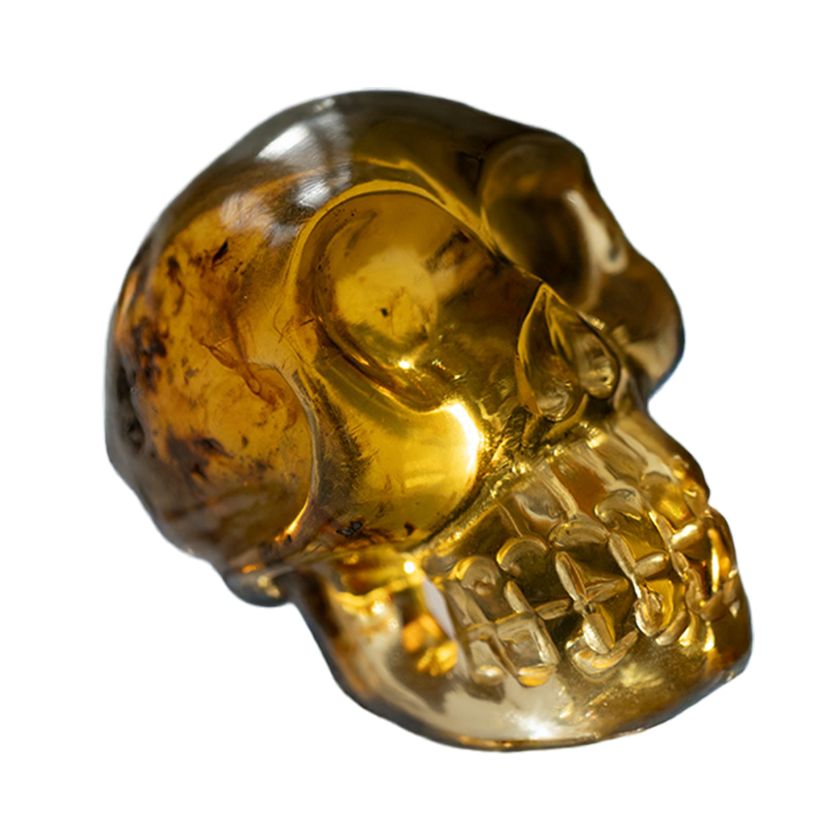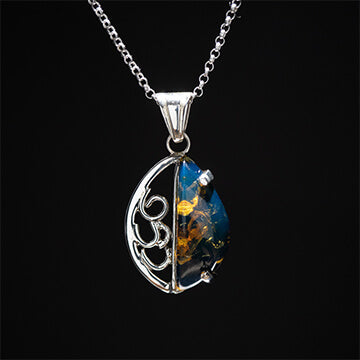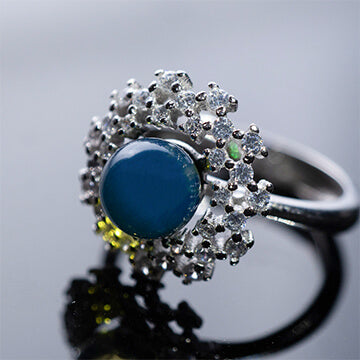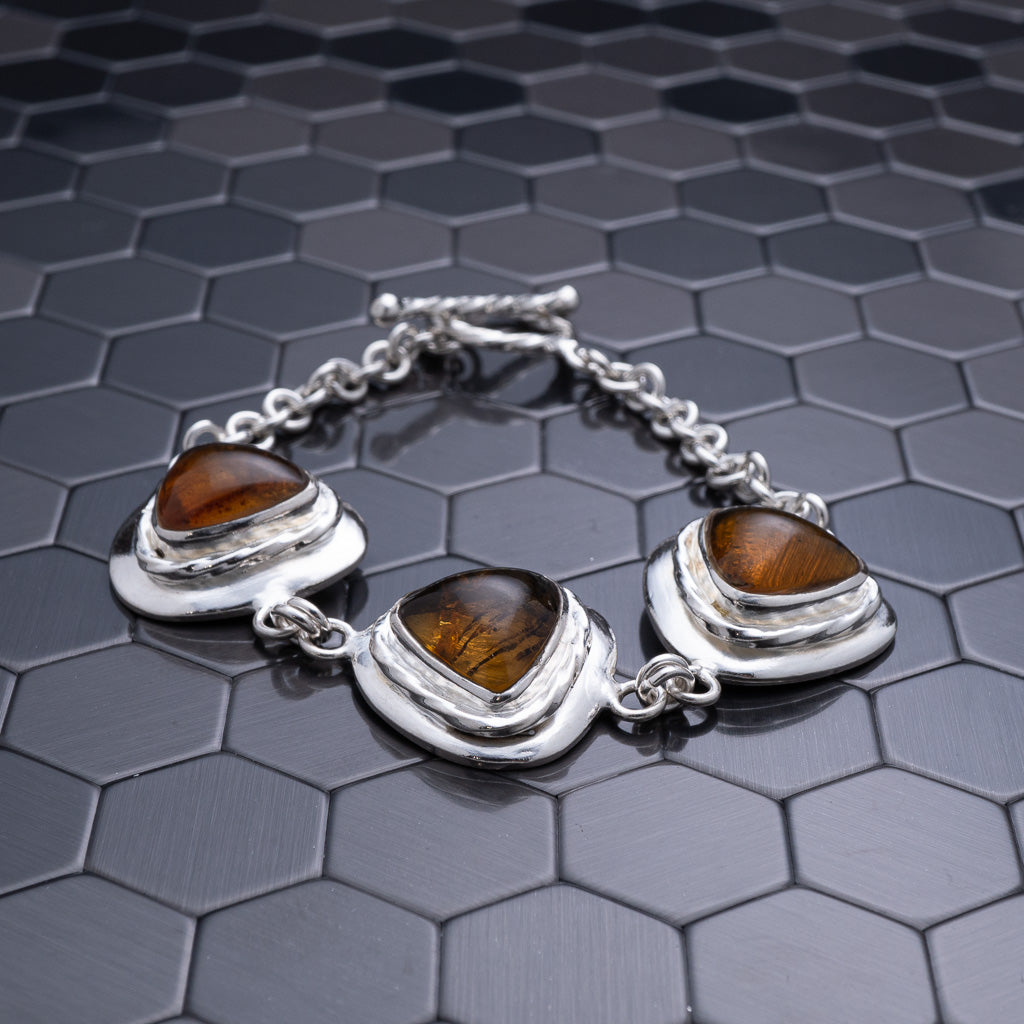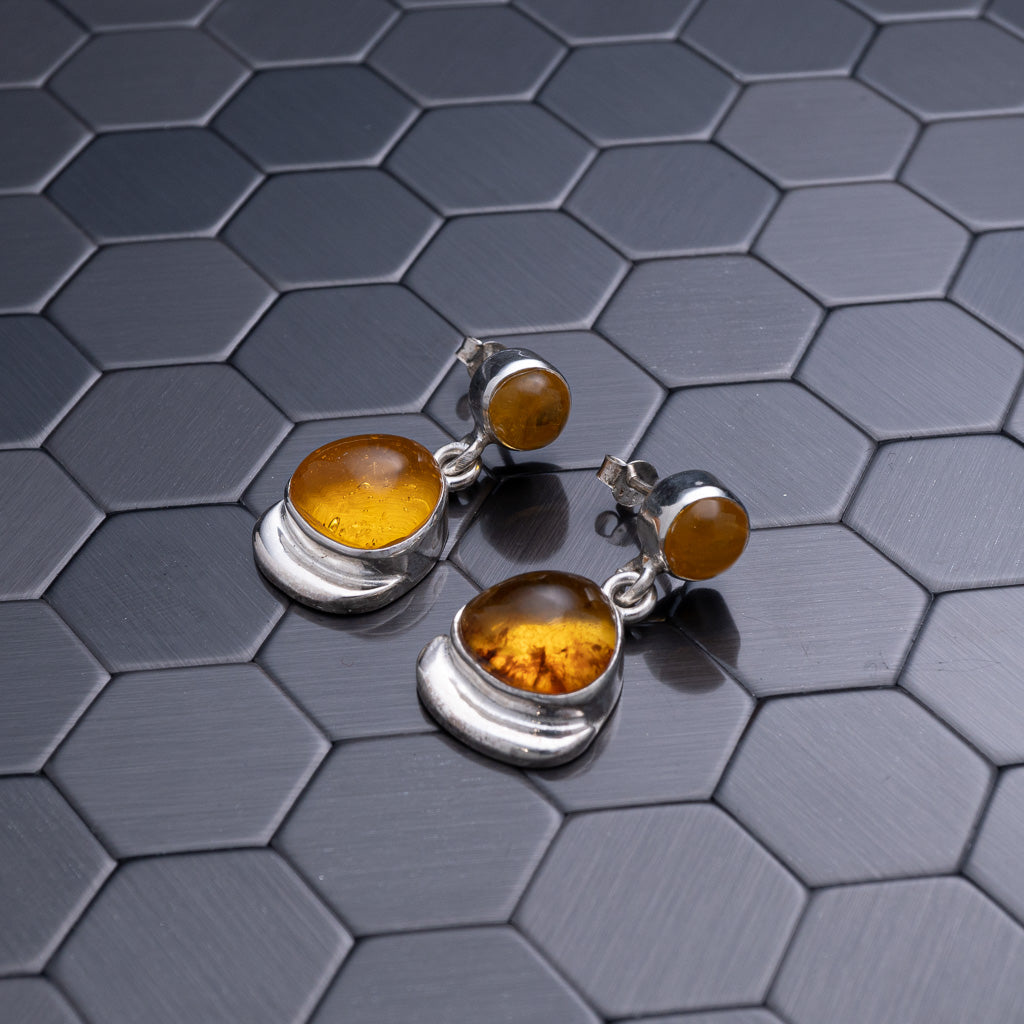


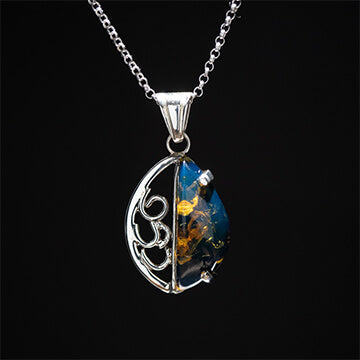
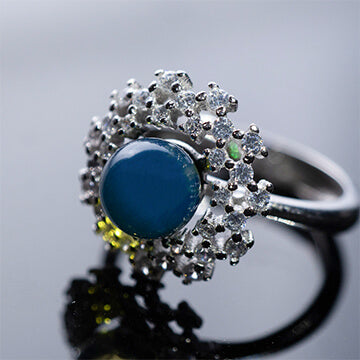
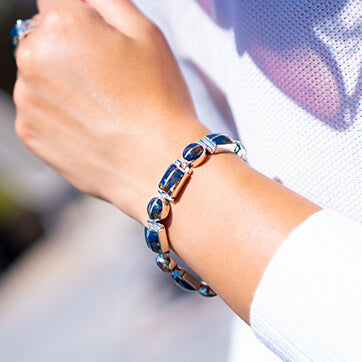
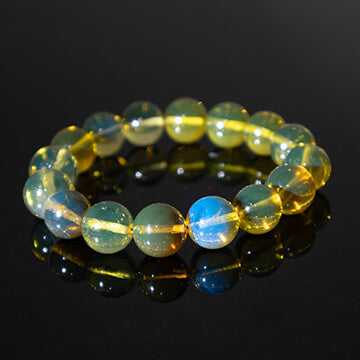
Handcrafted in DR.

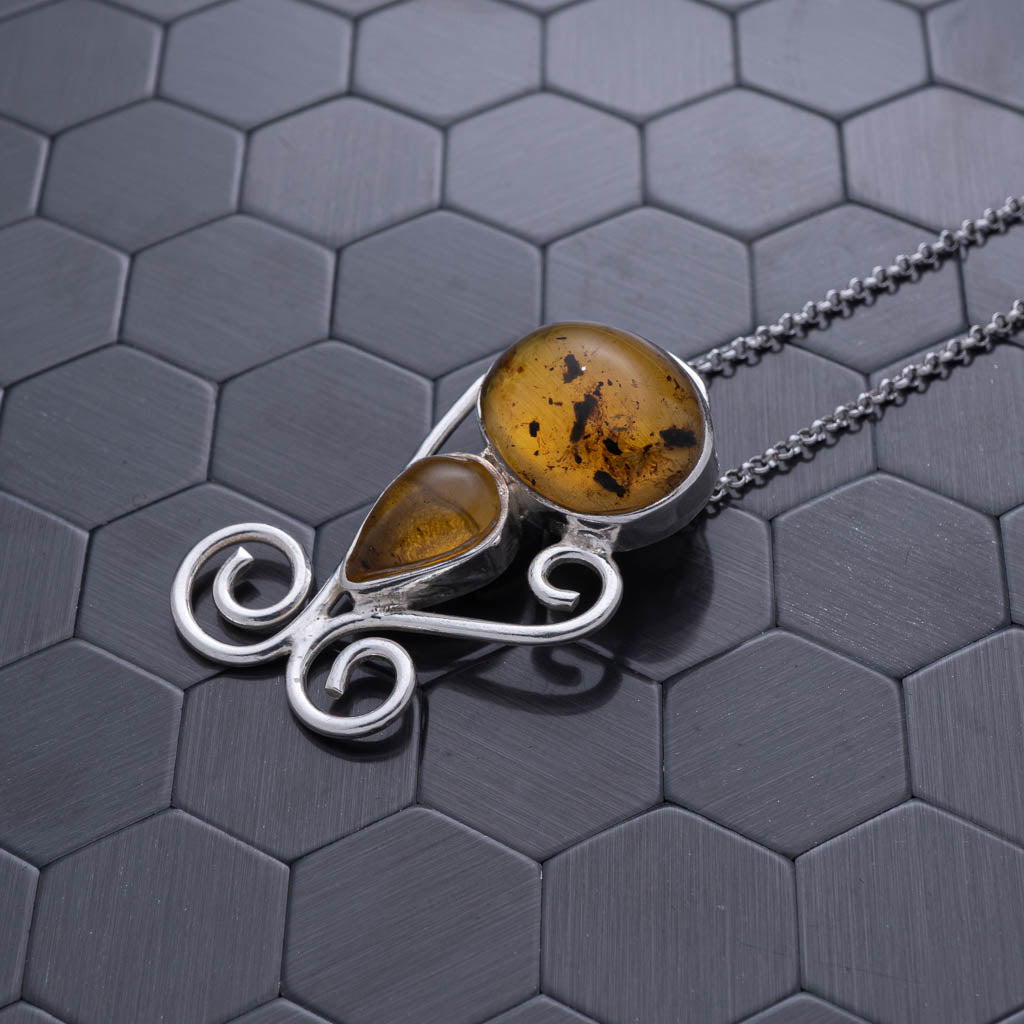
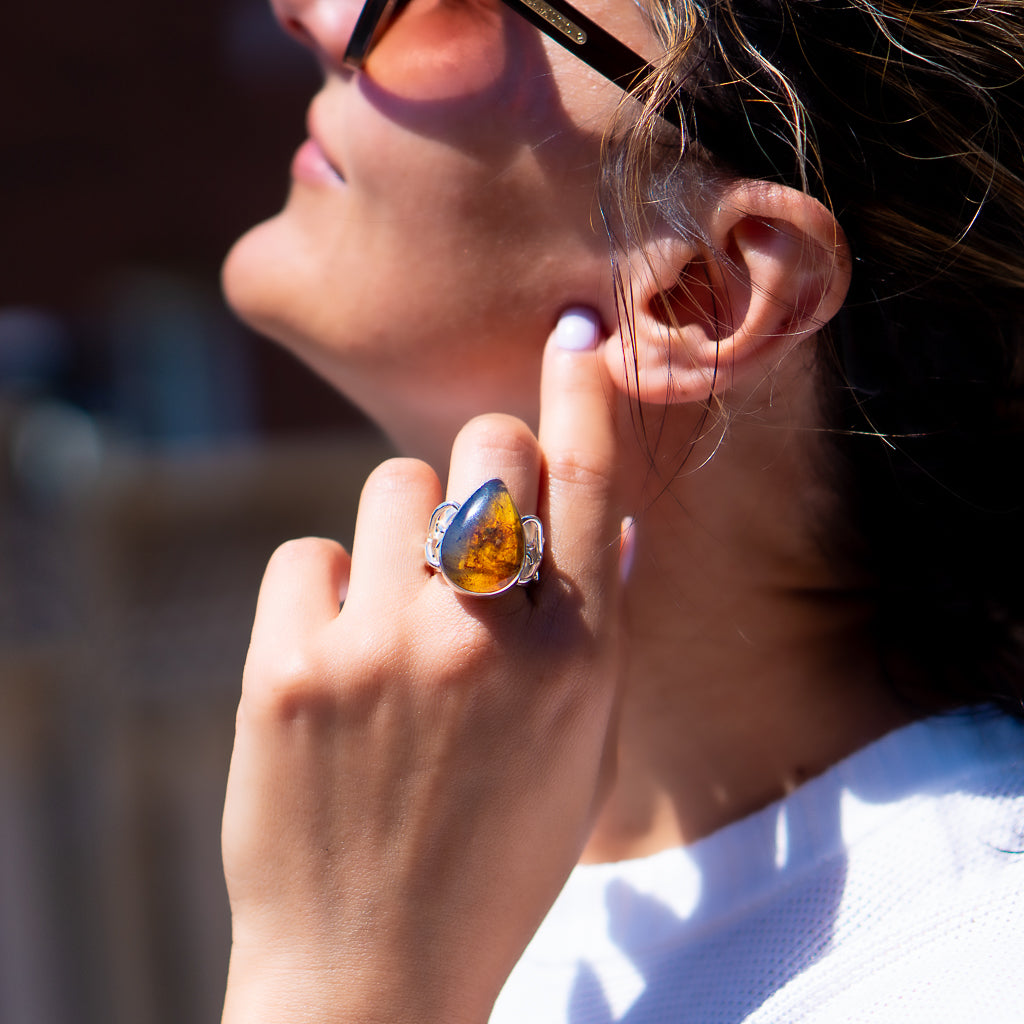
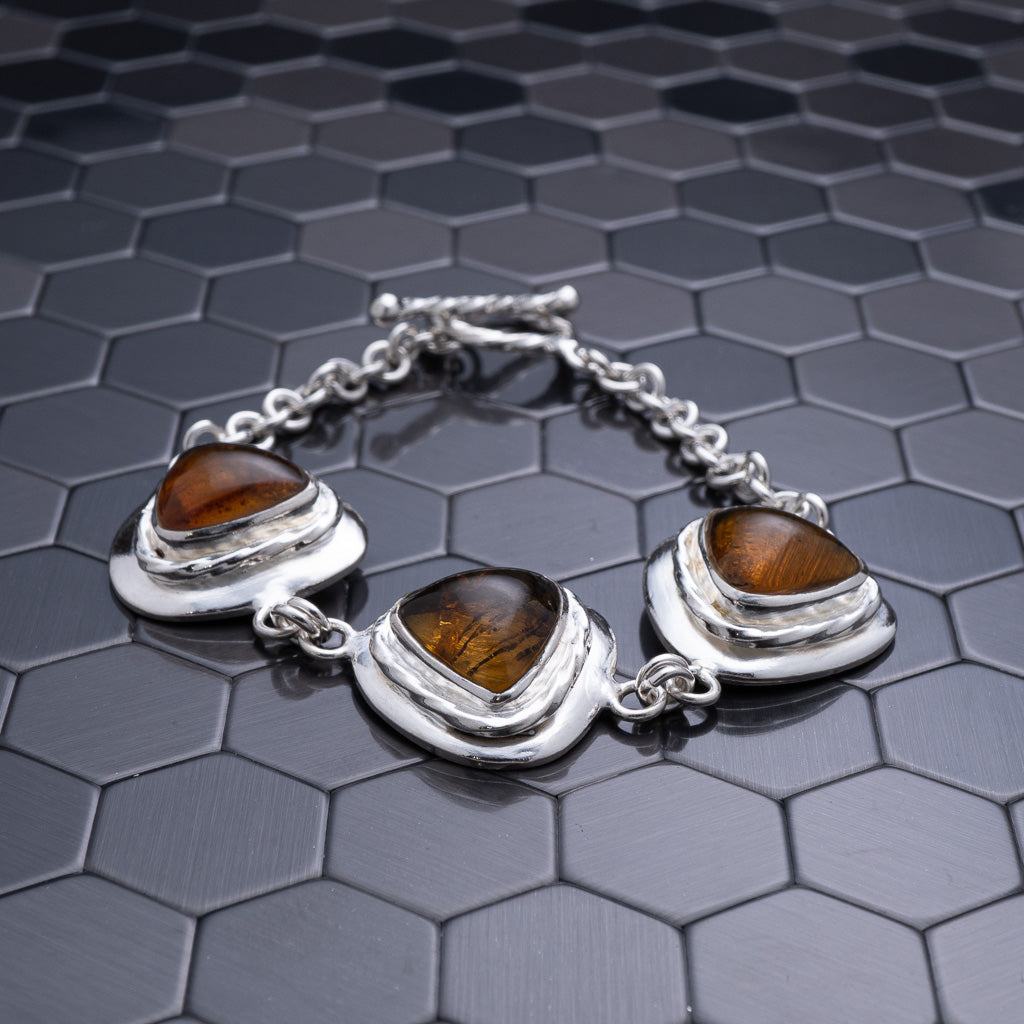
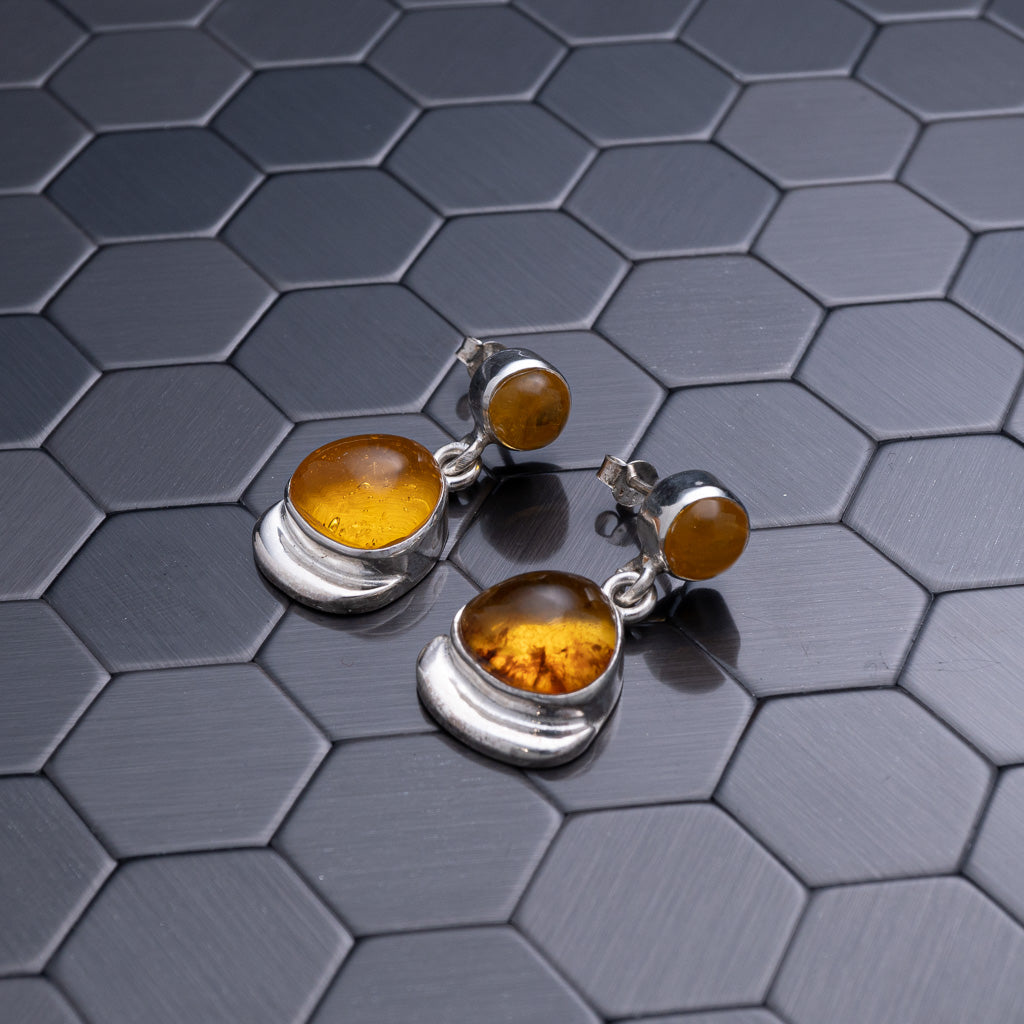


100% Handcrafted in DR.

Amber has captivated humanity for millennia, transforming from ancient tree resin into one of nature's most fascinating gemstones. When set into rings, this organic gem creates jewelry pieces that connect wearers to the distant past while offering distinctive beauty that no two pieces can replicate. Amber gemstone rings represent more than ornamental accessories; they embody natural history, cultural significance, and timeless elegance. Whether you're considering your first amber ring or expanding a collection of unique gemstones, understanding the properties, varieties, and characteristics of amber ensures you select a piece that resonates with both your aesthetic preferences and personal values.
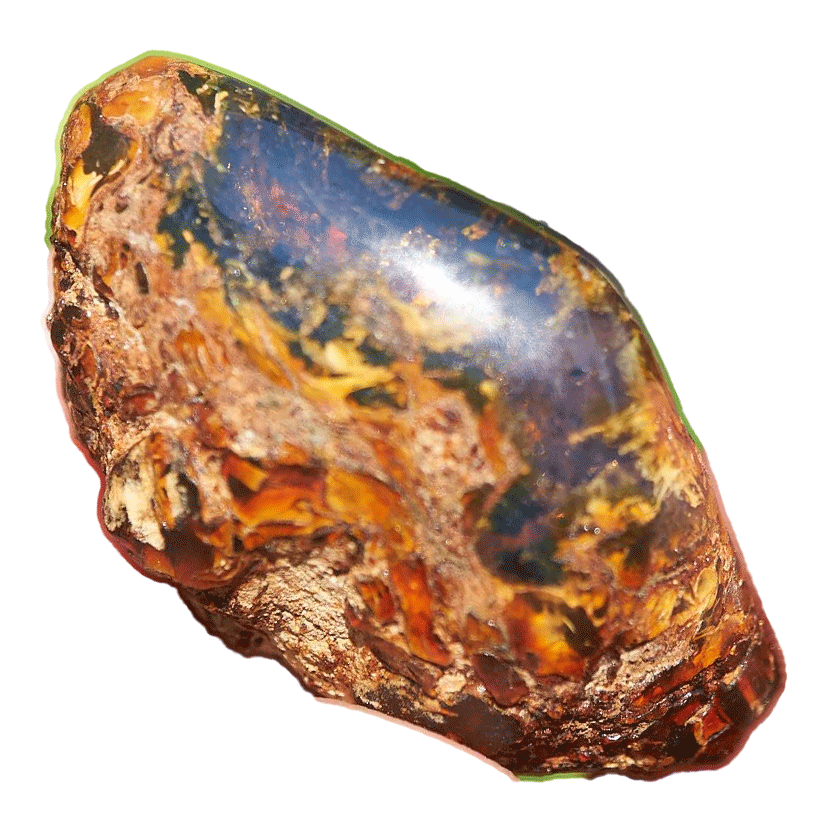
Amber stands apart from traditional gemstones because of its organic origins. Unlike minerals formed through geological processes, amber began as tree resin that fossilized over millions of years. This natural transformation creates gemstones with remarkable characteristics that influence their suitability for rings.
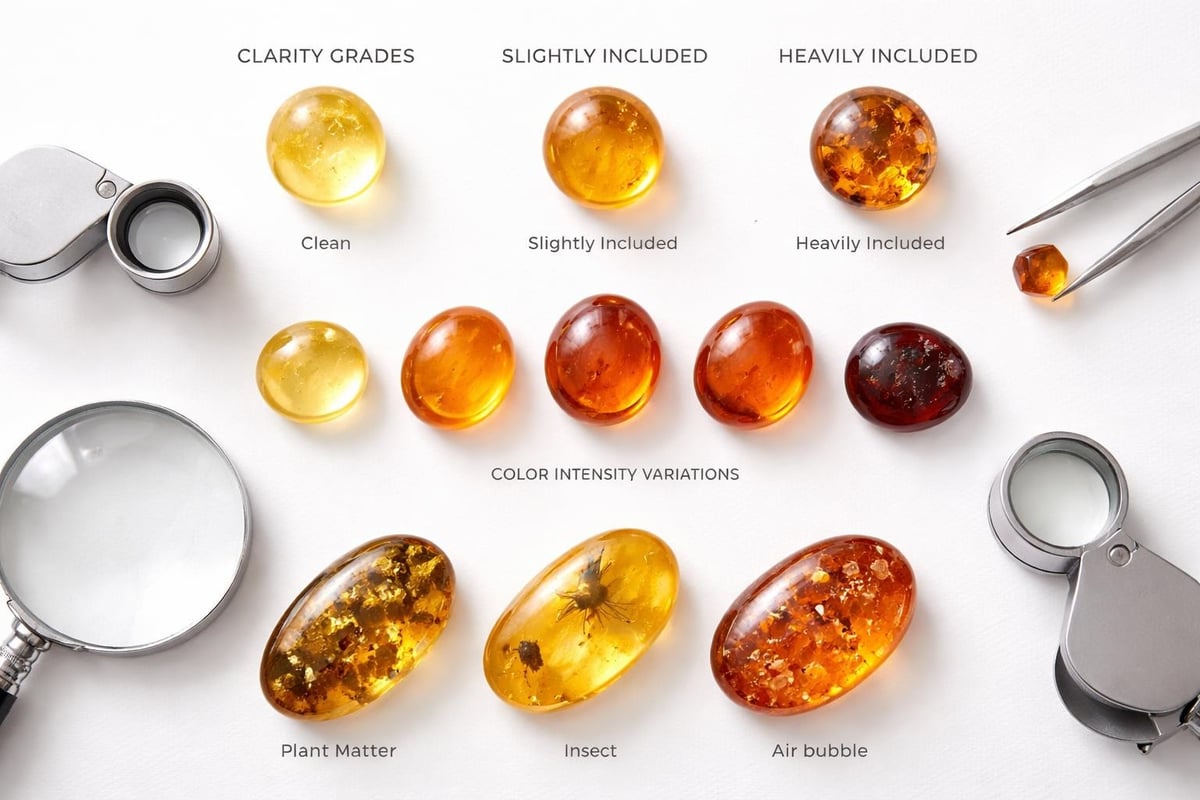
The journey from sticky tree sap to polished gemstone requires between 2 million and 50 million years. During this extended period, the resin undergoes molecular changes that harden and preserve it. Dominican blue amber offers comprehensive insights into how different amber deposits formed across geological epochs.
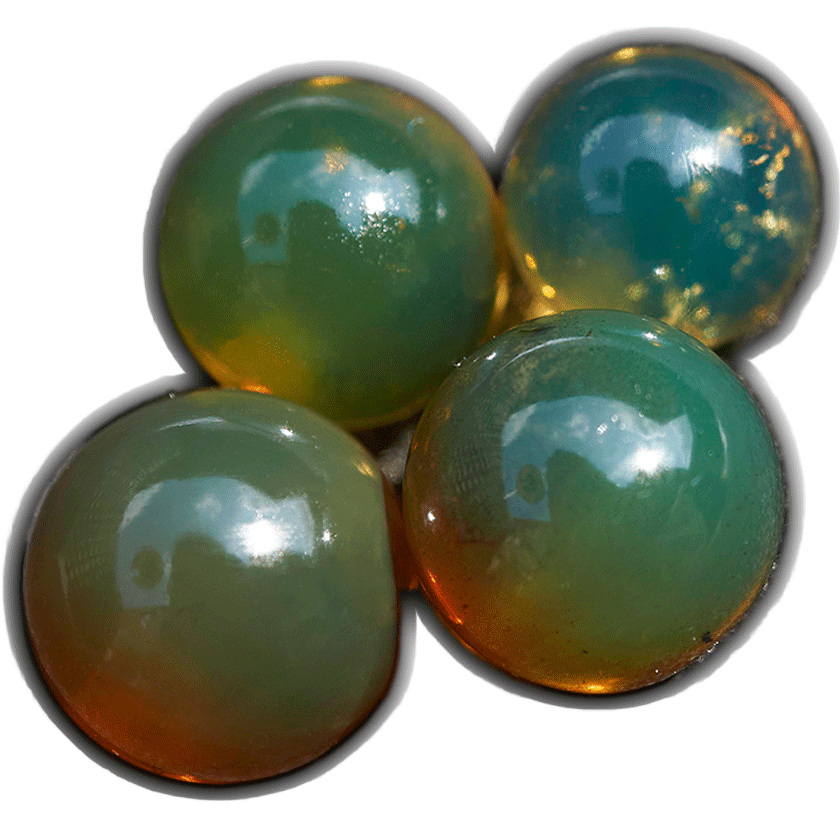
Baltic amber, the most abundant variety, originated from ancient pine forests that existed 44 million years ago. Dominican amber, which sometimes displays rare blue and green fluorescence, comes from extinct Hymenaea trees and dates back 15-20 million years. Myanmar amber represents some of the oldest specimens, reaching ages of 99 million years.
Amber's properties make it both beautiful and challenging for ring settings. The gemstone registers between 2.0 and 2.5 on the Mohs hardness scale, making it relatively soft compared to traditional gemstones like sapphires or diamonds. This softness requires careful consideration when designing amber gemstone rings that will withstand daily wear.
| Property | Amber Specification | Comparison to Other Gems |
|---|---|---|
| Hardness | 2.0-2.5 Mohs | Softer than most gemstones |
| Specific Gravity | 1.05-1.10 | Floats in saltwater |
| Luster | Resinous | Unique organic appearance |
| Transparency | Transparent to opaque | Highly variable |
The low specific gravity means amber gemstone rings feel surprisingly lightweight on the finger. This characteristic also provides a simple authenticity test, as genuine amber floats in saltwater solutions, while most imitations sink.
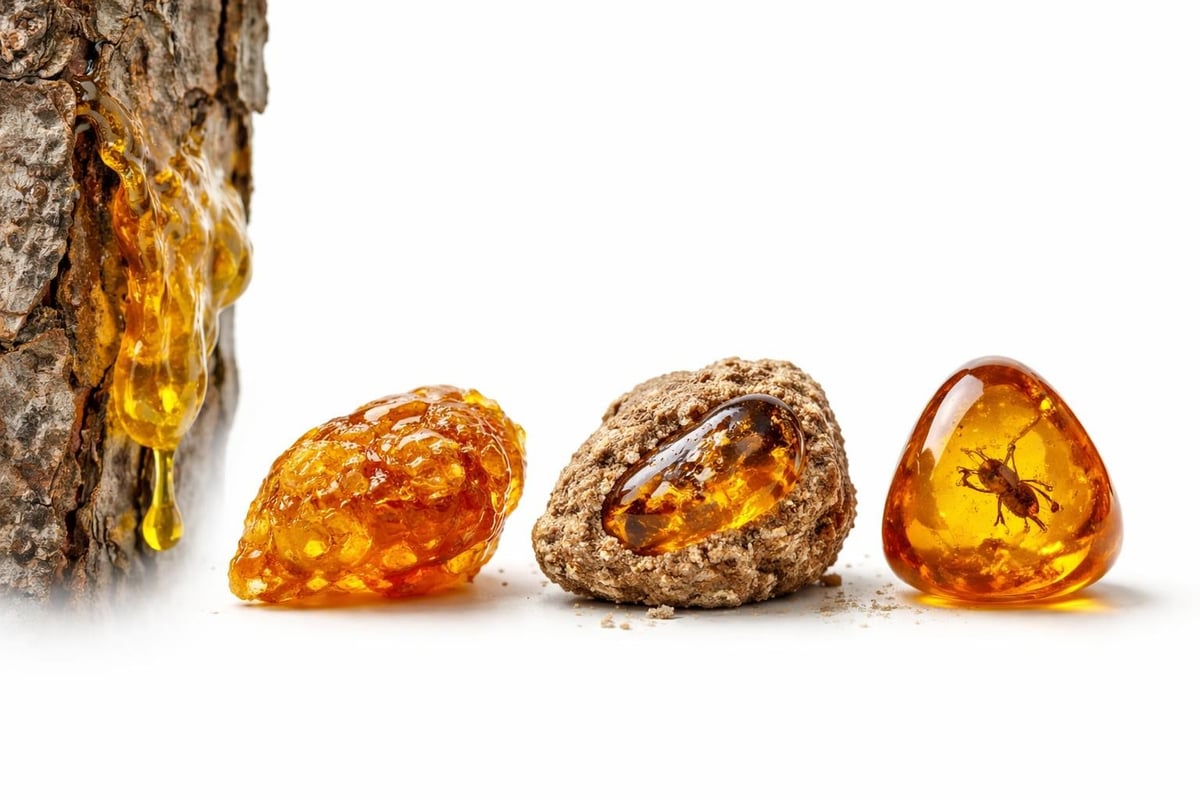
Amber's color palette extends far beyond the golden-yellow tones most commonly associated with the gemstone. Understanding these variations helps you select amber gemstone rings that align with your personal style preferences.
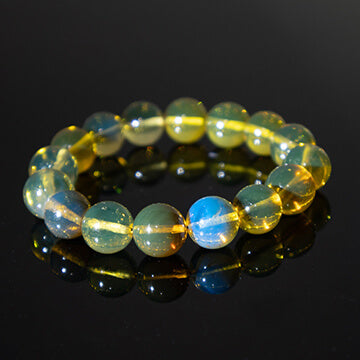
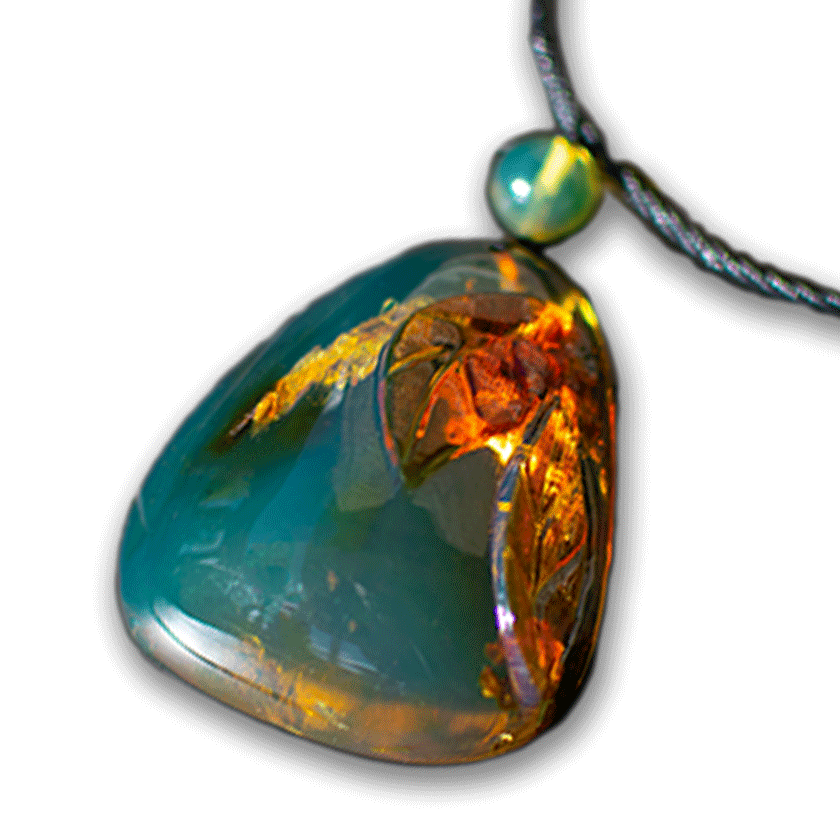
Dominican blue amber represents one of the most sought-after varieties for collectors. When exposed to ultraviolet light or viewed against dark backgrounds, this amber displays stunning blue fluorescence. Similarly intriguing is green amber, which exhibits its unique coloration under specific lighting conditions. Those interested in rare gemstone phenomena can explore what causes blue amber to better understand these optical properties.
White or "bony" amber contains numerous tiny air bubbles that create an opaque, ivory-like appearance. This variety often gets overlooked but creates striking contrast in contemporary ring designs. Black amber, while technically very dark brown, offers dramatic aesthetics for statement pieces.
Amber gemstone rings accommodate diverse design philosophies, from vintage-inspired pieces to minimalist modern aesthetics. The setting choice significantly impacts both the ring's appearance and the amber's protection.
Bezel settings surround the amber completely with metal, offering maximum protection for the soft gemstone. This setting works particularly well for rings intended for daily wear, as it shields the amber from impacts and abrasion.
Prong settings use metal claws to secure the amber while maximizing light exposure. These settings showcase the amber's transparency and internal characteristics but require higher quality stones without fractures or weak points.
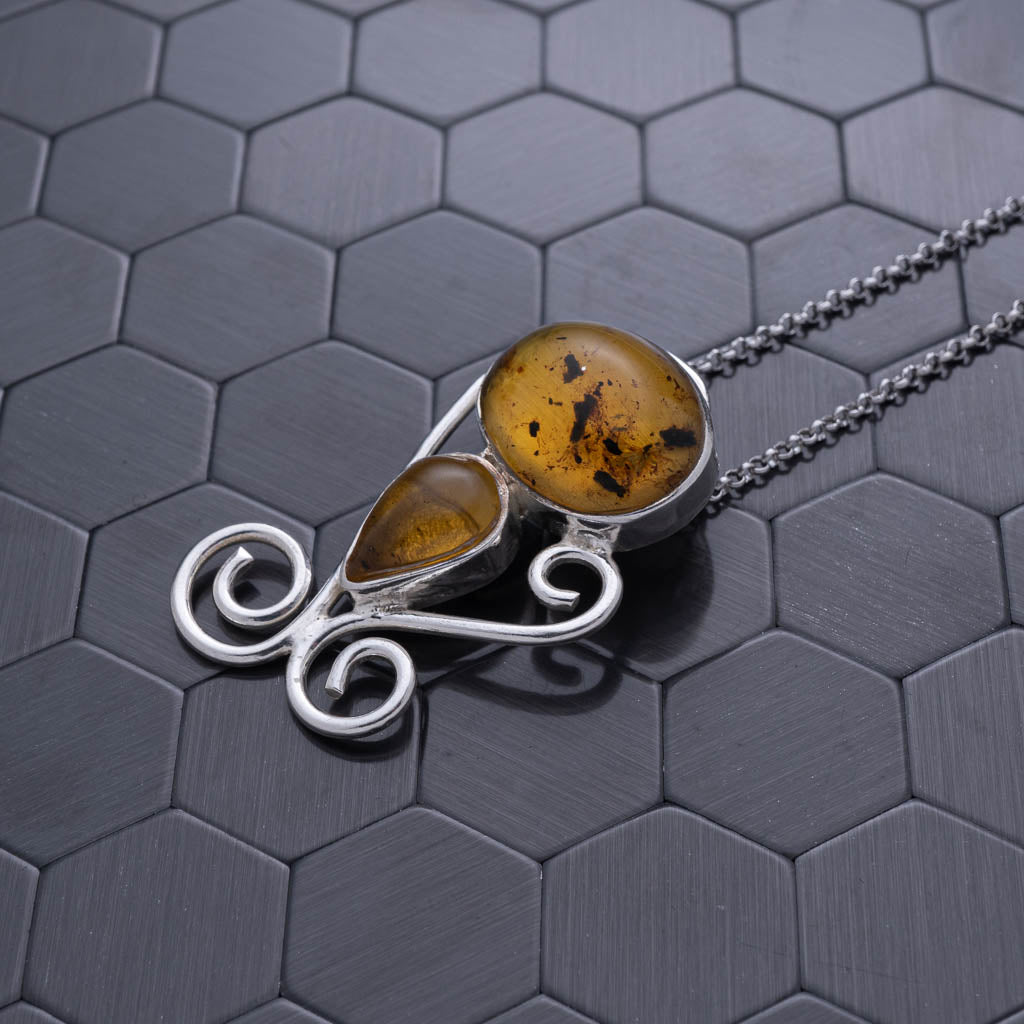
Vintage-inspired designs often incorporate intricate metalwork, filigree, and additional accent stones. These settings complement amber's antique origins and create heirloom-quality pieces.
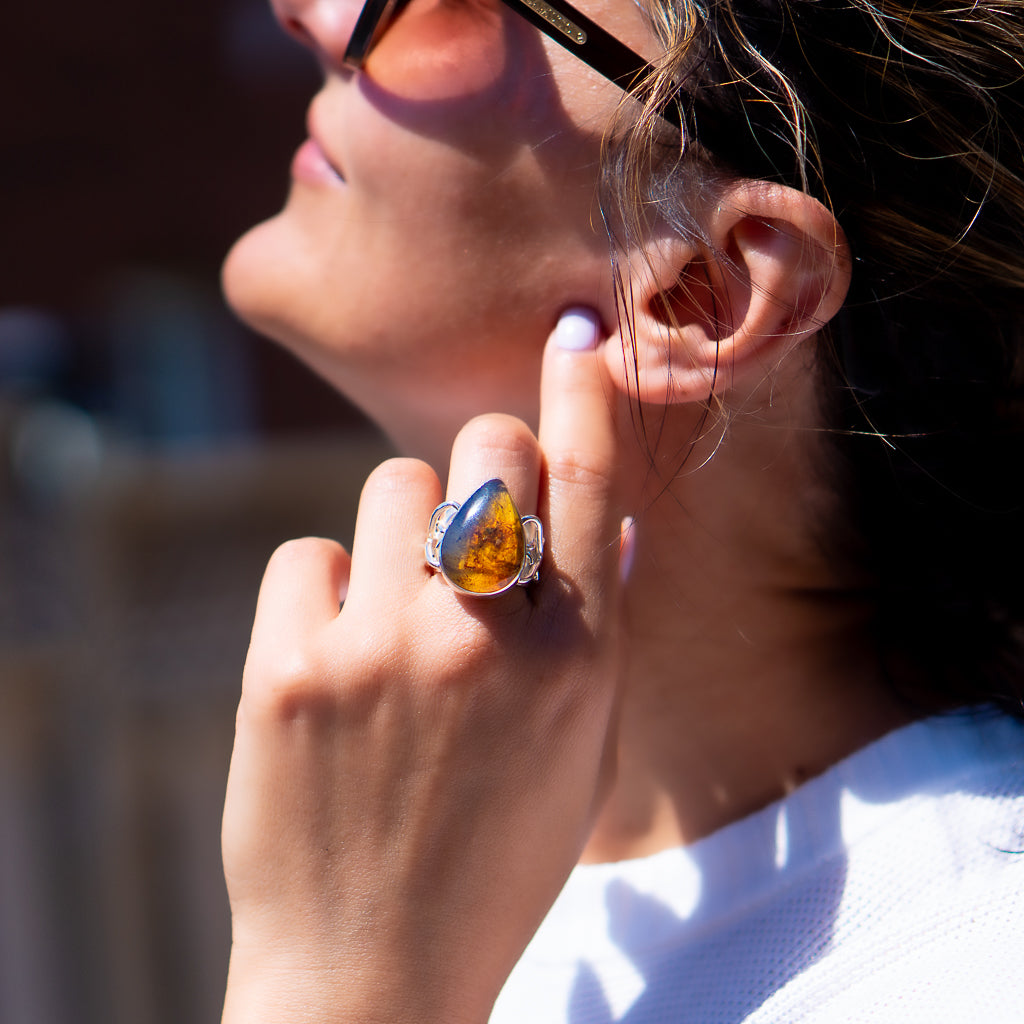
Contemporary designers increasingly experiment with asymmetrical settings, mixed metals, and unconventional shapes. Freeform amber cabochons set in minimalist bands allow the gemstone's natural beauty to take center stage without competing ornamental elements.
Sterling silver remains the most popular metal choice for amber gemstone rings due to its affordability and complementary coloring. The cool silver tones create beautiful contrast against warm amber hues. Gold settings, whether yellow, white, or rose, offer different aesthetic results:
The amber market includes numerous synthetic materials, treated specimens, and outright fakes marketed as genuine amber. Developing knowledge about authentication protects buyers from fraudulent purchases.
The saltwater test provides quick preliminary screening. Genuine amber floats in a solution of two tablespoons of salt dissolved in one cup of water, while most plastic imitations sink. However, some sophisticated fakes can pass this test, requiring additional verification.
The hot needle test releases distinct pine or resinous scent when a heated needle touches genuine amber, while plastic produces acrid chemical odors. Exercise extreme caution with this destructive test, applying it only to inconspicuous areas.
UV light examination reveals fluorescence in many amber varieties, particularly Dominican specimens. However, some treated materials also fluoresce, so this characteristic alone doesn't confirm authenticity.
| Quality Factor | Premium Grade | Standard Grade | Lower Grade |
|---|---|---|---|
| Clarity | Transparent, minimal inclusions | Some cloudiness acceptable | Opaque or heavily included |
| Color | Vibrant, even distribution | Moderate coloring | Pale or uneven tones |
| Polish | Mirror-like finish | Good surface quality | Visible scratches or pits |
| Inclusions | Scientifically valuable specimens | Decorative bubbles/flora | Detracting imperfections |
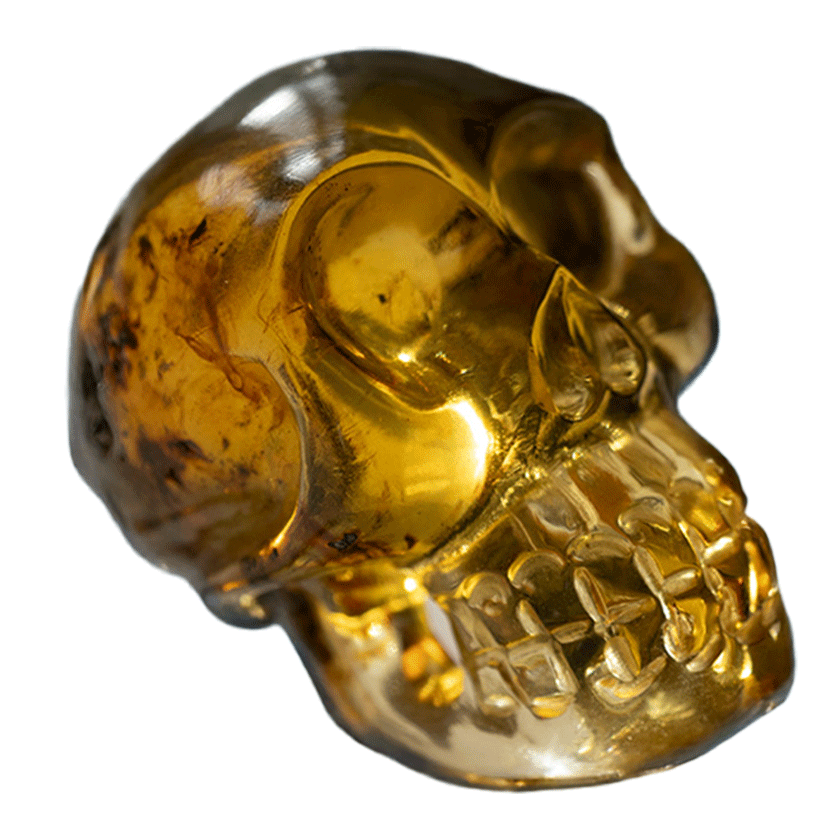
Inclusions deserve special consideration in amber gemstone rings. While most gemstones decrease in value with inclusions, amber containing well-preserved insects, plant matter, or other biological specimens commands premium prices. These amber specimens preserve ancient ecosystems and hold both aesthetic and scientific value.
Amber's organic composition and relative softness require specific care protocols to maintain the beauty of amber gemstone rings over time. Unlike harder gemstones that tolerate harsh conditions, amber demands gentle handling and storage.
Remove amber rings before engaging in activities that could scratch or impact the stone. Household cleaning products, gardening, exercise, and manual tasks pose particular risks. The gemstone's softness means even routine contact with harder surfaces gradually dulls the polish.
Chemicals to avoid completely:
Proper cleaning maintains amber's luster without damaging the delicate surface. Use lukewarm water with mild soap, gently wiping the amber with a soft cloth. Never use ultrasonic cleaners, steam cleaning, or abrasive materials on amber gemstone rings.
After cleaning, dry the ring thoroughly with a lint-free cloth. Periodic application of olive oil or specialized amber oil restores shine to pieces that have developed slight surface clouding. Apply a tiny amount, buff gently, and remove excess completely.
Store amber rings separately from other jewelry to prevent scratching from harder gemstones or metals. Individual soft pouches or lined compartments provide ideal protection. Avoid extreme temperature fluctuations and direct sunlight exposure, which can dry amber and cause surface crazing over time.
The appreciation for amber transcends its physical beauty, incorporating thousands of years of cultural meanings and traditional beliefs. Understanding these connections adds depth to owning amber gemstone rings.
Archaeological evidence reveals amber jewelry dating back to the Stone Age, with Baltic amber traveling ancient trade routes throughout Europe, Asia, and the Mediterranean. Romans prized amber so highly that small pieces sometimes cost more than human slaves. Historical significance and symbolic meanings associated with amber rings connect modern wearers to these ancient traditions.
Medieval Europeans believed amber possessed protective powers against illness and evil spirits. Amber beads were worn by children for teething relief, and adults carried amber talismans during travel. These historical practices influence contemporary appreciation for amber's metaphysical properties.
Modern crystal healing practitioners attribute various properties to amber, though these claims lack scientific validation. Believers suggest amber promotes:
Whether one accepts these metaphysical attributes or simply appreciates the historical context, they contribute to amber's enduring appeal in jewelry.
The amber gemstone ring market encompasses vast price ranges influenced by numerous factors. Understanding market dynamics helps buyers make informed purchasing decisions.
Origin significantly impacts value, with Baltic amber generally most affordable due to abundant supply. Dominican blue amber commands premium prices, sometimes exceeding $500 per carat for exceptional specimens. Myanmar amber with significant scientific inclusions reaches high values among collectors and researchers.
Size affects pricing exponentially rather than linearly. Large, clear amber pieces suitable for statement rings become progressively rarer and more expensive. A ring featuring a 10-carat amber cabochon costs substantially more than five times a 2-carat stone of equivalent quality.
Craftsmanship and setting materials contribute significantly to final prices. Mass-produced amber gemstone rings in basic settings start around $50-$100, while artisan-crafted pieces featuring high-grade amber in precious metal settings range from $300-$2,000 or more.
Current jewelry trends favor sustainable, ethically sourced materials, positioning amber favorably as a natural, organically formed gemstone. Vintage and antique-inspired designs continue gaining popularity, creating increased demand for amber gemstone rings that evoke historical aesthetics.
Collectors increasingly seek amber with exceptional inclusions, driving prices upward for scientifically significant specimens. Meanwhile, fashion-forward consumers appreciate amber's versatility in both bohemian and minimalist design contexts.
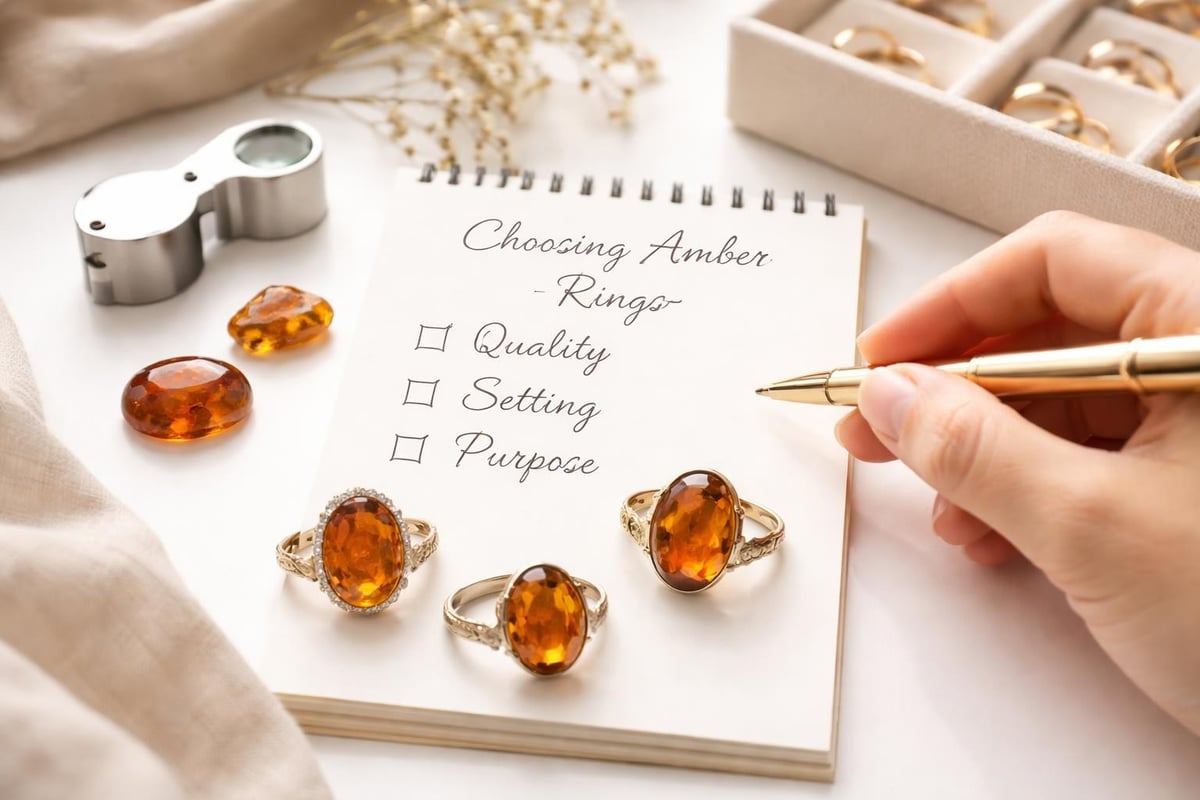
Choosing an amber gemstone ring involves balancing aesthetic preferences, quality considerations, budget constraints, and intended use. A systematic approach ensures satisfaction with your selection.
Daily wear rings require durable settings and higher-quality amber resistant to the inevitable wear and minor impacts. Bezel settings in sterling silver or gold provide practical protection while maintaining attractive appearance.
Special occasion pieces allow more delicate settings and experimental designs. Statement rings featuring large amber cabochons or intricate metalwork serve as conversation starters without needing to withstand rigorous daily conditions.
Investment or collector pieces prioritize amber quality, rarity, and scientific value. Rings featuring exceptional inclusions, unusual colors, or significant size merit documentation and proper authentication.
Proper sizing ensures comfort and security. Amber gemstone rings with large stones may feel different from traditional metal bands, potentially requiring slight size adjustments. Many jewelers offer ring sizing guides to help determine accurate measurements before purchase.
Consider seasonal finger size fluctuations, particularly if selecting a ring with minimal adjustment capability. Rings should slide over the knuckle with slight resistance but not spin loosely once positioned properly.
Amber shares its organic origins with several other gemstones used in ring creation. Understanding these alternatives provides context for amber's unique position in the jewelry market.
Pearls offer classic elegance with better hardness (2.5-4.5 Mohs) than amber but share vulnerability to chemicals and acids. While pearls present lustrous, refined aesthetics, amber delivers warmer, more varied coloration and historical depth.
Coral exhibits similar hardness to amber and requires comparable care. However, ethical concerns surrounding coral harvesting, particularly reef destruction, increasingly discourage its use in contemporary jewelry. Amber faces fewer sustainability questions as it's harvested from land deposits rather than living ecosystems.
Jet, fossilized wood, provides deep black coloration for dramatic jewelry pieces. Like amber, jet formed through organic processes and requires gentle handling. Jet lacks amber's color variety and transparency, appealing to different aesthetic preferences.
For those who appreciate rare organic gemstones, exploring other unique materials like Larimar or Dominican Blue Amber expands appreciation for nature's diverse jewelry offerings. Each organic gemstone brings distinct characteristics and aesthetic possibilities to ring designs.
As consumers become increasingly conscious of jewelry industry practices, understanding amber sourcing ethics helps buyers make responsible purchasing decisions.
Amber harvesting generally poses minimal environmental disruption compared to hard rock mining required for traditional gemstones. Most commercial amber comes from sedimentary deposits accessed through surface collection or shallow excavation. However, irresponsible harvesting techniques can damage coastal ecosystems, particularly in Baltic regions.
The amber industry operates across numerous countries with varying labor standards. Responsible retailers verify their suppliers maintain fair working conditions, appropriate compensation, and safe mining practices. Asking vendors about sourcing transparency demonstrates commitment to ethical consumption.
The prevalence of synthetic amber and misleading marketing creates ethical challenges beyond environmental and labor considerations. Sellers who misrepresent treated, reconstructed, or entirely synthetic materials as natural amber engage in fraudulent practices that undermine consumer trust and market integrity.
Contemporary jewelry designers continually develop innovative approaches to incorporating amber into ring designs, pushing beyond traditional applications.
Some avant-garde designers embed LED elements within hollow metal settings surrounding amber, using the gemstone's translucency to diffuse light. These experimental pieces blur boundaries between jewelry and wearable art, appealing to technology-forward consumers.
Combining amber with unconventional materials like carbon fiber, titanium, or exotic woods creates striking contemporary aesthetics. These mixed-media pieces attract buyers seeking unique, conversation-starting jewelry that defies conventional categorization.
Artisans committed to sustainability incorporate reclaimed amber from vintage jewelry, giving these materials renewed purpose. Similarly, using recycled metals for settings aligns amber gemstone rings with broader environmental consciousness movements.
While most people purchase amber gemstone rings for personal enjoyment rather than investment, understanding value retention helps buyers make financially sound decisions.
High-quality amber with exceptional characteristics tends to maintain or increase value over time. Particularly rare specimens, such as large transparent pieces with scientifically significant inclusions, have demonstrated price appreciation as collectors compete for limited available material.
Factors supporting value retention:
Mass-produced amber gemstone rings with basic settings typically depreciate immediately upon purchase, similar to most consumer jewelry. Treated amber, reconstructed amber, or pieces with undisclosed enhancements face greater value loss if later discovered and disclosed.
Fashion trends influence demand and pricing, with periods of heightened amber popularity supporting prices while declining interest creates buyer's markets. Unlike diamonds with organized marketing campaigns maintaining demand, amber values fluctuate more organically with genuine consumer interest.
Working with skilled jewelers to create custom amber gemstone rings ensures perfect alignment between your vision and the final piece. This approach offers advantages beyond selecting from existing inventory.
Custom design allows optimization of setting style for specific amber characteristics. A stone with minor surface imperfections might benefit from strategic prong placement or partial bezel coverage, while flawless specimens deserve settings maximizing visibility.
Personalization extends to incorporating meaningful symbols, engravings, or birthstones alongside amber. These elements transform jewelry into deeply personal heirlooms carrying stories and significance beyond aesthetic beauty.
Working with specialized artisans who understand amber's properties ensures appropriate setting techniques that protect the gemstone while showcasing its beauty. Generic jewelers may apply inappropriate methods suitable for harder stones but damaging to amber.
Amber gemstone rings offer timeless beauty combining natural wonder with human craftsmanship, creating jewelry pieces that bridge millions of years of geological history with contemporary style. Understanding amber's unique properties, care requirements, and quality factors empowers you to select pieces that bring lasting satisfaction whether you seek everyday elegance or collector-worthy rarities. For those captivated by exceptional organic gemstones, Larimar Creations specializes in handcrafted jewelry featuring rare materials including Larimar and Dominican Blue Amber, with worldwide shipping ensuring customers everywhere can enjoy these distinctive treasures.