



Handcrafted in DR.


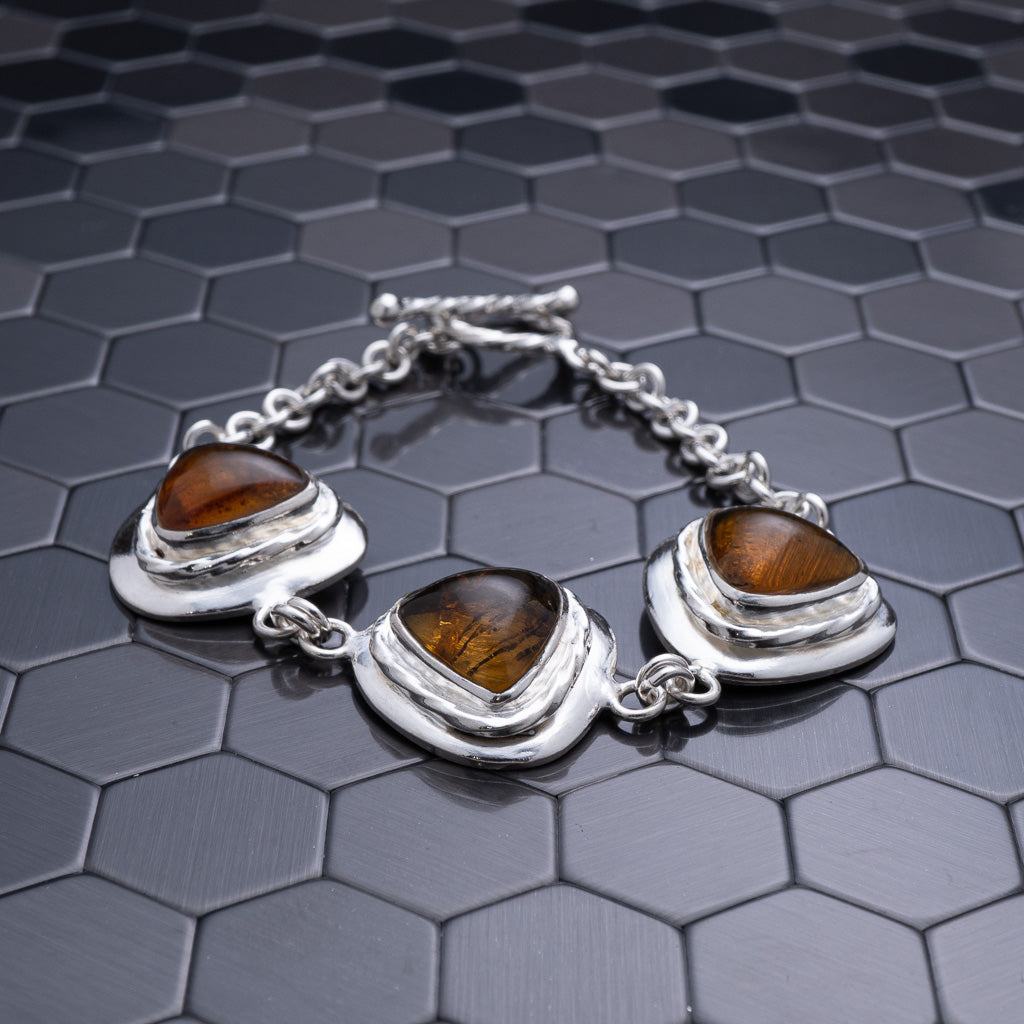
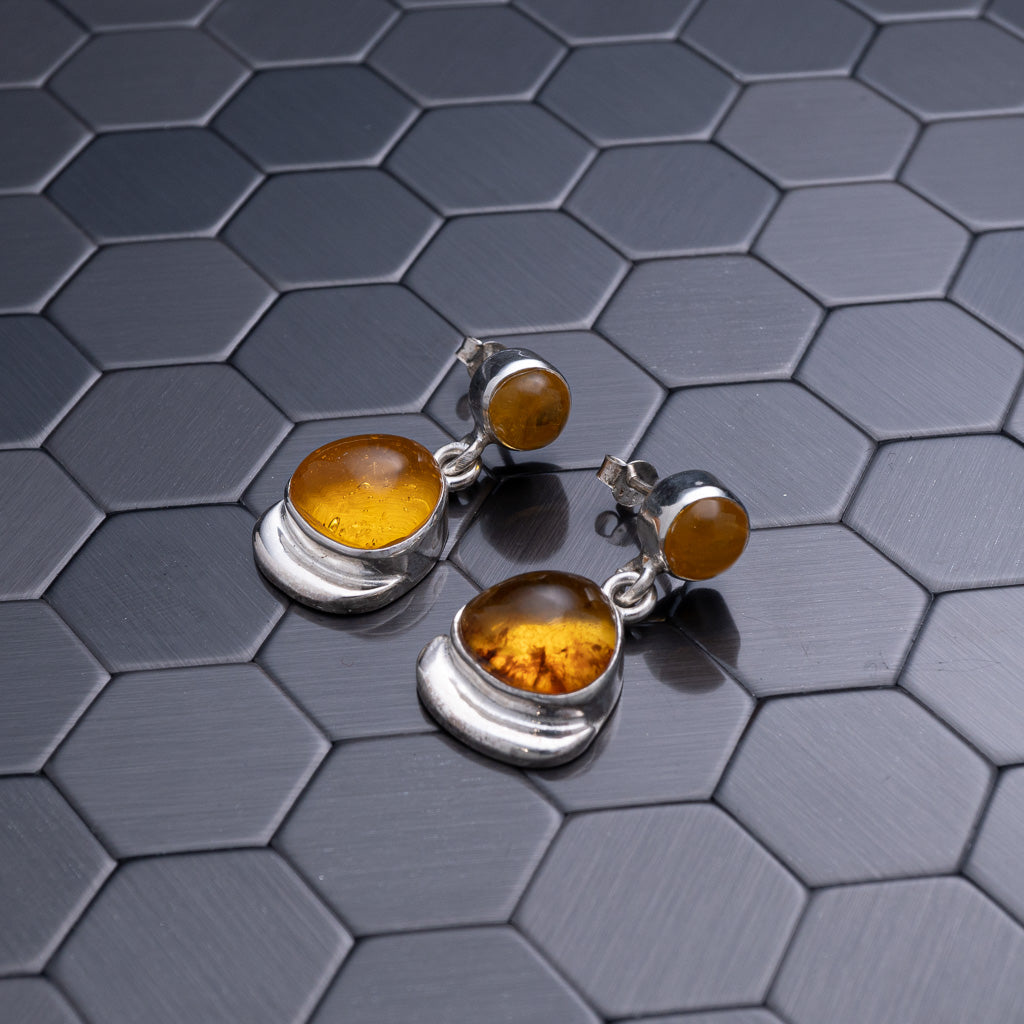


100% Handcrafted in DR.

The allure of precious gemstones has captivated humanity for millennia, but certain specimens stand apart from even the most coveted diamonds and sapphires. These extraordinary treasures, formed under exceptional geological conditions over millions of years, represent nature's rarest artistic achievements. Understanding what makes these rare stones so special requires examining their formation, global distribution, and the unique characteristics that distinguish them from more common minerals. As collectors and jewelry enthusiasts increasingly seek distinctive pieces in 2026, knowledge of these geological rarities becomes essential for making informed decisions about acquiring meaningful, investment-worthy gemstones.
Rarity in the gemstone world extends far beyond simple scarcity. Multiple factors converge to determine whether a stone achieves truly exceptional status in the market and among collectors.
Formation of rare stones requires precise combinations of chemical elements, temperature, pressure, and time. Most exceptional gemstones develop in isolated geological environments that may never repeat elsewhere on Earth. For instance, certain minerals crystallize only when specific trace elements interact under exact conditions deep within the planet's crust.
The geological timeframe for creating these treasures spans millions of years. During this period, tectonic movements, volcanic activity, and hydrothermal processes must align perfectly to produce gem-quality specimens rather than common mineral deposits.
Key factors influencing gemstone rarity include:
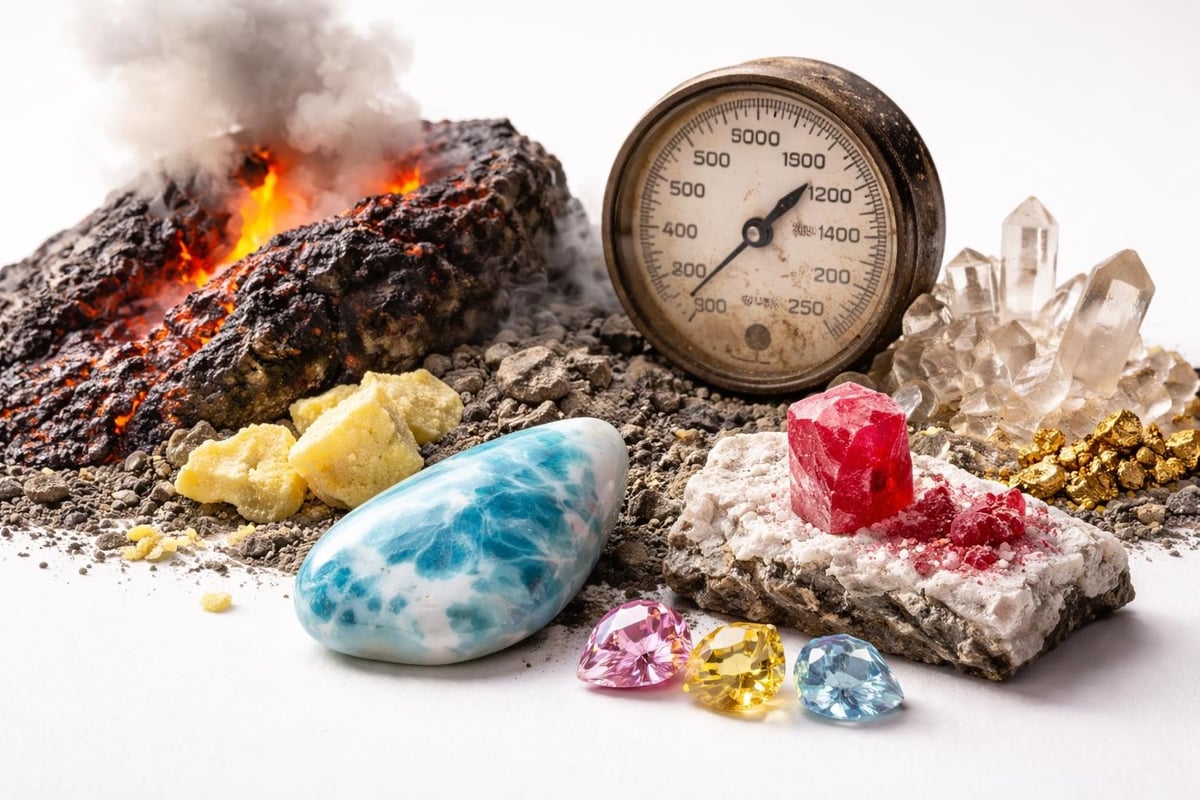
Several minerals have achieved legendary status among collectors due to their extreme scarcity and unique properties. The rarity pyramid of gemstones demonstrates how certain specimens surpass even diamonds in their scarcity and value per carat.
Red beryl, also known as bixbite or scarlet emerald, ranks among Earth's rarest minerals. Found primarily in Utah's Wah Wah Mountains, this extraordinary gemstone forms when beryllium, aluminum, silicon, and manganese combine under volcanic conditions. Estimates suggest red beryl is approximately 1,000 times rarer than gold.
Gem-quality red beryl crystals rarely exceed one carat, making larger specimens extraordinarily valuable. The vivid raspberry to purplish-red coloration results from manganese ions replacing aluminum in the crystal structure.
While colorless diamonds are relatively common, red diamonds represent the pinnacle of diamond rarity. Fewer than 30 true red diamonds are known to exist, with most weighing less than one carat. The Argyle mine in Australia, which closed in 2020, was the primary source for these exceptional stones.
The recent discovery of a 37.4-carat half-pink rough diamond in Botswana demonstrates that Earth occasionally yields unprecedented treasures. This remarkable specimen exhibits both pink and colorless zones, representing a geological anomaly that challenges our understanding of diamond formation.
| Diamond Color | Relative Rarity | Primary Sources | Average Value Multiplier |
|---|---|---|---|
| Colorless | Common | Multiple worldwide | 1x baseline |
| Yellow/Brown | Uncommon | Multiple worldwide | 1.5-3x |
| Pink | Very Rare | Australia, Africa | 10-50x |
| Blue | Extremely Rare | India, South Africa | 20-100x |
| Red | Ultra Rare | Australia primarily | 100-500x |
Beyond famous rarities, several lesser-known minerals captivate serious collectors. Jeremejevite, a colorless to pale yellow aluminum borate, occurs in so few locations that most gemologists will never handle a specimen. Similarly, chlorastrolite, Michigan's state gemstone, appears only in limited deposits near Isle Royale.
Rubellite, the reddest variety of tourmaline, deserves special mention. Unlike pink tourmalines that lose color under incandescent light, true rubellite maintains its vivid red hue regardless of lighting conditions, making authenticated specimens particularly valuable.
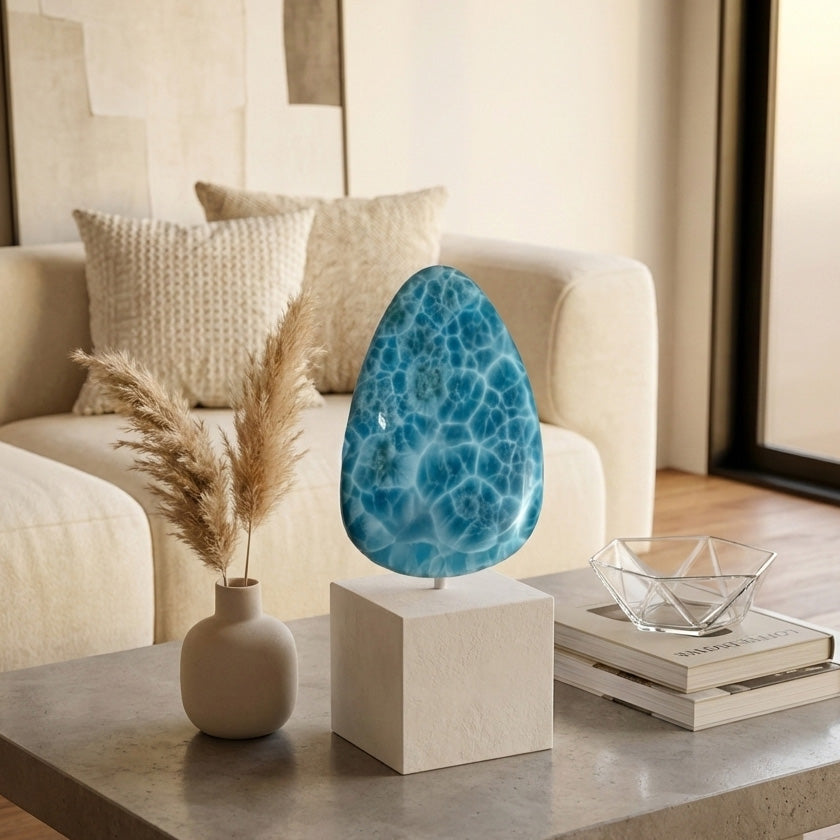
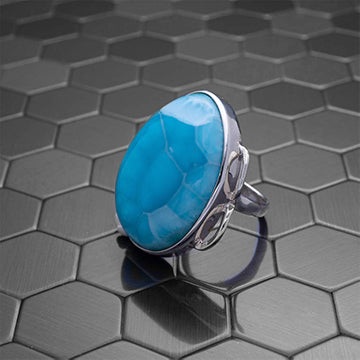
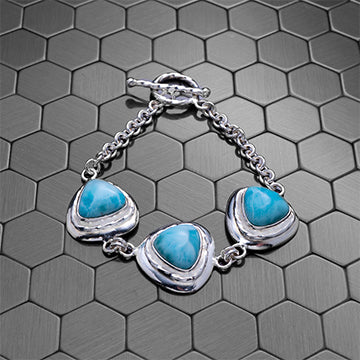
Among rare stones, larimar holds a unique position as a recent discovery with extraordinary beauty and extremely limited occurrence. Found exclusively in the Dominican Republic, this blue variety of pectolite has captured the attention of collectors and jewelry enthusiasts since its modern discovery in 1974.
Larimar's distinctive blue coloration ranges from light sky blue to deep volcanic blue, often with white patterns resembling Caribbean waves. The stone forms when volcanic gases interact with calcium and copper during specific hydrothermal processes. This combination of circumstances occurs nowhere else on Earth, making larimar a truly singular gemstone.
Understanding how to identify genuine larimar becomes crucial as the stone's popularity increases. Authentic larimar displays characteristic patterns, hardness levels, and coloration that distinguish it from imitations and similar-looking minerals.
The growing appreciation for colorful gemstones among jewelry designers reflects a broader shift toward unique, meaningful pieces. Larimar's soothing blue tones and symbolic associations with tranquility make it particularly appealing for modern jewelry applications.
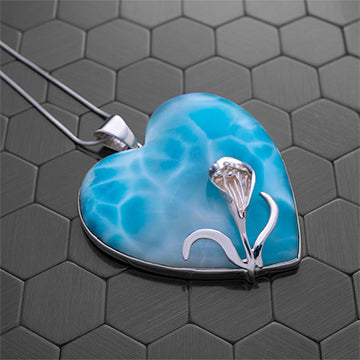
Larimar pendants showcase the stone's natural beauty while creating wearable art that connects the wearer to the Caribbean's geological heritage. These pieces often feature the stone's most attractive patterning, with skilled artisans selecting sections that display optimal color saturation and wave-like formations.
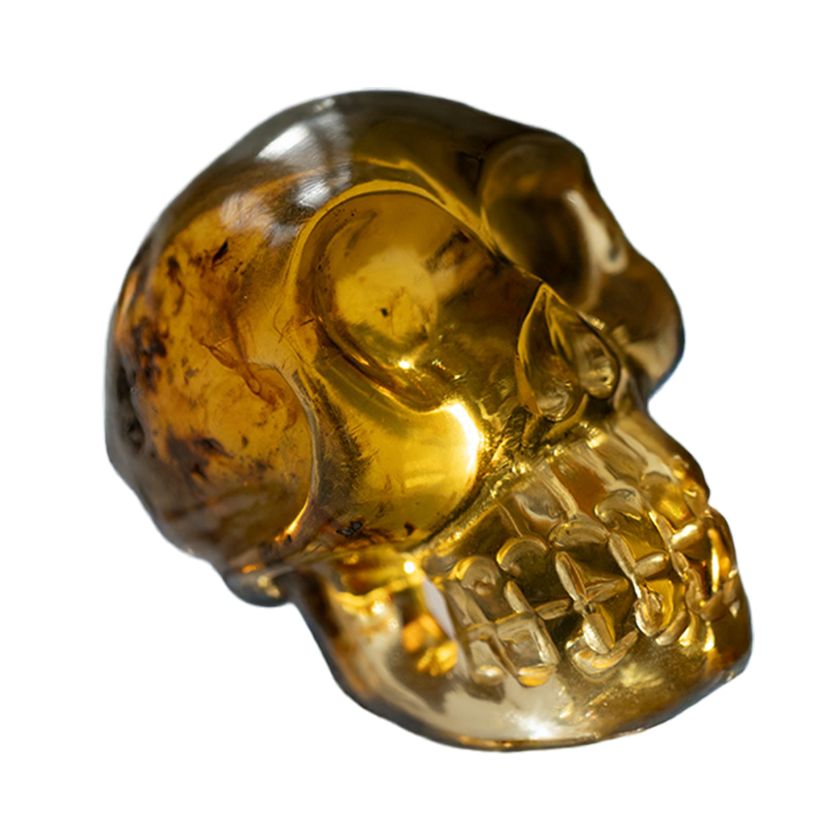
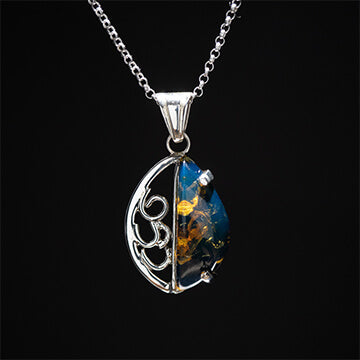
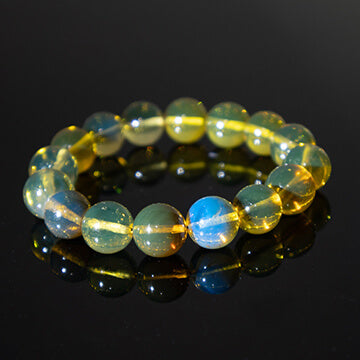
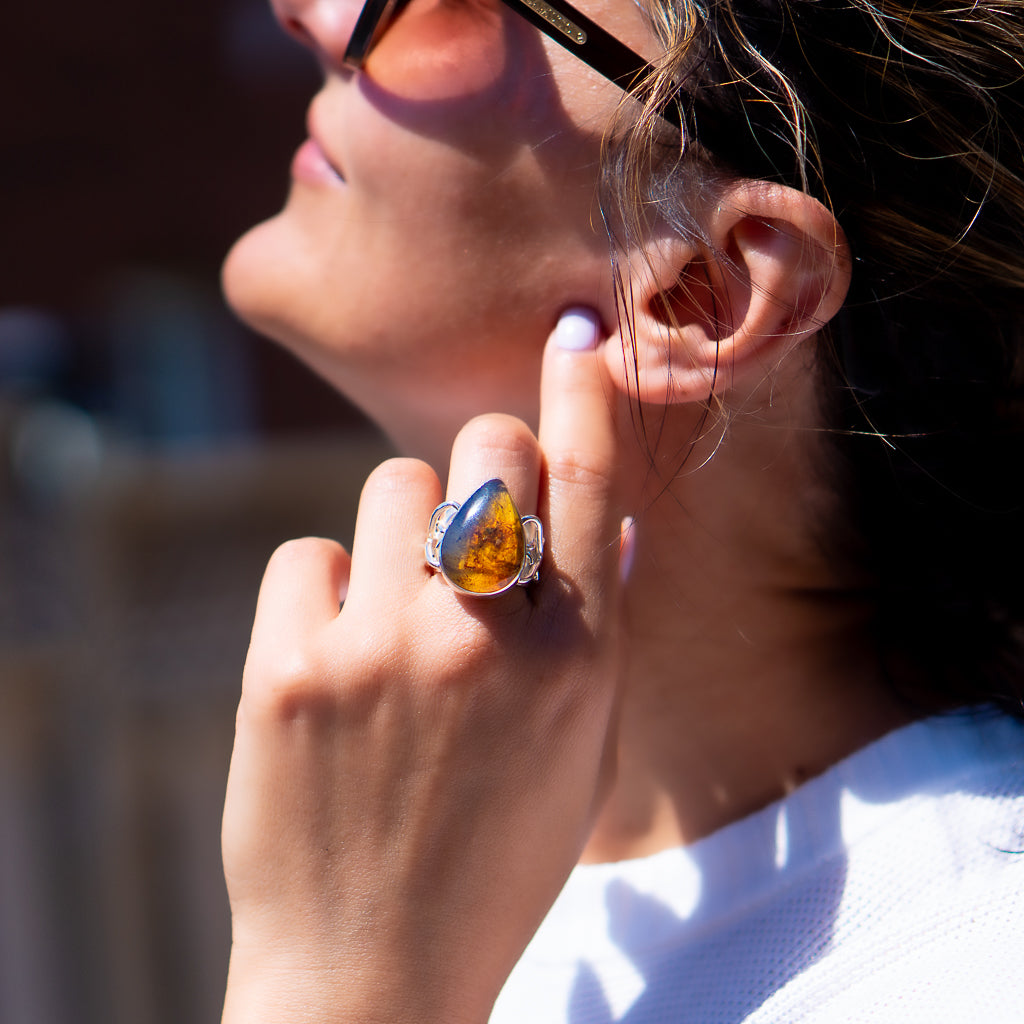
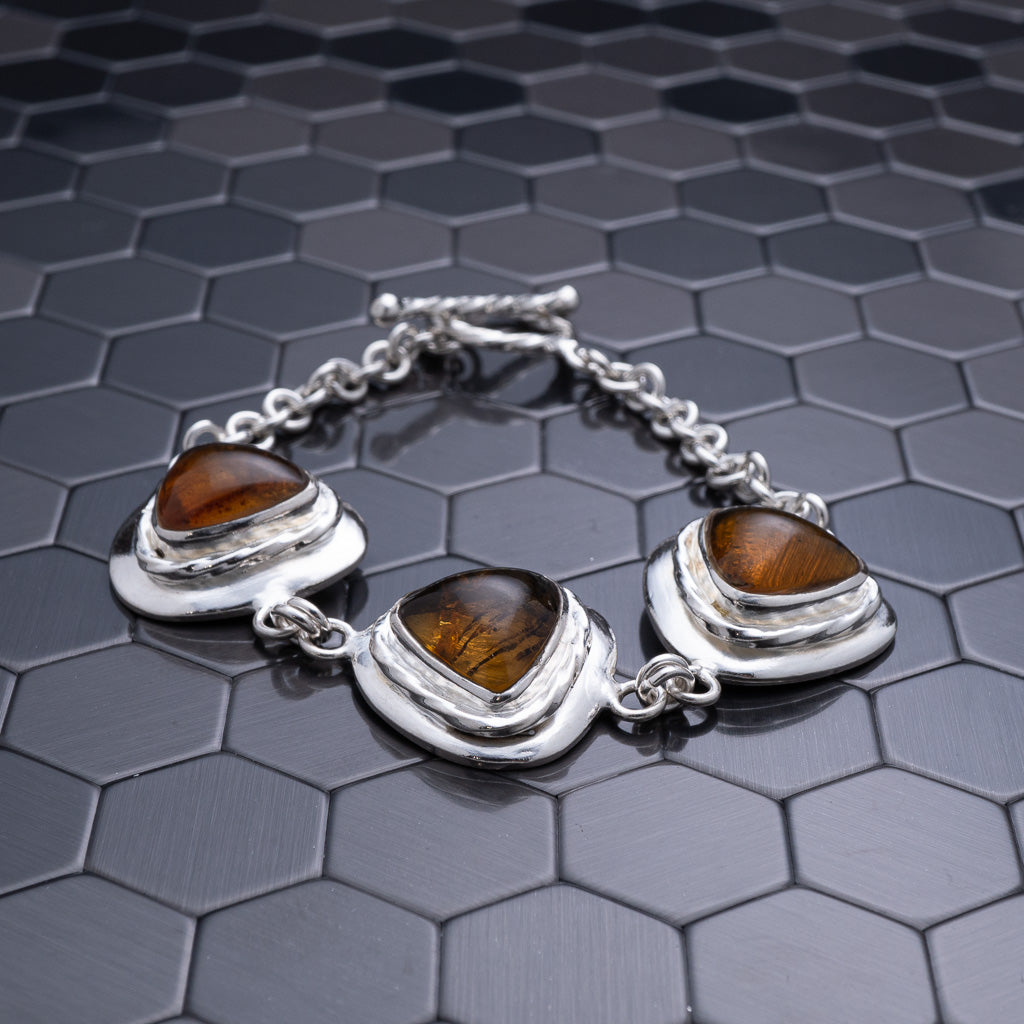
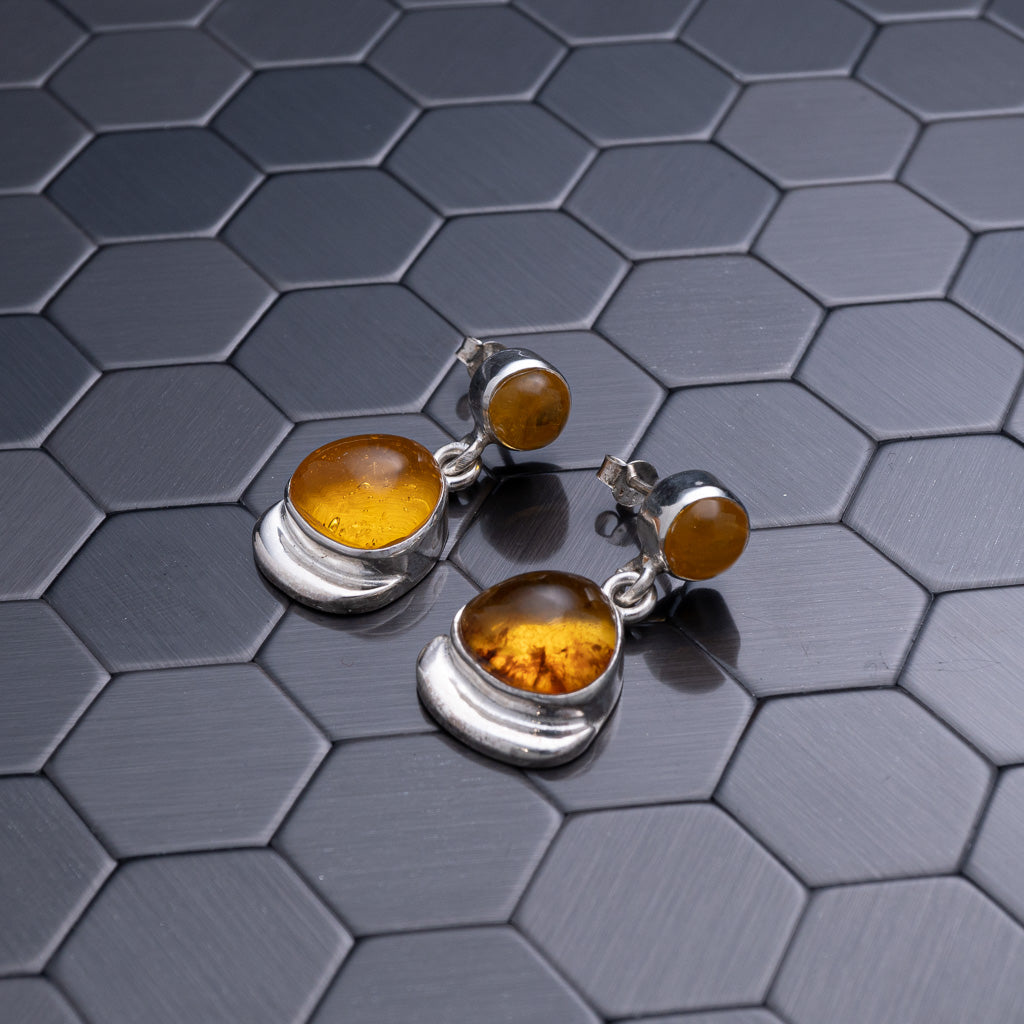
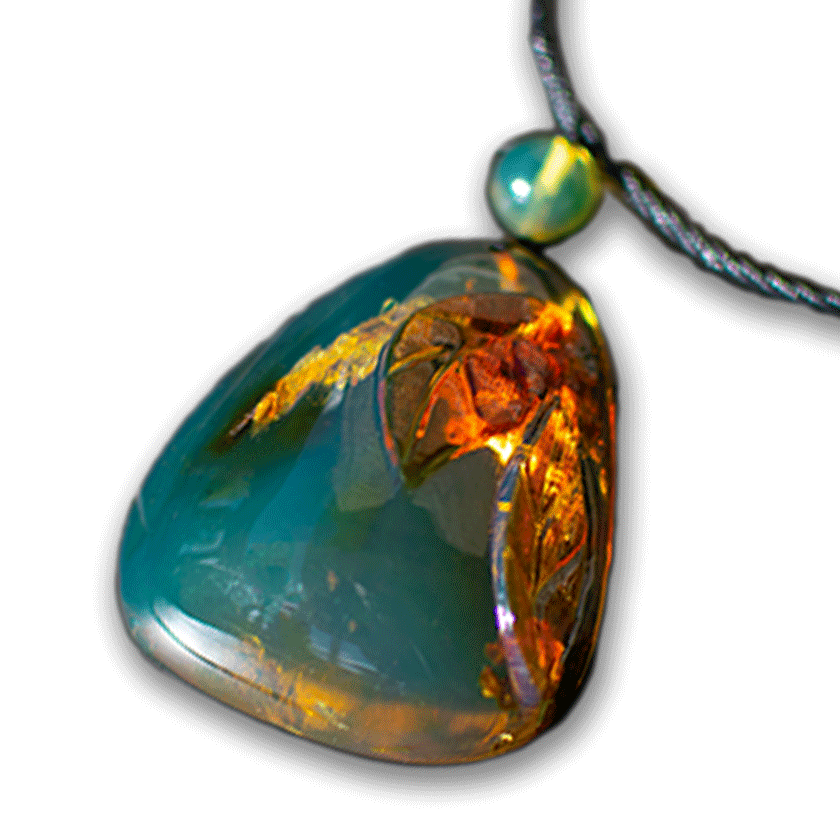
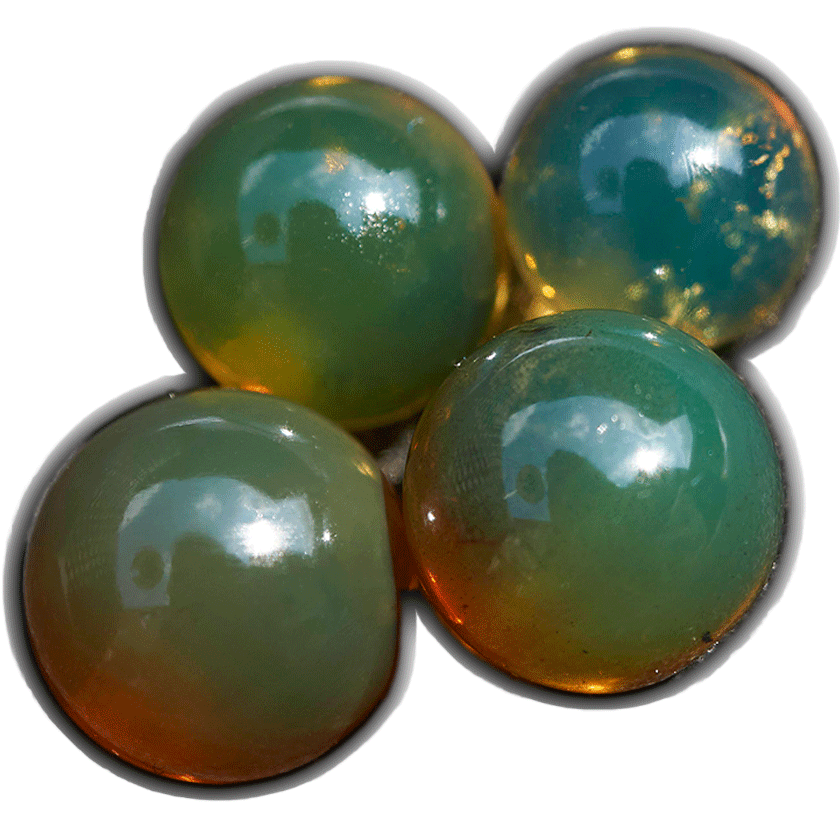
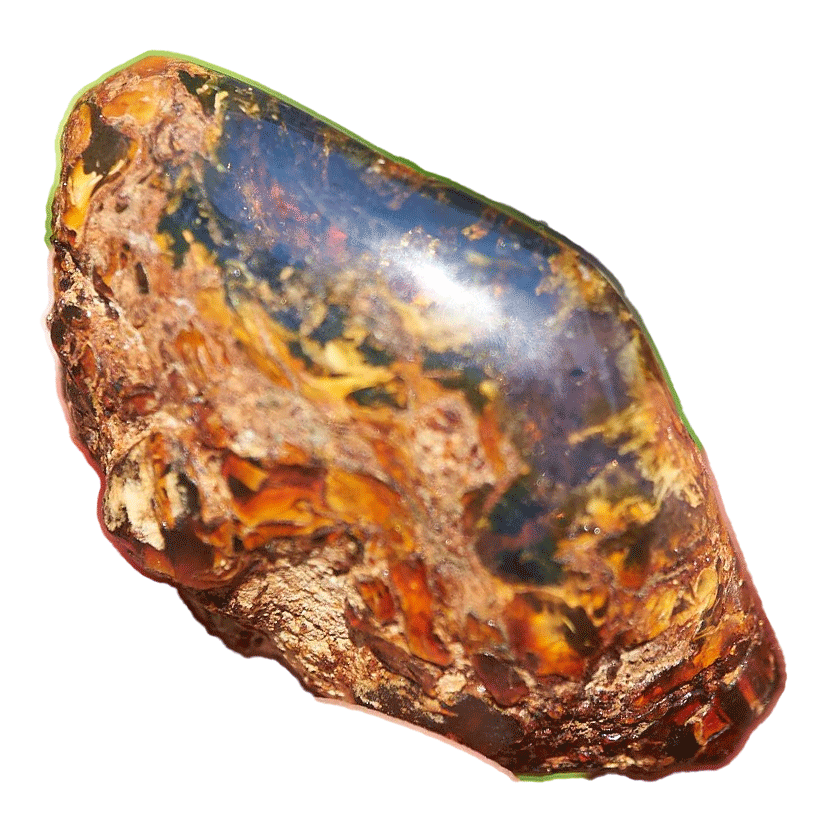
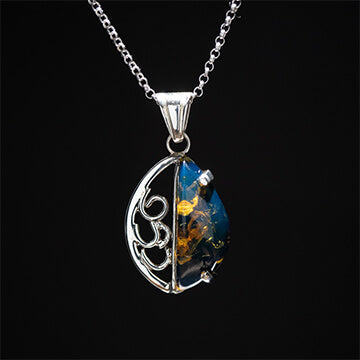
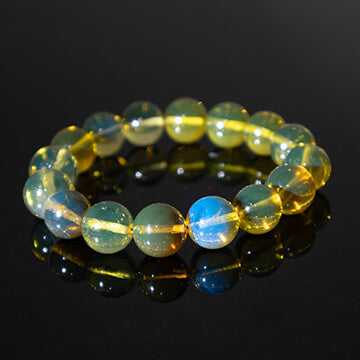
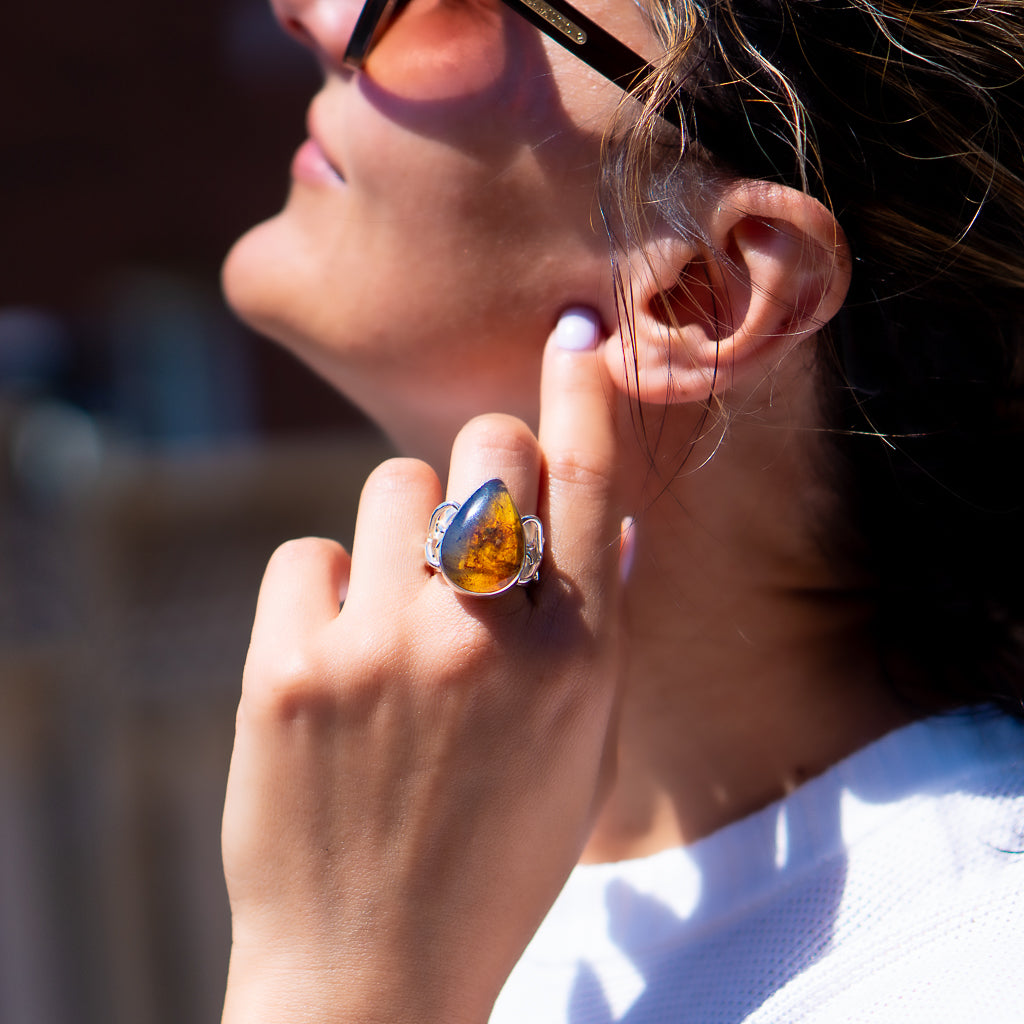
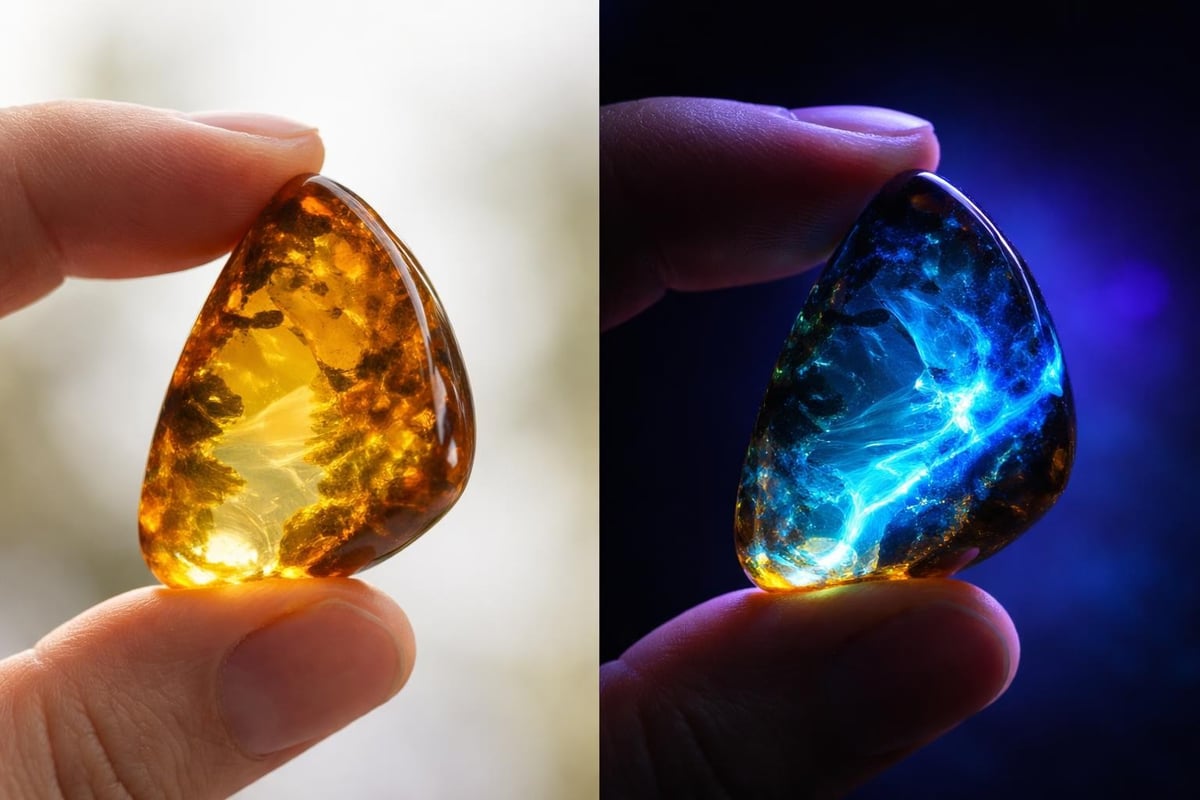
Another extraordinary rare stone from the Dominican Republic is blue amber, a variety that fluoresces intense blue under ultraviolet light. Unlike typical amber's golden tones, this material exhibits a striking blue phenomenon caused by specific aromatic compounds in the fossilized resin.
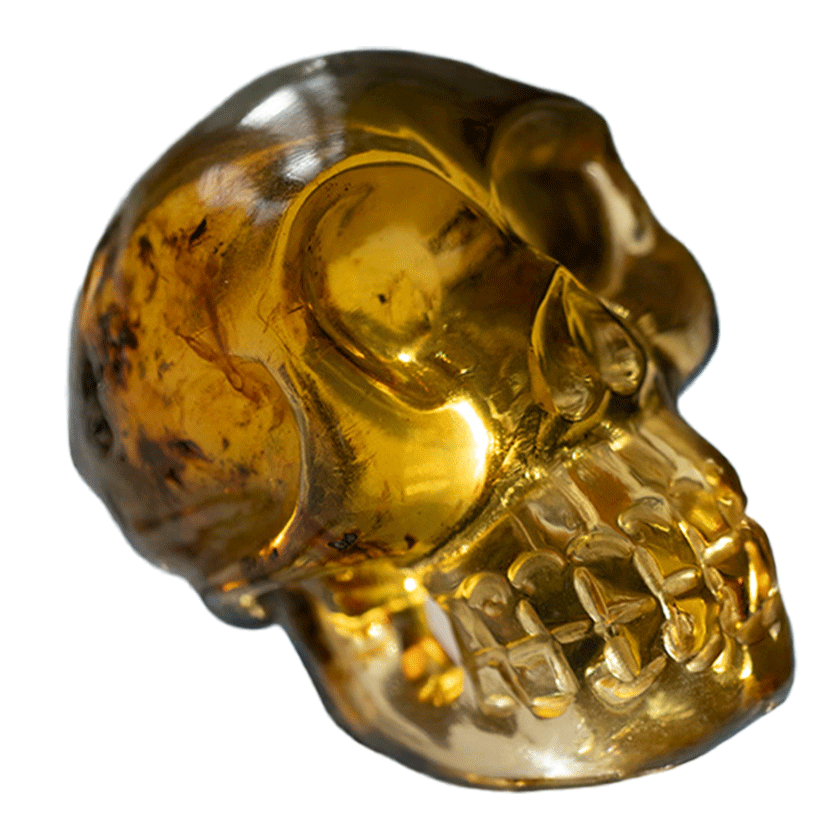
Dominican blue amber formed from the resin of extinct Hymenaea protera trees approximately 25-40 million years ago. The blue fluorescence results from perylene and other polycyclic aromatic hydrocarbons within the amber matrix. This chemical composition occurs only in Dominican amber from specific mining areas.
The causes of blue amber involve both the original botanical source and subsequent geological processes. The unique chemical environment during fossilization preserved compounds that create the distinctive blue emission when excited by UV radiation.
The market for exceptional gemstones continues evolving as collectors seek alternatives to traditional investments. Understanding market dynamics helps buyers make informed decisions about acquiring these natural treasures.
Verification represents the foundation of rare stone acquisition. Reputable sellers provide detailed documentation including:
Working with established dealers who specialize in specific rare stones ensures access to authentic specimens. For collectors interested in Caribbean gemstones, exploring larimar jewelry collections from specialized sources provides confidence in authenticity and quality.
Rare stones from single-source locations often appreciate more consistently than widely distributed minerals. When mines deplete or close, existing specimens become increasingly valuable. The 2020 closure of the Argyle mine, for instance, dramatically affected pink and red diamond values.
Factors driving rare stone appreciation:
Successful rare stone collecting balances passion with pragmatism. Focus areas might include geographic origin, specific mineral families, or particular color ranges. Dominican gemstones like larimar and blue amber represent an accessible entry point for collectors interested in single-source rarities.
| Collection Focus | Entry Cost | Availability | Appreciation Potential | Knowledge Required |
|---|---|---|---|---|
| Colored Diamonds | Very High | Limited | Excellent | Expert |
| Red Beryl | High | Very Limited | Excellent | Advanced |
| Larimar | Moderate | Limited | Good | Intermediate |
| Blue Amber | Moderate | Limited | Good | Intermediate |
| Chlorastrolite | Low-Moderate | Limited | Moderate | Beginner-Intermediate |
Proper maintenance preserves both beauty and value in rare stone pieces. Different minerals require specific care approaches based on their hardness, chemical composition, and structural characteristics.
The Mohs hardness scale helps determine appropriate handling procedures. Harder stones resist scratching but may be more brittle, while softer materials require gentler care to prevent surface damage.
Larimar, with a hardness of 4.5-5 on the Mohs scale, needs protection from harder materials that could scratch its surface. Store larimar pieces separately from harder gemstones like sapphires or diamonds. Similarly, amber's relative softness (2-2.5 Mohs) demands careful handling to prevent damage.
Most rare stones benefit from gentle cleaning with lukewarm water and mild soap. Avoid ultrasonic cleaners for included or fractured stones, as vibrations may cause damage. Organic materials like amber require special consideration, as they can react negatively to chemicals and excessive heat.
Best practices for rare stone care:

As awareness grows regarding mining practices, ethical considerations increasingly influence purchasing decisions. Responsible sourcing ensures these natural treasures benefit local communities while minimizing environmental impact.
Many rare stones come from small-scale mining operations in developing regions. The ten gemstones rarer than diamond often originate from artisanal miners who depend on fair compensation for their work. Supporting businesses that maintain direct relationships with mining communities promotes sustainable practices.
Dominican Republic gemstone mining provides livelihoods for numerous families while preserving traditional extraction methods. Purchasing from companies committed to fair trade practices ensures your acquisition supports these communities rather than exploitative operations.
Responsible rare stone sourcing minimizes ecological disruption. Small-scale operations typically create less environmental damage than industrial mining, particularly when conducted with environmental awareness. Buyers can prioritize suppliers who demonstrate commitment to sustainable practices and land restoration.
Throughout history, exceptional gemstones have symbolized power, spirituality, and natural wonder. Understanding cultural significance adds depth to appreciation of these minerals beyond their monetary value.
Ancient civilizations prized rare stones for both adornment and mystical properties. While some historical attributions lack scientific basis, the cultural heritage surrounding these minerals enriches their contemporary meaning. Amber, for instance, has been valued for millennia, with archaeological evidence of amber trade routes spanning continents.
In 2026, rare stones often represent personal values and connections rather than mere status symbols. Larimar's association with tranquility and ocean energy resonates with individuals seeking meaningful jewelry that reflects their relationship with nature. Similarly, choosing ethically sourced rare stones demonstrates commitment to responsible consumption.
Geological exploration continues revealing new deposits and occasionally entirely new mineral species. However, the likelihood of discovering major sources of known rarities remains low, reinforcing the value of existing specimens.
Modern geophysical survey techniques improve our ability to locate mineral deposits without extensive excavation. Satellite imagery, spectroscopic analysis, and advanced modeling help identify promising areas for exploration. Despite these tools, the specific conditions required for rare stone formation mean new discoveries will likely remain exceptional events.
Laboratory-grown versions of some rare stones now exist, though they cannot replicate the geological history and uniqueness of natural specimens. While synthetics serve important roles in research and affordable jewelry, collectors continue valuing natural rarities for their authenticity and earth-formed origins.
The market clearly distinguishes between natural and laboratory-created materials, with natural rare stones maintaining premium positioning. Disclosure of synthetic origin remains essential for ethical commerce, allowing buyers to make informed choices based on their preferences and values.
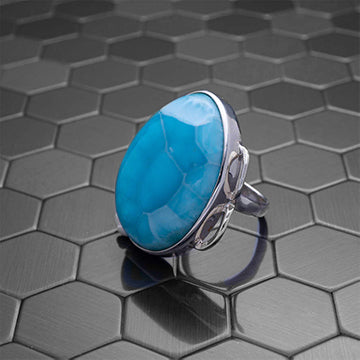
The world of rare stones offers endless fascination for those drawn to Earth's most exceptional creations, combining geological wonder with aesthetic beauty and investment potential. Whether you're captivated by the vibrant blues of Caribbean gemstones or the legendary scarcity of colored diamonds, these natural treasures connect us to our planet's dynamic history. Larimar Creations specializes in bringing these extraordinary pieces to jewelry enthusiasts worldwide, offering expertly crafted pendants, rings, and carvings that showcase the unique beauty of larimar and Dominican blue amber. Explore their collection to discover how these rare stones can become meaningful additions to your jewelry collection, with worldwide shipping ensuring that these Caribbean treasures can reach collectors anywhere on the globe.