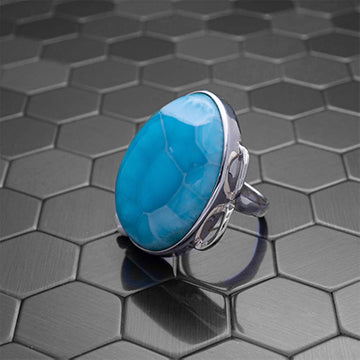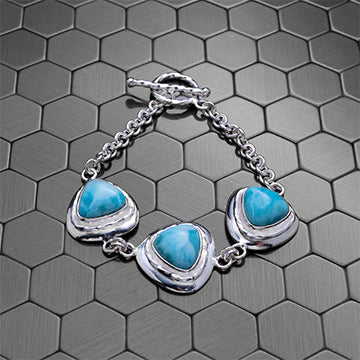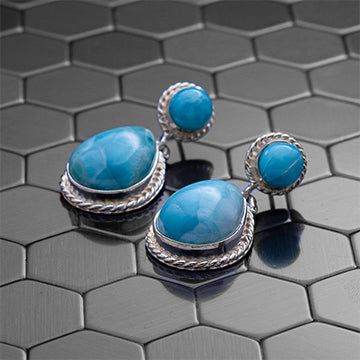


Handcrafted in DR.

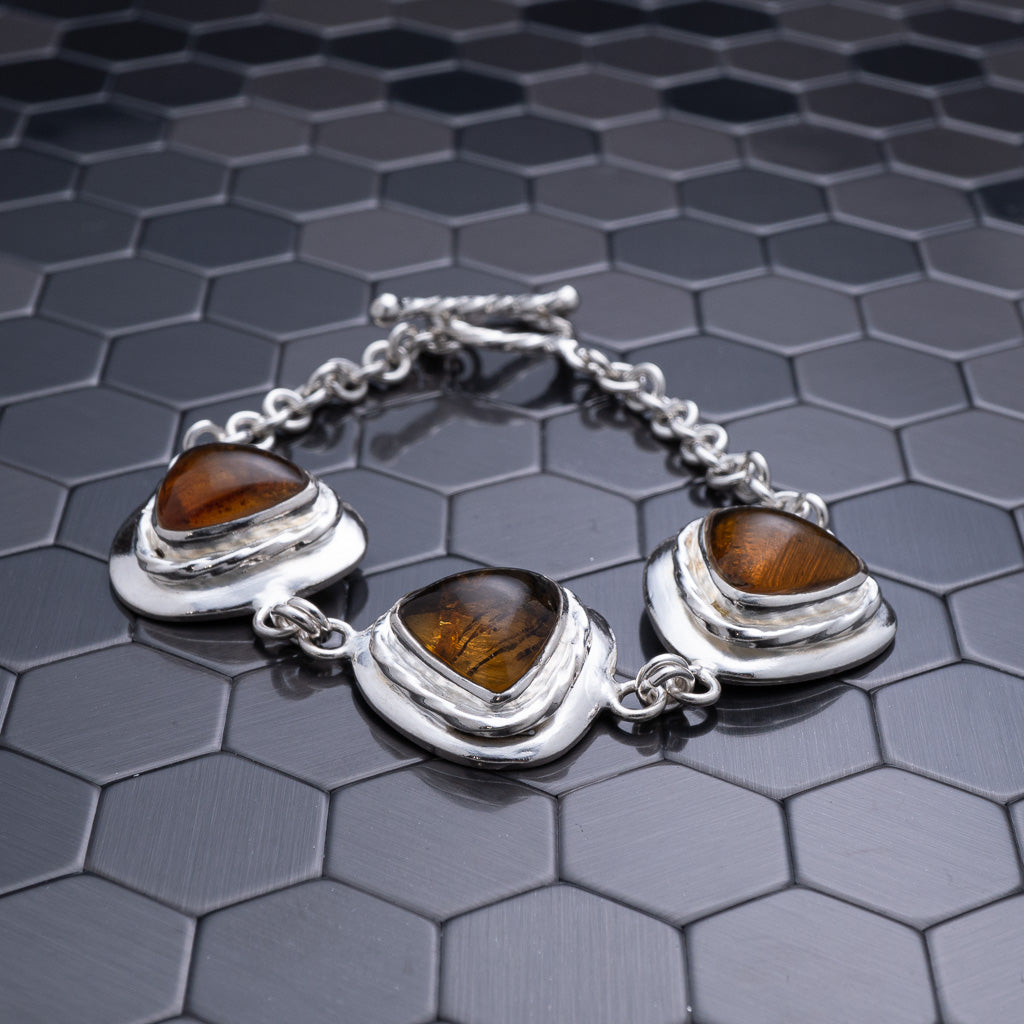
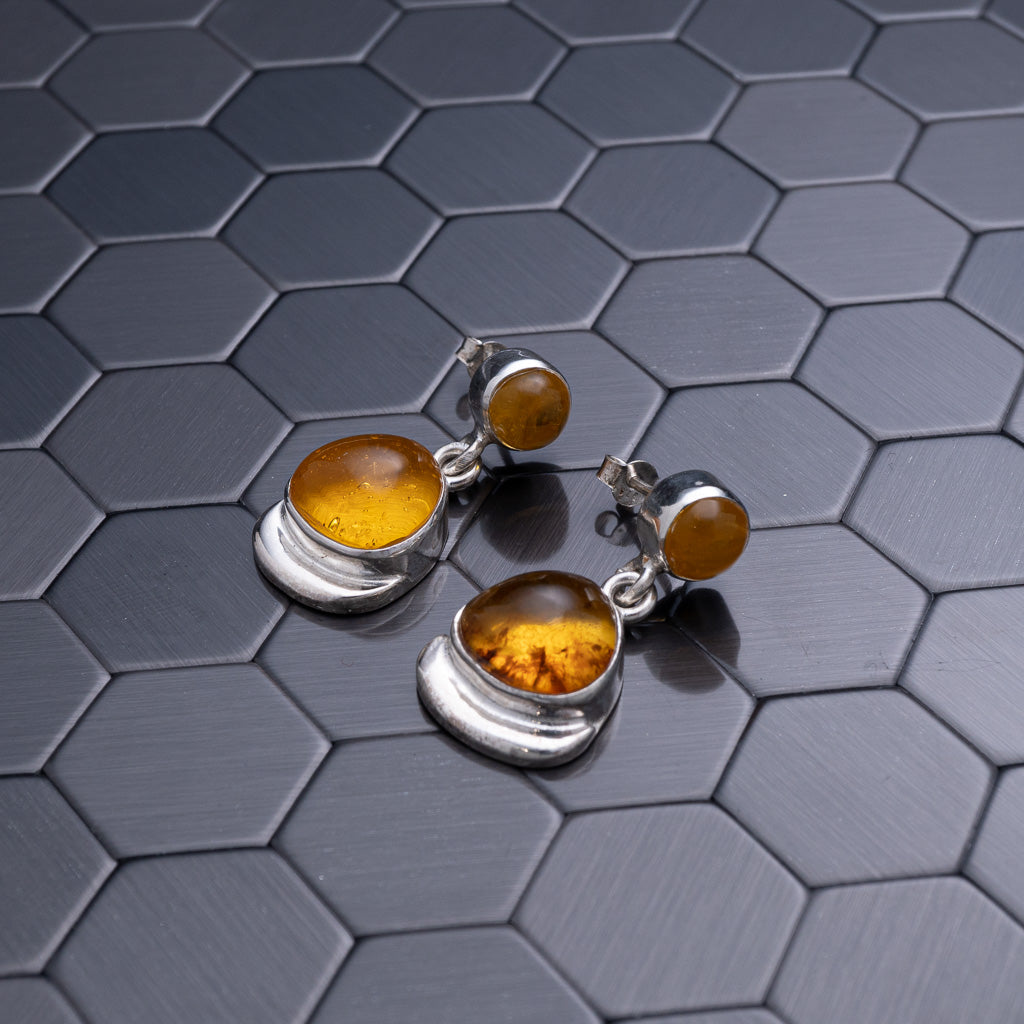


100% Handcrafted in DR.

The global fascination with amber continues to grow as collectors and jewelry enthusiasts discover the unique properties, historical significance, and natural beauty of this fossilized resin. Whether you're searching for a statement piece featuring rare Dominican blue amber, Baltic specimens with fossil inclusions, or handcrafted jewelry that showcases the gemstone's warm luminescence, understanding how to navigate amber shops can make the difference between acquiring an authentic treasure and falling victim to imitations. Today's amber market offers unprecedented variety, but it also requires buyers to exercise informed judgment when selecting pieces from the countless retailers, artisan workshops, and online storefronts that specialize in this ancient organic gem.
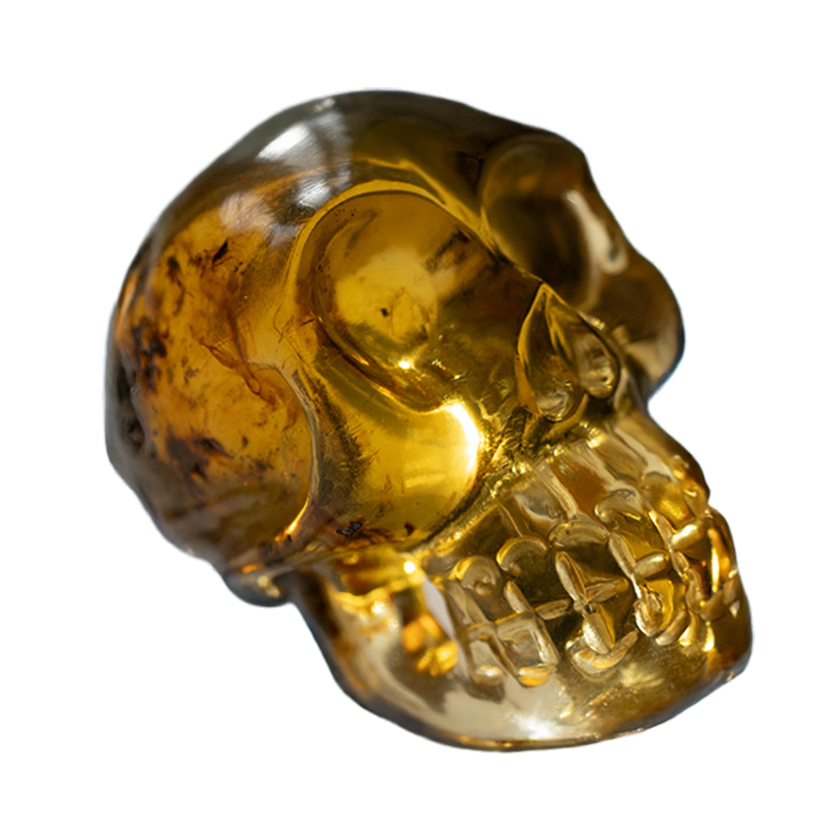
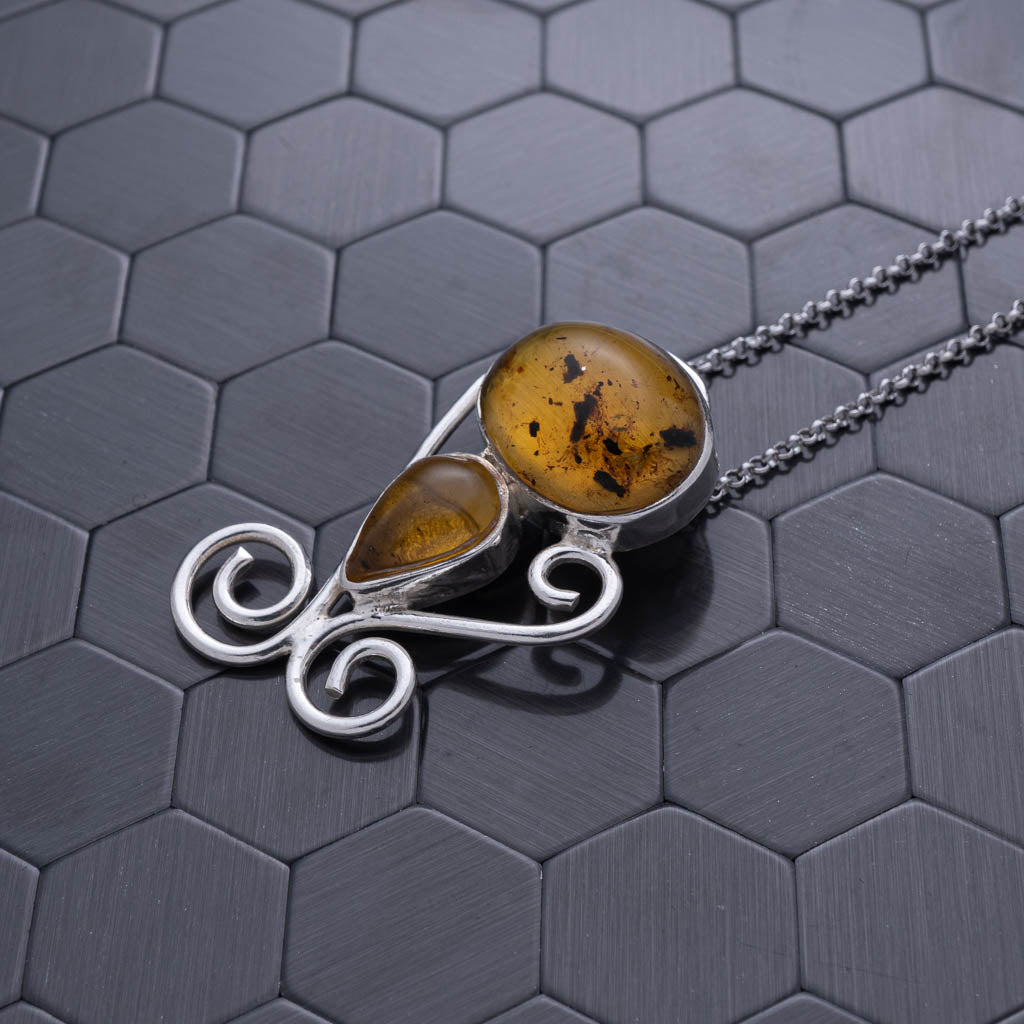
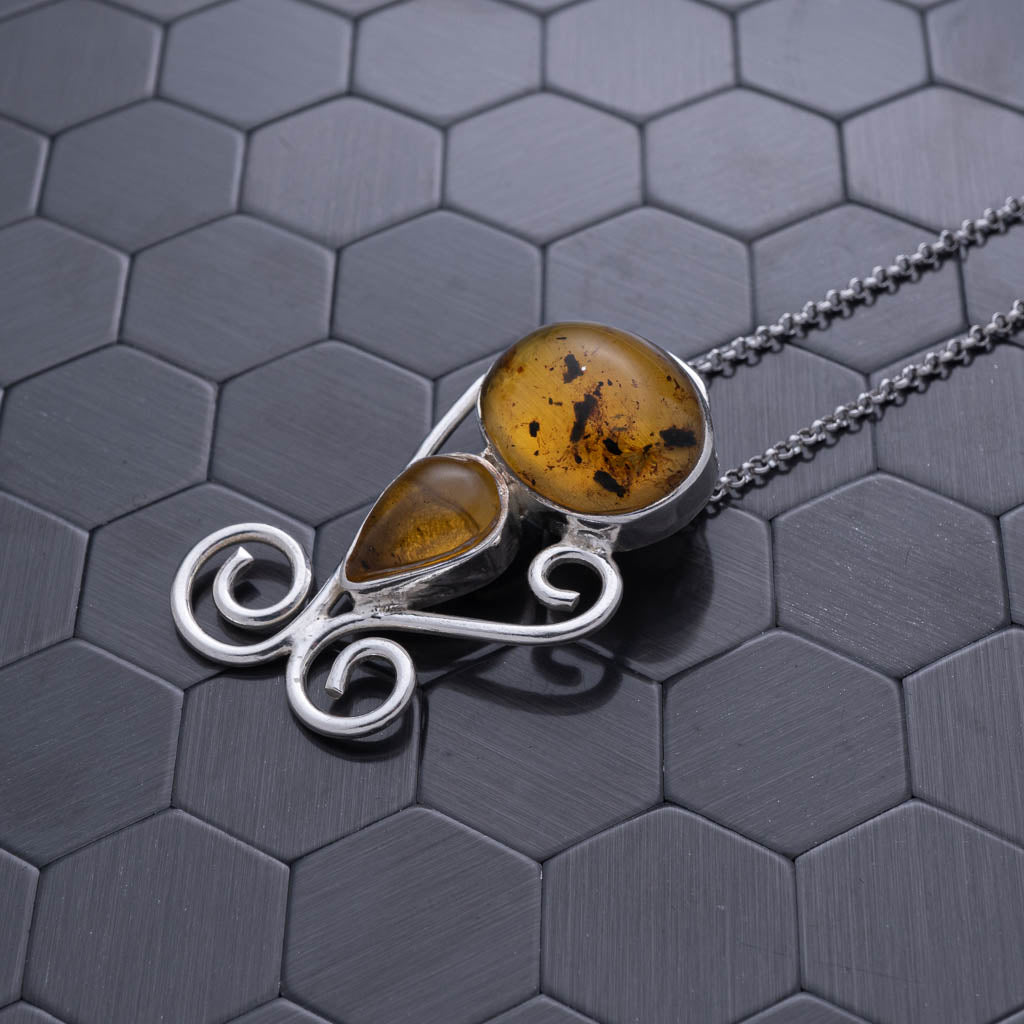
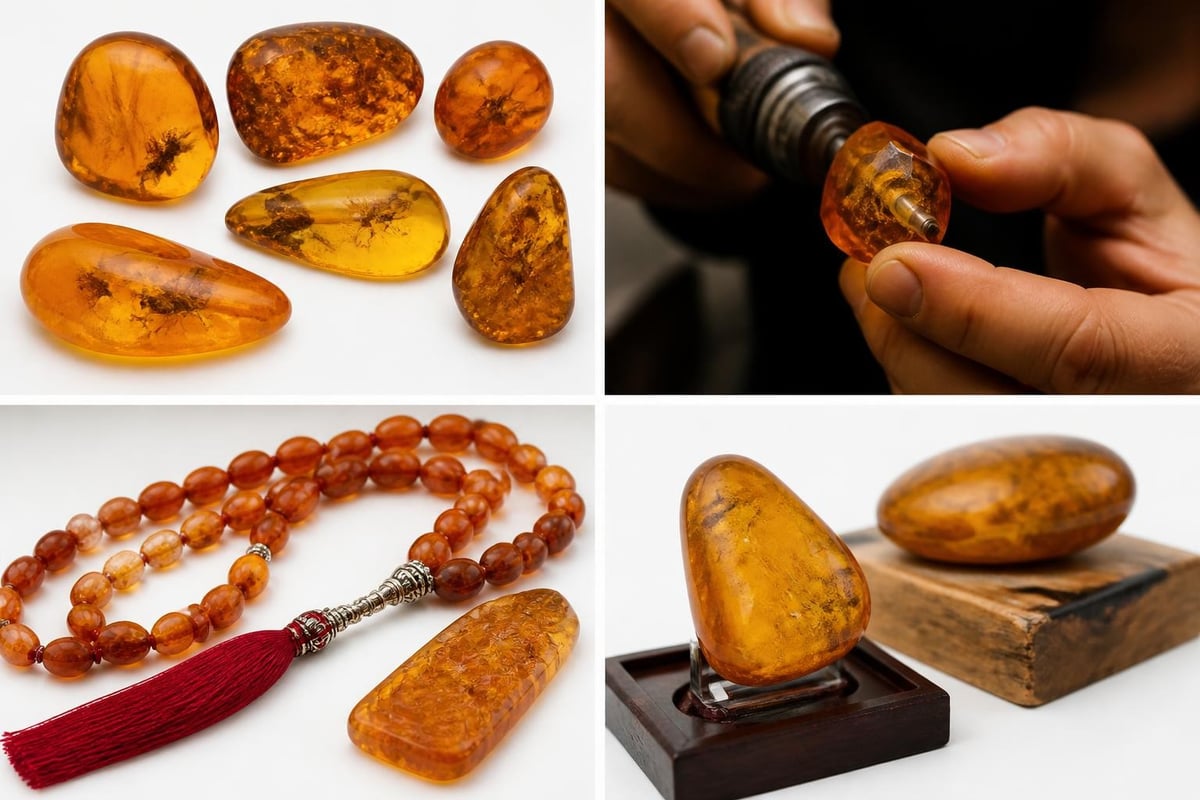
Amber shops typically organize their inventory around geographical origin, since each region produces resin with distinctive characteristics. Baltic amber dominates the global market, accounting for the majority of commercial specimens worldwide. This material, harvested primarily from Poland, Lithuania, and Russia, ranges in color from pale yellow to deep cognac and often contains remarkable fossil inclusions of prehistoric insects and plant matter.
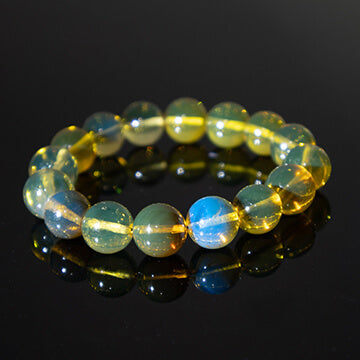
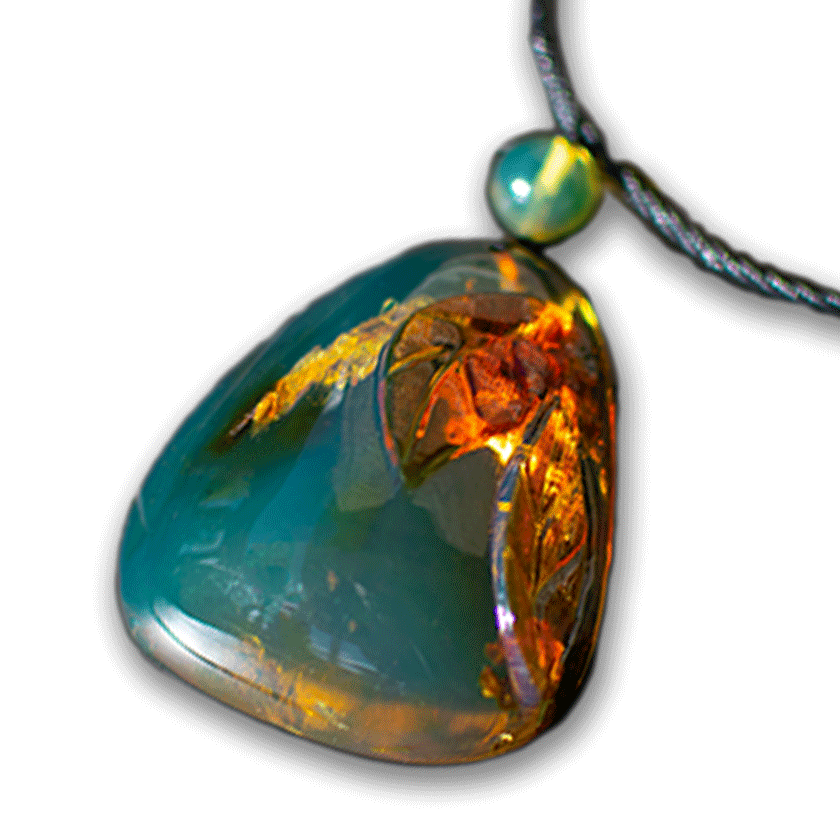
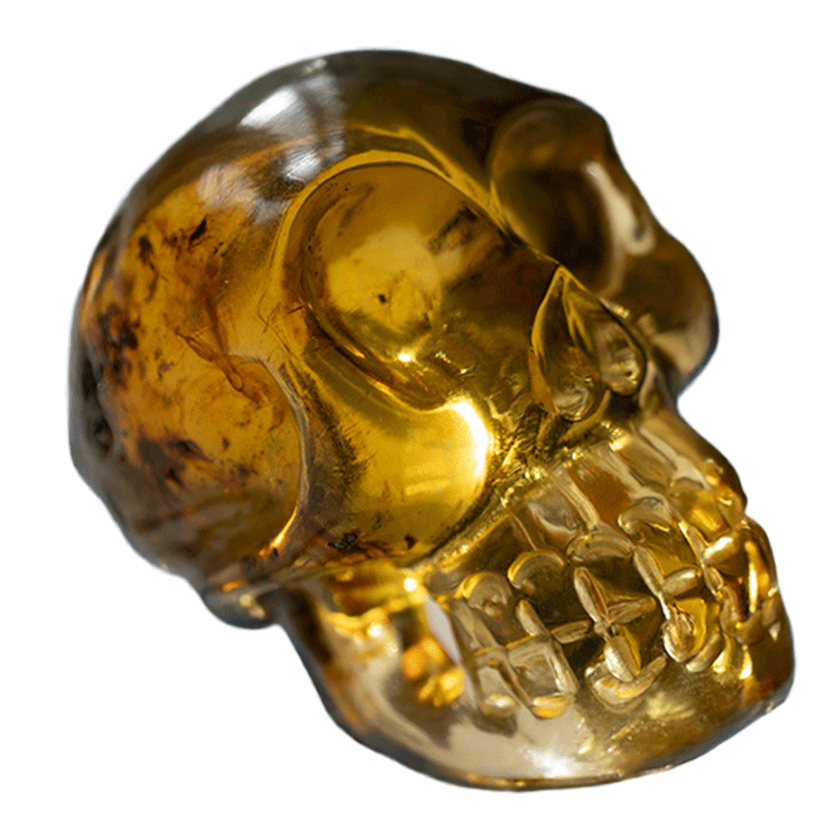
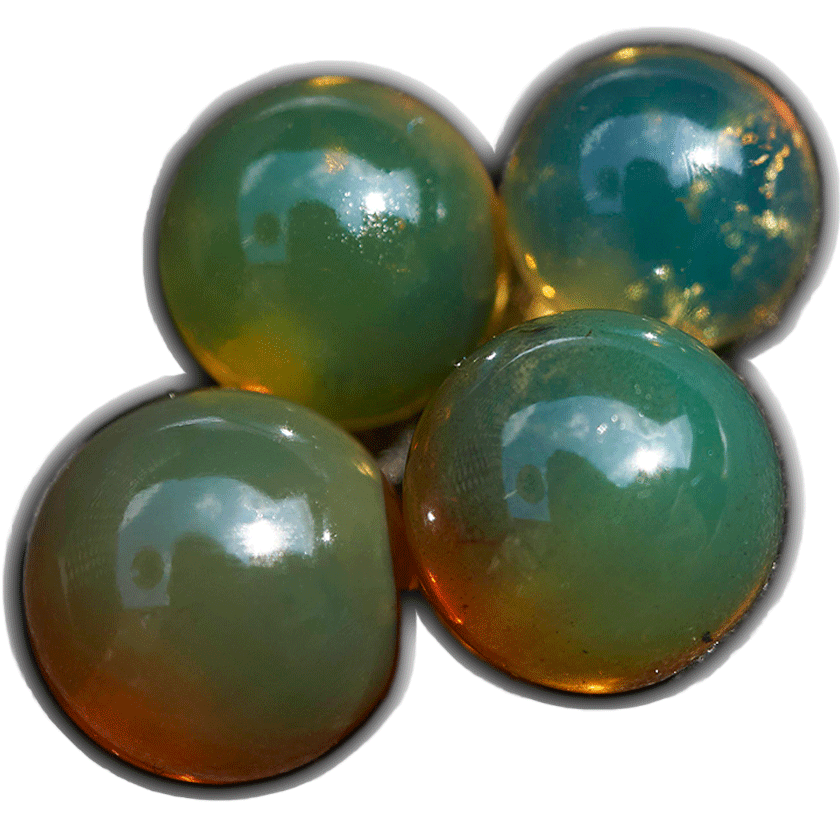
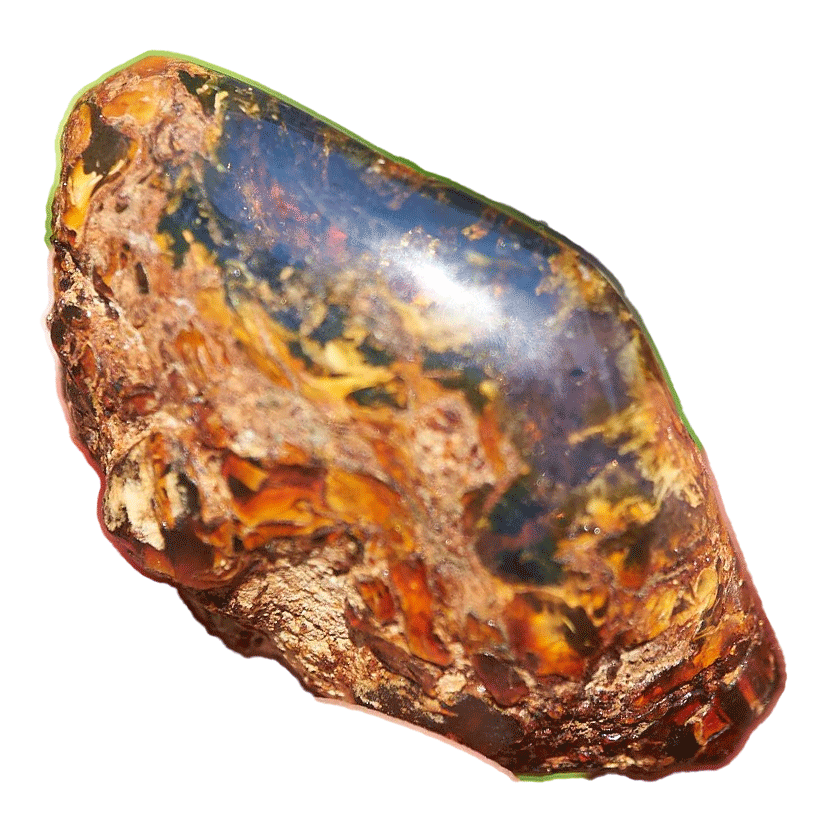
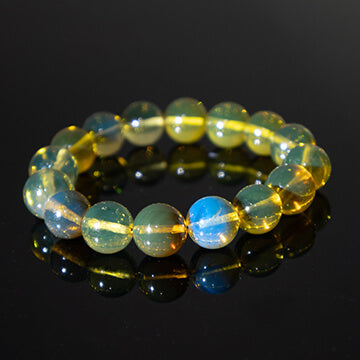
The Dominican Republic produces several extraordinary varieties rarely found elsewhere. Blue amber, which fluoresces vivid blue under ultraviolet light, represents one of the rarest forms available in amber shops today. National Geographic's comprehensive feature on amber explains how these unique optical properties result from specific aromatic compounds in the original resin. Green amber from the same region exhibits a distinctive olive or lime hue, created by organic material within the fossilized resin matrix.
| Amber Type | Primary Origin | Distinctive Features | Typical Shop Availability |
|---|---|---|---|
| Baltic Golden | Poland, Lithuania, Russia | Warm tones, frequent inclusions | Very high |
| Dominican Blue | Dominican Republic | UV fluorescence, rare | Limited |
| Dominican Green | Dominican Republic | Olive to lime coloration | Moderate |
| Mexican Amber | Chiapas, Mexico | Clear red-orange, inclusions | Moderate |
| Myanmar Amber | Myanmar (Burma) | Ancient (99 million years), significant ethical concerns | Declining |
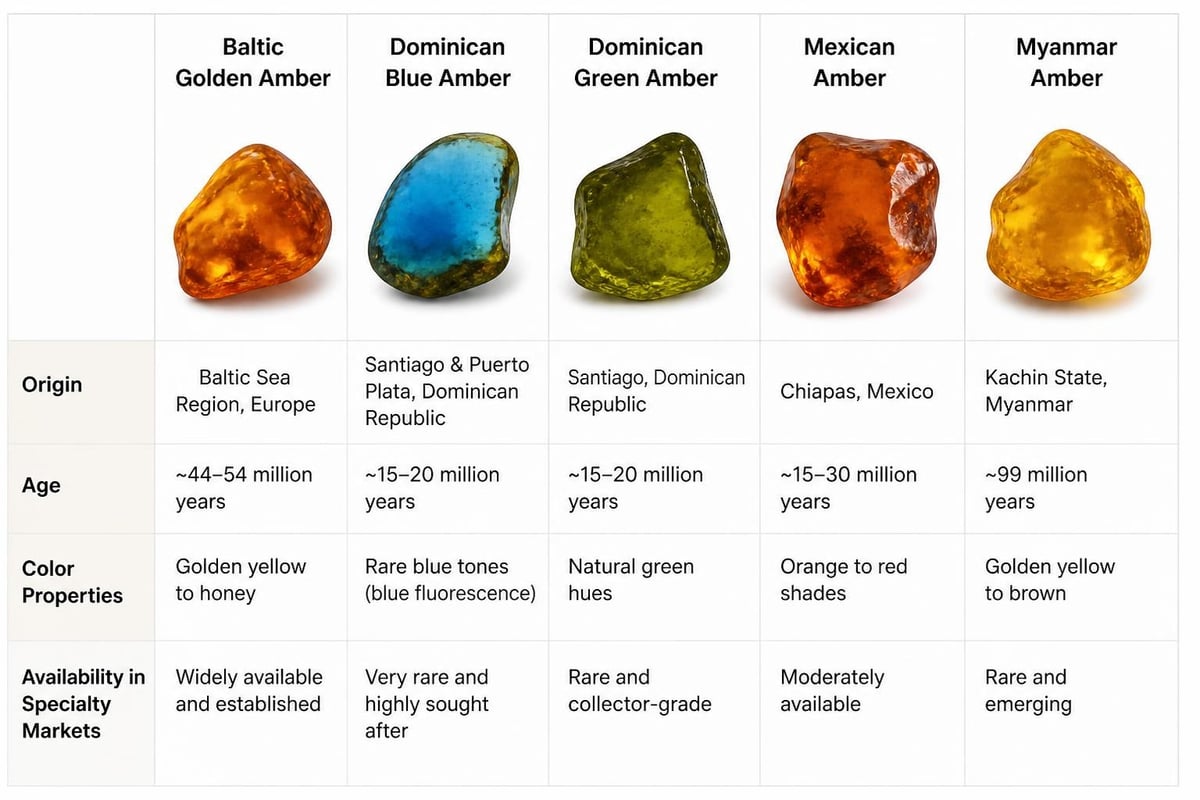
Myanmar amber deserves special consideration. While scientifically invaluable due to its Cretaceous age, ethical concerns surrounding Myanmar amber have led major institutions to restrict acquisition. The Society of Vertebrate Paleontology's guidance recommends against purchasing specimens that may fund conflict in the region. Reputable amber shops have responded by transparently disclosing provenance and, in many cases, discontinuing Myanmar material entirely.
Distinguishing genuine amber from sophisticated imitations requires specialized knowledge and equipment. Professional amber shops employ multiple verification methods to ensure authenticity and build customer confidence.
Physical testing methods include:
Modern treatments and composites present additional challenges. Pressed or reconstituted amber, created by heating small fragments under pressure, remains technically genuine amber but commands lower prices than natural pieces. The Journal of Gemmology's recent analysis describes new product types entering the market, including composite materials that blend amber particles with synthetic resins.
Credible amber shops provide documentation for significant purchases. Certificates typically include specimen weight, dimensions, origin attribution, treatment disclosure, and authenticity verification by a qualified gemologist. International standards, such as those outlined in CIBJO guidelines, establish disclosure expectations for treated materials and help consumers understand exactly what they're purchasing.
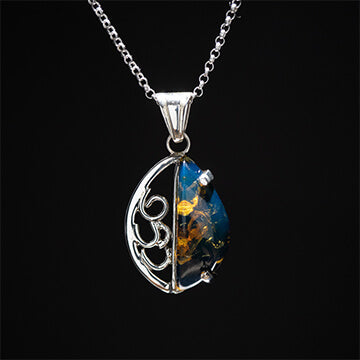
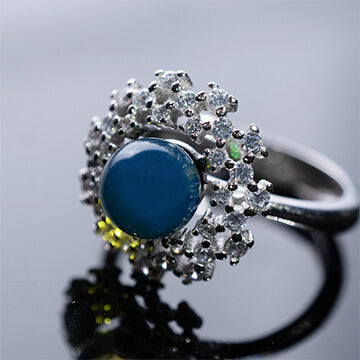
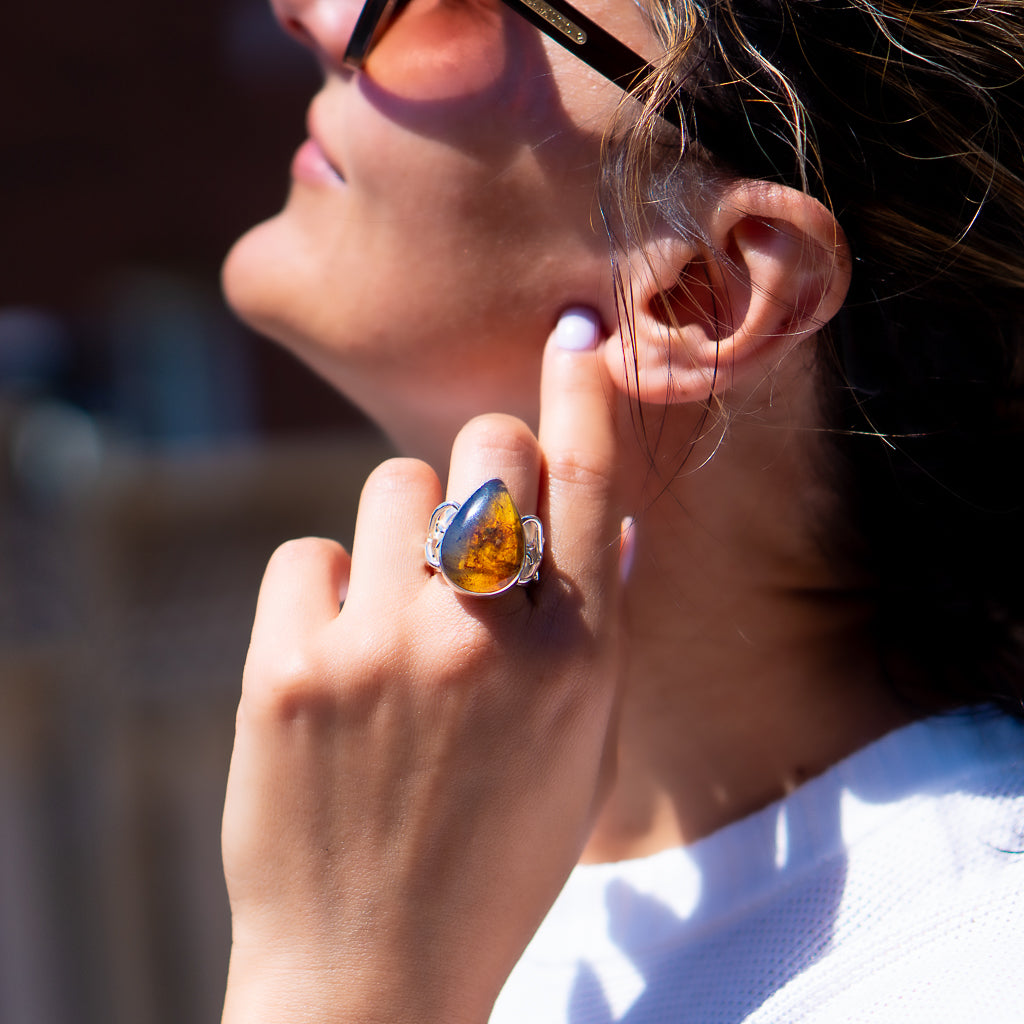
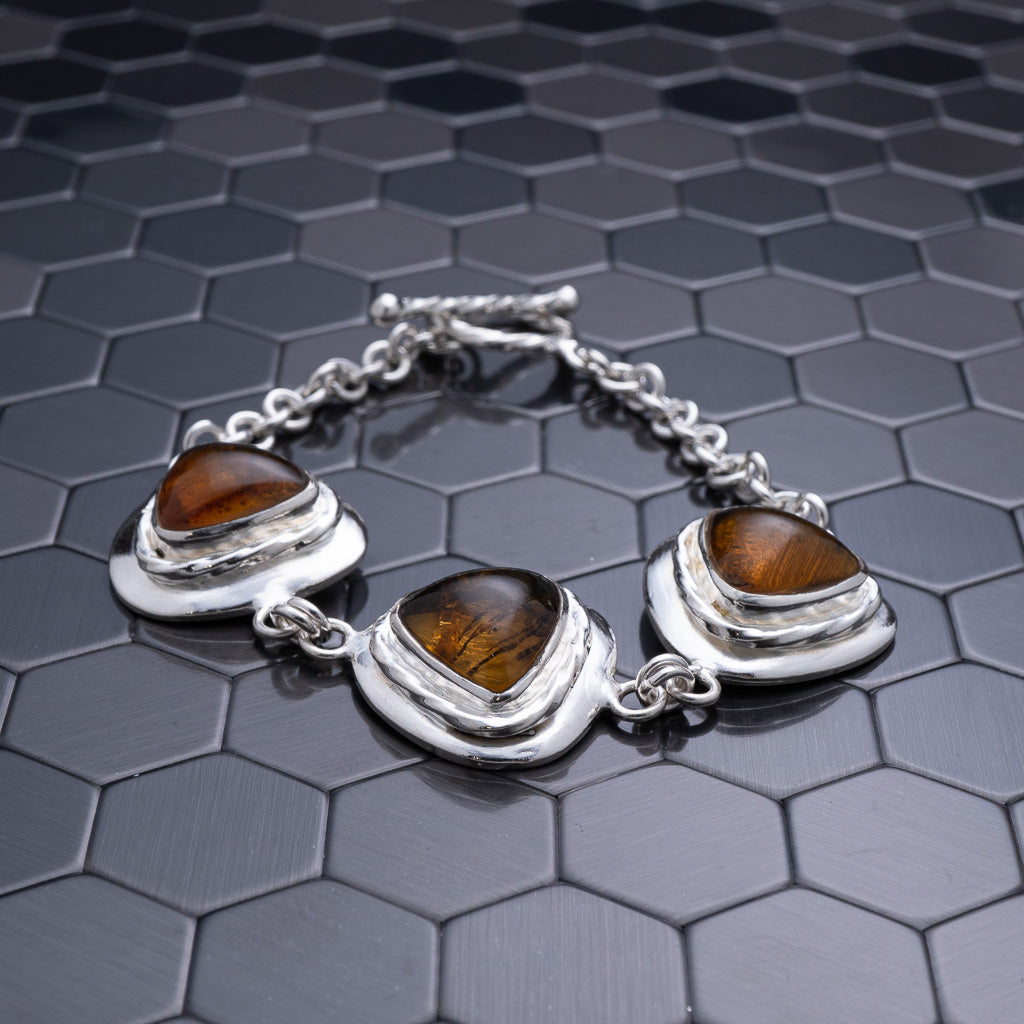
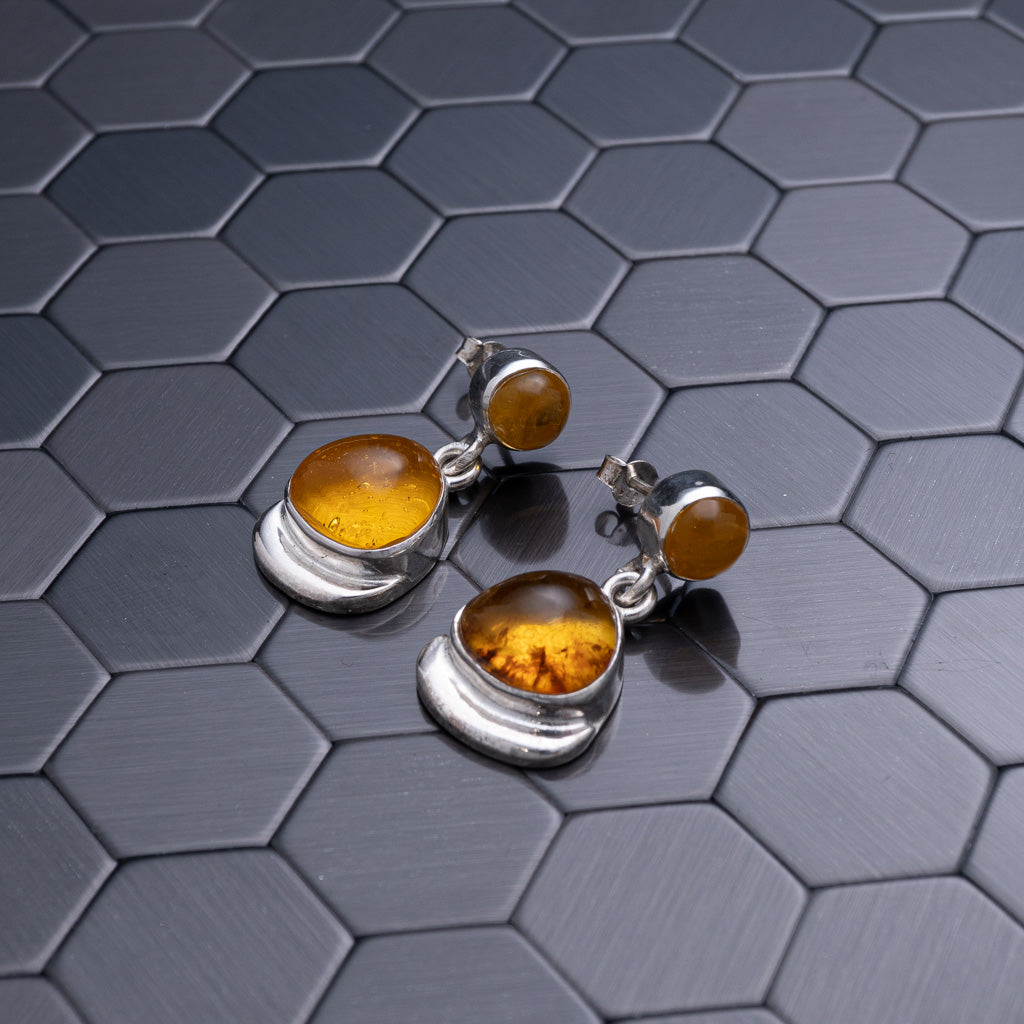
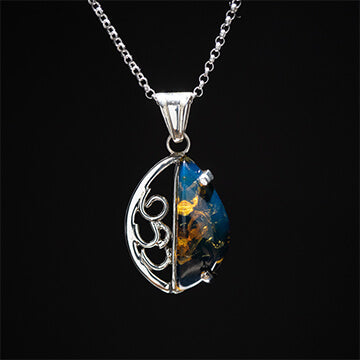
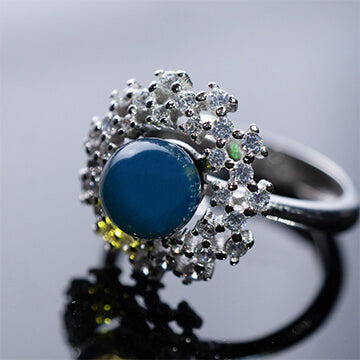
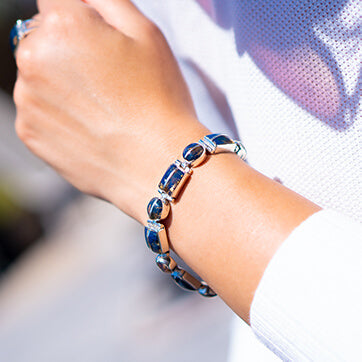
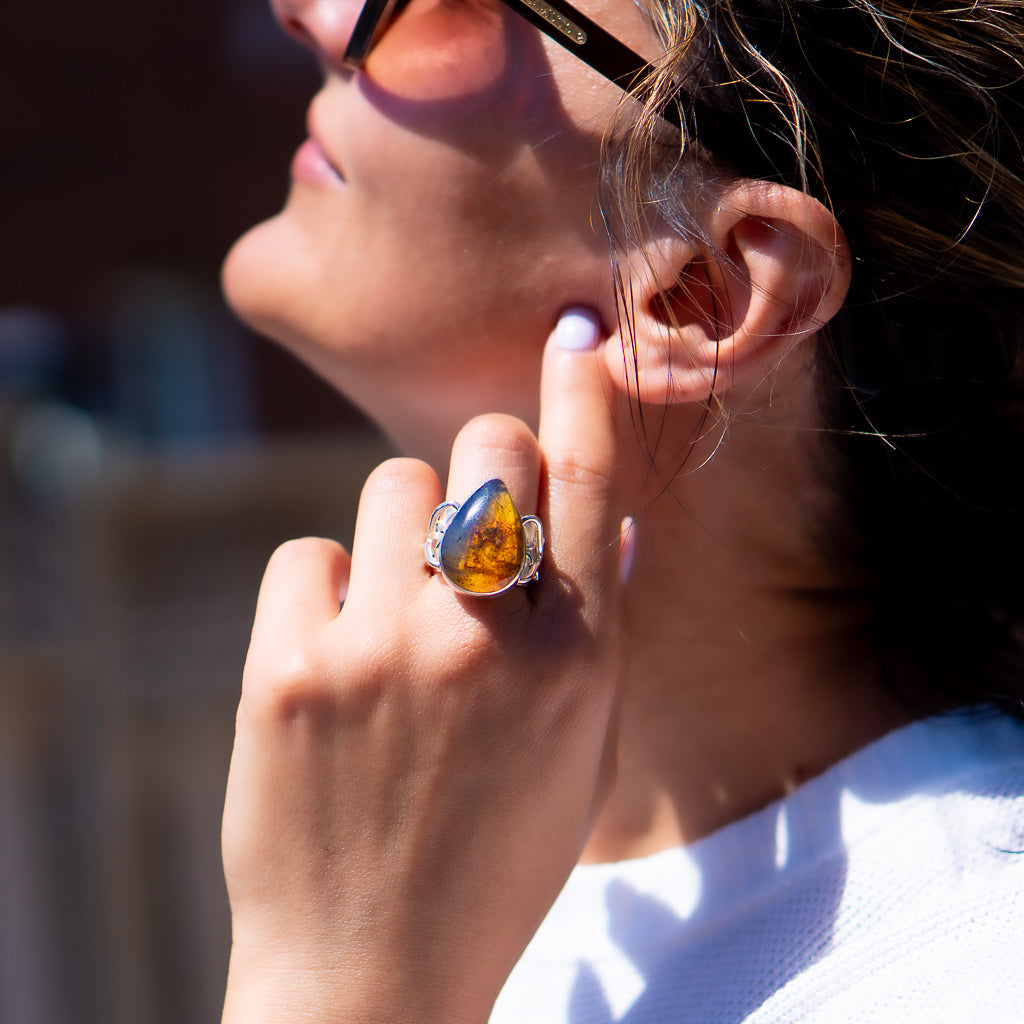
Caribbean sources offer particularly distinctive options for discerning collectors. For instance, artisans working with Dominican blue amber create unique jewelry pieces that showcase the gemstone's remarkable optical properties, appealing to buyers seeking rare varieties not commonly found in conventional amber shops.
Price variations in amber shops reflect multiple quality factors beyond simple carat weight. Clarity significantly impacts value-transparent specimens with minimal internal fractures command premium prices, while cloudy or heavily fractured pieces cost considerably less. Color intensity matters especially for rare varieties; deeply saturated blue or green Dominican amber costs substantially more than pale specimens.
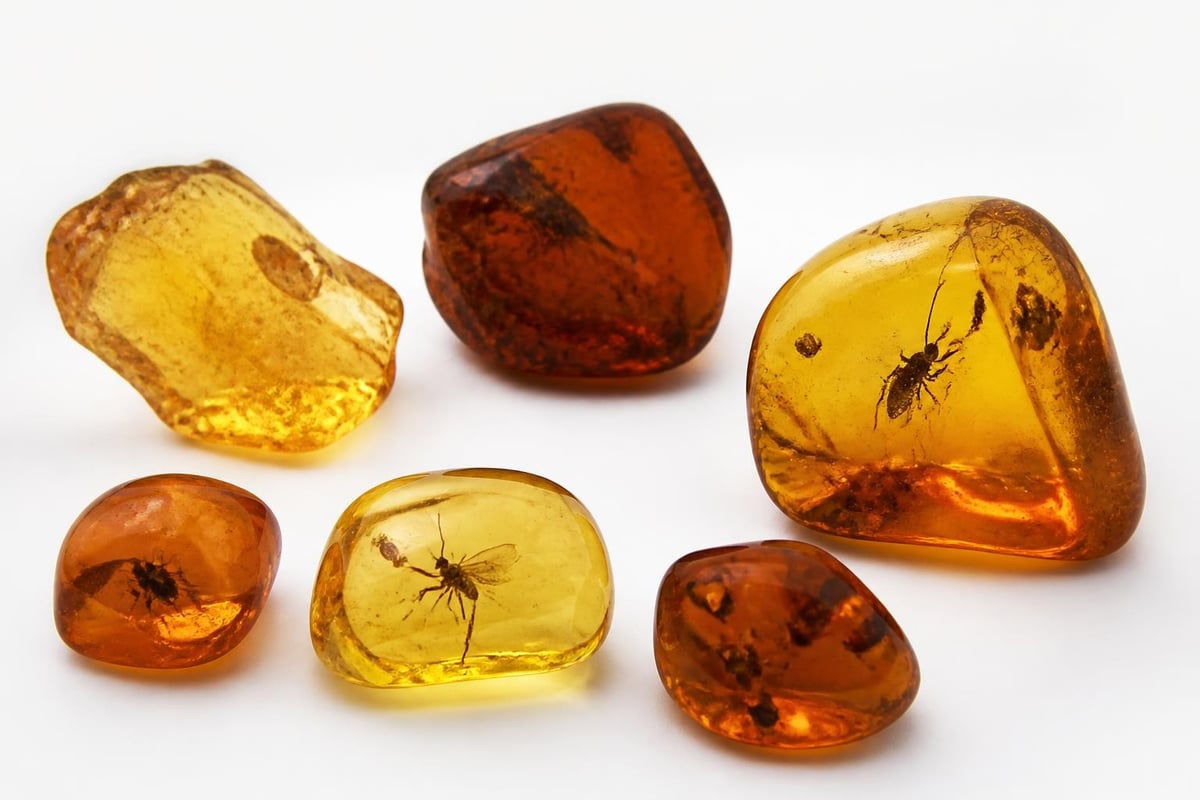
Inclusion quality creates the most dramatic price differentials. Common plant debris adds modest interest, but well-preserved insects, particularly rare species or specimens showing behavioral details, can increase value exponentially. Museums and serious collectors actively seek exceptional inclusion pieces, creating competitive demand in specialized amber shops.
Size considerations vary by application. Jewelry designers prefer smaller, flawless pieces suitable for pendants, rings, and earrings. Collectors often seek larger display specimens, accepting more inclusions or cloudiness in exchange for impressive dimensions. Carvers require substantial blocks of clean material, making large, clear pieces valuable for artistic applications.
Working with artisan jewelers who specialize in rare gemstones often provides better value than mass-market retailers, since specialized craftspeople understand material properties and can guide buyers toward pieces that match both aesthetic preferences and budget constraints.
The digital transformation has fundamentally changed how collectors access amber. Online amber shops offer unparalleled selection, connecting buyers with global inventory previously available only through specialized dealers or international travel. High-resolution photography, magnified views of inclusions, and UV fluorescence images help customers evaluate specimens remotely.
However, physical examination remains invaluable for significant purchases. Color reproduction varies across screens, making true hue assessment difficult online. Tactile qualities, weight perception, and the ability to examine pieces under various lighting conditions provide information that photographs cannot fully convey.
Hybrid approaches work well for many buyers:
| Warning Sign | What It May Indicate | Recommended Action |
|---|---|---|
| Suspiciously perfect large inclusions | Fabricated specimens | Request certification |
| Prices far below market averages | Imitations or undisclosed treatments | Verify with independent testing |
| Reluctance to provide provenance | Questionable sourcing or authenticity | Shop elsewhere |
| No return policy for authenticity issues | Seller uncertainty about material | Insist on guarantees |
| Generic descriptions without specifics | Lack of expertise or misrepresentation | Request detailed information |
The finest amber shops function as cultural institutions, preserving knowledge alongside merchandise. The Palanga Amber Museum exemplifies how amber retail can incorporate education, displaying historical artifacts, explaining geological formation, and contextualizing the material's role in Baltic culture over millennia.
Amber's historical significance extends across civilizations. Ancient Romans prized Baltic amber so highly that traders established routes specifically for this "gold of the north." Medieval Europeans attributed healing properties to amber, wearing it as protective amulets. Asian cultures incorporated amber into religious artifacts and imperial jewelry collections.
Understanding this heritage enriches the collecting experience. Amber shops that emphasize historical context help buyers appreciate not merely the physical beauty but the cultural legacy embedded in each piece. Documentation of historical uses, regional traditions, and archaeological discoveries transforms amber from simple decorative material into tangible connections with human history.
Exceptional amber shops invest in customer education through:
Beyond finished jewelry and display specimens, amber shops increasingly cater to specialized markets. Scientific institutions purchase inclusion specimens for research, studying ancient ecosystems preserved in the fossilized resin. Recent discoveries of insects trapped in amber continue revealing evolutionary insights, driving academic demand for well-documented material.
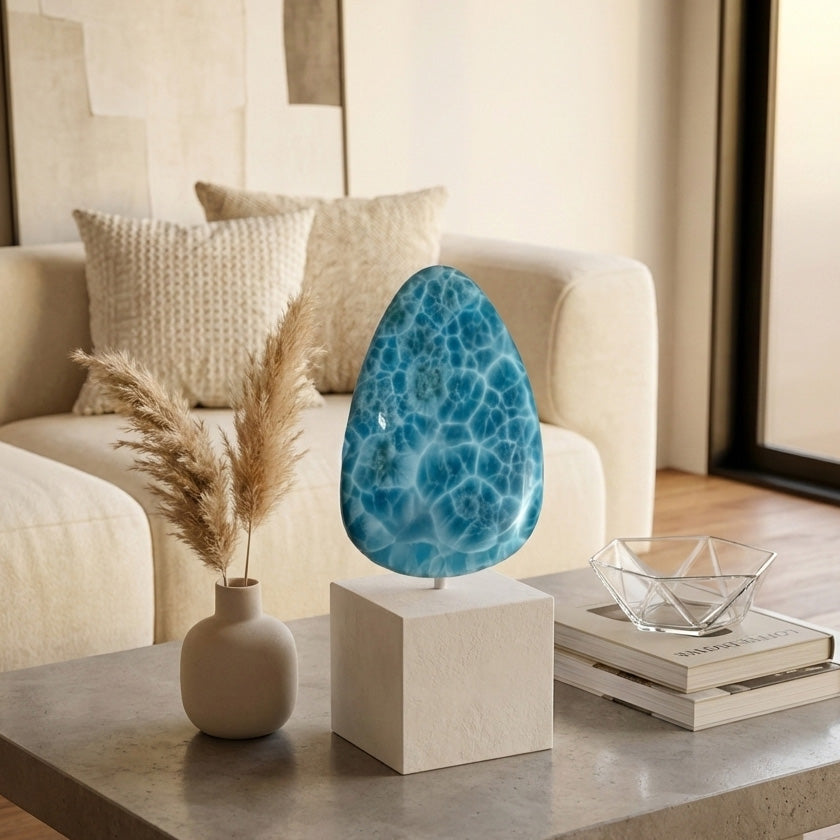
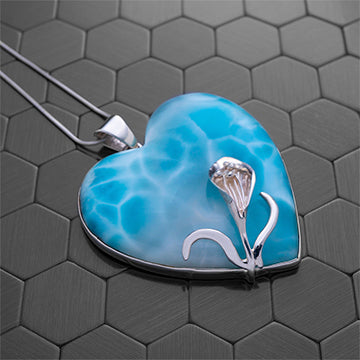
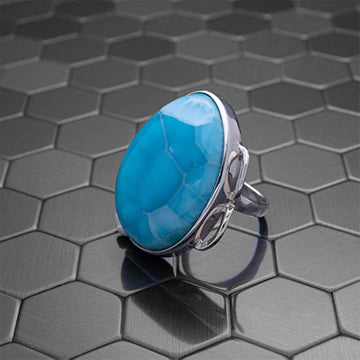
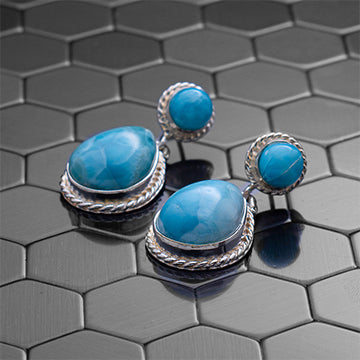
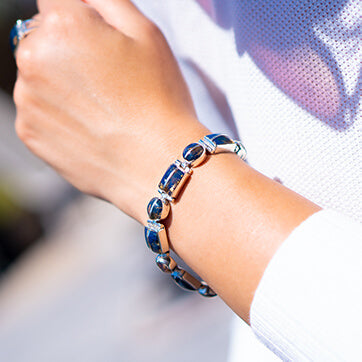
Artisan jewelers source rough amber for custom creations, seeking specific colors, clarity grades, or sizes for commissioned pieces. Many amber shops maintain separate inventory for this professional market, offering unpolished material at wholesale pricing for qualified buyers. Those interested in handcrafted larimar pendants often appreciate similar artisanal approaches to working with rare blue gemstones, where individual craftsmanship highlights each stone's unique characteristics.
Wellness practitioners represent a growing customer segment, though claims about amber's therapeutic properties remain scientifically unsubstantiated. Ethical amber shops clearly distinguish historical or cultural beliefs from evidence-based information, allowing customers to make informed decisions without misleading health claims.
Environmental consciousness increasingly influences amber shop operations. Baltic amber collection generally involves low environmental impact, with material often recovered from beaches after storms or sustainably extracted from designated areas. Responsible amber shops source from suppliers who follow regional regulations protecting sensitive coastal ecosystems.
Social responsibility matters particularly for amber originating from regions with governance challenges. Beyond the Myanmar situation already discussed, buyers should inquire about working conditions, fair compensation for local collectors, and community benefit from amber commerce. Certification programs analogous to those in diamond or gemstone industries remain underdeveloped for amber, placing greater responsibility on individual retailers to maintain ethical standards.
Synthetic alternatives raise philosophical questions about conservation. While laboratory-created ambers lack geological authenticity and fossil interest, they offer conflict-free, environmentally neutral options for buyers prioritizing ethics over natural origin. Forward-thinking amber shops stock both natural and synthetic options, allowing customers to choose according to personal values.
Long-term collecting success depends significantly on developing connections with knowledgeable, ethical dealers. Specialist amber shops cultivate expertise over decades, learning to identify subtle authenticity markers, recognize exceptional specimens, and access sources unavailable to casual vendors.
Regular customers benefit from:
Building these relationships requires reciprocal trust. Serious collectors demonstrate commitment by making thoughtful purchases, respecting expertise, and engaging genuinely with the material rather than treating amber purely as investment commodity.
Navigating amber shops successfully combines knowledge of geological formation, regional characteristics, authentication methods, and ethical sourcing practices with an appreciation for this remarkable material's cultural heritage and natural beauty. Whether you seek scientifically significant inclusions, rare color varieties, or simply the warm glow of well-crafted jewelry, informed purchasing decisions ensure lasting satisfaction with your acquisitions. Larimar Creations brings similar dedication to authenticity and craftsmanship in working with rare Caribbean gemstones, offering worldwide shipping for collectors who value meticulous artisanship and verified provenance in their jewelry selections.