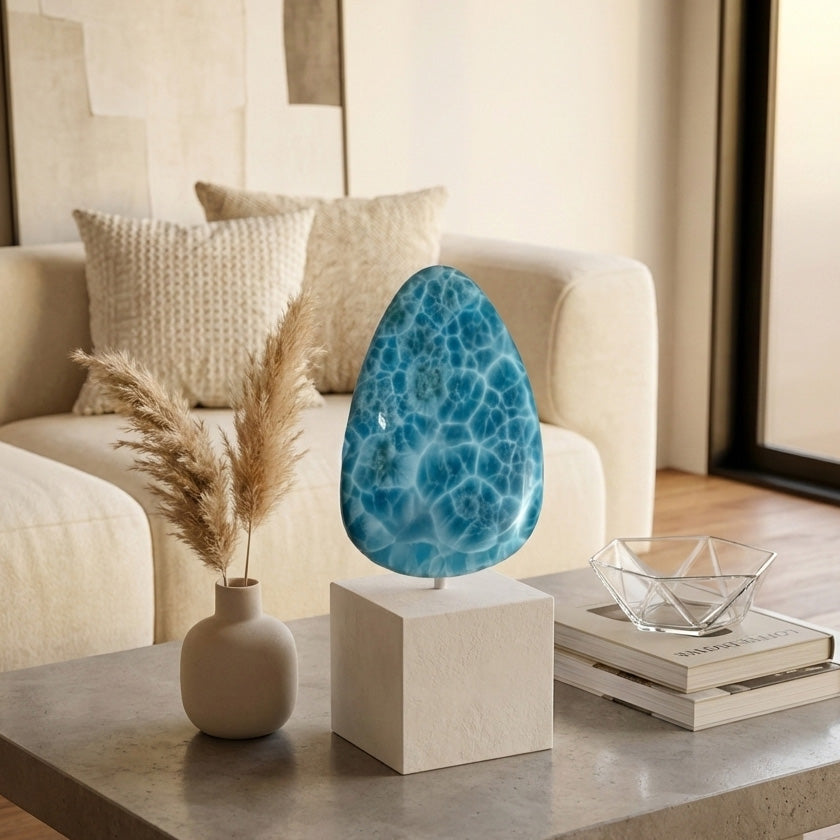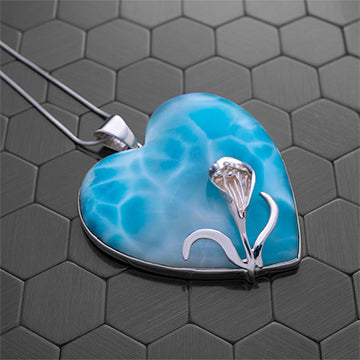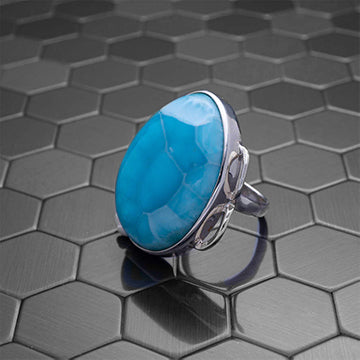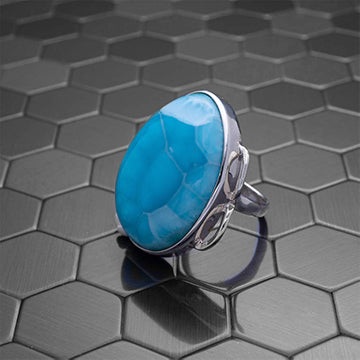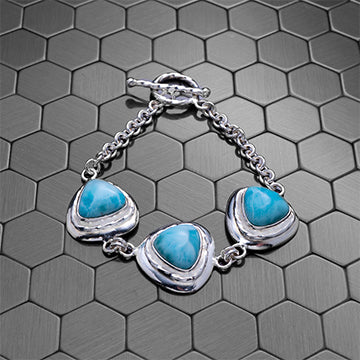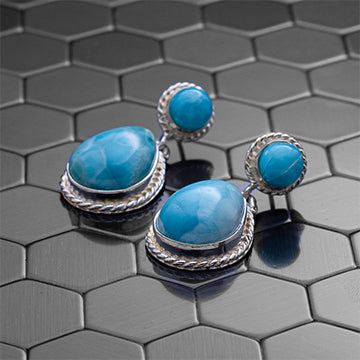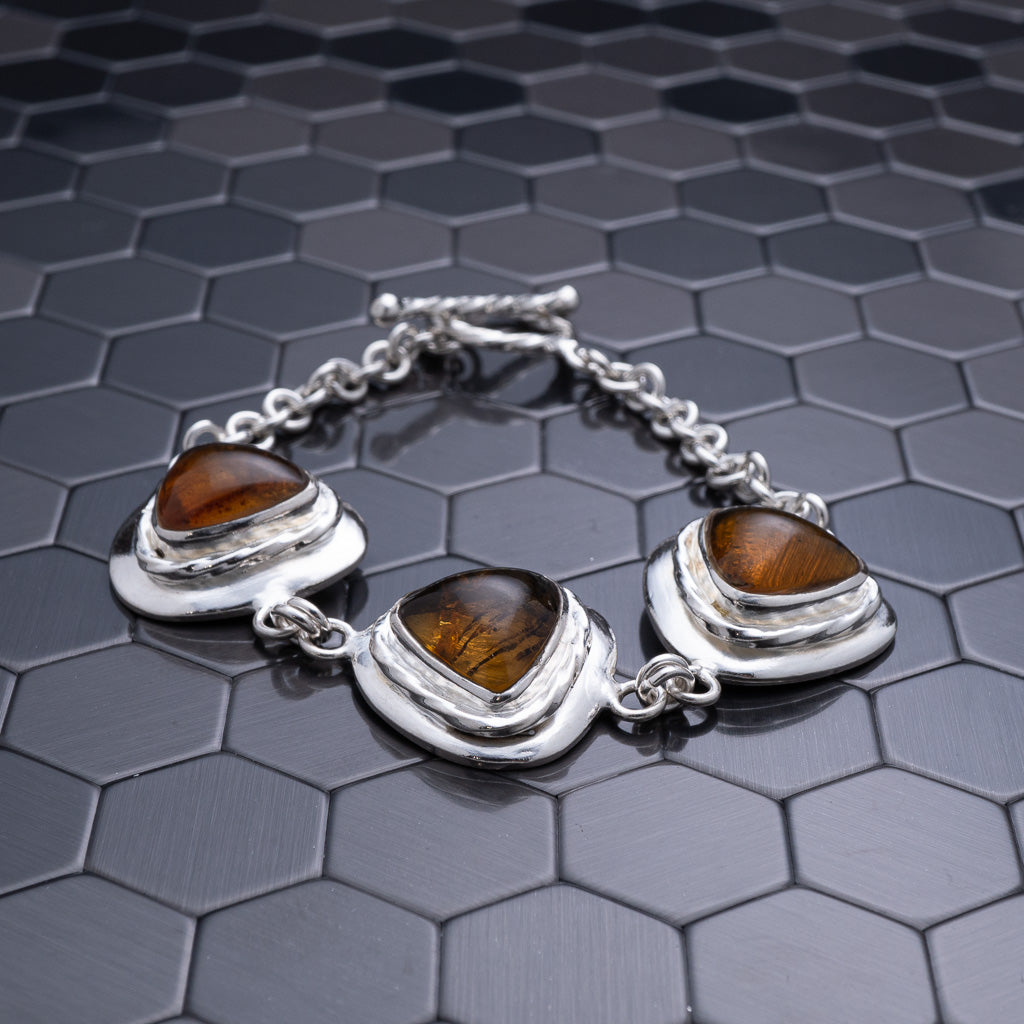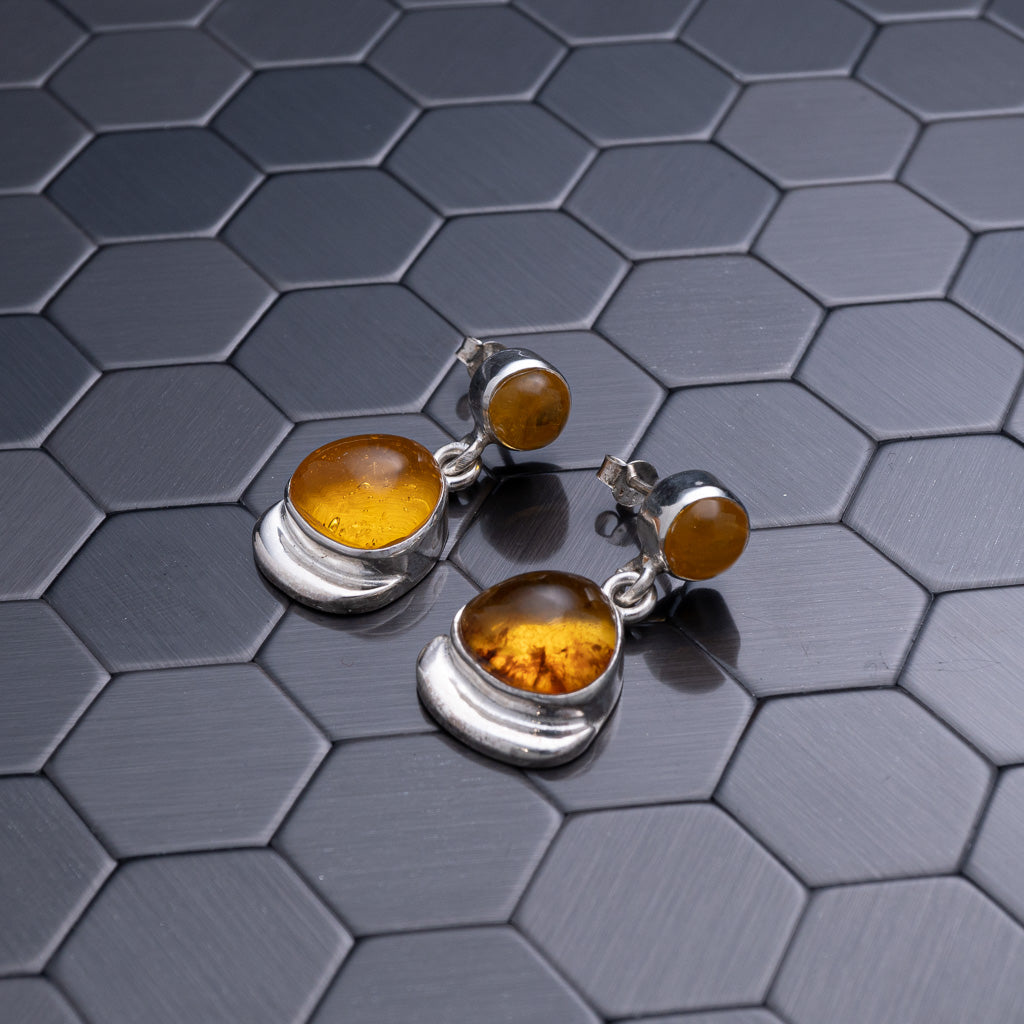


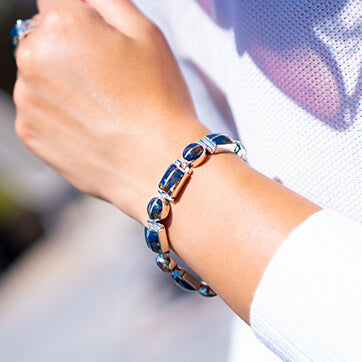
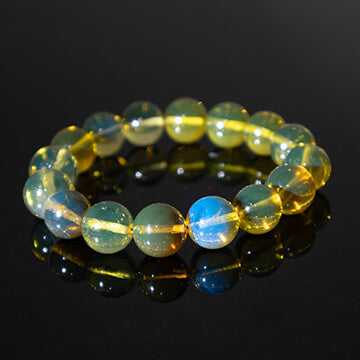
Handcrafted in DR.

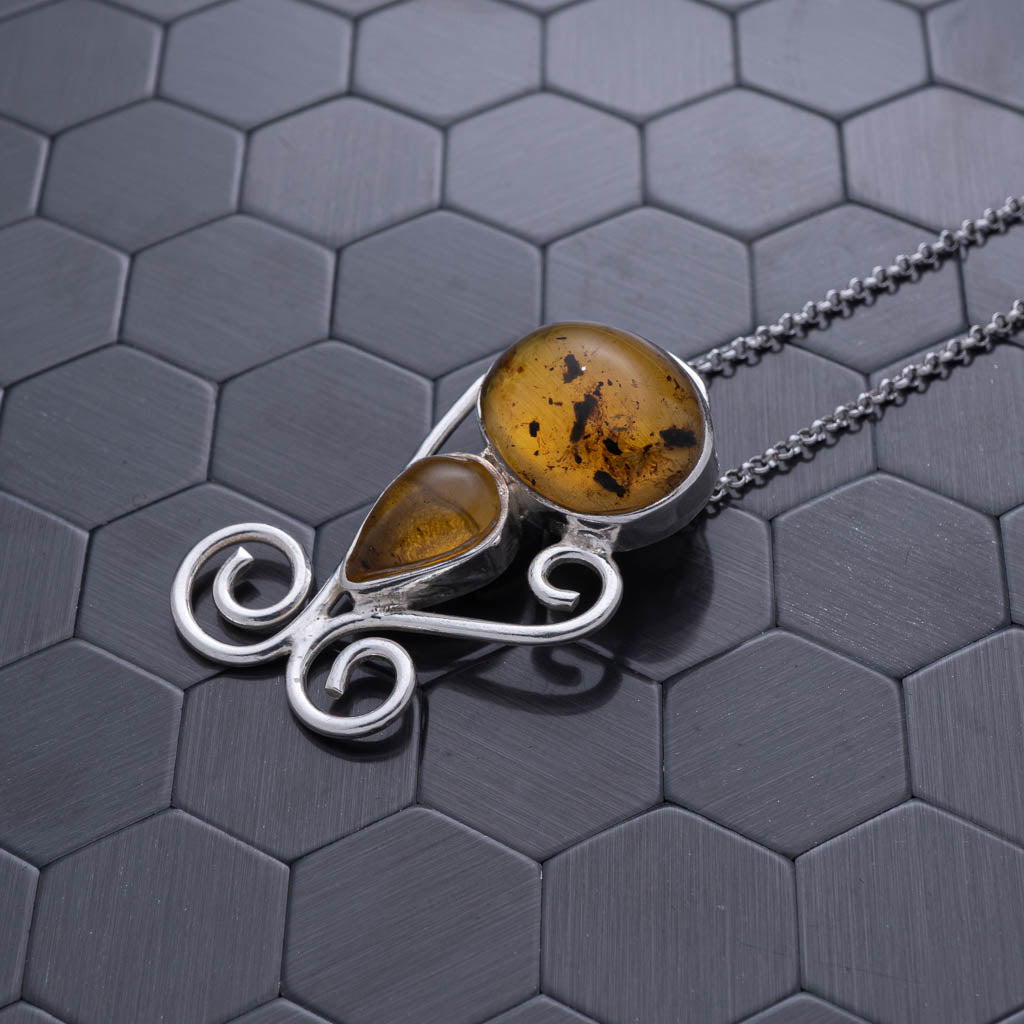
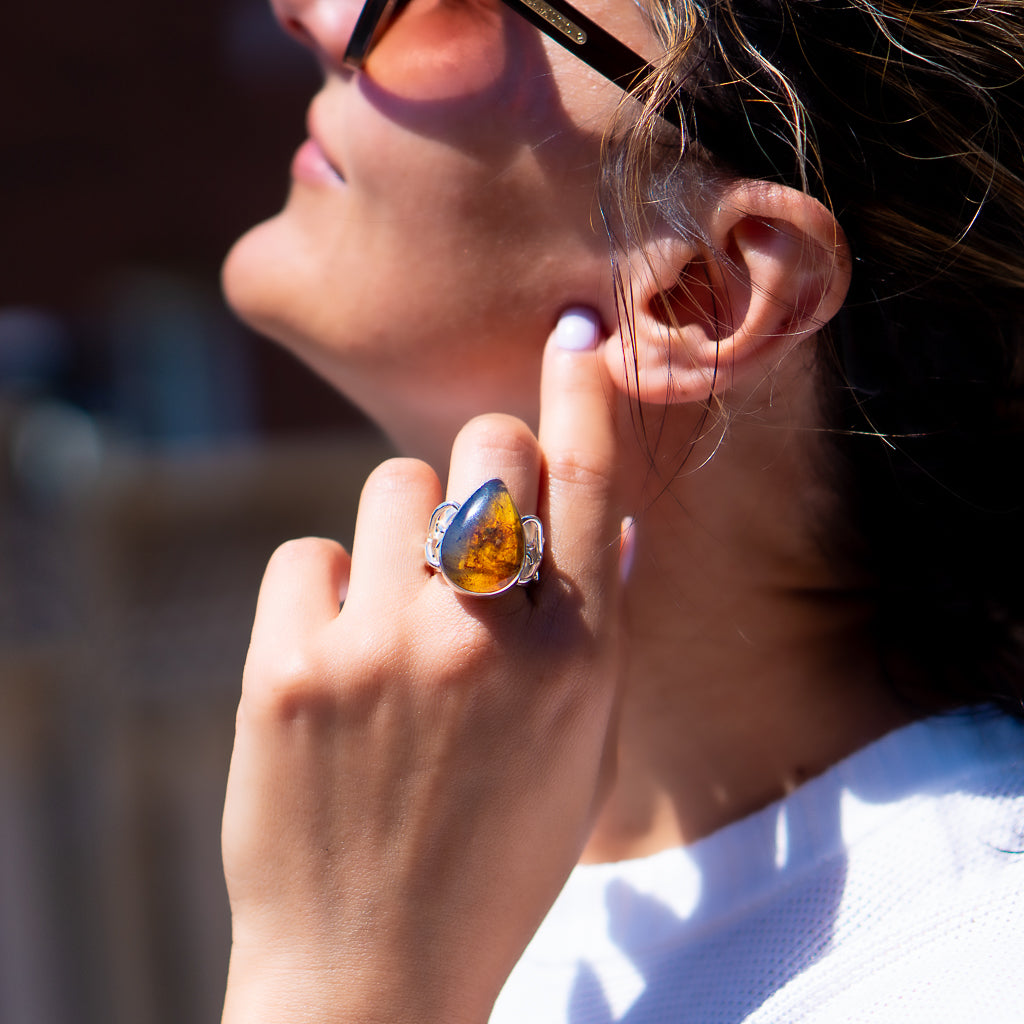
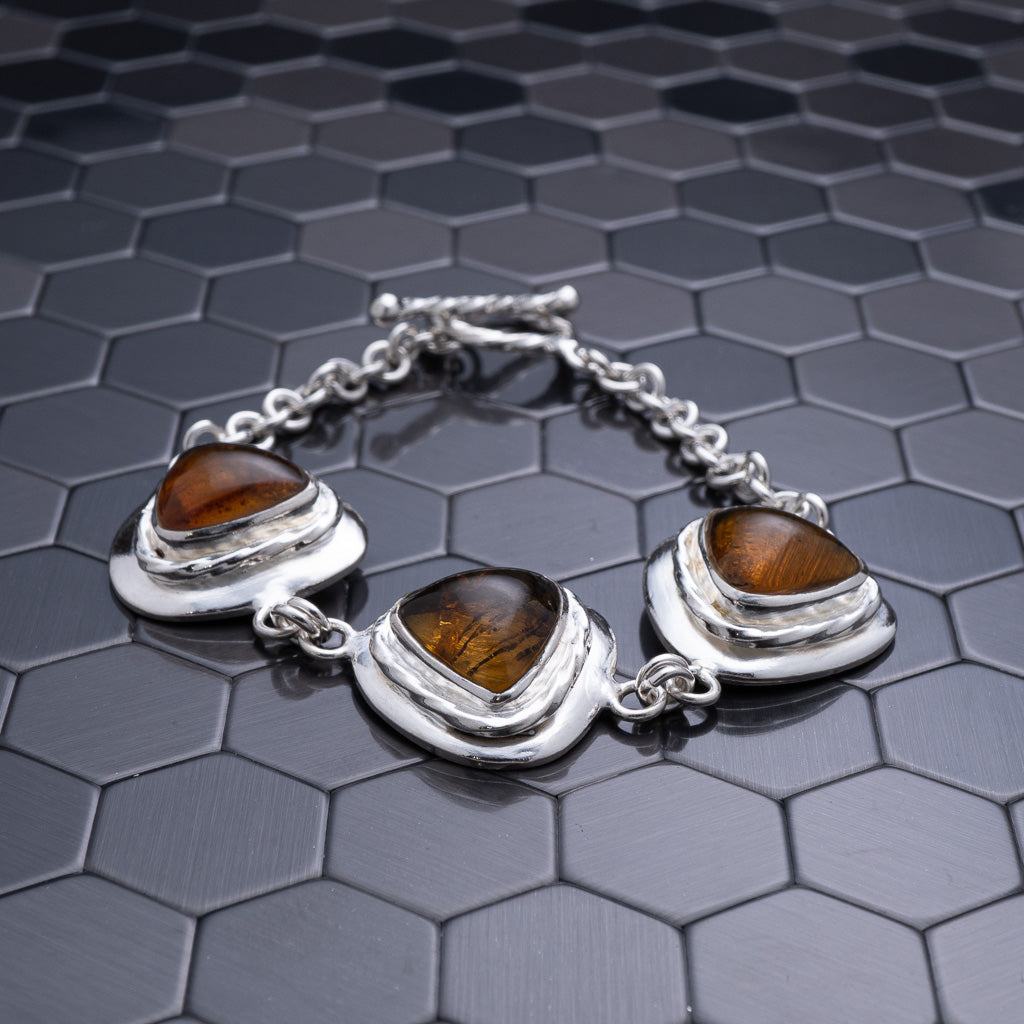
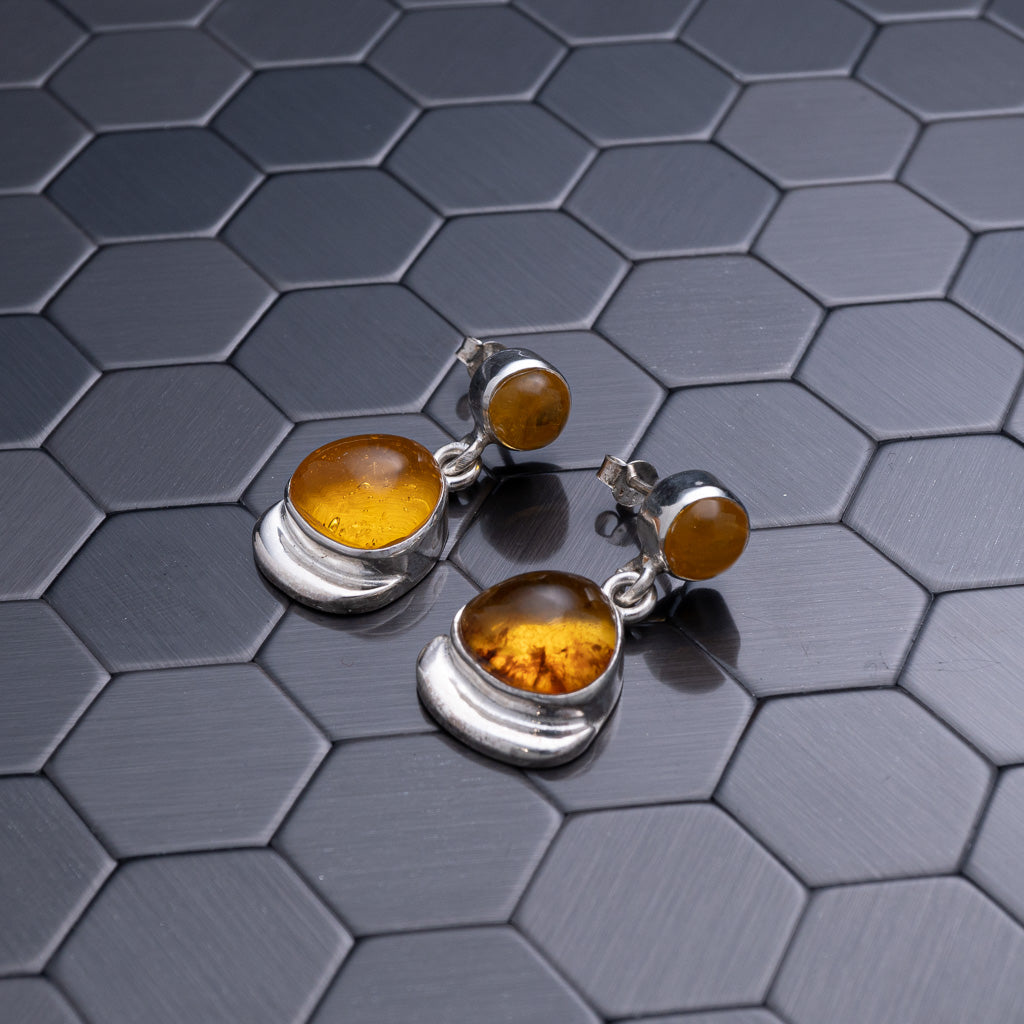


100% Handcrafted in DR.

There’s something captivating about amber, but nothing draws the eye quite like the rare blue variety. As more people discover the difference between blue amber vs regular amber, the mystery and excitement only grow. If you’re a collector, jewelry lover, or thinking of investing in gemstones, understanding what sets these two apart is key. We’ll break down their origins, color and optical quirks, rarity, how they’re used in jewelry, and the best ways to care for them. Curious what makes blue amber truly special? Read on for a clear, expert comparison.
Amber is one of those natural wonders that starts out as sticky tree resin and, after millions of years, becomes a gemstone. The process is slow and kind of magical. Trees ooze resin as a defense, and over time, this resin gets buried under layers of earth, fossilizing into amber.
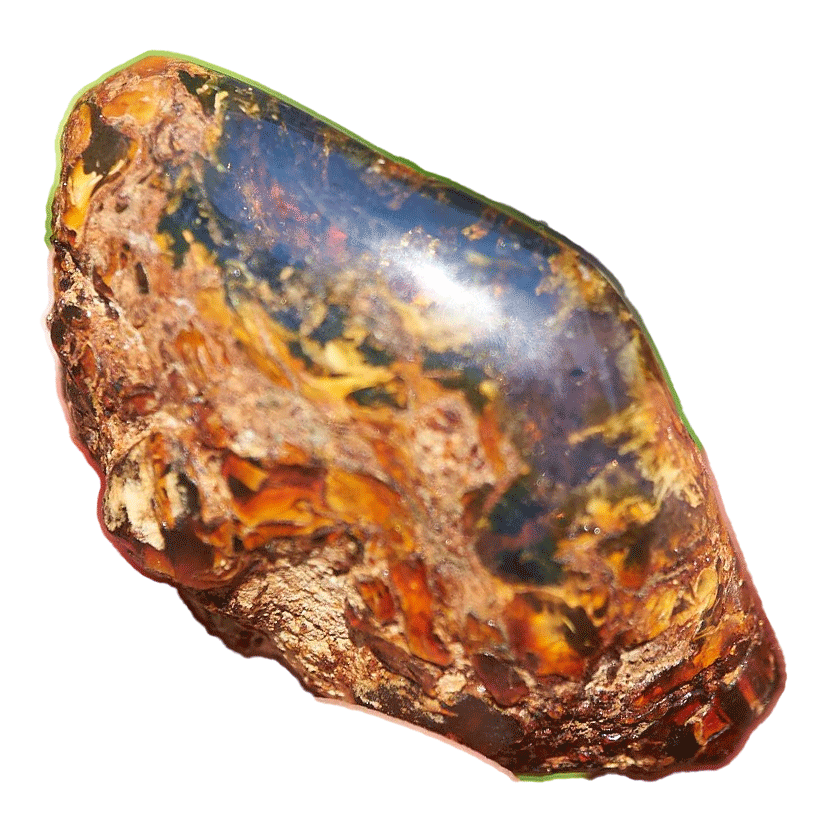
What sets blue amber apart is its origin. Most blue amber comes from the Dominican Republic, where ancient Hymenaea protera trees once covered the land. This extinct species produced a resin with unique chemicals that, after fossilization, gave blue amber its rare color and glow. The Caribbean climate and volcanic soils played a big role in shaping its clarity and optical effects.
Regular amber, on the other hand, is found all over the world. The Baltic region supplies over 90% of the world’s amber, but you’ll also find it in Mexico, Myanmar, and others. These sources grew different trees in different climates, which is why regular amber comes in a variety of colors and degrees of transparency.
Here’s a quick comparison of blue amber vs regular amber origins:
| Feature | Blue Amber (Dominican) | Regular Amber (Baltic, etc.) |
|---|---|---|
| Primary tree source | Hymenaea protera | Pines, other ancient trees |
| Main region | Dominican Republic | Baltic, Myanmar, Mexico |
| Key formation factors | Volcanic soils, tropical resin | Cooler climates, glacial soil |
The region where amber forms has a big impact on its look and value. If you want a deeper dive on the blue amber vs regular amber debate, Differences between blue and regular amber lays it out clearly.
So, whether you’re drawn to the Caribbean’s glowing blue or the golden warmth of Baltic amber, knowing the geological story behind each makes collecting a lot more interesting.
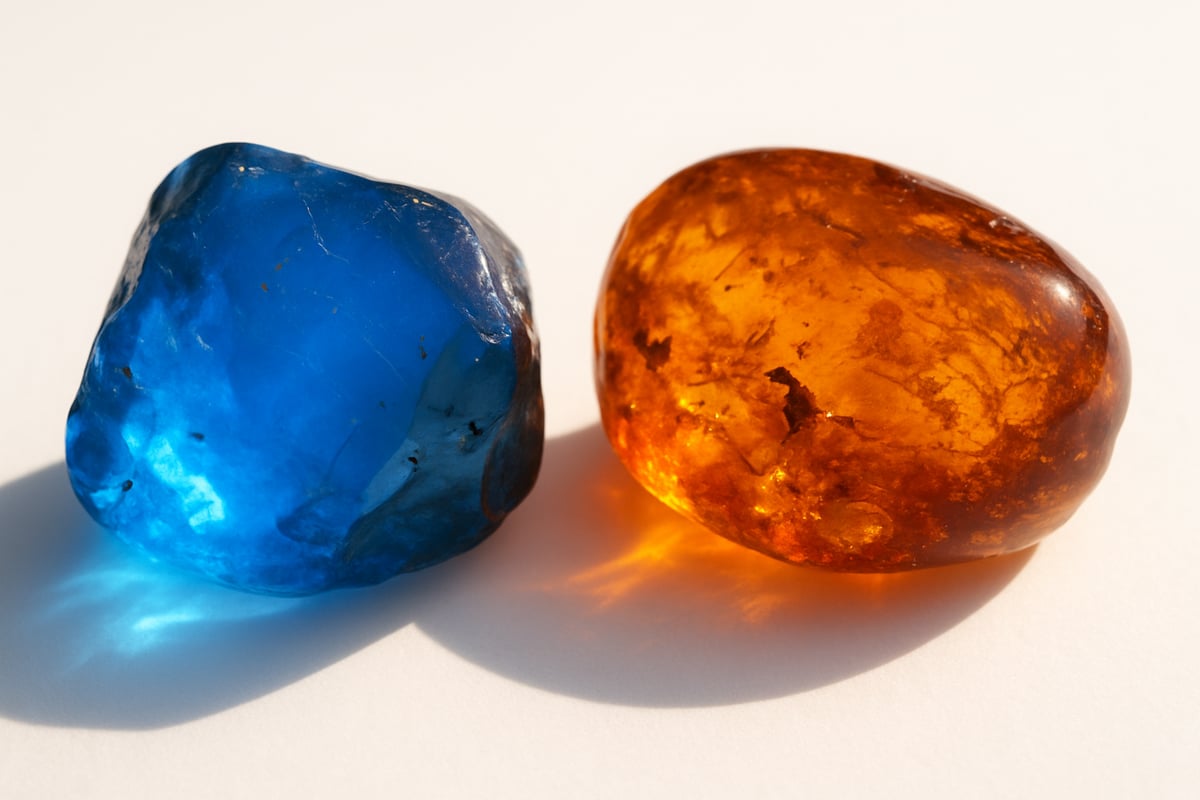
When you compare blue amber vs regular amber, the first thing you’ll notice is how different they look, especially when light hits them. Let’s break down what makes each type stand out, both to the eye and under the microscope.
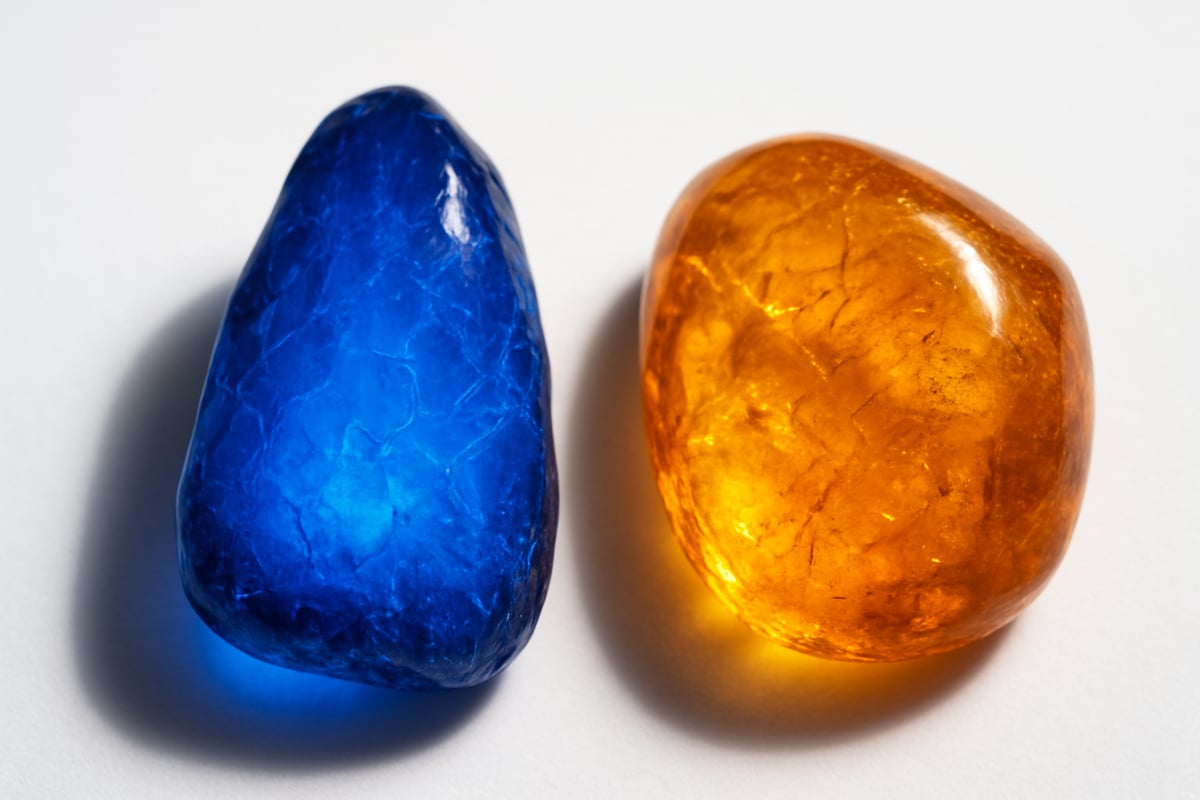
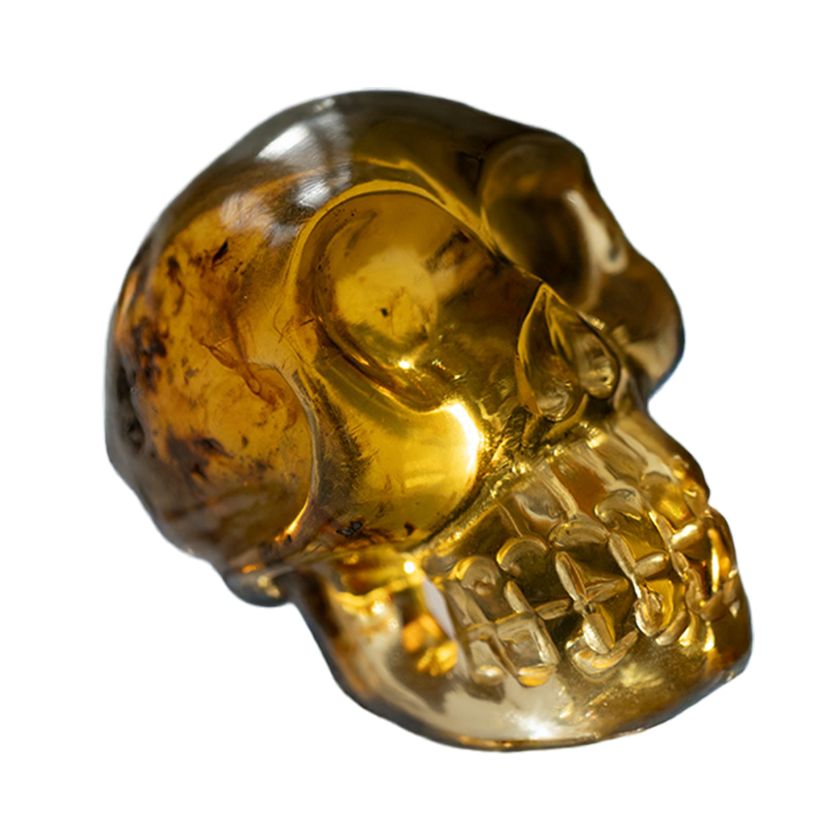
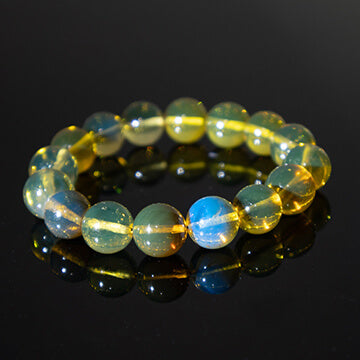
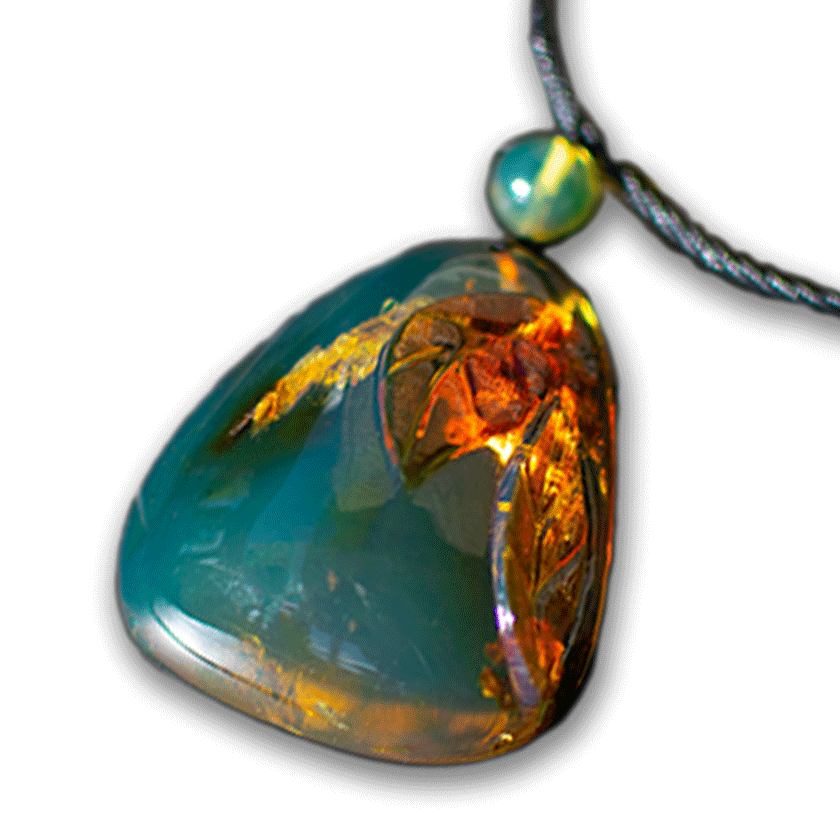
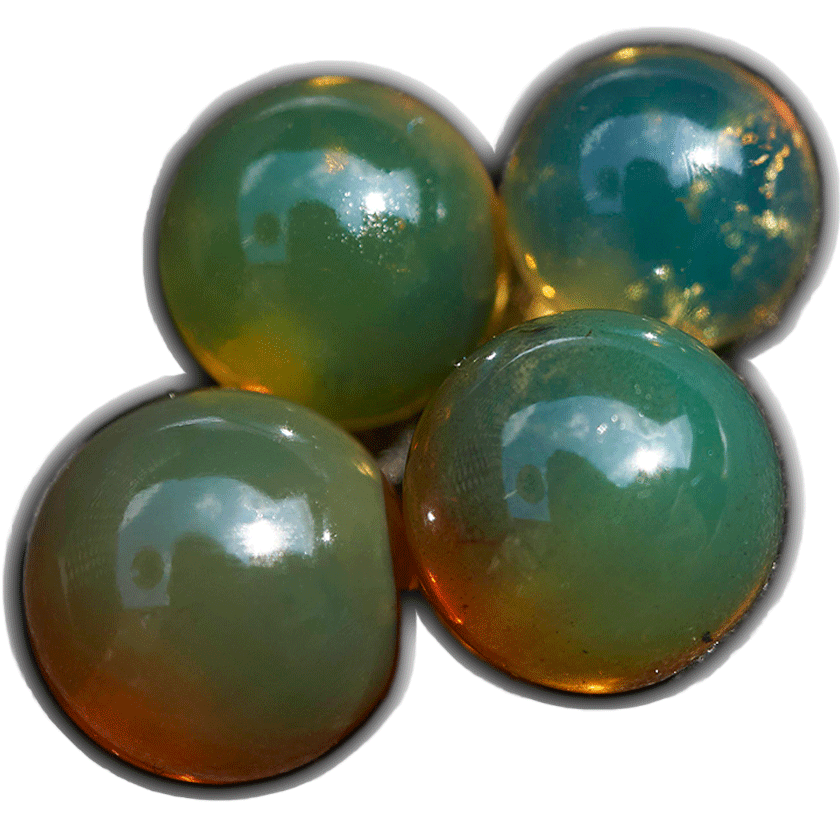
Blue amber is famous for its rare blue fluorescence. When sunlight or UV light hits it, the resin glows with an electric blue hue that almost looks otherworldly. This effect is due to specific hydrocarbons trapped in the fossilized resin, which react with certain wavelengths of light.
In regular indoor light, blue amber appears yellowish or brown, but take it outside and the blue comes alive. This phenomenon is so rare that fewer than 1% of all amber pieces show it. If you want to geek out on the science behind this, check out the Fluorescence Characteristics of Blue Amber for a deep dive.
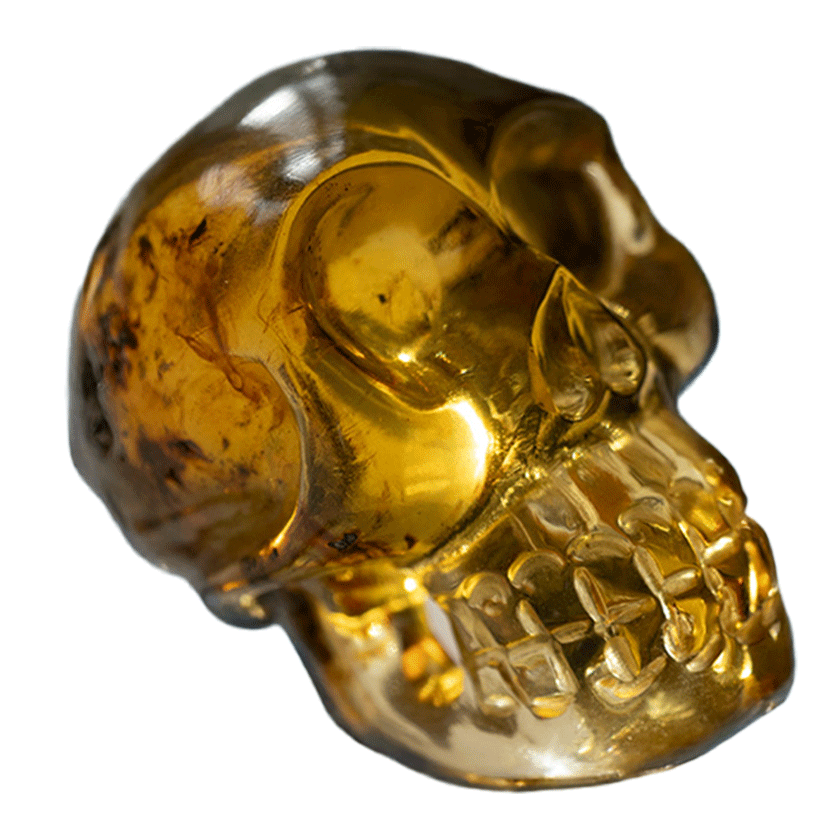
Now, let’s look at regular amber. The color range is broad: you’ll see everything from buttery yellow to deep orange, red, brown, and even green. Some pieces are cloudy or opaque, while others are crystal clear, almost like a drop of ancient honey.
Baltic amber is a classic example, usually golden or honey colored and often featuring tiny inclusions. The key point in blue amber vs regular amber is that regular amber does not have the blue glow, no matter how you shine a light on it.
Collectors are drawn to blue amber vs regular amber for that jaw-dropping blue flash. It’s rare, mysterious, and makes for bold jewelry. Regular amber, on the other hand, is loved for its warmth, natural inclusions, and earthy vibe.
Here’s a quick table to sum up the visual differences:
| Feature | Blue Amber | Regular Amber |
|---|---|---|
| Main Color | Yellow-brown (indoors), Blue (UV/sunlight) | Yellow, orange, red, brown, green |
| Fluorescence | Yes, blue | None |
| Collector Appeal | Rarity, optical effect | Warmth, inclusions |
It really comes down to personal taste and what kind of story you want your piece to tell.
When it comes to rarity, blue amber vs regular amber is like comparing a shooting star to a sunny day. Blue amber is almost exclusively found in the Dominican Republic and makes up less than 0.2% of all amber worldwide. Regular amber, on the other hand, is mined in places like the Baltic region, Myanmar, and Mexico, accounting for over 90% of global supply.
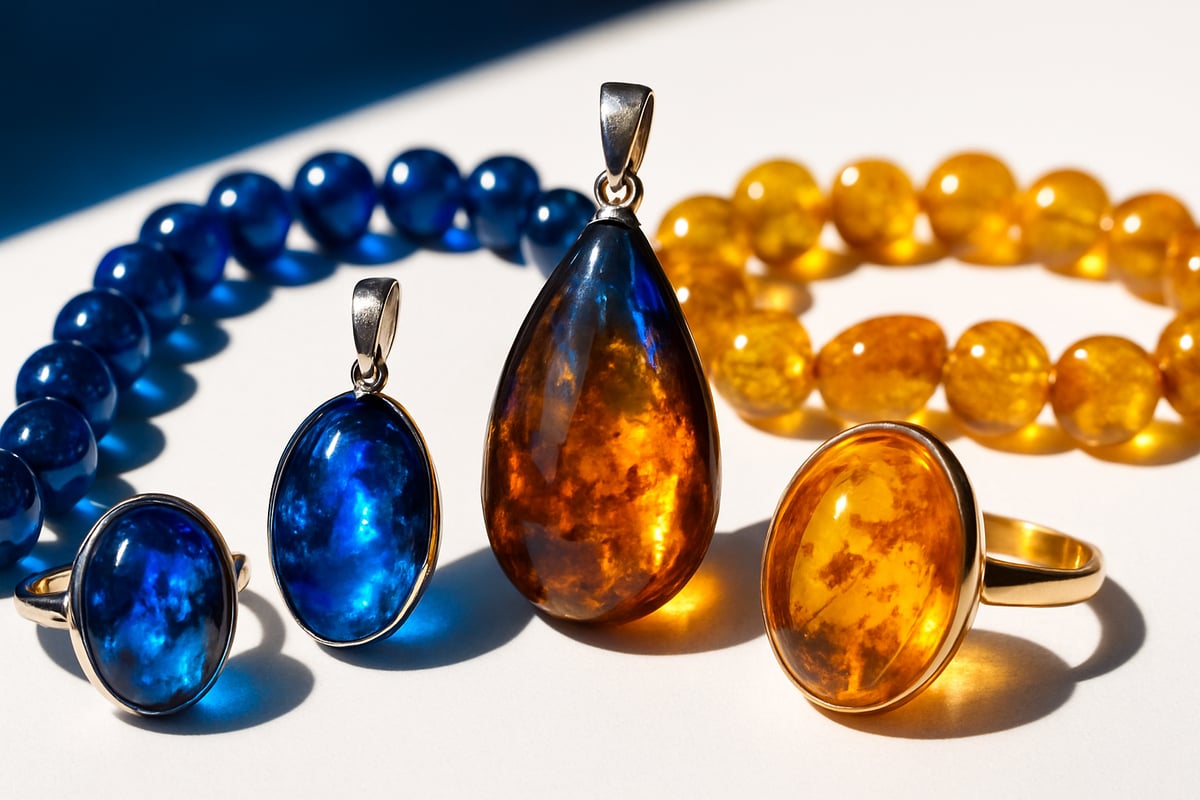
Blue amber is the rare gem here, mostly from the Dominican Republic, while regular amber is far more common, especially in the Baltic region. If you’re searching for blue amber vs regular amber, you’ll find most blue pieces in the Caribbean and regular ones in Europe and Asia. The origin really shapes both the color and the price tag.
Price-wise, blue amber commands a much higher value due to its scarcity and unique glow. Fine blue amber can sell for over $30 per gram, while Baltic amber usually falls between $1 and $5 per gram. If you want a deeper dive into what makes Dominican blue amber so valuable, check out this Guide to Dominican blue amber. In the world of blue amber vs regular amber, rarity translates directly to investment potential.
| Type | Main Source | Rarity | Price (per gram) |
|---|---|---|---|
| Blue Amber | Dominican Republic | <0.2% of total | $30+ |
| Regular Amber | Baltic, Myanmar, etc. | Common | $1–$5 |
Looking ahead, blue amber’s demand is only rising, especially as luxury brands seek it for unique jewelry. Regular amber remains a staple for classic and vintage designs, but blue amber’s shrinking supply is driving prices up. Collectors and investors are keeping a sharp eye on both, expecting continued growth in value as these natural treasures become even harder to find.
Blue amber vs regular amber is a debate that goes beyond science—it's about artistry and personal taste. Let’s dive into how each type shines in jewelry and art, and why collectors and designers are drawn to their unique qualities.
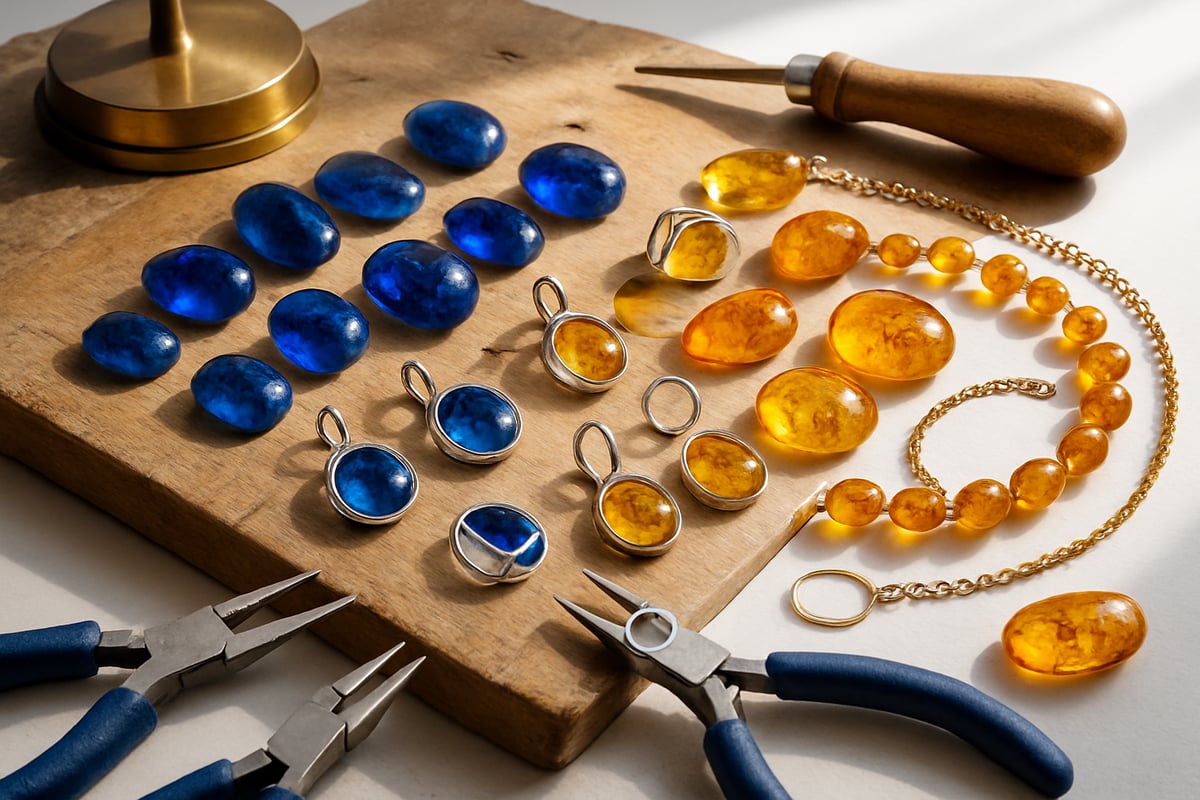
Designers love blue amber for its rare fluorescence. When sunlight or UV light hits, the stone glows with an electric blue that grabs attention. This trait makes blue amber vs regular amber stand out in high-end jewelry.
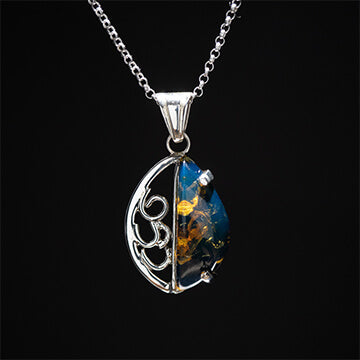
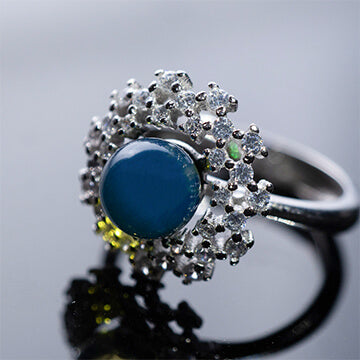
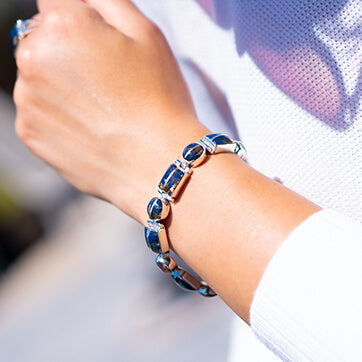
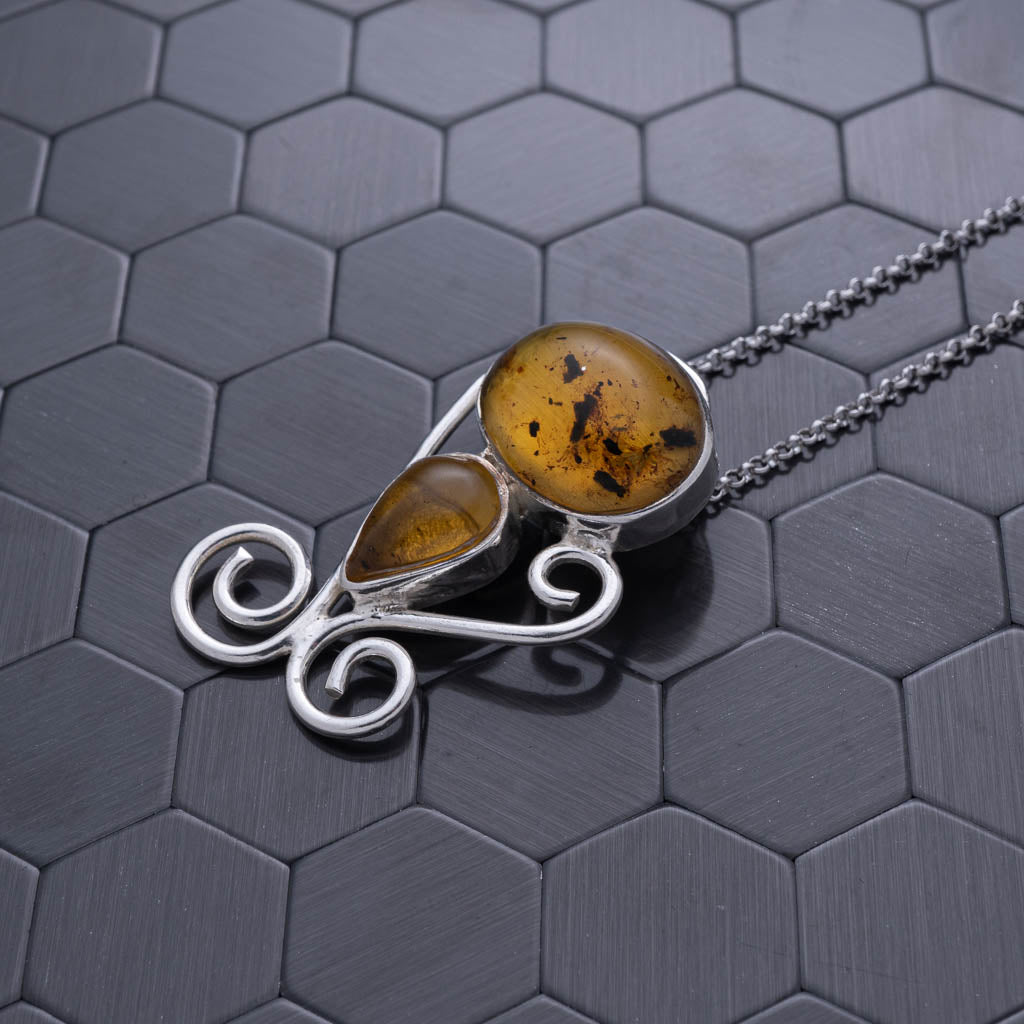
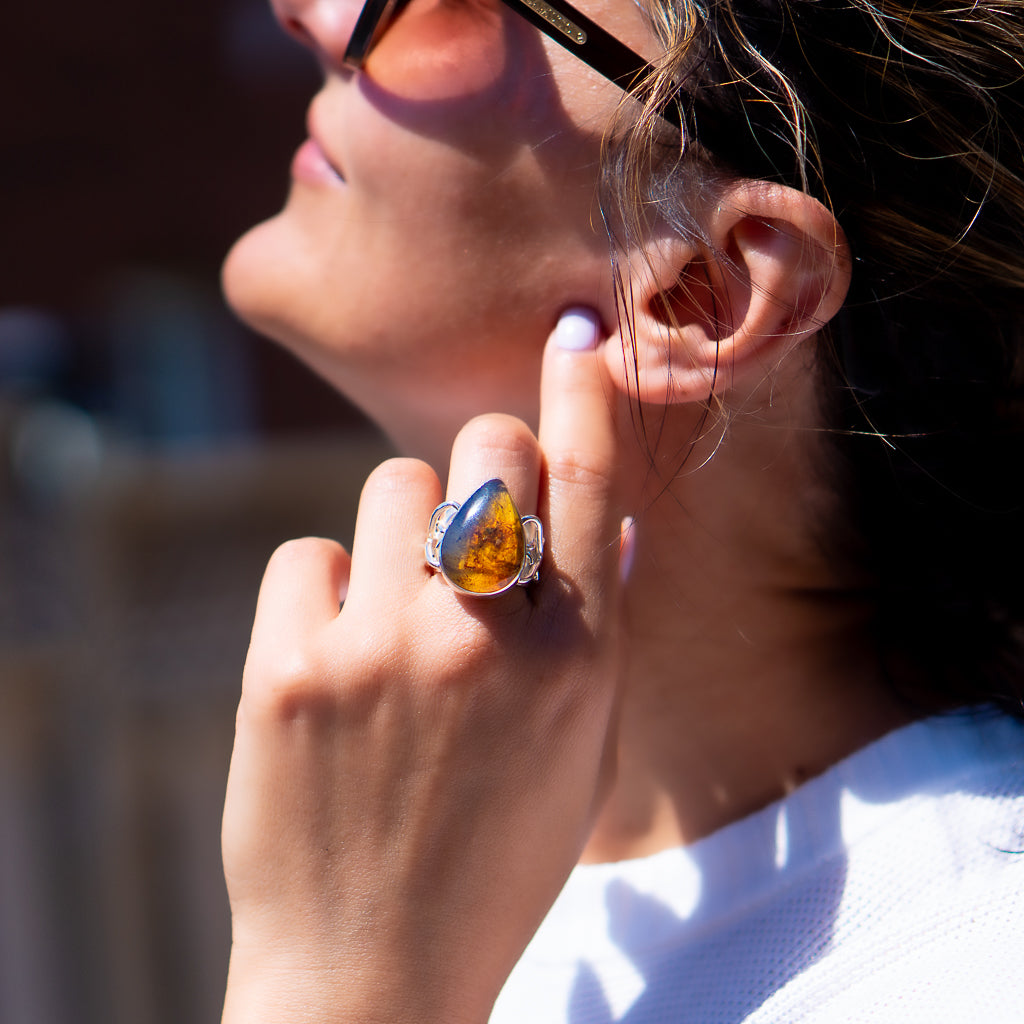
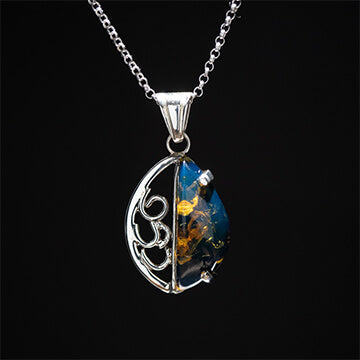
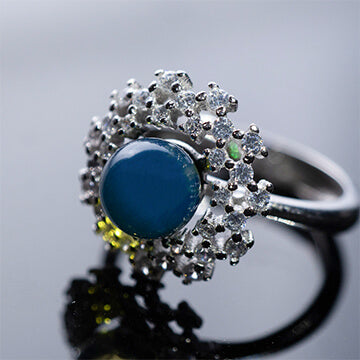
Jewelers often use open settings or creative cuts to show off the blue glow. You’ll find blue amber in bold pendants, dramatic rings, and one-of-a-kind statement pieces. Each piece feels futuristic and a bit mysterious, which is perfect for collectors who want something truly different.
Blue amber vs regular amber also shows up in traditional craftsmanship. Regular amber is a classic for beads, cabochons, and intricate carvings. Its warm colors—from honey gold to deep red—make it versatile for both vintage and modern jewelry.
Many Baltic cultures treasure amber necklaces, often passing them down as heirlooms. Inclusions like insects or plant fragments add to the charm. For more details on the properties and uses of regular amber, check out this page on amber gemstone properties and uses.
Blue amber is deeply valued in Dominican art, where it’s carved into luxury decorative items and worn as a status symbol. Regular amber, on the other hand, is woven into folklore and spiritual traditions across Europe and Asia, believed to offer protection and healing.
Each type has its own story, making the blue amber vs regular amber conversation as much about culture as it is about beauty.
Knowing the difference between blue amber vs regular amber means understanding what’s real and how to keep it looking its best. Collectors and jewelry lovers often ask how to spot genuine amber, what treatments are used, and the best way to care for their pieces.
Spotting real amber can be tricky, especially with so many imitations out there. For blue amber vs regular amber, use tests like UV fluorescence (blue amber glows blue), the saltwater float, scratch, or hot needle test. Want more details? Check out Real vs. Fake Amber Identification for step-by-step guidance.
Regular amber often gets heat-treated, dyed, or pressed to improve color and clarity. Blue amber is rarely treated, as its natural glow is what makes it valuable. You’ll also see pressed amber on the market, which is made from smaller pieces fused together. For care tips and authenticity advice, see Identifying and caring for blue amber.
Keep both types of amber away from heat, harsh chemicals, and lots of sun. Clean gently with a soft cloth and mild soap—skip ultrasonic cleaners. Store amber jewelry separately from harder stones to prevent scratches. Handle with care and your amber will keep its shine for years.
Choosing between blue amber vs regular amber is about more than picking a favorite color. Whether you are a collector, jewelry lover, or investor, knowing what to look for can help you avoid disappointment and make a smart purchase.
When weighing blue amber vs regular amber, start with the basics. Look for color intensity, clarity, and, for blue amber, that unmistakable blue fluorescence. Inclusions, like ancient plant or insect fragments, can add value and intrigue.
Always check the source and request authenticity certificates. Price can vary wildly, so compare rarity and visual appeal. For a deeper dive into the spectrum of amber types, check out Amber Colors and Varieties.
Responsible sourcing is a big deal in the world of blue amber vs regular amber. Buy from reputable dealers who can trace their stones’ origins. Ethical mining protects both the environment and the workers, especially in regions like the Dominican Republic, where regulations are tightening to preserve rare blue amber.
Look for sellers who promote sustainable practices and fair labor. This not only supports the industry but also ensures your amber has a story you can feel good about.
If you want to build a collection or invest, focus on specimens with clear provenance and documentation. Blue amber, with its rarity and unique glow, is a rising star for future value. Regular amber with rare inclusions or colors can also be a smart bet.
Keep an eye on market trends and remember: the best investments are pieces you genuinely love to own.
If you’ve made it this far, you probably appreciate just how special blue amber is compared to regular amber. The rarity, the glow, the story behind each piece—it’s easy to see why collectors and jewelry lovers are drawn in. If you’re curious about owning a truly unique gemstone that captures the serenity and magic we just talked about, why not explore some handcrafted options for yourself or a loved one? You can Find the Perfect Gift of Serenity Shop Larimar Pendants with Free Worldwide Delivery and see firsthand what makes these pieces so captivating.