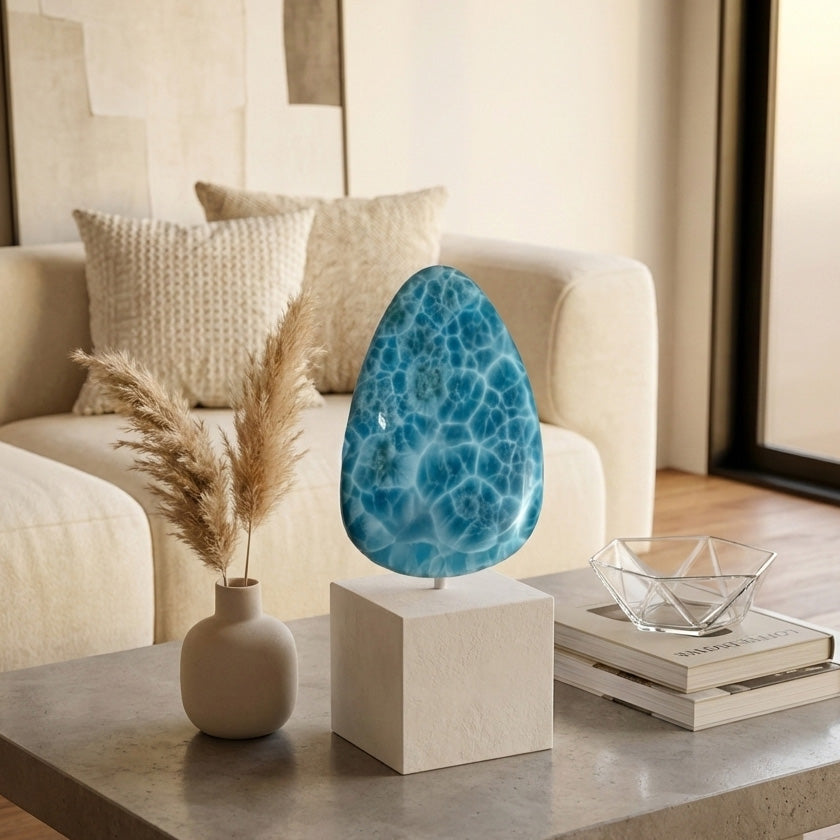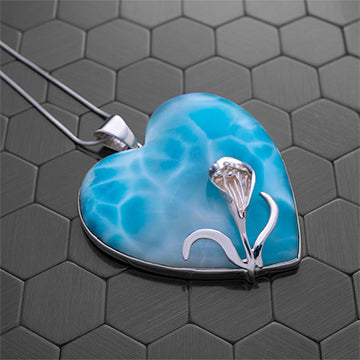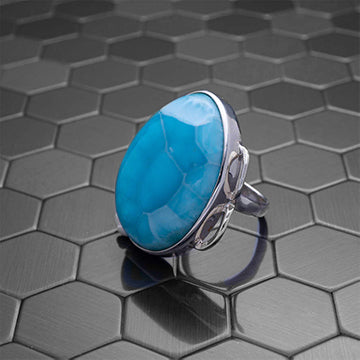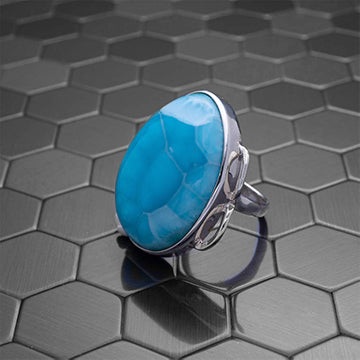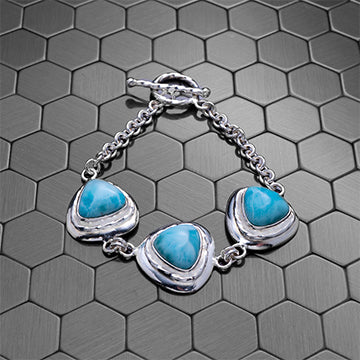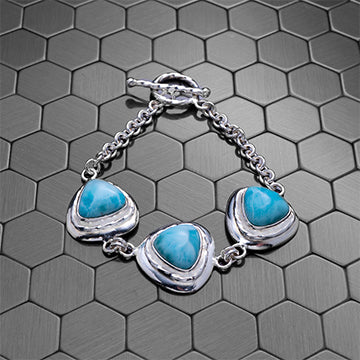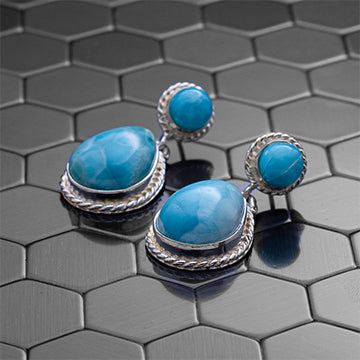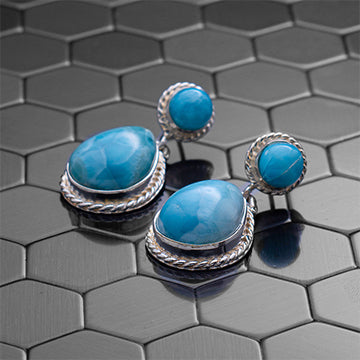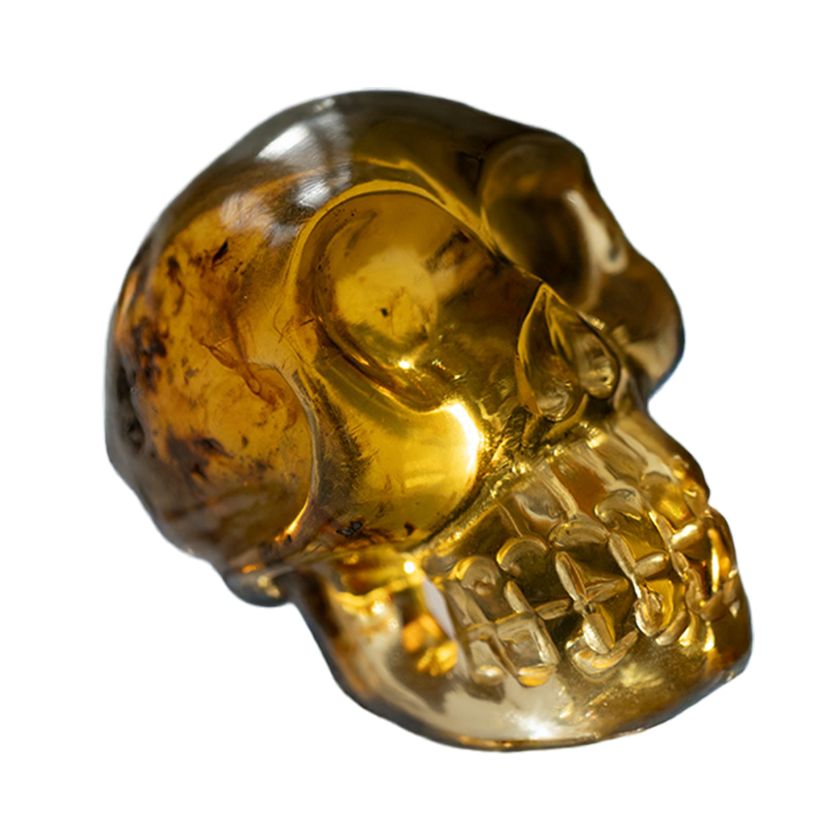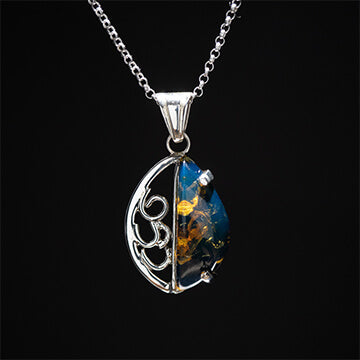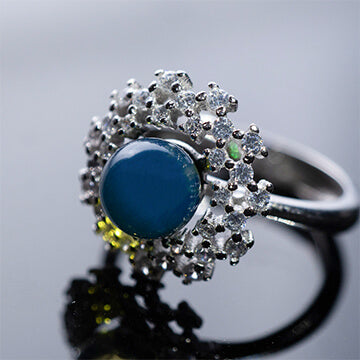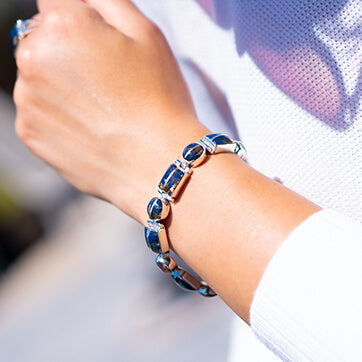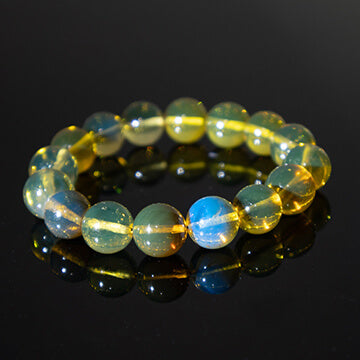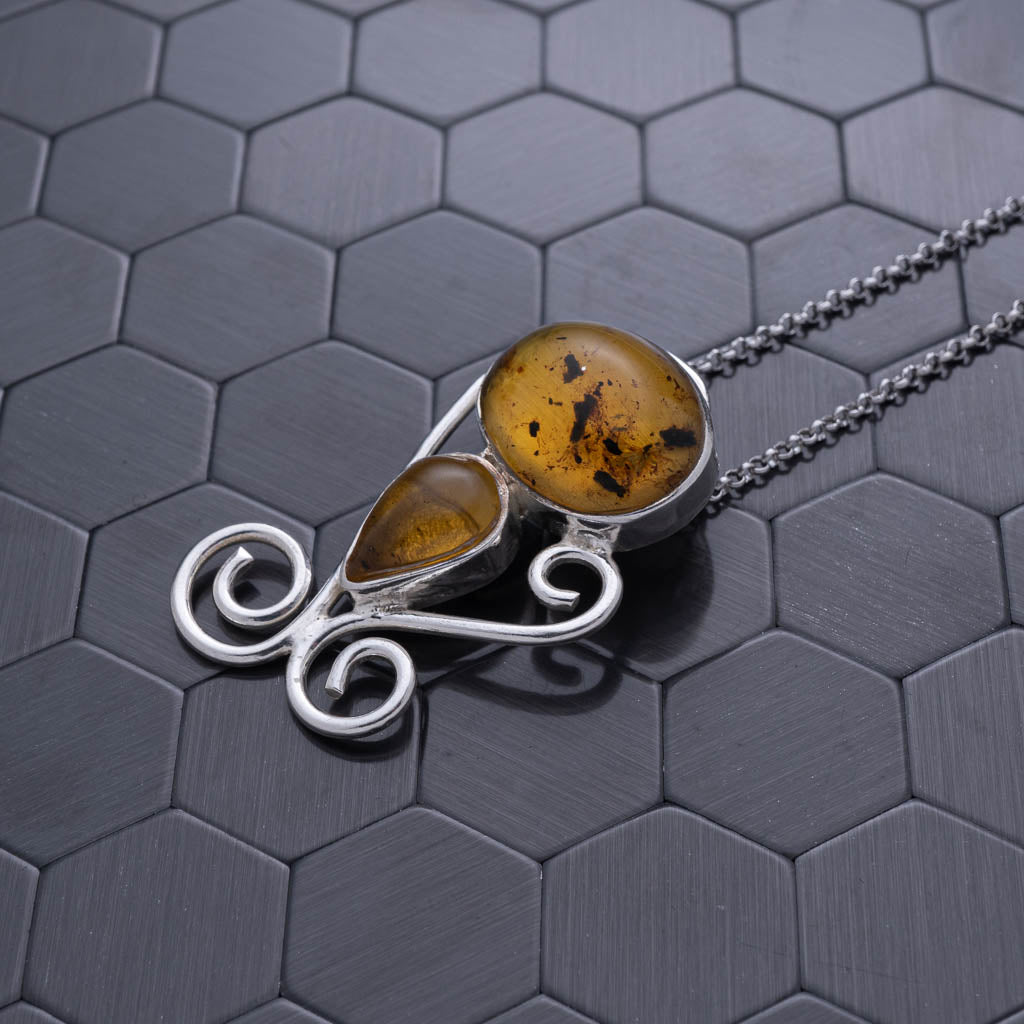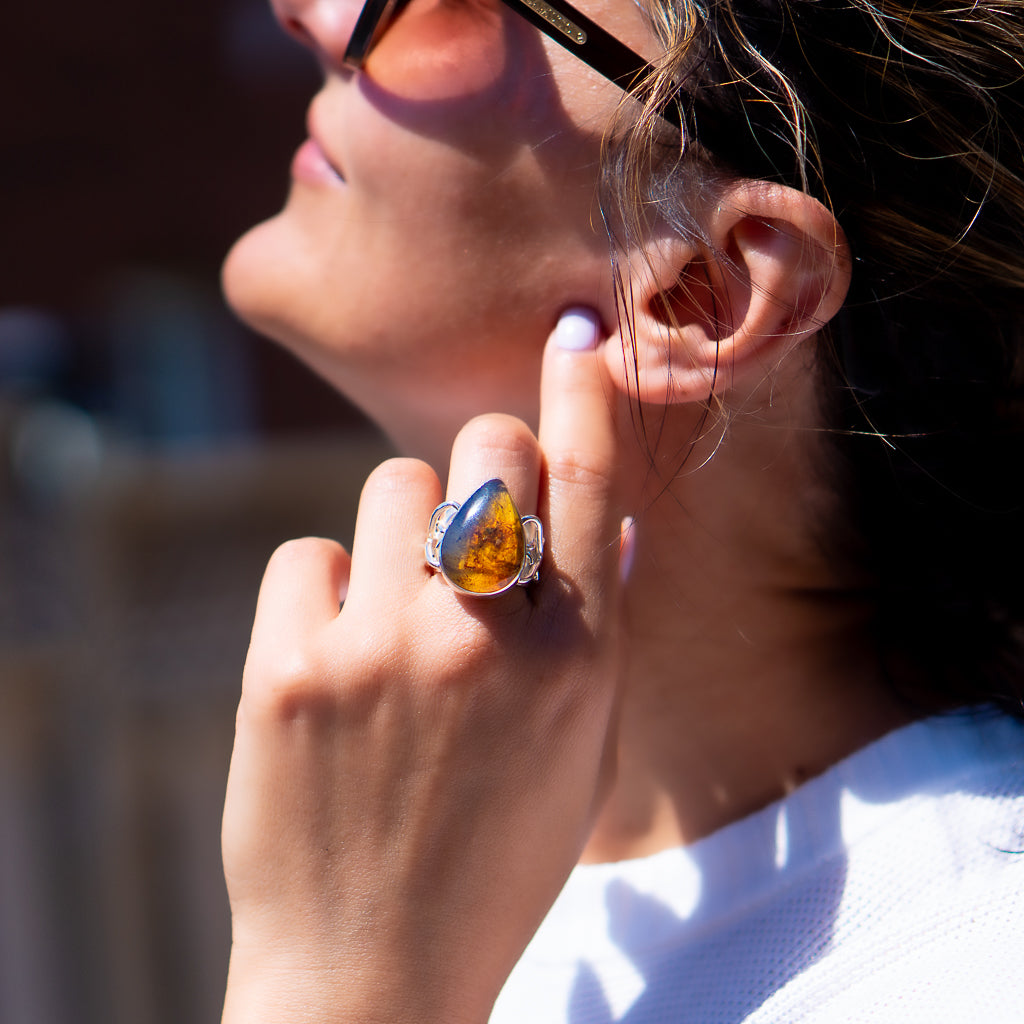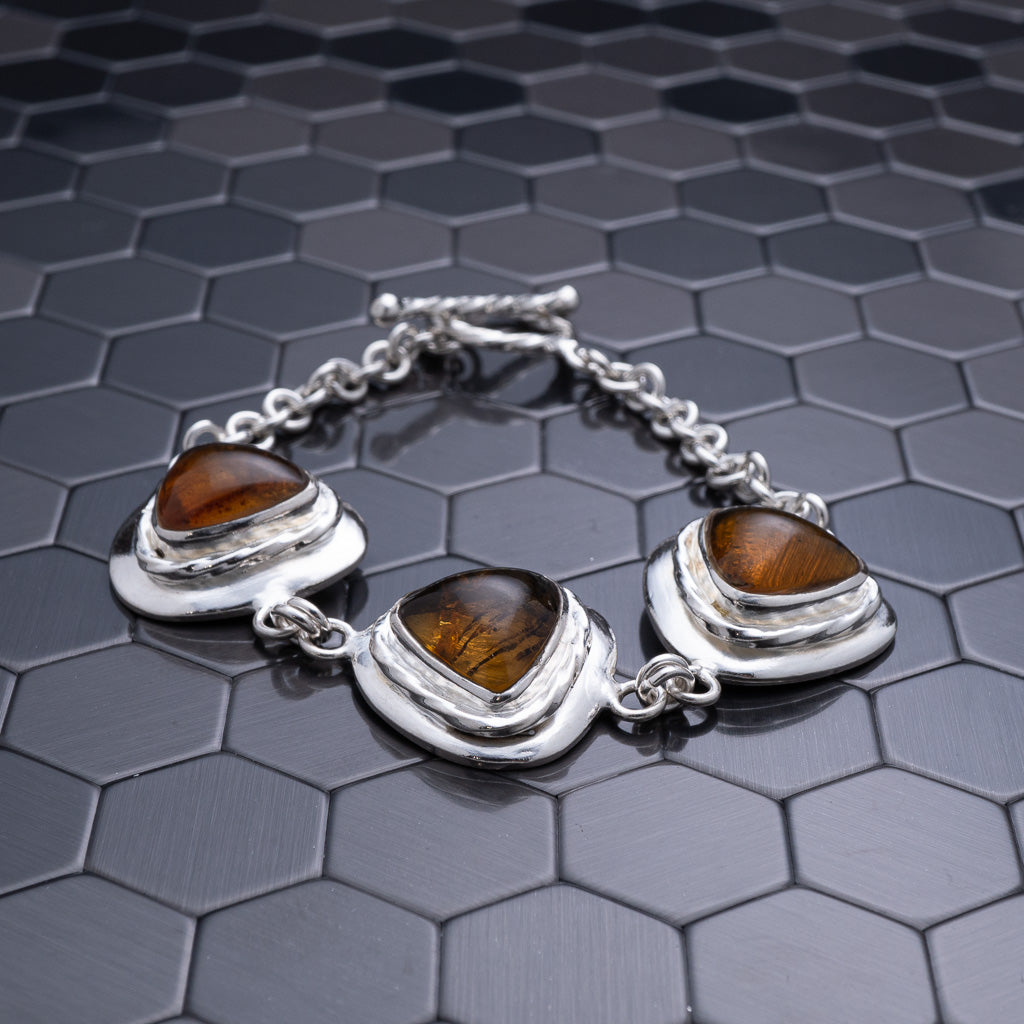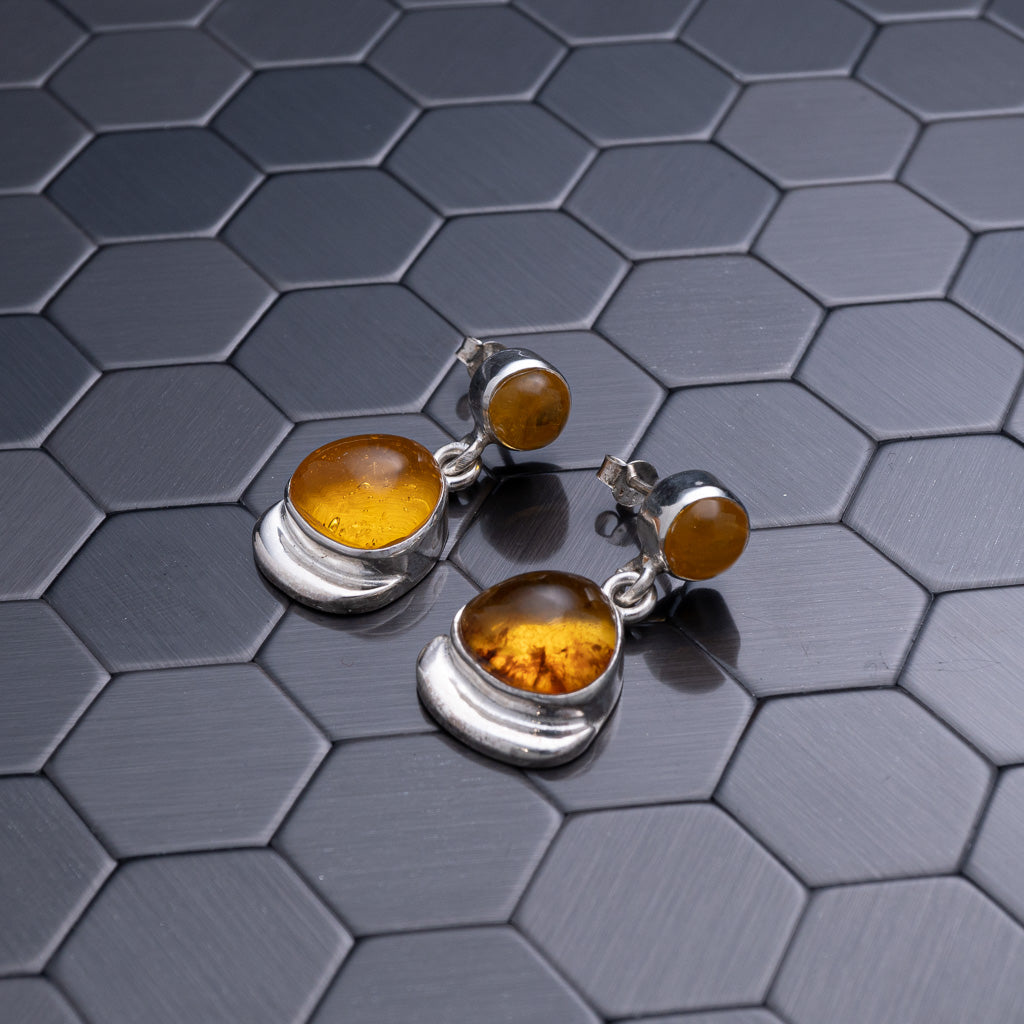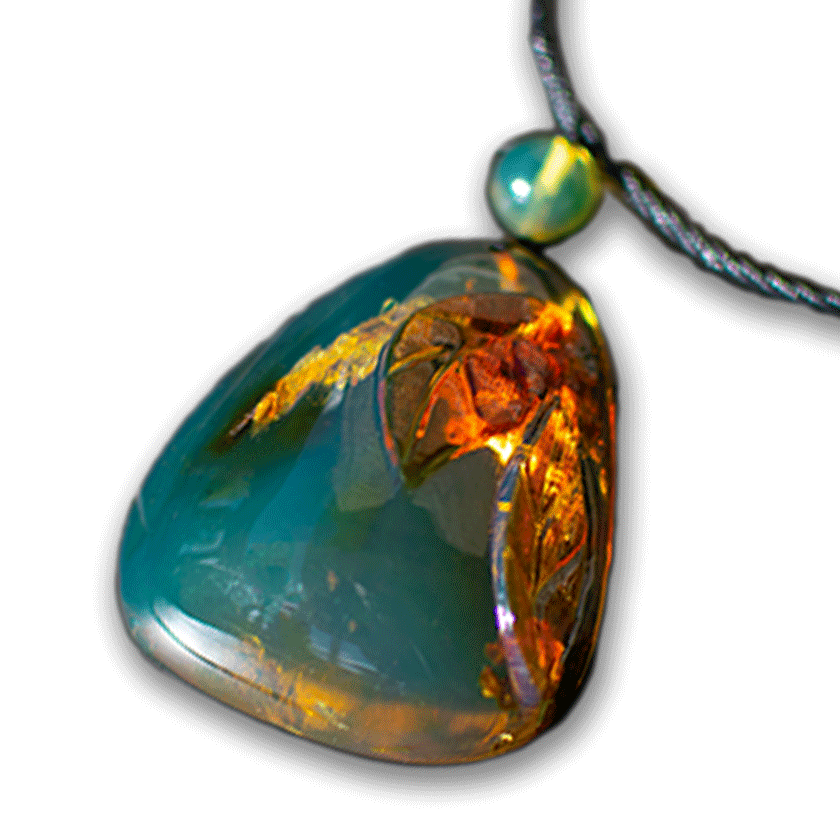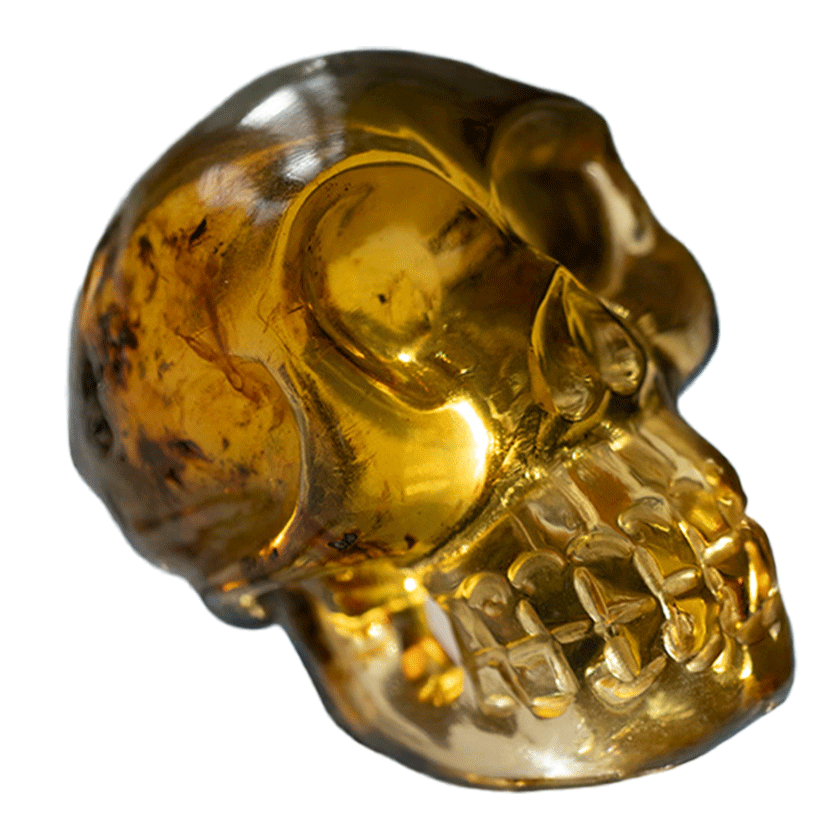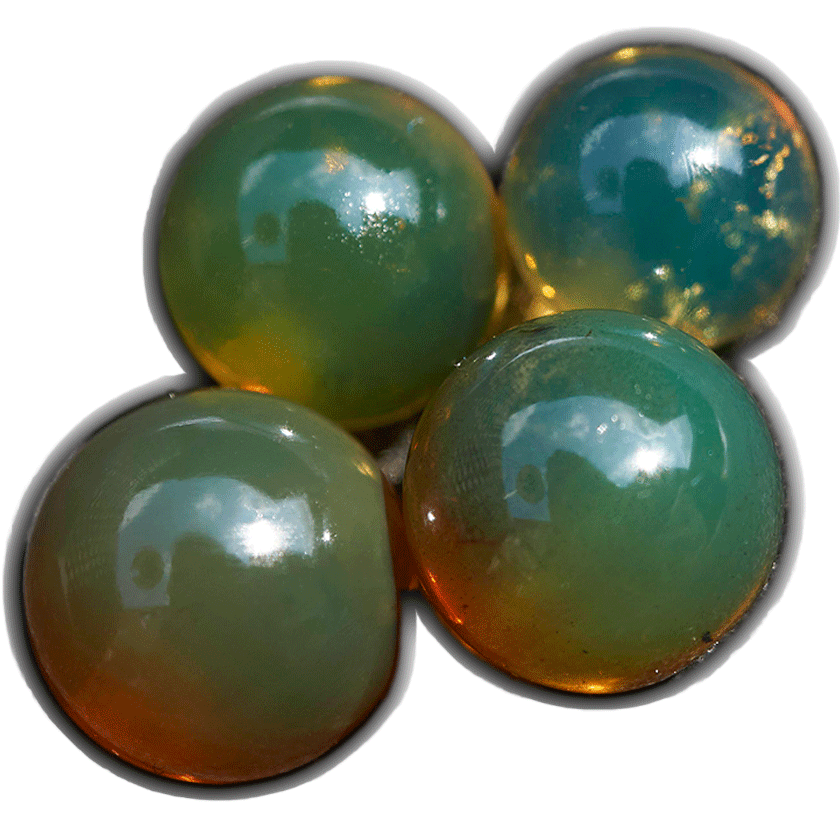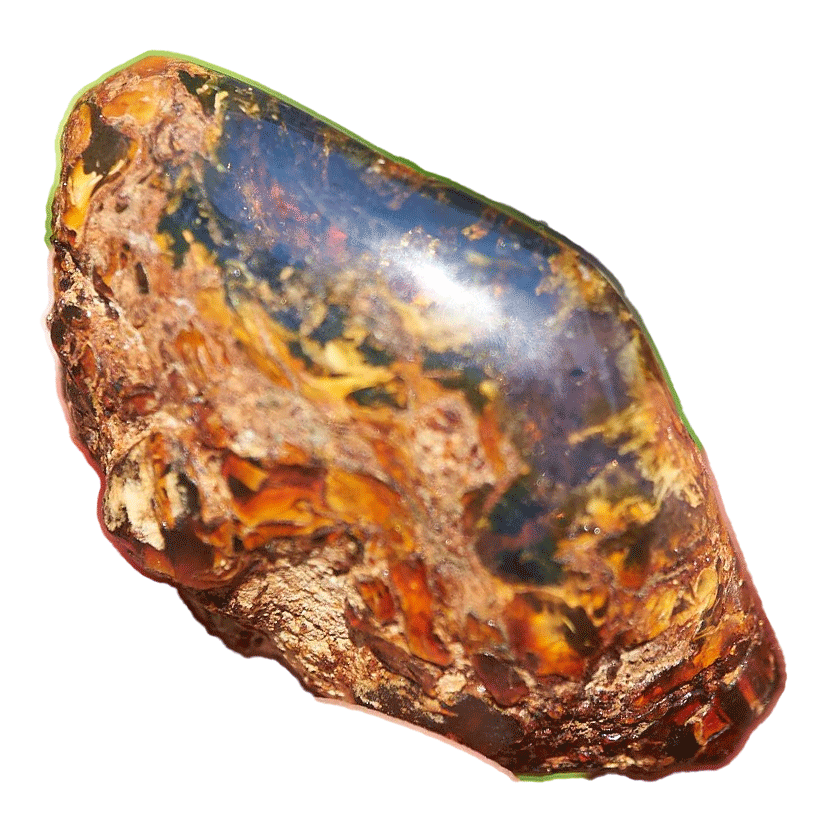


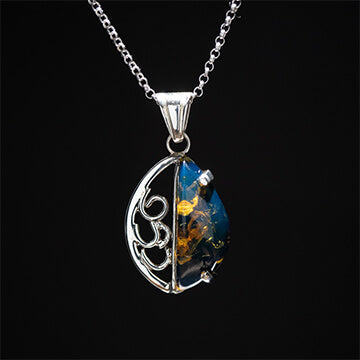
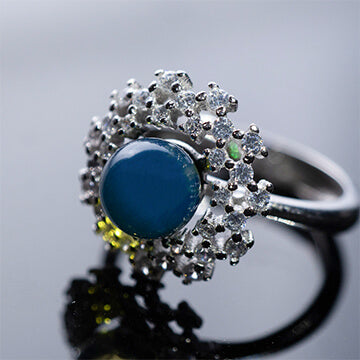
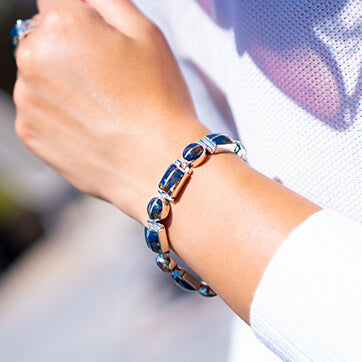
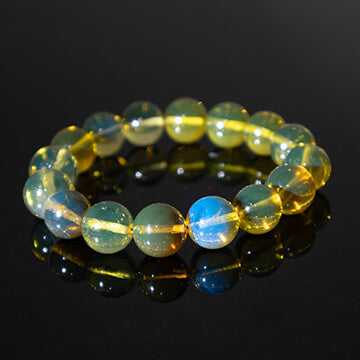
Handcrafted in DR.

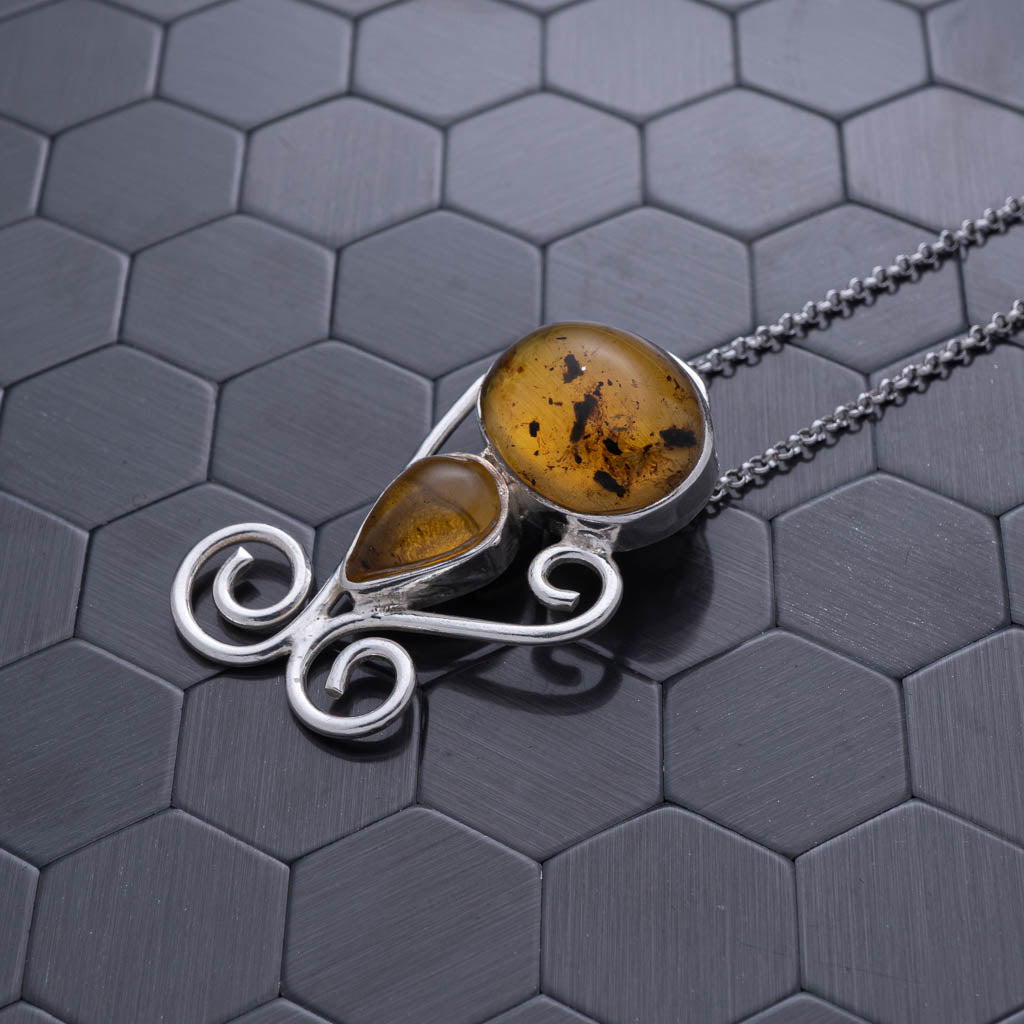
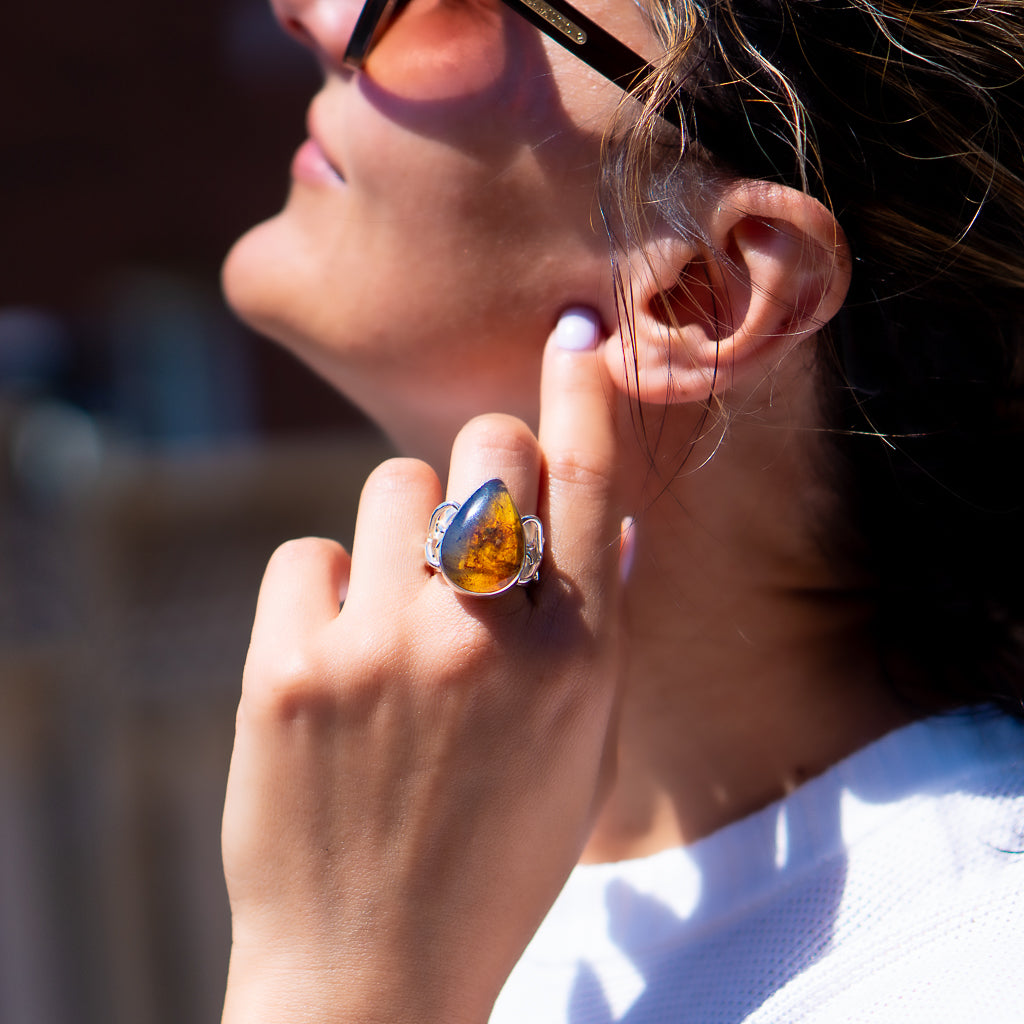


100% Handcrafted in DR.

A blue stone necklace represents one of the most versatile and cherished additions to any jewelry collection. Whether you're drawn to the calming turquoise hues of Caribbean gemstones or the deep midnight tones of sapphire, blue gemstone jewelry offers both aesthetic appeal and symbolic significance. The popularity of blue stone necklaces continues to grow in 2026, as collectors and fashion enthusiasts alike recognize the timeless elegance these pieces bring to both casual and formal wardrobes. Understanding the varieties, quality indicators, and styling options available helps ensure you select a piece that resonates with your personal style while maintaining lasting value.
The world of blue gemstones offers remarkable diversity, with each stone bringing unique characteristics to necklace designs. The spectrum of blue gemstones ranges from pale sky blues to deep navy tones, creating options for every aesthetic preference and budget level.
Several gemstones dominate the high-end blue stone necklace market:
Each stone carries distinct properties that affect durability, appearance, and value. Sapphires rank 9 on the Mohs hardness scale, making them exceptionally durable for daily wear. Blue gemstones vary significantly in their geological formation, which directly impacts their availability and market positioning.
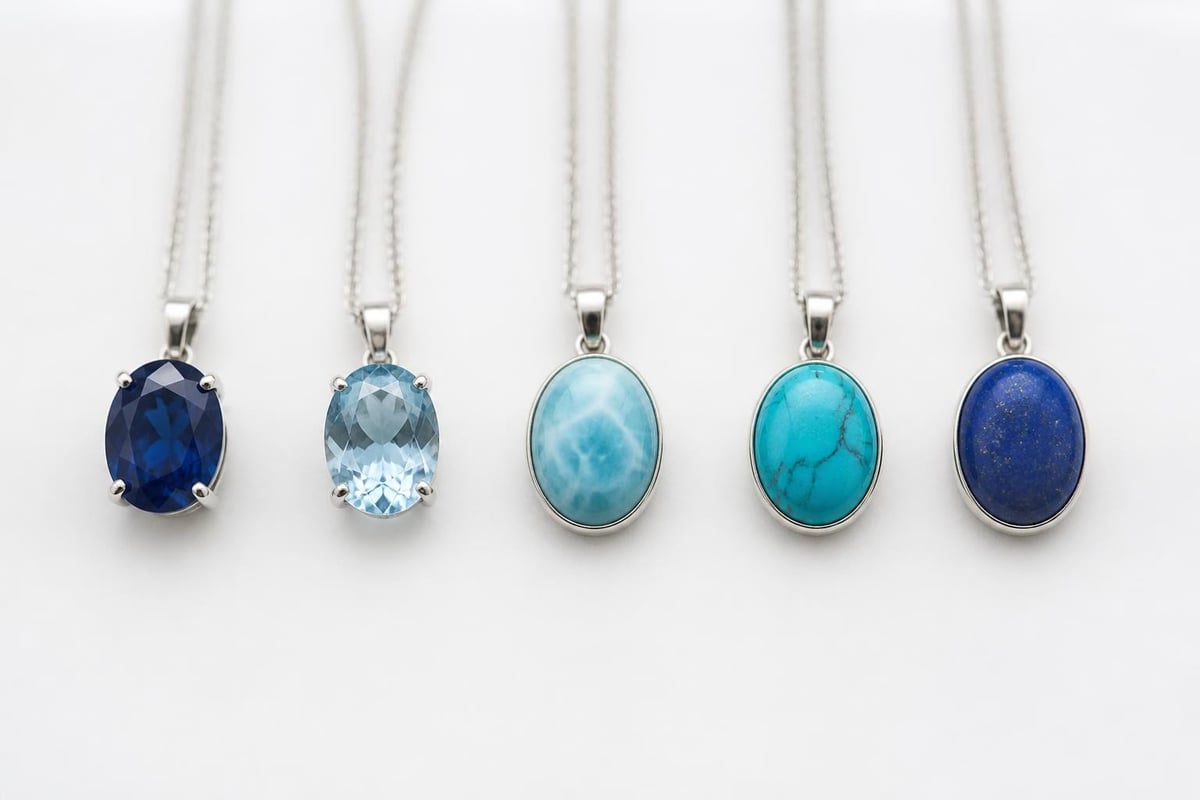
Not every beautiful blue stone necklace requires a significant investment. Several stunning options offer beauty at accessible price points:
| Gemstone | Color Range | Hardness | Price Range |
|---|---|---|---|
| Lapis Lazuli | Deep blue with gold flecks | 5-5.5 | Moderate |
| Turquoise | Sky blue to green-blue | 5-6 | Moderate |
| Blue Topaz | Pale to deep blue | 8 | Affordable |
| Sodalite | Rich blue with white veining | 5.5-6 | Budget-friendly |
The accessibility of certain blue gemstones allows jewelry enthusiasts to build diverse collections without compromising on visual impact. Many of these stones feature in handcrafted designs that emphasize the natural beauty of the material rather than relying solely on expensive cutting techniques.
Purchasing a blue stone necklace requires careful consideration of quality factors that determine both aesthetic appeal and long-term value. Understanding these elements protects your investment and ensures satisfaction with your selection.
Color represents the primary value determinant for most blue gemstones. Professional gemologists evaluate color using three criteria:
Hue refers to the primary color and any secondary tones present. Pure blue commands premium pricing, while stones with violet, green, or gray secondary hues typically cost less. The most desirable blue stone necklace features consistent, vibrant coloration throughout the piece.
Saturation measures color intensity. Highly saturated stones display vivid, rich color without appearing overly dark or washed out. Medium to high saturation generally indicates superior quality.
Tone describes the lightness or darkness of the color. Most blue gemstones achieve optimal beauty in medium to medium-dark tones, though personal preference plays a significant role.
Unlike diamonds, many colored gemstones receive more lenient clarity standards. The value and rarity of blue gemstones depends partly on expected inclusions for each variety. Some stones, like lapis lazuli, naturally contain visible mineral inclusions that contribute to their character.
Cut quality affects how light interacts with the stone:
The setting style in a blue stone necklace should complement the gemstone's natural properties. Bezel settings protect softer stones like larimar, while prong settings showcase the brilliance of harder gems like sapphire.
Contemporary blue stone necklace designs span traditional elegance to modern minimalism, offering options that suit various fashion sensibilities and occasions.
The solitaire pendant remains timelessly popular, featuring a single blue gemstone as the focal point. This style allows the stone's natural beauty to take center stage without competing visual elements. Larimar Pendants exemplify this approach, showcasing the gemstone's unique patterning through clean, elegant settings that highlight rather than overshadow the natural material.
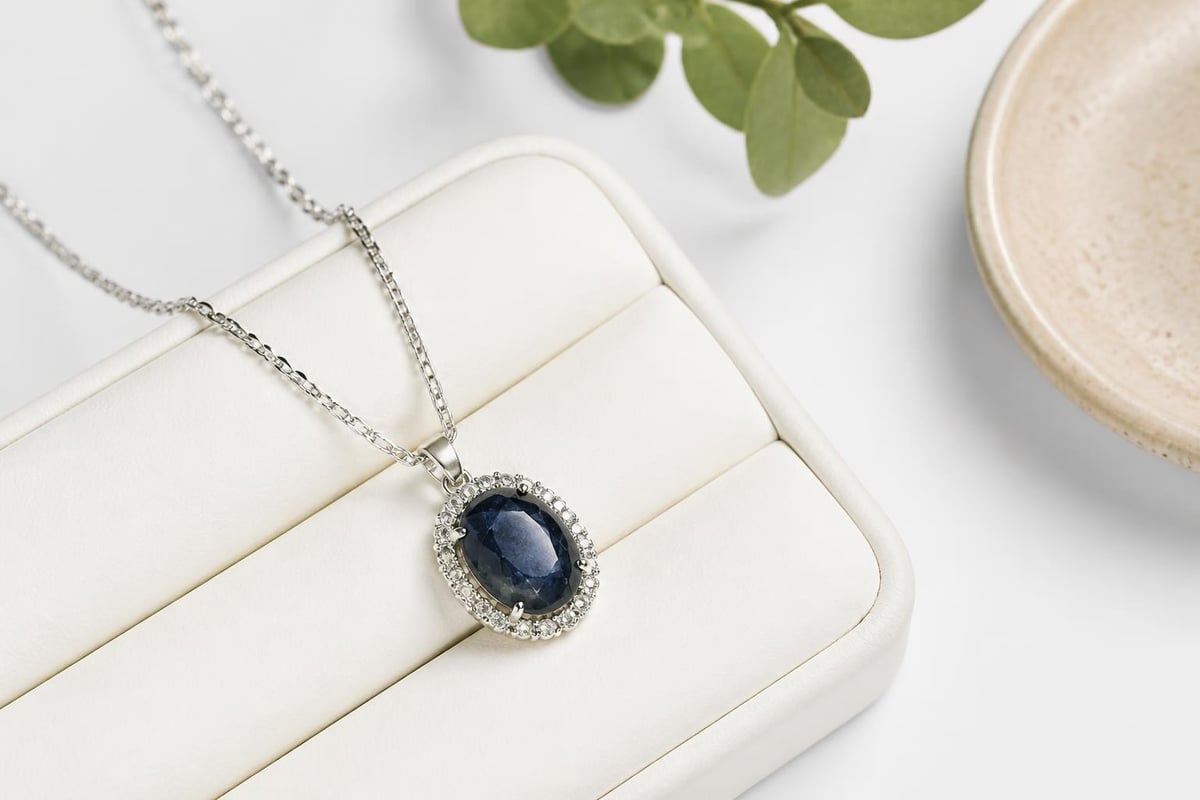
Halo designs surround the central blue stone with smaller accent gems, typically diamonds or white sapphires. This setting style increases visual size and adds sparkle, creating a more elaborate presentation suitable for formal occasions.
Bold statement necklaces incorporate multiple blue stones or combine them with complementary colors. These designs make dramatic fashion statements and work particularly well for evening wear or special events.
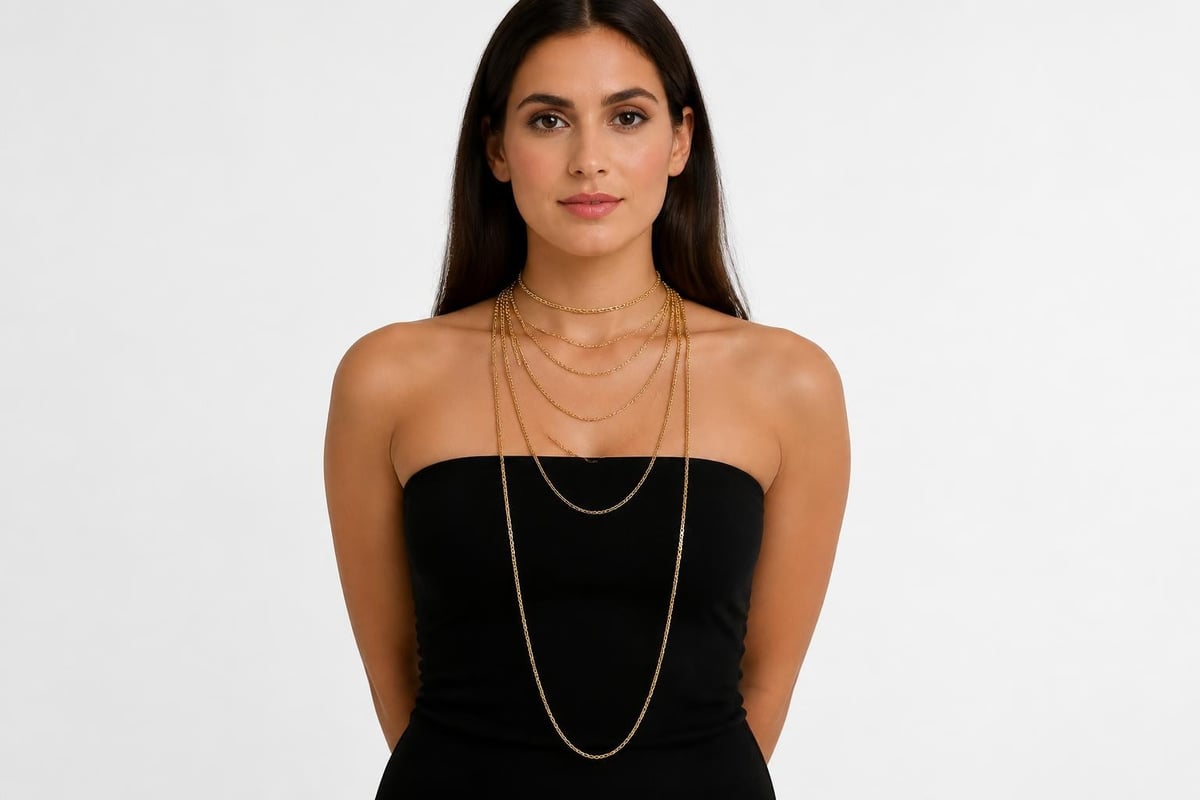
Modern layering techniques allow multiple necklaces of varying lengths to be worn together:
Combining a delicate blue stone necklace at choker length with longer chains creates dimensional, personalized styling.
A versatile blue stone necklace transitions seamlessly between various settings when styled appropriately. Understanding context-appropriate choices maximizes the wearability of your jewelry investment.
Workplace environments typically call for understated elegance. A simple blue stone pendant on a fine chain provides professional polish without appearing ostentatious. Smaller stones in classic settings maintain appropriate visual weight for business attire.
Consider these professional styling guidelines:
The calming properties associated with blue gemstones also make them psychologically beneficial in high-pressure professional situations, as many blue stones are believed to promote tranquility and clear communication.
Daily wear requires durability alongside style. Harder gemstones like sapphire and aquamarine withstand regular use better than softer options. Secure settings protect the stone from accidental impacts during routine activities.
Casual styling pairs blue stone necklaces with:
Special events provide opportunities to showcase statement pieces. Larger stones, elaborate settings, and dramatic designs suit formal contexts where making an impression matters.
| Occasion Type | Recommended Style | Stone Size | Setting Complexity |
|---|---|---|---|
| Black Tie | Statement pendant or multi-stone | Large (15mm+) | Elaborate |
| Cocktail Party | Medium pendant with accent stones | Medium (10-15mm) | Moderate |
| Dinner Date | Delicate solitaire | Small to medium (6-12mm) | Simple to moderate |
| Wedding Guest | Classic pendant or strand | Medium (8-14mm) | Traditional |
Evening lighting dramatically affects gemstone appearance. Stones with excellent light return create maximum impact under artificial lighting conditions common at formal events.
Proper care extends the life and beauty of your blue stone necklace while protecting your investment. Different gemstones require specific maintenance approaches based on their physical and chemical properties.
Remove your blue stone necklace before engaging in activities that could cause damage:
Store necklaces individually in soft pouches or lined jewelry boxes to prevent scratching. Harder stones can damage softer ones when stored together, making separation essential for mixed collections.
The 15 blue gemstones most commonly used in jewelry each have optimal cleaning approaches:
For hard stones (sapphire, topaz, aquamarine):
For softer stones (larimar, turquoise, lapis lazuli):
Professional cleaning annually helps maintain settings and identifies potential issues before they become serious problems. Jewelers inspect prongs, check for loose stones, and can re-polish metals to restore original luster.
The blue stone necklace market reflects both fashion trends and gemstone availability, creating opportunities for collectors and enthusiasts to make informed purchasing decisions.
Several elements determine whether a blue stone necklace appreciates, maintains, or depreciates in value over time. Rarity significantly impacts investment potential, with stones from limited geographic sources commanding premium prices. The rarity of certain blue gemstones like larimar, found exclusively in one mountainous region of the Dominican Republic, creates inherent scarcity that supports value retention.
Quality certifications from recognized gemological laboratories add credibility and value. Documentation provides verification of stone identity, treatment disclosure, and quality grading that facilitates future resale.
Craftsmanship quality matters equally to stone selection. Well-executed settings from reputable jewelers maintain structural integrity and aesthetic appeal longer than mass-produced alternatives.
2026 jewelry trends favor sustainable and ethically sourced gemstones. Consumers increasingly seek transparency about mining practices and environmental impact. This shift benefits artisan jewelers who can document their supply chains and demonstrate responsible sourcing.
Design preferences currently lean toward:
The versatility of various blue gemstones allows designers to meet diverse aesthetic preferences while working within different price points, making blue stone necklaces accessible across market segments.
Beyond aesthetic appeal, blue stone necklaces carry deep symbolic meanings that enhance their personal significance for wearers. Understanding these associations adds another dimension to jewelry selection.
Blue has long represented qualities valued across cultures:
Different blue stones emphasize specific aspects of these broader themes. The meanings associated with blue gemstones vary by stone type, culture, and historical context, allowing wearers to select pieces that resonate with their personal values or intentions.
Many believe blue gemstones offer therapeutic benefits beyond their visual appeal. While scientific evidence remains limited, traditional practices and modern crystal healing incorporate blue stones for various purposes.
Practitioners associate blue stone necklaces with:
The properties attributed to blue crystals make them popular choices for those seeking jewelry that serves both ornamental and intentional purposes. Whether one embraces these beliefs fully or appreciates them as meaningful symbolism, they add personal significance to jewelry selection.
Creating a truly unique blue stone necklace often involves customization that reflects individual style preferences and personal stories. Modern jewelry creation offers numerous avenues for personalization beyond selecting pre-made designs.
Working directly with skilled jewelers allows you to participate in creating a one-of-a-kind piece. The collaboration typically follows these stages:
Initial consultation establishes your vision, budget parameters, and practical requirements like chain length preferences and metal choices. Bring inspiration images and examples of styles you admire.
Stone selection involves choosing the specific gemstone that will anchor your design. Examining multiple options in various lighting conditions helps ensure satisfaction with color, clarity, and size.
Design development translates your ideas into sketches or CAD renderings. Review these carefully, requesting modifications until the design perfectly captures your vision.
Creation and refinement brings the design to life through expert craftsmanship. Some jewelers provide progress updates, allowing minor adjustments during fabrication.
Beyond overall design, specific details add personal meaning:
The beauty of Larimar Creations lies in their dedication to showcasing each stone's unique characteristics through thoughtful design that honors the natural material while meeting individual preferences.
Acquiring a blue stone necklace represents both an aesthetic choice and a financial decision. Informed purchasing protects your investment while ensuring complete satisfaction with your selection.
Reputable jewelers provide transparency about their products, sourcing practices, and business policies. Look for these indicators of trustworthiness:
Online purchases require extra diligence since you cannot physically examine the piece beforehand. Request additional photographs, videos, or even video calls to view the necklace in various lighting conditions.
Blue stone necklace prices vary dramatically based on multiple factors. Developing realistic expectations prevents disappointment and helps identify fair pricing.
| Price Influencer | Impact Level | Considerations |
|---|---|---|
| Gemstone rarity | Very High | Limited sources increase cost |
| Stone size | High | Larger stones grow exponentially in price |
| Color quality | High | Superior color commands premiums |
| Metal type | Moderate | Precious metals cost more than alternatives |
| Craftsmanship | Moderate to High | Handcrafted work exceeds mass production |
| Brand reputation | Variable | Established names carry price premiums |
Request detailed breakdowns showing costs for stone, setting, and labor. This transparency helps you understand where your money goes and facilitates comparison shopping across jewelers.
Insist on proper documentation for significant purchases. Gemological certifications from laboratories like GIA, AGS, or IGI verify stone identity and quality claims. Appraisals establish insurance values and facilitate future resale.
Maintain all paperwork in a secure location, including:
Selecting the perfect blue stone necklace involves balancing aesthetic preferences, quality considerations, and practical factors like durability and care requirements. Whether you choose the deep elegance of sapphire, the gentle beauty of aquamarine, or the distinctive Caribbean charm of larimar, your necklace becomes a treasured piece that enhances your personal style while potentially gaining value over time. Larimar Creations specializes in handcrafted jewelry featuring rare blue gemstones from the Dominican Republic, offering authentic pieces with worldwide shipping that bring the exceptional beauty of these unique stones to collectors and enthusiasts everywhere.