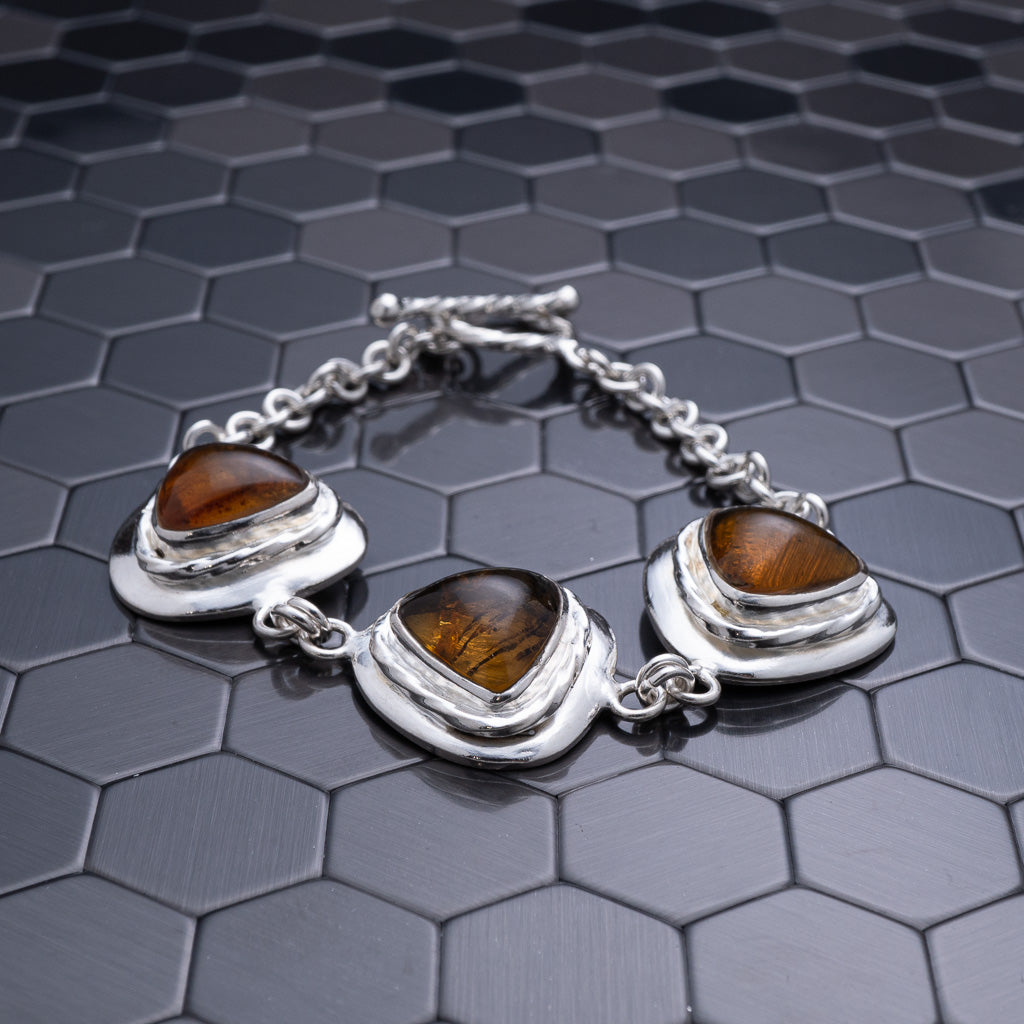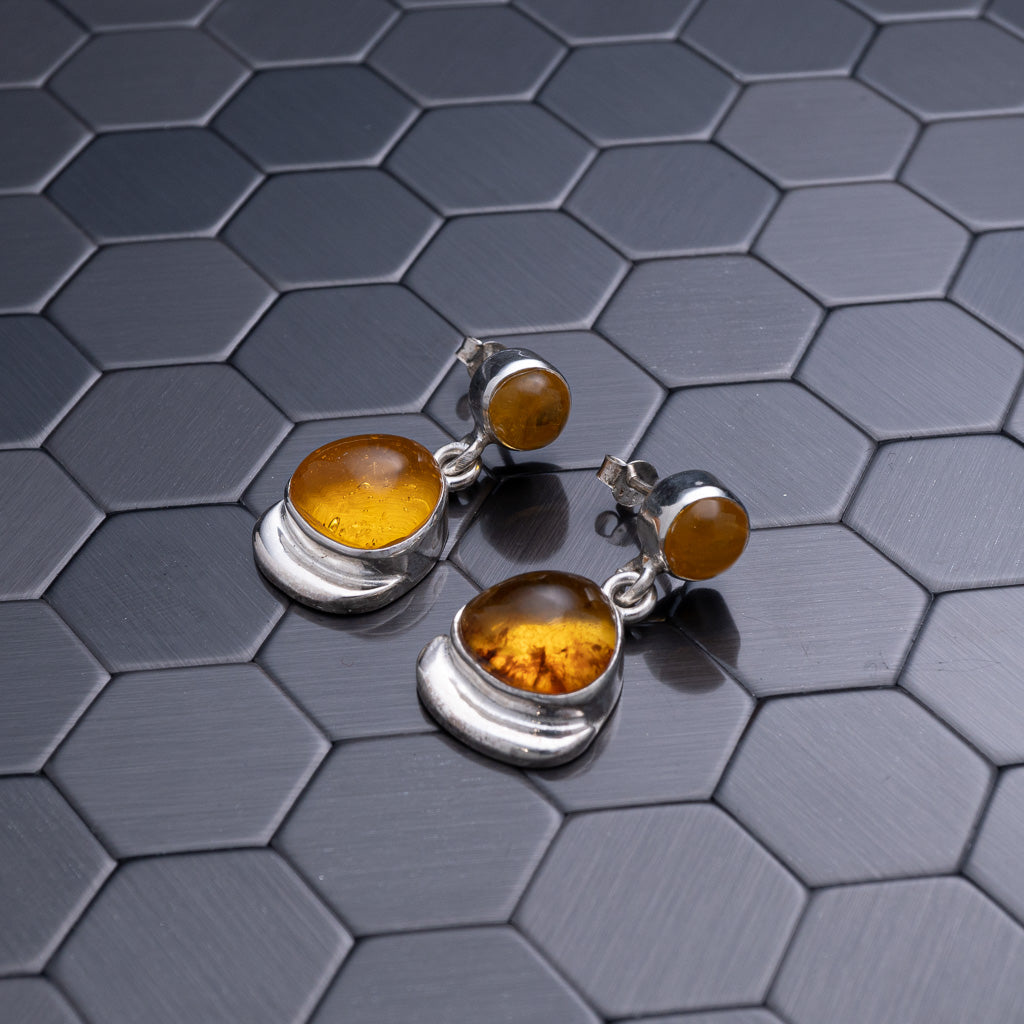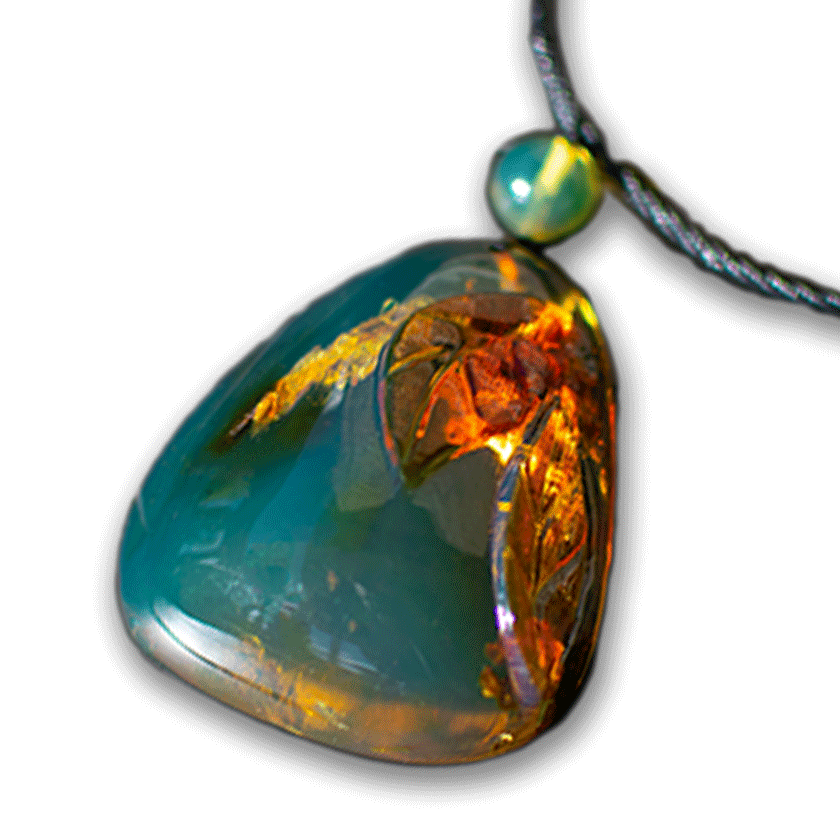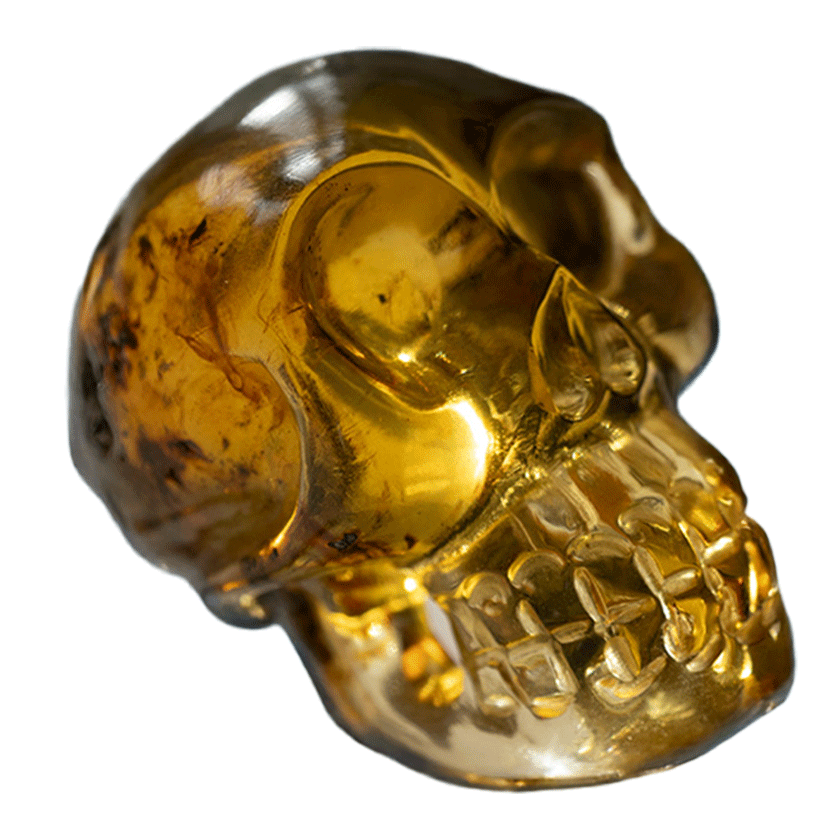

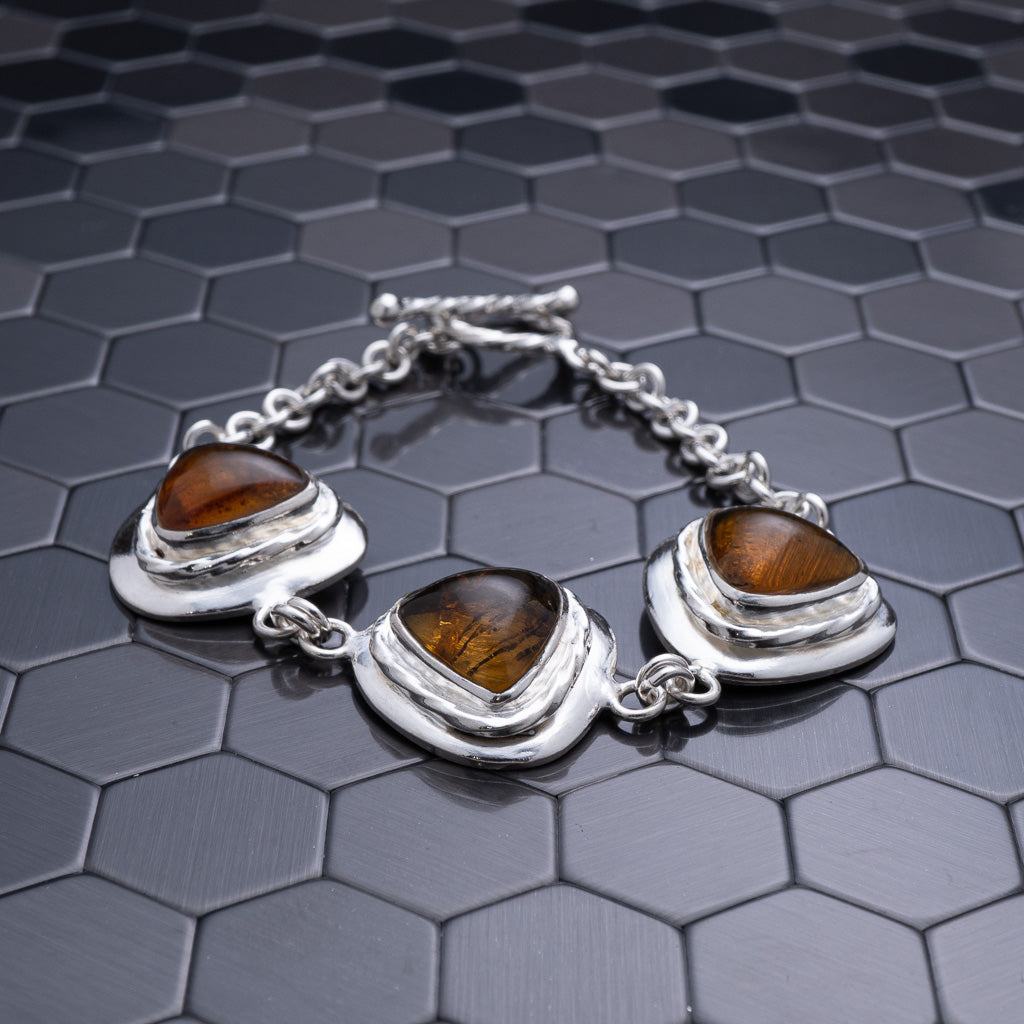
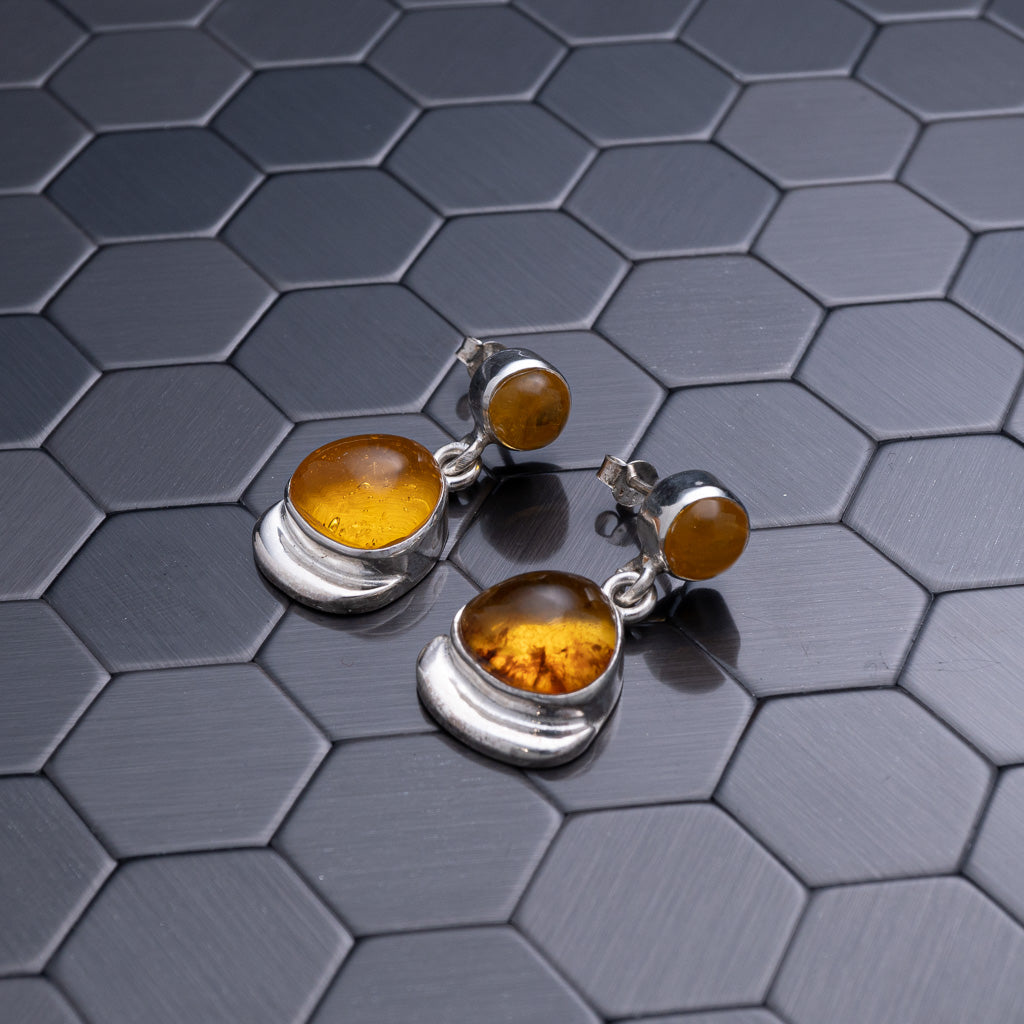
A pale blue stone catches the light very differently from a bold desert blue-green, and that difference is exactly why larimar vs turquoise jewelry is worth a closer look. Both gemstones are loved for their striking color and natural character, but they tell very different stories on the skin. One feels like the Caribbean made wearable. The other carries the heritage of ancient adornment, artisan silverwork, and earth-toned tradition.
If you are choosing a pendant, ring, or pair of earrings and wondering which stone truly fits your style, the answer is not simply about color. It comes down to origin, rarity, mood, durability, and the kind of jewelry experience you want to wear or gift.
Larimar and turquoise are often compared because both sit in the blue family, and both can appear in statement jewelry or everyday pieces. Yet they are not interchangeable gemstones.
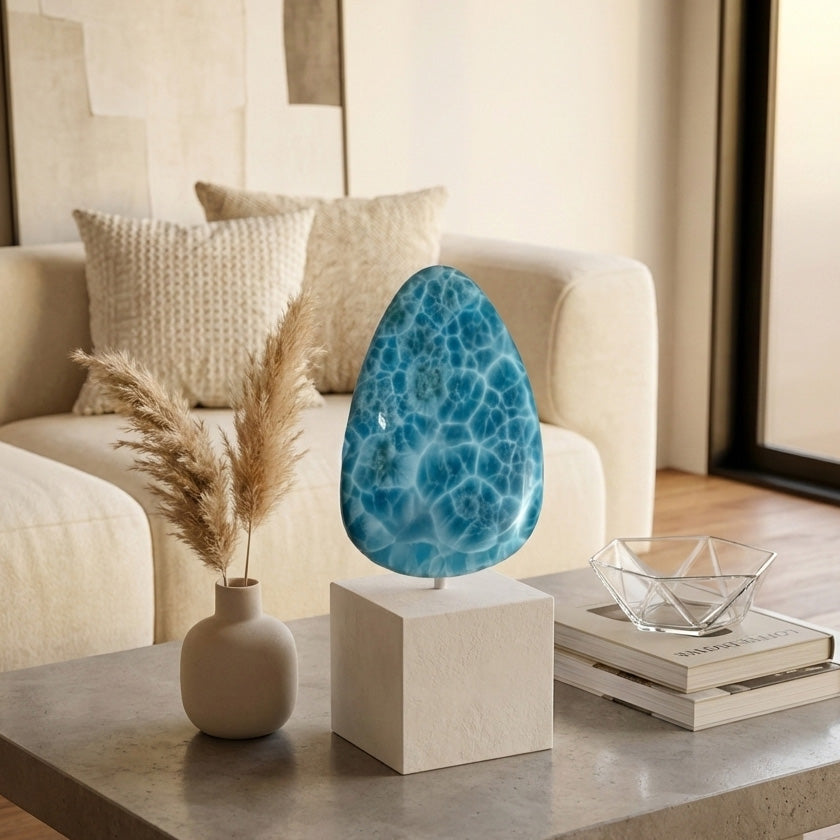
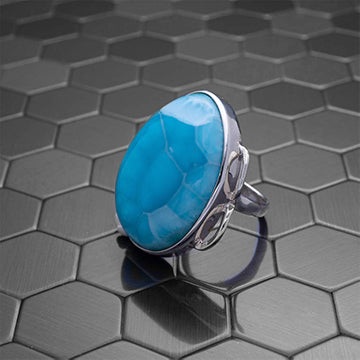
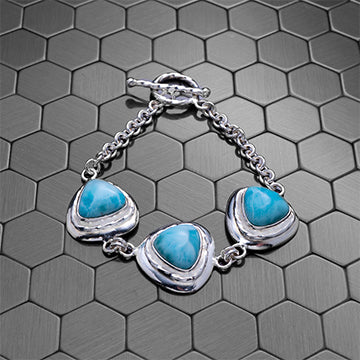
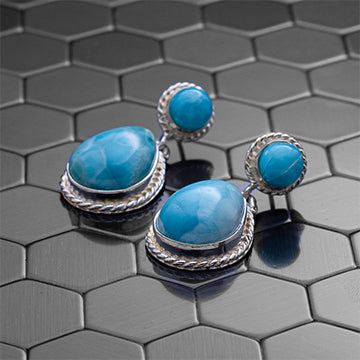
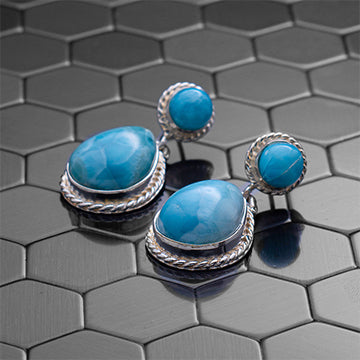
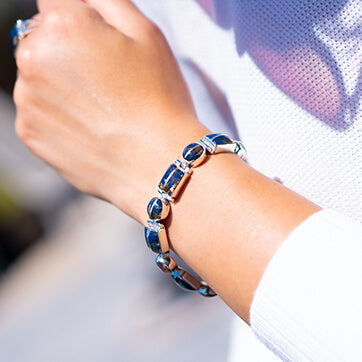
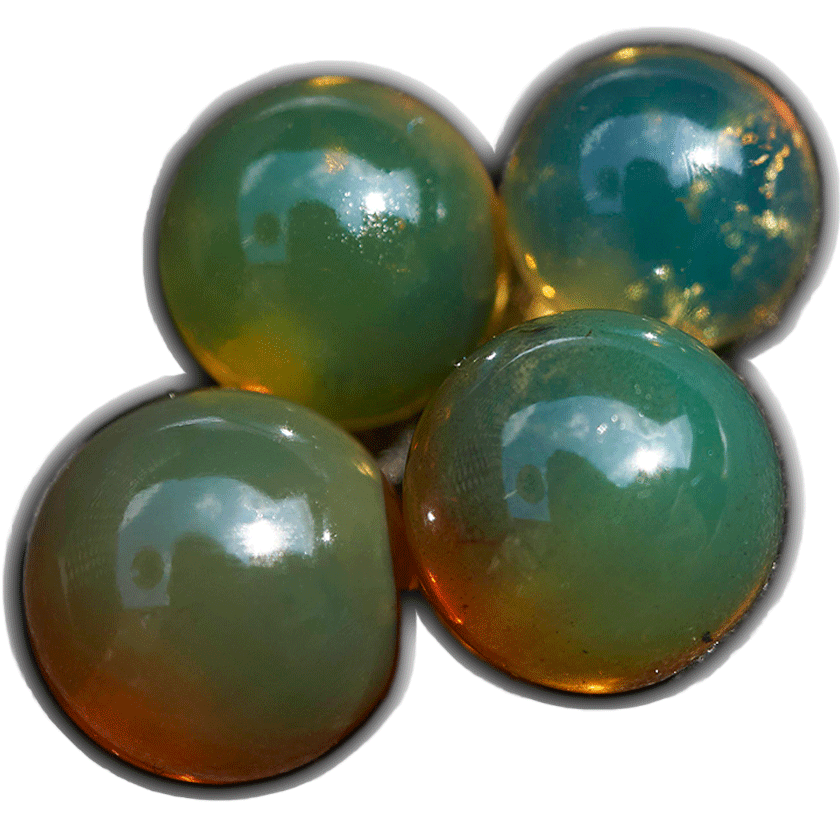
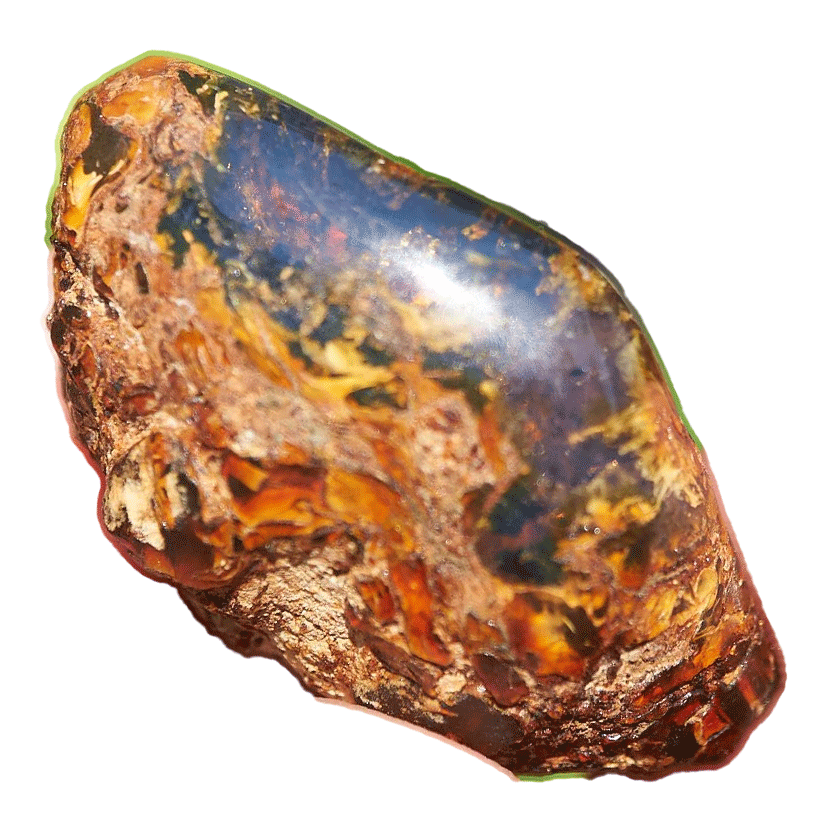
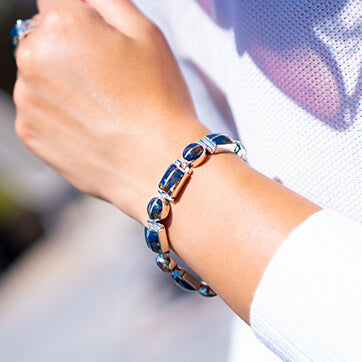
Larimar is a rare blue variety of pectolite found only in the Dominican Republic. Its appeal comes from its oceanic palette - soft sky blue, white marbling, seafoam tones, and deeper volcanic blue areas that can resemble sunlight moving over shallow water. No two pieces are exactly alike, which gives handcrafted larimar jewelry a highly individual feel.
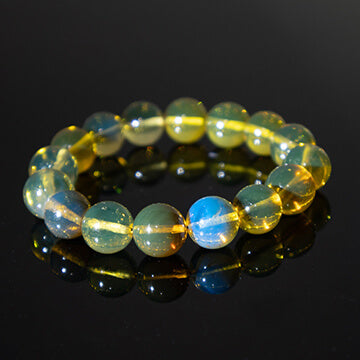
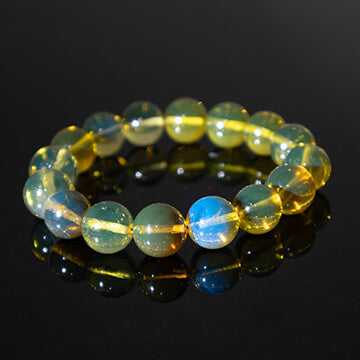
Turquoise is a phosphate mineral found in several regions, including the American Southwest, Mexico, Persia, China, and Egypt. It can range from robin’s egg blue to blue-green, often with matrix patterns in brown, black, or gold. Depending on the source and treatment, turquoise jewelry can look rustic, historic, bold, or highly polished.
So when shoppers compare these stones, they are really choosing between two aesthetics. Larimar feels luminous, coastal, and rare. Turquoise often feels earthy, iconic, and rooted in long jewelry traditions.
Color is usually the first reason buyers fall in love with either stone, but the emotional effect of each gem is quite different.
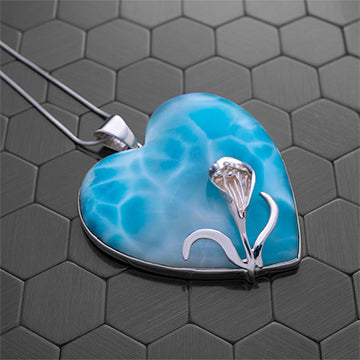
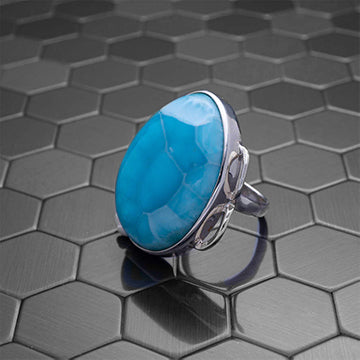
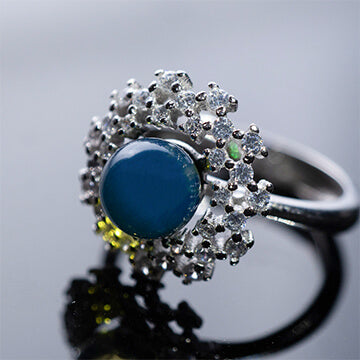
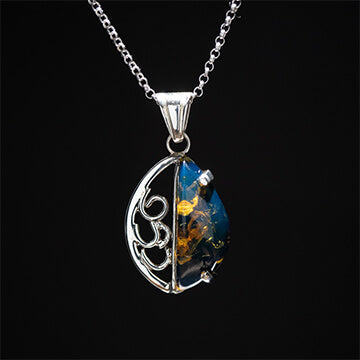
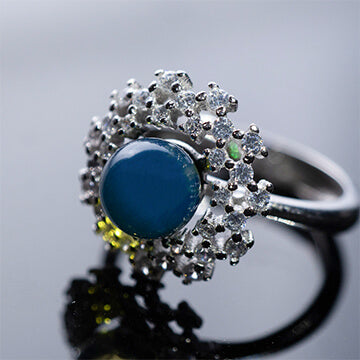
Larimar tends to have a calmer visual rhythm. Its natural white patterning and layered blue tones create a painterly surface that feels fluid and serene. In fine and artisan settings, larimar often looks refined without losing its organic beauty. That makes it especially appealing for pendants, heart pendants, elegant earrings, and statement rings that still feel soft and wearable.
Turquoise usually creates a stronger visual contrast. The best-known pieces feature vivid blue or blue-green body color with visible matrix veining, which adds texture and personality. For some buyers, that webbing is the entire appeal. It gives the stone a more rugged, natural identity and often pairs beautifully with silver-heavy designs, Western styling, or bolder bohemian looks.
If you prefer a gemstone that feels airy, luminous, and romantic, larimar often wins. If you are drawn to stronger contrast, heritage styling, or a more desert-inspired palette, turquoise may feel closer to your taste.
For collectors and meaningful gift buyers, rarity can shift the decision immediately.
Larimar has a very specific origin story. It is mined in the Dominican Republic, making it a true Caribbean gemstone with a limited source. That exclusivity gives authentic larimar jewelry a distinctive place in the market. You are not choosing a blue stone that appears across many regions and product categories. You are choosing a gem with a clear geographic identity and a naturally limited supply.
Turquoise is also historically important and desirable, but it is more widely sourced. That broader availability means turquoise exists across a wider spectrum of quality, price, and authenticity concerns. Some stones are natural and exceptional. Others are stabilized, dyed, reconstituted, or sold under names that can confuse less experienced buyers.
This is where provenance becomes essential. With larimar, authenticity is closely tied to Dominican origin. With turquoise, buyers often need to ask more detailed questions about mine source, treatment, and whether the material is natural or enhanced.
In larimar vs turquoise jewelry, authenticity is not a small detail. It is often the difference between buying a rare gemstone piece and buying something that only resembles one.
Authentic larimar should show natural variation rather than flat, overly uniform color. Because the stone forms with intricate patterns, genuine pieces usually have movement in the surface - soft clouds, white marbling, and tonal depth. When carved or polished well, that natural character becomes even more apparent.
Turquoise requires even more caution because the market includes many treated and imitation options. Stabilization is common and not always a problem if disclosed properly, since it can improve wearability. The issue is lack of transparency. Buyers deserve to know whether a turquoise stone is natural, stabilized, dyed, or reconstructed from fragments.
For premium jewelry, certification, trusted sourcing, and honest material descriptions matter. A beautiful stone becomes far more valuable when its origin and treatment are clearly represented.
Beauty draws attention, but wearability determines whether a piece becomes part of your routine.
Larimar is relatively soft compared with harder gemstones, so it is best treated with care. It works beautifully in pendants, earrings, and occasion pieces, and it can also be worn in rings or bracelets when the setting protects the stone and the wearer is mindful. Its smooth polish and delicate color reward thoughtful use rather than rough daily wear.
Turquoise also requires care. Although some turquoise used in jewelry is stabilized to improve strength, it can still be sensitive to chemicals, prolonged moisture, oils, and impact. Both stones are better suited to buyers who appreciate fine materials and understand that natural gems are not meant for careless handling.
If your goal is an heirloom-feeling piece you wear intentionally, either can work. If you want a stone for constant, high-impact everyday wear, neither should be treated like a diamond or sapphire.
This is where personal taste becomes more revealing than gemstone specifications.
Larimar pairs effortlessly with white metals, soft neutrals, breezy fabrics, and elevated resort style. It feels exceptional in jewelry meant to evoke water, light, and relaxed luxury. Think flowing dresses, crisp linen, special vacation pieces, or gifts chosen to mark romance, birthdays, anniversaries, or meaningful travel memories. It can be delicate or bold, but it almost always keeps a refined softness.
Turquoise has broader stylistic range, but its strongest identity often appears in silver settings, stacked bracelets, statement cuffs, and designs that lean Southwestern, bohemian, or artisanal. It can also look sophisticated in contemporary fine jewelry, especially when the stone color is vivid and the design is clean.
If your jewelry box already leans polished and elegant, larimar may blend more naturally. If you love texture, silverwork, and stronger contrast, turquoise may feel more expressive.
A gift buyer is not just choosing a color. They are choosing a story.
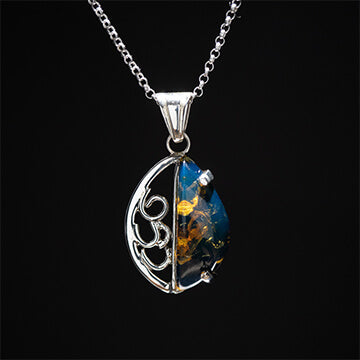
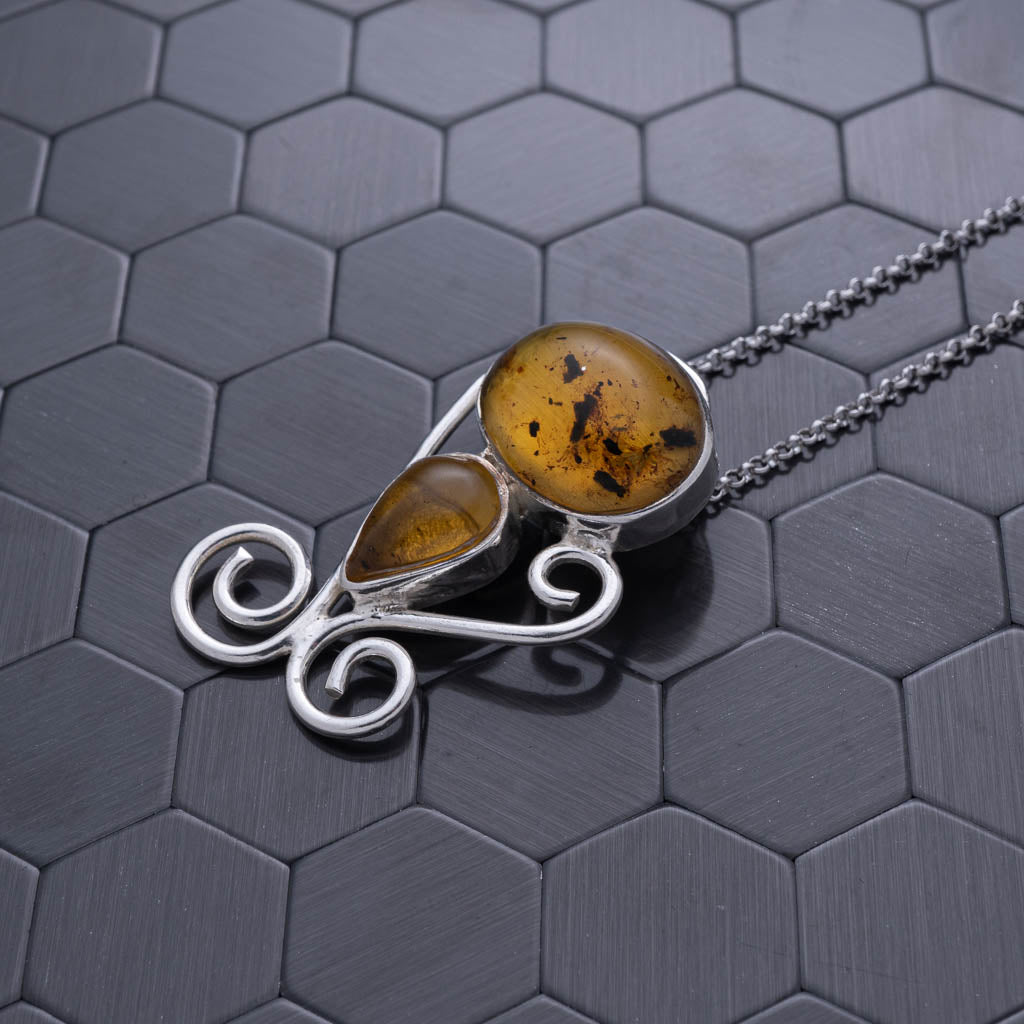
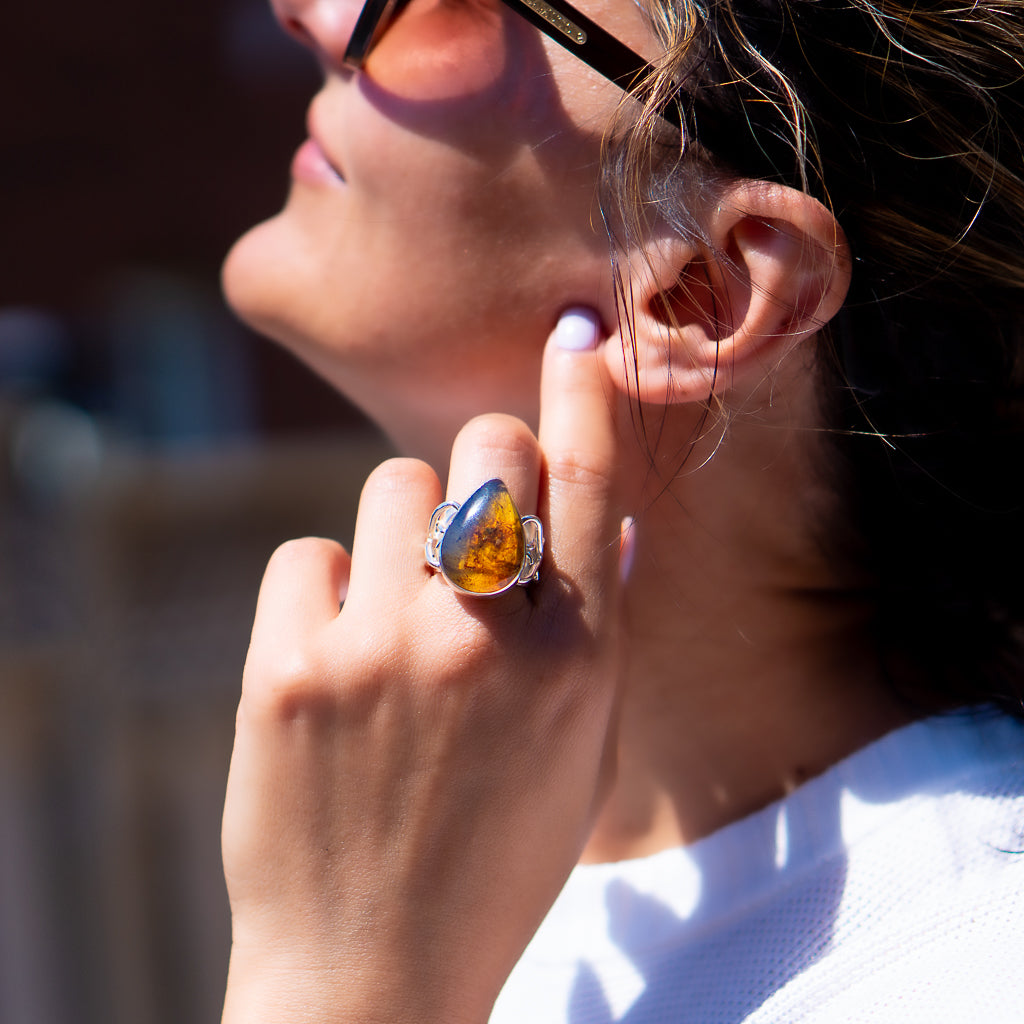
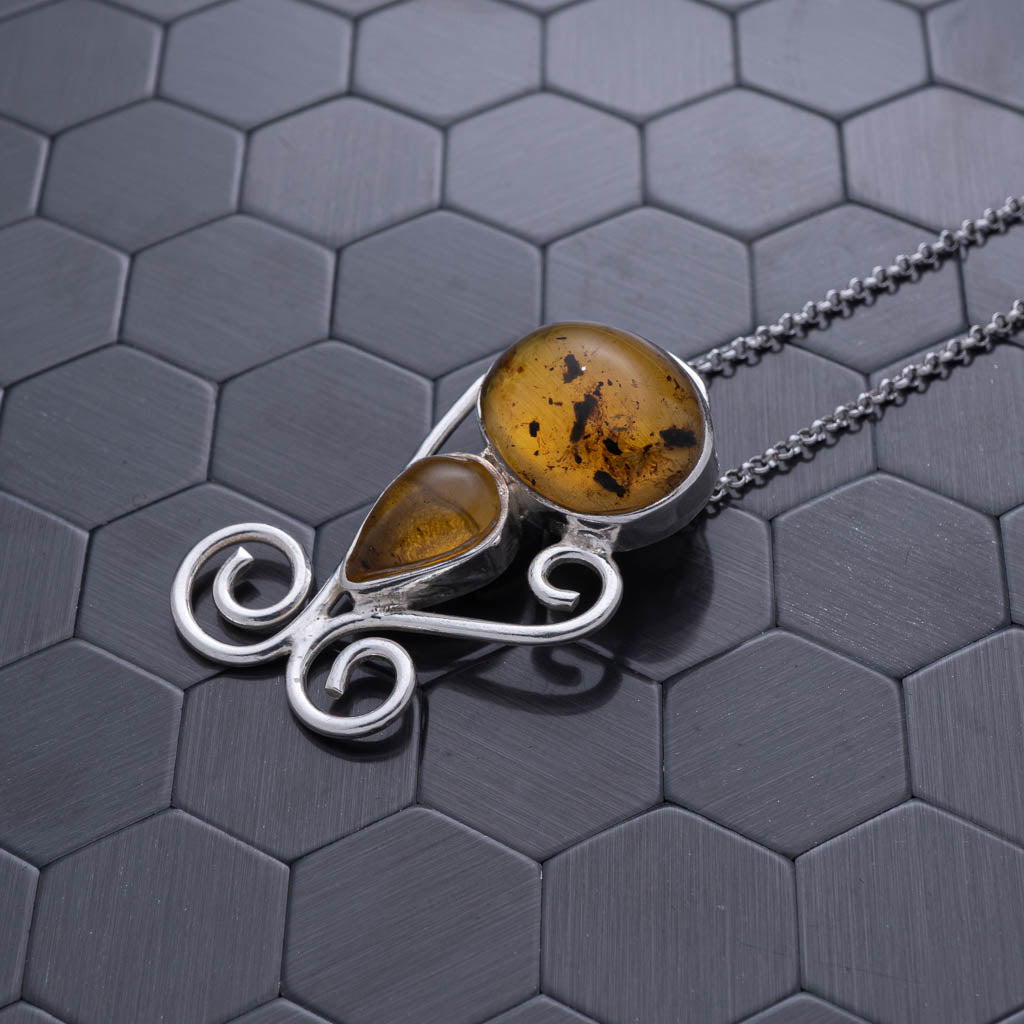
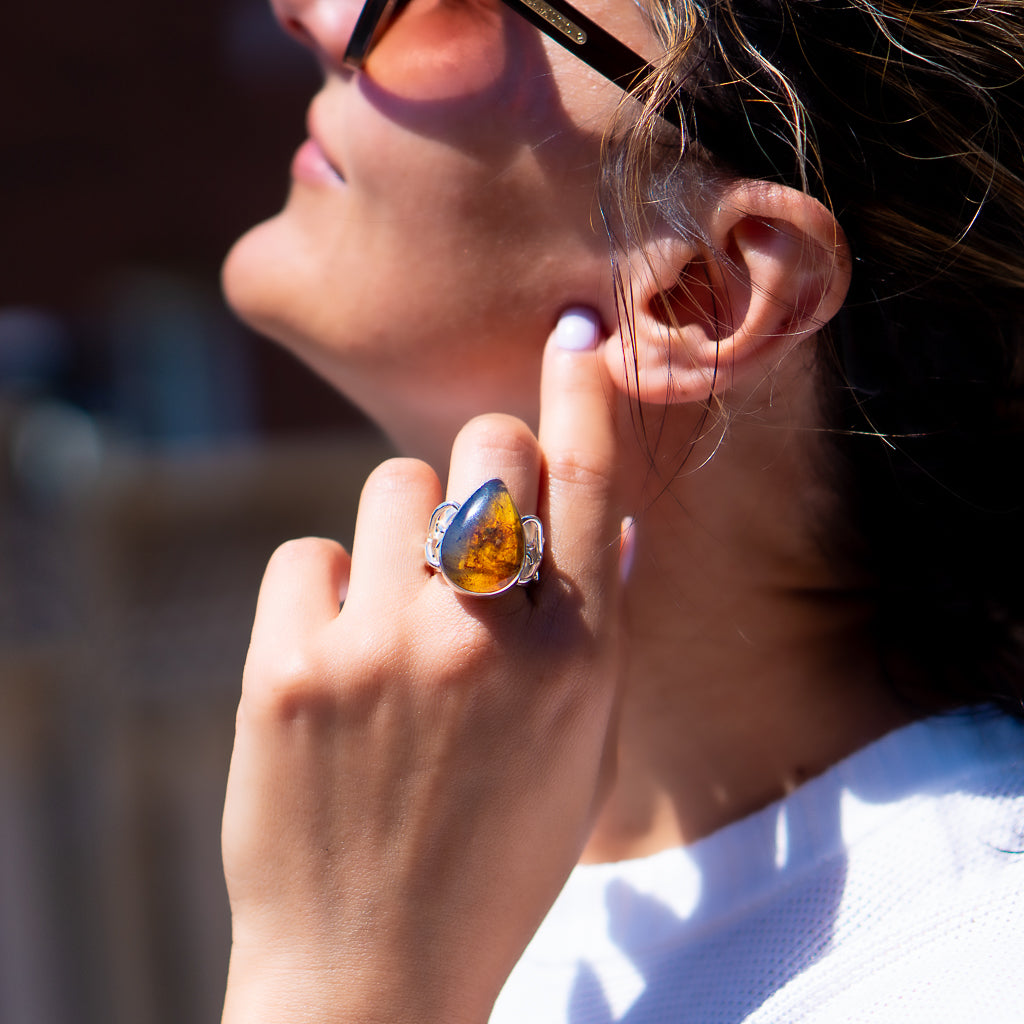
Larimar carries a sense of rarity that feels immediately special. Because it comes from one place in the world and resembles the colors of tropical water, it often feels more intimate, personal, and memorable. For someone who loves the sea, the Caribbean, or uncommon gemstones with natural beauty, larimar can feel deeply considered. It is especially compelling in handcrafted pendants, earrings, and artisan statement pieces.
Turquoise brings symbolism of protection, tradition, and enduring cultural significance. It is a wonderful gift for someone who loves historic stones, bold color, and jewelry with an established legacy.
The better gift depends on the wearer. For softness, romance, and rarity, larimar stands apart. For heritage, symbolism, and classic gemstone recognition, turquoise has undeniable appeal.
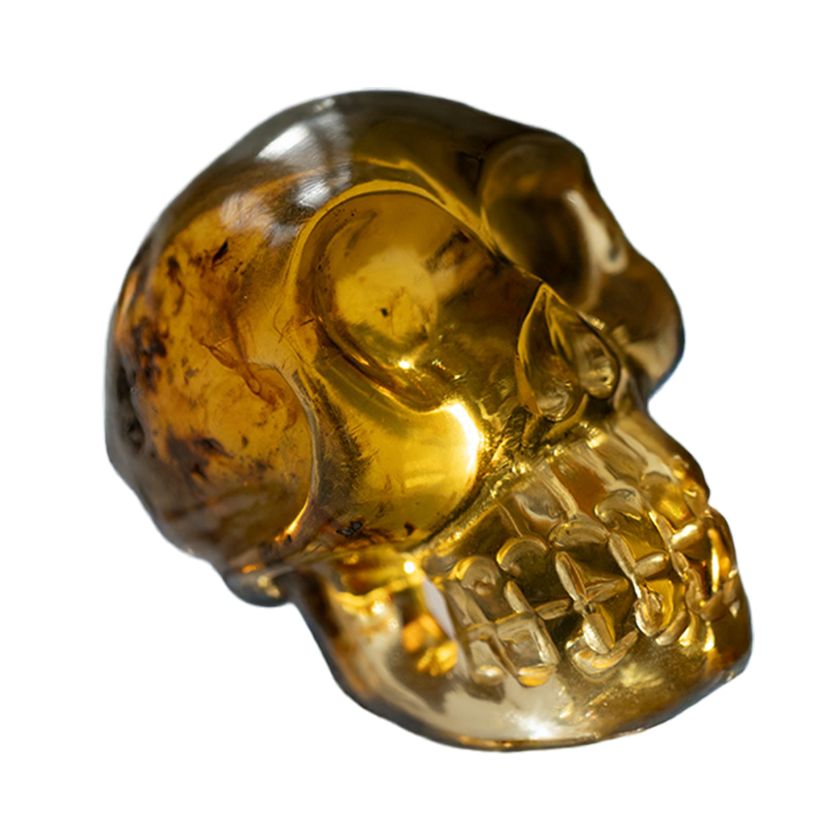
Collectors often look past surface beauty and focus on material character. In that respect, larimar offers a niche advantage. Its limited origin and unmistakable ocean-like patterning make fine examples especially attractive to buyers who value source-specific gemstones. Well-cut cabochons, carvings, beads, and distinctive high-blue pieces can feel highly collectible because the material is both recognizable and geographically singular.
Turquoise collecting can be equally rewarding, though it often demands more technical knowledge. Mine origin, matrix style, treatment level, and historical relevance all affect desirability. That complexity appeals to serious collectors, but it can also make the buying process less straightforward for someone new to gemstone collecting.
For a collector who wants a rare Caribbean stone with immediate visual identity, larimar is a remarkable choice. At Larimar Creations, that rarity and authenticity are central to the experience.
Choose larimar if you want a gemstone that feels serene, rare, and unmistakably Caribbean. Choose turquoise if you want a stone with broader historical reach, stronger contrast, and a more earth-driven aesthetic. Neither is better in every category. The right stone depends on whether you want your jewelry to whisper like the ocean or speak with a more ancient, grounded voice.
The best piece is the one that still feels personal when the trend cycle moves on - the one you reach for because it looks like nowhere else and feels like it belongs to you.