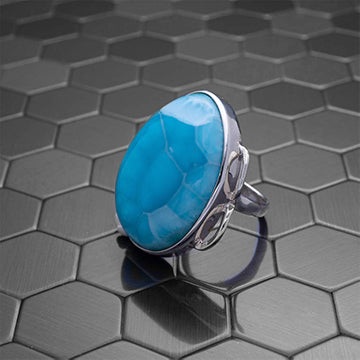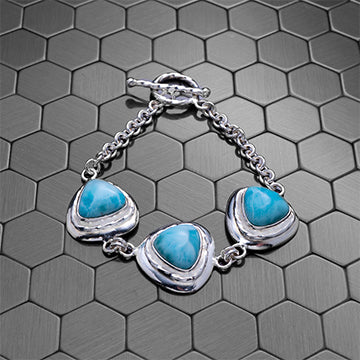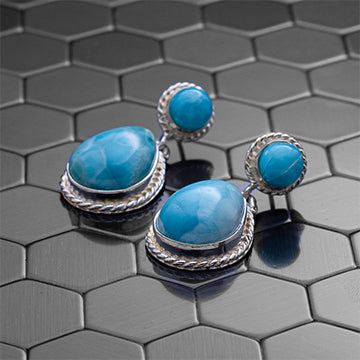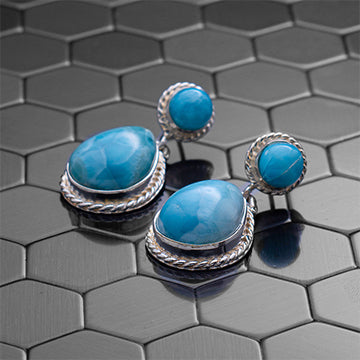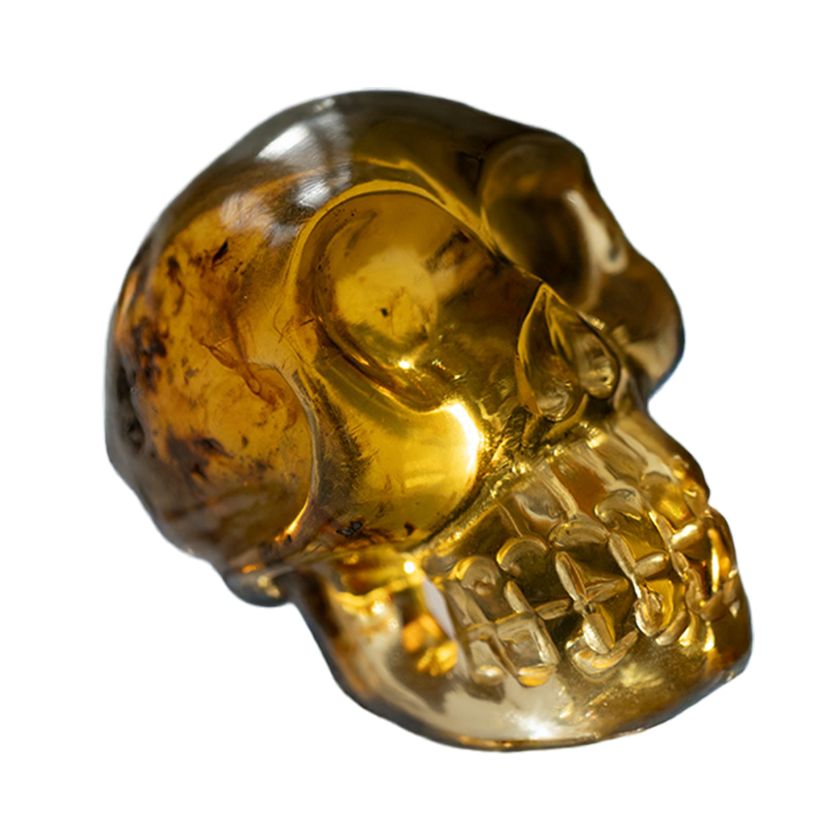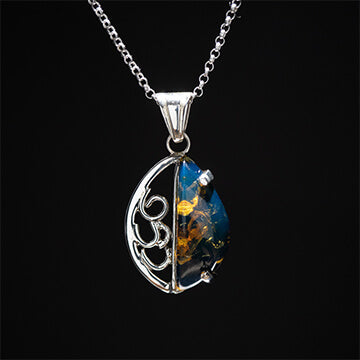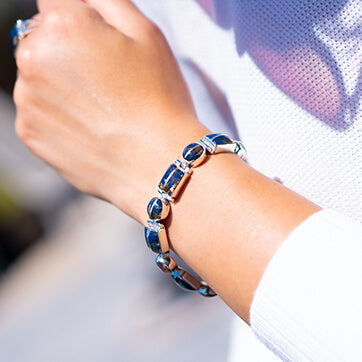



Handcrafted in DR.

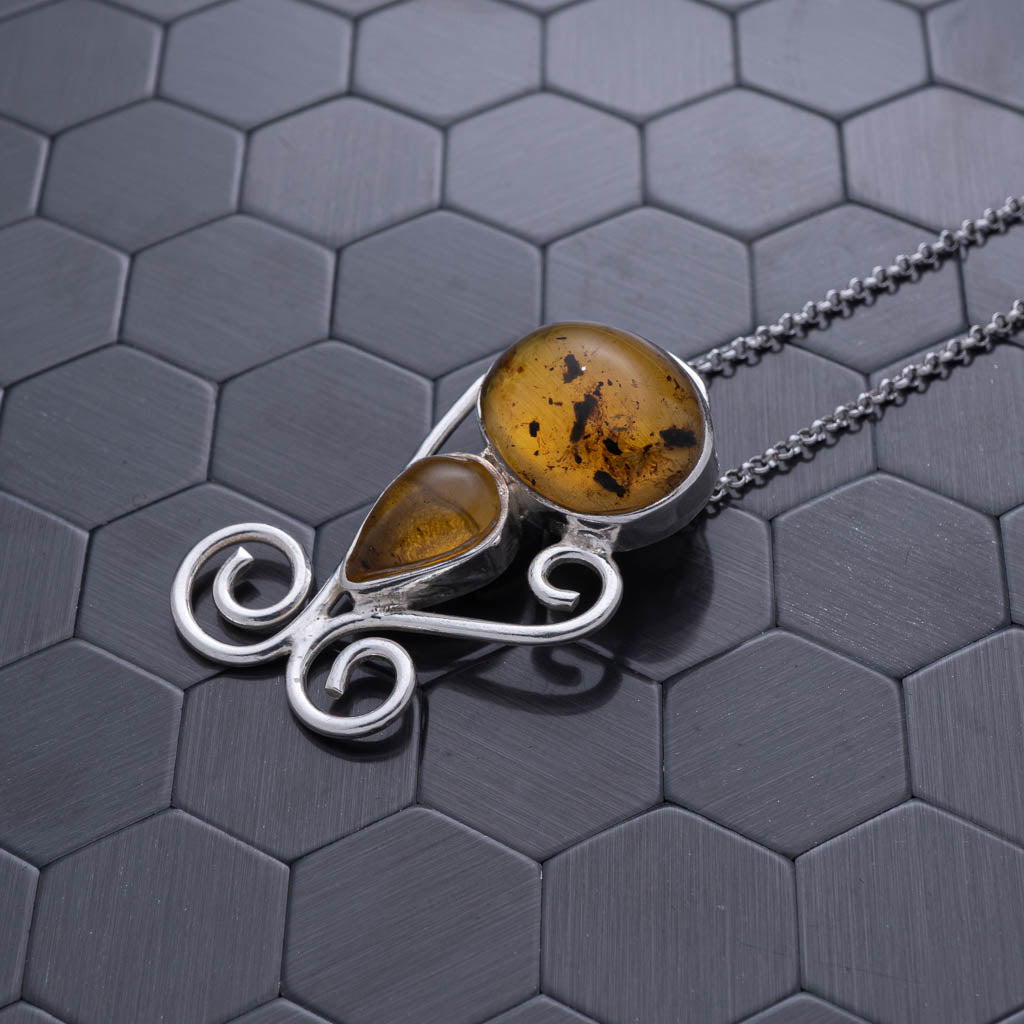
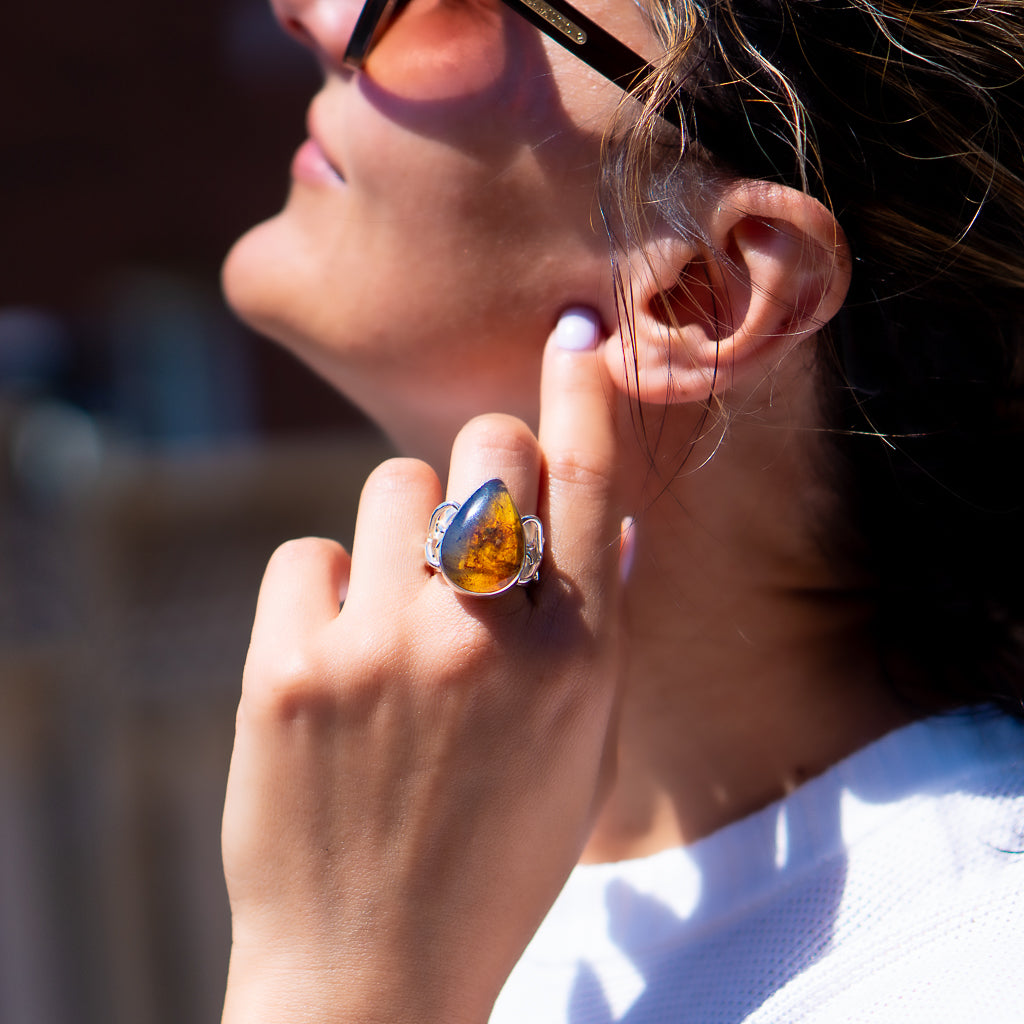
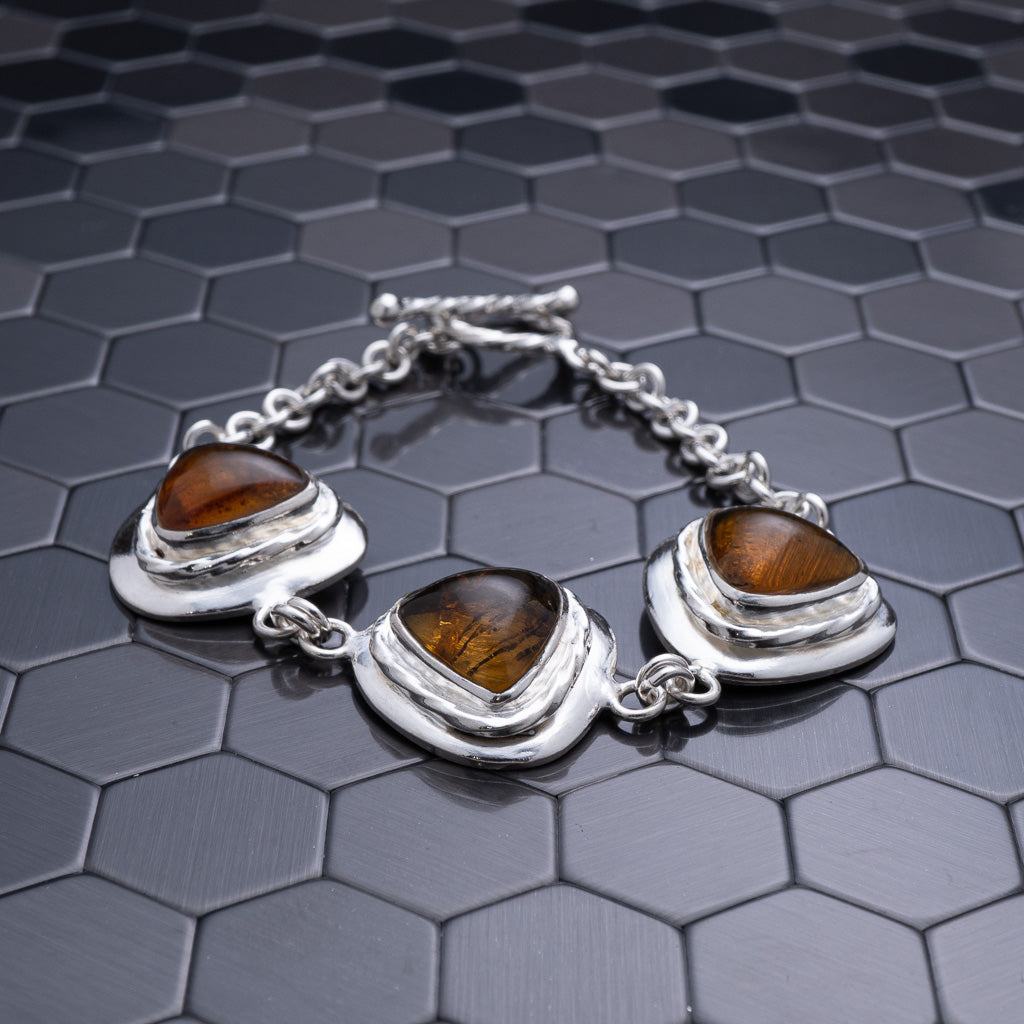
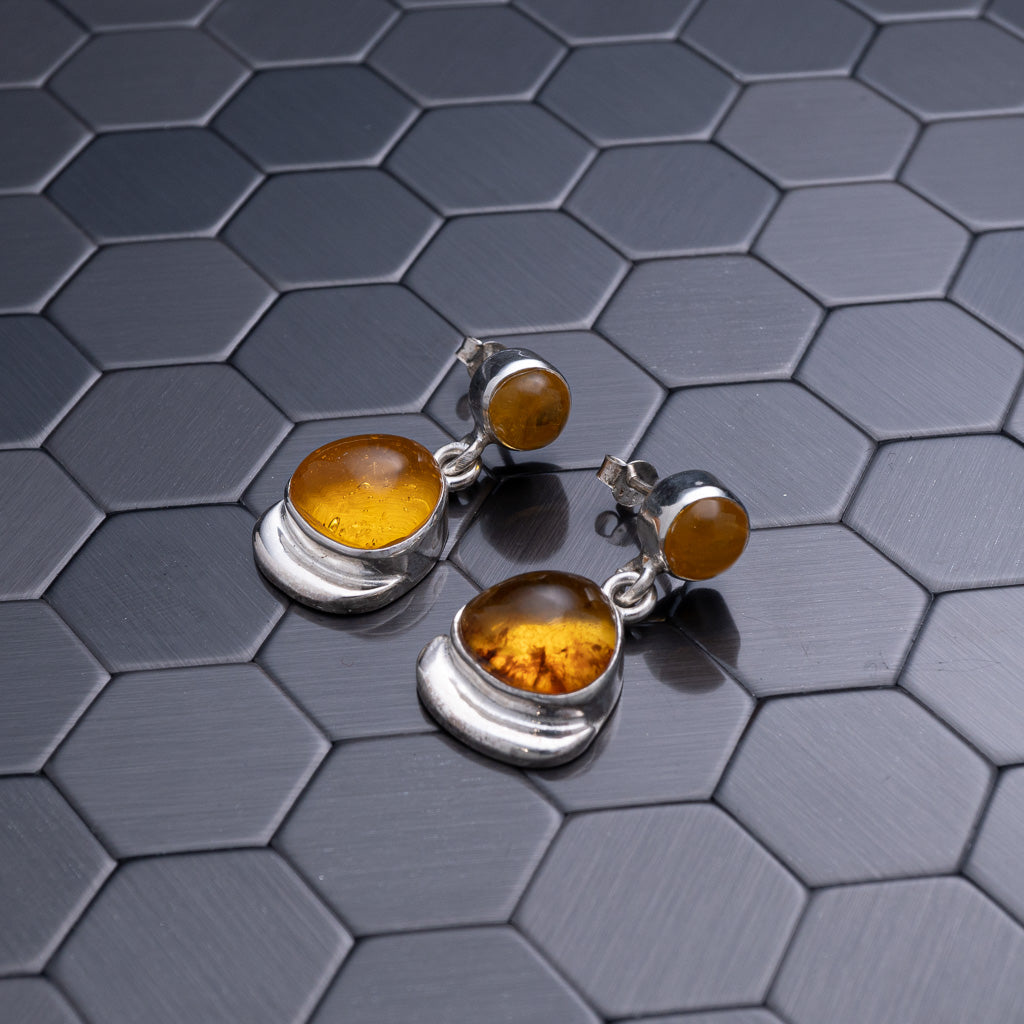


100% Handcrafted in DR.

Ever walked into a blue stone shop and felt your jaw drop at all those shimmering shades of blue? Maybe you love the beauty, but all the choices leave you a bit unsure. You are not alone.
This guide is here to be your trusted map for any blue stone shop adventure in 2026. No more guessing or second-guessing. We will show you what blue stones really are, how to spot the good stuff, what is trending, how much to pay, and how to keep your treasures looking their best.
Ready to shop smarter, not harder? Let us dive in.
Walk into any blue stone shop and you’ll notice something right away: blue stones are magnetic. Sapphires, turquoise, lapis lazuli, larimar, and blue amber all glow with their own shade, each telling a different story.
People have loved blue stones for centuries. Ancient rulers and artists prized their deep hues, believing they brought wisdom and calm. Some even thought these stones carried protective powers. Today, that fascination is still alive.
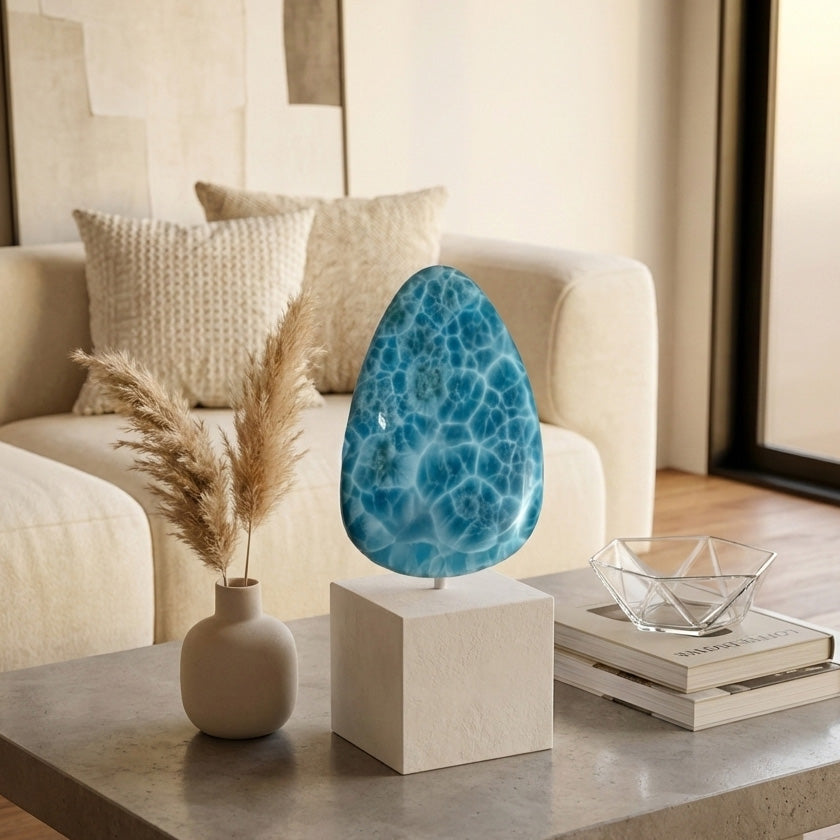
What sets blue stones apart? It’s the mix of color, unique patterns, and the fact that some—like larimar from the Dominican Republic or rare blue amber—are found in just a few places on earth. Their natural beauty makes them favorites for jewelry, healing, collectibles, and even home decor.
The numbers back it up. According to the 2025 Gemstone Market Analysis Report, demand for blue gemstone jewelry rose 18% last year. That’s no fluke. Blue stones are both a fashion statement and a meaningful choice for anyone visiting a blue stone shop in 2026.
If you’re wondering why these gems keep trending, it’s simple. They’re rare, eye-catching, and packed with history. Owning one feels like holding a piece of the world’s story.
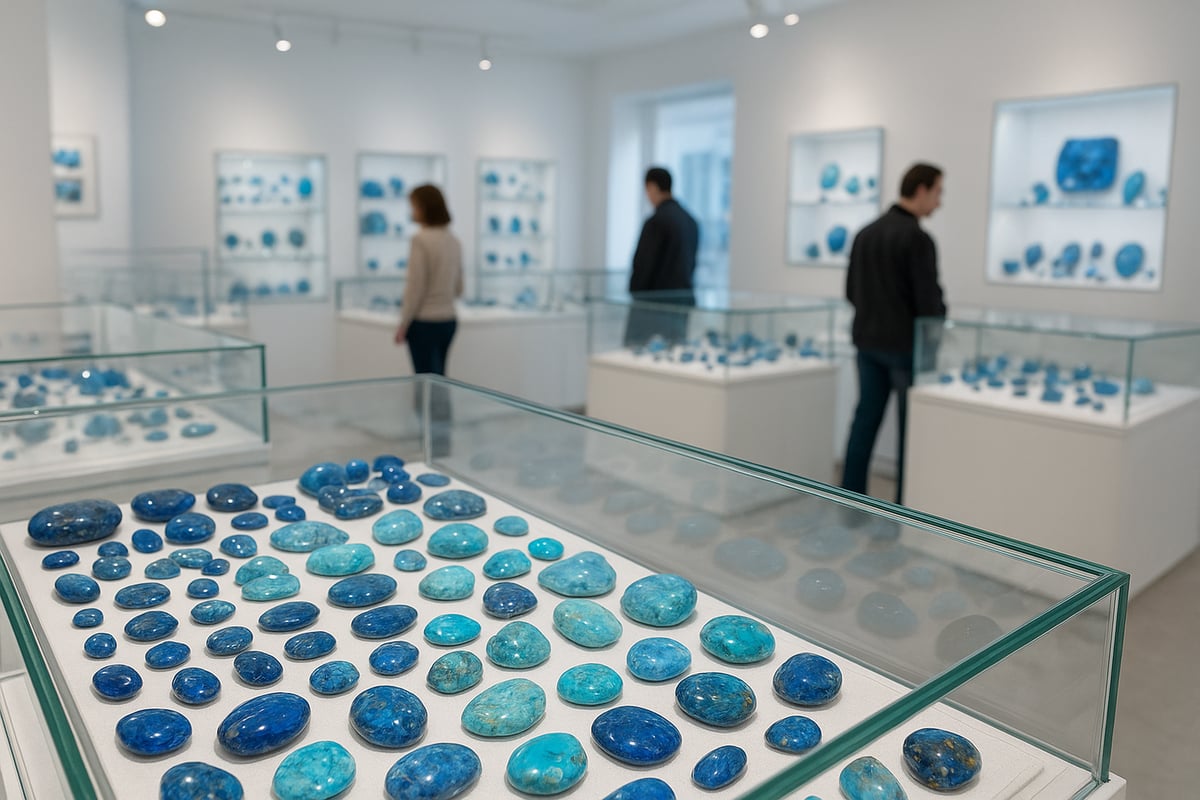
Ever stood in a blue stone shop, holding a sparkling gem, and wondered if it’s the real deal? Spotting quality isn’t just about trusting your gut. Let’s break down how to read the signs like a pro, so your next blue stone shop visit feels less like a guessing game and more like a treasure hunt.
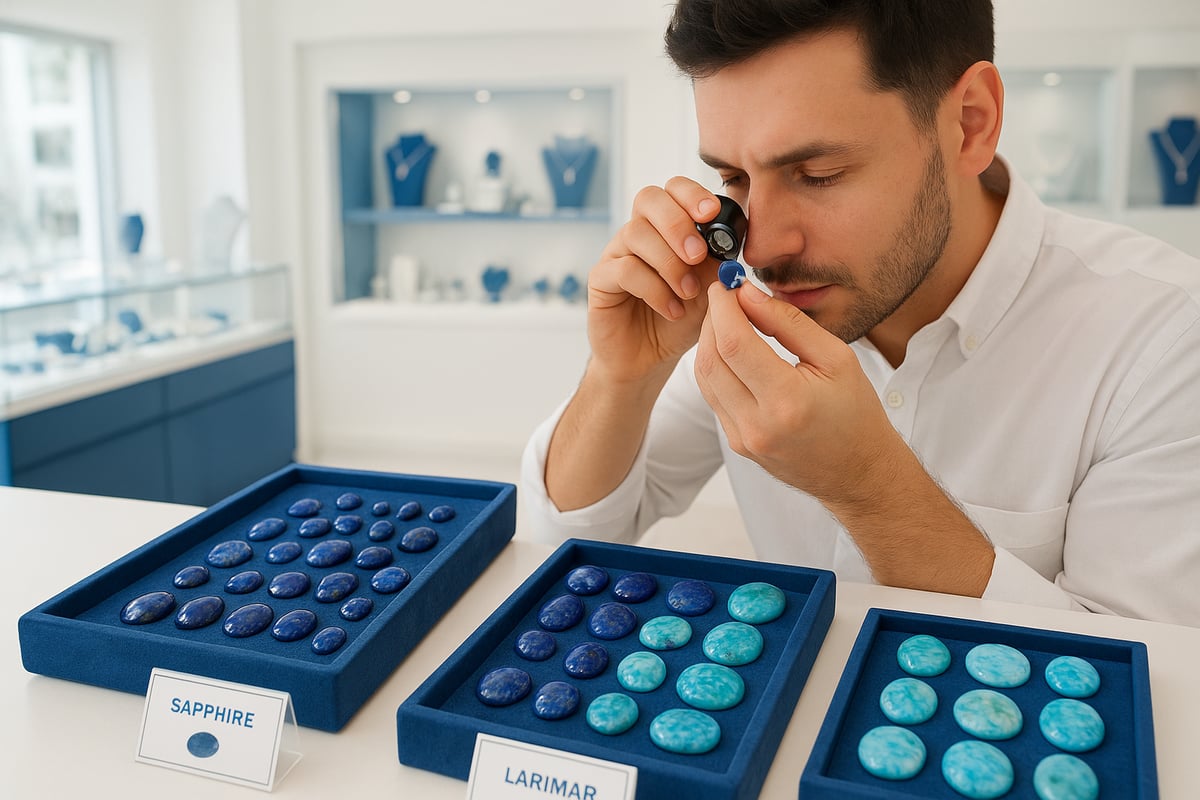
Every blue stone shop should be able to explain the basics: clarity, cut, color, and carat. These are the four Cs of gemstone grading. Clarity is all about how clear the stone looks. Cut shapes the sparkle. Color? That’s the wow factor, from deep royal blue sapphires to the dreamy swirls of larimar. Carat measures weight, not just size.
Authenticity comes next. Real stones feel cool, have natural patterns, and often come with certifications. Always ask if the shop follows recognized standards, like those in the CIBJO Blue Books on Gemstone Standards. Treatments are common. Heat can deepen color, while dyeing might mask a lower grade. For example, lapis lazuli with too much pyrite flecking drops in value. In 2025, 40 percent of blue stones sold online were treated or enhanced, so it pays to look closely.
Red flags? Stones that look too perfect, sellers dodging questions about origin, or prices that seem too good to be true. Trust your eyes, but trust the paperwork even more.
Before you say yes in a blue stone shop, ask a few smart questions. Where did this stone come from? Has it been treated? Can I see the certification? Compare stones side by side in natural light. You’ll spot subtle differences in color and clarity.
Handle gems gently—use tweezers or let the staff show you. Good shops welcome questions and let you take your time. Read customer reviews before you visit. A shop’s reputation is as important as the stones they sell.
Quick checklist:
A little curiosity goes a long way, and building rapport with staff often leads to better advice and even a heads-up on rare finds.
Keeping up with trends in the blue stone shop world is like riding a wave—sometimes you catch something dazzling, sometimes you just get your feet wet. For 2026, blue stones are more than a passing craze. They’re everywhere, and the choices are only getting better.
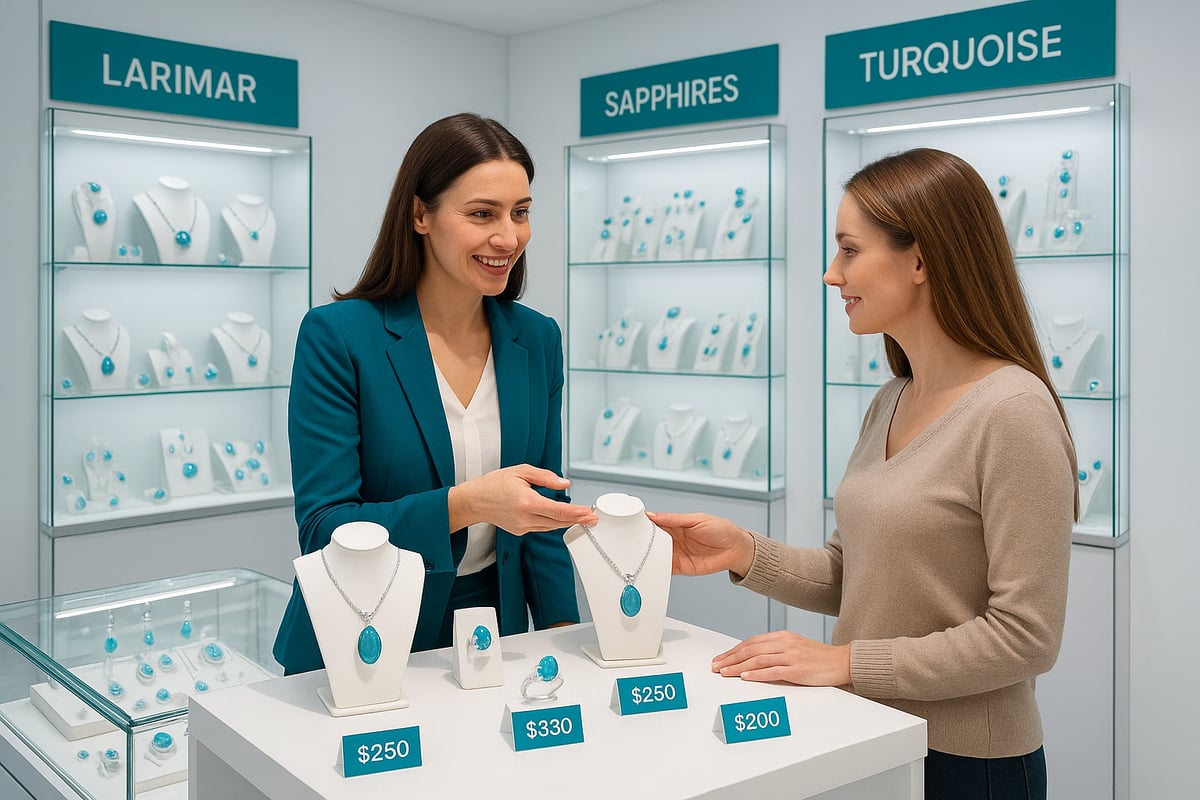
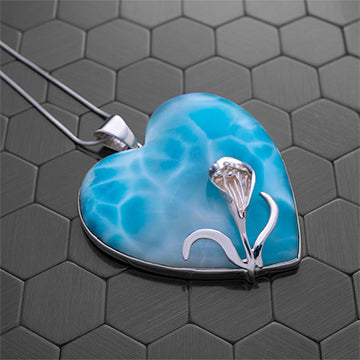
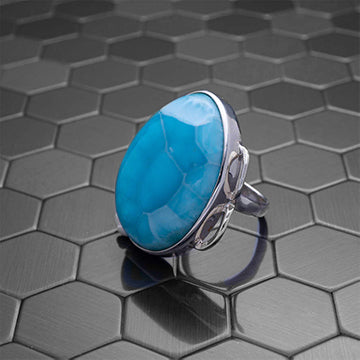
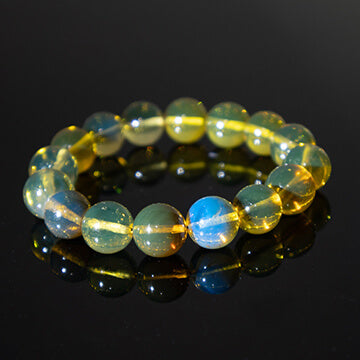
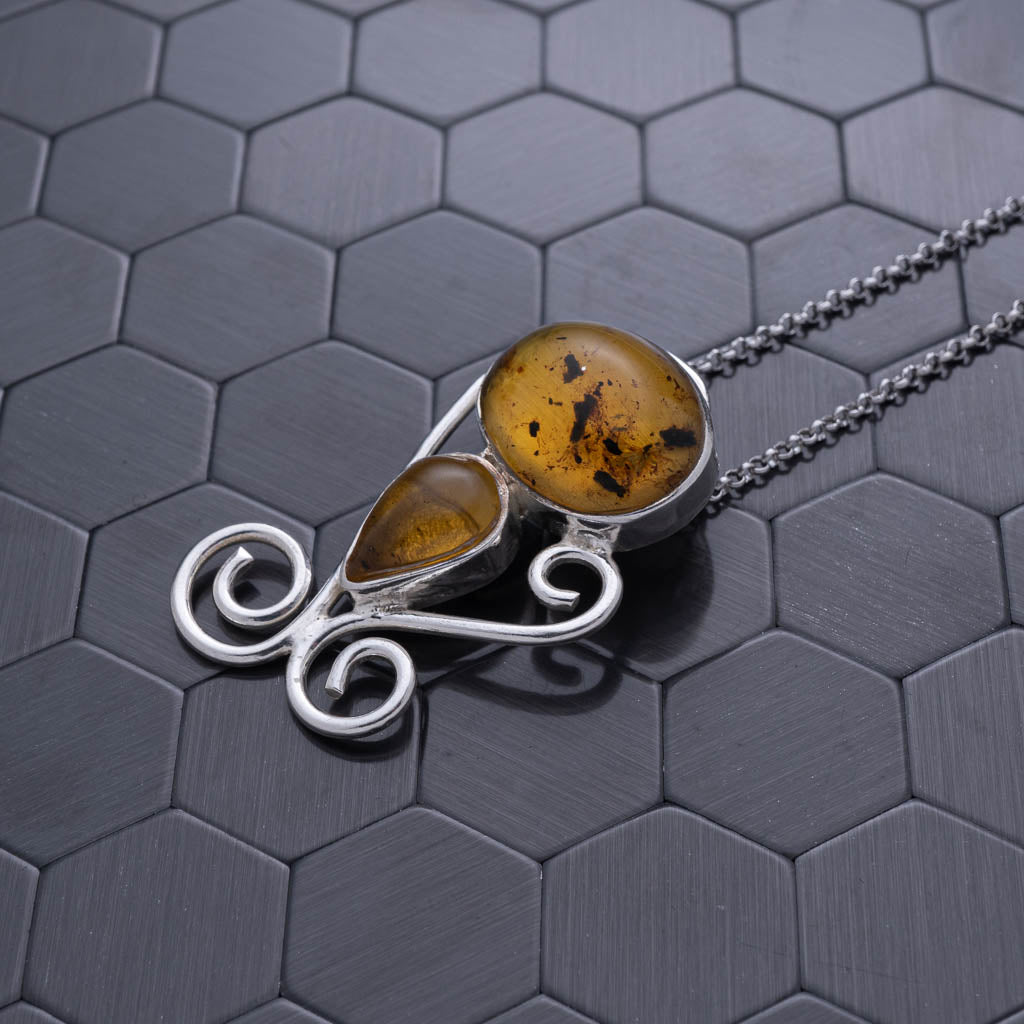
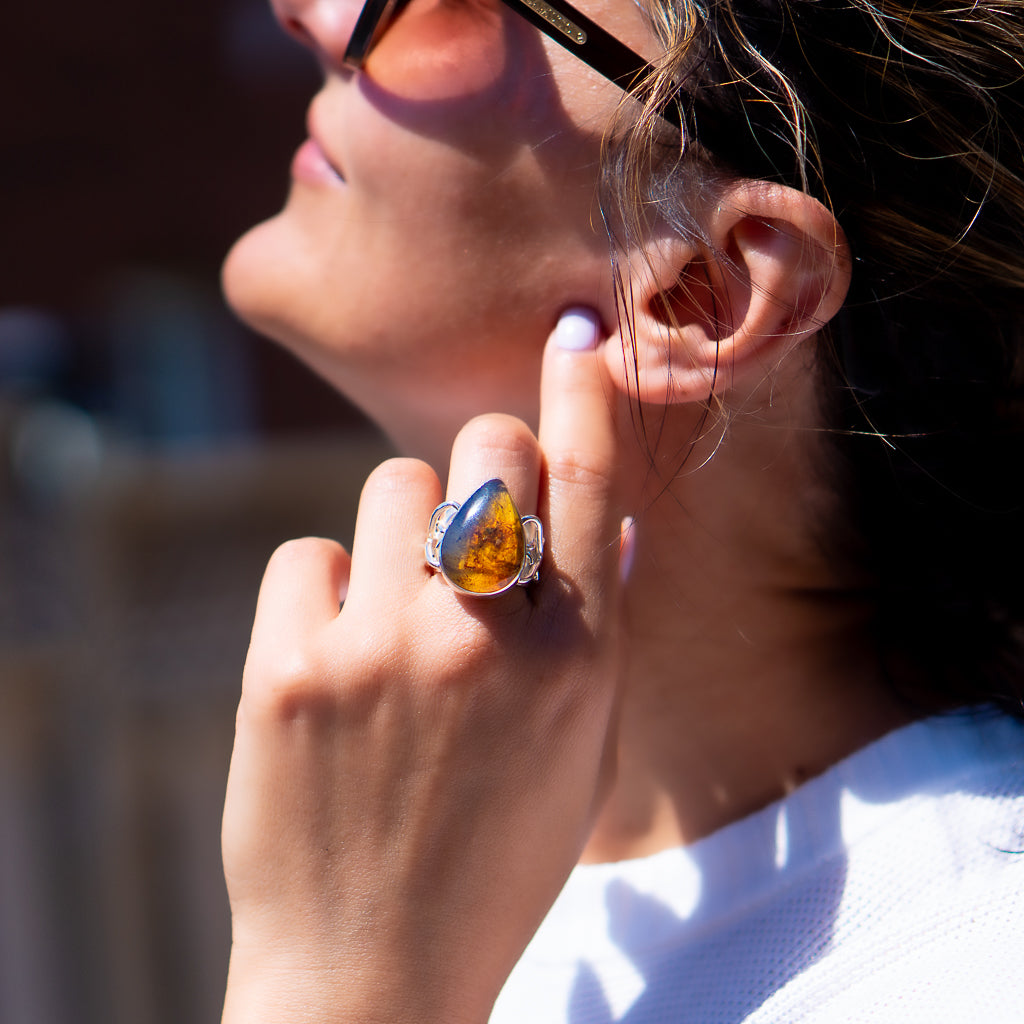
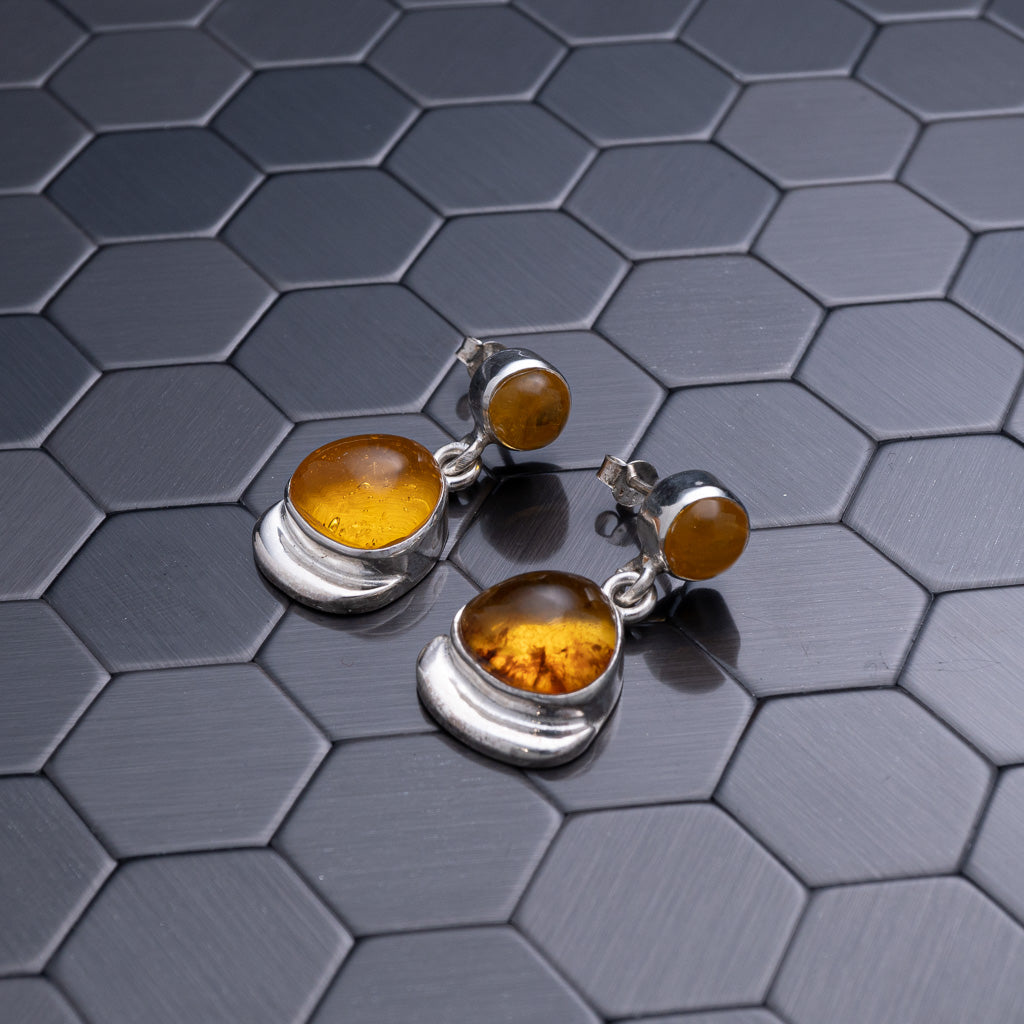
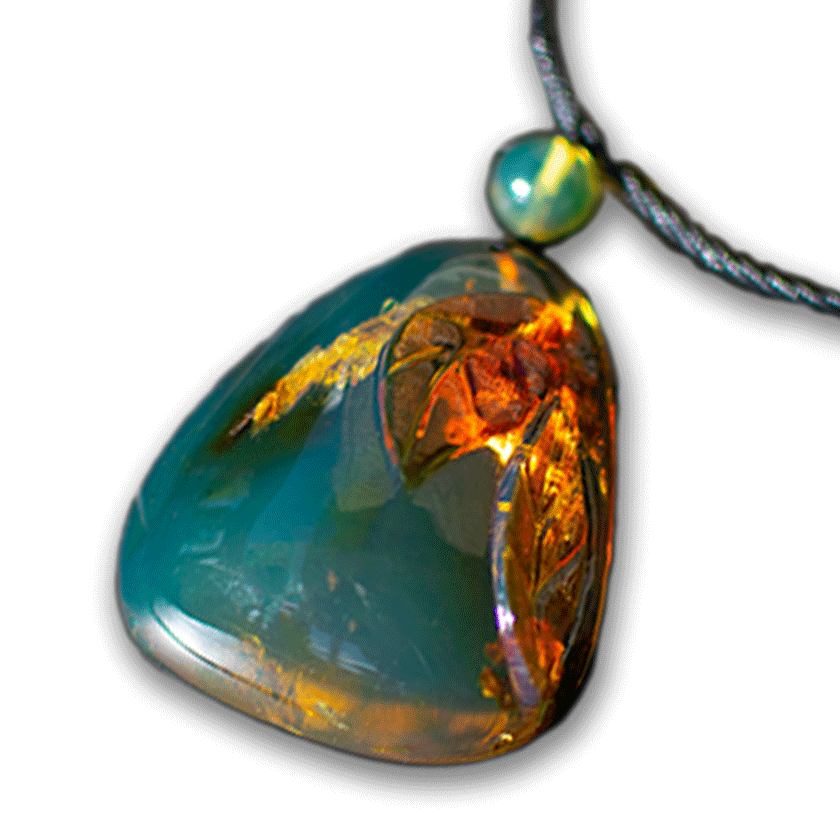
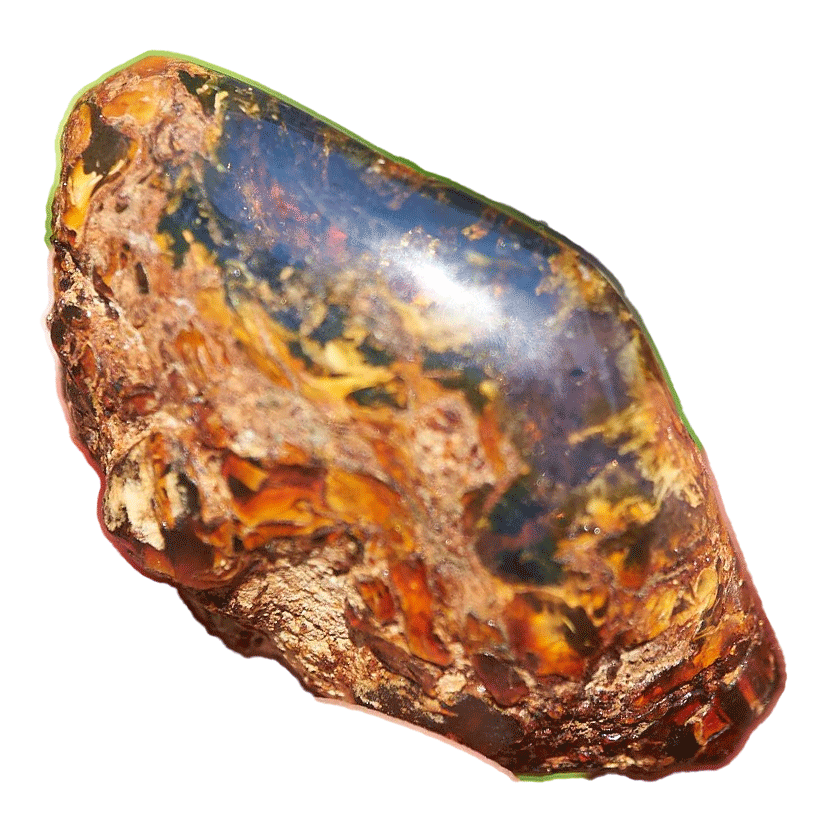
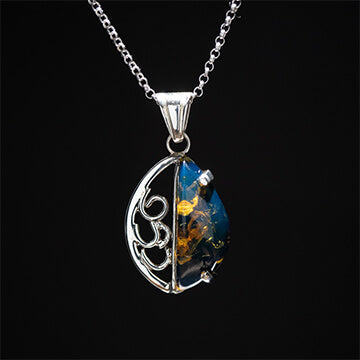
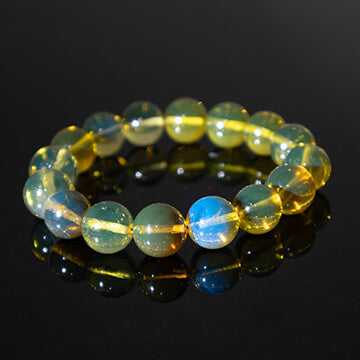
Step into any blue stone shop this year and you’ll spot larimar, blue amber, and classic sapphires stealing the show. Larimar’s dreamy Caribbean blues are showing up in chunky pendants and minimalist rings. Blue amber, especially from the Dominican Republic, is making waves for its unique glow—handcrafted pieces like those in the Blue amber ring highlights are especially sought after.
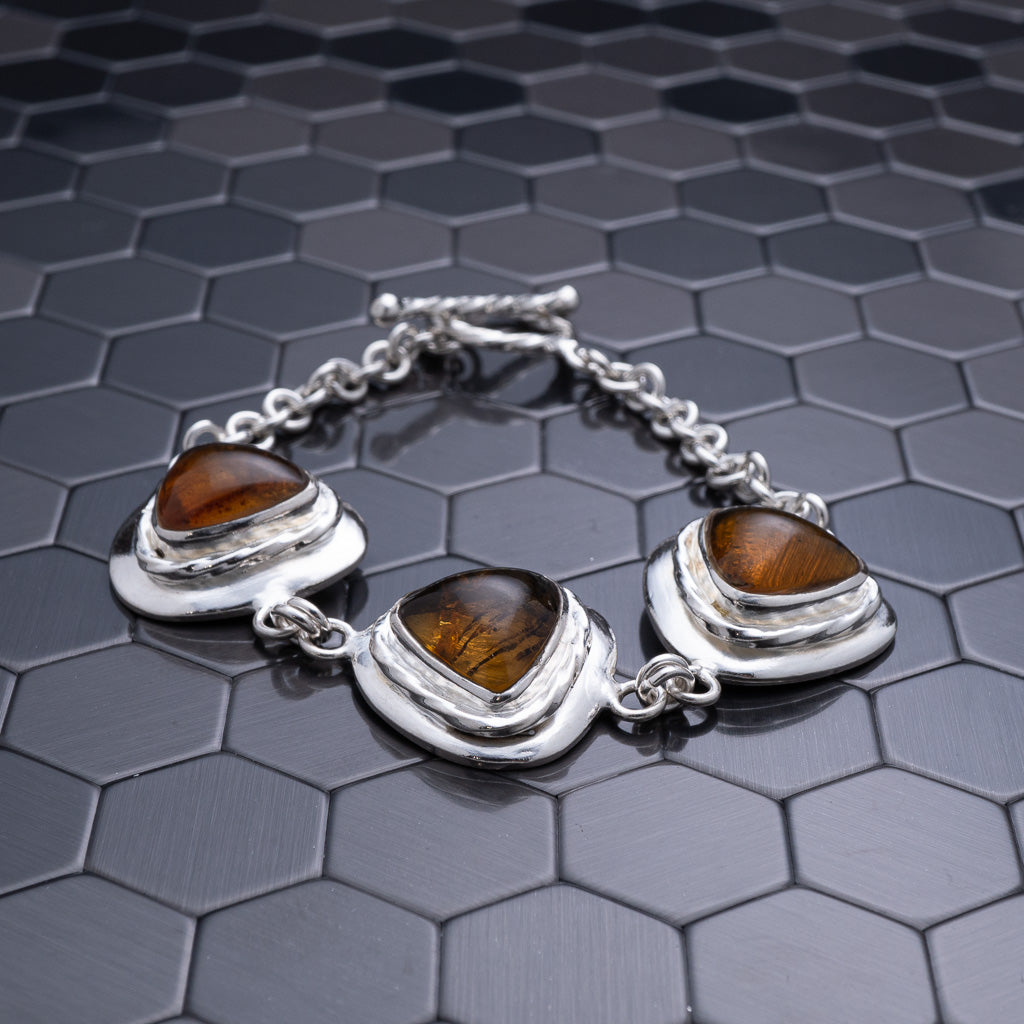
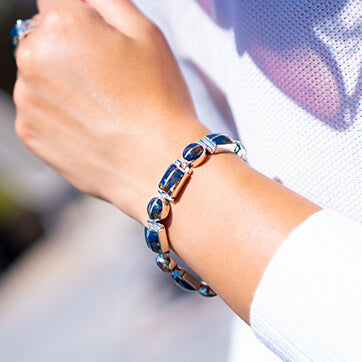
Jewelry styles are bold yet personal. Think statement pendants, mixed-stone bracelets, and sterling silver settings that let the blue pop. Shoppers are also asking about ethical sourcing, so expect more recycled metals and responsibly mined stones. Handcrafted Dominican blue amber jewelry is especially hot, thanks to its rarity and the story behind each piece.
Wondering what you’ll pay in a blue stone shop? Here’s a quick look:
| Stone | 2026 Price Range (USD) |
|---|---|
| Larimar | $60–$250 |
| Blue Amber | $120–$700 |
| Sapphire | $100–$2,500+ |
| Turquoise | $40–$400 |
Prices swing based on origin, size, and whether a stone’s been treated or is all-natural. Handcrafted pieces and ethical sourcing can bump prices up by 25 percent, but for many buyers, it’s worth the peace of mind. Seasonal sales pop up around major holidays, so savvy shoppers time their visits for the best deals. In 2026, craftsmanship and authenticity are what set the best finds apart.
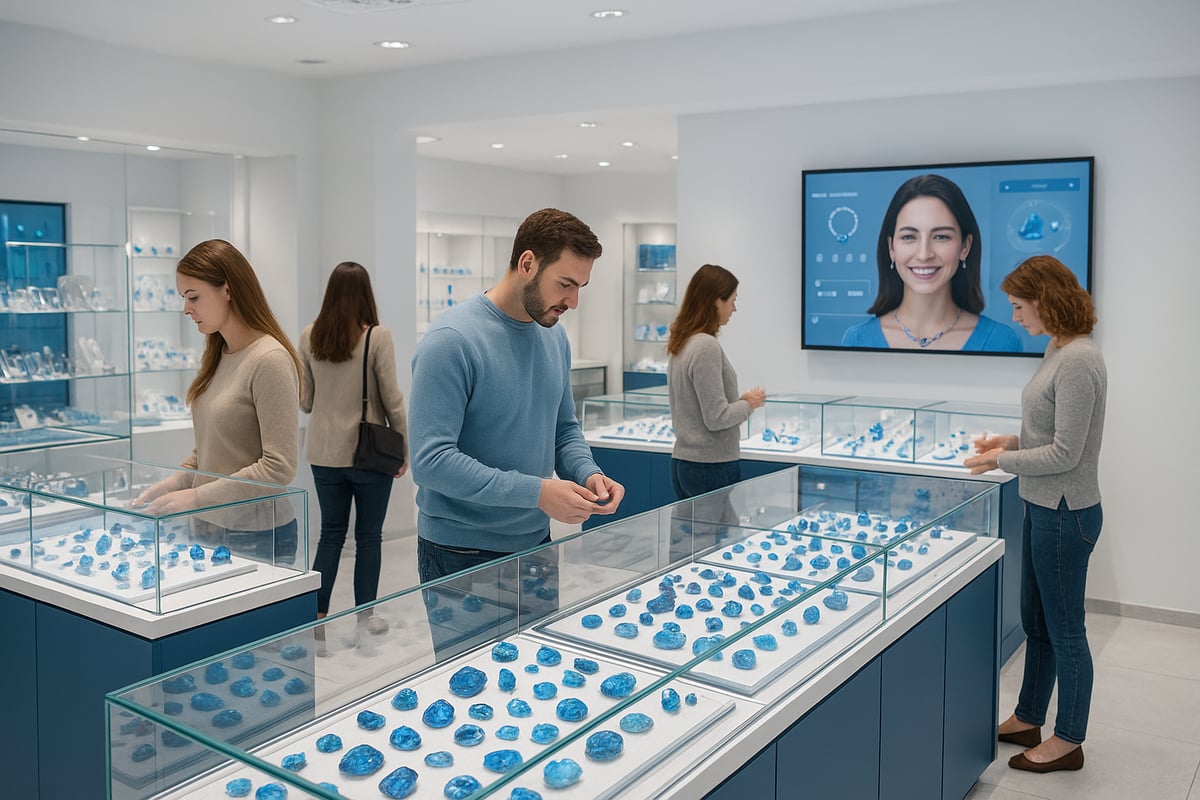
Trying to choose between an online blue stone shop and a brick-and-mortar one? You’re not alone. Each option brings something different to the table, and knowing what suits your style can make all the difference.
| Online | In-Store | |
|---|---|---|
| Selection | Wider variety, global access | Curated, can see pieces in person |
| Experience | Virtual try-ons, convenience | Hands-on, expert advice, events |
| Trust | Check reviews, verify authenticity | Reputation, immediate inspection |
Virtual try-on tech lets you see how a Larimar pendants collection piece might look before you buy, making online shopping at a blue stone shop more personal than ever. Still, nothing beats holding the real thing or chatting with a knowledgeable staff member at a local store.
Interesting fact: 62% of blue stone shop buyers chose to shop online in 2025, but when it came to big-ticket items, 73% trusted in-store purchases more. That says a lot about the value of seeing stones up close.
If you go online, always check for clear return policies, authenticity guarantees, and customer service responsiveness. Read reviews and look for detailed photos or certificates to avoid scams. For in-store fans, keep an eye out for workshops and events—they’re a great way to learn and connect with the community.
Whether you’re browsing online or stepping into your favorite blue stone shop, a little research goes a long way.
Caring for your finds from a blue stone shop is easier than you think, but it is not something you want to guess on. Each stone has its quirks. Turquoise, for example, is porous and can soak up oils or chemicals, so it needs gentle cleaning and a soft cloth. Sapphires and larimar crave a simple wipe and a safe spot away from harsh sunlight.
| Stone | Cleaning Tip | Storage Advice |
|---|---|---|
| Turquoise | Soft dry cloth, no water | Pouch, away from sun |
| Larimar | Mild soap, quick rinse | Separate box |
| Sapphire | Damp cloth, pat dry | Soft-lined case |
Avoid household cleaners, ultrasonic machines, and leaving your gems in direct sunlight. About one in four blue stone shop owners have seen stones ruined by improper cleaning, so stick to the basics. If your jewelry includes silver, check out Sterling silver in gemstone jewelry for tips on keeping both metal and stone looking sharp.
For high-value pieces, consider insurance. If a stone chips or loses its shine, call in a professional. Sometimes, a little expert TLC is all it takes to keep your blue stone shop treasures glowing for years.
Walking into a blue stone shop can feel a bit like stepping into a treasure trove. If you want to walk out with something special, a little prep goes a long way. Map out your visit, set a budget, and do a quick search for store reviews. This helps you focus and makes your blue stone shop trip feel more like a fun hunt than a wild guessing game.
Want the inside scoop? Build a real connection with shop staff. Don’t be shy about asking questions or sharing what you’re looking for. Sometimes, a simple chat leads you to hidden gems—literally. One collector stumbled onto a Dominican blue amber cabochon pendant just by striking up a conversation about rare stones. Plus, many blue stone shops host local events or collector meetups, so check their bulletin board or ask what’s coming up.
Keep your paperwork organized. Always get a receipt and ask for certificates or appraisals if you’re investing in something valuable. Snap a quick photo of your new find and its paperwork for your records. This comes in handy for insurance, returns, or just tracking your collection over time.
Before you head for the register, run through a quick checklist: