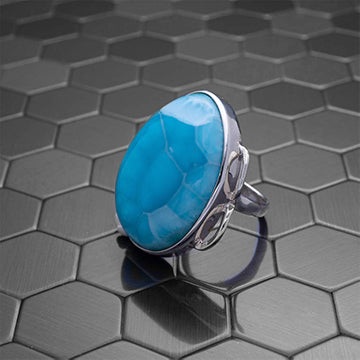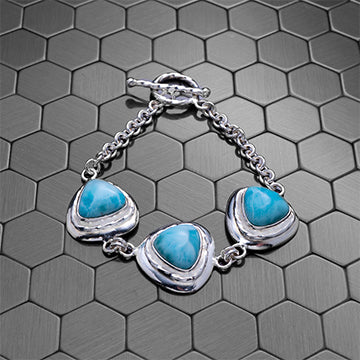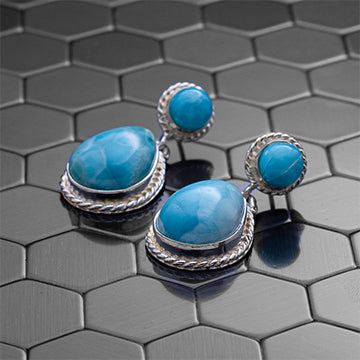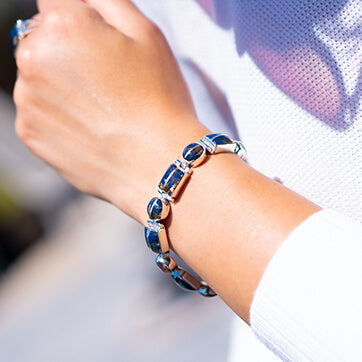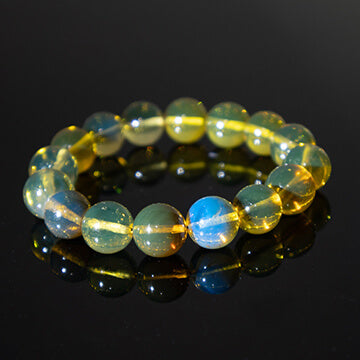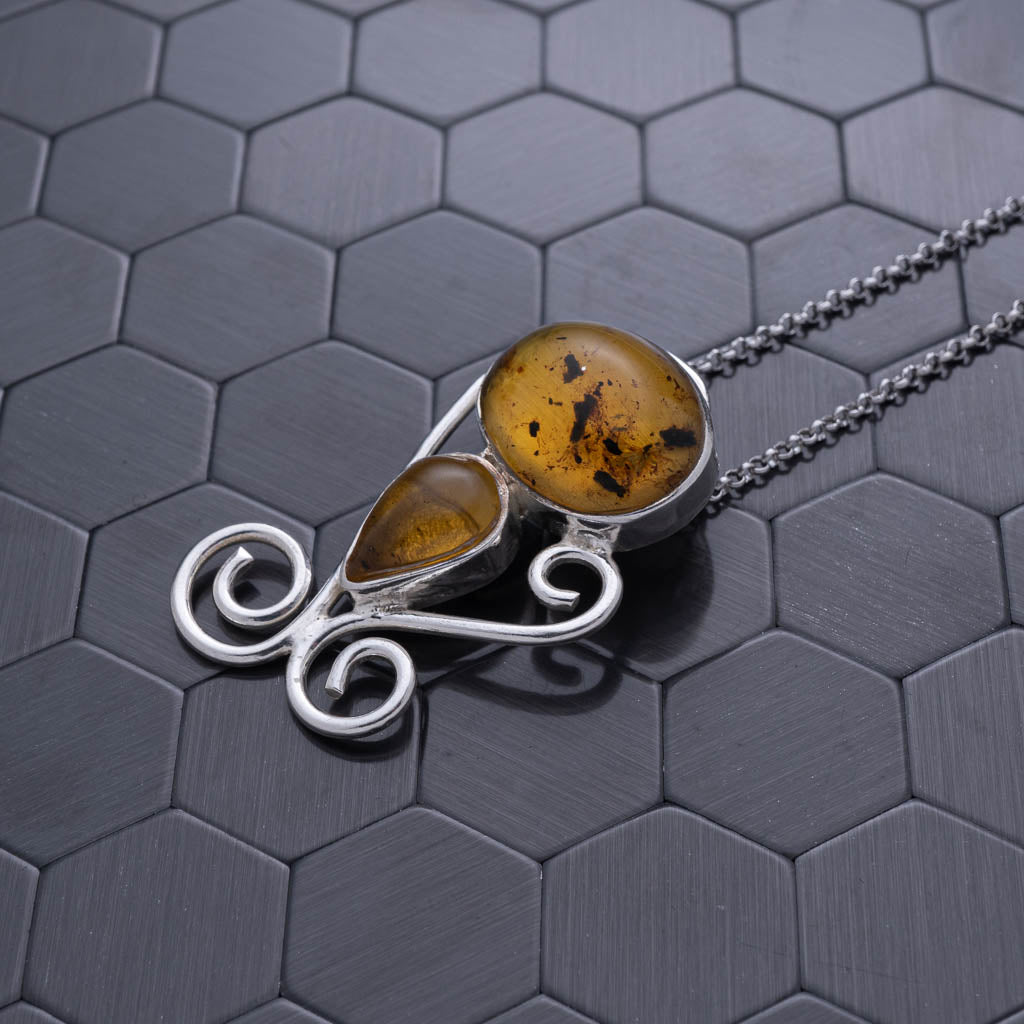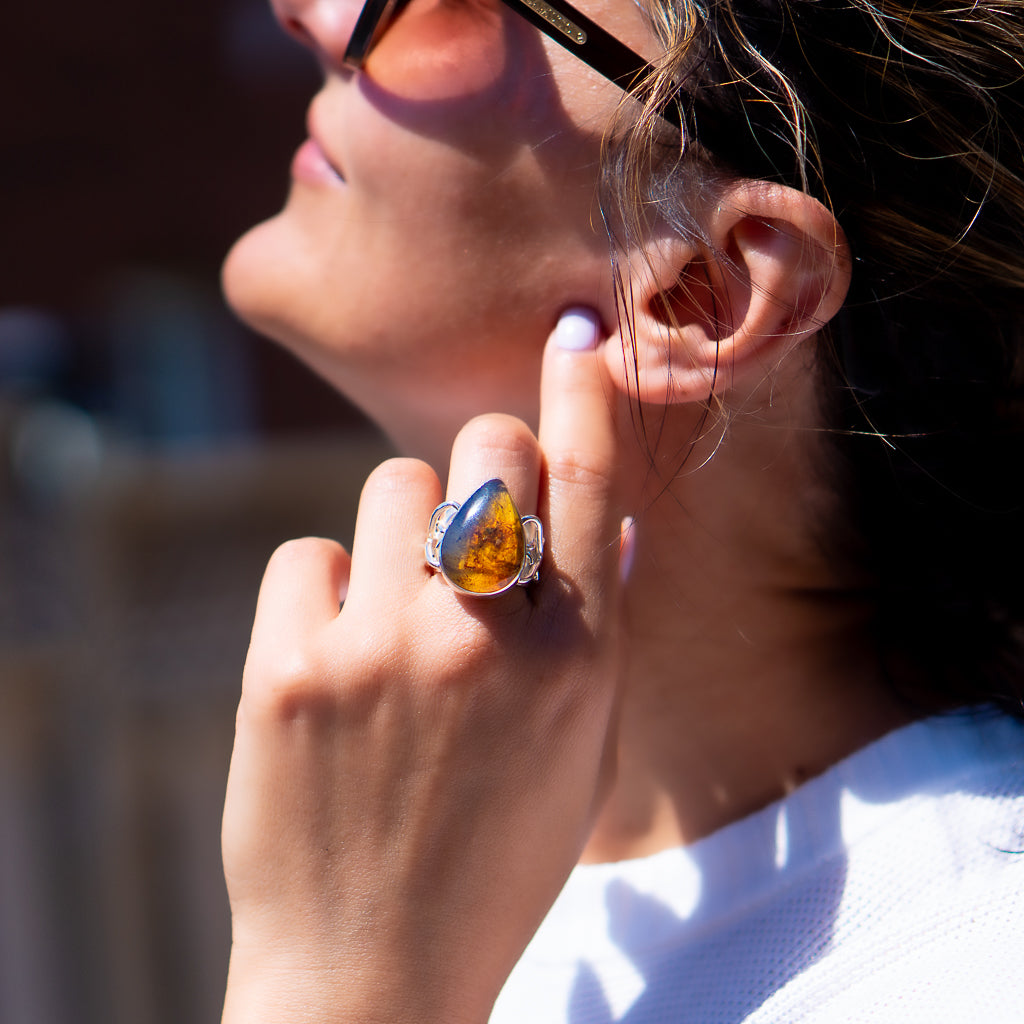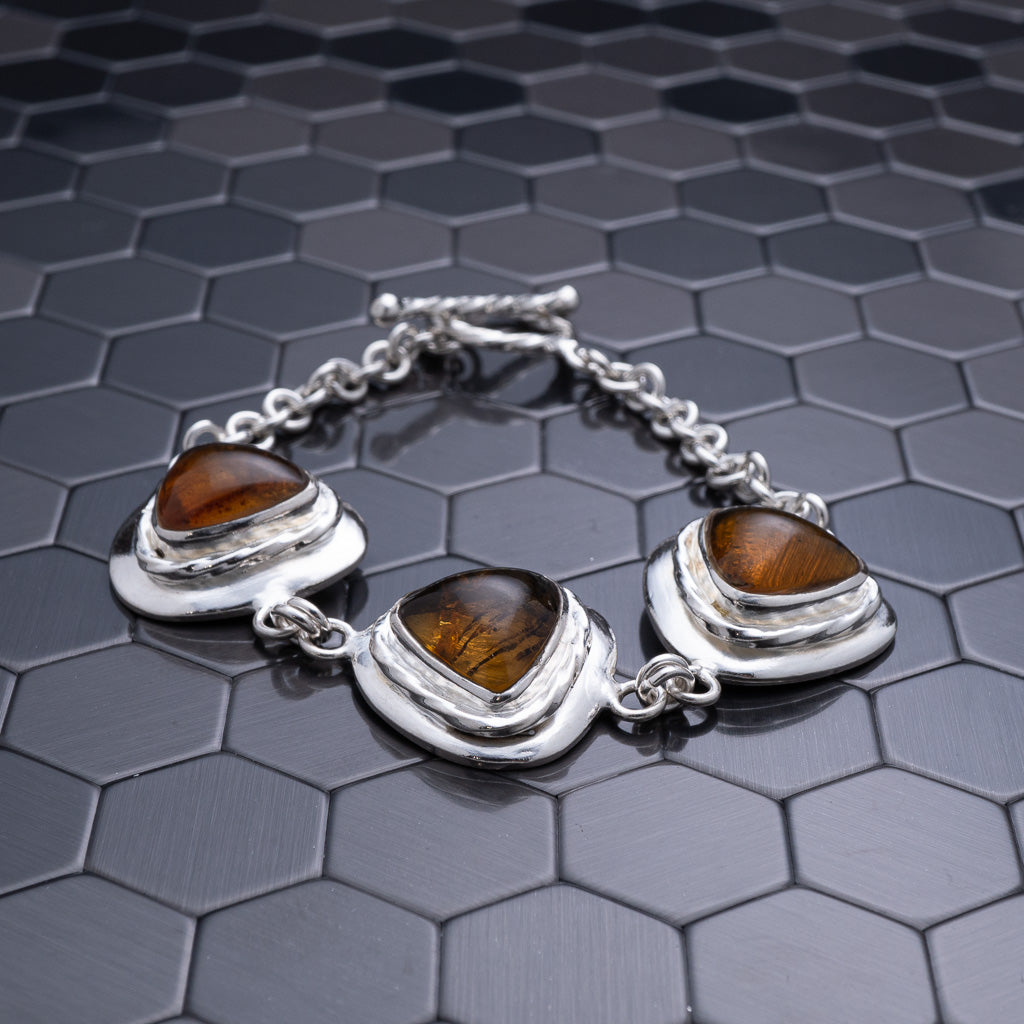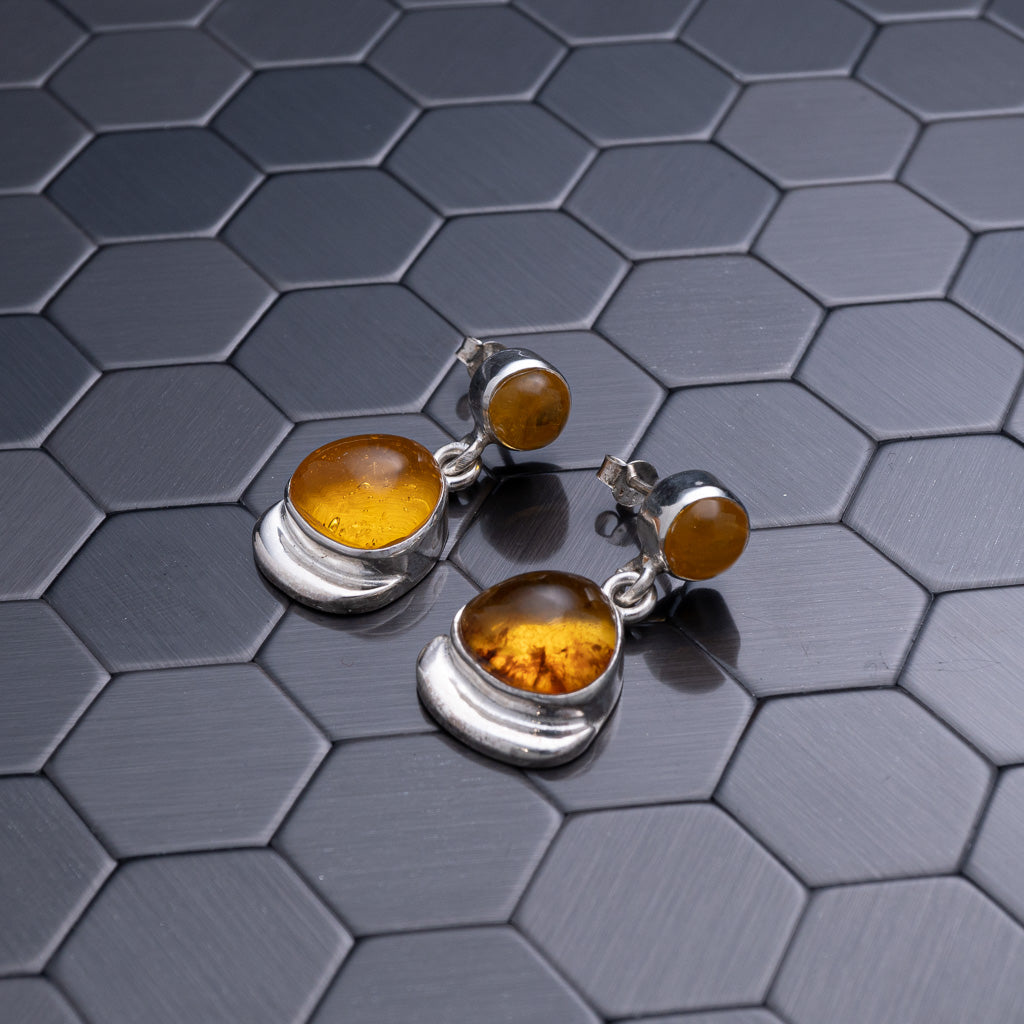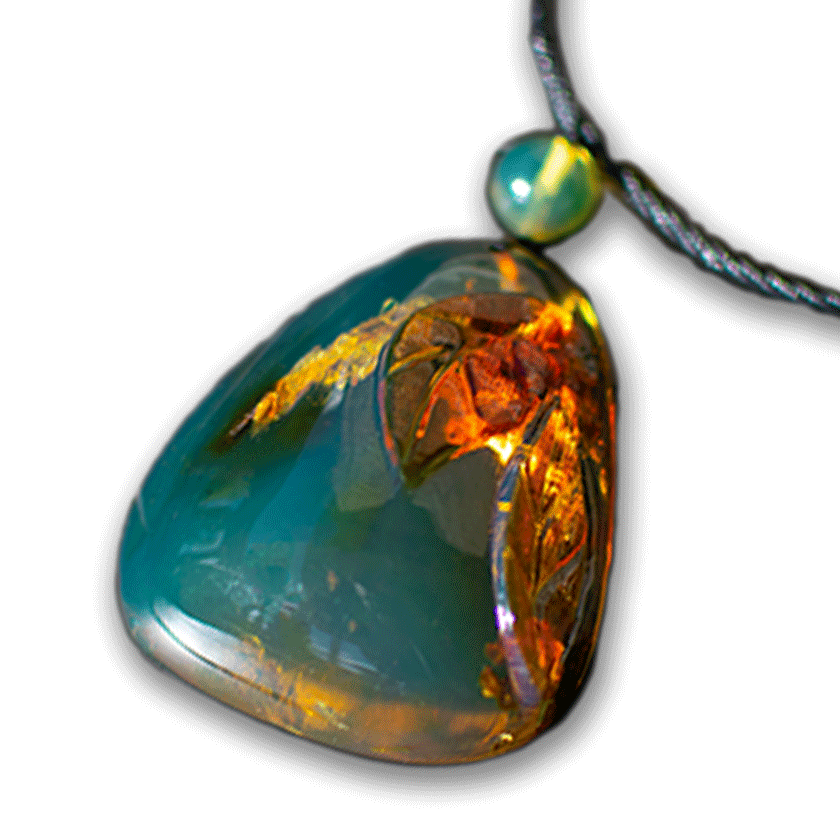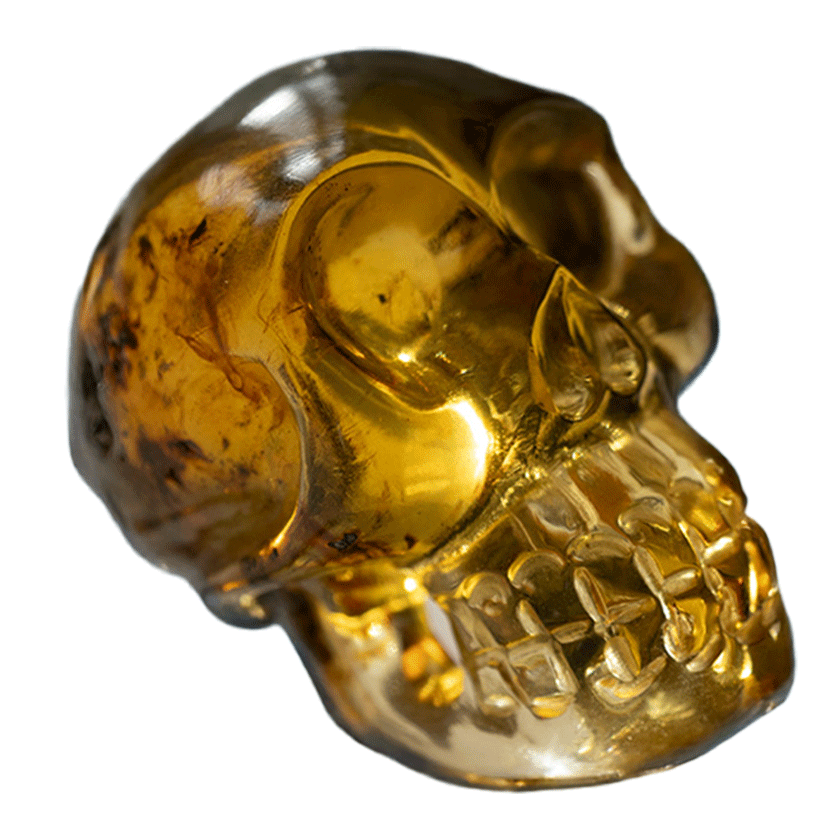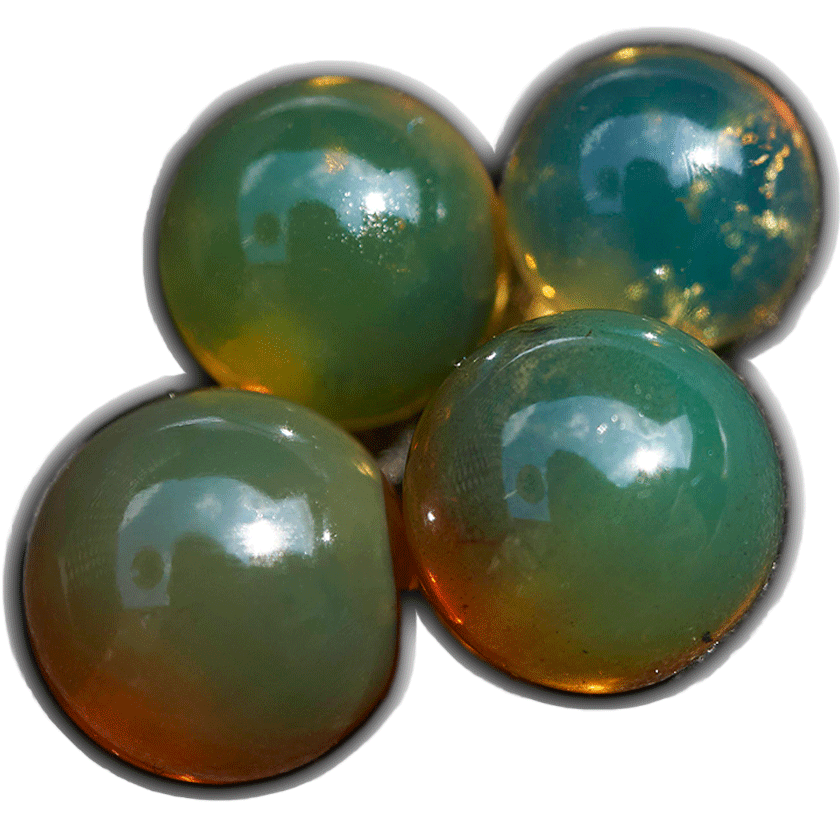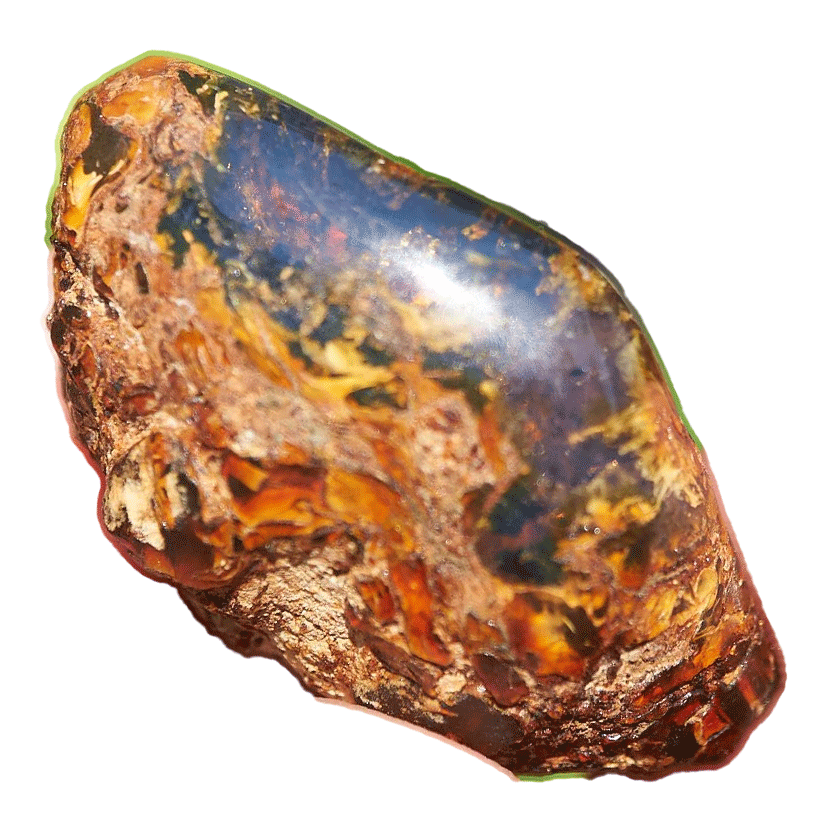


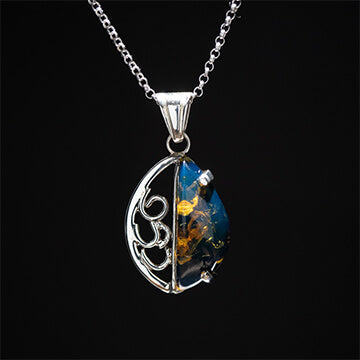
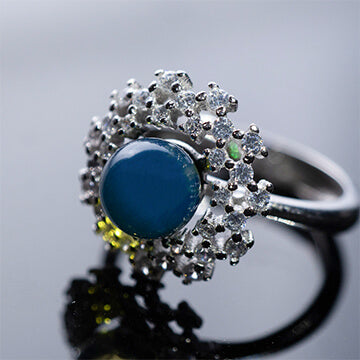
Handcrafted in DR.

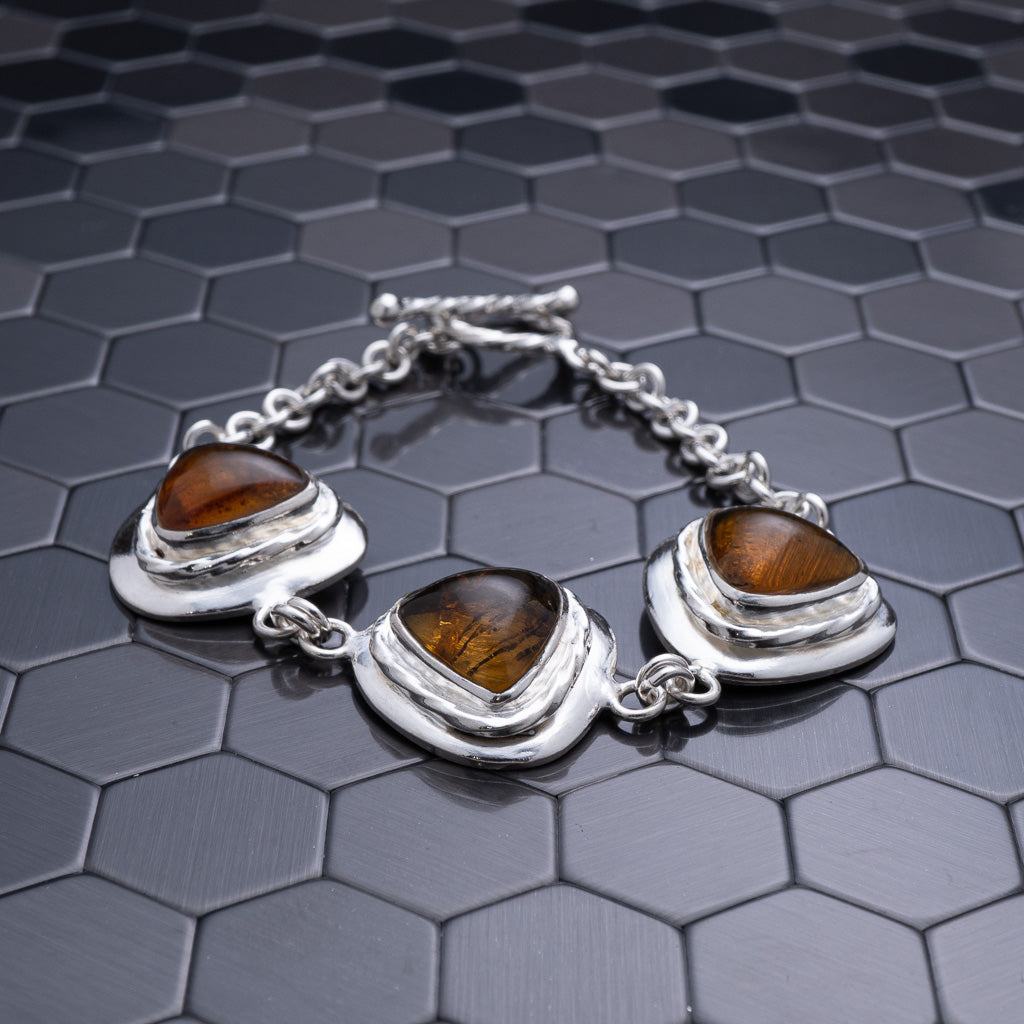
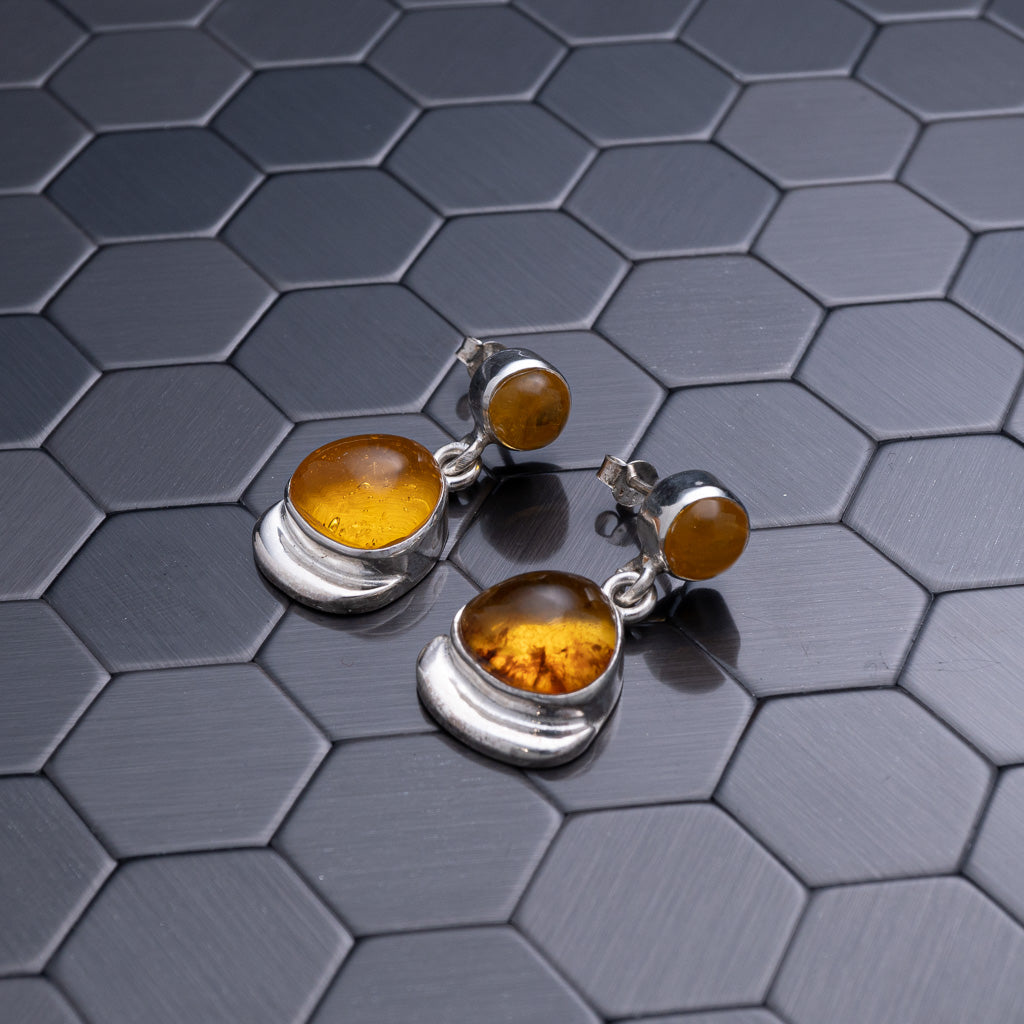


100% Handcrafted in DR.

Ever find yourself standing at a jewelry counter, wondering if sterling silver and 925 silver are actually different, or if it’s just another marketing trick? You’re definitely not alone. Lots of us get tripped up by the labels.
Here’s the deal: this article dives right into the truth about sterling silver and 925 silver, especially as we look ahead to 2026. We’ll break down what’s science, what’s myth, how to spot the real stuff, and how this all impacts your next jewelry buy.
Ready to finally feel confident in your silver choices? Let’s clear up the confusion once and for all.
Sterling silver is more than just a pretty metal. It’s an alloy made from 92.5% pure silver mixed with 7.5% other metals, usually copper. This exact blend is what gives sterling silver its unique shine and strength, setting it apart from pure silver, which is much softer and easy to scratch.
This blend isn’t new—sterling silver has been used for centuries in everything from royal tableware to modern jewelry. Pure silver bends and dents too easily, so adding a bit of copper makes it tough enough for daily wear without losing that classic, bright look. If you’re curious about the science and history behind this, check out the sterling silver composition and properties.
Across the world, sterling silver must meet strict industry standards. In the US, Europe, and most countries, anything labeled “sterling” needs to have at least 92.5% silver content. That’s why you’ll often see jewelry stamped with “sterling,” “925,” or even “STG” as proof.
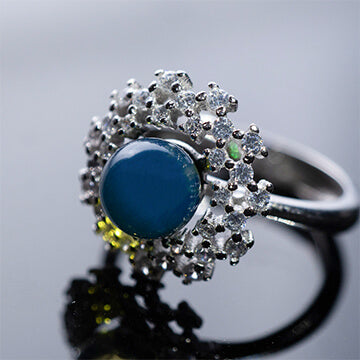
You’ll find sterling silver in rings, necklaces, flatware, and all kinds of decorative pieces. Classic sterling silver and 925 silver rings are especially popular because they balance beauty with everyday durability. If you spot a “925” or “sterling” mark, you’re holding the real deal.
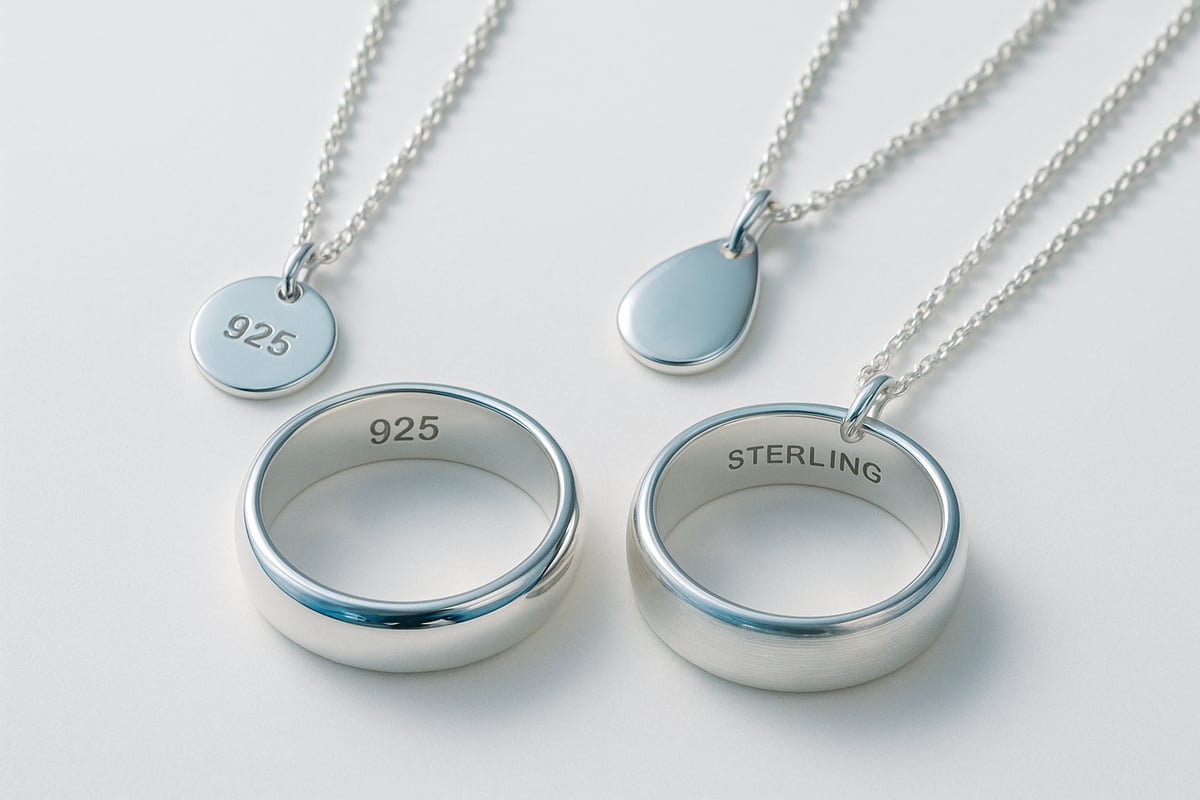
925 silver might sound like a technical term, but it’s actually pretty simple. When you see “925” stamped inside a ring or on the clasp of a necklace, it means the metal is made of 92.5% pure silver mixed with 7.5% other metals, usually copper. This is the exact same composition you’ll find in sterling silver and 925 silver—there’s no mystery ingredient or secret formula.
The “925” mark comes from the millesimal fineness system, which just counts the parts per thousand of pure silver in the alloy. Around the world, you’ll see “sterling silver” and “925 silver” used almost interchangeably, though some places may use different labels. Many people wonder if there’s a real difference between sterling silver and 925 silver, but as explained in this Sterling Silver vs 925 Silver Guide, it’s purely a naming thing—not a quality difference.
If you pick up a piece of jewelry stamped “925,” you’re holding what’s considered sterling silver everywhere from the US to Europe. Regulations in most countries require that “925” mark to guarantee silver content, and in both the US and EU, 92.5% is the legal minimum for anything called sterling silver. So, next time you spot that tiny number, you’ll know exactly what it means.
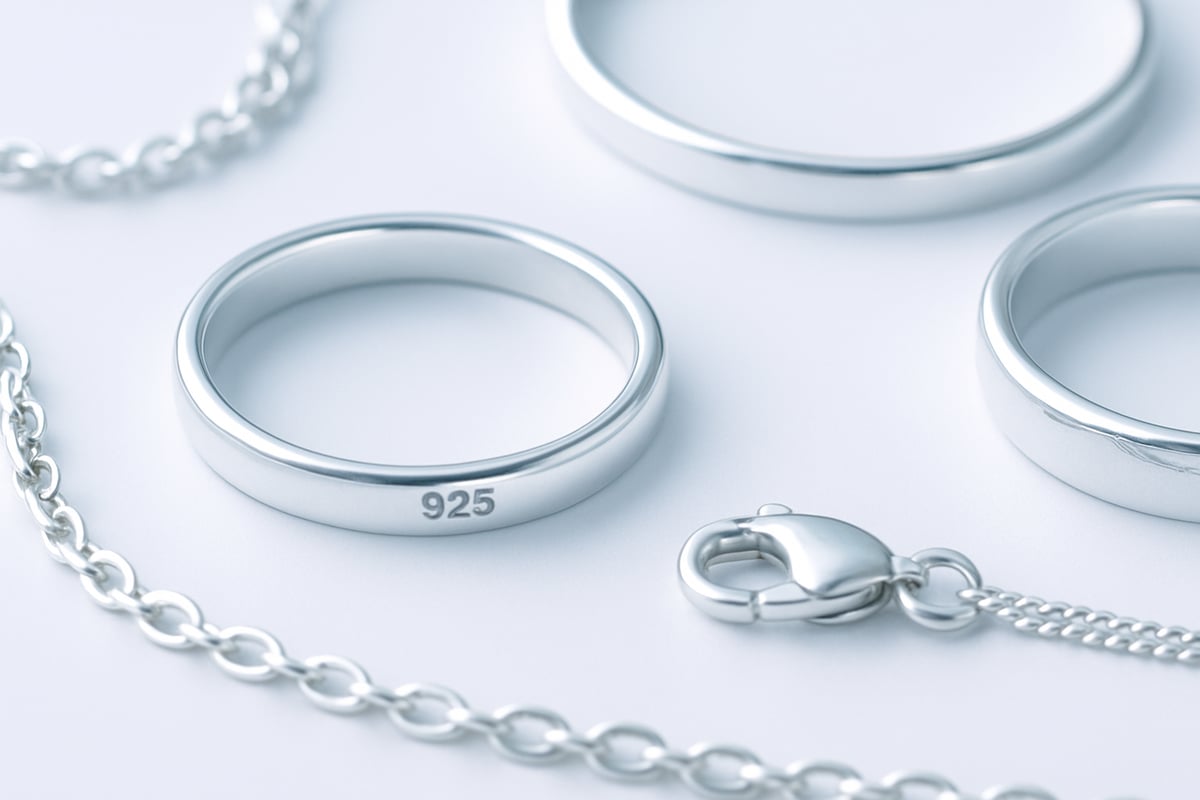
It’s easy to get tripped up by the terms sterling silver and 925 silver. On the surface, they sound like two different things, but here’s the truth: they are actually the same alloy.
Both names point to silver that is 92.5% pure, with the rest usually copper. The only real difference is in the label. "Sterling" is the classic name that’s been used for centuries, while "925" just spells out the purity in numbers.
Let’s break it down even further:
| Label | Silver Content | Common Use | Meaning |
|---|---|---|---|
| Sterling | 92.5% | Traditional jewelry | Classic term |
| 925 | 92.5% | Modern jewelry | Numeric indicator |
| STG / SS | 92.5% | Stamps, hallmarks | Abbreviations |
Some brands lean into "925" because it sounds more scientific or modern, but there’s no quality gap. People sometimes think one is better than the other, yet that’s just a myth. If you want to dig even deeper into this, check out this clear guide on the differences between sterling silver and 925 silver.
There are a few quirks from country to country. France, for example, sometimes uses a 95% silver standard, but for most places, 92.5% is the rule. So, a ring marked "sterling" or "925" is identical in silver content, shine, and feel.
Here’s the bottom line: when you see sterling silver and 925 silver, you’re looking at the same quality. In fact, over 90% of silver jewelry around the world carries one of these marks, so you can shop with confidence.
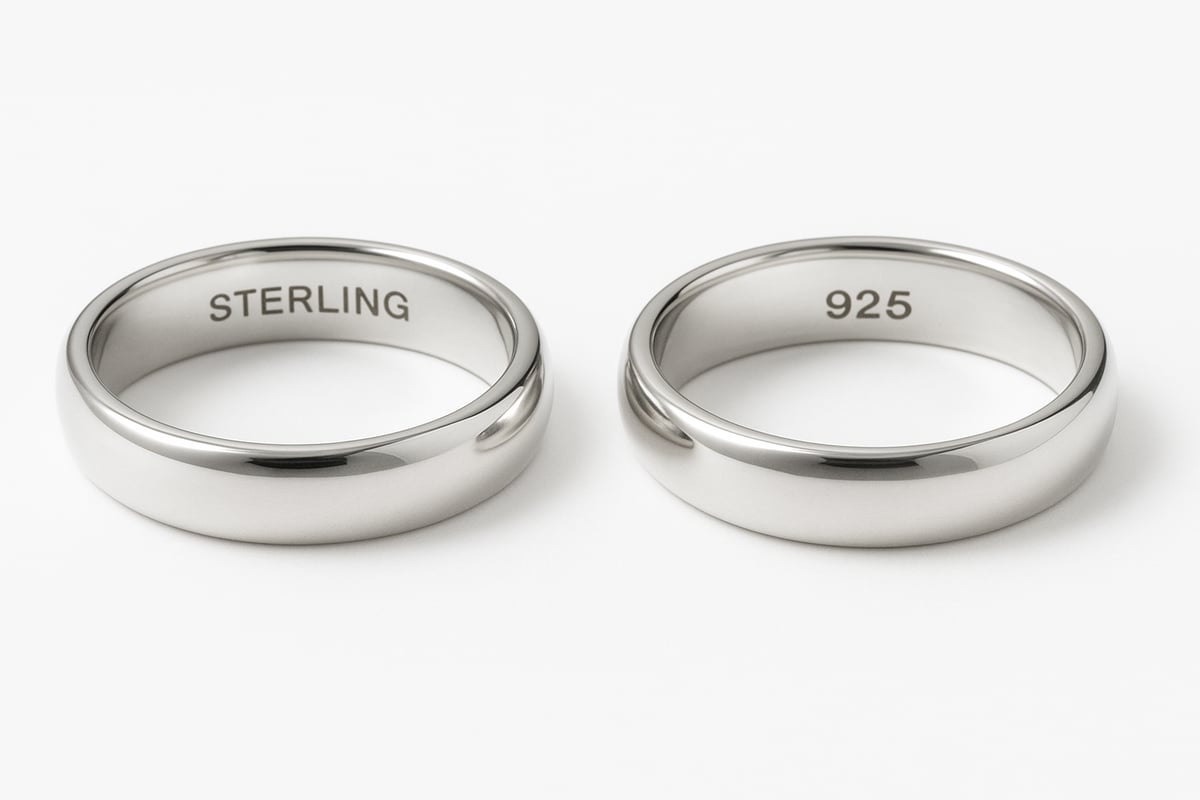
Spotting the real deal with sterling silver and 925 silver is easier than you think. The first thing to check is the hallmark. Genuine pieces are stamped with marks like “925,” “sterling,” “STG,” “SS,” or “STER.” You’ll usually find these tiny stamps on clasps, inside rings, or on the back of pendants. If you don’t see a mark, be cautious—it’s a big red flag.
Curious if your jewelry is legit? Try a few simple tests. Real sterling silver and 925 silver conduct heat quickly, so place an ice cube on the metal and see if it melts faster than on a regular plate. Silver isn’t magnetic, so if your piece sticks to a magnet, it’s probably not the real thing. Watch out for labels like “silver-plated” or “nickel silver”—these are different alloys and don’t have the same value or quality.
For peace of mind, remember that US law requires proper stamping for any precious metal claims. According to jewelry industry standards, all sterling silver and 925 silver must be clearly marked. For more details, you can check out the Federal Trade Commission guidelines on silver content. So, next time you see a 925 stamp on a bracelet, you’ll know exactly what to look for and why it matters.
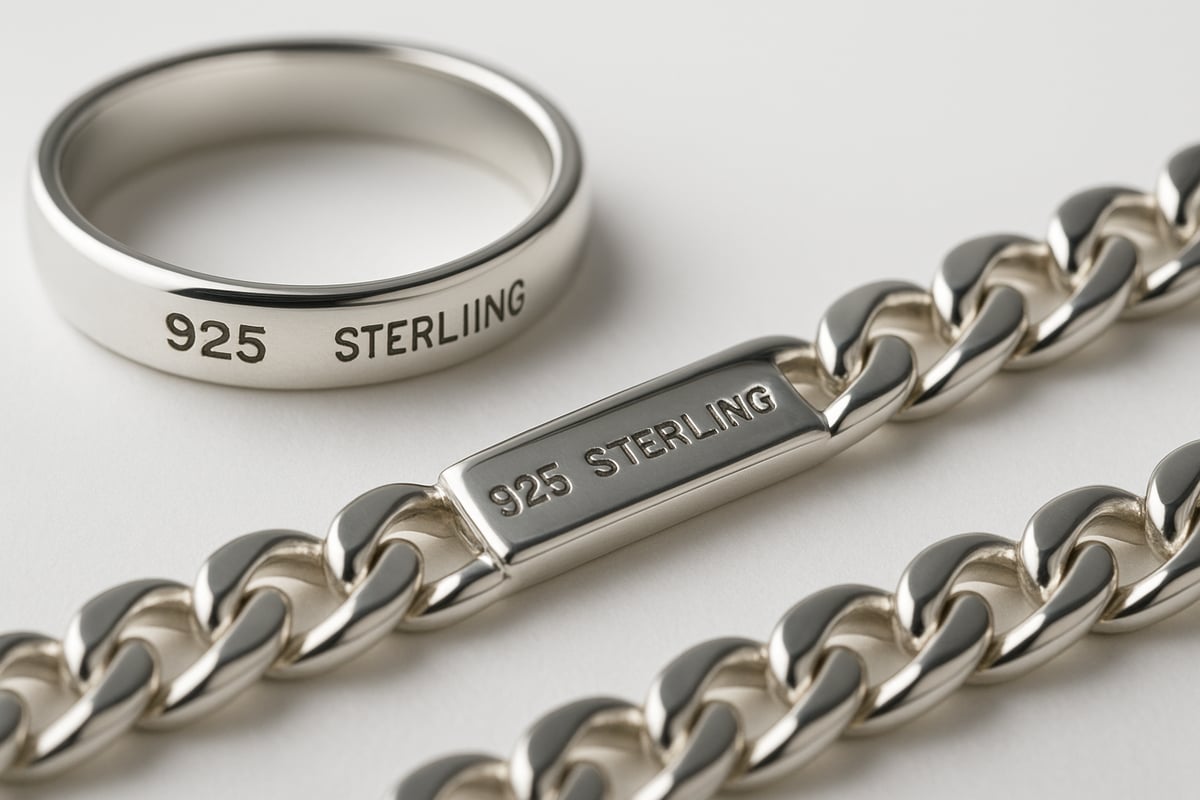
Ever wondered why your favorite silver ring lasts for years, while some cheap jewelry bends or breaks within weeks? The secret lies in how sterling silver and 925 silver are made, and how you care for them. Whether you're buying a classic piece or eyeing a bold new design, knowing what to expect from your silver jewelry makes all the difference.
Pure silver looks stunning, but it is surprisingly soft. If jewelry were made from pure silver, it would scratch, bend, or lose its shape with everyday wear. That is where alloying comes in.
By mixing pure silver with a small amount of copper, jewelers make sterling silver and 925 silver much stronger. This blend keeps the shine while giving your jewelry a resilience that pure silver just cannot match. Think of it as adding rebar to concrete: the result is something much more practical for daily life.
Classic pieces like sterling silver flatware or chunky silver rings owe their lasting beauty to this clever mix.
You might notice your sterling silver and 925 silver pieces darken or develop a dull coating over time. That is tarnish, and it is totally normal. The copper in the alloy reacts with air and tiny traces of sulfur, causing this surface change.
The good news? Tarnish wipes away easily. A simple polish with a cloth, a little baking soda, or a dip in special silver cleaner will have your jewelry gleaming again. Even heavily tarnished pieces can be restored to their original shine, so do not worry if your old necklace looks a little worse for wear.
Keeping your jewelry clean and dry, and storing it in a soft pouch, will slow down tarnishing and keep it looking gorgeous.
Sterling silver and 925 silver are made for daily wear. They are tough enough for rings, bracelets, or earrings you wear all the time, as long as you steer clear of harsh chemicals like bleach or chlorine.
Most people find these alloys gentle on their skin, but if you are extra sensitive, make sure there is no nickel in the mix. If you love earrings but struggle with reactions, explore the Sterling Silver Earrings Selection for options that are both stylish and skin-friendly.
So, whether you are dressing up or keeping it casual, you can count on your silver jewelry to stay beautiful and comfortable.
Let’s take a peek at where sterling silver and 925 silver are headed as we roll into 2026. Trends are shifting, prices are changing, and designers are getting creative. Here’s what to expect if you’re eyeing your next piece.
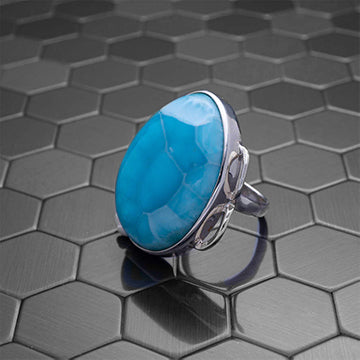
Sustainability and authenticity are the name of the game. Shoppers are leaning toward metals that last, and sterling silver and 925 silver fit that bill. Minimalist silver bands are everywhere, but bold, chunky pieces are making a splash too. Want proof? Just look at the Sterling Silver Rings Collection for what’s hot right now.
Silver prices bounce around, but sterling silver and 925 silver jewelry keeps its spot as an affordable luxury. These pieces hold more value than plated options, so they’re a smart buy. A simple 925 silver ring, for example, might run about $100, depending on style and craftsmanship.
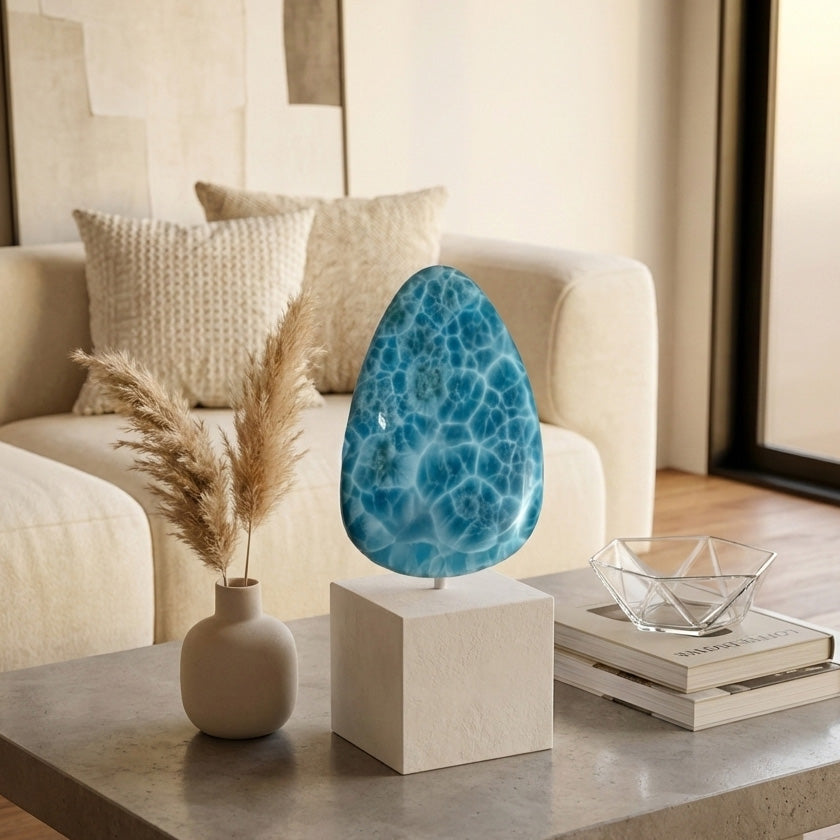
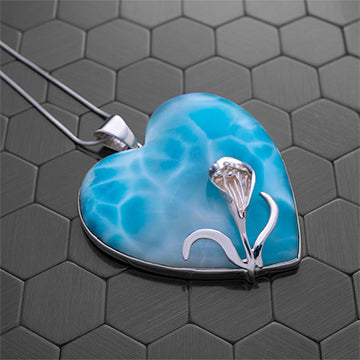
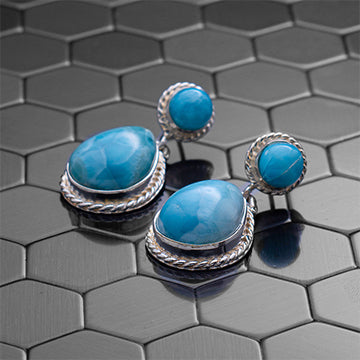
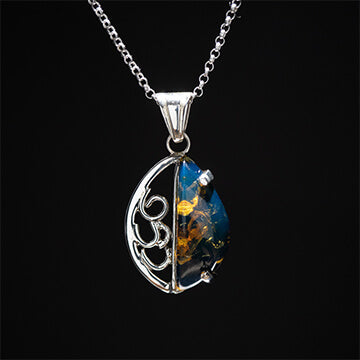
Designers are upping their game with fresh techniques. Rhodium plating is big, adding shine and fighting tarnish. Mixing metals is also in—think silver paired with gold accents or colorful stones. Collections in 2026 highlight unique stones like Larimar, with pieces from Authentic Larimar Silver Jewelry showing off just how versatile sterling silver and 925 silver can be.
Ever heard someone claim that sterling silver and 925 silver are totally different? This confusion is everywhere, but it’s time to set the record straight.
Let’s bust a few myths. First, sterling silver and 925 silver are not different in quality. Both are exactly the same alloy, just with a different name or stamp.
A lot of people think tarnish means fake silver. In reality, tarnish is just the copper in the mix reacting with air or sulfur. It wipes away easily and doesn’t mean your jewelry is low quality. Another common rumor? All silver jewelry is hypoallergenic. That’s not always true, since some pieces might use nickel as part of the alloy.
Ready to shop smarter? Always check for proper stamps like “925,” “sterling,” or “STG.” These marks prove your sterling silver and 925 silver meet global standards. If you want to know more about international hallmarking, check out the Global standards for sterling silver.
Look out for phrases like “silver-plated” or “nickel silver”—these are not the real deal. Store your jewelry in anti-tarnish bags and clean it regularly for maximum shine. Fun fact: about 80% of jewelry returns for “defects” are actually just from tarnish, not from bad quality.
Next time, try the ice cube test—silver conducts cold fast and it’s a cool trick for checking authenticity.
Now that you know the real scoop on sterling silver and 925 silver, you can choose jewelry with total confidence no more second guessing or falling for marketing tricks. If you’re in the mood to treat yourself or find a unique gift, why not explore the beauty of handcrafted Larimar jewelry From classic pendants to one of a kind designs, you get authentic pieces made with care and shipped right to your door no matter where you are. Ready to find something that truly stands out Find the Perfect Gift of Serenity Shop Larimar Pendants with Free Worldwide Delivery