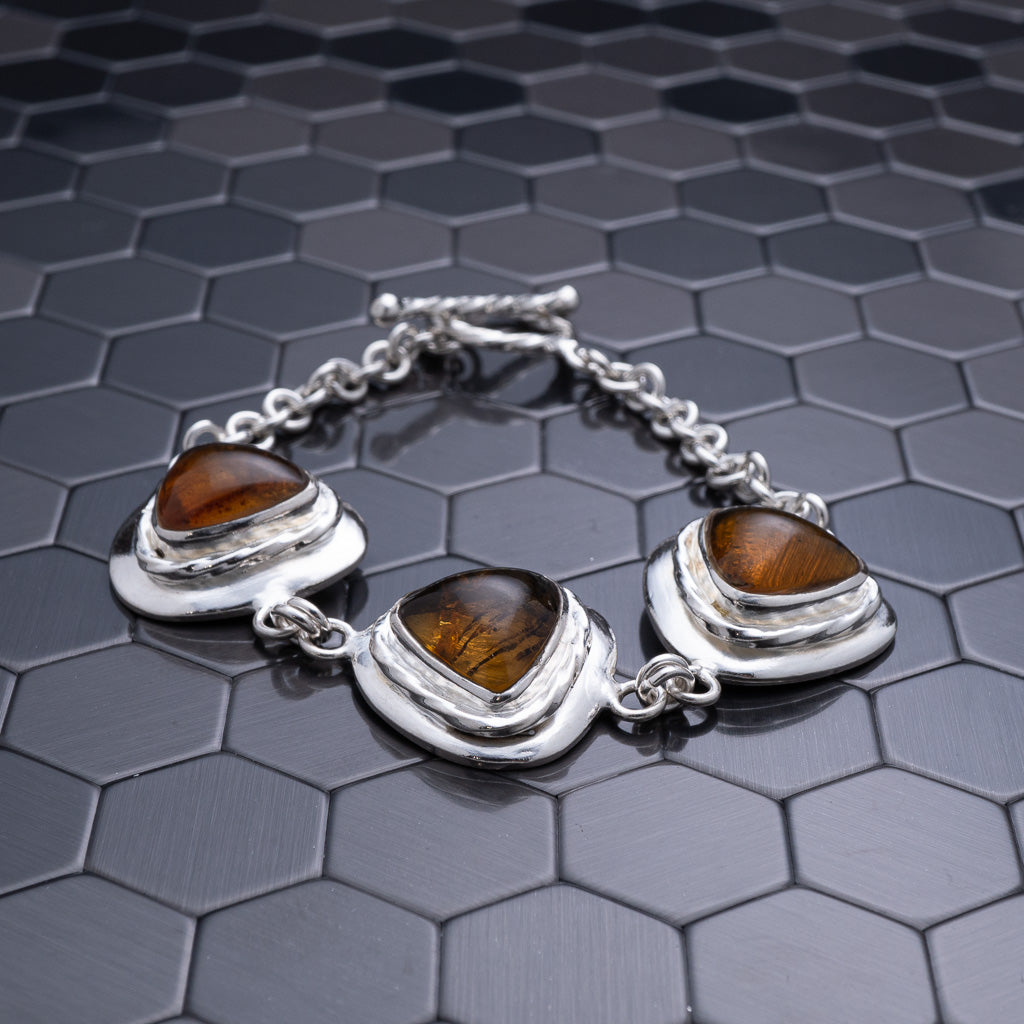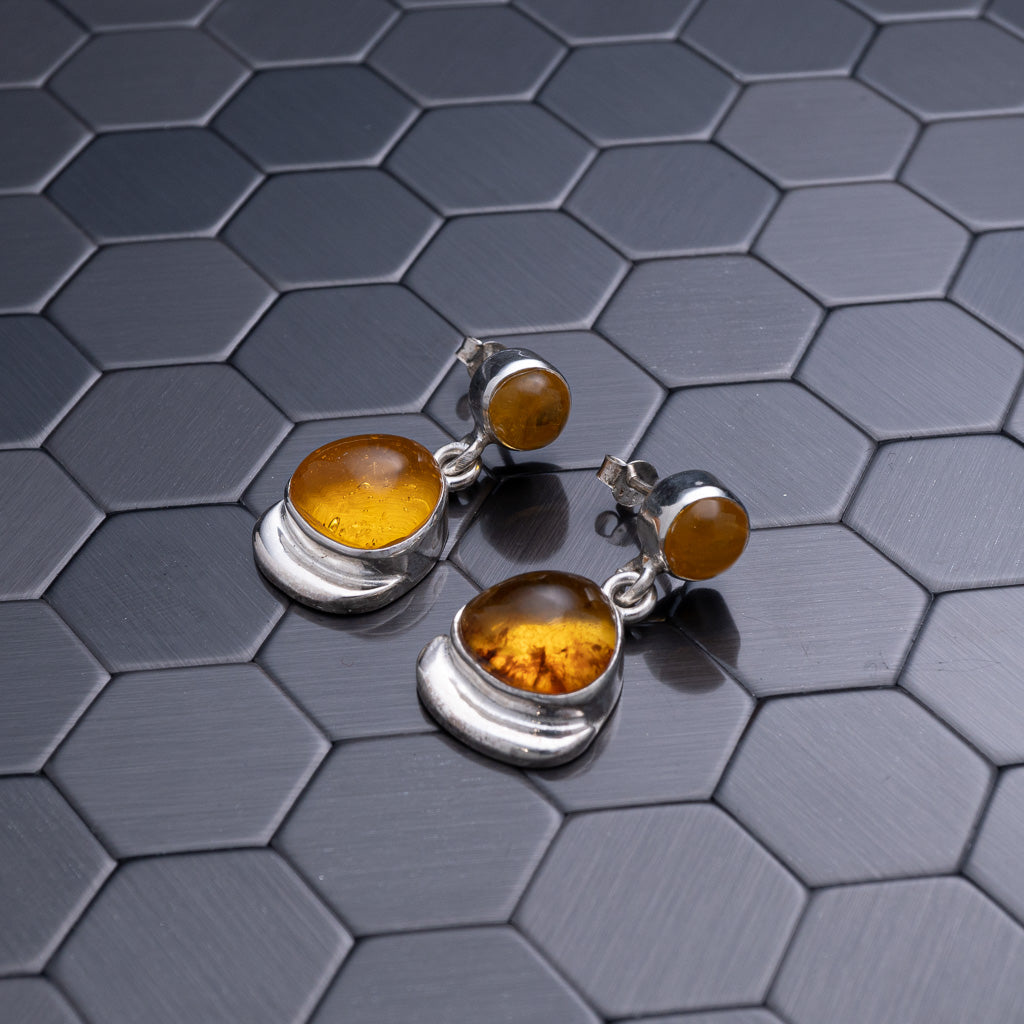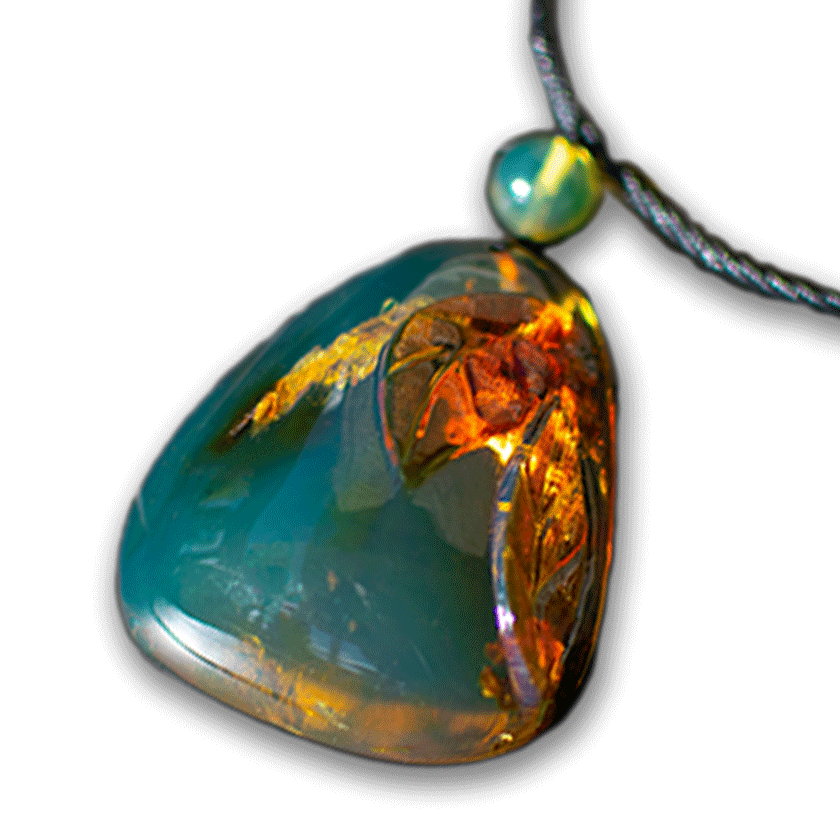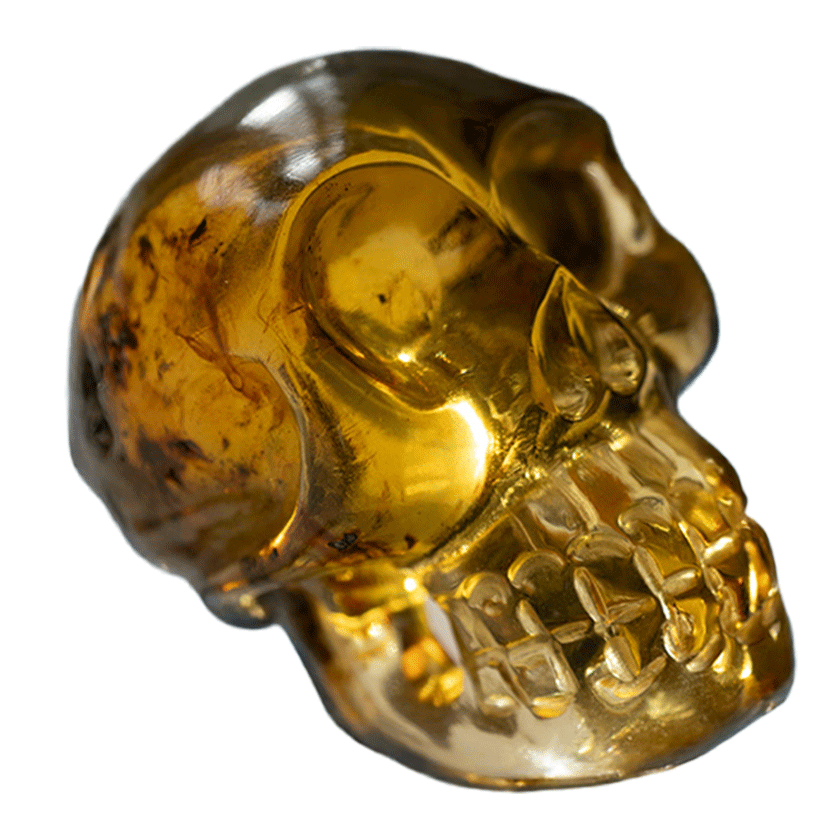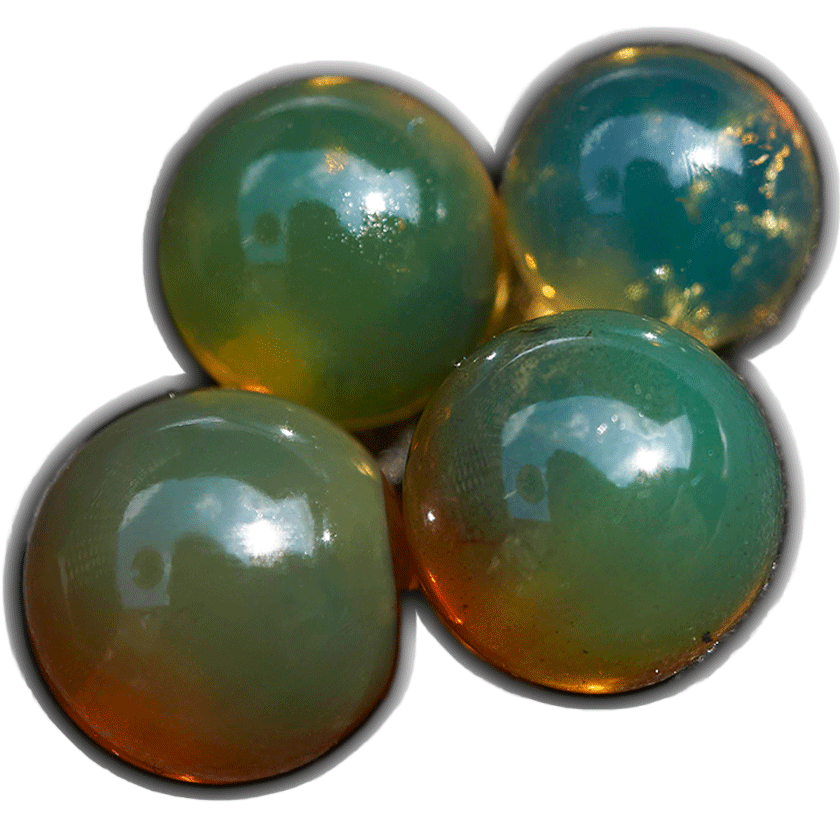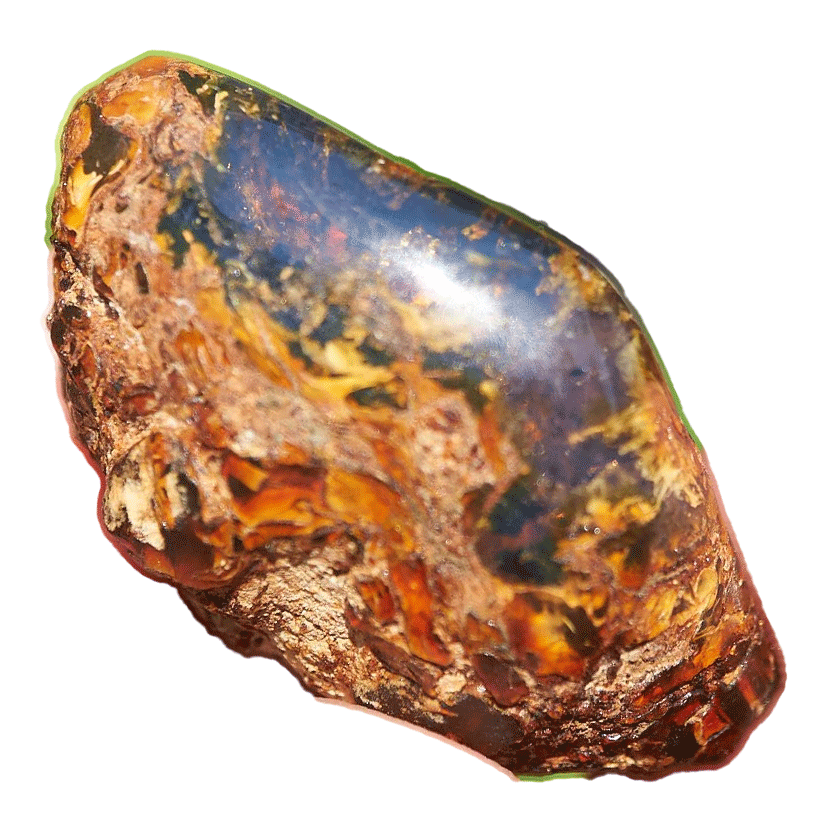


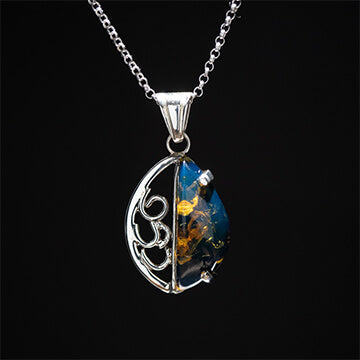
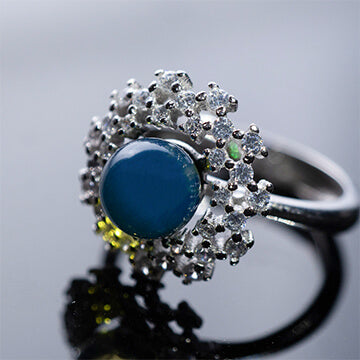
Handcrafted in DR.



100% Handcrafted in DR.

The allure of blue gemstones has captivated jewelry enthusiasts for centuries, representing qualities like loyalty, tranquility, and wisdom. When selecting blue stones for rings, understanding the unique characteristics, durability, and aesthetic appeal of each option becomes essential for making an informed decision. Whether you're choosing an engagement ring, fashion statement piece, or meaningful gift, the world of blue gemstones offers remarkable diversity in hue, brilliance, and price points that can suit any preference and budget.
The Mohs scale of hardness serves as the industry standard for measuring a gemstone's resistance to scratching and everyday wear. For rings that endure constant contact with surfaces, selecting stones with appropriate durability ensures longevity and maintains visual appeal over time.
Hardness ratings matter significantly when evaluating blue stones for rings. Gemstones scoring 7 or higher on the Mohs scale generally withstand daily wear effectively, while softer stones require protective settings or occasional wear considerations.
| Gemstone | Mohs Hardness | Durability Rating | Best Ring Type |
|---|---|---|---|
| Sapphire | 9 | Excellent | Any, including engagement |
| Aquamarine | 7.5-8 | Very Good | Daily wear, cocktail rings |
| Blue Topaz | 8 | Very Good | Fashion rings, statement pieces |
| Tanzanite | 6-6.5 | Fair | Special occasion rings |
| Larimar | 4.5-5 | Moderate | Protected settings, occasional wear |
The selection of appropriate blue gemstones for engagement rings requires careful consideration of these durability factors alongside aesthetic preferences.
For softer blue stones, bezel settings provide exceptional protection by encircling the gemstone completely with metal. This design minimizes exposure to impacts and scratches while creating an elegant, modern appearance.
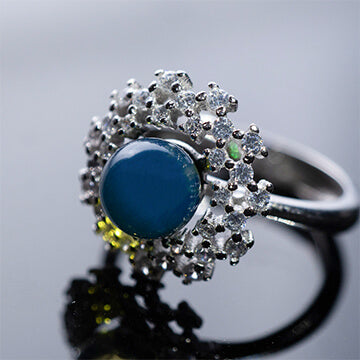
Halo settings offer another protective strategy, surrounding the center stone with smaller diamonds or gemstones that absorb potential impacts. Cathedral settings elevate the stone slightly above the band, reducing contact with hard surfaces during regular activities.
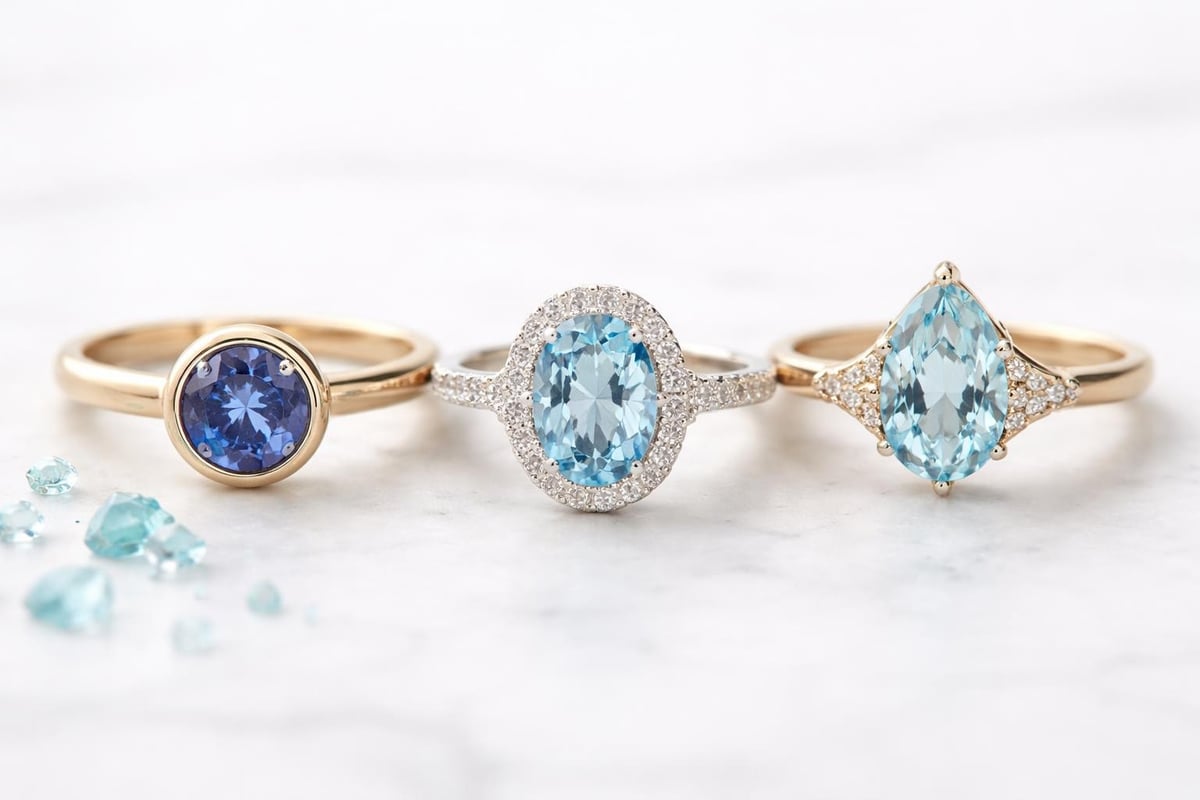
Sapphire remains the most recognized option among blue stones for rings, celebrated for exceptional hardness and remarkable color range. Natural sapphires display hues from pale cornflower blue to intense royal navy, with Kashmir sapphires commanding premium prices for their velvety appearance.
Price considerations span dramatically based on origin, color saturation, and clarity. Ceylon sapphires from Sri Lanka offer lighter, brighter blues, while Australian sapphires tend toward darker, inky tones. Heat treatment enhances color in many commercial sapphires without diminishing value significantly.
The symbolism associated with sapphires includes fidelity, sincerity, and truth, making them particularly meaningful choices for weddings and engagement rings. Their durability ensures they withstand generations of wear, becoming treasured family heirlooms.
Aquamarine captures the essence of tropical waters with its serene, translucent blue coloration. This beryl family member exhibits excellent clarity, allowing light to pass through brilliantly and creating eye-catching sparkle in well-cut stones.
The pastel to medium blue tones complement various skin tones and metal choices. White gold and platinum enhance aquamarine's cool undertones, while yellow gold creates stunning contrast. The gemstone's relatively affordable price point compared to sapphire makes it accessible for larger carat weights.
Care requirements remain minimal due to aquamarine's good hardness rating. Ultrasonic cleaning proves safe for most specimens, though thermal shock from sudden temperature changes should be avoided to prevent fracturing.
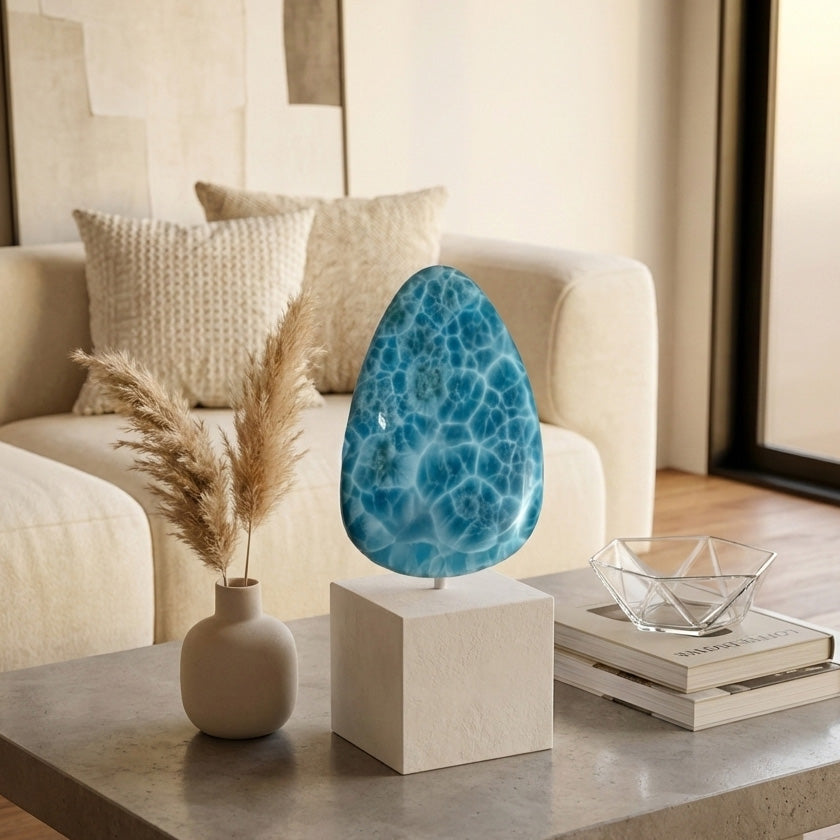
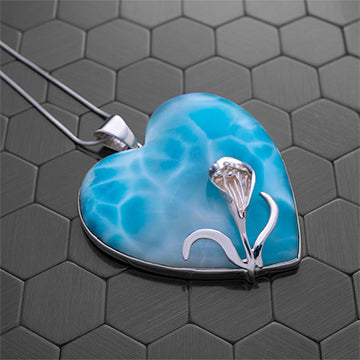
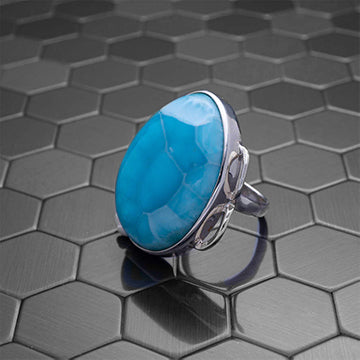
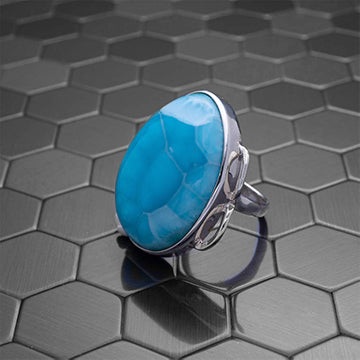
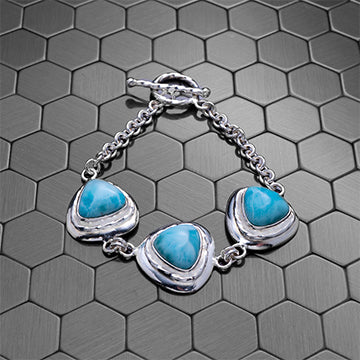
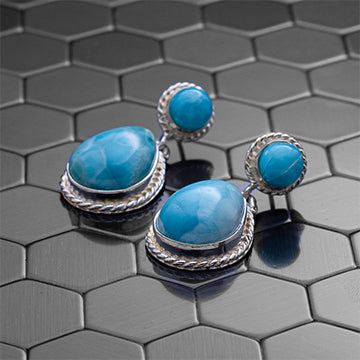
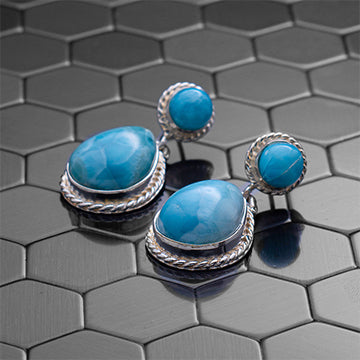
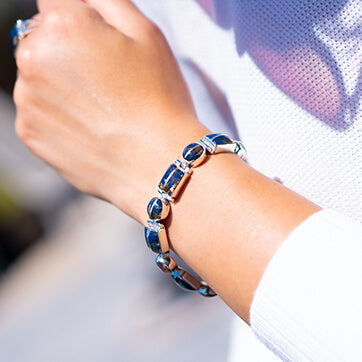
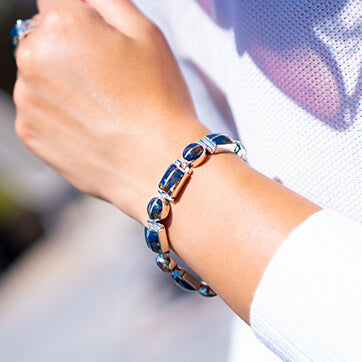
Larimar represents one of the most unique blue stones for rings, discovered exclusively in the Dominican Republic. This volcanic blue pectolite displays mesmerizing patterns resembling sunlight dancing on Caribbean waters, with each stone possessing completely unique markings.
The soft blue coloration ranges from milky white-blue to deep volcanic blue, often with distinctive white veining creating natural artwork. At Larimar Creations, artisans carefully select premium specimens that showcase the stone's most captivating qualities, setting them in protective designs that honor their delicate nature.
While larimar's moderate hardness requires thoughtful wear considerations, proper setting techniques and occasional use make it perfectly suitable for statement rings. The gemstone's rarity and spiritual significance, including renowned healing properties, add meaningful depth beyond mere aesthetics.
Tanzanite's remarkable trichroism displays different colors when viewed from various angles, shifting between blue, violet, and burgundy. This single-source gemstone from Tanzania's Merelani Hills offers exceptional beauty but requires careful handling due to lower hardness ratings.
The gemstone's relative softness places it among blue gemstones to approach cautiously for engagement rings meant for everyday wearing, though it excels in carefully worn pieces.
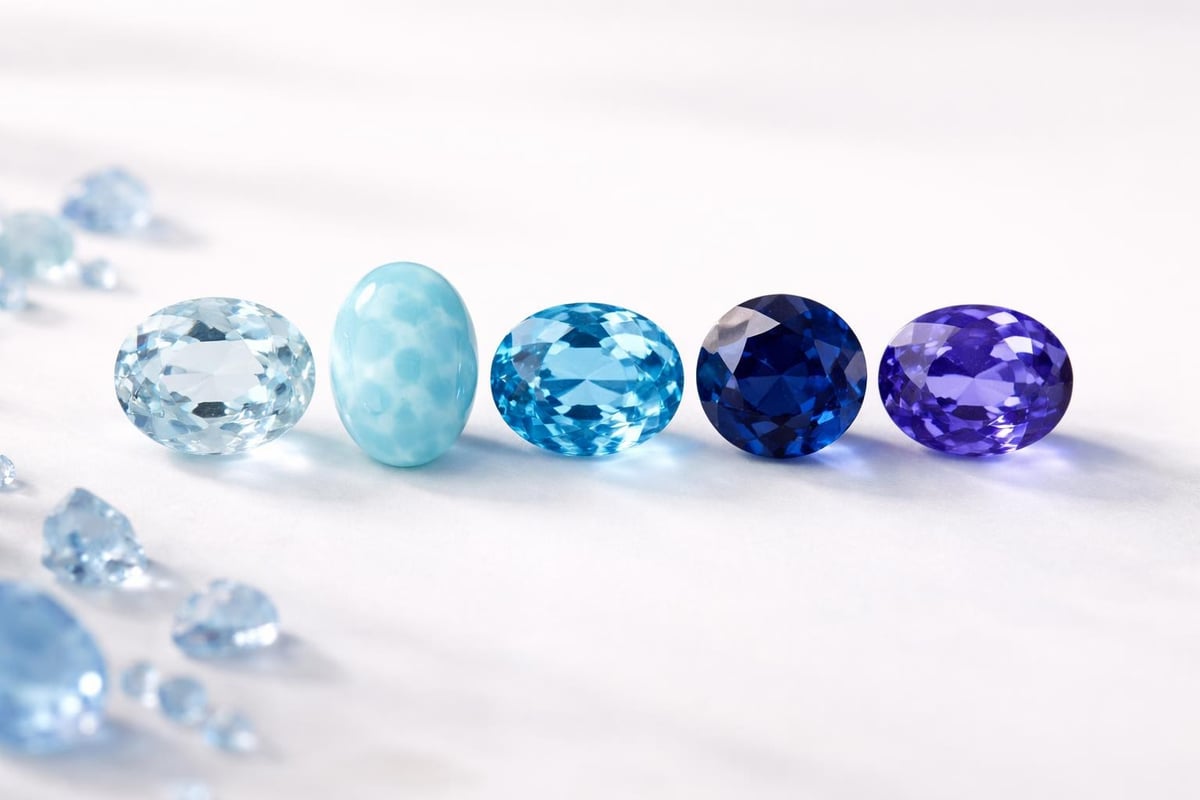
Blue topaz provides exceptional value among blue stones for rings, offering remarkable clarity and substantial size at accessible price points. The three primary treatments create distinct color variations: Sky Blue presents pale, delicate coloring; Swiss Blue delivers vivid, electric brilliance; and London Blue exhibits deep, sophisticated navy tones.
Irradiation and heat treatment permanently stabilize blue topaz coloring, creating consistent, vibrant hues unavailable in natural specimens. This enhancement process, standard throughout the industry, doesn't diminish the stone's beauty or structural integrity.
The gemstone's excellent hardness supports daily wear in various ring styles. Its affordability allows designers to incorporate larger center stones or elaborate accent stone arrangements without excessive costs.
Blue spinel deserves recognition as an exceptional alternative to sapphire, offering comparable hardness at significantly reduced prices. Natural blue spinels display pure, saturated color without treatments, ranging from pastel to deep cobalt.
Historically confused with sapphire in crown jewels and historic collections, spinel possesses single refraction that creates different optical properties than sapphire's double refraction. This characteristic produces distinct brilliance and color consistency from all viewing angles.
The interaction between gemstone color and metal choice dramatically influences the overall aesthetic of blue stones for rings. Understanding complementary combinations helps create harmonious, visually striking designs.
White metals including platinum, white gold, and sterling silver enhance cool blue tones, creating cohesive, contemporary appearances. These metals allow aquamarine, blue topaz, and light sapphires to shine without color competition.
Yellow gold provides striking contrast against medium to dark blue gemstones, creating vintage-inspired or traditional aesthetics. The warm metal tones intensify blue coloration through complementary color theory, making sapphires and London blue topaz appear more vibrant.
Rose gold offers romantic, modern pairings particularly effective with softer blue stones like larimar and light aquamarine. The copper-tinted metal creates unexpected, fashion-forward combinations that stand apart from conventional designs.
| Metal Type | Best Blue Stone Pairing | Style Effect |
|---|---|---|
| Platinum | Sapphire, Aquamarine | Luxurious, timeless |
| White Gold | Blue Topaz, Tanzanite | Modern, clean |
| Yellow Gold | Deep Sapphire, Spinel | Classic, bold |
| Rose Gold | Larimar, Pale Aquamarine | Romantic, contemporary |
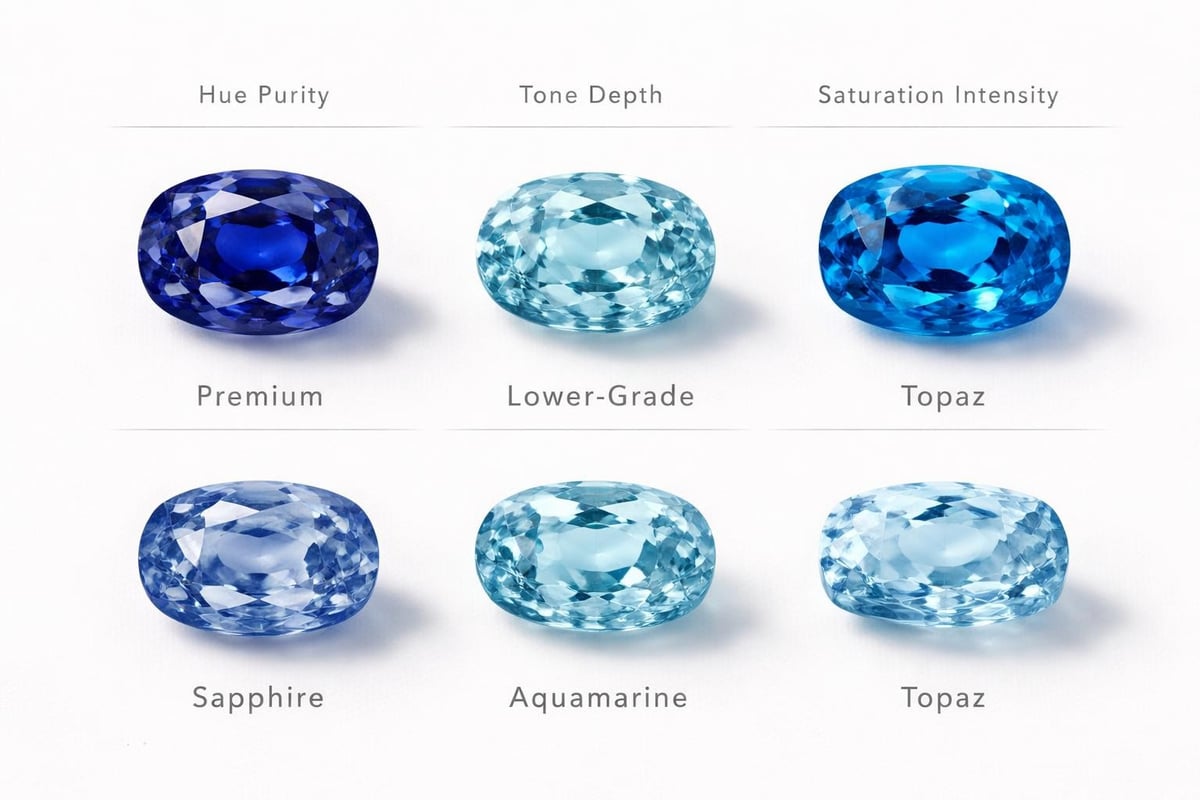
Color remains the primary value determinant for blue stones for rings, encompassing hue, tone, and saturation. Hue refers to the basic color and any modifying tones; tone indicates lightness or darkness; saturation measures color intensity and purity.
Premium blue gemstones typically exhibit medium to medium-dark tones with vivid saturation. Stones appearing too light may seem washed out, while excessively dark specimens appear black under normal lighting conditions.
Secondary hues influence desirability based on gemstone type. Slight violet undertones enhance sapphire's mystique, while greenish secondary colors generally diminish value except in specific preferences. Pure, true blue coloring without modifying hues commands premium pricing across most blue gemstone varieties.
The comprehensive properties and characteristics of blue gemstones vary significantly between species, requiring individual evaluation rather than universal standards.
Precision cutting maximizes brilliance, fire, and scintillation in blue stones for rings. Well-proportioned facets optimize light return, while poor cutting diminishes even the finest material's visual impact.
Round brilliant cuts maximize sparkle through 58 precisely angled facets, ideal for engagement rings and traditional designs. Cushion cuts blend vintage charm with modern performance, featuring rounded corners and larger facets that emphasize color depth.
Emerald cuts showcase clarity and color saturation through step-cut facets, requiring higher-quality material due to their transparent, window-like appearance. Oval cuts offer elongating effects on fingers while providing excellent brilliance, making them increasingly popular for contemporary blue gemstone rings.
Custom cutting considerations allow lapidaries to orient stones optimally for pleochroic gemstones like tanzanite, ensuring the most desirable blue appears face-up when set. This specialized approach significantly impacts the finished ring's appearance.
Responsible sourcing practices ensure blue stones for rings support ethical mining operations and authentic gemstone origins. Certifications from recognized gemological laboratories provide verification of natural versus synthetic origin, treatments applied, and quality assessments.
The Gemological Institute of America (GIA) offers comprehensive reports detailing gemstone species, origin when determinable, treatments, and quality grading. American Gem Society (AGS) certifications provide additional assurance for North American consumers.
Independent verification becomes particularly important for high-value purchases like sapphires or rare gemstones such as authentic larimar from the Dominican Republic. Reputable jewelers provide certification documentation and transparency regarding treatments and enhancements.
Proper care extends the beauty and longevity of blue stones for rings across all hardness levels. Establishing appropriate cleaning routines and storage practices prevents damage and maintains brilliant appearance.
Chemical exposure from household cleaners, chlorine, and cosmetics can damage certain blue gemstones or their settings. Removing rings during cleaning, swimming, and exercise protects both the stones and metal components from unnecessary stress.
Beyond physical beauty, blue stones for rings carry profound symbolic meanings across cultures and spiritual traditions. The healing properties and benefits attributed to blue gemstones include calming energies, enhanced communication, and emotional balance.
Sapphires traditionally represent wisdom, royalty, and divine favor, worn by clergy and nobility throughout history. Aquamarine derives its name from Latin "aqua marina" meaning seawater, symbolizing courage and calm communication for sailors and travelers.
Larimar, known as the "Atlantis Stone," connects wearers to Caribbean tranquility and promotes stress relief. Its discovery in the 1970s makes it relatively new to jewelry traditions, yet its spiritual significance grows continuously among gemstone enthusiasts seeking peace and clarity.
Modern blue stones for rings incorporate innovative designs that balance tradition with fresh aesthetics. East-west settings position elongated cuts horizontally across the finger, creating unexpected visual interest. Cluster designs arrange multiple smaller blue stones for maximum impact without single-stone pricing.
Mixed metal combinations layer white, yellow, and rose gold in single rings, complementing blue gemstones' versatility. Asymmetric designs and organic, nature-inspired settings reflect growing preferences for unique, personalized jewelry rather than conventional styles.
The diverse range of stunning blue gemstones available for contemporary ring designs continues expanding as designers explore creative applications for both classic and rare specimens.
Gemstone size significantly impacts both visual presence and pricing for blue stones for rings. Understanding carat weight relationships to millimeter dimensions helps evaluate value and appearance across different gemstone species.
| Carat Weight | Approximate Size (Round) | Sapphire Price Range | Aquamarine Price Range |
|---|---|---|---|
| 0.50 ct | 5.0 mm | $400-$2,000 | $50-$200 |
| 1.00 ct | 6.5 mm | $1,000-$8,000 | $150-$500 |
| 2.00 ct | 8.0 mm | $2,500-$20,000 | $300-$1,000 |
| 3.00 ct | 9.0 mm | $4,000-$35,000 | $500-$1,500 |
Different gemstone species possess varying specific gravities, meaning identical carat weights produce different physical sizes. A one-carat aquamarine appears larger than a one-carat sapphire due to density differences, providing visual presence at lower price points.
Certain blue stones for rings offer investment potential beyond aesthetic enjoyment. Kashmir sapphires, Paraiba tourmalines with blue coloring, and untreated, high-quality specimens from historically significant mines demonstrate consistent value appreciation.
Rarity factors driving investment quality include limited geographic sources, depleted historical mines, and exceptional color or clarity characteristics. Documentation, certification, and provenance significantly impact resale value for premium specimens.
Most blue gemstone rings serve primarily as personal adornments rather than financial investments. Purchasing stones that bring joy and meaning provides greater satisfaction than speculative value considerations, though quality specimens typically retain reasonable resale value when properly maintained.
Custom-designed rings featuring blue stones allow complete creative control over every aesthetic element. Working directly with skilled jewelers or specialized artisans crafting unique pieces transforms conceptual visions into wearable reality.
Initial consultations establish budget parameters, style preferences, and gemstone priorities. Jewelers provide stone selection options matching desired characteristics, followed by design sketches or computer-aided renderings showing the proposed ring from multiple angles.
Wax models or 3D-printed prototypes allow physical evaluation before final metal casting. This iterative process ensures complete satisfaction with proportions, setting security, and overall aesthetics before committing to permanent production.
Engraving, accent stone selection, and finish choices add personal touches distinguishing custom creations from mass-produced alternatives. The investment in custom design creates meaningful, one-of-a-kind pieces reflecting individual taste and celebrating blue gemstones' natural beauty.
Selecting the perfect blue stones for rings requires balancing aesthetic preferences, durability requirements, budget considerations, and personal meaning. Whether drawn to sapphire's timeless elegance, larimar's unique Caribbean charm, or aquamarine's serene beauty, understanding each gemstone's characteristics ensures informed decisions that bring lasting satisfaction. Larimar Creations specializes in handcrafting exceptional jewelry featuring rare blue gemstones, offering worldwide shipping and authenticated pieces that celebrate these remarkable natural treasures with expert artistry and unwavering commitment to quality.