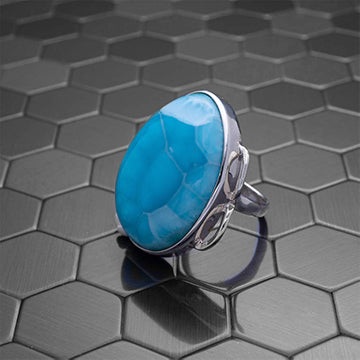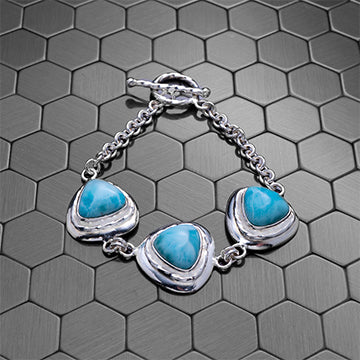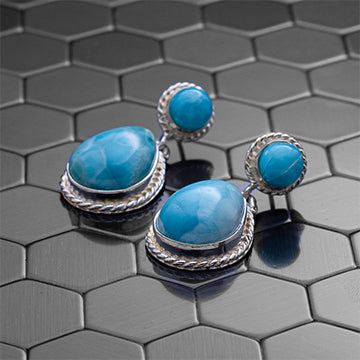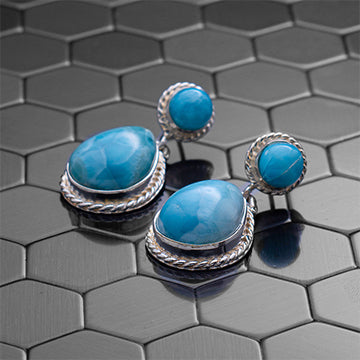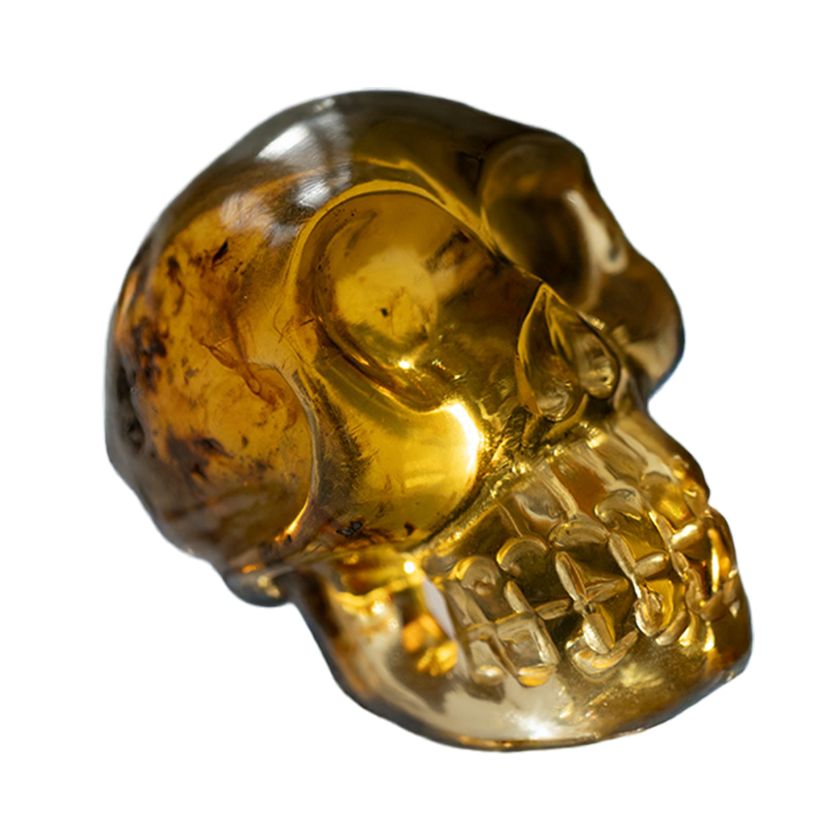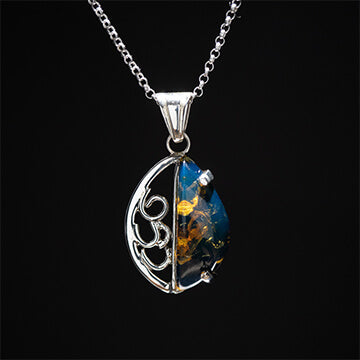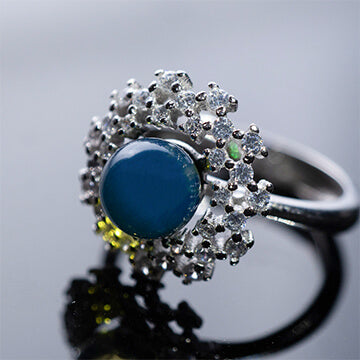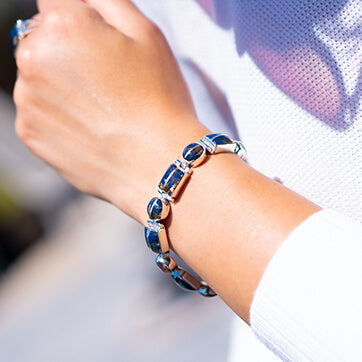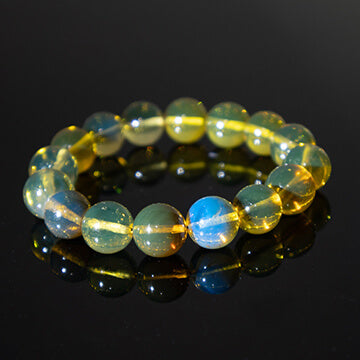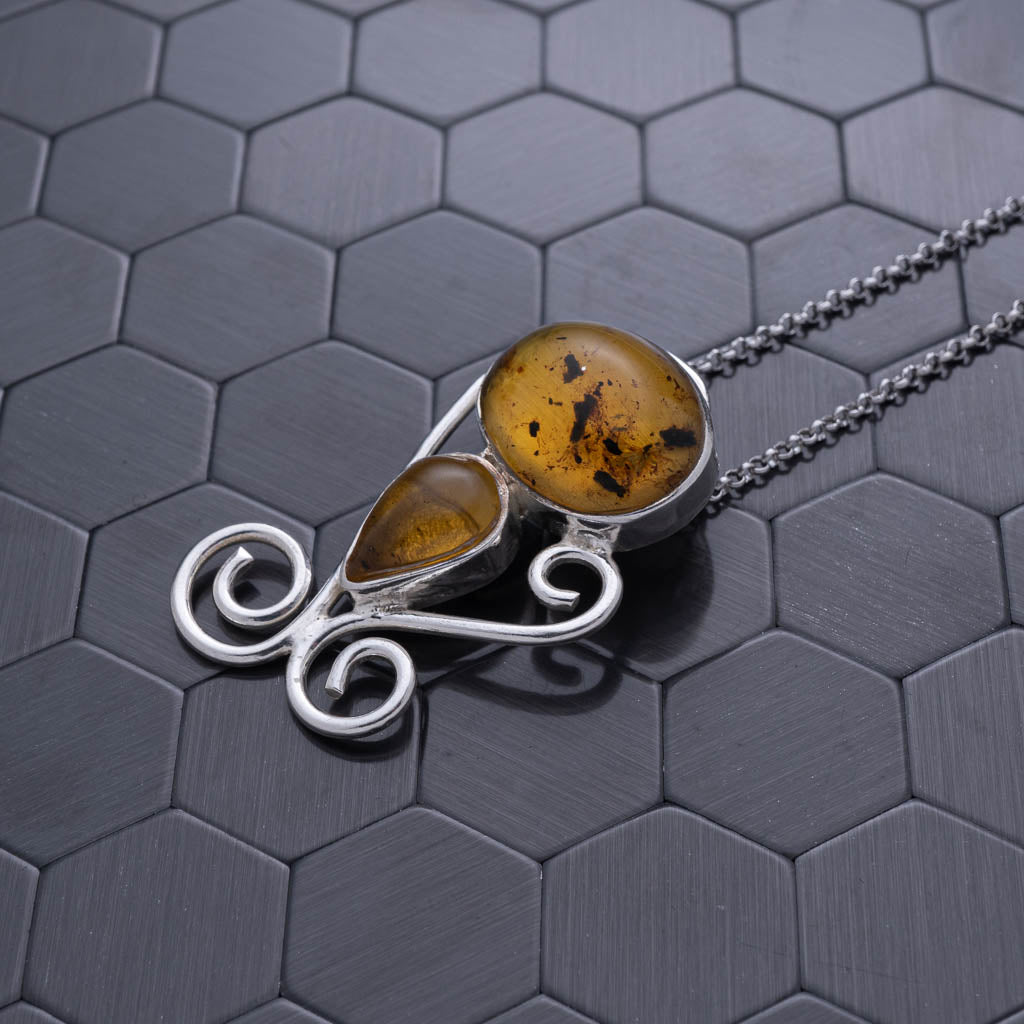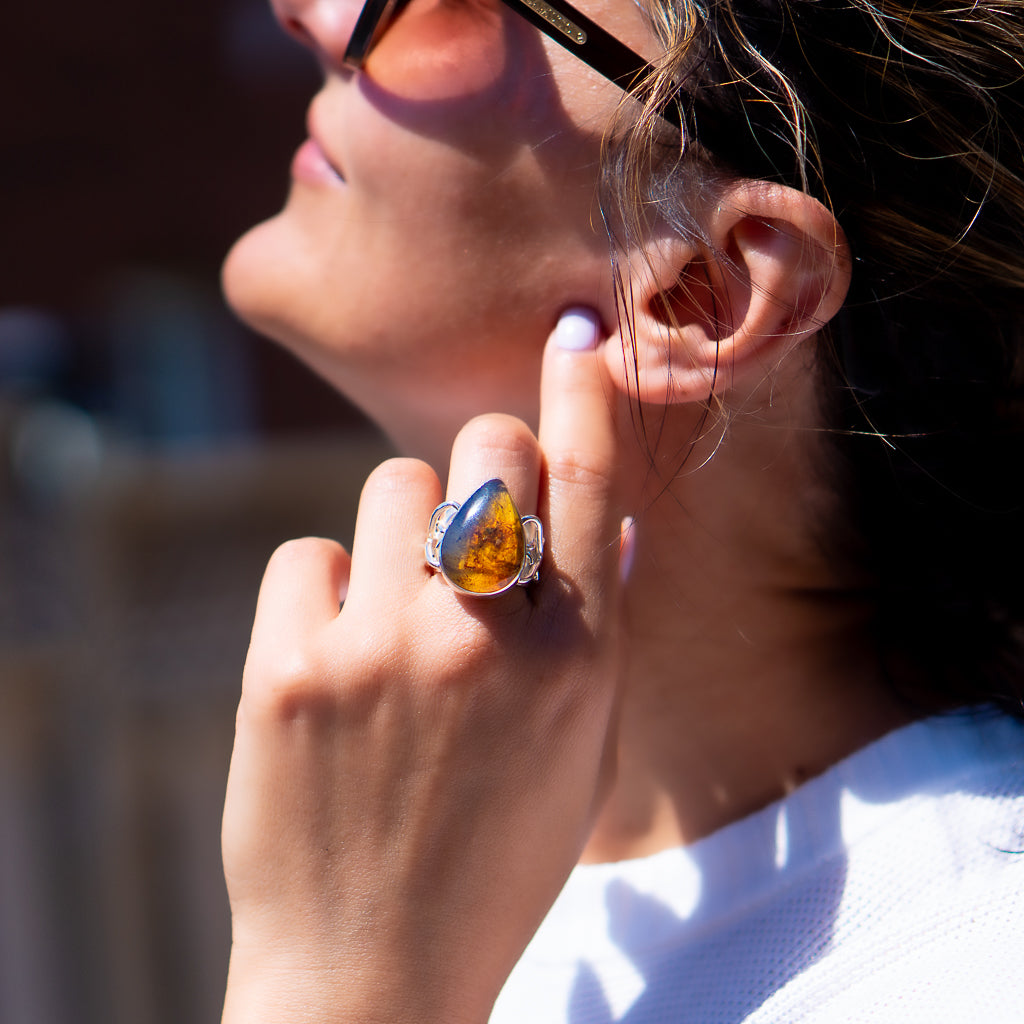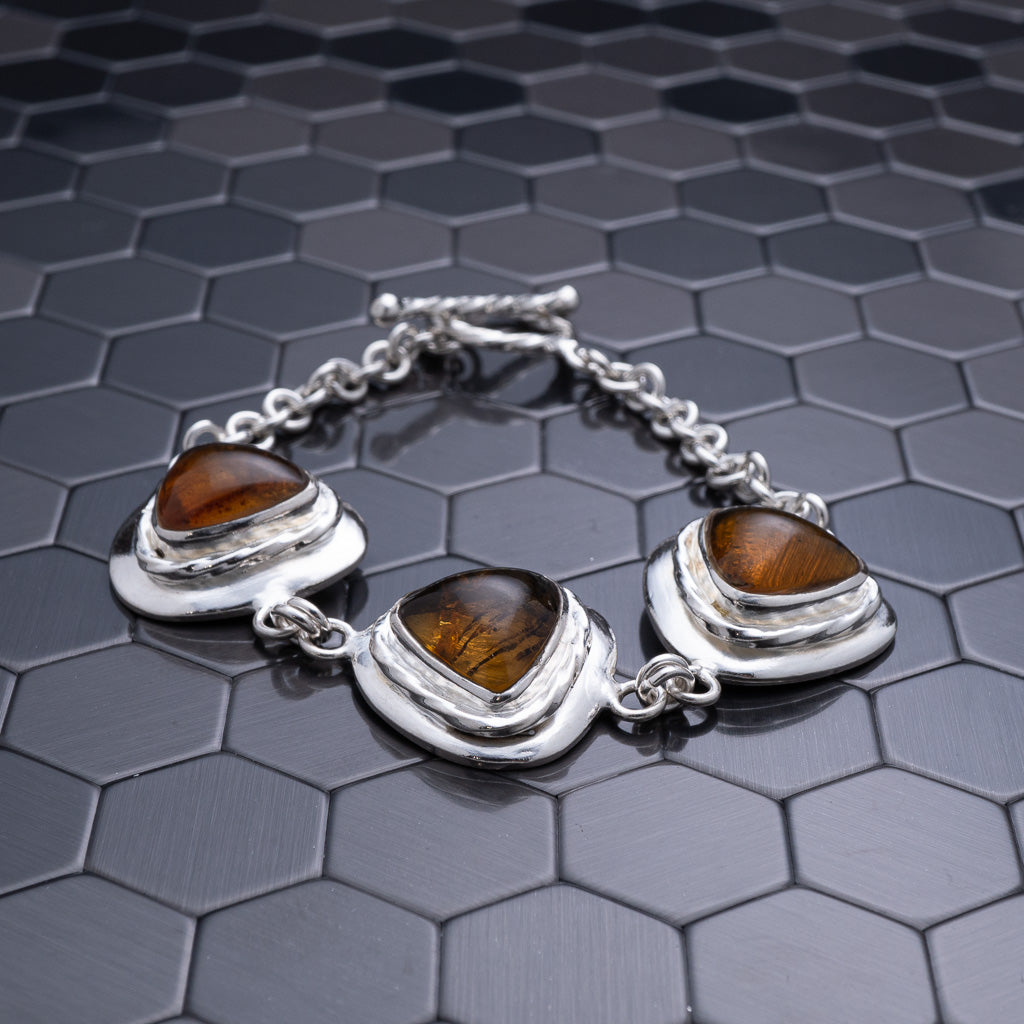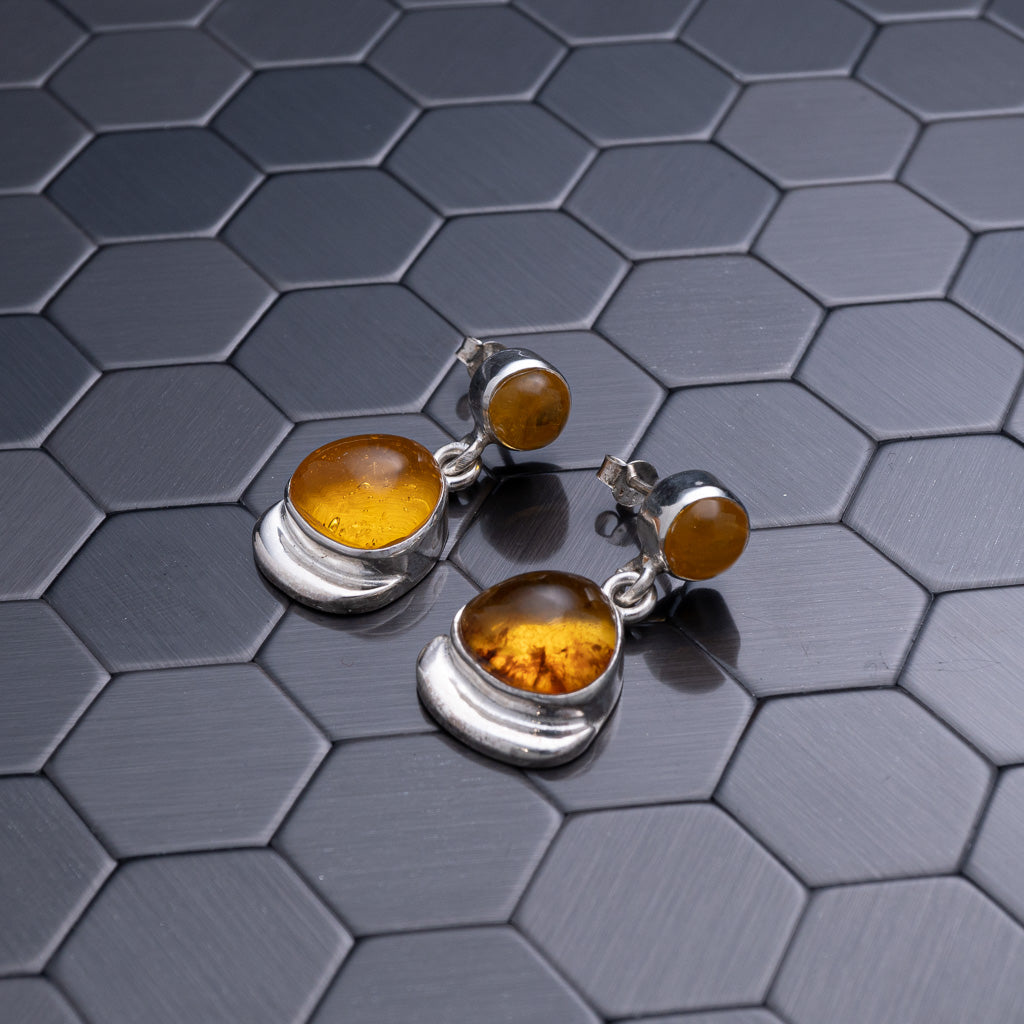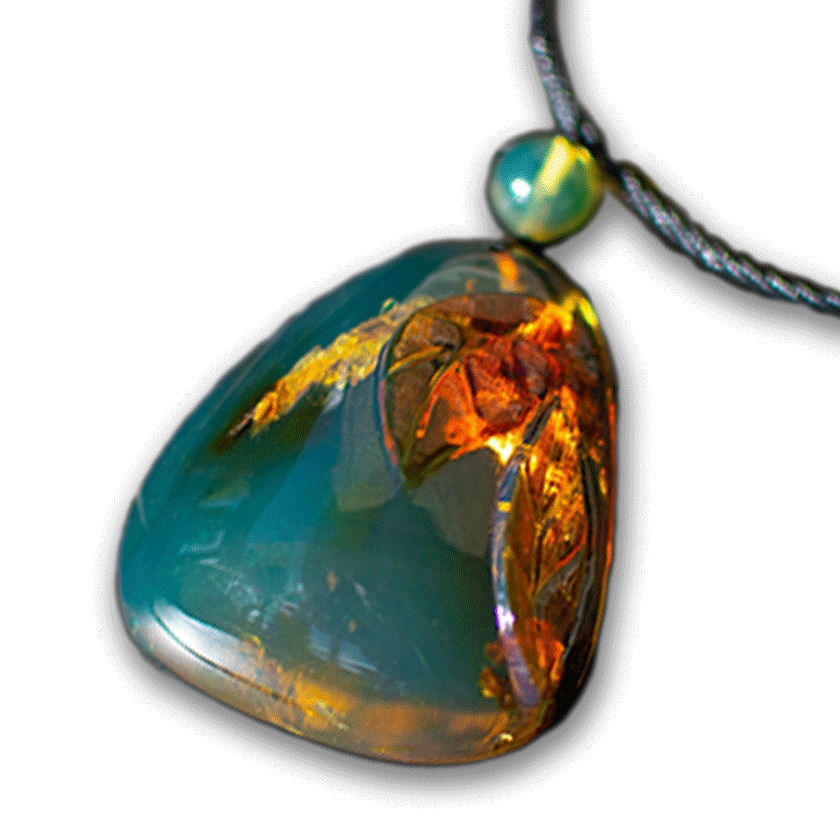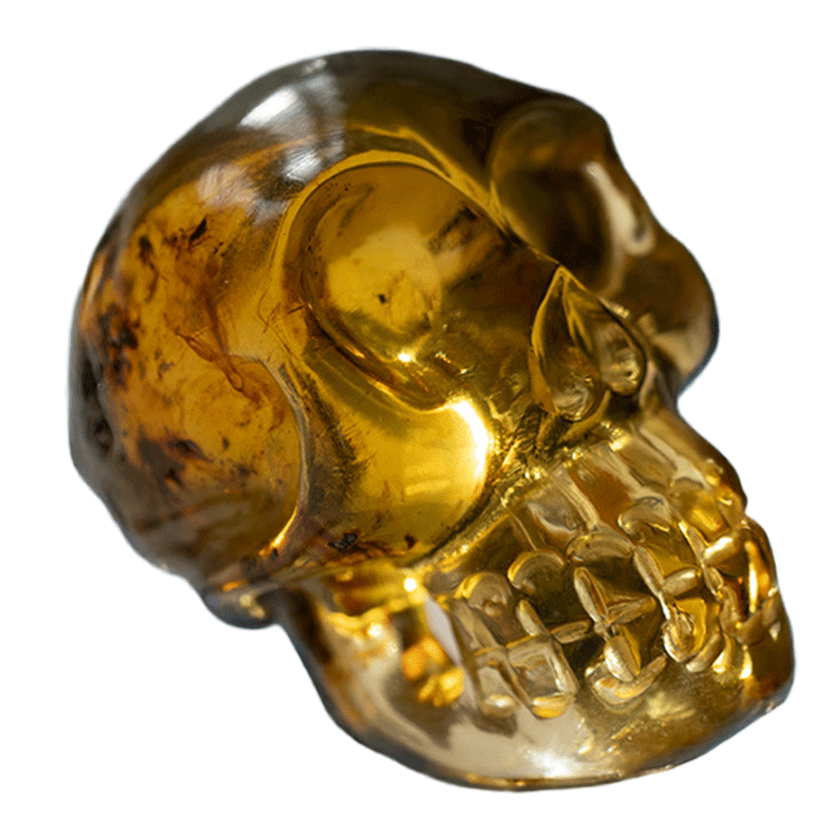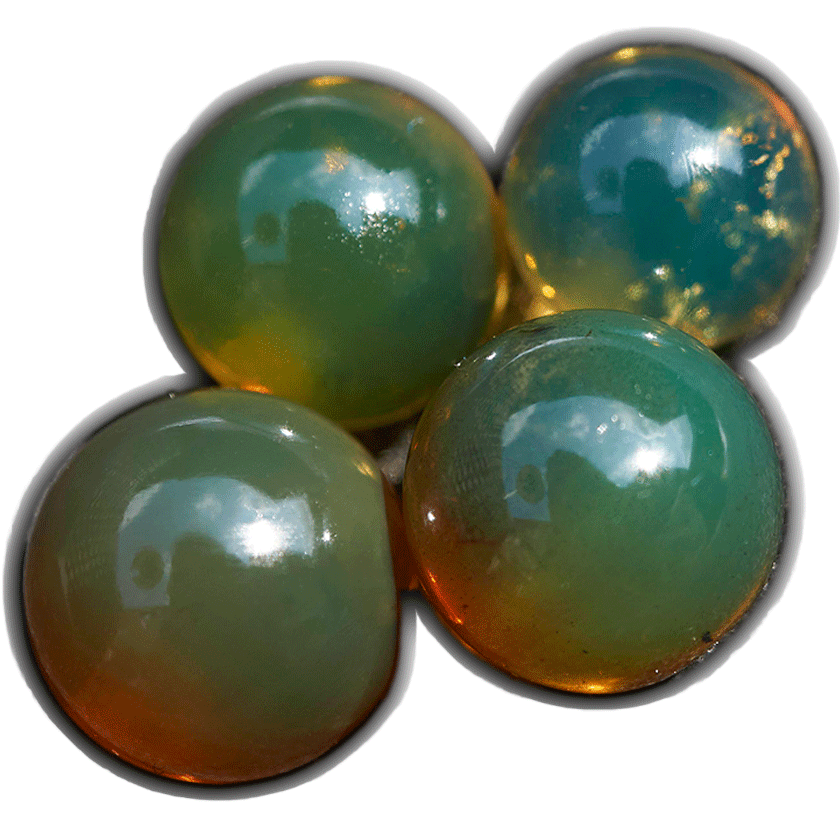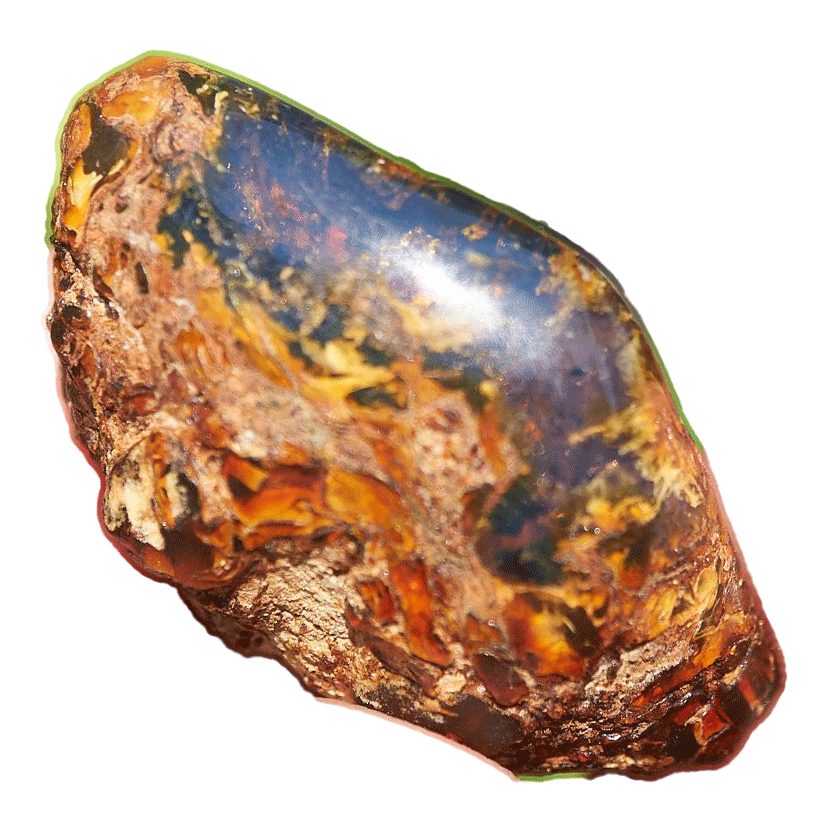


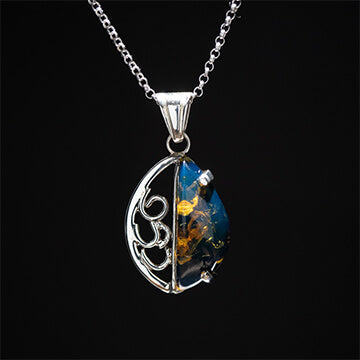
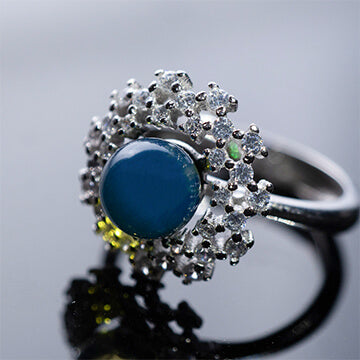
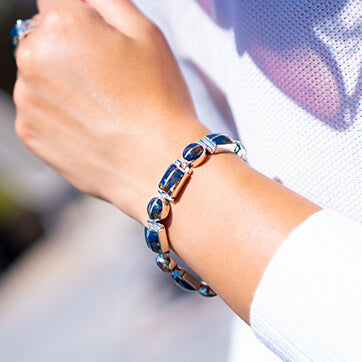
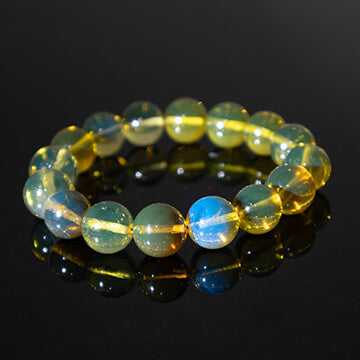
Handcrafted in DR.

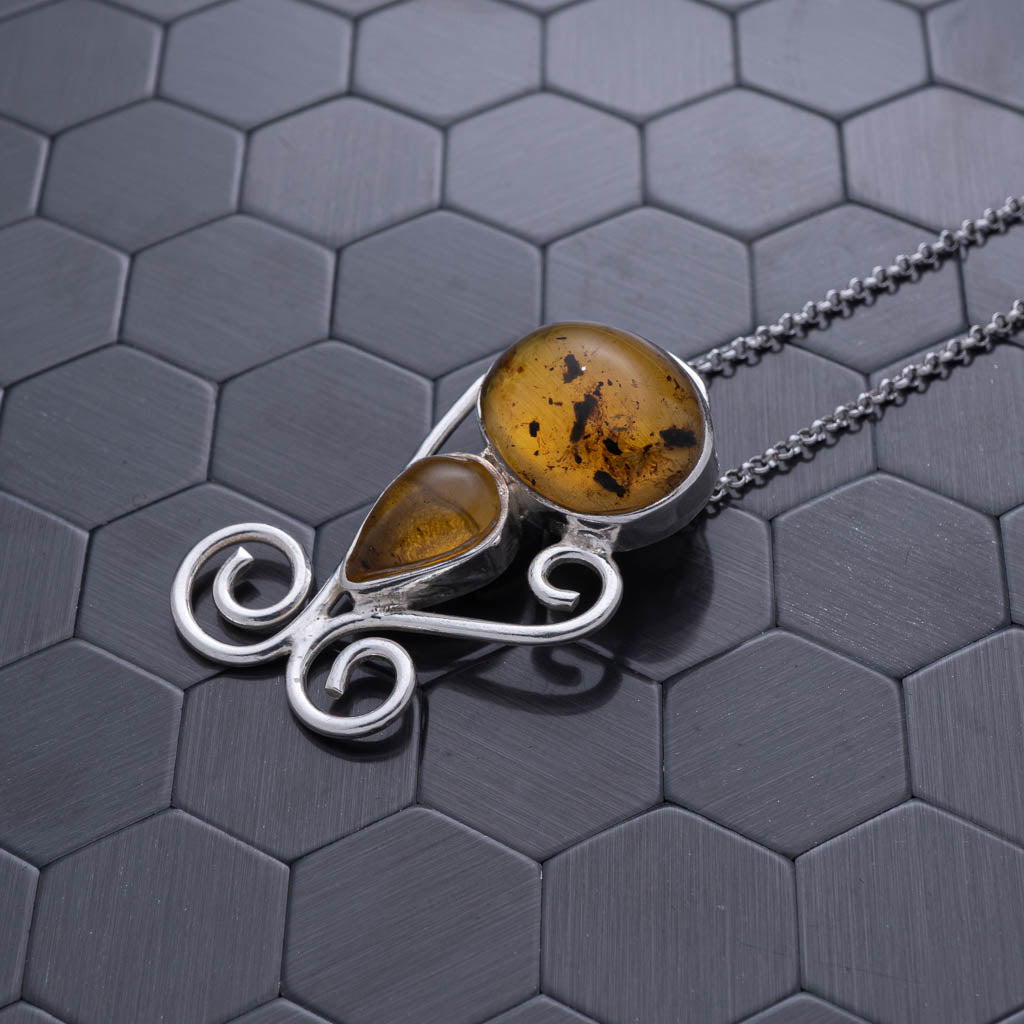
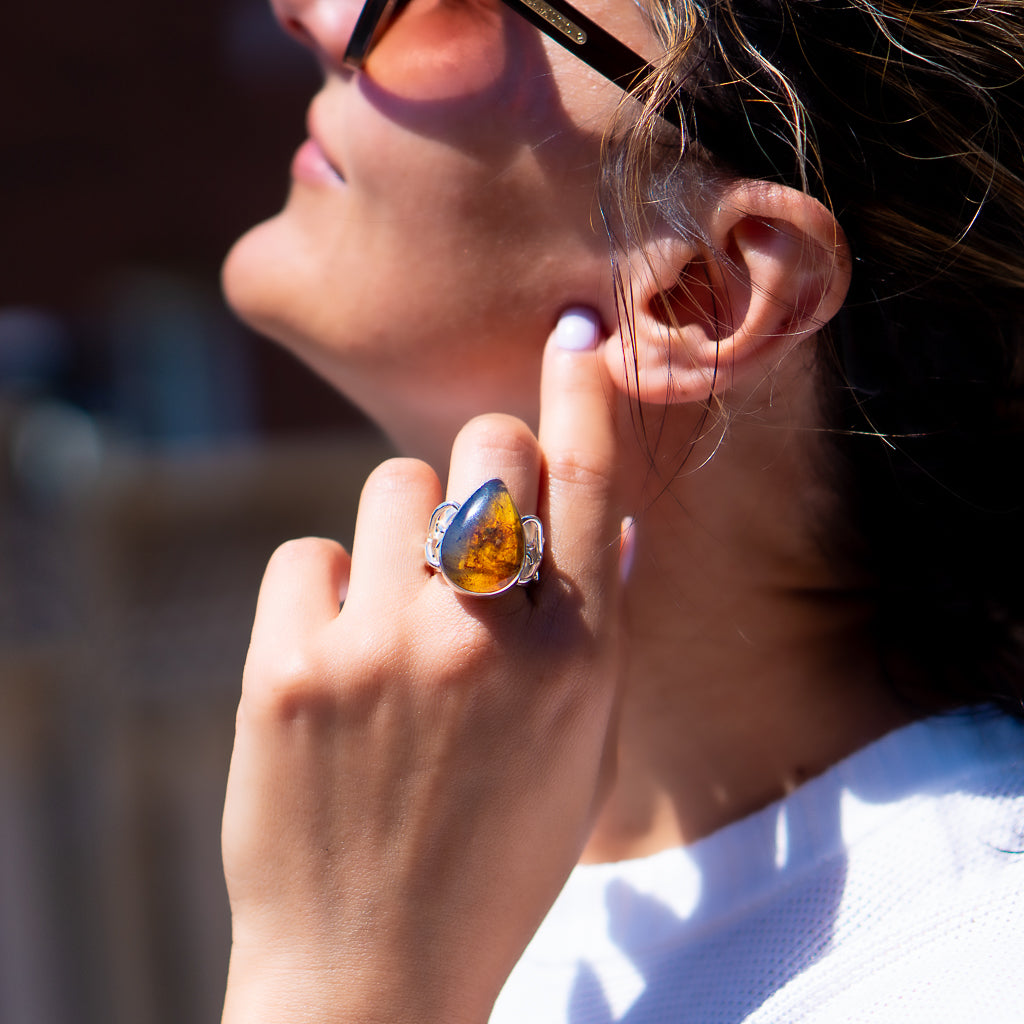
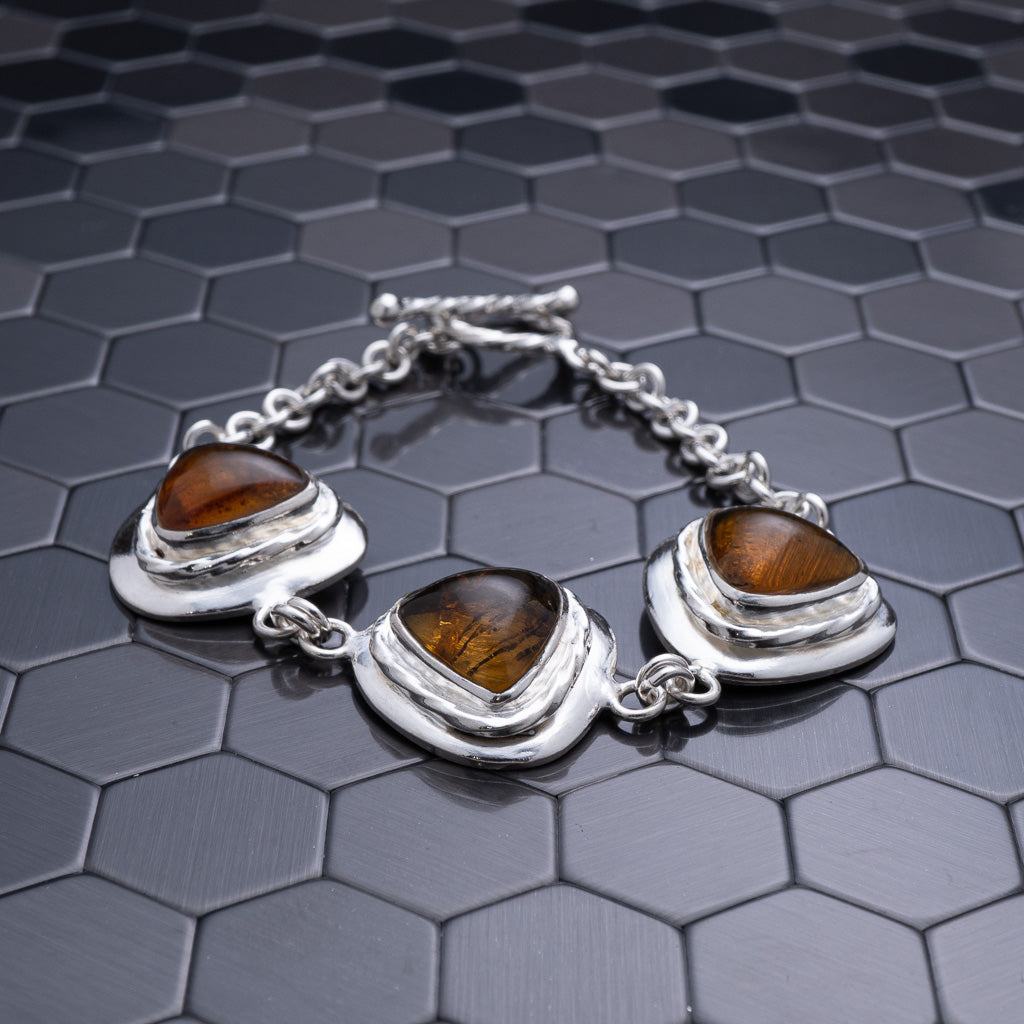
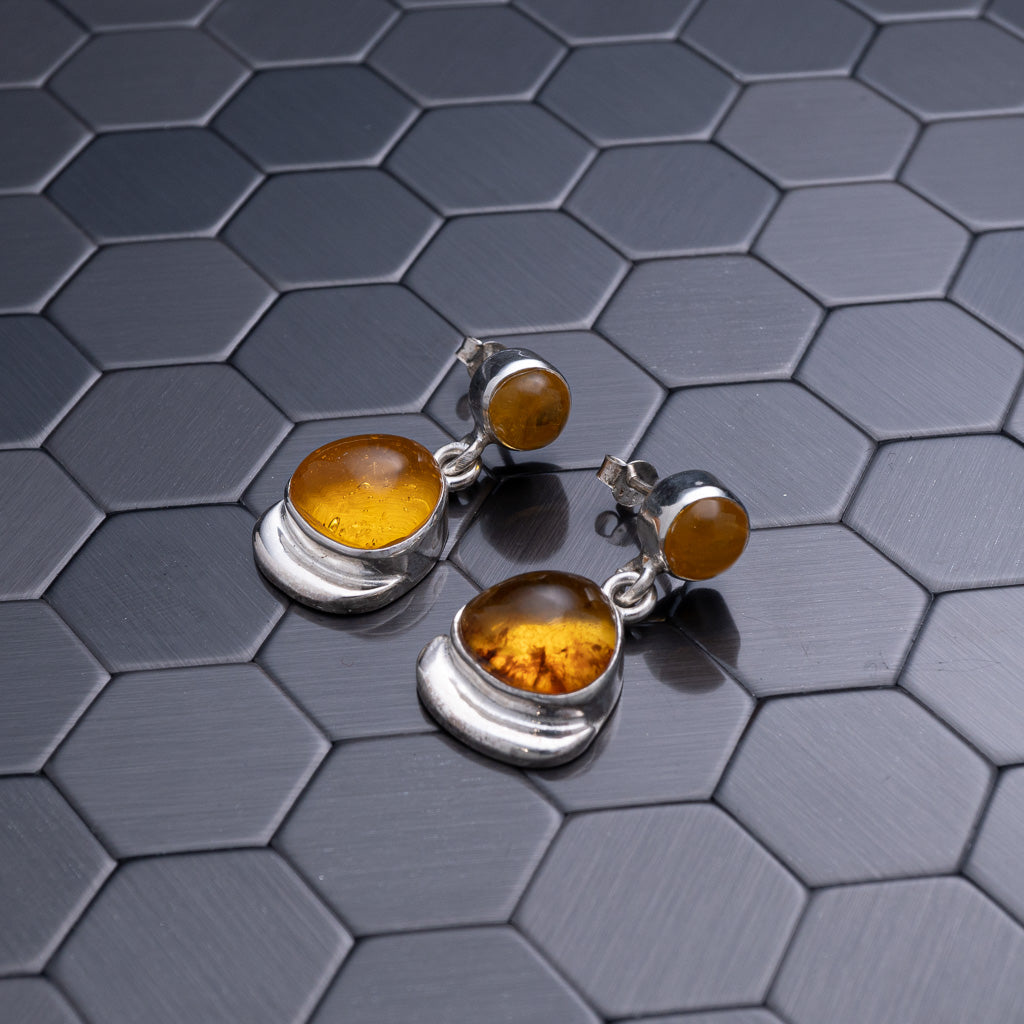


100% Handcrafted in DR.

Jewelry has adorned human fingers for thousands of years, but rings with a stone hold a particularly special place in both fashion and sentiment. These pieces combine the timeless elegance of metalwork with the natural beauty of gemstones, creating wearable art that tells stories, marks milestones, and expresses personal style. Whether you're considering a purchase for an engagement, anniversary, or simply to expand your jewelry collection, understanding the nuances of gemstone rings helps ensure you make an informed choice that brings lasting satisfaction.
The stone you choose becomes the centerpiece of your ring, influencing everything from aesthetics to durability. Natural gemstones come in countless varieties, each with unique characteristics that affect their suitability for different ring styles and purposes.
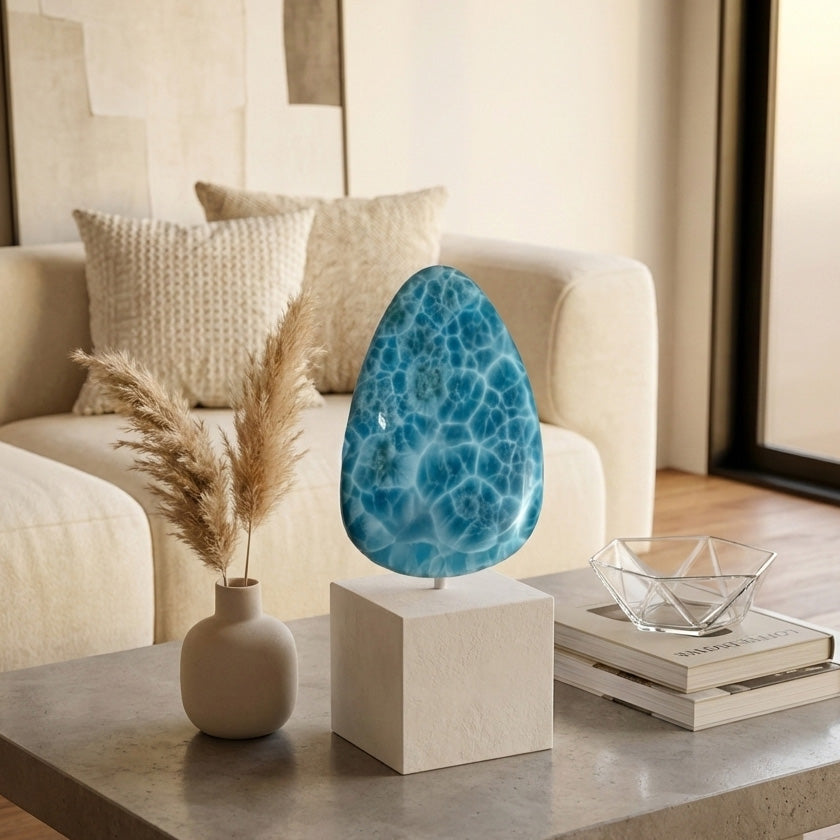
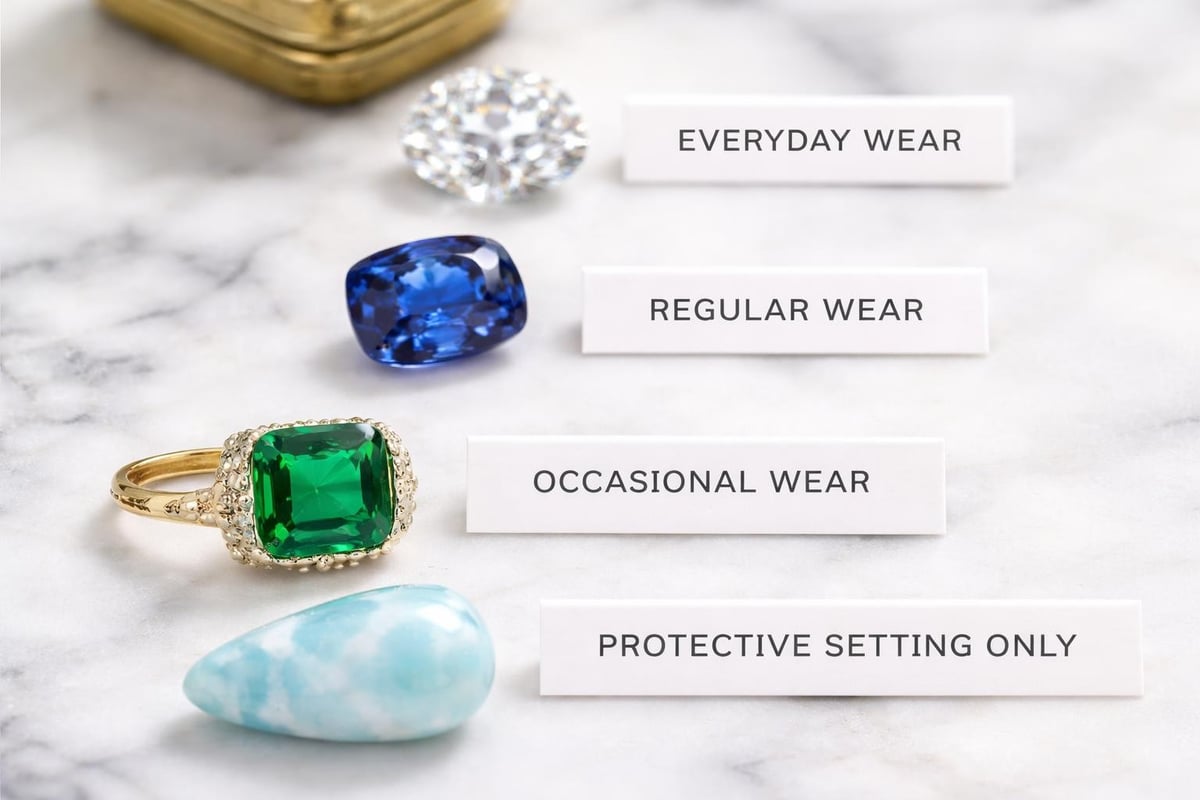
Traditional favorites include diamonds, sapphires, rubies, and emeralds, which rank high on the Mohs hardness scale and resist daily wear. However, contemporary tastes increasingly embrace less conventional options like aquamarine, morganite, and rare stones like larimar that offer distinctive colors and patterns.
Durability considerations:
When selecting rings with a stone, consider your lifestyle. Active individuals benefit from harder stones in protective settings, while collectors might prioritize uniqueness and color over durability.
The authenticity and quality of original stones significantly impacts both value and appearance. Natural, untreated gemstones command premium prices due to their rarity, while treated stones offer enhanced color or clarity at more accessible price points.
Treatment types include:
Reputable sellers always disclose treatments. Understanding whether your stone is natural or enhanced helps set appropriate expectations for care requirements and long-term value retention.
The setting determines how securely your stone sits and how much light reaches it to maximize brilliance. Various ring styles offer different aesthetic and practical benefits.
| Setting Type | Description | Best For | Pros | Cons |
|---|---|---|---|---|
| Prong | Metal claws hold stone | Maximum light exposure | Brilliance, easy cleaning | Prongs can snag, require checking |
| Bezel | Metal rim surrounds stone | Active lifestyles | Maximum protection | Less light reaches stone |
| Pave | Small stones set close together | Adding sparkle | Luxurious appearance | Difficult to resize |
| Channel | Stones set between metal walls | Wedding bands | Smooth surface | Limited stone sizes |
The solitaire design remains timeless for engagement rings, featuring a single prominent stone in a simple setting that emphasizes the gem's natural beauty. Halo settings surround the center stone with smaller gems, creating an illusion of greater size while adding sparkle.
Three-stone designs carry rich symbolism, with each stone representing past, present, and future. This style works beautifully with unique gemstones that tell personal stories.
The metal you select affects both the ring's durability and how it complements your chosen stone. Each option brings distinct characteristics:
Color theory plays an important role when pairing metals with gemstones. Cool-toned stones like blue sapphires or blue amber pair beautifully with white metals, while warm-toned stones like citrine or cognac diamonds complement yellow or rose gold.
Professional assessment ensures you invest in genuine quality. The four Cs traditionally applied to diamonds - cut, color, clarity, and carat - also inform evaluations of colored gemstones, though with different emphases.
A well-cut stone maximizes brilliance and color saturation. Poor cuts result in windows (areas where you can see through the stone) or extinction (dark areas with no sparkle). The cut should suit the stone's natural properties - some gems look best in specific shapes that minimize inclusions or maximize color.
Popular cuts for rings with a stone:
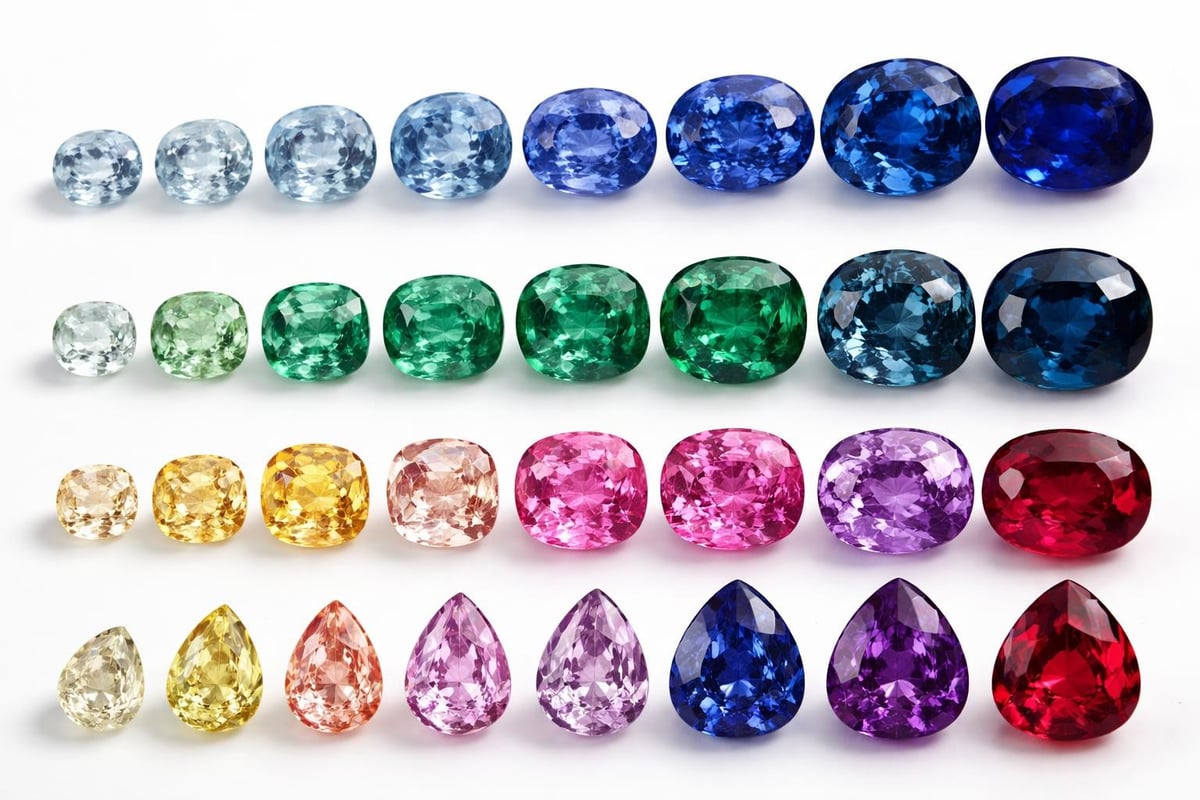
Unlike diamonds where colorlessness is prized, colored gemstones are valued for vivid, evenly distributed hues. The most valuable colored stones exhibit strong saturation without being so dark they appear black in normal lighting.
Evaluate color under different lighting conditions. Some stones, like alexandrite, intentionally change color between natural and artificial light. Others may appear washed out under certain lighting despite being saturated in jewelry store spotlights.
While diamonds emphasize flawlessness, many colored gemstones characteristically contain inclusions. These internal features sometimes enhance value - rutilated quartz derives its appeal entirely from golden needle inclusions, and certain emeralds command premium prices despite visible inclusions if their color is exceptional.
Examine whether inclusions:
Proper sizing ensures comfort and security. Rings with a stone require special attention to sizing because elaborate settings limit resizing options.
Ring sizes typically range from 3 to 13 in the United States, with half and quarter sizes available. Your finger size fluctuates based on temperature, time of day, and activity level. For the most accurate measurement, check your size multiple times under different conditions.
Professional sizing tips:
Certain settings resist resizing. Eternity bands with stones circling the entire circumference cannot be easily altered without disrupting the design. Channel-set rings also present challenges. When purchasing rings with a stone in these styles, ensure accurate initial sizing.
Comfort-fit bands feature rounded interior edges that slide over knuckles more easily and feel more comfortable during extended wear. Standard flat-interior rings sit flush against the finger, often preferred for stacking multiple rings. Cultural significance and personal preference guide this choice.
Proper care preserves beauty and extends longevity. Different stones require different approaches based on their hardness, porosity, and treatment history.
Remove rings during activities that risk impact or chemical exposure. Household cleaners, chlorine, and even hand lotions can damage certain stones or accumulate under settings, diminishing sparkle.
| Activity | Risk | Recommendation |
|---|---|---|
| Washing dishes | Chemical exposure | Remove or wear gloves |
| Exercising | Impact damage | Store in safe location |
| Swimming | Chlorine damage, loss | Always remove |
| Applying cosmetics | Chemical buildup | Put ring on last |
| Gardening | Abrasion, impact | Remove beforehand |
Store rings with a stone separately to prevent harder stones from scratching softer ones. Individual fabric pouches or compartmented jewelry boxes work well.
Safe for most gemstones:
Avoid for porous or soft stones (opal, turquoise, pearl, larimar):
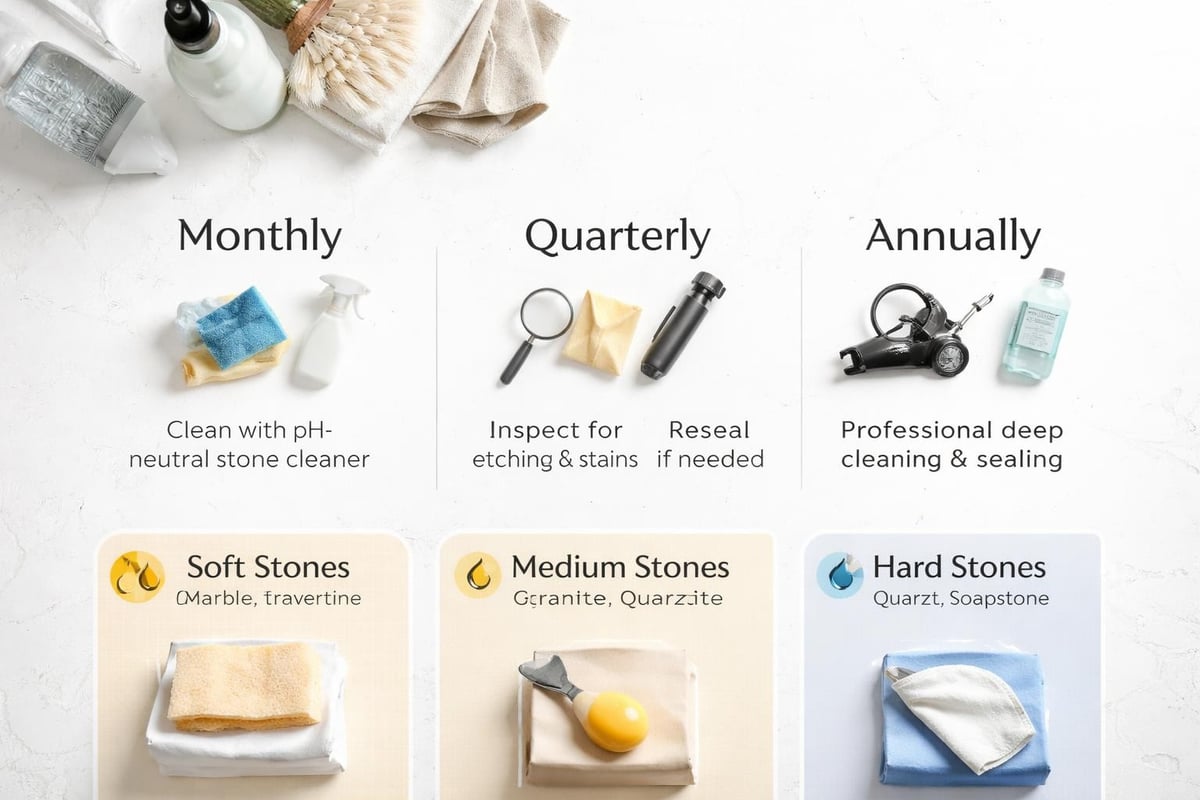
Professional cleaning annually ensures thorough inspection of prongs and settings. Jewelers check for loose stones, worn prongs, and needed repairs before minor issues become major problems.
Understanding what drives gemstone ring prices helps you make budget-conscious decisions while ensuring quality.
Primary factors affecting cost:
Celebrity endorsements and trending styles temporarily inflate prices for specific gemstones. Understanding these market dynamics helps identify opportunities for value. Lesser-known stones like larimar from the Dominican Republic offer unique beauty without the premium attached to mainstream gems.
Reputable sellers provide certification from independent gemological laboratories. These documents verify stone identity, treatments, and quality characteristics. Major laboratories include GIA (Gemological Institute of America), AGS (American Gem Society), and IGI (International Gemological Institute).
Certification becomes particularly important for high-value purchases. For rings with a stone exceeding $1,000, always request laboratory documentation. This paperwork proves essential for insurance purposes and future resale.
Creating custom rings with a stone allows expression of individual style while ensuring perfect specifications.
Custom design begins with consultation to discuss preferences, budget, and intended use. Bring inspiration photos and be specific about must-have features versus flexible elements.
The custom creation process:
Timeline typically spans 4-8 weeks depending on complexity. Rush orders may incur additional fees but accommodate deadline pressures for proposals or special occasions.
Symbolic elements and cultural traditions add layers of meaning to gemstone rings. Birthstones represent birth months, while certain stones carry metaphysical associations. Anniversary stones mark relationship milestones - sapphire for fifth anniversaries, emerald for twentieth.
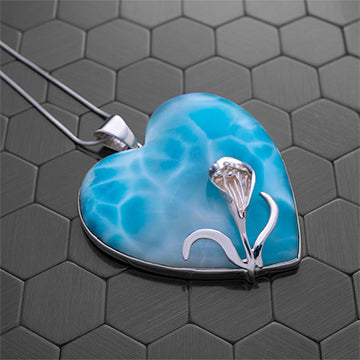
For truly unique pieces, consider incorporating Larimar Pendants elements or requesting matching sets that carry consistent design language across multiple jewelry pieces. This approach creates cohesive collections that complement different occasions and outfits.
Different contexts call for different ring styles. Understanding these distinctions helps build a versatile collection.
Engagement rings traditionally feature prominent center stones in classic settings that withstand daily wear for decades. Durability trumps trendiness - opt for timeless designs in hard gemstones with secure settings.
Wedding bands may match or complement engagement rings. Some couples choose nesting sets where the wedding band fits flush against the engagement ring. Others prefer standalone wedding bands that work independently.
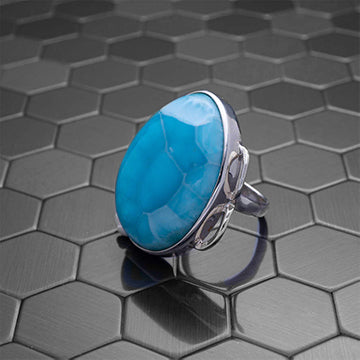
Statement rings embrace bold designs, unusual stones, and artistic settings. These pieces shine at evening events, celebrations, and occasions where jewelry becomes a conversation starter. Less concerned with daily durability, fashion rings with a stone can feature softer gems in elaborate settings.
Stackable rings allow mix-and-match creativity. Combine thin bands featuring small stones with statement pieces, adjusting the look for different occasions. This versatility maximizes value from each purchase.
Self-purchase rings worn on the right hand celebrate personal achievements and milestones. These pieces often feature unique or rare stones that express individual personality rather than following conventional engagement ring aesthetics.
Right-hand rings permit greater creativity in design since they carry no traditional expectations. Consider unusual stone shapes, asymmetric settings, or mixed metal designs that reflect personal style.
Conscious consumers increasingly prioritize ethical sourcing when purchasing rings with a stone. Understanding supply chains and making informed choices supports responsible mining practices.
The Kimberley Process certifies diamonds as conflict-free, though critics note gaps in enforcement. For colored gemstones, sourcing transparency varies widely. Reputable jewelers trace stone origins and verify ethical mining practices.
Questions to ask sellers:
Some regions maintain stronger oversight than others. Dominican gemstones benefit from established mining regulations, while stones from conflict zones require additional scrutiny.
Lab-grown gemstones offer identical chemical composition to natural stones at lower environmental and ethical costs. These stones work beautifully in rings and cost significantly less than natural equivalents. However, they typically don't appreciate in value like rare natural stones.
Vintage and estate rings provide sustainable options through reuse. These pieces carry history and character while avoiding new mining. Consider redesigning inherited stones into contemporary settings that suit your style.
Fashion evolves continuously, but certain trends dominate 2026 gemstone ring designs.
Trending elements include:
Minimalist designs continue appealing to modern aesthetics, featuring clean lines and understated elegance. Simultaneously, maximalist pieces with elaborate settings and multiple stones attract those seeking drama and presence.
While diamonds remain popular, colored stones surge in popularity for engagement and fashion rings. Blue stones particularly trend upward, with sapphires leading but Dominican blue amber and aquamarine gaining attention.
Earth tones including champagne diamonds, cognac sapphires, and chocolate diamonds appeal to those seeking warmth. Green emeralds and tsavorite garnets attract environmentally conscious buyers drawn to nature-inspired colors.
Buyers increasingly research comprehensive guides on stone selection before making purchases, reflecting growing consumer education and involvement in the design process.
Different cultures assign varied meanings and traditions to rings with a stone, influencing design preferences and wearing customs.
European and American traditions place engagement and wedding rings on the left hand's fourth finger, believed to connect directly to the heart through the "vena amoris." Engagement rings typically feature prominent stones, while wedding bands may be plain or stone-set.
Many Asian cultures wear rings on the right hand and favor specific gemstones for their spiritual properties. Jade holds particular significance in Chinese culture, while rubies feature prominently in Indian wedding jewelry.
Modern couples increasingly blend traditions, creating personalized approaches that honor multiple heritages. This fusion inspires innovative designs combining elements from different cultural aesthetics.
Selecting the perfect ring with a stone requires balancing aesthetics, quality, budget, and personal meaning. Understanding gemstone properties, setting options, and care requirements empowers confident decisions that result in treasured pieces worn for years to come. Whether you're drawn to traditional diamonds or rare finds like larimar and blue amber, Larimar Creations offers expertly crafted gemstone jewelry that celebrates the unique beauty of Dominican treasures, with worldwide shipping ensuring everyone can access these extraordinary pieces.