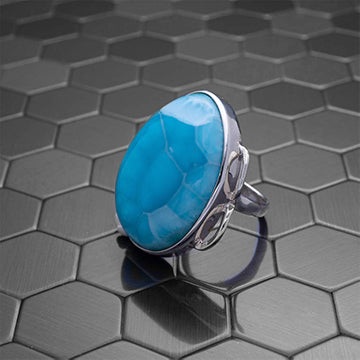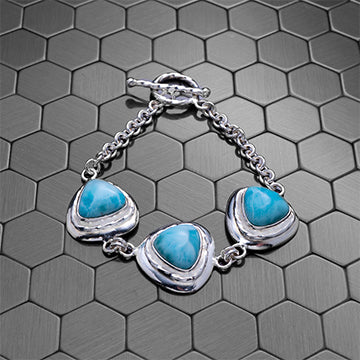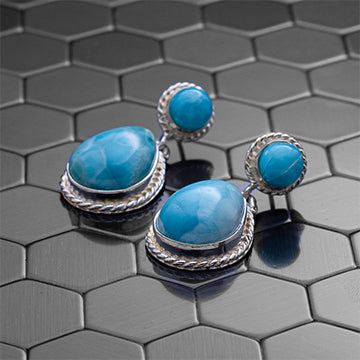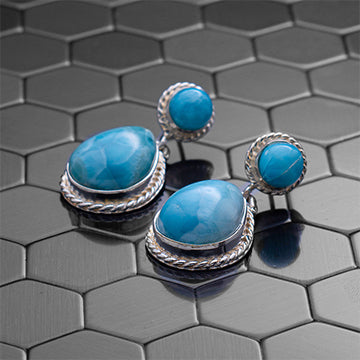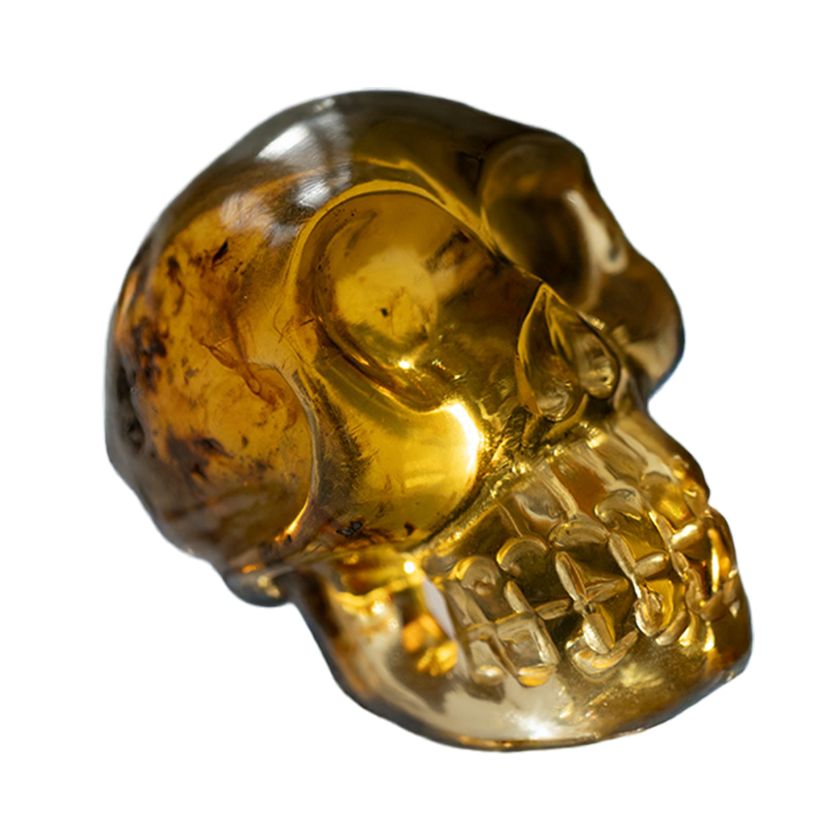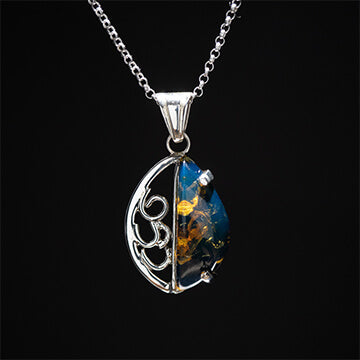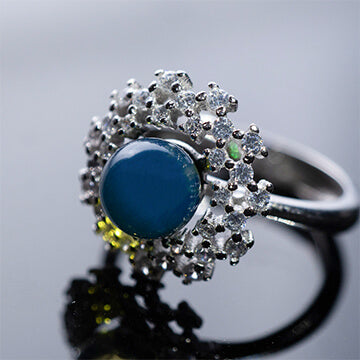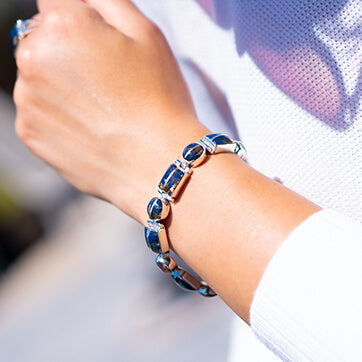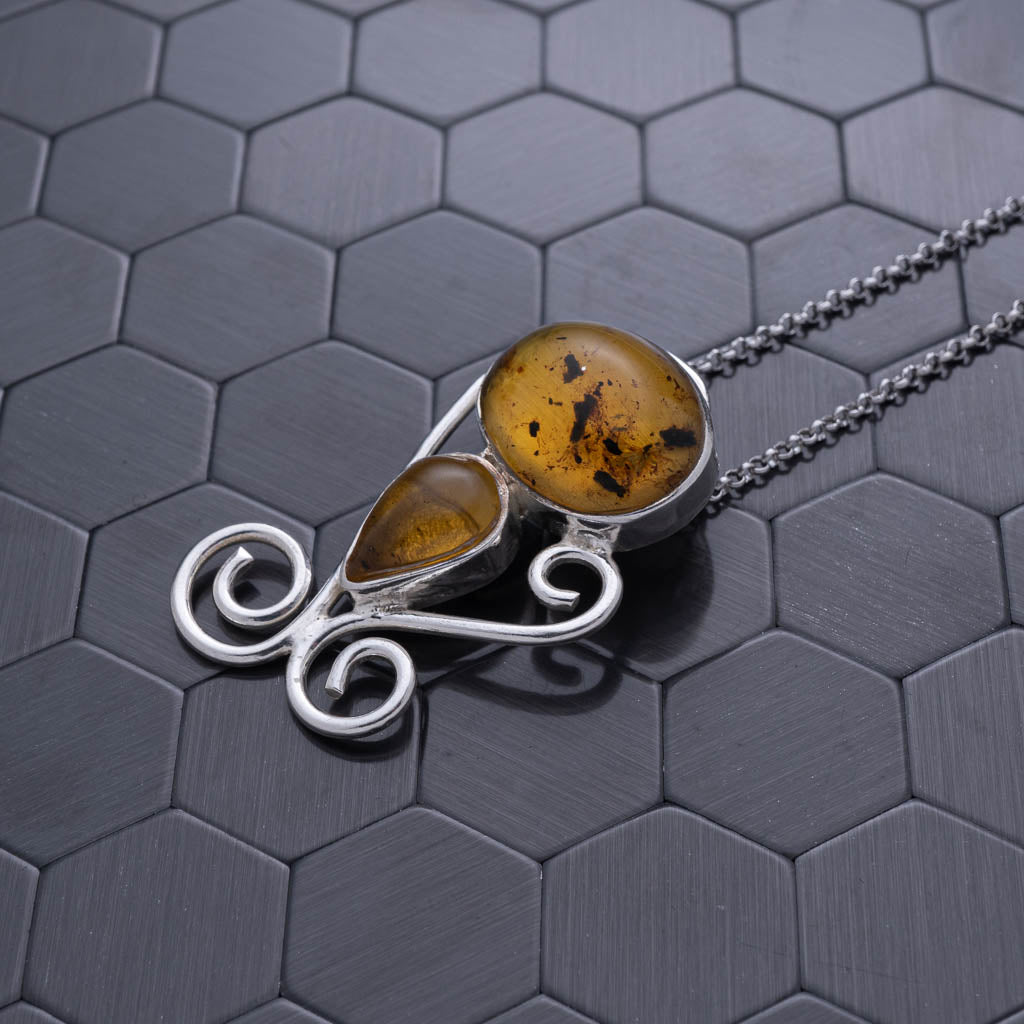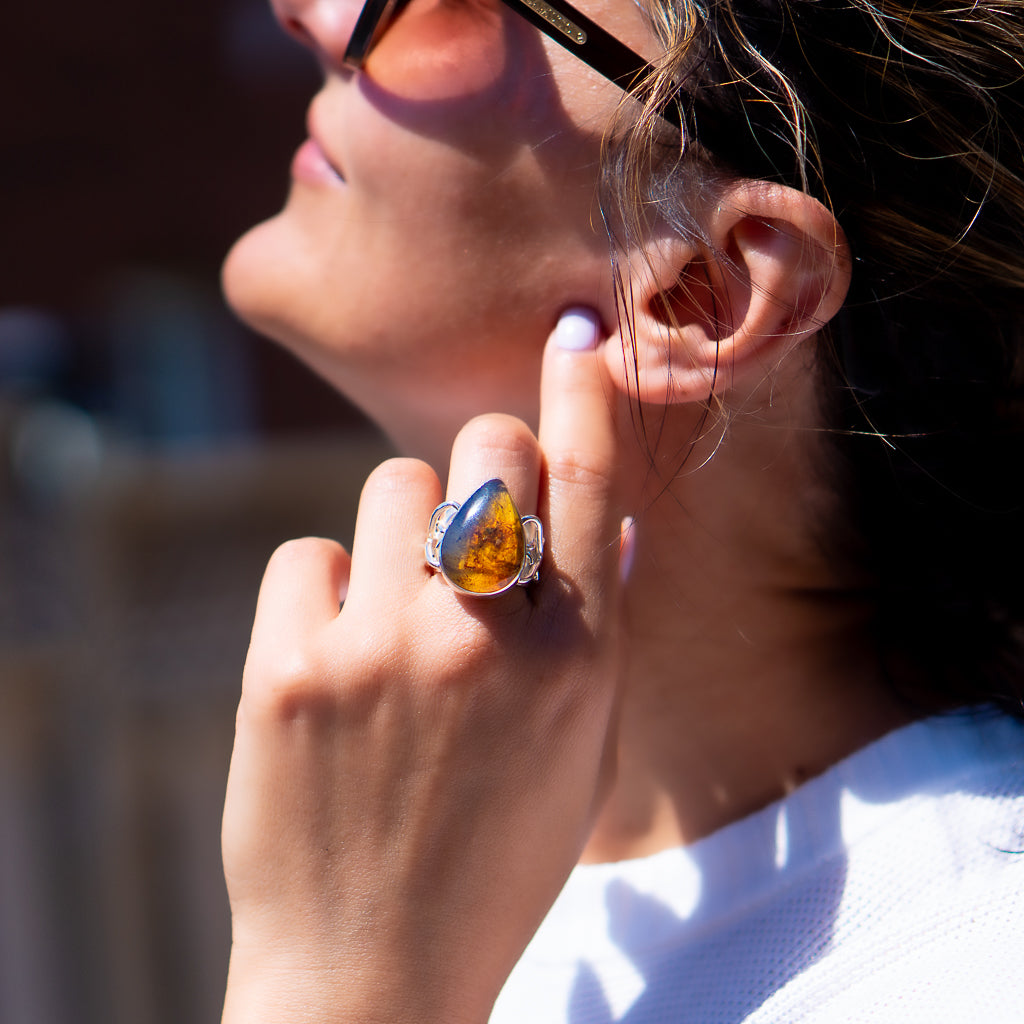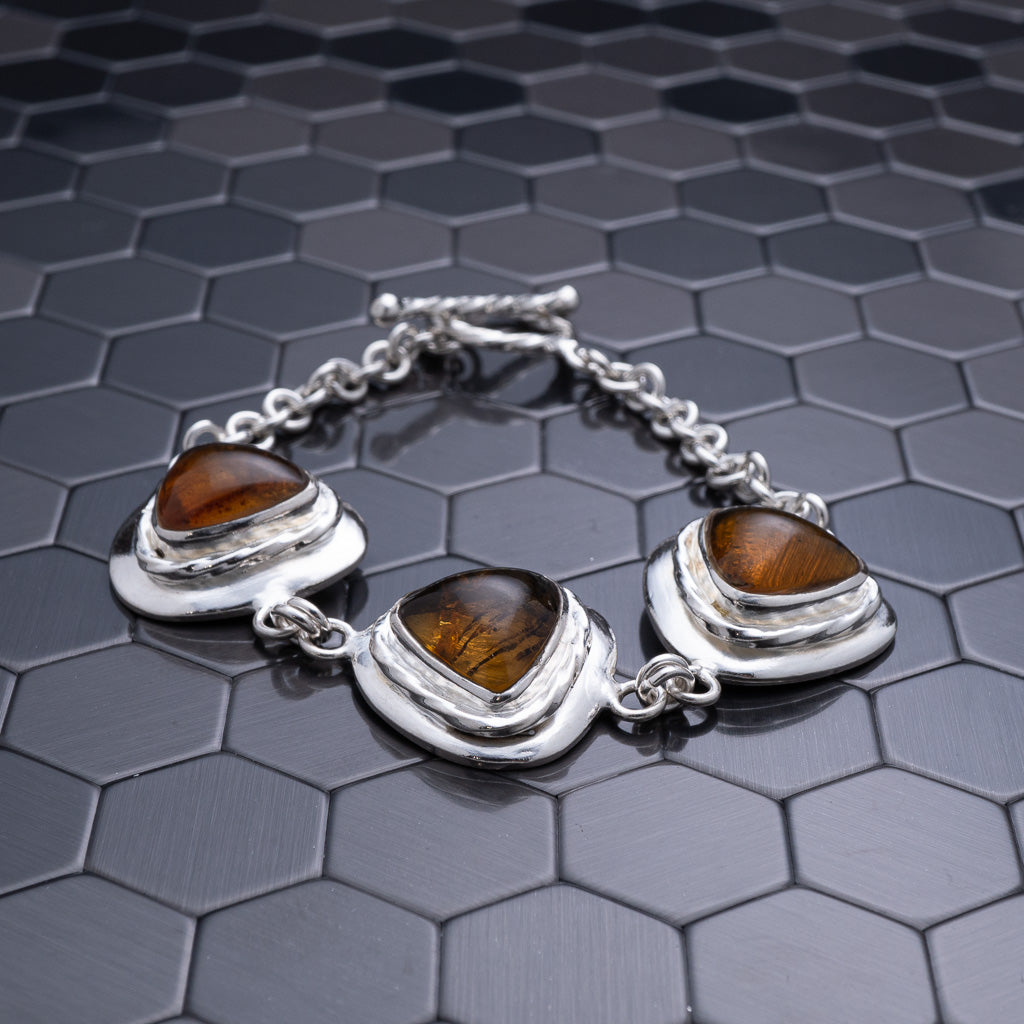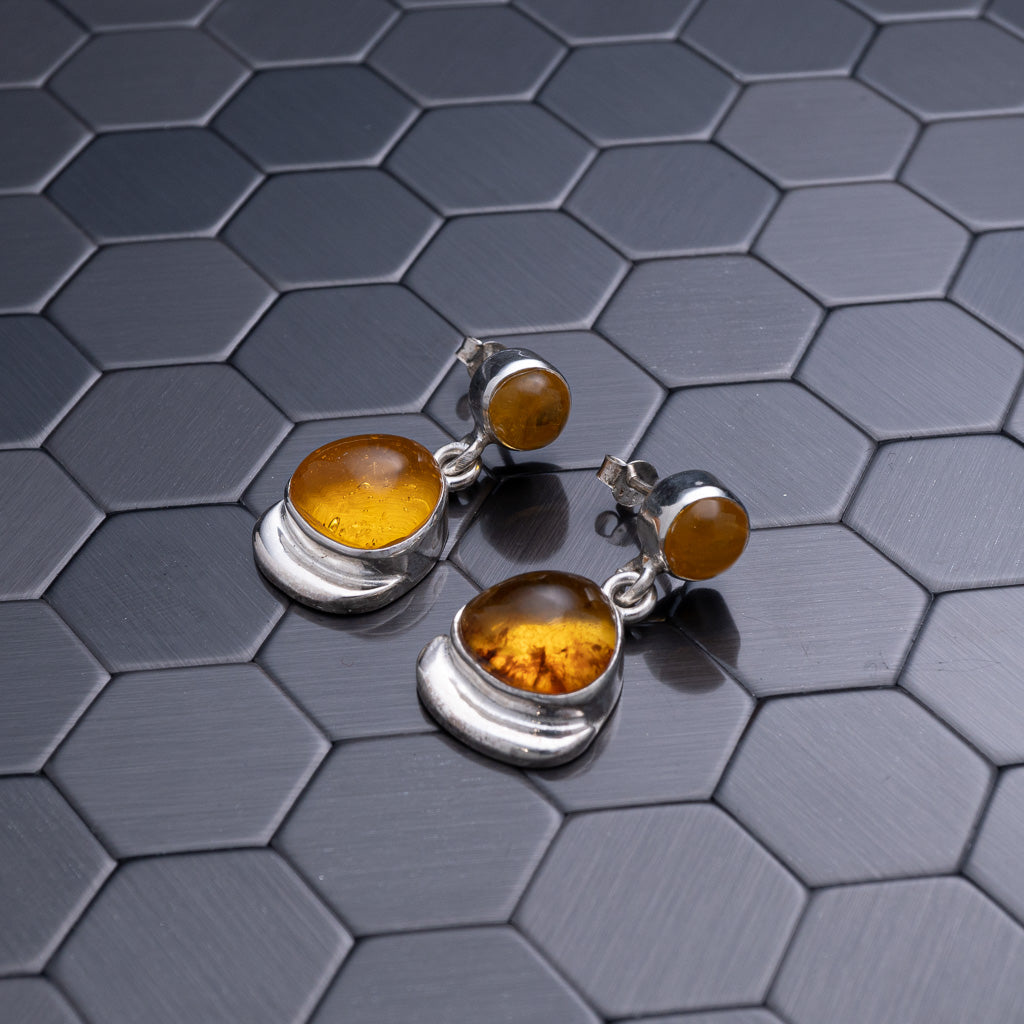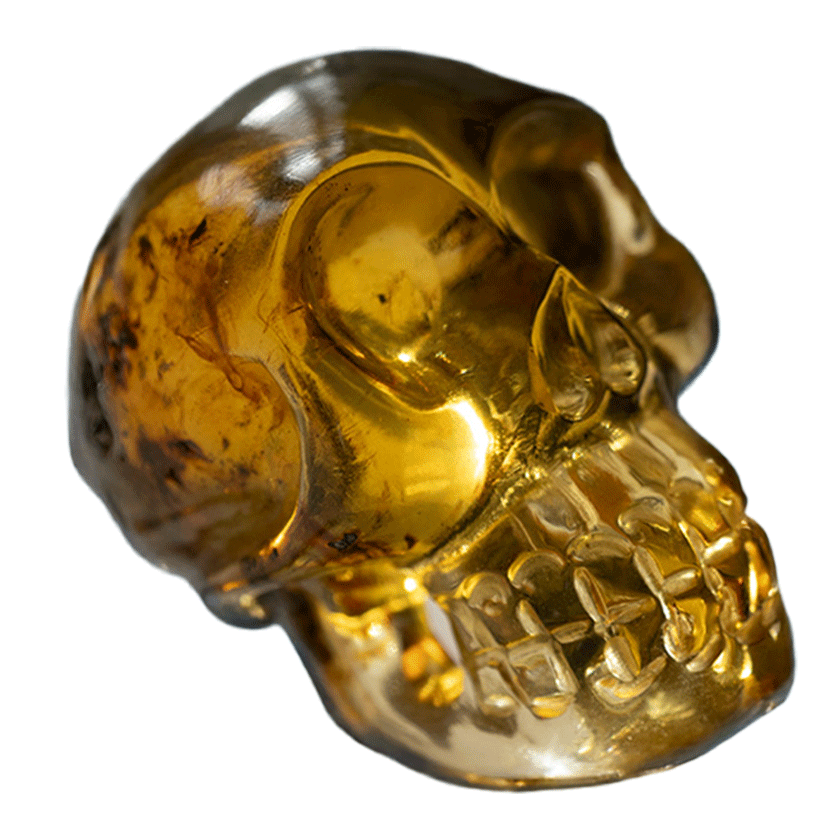


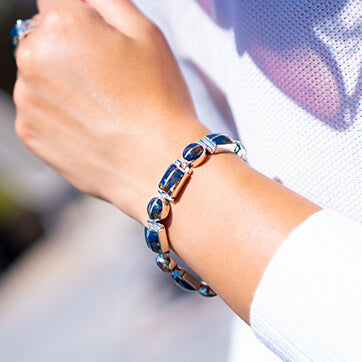
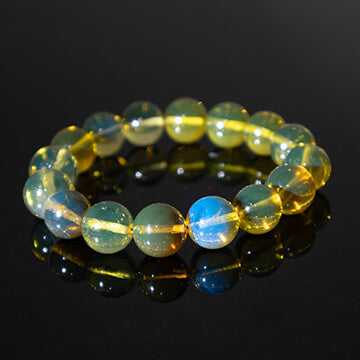
Handcrafted in DR.

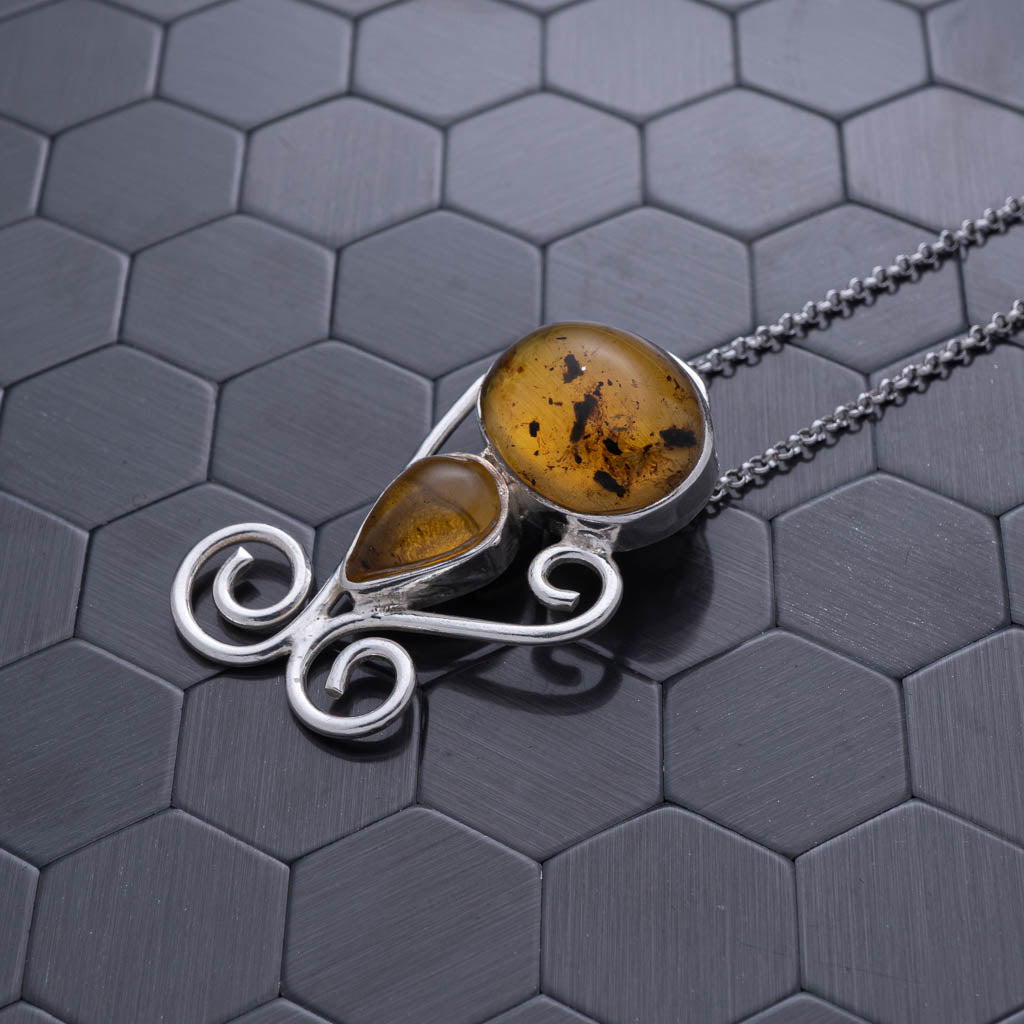
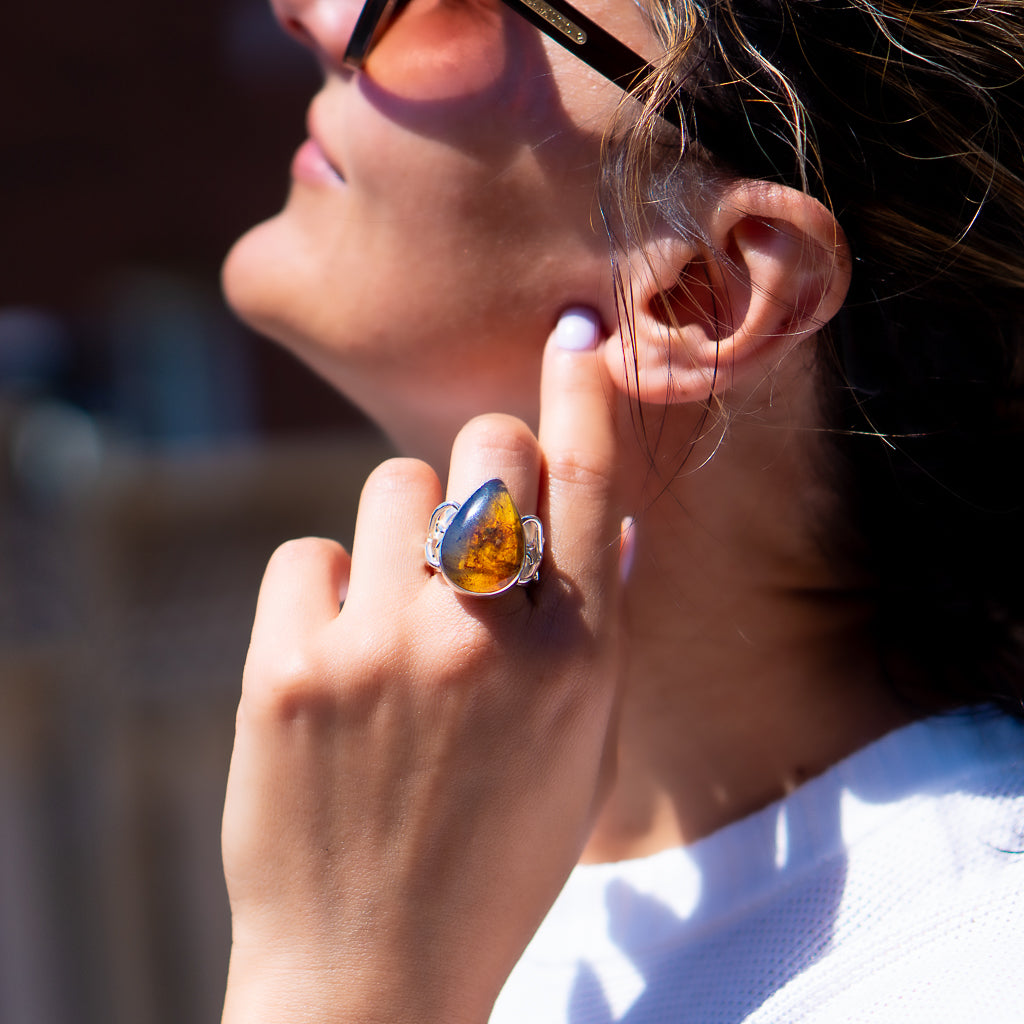
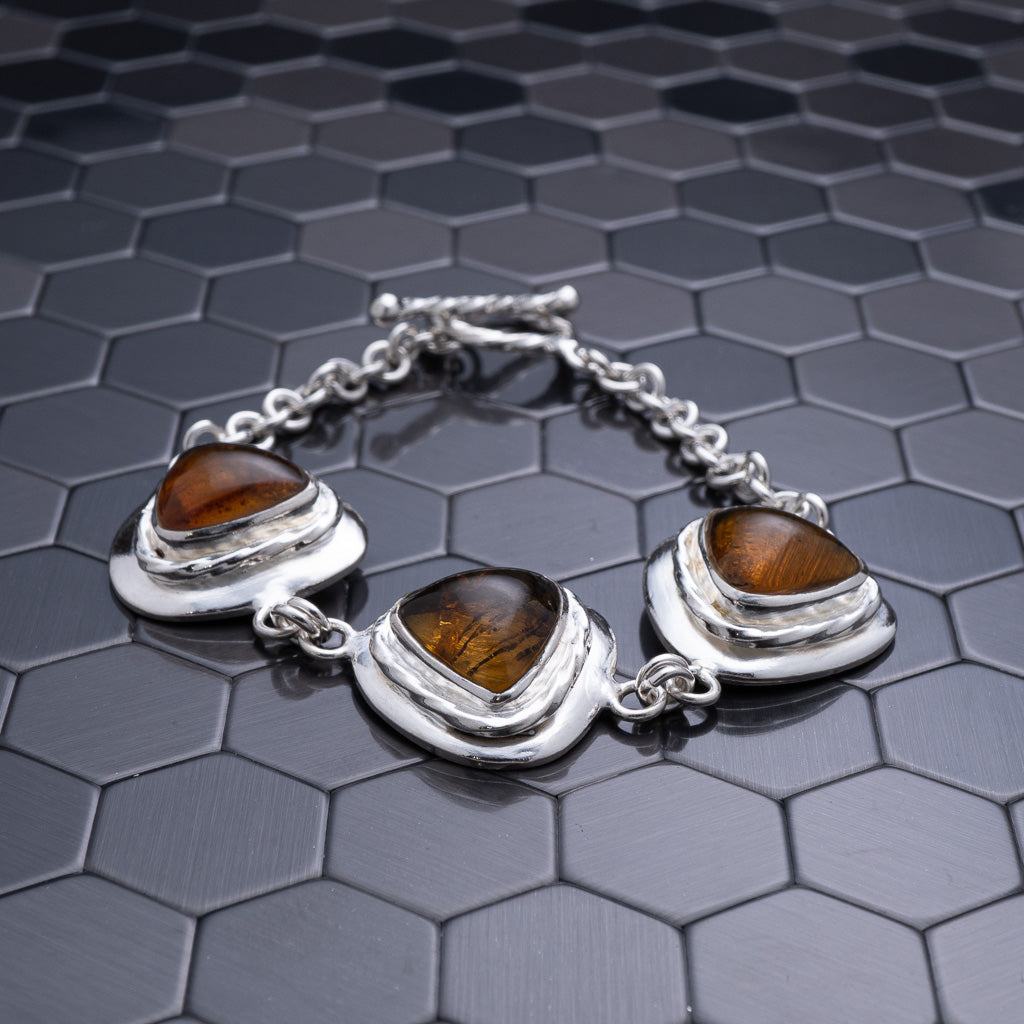
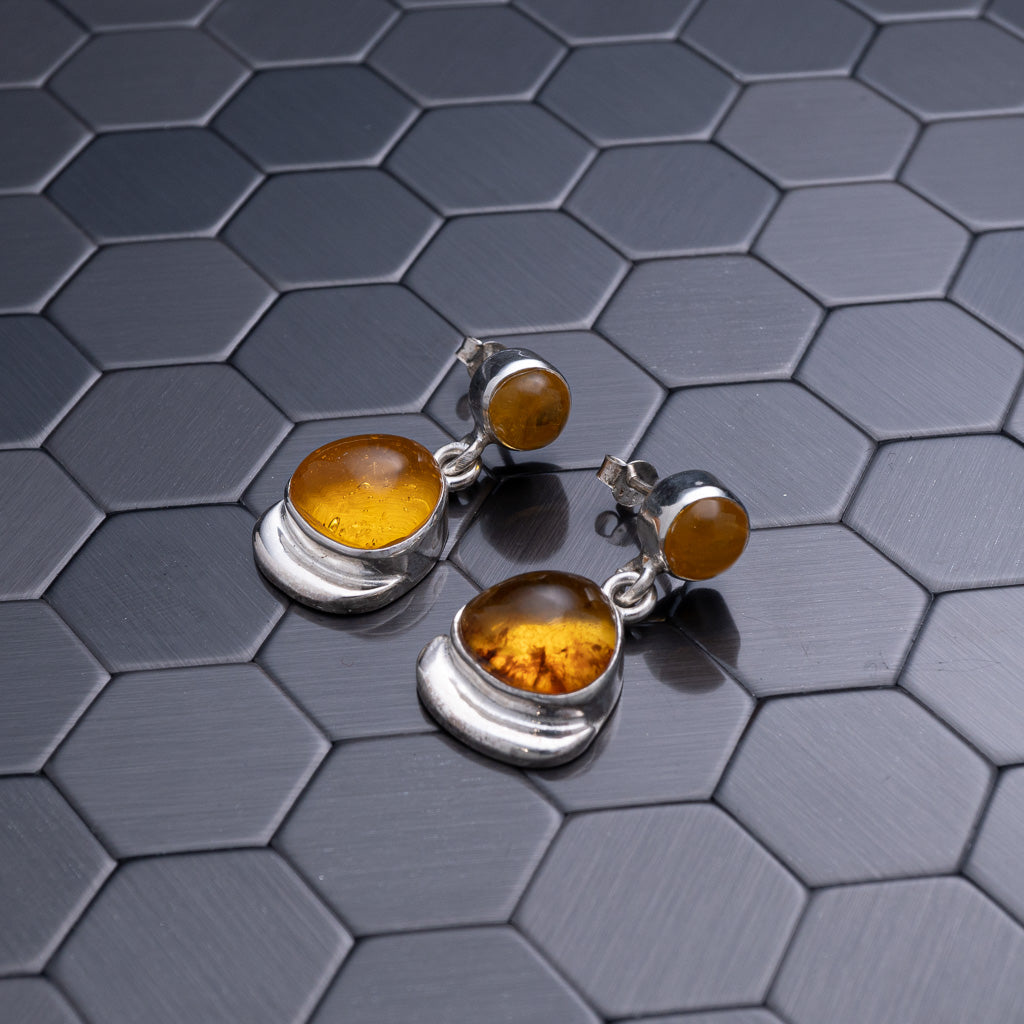


100% Handcrafted in DR.

The captivating allure of a bluegreen gemstone lies in its ability to evoke the tranquil depths of tropical oceans and the serene beauty of Caribbean waters. These rare treasures represent some of nature's most mesmerizing creations, combining the calming properties of blue with the revitalizing essence of green. For collectors, jewelers, and enthusiasts, understanding the characteristics, varieties, and value factors of these gemstones opens a world of appreciation for their unique geological formation and artistic potential.
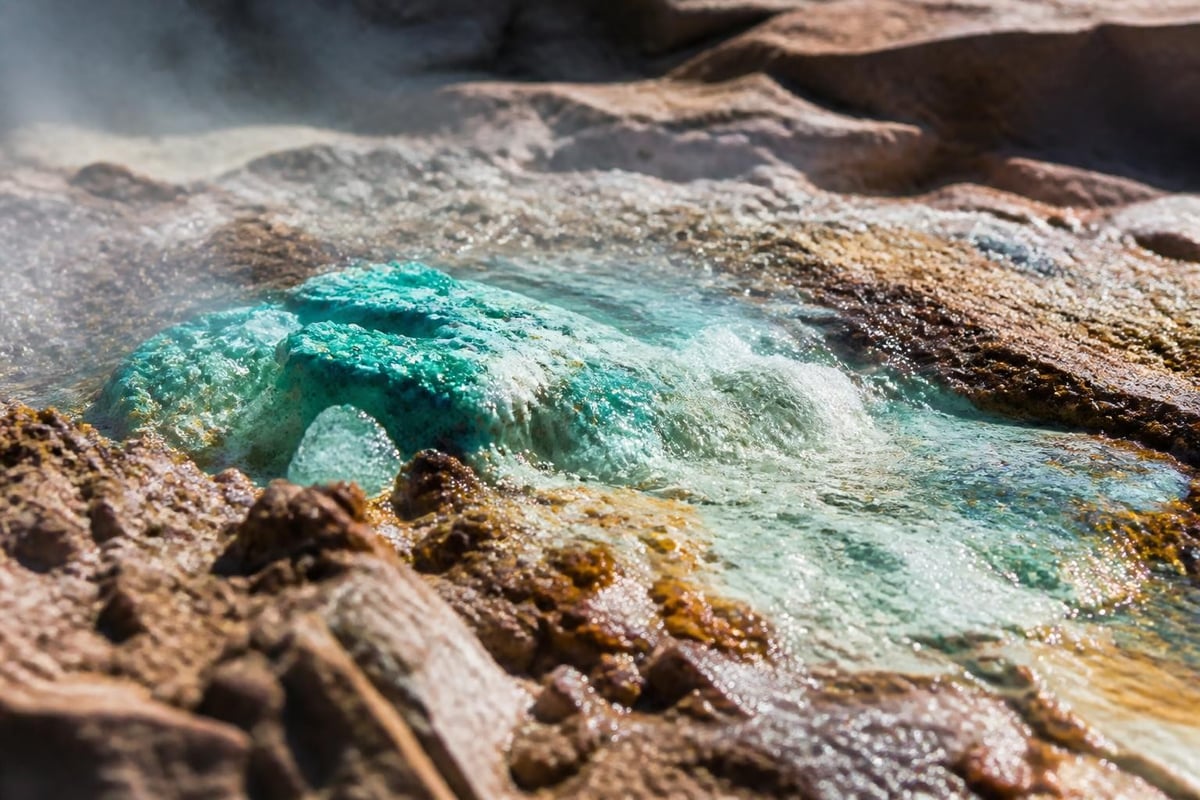
The creation of a bluegreen gemstone requires specific geological conditions that occur rarely in nature. These stones develop through complex mineralogical processes involving copper compounds, hydrothermal activity, and precise chemical compositions. The distinctive coloration emerges from trace elements interacting with the host mineral structure over millions of years.
Copper serves as the primary chromophore responsible for the blue and green hues in most of these gemstones. When copper ions replace other elements within the crystal lattice, they absorb specific wavelengths of light, resulting in the characteristic bluegreen appearance. The exact shade depends on factors including copper concentration, oxidation state, and the presence of additional trace elements.
Different bluegreen gemstone varieties exhibit distinct properties that set them apart in terms of hardness, clarity, and market value. Understanding these differences helps collectors and buyers make informed decisions.
| Gemstone | Hardness (Mohs) | Origin | Key Features |
|---|---|---|---|
| Larimar | 4.5-5 | Dominican Republic | Unique volcanic formation, rare pectolite |
| Turquoise | 5-6 | Multiple locations | Opaque, porous, cultural significance |
| Chrysocolla | 2-4 | Chile, Peru, USA | Often mixed with quartz, soft |
| Amazonite | 6-6.5 | Brazil, Russia | Feldspar variety, good durability |
| Apatite | 5 | Madagascar, Mexico | Transparent, vivid colors |
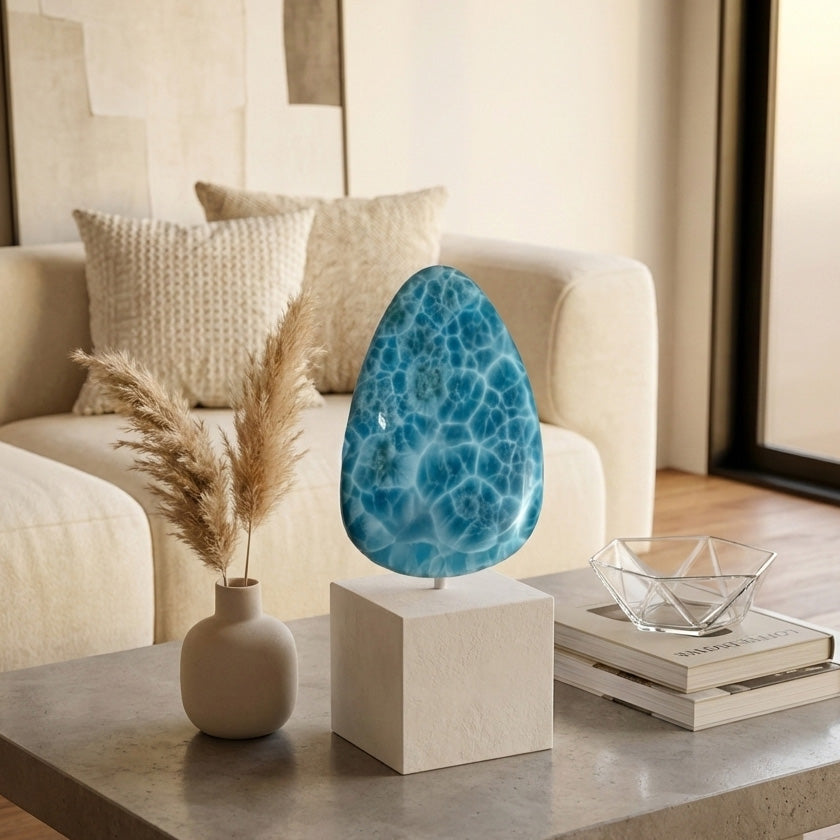
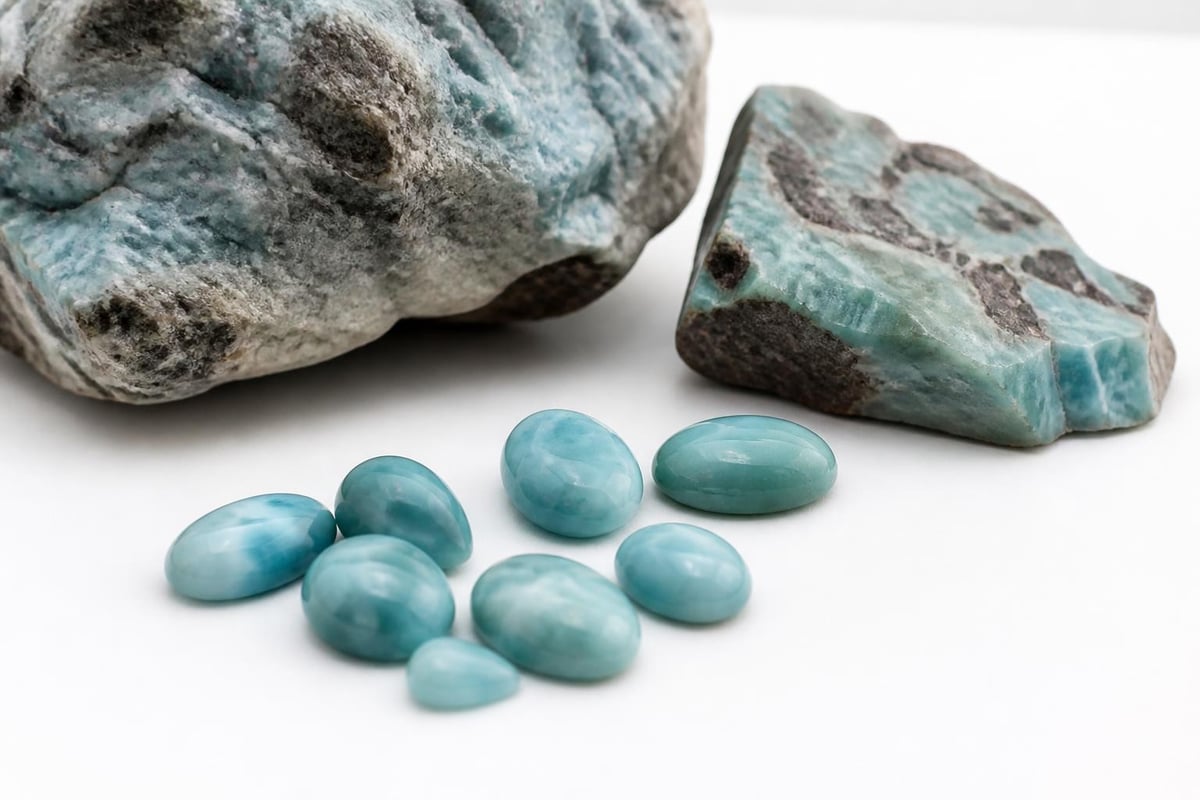
Larimar stands out as one of the most exclusive members of the bluegreen gemstone family. Found exclusively in the Dominican Republic, this volcanic stone displays patterns reminiscent of sunlight dancing on Caribbean waters. Its formation through hydrothermal processes in ancient volcanic rocks created a gemstone unlike any other on Earth.
Turquoise remains perhaps the most historically significant bluegreen gemstone, treasured by civilizations from ancient Egypt to Native American cultures. This opaque stone forms in arid regions where groundwater containing copper leaches through aluminum-rich rocks, creating nodules and veins of striking color.
Evaluating a bluegreen gemstone requires understanding the subtle variations in hue, saturation, and tone that determine its market value. Professional gemologists use standardized criteria to assess these characteristics and establish pricing structures.
The ideal bluegreen color exhibits balanced proportions of blue and green without excessive gray or brown modifiers. Pure, vivid specimens command premium prices, while stones with muddier tones generally fall into lower value categories. Saturation intensity significantly impacts desirability, with highly saturated stones outperforming pale or washed-out examples.
Several interconnected elements determine the worth of a bluegreen gemstone beyond simple color assessment:
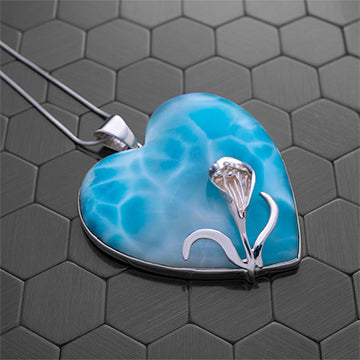
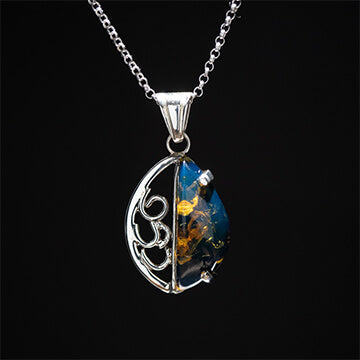
Pattern distribution plays a crucial role in certain varieties. Larimar pendants showcase the stone's natural marbling and wave-like patterns, which collectors prize when they display balanced, aesthetically pleasing compositions. Random or chaotic patterns may reduce value compared to specimens with harmonious visual flow.
The growing demand for these rare stones has unfortunately led to increased market presence of synthetic materials and misrepresented specimens. Developing identification skills protects buyers from purchasing inferior or fraudulent products.
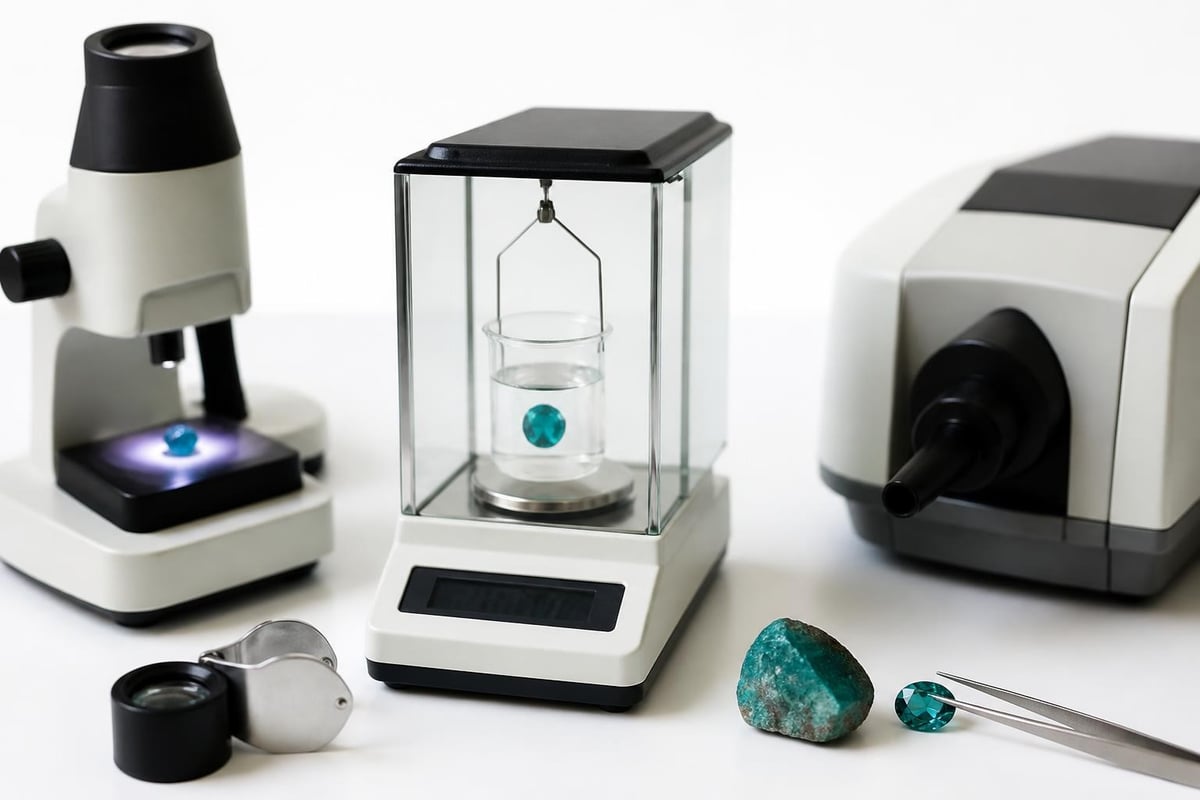
Natural bluegreen gemstones display certain characteristics that synthetic or treated alternatives struggle to replicate perfectly. Examination under magnification reveals growth patterns, inclusion types, and structural features unique to genuine specimens. Professional gemological laboratories provide definitive identification through advanced testing methods.
Understanding treatment methods helps buyers make informed purchasing decisions. Many bluegreen gemstone varieties undergo enhancements to improve appearance or stability:
Disclosure of treatments should always accompany gemstone sales. Ethical dealers clearly communicate any enhancements applied to their inventory. Natural turquoise without stabilization remains relatively rare in the modern market, with most commercial material receiving some form of treatment.
Proper care extends the lifespan and beauty of bluegreen gemstone jewelry. These stones often require more gentle handling than harder varieties like sapphire or diamond due to their chemical composition and physical properties.
Most bluegreen gemstones exhibit sensitivity to chemicals, heat, and mechanical stress. Larimar and turquoise particularly require careful attention since their relatively low hardness makes them vulnerable to scratching and abrasion. Chrysocolla presents even greater challenges due to its softness and potential water content.
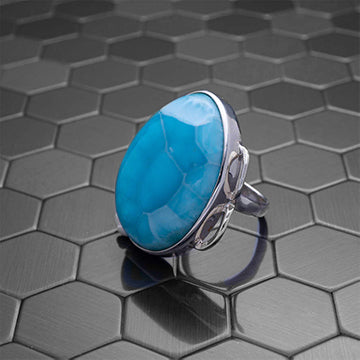
When incorporating these gemstones into everyday jewelry, protective settings become essential. Bezel settings provide superior protection compared to prong mountings, which leave more stone surface exposed to potential impacts.
Recommended practices include:
The porous nature of many bluegreen gemstone varieties makes them susceptible to absorbing oils, lotions, and other substances. This absorption can cause permanent discoloration or stability issues. Professional jewelers specializing in larimar jewelry understand these vulnerabilities and design pieces that balance wearability with protection.
The bluegreen gemstone market has experienced significant evolution over the past decade. Collector interest in rare, locality-specific stones continues growing as consumers seek unique alternatives to traditional precious gems.
Larimar exemplifies this trend perfectly. Since its commercial discovery in 1974, this exclusively Dominican gemstone has gained international recognition. Its limited geographic occurrence creates natural scarcity that supports long-term value appreciation. High-quality specimens from the original Los Chupaderos mine consistently command premium prices.
Gemstones purchased for investment purposes should meet stringent quality standards:
| Quality Factor | Investment Grade | Commercial Grade |
|---|---|---|
| Color | Vivid, pure bluegreen | Moderate, acceptable tones |
| Clarity | Minimal inclusions | Visible inclusions common |
| Size | 5+ carats | Under 5 carats |
| Treatment | None or minimal | Enhanced acceptable |
| Documentation | Certified | Basic description |
Market liquidity varies significantly among different bluegreen gemstone types. Turquoise maintains relatively strong market presence due to widespread recognition and established dealer networks. Rarer varieties may offer greater appreciation potential but present challenges when selling.
Throughout human history, bluegreen gemstones have carried profound symbolic meaning across diverse cultures. These stones frequently represent healing, protection, communication, and spiritual connection.
Ancient civilizations associated these colors with water, sky, and the life-giving properties of both elements. Turquoise held sacred status among Native American tribes, who incorporated it into ceremonial objects and protective amulets. Egyptian pharaohs adorned themselves with turquoise jewelry, believing it offered divine protection.
Modern metaphysical practitioners attribute various properties to different bluegreen gemstone varieties. Larimar specifically connects to throat chakra activation and stress relief, making it popular among those exploring crystal healing practices. Whether one accepts these metaphysical claims or appreciates the stones purely for aesthetic value, their cultural impact remains undeniable.
Today's jewelry designers exploit the unique characteristics of bluegreen gemstones to create pieces ranging from minimalist modern to elaborate traditional styles. The stones' natural patterns and color variations inspire creative settings that highlight their individual beauty.
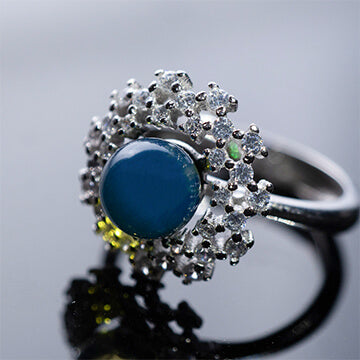
Contemporary necklaces incorporating these gemstones often feature clean, simple designs that allow the stone itself to serve as the focal point. Contrasting metal choices can dramatically alter the overall appearance, with white metals emphasizing cool tones while yellow gold warms the bluegreen palette.
Beyond the well-established varieties, several lesser-known bluegreen gemstone types deserve attention from serious collectors. These stones offer opportunities to acquire unique specimens before broader market recognition increases prices.
Hemimorphite produces attractive bluegreen crystals and botryoidal formations. Though relatively soft, quality specimens display striking color and interesting crystal habits. Chrysocolla frequently combines with other minerals like malachite or turquoise, creating mixed stones with complex patterns and enhanced durability.
Blue and green kyanite varieties offer another option, though pure bluegreen examples remain uncommon. This aluminum silicate mineral displays unusual anisotropic hardness, measuring 4.5-5 along one crystallographic axis and 6.5-7 perpendicular to it.
Laboratory-created and imitation materials attempt to replicate natural bluegreen gemstone appearance at lower costs. While these serve legitimate purposes in costume jewelry and educational contexts, they should never be misrepresented as natural stones.
Common simulants include:
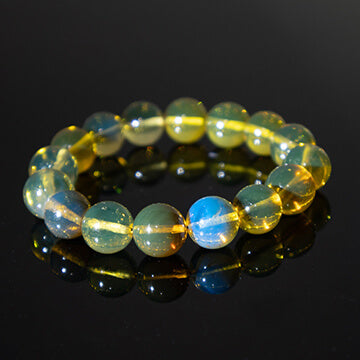
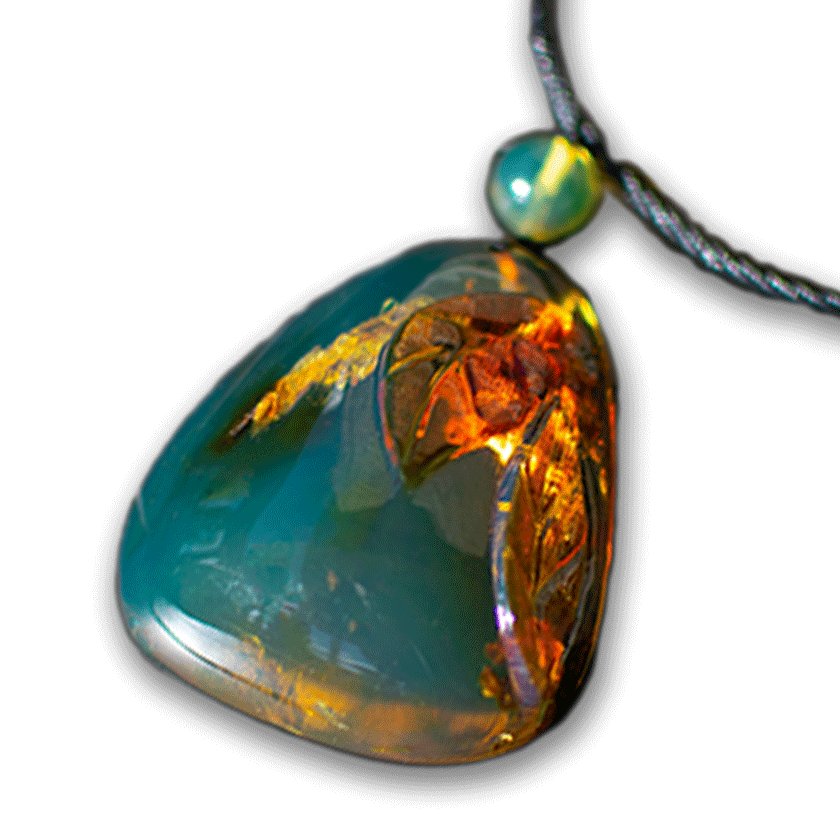
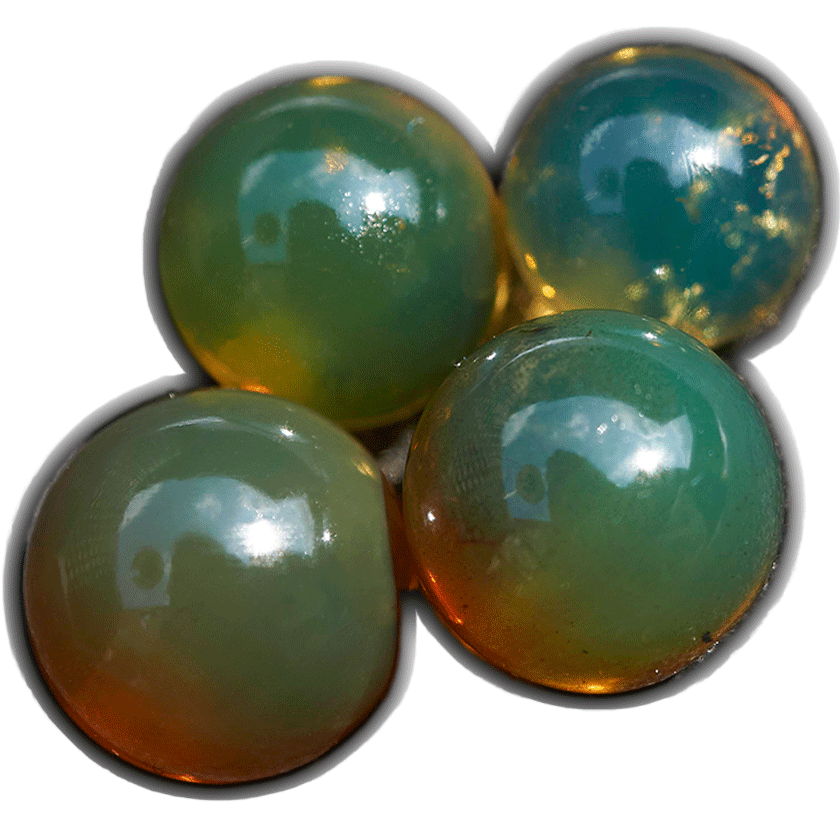
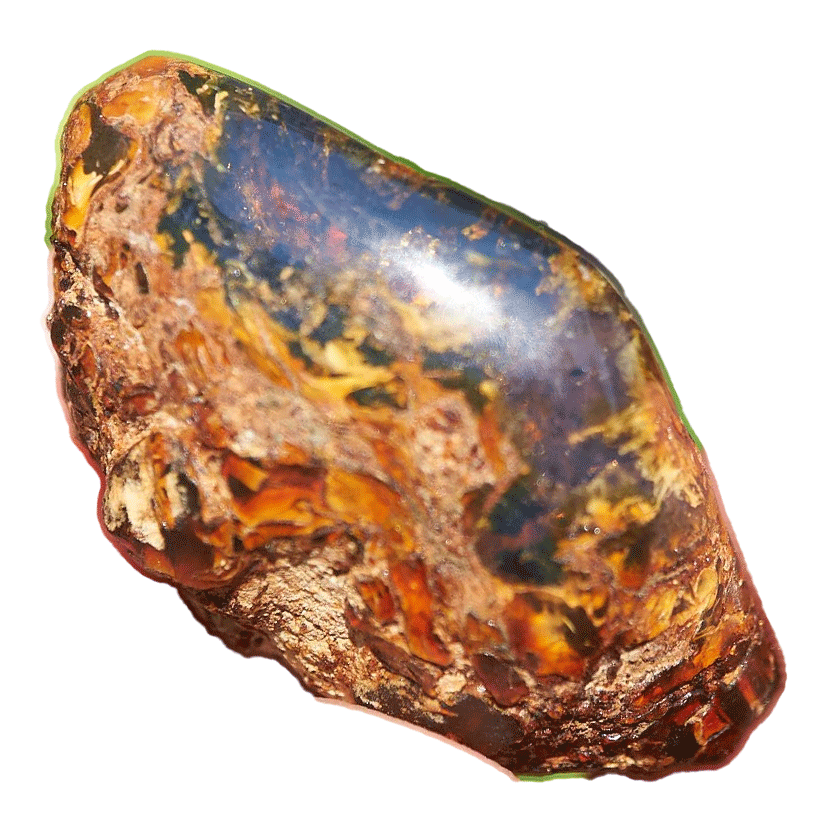
Advanced testing equipment can definitively identify these materials, but visual inspection combined with basic tests often suffices. Natural stones typically display growth patterns, inclusion types, and optical properties that synthetics cannot perfectly duplicate. Dominican blue amber represents another exclusive material that, while not technically a gemstone in the traditional sense, offers remarkable bluegreen fluorescence under UV light.
Responsible sourcing practices increasingly influence bluegreen gemstone purchasing decisions. Consumers and retailers alike recognize the importance of supporting mining operations that prioritize environmental protection and fair labor practices.
Artisanal and small-scale mining operations produce much of the world's rare bluegreen gemstone supply. These ventures often provide vital economic opportunities in developing regions but may lack environmental oversight or worker protections found in larger operations. Buyers committed to ethical sourcing should seek suppliers who maintain transparent supply chains and support sustainable practices.
Dominican Larimar mining, conducted primarily through small-scale operations in mountainous terrain, presents unique challenges and opportunities. The limited deposit size naturally restricts production, helping maintain market value while preventing the environmental devastation associated with large-scale industrial mining. Supporting authentic Larimar jewelry from responsible sources contributes to local Dominican economies while preserving this rare natural resource.
Professional gemological analysis provides definitive identification and quality assessment for valuable bluegreen gemstone specimens. Reputable laboratories employ sophisticated equipment and trained experts to evaluate stones comprehensively.
Standard gemological reports typically include:
The Gemological Institute of America (GIA) and other respected laboratories establish industry standards for testing protocols and reporting formats. Certification adds credibility to high-value transactions and protects both buyers and sellers from misrepresentation.
For less expensive specimens, simplified identification reports or dealer documentation may suffice. However, significant purchases warrant full laboratory certification to confirm authenticity and establish documented provenance for future resale or insurance purposes.
Bluegreen gemstones represent some of nature's most captivating treasures, offering collectors and jewelry enthusiasts rare beauty combined with fascinating geological origins. Whether drawn to the exclusive appeal of Larimar, the historical significance of turquoise, or the vibrant hues of chrysocolla, these stones provide endless opportunities for appreciation and adornment. Larimar Creations specializes in showcasing these extraordinary gemstones through expertly crafted jewelry pieces that honor their natural beauty while ensuring authenticity and quality. Explore the collections to discover how these rare bluegreen gemstones can become meaningful additions to your jewelry collection.