


by Admin July 18, 2026 6 min read

A collector piece should make you pause before you even ask its price. It may hold the calm blue of the Caribbean in a single Larimar cabochon, or carry a bright blue flash within ancient Dominican amber. The best gemstone collector pieces are not simply the largest or most polished specimens. They are stones with a compelling combination of rarity, natural character, craftsmanship, and a story you can trust.

For collectors drawn to Caribbean gems, the distinction matters. Authentic origin, honest treatment disclosure, and thoughtful cutting turn a beautiful stone into an object with lasting presence. Whether you collect for display, future jewelry design, spiritual connection, or the pleasure of owning something nature will never repeat, choosing with discernment makes every acquisition more meaningful.

What Makes a Gemstone Worth Collecting?

A collectible gemstone is more than a decorative material. It has an identity. In rare stones such as Larimar and Dominican amber, that identity begins with origin. Larimar is found only in the Dominican Republic, while the country’s famed blue amber is prized for its extraordinary fluorescence and ancient organic inclusions. Their limited geographic source gives each stone a built-in sense of place that broad commercial gems cannot easily offer.

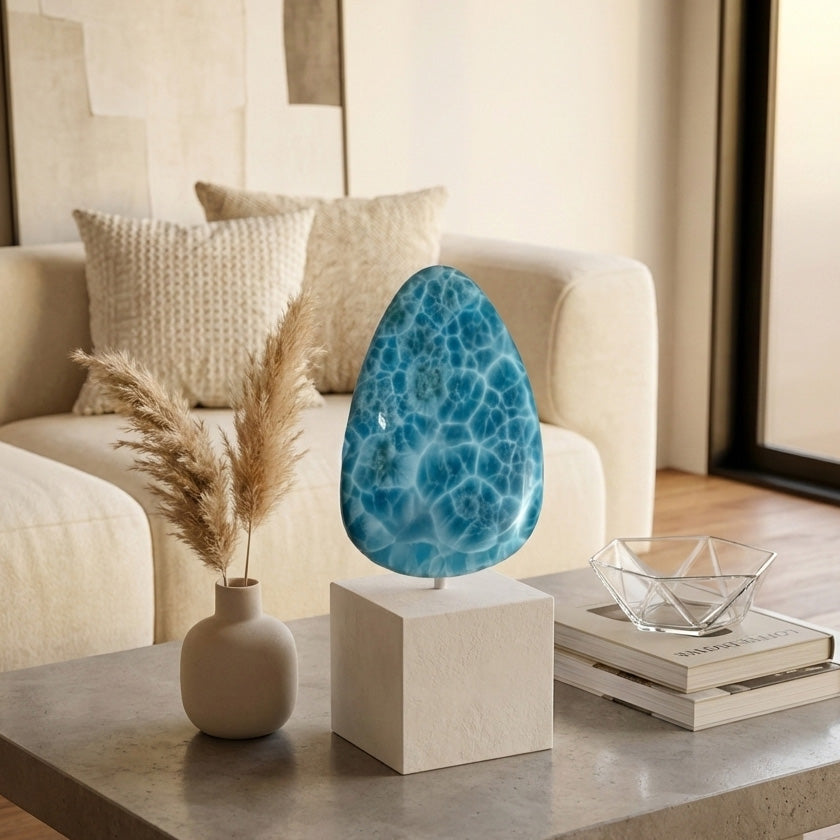
Rarity alone is not enough, however. A fine collector piece should reveal exceptional visual qualities for its material. In Larimar, look for a strong sky-blue to deep blue body color, intricate white marbling, and patterns that recall sunlight moving across shallow water. In blue amber, clarity, honey-to-cognac color, a convincing blue glow under ultraviolet light, and interesting inclusions can each add desirability.

Condition and workmanship complete the picture. A naturally beautiful rough specimen can be important, but a well-proportioned cabochon or carving may better reveal a stone’s color and internal life. The strongest pieces respect the material rather than forcing it into a generic shape.

Best Gemstone Collector Pieces for a Caribbean Collection

The right category depends on how you enjoy your stones. A display-focused collector may value raw material and fossils; a jewelry lover may favor cabochons or one-of-a-kind pendants. Building across categories also creates a collection with more depth than buying the same form repeatedly.

High-Grade Larimar Cabochons

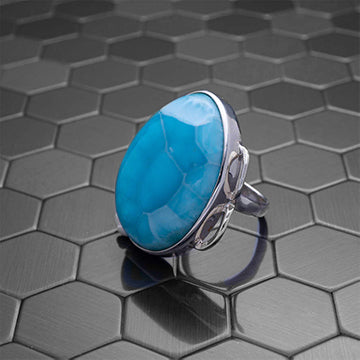
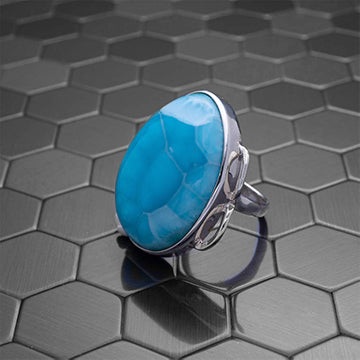
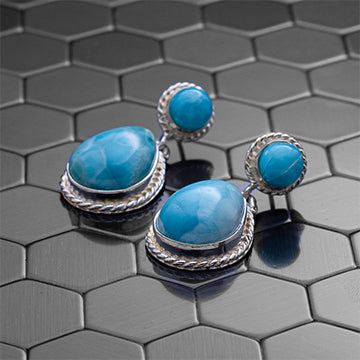
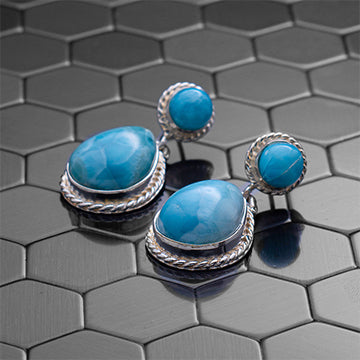
A standout Larimar cabochon is one of the most versatile pieces a collector can own. It can remain a treasured loose stone, become the center of a custom ring, or be mounted later as a pendant. Look beyond simple blueness. The most memorable cabochons have distinct patterning, clean polish, and color distributed in a way that feels alive rather than flat.

The finest examples often show vivid blue areas interrupted by soft white waves or cloudlike markings. Some collectors prefer a nearly solid blue face for its clean, luxurious appearance. Others seek dramatic spiderweb patterns because they feel unmistakably natural. Neither preference is objectively better. The stronger choice is the stone that shows the character you want to see every time you open your collection.

Dominican Blue Amber With Inclusions

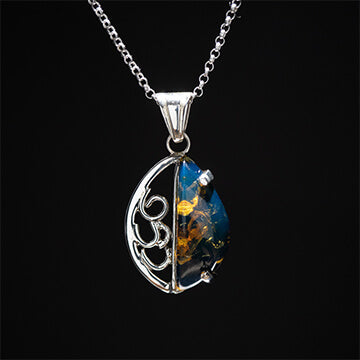
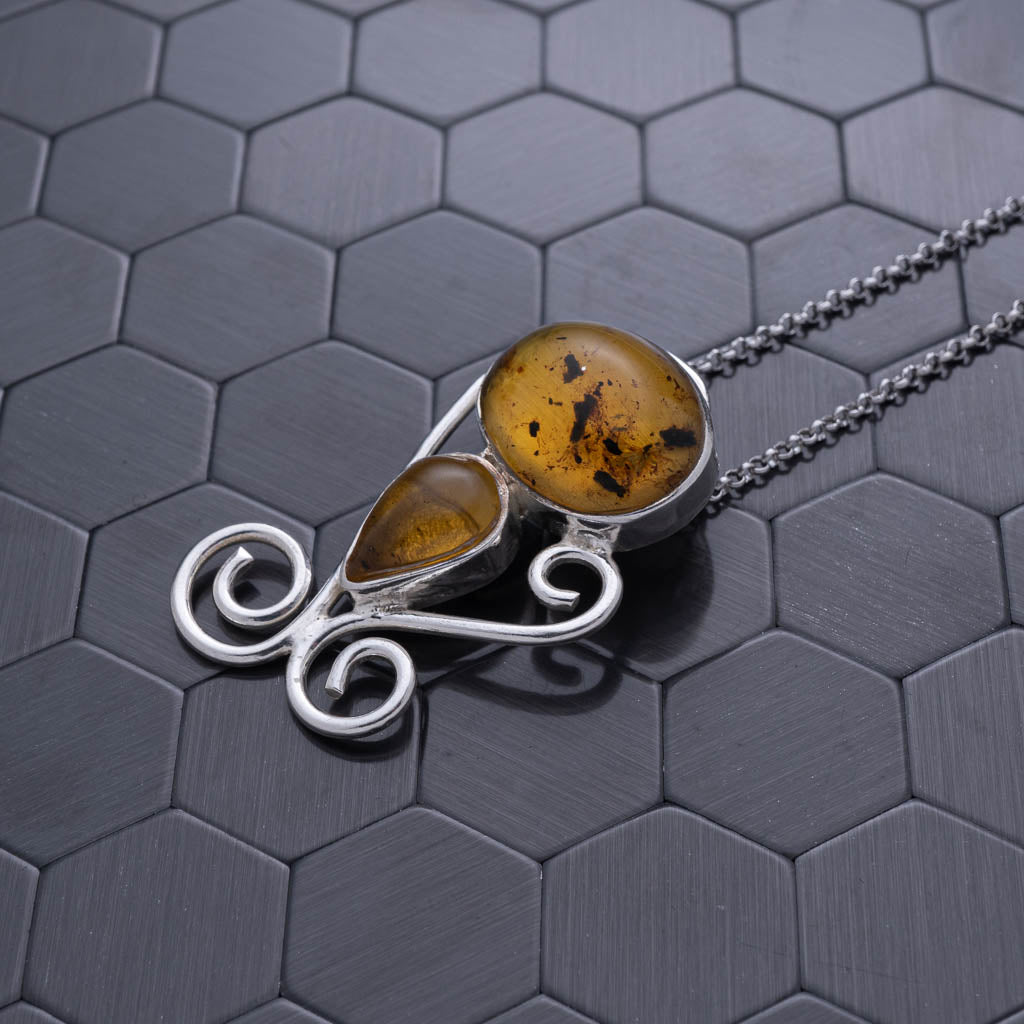
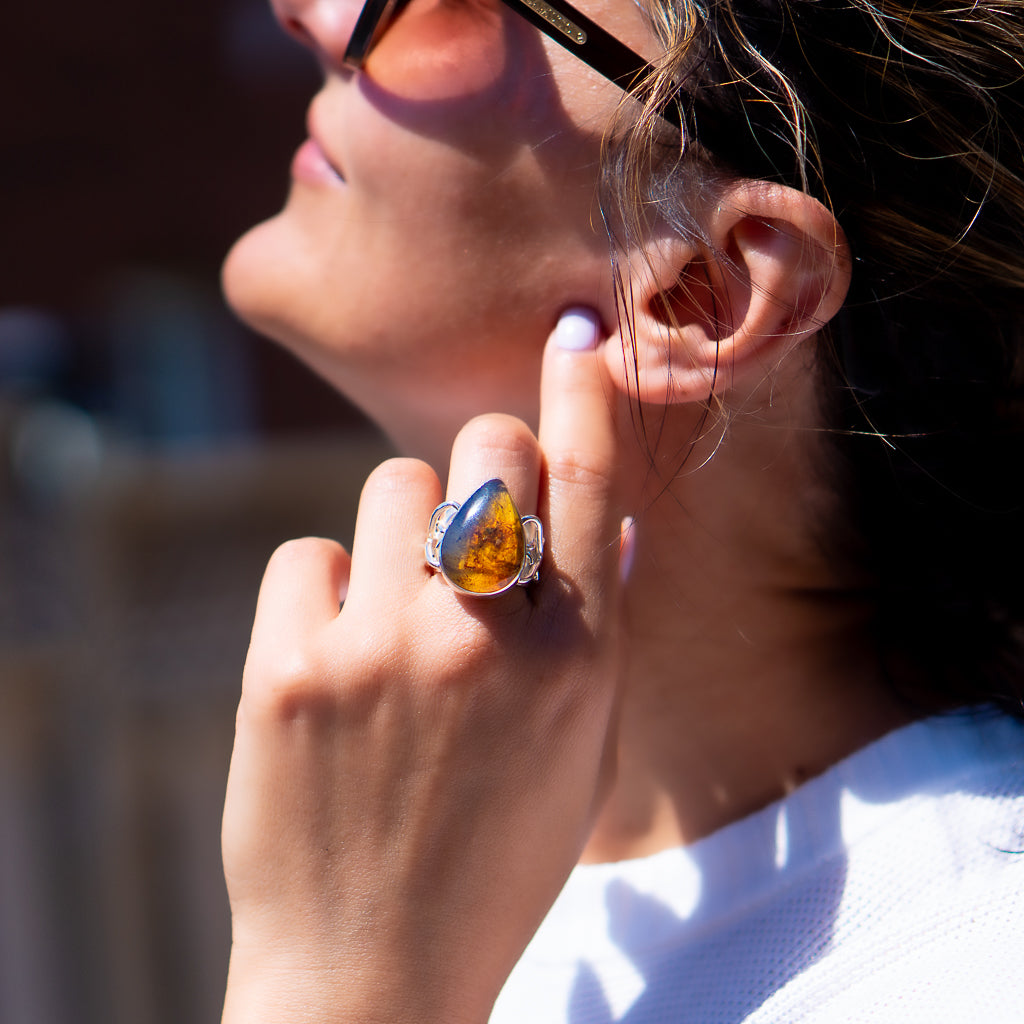
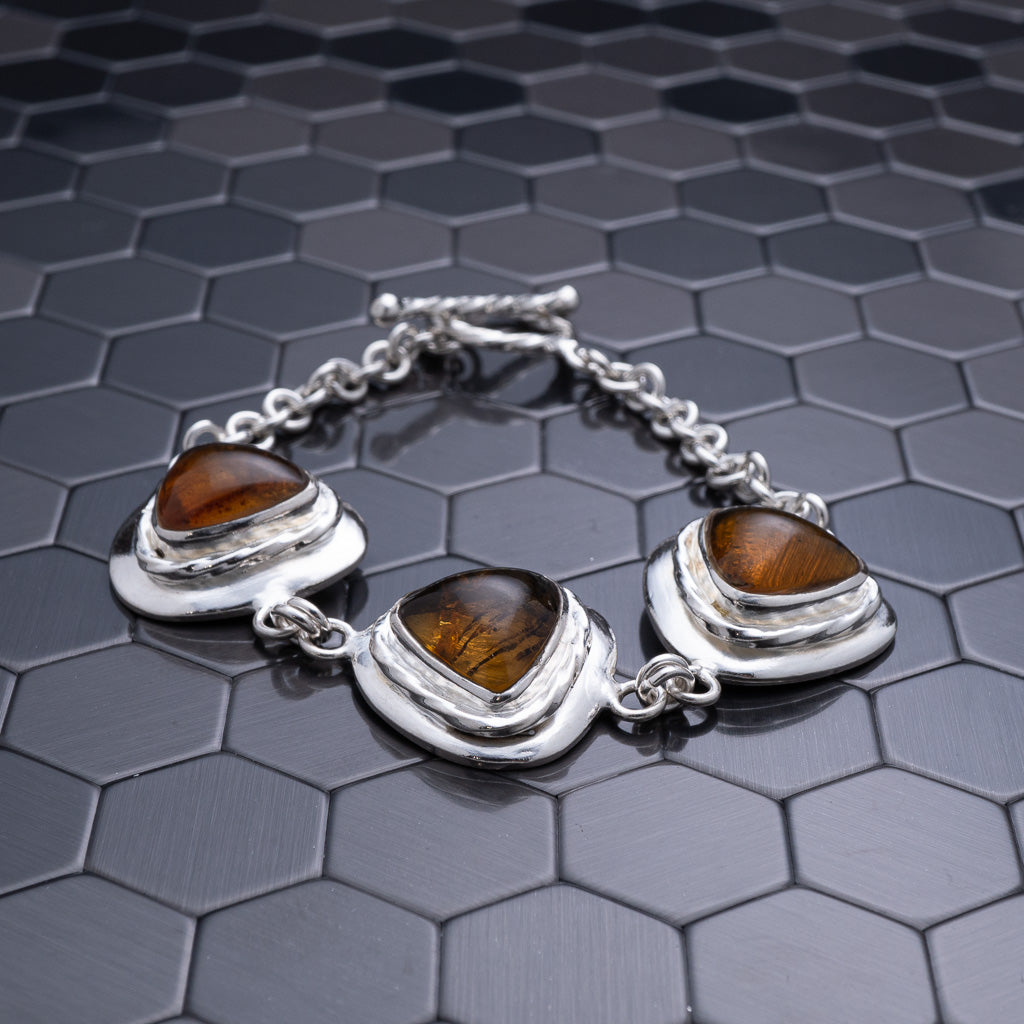
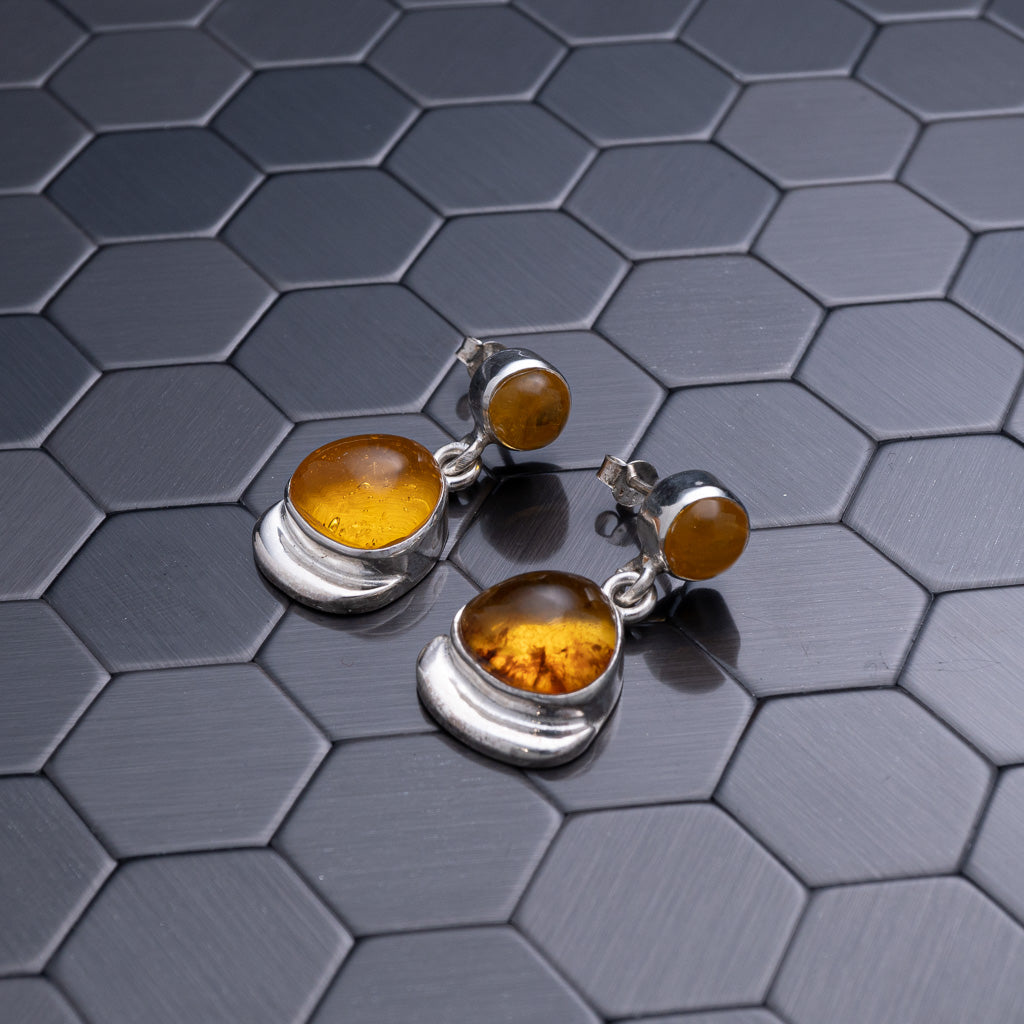
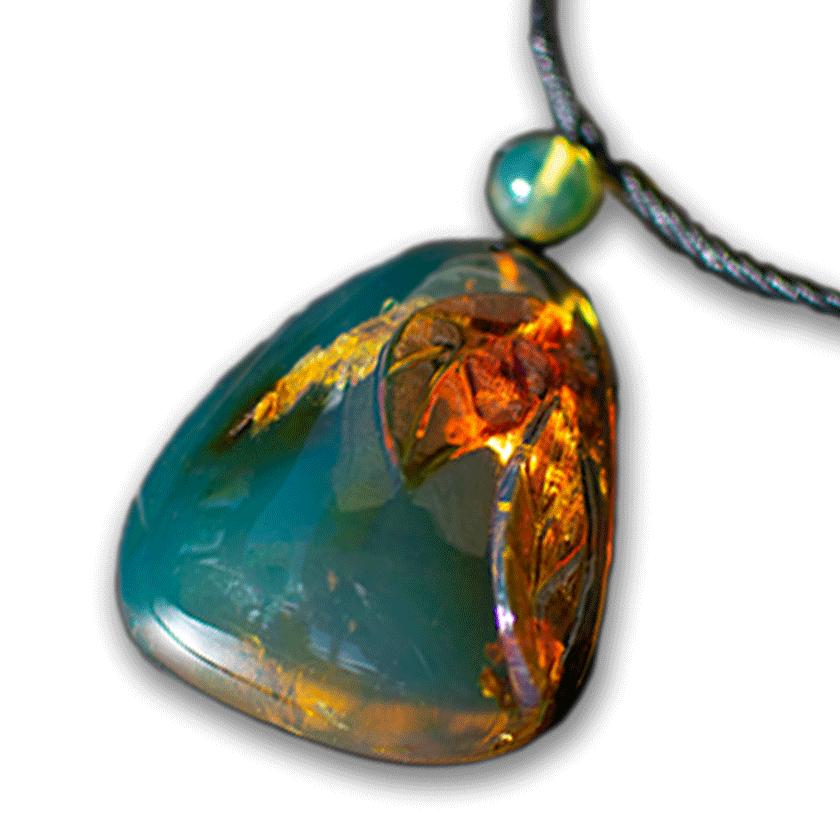
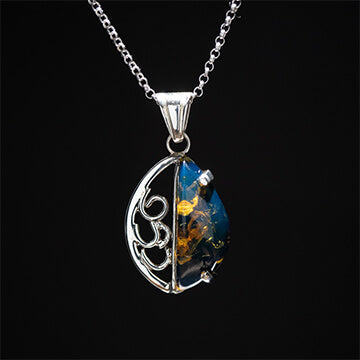
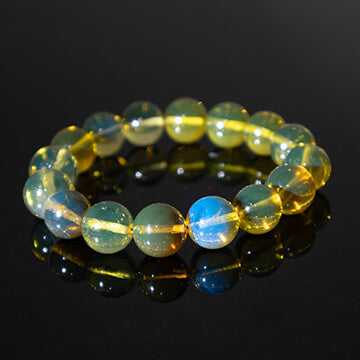
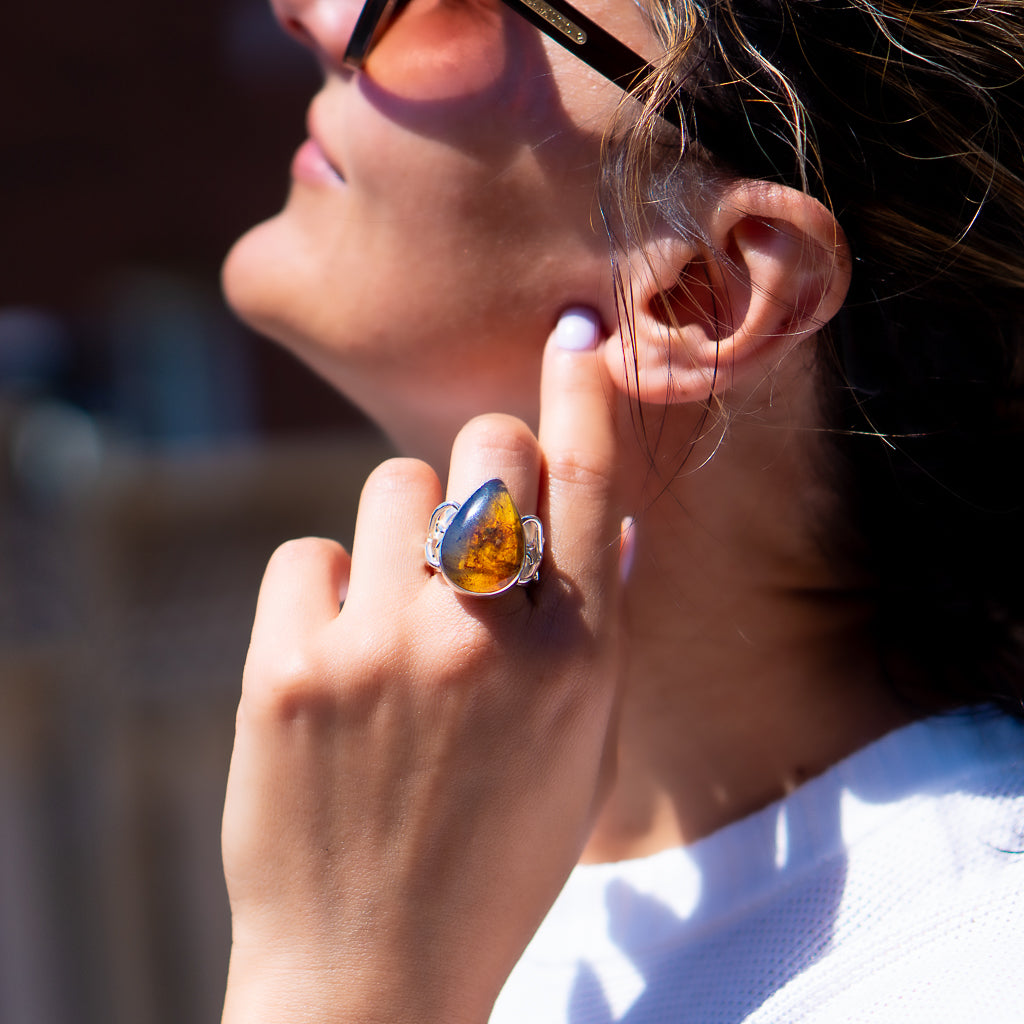
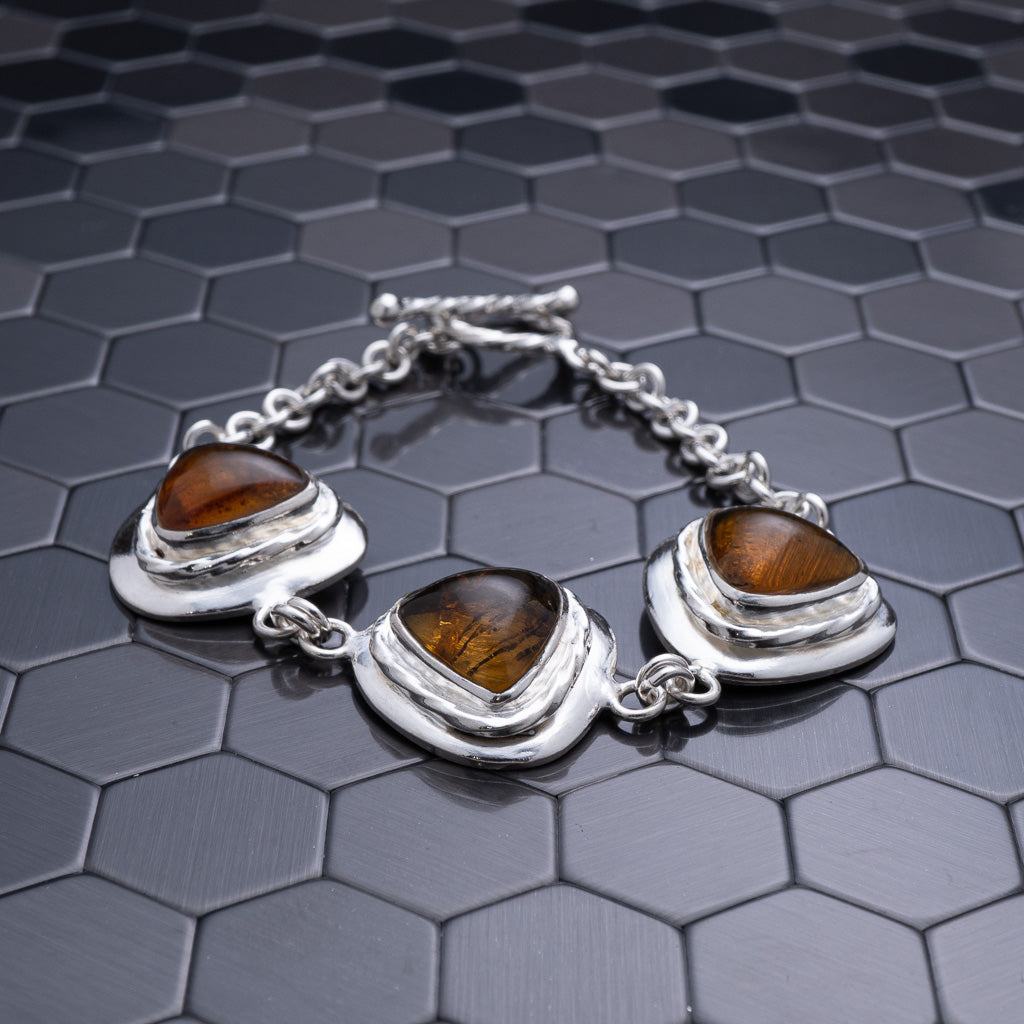
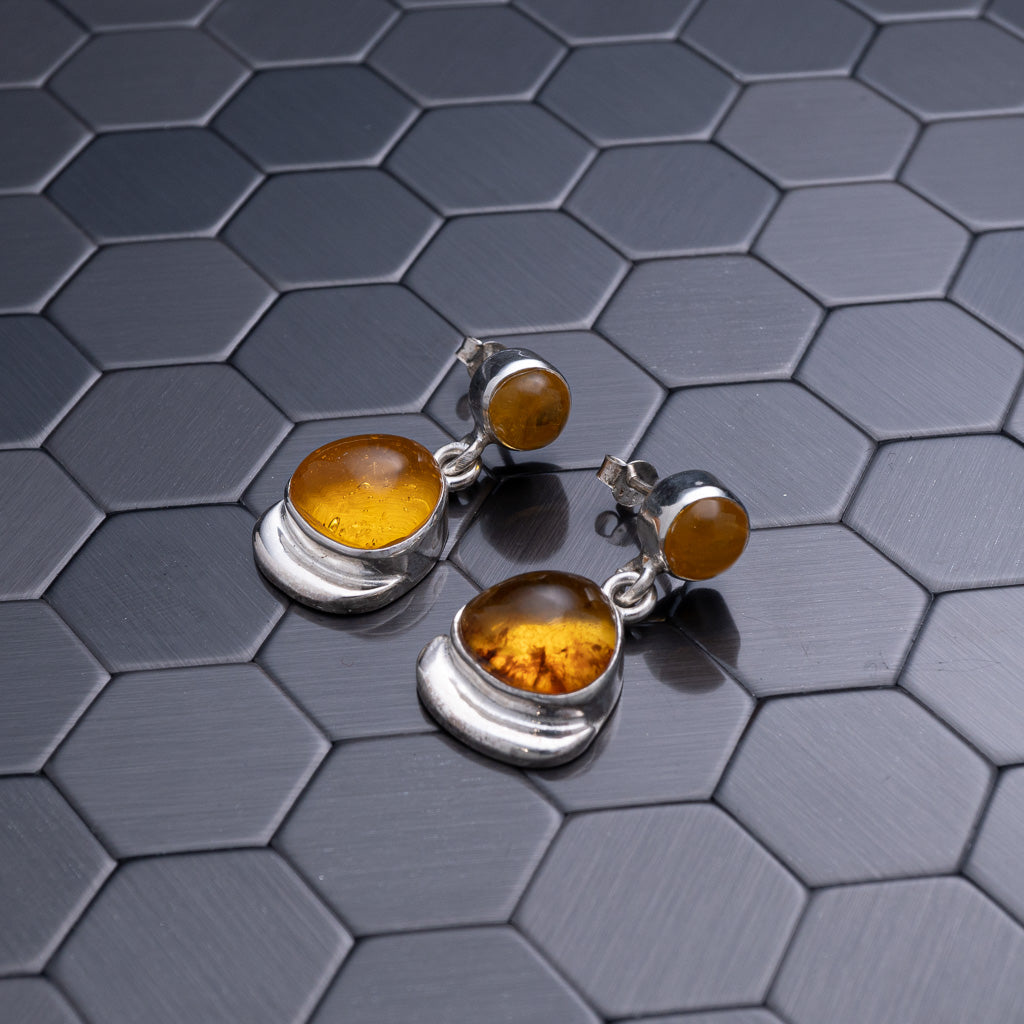
Dominican blue amber deserves its reputation as a collector’s stone. In ordinary light, a piece may appear warm gold, cognac, or lightly tea-colored. Under ultraviolet light or in strong sunlight, it can reveal the celebrated blue effect that makes it so distinctive. This changeable character gives blue amber an almost private beauty, rewarding close attention.

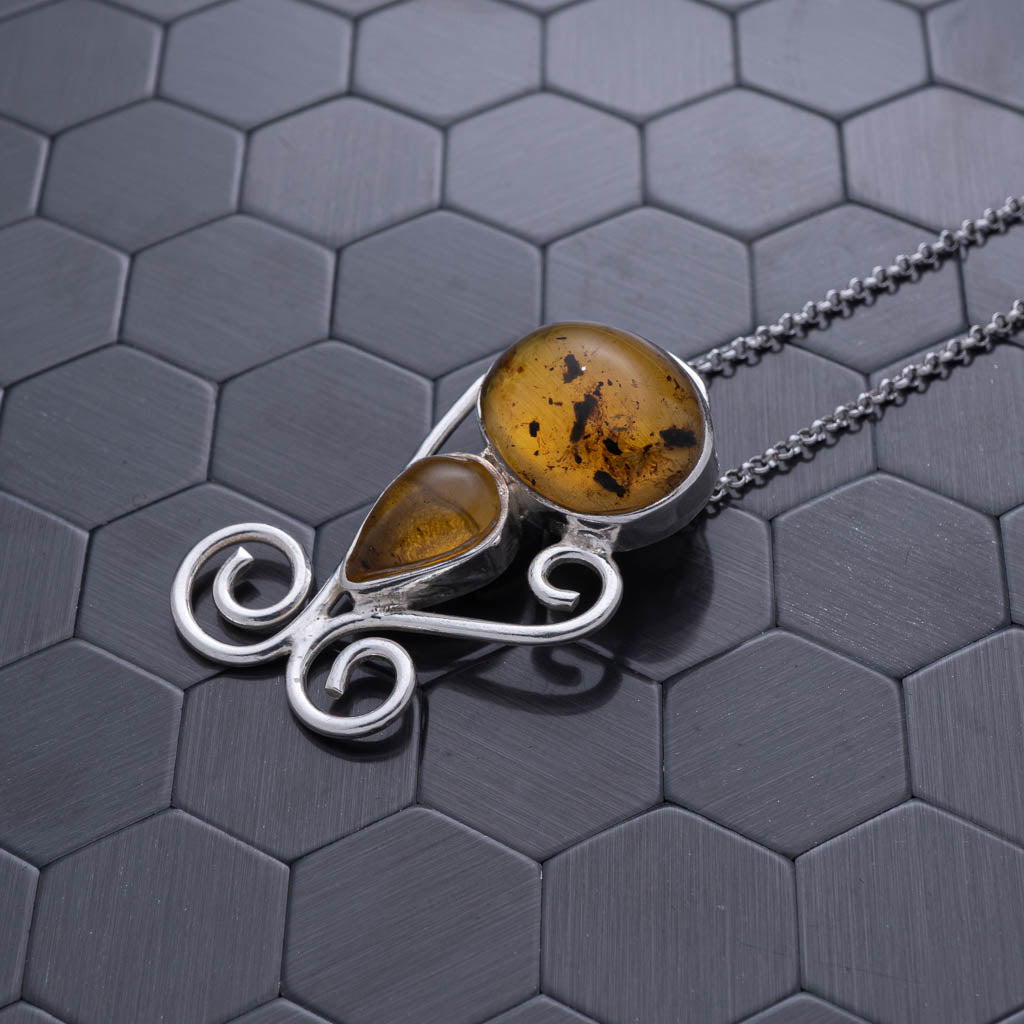
Inclusions can elevate a piece from beautiful to truly fascinating. Plant matter, bubbles, insects, and other ancient traces are records from a world long gone. Their presence should be evaluated with care: an inclusion is most compelling when it is visible, well-preserved, and naturally positioned within the amber. Not every inclusion adds value, and heavily fractured material may require a more cautious assessment. Still, a clear piece of blue amber with a meaningful natural inclusion is difficult to replace.

Amber Fossils and Natural Specimens

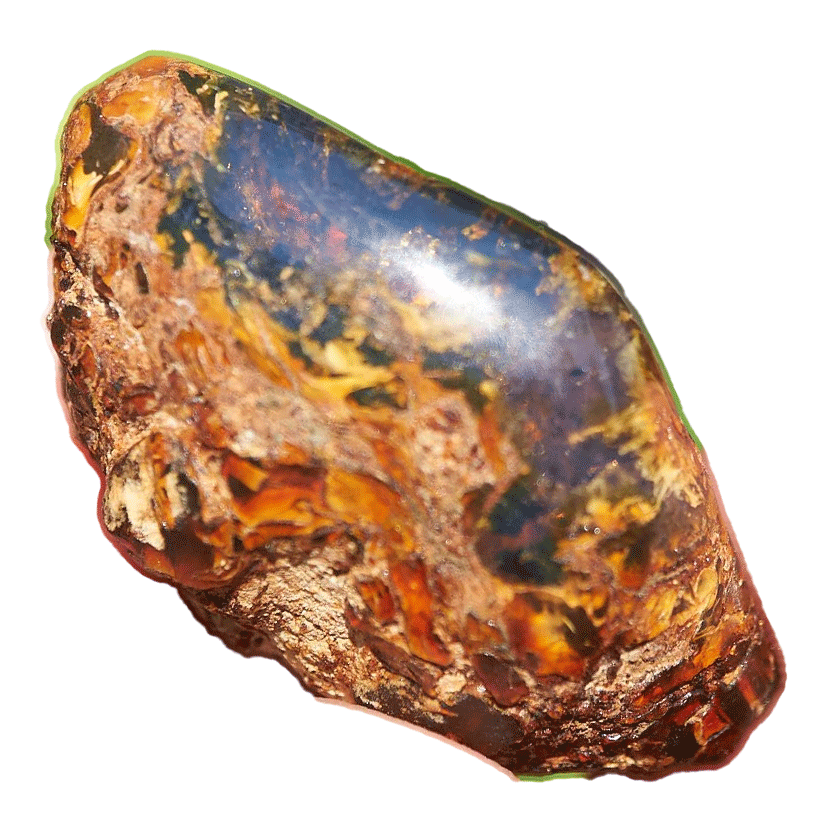
For collectors who are moved by the geological story behind a gem, amber fossils and unpolished specimens offer a direct connection to deep time. These pieces are less about conventional jewelry perfection and more about provenance, preservation, and wonder. A small fossil can be more significant than a large polished bead if its internal scene is exceptionally clear.

Natural specimens also invite a different kind of appreciation. Surface texture, resin flow, and irregular shape remind us that amber began as ancient tree resin, not as a manufactured gemstone. Keep in mind that amber is softer than mineral gems and should be handled accordingly. Its value lies in its warmth and history, not in resistance to wear.

Hand-Carved Larimar and Amber

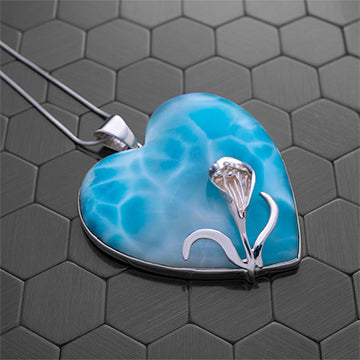
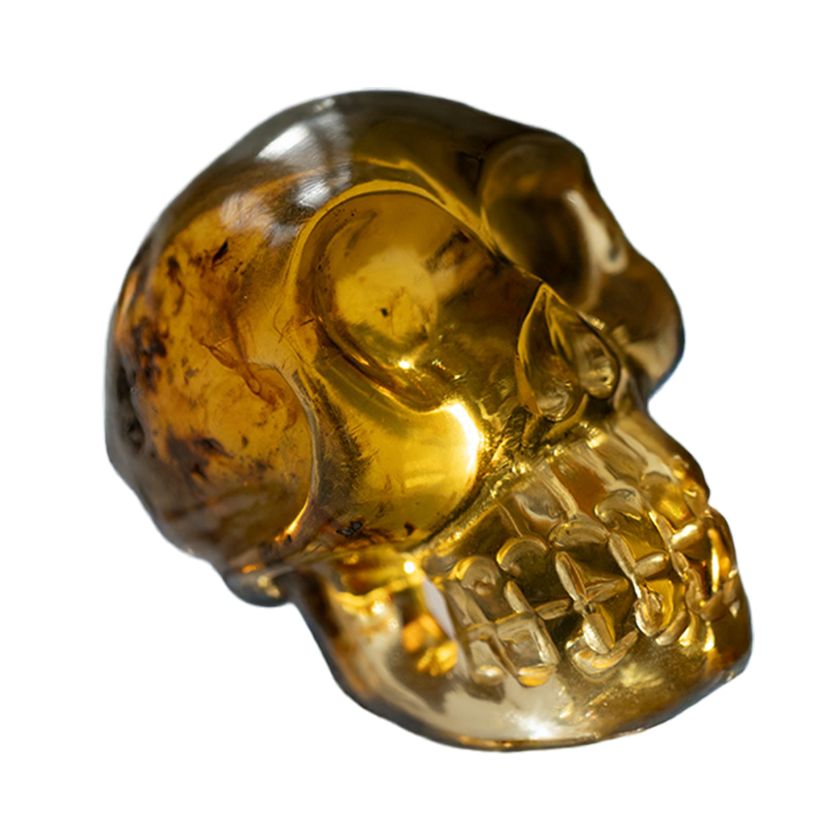
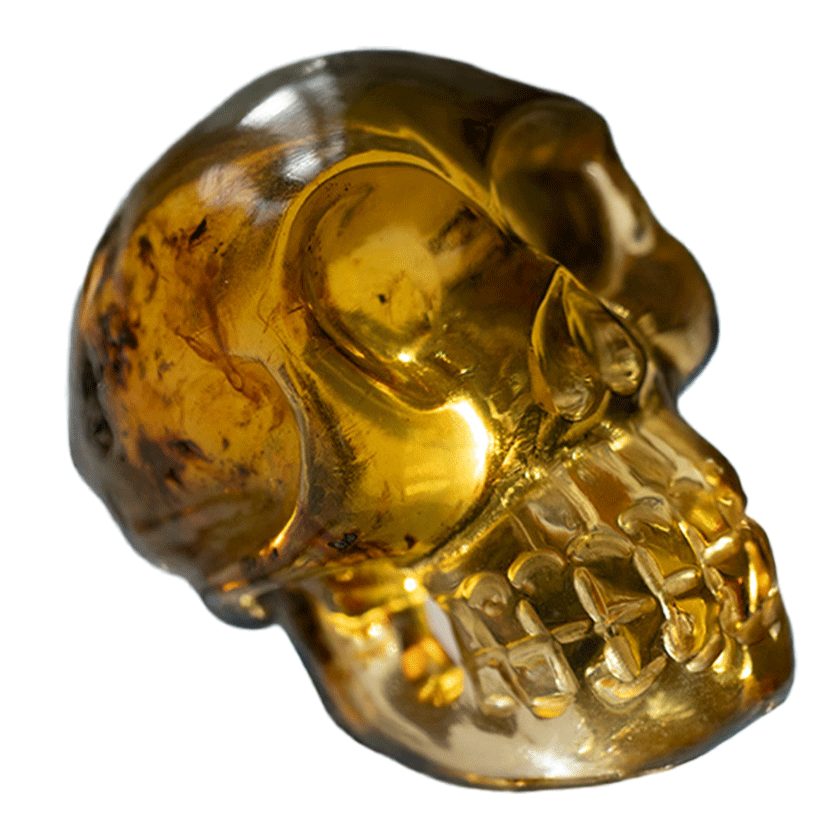
Carvings give artisans room to respond to the individual stone. A skilled carver may follow a Larimar pattern to suggest a wave, leaf, shell, or heart, allowing the gem’s own color movement to guide the final design. In amber, a carving can intensify the material’s glow and showcase its transparency from multiple angles.

This is where craftsmanship becomes especially important. Look for crisp but not fragile detail, balanced proportions, and a polished finish that does not erase the stone’s natural personality. A carving should feel intentional from every view. For a collector, the appeal is not only the gem but the human skill that recognized what it could become.

Rare Beads and Tasbih Pieces

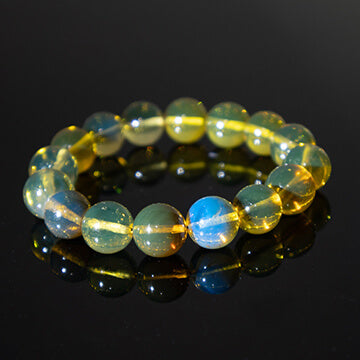
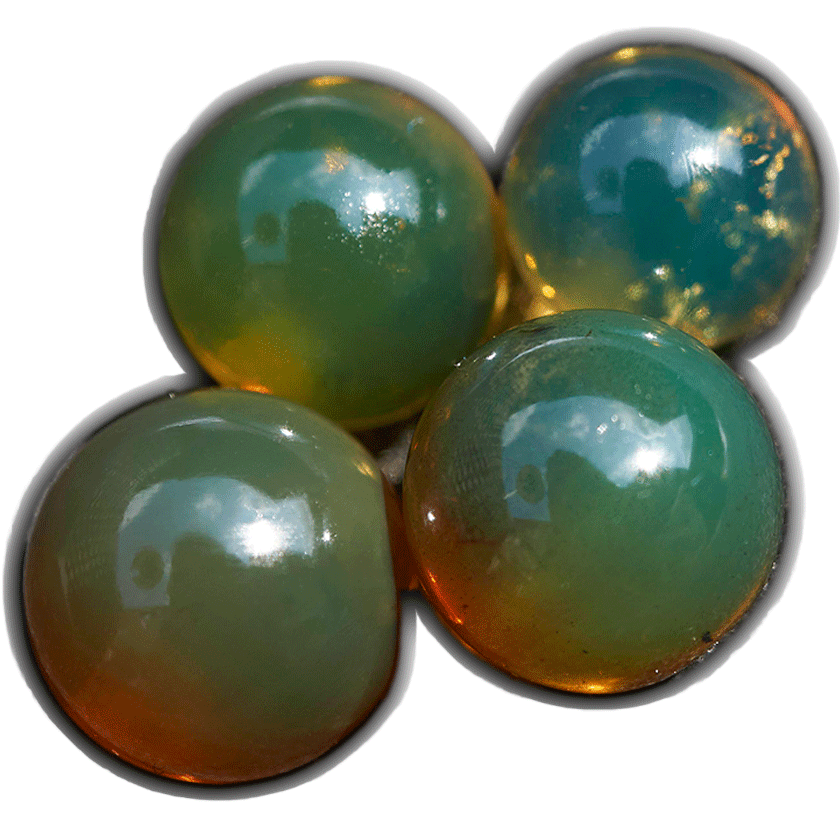
Beads are often underestimated by new collectors, yet exceptional Larimar or amber beads can be remarkably difficult to source in matched color, shape, and quality. A strand or tasbih made from authentic material offers both tactile pleasure and a strong sense of continuity. Each bead is individual, but together they create a cohesive object.

When assessing beadwork, notice the consistency of drilling, polish, and overall selection. Perfect matching may not be the point with natural gemstones. A carefully curated variation can be more beautiful than uniformity, particularly when it reveals the range of color within genuine Larimar or amber.

How to Judge Authenticity Before You Collect

Origin claims should be supported by a seller who understands the material and communicates clearly. This is particularly vital with Larimar and Dominican blue amber, two stones whose rarity attracts imitations, mislabeled material, and vague marketing. Ask what the stone is, where it comes from, and whether it has been treated or reconstructed.

Natural variation is not a flaw. Larimar may contain white, gray, greenish, or brown matrix areas; these are part of its geological formation. Amber can contain bubbles, tiny internal lines, and organic matter. What matters is accurate representation. A trustworthy seller presents the piece honestly, rather than implying that every variation is either a defect or an automatic sign of exceptional grade.

Certification and documented provenance add confidence, especially for higher-value acquisitions. They do not replace your own eye, but they give your collection a firmer foundation. At Larimar Creations, the focus on authentic, certified Dominican gemstones reflects a collector principle worth carrying everywhere: buy the story only when the material can support it.

Build a Collection With Intention

It is tempting to chase only the rarest possible item, but a satisfying collection is built around your own point of view. You might focus on blue amber fluorescence, collect Larimar patterns that resemble ocean currents, or choose fossils that preserve a fragment of prehistoric life. A clear theme makes each new piece feel connected rather than accidental.

Budget also benefits from intention. A small, beautifully patterned Larimar cabochon may be a wiser purchase than a larger stone with weak color or poor polish. Likewise, an amber specimen with a vivid blue response may offer more collector appeal than a heavier piece with no special optical character. Size matters, but it is only one part of the value equation.

Give each acquisition proper care. Store amber away from heat, prolonged direct sun, perfumes, and harsh chemicals. Keep polished stones in separate soft pouches or compartments so they do not rub against harder gems or metal. For loose collector pieces, retain any documentation and record the date, source, dimensions, and notable features. Those small details preserve the story that made you choose the piece.

Let the Stone Set the Standard

The best gemstone collector pieces are the ones that remain interesting after the first rush of discovery. They reward a closer look: a hidden amber inclusion, a blue flash in changing light, a Larimar pattern that feels like a private stretch of sea. Choose authentic stones with care, give craftsmanship the attention it deserves, and leave room in your collection for the pieces that feel impossible to imitate. That is how a group of beautiful objects becomes a personal archive of the Caribbean.


Let's Stay In Touch