
FREE WORLD WIDE SHIPPING
HANDCRAFTED IN THE DOMINICAN REPUBLIC
30% DISCOUNT APPLIED AT CHECKOUT
FREE WORLD WIDE SHIPPING
HANDCRAFTED IN THE DOMINICAN REPUBLIC
30% DISCOUNT APPLIED AT CHECKOUT
FREE WORLD WIDE SHIPPING
HANDCRAFTED IN THE DOMINICAN REPUBLIC
30% DISCOUNT APPLIED AT CHECKOUT
FREE WORLD WIDE SHIPPING
HANDCRAFTED IN THE DOMINICAN REPUBLIC
30% DISCOUNT APPLIED AT CHECKOUT
FREE WORLD WIDE SHIPPING
HANDCRAFTED IN THE DOMINICAN REPUBLIC
30% DISCOUNT APPLIED AT CHECKOUT
FREE WORLD WIDE SHIPPING
HANDCRAFTED IN THE DOMINICAN REPUBLIC
30% DISCOUNT APPLIED AT CHECKOUT
100% Handcrafted in DR.
by Admin October 14, 2026 5 min read
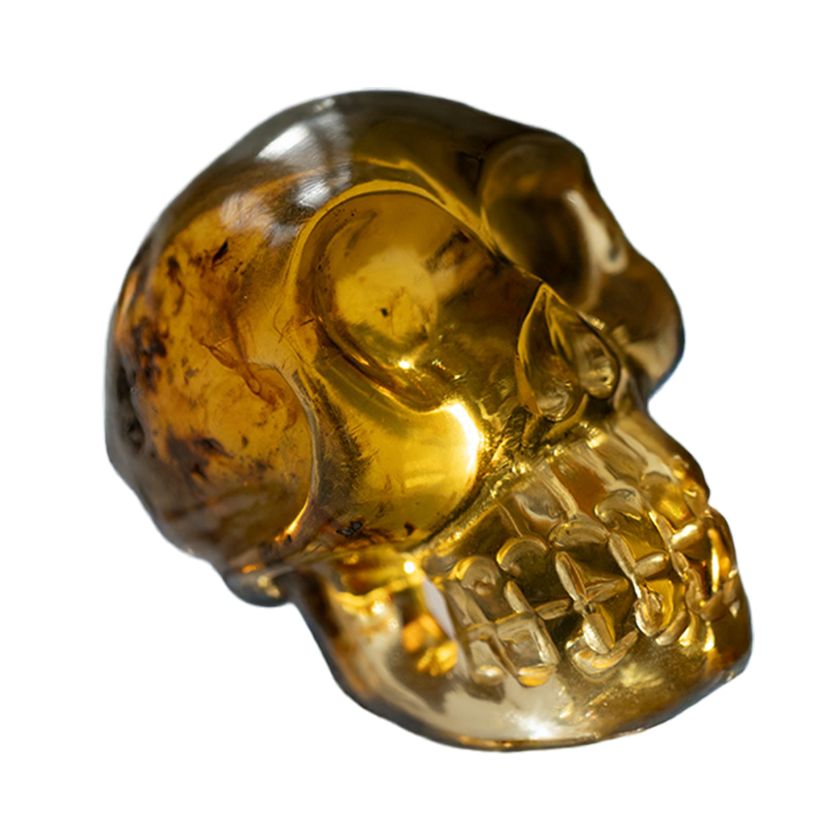
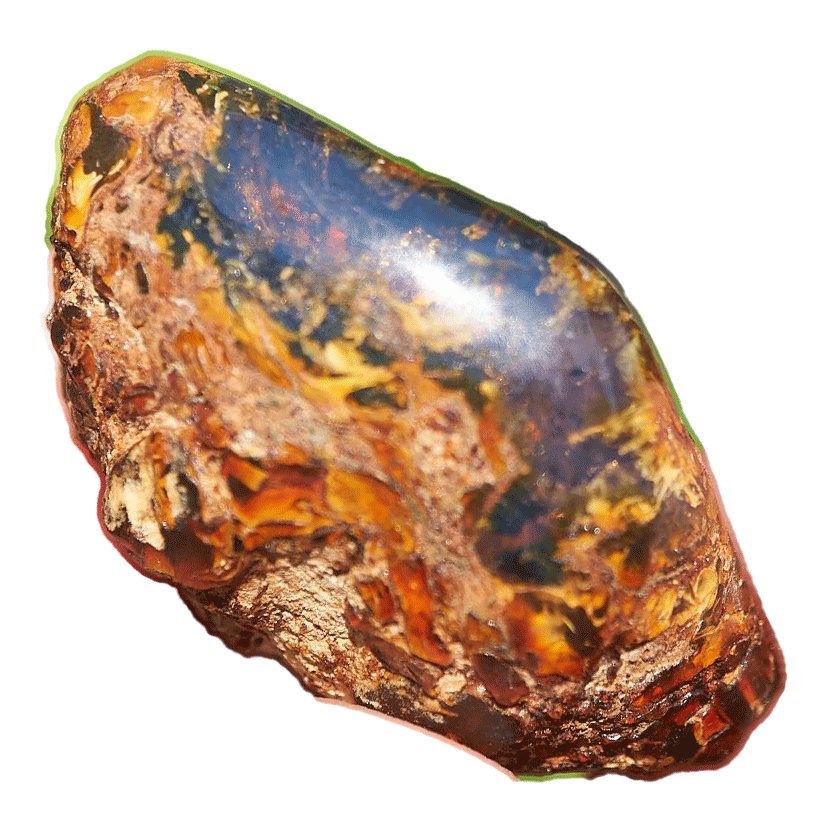
A sunlit amber cabochon can look almost weightless, holding warm honey tones, ancient inclusions, or the rare electric glow of Dominican Blue Amber. Yet when a buyer asks, does amber float, the answer is more nuanced than a simple yes or no. Genuine amber often floats in properly prepared saltwater, but it can sink in fresh water - and flotation alone cannot prove that a stone is authentic.
For collectors, jewelry lovers, and anyone choosing a meaningful Caribbean gemstone, understanding this small at-home observation can help put amber’s remarkable natural character into context. The key is to treat it as one clue among many, never as a final verdict.
Most genuine amber will sink in ordinary fresh water. Fresh water has a density of about 1 gram per cubic centimeter, while amber is typically slightly denser, often falling around 1.05 to 1.10 grams per cubic centimeter. That difference is small, but it is enough to send many authentic pieces to the bottom of a glass.
In heavily salted water, the result often changes. Salt increases the water’s density, allowing lighter materials to rise. A piece of natural amber may float or hover near the surface in a concentrated saltwater solution. This is the source of the familiar “float test” used by gemstone enthusiasts.
The word may matters. Amber varies by origin, age, composition, and inclusions. A piece with mineral particles, substantial organic inclusions, or a heavy jewelry setting can behave differently from a clean, loose amber bead. The test is useful as a first observation, not an authentication certificate.
Amber began as tree resin millions of years ago. Over immense stretches of time, the resin hardened and transformed through natural geological processes into the fossilized material treasured in jewelry and collections today. Its relatively low density is one reason amber feels so light and comfortable to wear, even in a generously sized pendant or statement ring.
When enough salt is dissolved into water, the solution becomes denser than the amber. The amber is then buoyant enough to float. The same principle helps explain why objects float more easily in very salty bodies of water than in a freshwater lake.
A practical saltwater test generally involves warm water and enough table salt to create a noticeably concentrated solution. If you are testing a loose, unfinished piece, stir the mixture until much of the salt has dissolved, let the water cool to room temperature, and gently place the amber in the glass. Do not force it downward or confuse surface tension with genuine flotation.
Afterward, rinse the piece with clean water and dry it immediately with a soft, lint-free cloth. Salt residue should never be left on gemstone jewelry or metal findings.
The appeal of the test is understandable: it is simple, inexpensive, and based on a real physical property. Still, it cannot distinguish every imitation from natural amber. Some lightweight plastics, resins, and manufactured materials can also float in saltwater. Conversely, an authentic amber piece mounted in sterling silver, gold, or another metal will likely sink because the setting adds considerable weight.
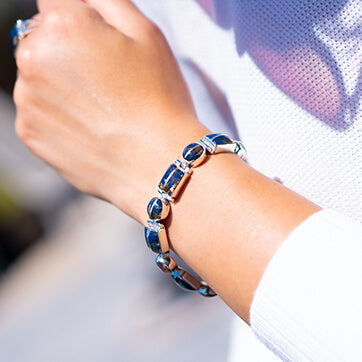
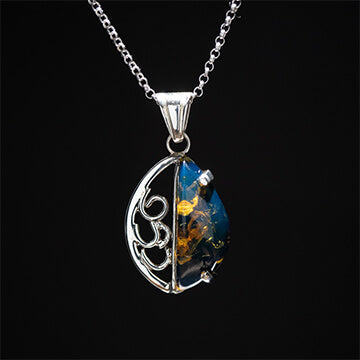
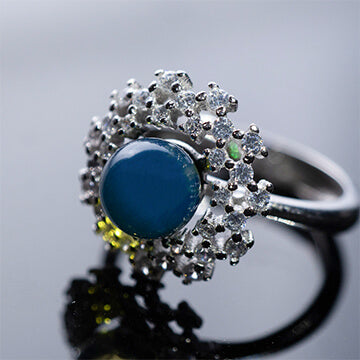
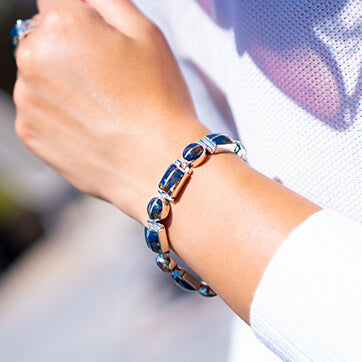
For this reason, never use the float test on a finished necklace, bracelet, ring, or pair of earrings. Saltwater can leave deposits in small crevices, affect plated components, and be especially troublesome around glued settings, silk cords, leather, or delicate artisan construction. A treasured piece deserves gentler care than a kitchen experiment.
Copal also complicates the picture. Like amber, copal is a natural tree resin, but it is much younger and has not completed the long fossilization process that defines true amber. It may share a similar appearance and may respond in ways that make simple home tests inconclusive. A float result cannot reliably tell you whether you have ancient amber, copal, or a convincing imitation.
If a loose piece floats in concentrated saltwater, it suggests that the material has a low density consistent with amber. That is encouraging, particularly when the piece also has the warm visual depth, light feel, and natural variation associated with genuine material.
It does not, however, confirm the stone’s age, country of origin, treatment history, or value. It also cannot verify whether an extraordinary blue fluorescence comes from authentic Dominican Blue Amber. Those distinctions require knowledgeable examination and, when appropriate, professional gemological assessment.
A sinking result in fresh water is entirely normal. Even in saltwater, a piece may sink because the solution is not concentrated enough, because the amber contains denser inclusions, or because it has been shaped, backed, drilled, or mounted with other materials.
Avoid rejecting a beautiful piece based on one result. Natural gemstones and fossil materials are not factory-perfect substances. Their variation is part of their identity.
Authenticity is best judged through a combination of sourcing, visual examination, material knowledge, and professional guidance. Reputable sellers should be able to clearly identify a piece as amber, describe its origin when known, and explain whether it is natural, treated, reconstructed, or paired with other materials.
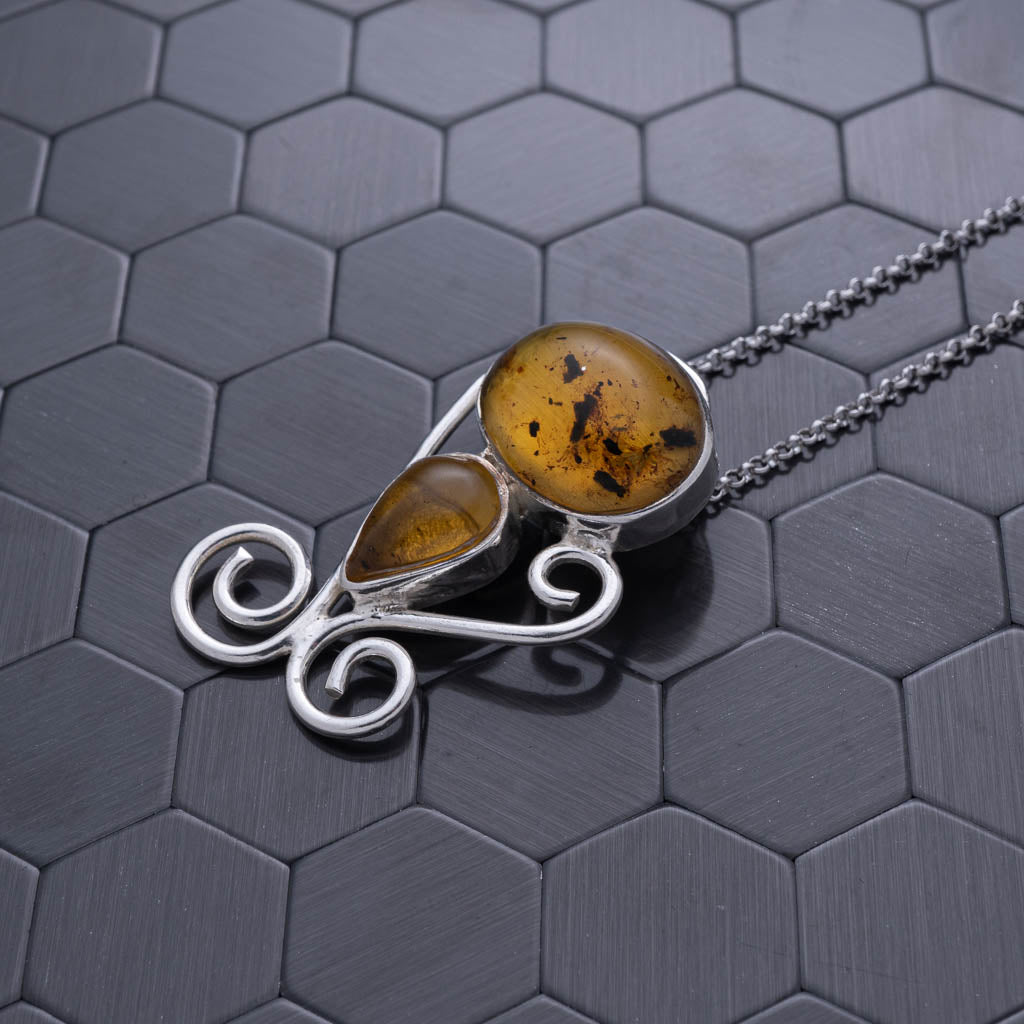
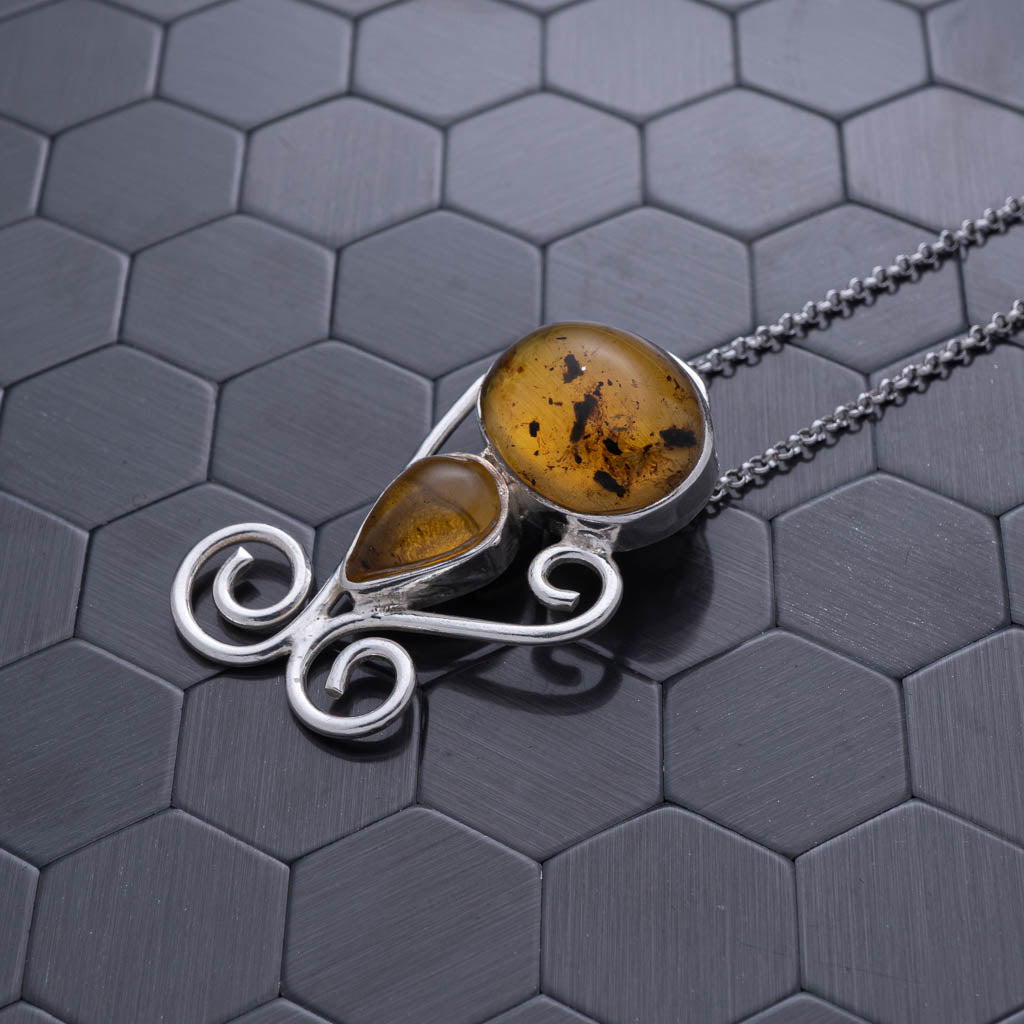
Look closely at the material under good light. Genuine amber often has an inner dimension that feels less uniform than molded plastic. You may see delicate clouding, tiny natural fractures, flowing color zones, botanical debris, or inclusions that appear suspended within the fossil resin. None of these features alone is proof, and perfectly clear amber can certainly be genuine, but overly identical beads or repeated internal patterns deserve a closer look.
Weight is another useful sensory clue. Amber is notably light for its size. A substantial-looking pendant can feel surprisingly airy in the hand, which is one reason it has been worn and traded for centuries. Still, weight comparisons are most helpful when you have experience with known authentic amber.
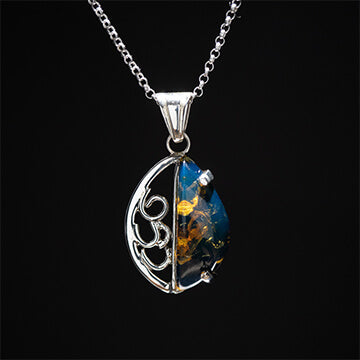
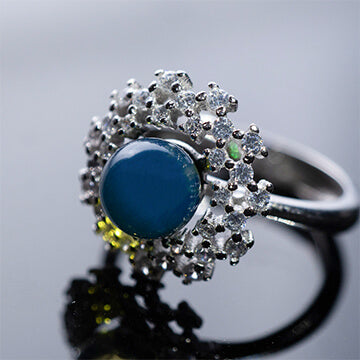
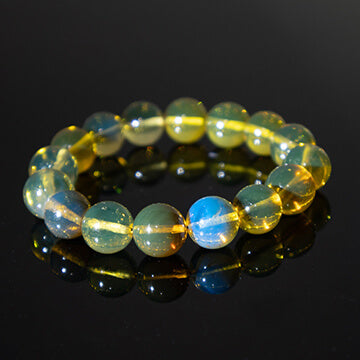
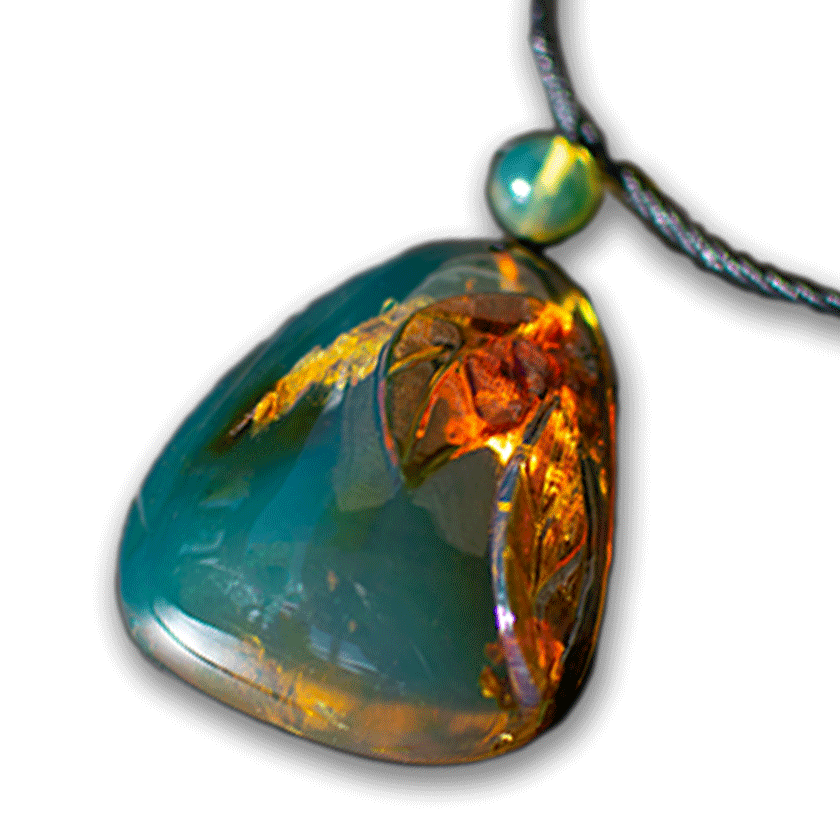
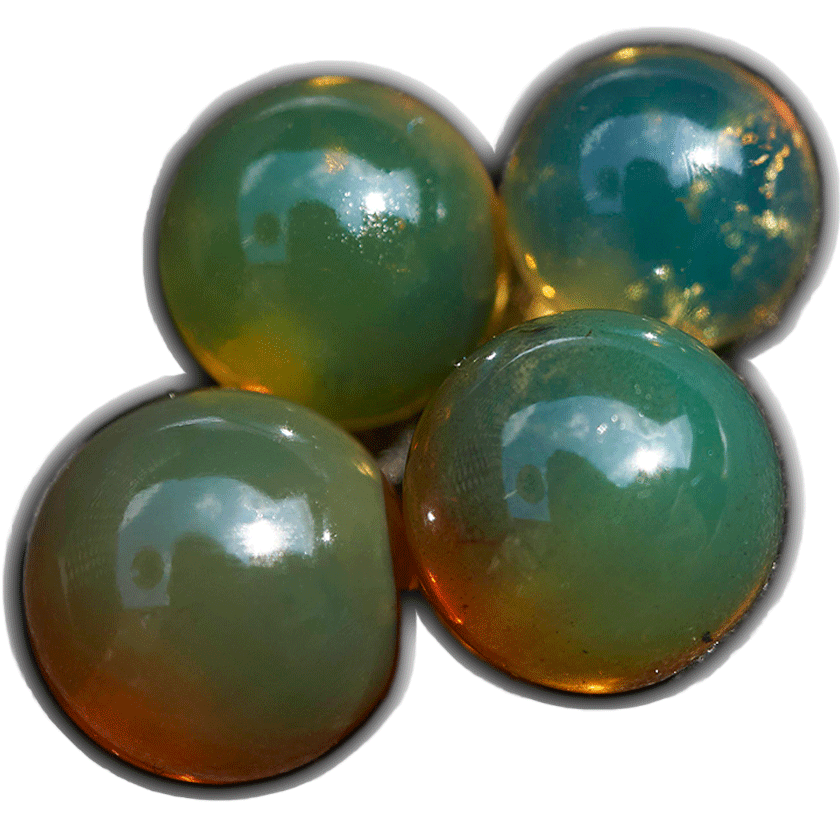
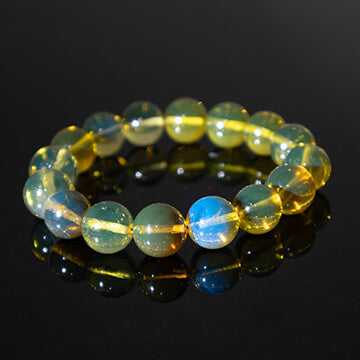
Color should be considered with equal care. Dominican amber can appear in golden yellow, cognac, greenish tones, red, and exceptionally rare blue varieties. Dominican Blue Amber may show a remarkable blue or violet fluorescence under ultraviolet light and can reveal a blue-toned glow in certain lighting conditions. This phenomenon is captivating, but lighting, polish, backing, and photography can greatly influence what the eye sees.
For high-value purchases, documented origin and a trusted specialist matter more than any home test. This is particularly true for rare blue amber, large carvings, fossil inclusions, matched jewelry suites, and collector-grade cabochons. The provenance of a gemstone adds confidence and meaning that a glass of saltwater never can.
Amber is beautiful, but it is softer than many popular jewelry gemstones. It can scratch, crack under impact, and react poorly to heat, harsh chemicals, perfumes, and prolonged direct sunlight. Treat it as an organic treasure rather than an indestructible stone.
Clean amber gently with a soft cloth and, when needed, a small amount of lukewarm water. Avoid ultrasonic cleaners, steam cleaners, chemical dips, and abrasive polishing compounds. Store amber separately so harder gemstones and metal edges do not mark its polished surface.
If you have already performed a saltwater test on a loose piece, rinse it carefully with fresh water and dry it thoroughly. Do not soak it for long periods. For mounted jewelry, skip the test altogether and rely on the seller’s documentation, informed visual inspection, and an experienced professional if questions remain.
Amber’s ability to float in saltwater is a lovely reminder of its unusual nature: an ancient forest material, preserved through time and light enough to seem almost buoyant. But the most meaningful way to choose amber is not to depend on a single experiment. Choose a piece for its verified origin, natural character, craftsmanship, and the feeling it carries when you wear a piece of the Caribbean close to your heart.
Sign up to get the latest on sales, new releases and more …
6 min read
7 min read
5 min read