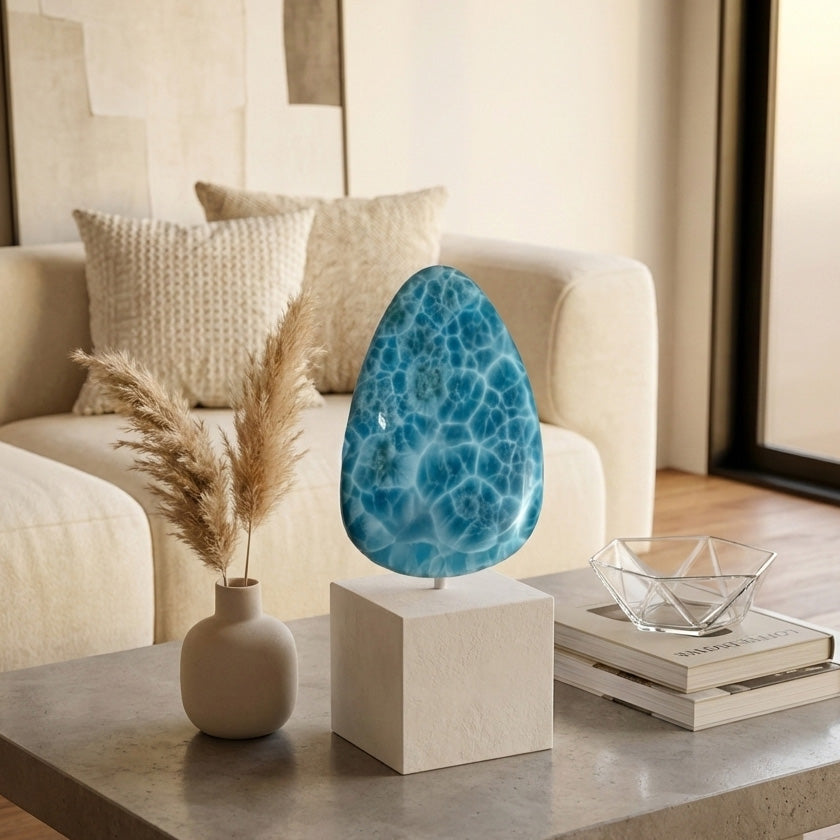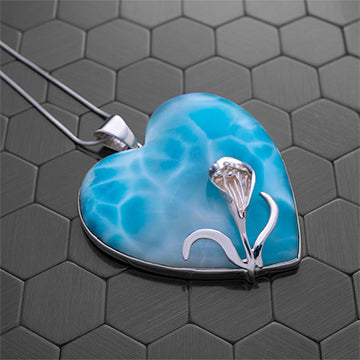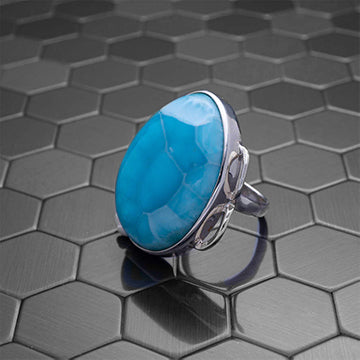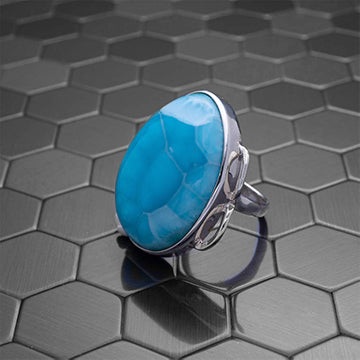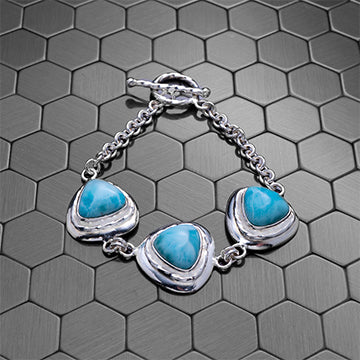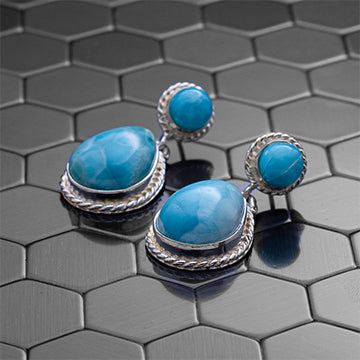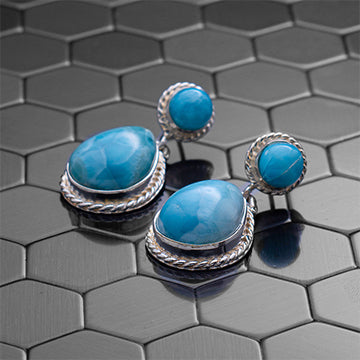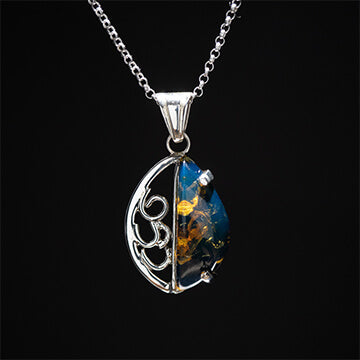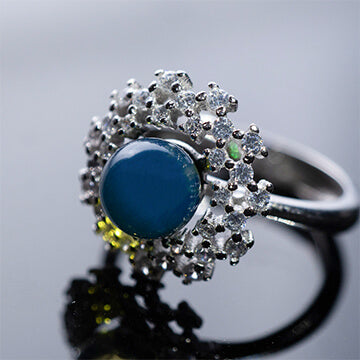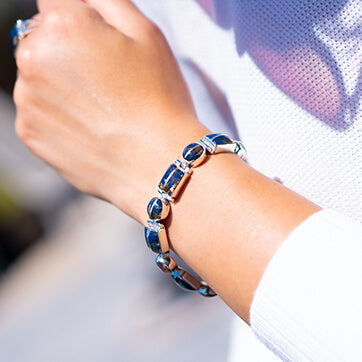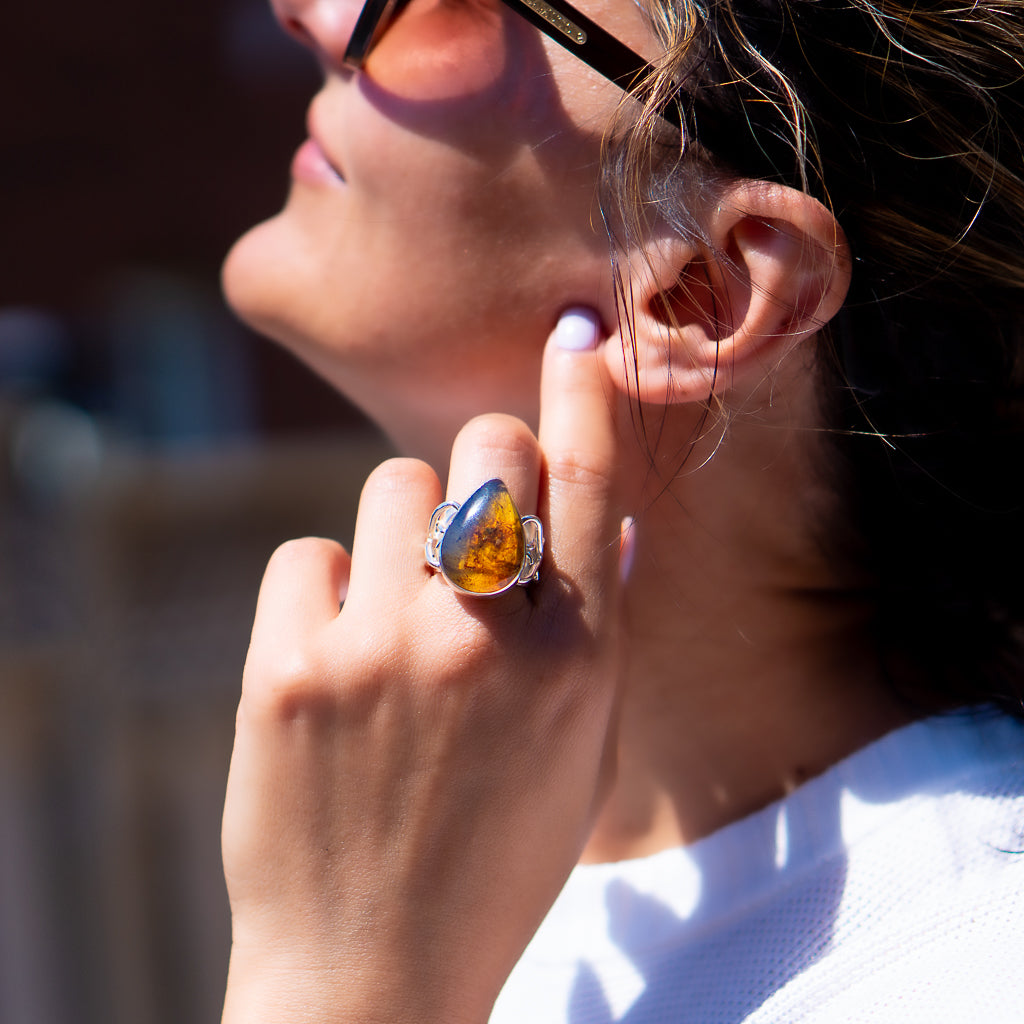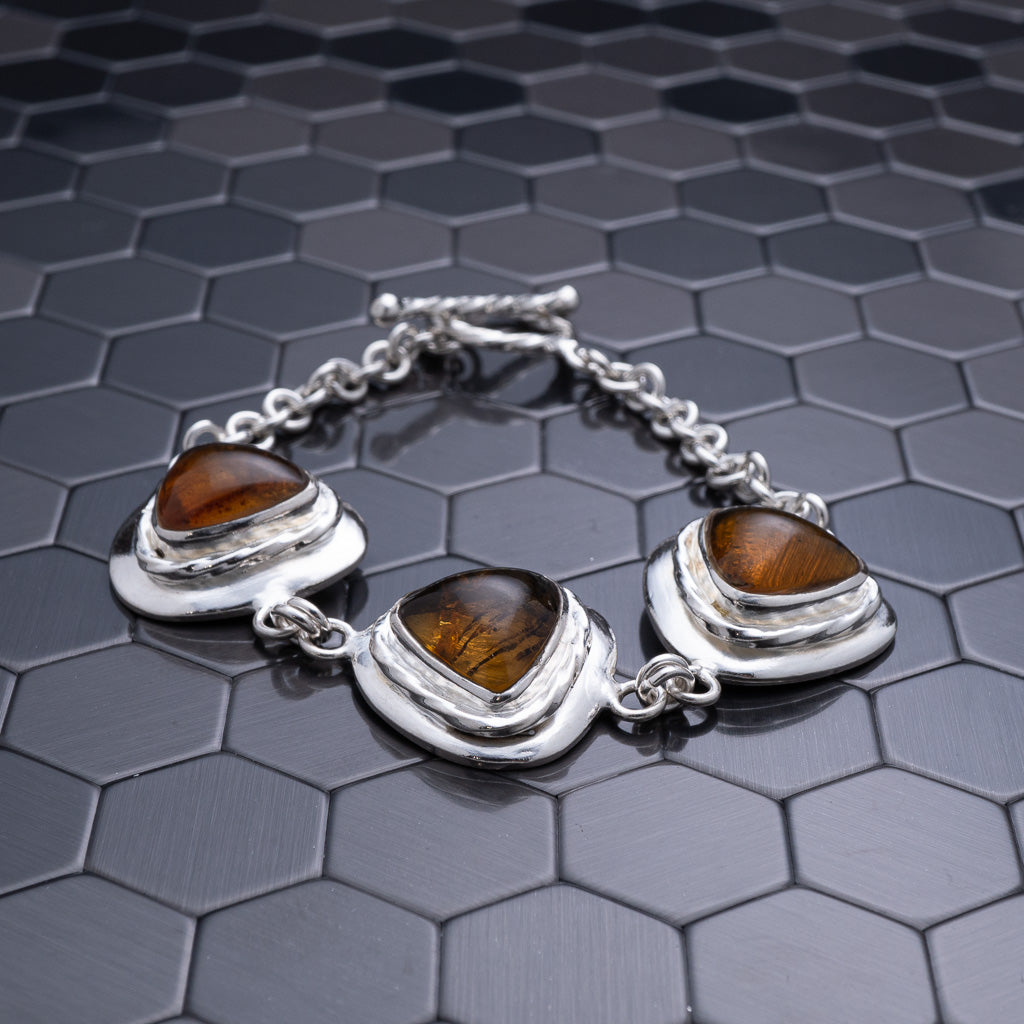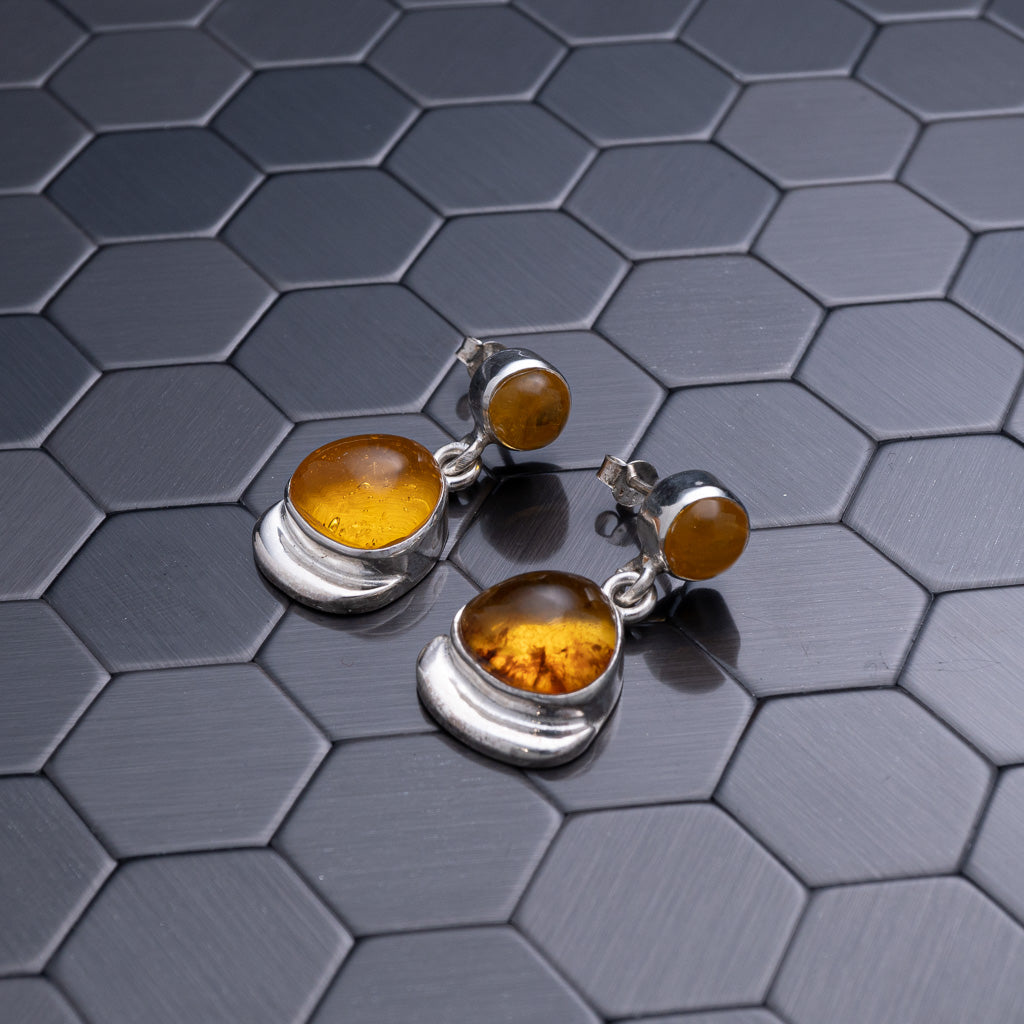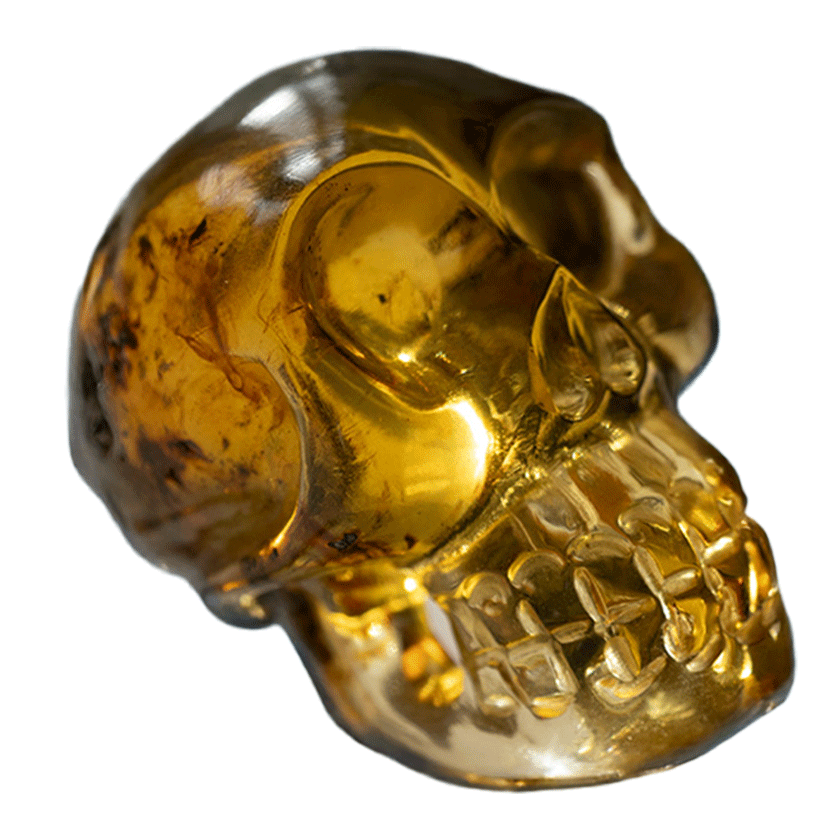


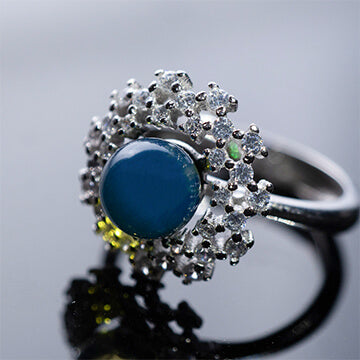
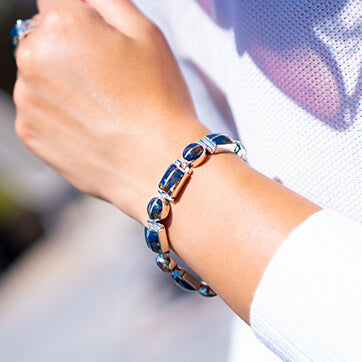
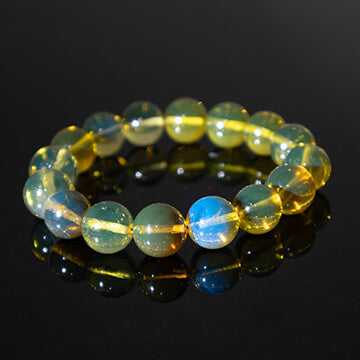
Handcrafted in DR.

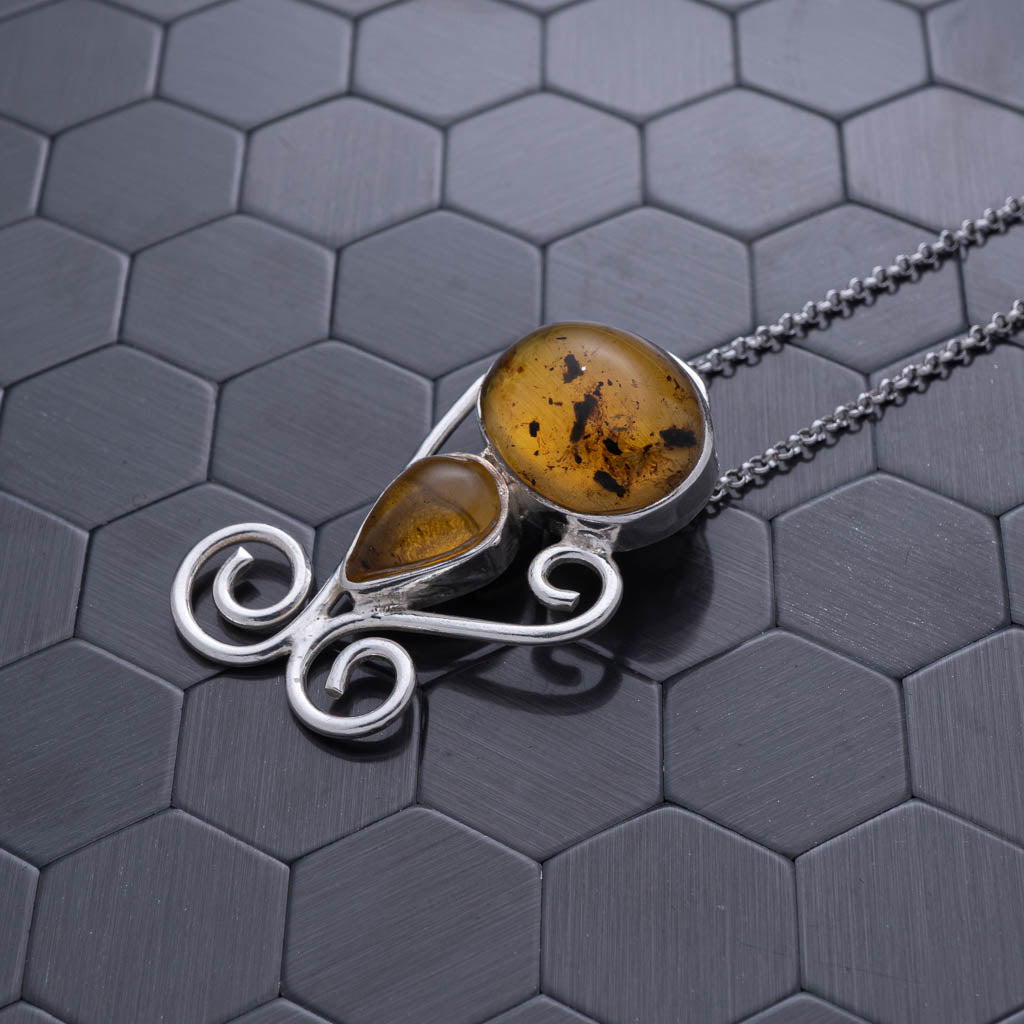
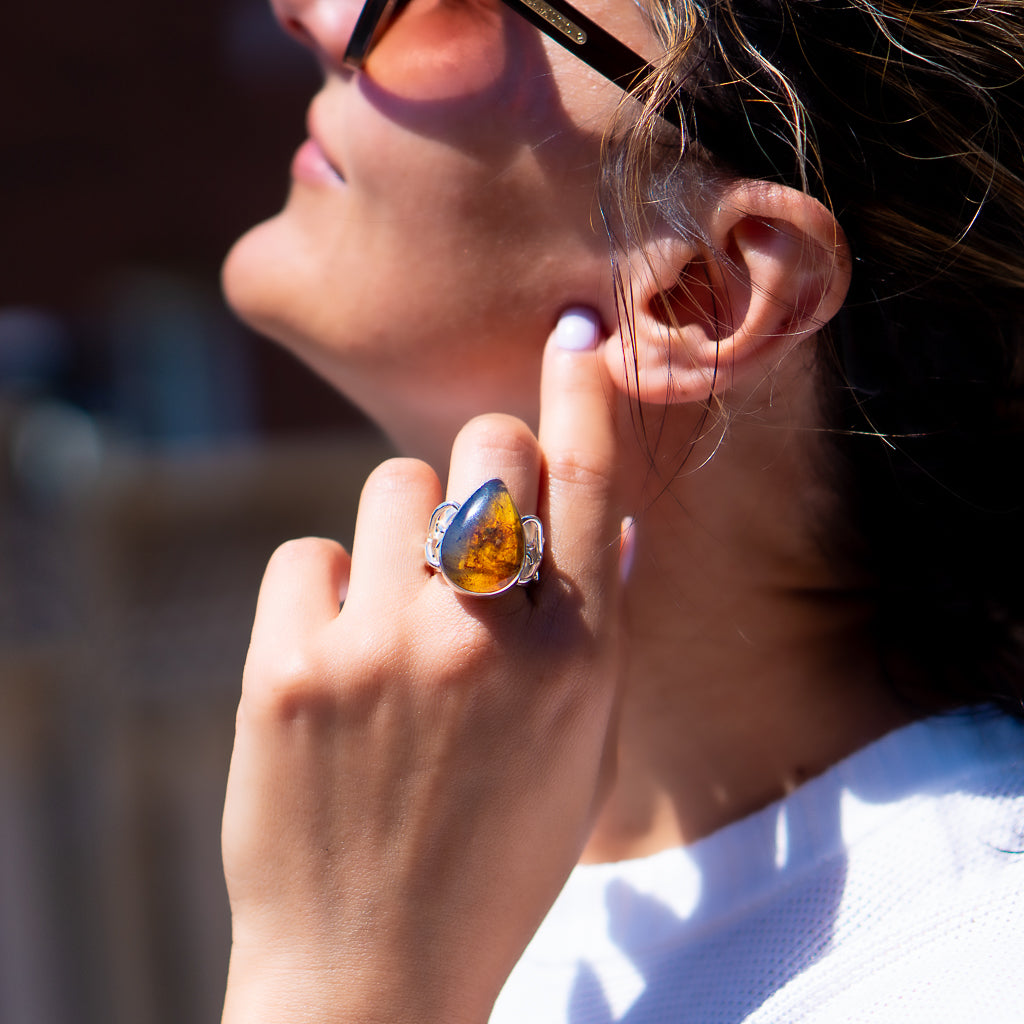
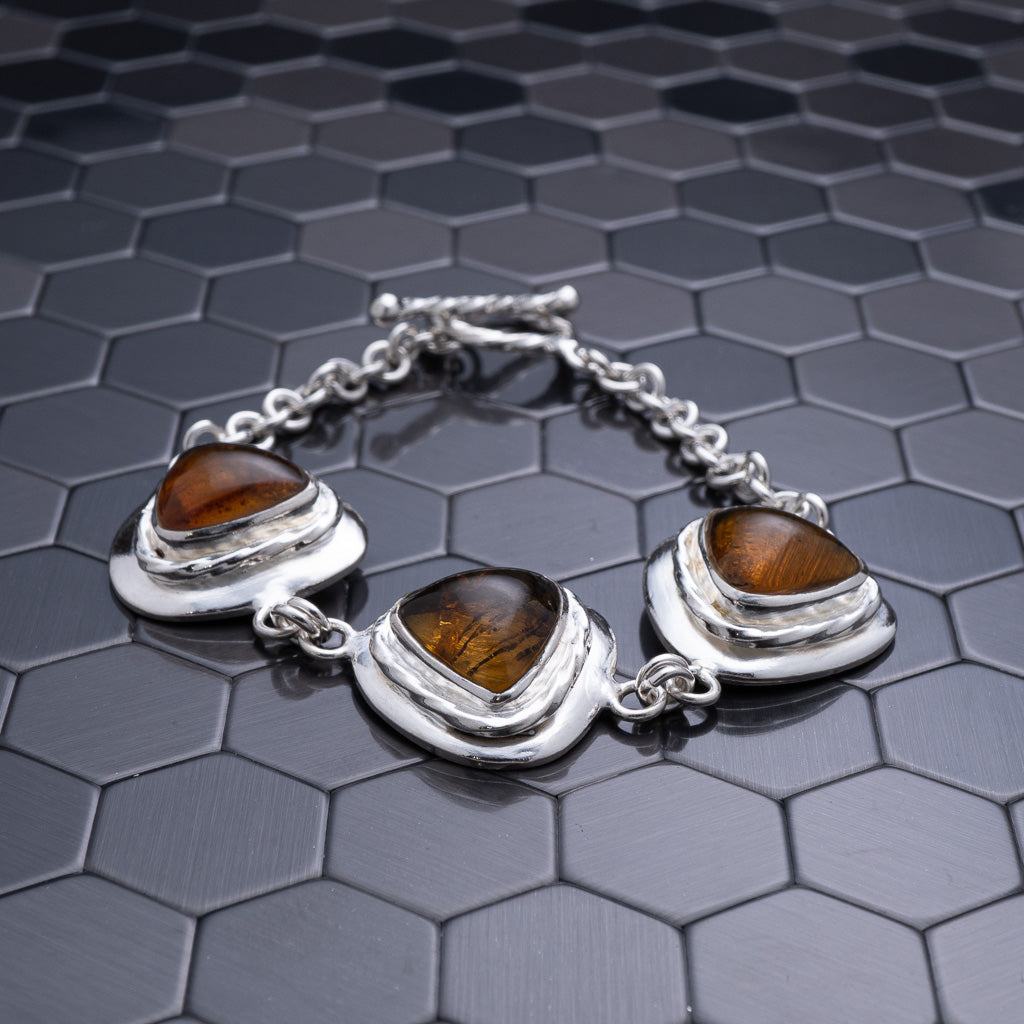
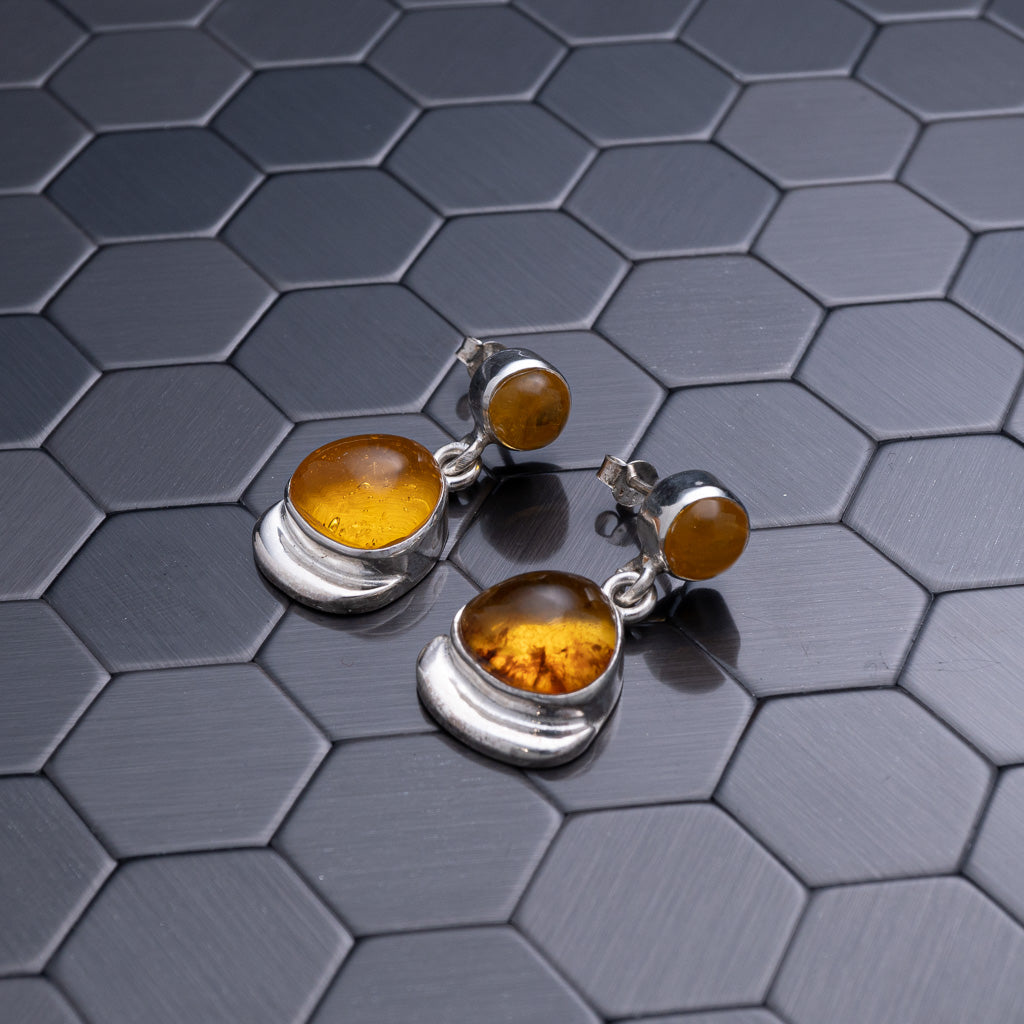


100% Handcrafted in DR.

Amber beads have this way of pulling you in—there’s something about their golden glow and ancient origins that never gets old. For centuries, they’ve been treasured in jewelry boxes and collections all over the world.
But in 2025, it’s trickier than ever to tell real pieces from clever fakes. That’s where this guide comes in. You’ll learn what makes genuine amber so special, how to spot imitators, and the smartest ways to buy and care for your finds.
Curious? Let’s dive into the world of true amber, and help you choose with confidence.
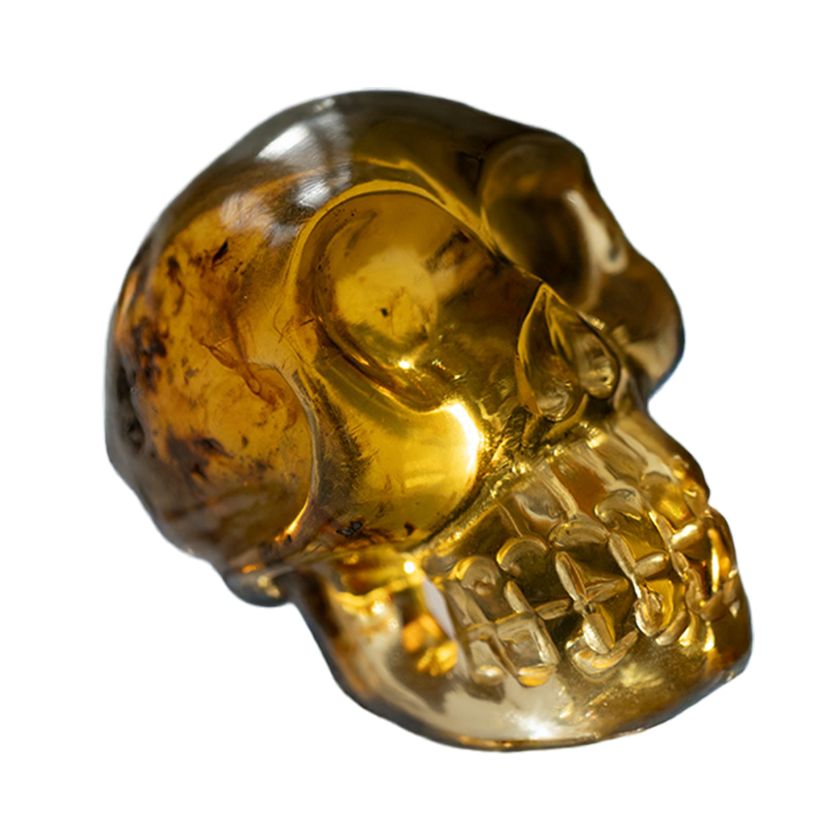
Amber beads have a story that goes way back—think ancient forests and tree resin preserved for millions of years. Real amber forms when sticky resin from ancient trees gets buried, hardens, and fossilizes over time. Touch a strand of amber beads and you’ll notice they’re surprisingly warm and light, not cold or heavy like glass.
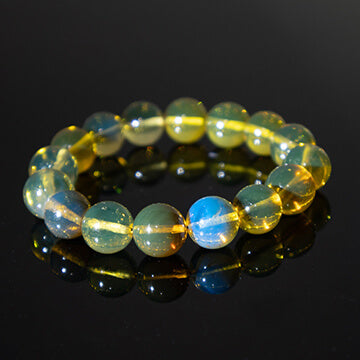
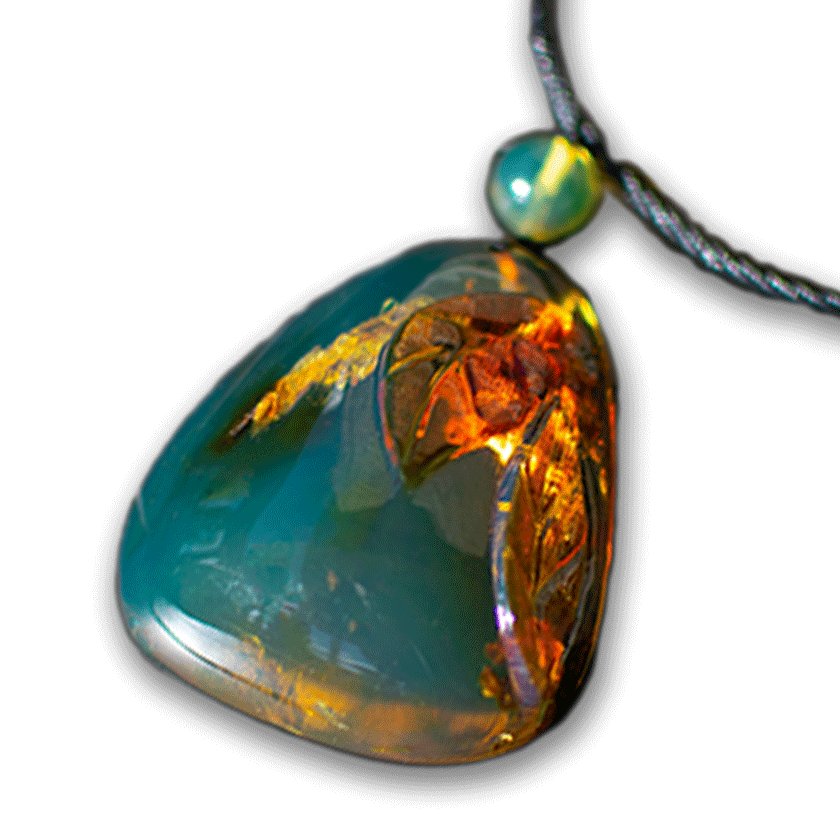
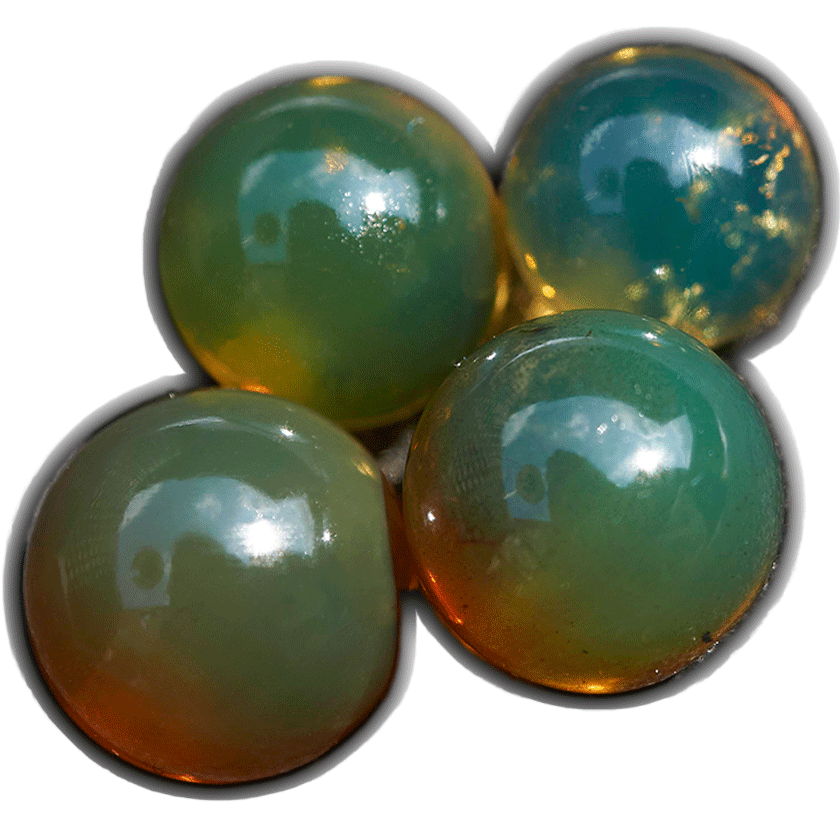
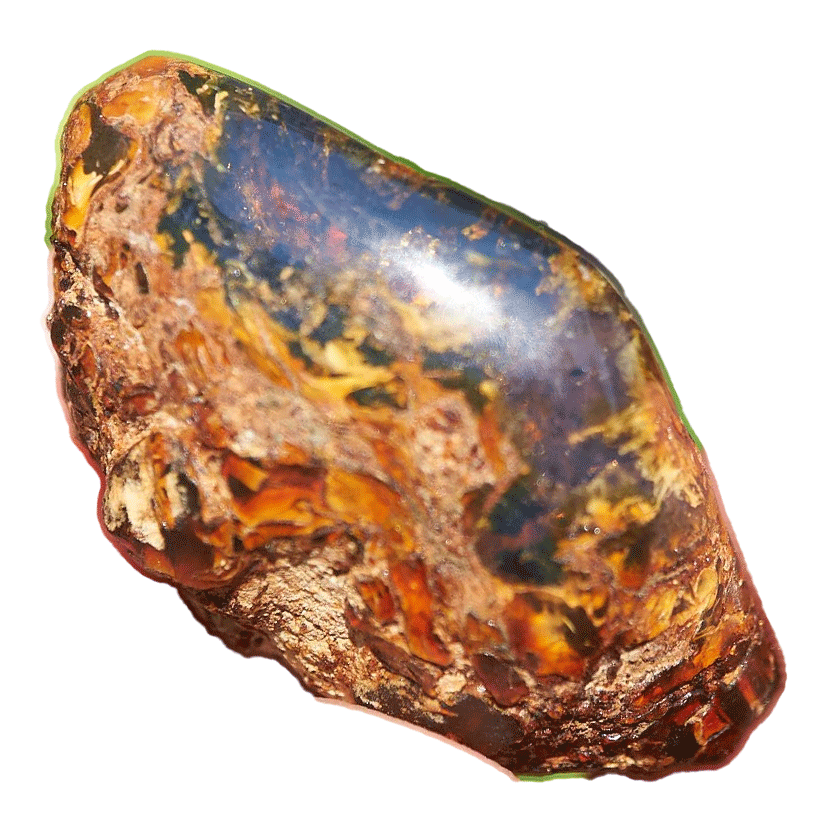
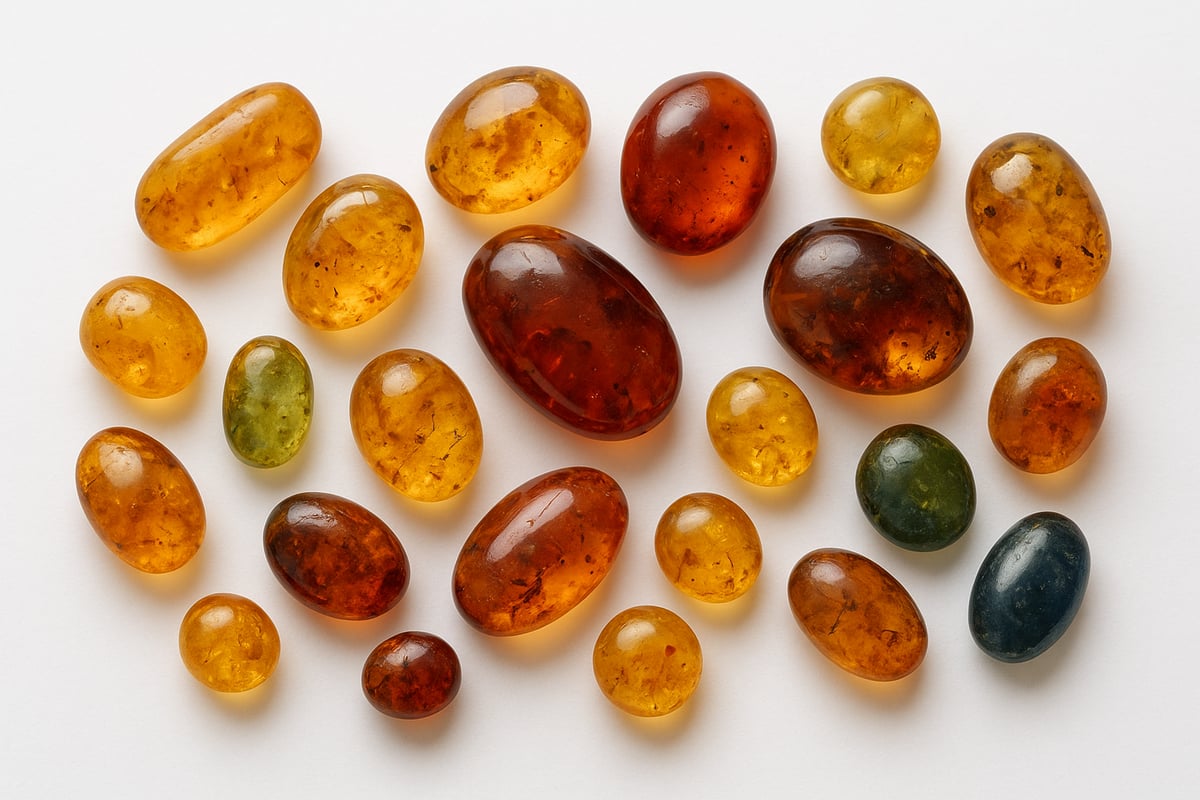
The range of colors is wild. You’ll find everything from classic honey and cognac to rich cherry red, grassy green, and even rare blue. Some, like Dominican blue amber, have a glow that’s almost otherworldly (Dominican blue amber guide). Look closely and you might spot tiny plant or insect inclusions inside—these natural “time capsules” bump up the value. Sources matter too: Baltic amber is famous for its clarity, Dominican amber for its colors, and Sumatran amber for unique inclusions. Each region brings its own vibe to the mix.
People love amber beads for more than just looks. They’re popular in jewelry—think chunky necklaces or delicate bracelets—but also show up in prayer beads and meditation malas. No two strands are exactly alike, and prices jump around based on origin, color, and those fascinating inclusions.
Ever wonder if those amber beads you’re eyeing are the real deal? Spotting authentic pieces is part science, part art. Here’s how to get good at it—no lab coat needed.
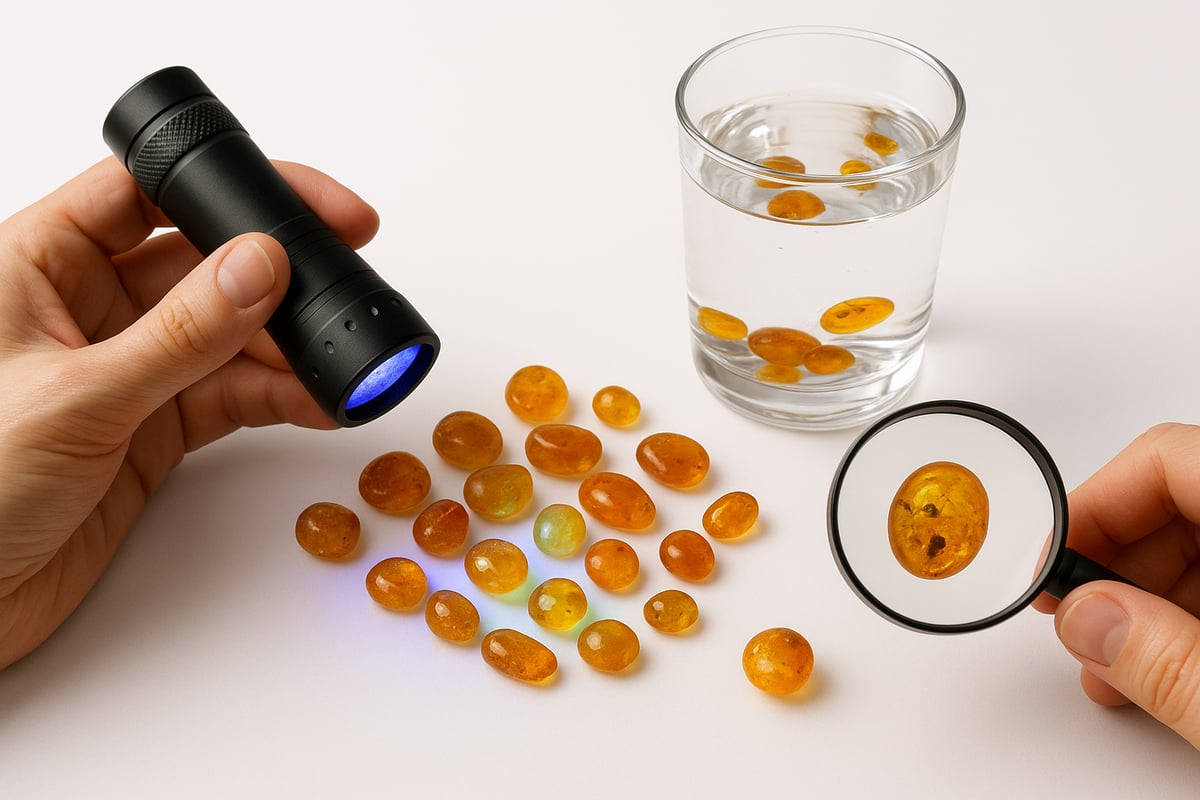
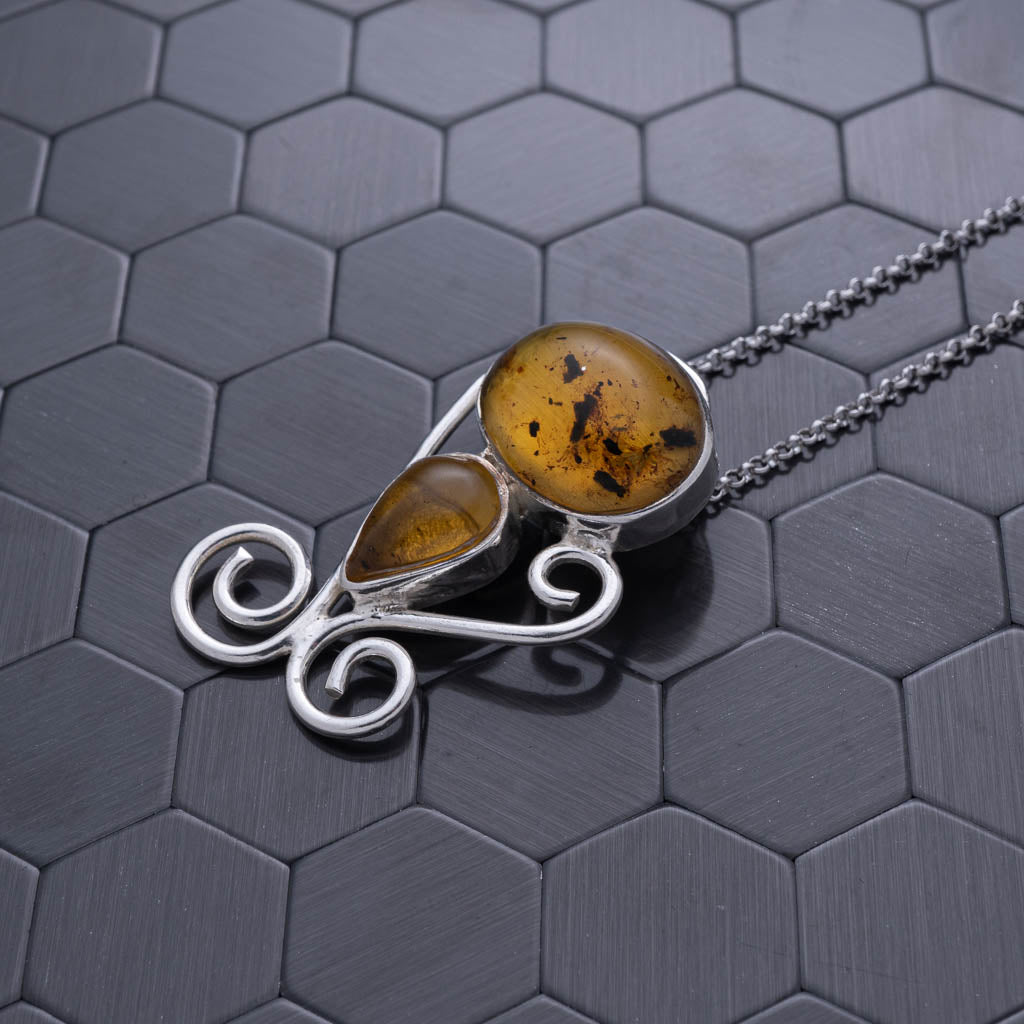
Start with your senses. Real amber beads usually show tiny bubbles, plant bits, or even ancient insects inside. Look for organic shapes and natural imperfections—perfectly clear or flawless beads are rare.
Genuine amber feels warm in your hand, not chilly like glass or plastic. If the beads are old, you might notice a matte finish or gentle surface wear. Check out online shops and you’ll see true amber beads often look a bit wild and unique, not mass-produced.
You can do a few easy tests at home. Drop the beads in saltwater—real amber floats, while most fakes sink. Shine a UV light on them; real amber glows blue or green. Try the static test: rub the bead and see if it picks up tiny paper bits. Warm one gently and you’ll get a faint pine scent, not plastic. For more detailed methods, check this Amber Authenticity Tests guide.
Be careful with the hot needle test—it can damage valuable beads, so skip it if you want to keep your piece pristine.
Here’s what to watch out for with amber beads. If the color is too perfect or the bead is crystal clear, it could be plastic or copal. Heavy beads often mean glass, and mold lines or seams point to a manufactured fake. If the price seems way too low, trust your instincts—real amber beads rarely come cheap, and the market is full of imitations, especially online.
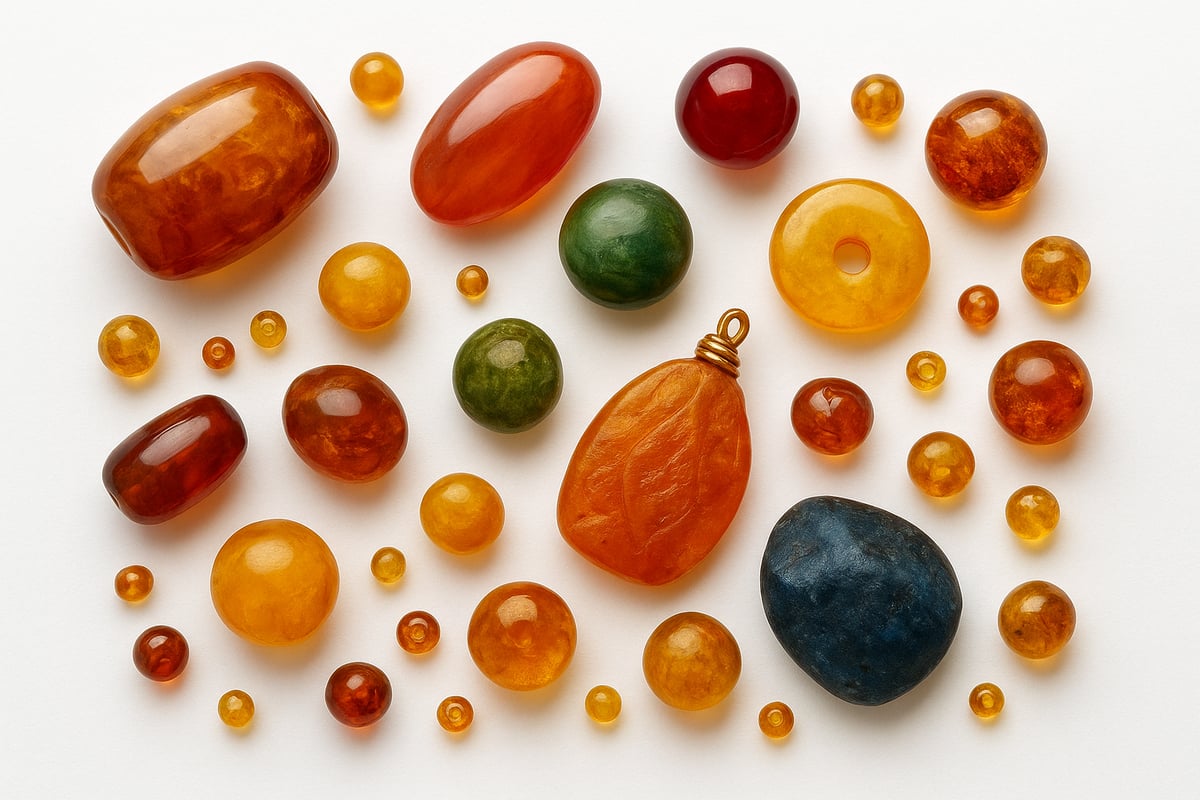
Let’s talk about what makes amber beads so visually interesting in 2025. The variety is bigger than ever. You’ll see everything from classic round and barrel shapes to chunky discs, oblongs, and totally freeform beads that look like tiny drops of honey.
Color is a whole world of its own. Classic cognac and honey shades are always in style, but cherry red, green, and even rare blue amber are showing up more in jewelry collections. Each color gives the beads a different vibe, and blue amber especially has collectors buzzing.
Styles often reflect their origins. Baltic amber beads are known for their warm golden tones, while Dominican pieces might have a cooler hue or even that coveted blue glow. Moroccan and Sumatran beads bring their own earthy, organic feel to the mix.
You’ll find amber beads everywhere, from delicate bracelets and bold statement necklaces to earrings and mixed-material designs. They’re also a favorite for prayer beads, malas, and meditation tools, thanks to their lightweight, soothing touch.
Sizes range from tiny 4mm seed beads all the way up to large, carved barrel beads. If you’re curious to see the full spectrum, you can shop authentic amber beads online and explore what’s trending this year.
Vintage-inspired or totally modern, there’s an amber bead style for every taste in 2025.
Shopping for amber beads can feel like a treasure hunt. With so many options and lookalikes out there, it pays to know where to look, what to spend, and the right questions to ask. Here are the expert strategies that make finding the real thing a breeze.
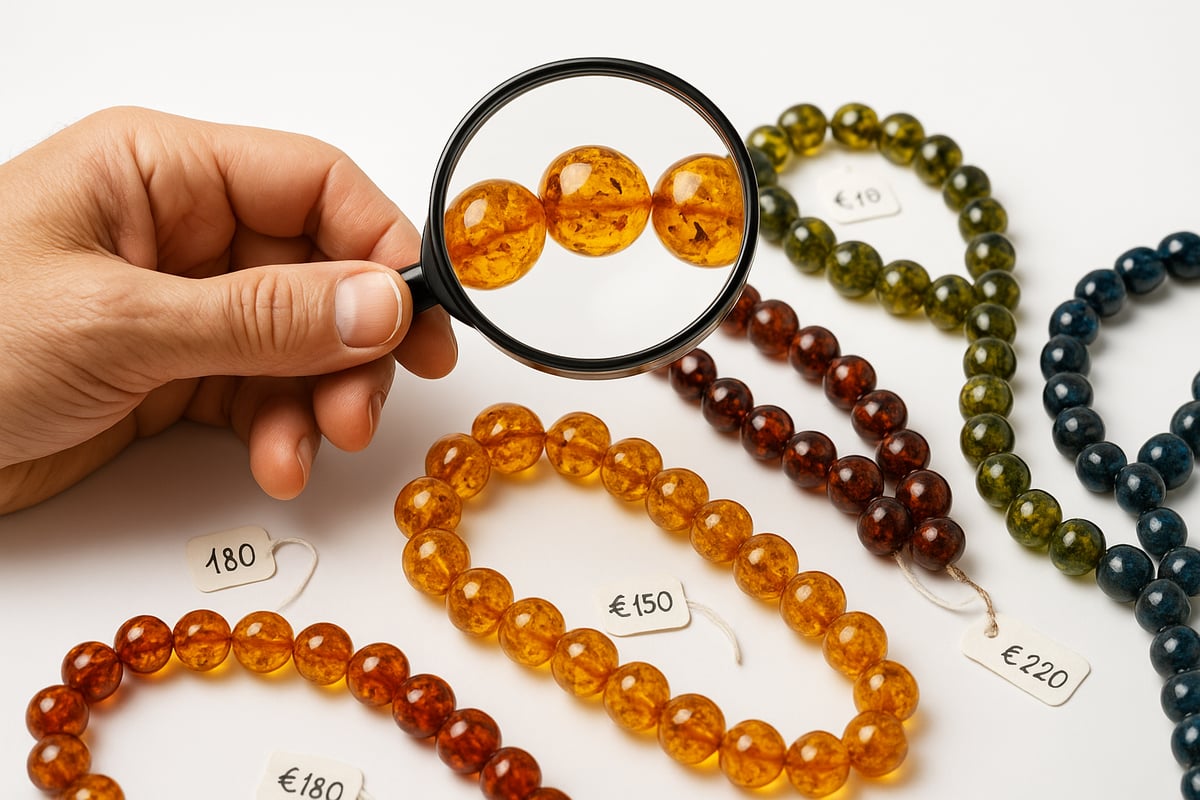
Start your search for amber beads with reputable dealers or established jewelry shops. Trustworthy sellers offer certificates of authenticity, clear product details, and will happily answer your questions. Online, check reviews and look for “star seller” badges on platforms like Etsy.
Watch out for vague descriptions, no mention of the origin, or prices that seem suspiciously low. If a deal looks too good to be true, it probably is. For extra peace of mind, get familiar with Identifying Real vs. Fake Amber so you know what to look for in person or online.
Prices for amber beads are all over the map, depending on size, color, clarity, and where they come from. Baltic and Dominican amber usually fetch higher prices, especially if they have rare colors or striking inclusions.
Here’s a quick snapshot:
| Type | Size/Color | Price Range |
|---|---|---|
| Small round beads | Yellow, cognac | $3.99 – $25 |
| Large barrel beads | Cherry, green | $30 – $149+ |
| Certified bracelets | Blue, unique | $80 – $200+ |
Remember, amber beads with unique inclusions or rare hues like blue or green will cost more. If you see a big, flawless strand for cheap, take a closer look.
Before you buy, ask the seller:
A good seller will have clear answers. Don’t be shy—your curiosity helps you find real value and avoid disappointment.
Taking care of amber beads is easier than you might think, but it definitely pays off. These natural gems are surprisingly delicate, so a little attention goes a long way.
First things first, always store your amber beads somewhere cool and away from direct sunlight. Too much heat or light can cause fading or even cracks. A soft pouch or cloth bag works well to keep them safe.
When it comes to cleaning, skip the harsh stuff. Use a soft, damp cloth and just wipe them gently. Avoid chemicals, jewelry cleaners, or soaking your amber beads for too long. If you want to add some shine, a tiny drop of olive oil can help. Buff gently with a soft cloth to finish.
Try to keep your amber beads away from perfumes, hairspray, or any harsh soaps. These can damage the surface and dull their natural glow. If you wear your beads often, consider restringing them every few years to prevent accidental breakage.
What’s cool is that well-cared-for amber beads can last for generations. In fact, many vintage pieces develop a beautiful patina over time. For more detailed advice, check out these amber jewelry care tips.
Let’s clear up some confusion around amber beads. First off, not every real piece is bright yellow or orange. Authentic amber beads come in shades from creamy white to deep cherry and even blue, so don’t let color fool you.
One of the biggest traps is thinking all amber beads on the market are genuine. Plenty are plastic, glass, or copal imitations. If you’re not sure, try simple tests or check out guides like Distinguishing Amber from Plastic Imitations to spot the difference.
Another myth? Only Baltic amber is worth your attention. Dominican and Sumatran ambers are just as beautiful and sought after, especially by collectors.
And finally, price isn’t always a guarantee. Some fakes are overpriced, hoping to trick buyers. The best defense is a little knowledge and a careful look—trust your instincts and always inspect before you buy.
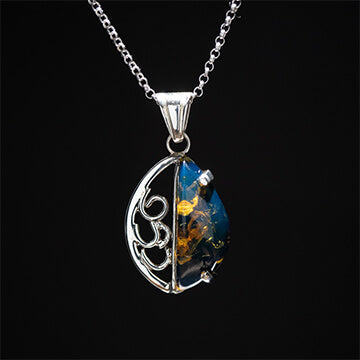
You’ve just learned how to spot real amber beads and why authenticity matters—so why not bring a little serenity and natural beauty into your own collection? I get it shopping online can be tricky especially with so many fakes out there but when you choose handcrafted pieces from experts who care about quality you get something truly special. If you’re looking for a thoughtful gift or just want to treat yourself check out the stunning Larimar pendants—they’re unique crafted with care and shipped worldwide so you can enjoy that rare gemstone glow wherever you are.
Find the Perfect Gift of Serenity Shop Larimar Pendants with Free Worldwide Delivery