
by Admin June 10, 2026 6 min read

A tiny wing caught in golden resin can feel more intimate than a large mineral specimen. That is part of the lasting fascination of dominican amber fossils - they preserve a fleeting moment of prehistoric life, then present it through warm color, natural clarity, and the unmistakable glow of Caribbean amber. For collectors, jewelry lovers, and gift buyers seeking something truly uncommon, these fossils offer more than beauty. They offer origin, rarity, and a direct connection to the ancient natural world.

What makes Dominican amber fossils so special?

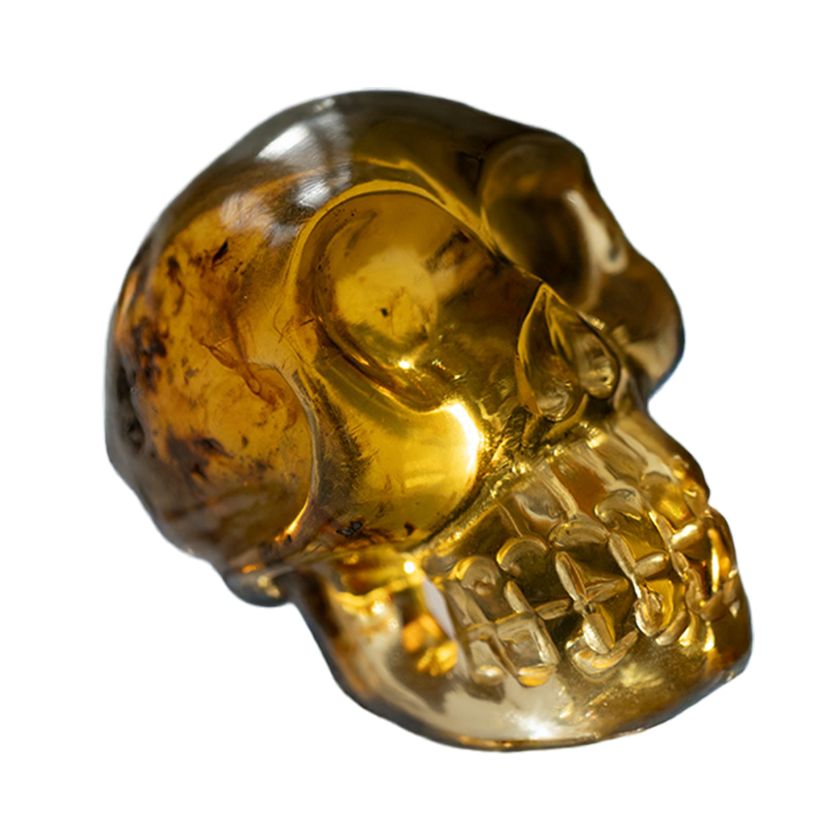
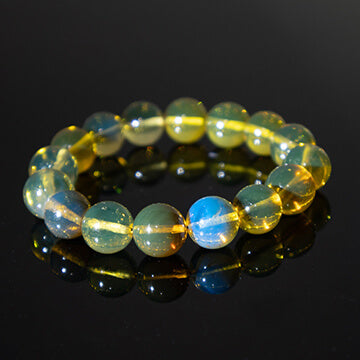
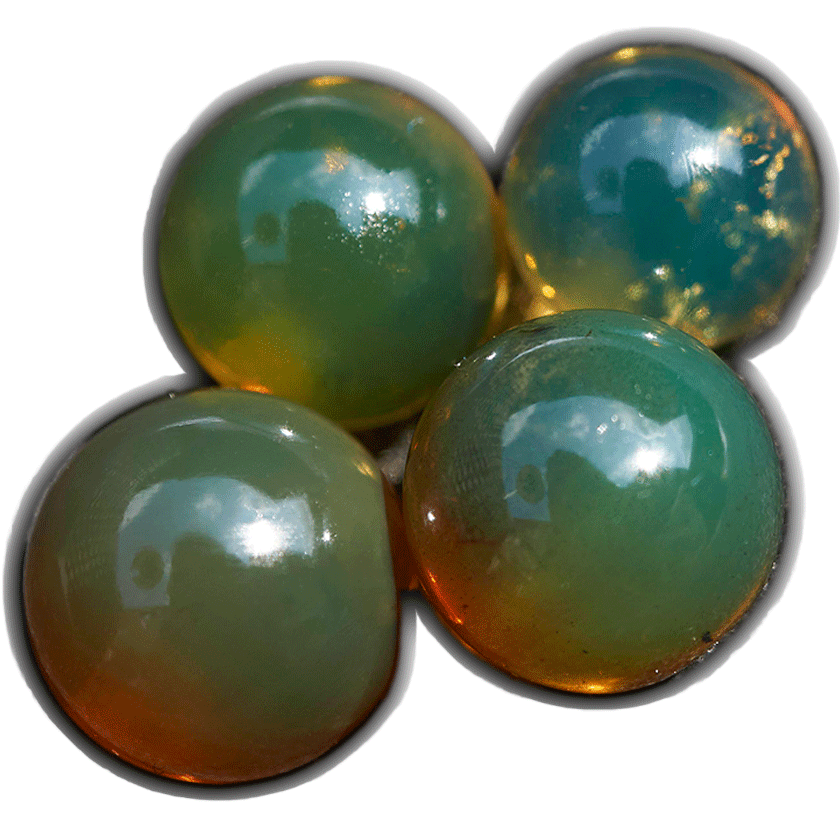
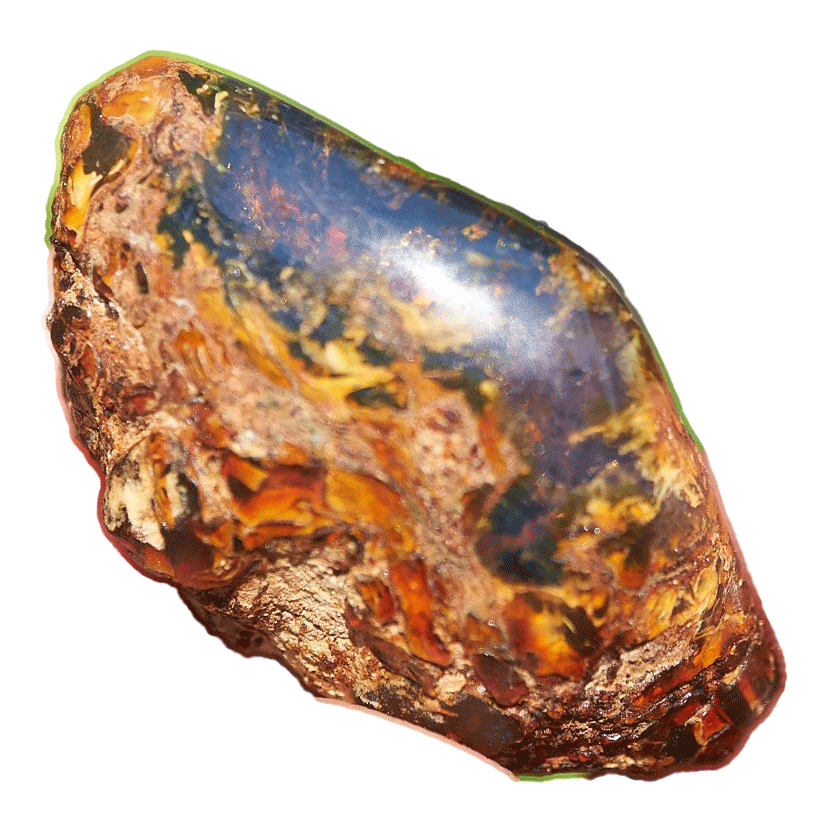
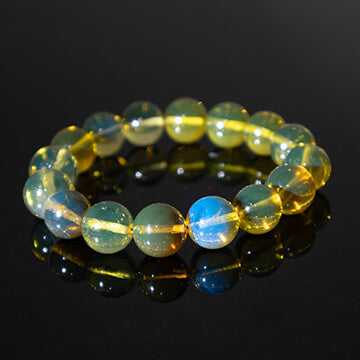
Not all amber is equal, and not all fossil inclusions carry the same appeal. Dominican amber is especially admired for its exceptional transparency, rich honey-to-cognac color range, and occasional blue fluorescence that has made the Dominican Republic one of the most coveted amber sources in the world. When a fossil inclusion is suspended inside this material, the result can be remarkably vivid.

The age of Dominican amber is generally placed in the Miocene, often around 15 to 20 million years old depending on the deposit and the scientific interpretation. That makes it younger than Baltic amber, but age alone does not determine desirability. In practice, Dominican amber often wins attention because inclusions are easier to see. The clarity can be outstanding, which matters enormously when the value of a piece depends on what is visible inside.

That visibility changes the experience of the stone. A trapped insect, fragment of plant matter, or delicate organic detail does not sit behind a cloudy veil. It appears suspended, almost immediate, as if time paused for a single second and never resumed.

How fossils form inside Dominican amber

Amber begins as tree resin, not sap. That distinction matters because resin is sticky, aromatic, and chemically suited to preserving small forms of life. In ancient tropical forests, insects, plant debris, and other tiny organisms became trapped in fresh resin flows. Over vast stretches of time, burial, pressure, and polymerization transformed that resin into amber.

What collectors call fossils in amber are usually inclusions rather than mineralized fossils in the conventional sense. The trapped specimen may be preserved with extraordinary detail, but it is enclosed within the amber rather than replaced by stone. This is one reason amber inclusions feel so immediate and lifelike.

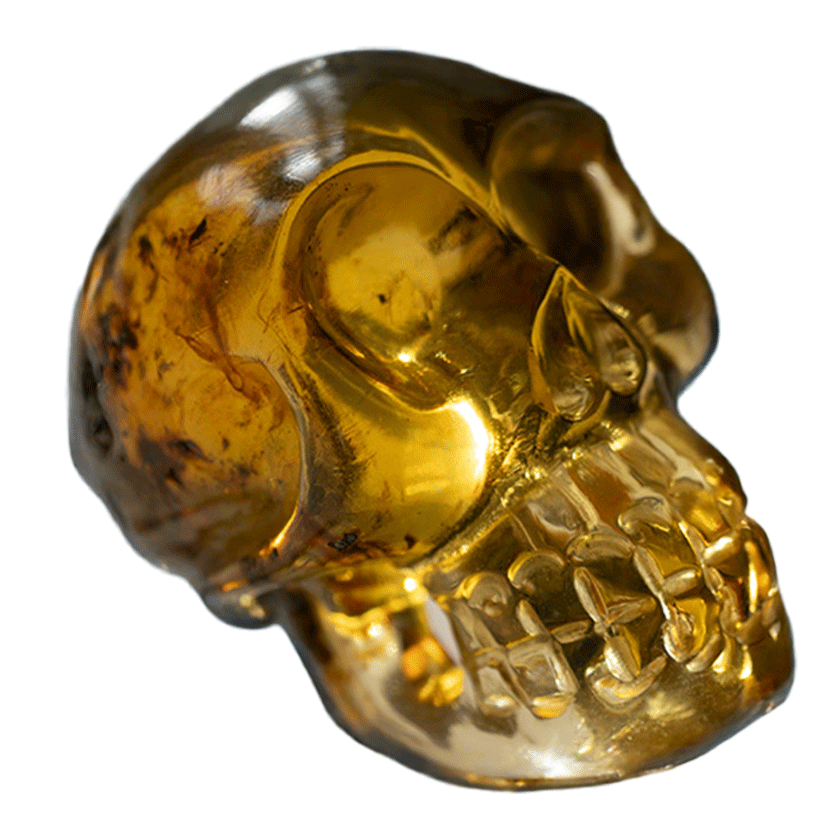
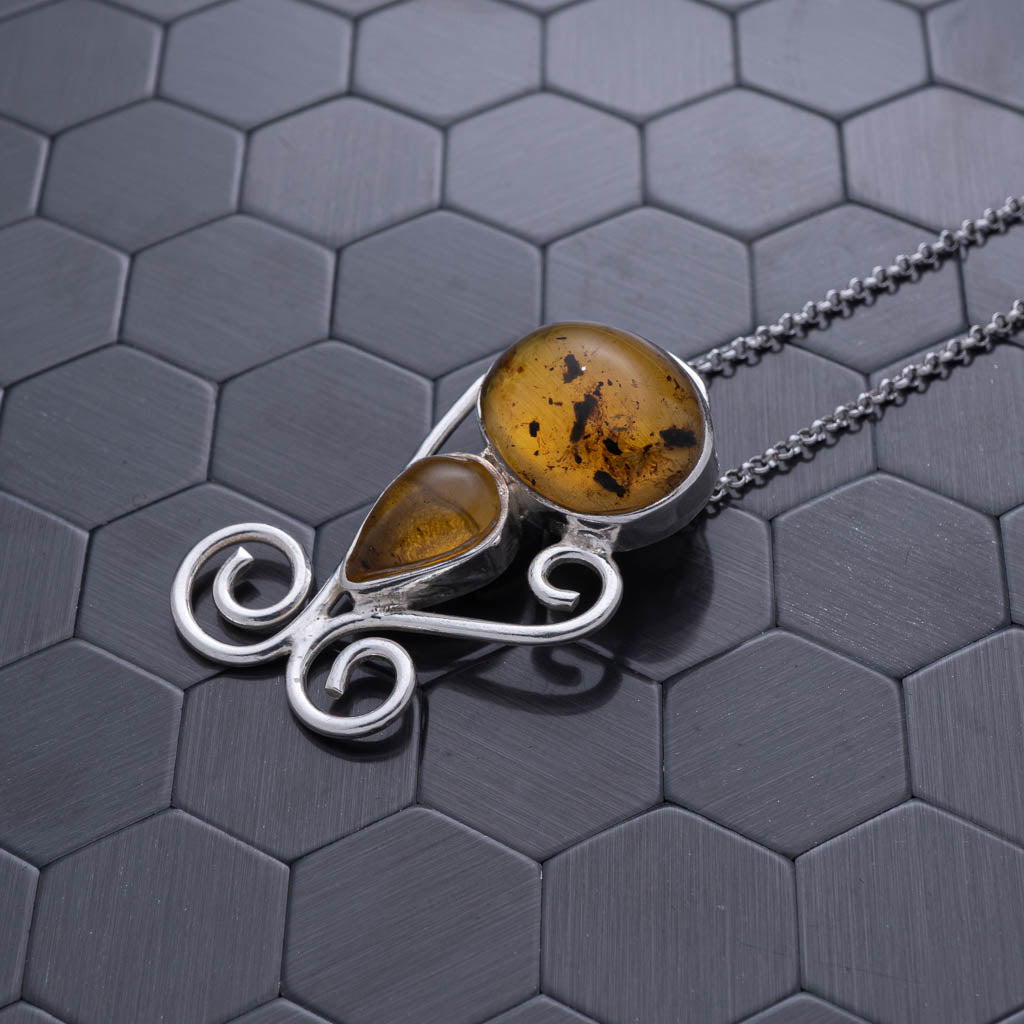
Dominican deposits are famous for preserving flies, mosquitoes, ants, termites, spiders, and botanical material. Some pieces contain air bubbles, fracture patterns, or layered resin flow structures that add character even when the inclusion itself is small. A dramatic specimen is not always the rarest one, and a rare specimen is not always the most visually striking. That trade-off is part of what makes collecting so personal.

The most desirable types of dominican amber fossils

Collectors tend to look first at inclusion type, clarity, size, and position. Insect inclusions are the best known, especially when the specimen is complete and clearly visible without magnification. Winged insects can be particularly appealing because their form reads well through the stone. Spiders are often sought after too, partly because they are less common and partly because they create strong visual interest.

Plant inclusions have their own audience. Fern fragments, flower parts, and organic debris may not create the same immediate impact as an insect, but they can be graceful and surprisingly rare. Some buyers are drawn to the quiet elegance of botanical material, especially in polished pieces intended for jewelry or display.

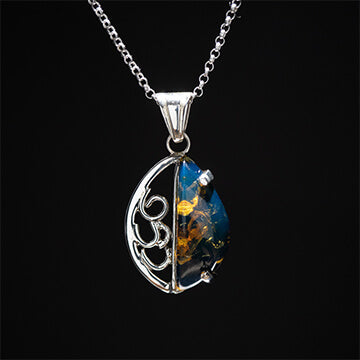
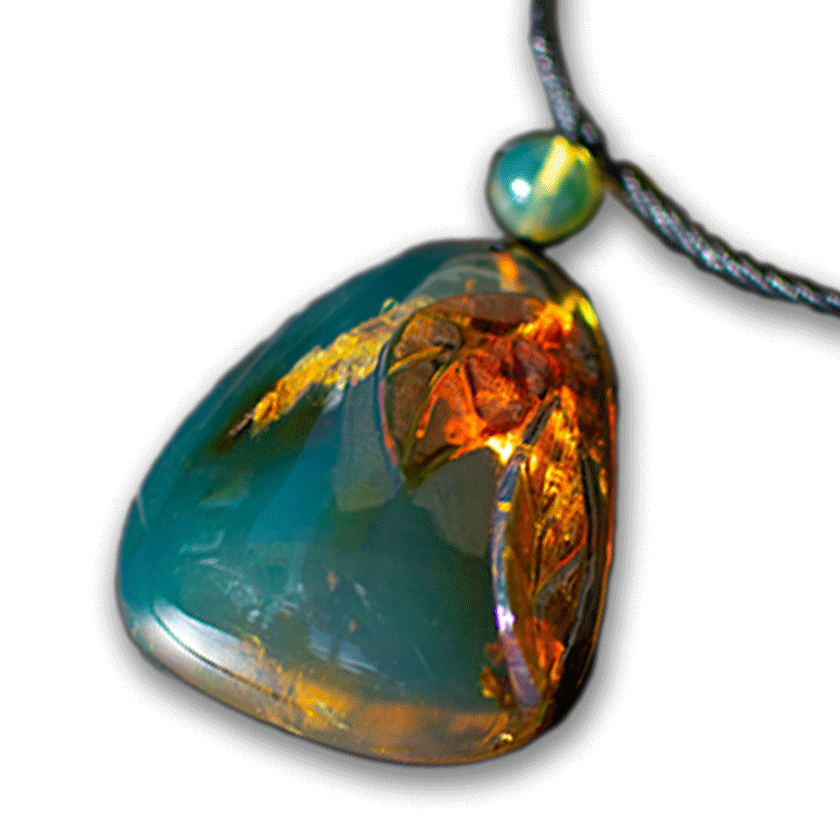
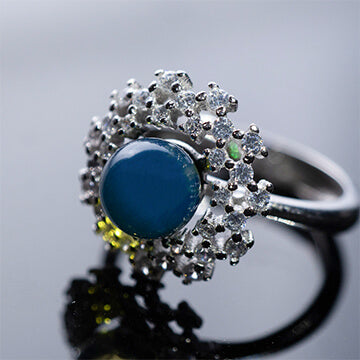
Then there is blue amber with inclusions, a category that feels especially luxurious. Genuine Dominican blue amber is already rare. When a meaningful fossil inclusion appears within material that also shows blue fluorescence, the result can be exceptional. These pieces sit at the intersection of collector appeal and wearable artistry.

Value depends on more than rarity

A common mistake is assuming that any piece with an inclusion must be highly valuable. The truth is more nuanced. Value in Dominican amber fossils depends on several factors working together.

Clarity is often decisive. A rare insect in cloudy amber may be less desirable than a more common inclusion in a crystal-clear piece. Size matters too, but not in a simple way. A larger amber specimen can be impressive, yet if the inclusion is poorly placed or hard to see, the premium may be limited.

Condition also plays a major role. Cracks, surface-reaching fractures, excessive polishing that distorts the inclusion, or repairs can affect both beauty and value. Natural surface features are not always a problem, especially for collectors who appreciate minimally altered material, but stability matters.

Authenticity is where serious buyers become especially careful. Because amber with inclusions commands attention, the market also attracts imitations, assembled pieces, and resin reproductions. Some are obvious. Others are convincing enough to mislead an inexperienced buyer. For that reason, origin claims and certification carry real weight.

How to judge authenticity with confidence

When buying dominican amber fossils, provenance matters almost as much as appearance. A trustworthy seller should be clear about origin, material, and whether the piece has been treated. Heat, pressure, and reconstruction can all affect what you are actually buying.

Look closely at the inclusion itself. Natural inclusions often appear embedded within the resin flow rather than placed inside a perfect cavity. Tiny stress lines, organic positioning, and natural variation usually create a more believable look than a specimen that appears theatrically centered. Perfect can sometimes be a warning sign.

Good magnified photography helps, but expertise matters more. Certified material and a specialist seller offer a stronger foundation than broad claims about age or rarity. For buyers who care about collecting, gifting, or setting a specimen into fine jewelry, confidence in authenticity is part of the value.

This is where a focused source makes a difference. A specialist such as Larimar Creations speaks to buyers who want Dominican stones with both beauty and credibility, not generic gemstone inventory presented without context.

Wearing fossil amber as jewelry

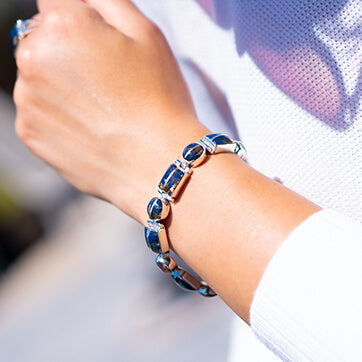
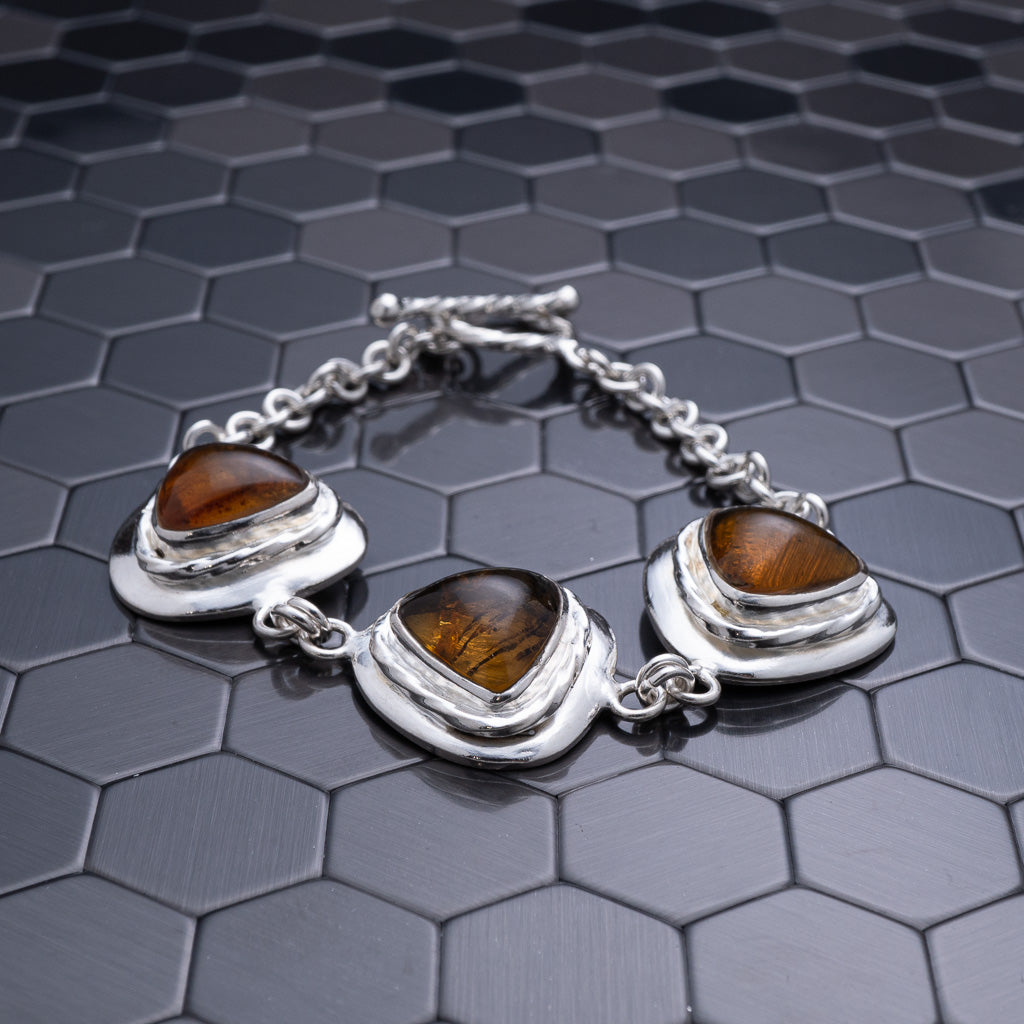
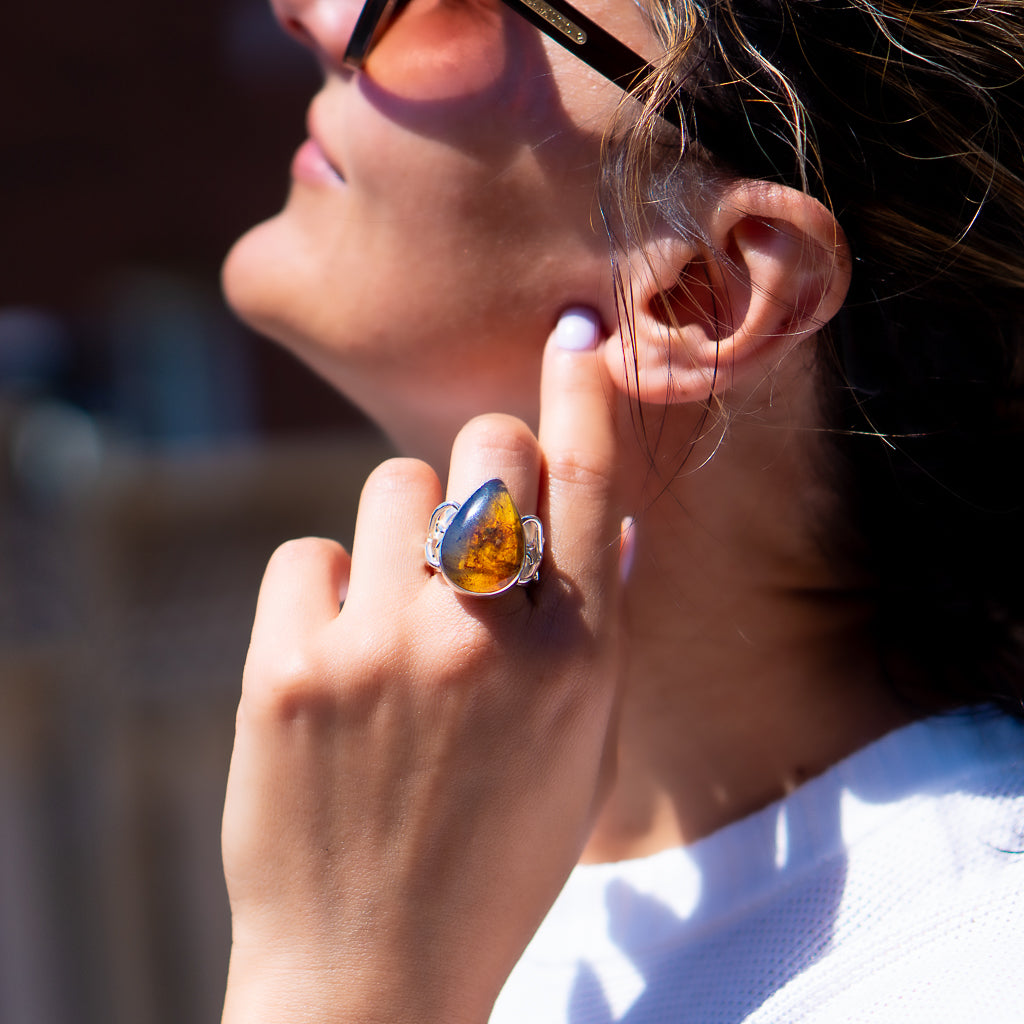
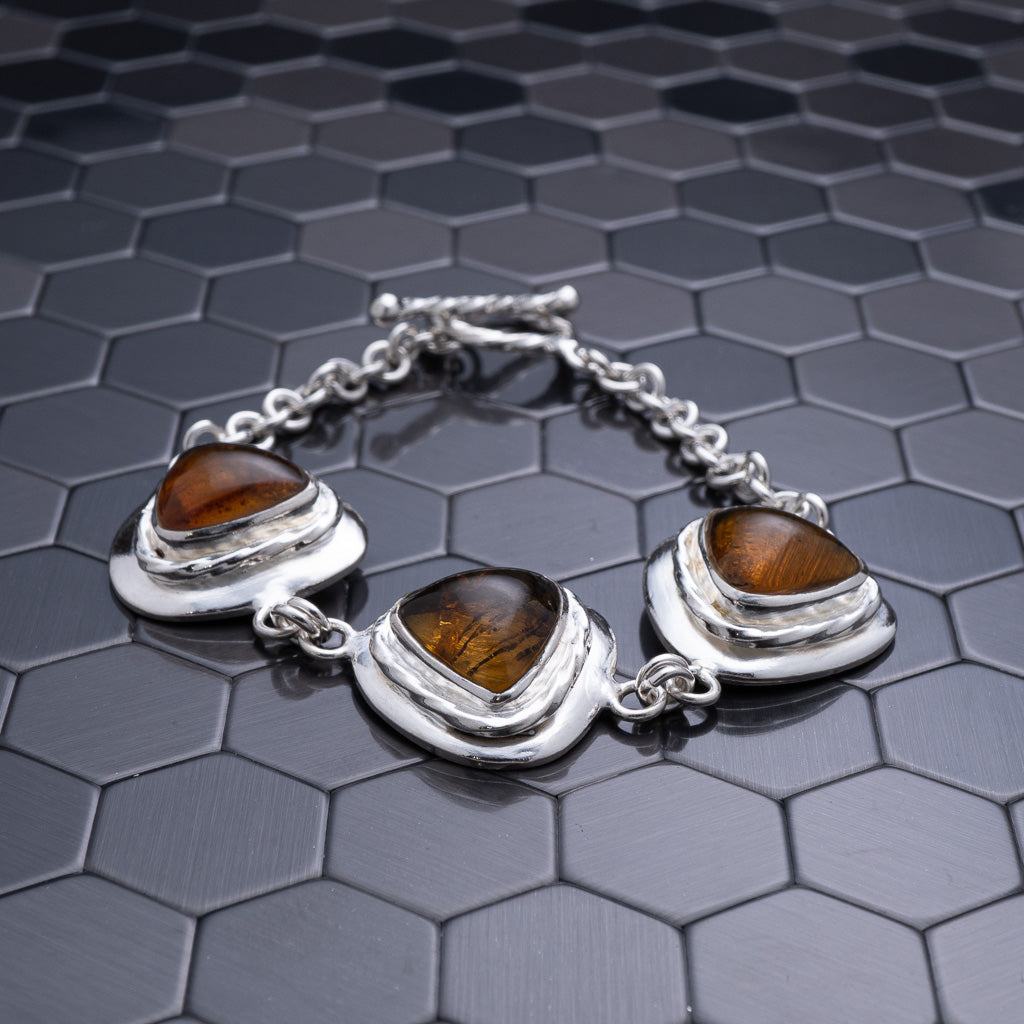
Some Dominican amber fossils belong in a collector’s case. Others are ideal for pendants, statement rings, or artisan pieces that turn natural history into wearable art. The right use depends on the specimen.

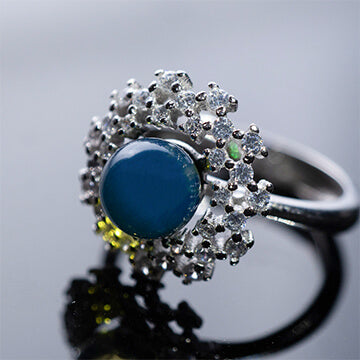
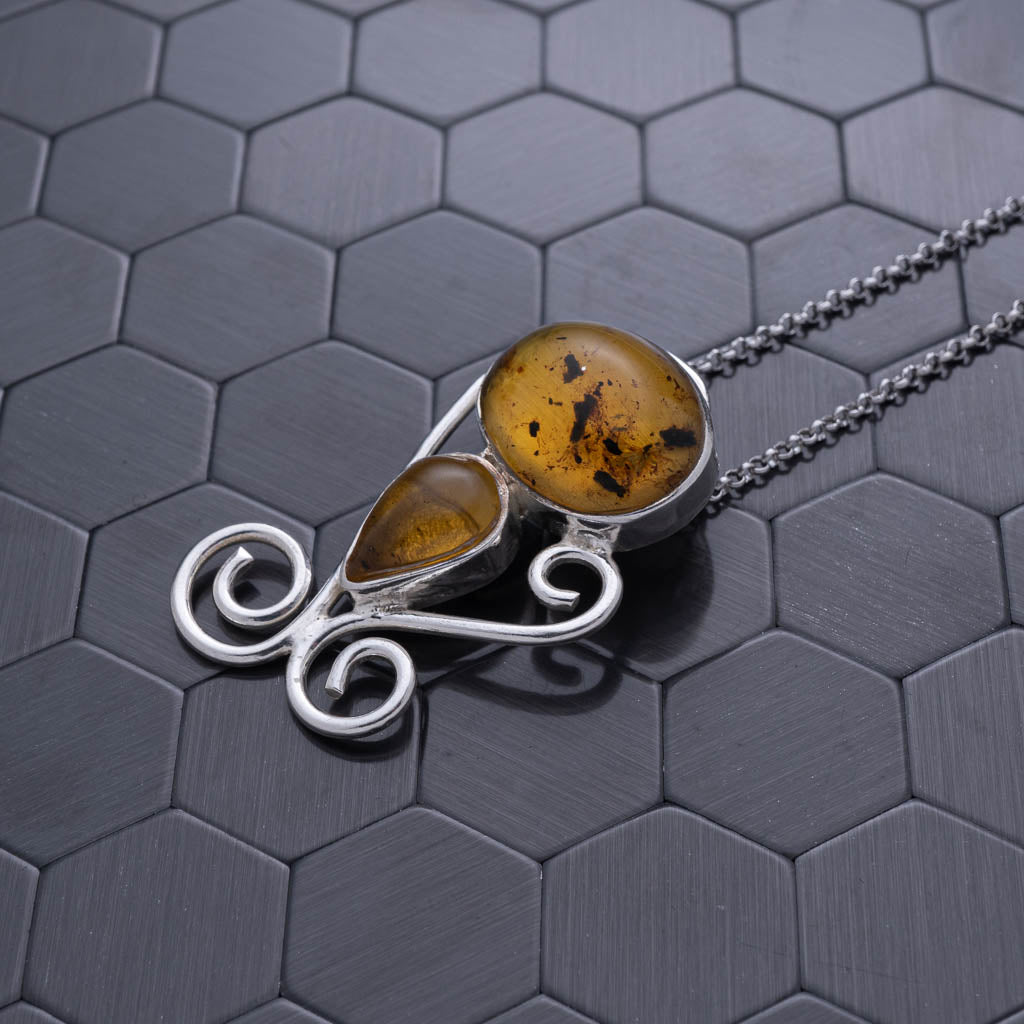
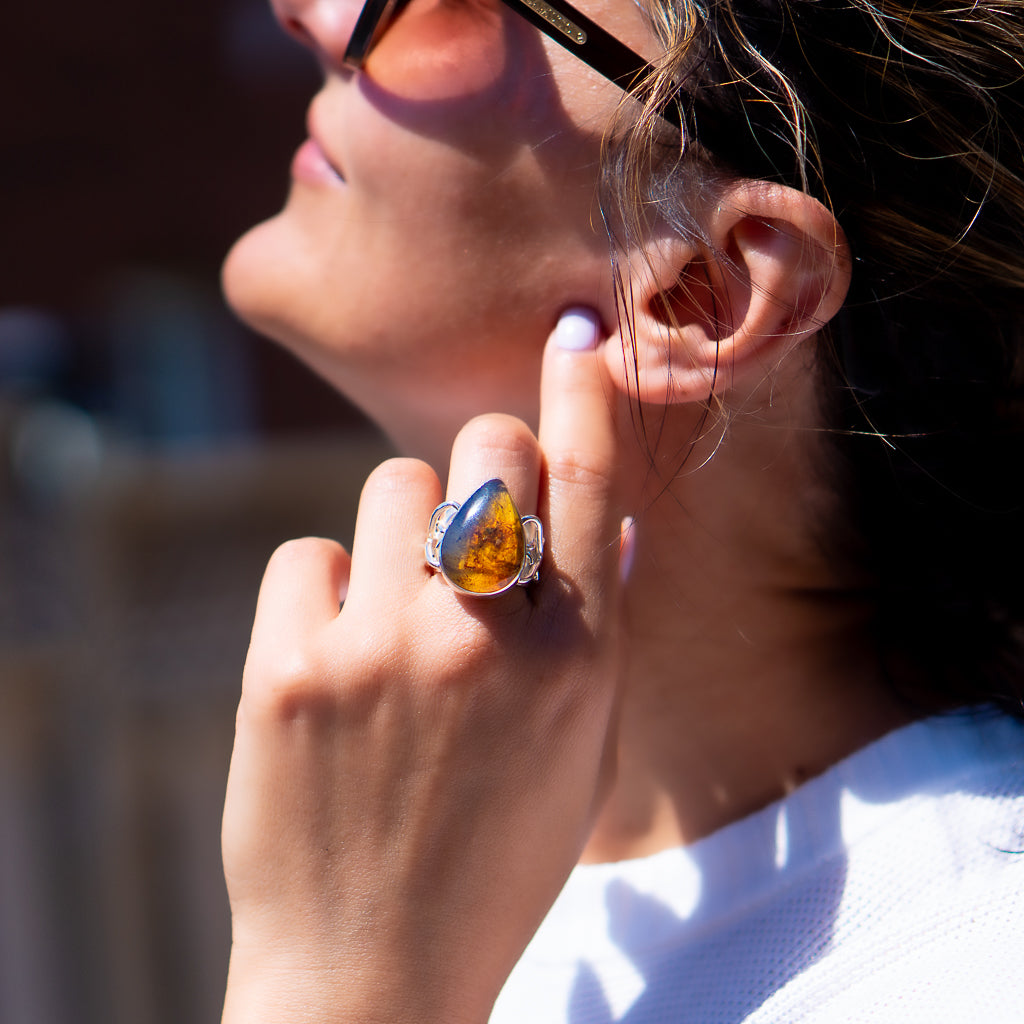
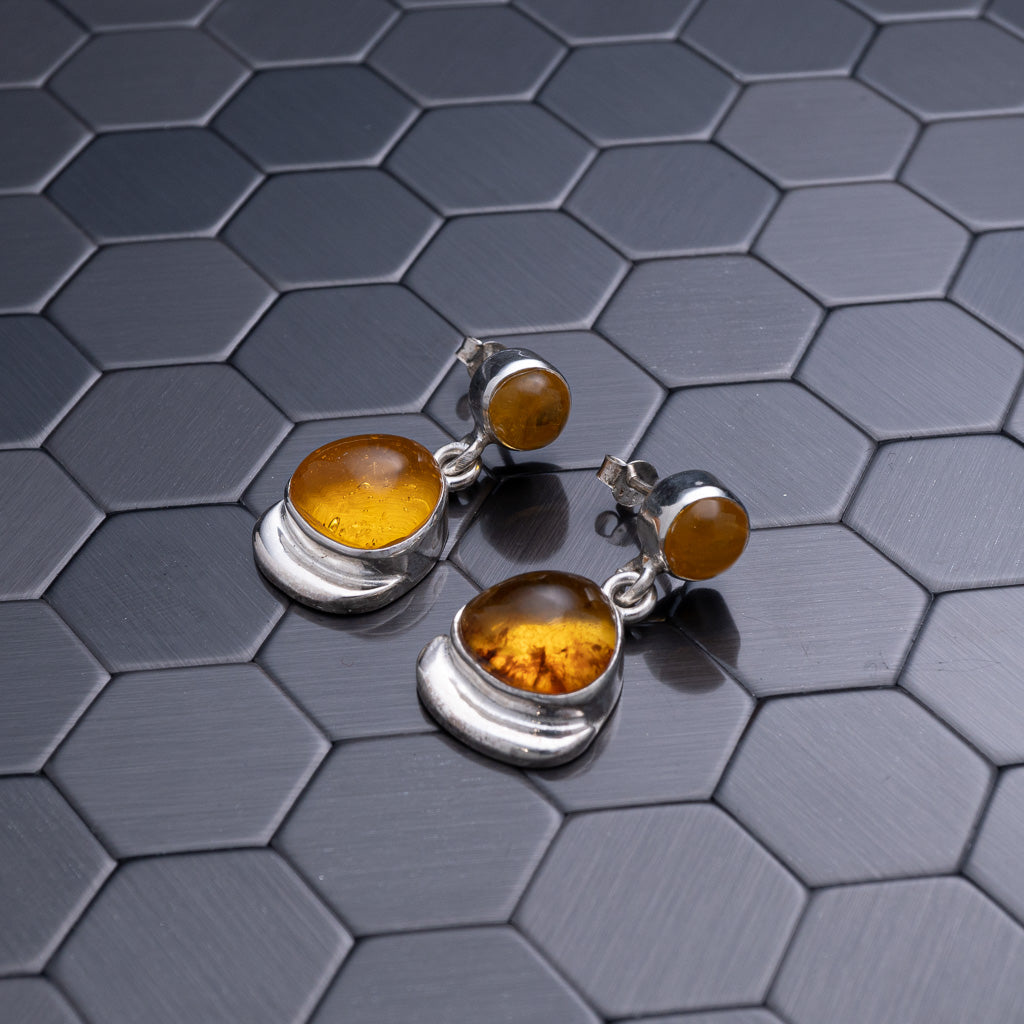
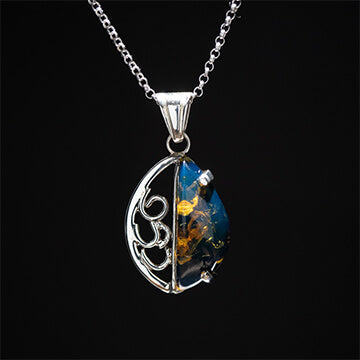
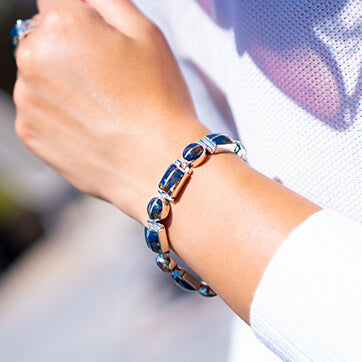
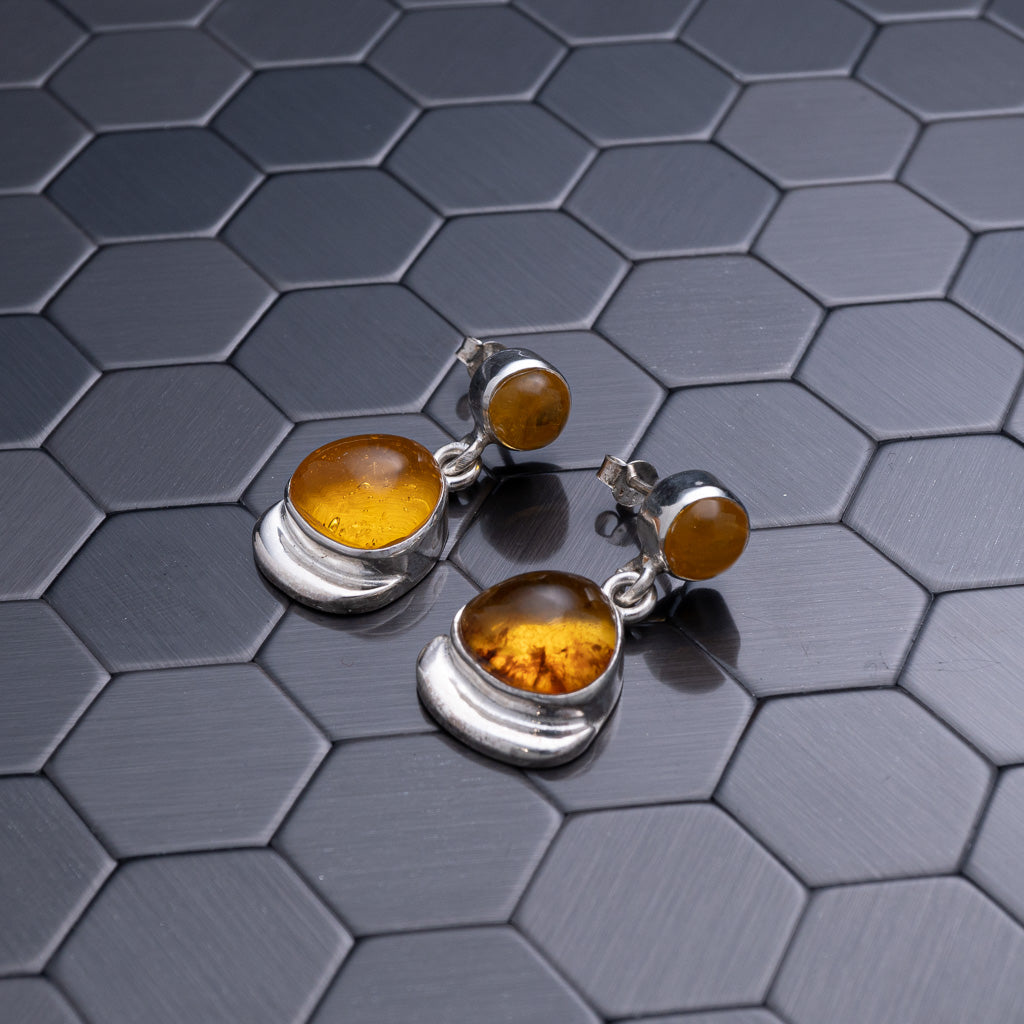
A visually centered inclusion in durable, well-polished amber can make an extraordinary pendant because light passes through it so beautifully. Earrings can also be striking, though matching inclusions are uncommon and usually command a premium. Rings require more caution. Amber is softer than many gemstones, so protective settings are important if the piece will see regular wear.

There is also an emotional layer that makes fossil amber different from many luxury materials. Diamonds impress through brilliance. Sapphires speak through color. Amber with an ancient inclusion tells a story. It feels personal, rare, and rooted in the natural world. For gift buyers, that narrative often matters just as much as the look.

Why collectors return to Dominican material

Collectors often branch into many amber origins, but Dominican material has a distinct pull. Its transparency makes examination rewarding. Its warm tones suit both display and jewelry. Its occasional blue character adds a layer of rarity that few ambers can match. And because inclusions can be so well defined, even a small specimen can hold attention for years.

There is also a strong sense of place. Dominican amber carries the atmosphere of the Caribbean - light, warmth, organic beauty, and geological rarity in one material. For buyers who want more than ornament, that origin story adds depth.

Still, the best piece depends on your intention. A science-minded collector may prioritize species rarity or preservation detail. A jewelry buyer may choose the specimen with the best visual balance. A gift buyer may simply respond to the inclusion that feels most alive. None of those choices are wrong. They reflect different ways of valuing the same remarkable material.

Caring for Dominican amber fossils

Amber deserves gentler care than harder gemstones. Keep it away from harsh chemicals, perfumes, and prolonged heat. Clean it with a soft cloth rather than abrasive products. Store it separately so harder jewelry does not scratch the surface.

If a piece contains a prized inclusion, careful handling becomes even more important. The goal is not only to protect the amber itself but also to preserve the visual clarity that makes the fossil meaningful. A well-cared-for specimen can remain luminous for generations.

Dominican amber fossils appeal to people who want rarity they can actually see. They hold ancient life in a material that still feels warm, light, and radiant in the hand. If you choose with care, authenticity, clarity, and craftsmanship, you are not simply buying a gemstone. You are choosing a preserved moment from the Caribbean’s deep past that still has the power to stop someone in their tracks.


Let's Stay In Touch