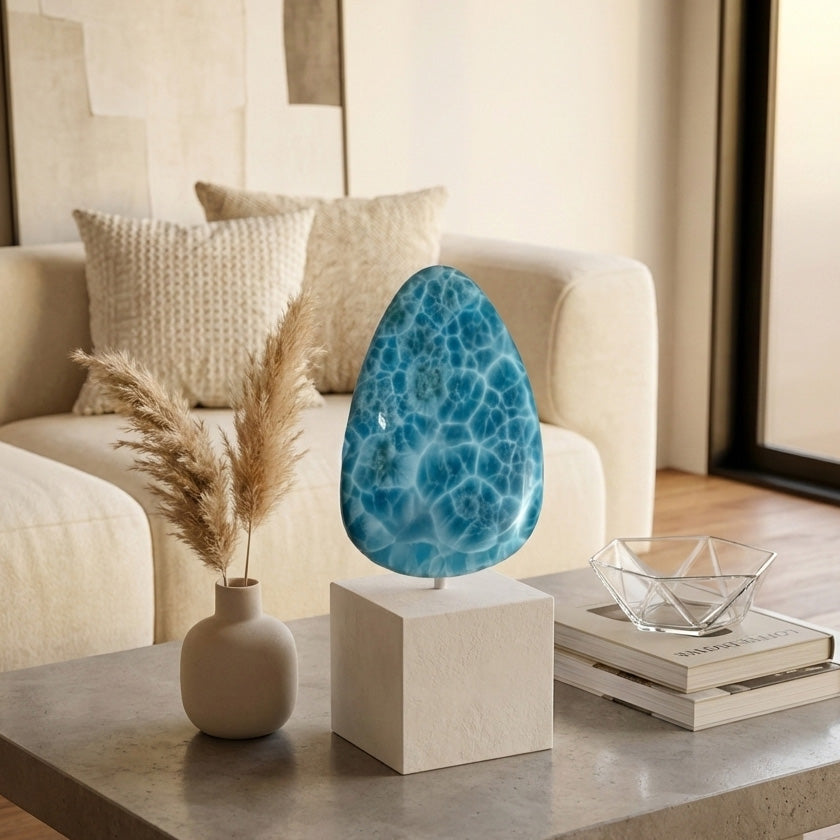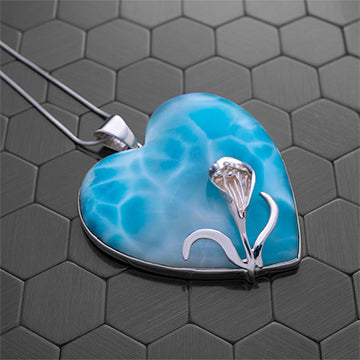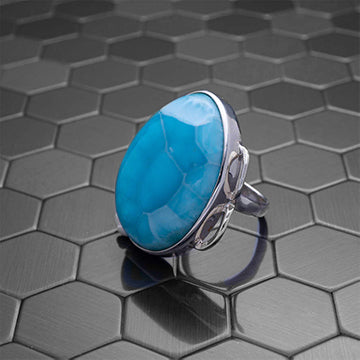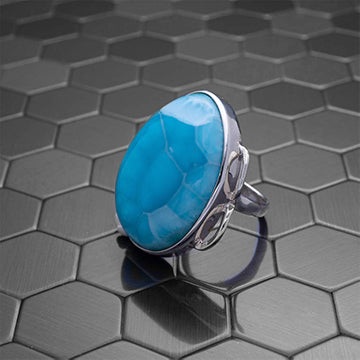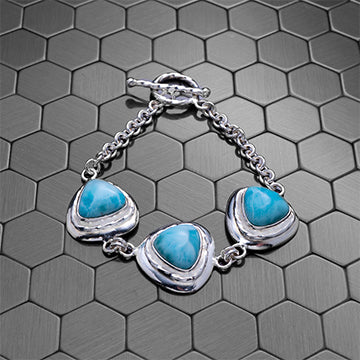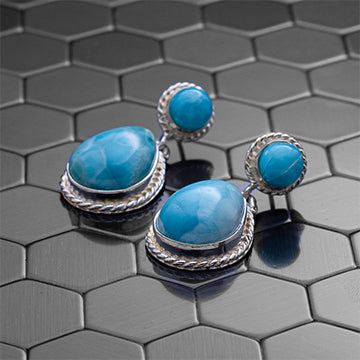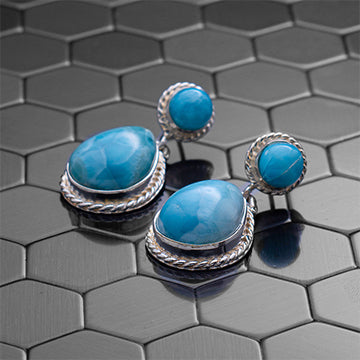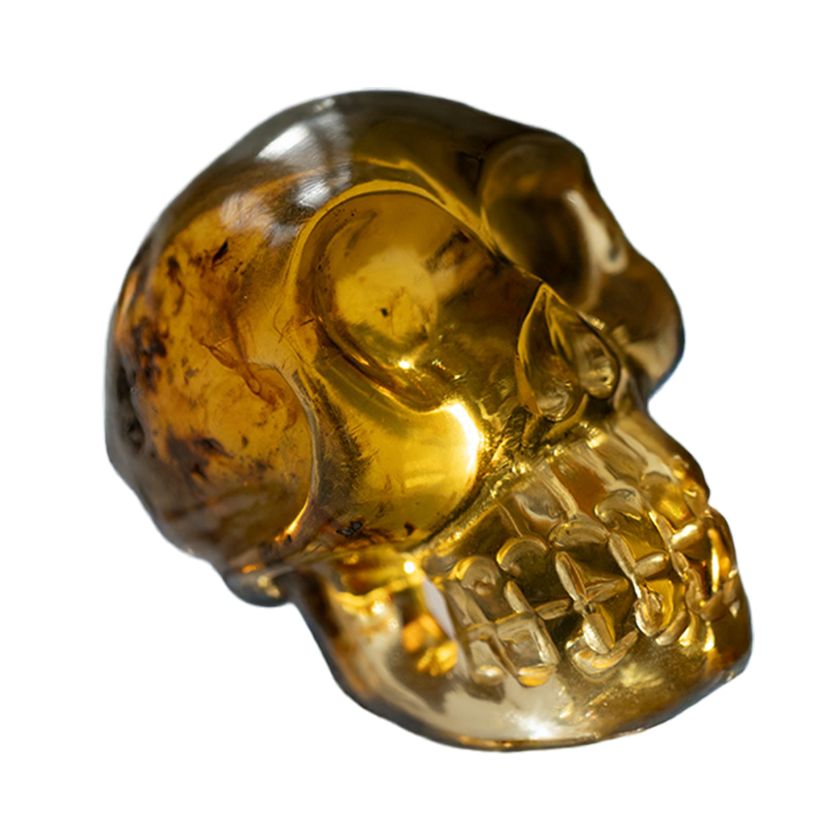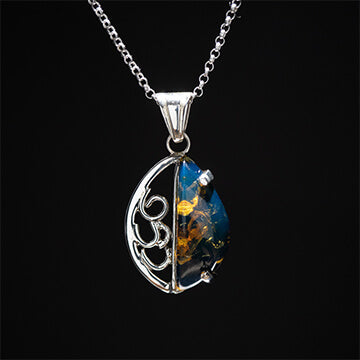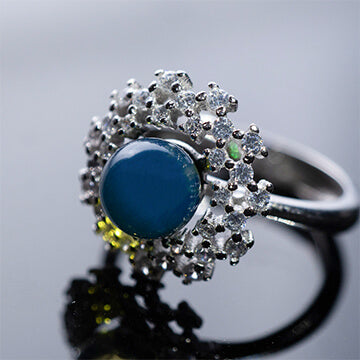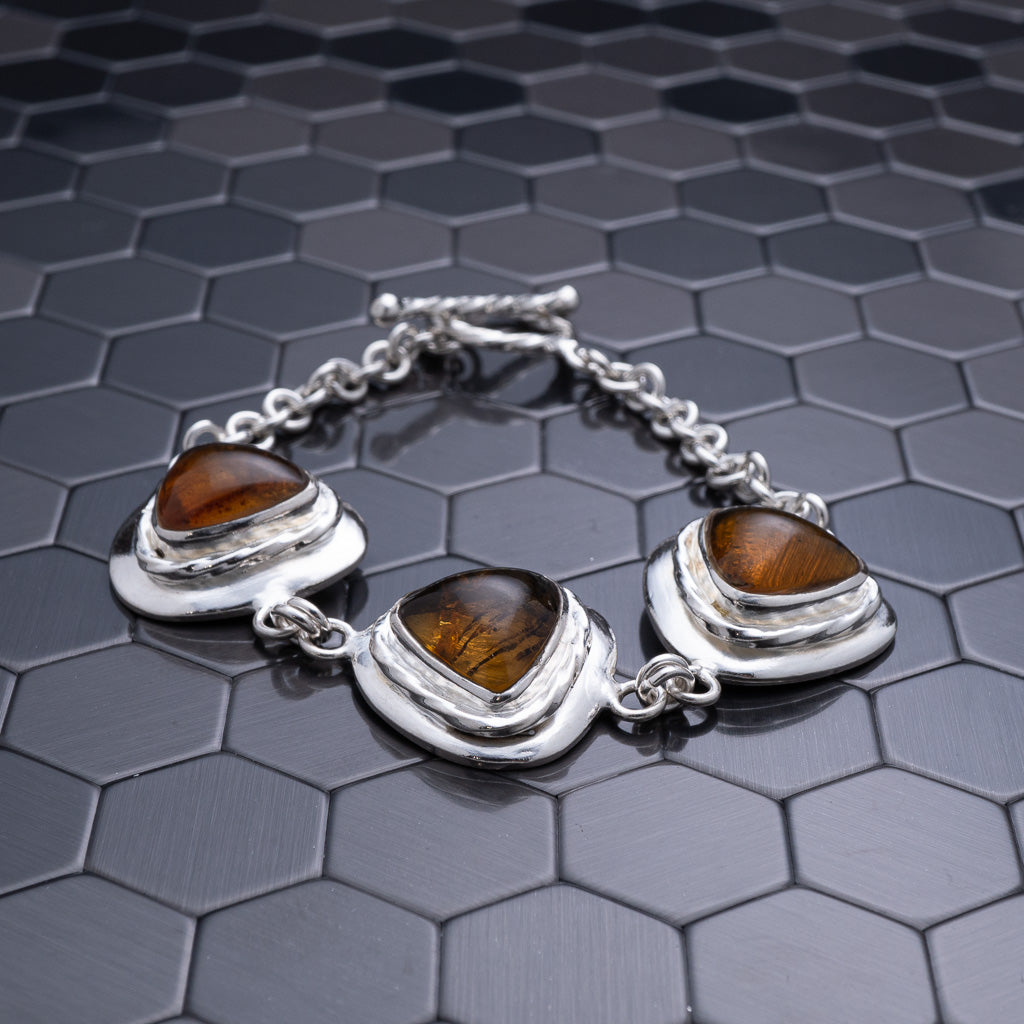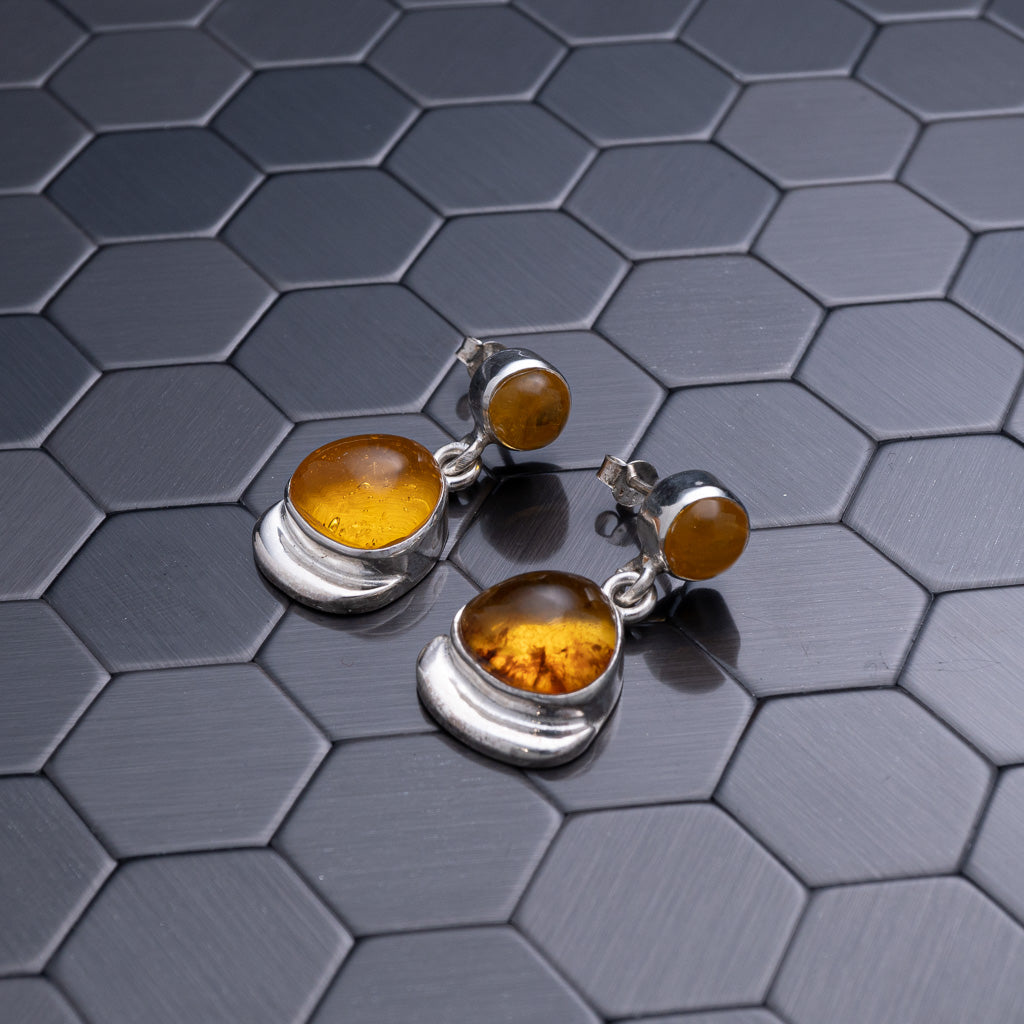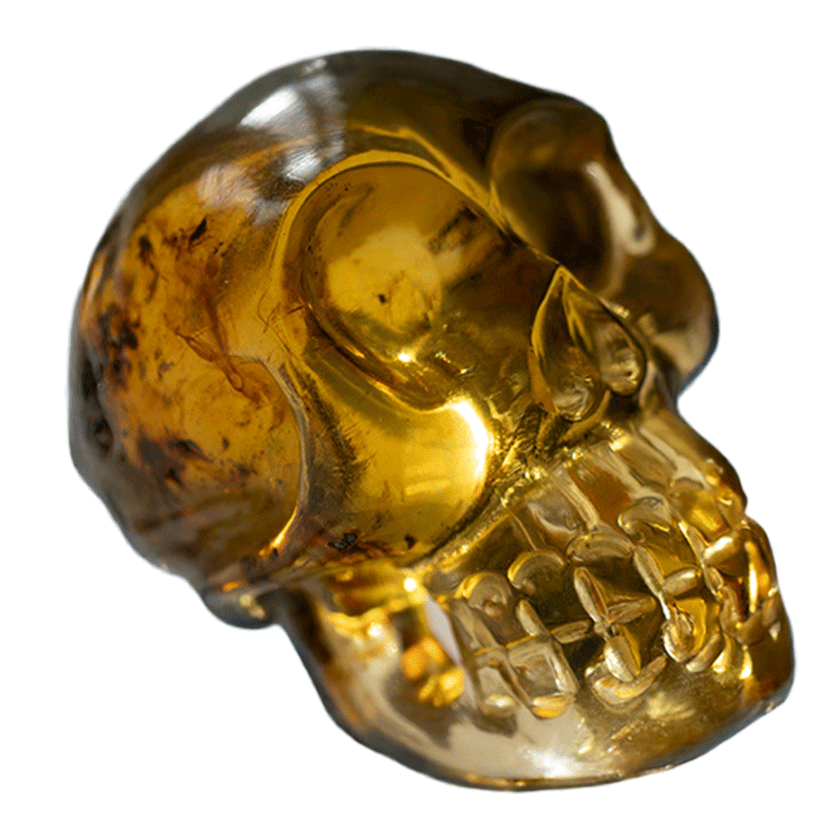


Handcrafted in DR.

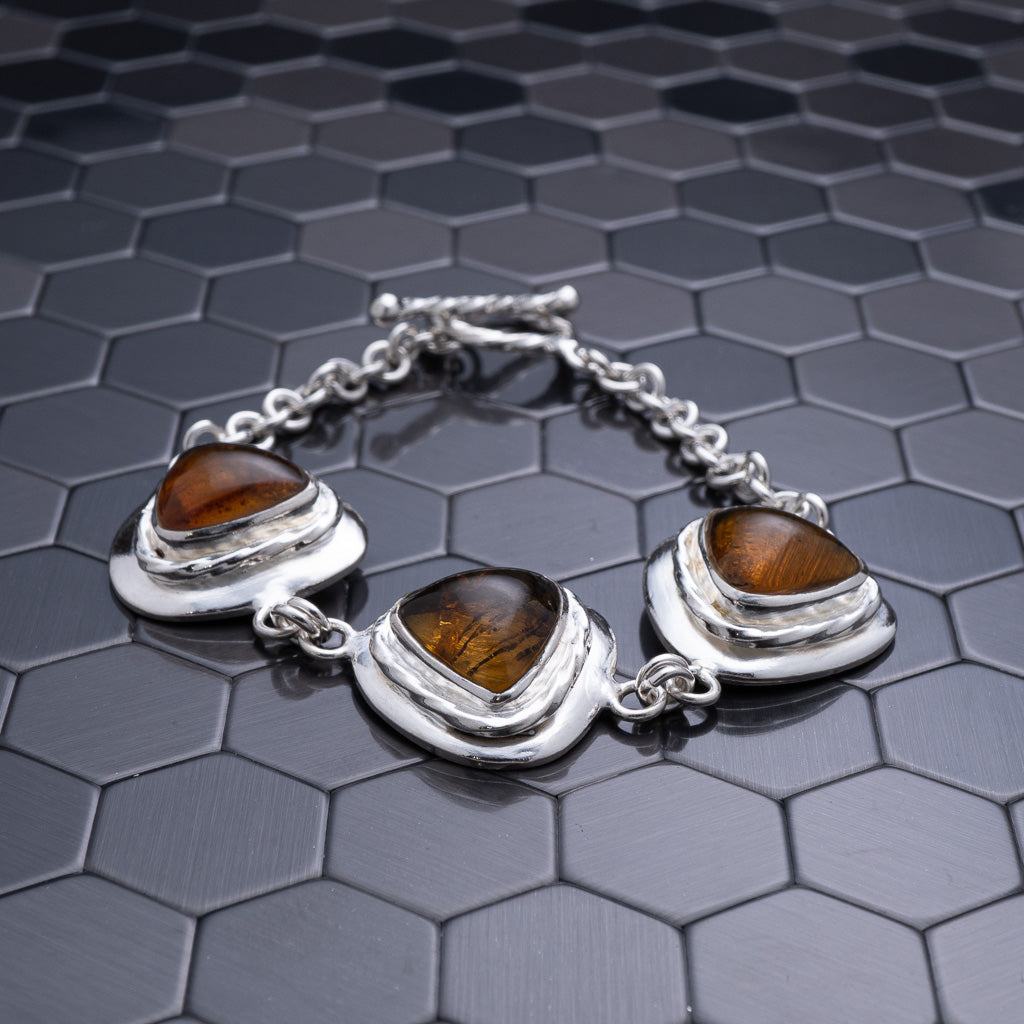
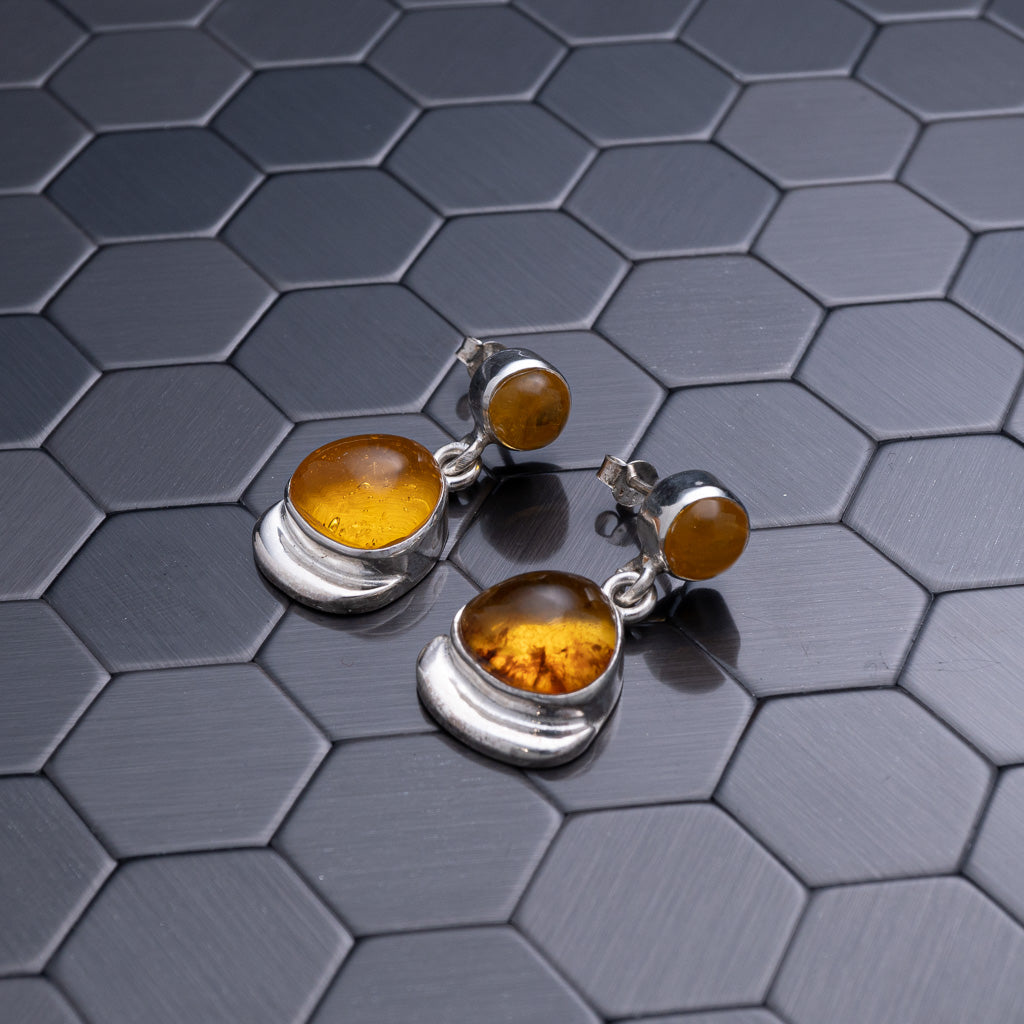


100% Handcrafted in DR.

Amber rings have captivated humanity for millennia, representing a unique intersection of natural wonder, cultural heritage, and artistic craftsmanship. This fossilized resin, preserved over millions of years, transforms into stunning jewelry pieces that connect wearers to ancient forests and forgotten eras. Whether you seek a ring for its aesthetic appeal, purported healing properties, or historical significance, understanding the multifaceted nature of amber enhances your appreciation for these remarkable gemstones. From the Baltic shores to the Dominican Republic, amber varieties offer distinct characteristics that make each ring truly one of a kind.
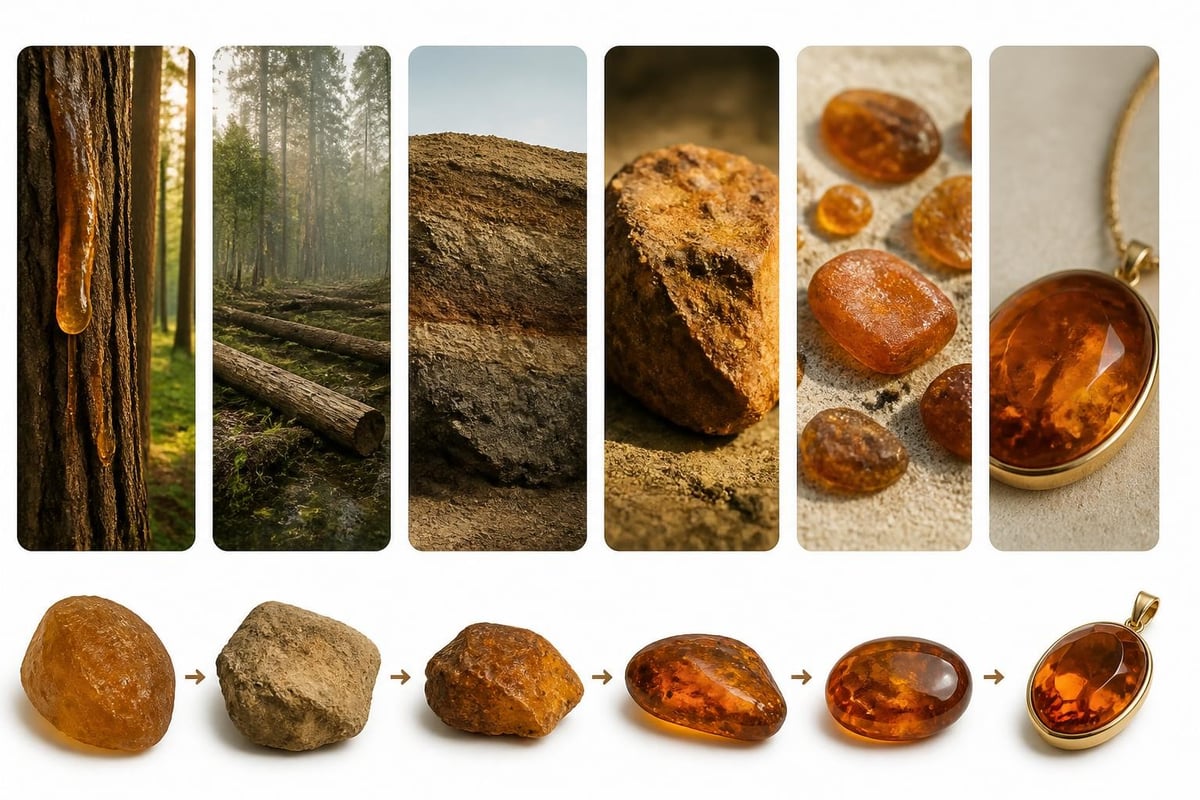
Amber began its remarkable journey millions of years ago when prehistoric trees secreted resin as a protective mechanism against injury or disease. Over time, geological processes buried these resin deposits under sediment and subjected them to heat and pressure, creating the gemstone we recognize today.
The formation process spans between 30 to 90 million years, though some specimens date back even further. During this transformation, volatile compounds evaporate from the resin while polymerization creates increasingly stable molecular structures. The result is a material that captures ancient ecosystems, sometimes preserving insects, plant matter, and air bubbles as permanent inclusions.
Different regions produce amber with distinctive characteristics:
Each source region imparts unique properties to the amber, influencing color, clarity, and the presence of inclusions. The geological conditions specific to each location create variations that collectors and jewelry enthusiasts prize for their distinctiveness.
Amber rings served purposes far beyond ornamentation in ancient societies. Archaeological evidence reveals that amber played crucial roles in trade networks, religious rituals, and social hierarchies across multiple civilizations. The ancient Greeks called amber "elektron," recognizing its ability to attract lightweight objects when rubbed-a property that would later contribute to our understanding of electricity.
The famous Amber Road connected Northern Europe to the Mediterranean, facilitating commerce between disparate cultures. Roman merchants valued amber so highly that a small figurine could cost more than a healthy slave. This precious material symbolized wealth, power, and connections to the divine.
Germanic tribes considered amber tears of the gods, while ancient cultures across continents incorporated it into burial rituals, believing it possessed protective properties that could ease the transition to the afterlife. Warriors wore amber amulets for protection in battle, while healers prescribed it for various ailments.
The symbolism associated with amber rings extends across cultures and time periods. Legends and folklore attribute numerous mystical properties to this ancient gemstone, creating a rich tapestry of meaning that continues to resonate with modern wearers.
Many believe amber carries warmth and positive energy, qualities attributed to its organic origins and golden hues. The gemstone represents:
Contemporary wellness practitioners incorporate amber into holistic health practices, though scientific evidence for metaphysical properties remains limited. Regardless of belief in healing properties, the psychological comfort derived from wearing meaningful jewelry contributes to overall well-being.
| Property | Traditional Association | Modern Interpretation |
|---|---|---|
| Color | Solar energy, vitality | Warmth, optimism |
| Age | Ancestral wisdom | Connection to history |
| Inclusions | Captured life force | Uniqueness, authenticity |
| Lightness | Ethereal nature | Comfort, wearability |
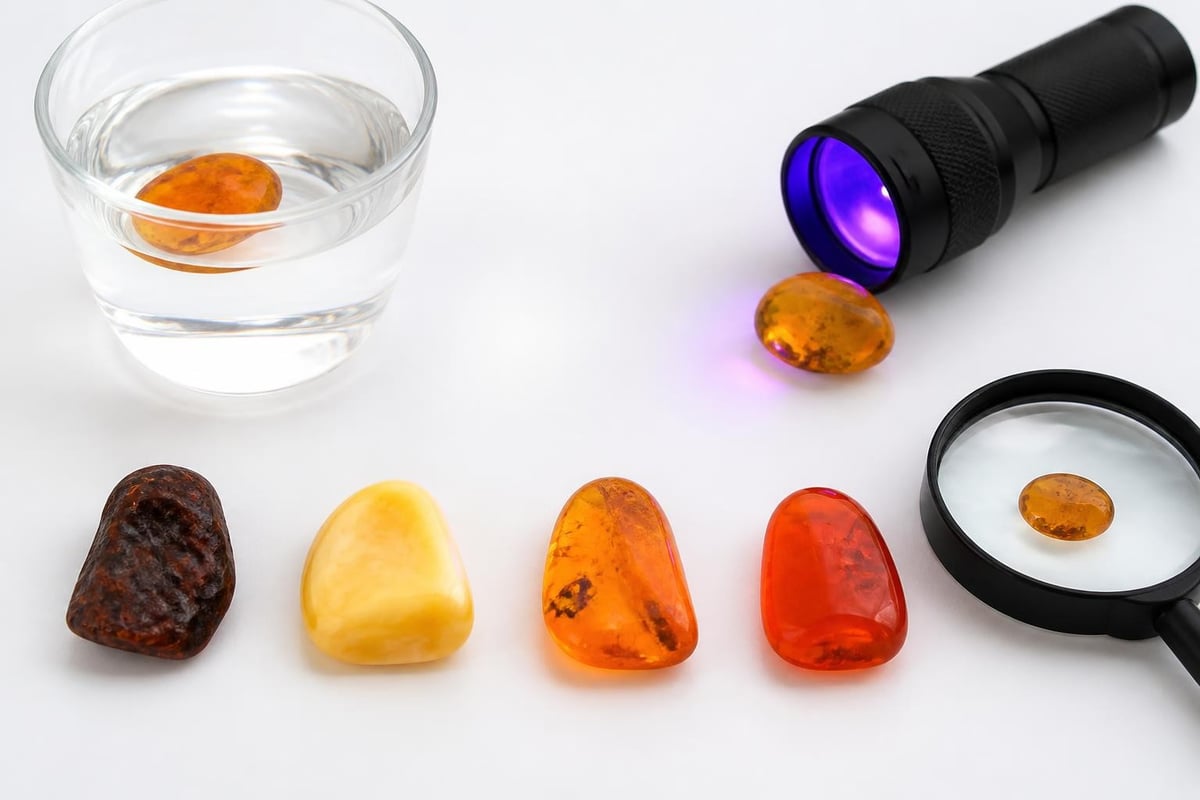
The popularity of amber jewelry has unfortunately spawned a market for imitations and synthetic alternatives. Distinguishing genuine amber from plastic, copal, or glass requires knowledge of amber's distinctive properties.
Physical Tests:
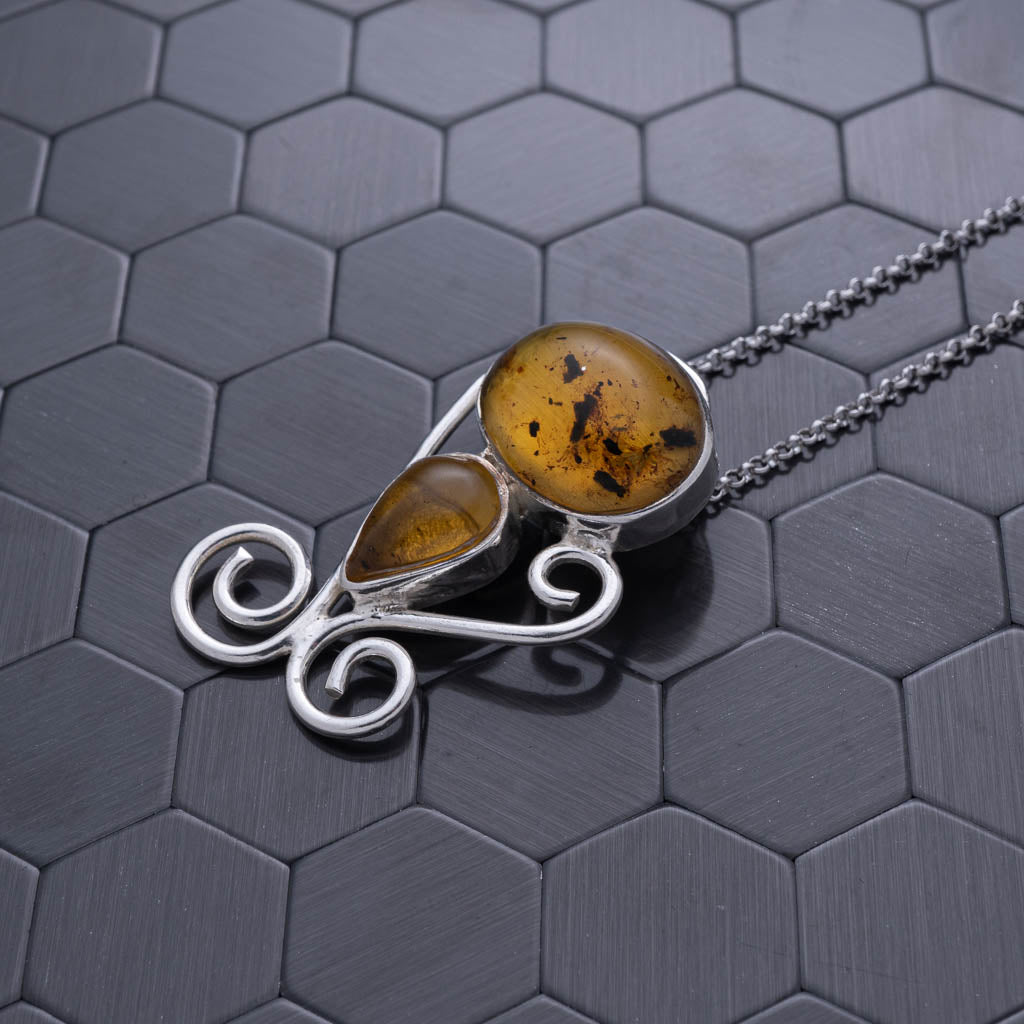
Visual Inspection: Authentic amber displays characteristic flow patterns within the stone, resembling clouds or waves. Inclusions appear natural and three-dimensional rather than suspended artificially. Air bubbles in genuine amber typically appear round, while those in plastic imitations often look elongated or distorted.
Buyers should remain vigilant about several common substitutes marketed as amber:
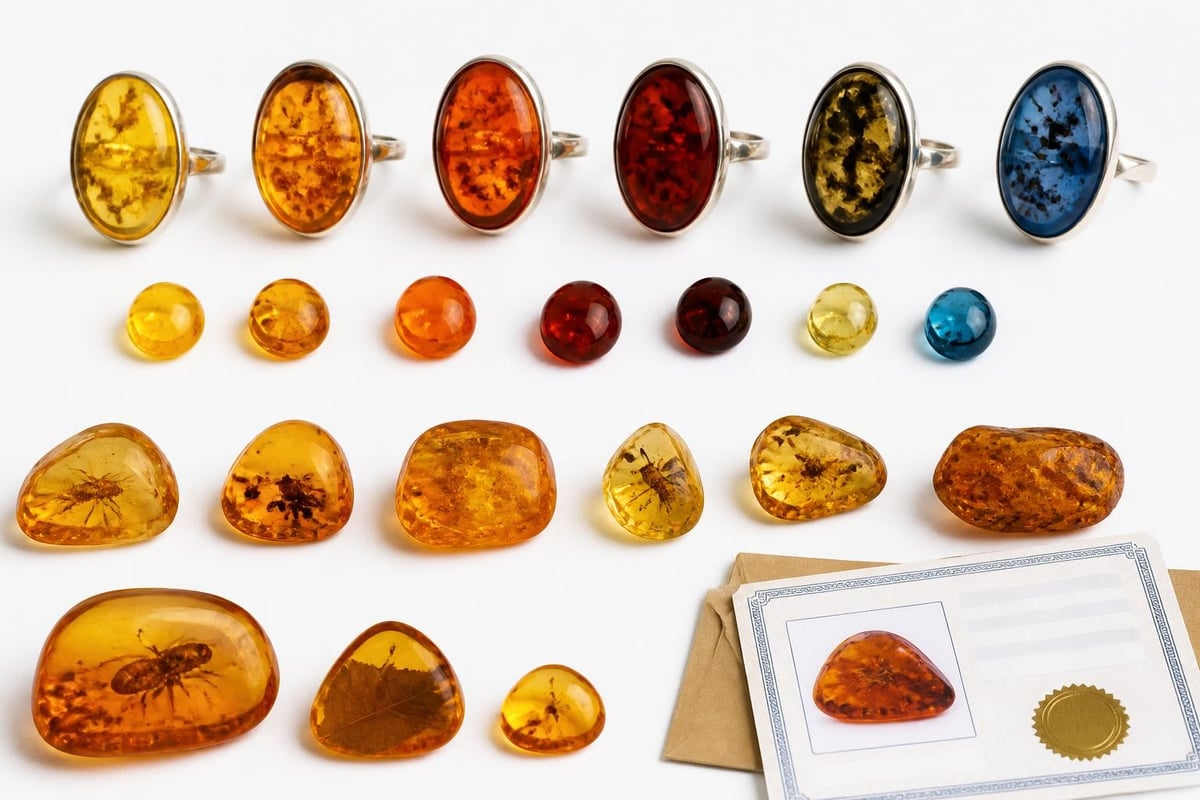
Reputable jewelers provide certificates of authenticity and welcome independent gemological testing. When investing in quality amber rings, documentation from trusted sources protects your purchase.
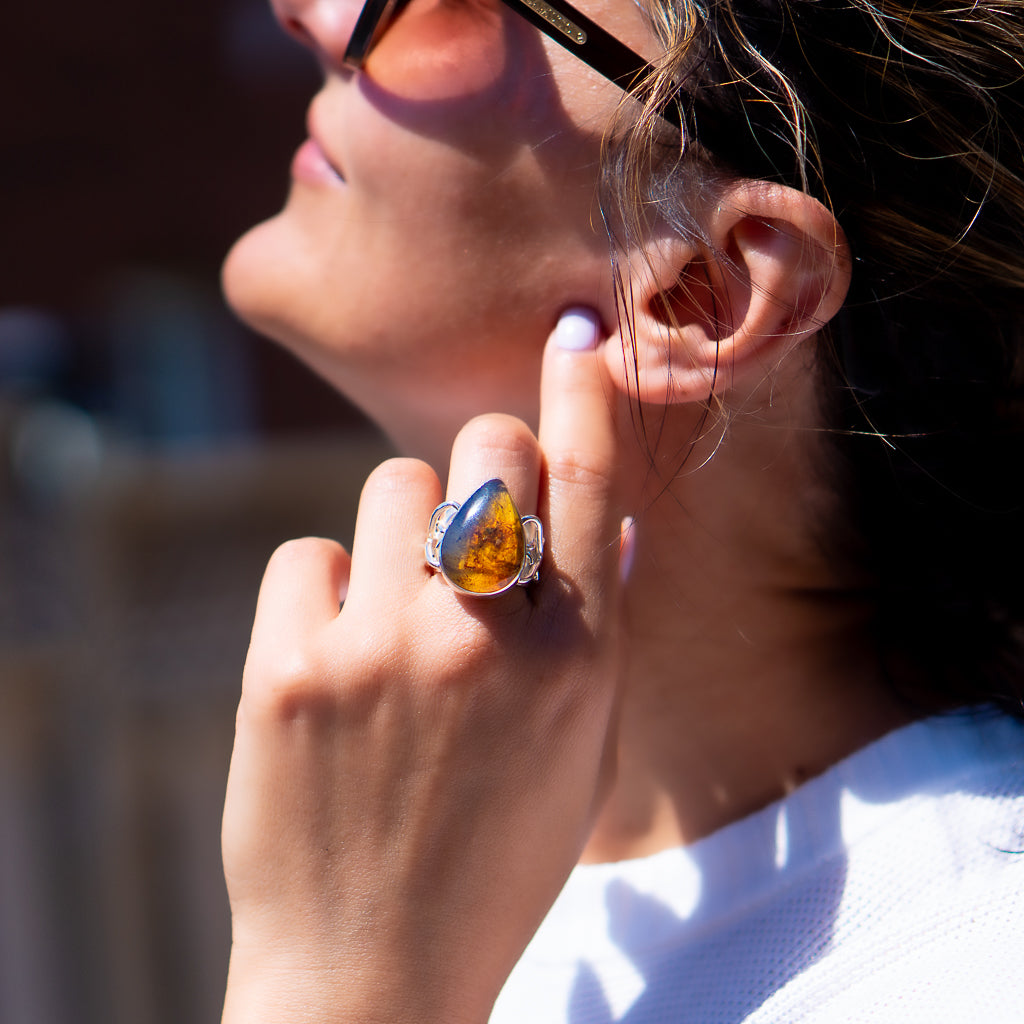
The versatility of amber allows jewelers to create pieces ranging from rustic bohemian designs to sleek contemporary statements. The choice of metal setting, ring style, and amber cut significantly impacts the final aesthetic.
Metal Pairings:
Each metal complements amber differently. Yellow gold enhances golden amber's warmth, while silver creates striking contrast with darker cognac shades. The unique properties of amber influence design choices, as its relative softness requires protective settings for daily wear.
| Style | Best For | Amber Type |
|---|---|---|
| Solitaire | Showcasing exceptional specimens | Large, clear pieces with minimal inclusions |
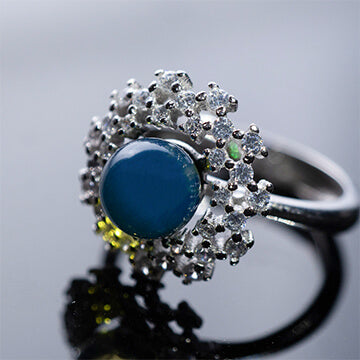
| Halo | Adding sparkle and protection | Smaller amber cabochons |
| Statement rings | Bold fashion expression | Multi-stone designs or large irregular pieces |
| Bands | Everyday wear | Smaller amber inlays or chips |
| Vintage-inspired | Traditional aesthetics | Oval or cushion-cut amber |
Contemporary designers experiment with asymmetrical settings, mixed metals, and unconventional stone shapes. Some incorporate amber into minimalist designs that emphasize clean lines, while others embrace maximalist approaches with elaborate filigree and multiple gemstones.
Unlike harder gemstones, amber requires gentle care to maintain its luster and integrity. Understanding proper maintenance extends the life of your amber rings considerably.
Amber's organic composition makes it vulnerable to certain environmental factors:
Cleaning Process:
Never use ultrasonic cleaners, steam cleaners, or abrasive materials on amber rings. The gentle approach preserves the stone's surface and prevents damage to any inclusions that add character and value.
Annual inspections by a qualified jeweler ensure settings remain secure and identify potential issues before they become serious. Professional cleaning removes built-up residue from hard-to-reach areas around settings without risking damage to the amber itself.
The meanings and properties attributed to amber extend into the realm of physical and emotional wellness. While scientific validation remains limited, traditional medicine systems across cultures have incorporated amber for therapeutic purposes.
Baltic amber particularly has been associated with pain relief, especially for teething discomfort in infants when worn as necklaces. The theory suggests that body heat releases trace amounts of succinic acid from the amber, which absorbs through the skin. Adult wearers have reported benefits for:
Modern practitioners should view amber rings as complementary to conventional medical treatment rather than replacements. The spiritual and emotional significance of wearing amber may provide psychological benefits through the placebo effect or simply by offering comfort and connection to tradition.
High-quality amber rings represent both personal adornment and potential investment opportunities. Several factors influence amber's market value and collectibility.
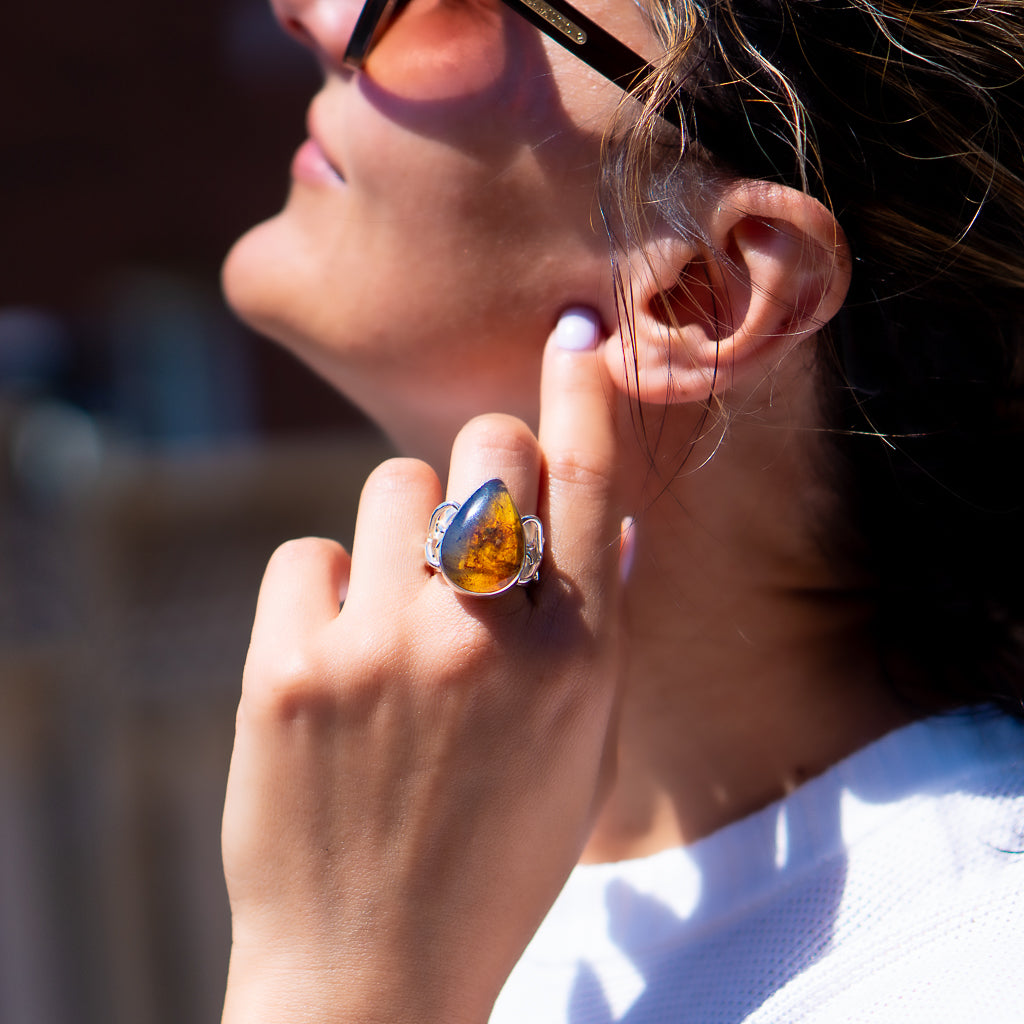
Color and Clarity: Rare colors command premium prices. While golden amber remains most common, red "cherry" amber, green amber, and especially blue amber from the Dominican Republic achieve significantly higher valuations. Exceptional clarity without cloudiness increases desirability.
Inclusions: Specimens containing well-preserved insects, plant material, or other organisms can be worth substantially more than equivalent pieces without inclusions. Scientific and collector interest drives prices for specimens with rare or unusual inclusions.
Size and Weight: Larger pieces of high-quality amber are increasingly rare. The market values size, provided other quality factors remain consistent.
Age and Provenance: Documented origin and age verification add value, particularly for pieces from historically significant sources or those with established histories.
| Factor | Impact on Value | Priority Level |
|---|---|---|
| Authenticity | Critical | Highest |
| Color rarity | High | High |
| Inclusion quality | Variable | Medium-High |
| Craftsmanship | Moderate | Medium |
| Historical significance | Moderate-High | Medium |
The amber market remains relatively stable compared to precious metals, though prices fluctuate based on availability and demand. Purchasing from reputable dealers with authentication guarantees protects investment value.
The versatility of amber rings makes them suitable for various occasions and recipients. Understanding contextual appropriateness enhances gift-giving and personal purchases.
Amber rings carry symbolic meaning as gifts, representing warmth, protection, and connection to natural beauty. Consider these occasions:
Milestone Celebrations:
Personal Significance: Amber rings make meaningful gifts for individuals who appreciate natural materials, historical connections, or alternative healing modalities. The variety of colors and styles allows personalization based on the recipient's aesthetic preferences.
Amber rings designed for men typically feature bolder settings, larger stones, and more substantial metal work. Popular designs include:
Contemporary men's jewelry embraces amber's unique characteristics, moving beyond traditional expectations to create pieces that balance masculinity with the warmth and organic nature of the gemstone.
While Baltic amber dominates the market, specialized varieties offer distinct characteristics that appeal to collectors and jewelry enthusiasts seeking something exceptional.
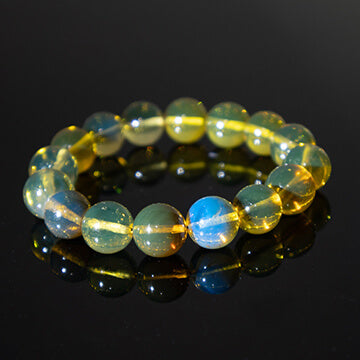
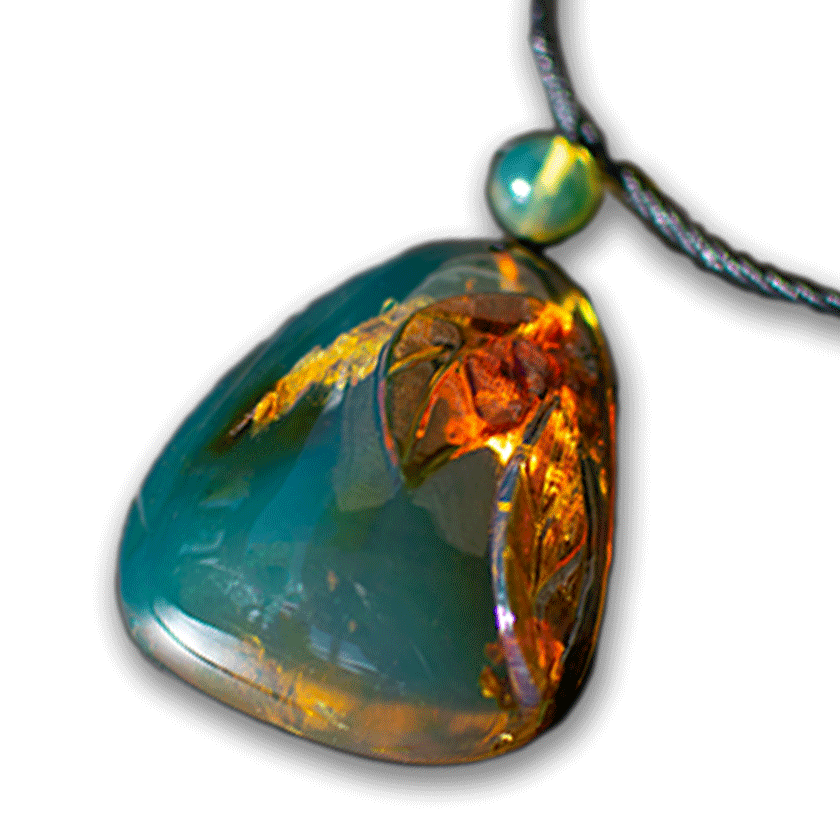
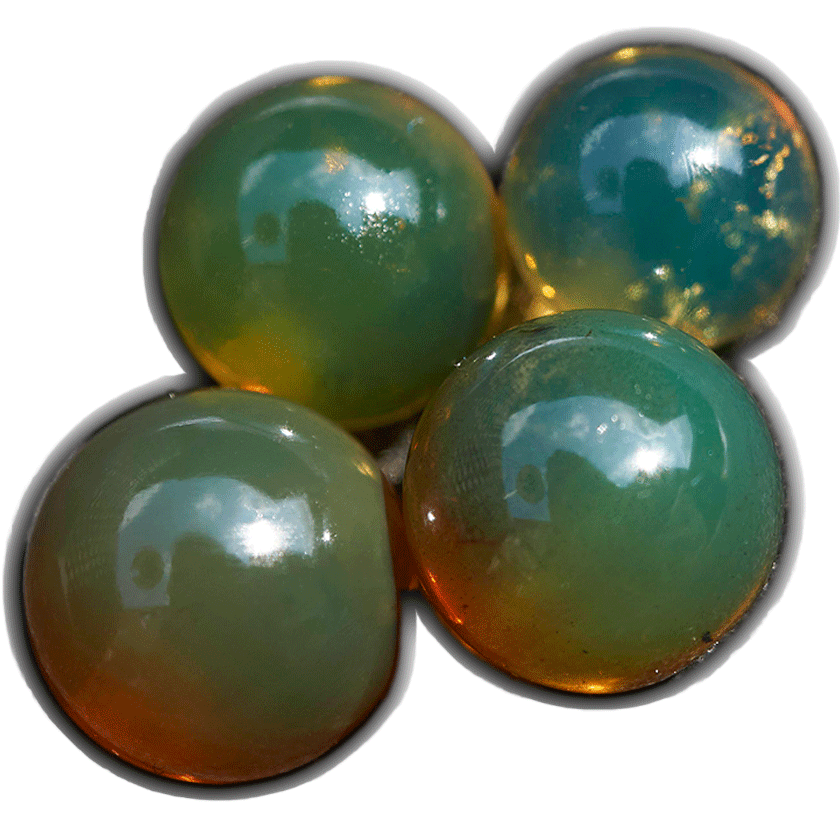
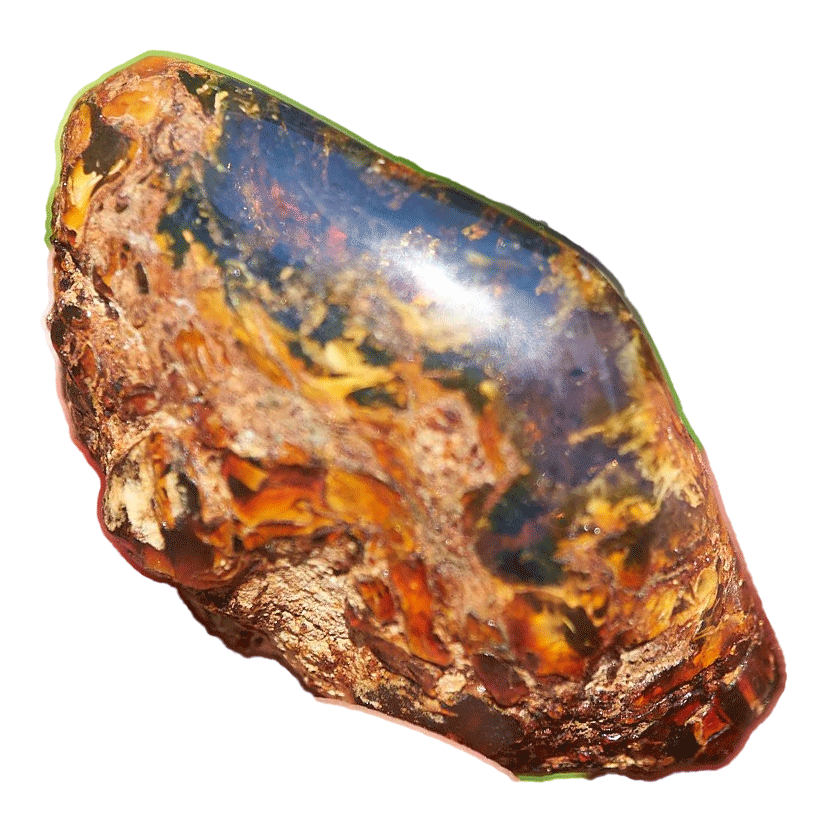
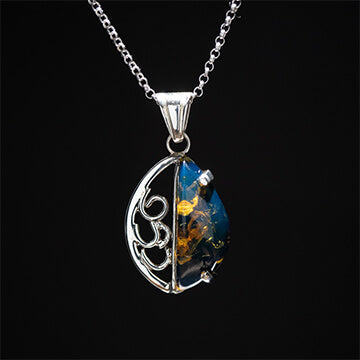
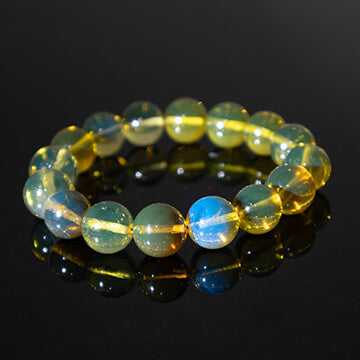
This extraordinary variety exhibits a stunning blue fluorescence under natural sunlight or UV light, caused by perylene compounds within the resin's structure. Found exclusively in mountainous regions of the Dominican Republic, blue amber represents one of the rarest amber types globally. The Dominican Republic's rich cultural heritage contributes to the unique story behind these exceptional gemstones.
Characteristics of Blue Amber:
Artisans who work with blue amber understand its unique properties and create settings that maximize its color-changing characteristics. Similar to blue amber, other rare gemstones from the Caribbean region, such as Larimar, share the distinction of limited geographic availability and distinctive beauty.
Green amber, found primarily in the Dominican Republic and Mexico, displays colors ranging from pale olive to deep forest green. Its rarity and unique coloration make it highly sought after by collectors.
Red amber, sometimes called "cherry amber," develops its color through natural oxidation processes or heat treatment. Authentic red amber without treatment is exceedingly rare and valuable, while heat-treated pieces offer similar aesthetics at more accessible price points.
Incorporating amber rings into your personal style requires understanding color coordination, occasion appropriateness, and balance with other accessories.
Complementary Pairings:
Seasonal Styling: Amber's warm tones naturally complement autumn and winter wardrobes, though appropriate styling extends its versatility year-round. Summer outfits in natural linens or flowing fabrics pair beautifully with lighter, more translucent amber varieties.
When wearing amber rings, consider the overall jewelry composition:
For those who appreciate the beauty of rare Caribbean gemstones, pairing an amber ring with complementary pieces like Larimar pendants creates an elegant ensemble that celebrates unique natural treasures from the region.
Amber rings serve as symbols of protection and historical continuity, connecting modern wearers to ancient traditions and beliefs. This symbolic dimension adds depth to the wearing experience beyond aesthetic appreciation.
Throughout history, cultures worldwide attributed protective powers to amber. Medieval Europeans believed amber shielded against witchcraft and evil spirits. Asian traditions associated amber with courage and protection during travel. These historical associations continue to resonate with contemporary wearers who value jewelry with meaningful symbolism.
The physical act of wearing amber creates a tangible connection to these protective traditions. Whether approached from a spiritual perspective or appreciated as cultural heritage, the symbolism enriches the relationship between wearer and ring.
Each amber ring represents a fragment of prehistoric time, preserved through geological processes spanning millions of years. This connection to deep time provides perspective and grounding in our fast-paced modern world. Wearing amber acknowledges continuity between past, present, and future-a physical reminder of nature's patience and power.
As with all natural resources, amber extraction and trade raise important ethical and environmental questions. Conscious consumers increasingly seek information about sourcing practices before purchasing.
Responsible Mining Practices:
Fossil Preservation: Scientifically significant specimens containing rare inclusions should ideally be preserved for research rather than commercial jewelry use. Reputable dealers work with paleontologists to identify and protect specimens of exceptional scientific value.
Supporting artisans who craft amber rings ensures traditional skills continue and communities benefit economically from natural resources. Fair compensation for miners, cutters, and jewelry makers contributes to sustainable livelihoods and preserves cultural heritage.
Questions to Ask Sellers:
Transparent supply chains and seller accountability create more sustainable markets for amber jewelry.
Modern designers continually reimagine amber rings, balancing traditional appreciation with innovative aesthetics. Current trends reflect broader movements in jewelry design while honoring amber's unique properties.
Contemporary minimalism emphasizes amber's natural beauty through simple settings that let the stone speak for itself. Clean lines, understated metal work, and focus on stone quality characterize this approach. Designers working in minimalist styles often select amber specimens with exceptional clarity or interesting inclusions as focal points.
Innovative jewelers combine amber with unexpected materials:
These experimental approaches attract younger demographics while respecting amber's historical significance.
Bespoke amber rings allow customers to participate in the design process, selecting specific amber pieces, setting styles, and metal choices. This personalization trend acknowledges jewelry's role in self-expression and individual storytelling.
Amber rings represent far more than decorative accessories-they embody millions of years of natural history, cultural traditions spanning civilizations, and personal connections to beauty and meaning. Understanding amber's formation, significance, and care requirements enhances appreciation for these remarkable gemstones while ensuring their preservation for future generations. Whether you're drawn to amber for its aesthetic appeal, symbolic power, or investment potential, selecting and caring for amber rings thoughtfully honors both the material and the craftsmanship that transforms it into wearable art. Larimar Creations brings this same dedication to rare Caribbean gemstones, offering expertly crafted jewelry that celebrates the unique beauty of Larimar and Dominican Blue Amber with worldwide shipping and unwavering commitment to quality and authenticity.