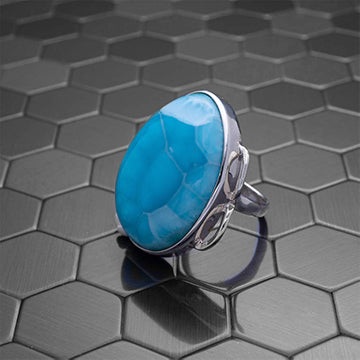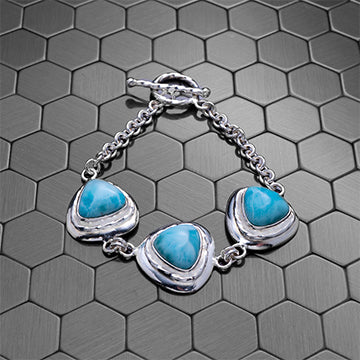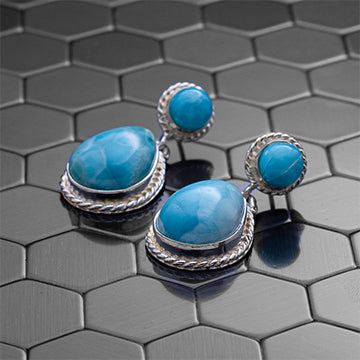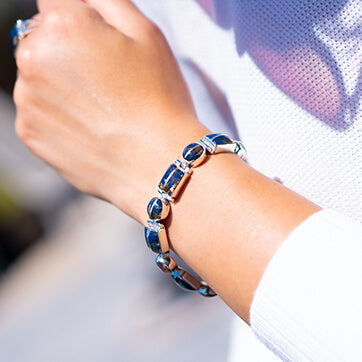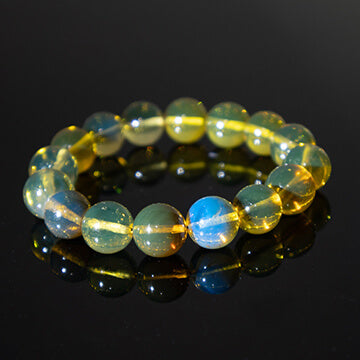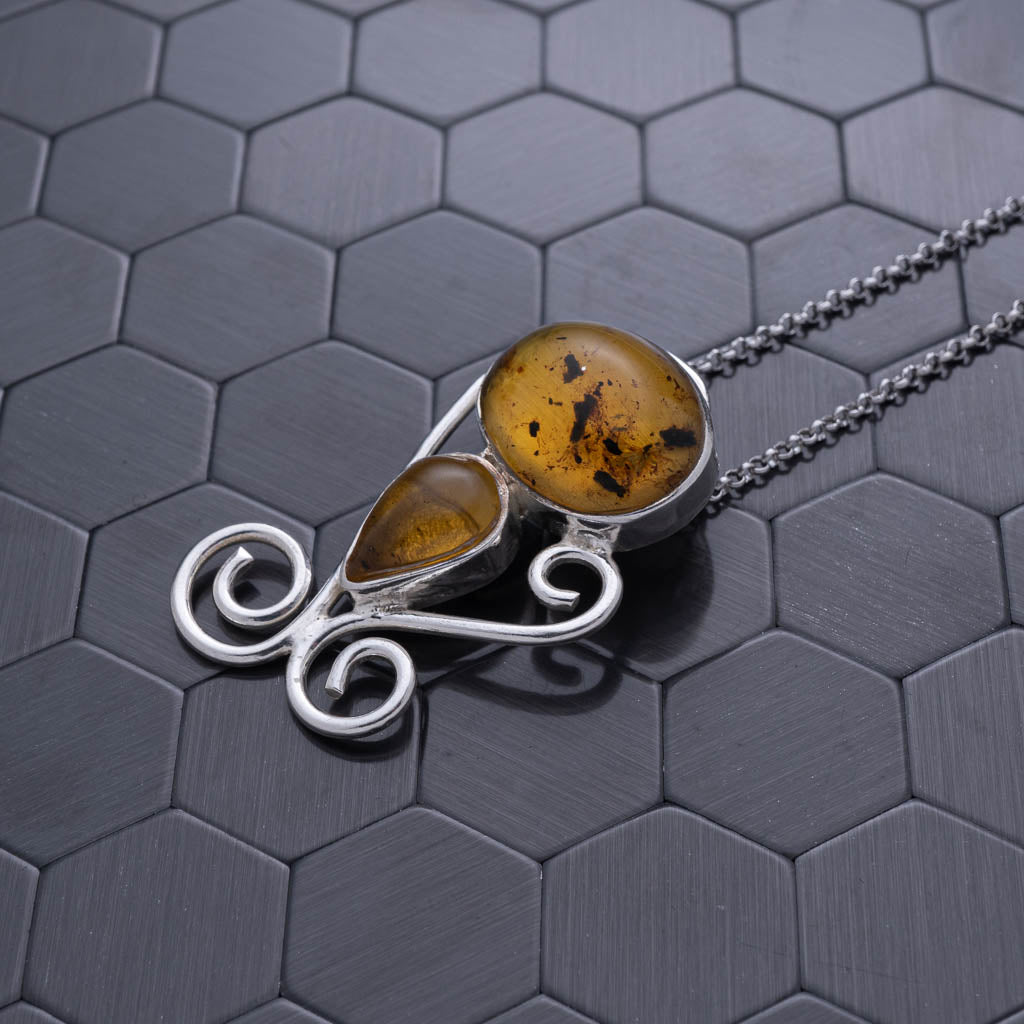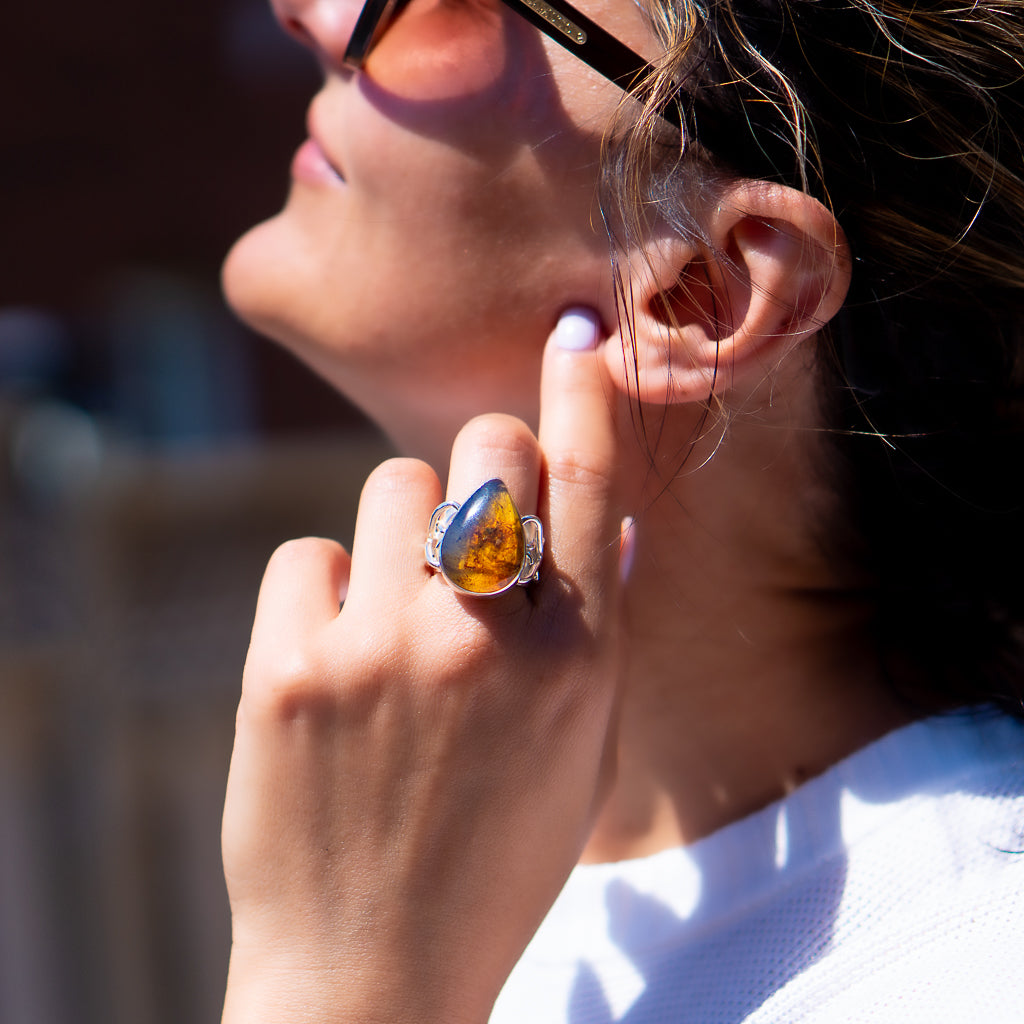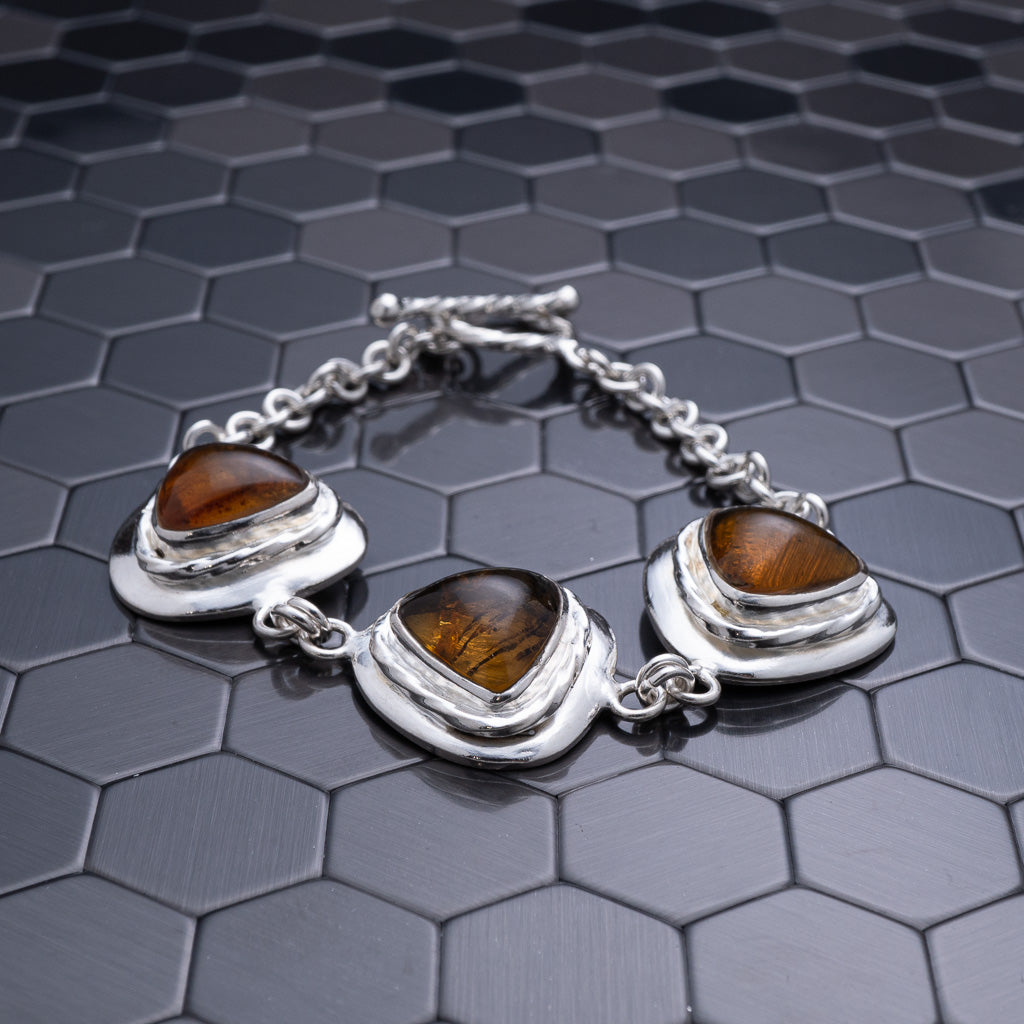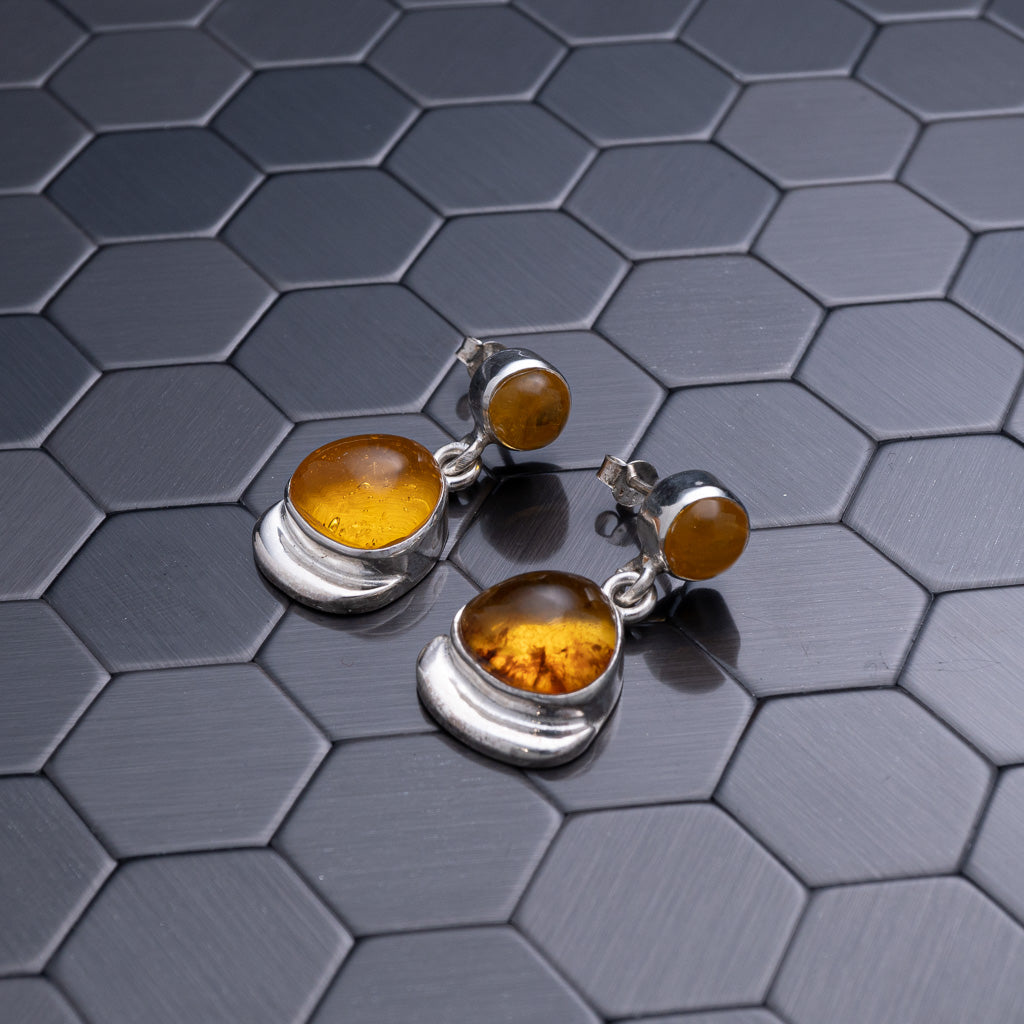


Handcrafted in DR.

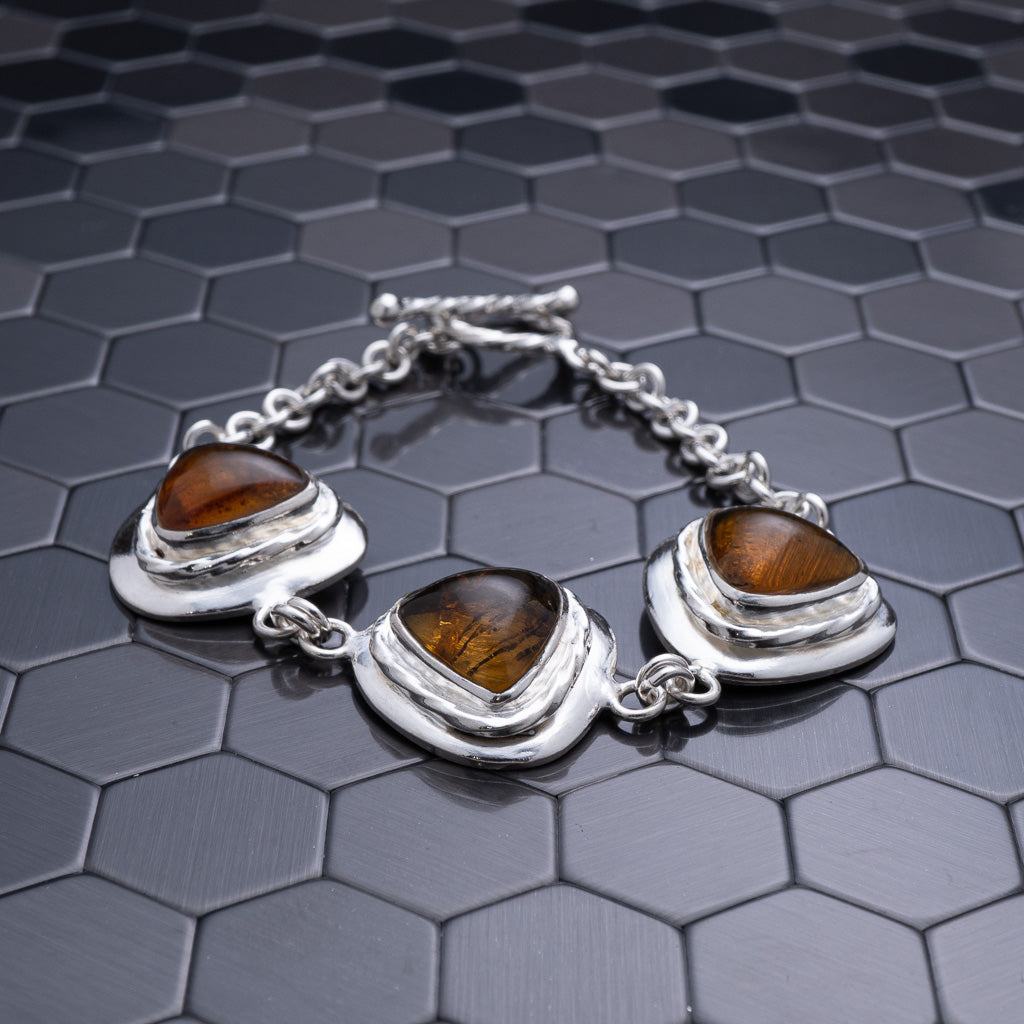
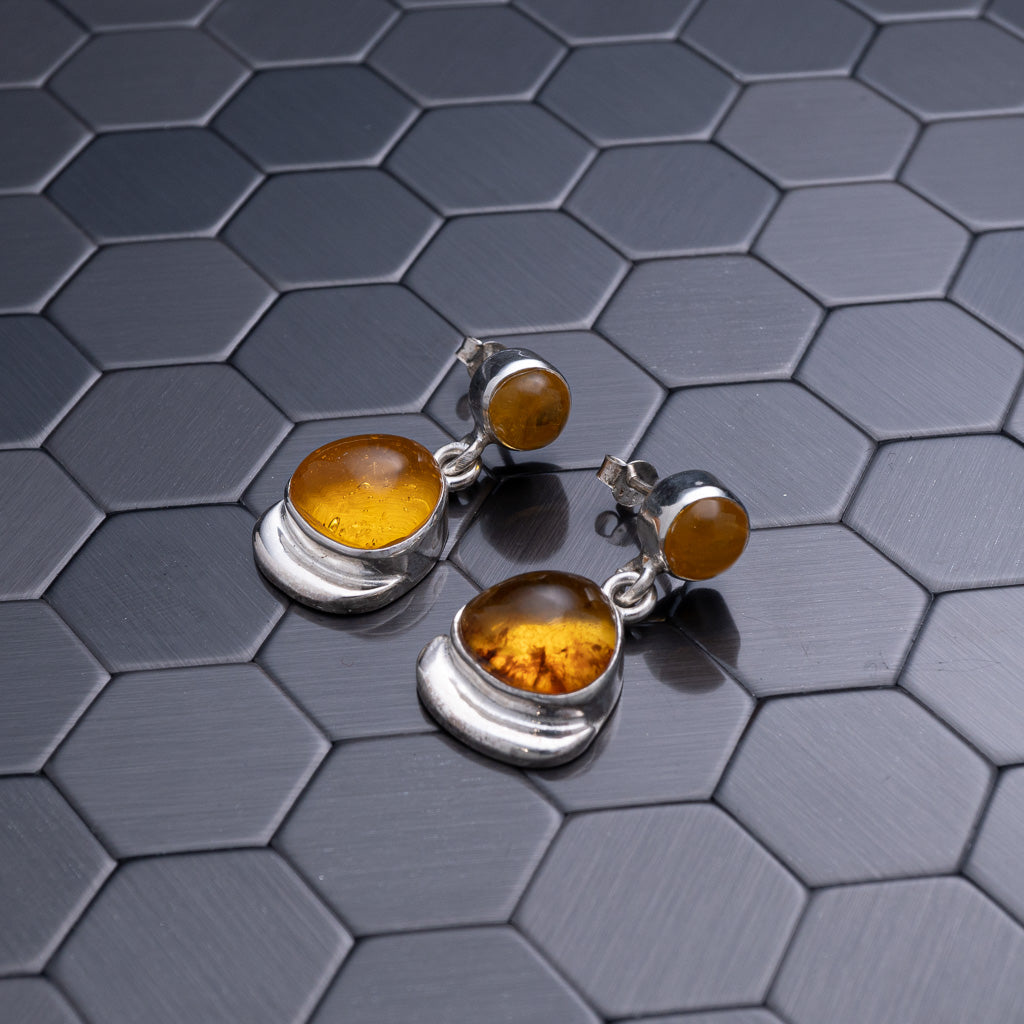


100% Handcrafted in DR.

The Dominican Republic stands as a beacon of artisanal excellence in the Caribbean, where centuries-old traditions merge with contemporary craftsmanship to create some of the world's most distinctive jewelry. Dominican handcrafted pieces represent more than mere accessories-they embody cultural heritage, natural beauty, and the skilled hands of artisans who have perfected their craft across generations. From the turquoise brilliance of larimar to the golden glow of Dominican blue amber, these gemstones find their ultimate expression through traditional handcrafting techniques that honor both the material and the maker.
The Dominican Republic's artisanal traditions trace their roots to three distinct cultural influences that have shaped the nation's identity. The indigenous Taíno people laid the foundation with their sophisticated understanding of natural materials and symbolic designs. Spanish colonizers introduced European metalworking techniques and religious iconography. African traditions brought intricate beading methods and bold aesthetic sensibilities.
This cultural fusion creates a unique approach to Dominican handcrafted work that cannot be replicated elsewhere. Artisans today continue to draw inspiration from these ancestral techniques while incorporating modern design principles. The traditional crafts of the Dominican Republic reflect this beautiful convergence, where each piece tells a story that spans centuries.
Master craftspeople pass down their knowledge through apprenticeship systems that have remained largely unchanged for decades. Young artisans learn to:
The commitment to handcrafting means that no two pieces are identical. Each stone's unique characteristics demand individualized attention, requiring artisans to adapt their approach based on color variations, inclusions, and natural formations.
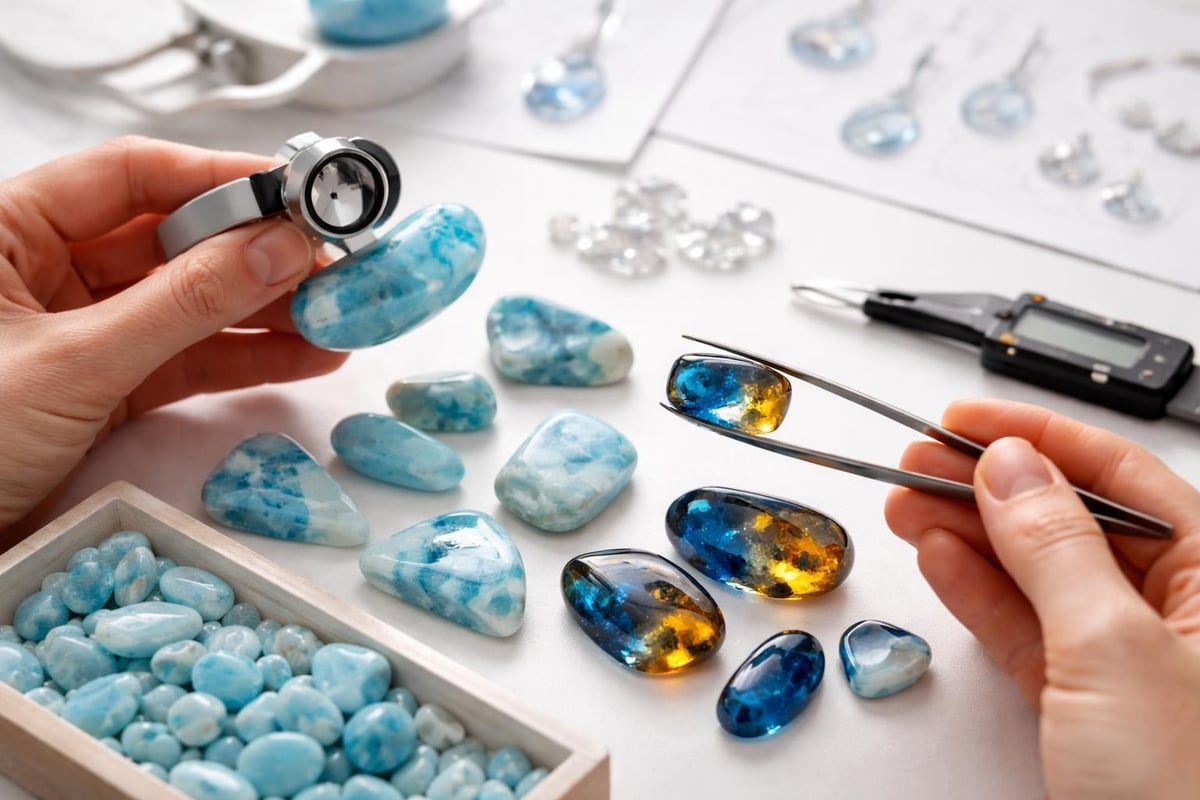
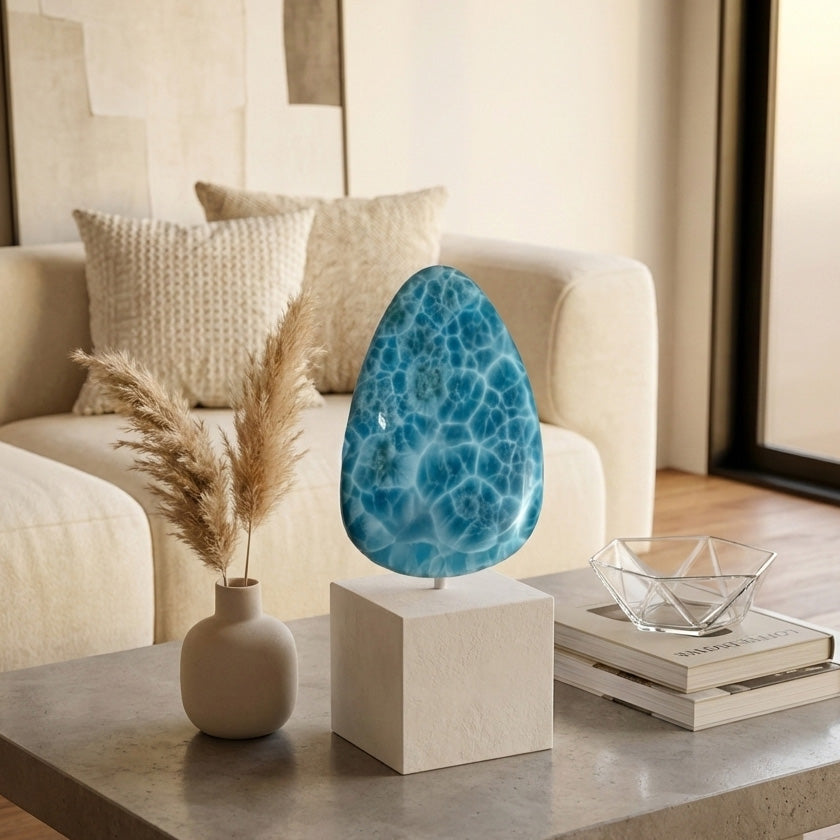
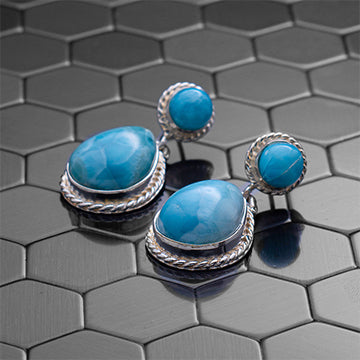
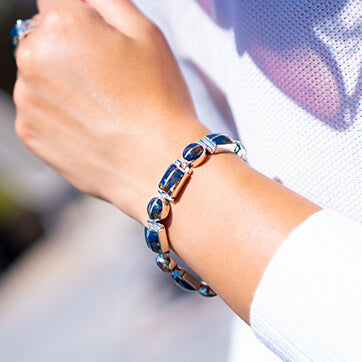
Found exclusively in the Dominican Republic, larimar represents the pinnacle of Dominican handcrafted gemstone jewelry. This rare blue pectolite was discovered in 1974, though local legends suggest the Taíno people knew of its existence centuries earlier. The stone's mesmerizing blue hues-ranging from pale sky blue to deep Caribbean turquoise-mirror the tropical waters surrounding the island.
Crafting larimar requires exceptional skill because the stone's softness (ranging from 4.5 to 5 on the Mohs scale) makes it challenging to work with. Artisans must carefully assess each piece to determine optimal cutting angles and setting methods that will protect the stone while showcasing its natural patterns.
| Larimar Characteristic | Crafting Consideration | Artisan Solution |
|---|---|---|
| Natural color variation | Matching stones for sets | Hand-selecting complementary pieces |
| Moderate hardness | Durability in settings | Protective bezels and wrapped designs |
| Unique patterns | Maximizing visual appeal | Strategic cutting to highlight swirls |
| Limited source | Material conservation | Precise cutting to minimize waste |
The blue stone's healing properties have made it increasingly popular among collectors and spiritual practitioners worldwide. Dominican handcrafted larimar jewelry transforms this connection into wearable art.
The process of creating larimar jewelry begins in the remote mountains of Barahona province, where miners extract rough stones from volcanic deposits. These raw pieces then travel to workshops where skilled artisans evaluate each stone's potential. The transformation involves multiple stages:
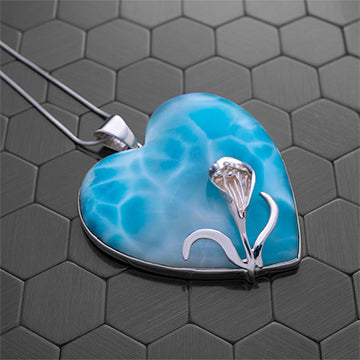
Each larimar pendant represents dozens of hours of careful work, from selection through final polish. The artisan's expertise determines whether a rough stone becomes a stunning centerpiece or a simple accent.
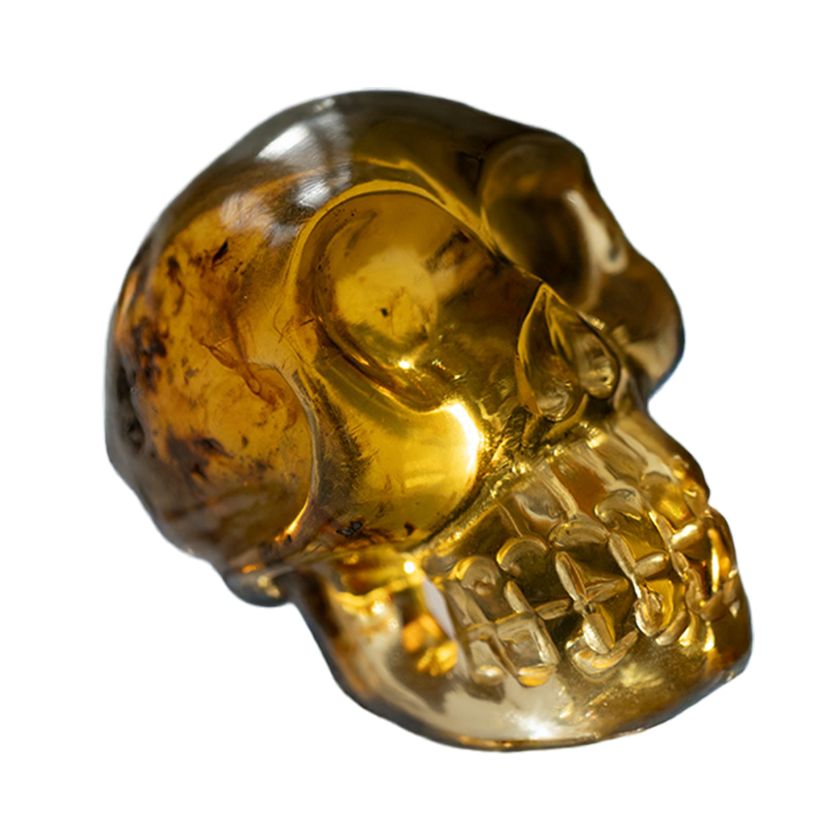
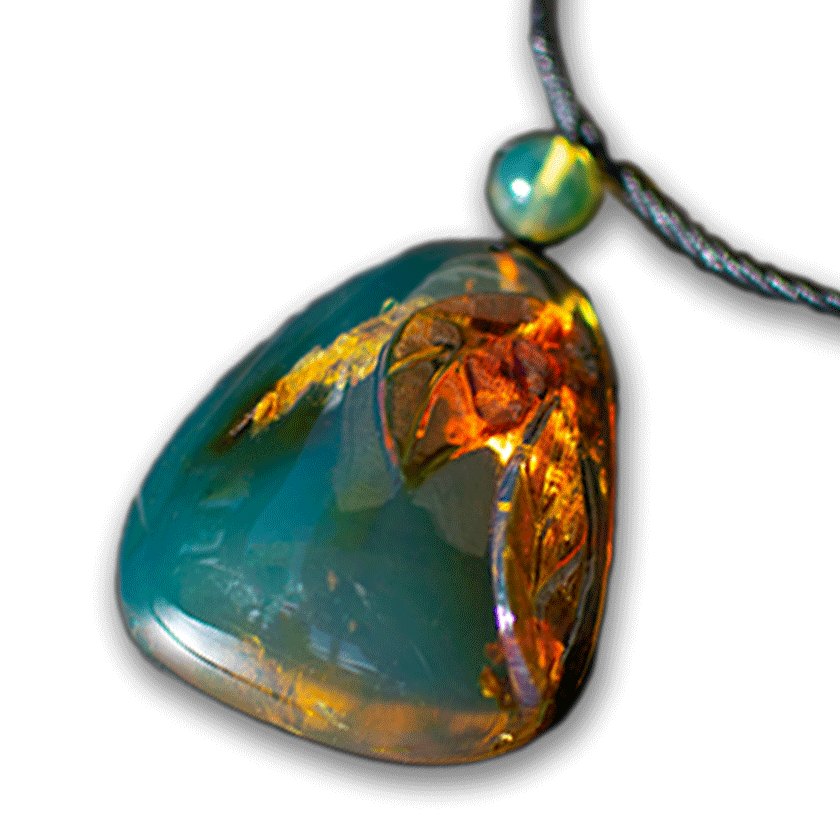
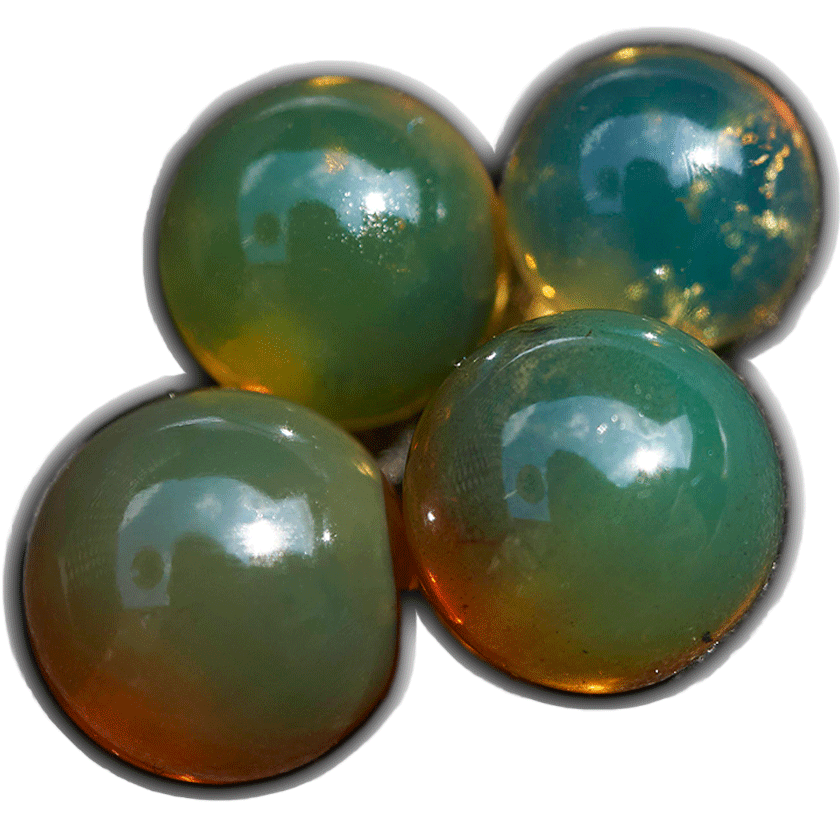
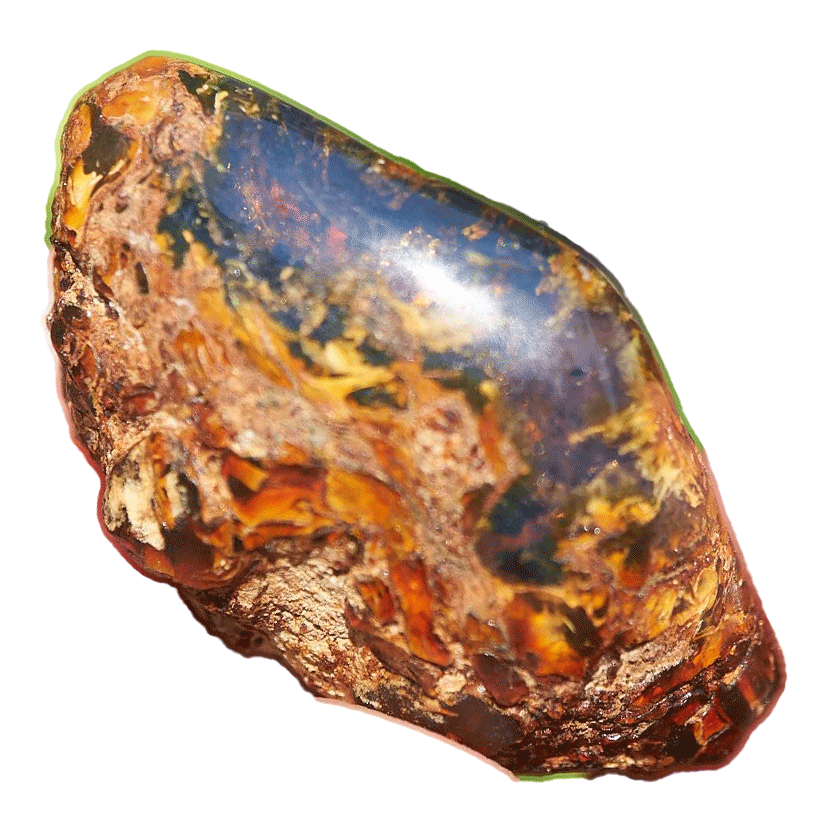
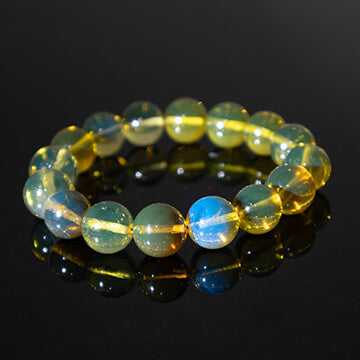
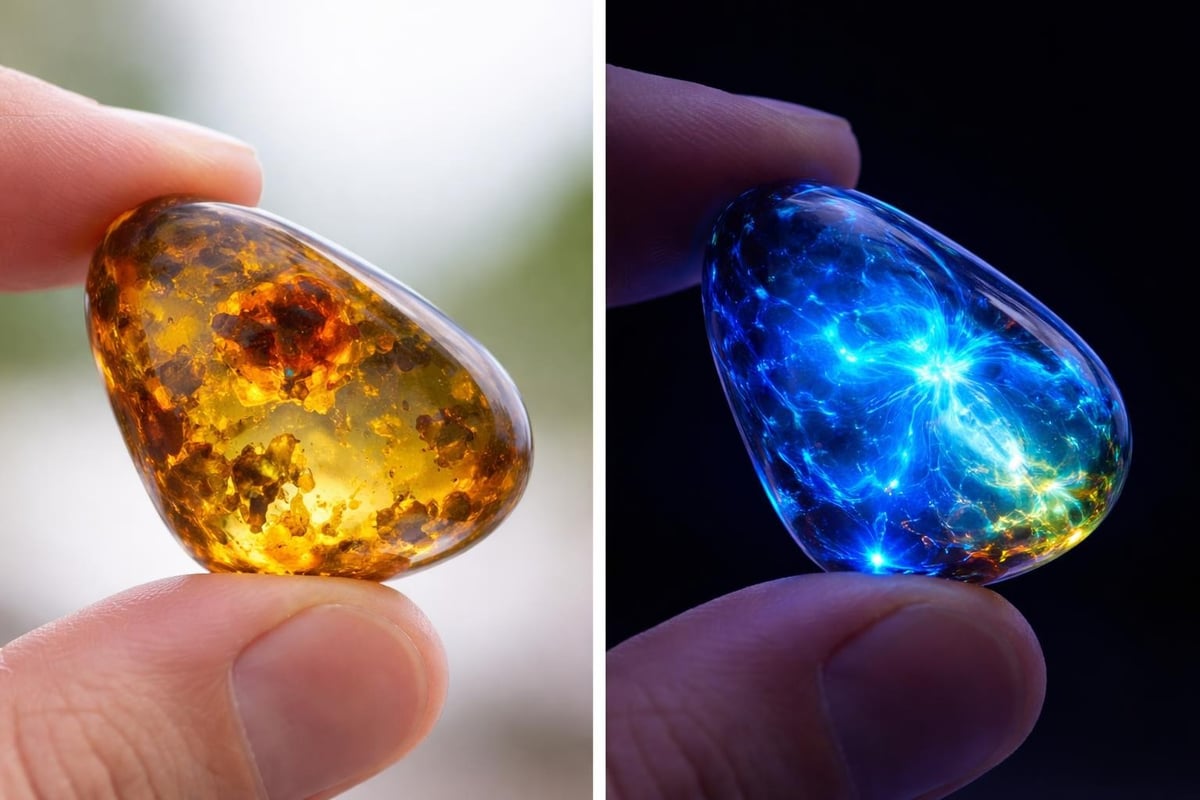
While Baltic amber enjoys global recognition, Dominican blue amber stands apart as one of nature's rarest organic gemstones. This fossilized tree resin, formed approximately 25-40 million years ago, exhibits an extraordinary blue fluorescence under ultraviolet light-a phenomenon found in less than 1% of the world's amber deposits.
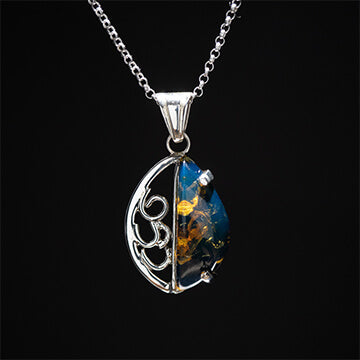
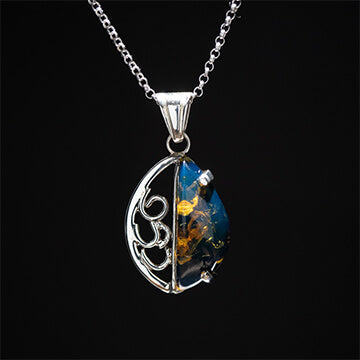
The Dominican blue amber collection showcases how artisans have mastered working with this challenging material. Unlike traditional amber, blue amber requires specialized knowledge to orient pieces for maximum fluorescent display while maintaining structural integrity.
Crafting blue amber demands specific expertise:
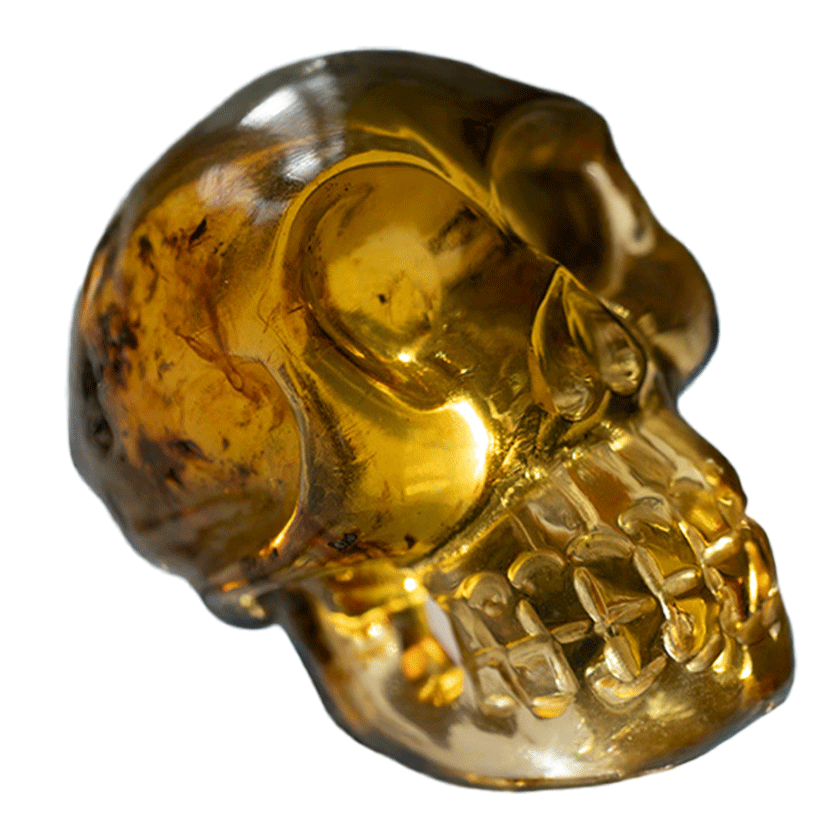
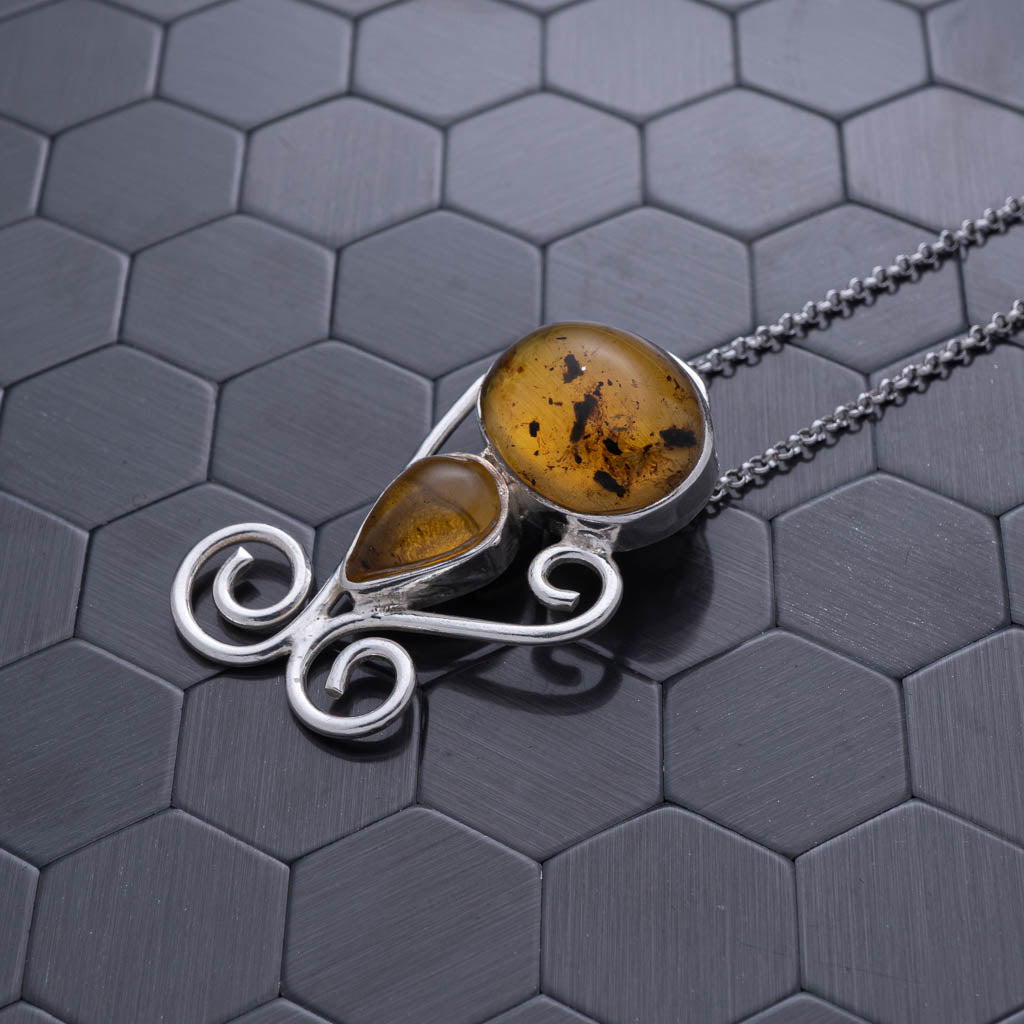
Dominican handcrafted amber jewelry often incorporates traditional Caribbean motifs, from marine life to tropical flora, carved directly into the amber itself. These intricate specialty carvings represent the highest level of artisan skill.
Concentrated primarily in Santo Domingo and tourist-friendly zones like Punta Cana, Dominican jewelry workshops range from family operations passed through generations to collaborative studios where multiple artisans specialize in different techniques. The handcrafted items by local Dominican artists available in these areas represent authentic cultural production rather than mass-manufactured imports.
Reputable artisans and studios maintain rigorous quality control processes that differentiate authentic Dominican handcrafted jewelry from inferior imitations. Buyers should look for specific indicators of genuine craftsmanship:
The finest examples of Dominican handcrafted jewelry balance technical precision with artistic expression. An experienced artisan knows when perfect symmetry enhances a design and when organic irregularity better showcases the stone's natural character.
| Feature | Dominican Larimar | Dominican Blue Amber | Traditional Gemstones |
|---|---|---|---|
| Global availability | Exclusive to Dominican Republic | Primarily Dominican Republic | Worldwide sources |
| Handcrafted tradition | Deep cultural heritage | Ancient mining and carving methods | Varies by region |
| Color uniqueness | Caribbean blue tones only from this source | Blue fluorescence rare globally | More common color ranges |
| Investment potential | Increasing due to limited supply | Growing collector interest | Market dependent |
The exclusivity of these materials makes Dominican handcrafted jewelry particularly valuable. As global demand increases and natural deposits face extraction challenges, pieces created by master artisans in 2026 become both wearable art and investment opportunities.
Contemporary Dominican artisans increasingly embrace sustainability principles that ensure their craft can continue for future generations. These practices include:
The diverse artisanal crafts and souvenirs available throughout the Dominican Republic demonstrate how handcrafted traditions adapt to modern expectations while maintaining authentic character.
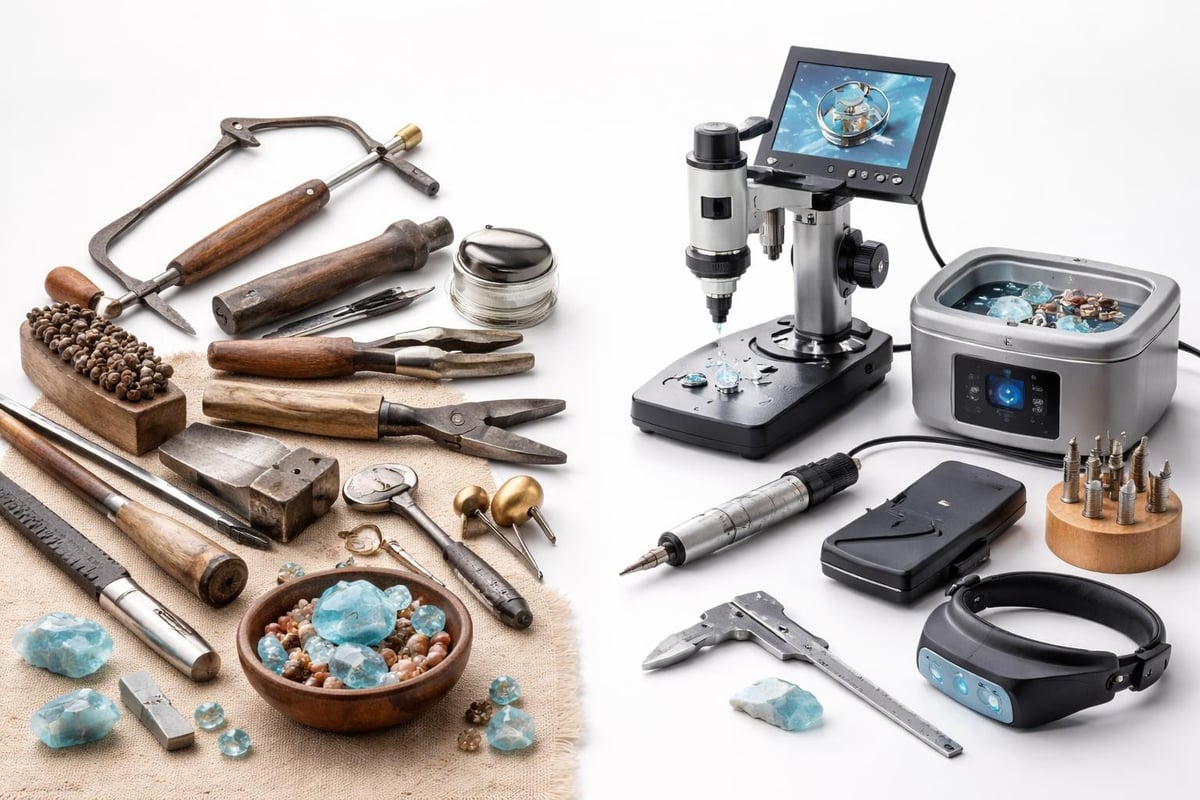
While Dominican handcrafted jewelry remains fundamentally rooted in manual techniques, selective technology integration has enhanced certain processes without compromising authenticity. Modern artisans may use digital tools for:
However, the essential work-cutting, shaping, setting, and finishing-continues to rely on skilled hands and trained eyes. This balance preserves traditional methods while expanding market reach.
While larimar and blue amber receive deserved attention, Dominican handcrafted work encompasses broader categories. The arts and crafts of the Dominican Republic include diverse items from wood carvings to ceramic work, but gemstone jewelry remains the most internationally recognized specialty.
Other notable Dominican handcrafted categories include:
The gemstone focus developed naturally from the Dominican Republic's unique geological treasures. No other location offers the same combination of exclusive materials and established crafting traditions.
Acquiring authentic Dominican handcrafted pieces requires knowledge and discernment. The market includes everything from museum-quality artisan work to mass-produced imitations marketed as handmade. Educated buyers recognize quality through detailed examination of craftsmanship, material authenticity, and design sophistication.
| Assessment Factor | What to Examine | Quality Indicators |
|---|---|---|
| Stone authenticity | Color, patterns, hardness | Natural variations, proper characteristics |
| Craftsmanship | Settings, finishing, proportions | Clean work, secure settings, balanced design |
| Artisan signature | Maker's marks, documentation | Traceable origin, reputation verification |
| Design originality | Creativity, cultural elements | Unique interpretations, traditional motifs |
Serious collectors often develop relationships with specific artisans or reputable dealers who can verify provenance. The increasing value of Dominican handcrafted jewelry makes authentication particularly important for investment-grade pieces.
Proper care ensures that Dominican handcrafted jewelry maintains its beauty across generations. Each material requires specific attention:
Larimar care guidelines:
Blue amber preservation:
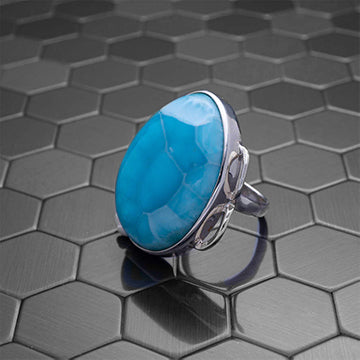
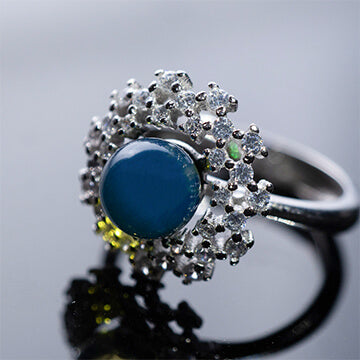
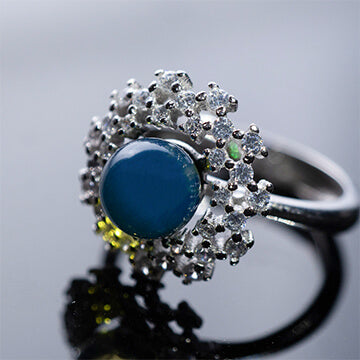
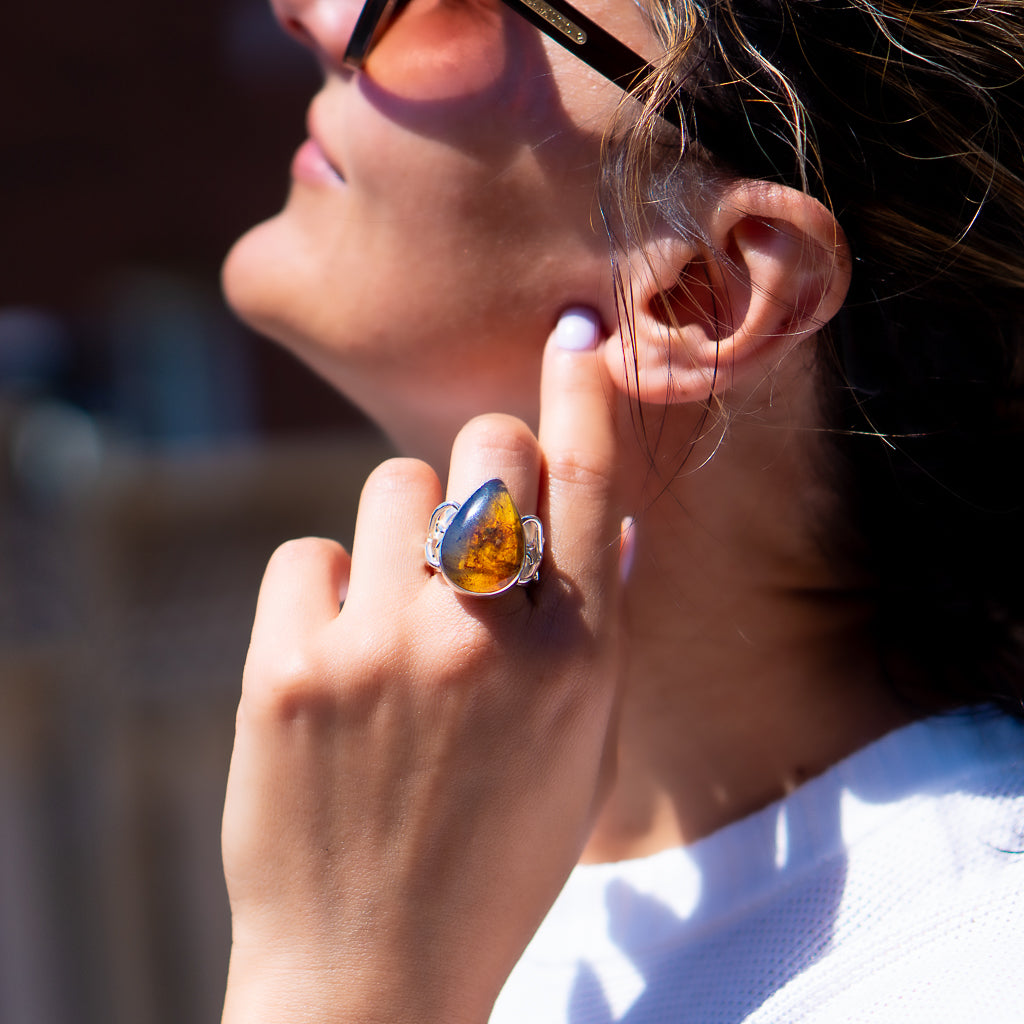
The handcrafted nature of these pieces means settings may require professional inspection over time. Larimar rings and other frequently worn items benefit from annual checkups to ensure prongs and bezels remain secure.
The global jewelry market increasingly values authenticity, sustainability, and unique provenance-all characteristics that define Dominican handcrafted work. Current trends show strong interest in:
European markets, particularly collectors who appreciate handcrafted quality such as those who follow Stoney Bracelets for natural stone jewelry, show growing interest in Caribbean gemstones. The appreciation for authentic handcrafted work transcends geographic boundaries.
Financial advisors increasingly recognize high-quality Dominican handcrafted jewelry as alternative investment opportunities. Several factors support this perspective:
While jewelry should primarily be acquired for enjoyment rather than speculation, exceptional pieces by recognized artisans have shown steady appreciation. The combination of material rarity and craftsmanship quality creates lasting value.
As 2026 progresses, Dominican artisans face both opportunities and challenges. Global connectivity expands market access, allowing skilled craftspeople to reach international buyers directly. However, competition from mass-produced alternatives and the difficulty of attracting young people to demanding apprenticeships threaten traditional knowledge transfer.
Organizations dedicated to preserving Dominican cultural heritage work to document techniques and support artisan communities. The cultural journey through Dominican souvenirs represents efforts to maintain authentic traditions in an increasingly commercialized market.
Initiatives supporting Dominican handcrafted traditions include:
The success of these efforts will determine whether future generations can continue creating the exceptional Dominican handcrafted jewelry that has become synonymous with Caribbean artisan excellence.
For buyers seeking genuine Dominican handcrafted pieces, several strategies ensure satisfaction. Working with established dealers who specialize in Caribbean gemstones provides access to authenticated materials and documented artisan work. The larimar jewelry collection from reputable sources demonstrates the quality achievable when expertise meets exceptional materials.
Asking specific questions helps evaluate authenticity:
Legitimate sellers welcome these questions and provide detailed answers. The investment in authentic Dominican handcrafted jewelry justifies careful vetting before purchase.
Dominican handcrafted jewelry represents the convergence of geological rarity, cultural heritage, and artisan mastery that creates truly unique wearable art. The traditions that have developed around larimar and blue amber showcase human creativity responding to nature's exceptional materials. For those seeking jewelry that combines beauty, authenticity, and meaningful provenance, Larimar Creations offers expertly handcrafted pieces that honor these traditions while providing worldwide access to the Dominican Republic's finest gemstone artistry.