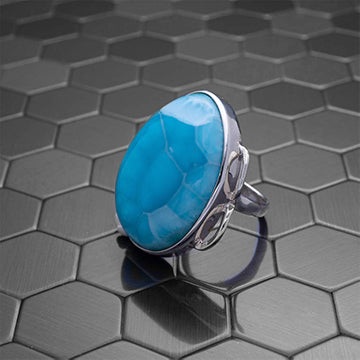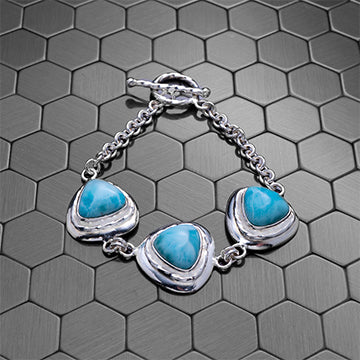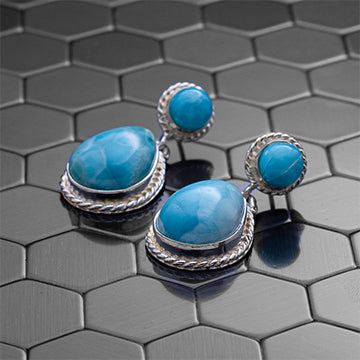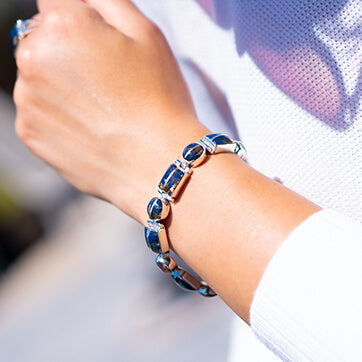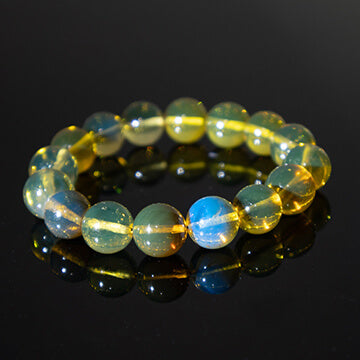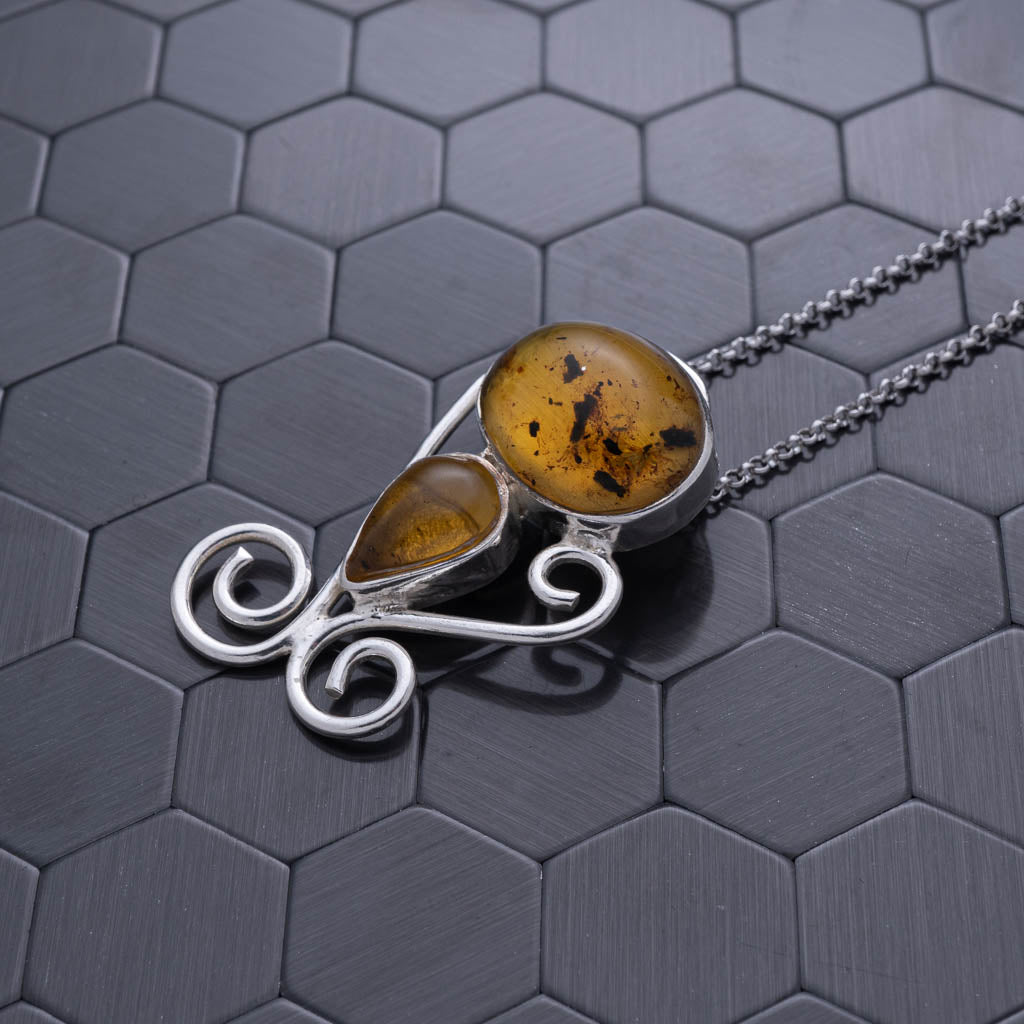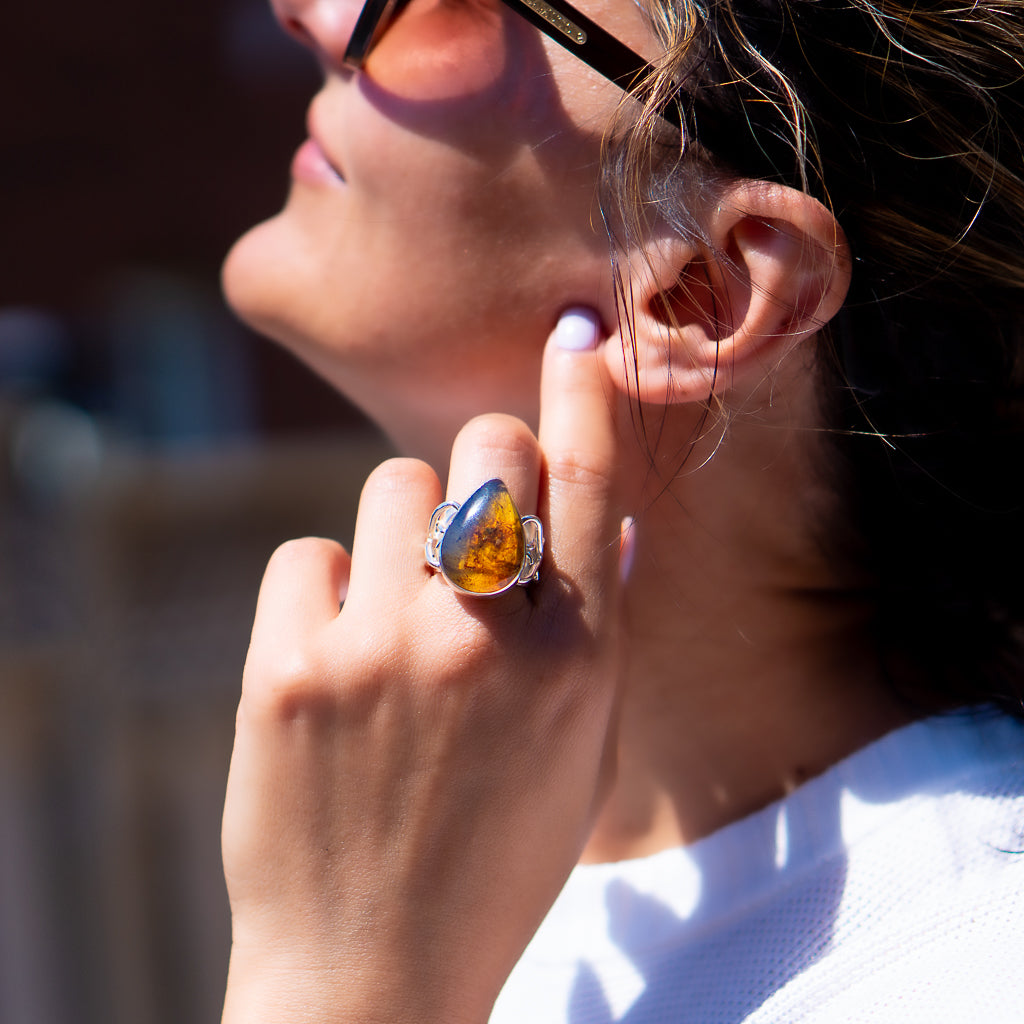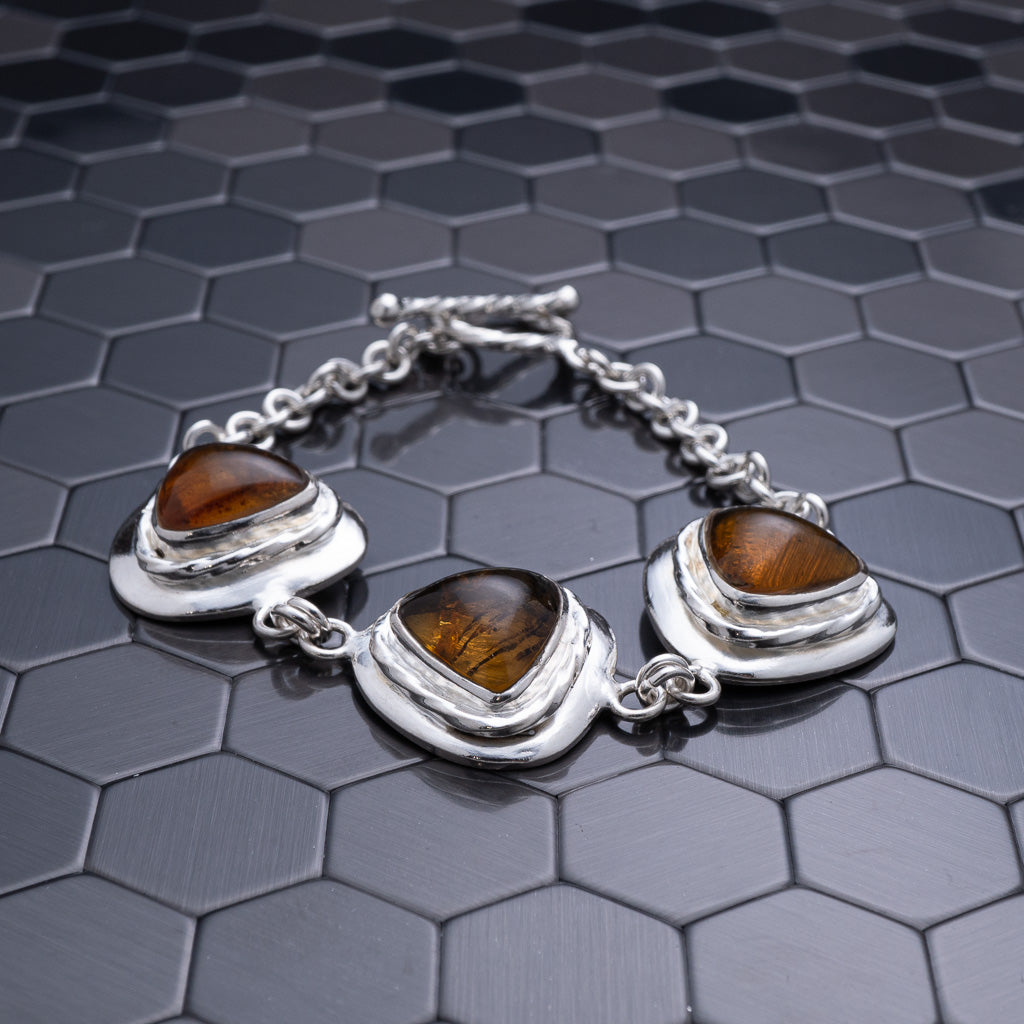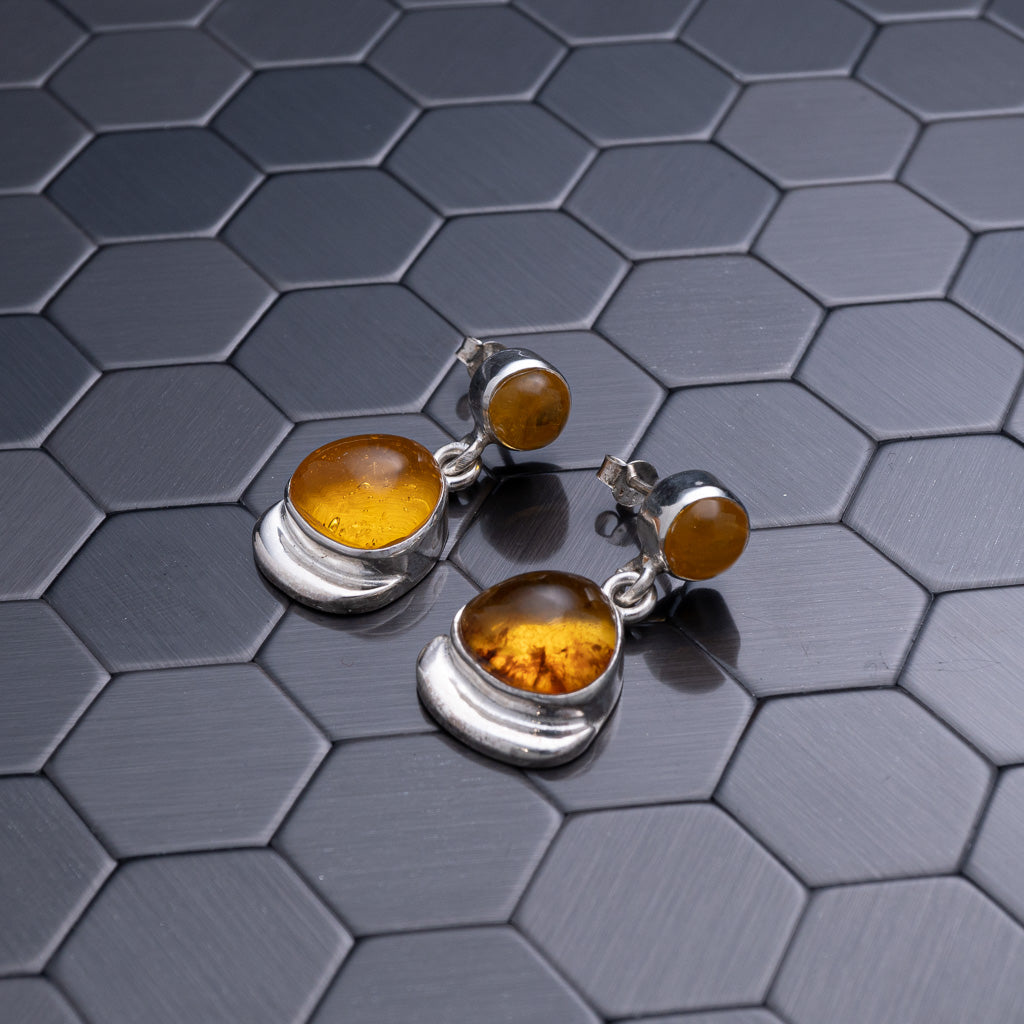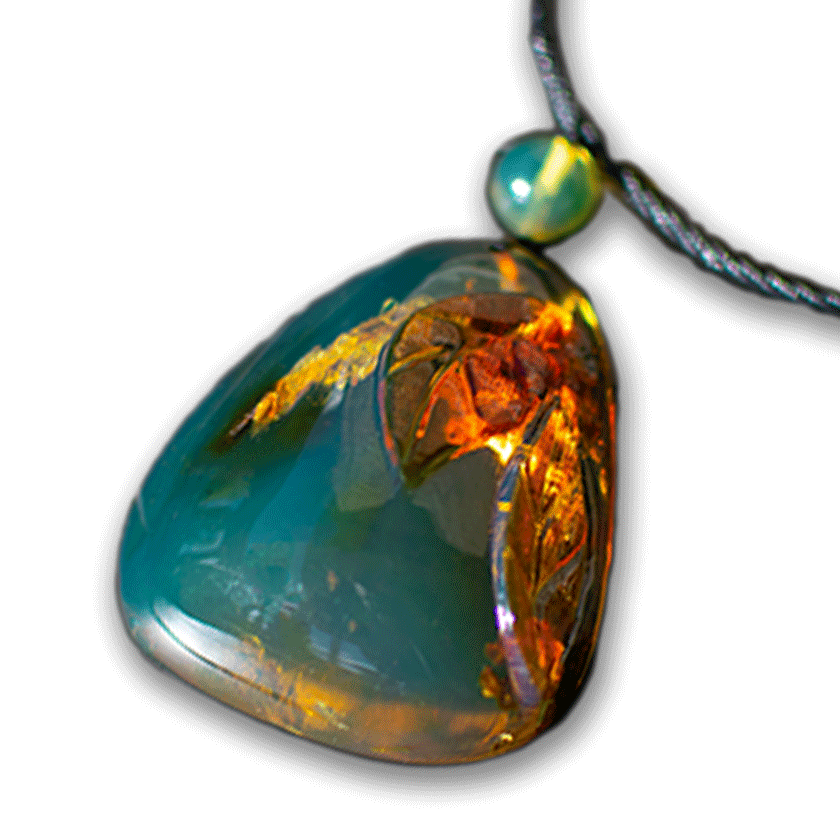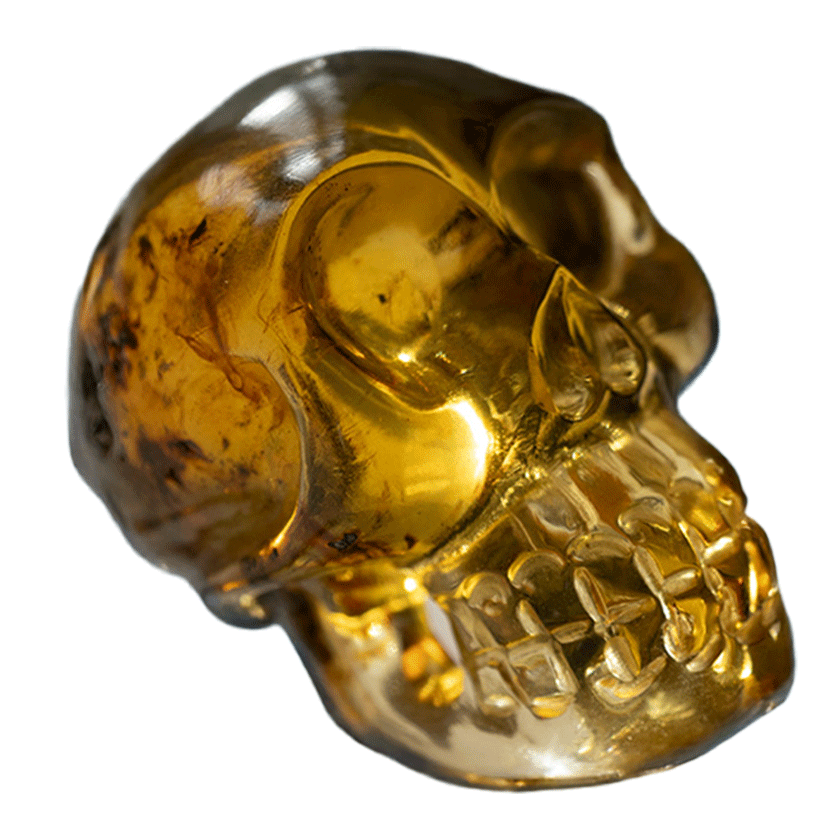


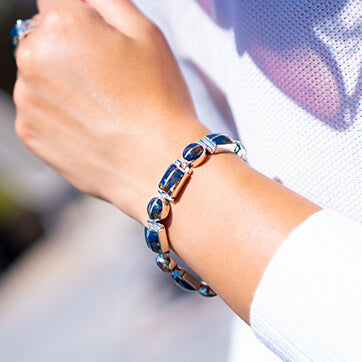
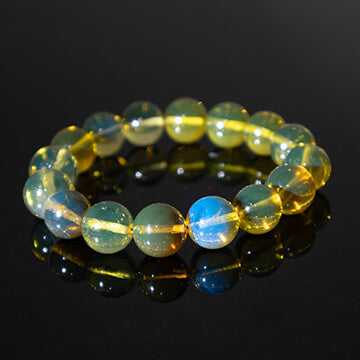
Handcrafted in DR.

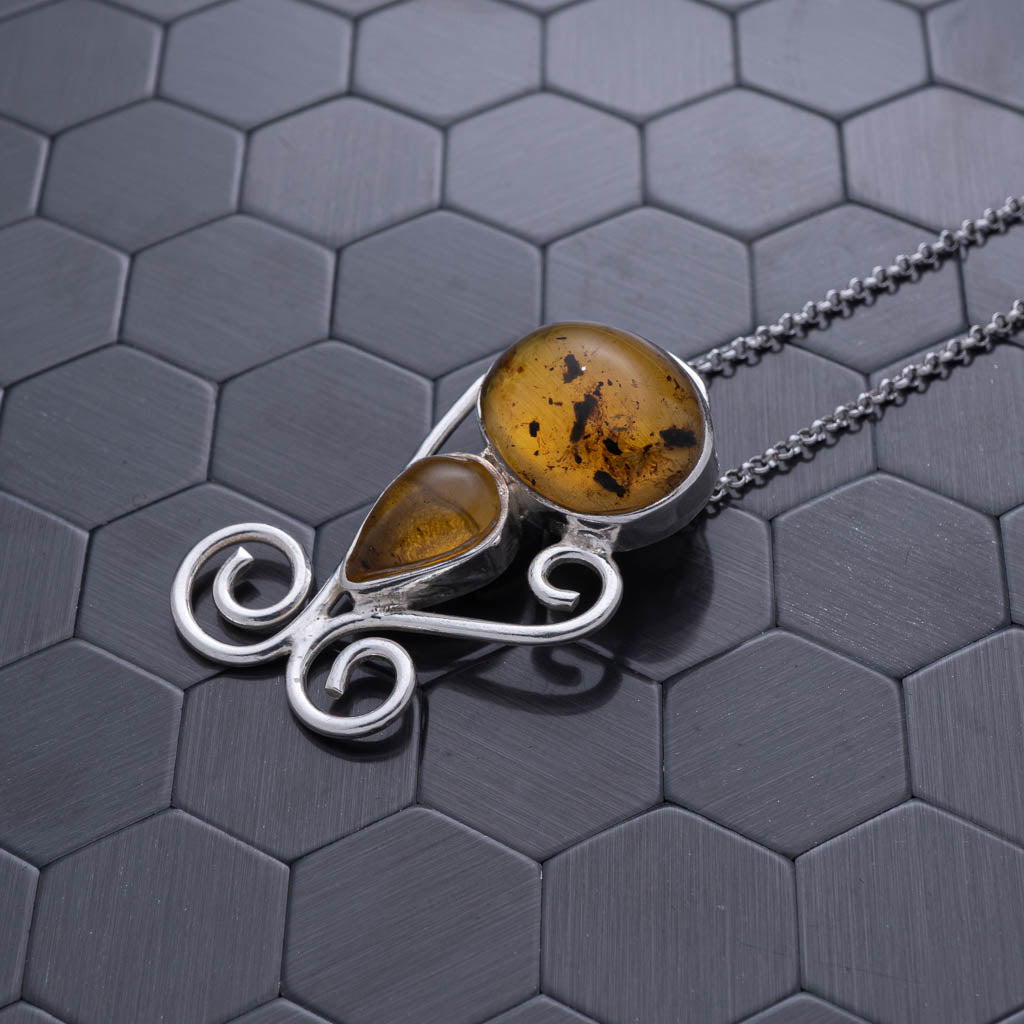
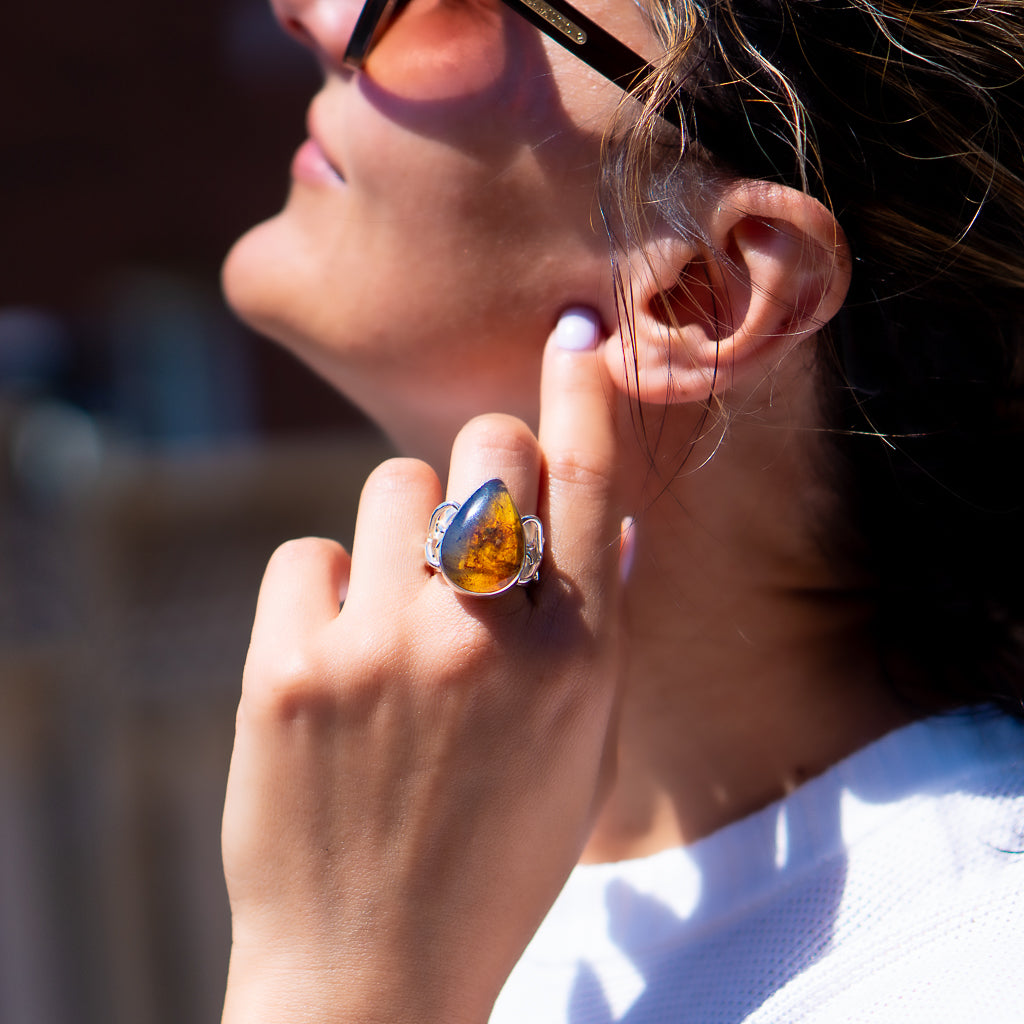


100% Handcrafted in DR.

A green necklace represents more than just an accessory; it embodies natural elegance, timeless sophistication, and a connection to the earth's most vibrant hues. From deep emerald tones to soft mint greens, these pieces offer versatility that complements any wardrobe while carrying symbolic meanings of growth, renewal, and prosperity. Whether you're drawn to the rich history of jade, the brilliance of emerald, or the fresh appeal of peridot, understanding the nuances of green gemstone jewelry empowers you to make informed choices that align with your personal style and values.
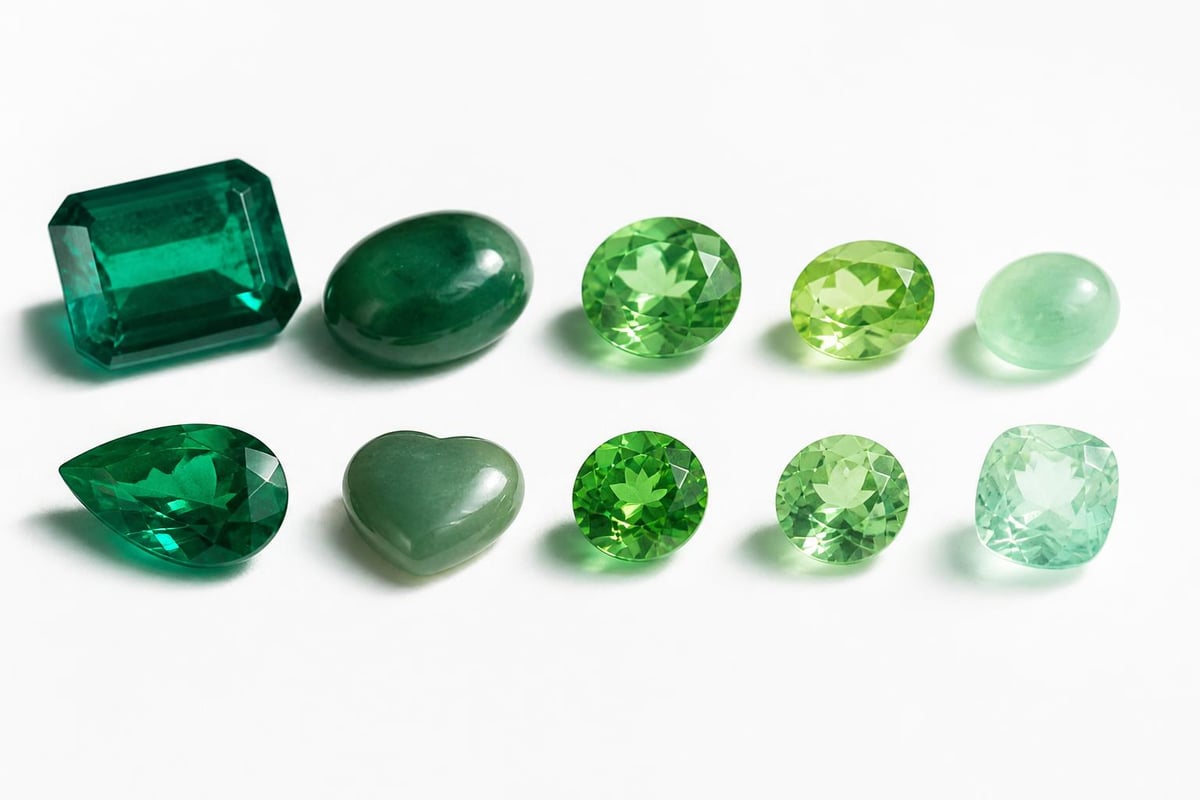
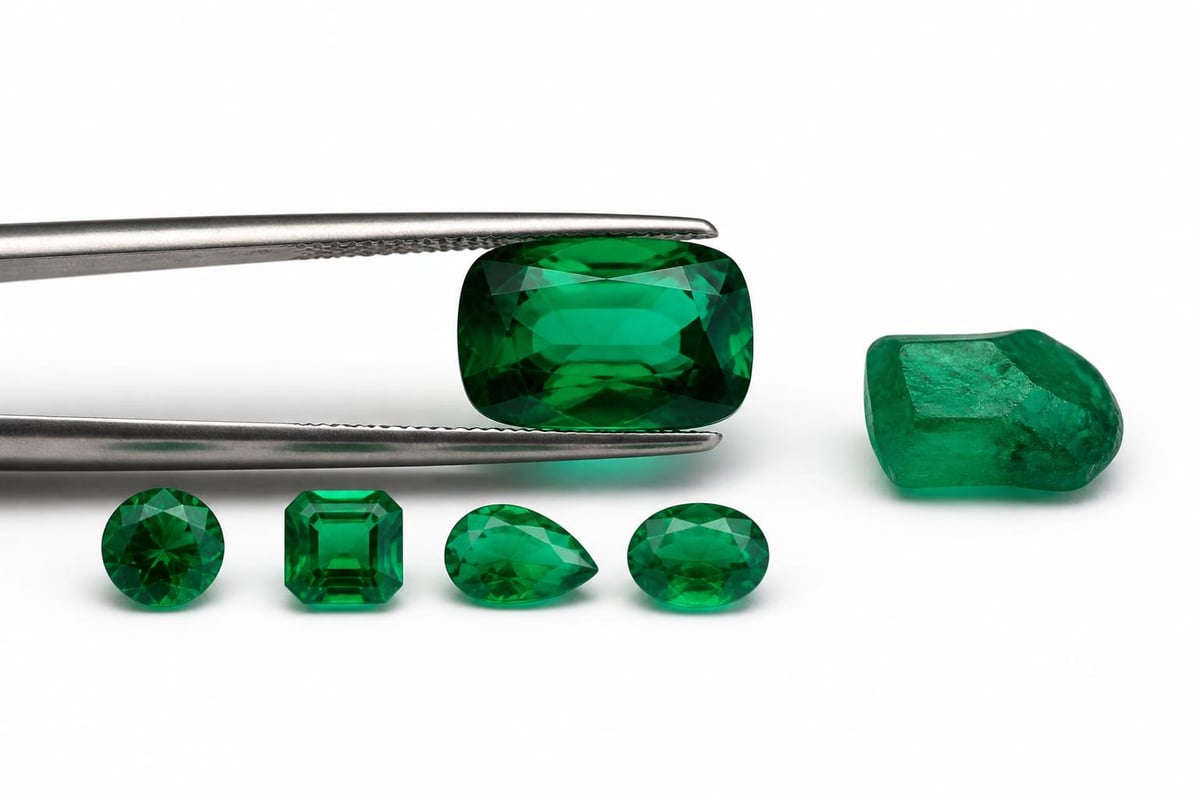
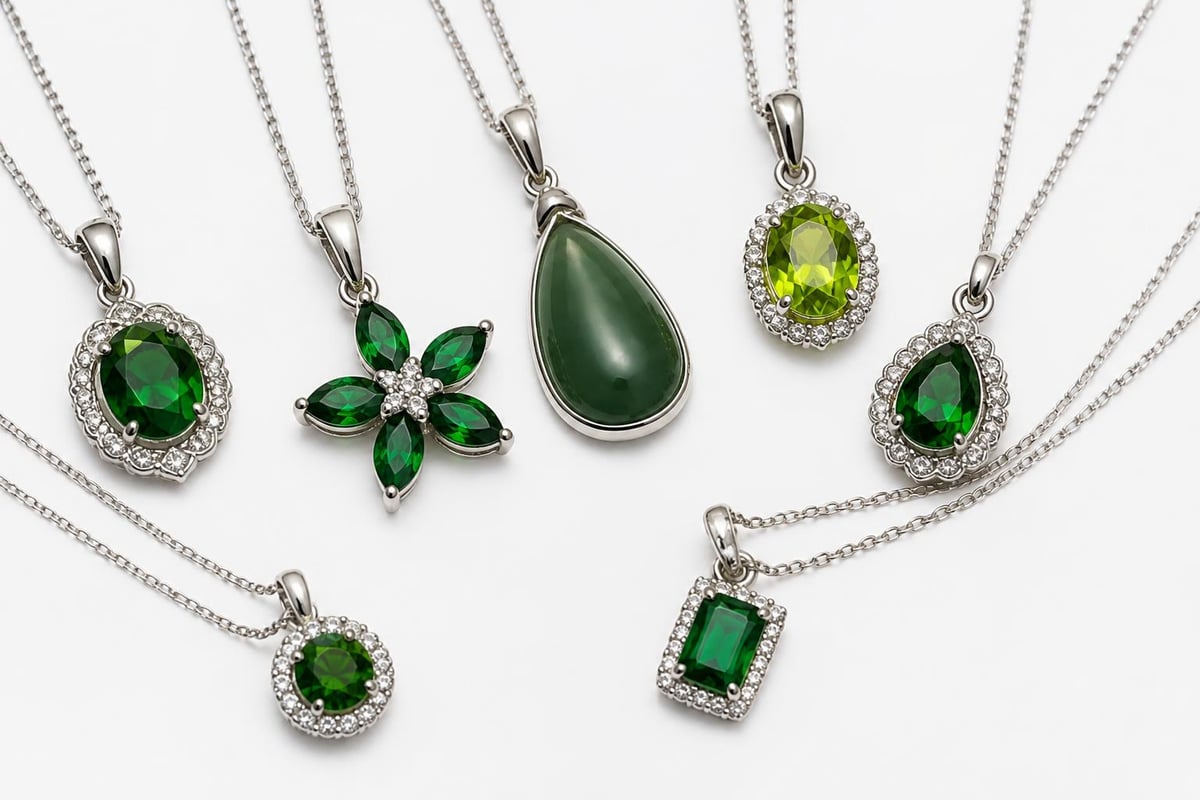
The world of green gemstones extends far beyond the commonly known emerald. Each stone brings its own character, durability, and price point to jewelry design. Emerald, a variety of beryl, stands as the most prestigious option, valued for its deep, vivid color and association with luxury. Jade, available in both jadeite and nephrite varieties, offers cultural significance and exceptional toughness. Peridot provides a lighter, yellowish-green tone with excellent brilliance at accessible price points.
Understanding the geological properties and origins of these stones helps in making educated purchasing decisions. According to comprehensive geological resources, green gemstones form under various conditions, from metamorphic environments to volcanic activity, each process contributing to their unique characteristics.
Green gemstones present a remarkably diverse color palette:
The saturation and tone of green directly impact value and aesthetic appeal. Vivid, evenly distributed color typically commands higher prices, while lighter or more muted tones offer budget-friendly alternatives without sacrificing beauty.
Necklace styles dramatically influence how a green gemstone presents itself. The length, setting type, and chain design all contribute to the overall aesthetic and wearability of the piece.
| Length Type | Measurement | Best For | Occasions |
|---|---|---|---|
| Choker | 14-16 inches | Highlighting collarbones | Formal events, evening wear |
| Princess | 17-19 inches | Versatile everyday wear | Professional settings, casual |
| Matinee | 20-24 inches | Layering, statement pieces | Business casual, creative environments |
| Opera | 28-34 inches | Dramatic effect, doubling | Formal occasions, artistic settings |
A green necklace in princess length offers maximum versatility, sitting just below the collarbone where it catches light beautifully without interfering with most necklines. This length works seamlessly from office environments to dinner occasions.
The metallic framework supporting your green gemstone significantly impacts its appearance. Yellow gold enhances warmer green tones like peridot, creating a cohesive, vintage-inspired aesthetic. White gold and platinum provide crisp contrast that makes cooler emerald greens appear more vivid. Rose gold offers a contemporary twist, particularly effective with lighter green stones.
Design elements to consider include:
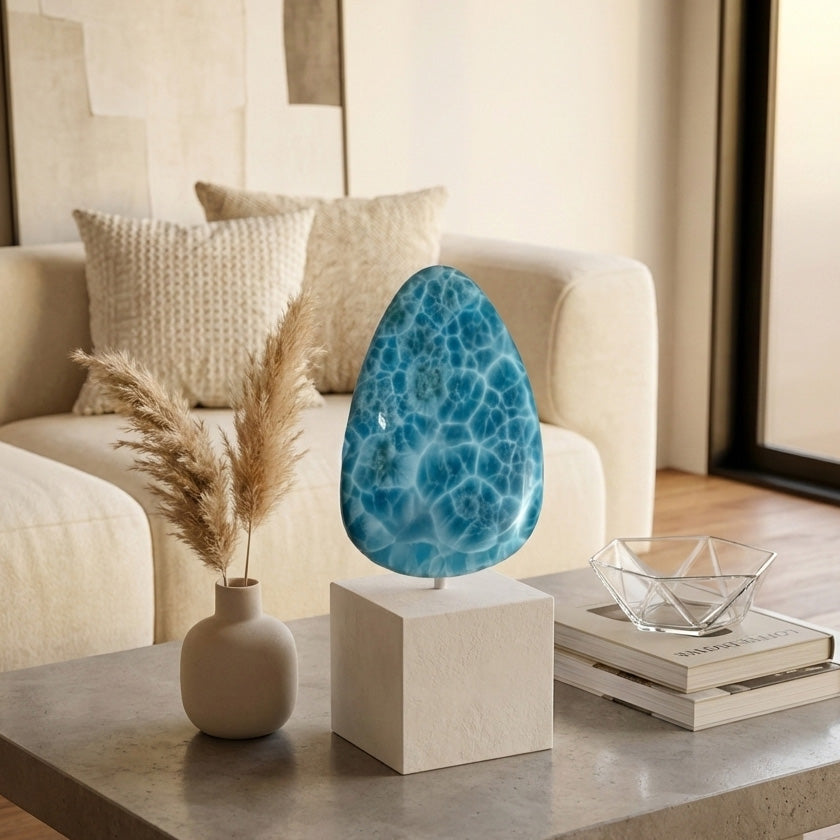
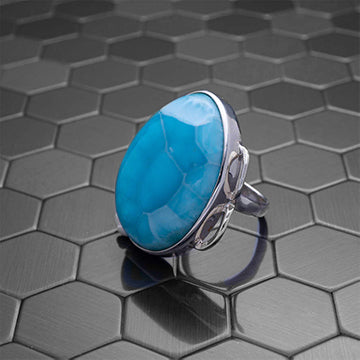
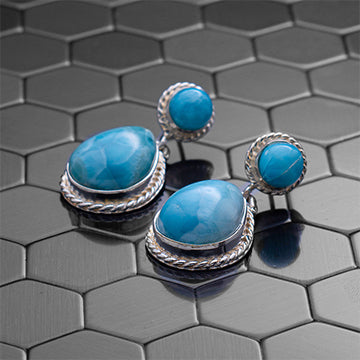
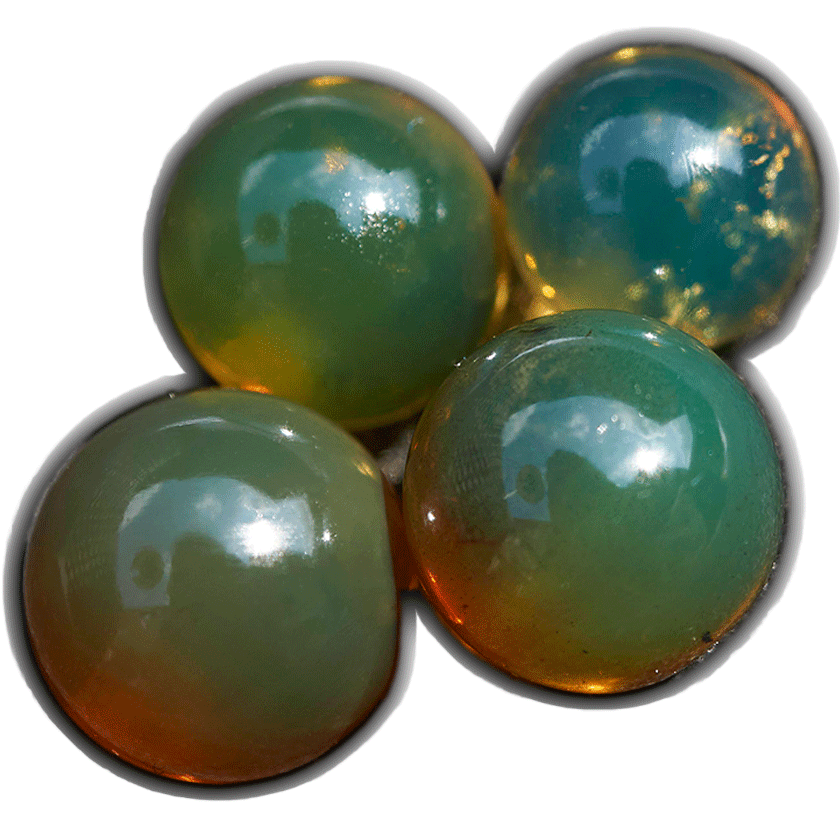
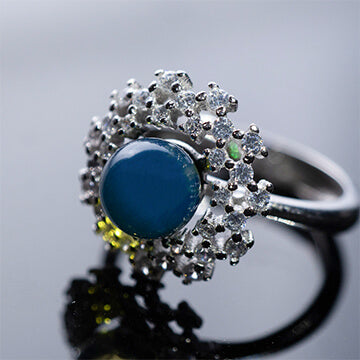
For those interested in unique blue-green tones, larimar gemstone benefits extend beyond traditional green stones, offering Caribbean-inspired hues that bridge the gap between green and blue spectrums.
Not all green gemstones receive equal valuation. Understanding quality factors enables informed purchasing and appropriate budget allocation.
Color dominates value determination in green gemstones. According to detailed gemstone guides, the most valuable green stones exhibit vivid saturation without being too dark, maintaining even distribution throughout the stone. Secondary color modifiers (yellow or blue undertones) can either enhance or diminish value depending on the specific gemstone type.
Clarity requirements vary significantly by stone type. Emeralds naturally contain inclusions, termed "jardin" (French for garden), which don't necessarily reduce value if they don't impact structural integrity or brilliance. Conversely, peridot and tsavorite garnet should exhibit higher clarity for optimal value.
Cut quality determines how effectively a stone reflects light. Well-proportioned facets maximize brilliance and color return, while poor cutting can make even high-quality rough material appear lackluster.
Carat weight influences price exponentially in rare stones like emerald, where larger specimens command premium prices per carat. More abundant stones like peridot show linear pricing relationships with size.
Transparency regarding treatments maintains trust in the jewelry industry. Common enhancements include:
Reputable sellers, including those specializing in unique gemstone jewelry, provide full disclosure of any treatments applied to their stones.
A well-chosen green necklace transitions seamlessly across various settings when styled appropriately. Understanding color coordination, layering principles, and occasion-appropriate choices maximizes your investment.
In business settings, subtlety often trumps statement-making. Consider these approaches:
Conservative workplaces: Opt for smaller pendants in darker green tones (emerald, chrome diopside) set in white gold or platinum. Keep lengths at princess or shorter to maintain professional boundaries. Pair with neutral blouses and structured blazers.
Creative industries: Embrace larger stones, unique cuts, and mixed metal designs. Matinee-length green necklaces create visual interest without overwhelming your presentation. Layer with complementary pieces for dimensional styling.
Client-facing roles: Balance approachability with professionalism through medium-sized pendants in universally appealing greens like tsavorite or green sapphire. These stones offer brilliance without the "status symbol" associations of emerald.
Everyday wear demands durability alongside beauty. Peridot and jade excel in casual contexts due to their toughness and versatility. According to comprehensive resources on green gemstones, these stones withstand daily wear better than softer materials.
Styling considerations include:
Evening occasions call for your most impressive pieces. A statement green necklace becomes a conversation starter and focal point. Choose vivid, well-cut stones in substantial settings that catch light from multiple angles.
Black tie events: Emerald or tsavorite garnet in classic solitaire settings with diamond accents project timeless elegance. Opera-length designs offer old-world glamour, particularly when doubled for versatility.
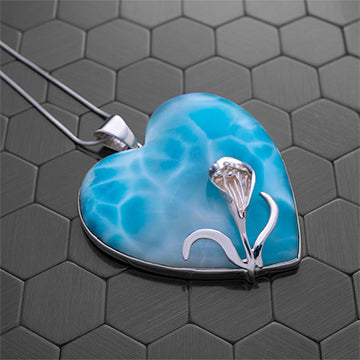
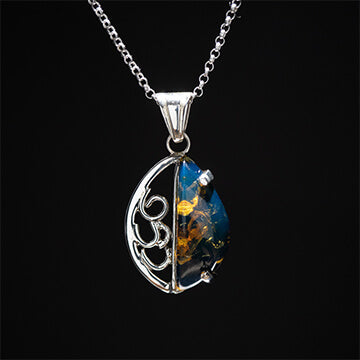
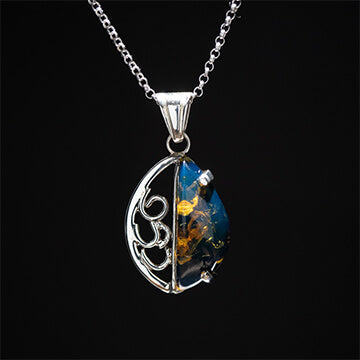
Cocktail parties: Embrace color with multi-stone designs, mixing green gems with complementary sapphires or diamonds. Unique pieces like Larimar Pendants offer conversation-worthy alternatives to conventional green stones, bridging blue and green tones with Caribbean inspiration.
Weddings and celebrations: Softer greens (mint chrysoprase, light peridot) complement pastel palettes while maintaining presence. Consider the season and venue when selecting tone intensity.
Preserving the beauty of your green necklace requires understanding each gemstone's specific vulnerabilities and care requirements.
Establish routines that protect your investment:
Different stones demand varying care approaches, as detailed in jewelry care resources.
| Gemstone | Safe Methods | Avoid | Frequency |
|---|---|---|---|
| Emerald | Lukewarm water, soft brush | Ultrasonic, steam, harsh chemicals | Monthly |
| Jade | Warm soapy water, soft cloth | Prolonged soaking, acid exposure | As needed |
| Peridot | Mild soap solution, gentle scrubbing | Thermal shock, acidic cleaners | Bi-monthly |
| Tourmaline | Warm water, mild detergent | Heat exposure, sudden temperature changes | Monthly |
| Garnet | Standard jewelry cleaner acceptable | Abrasive materials | Quarterly |
Emeralds require particular caution due to their typical oil treatments and natural inclusions. Never use ultrasonic cleaners on emeralds, as vibrations can propagate existing fractures. Similarly, avoid thermal shock from steam cleaning.
Annual professional inspection ensures long-term security and beauty. Jewelers provide:
Budget approximately $50-150 annually for professional maintenance, varying by piece complexity and required services.
Understanding the financial dimension of green gemstone necklaces informs both purchasing decisions and long-term ownership strategies.
Not all green gemstones function as sound investments. Emeralds of exceptional quality (vivid color, minimal visible inclusions, significant carat weight) appreciate steadily, particularly Colombian material. Imperial jade (vivid, translucent jadeite) ranks among the world's most valuable gemstones, with top-quality pieces commanding six-figure sums.
Conversely, abundant stones like peridot serve primarily as adornment rather than investment vehicles. While beautiful and durable, their widespread availability limits appreciation potential.
Current market dynamics favor:
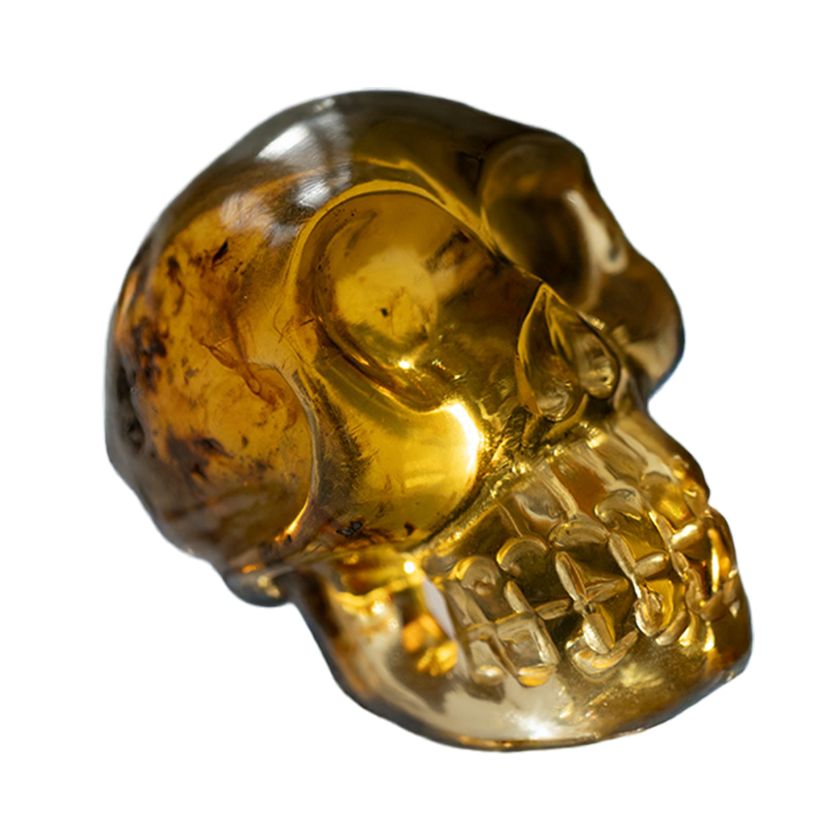
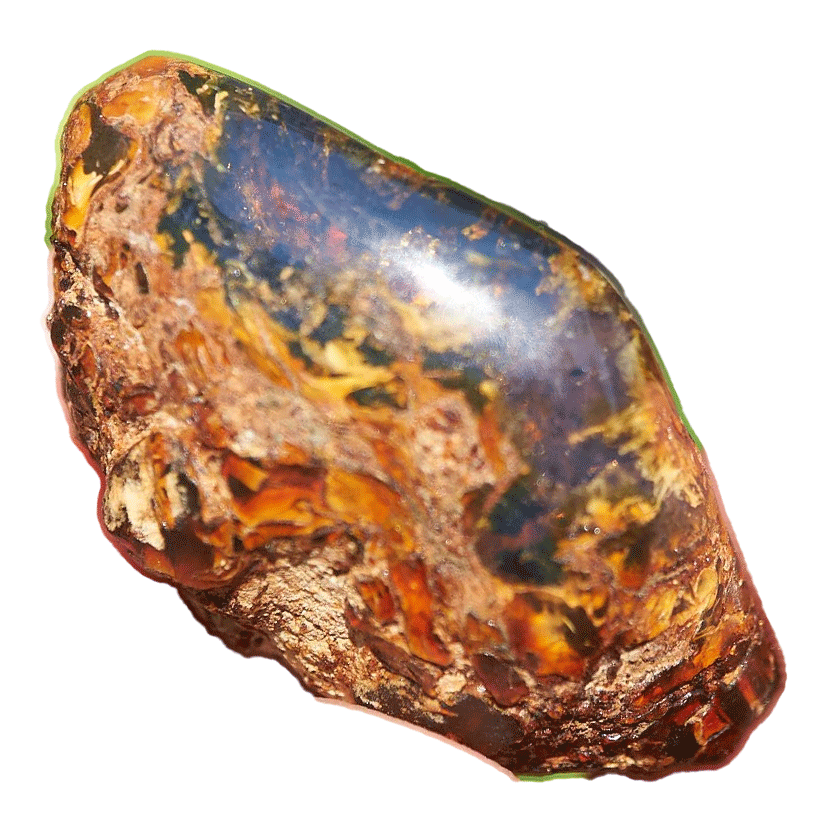
For those seeking truly unique gemstone experiences, exploring rare materials like Dominican larimar offers exclusivity that mainstream green stones cannot match.
Green necklaces carry rich symbolic associations across cultures and historical periods, adding depth beyond mere aesthetic appeal.
Ancient Egyptians revered emeralds as symbols of fertility and rebirth, with Cleopatra famously adorning herself with emerald jewelry. Chinese culture elevated jade to spiritual significance, believing it connected wearers to heaven and earth while promoting harmony and balance.
Celtic traditions associated green stones with nature deities and renewal, incorporating them into ceremonial jewelry. Medieval Europeans believed emeralds possessed healing properties, particularly for eye ailments and protection against evil.
Contemporary symbolism includes:
These meanings influence gifting traditions, with green necklaces marking new ventures, career milestones, or personal transformations.
Strategic color coordination maximizes the impact of your green necklace across various outfit choices.
The color wheel provides guidance for harmonious combinations:
Analogous schemes (colors adjacent on the wheel) create subtle, sophisticated looks. Pair green necklaces with:
Complementary schemes (opposite colors) generate dynamic contrast:
According to experts on green gemstone selection, understanding undertones in both your green stone and clothing ensures cohesive styling.
Green necklaces shine against neutral canvases:
Neutral bases allow the green necklace to serve as the focal point without competing visual elements.
Adapting your green necklace selection to seasonal contexts enhances appropriateness and visual harmony.
Lighter, brighter greens resonate with warmer months:
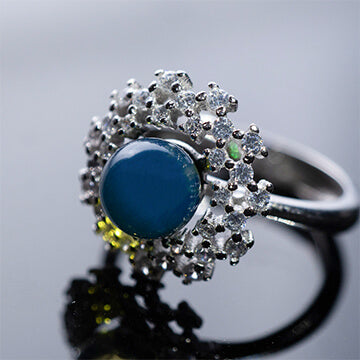
Style these with flowing fabrics, floral patterns, and open necklines that complement outdoor activities and vacation settings. For coastal-inspired alternatives, consider blue-green Dominican stones that capture summer's essence.
Deeper, richer greens align with cooler seasons:
Pair with heavier fabrics, layered clothing, and enclosed necklines typical of cold-weather wardrobes. The contrast between warm clothing and cool green tones creates visual interest during monochromatic winter months.
Creating a bespoke green necklace ensures perfect alignment with your preferences, measurements, and symbolic intentions.
Working with jewelers on custom pieces typically follows these steps:
Beyond basic design, consider incorporating:
Custom approaches allow you to create pieces with deeper personal significance than mass-produced alternatives. Artisans specializing in handcrafted gemstone jewelry excel at translating personal visions into wearable reality.
Responsible purchasing decisions consider environmental and social impacts alongside aesthetic appeal.
Seek vendors who provide:
Organizations like the Responsible Jewellery Council and Fairmined provide third-party verification of ethical practices.
Consider these environmentally conscious options:
Lab-created emeralds: Chemically identical to natural stones with minimal environmental impact. These offer excellent value and guaranteed ethical production.
Recycled metals: Utilizing reclaimed gold and silver reduces mining demand while maintaining quality.
Vintage and antique jewelry: Purchasing pre-owned pieces eliminates new mining entirely while preserving historical craftsmanship.
Small-scale artisanal mining: Supporting community-based operations often ensures better environmental stewardship and fair labor practices than industrial mining.
Selecting a green necklace as a gift requires consideration of recipient preferences, occasion appropriateness, and symbolic meaning.
Different milestones call for varying approaches:
Birthdays: May babies claim emerald as their birthstone, while August celebrates peridot. Match the stone to birth month when applicable, or choose based on personal style regardless of astrological associations.
Anniversaries: Traditional anniversary gift guides suggest emerald for 20th and 55th anniversaries. Green gemstones also symbolize growth appropriate for any anniversary year.
Graduations: Green's association with new beginnings makes these necklaces ideal for marking educational achievements and career launches.
Promotions and achievements: Recognize professional milestones with sophisticated green pieces that transition to workplace wear.
Elevate the gifting experience through:
Thoughtful presentation demonstrates care beyond the monetary value of the gift itself.
Selecting and caring for a green necklace involves understanding gemstone properties, quality factors, styling principles, and maintenance requirements that ensure lasting beauty and value. From emeralds to jade, each green stone offers unique characteristics that appeal to different aesthetic preferences and budgets. Whether you're drawn to the classic elegance of traditional green gemstones or seeking something truly distinctive, Larimar Creations offers expertly handcrafted jewelry featuring rare Dominican gemstones that bridge blue and green tones with Caribbean-inspired beauty. Explore their collection to discover unique pieces that combine exceptional craftsmanship with ethically sourced materials, delivered worldwide to discerning jewelry enthusiasts.