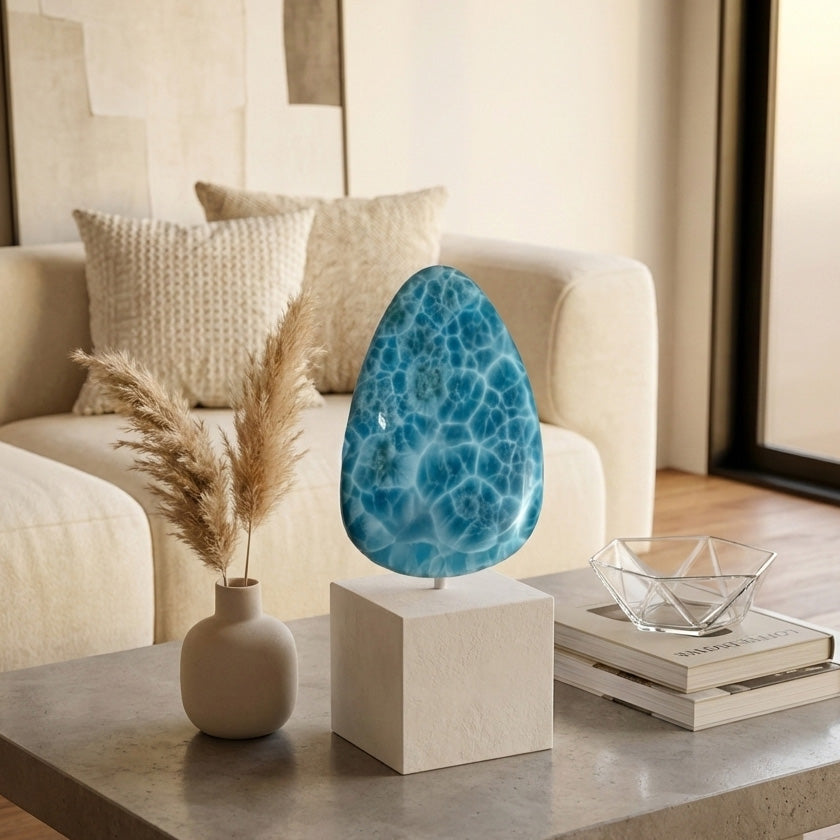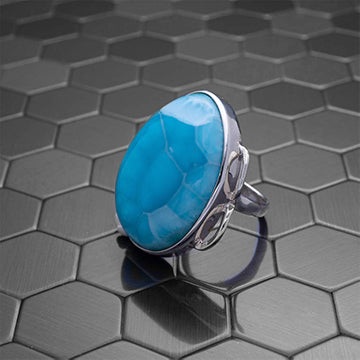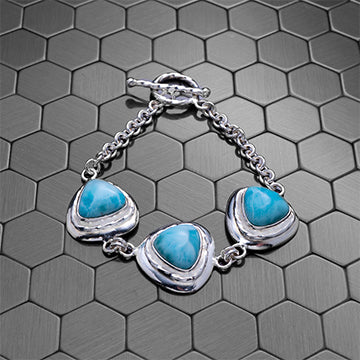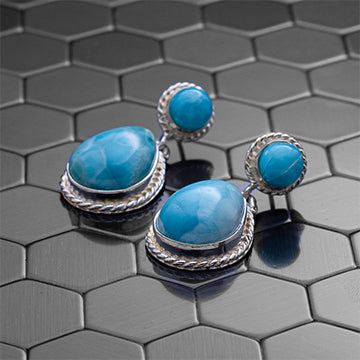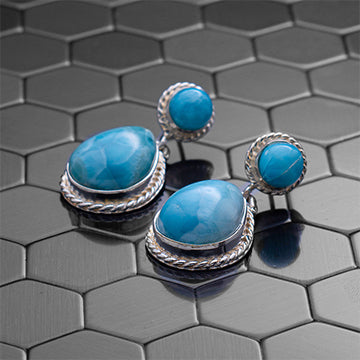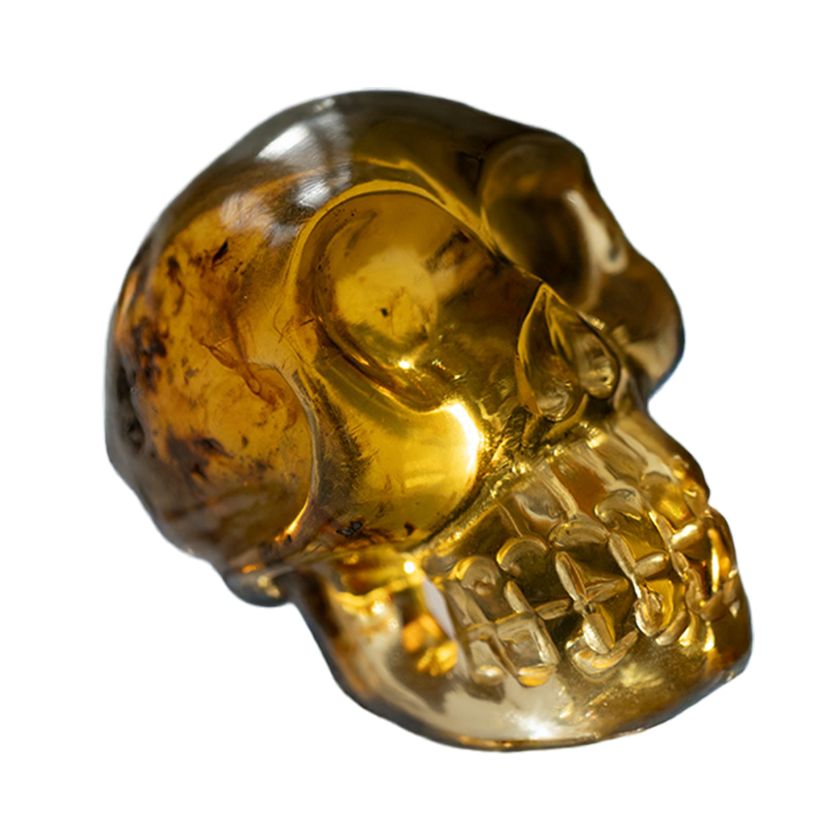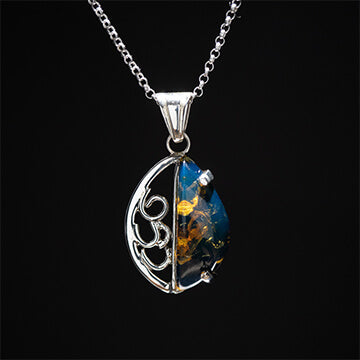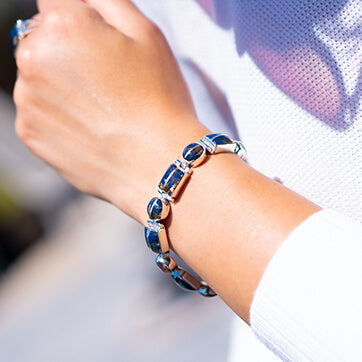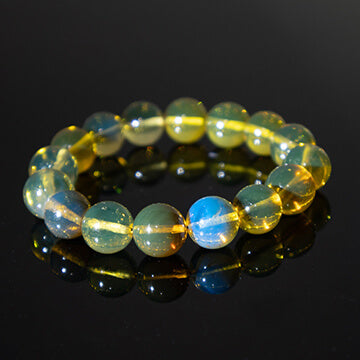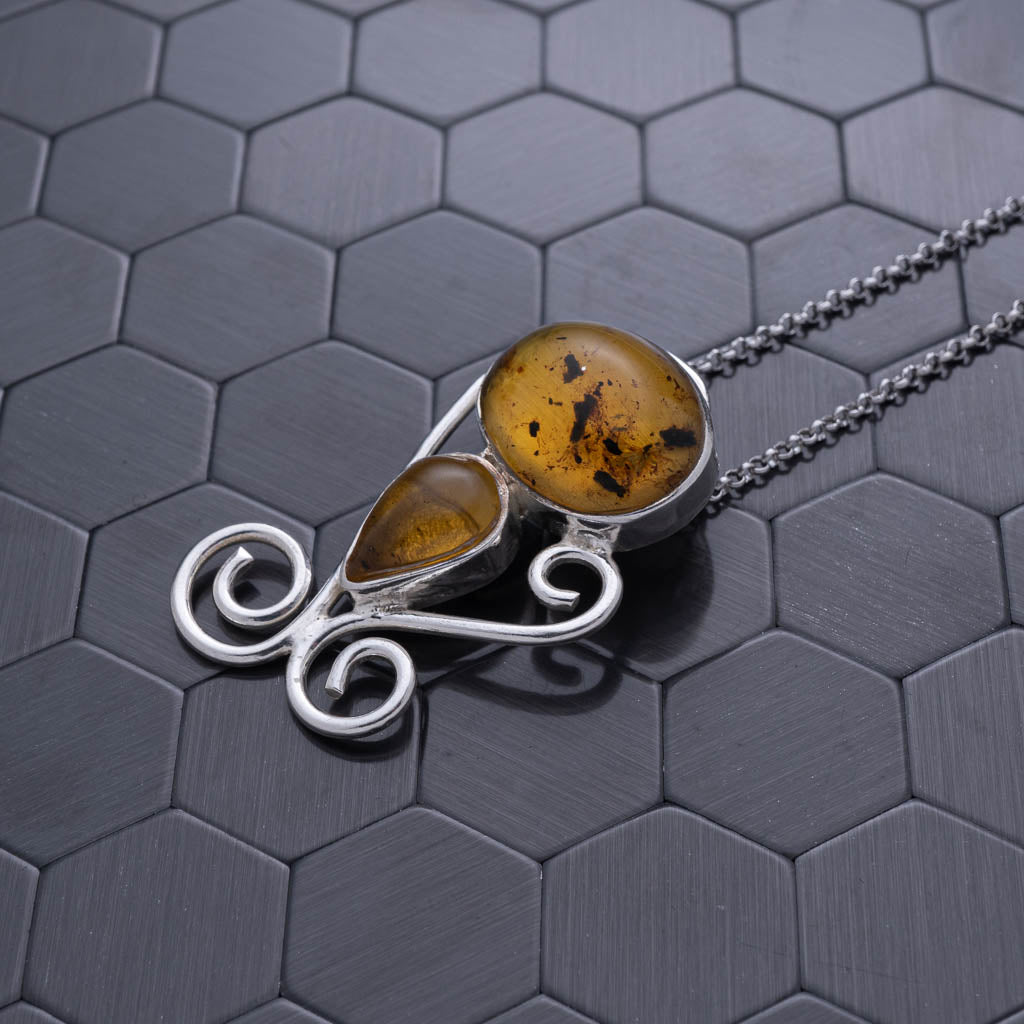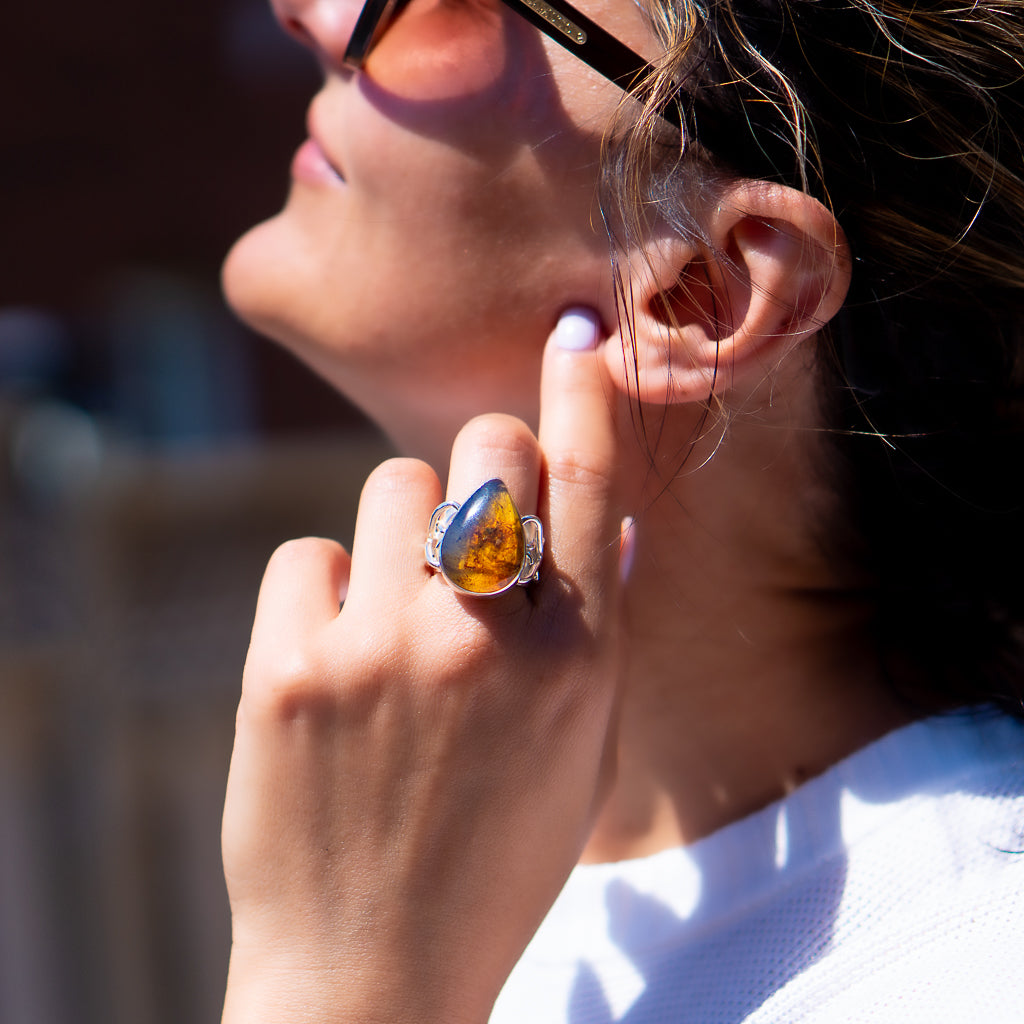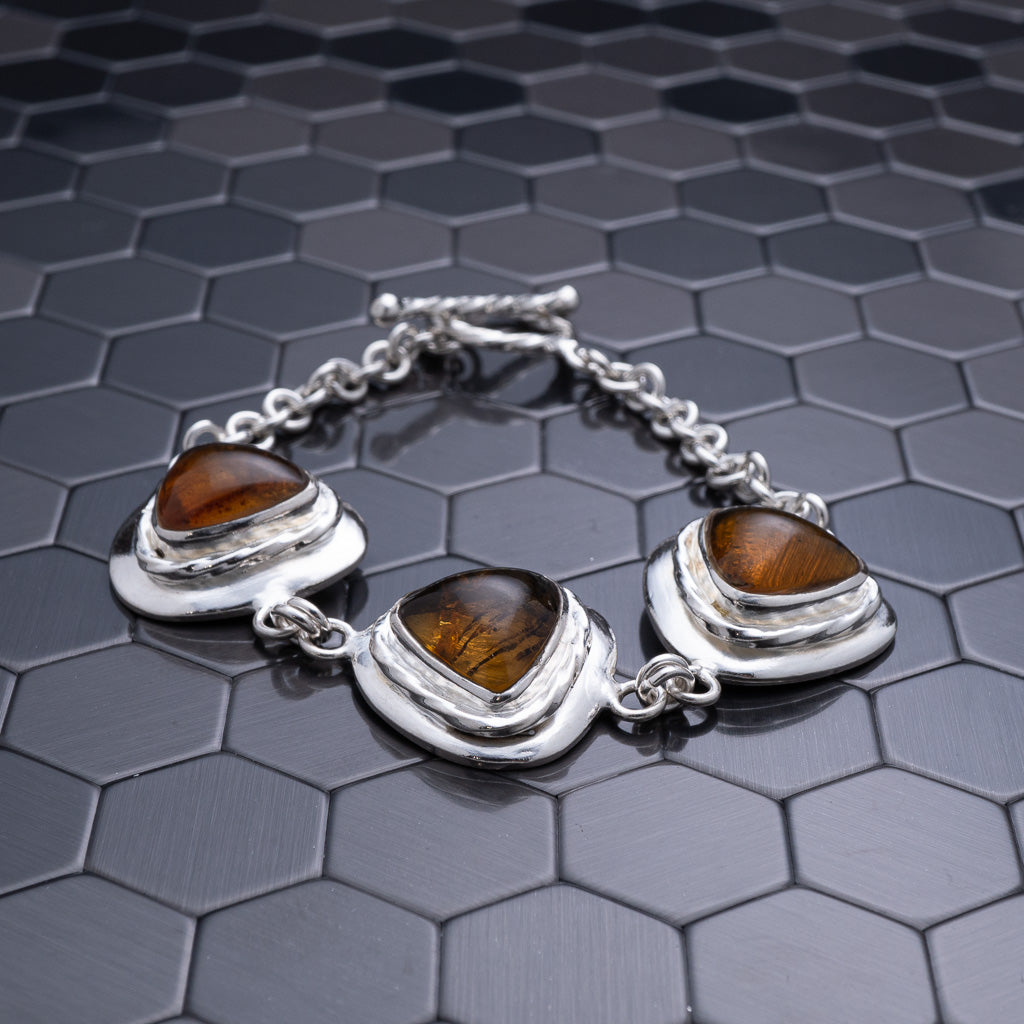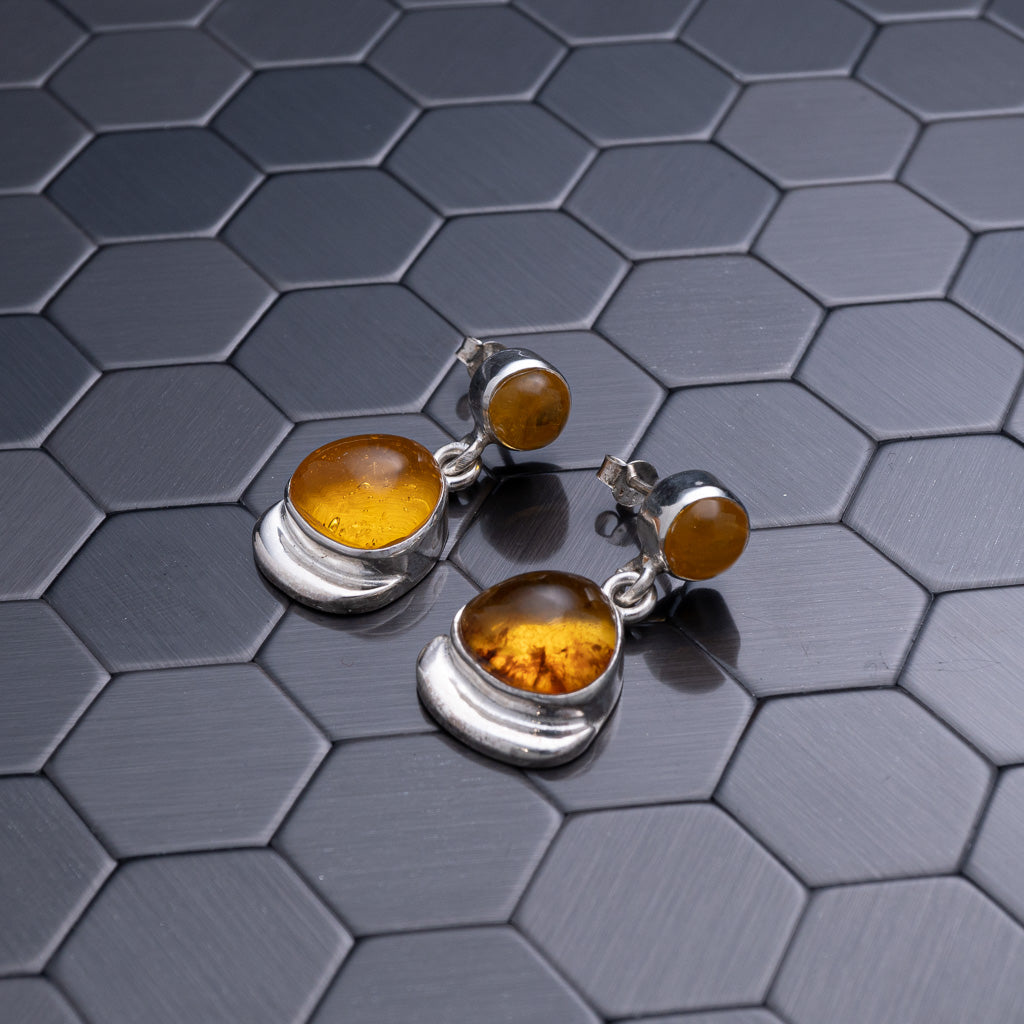


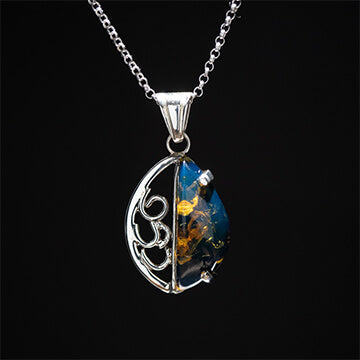

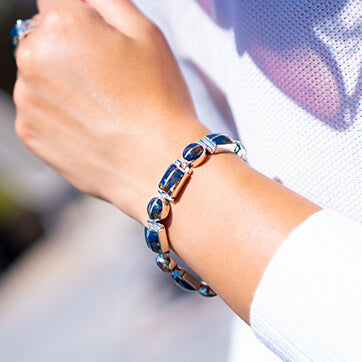
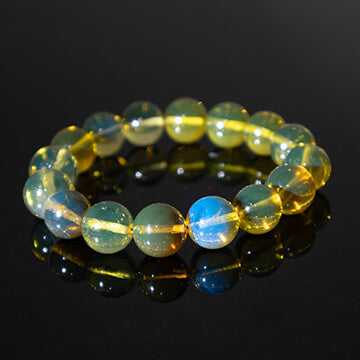
Handcrafted in DR.

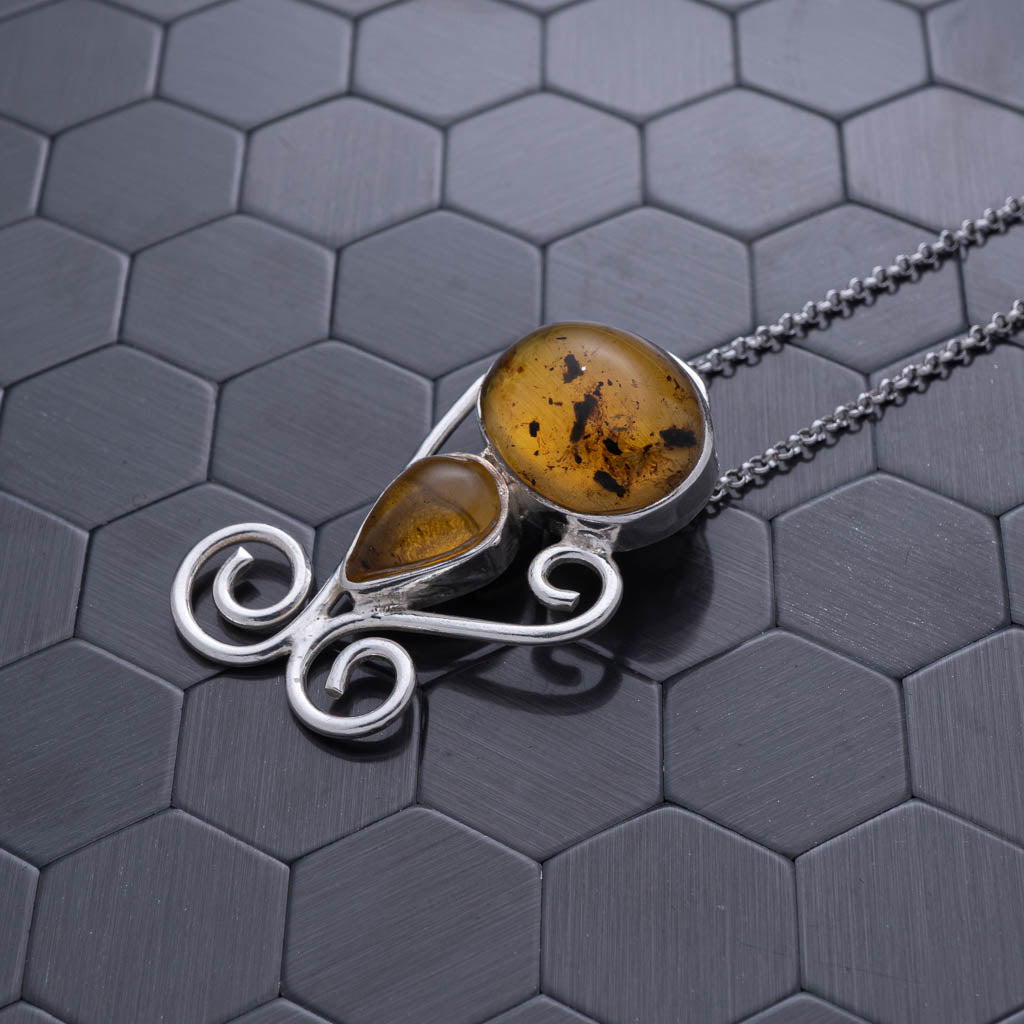
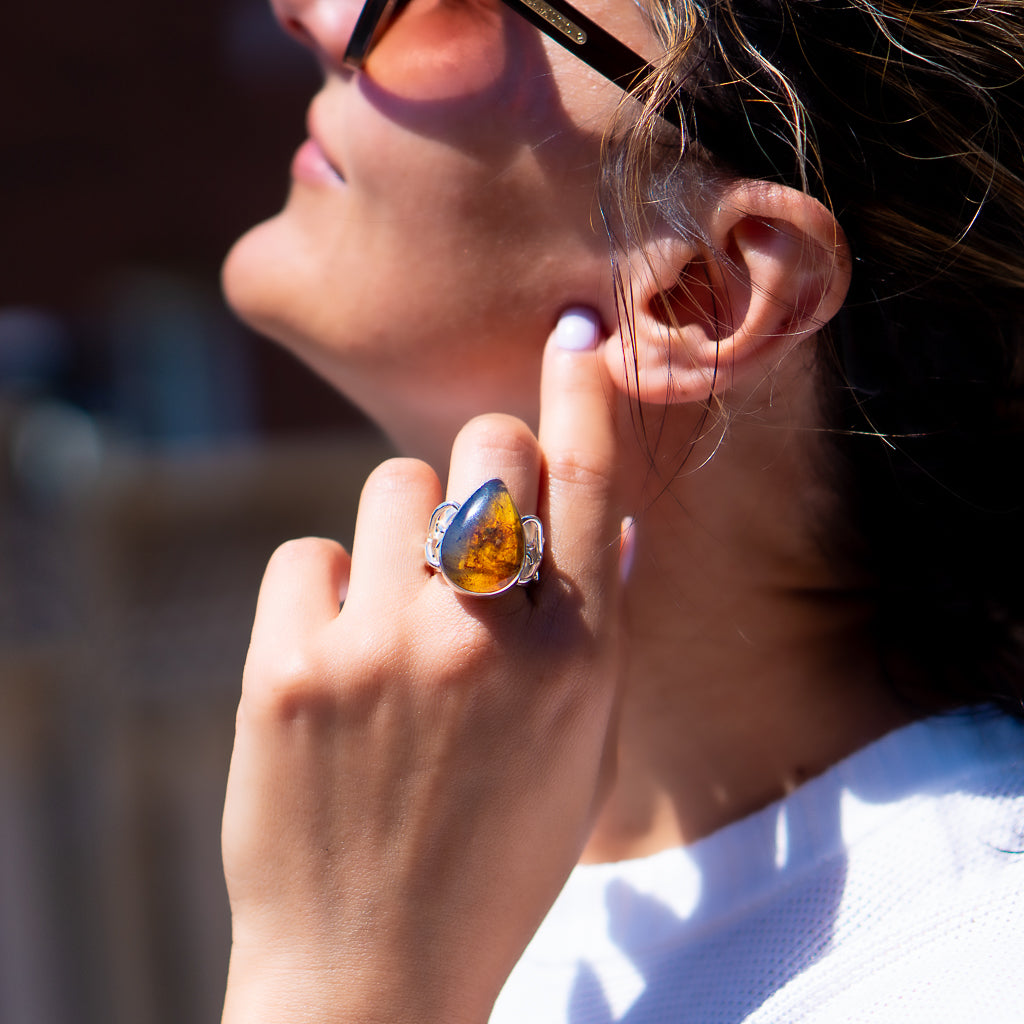
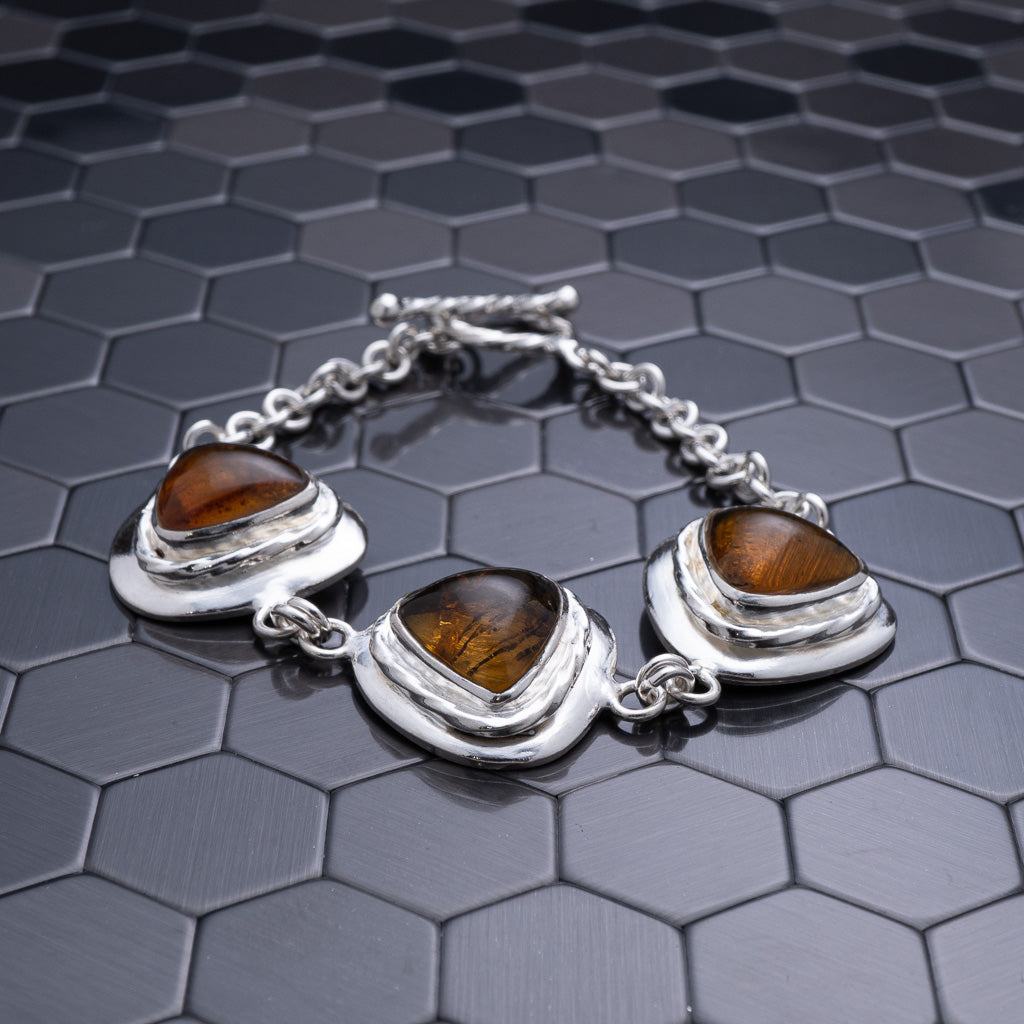
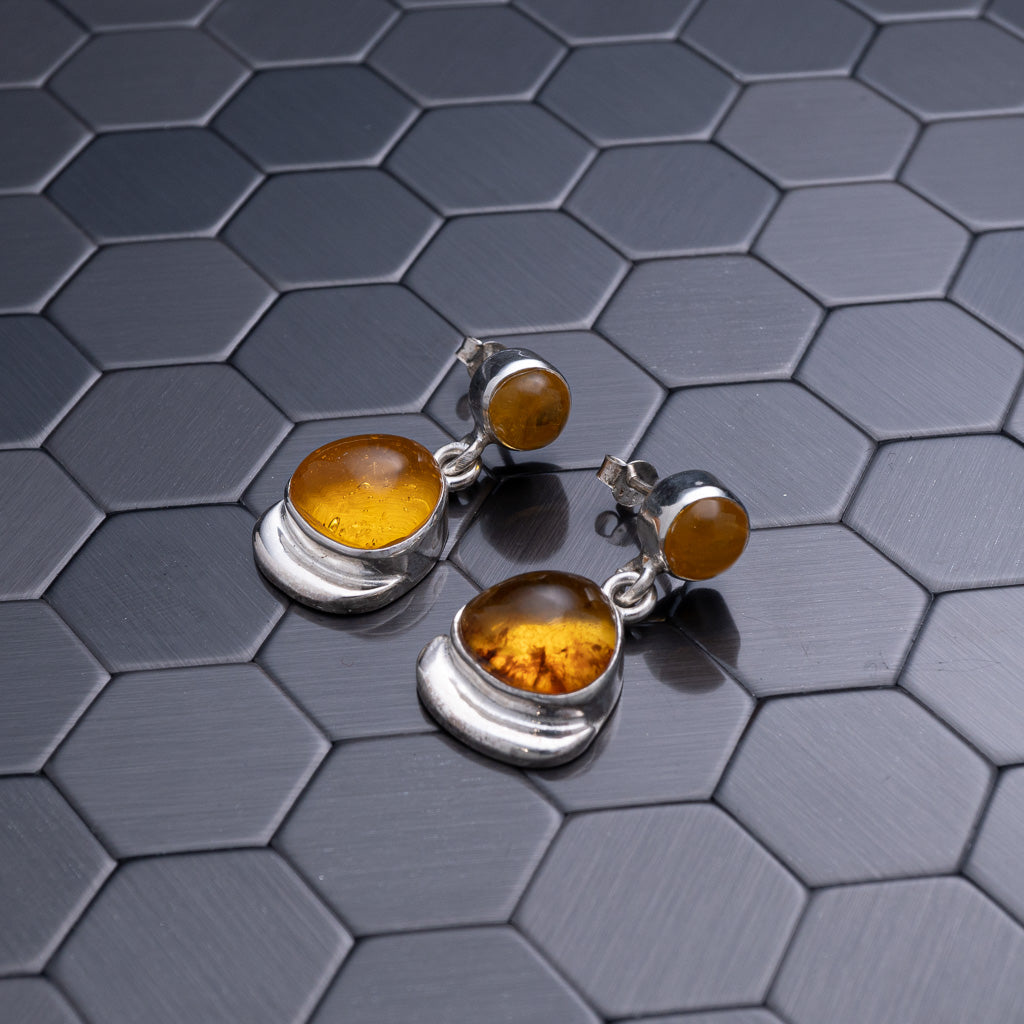


100% Handcrafted in DR.

Imagine holding a moment from 100 million years ago, perfectly frozen in a piece of golden resin. That’s the magic of fossils amber—tiny worlds trapped in time, ready for you to explore.
This guide is your ticket into the wild, hidden history inside fossils amber. We’ll dig into what amber really is, how it captures ancient life, and the incredible stories scientists are uncovering in 2025.
Curious about what creatures and plants got caught in this ancient trap? Want to know where to find these treasures or why researchers and collectors can’t get enough? Let’s jump in and see what secrets fossils amber reveals.
Amber is not just a pretty stone. It’s fossilized tree resin, not sap, and that detail matters. Ancient trees oozed sticky resin as a defense, sealing off wounds and trapping pests. Over time, this resin became the starting point for fossils amber, locking in tiny moments from prehistoric forests.
The journey from gooey resin to solid amber takes patience—think tens of thousands to millions of years. First, the resin gets buried under layers of soil and sand. Then, pressure and time work their magic, slowly transforming it into the hard, golden material we know. Through a process called polymerization, molecules link up and create a natural plastic that’s tough and stable.
Not all tree resin becomes amber. If it's still soft and young, it's called copal. True amber is older, fully fossilized, and can last for millions of years. Most fossils amber is under 125 million years old, but some rare pieces date back as far as 320 million years.
Chemistry is what gives amber its superpower: it preserves delicate details, sometimes down to tiny hairs or ancient pollen grains. For example, the Stewartia kowalewskii flower, perfectly fossilized in Russian amber, shows just how precise this preservation can be. If you're curious about the nitty-gritty of how amber forms and why it’s so valued, check out this Amber Stone Origins and Uses guide.
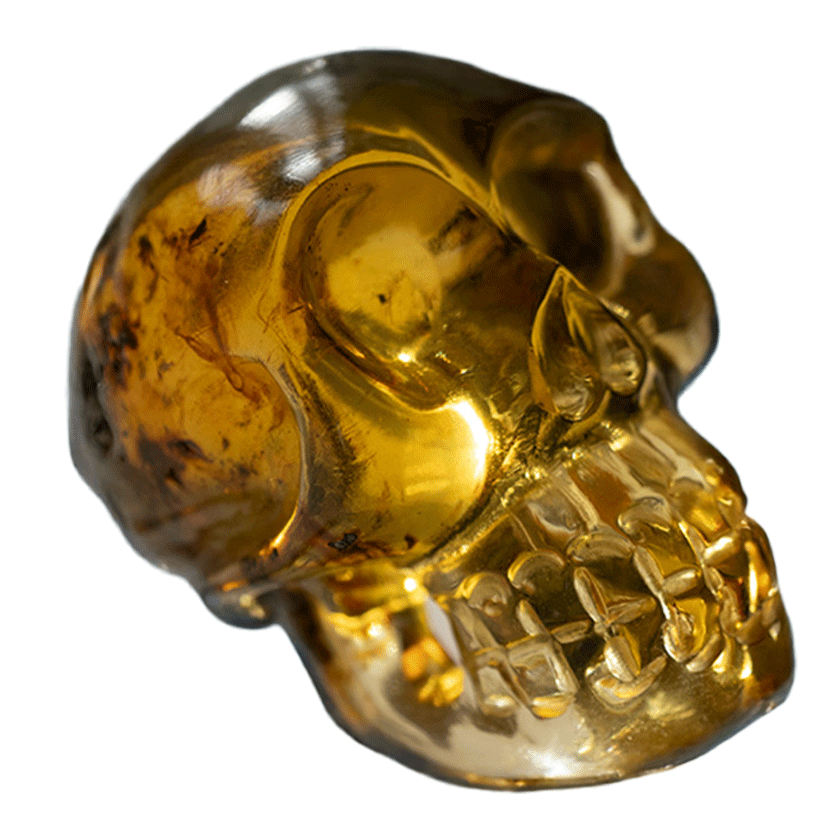
Amber isn’t just a scientific treasure. Its warm glow has made it a favorite for jewelry and carvings across cultures. Whether you’re a collector or just love ancient mysteries, fossils amber offer a glimpse into a world long gone—and a tangible piece of natural history.
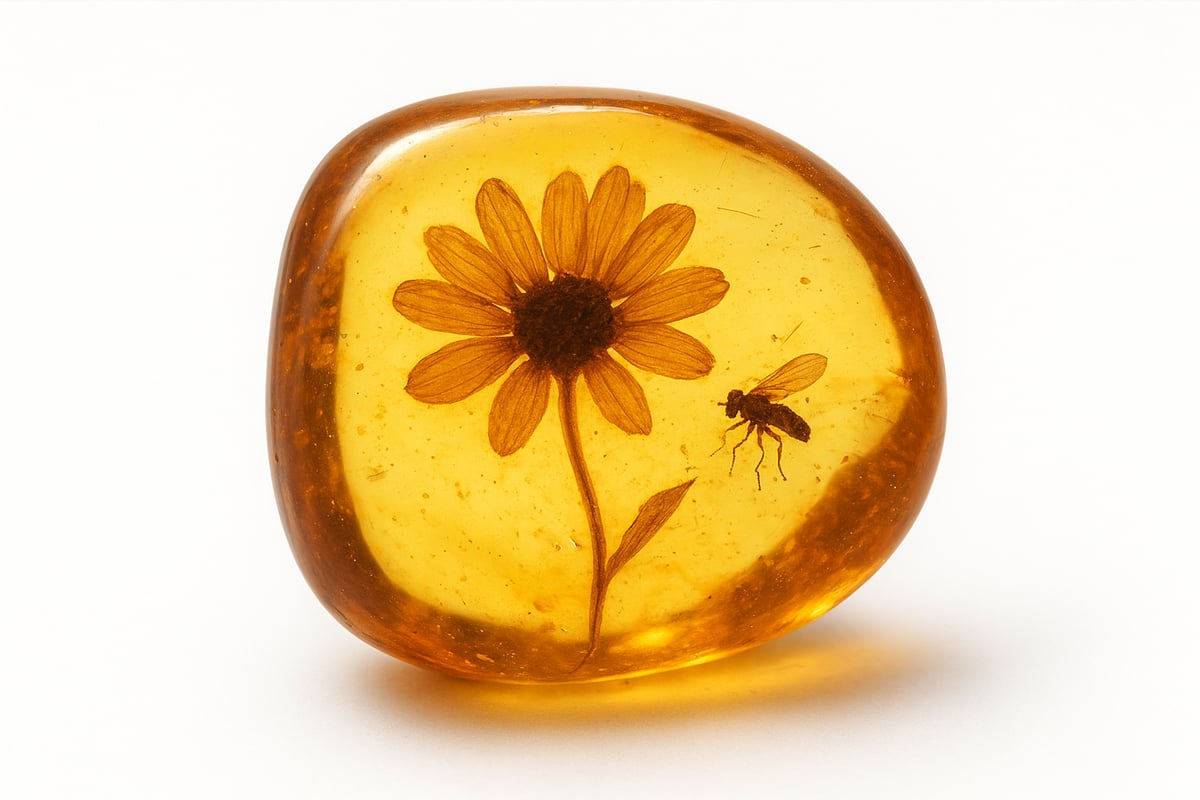
Ever wonder how a mosquito, a flower, or even a tiny dinosaur feather can survive for millions of years, almost perfectly preserved? That’s the magic of fossils amber. Let’s break down how nature pulls off this time-capsule trick.
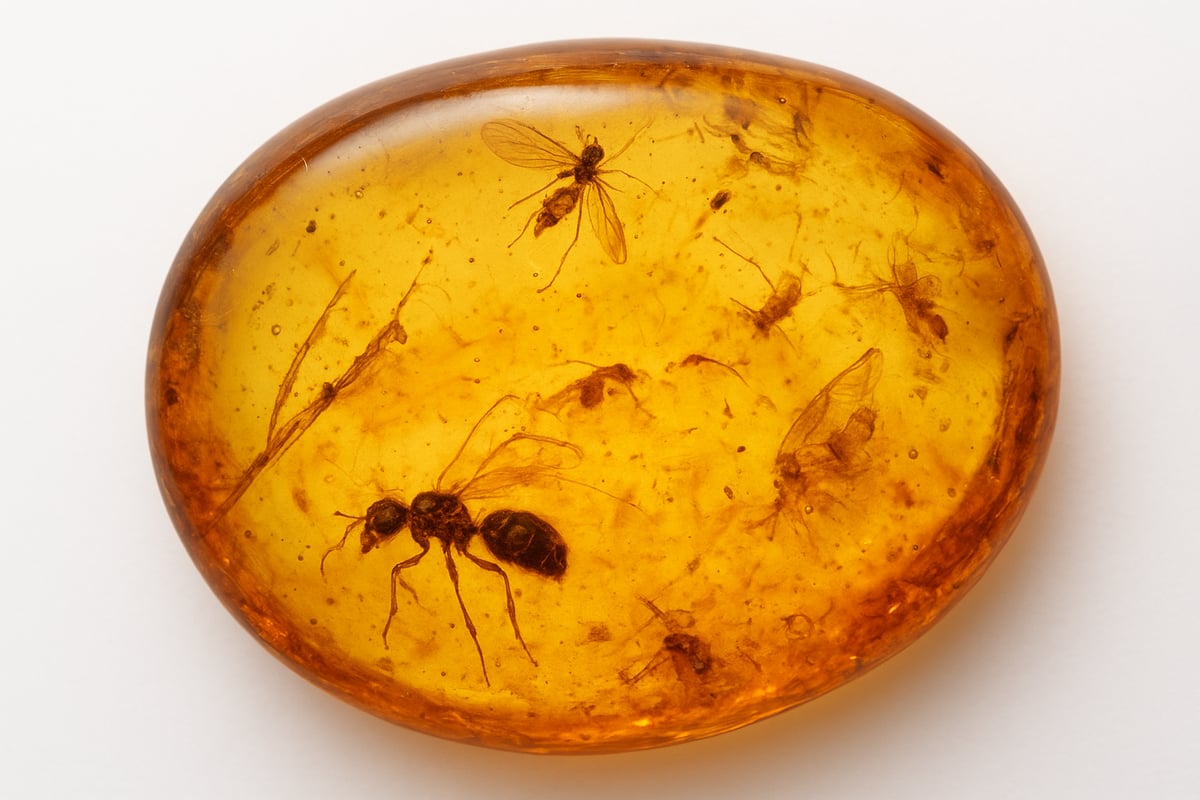
It all starts when ancient trees ooze sticky resin—think of it like nature’s own flypaper. This resin drips down bark, trapping insects, spiders, bits of leaves, and sometimes even feathers or tiny lizards. The sticky surface is perfect for catching delicate, soft-bodied creatures that would normally decay fast.
Resin doesn’t just fall on the ground. Sometimes it lands in water or gets moved by storms and floods, mixing up what gets caught. That’s why fossils amber can hold such a wild variety of life. An amazing example is a tick clutching a dinosaur feather, locked together in Burmese amber for nearly 100 million years.
Once resin snags its prize, it needs to be buried to survive the ages. Layers of sediment pile on, adding pressure and heat. Over thousands, even millions of years, chemical changes harden the resin into amber, locking away whatever’s inside.
What’s incredible about fossils amber is the level of detail preserved—sometimes down to tiny hairs or even traces of DNA. Unlike regular fossils, which are often just bones or shells, amber can keep whole creatures in 3D. If you want the full science scoop, check out How amber creates exquisite fossils for a deep dive into the process.
So, what treasures do we find in fossils amber? Here’s a quick rundown:
Most inclusions are small forest dwellers, which makes sense given how resin works. For example, Baltic amber alone has over 3,500 arthropod species, and Dominican amber has more than 1,000 fossil species. Every piece offers a unique peek into a world long gone.
Crack open a piece of ancient amber and you might spot something wild inside. Fossils amber is famous for preserving life in such crisp detail, you feel like you’re peeking through a prehistoric window. Let’s break down the main types of fossils you’ll find and what makes each group so cool.
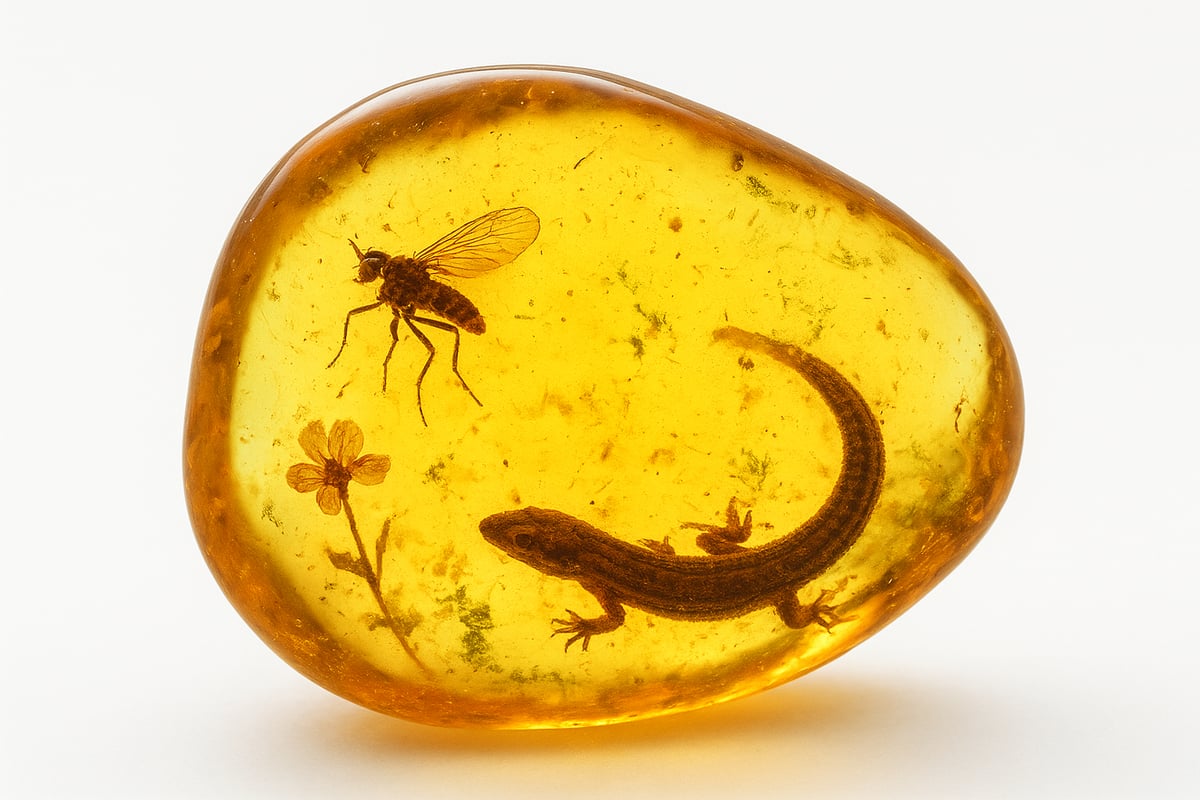
Insects are the rockstars of fossils amber. Their small size, sheer numbers, and forest habitat made them perfect candidates for getting trapped in tree resin. You’ll find ancient gnats, ants, beetles, spiders, and even wild creatures like “hell ants” caught mid-hunt. Some inclusions are so well preserved that you can see the hairs on their legs.
Scientists have cataloged thousands of species, with Baltic amber alone packed with over 3,500 types of arthropods. If you want to nerd out on the diversity, check out the Sampling the insects of the amber forest research for a deep dive into what’s hiding inside these golden drops.
Amber doesn’t just trap bugs. It’s also a time capsule for delicate plant parts, seeds, pollen, and even rare flowers. One of the coolest finds is the Stewartia kowalewskii flower, the largest ever fossilized in amber. These plant inclusions show us what ancient forests looked like and even hint at how pollination worked millions of years ago.
You’ll also spot mosses and fungi, which round out the story of prehistoric ecosystems. Together, these fossils amber give us a richer picture of ancient biodiversity.
Every so often, fossils amber delivers something truly jaw-dropping. Think tiny lizards like Yantarogekko balticus, baby salamanders, or even dinosaur feathers and tails. There are rare finds like crabs and snails, too, which are super valuable for scientists trying to reconstruct ancient food webs.
These rare inclusions show just how much fossils amber can teach us about the evolution of life. They’re like nature’s greatest hits, pressed into gold for us to discover.
Ever wondered where the best fossils amber treasures come from? These ancient hotspots tell the story of life long before humans. Each deposit is its own time machine, packed with secrets.
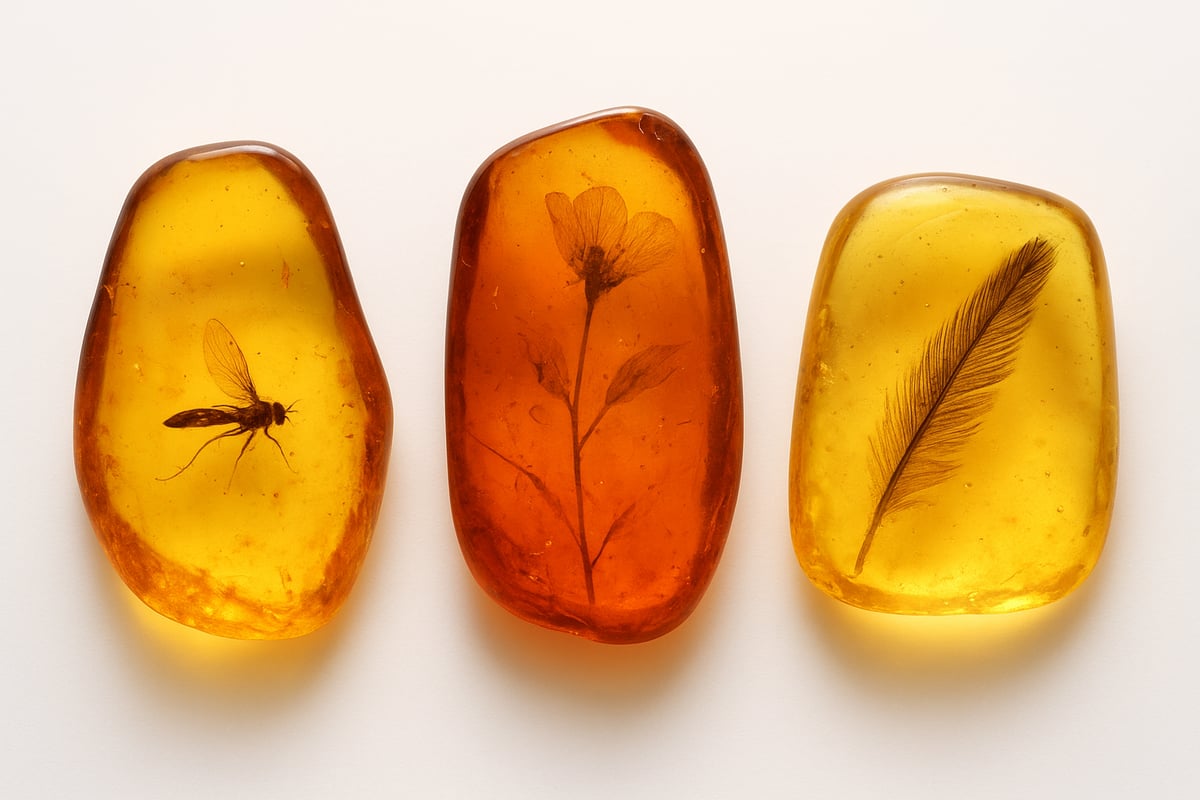
Baltic Amber sits along the shores of Northern Europe, especially near Kaliningrad, Russia. It's about 34 to 38 million years old. This region is famous for its rich fossils amber collection, including more than 3,500 species of arthropods and over 650 types of spiders.
You can even find the oldest gecko fossils and giant flower inclusions here. The sheer variety makes Baltic Amber a goldmine for anyone fascinated by ancient bugs and plants.
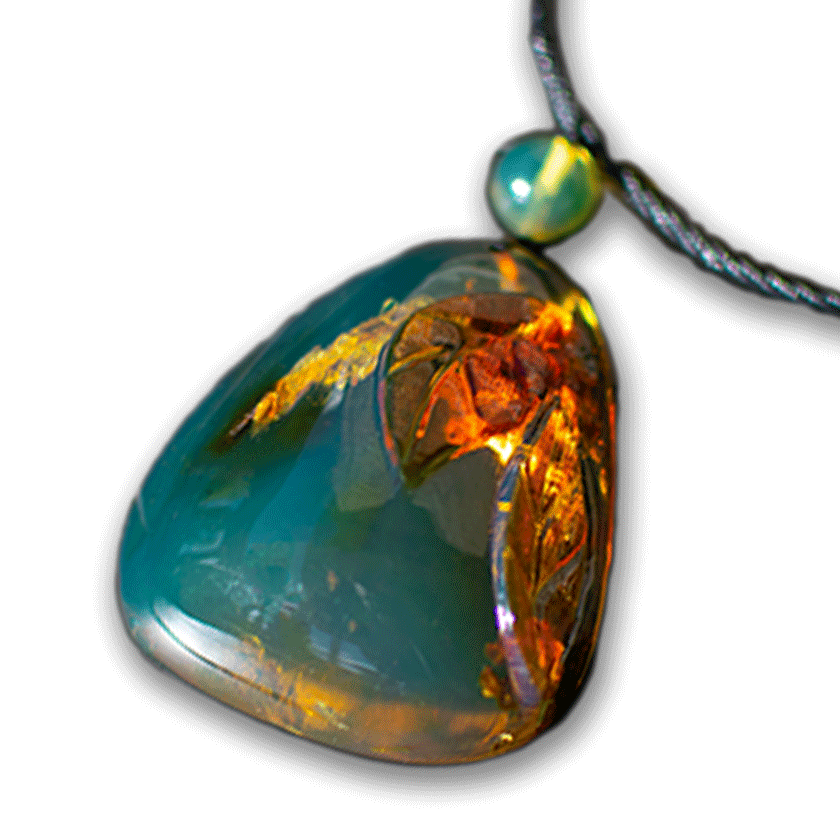
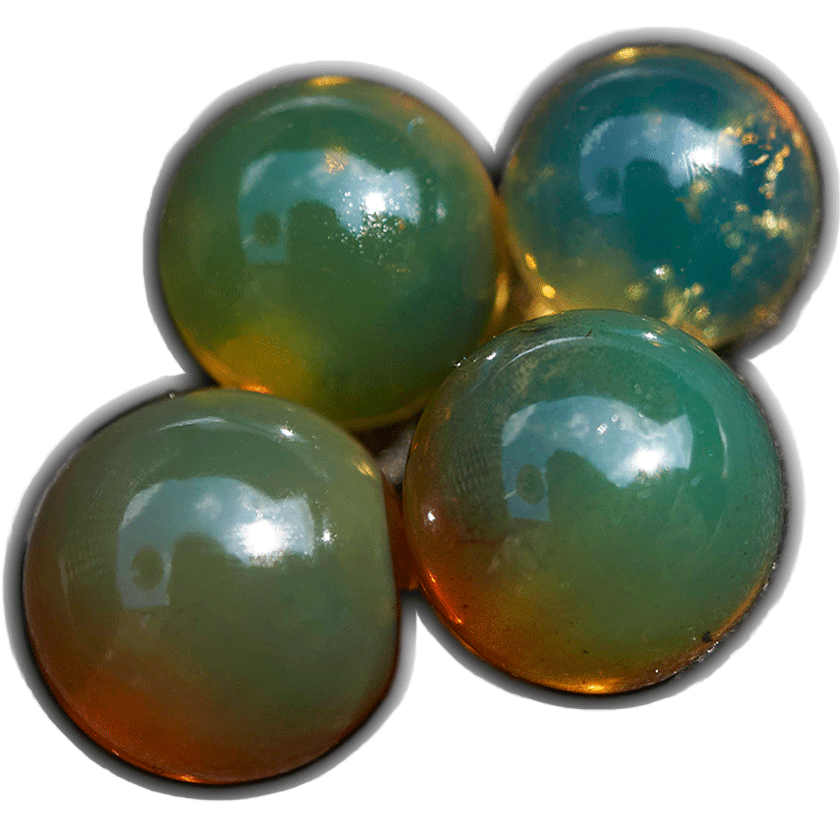
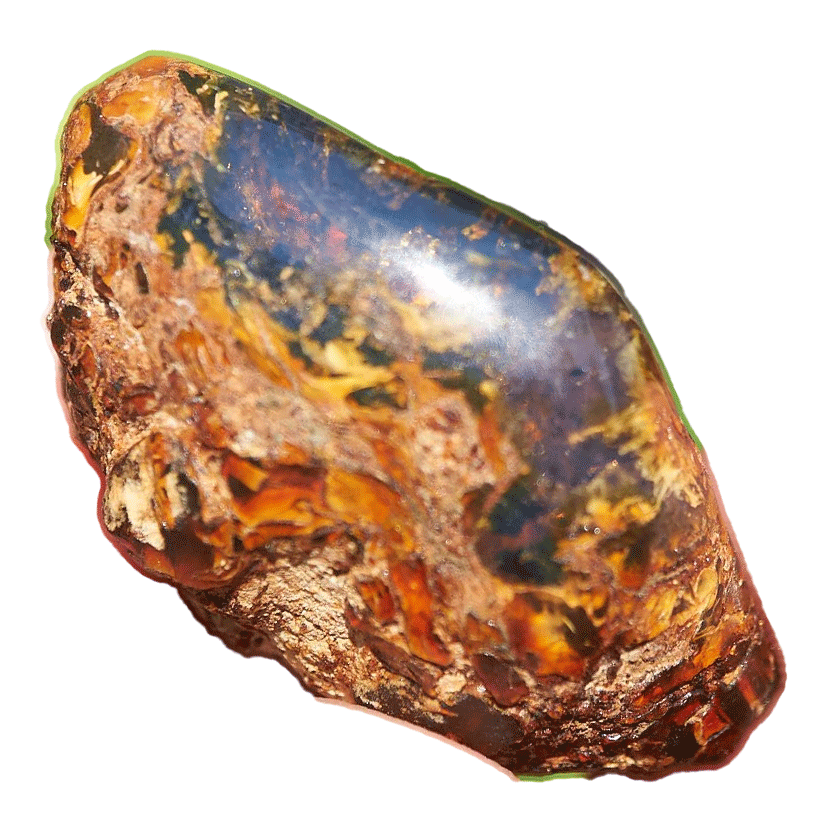
Found in the Dominican Republic, this amber is 15 to 20 million years old and stands out for its clarity and stunning blue or green hues. Over 1,000 fossil species have been discovered, from lizards and salamanders to a rainbow of ancient insects.
Collectors and scientists alike are drawn to the amazing preservation quality. For a deeper dive into these blue treasures and what makes them special, check out this Blue Amber Fossil Guide.
Burmese Amber, from Kachin State in Myanmar, is about 99 million years old. It's a paradise for fossils amber hunters, revealing dinosaur feathers, hell ants, and even ancient crabs.
This deposit has become a game-changer for paleontology, offering a close look at life during the age of dinosaurs. The diversity and preservation found here are unmatched, making it a must-see for anyone curious about Earth's deep past.
If you want to know what life was really like millions of years ago, fossils amber are your time machine. Unlike stone fossils, amber holds creatures and plants in three dimensions, sometimes down to the tiniest hair or spore. In 2025, these golden windows are hotter than ever for scientists and collectors alike.
Thanks to new tools like CT scanning and chemical analysis, researchers can see inside fossils amber without breaking them open. Some even try to recover ancient DNA, pushing the limits of what we can know about the past. Recent finds—like dinosaur feathers and ancient pollinators—are rewriting the story of how birds and insects evolved.
Curious how insects and other life get preserved so perfectly? Studies like Unlocking preservation bias in amber fossils show just how much detail can survive, and what might be missing. This helps scientists piece together entire vanished ecosystems, not just isolated animals.
The value of fossils amber goes beyond science. Collectors chase rare pieces, museums build dazzling displays, and the public gets to see ancient life up close. But there are tough questions too, like the ethics of Myanmar amber and how to protect these treasures for the future.
With more than 160 amber sites around the world, but only a handful yielding real diversity, every new discovery feels like opening a sealed letter from deep time. The excitement? It’s only growing, and the next big breakthrough could be just around the corner.
So, you’ve got your eye on fossils amber, but how do you know what’s real, and how do you keep it looking amazing? Let’s make sure your ancient treasure stays just as fascinating as the day it was found.
Spotting genuine amber can be tricky. Here are a few quick ways to tell:
If you’re working with Dominican specimens, check out this handy guide on Dominican Blue Amber Identification for tips on spotting and caring for these colorful gems.
To keep fossils amber in top shape, avoid direct sunlight and heat. Store it in a soft pouch or box, and never use harsh cleaners. Gentle handling goes a long way, especially with pieces containing delicate inclusions.
When collecting, always buy from reputable sources and ask about provenance. Some countries have strict export laws, so know the rules before you add to your collection. Ethical collecting supports both science and fair trade.
Collectors love fossils amber for its clarity, color, and the stories inside. Dominican amber, in particular, is prized for its unique hues and fossil diversity.
Remember, documenting your fossils amber—where and when it was found—adds value for both science and resale. Whether you display it, wear it, or use it for research, it’s a piece of deep time you can actually hold.
Responsible collecting means these ancient moments will inspire and educate far into the future.
After diving into the world of amber and discovering how these ancient gems connect us to the mysteries of the past, it’s natural to want a piece of that wonder for yourself or someone you care about. If you’re drawn to the rare beauty of natural treasures, why not celebrate it with something just as unique? You can Find the Perfect Gift of Serenity Shop Larimar Pendants with Free Worldwide Delivery and hold a piece of Earth’s story close. Each pendant is one of a kind—just like the fossils we explored—ready to be cherished anywhere in the world.