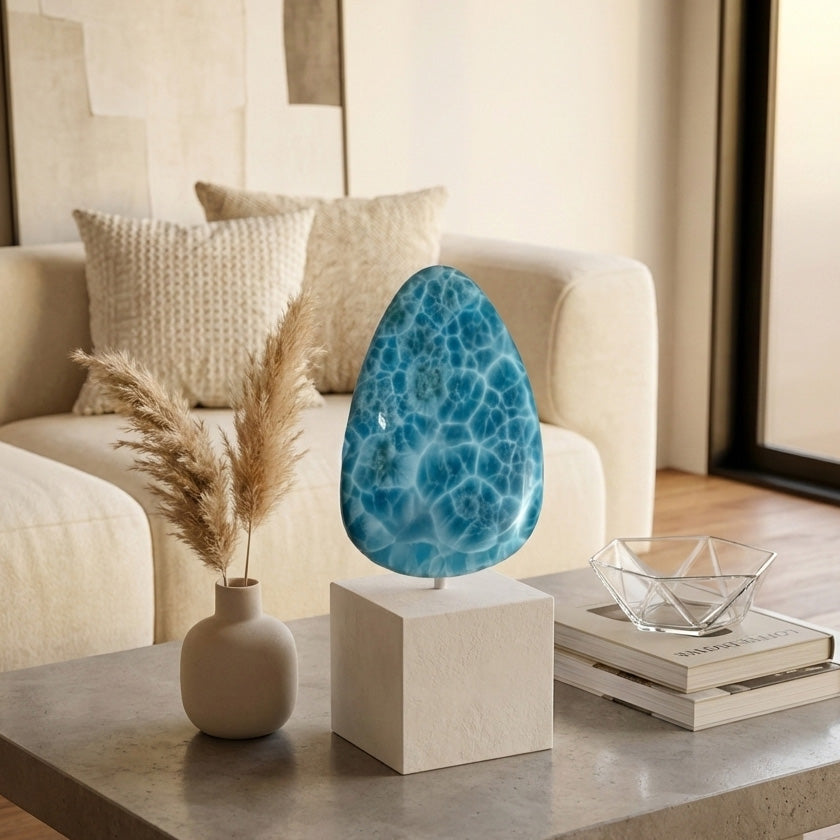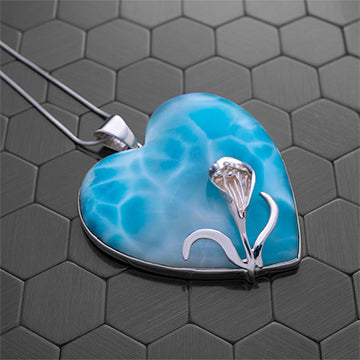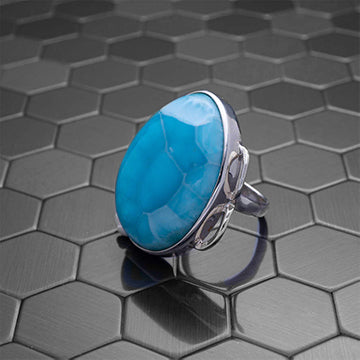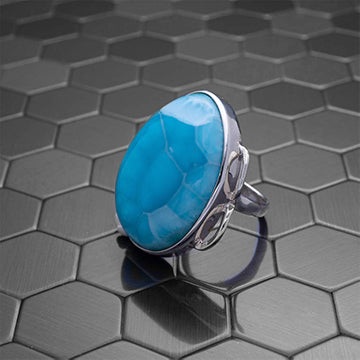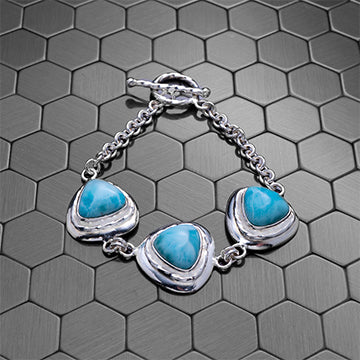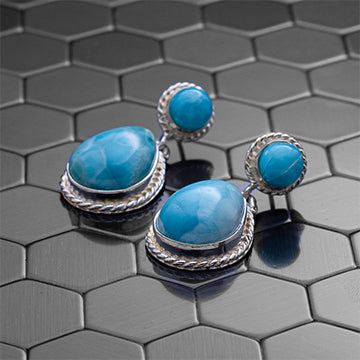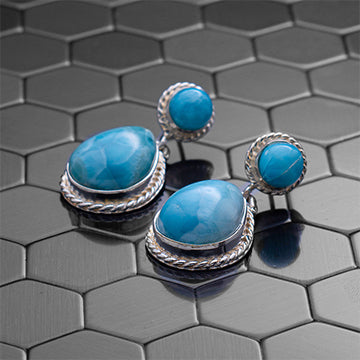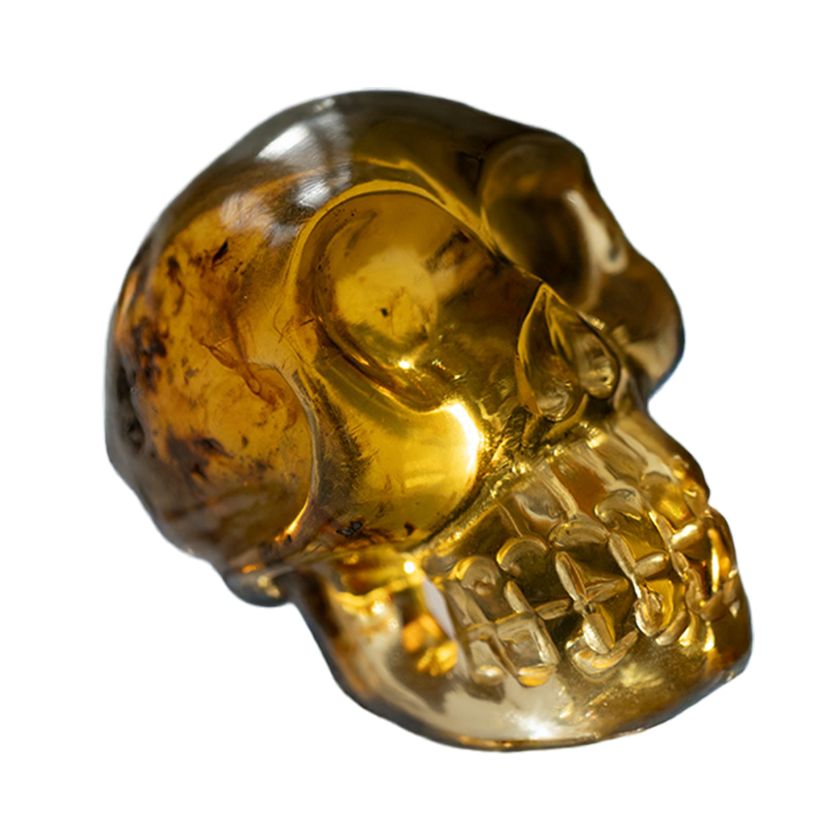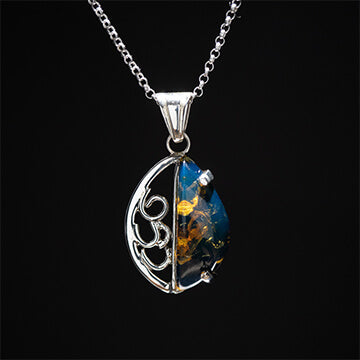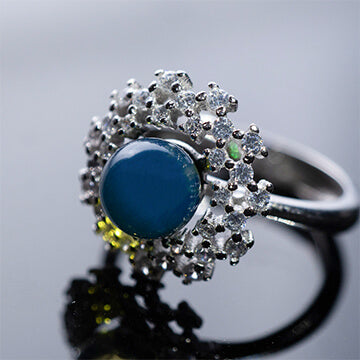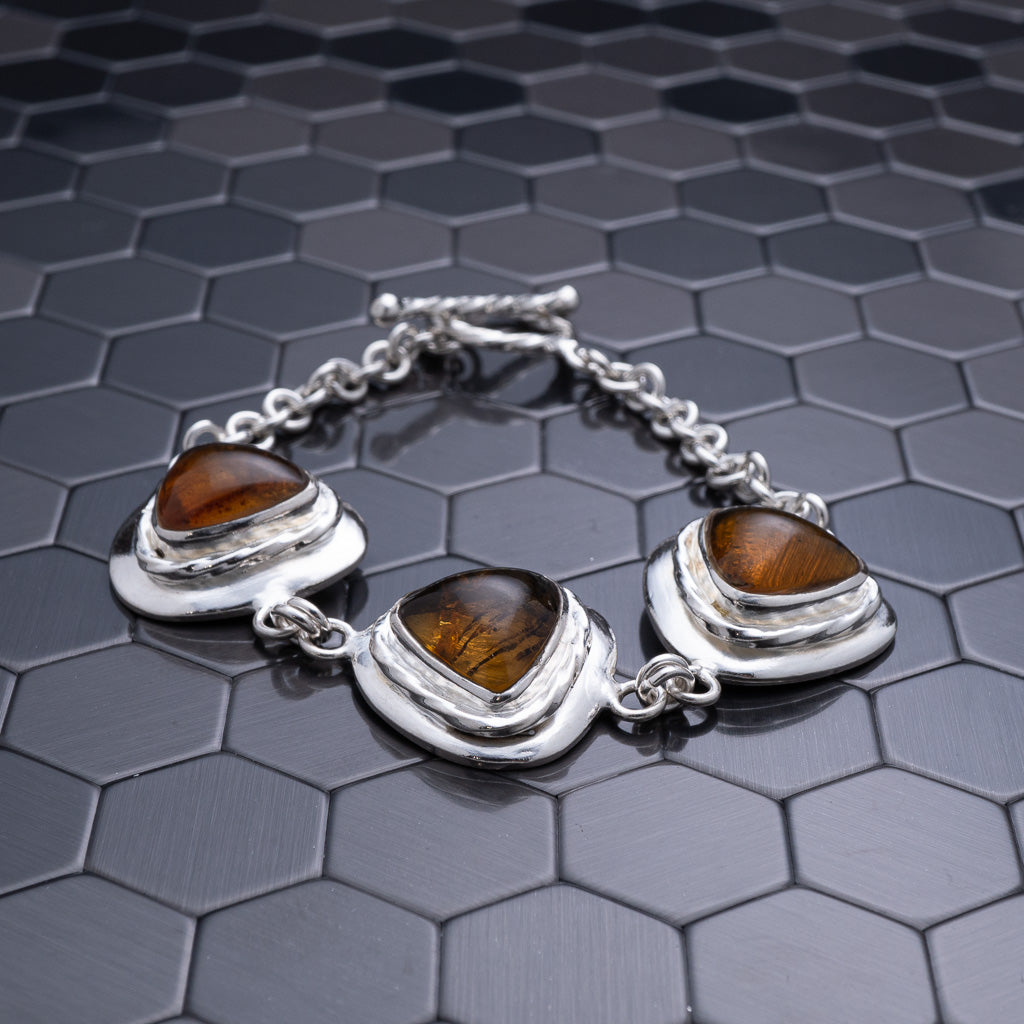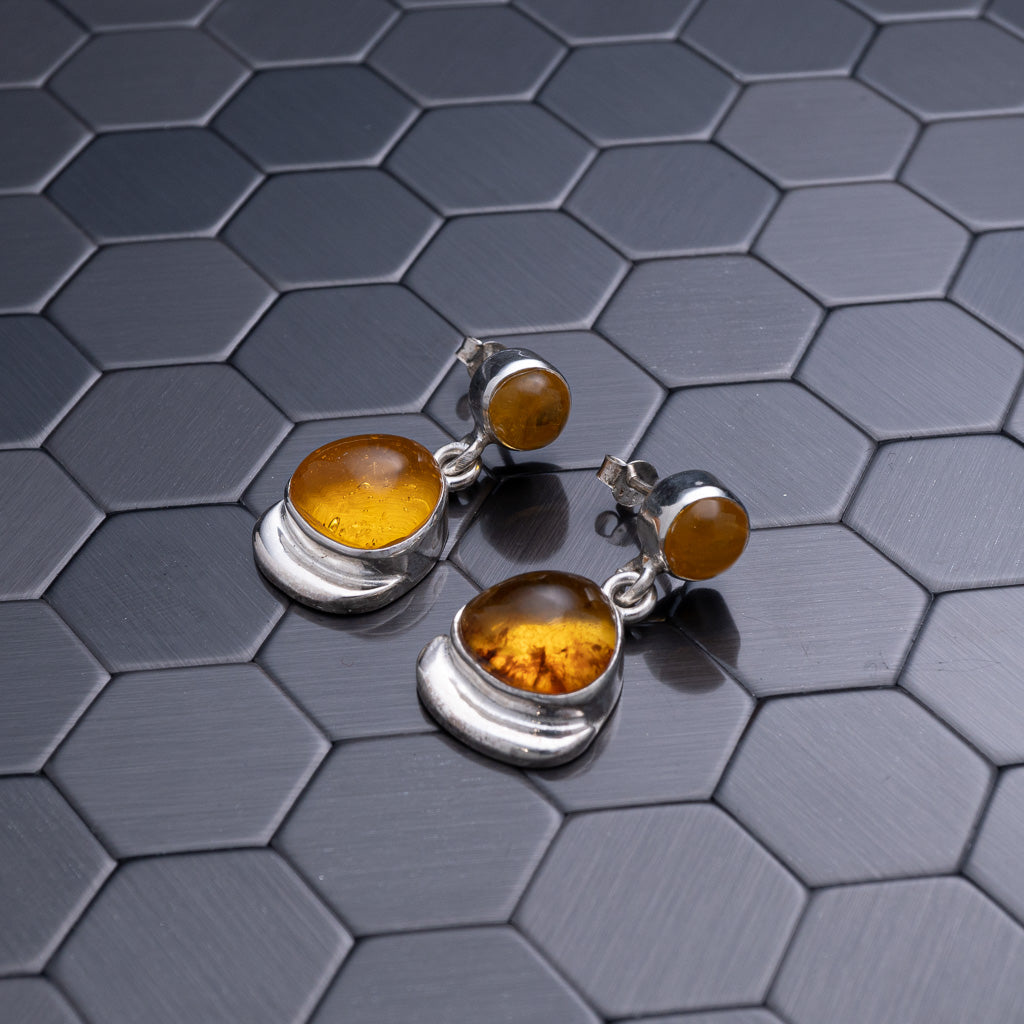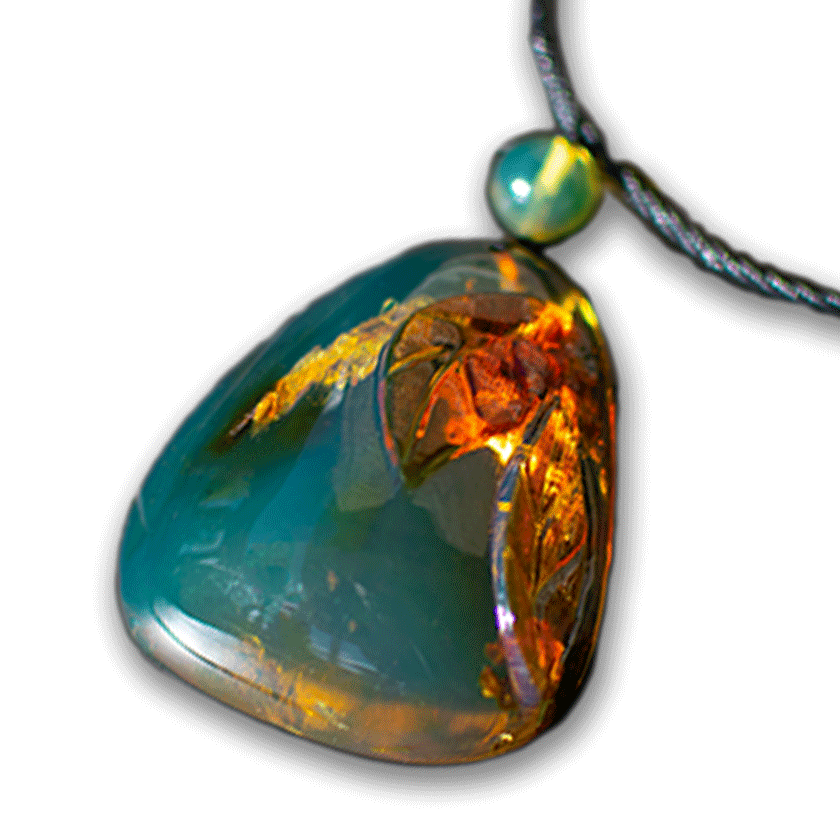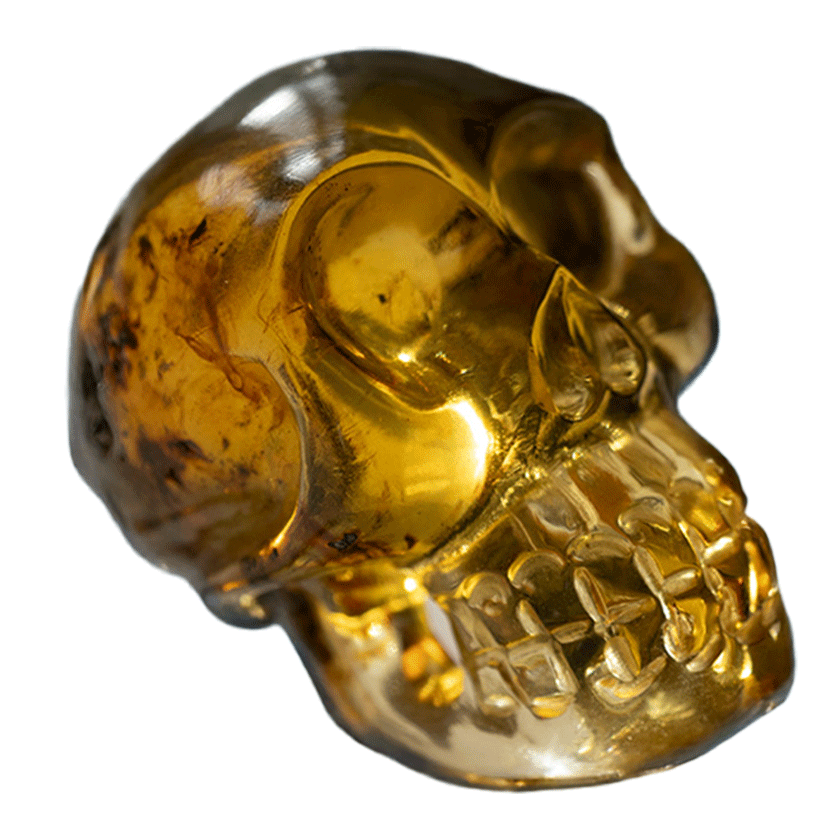


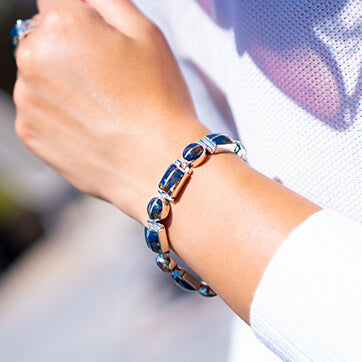
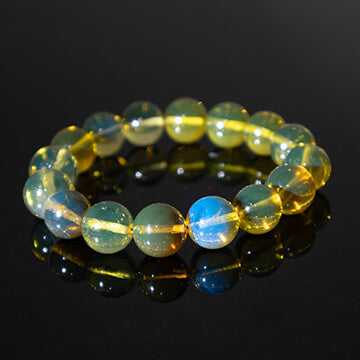
Handcrafted in DR.

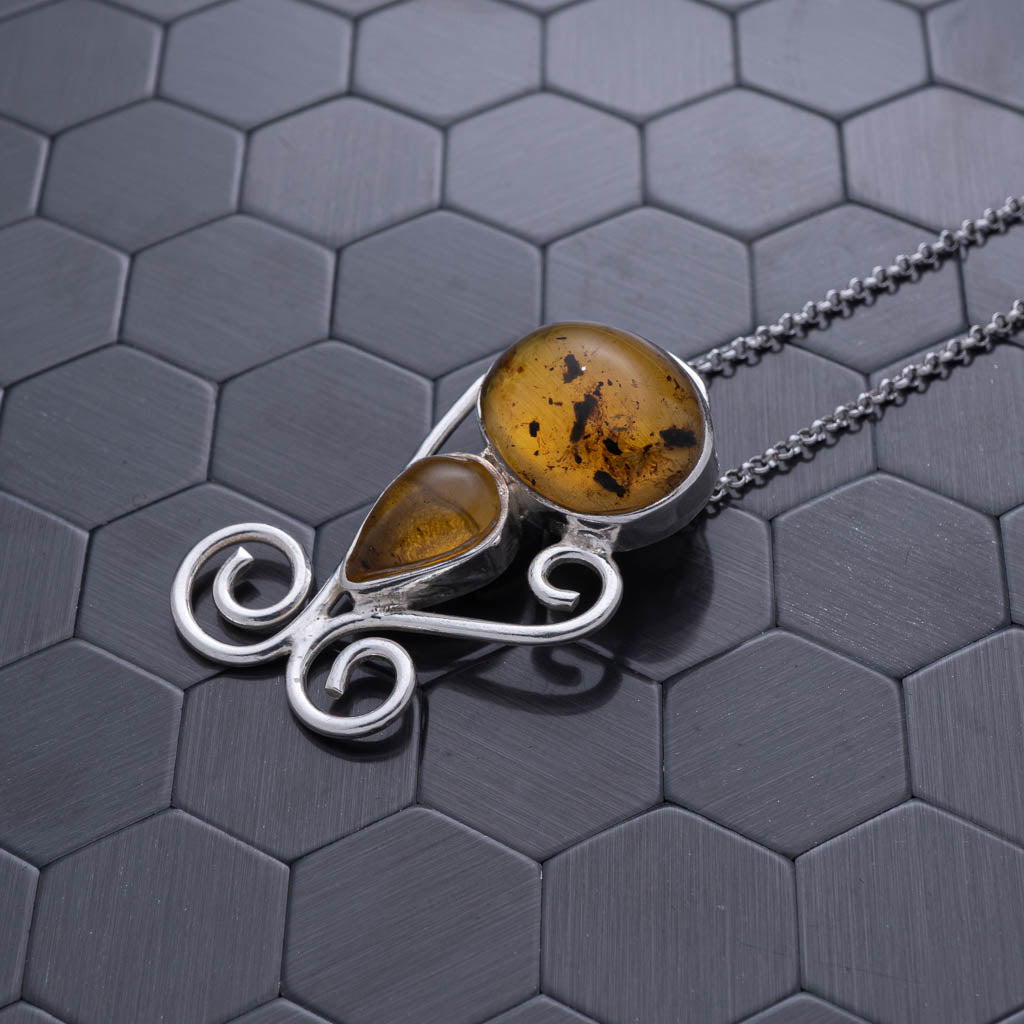
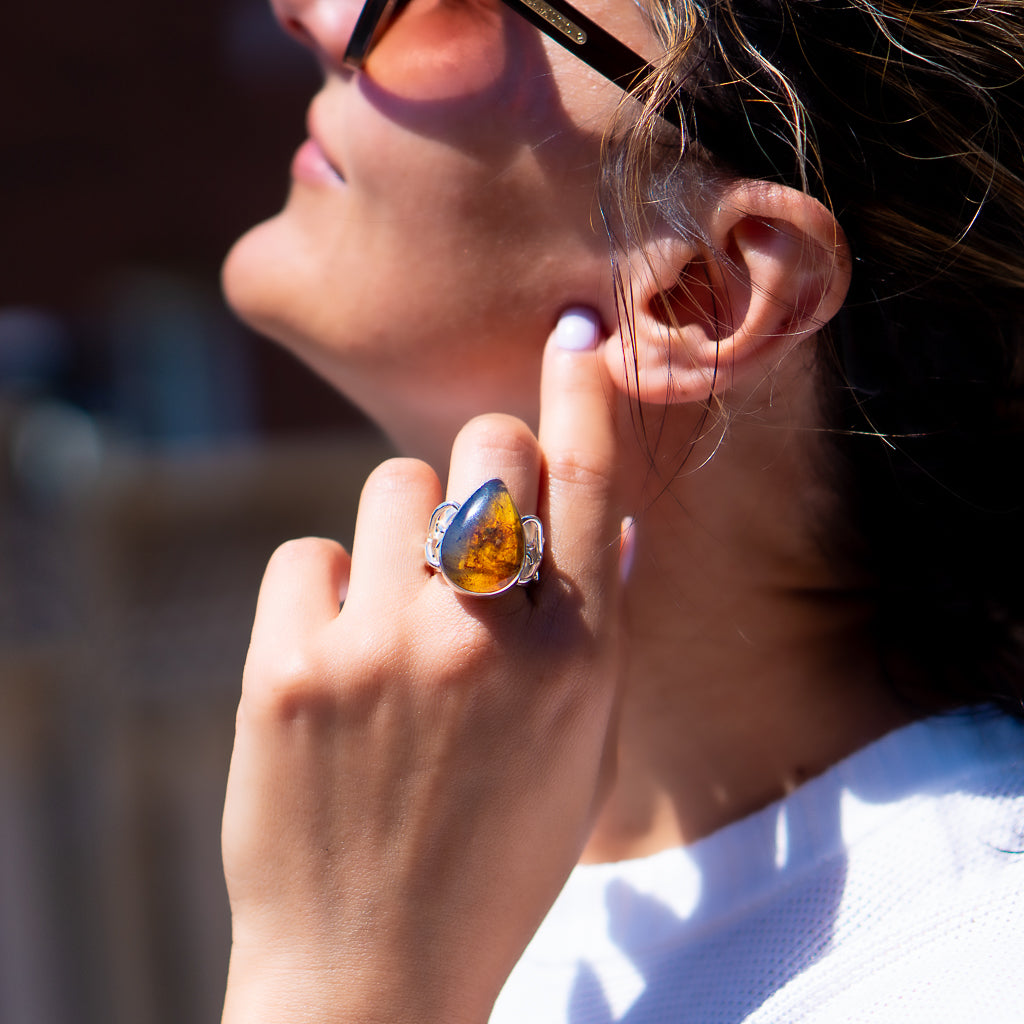
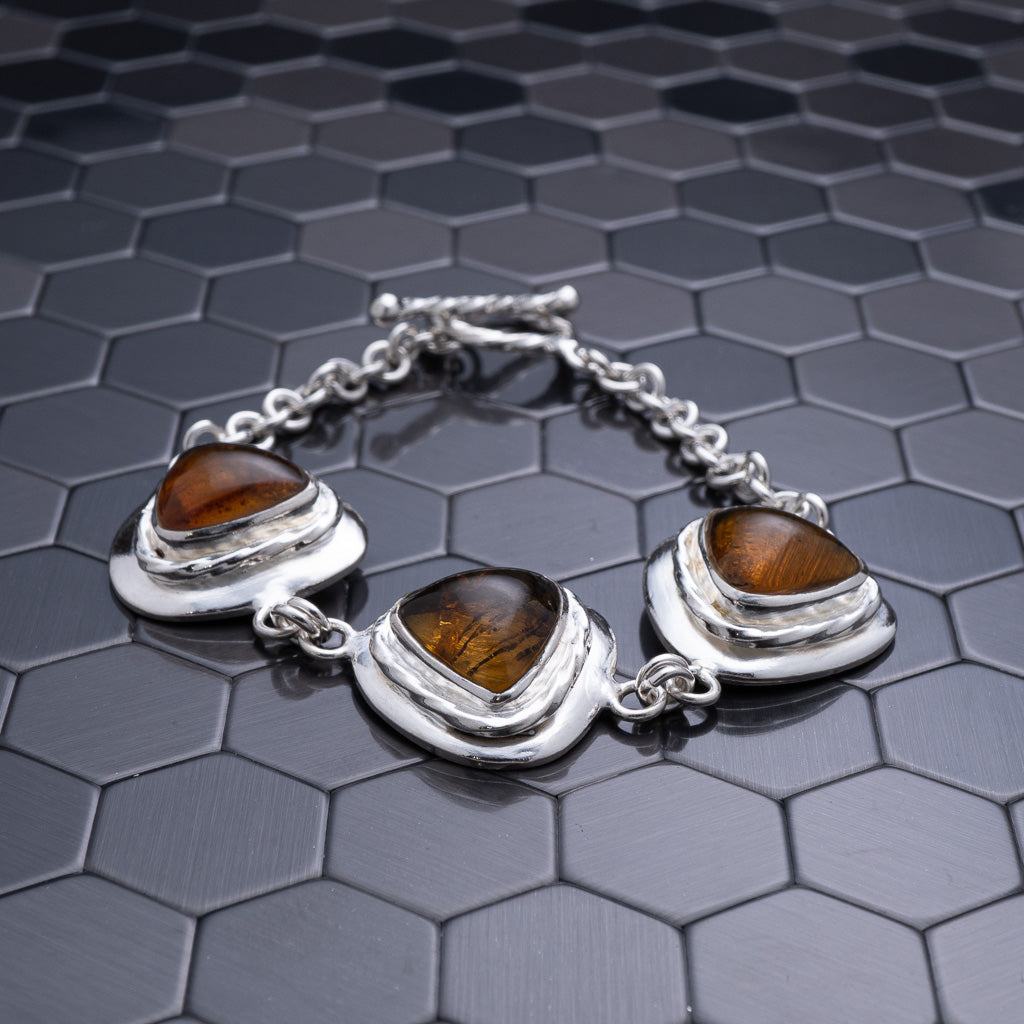
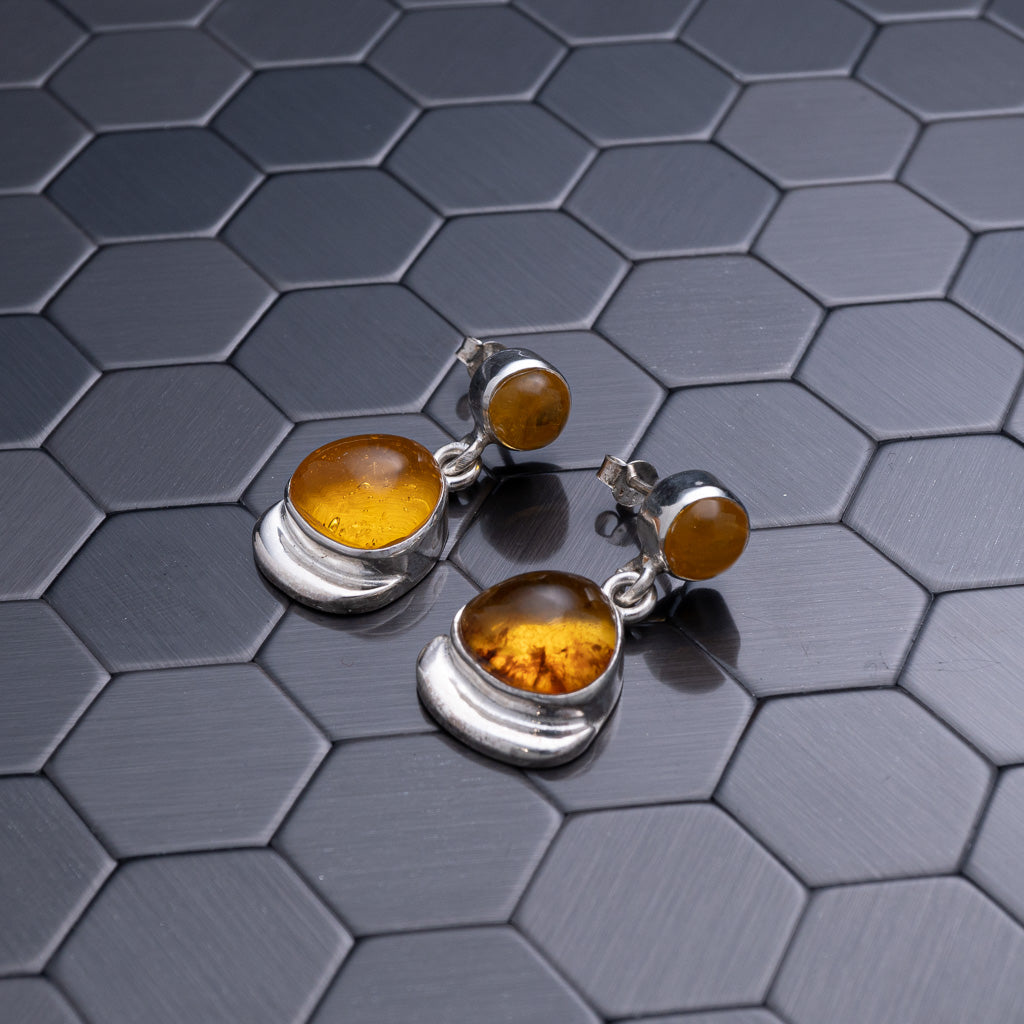


100% Handcrafted in DR.

There’s something timeless and enchanting about amber stone—a gemstone formed from ancient tree resin, preserving secrets from prehistoric worlds. Today, its golden glow continues to fascinate collectors, jewelers, and curious minds alike.
If you’re new to the world of amber stone, this guide is your starting point for discovery. You’ll uncover how amber forms, how to spot genuine pieces, and why it’s cherished for both beauty and history.
We’ll walk you through its origins, unique properties, popular uses, and essential care tips. By the end, you’ll feel empowered to appreciate, identify, and select amber stone confidently in 2025.
Amber stone captures the imagination as one of nature’s most captivating treasures. Unlike minerals, amber stone is organic, born from ancient trees and time itself. Its warm glow and fascinating inclusions have enchanted people for thousands of years.

Amber stone begins its journey as sticky resin secreted by prehistoric trees. Over millions of years, this resin becomes buried under layers of soil and sediment. As time passes, a slow transformation occurs. The resin hardens and fossilizes, eventually emerging as amber stone.
This process mostly took place during the Cretaceous and Tertiary periods. Vast forests once covered areas that are now the Baltic region, Dominican Republic, and Myanmar. These regions are among the world’s top sources of amber stone, each producing pieces with unique characteristics.
It is important to distinguish true amber stone from other fossilized resins. True amber stone is fully fossilized, while copal is a younger, softer resin. Some pieces contain perfectly preserved insects or plant matter, offering a scientific glimpse into prehistoric ecosystems.
Throughout history, amber stone has held a special place in human culture. Ancient civilizations crafted it into jewelry, amulets, and even medicine. The allure of amber stone was so strong that it inspired legendary trade routes, including the famous Amber Road across Europe.
Amber stone was believed to offer protection and healing, making it a symbol of status and mystical power. Myths and legends often describe amber stone as “solidified sunlight” or “tears of the gods.” Archaeological discoveries reveal beautifully carved amber stone artifacts, from beads worn by Neolithic people to ornate objects found in Egyptian and Roman tombs.
The trade of amber stone connected distant cultures, spreading its influence and value. Its role in medicine, decoration, and ritual highlights the enduring fascination with this ancient gem.
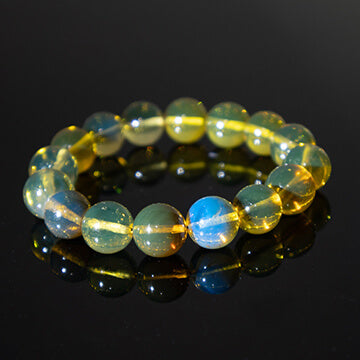
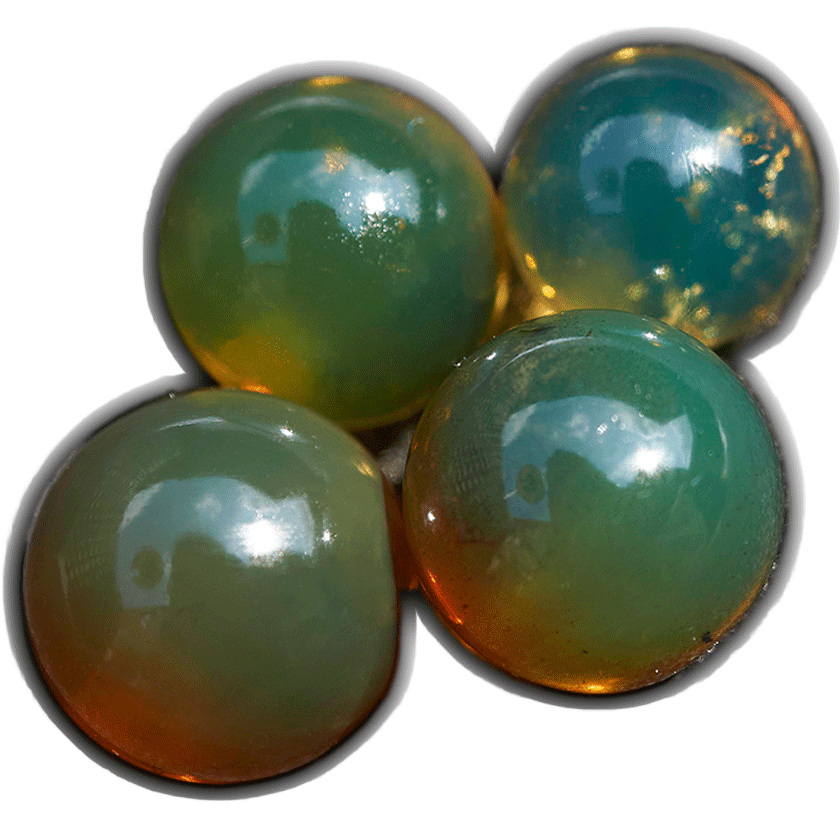
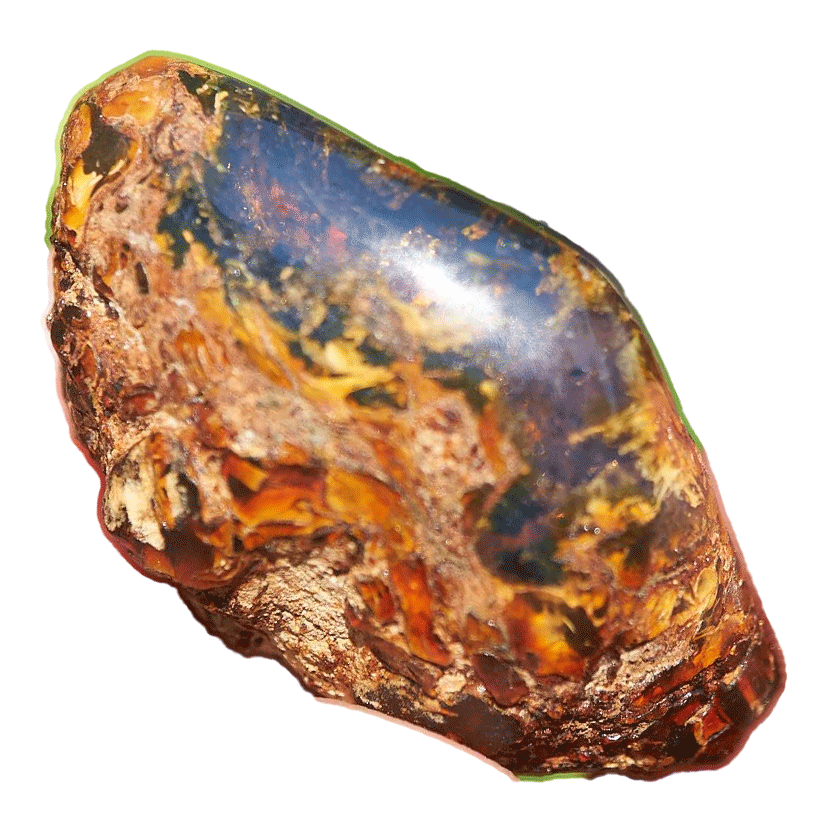
There are many types of amber stone, each with its own origin and character. Baltic amber is the most abundant and is prized for its clarity and warm hues. Dominican amber stone is famous for its rare blue and green varieties, which display a striking fluorescence under sunlight.
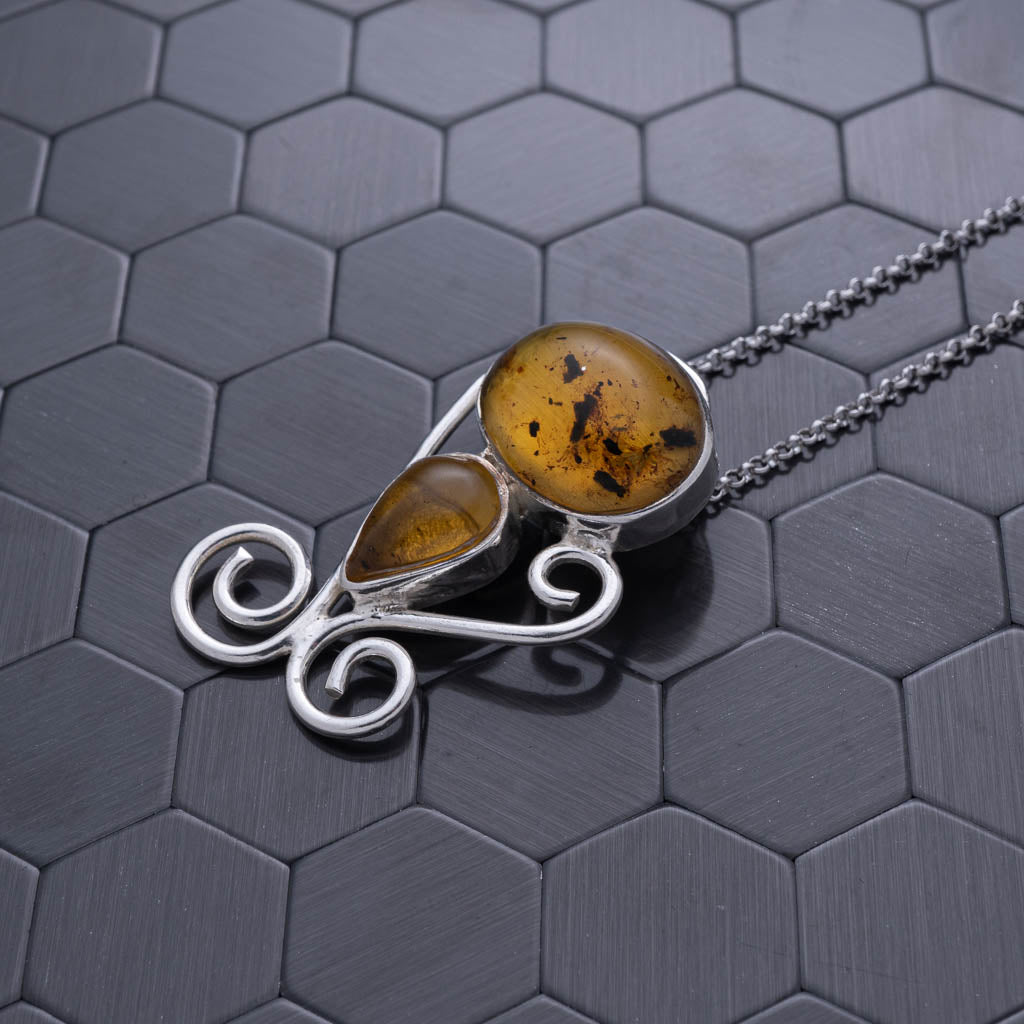
Other notable sources include Mexican and Burmese amber stone, each offering different colors and inclusions. Amber stone colors range from golden yellow and deep orange to red, green, and even blue. Some pieces feature “sun spangles”—metallic-looking flashes created by trapped air bubbles. Others contain insects, leaves, or seeds, making them true natural time capsules.
For a deeper dive into the unique properties and origins of each variety, explore this detailed guide on the types of amber and their origins.
Rare specimens of amber stone, such as those with vivid blue hues or perfectly preserved fossils, are highly sought after by collectors and scientists alike. Each type and color tells a different story, making amber stone endlessly fascinating to study and collect.
Distinguishing genuine amber stone from lookalikes is essential for collectors and enthusiasts alike. With imitations on the rise, knowing what sets natural amber apart is your key to confidence.

Genuine amber stone is a marvel of nature, displaying unique physical and chemical traits. Its hardness is relatively low, ranking 2–2.5 on the Mohs scale, so it scratches easily compared to quartz or glass. When you hold amber stone, it feels warm and light, unlike the cold, heavy sensation of glass or dense resins.
Another hallmark is its transparency, which can range from completely opaque to beautifully translucent. Many pieces of amber stone reveal fossilized inclusions—ancient insects or plant fragments—adding to their value and scientific intrigue.
A simple way to check authenticity is the scent. When gently heated or rubbed, amber stone emits a subtle pine-like aroma, a result of its botanical origins. Under ultraviolet light, genuine amber often glows blue or green, a phenomenon called fluorescence.
For more on these characteristics, see Amber's Formation and Properties, which offers insights into what makes amber stone distinct from other materials.
Because amber stone is prized, it’s often mimicked by materials like copal, plastic, glass, or synthetic resin. Copal is younger fossilized tree resin and is softer and stickier than true amber stone. Plastics and glass are heavier, colder, and lack the warm touch of authentic amber.
How do you tell the difference? Try a saltwater float test: real amber stone will float, while most fakes sink. An acetone test can also help—gently dab a hidden spot with acetone; real amber stone remains unchanged, but plastics may get sticky or dissolve.
Another classic method is the hot needle test. Heat a needle and touch it to an inconspicuous area. Genuine amber stone gives off a pine scent and resists melting, while plastics smell chemical and melt quickly. However, use caution, as this can damage your piece.
Buying amber stone online? Be wary of deals that seem too good to be true. Always check seller reviews and request certificates of authenticity.
For high-value amber stone or important specimens, professional authentication is a must. Gemological labs use advanced techniques like FTIR spectroscopy and infrared (IR) analysis to distinguish real amber stone from imitations with scientific precision.
Reputable dealers provide certificates of authenticity, detailing the stone’s origin and testing results. Always ask for documentation—especially with rare colors or pieces containing ancient inclusions.
Major museums set a gold standard for amber stone verification. They rely on expert analysis, documented provenance, and advanced imaging to confirm authenticity. For the everyday buyer, sourcing from established vendors with transparent histories reduces risk.
Remember, provenance matters. Amber stone with clear documentation and ethical sourcing not only holds its value but also ensures you’re investing in a genuine piece of Earth’s ancient history.
Amber stone offers a remarkable blend of natural beauty, history, and versatility. Its warm glow and unique inclusions have fascinated people for centuries. Today, amber stone continues to captivate enthusiasts, collectors, and wellness seekers alike.

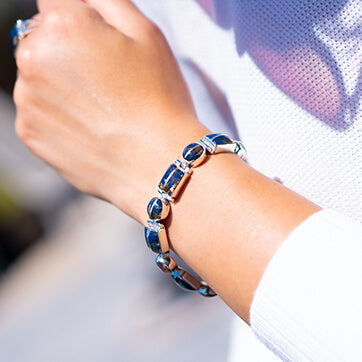
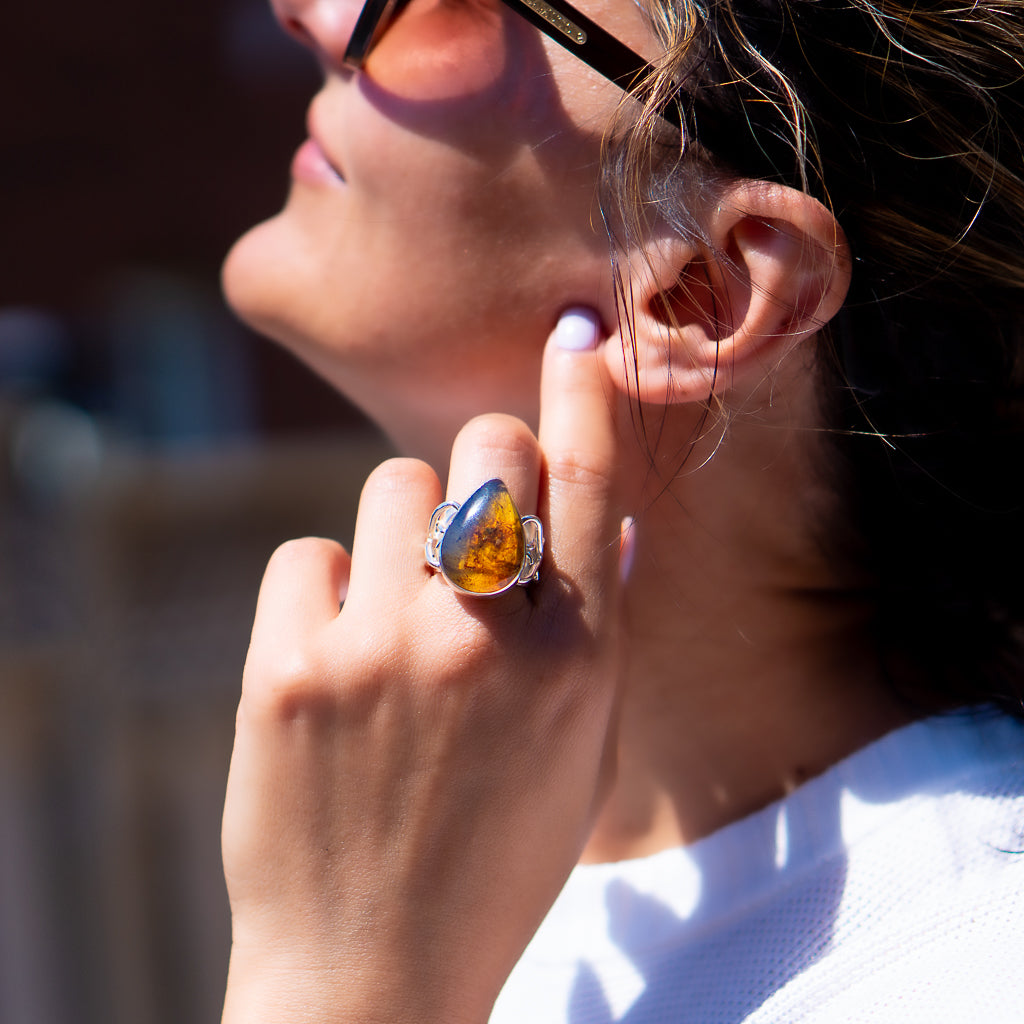
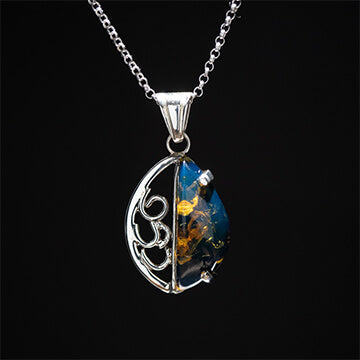
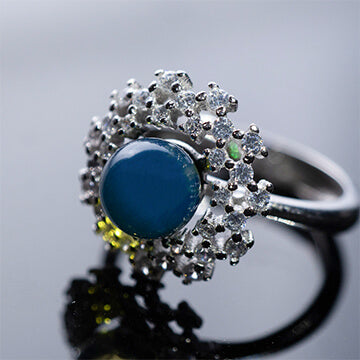
Amber stone is a favorite material for jewelry designers around the world. Its light weight and warm hues make it ideal for necklaces, bracelets, earrings, and rings. From subtle beads to bold statement pieces, amber stone adapts to every style.
Many famous designers incorporate amber stone into their collections, appreciating its versatility and natural charm. Iconic examples include ornate Baltic amber necklaces and contemporary designs pairing amber with silver or gold.
| Jewelry Type | Features | Popularity |
|---|---|---|
| Necklace | Large beads, inclusions | Very popular |
| Bracelet | Flexible, lightweight | High |
| Earrings | Drop or stud, warm tones | Trendy |
| Ring | Faceted or cabochon, statement | Growing interest |
Amber stone jewelry is loved not only for its appearance but also for its comfort. Its organic origins and wide range of colors—yellow, orange, red, green, and rare blue—offer endless possibilities for creative expression.
For centuries, people have turned to amber stone for its perceived healing qualities. Traditional beliefs suggest amber stone can ease pain, reduce inflammation, and promote a sense of calm. It’s common to see amber stone teething necklaces, though their safety is debated among experts.
In the world of modern crystal healing, amber stone is said to absorb negative energy and bring emotional balance. While there is limited scientific evidence for these claims, many wellness enthusiasts report positive experiences.
A recent survey showed about 30% of crystal users include amber stone in their wellness routines. Despite skepticism from the scientific community, the enduring popularity of amber stone in holistic practices speaks to its allure.
Whether you’re drawn to amber stone for its metaphysical properties or simply its beauty, it remains a staple in wellness circles.
Amber stone has inspired artists and collectors for generations. Its captivating inclusions—ancient insects and plant fragments—turn each specimen into a miniature time capsule. Collectors prize rare varieties like blue or green amber stone, seeking out pieces with unique fossilized inclusions.
Artists craft intricate amber carvings and sculptures, while museums display stunning amber stone artifacts found in archaeological digs. The study of amber stone has even advanced paleontology, revealing details about prehistoric life.
Amber stone also finds its way into perfumes and varnishes, thanks to its subtle fragrance and resinous qualities. Its cultural and scientific impact is explored further in Amber's Historical Significance, which delves into its ancient uses and enduring legacy.
From wearable art to scientific discovery, amber stone continues to enchant and inspire across many fields.
Searching for your first amber stone can feel like a thrilling treasure hunt. Whether you’re drawn by its golden glow or the secrets it holds from ancient forests, making a smart purchase starts with knowing where to look, what to seek, and how to buy responsibly.

The journey to find an authentic amber stone often begins at local markets or specialized shops. Famous amber markets in Poland, Lithuania, and the Dominican Republic are hotspots for a wide variety of stones. Visiting these places gives you a chance to see, touch, and compare pieces firsthand, while also learning from experienced vendors.
If you’re shopping online, stick to platforms with strong reputations and transparent customer reviews. Look for sellers who provide detailed photos, clear grading, and return policies. Trusted sites will usually offer certificates of authenticity and plenty of information about the amber stone’s origin.
However, beware of deals that seem too good to be true. Scams are common, especially on auction sites or unverified sellers. Red flags include vague descriptions, poor-quality images, and reluctance to answer questions. Remember, when buying an amber stone, a little research goes a long way.
Not all amber stone pieces are created equal. Quality depends on clarity, color, inclusions, and overall appearance. The rarest amber stones, like blue or green varieties, fetch higher prices, especially if they contain well-preserved fossil inclusions.
Here’s a quick comparison table to help you assess different grades:
| Grade | Clarity | Color | Notable Features | Price Range |
|---|---|---|---|---|
| Low | Cloudy, opaque | Dull yellow/brown | Few/poor inclusions | $-$$ |
| Medium | Semi-transparent | Honey, cognac | Small inclusions | $$-$$$ |
| High | Clear, luminous | Rare blue/green/red | Unique fossil inclusions | $$$-$$$$ |
When evaluating an amber stone, examine its transparency and color intensity. Fossilized insects or plant matter can increase both the scientific and monetary value. Don’t hesitate to ask for close-up images or videos if you’re buying online.
Learning to spot sun spangles (discoid patterns) or fluorescence in blue amber can also help you identify standout pieces. Always compare prices for similar stones to avoid overpaying.
With demand for amber stone rising, authenticity and ethical sourcing are more important than ever. Avoid purchasing stones from areas known for illegal mining or environmental harm. Ask your dealer about the stone’s provenance and whether it comes with a certificate of authenticity.
Look for reputable sellers who support ethical mining practices and are transparent about their supply chain. Certification programs and traceability initiatives are becoming more common, especially for high-quality amber stone pieces.
Use this simple checklist when buying:
For more in-depth care tips after purchase, consult a reliable Amber Care and Maintenance Guide, which covers cleaning, storing, and preserving your amber stone’s beauty.
Being an informed buyer means you’ll enjoy your amber stone knowing it’s both genuine and responsibly sourced.
Proper care is essential to keep your amber stone looking luminous and beautiful for years. Whether you’ve just started your collection or inherited a family piece, learning how to handle, clean, and store amber stone ensures it remains a cherished treasure.
Amber stone is surprisingly soft and sensitive to chemicals, so gentle cleaning is a must. To clean your amber stone, use lukewarm water with a drop of mild soap. Dip a soft cloth into the solution and gently wipe the surface. Avoid soaking the stone, as prolonged exposure to water can dull its shine.
Never use ultrasonic cleaners, alcohol, or harsh chemicals. These can damage the natural resin structure of amber stone. When drying, pat gently with a lint-free cloth. For tough grime, a cotton swab can help reach crevices.
Proper storage is just as crucial. Store your amber stone away from direct sunlight to prevent fading. Keep each piece separated from harder gemstones to avoid scratches. A soft pouch or a lined jewelry box works perfectly. If you live in a humid climate, consider using a silica gel packet to control moisture.
When not wearing your amber stone, avoid temperature extremes. Rapid changes can cause cracks. For more detailed care tips, reputable museum websites such as the Smithsonian’s Amber Care Guide offer trustworthy resources.
Even with the best care, amber stone jewelry can suffer minor cracks, cloudiness, or loss of luster. Before you panic, know that many issues are fixable with the right approach.
For minor cloudiness, gently buff the amber stone with a soft, dry cloth. Avoid commercial polishes unless labeled safe for amber. If you notice small cracks, don’t attempt to glue or fill them yourself, as household adhesives can worsen the damage. Instead, consult a jeweler experienced with amber stone restoration for proper repair.
When deciding between DIY and professional help, consider the value and age of your amber stone. Vintage or high-value pieces are best left to professionals. Safe polishing involves using a tiny dab of olive oil and a soft cloth, but use this method sparingly to prevent residue buildup.
A real-life example: A collector restored a vintage amber pendant by having a specialist gently polish out surface scratches and remove cloudiness, bringing back its original glow. With the right care, even well-loved amber stone jewelry can look stunning again.
Daily habits make a big difference in keeping your amber stone radiant. Always put on amber jewelry after applying perfumes or lotions, as chemicals can dull its surface. Remove your amber stone before swimming, gardening, or cleaning to prevent accidental exposure to harsh environments.
Seasonal care matters, too. High humidity can cause amber stone to become tacky, while extreme cold can make it brittle. Store your pieces in a cool, dark place during summer and avoid leaving them in hot cars or near heaters in winter.
For long-term display, choose a glass case away from direct sunlight and heat sources. Rotate your amber stone jewelry to minimize wear on any single piece. By following these simple habits, you’ll preserve your amber stone’s natural warmth and golden glow for generations.
Amber stone is having a renaissance in 2025, captivating both collectors and casual admirers with its timeless charm and fresh innovations. As fashion, science, and the global market evolve, amber stone continues to adapt, showing off new facets and opportunities.
Designers are reimagining amber stone in 2025, blending ancient beauty with cutting-edge style. Minimalist settings let the stone’s natural inclusions shine, while bold statement pieces command attention at high-end events. Mixed materials, like pairing amber stone with recycled gold or titanium, are increasingly popular among eco-conscious buyers.
Technology is a driving force behind these trends. 3D printing allows artisans to craft intricate settings that were impossible just a few years ago. Laser engraving personalizes amber stone jewelry with initials, dates, or even tiny artistic motifs, turning each piece into a one-of-a-kind treasure.
Collaborations between artists and scientists are also making waves. Some jewelers work with paleontologists to create collections that highlight rare inclusions or fossils found within amber stone. These partnerships bring attention to the stone’s role as both an accessory and a scientific marvel.
Here’s a quick overview of trending amber stone jewelry styles in 2025:
| Trend | Description | Notable Example |
|---|---|---|
| Minimalist | Simple settings, single amber stone focus | Sleek Baltic amber pendants |
| Statement | Large, sculptural pieces | Chunky Dominican amber stone bracelets |
| Mixed Materials | Amber with metals or sustainable materials | Amber and recycled gold rings |
| Tech-Enhanced | 3D-printed or laser-engraved amber stone | Custom engraved blue amber necklaces |
Collectors are increasingly drawn to blue and green amber stone, prized for their rarity and mesmerizing fluorescence. Expect to see these colors featured in limited-edition releases and luxury collaborations throughout the year.
The world of amber stone is as dynamic in the lab as it is on the runway. In 2025, paleontologists announced the discovery of several new insect species perfectly preserved inside Burmese amber stone, giving scientists fresh insights into ancient ecosystems.
Technological advancements continue to push the boundaries of research. Enhanced FTIR spectroscopy and new non-destructive imaging techniques are allowing experts to study the micro-worlds inside each amber stone without damaging them. This has led to a surge in published research—over 120 new amber-focused scientific papers appeared in 2024 alone, with even more expected this year.
Amber stone is also playing a pivotal role in climate and environmental studies. Fossilized pollen, spores, and even air bubbles trapped inside the stone offer a direct window into prehistoric climates. Researchers are using these clues to reconstruct ancient weather patterns and track environmental changes over millions of years.
Some of the most significant recent findings include:
If you’re curious about the latest breakthroughs, the Amber Research Institute, a leading authority, regularly publishes updates and findings.
The amber stone market in 2025 is more global, transparent, and ethically conscious than ever before. Baltic and Dominican amber remain in high demand, but new sources and colors are capturing the spotlight as collectors diversify their portfolios.
Shifts in consumer preferences are shaping the industry. Buyers are seeking ethically sourced amber stone, pushing dealers toward greater transparency and traceability. Certification programs and blockchain-based tracking systems are helping to verify origin and authenticity, making it easier for beginners to purchase with confidence.
Pricing for amber stone is expected to remain stable, with rare varieties such as blue amber stone showing strong investment potential. Market analysts predict a steady increase in demand, particularly for pieces featuring unique fossil inclusions or exceptional clarity.
Here’s a snapshot of 2025 amber stone market trends:
Looking forward, amber stone’s blend of history, science, and artistry ensures it will remain a sought-after gem. Whether you’re buying your first piece or expanding a collection, staying informed about these trends helps you make smart, stylish, and ethical choices.
Now that you know the fascinating history, unique properties, and practical tips for identifying and caring for amber, you’re ready to take your first step into this captivating world. Whether you’re dreaming about starting a personal collection or searching for a meaningful piece to cherish, exploring handcrafted amber jewelry is the perfect way to begin. If you’re feeling inspired to bring home a piece of this ancient wonder, why not Start Your Collection Today? You’ll discover authentic, beautifully crafted pieces that celebrate the magic of amber—delivered worldwide, right to your door.