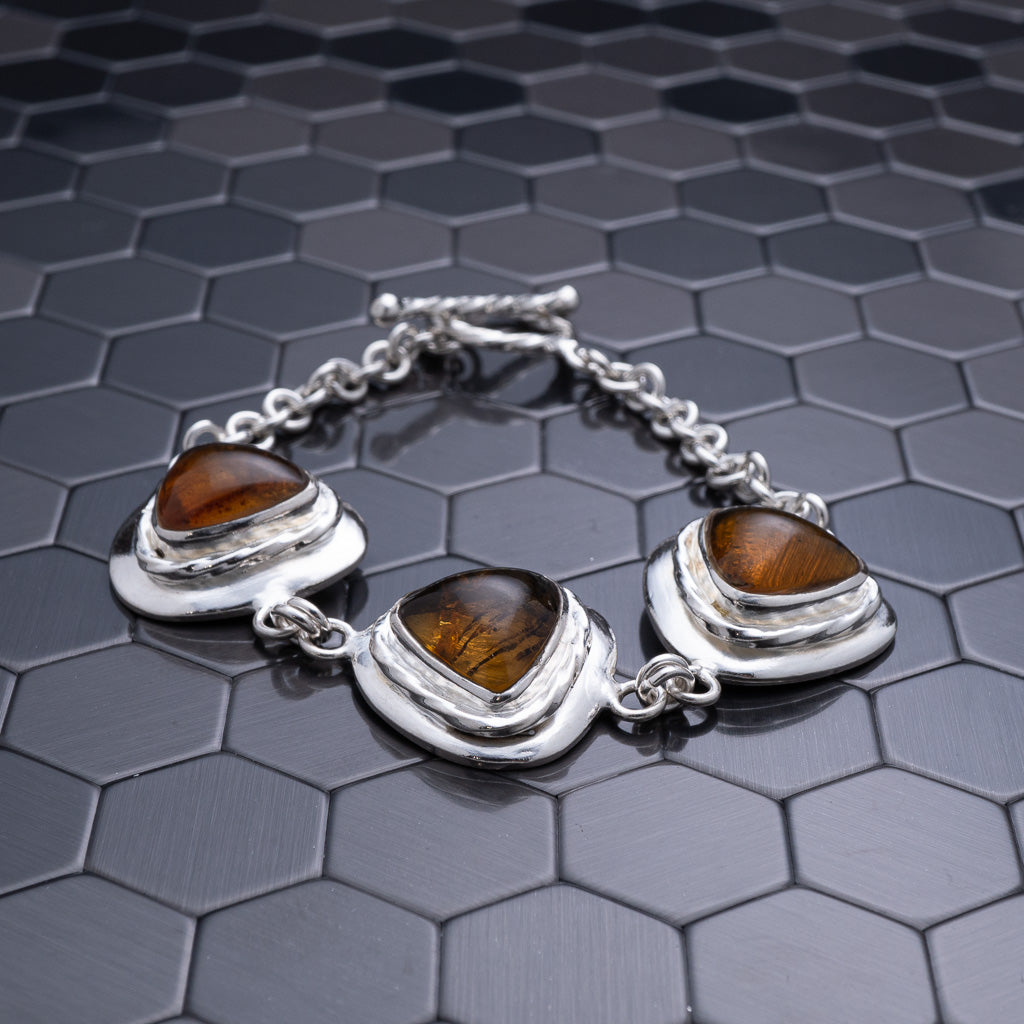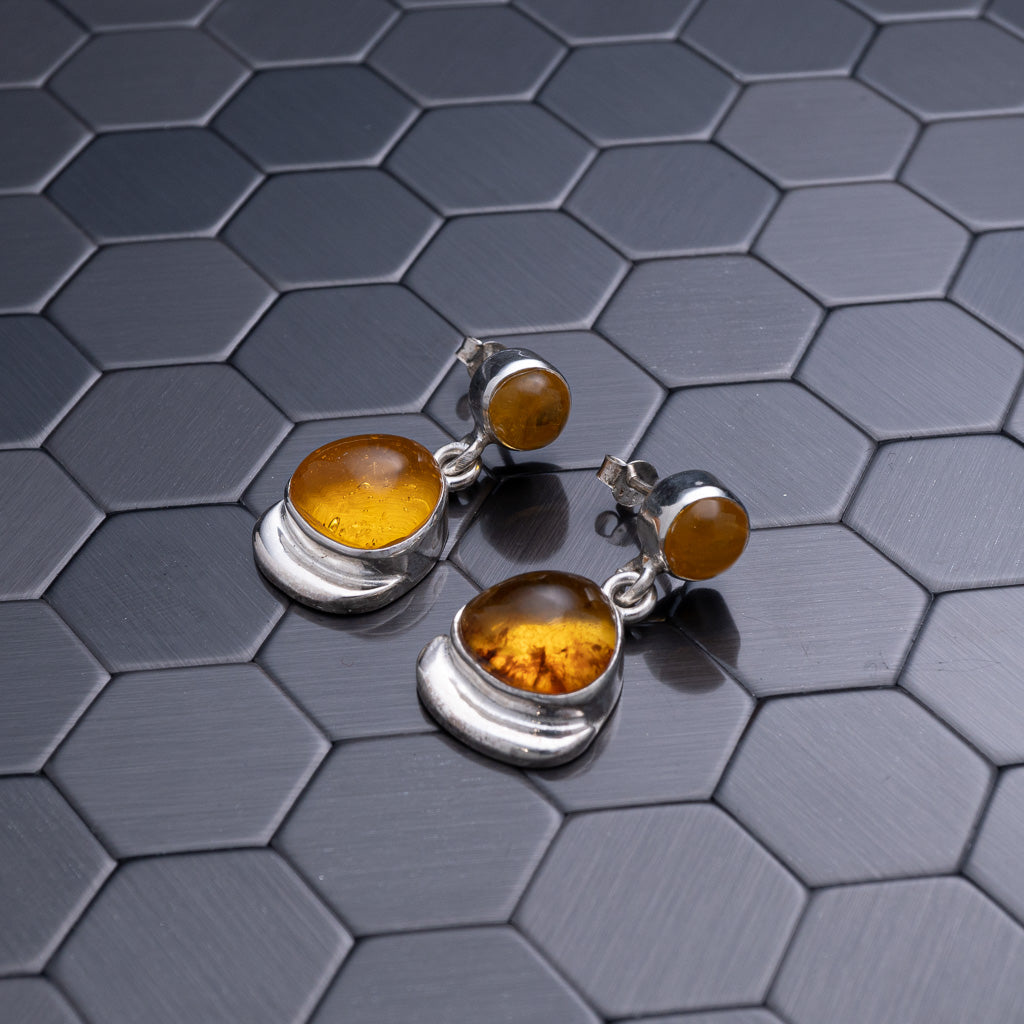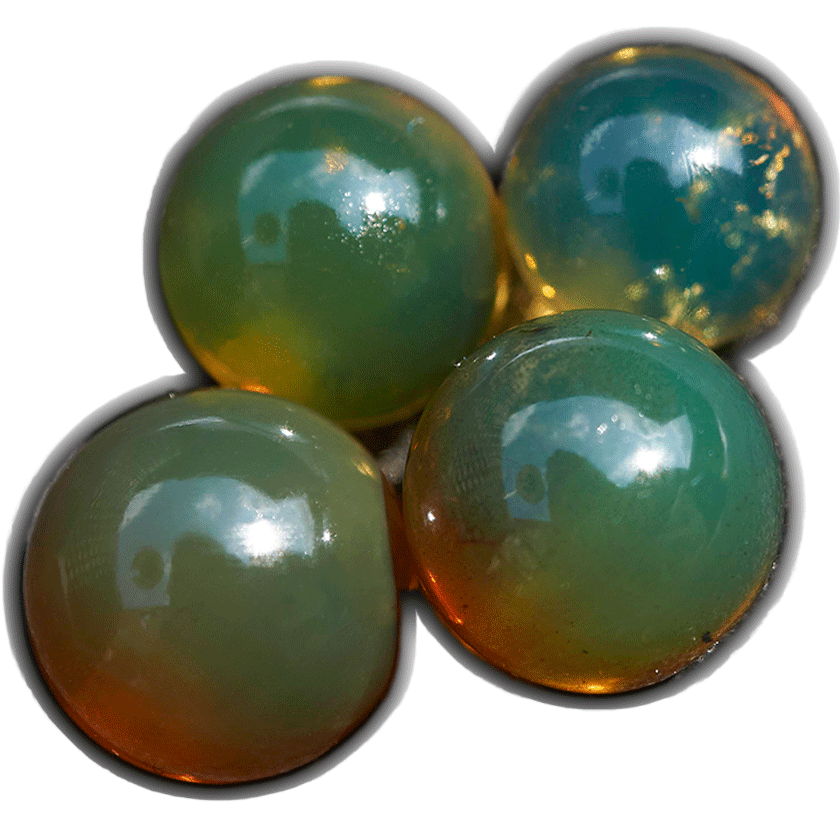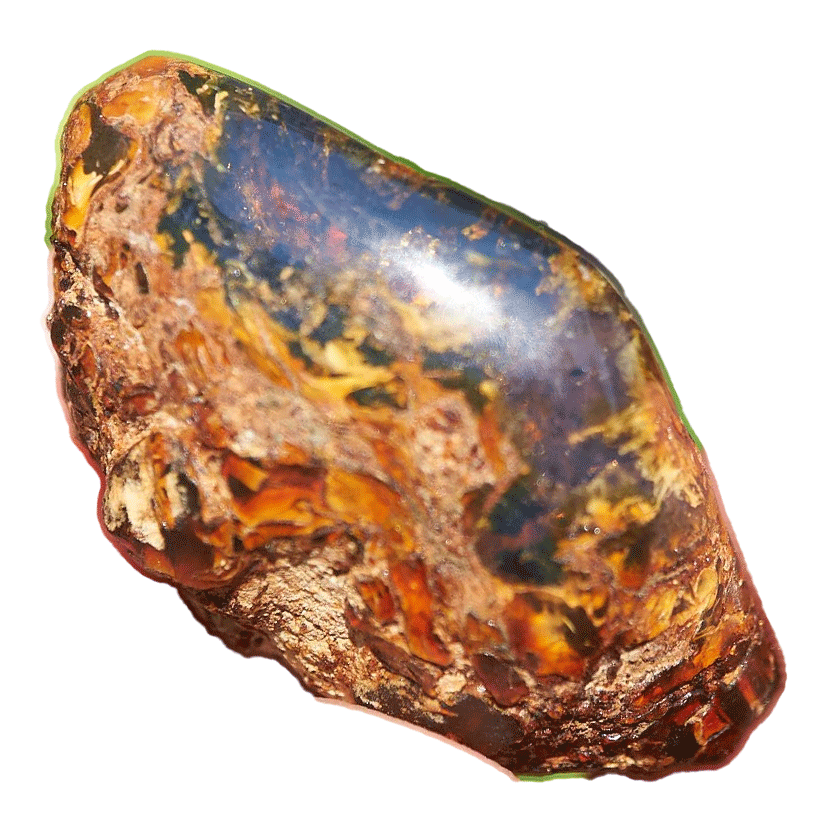


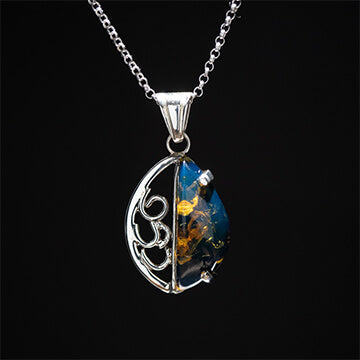
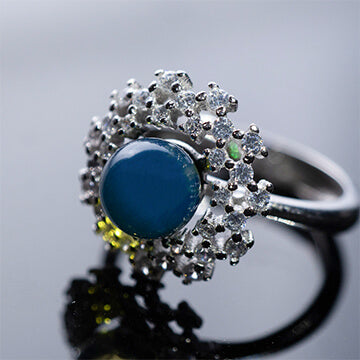
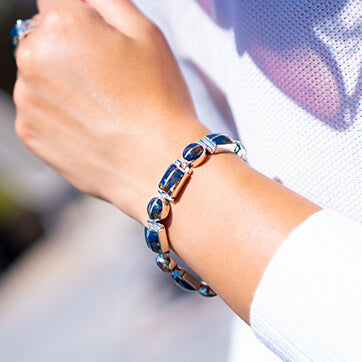
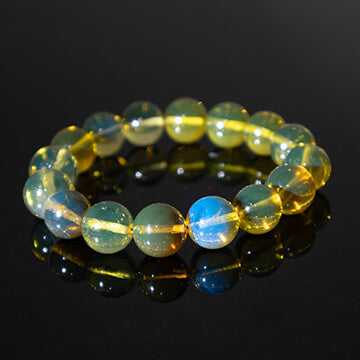
Handcrafted in DR.

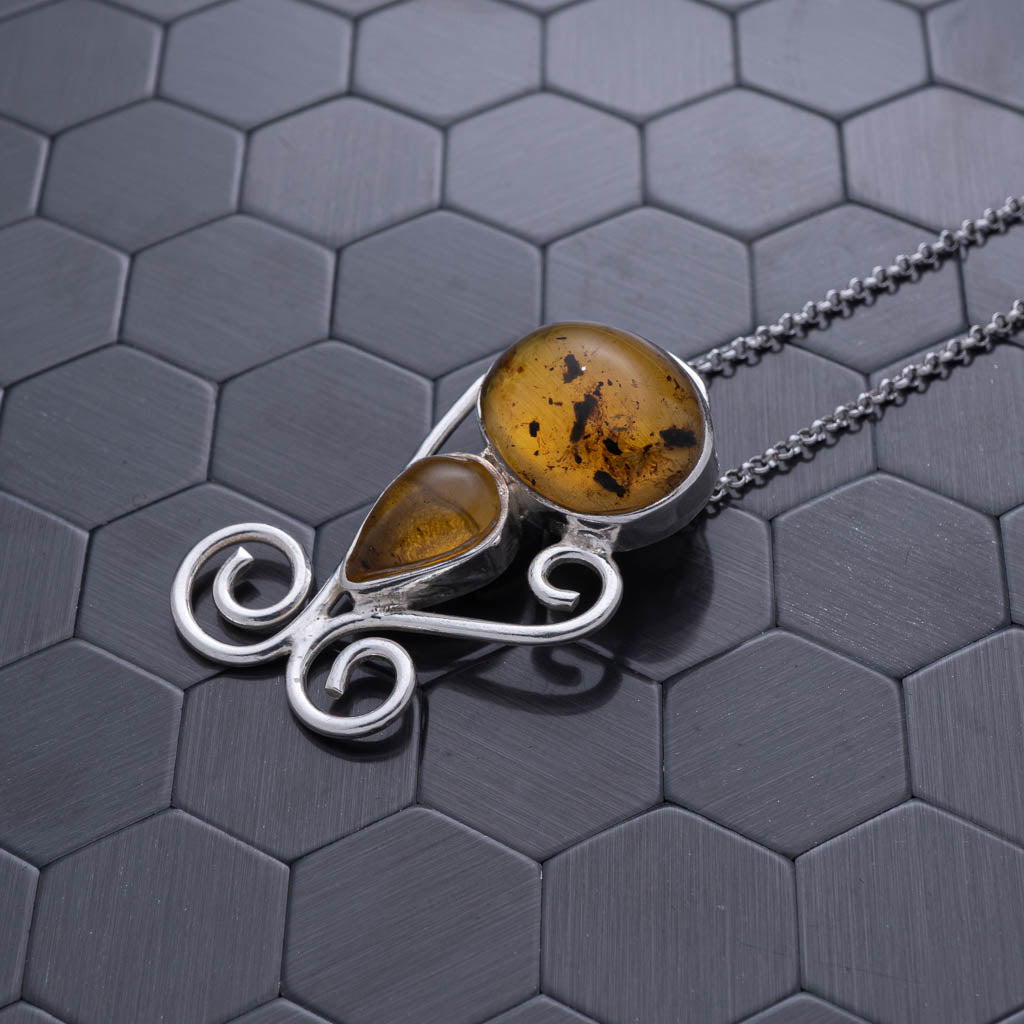
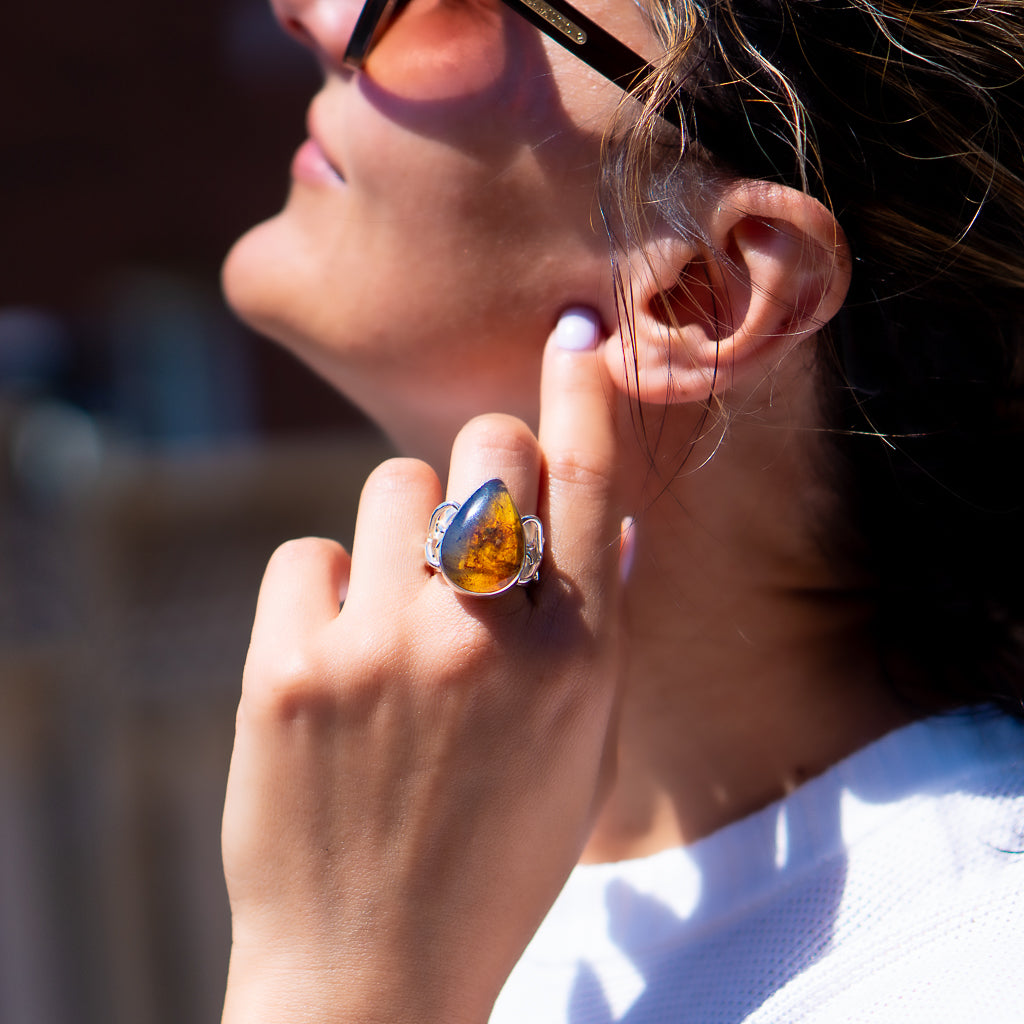
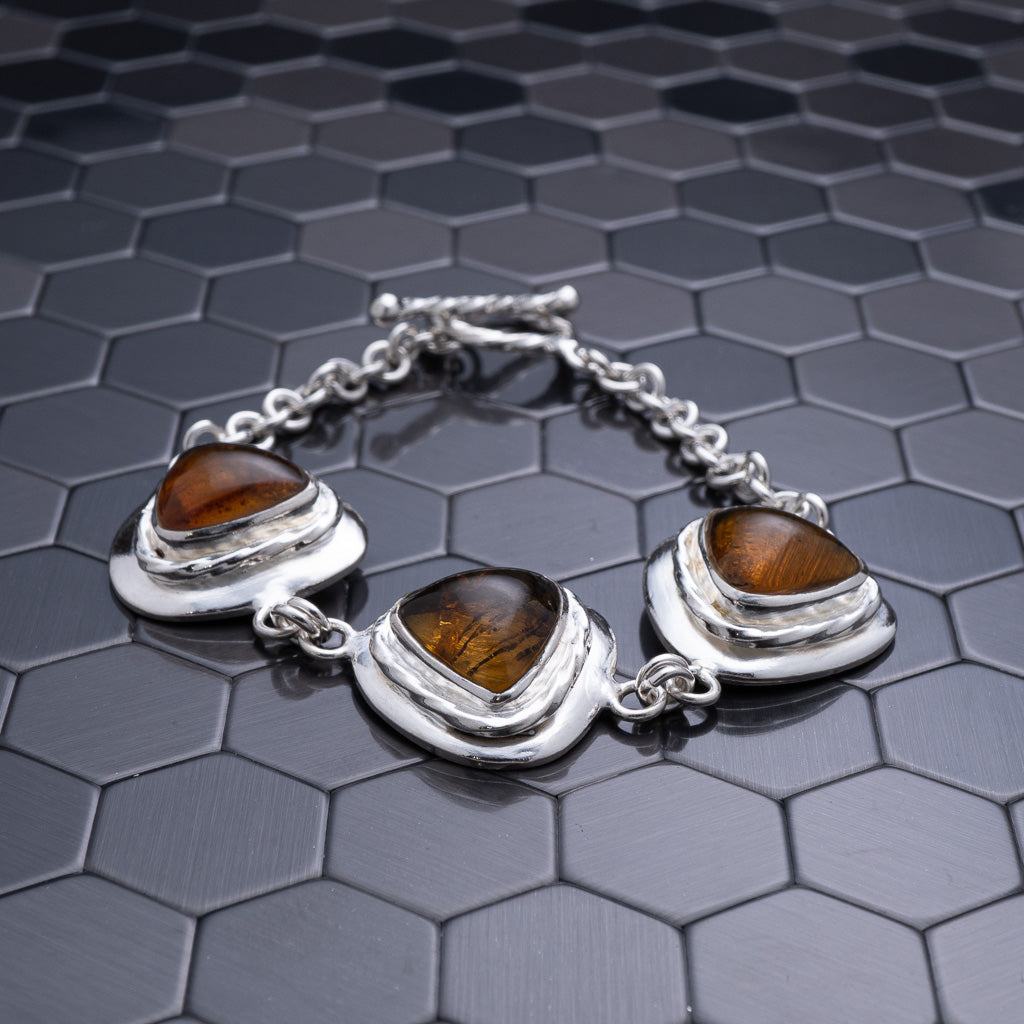
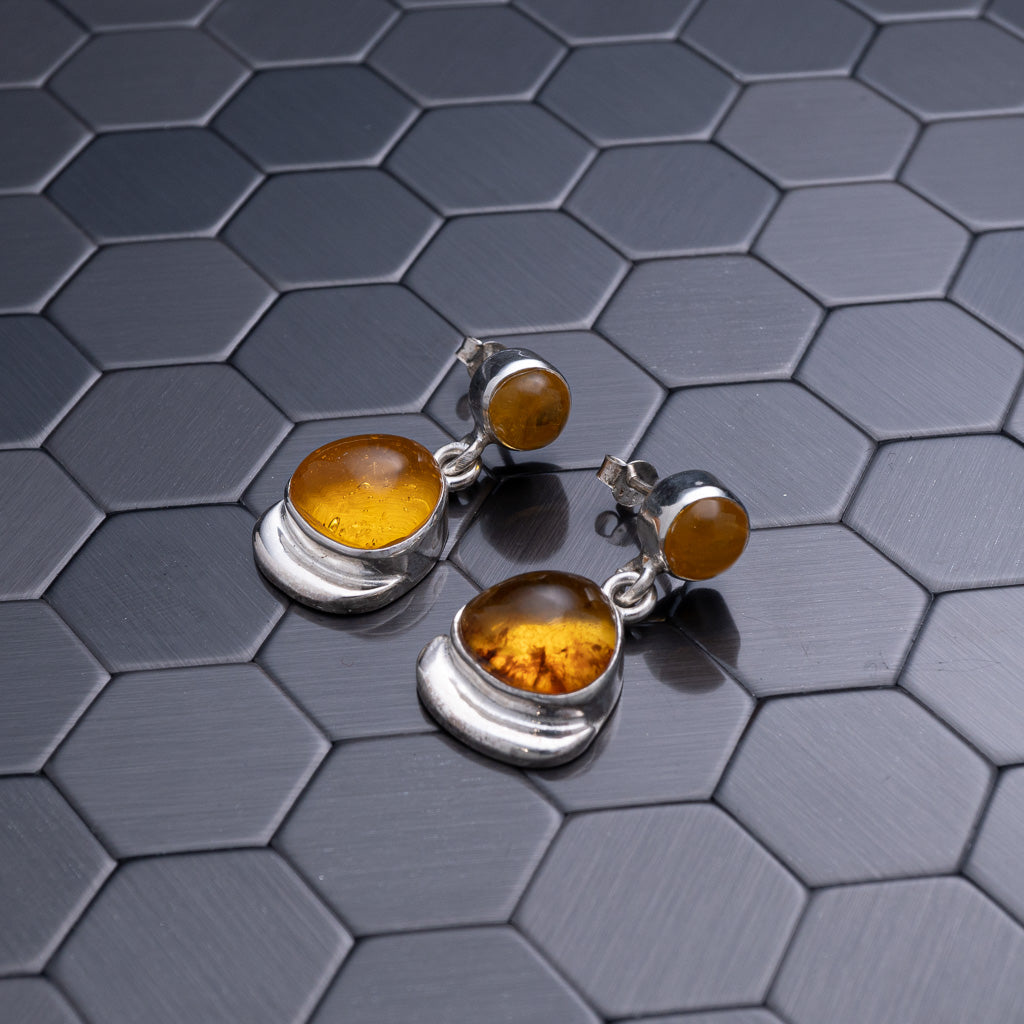


100% Handcrafted in DR.

Gemstone earrings represent one of the most versatile and expressive forms of jewelry in the world. Throughout history, these adornments have served as symbols of status, expressions of personal style, and cherished heirlooms passed through generations. Whether you're drawn to the deep blue hues of rare Caribbean stones or the classic brilliance of traditional gems, understanding the nuances of gemstone earrings empowers you to make informed decisions that align with your aesthetic preferences and budget. This comprehensive guide explores everything from historical significance to modern styling techniques, helping you navigate the vibrant world of gemstone earrings with confidence.
The history of earrings spans thousands of years across virtually every civilization. Archaeological evidence reveals that ancient Mesopotamians wore gemstone earrings as early as 2500 BCE, while Egyptian pharaohs adorned themselves with elaborate designs featuring lapis lazuli, turquoise, and carnelian. These weren't merely decorative accessories but powerful symbols of wealth, divine connection, and social standing.
Different cultures assigned unique meanings to specific gemstones in earrings. In ancient Rome, emerald earrings symbolized fertility and rebirth, while Renaissance Europeans believed sapphire earrings promoted wisdom and spiritual enlightenment. Asian traditions incorporated jade earrings to represent purity and protection, creating pieces that served both aesthetic and talismanic purposes.
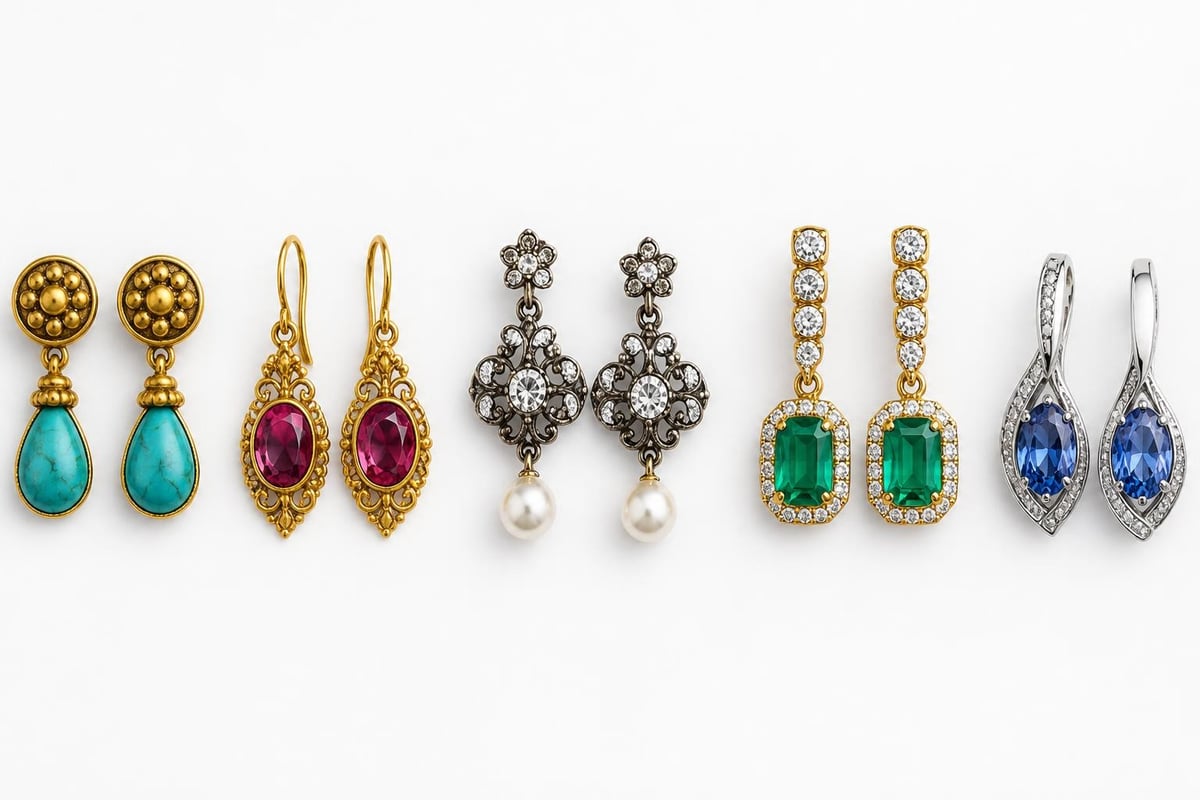
The craftsmanship techniques evolved dramatically over centuries. Early artisans relied on simple drilling and wire-wrapping methods, but the development of metalworking techniques during the Medieval period allowed for increasingly intricate settings. By the Victorian era, jewelers had mastered techniques that allowed gemstones to take center stage in earring designs, a philosophy that continues to influence contemporary creations.
Today's jewelry designers draw inspiration from historical pieces while incorporating contemporary aesthetics. The 2020s have witnessed a remarkable resurgence in colored gemstone popularity, with consumers increasingly seeking alternatives to traditional diamond earrings. This shift reflects both environmental consciousness and a desire for unique, personalized adornments that tell individual stories.
Gemstones vary dramatically in quality, rarity, and value. When selecting gemstone earrings, understanding the Four Cs-color, clarity, cut, and carat weight-provides a foundation for making informed purchases. However, unlike diamonds where standardized grading systems prevail, colored gemstones require additional considerations.
Color Assessment Parameters:
Clarity in colored gemstones differs significantly from diamond clarity standards. Many gemstones naturally contain inclusions that don't necessarily diminish value. In fact, certain inclusions can authenticate origin or enhance beauty, as seen in rutilated quartz or star sapphires. The key is determining whether inclusions are eye-visible and whether they compromise structural integrity.
| Quality Factor | Impact on Value | What to Look For |
|---|---|---|
| Color Uniformity | High | Consistent hue throughout the stone |
| Clarity | Medium to High | Eye-clean appearance in most gems |
| Cut Quality | High | Symmetry, polish, optimal light return |
| Size | Variable | Appropriate proportion for earring style |
| Treatment Status | Very High | Full disclosure of enhancements |
The Federal Trade Commission provides comprehensive consumer guidance on purchasing gemstones, emphasizing the importance of full disclosure regarding treatments, synthetics, and imitations. Reputable jewelers should transparently communicate whether gemstones have undergone heat treatment, irradiation, or other enhancement processes.
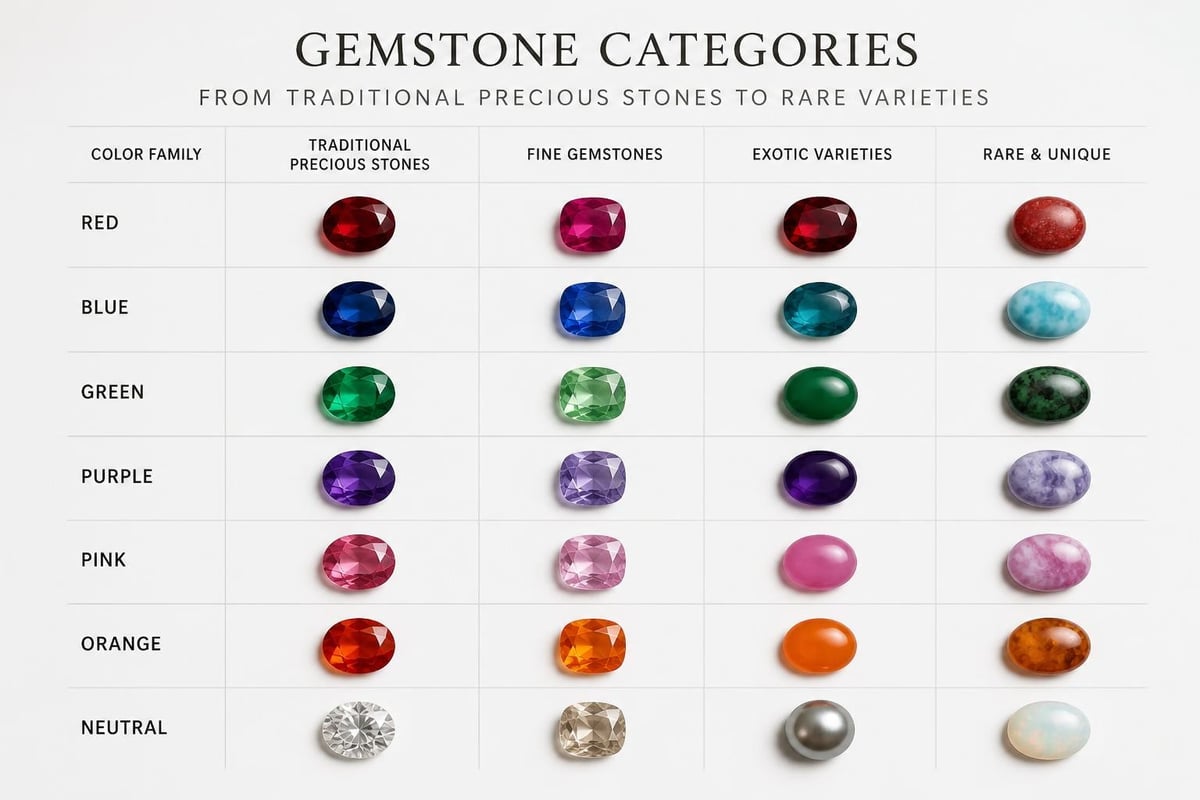
The diversity of gemstones available for earrings is truly remarkable. Each variety offers distinct characteristics, from hardness ratings to color ranges, that influence both aesthetic appeal and practical wearability.
The four precious gemstones-diamond, ruby, sapphire, and emerald-have dominated jewelry markets for centuries. Ruby earrings, with their vibrant red hues, symbolize passion and vitality. Sapphire earrings extend beyond classic blue to include pink, yellow, and even color-change varieties. Emerald earrings captivate with their rich green tones, though their relative softness requires careful handling.
The term "semi-precious" undervalues the extraordinary beauty and, in some cases, rarity of gemstones beyond the traditional four. Tanzanite earrings showcase brilliant blue-violet hues found only in Tanzania. Opal earrings display mesmerizing play-of-color that makes each piece genuinely unique. Tourmaline earrings offer a spectrum spanning from watermelon pink-green combinations to neon Paraíba blue.
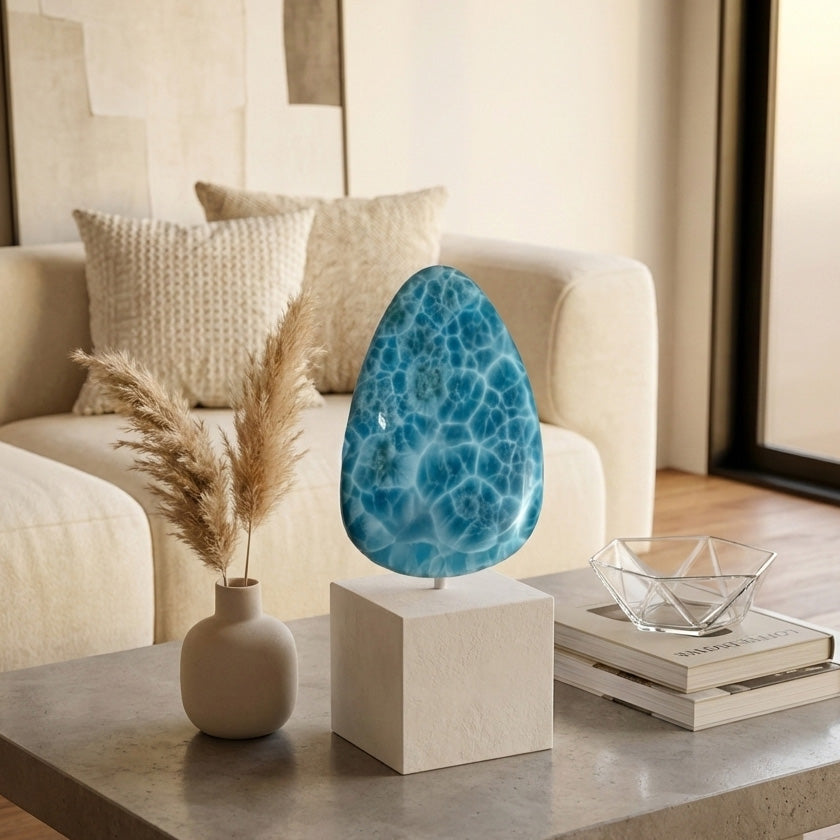
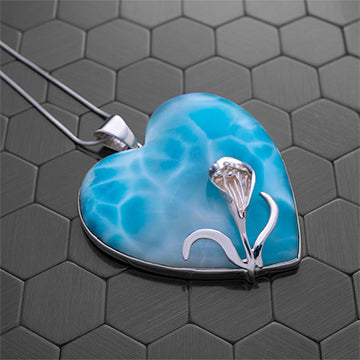
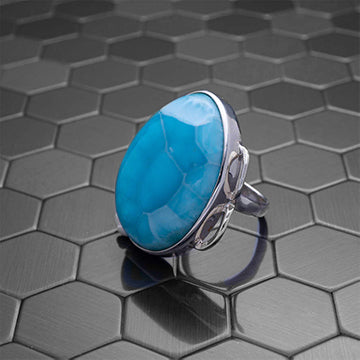
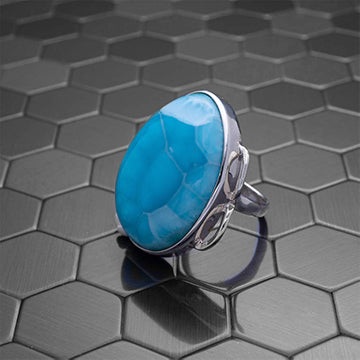
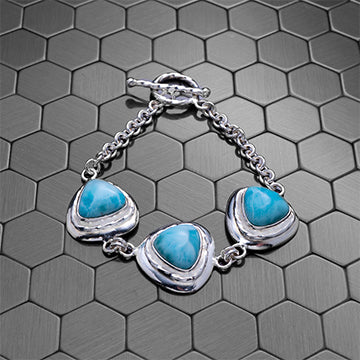
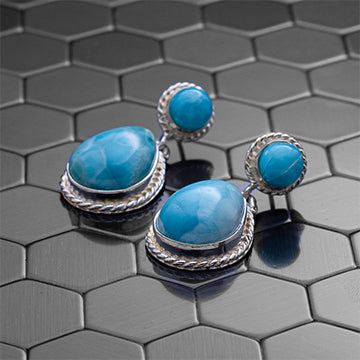
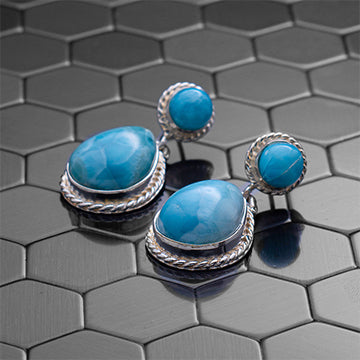
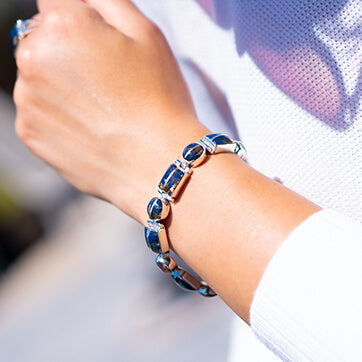
Collectors and connoisseurs increasingly seek gemstone earrings featuring rare materials. Larimar, found exclusively in the Dominican Republic, exhibits Caribbean blue colors that evoke tropical waters. This pectolite mineral ranges from light sky blue to deep volcanic blue, often with white patterns resembling ocean foam. When crafted into earrings, larimar creates stunning pieces that capture the essence of island tranquility.
Alexandrite earrings demonstrate remarkable color-change properties, appearing green in daylight and red under incandescent light. Benitoite, California's state gem, rivals sapphire in brilliance but remains exponentially rarer. These exceptional gemstones command premium prices and offer distinctive alternatives to conventional choices.
The nomenclature of jewelry earrings encompasses numerous style categories, each offering unique advantages for showcasing gemstones. Understanding these styles helps you select designs that complement both your gemstone choices and personal preferences.
Classic Earring Styles:
Stud Earrings: The most versatile style, featuring gemstones mounted directly on posts. Ideal for showcasing high-quality stones where clarity and color take precedence.
Drop Earrings: Gemstones suspended below the earlobe, offering movement and elegance. Excellent for elongating the neck and drawing attention to the face.
Hoop Earrings: Circular designs that can incorporate gemstones throughout or feature them as focal points. Works particularly well with smaller calibrated stones.
Chandelier Earrings: Multi-tiered designs that create dramatic visual impact. Perfect for special occasions and formal events.
Huggie Earrings: Small hoops that "hug" the earlobe, often featuring continuous gemstone settings.
The metal selection significantly influences how gemstones appear in earrings. White metals like platinum and white gold complement cool-toned gems such as sapphires and aquamarines. Yellow gold enhances warm stones including rubies, citrines, and amber. Rose gold provides romantic versatility that flatters most gemstone colors.
Setting styles protect gemstones while maximizing visual appeal. Prong settings allow maximum light penetration, ideal for transparent faceted stones. Bezel settings offer superior protection for softer gemstones and create sleek, modern aesthetics. Pave settings surround featured stones with smaller accent gems, adding sparkle and dimension.
Gemstone earrings adapt beautifully across various contexts, from professional environments to celebratory events. Mastering the art of appropriate selection enhances your overall presentation and ensures your jewelry complements rather than overwhelms.
Conservative workplaces typically favor subtle gemstone earrings that add polish without distraction. Small stud earrings featuring deep blue sapphires, modest emeralds, or classic pearls maintain professionalism. Limit earring diameter to approximately one centimeter or less, and select designs that don't dangle excessively during movement.
For creative industries with relaxed dress codes, gemstone earrings offer more expressive opportunities. Medium-sized drops featuring colorful tourmalines, amethysts, or citrines demonstrate personality while maintaining sophistication. The key is ensuring earrings enhance your professional image rather than competing with your expertise.
Daytime social events welcome playful gemstone earring choices. Lightweight designs featuring vibrant peridots, sunny citrines, or ocean-inspired larimars complement casual attire beautifully. Mix metals and gemstone colors to coordinate with specific outfits, creating cohesive looks that feel intentional yet relaxed.
Weekend activities benefit from comfortable, secure earring styles. Huggie hoops with small gemstones or simple studs withstand active movement while adding subtle elegance. Consider gemstone durability for situations involving water exposure or physical activity-harder stones like sapphires and rubies outperform softer materials.
Evening events provide the perfect opportunity to showcase statement gemstone earrings. Chandelier designs featuring graduated gemstones create dramatic elegance suitable for galas and weddings. Colorful gemstone earrings have emerged as sophisticated alternatives to traditional diamond jewelry, offering distinctive personality and memorable visual impact.
Consider your hairstyle when selecting formal earrings. Updos showcase chandelier and drop styles beautifully, while down hairstyles pair better with studs or moderate drops that won't tangle. Coordinate gemstone colors with your attire-complementary colors create vibrant contrast, while analogous colors produce harmonious sophistication.
Proper care extends the lifespan and beauty of gemstone earrings significantly. Different gemstones require specific maintenance approaches based on their physical properties, including hardness, porosity, and sensitivity to chemicals or temperature changes.
Remove gemstone earrings before:
Apply the "last on, first off" rule-gemstone earrings should be the final accessory you put on when dressing and the first you remove when undressing. This minimizes exposure to potentially damaging substances found in personal care products.
| Gemstone Hardness | Cleaning Method | Frequency |
|---|---|---|
| Hard (9-10): Diamond, Sapphire, Ruby | Warm soapy water with soft brush | Weekly |
| Medium-Hard (7-8): Emerald, Aquamarine, Topaz | Lukewarm water, gentle wiping | Bi-weekly |
| Medium (6-7): Moonstone, Opal, Tanzanite | Damp soft cloth only | Monthly |
| Soft (5 and below): Larimar, Amber, Pearl | Dry or barely damp cloth | As needed |
Never use ultrasonic cleaners on gemstone earrings containing emeralds, opals, pearls, or larimar, as vibrations can cause fracturing or damage. Similarly, avoid steam cleaning for most colored gemstones, as rapid temperature changes may induce thermal shock and cracking.
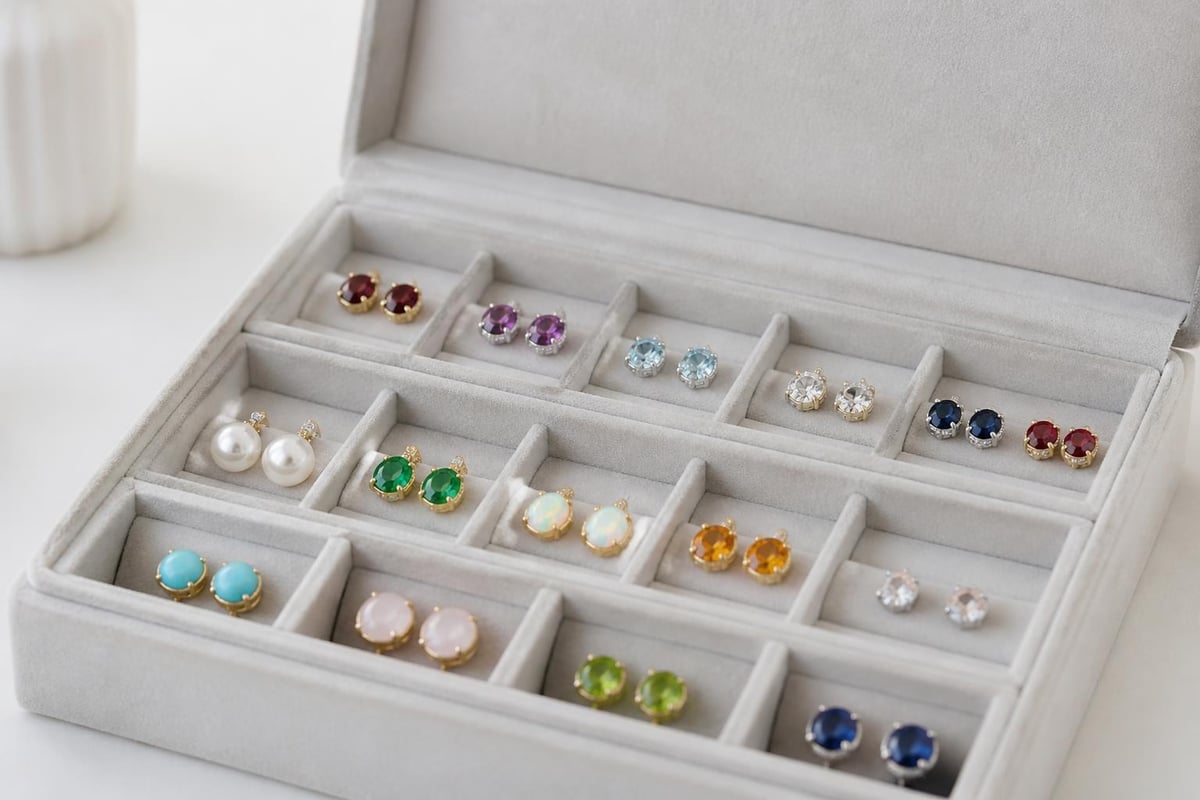
Store gemstone earrings individually in soft pouches or compartmented jewelry boxes to prevent scratching. Harder gemstones can damage softer ones through contact, so separation is essential. Climate-controlled environments protect against excessive humidity or dryness, which can affect certain gemstones like opals that contain water content.
For valuable pieces, consider annual professional inspections. Jewelers examine prong security, check for loose stones, and can perform deep cleaning that restores brilliance. This preventive maintenance identifies potential problems before they result in gemstone loss or damage.
Gemstone earrings represent both aesthetic pleasures and potential financial investments. Understanding factors that influence long-term value helps you make strategic purchasing decisions aligned with your goals.
Rarity drives gemstone value more significantly than any other factor. Limited geographic sources, such as Paraíba tourmaline from Brazil or larimar from the Dominican Republic, create supply constraints that support price appreciation. Matching pairs of high-quality gemstones command premiums, as finding two stones with identical color, clarity, and size proves challenging.
Treatment status substantially impacts value. Untreated gemstones typically command higher prices than enhanced stones, though certain treatments are industry-standard and widely accepted. Heat-treated sapphires and rubies represent the norm rather than exception, while untreated specimens garner significant premiums.
Recent technological advances in gemstone analysis, including deep learning approaches to classification, have improved authentication and grading precision. These developments benefit consumers by reducing fraud risk and providing objective quality assessments.
Strategic collectors focus on quality over quantity, acquiring fewer exceptional pieces rather than numerous mediocre examples. Diversification across gemstone types, colors, and styles provides versatility while mitigating concentration risk. Consider building around a central theme-perhaps focusing on Caribbean-origin stones or specific color palettes.
Documentation preserves value and facilitates eventual resale. Maintain purchase receipts, gemological certificates, and professional appraisals. Photograph your gemstone earrings periodically, updating images as you acquire new pieces. This documentation proves invaluable for insurance purposes and authenticates provenance.
Contemporary consumers increasingly prioritize ethical considerations when purchasing gemstone earrings. Understanding supply chains, mining practices, and environmental impacts allows you to align purchases with personal values.
Artisanal and small-scale mining operations often provide gemstones with lower environmental footprints than large industrial mines. These operations typically employ local communities, supporting regional economies while preserving traditional mining knowledge. However, ensuring fair labor practices and environmental responsibility requires transparency throughout the supply chain.
Certifications and third-party verification programs help identify responsibly sourced gemstones. Organizations like the Responsible Jewellery Council establish standards for ethical practices, though gemstone-specific certifications remain less developed than diamond equivalents. Direct relationships between jewelers and mining regions, particularly for rare gemstones like larimar, often provide the most reliable assurance of ethical sourcing.
Vintage and estate gemstone earrings offer sustainable alternatives to newly mined stones. These pieces carry historical character while eliminating mining environmental impacts. Reputable dealers authenticate and restore vintage earrings, making them viable options for conscious consumers.
Lab-created gemstones provide another sustainable option, though availability varies by gemstone type. Synthetic emeralds, rubies, and sapphires replicate natural counterparts chemically and optically, offering ethical alternatives at lower price points. However, certain gemstones like larimar currently lack synthetic equivalents, making natural specimens the only option.
Coordinating gemstone earrings with complementary jewelry pieces creates cohesive, polished looks. While matching sets offer simplicity, thoughtfully mixed jewelry demonstrates sophisticated style understanding.
Monochromatic approaches pair gemstone earrings with other pieces featuring the same stone or color family. Blue sapphire earrings coordinate beautifully with sapphire rings or pendants, creating elegant continuity. This strategy works particularly well for formal occasions requiring refined coordination.
Complementary color pairings create vibrant contrast and visual interest. Orange citrine earrings pop dramatically when worn with blue topaz necklaces, while purple amethyst earrings complement yellow gold pieces beautifully. Understanding basic color theory elevates your ability to create dynamic jewelry combinations.
Effective Jewelry Coordination Strategies:
Large chandelier gemstone earrings typically pair best with delicate necklaces or bare necklines to prevent visual competition. Conversely, simple stud earrings allow elaborate necklaces to command attention. This balancing act ensures your jewelry enhances rather than overwhelms your overall appearance.
Facial features influence ideal earring proportions. Round faces benefit from elongating drop earrings, while angular faces soften with rounded or curved designs. Neck length affects ideal earring length-longer necks accommodate substantial drops, while shorter necks suit smaller, closer-fitting styles.
Custom gemstone earrings offer unparalleled opportunities for personal expression and perfect stone utilization. Whether working with heirloom gemstones or selecting new stones for unique designs, the customization process creates truly one-of-a-kind pieces.
Successful custom projects begin with clear communication between client and jeweler. Gather inspiration images, identify preferred styles, and establish realistic budgets before initial consultations. Experienced designers translate concepts into wearable reality while offering professional guidance on proportions, settings, and metal choices.
Computer-aided design (CAD) technology has revolutionized custom jewelry creation. Designers generate three-dimensional renderings that visualize finished pieces before production begins. This allows modifications without material waste and ensures final products meet expectations. Some jewelers also create physical wax models for hands-on evaluation.
Gemstone selection represents the project's foundation. When choosing stones for custom earrings, prioritize matching pairs with consistent color, clarity, and size. Educational resources on gemstones provide valuable knowledge for making informed selections that balance aesthetic preferences with practical considerations.
Rare gemstones like larimar require specialized expertise for optimal results. These unique materials often feature distinctive patterns or color variations that influence design approaches. Skilled artisans incorporate natural characteristics as design elements rather than treating them as flaws, creating pieces that celebrate each stone's individuality.
Commissioning custom gemstone earrings featuring rare materials connects you directly with gemstone origins and craftsmanship traditions. For example, working with artisans who specialize in Caribbean gemstones ensures authentic materials and techniques that honor regional heritage. This authenticity adds meaningful depth beyond mere aesthetic appeal.
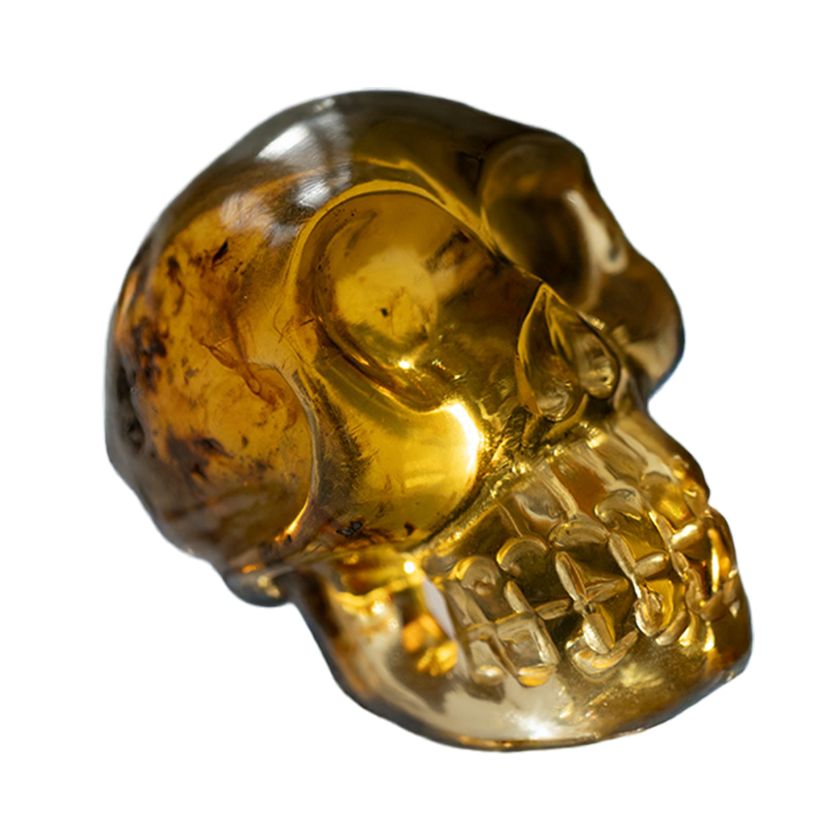
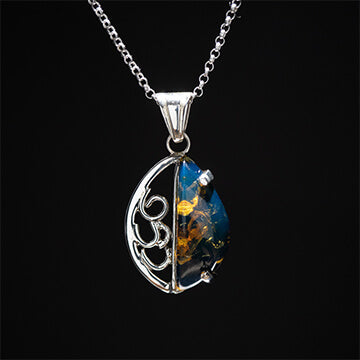
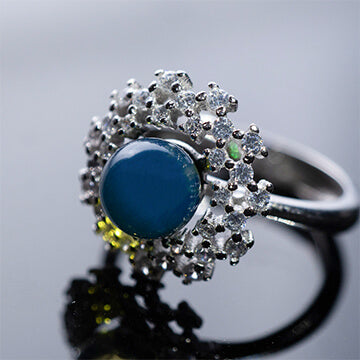
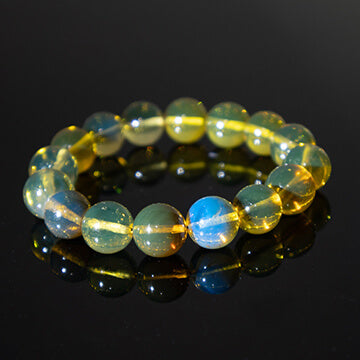
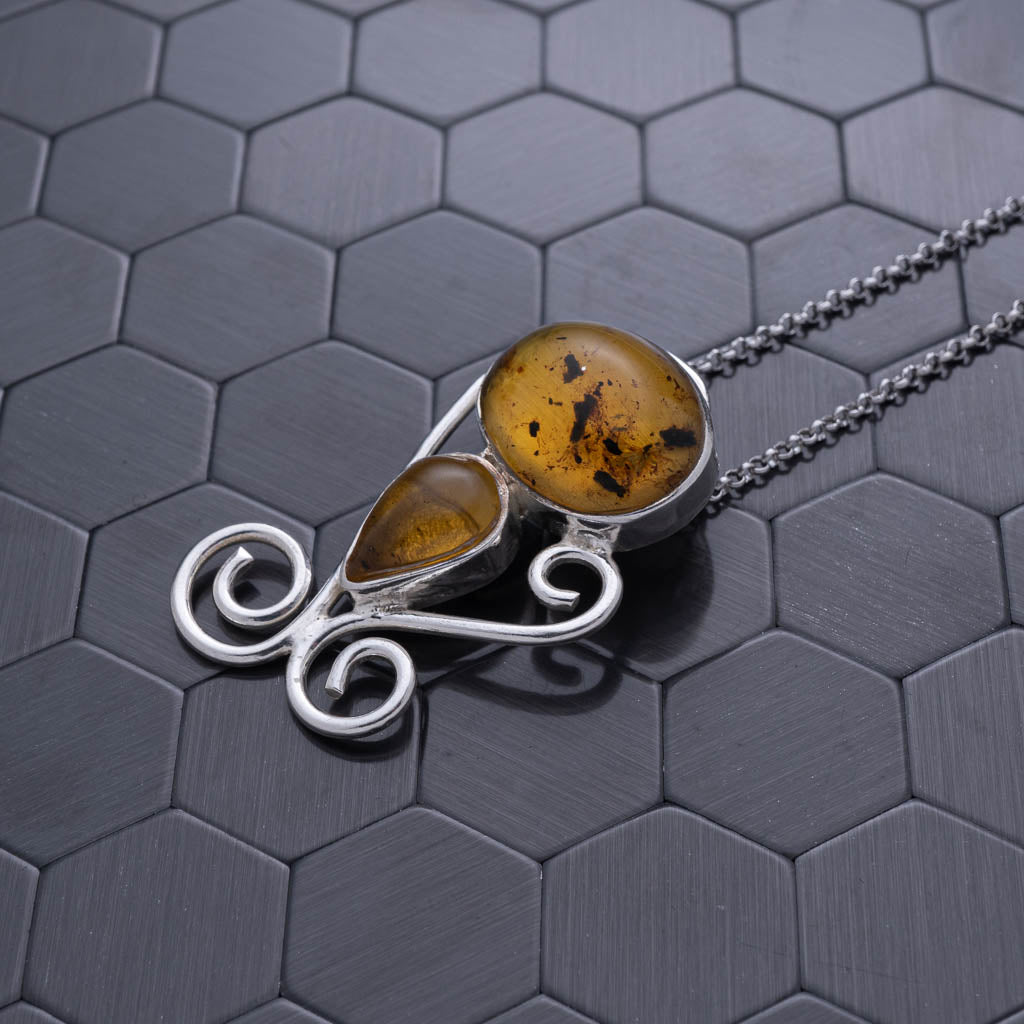
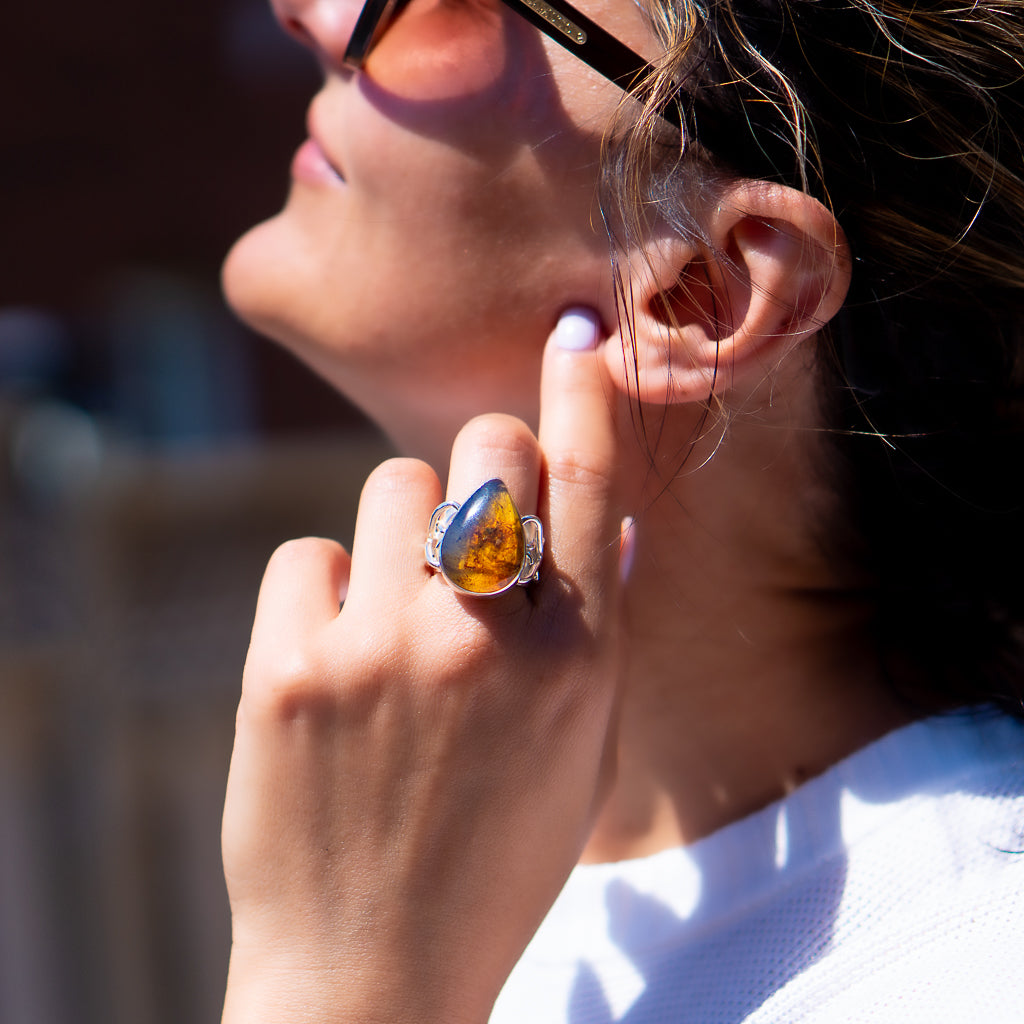
Gemstone earrings offer endless possibilities for personal expression, from everyday elegance to extraordinary statement pieces that capture attention and imagination. Understanding quality factors, care requirements, and styling principles empowers you to select and maintain pieces that bring lasting joy and beauty. Whether you're drawn to classic precious gems or rare treasures like Caribbean larimar, the right gemstone earrings become cherished companions throughout life's memorable moments. Larimar Creations specializes in handcrafted jewelry featuring exceptional larimar and Dominican blue amber, bringing the unique beauty of these rare gemstones to collectors worldwide through meticulously crafted designs and authentic materials.