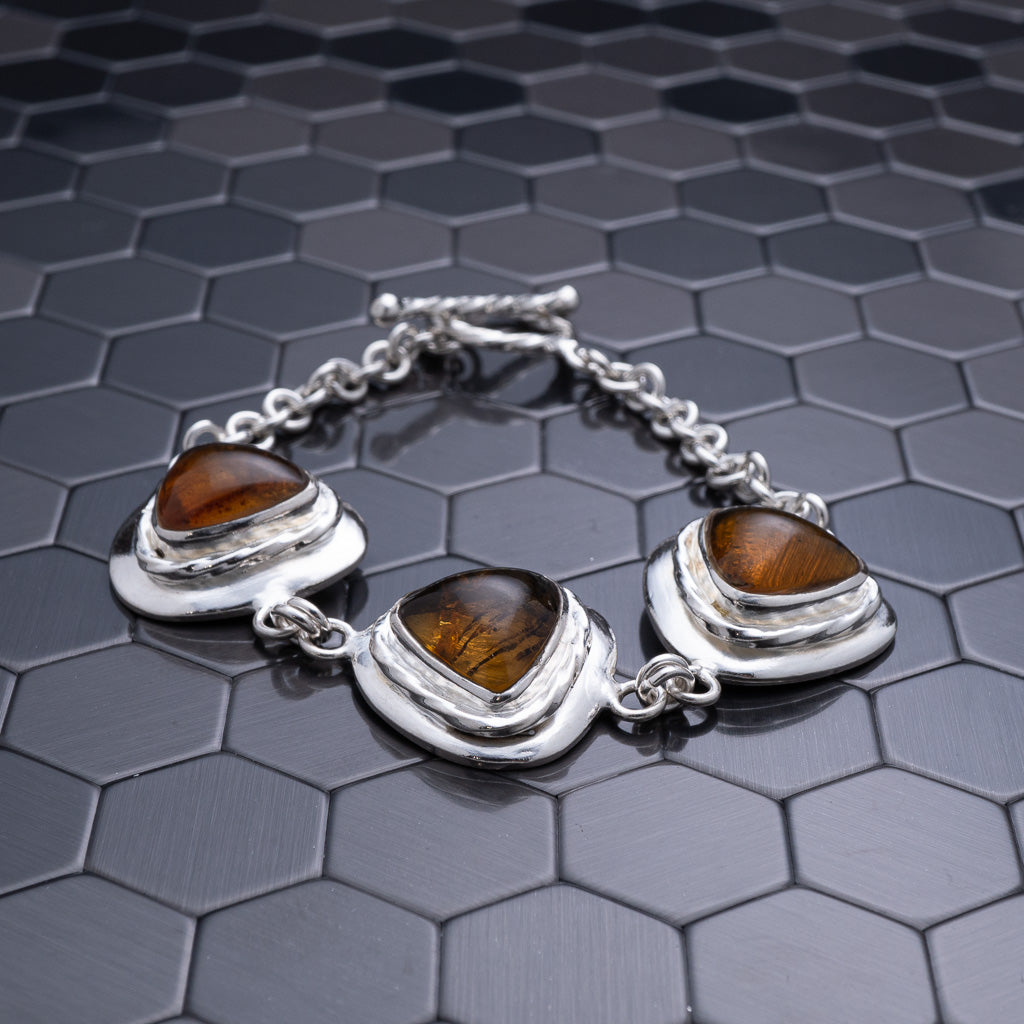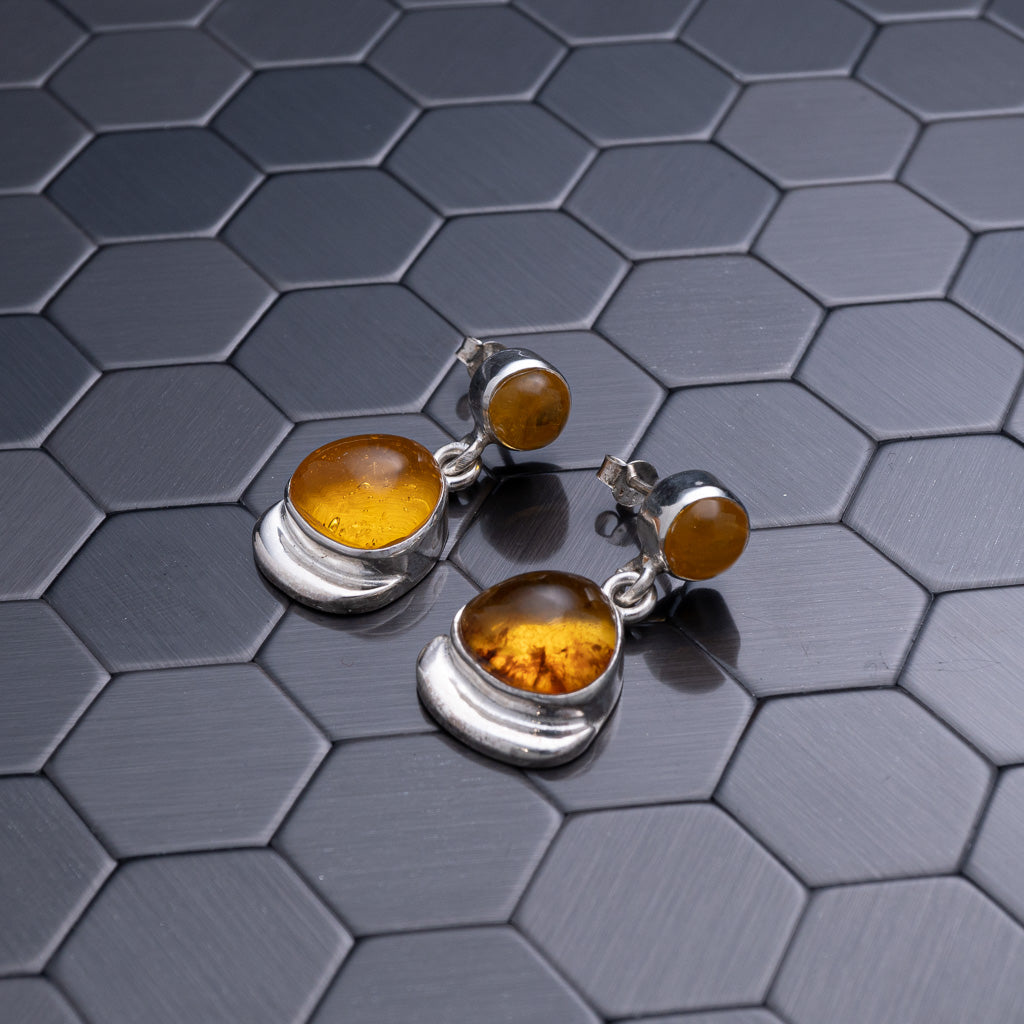

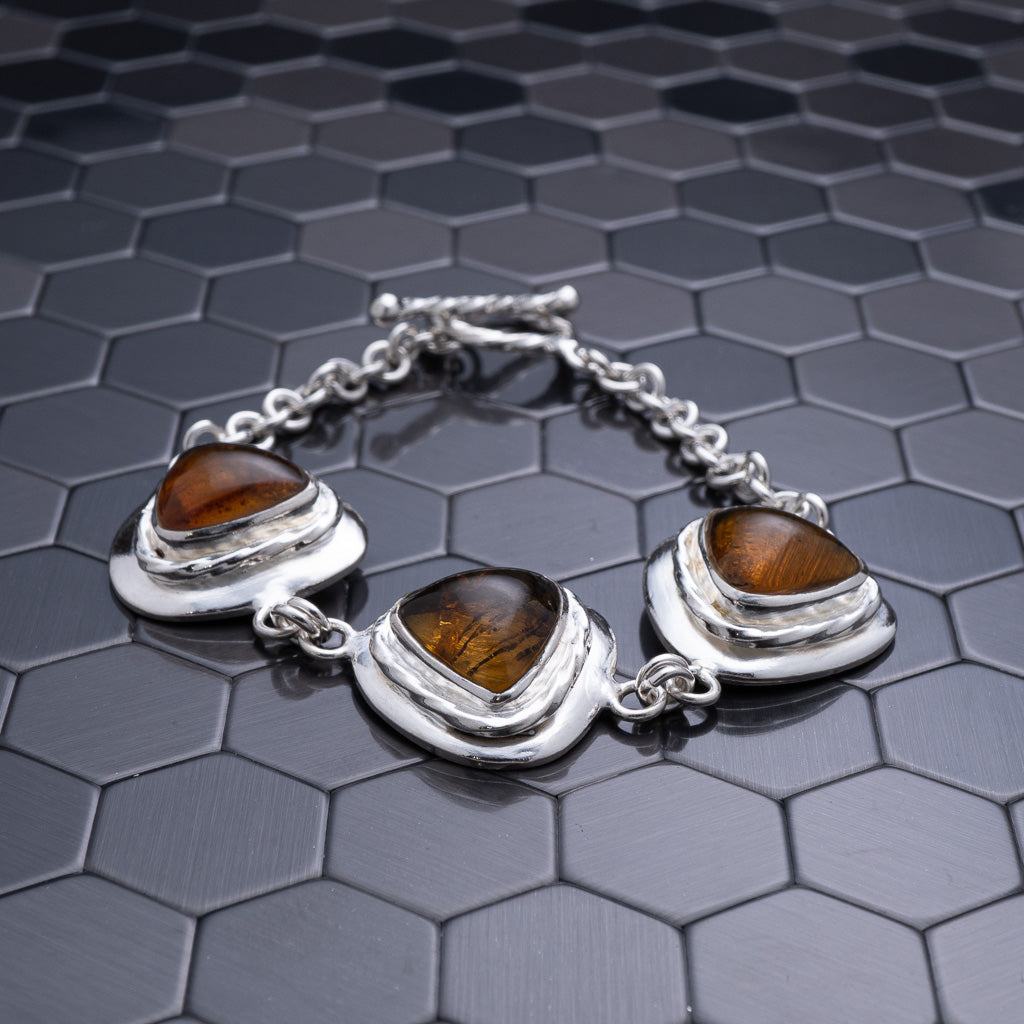
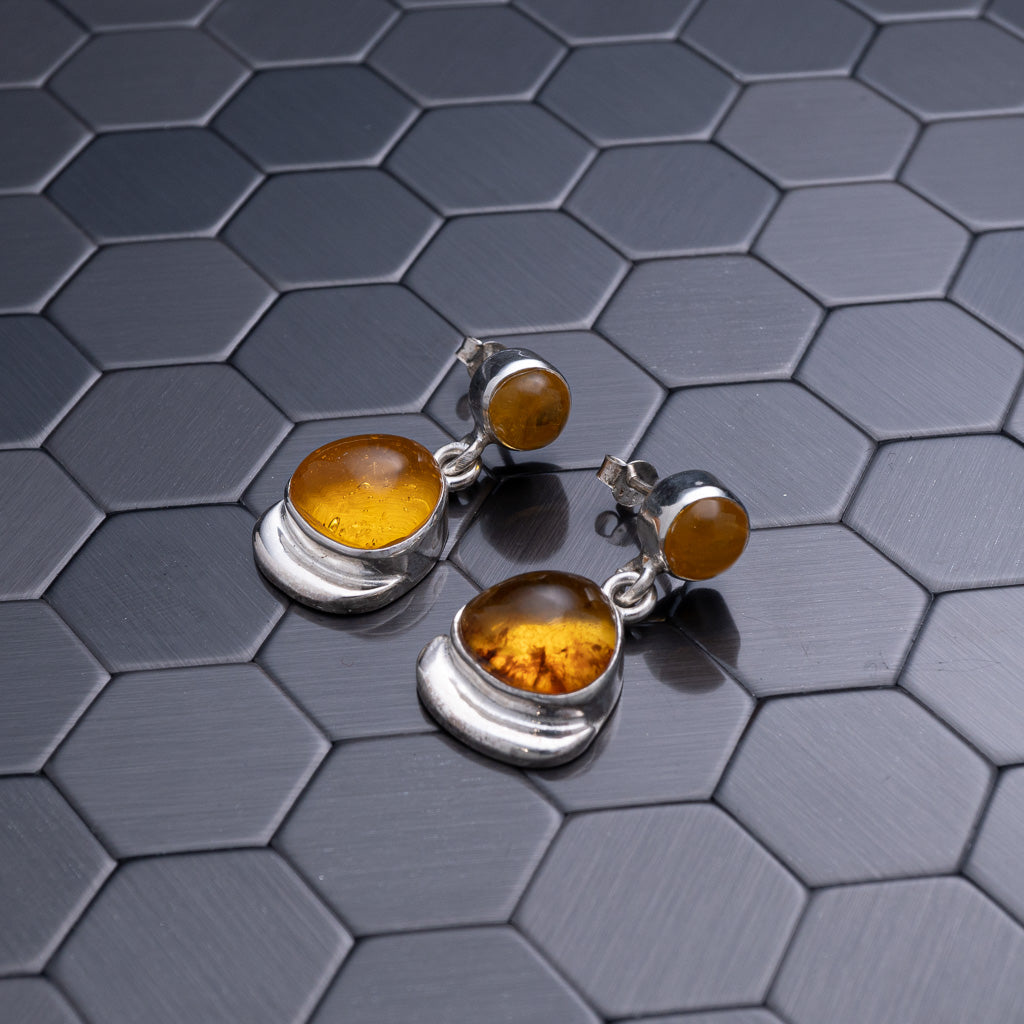
If you have ever compared two amber pieces side by side and wondered why one glows like warm honey while another flashes blue in the light, you are already asking the right question. Dominican amber vs baltic amber is not just a matter of geography. It is a difference in age, appearance, rarity, inclusions, and the kind of beauty you want to wear or collect.
For jewelry buyers, that distinction matters. For collectors, it matters even more. Amber is not a uniform gemstone category, and the origin can dramatically shape the color, transparency, desirability, and price of a piece. When you are choosing something personal - whether a pendant, ring, cabochon, carving, or a meaningful gift - understanding those differences helps you buy with confidence.
Both Dominican and Baltic amber are fossilized tree resin, but they come from different regions and different prehistoric forests. Baltic amber is primarily found around the Baltic Sea region, including countries such as Lithuania, Poland, and parts of Russia. Dominican amber comes from the Dominican Republic and is one of the Caribbean's most celebrated natural treasures.
The first major distinction is age. Baltic amber is generally older, often dated to around 44 million years. Dominican amber is typically younger, often estimated between 15 and 30 million years. Older does not automatically mean better. It simply means the material formed in a different era under different conditions.
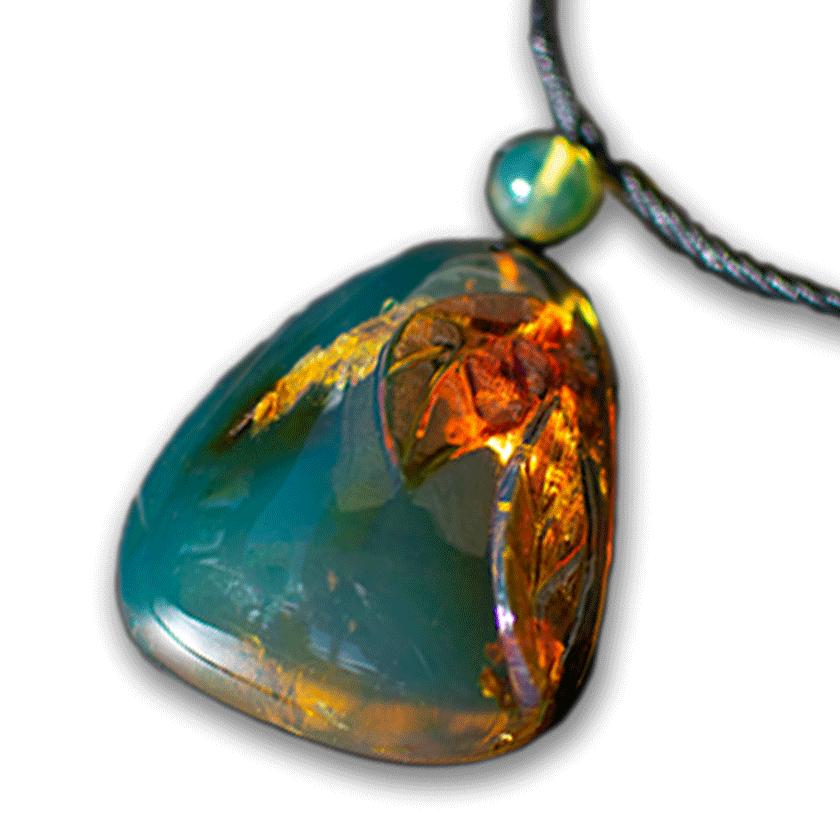
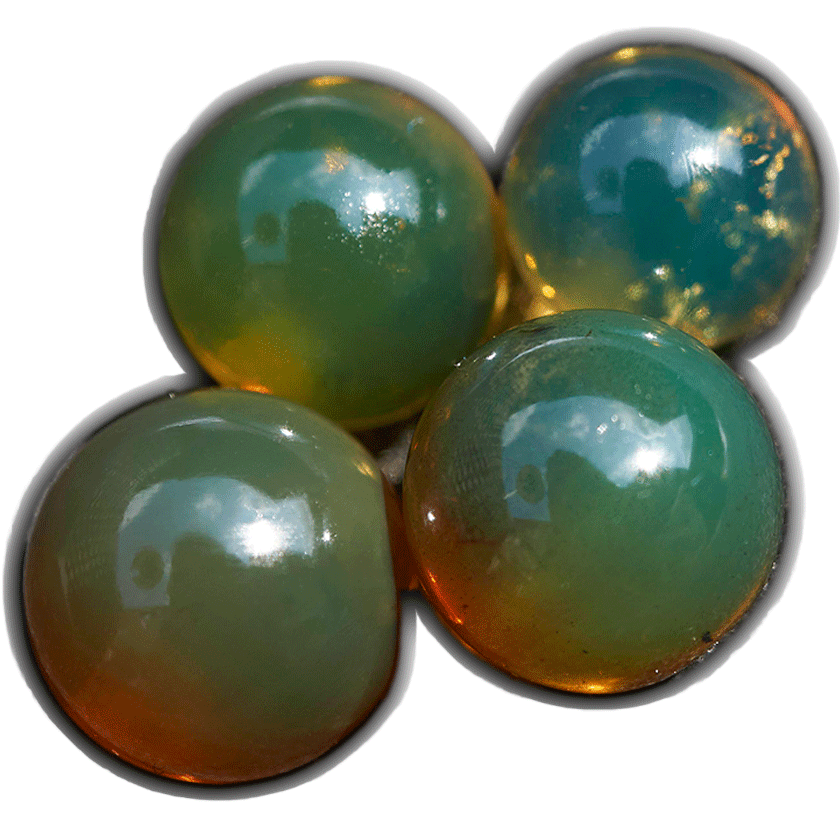
Those conditions help explain why the two ambers can look so different. Baltic amber is often associated with classic golden, butterscotch, cognac, and milky tones. Dominican amber can also appear in yellow and honey shades, but it is especially prized for its transparency and for rare colors such as red, green, and the highly sought-after blue amber that has made the Dominican Republic famous among gemstone lovers.
If your priority is visual drama, Dominican amber often stands apart. Many pieces show remarkable clarity, which gives them a cleaner, more luminous look in jewelry. In fine settings, that transparency can feel refined and almost liquid in the way it captures light.
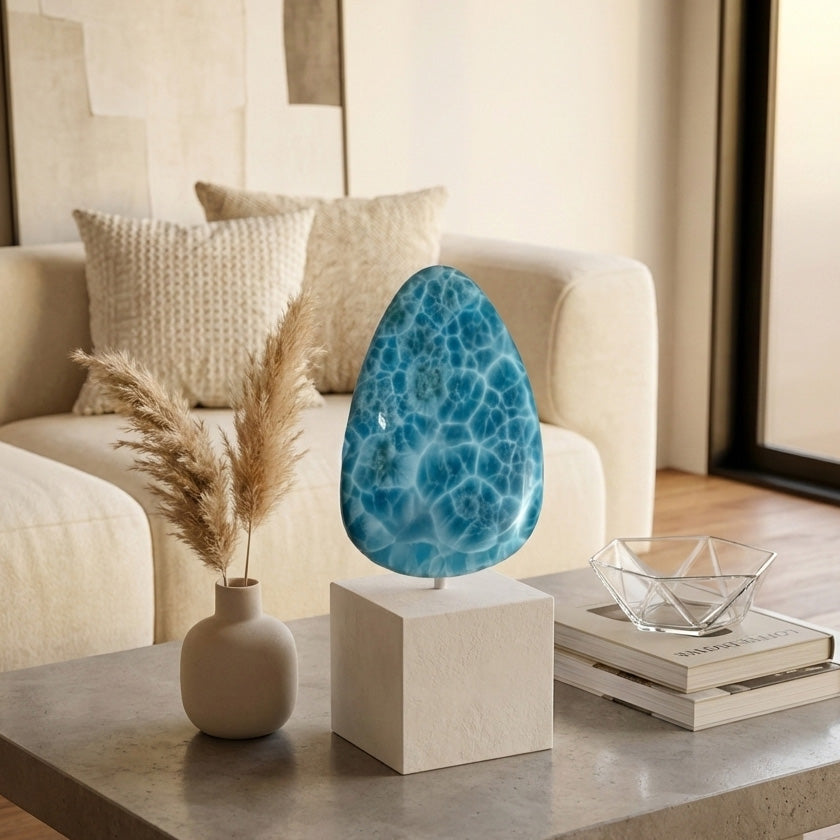
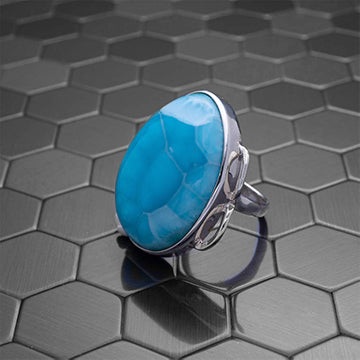
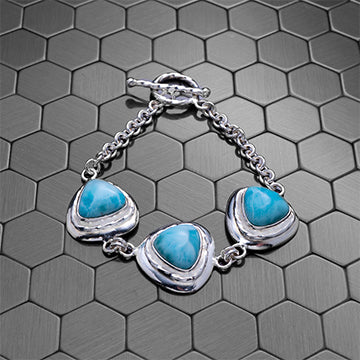
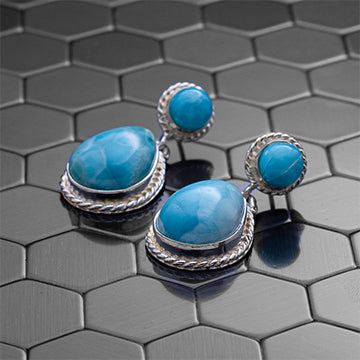
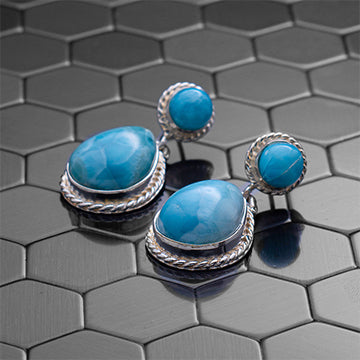
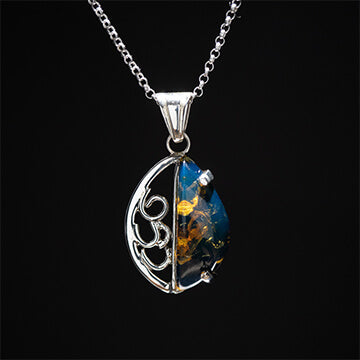
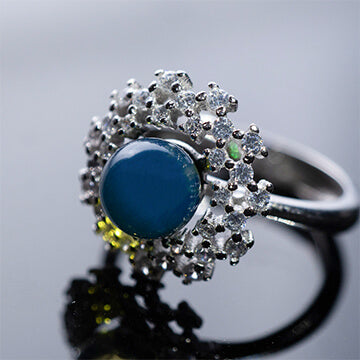
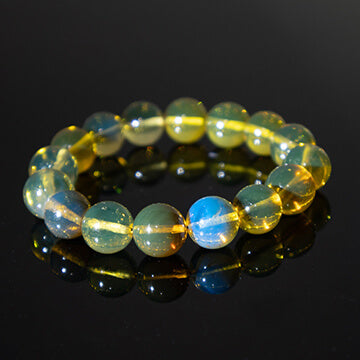
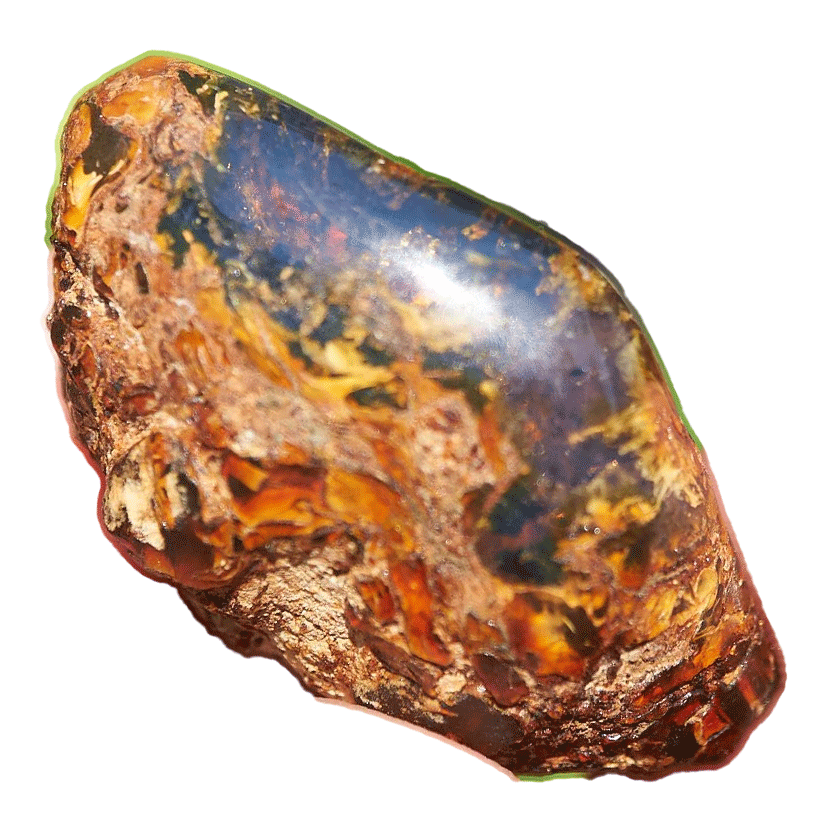
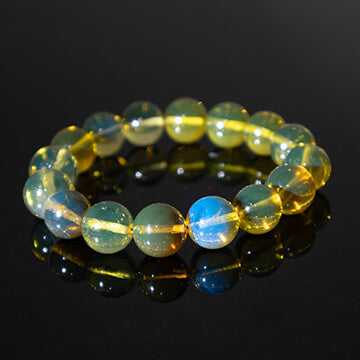
Blue amber is the most striking example. Genuine Dominican blue amber can appear golden or tea-colored in ordinary light, then reveal a vivid blue effect under sunlight or UV exposure. That optical character is rare, distinctive, and difficult to confuse with standard amber material. It appeals to buyers who want a gemstone with a strong sense of discovery and rarity.
Baltic amber has its own appeal, but it is usually softer and more classic in presentation. Many buyers love it for its warm, earthy body color and its traditional, almost antique character. It often looks less transparent than Dominican amber, particularly in milky or cloudier varieties, which can give it a rich organic feel rather than a crisp, gem-like one.
Neither look is wrong. It depends on whether you are drawn to brilliance and rarity or warmth and heritage.
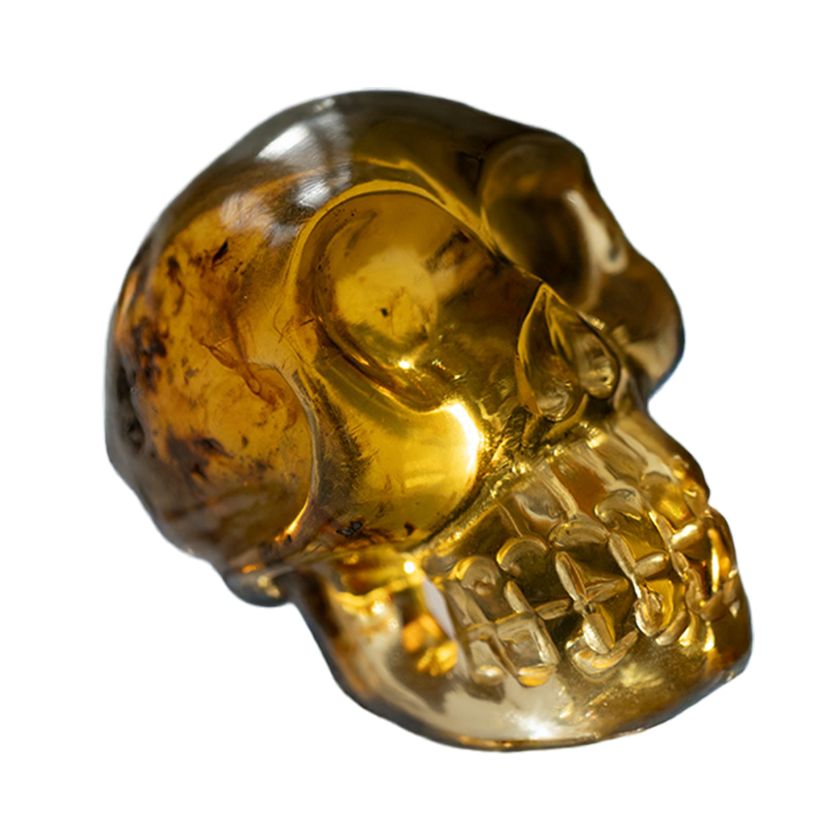
Dominican amber is known for producing pieces with impressive transparency. That makes it especially appealing in polished cabochons, statement pendants, and collector stones where the interior of the amber is part of the attraction. Clear material can showcase the glow of the stone itself, and if inclusions are present, they may be easier to appreciate visually.
Baltic amber is more commonly seen in opaque to semi-translucent material. There are transparent Baltic pieces, of course, but in the jewelry market, the classic look tends to lean creamier, denser, and more matte in its glow.
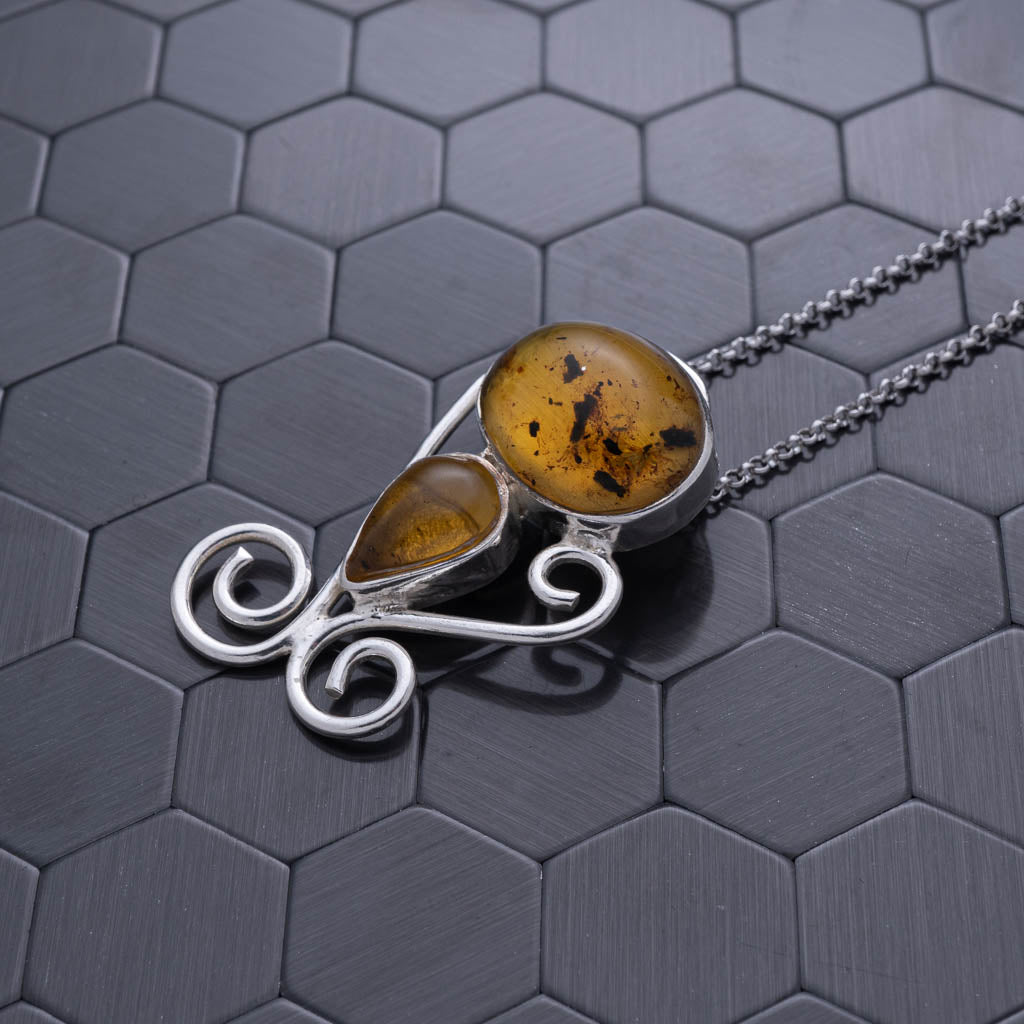
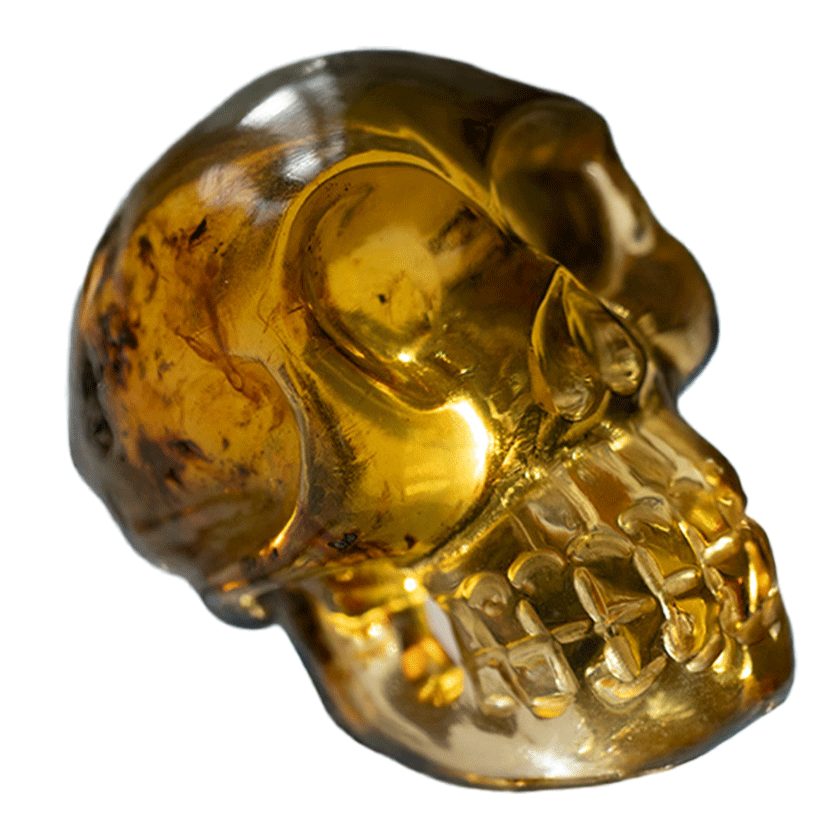
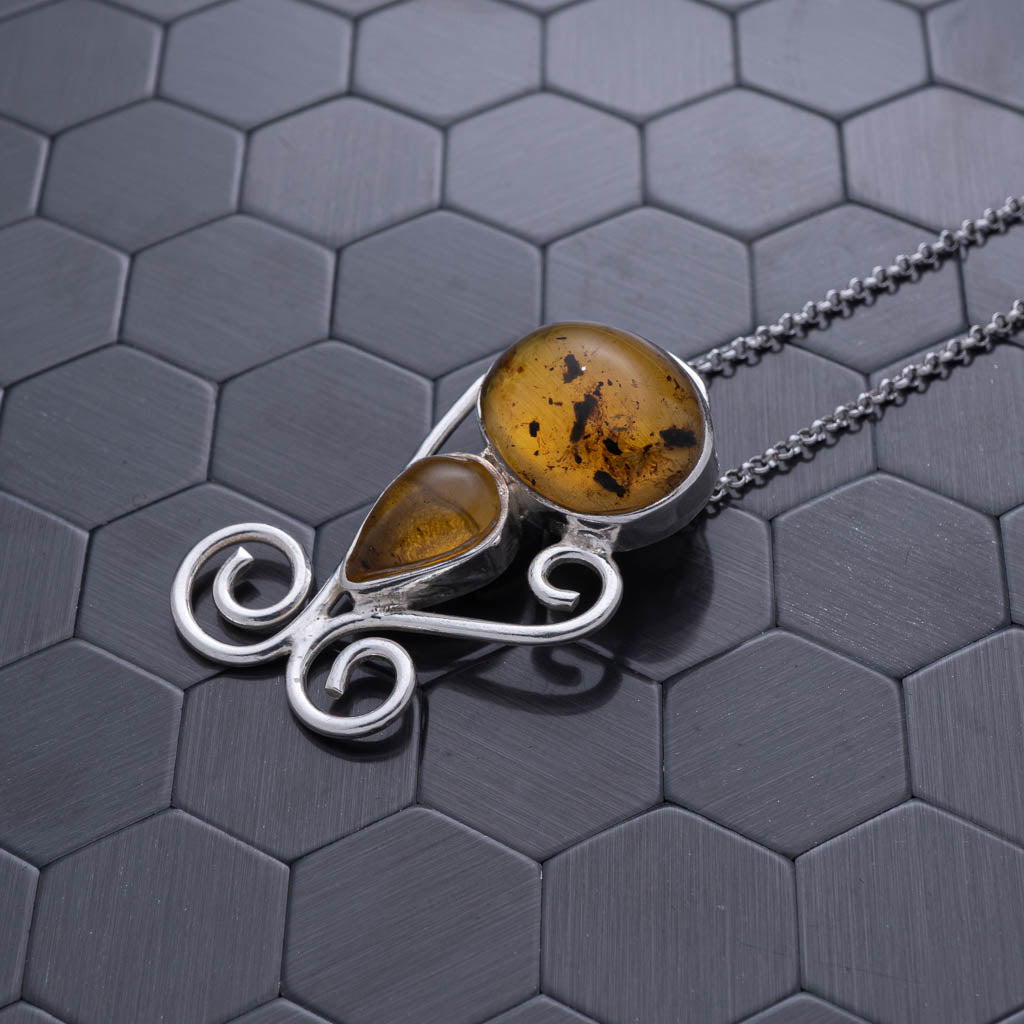
Amber collectors often pay close attention to inclusions - the preserved plant material, insects, or organic debris trapped in resin long before it fossilized. Both Dominican and Baltic amber can contain inclusions, but Dominican amber is particularly admired in the collector world because its clarity can make those inclusions easier to study and display.
That combination of transparency and fossil content gives Dominican amber a strong crossover appeal. It can be luxurious enough for fine jewelry and scientifically fascinating enough for serious collectors. A well-preserved inclusion in clear Dominican amber can feel like holding a small preserved world in your hand.
Baltic amber also contains inclusions and can be historically important, but many pieces in the market are purchased more for color, texture, and traditional amber beauty than for crisp interior visibility. If your interest is more visual than paleontological, either source can be satisfying. If you want a collector-oriented piece with striking internal detail, Dominican amber often has the advantage.
Amber is beautiful, but it is softer than many gemstones used in fine jewelry. That is true whether you choose Dominican or Baltic material. It can scratch more easily than sapphire, quartz, or topaz, so it benefits from thoughtful wear and careful storage.
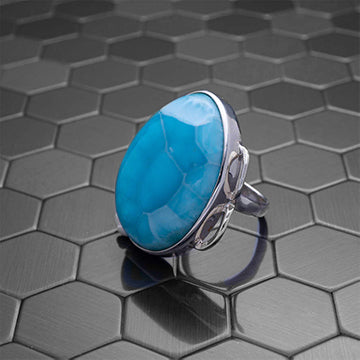
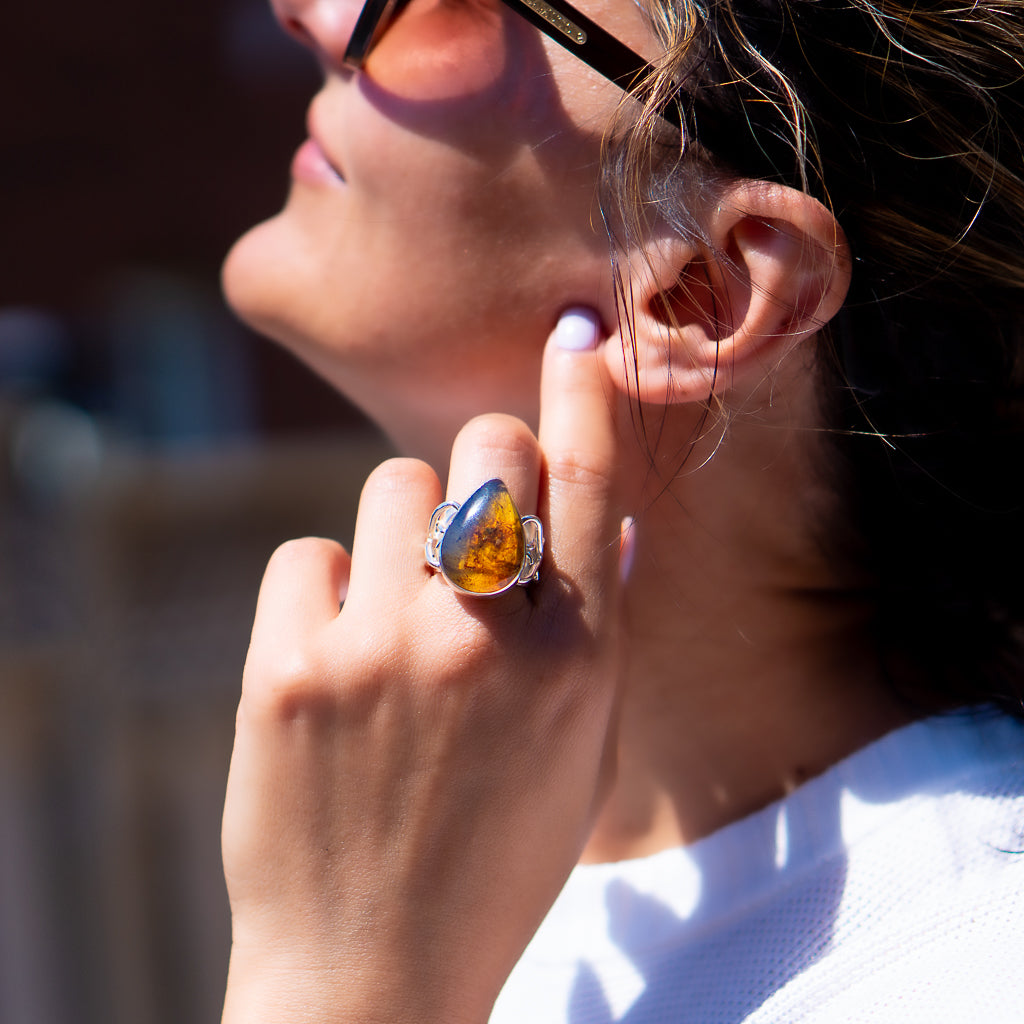
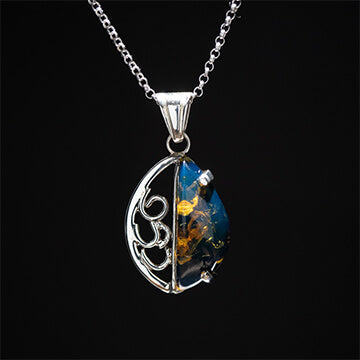
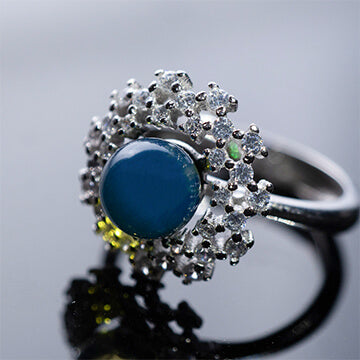
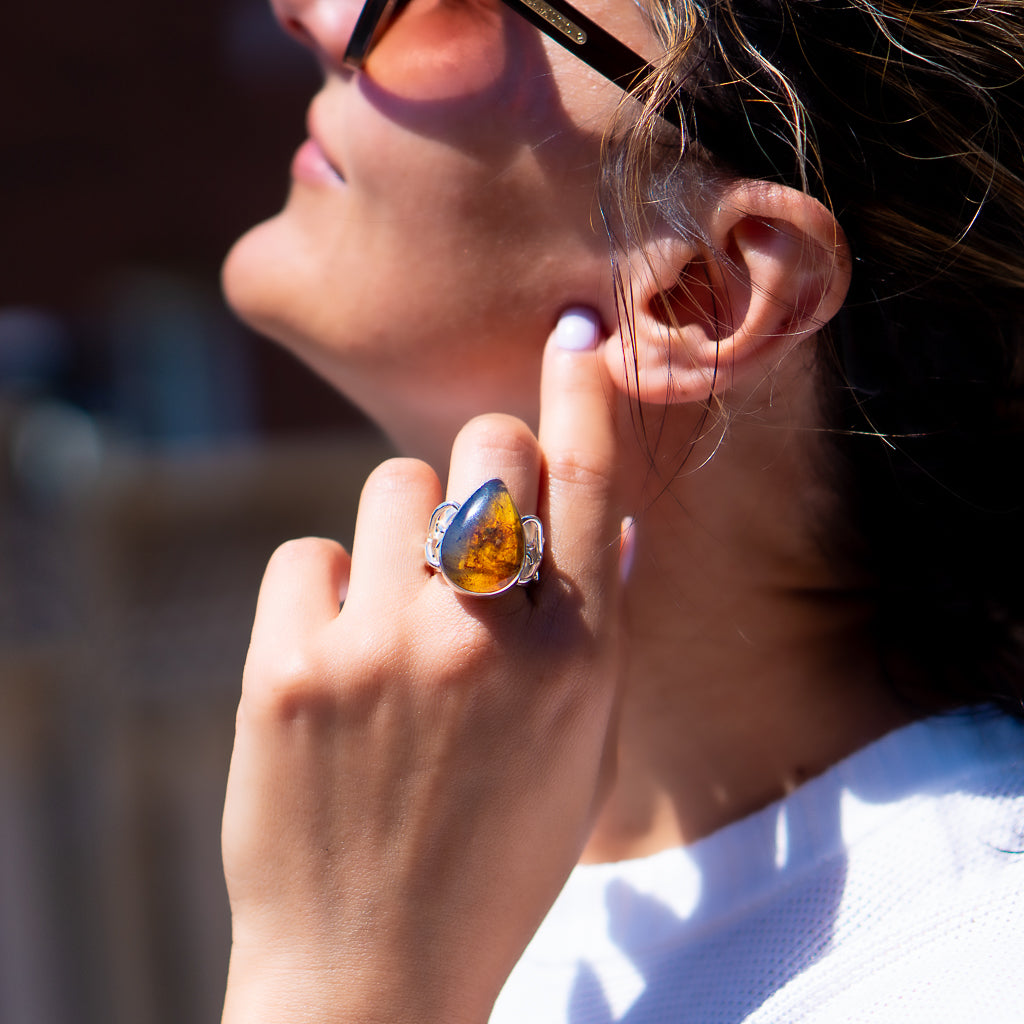
Dominican amber and Baltic amber are both suitable for jewelry, but setting style matters. Pendants and earrings tend to be lower-risk choices because they experience less impact than rings or bracelets. Rings can still be stunning, especially in artisan designs, but they require a little more care in daily wear.
This is where craftsmanship becomes especially important. A well-made piece protects amber while allowing its natural character to remain the focus. For buyers investing in a rarer amber type, secure settings and authentic sourcing should matter just as much as color.
When buyers ask which amber is more valuable, the honest answer is that it depends on the individual piece. Origin matters, but so do color, clarity, size, condition, cut, and rarity.
In general, standard Baltic amber is often more available in the global jewelry market. That broader availability can make entry-level pieces more accessible. Dominican amber, especially transparent material and unusual colors, can command stronger prices because it is scarcer and visually distinctive.
Blue Dominican amber occupies a category of its own. Because of its rarity and unique optical behavior, it is often one of the most prized amber varieties on the market. Certified origin becomes especially important here, since rare amber types attract imitation and misrepresentation.
Baltic amber still holds strong value, particularly in large beads, vintage pieces, and higher-grade natural material. It simply appeals to a somewhat different buyer profile. If you want classic amber heritage, Baltic is often the reference point. If you want rarity with a more elevated, gemstone-like presentation, Dominican amber usually draws more attention.
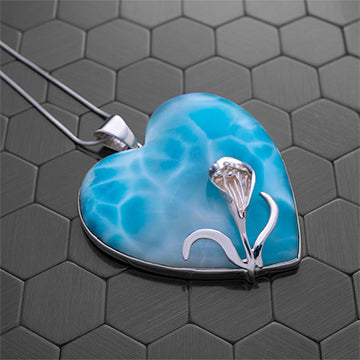
For jewelry, the better choice depends on what you want your piece to say. Dominican amber feels luminous, exotic, and uncommon. It suits buyers who are looking for something refined and naturally dramatic, especially in pendants, earrings, and statement designs that highlight transparency and color.
Baltic amber feels timeless and grounded. It suits buyers who love the traditional amber palette and a softer, more organic visual style. It can be especially appealing in bead jewelry, heritage-inspired pieces, and designs that celebrate amber's long cultural history.
If authenticity is a priority, ask about origin and treatment. Natural amber can be heat-treated, pressed, or reconstructed, and those details affect both value and collectibility. For premium purchases, certified authenticity adds reassurance that the beauty you are seeing is genuinely tied to the source being claimed.
Collectors tend to choose with more specific goals in mind. If you are building a collection around rarity, clarity, unusual color, or fossil inclusions, Dominican amber can be especially compelling. The Caribbean origin adds romance, but the real draw is the material itself - transparent, luminous, and sometimes astonishing in blue.
If your collection leans toward historical significance, traditional amber forms, or classic natural color ranges, Baltic amber may feel more essential. It has deep recognition in the amber world and a long-established place in both adornment and trade.
Some collectors, of course, do not choose between them at all. They acquire both because they represent two distinct amber experiences rather than direct substitutes.
The best amber is not the one with the oldest date or the most familiar name. It is the one whose origin, appearance, and authenticity align with what you value most. If you want a classic, warm, traditional amber presence, Baltic amber may be exactly right. If you want exceptional clarity, Caribbean rarity, and the unforgettable allure of blue amber, Dominican amber offers something few gemstones can. When the source is genuine and the craftsmanship honors the stone, you are not just wearing amber. You are wearing a preserved piece of natural history with a story still visible in the light.