Your Cart is Empty

A vivid blue stone can stop you in your tracks. A glowing amber cabochon can feel like holding sunlight. But beauty alone is not proof, and when you are buying a rare gem, a guide to gemstone certification can protect both your investment and the meaning behind the piece.
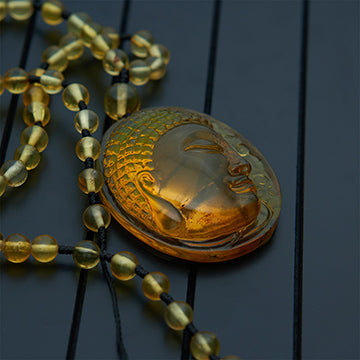
For shoppers drawn to uncommon stones such as Larimar, Dominican amber, and especially Dominican Blue Amber, certification is not a luxury detail. It is part of the story of the gem itself - what it is, whether it is natural, whether it has been treated, and in some cases where it comes from. When rarity and origin matter, paperwork matters too.
Gemstone certification usually refers to an independent gemological report issued by a qualified laboratory or expert. That report is meant to identify the stone and record key characteristics based on testing. Depending on the gem and the lab, it may confirm whether the material is natural or synthetic, whether treatments are present, and whether an origin opinion can be made.
That last point is where many buyers get confused. A certificate does not always certify every claim a seller makes. Some reports are narrow and only identify species or variety. Others go further by addressing treatment and geographic origin. The value of the document depends on who issued it, what they tested, and how specific the report is.
For jewelry buyers, this distinction matters. If you are purchasing a diamond ring, a ruby pendant, or a collector-grade amber carving, you want to know whether the report simply says what the stone is or whether it also addresses enhancements and origin. A short document can still be legitimate, but it may not answer every question you have.
Mass-market jewelry often sells on style first. Rare gemstone jewelry sells on trust. When a stone is unusual, sourced from a specific region, or prized for natural color, certification becomes part of its value.
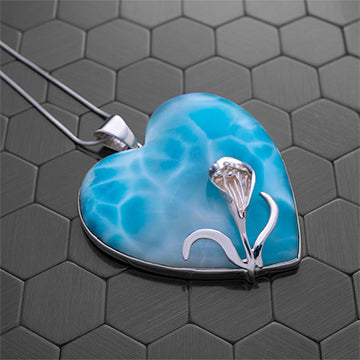
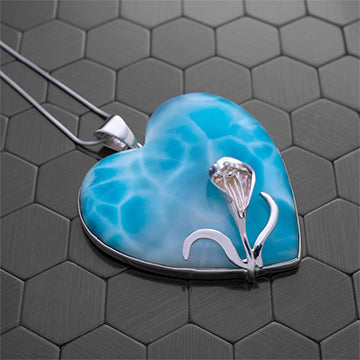
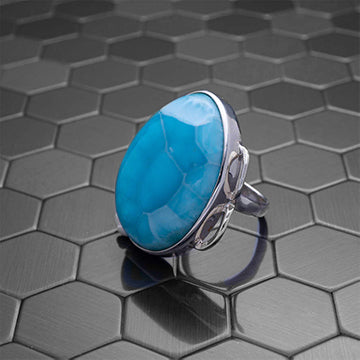
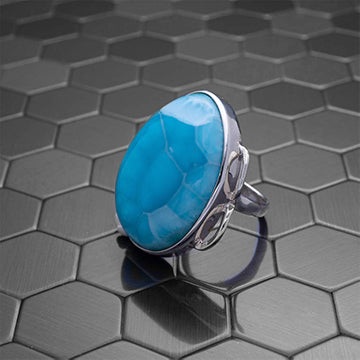
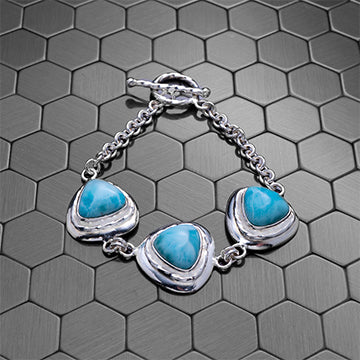
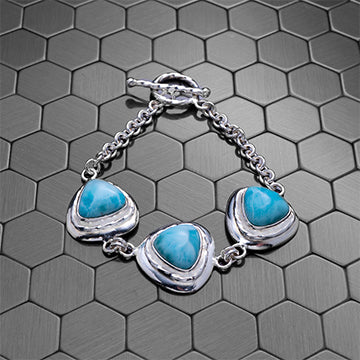
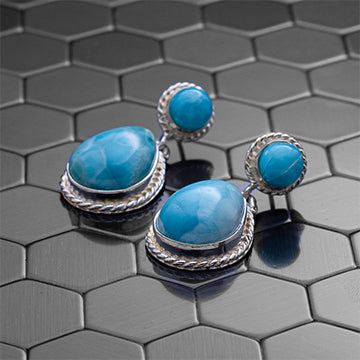
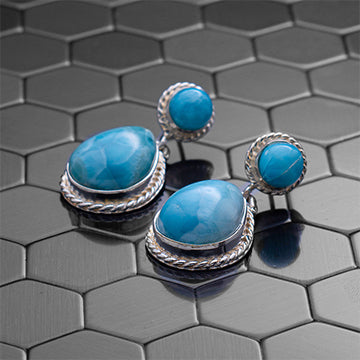
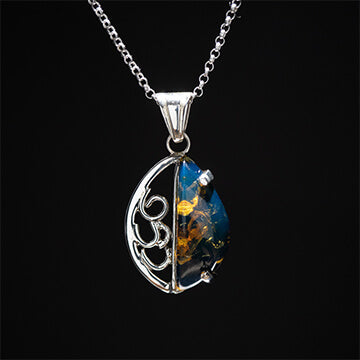
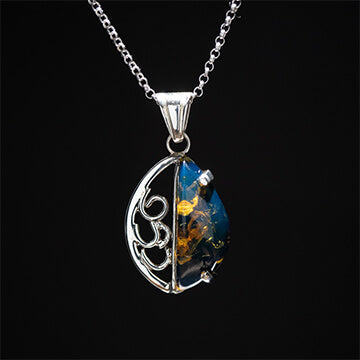
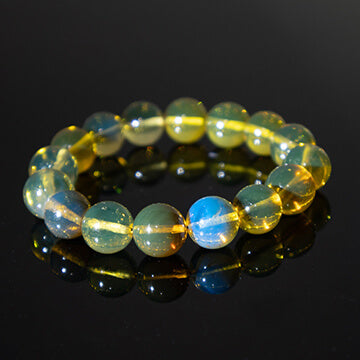
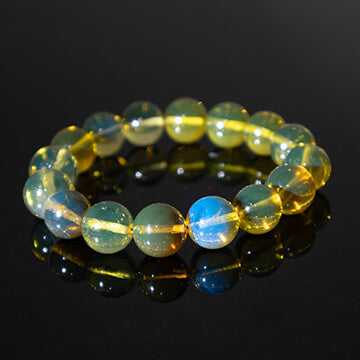
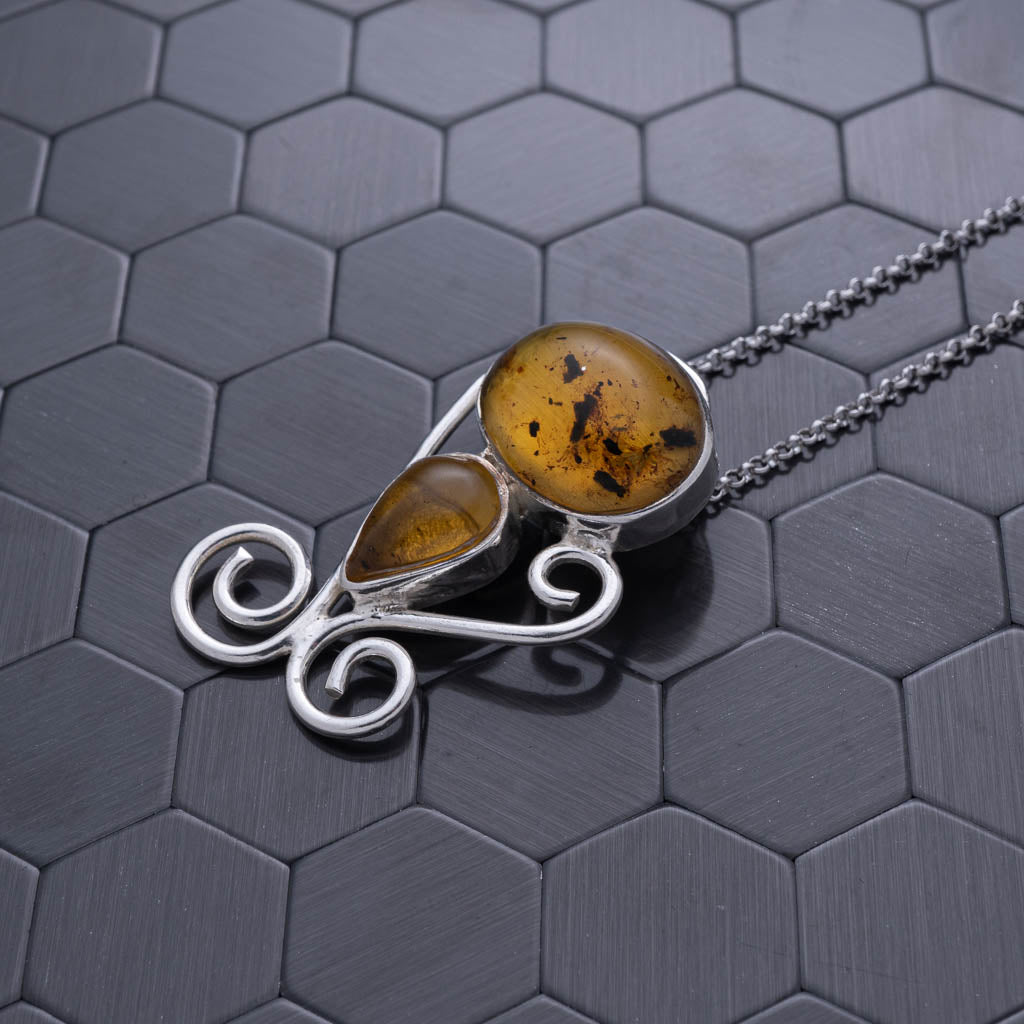
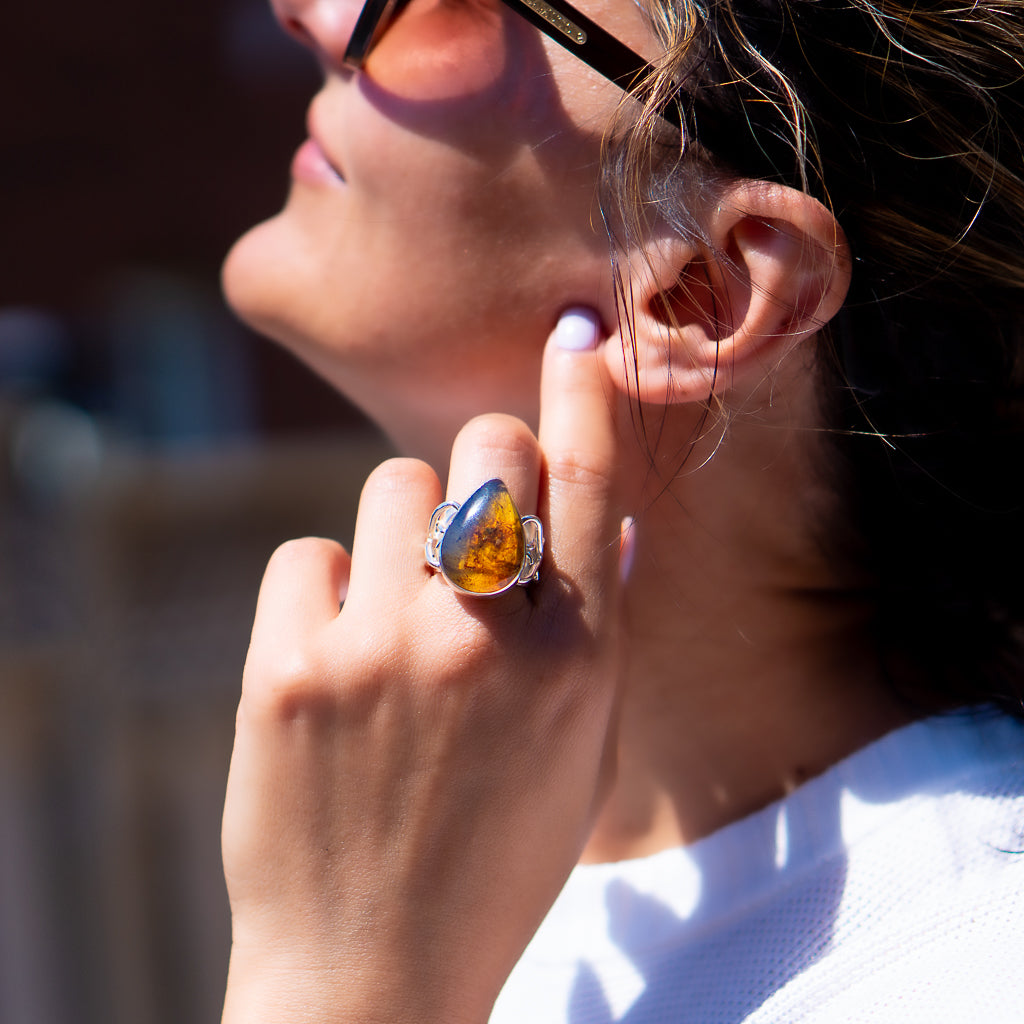
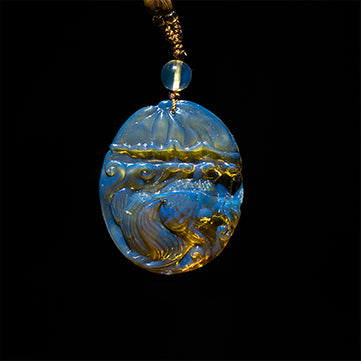
Take Caribbean gemstones. Larimar is found only in the Dominican Republic, which makes origin central to authenticity. Dominican amber is similarly tied to place, and Blue Amber carries added intrigue because its appearance can shift under different lighting conditions. In stones like these, certification supports the claims that make the piece special in the first place.
It also helps with comparison. Two gems may look similar in photos, yet differ sharply in natural status, clarity, treatment, or origin confidence. A report gives you a more objective basis for judging price and quality. That is especially helpful when you are buying online, purchasing a gift, or collecting beyond the casual level.
A reliable gemstone report should be clear, specific, and easy to match to the stone you are buying. It will usually include the identity of the gem, measurements, weight, shape, and a description of notable characteristics. It should also name the issuing lab or gemologist and include a report number or another way to track the document.
Beyond that, the most valuable reports often address whether the gem is natural, whether it has undergone treatment, and whether there is enough evidence to offer an origin opinion. For amber, some reports may also describe visual or internal features consistent with natural material. For Larimar, the report may focus on identification and quality features rather than treatment, since the relevant concerns differ from those of transparent faceted gems.
Photos on a certificate can be helpful, but they are not a substitute for gemological findings. In the same way, polished wording such as authentic or premium is not the same as an independent report. A real certificate should tell you something testable.
This is where buyers need a little caution. The term certified gets used loosely in jewelry retail. Some sellers mean the stone comes with a formal lab report. Others mean they have verified it internally. Those are not equal.
An established independent lab generally brings more credibility than an in-house statement because the lab has no direct stake in the sale. That does not mean every smaller lab is unreliable, or that every big-name lab covers every stone equally well. It means you should ask who issued the document and what standards they use.
For niche gems, experience matters. A lab or gemologist familiar with Caribbean materials may be better positioned to evaluate certain characteristics than a generalist with limited exposure. At the same time, some rare stones do not always receive the same standardized reporting as diamonds, sapphires, or emeralds. That is normal. The goal is not perfect uniformity. The goal is credible identification and transparent disclosure.
Many gemstones are treated, and treatment is not automatically a problem. Heat, stabilization, resin filling, dyeing, and other processes can affect beauty, durability, and value. What matters most is disclosure.
A trustworthy report can help clarify whether a gem appears untreated or whether enhancement is present. This is especially important when untreated status affects desirability and price. If a seller uses language like natural color, no treatment, or rare untreated material, you should expect those claims to be supported where possible.
There is a practical nuance here. Some treatments are harder to detect than others, and some labs use careful language for that reason. You may see phrases such as no indications observed rather than an absolute guarantee. That is not a red flag by itself. It is often a sign that the lab is being scientifically precise.
Origin can shape a gem’s romance and its market value. For Larimar and Dominican amber, geographic origin is not a side note. It is part of why people seek them out.
Still, origin reporting is rarely as simple as reading a label. A lab may issue an origin opinion based on observable features and reference material, but origin can sometimes be stated with varying degrees of confidence. If a seller emphasizes place - Dominican, Caribbean, mined from a specific source - ask whether that claim is supported by documentation, supply chain knowledge, or both.
The strongest case often combines gemological reporting with transparent sourcing. In other words, a certificate is powerful, but it is even better when it aligns with a seller who clearly understands the material, works close to origin, and presents the stone with consistency and care.
Start by matching the report to the exact item. The weight, dimensions, shape, and description should make sense for the stone shown. If you are buying a finished ring or pendant, check whether the certificate applies to the center stone, the full piece, or a loose gem sold before setting.
Next, read past the headline. A report that identifies amber is useful, but if you are paying a premium for Dominican Blue Amber, you may need more than a general identification. The same goes for Larimar sold on the strength of origin or exceptional color. Ask what the report confirms and what remains a seller claim.
Then consider whether the level of certification matches the price and purpose of your purchase. A modest everyday piece may not require the same depth of reporting as a collector-grade carving or a significant fine jewelry investment. There is no single rule. Certification should feel proportionate to rarity, value, and the promise being made.
A good seller should welcome thoughtful questions. Ask who issued the certificate, whether it is independent, and whether the report covers natural status, treatment, and origin. Ask if the stone in the photos is the exact one described, and whether the certificate will ship with the item.
If you are buying a particularly rare Caribbean stone, it is also fair to ask about sourcing and craftsmanship. For a brand like Larimar Creations, those details are part of the product’s credibility as much as its beauty. Buyers who care about authenticity are not being difficult. They are buying wisely.
Certification does not replace your eye, your taste, or the emotional pull of a beautiful piece. It supports them. It gives structure to trust. It helps explain why one gem commands more than another and why certain stones feel truly rare.
For jewelry lovers, gift buyers, and collectors alike, the best purchases are the ones that still feel right long after the box is opened. When a gemstone comes with clear, credible documentation, you are not just wearing a piece of the Caribbean. You are wearing it with confidence.