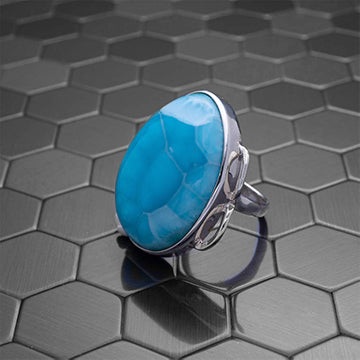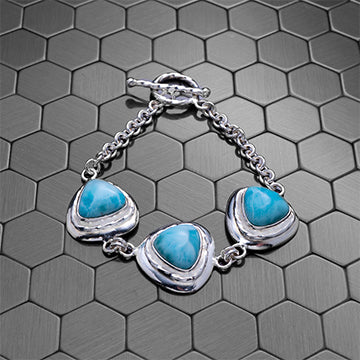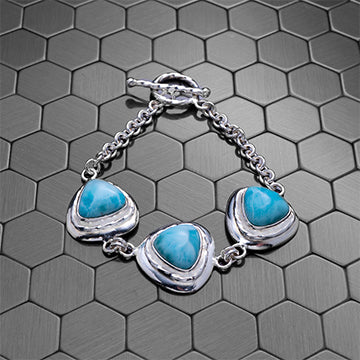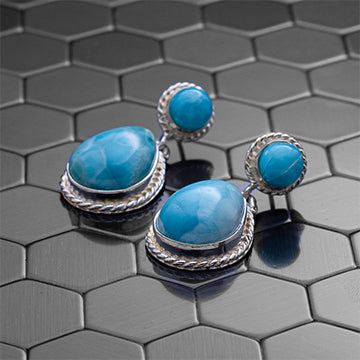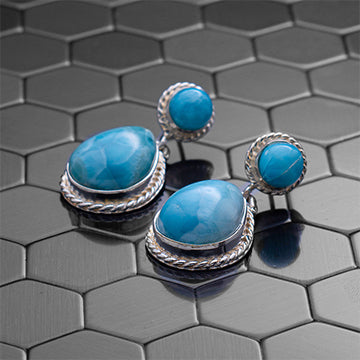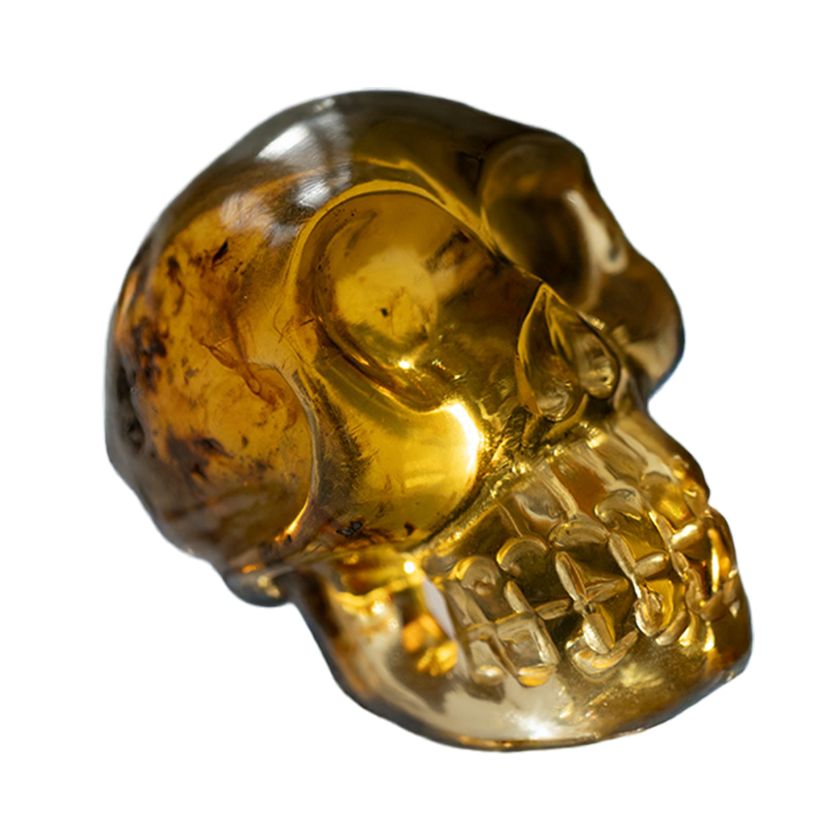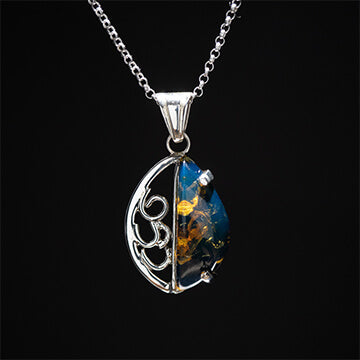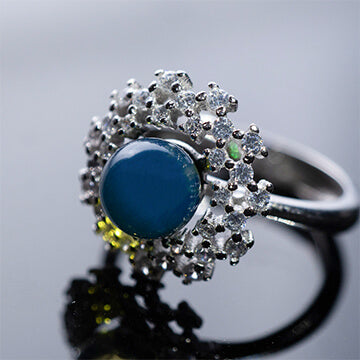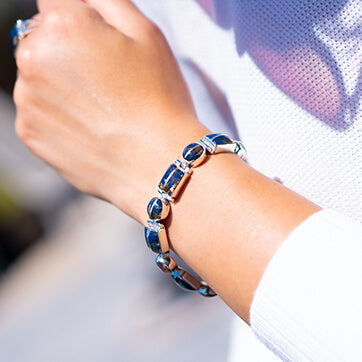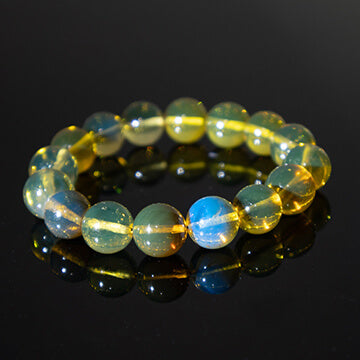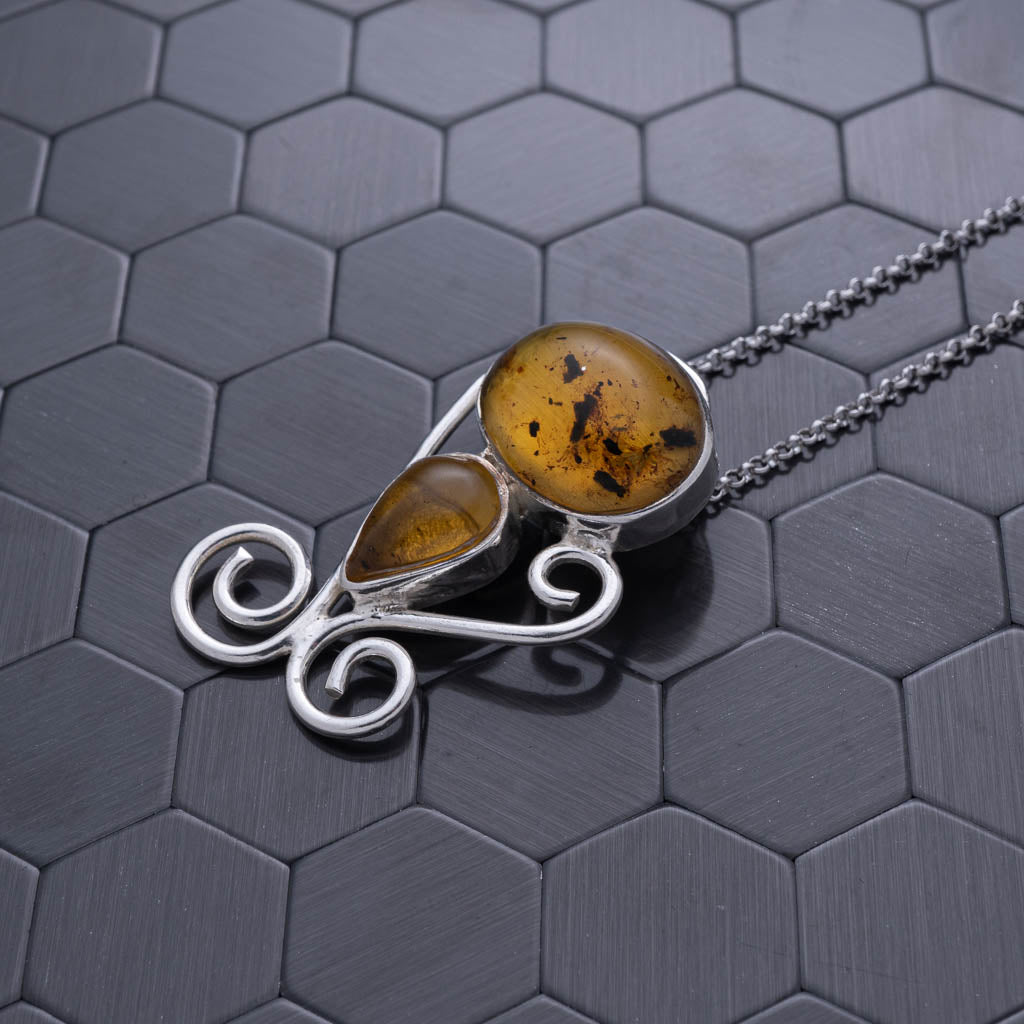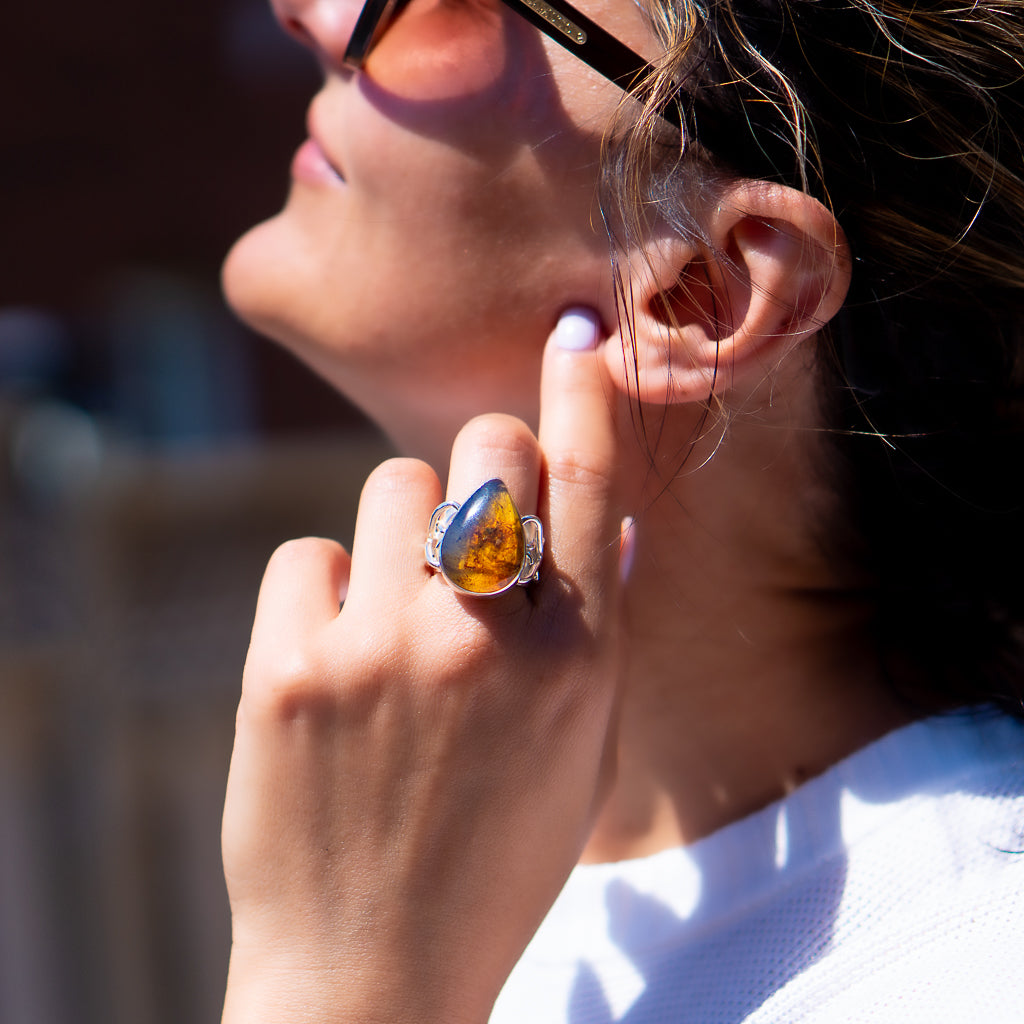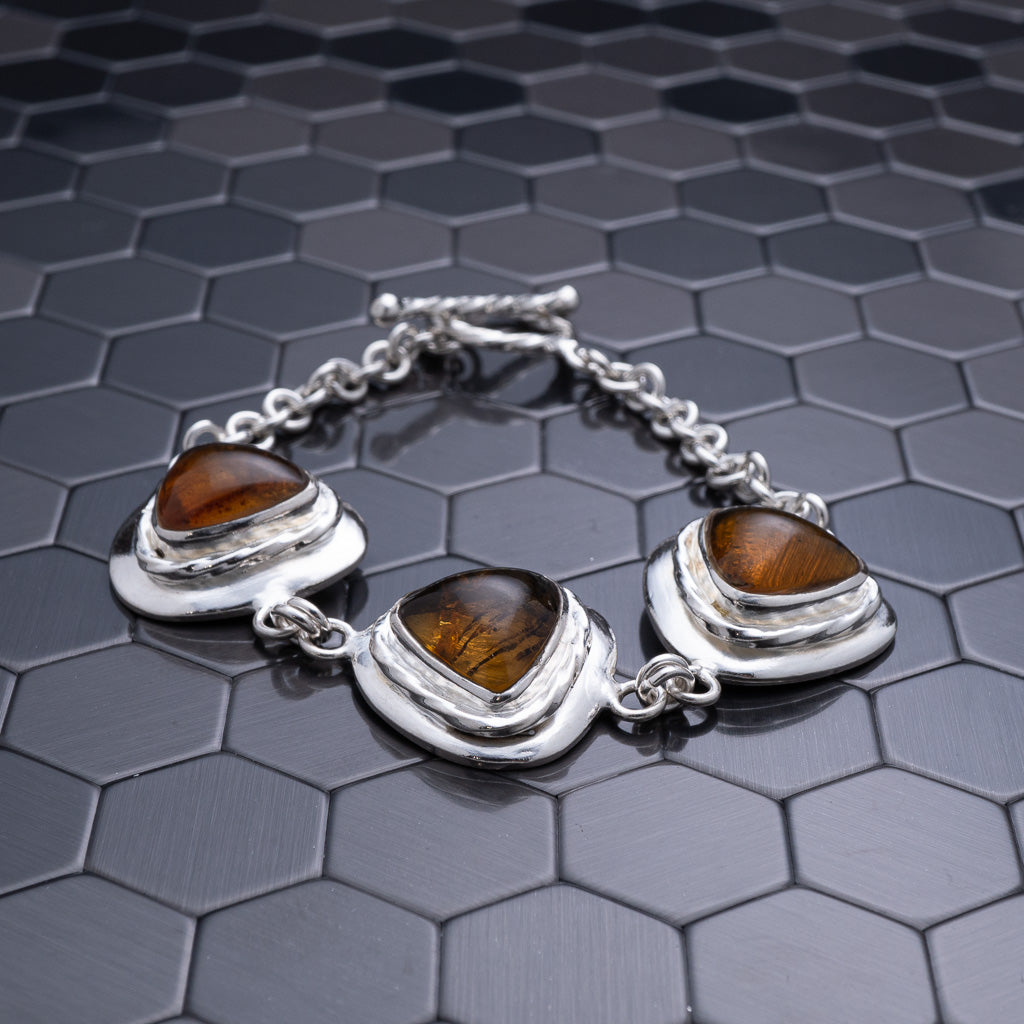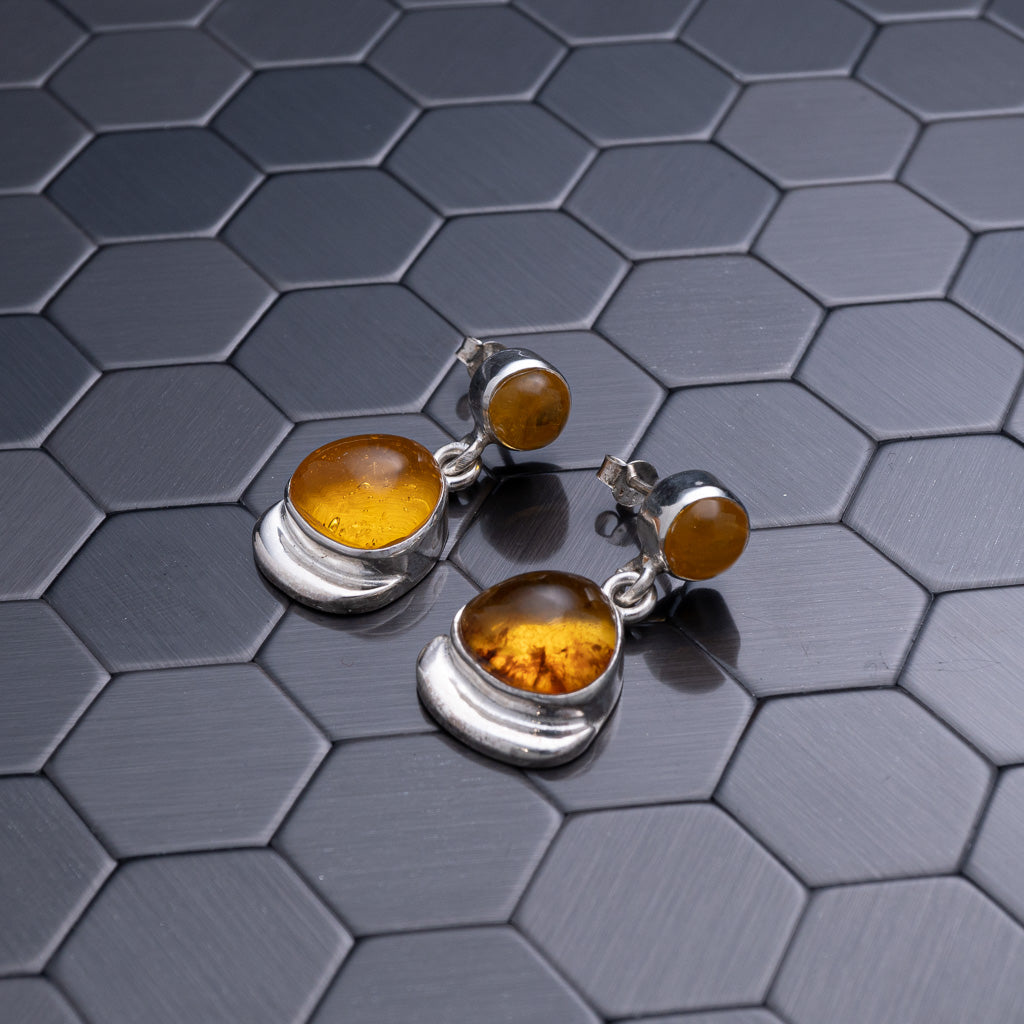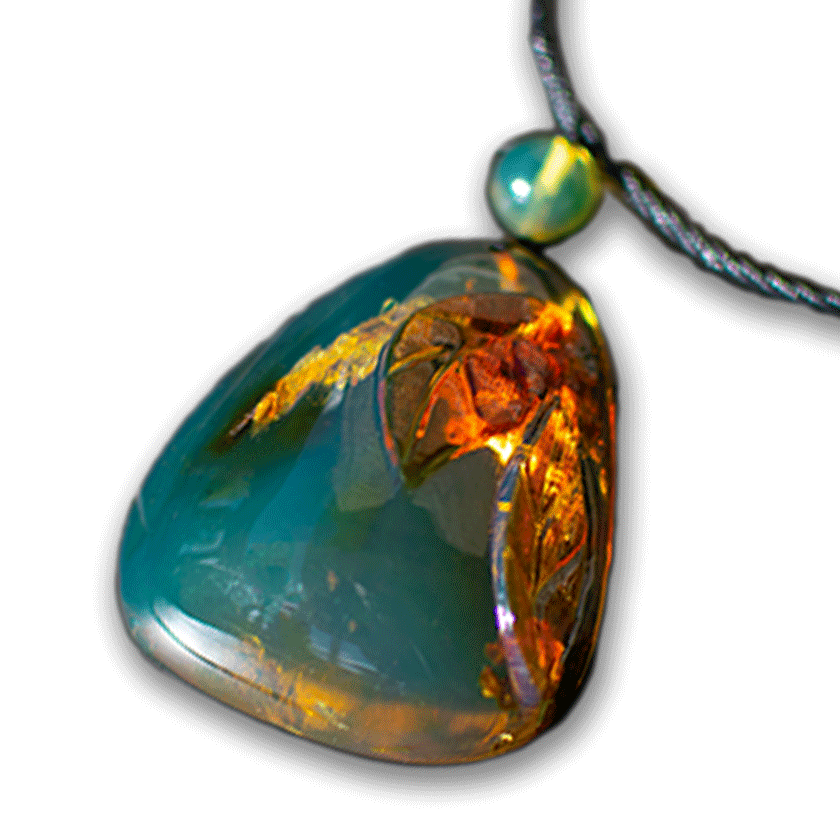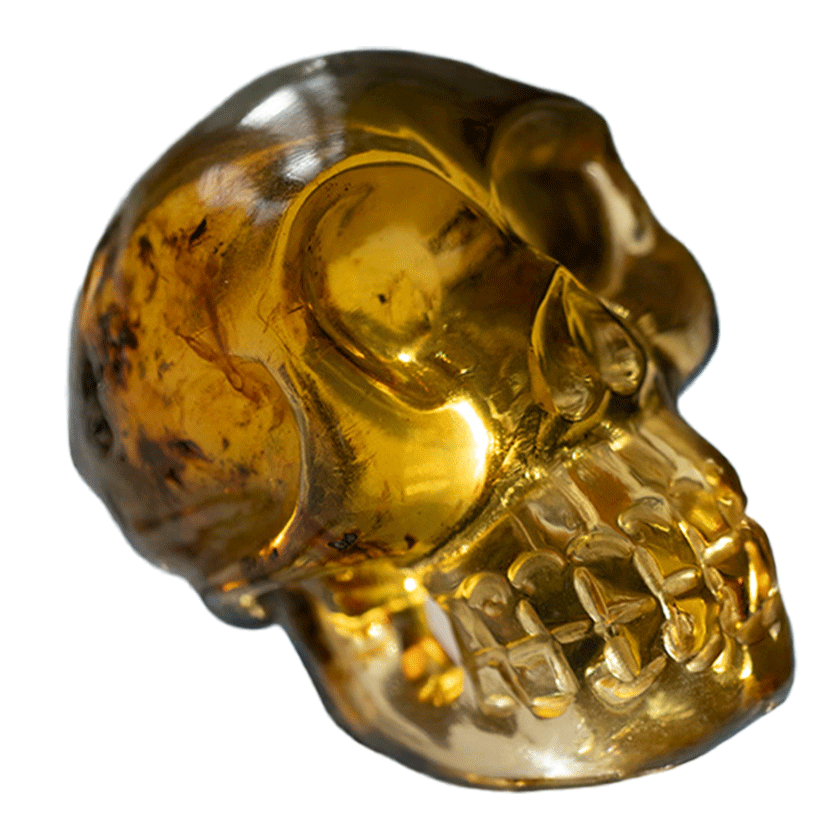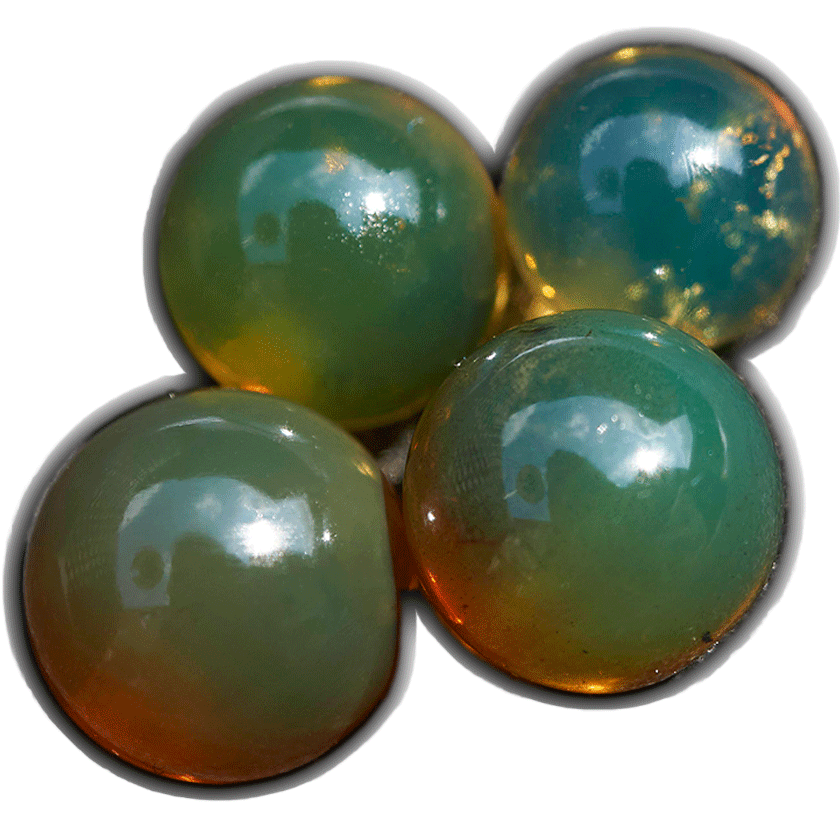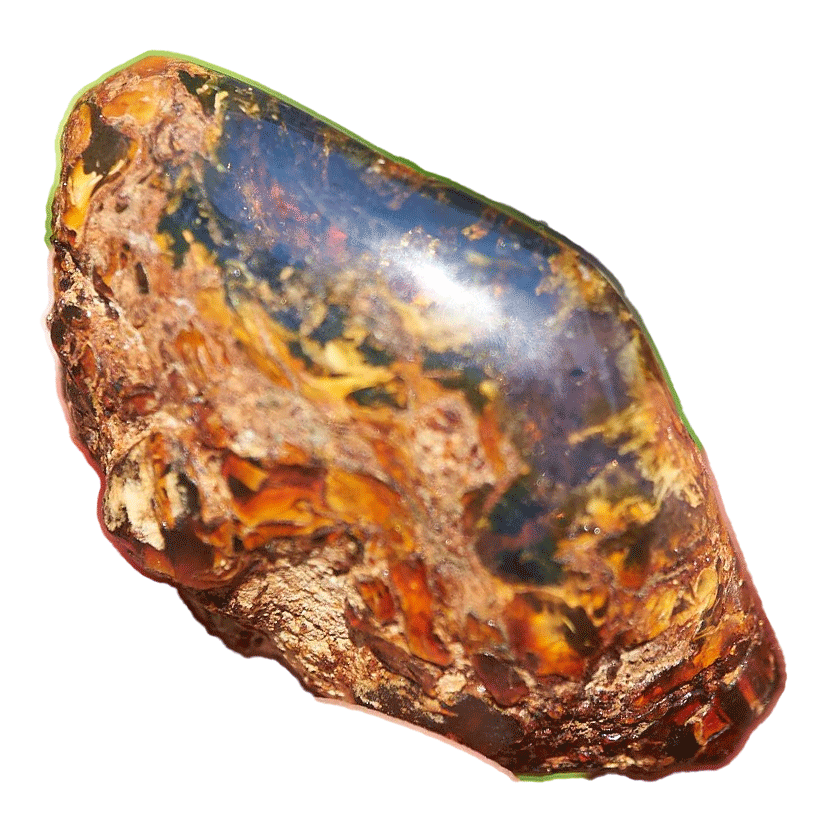


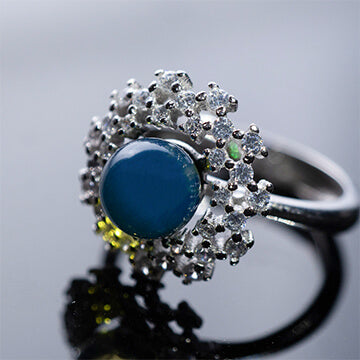
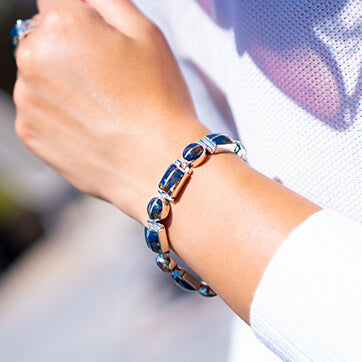
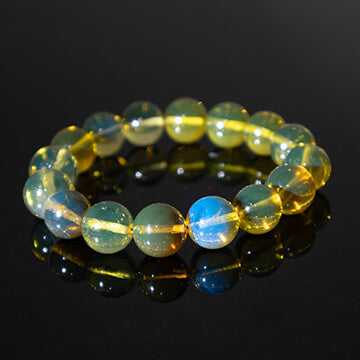
Handcrafted in DR.

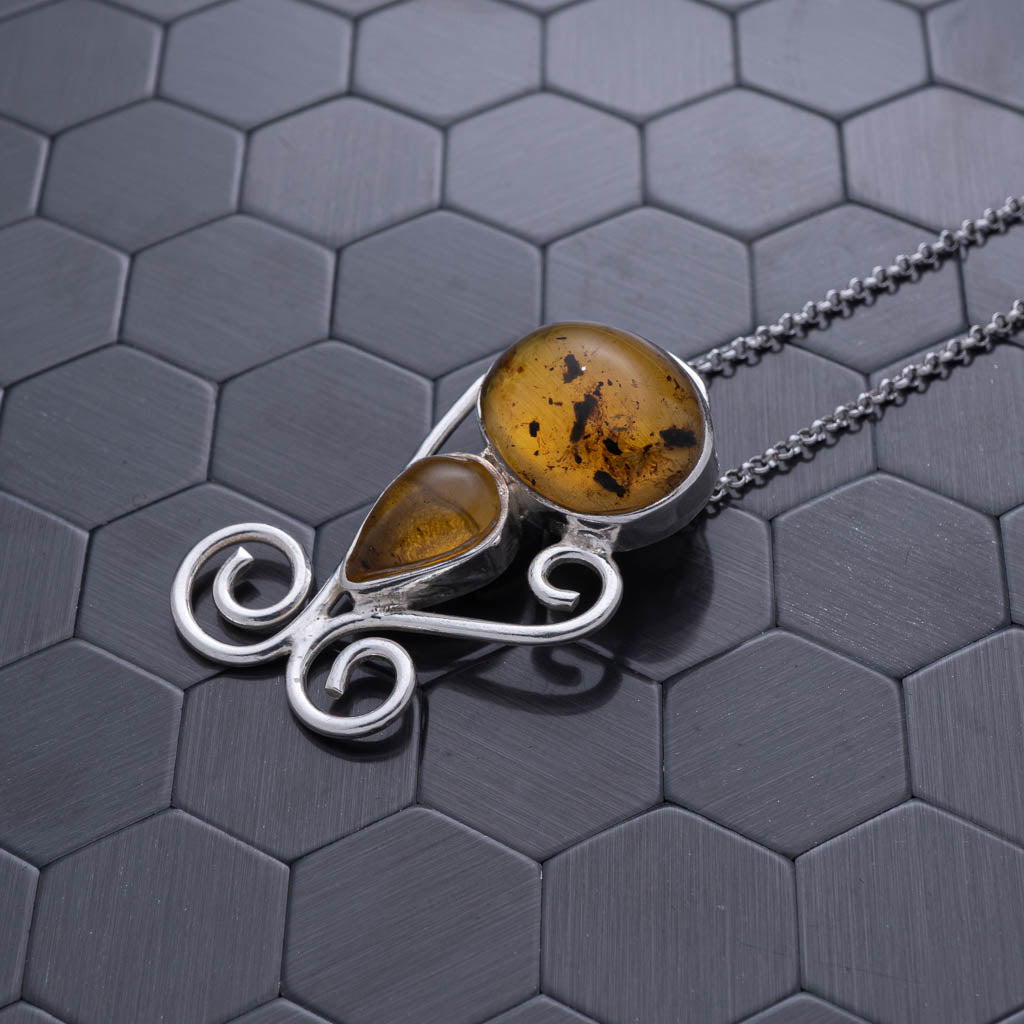


100% Handcrafted in DR.

Ever held a piece of Larimar and wondered, can larimar be fake? You are not alone. That dreamy blue stone is rare, and with its rising popularity, the market is flooded with lookalikes.
Larimar is special, and fakes are getting harder to spot. In this guide, we will break down what makes Larimar real, how to spot an imitation, and smart ways to shop with confidence.
Ready to find out what is real and what is not? Let us dive in and make sure you are never fooled by a fake.
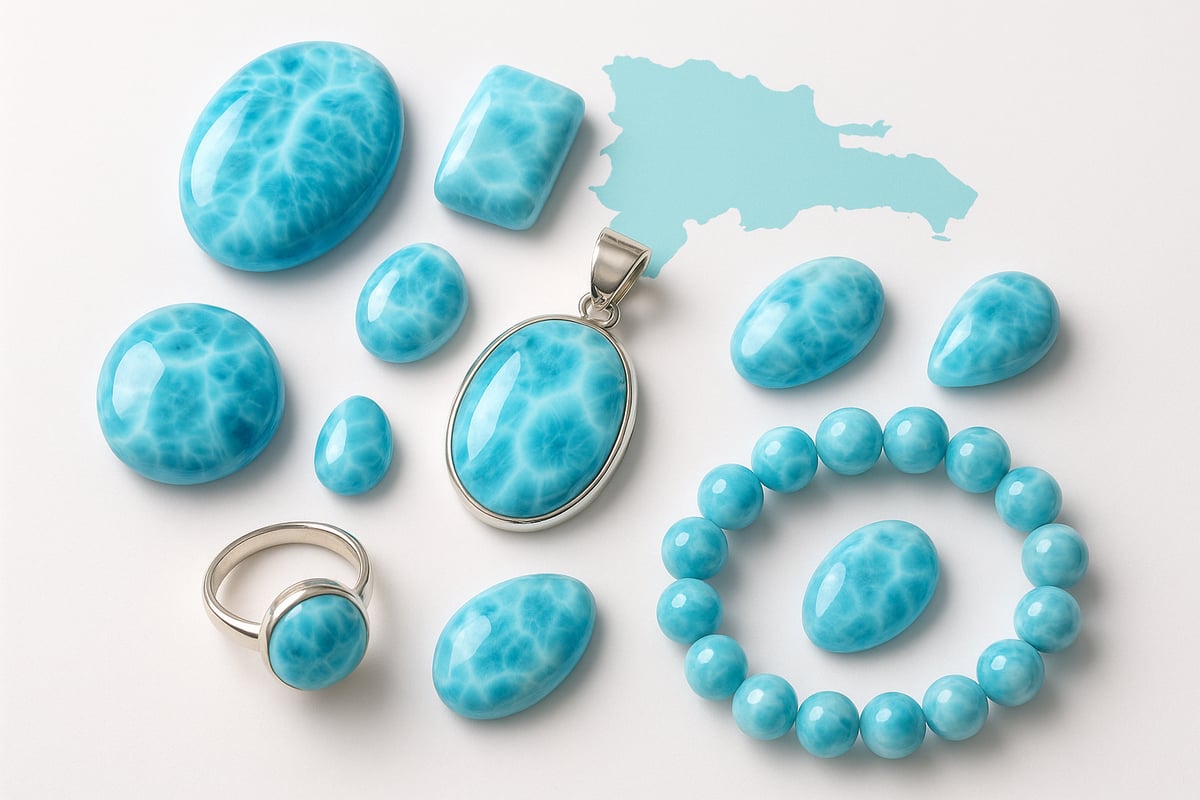
Larimar is not just a pretty stone — it’s a rare blue gem that comes from a single spot in the Dominican Republic. If you’ve ever asked yourself, can larimar be fake, it helps to know what makes the real thing so extraordinary.
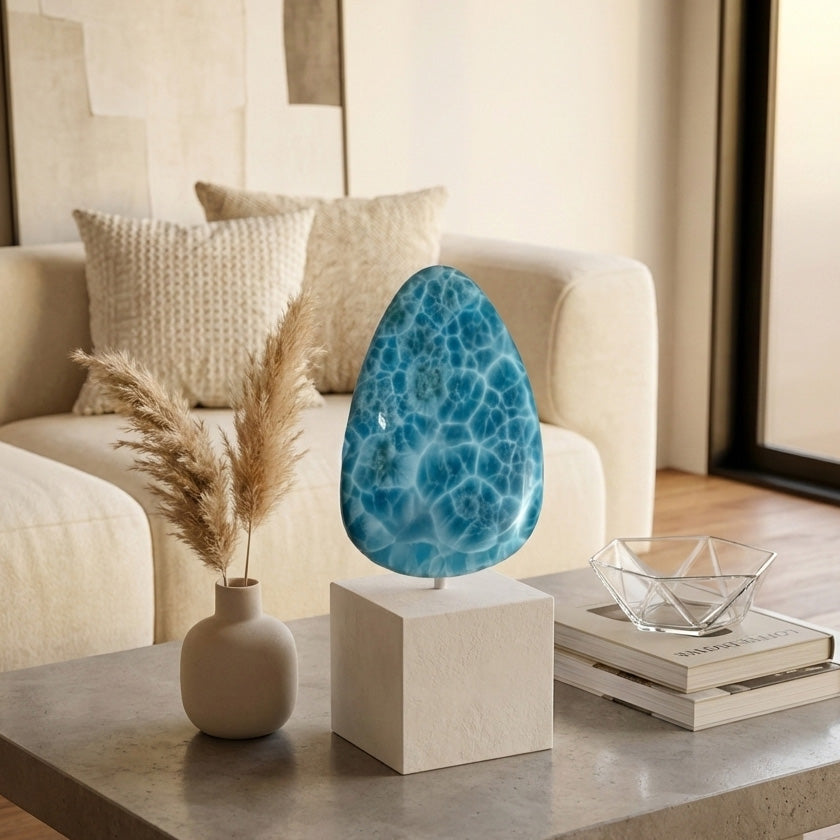
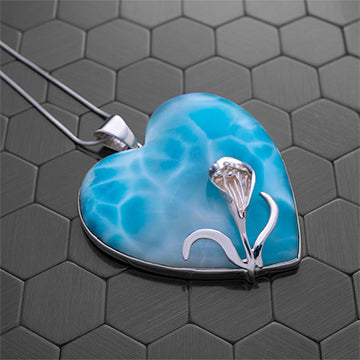
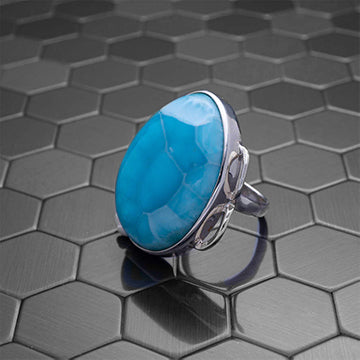
What sets Larimar apart is its color. The stone shows off a mix of vivid blues and swirling white streaks that look like sunlight on tropical water. This coloring comes from the unique volcanic origins of the region. No two pieces are ever exactly the same.
People value Larimar for more than just its looks. In the Dominican Republic, it’s seen as a symbol of peace and healing. Many believe it brings calm and clarity, which is why it’s so popular in jewelry.
Larimar’s rarity is a big deal. Because it’s only found in a few mines, annual production is limited — estimates suggest just a few thousand kilograms are exported each year. That scarcity, mixed with high demand, sends prices up. Some pieces have even made headlines for their beauty and size.
Physically, Larimar is a pectolite with a hardness of 4.5 to 5, a silky luster, and those trademark organic patterns. These features, along with its volcanic background, make it instantly recognizable to those who know what to look for. For a deeper dive into its signature colors and symbolism, check out this Larimar gemstone meaning and colors guide.
So when wondering can larimar be fake, remember — its unique traits are what make the real thing so sought after, and why fakes try to copy it.
Ever heard someone ask, can larimar be fake? It’s a real concern for anyone drawn to this stunning blue stone. The truth is, the rarity and beauty of Larimar make it a prime target for fakes.
Genuine Larimar only comes from a tiny spot in the Dominican Republic. Because the supply is so limited and demand keeps climbing, it’s tempting for sellers to cash in with imitations. Can larimar be fake? Absolutely—especially when the price difference between real and fake stones can be massive.
People fake Larimar for a few reasons. Some want quick profit, others hope buyers won’t notice, and mass production makes it even easier for imitations to flood the market. You’ll see everything from dyed stones and painted pectolite to glass and resin copies.
For buyers, getting fooled can mean losing money and missing out on the real magic of Larimar. In fact, recent data shows that a surprising percentage of reported fake gemstone cases involve Larimar. If you’re wondering how to avoid scams, check out this Authentic Larimar buying guide for practical tips on spotting the real thing.
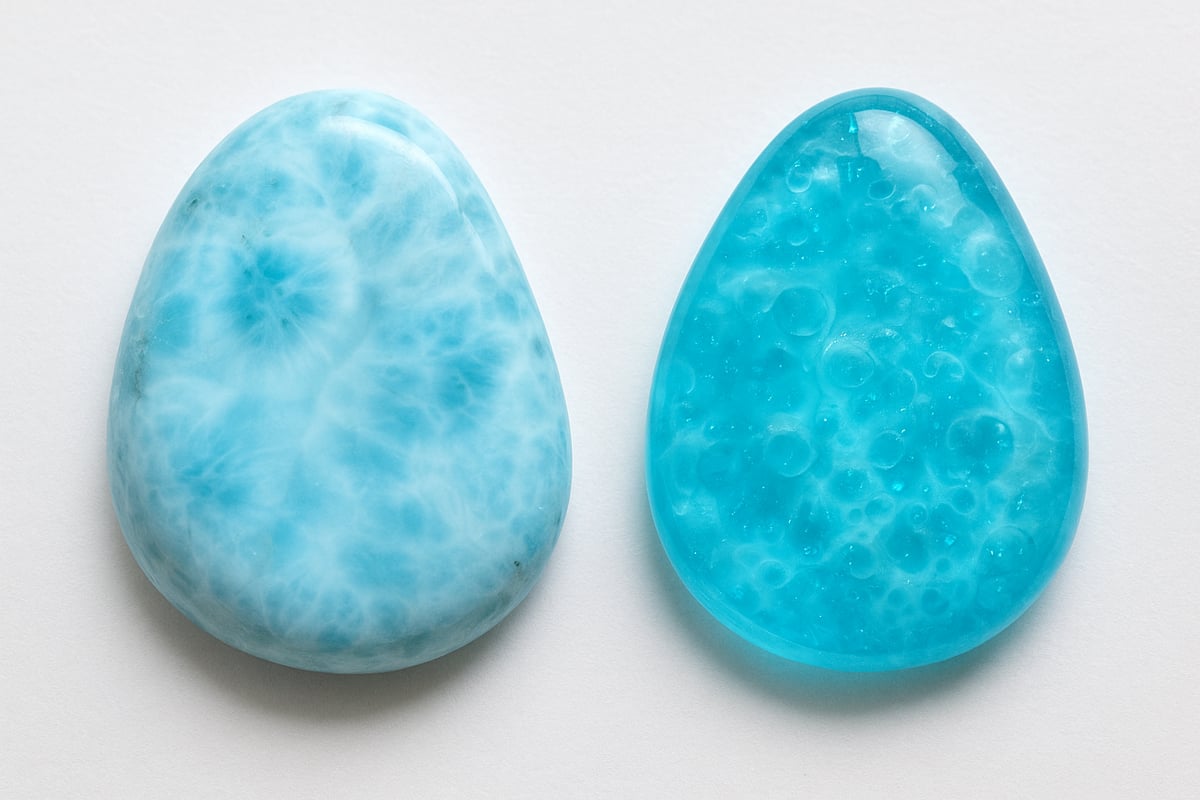
Wondering can larimar be fake? You’re not alone. With the stone’s popularity soaring, crafty sellers have gotten better at making convincing imitations. Most fake Larimar on the market in 2026 comes from a handful of clever techniques, and some of them are hard to spot unless you know what to look for.
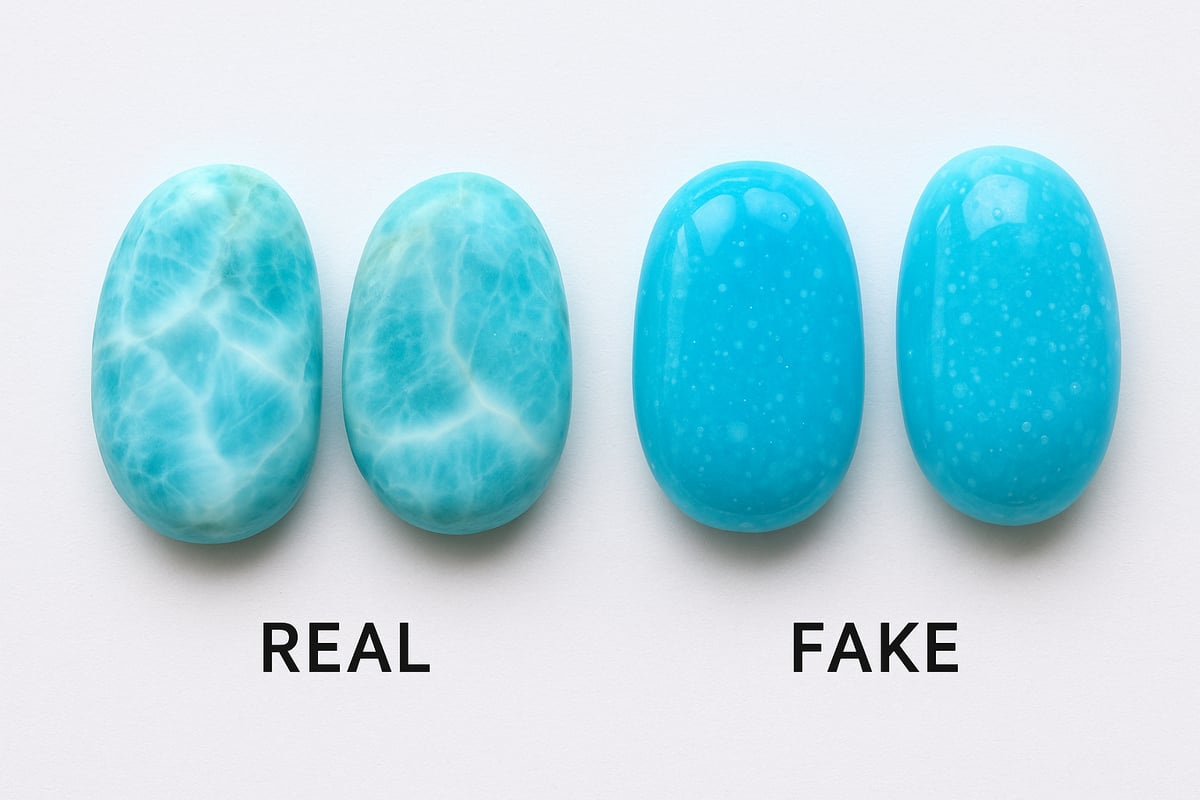
The most common trick is dyeing. Sellers take white pectolite or other pale minerals, then soak or inject them with blue dye. This process tries to mimic the signature blues of genuine Larimar, but the color often looks too even or bright. Others use resin or glass, creating stones from scratch. These fakes might even have swirled patterns or streaks, but they lack the depth and organic feel of the real deal.
In 2026, tech-savvy counterfeiters have upped their game. Improved dyes resist fading, and some fakes are even 3D-printed with custom patterns. Plastics and glass can be molded to copy Larimar’s unique shapes. Still, there are clues: fake stones often have bubbles trapped inside or a plastic-like shine.
Here’s a quick table to help spot the difference:
| Feature | Real Larimar | Fake Larimar |
|---|---|---|
| Color | Varied blue, white streaks | Flat or overly bright blue |
| Texture | Smooth, stone-like | Glassy or plasticky |
| Inclusions/Bubbles | Natural inclusions | Air bubbles, no inclusions |
If you’re asking can larimar be fake, pay close attention to these details. For a deeper dive into spotting fakes and what sets real Larimar jewelry apart, check out Explore the world of Larimar jewelry.
Counterfeit Larimar has flooded online markets since 2020, and seizures of fake gemstones have climbed each year. Staying sharp and learning the signs is your best defense.
Curious about the answer to can larimar be fake? You are not alone. With fakes getting smarter in 2026, knowing what to look for is your best defense. Let us break down the steps so you can shop with confidence.
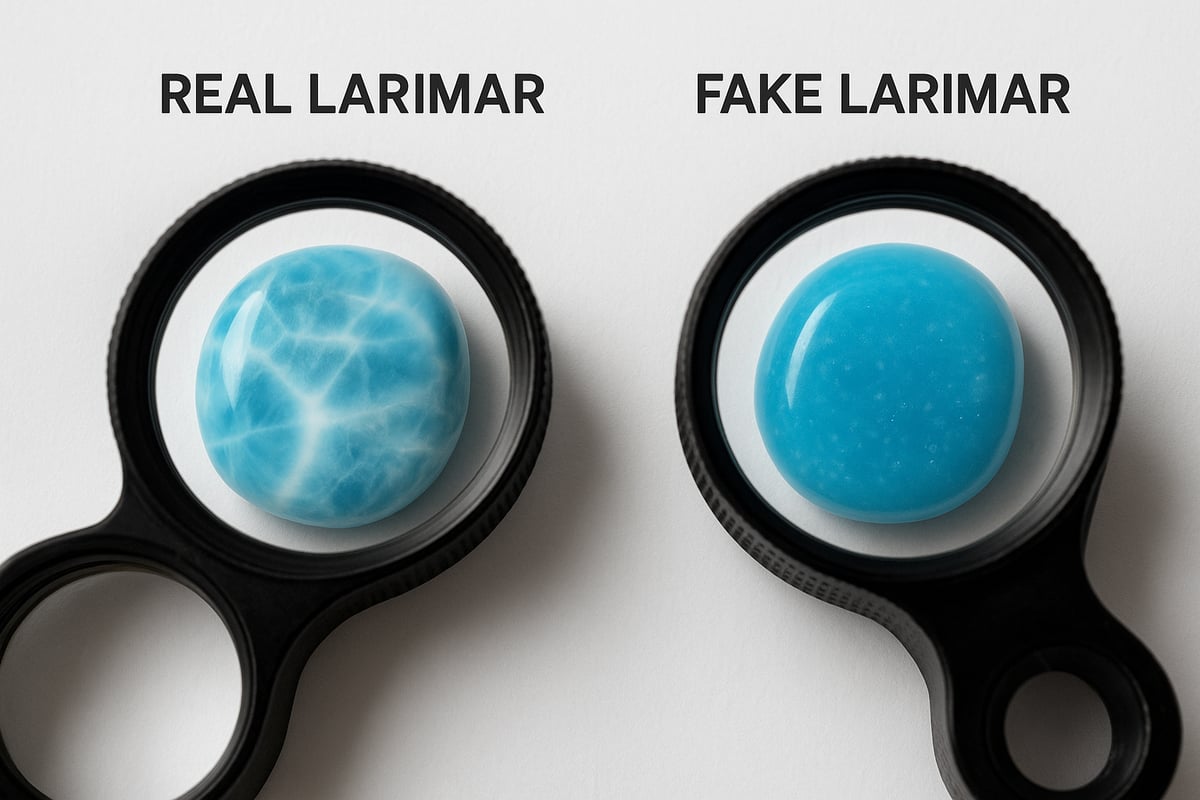
Start with a good look. Real Larimar shows soft blue shades, white swirls, and patterns that feel organic, like clouds or waves. Fakes tend to be a solid, almost neon blue or have patterns that look too perfect or repeated.
If you wonder, can larimar be fake just by color, remember: natural stones rarely look “too good to be true.”
Genuine Larimar is not super hard, rating around 4.5 to 5 on the Mohs scale. Try a gentle scratch test with a copper penny. If the stone scratches easily or feels oddly light (resin) or heavy (glass), you may have a fake.
Here is a quick table for reference:
| Test | Real Larimar | Fake (Resin) | Fake (Glass) |
|---|---|---|---|
| Hardness | 4.5–5 | <4 | >5 |
| Weight | Medium | Light | Heavy |
Use a magnifier or jeweler’s loupe. Real Larimar might have tiny natural inclusions, but you should not see bubbles. Bubbles hint at glass or resin fakes. If you spot them, ask yourself: can larimar be fake in this way? Yes, bubbles are a dead giveaway.
Shine a UV light on the stone. Real Larimar will not glow much, while fakes might light up or even change color. Gently warming the stone should not cause real Larimar to deform or discolor, but fakes can react oddly. For deeper testing, experts use advanced methods like Chemical Analysis in Gemology to confirm gemstone identity.
Always request a certificate of authenticity. Genuine Larimar should come from the Dominican Republic. Steer clear if the seller cannot provide proof or if the documentation seems off. Most fake stones are sold without any real paperwork.
Shopping for Larimar is exciting, but it’s easy to wonder, can larimar be fake when browsing all those dazzling stones? The answer is yes, so finding a trusted source is crucial.
Start with reputable jewelers. Look for sellers who offer certification, clear origin details, and a solid return policy. If you’re shopping online, read customer reviews and check if the website gives transparent descriptions. Unrealistically low prices or vague details are big red flags.
For peace of mind, stick with established retailers or well-known collector groups. Online forums and collector communities often share honest recommendations and recent experiences. If you want more tips on buying authentic stones, check out this guide on where to buy Larimar online.
In 2025, consumer protection agencies reported a rise in fake gemstone complaints, especially from lesser-known online sellers. So, take your time, ask questions, and don’t be shy about requesting proof before you buy.
Wondering what the future holds for spotting fakes? The answer to "can larimar be fake" is only getting more complicated as tech evolves. But the good news is, authentication tools are leveling up fast.
Imagine portable spectrometers you can carry in your pocket, or AI-powered apps that analyze gemstone patterns in seconds. Researchers are already using deep learning to determine gemstone origin and authenticity — check out Gemtelligence: AI in Gemstone Classification for a peek at how smart these tools are getting.
Blockchain-backed digital certificates are also making waves. Each stone's history and authenticity can be tracked from mine to market, cutting down on fakes slipping through the cracks.
The Dominican government and global organizations are tightening regulations, pushing for stricter documentation and more transparent supply chains.
New authentication services launched in 2026 let buyers scan and verify stones instantly, and the number of tech-driven solutions is climbing every year. If you're buying Larimar, staying informed about these advances is your best defense.
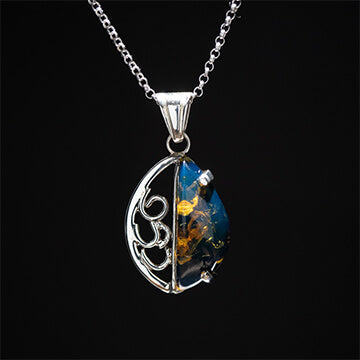
After digging into how to spot real Larimar from clever fakes, it’s clear that authenticity isn’t just about value—it’s about the peace of mind you feel when you know your jewelry is the real deal. If you’re thinking about adding something truly special to your collection or finding a meaningful gift, why not choose a piece that’s both beautiful and genuine Count on Larimar Creations for handcrafted pendants made with authentic Larimar, shipped from the Dominican Republic to wherever you are. Take a look and
Find the Perfect Gift of Serenity Shop Larimar Pendants with Free Worldwide Delivery.