
by Admin May 29, 2026 6 min read

A glowing blue amber pendant can stop you mid-scroll for a reason. True blue amber is rare, visually arresting, and often misunderstood, which is exactly why learning how to buy blue amber matters before you commit to a piece for your collection, a meaningful gift, or everyday wear.

Unlike common amber shades, blue amber is prized for the way it can reveal an electric blue effect under certain lighting. That visual magic also creates confusion for buyers, because not every stone marketed as blue amber is equal in origin, quality, or authenticity. If you want to wear a piece of the Caribbean with confidence, it helps to know what you are really paying for.

How to buy blue amber with confidence

The first question is not style. It is origin.

The most sought-after blue amber comes from the Dominican Republic, a source known worldwide for producing amber with remarkable transparency, rich natural color, and that distinctive blue fluorescence effect. If a seller is vague about where the amber comes from, treat that as a warning sign. Baltic amber is respected in its own right, but it is not the same material category when you are specifically shopping for Dominican blue amber.

A trustworthy purchase usually starts with clear language around authenticity, source, and whether the gemstone is natural and certified. Premium sellers do not hide behind broad terms like exotic amber or rare blue stone. They tell you what it is, where it was mined, and how it was crafted.

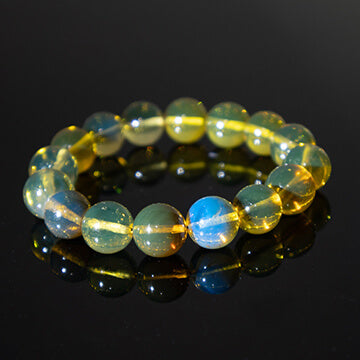
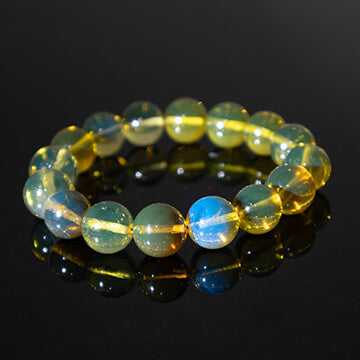
That level of transparency matters even more online, where photography can flatter almost any gemstone. Blue amber should be sold with enough detail that you can understand both its beauty and its limits. Some stones show stronger blue effect than others. Some look honey, golden, or cognac in normal light and reveal blue only under sunlight or UV-rich conditions. That is not a defect. It is part of the gemstone’s character.

What real blue amber should look like

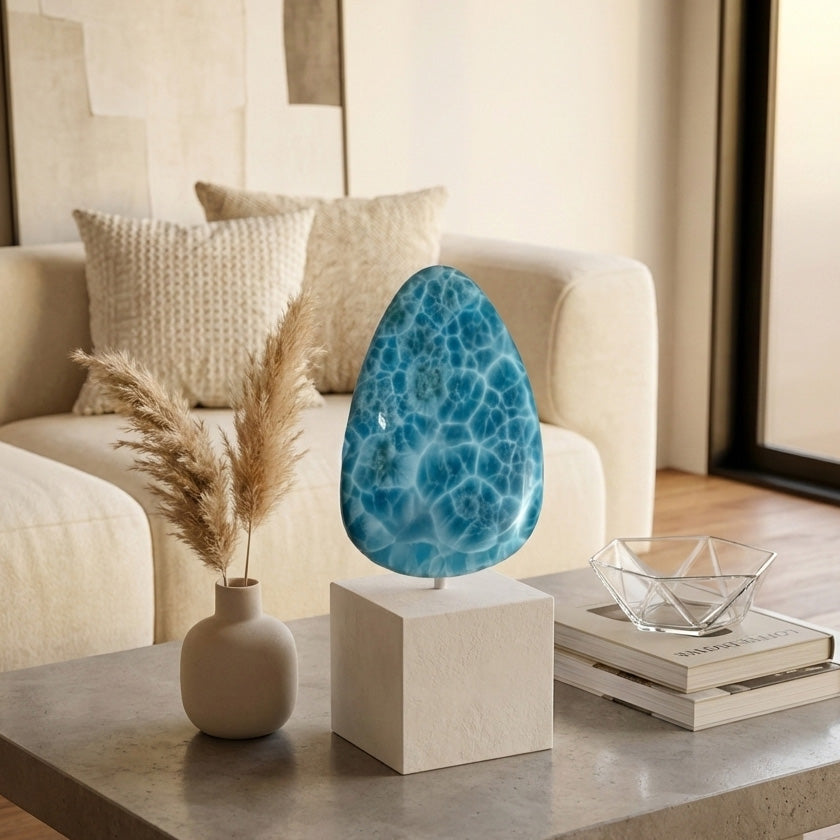
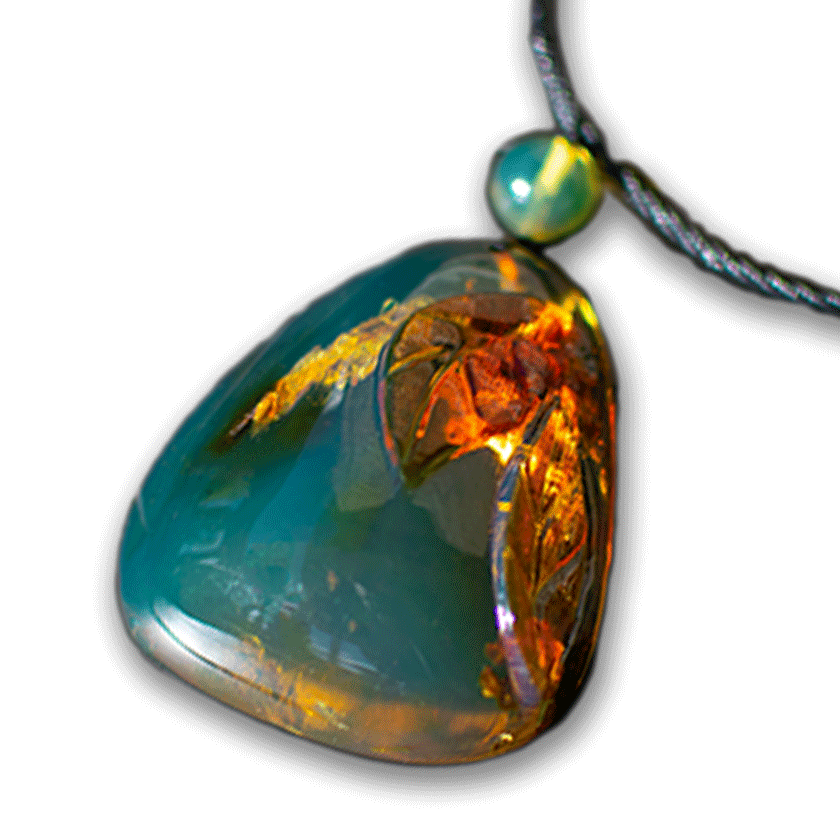
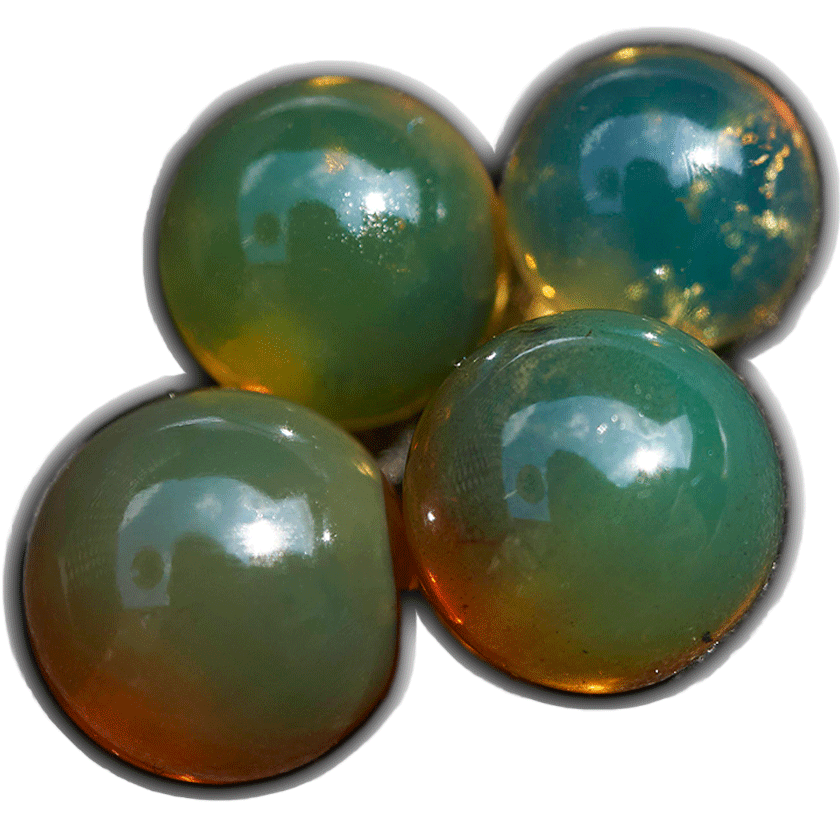
If you are new to the category, one of the easiest mistakes is expecting the stone to look neon blue at all times. In reality, authentic Dominican blue amber often appears warm and translucent indoors, then shifts visually when exposed to direct sunlight or specific lighting conditions.

That means the best product descriptions and photos set realistic expectations. Look for sellers who show the stone in more than one lighting environment or clearly explain the effect. If every image looks dramatically blue in a studio-style way, but there is no explanation of how the color appears, you may be seeing lighting tricks rather than an honest presentation.

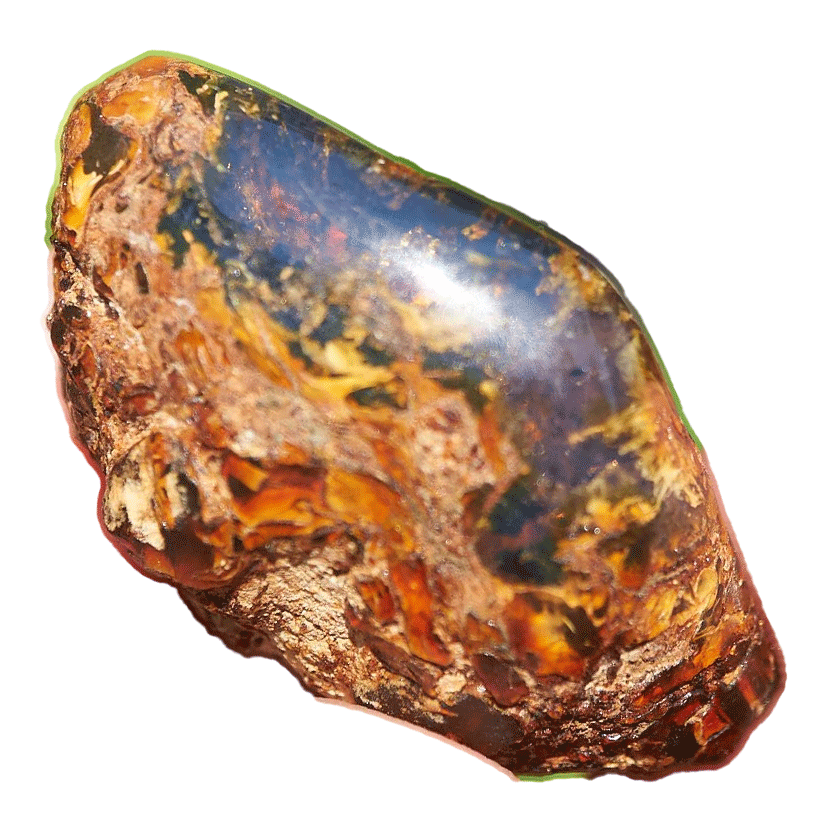
Clarity also affects value. Many buyers are drawn to cleaner, more transparent pieces because they let light move through the amber beautifully. Others prefer stones with visible inclusions because they emphasize the gemstone’s natural origin and collector appeal. Neither preference is wrong. It depends on whether you are buying primarily for jewelry wear, gifting, or gemstone collecting.

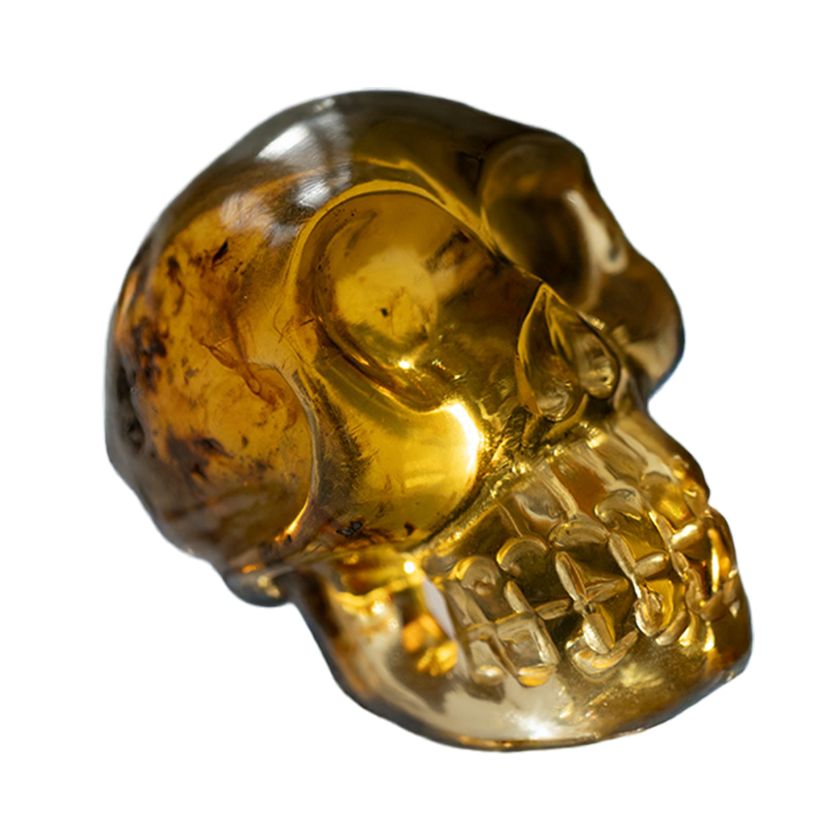
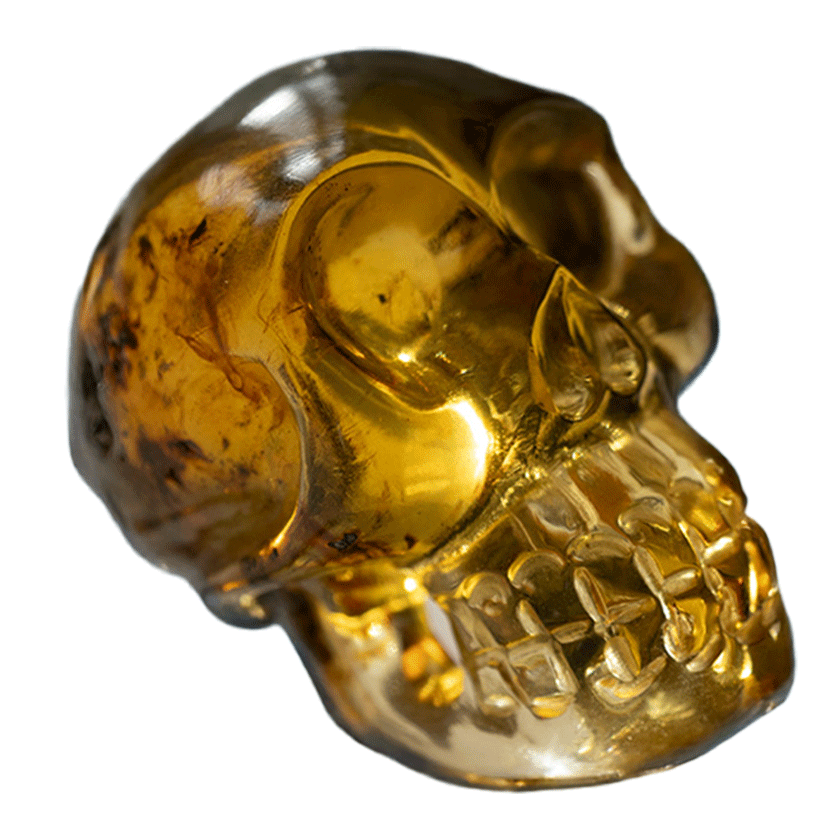
Surface polish matters too. Fine blue amber should have a smooth finish that enhances the stone’s glow without making it look overly plastic. A well-cut cabochon or polished carving should feel intentional and balanced, not mass-produced.

Inclusions, shape, and individuality

Amber is an organic gemstone, so natural variation is part of its value. Slight internal features, uneven clouding, or organic patterns can make one piece more distinctive than the next. For jewelry buyers, the key is whether those features add beauty or distract from it.

In collector pieces such as cabochons, carvings, beads, or fossils, individuality can be a major selling point. In rings, pendants, earrings, and bracelets, buyers often prioritize a more refined visual balance. The right choice depends on how you want the stone to live with you.

How to judge quality before you buy

When people ask how to buy blue amber, they are usually asking how to avoid overpaying for something that only looks good in a listing. Start by weighing four factors together: authenticity, origin, visibility of the blue effect, and craftsmanship.

Authenticity comes first because nothing else matters if the stone is misrepresented. Origin comes next because Dominican material carries the recognition and rarity most buyers are seeking. Then comes the strength and beauty of the visual effect. Finally, look at the way the piece is finished, set, and presented.

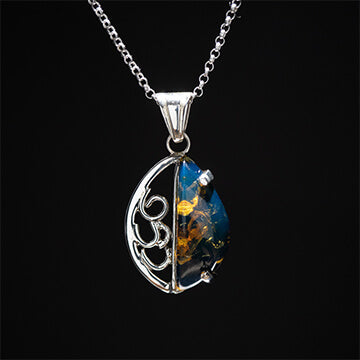
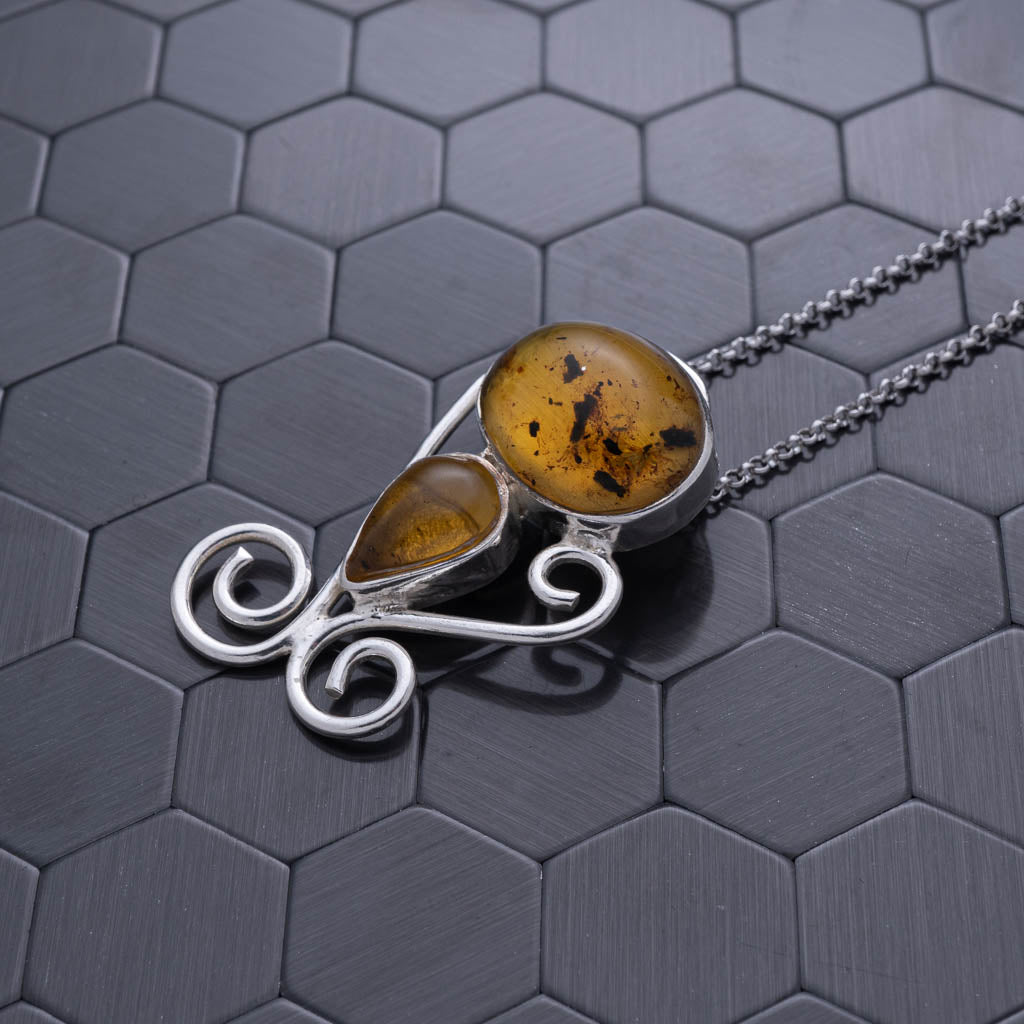
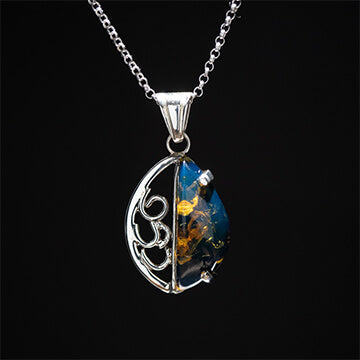
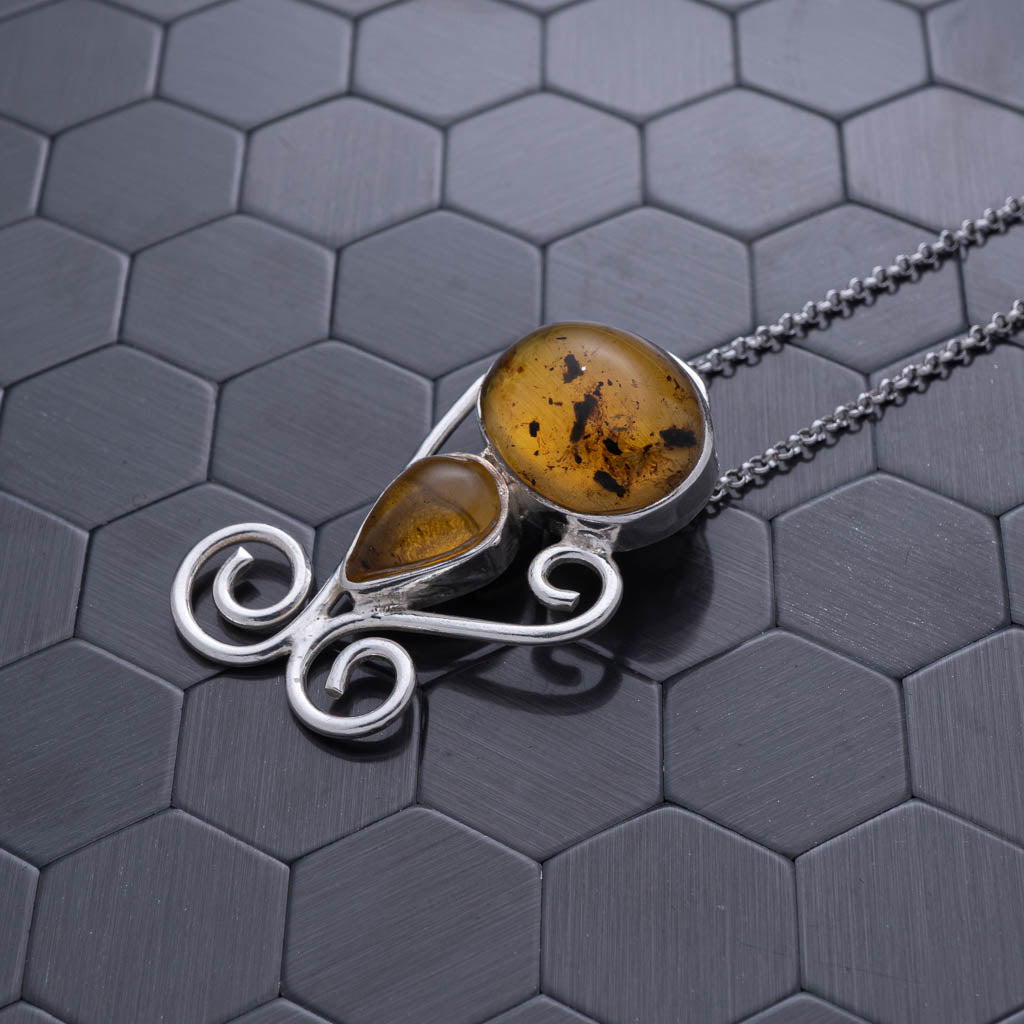
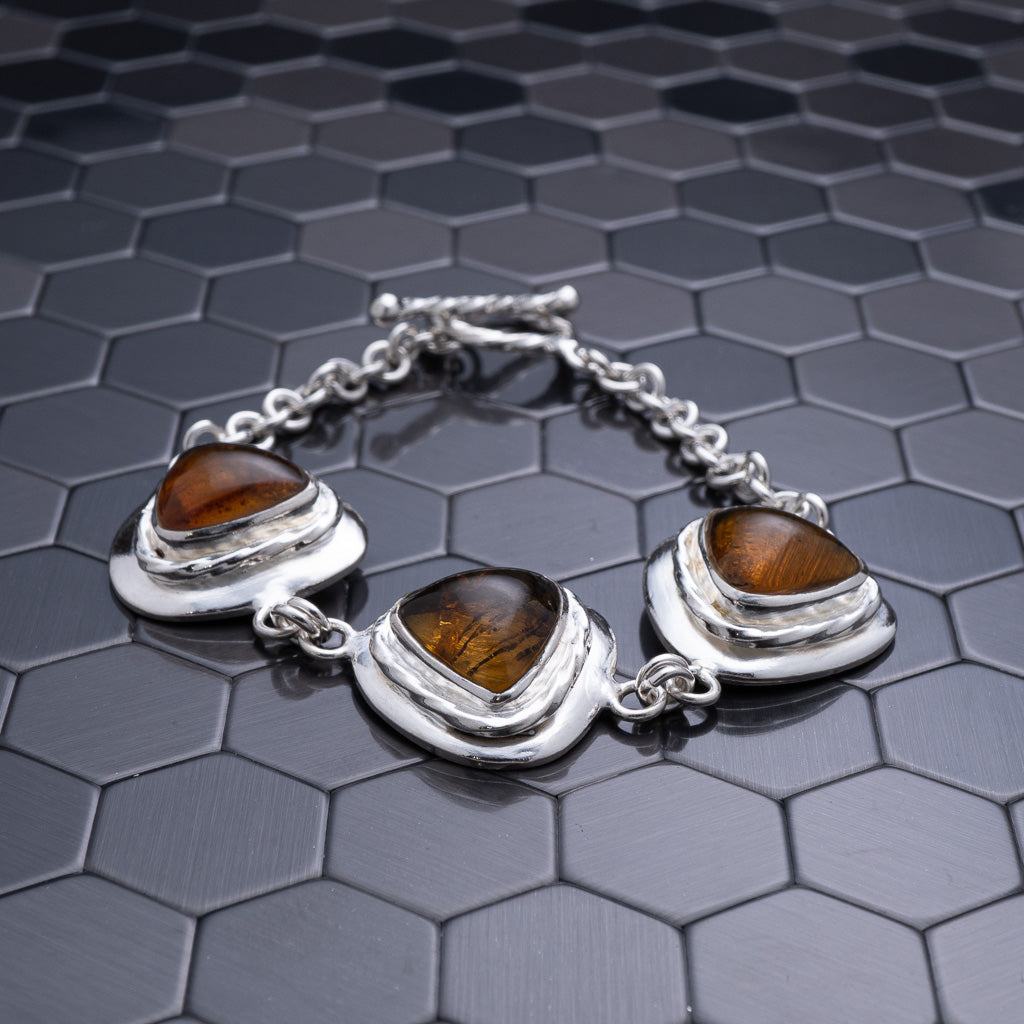
In jewelry, craftsmanship can elevate a stone or undermine it. A premium blue amber pendant in a thoughtful setting feels very different from a stone dropped into a generic mount. The metalwork should support the gemstone, not compete with it. Clean prongs, balanced bezels, and proportionate design all signal care.

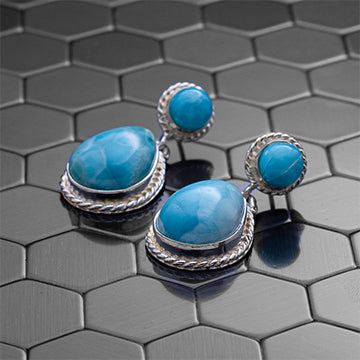
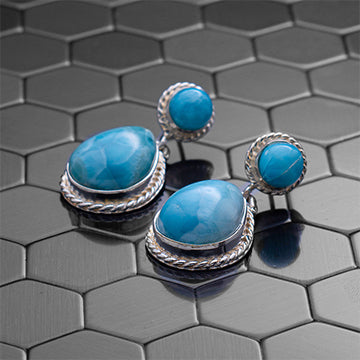
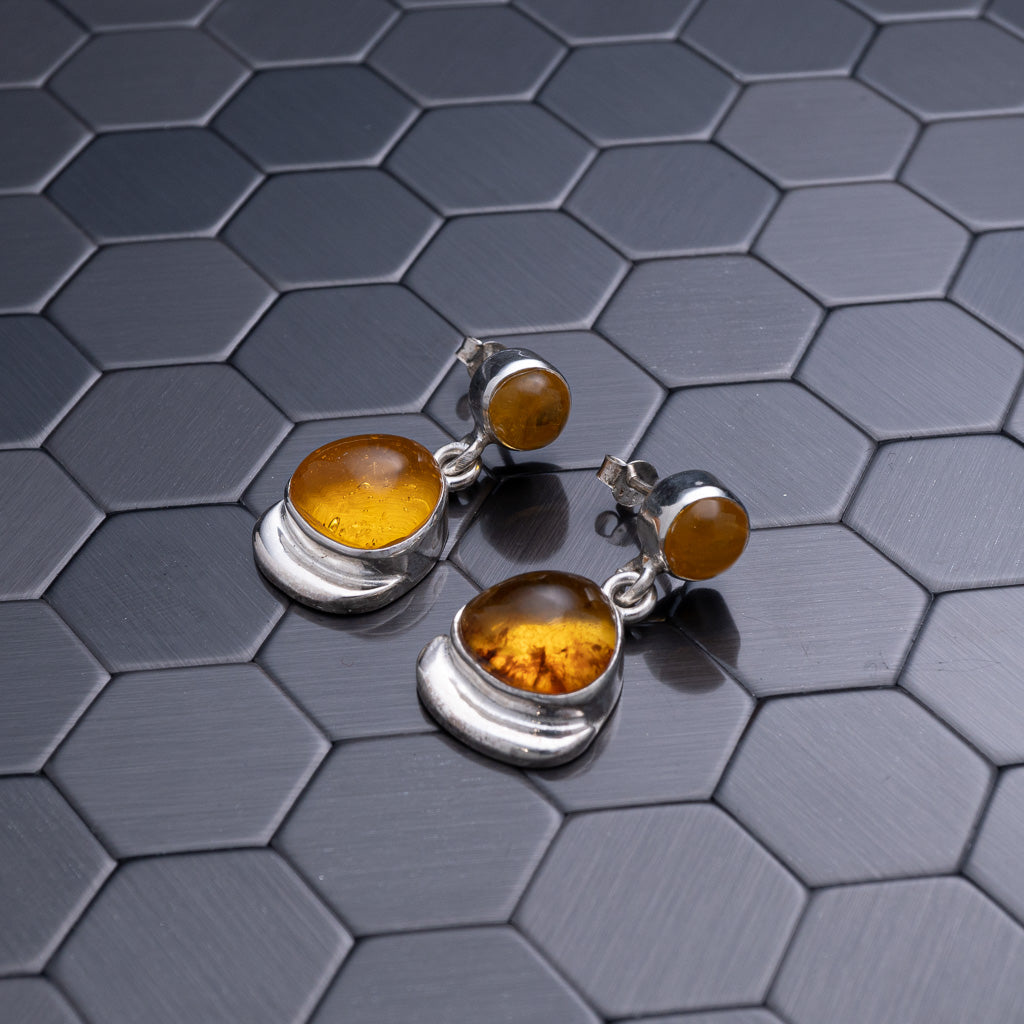
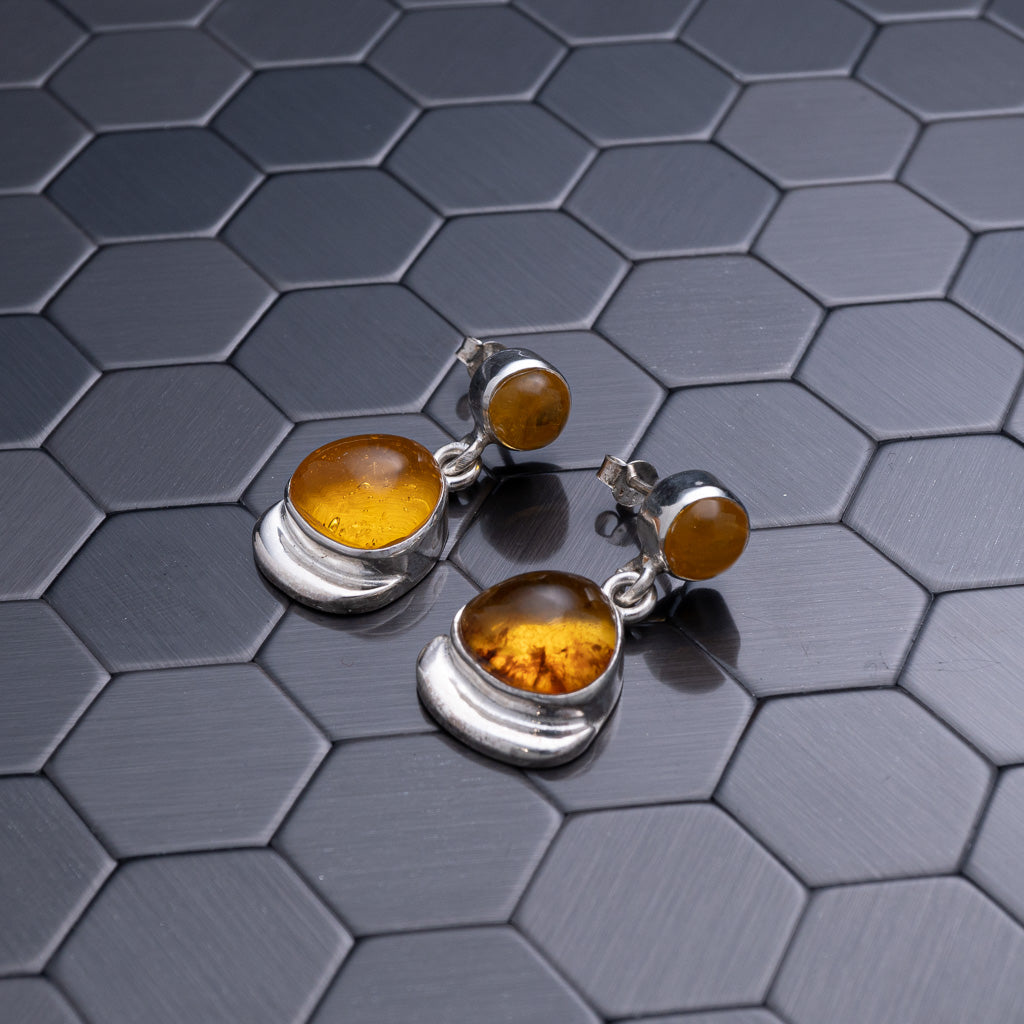
If you are shopping for a gift, quality also means wearability. Earrings should not feel too heavy. Rings should protect the amber from daily impact, since amber is softer than many traditional gemstones. Pendants often offer the best combination of visibility and protection, especially if you want to showcase a larger blue amber cabochon.

Choosing the right blue amber product

Blue amber is not a one-format gemstone. The best buying decision depends on what you want from it.

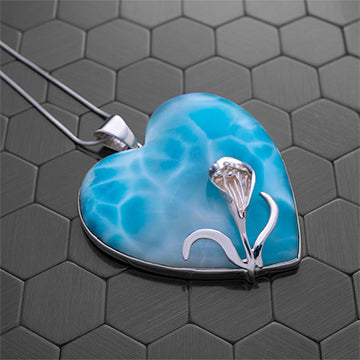
Pendants are often the most popular choice because they let the stone catch light naturally and create a strong focal point. They are ideal if you want the amber’s glow to be visible and easy to admire.

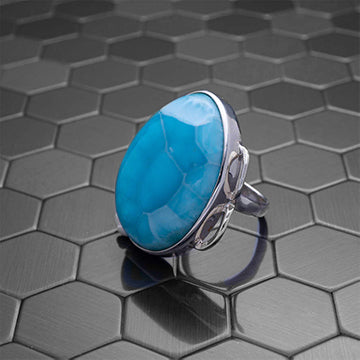
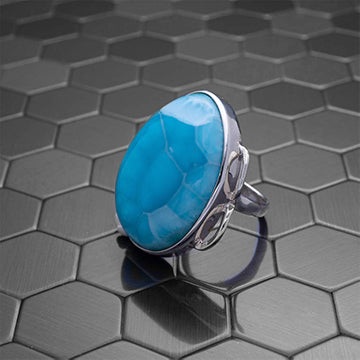
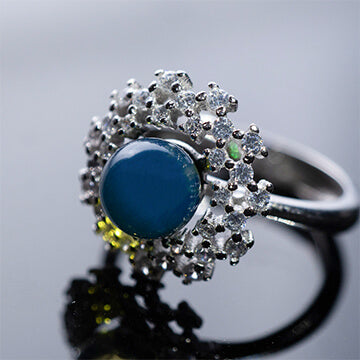
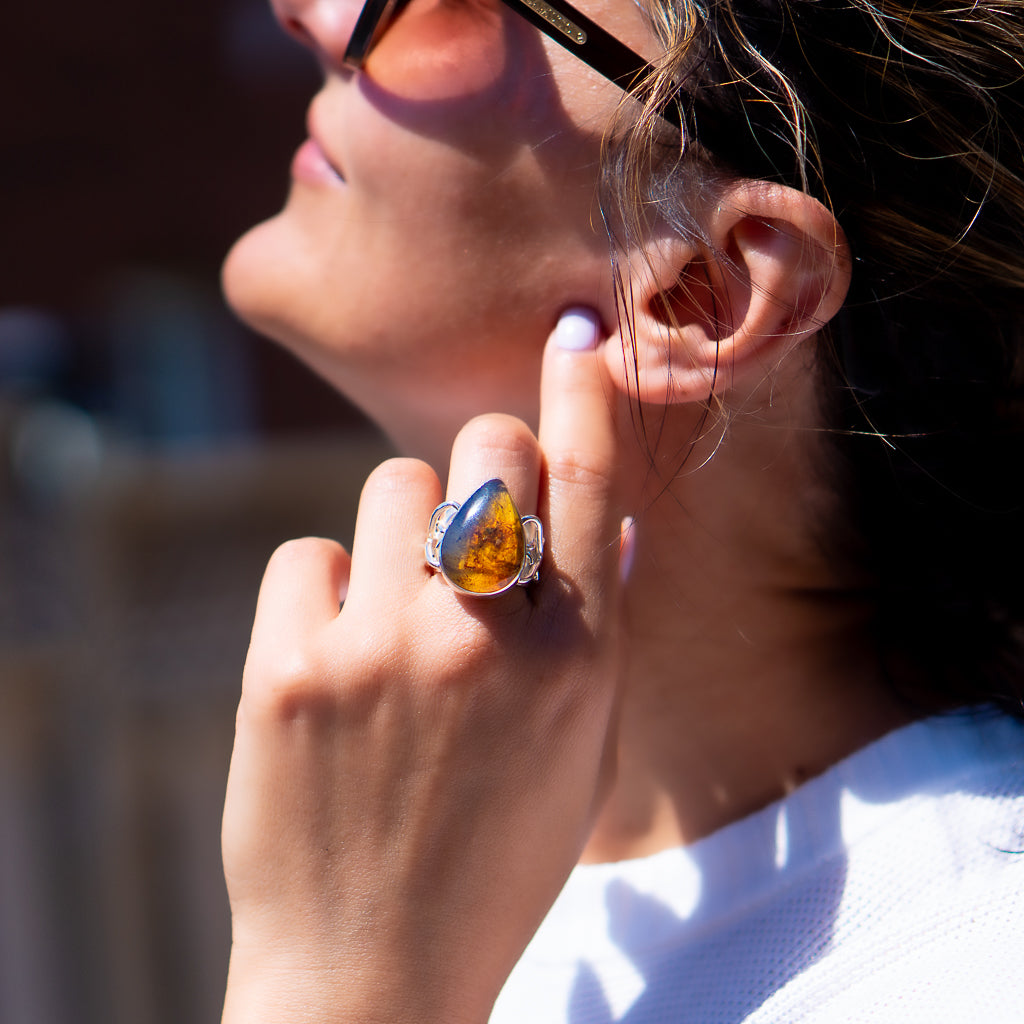
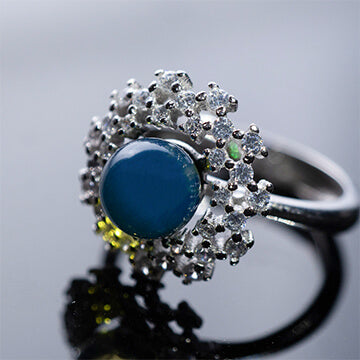
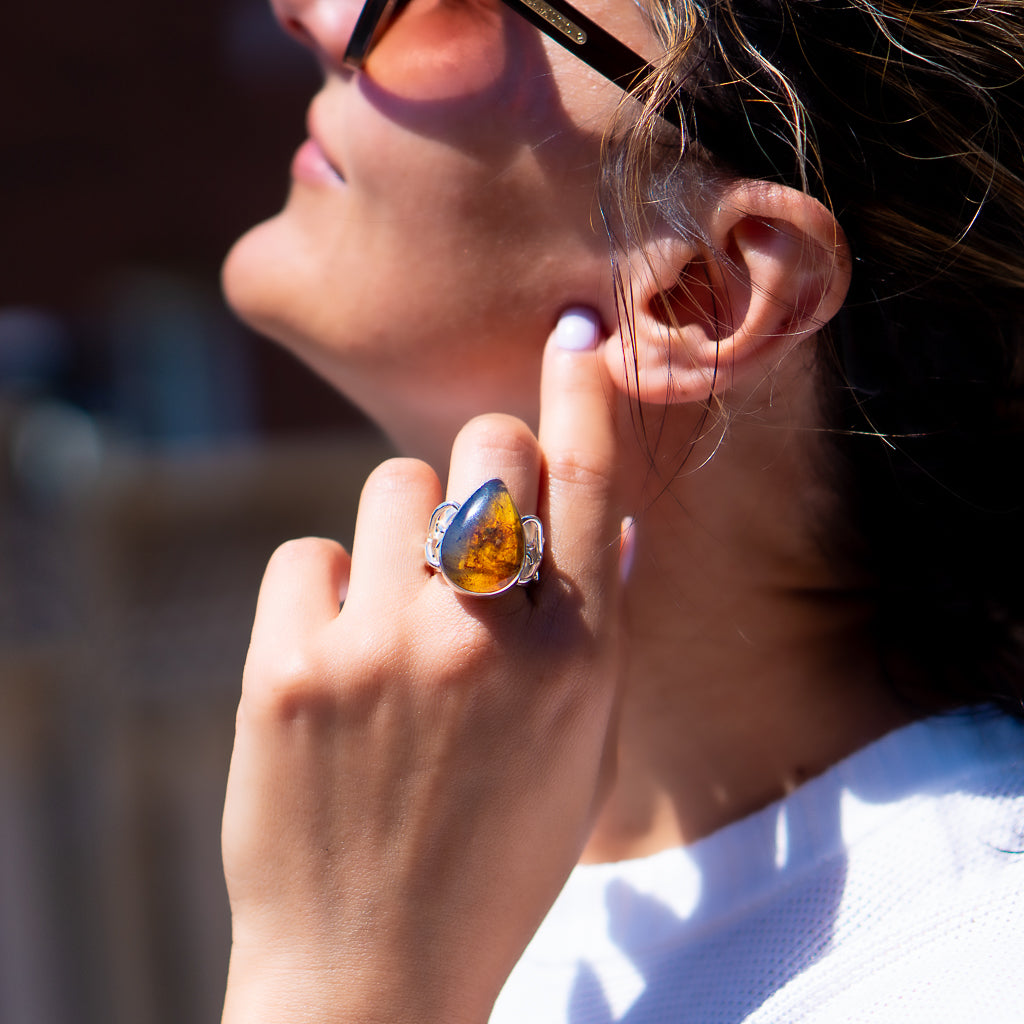
Rings feel personal and expressive, but they need a practical mindset. Amber is softer than sapphire or diamond, so a ring worn every day should have a secure setting and a lifestyle that matches it. If you are hard on your hands, a pendant or earrings may be the wiser investment.

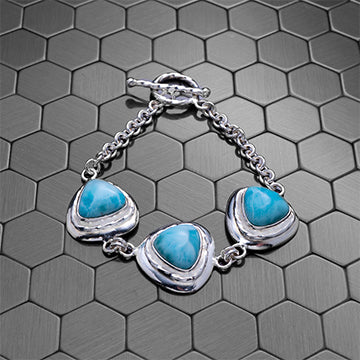
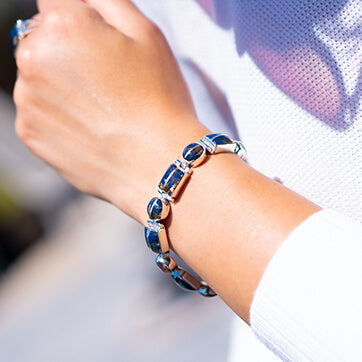
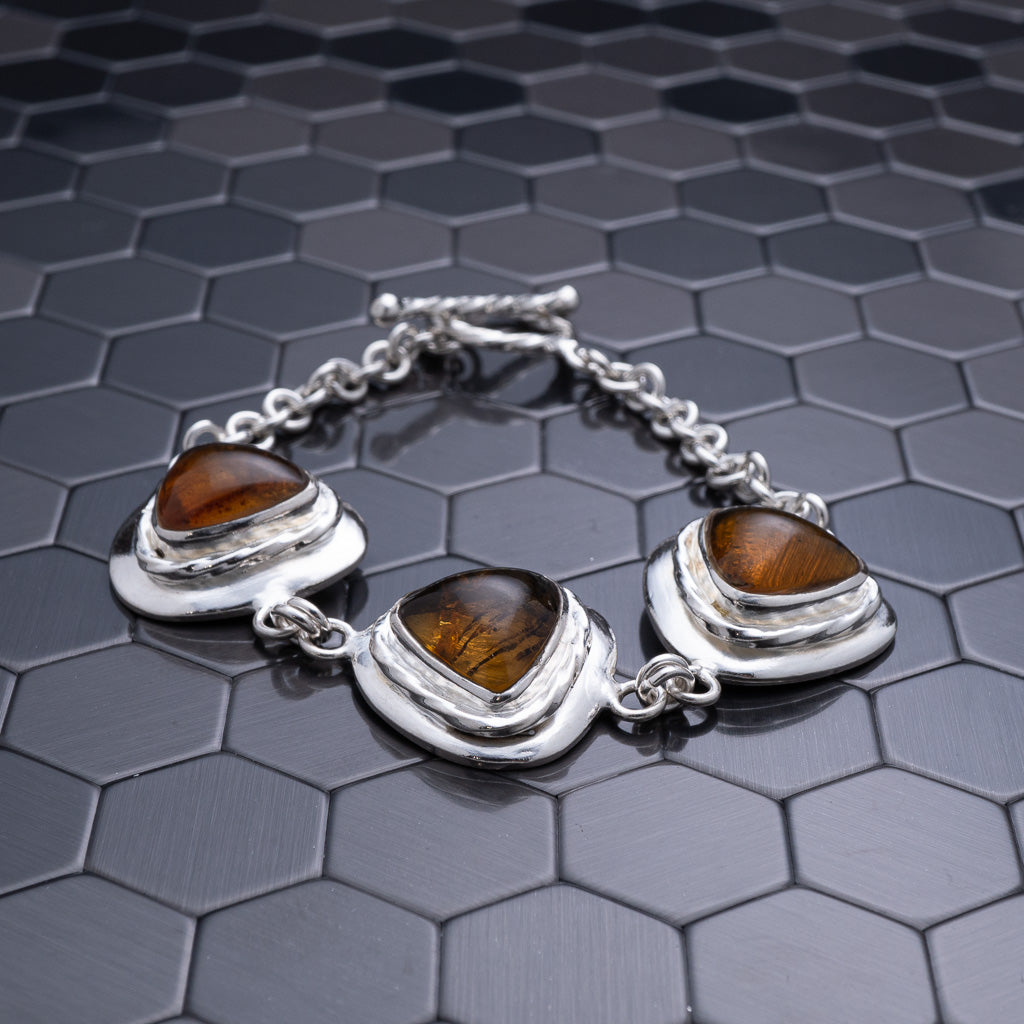
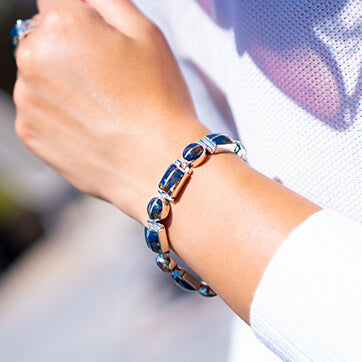
Bracelets and beads offer movement and warmth, though they can see more friction during wear. Collector buyers may gravitate toward cabochons, carvings, tasbih, or fossils, where origin, polish, shape, and rarity often matter more than conventional jewelry styling.

This is where a specialized seller has an advantage. A brand focused on Dominican stones, such as Larimar Creations, is typically better positioned to present blue amber as a category with real depth rather than as a one-off novelty.

Questions worth asking before checkout

A serious seller should be able to answer a few simple but important questions. Is the blue amber natural and authentic? Is it Dominican in origin? Does the listing reflect how the stone looks in different lighting? Is the piece handcrafted or factory made? Is there certification or supporting authenticity language?

You do not need a geology degree to shop well. You just need enough information to separate rarity from hype.

Price can help, but it should not be your only guide. Very low prices can point to imitation, weak material, or poor craftsmanship. At the same time, a high price alone does not prove quality. The better test is whether the seller explains what justifies the value.

Red flags to watch for

Be careful with listings that rely on dramatic claims but give few specifics. Phrases like ultra rare glowing blue gem or museum grade amber mean little without origin details, accurate imagery, and clear product information.

Another red flag is perfect uniformity across many pieces. Natural blue amber varies. If every stone looks identical in tone, shape, and effect, ask whether you are looking at natural material or something more manufactured than advertised.

Buying for beauty versus buying for rarity

There is a difference between shopping with your eye and shopping with a collector’s mind. Jewelry buyers often want the most flattering color, shape, and setting for wear. Collectors may care more about unusual features, exceptional transparency, or inclusions that make a piece one of a kind.

Neither approach is better. It simply changes what value means.

If your goal is romance, personal adornment, or gifting, choose the piece that feels luminous, balanced, and emotionally resonant. If your goal is rarity, spend more time on the stone itself than the setting. Blue amber has a presence that can be quiet or vivid depending on the piece, and the best purchase is the one aligned with why you wanted it in the first place.

A beautiful blue amber piece should feel like more than a transaction. It should feel selected - something mined from the Caribbean, shaped by skilled hands, and chosen because no ordinary gemstone could create the same effect.

Take your time with it. The right stone will not just look special in photos. It will keep revealing something new each time it meets the light.


Let's Stay In Touch