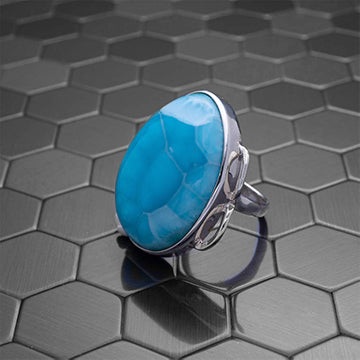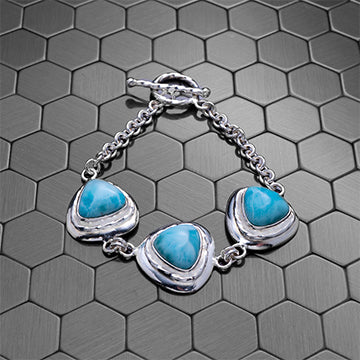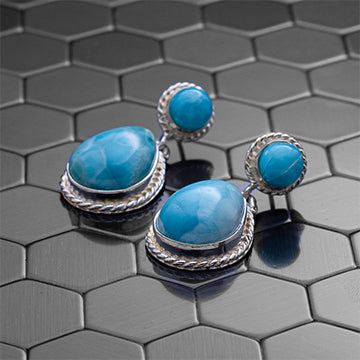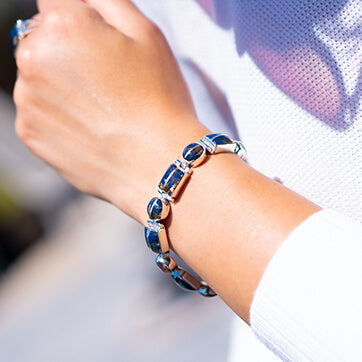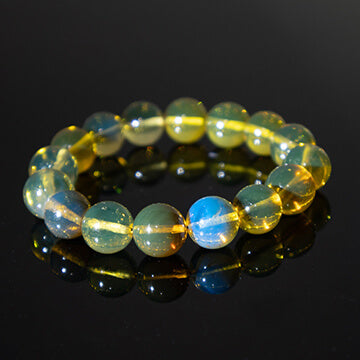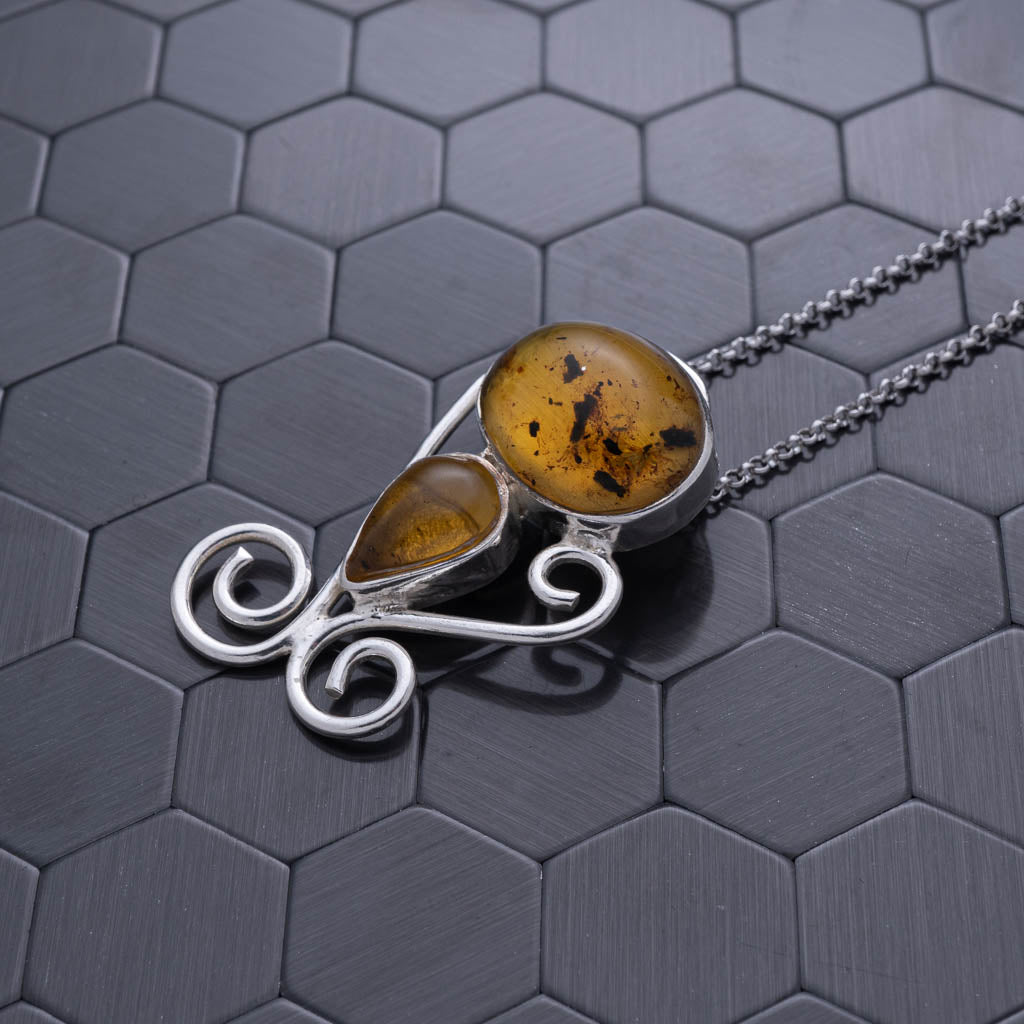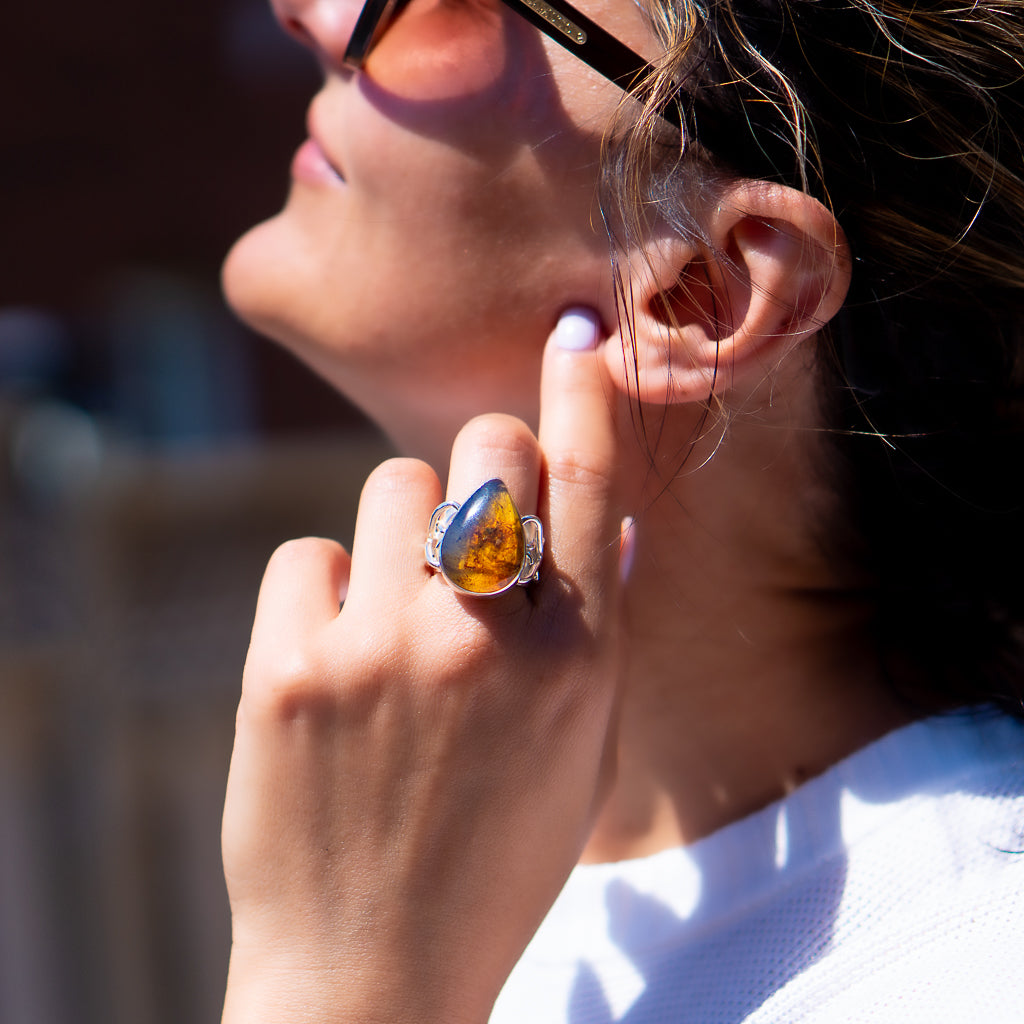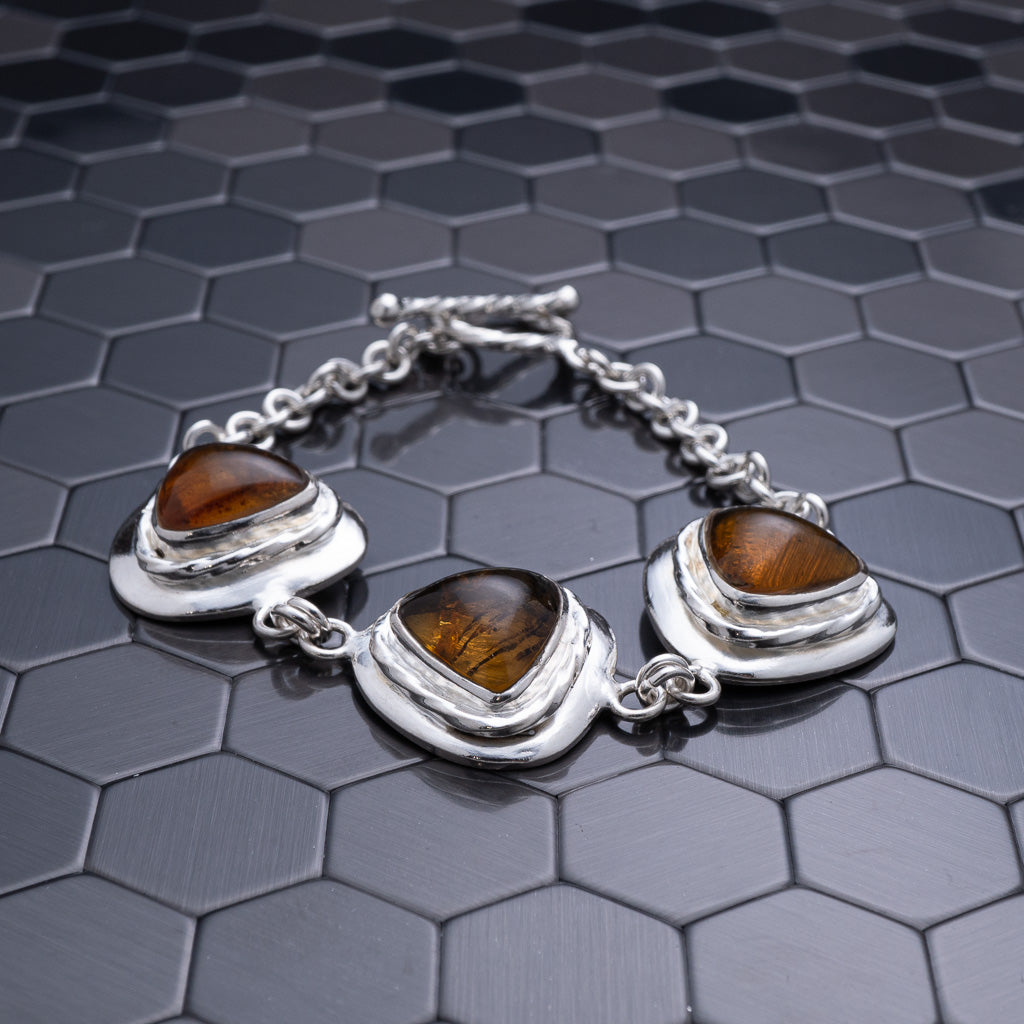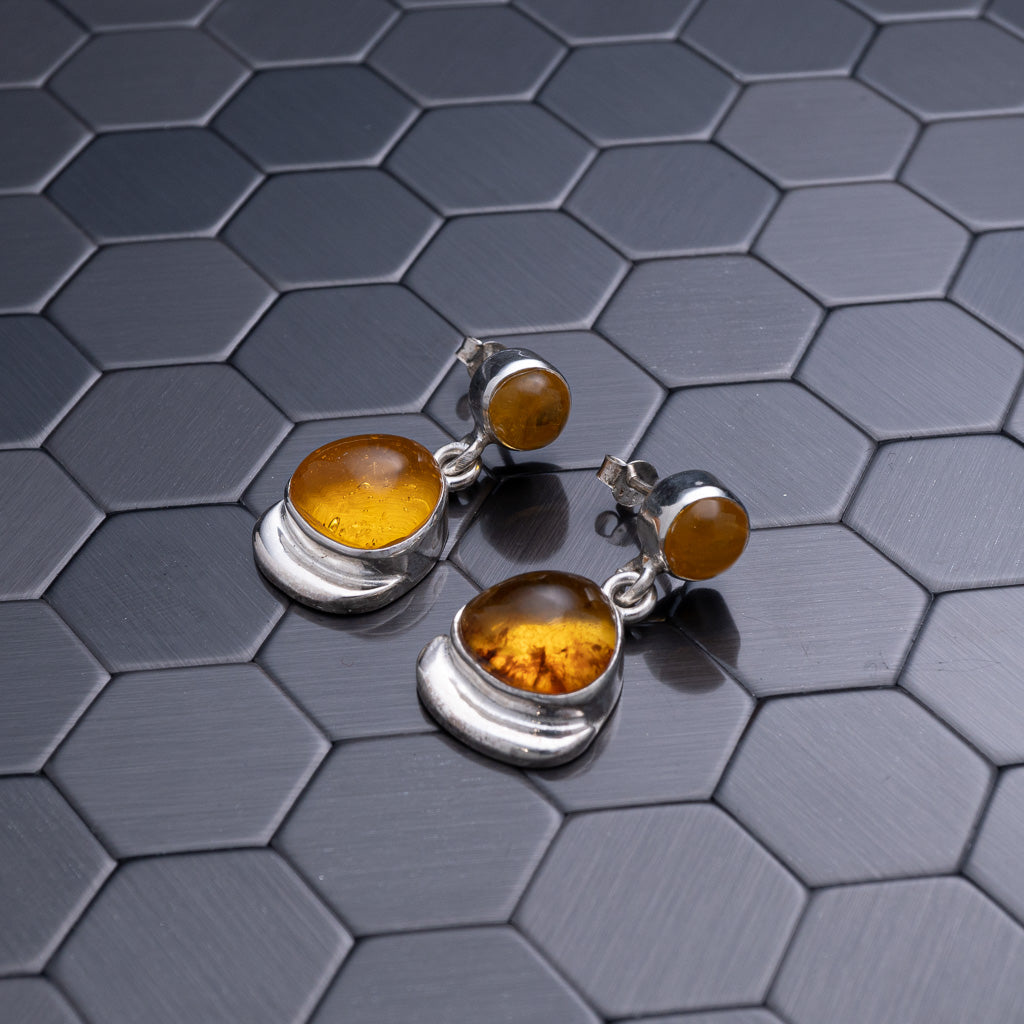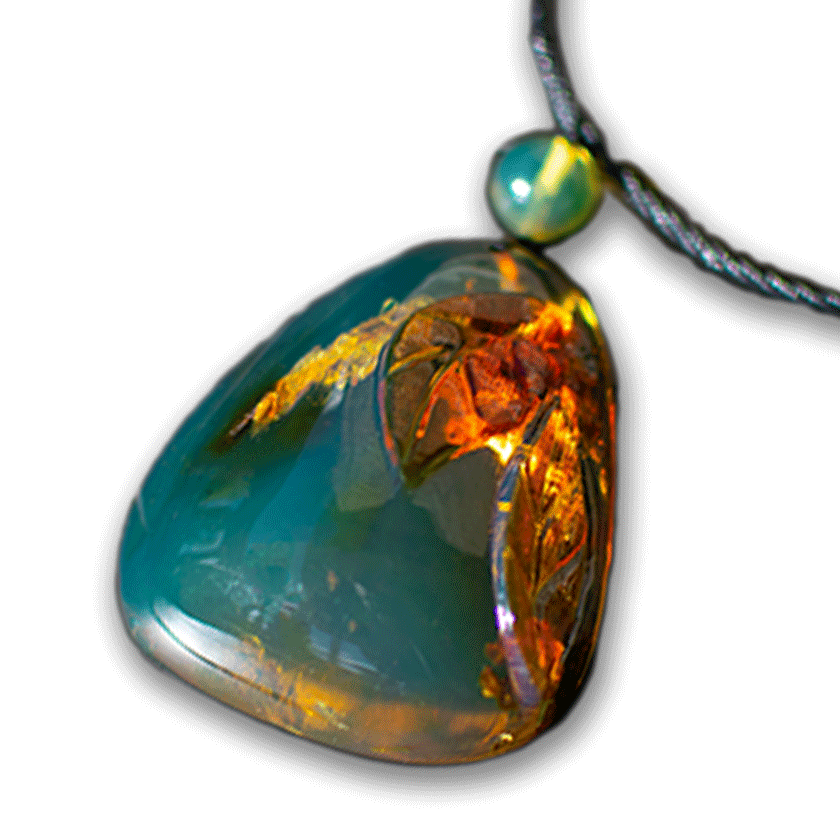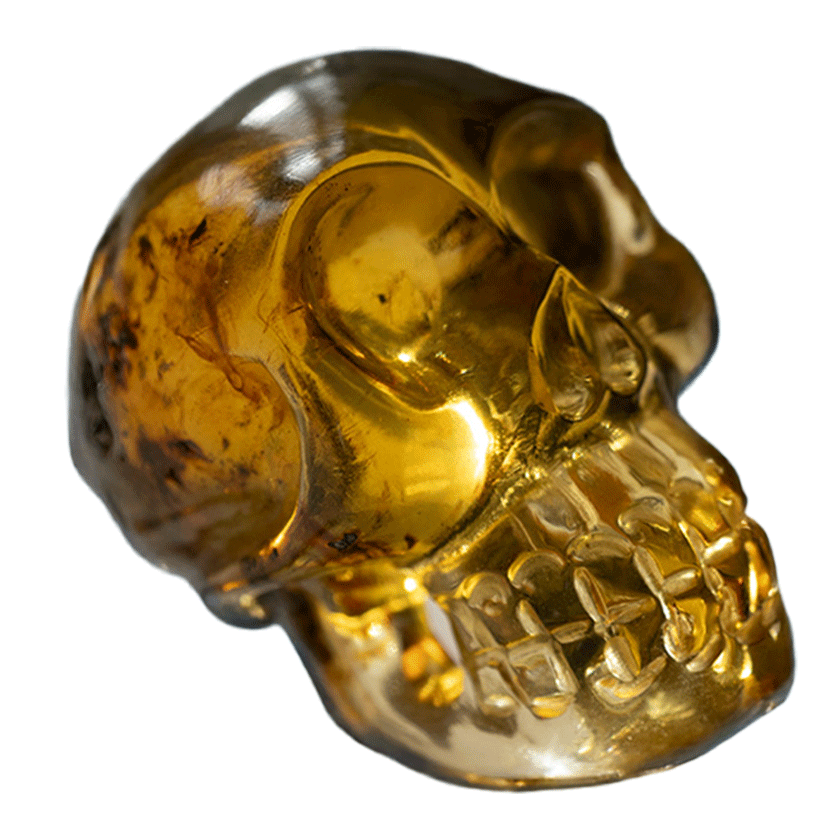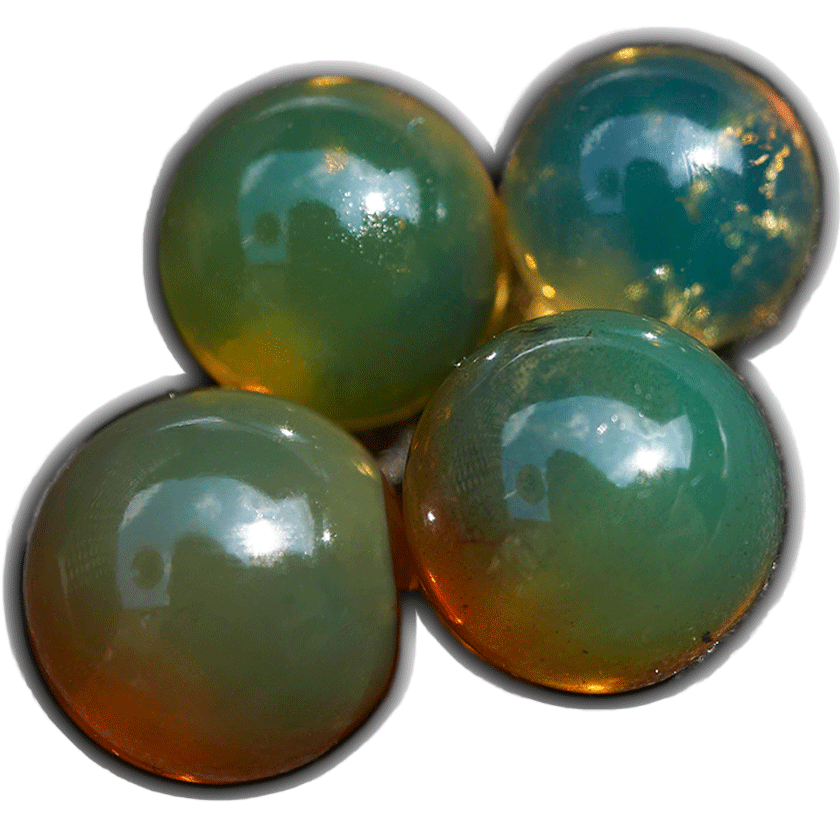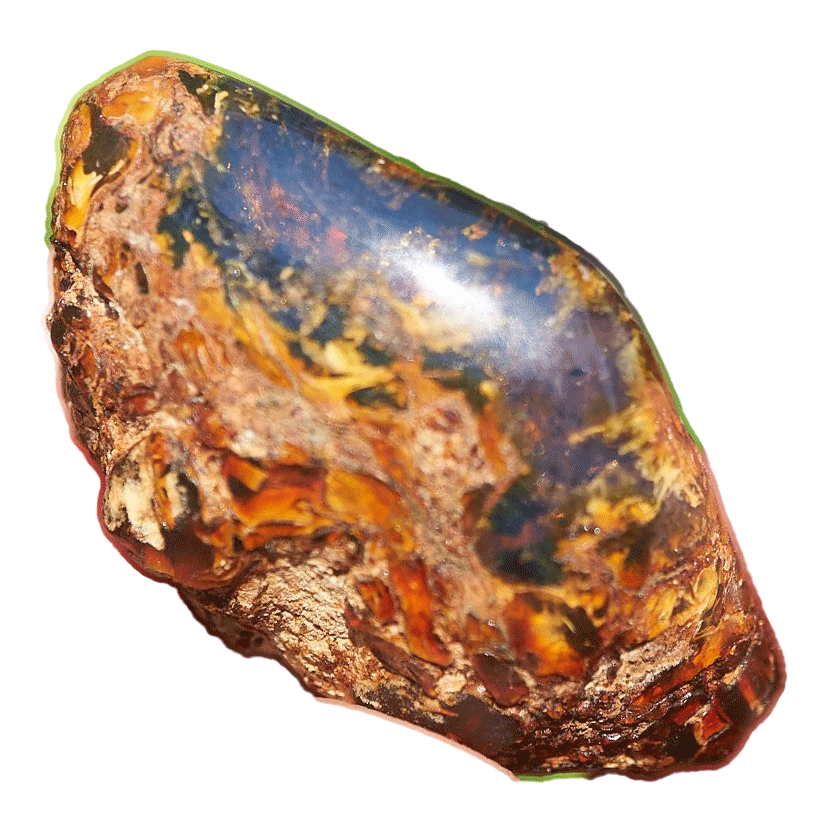


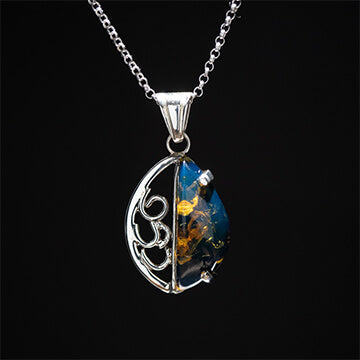
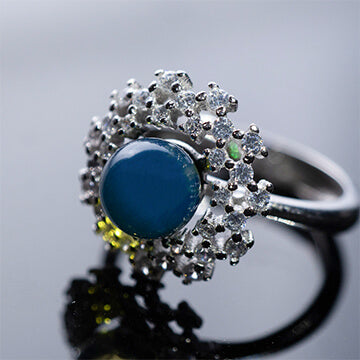
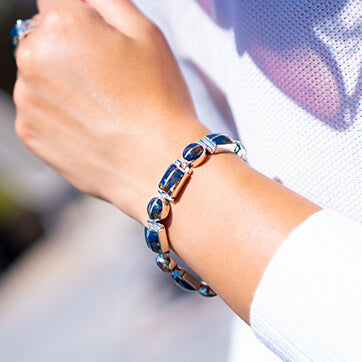
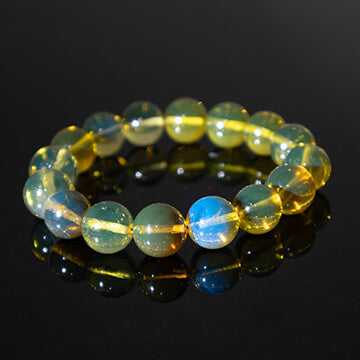
Handcrafted in DR.

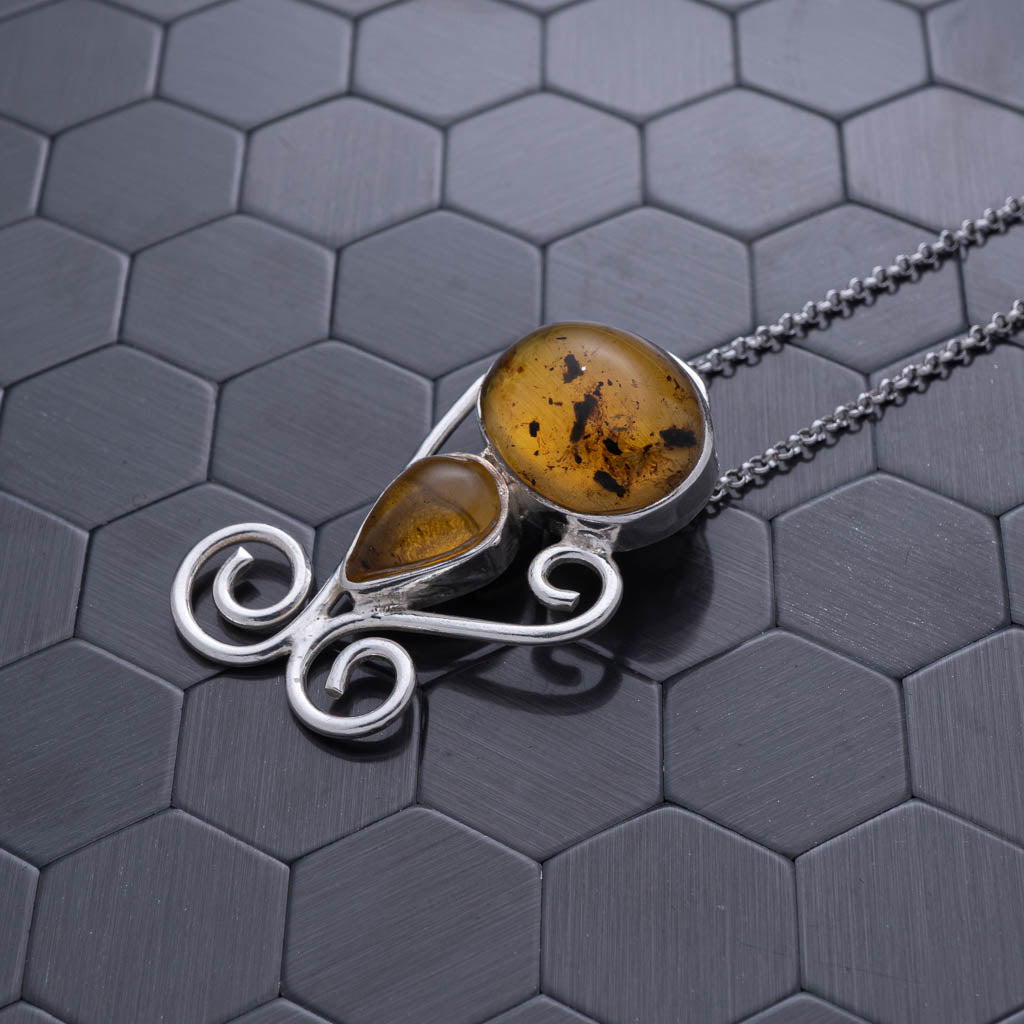
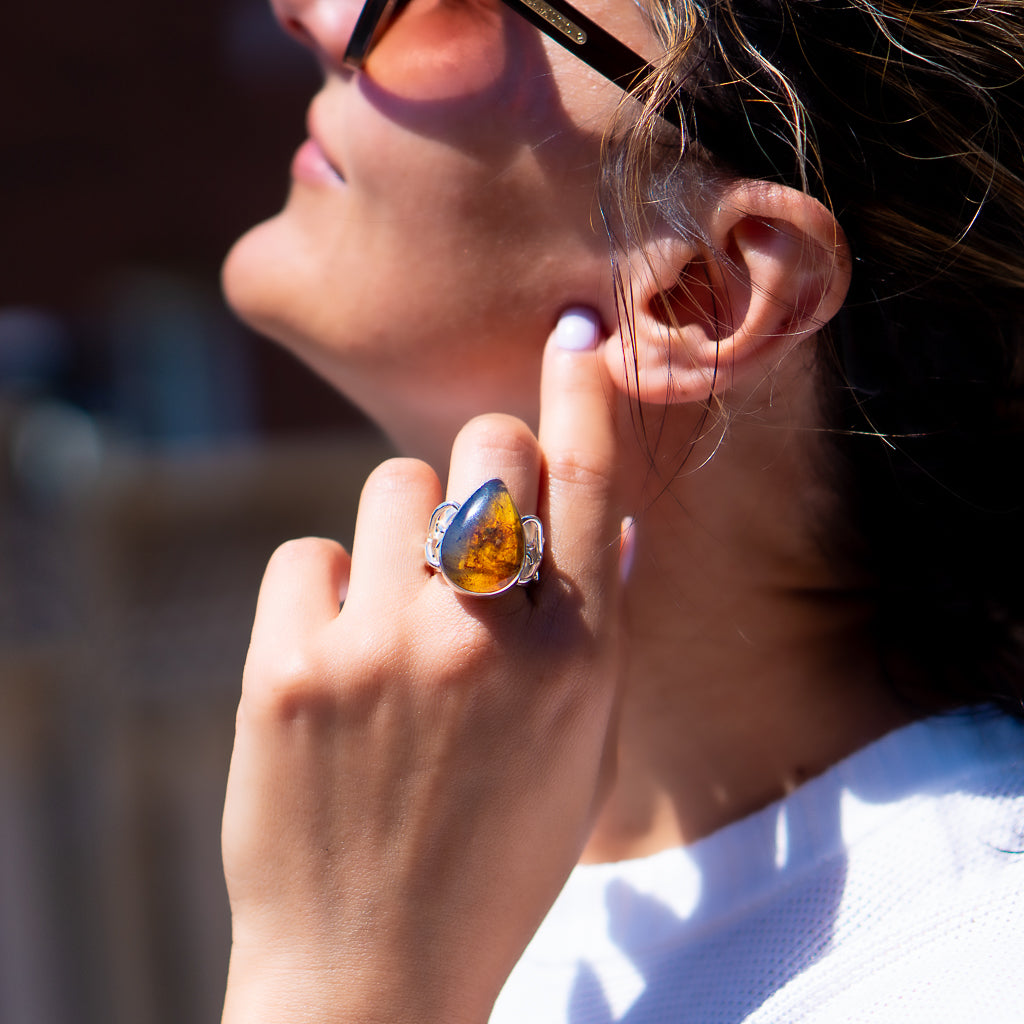
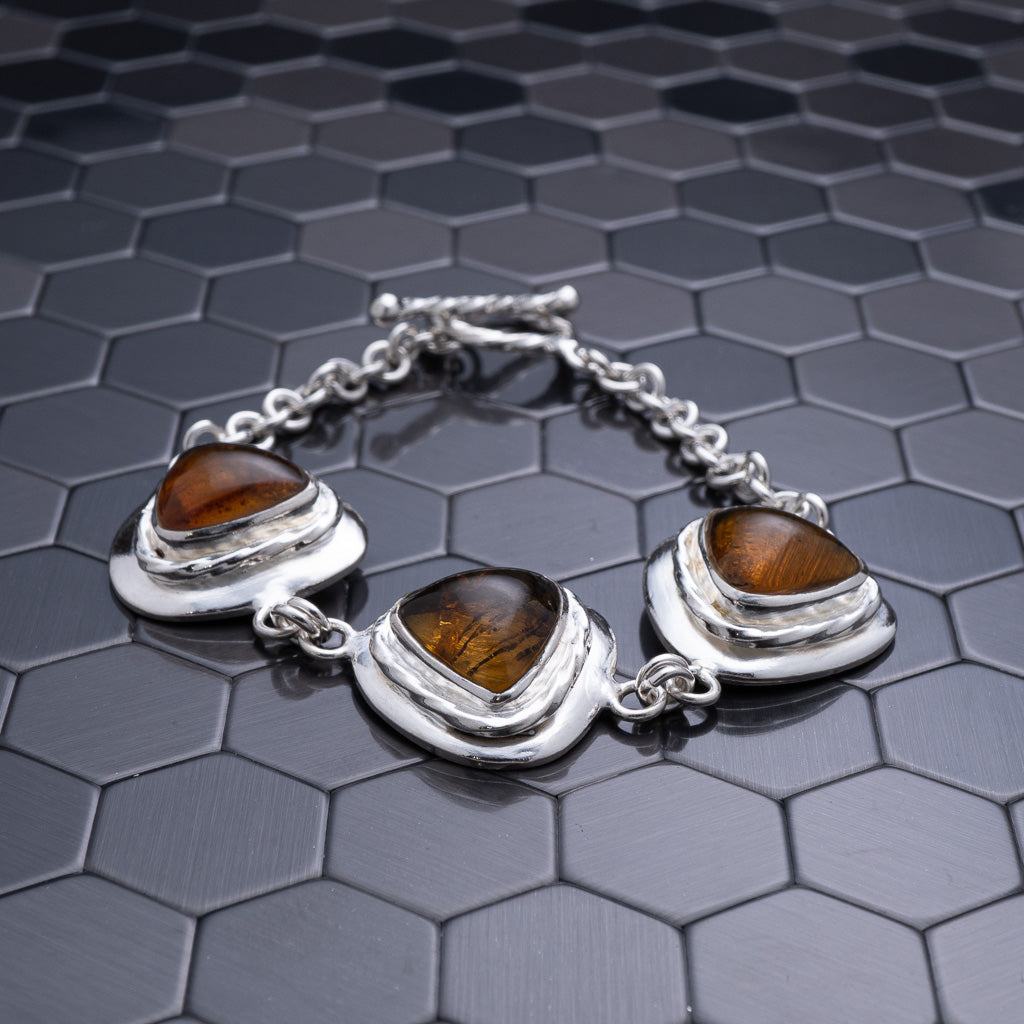
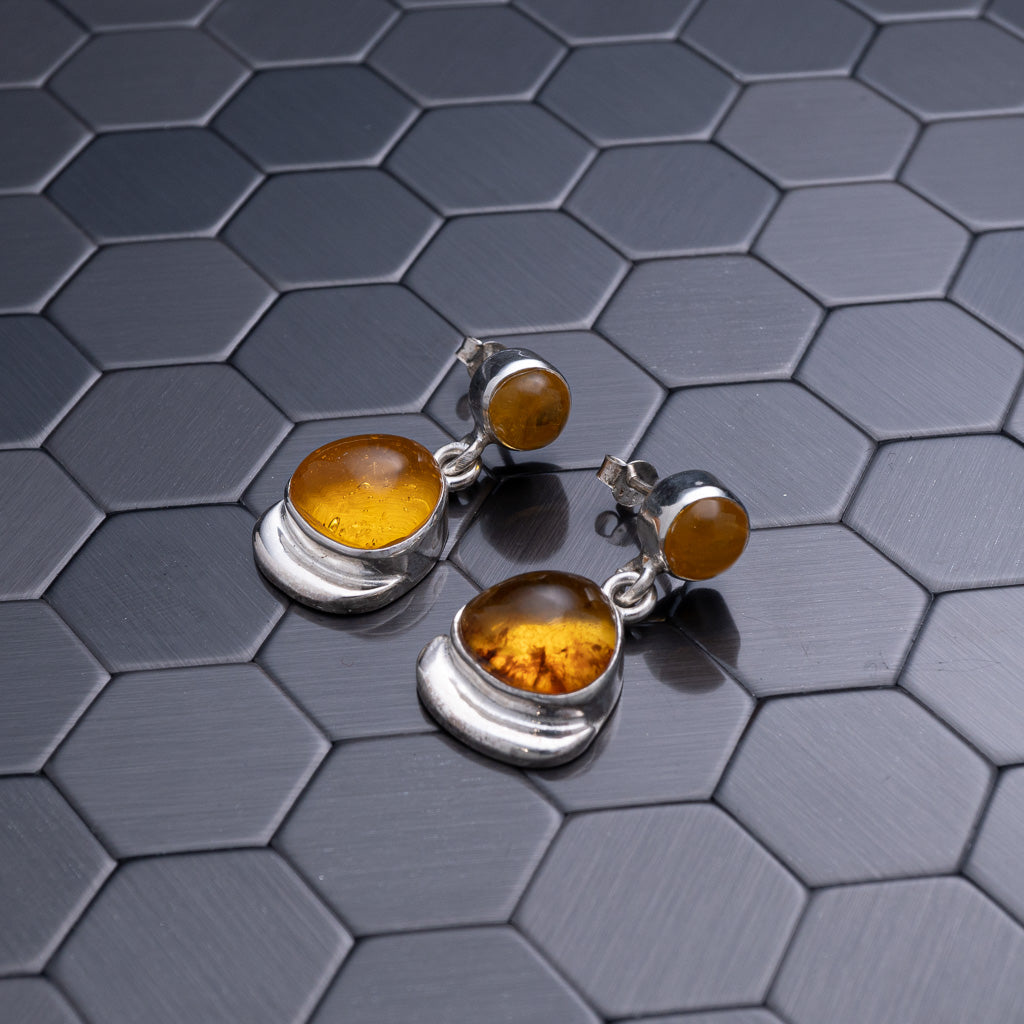


100% Handcrafted in DR.

The allure of blue gemstones has captivated humanity for millennia, transcending cultures and eras. Stones that are blue hold a unique position in both the gemstone market and human imagination, representing everything from tranquility and wisdom to rarity and luxury. Whether you're a jewelry enthusiast, collector, or simply curious about the geological wonders beneath our feet, understanding the diverse world of blue stones opens up a fascinating realm of mineralogy, artistry, and natural beauty. This comprehensive exploration examines the most significant blue gemstones, their formation processes, their value in contemporary markets, and what makes each variety distinctive.
Understanding why certain stones appear blue requires examining the complex interplay between mineral composition, crystal structure, and light interaction. The scientific explanations behind blue rocks reveal that blue coloration typically results from trace elements within the stone's chemical structure or specific structural arrangements that selectively absorb and reflect light wavelengths.
Transition metals play a crucial role in creating blue hues in many gemstones. When elements like copper, iron, or titanium become incorporated into a crystal lattice during formation, they alter how the stone interacts with light. These impurities absorb certain wavelengths while allowing blue light to pass through or reflect back to the observer.
Key factors influencing blue coloration include:
Copper, in particular, produces distinctive blue tones in stones like turquoise and larimar. The latter, exclusive to the Dominican Republic, owes its captivating blue shades to copper substitution within its calcium-sodium silicate structure. This geological rarity makes certain stones that are blue particularly valuable to collectors and jewelry enthusiasts.
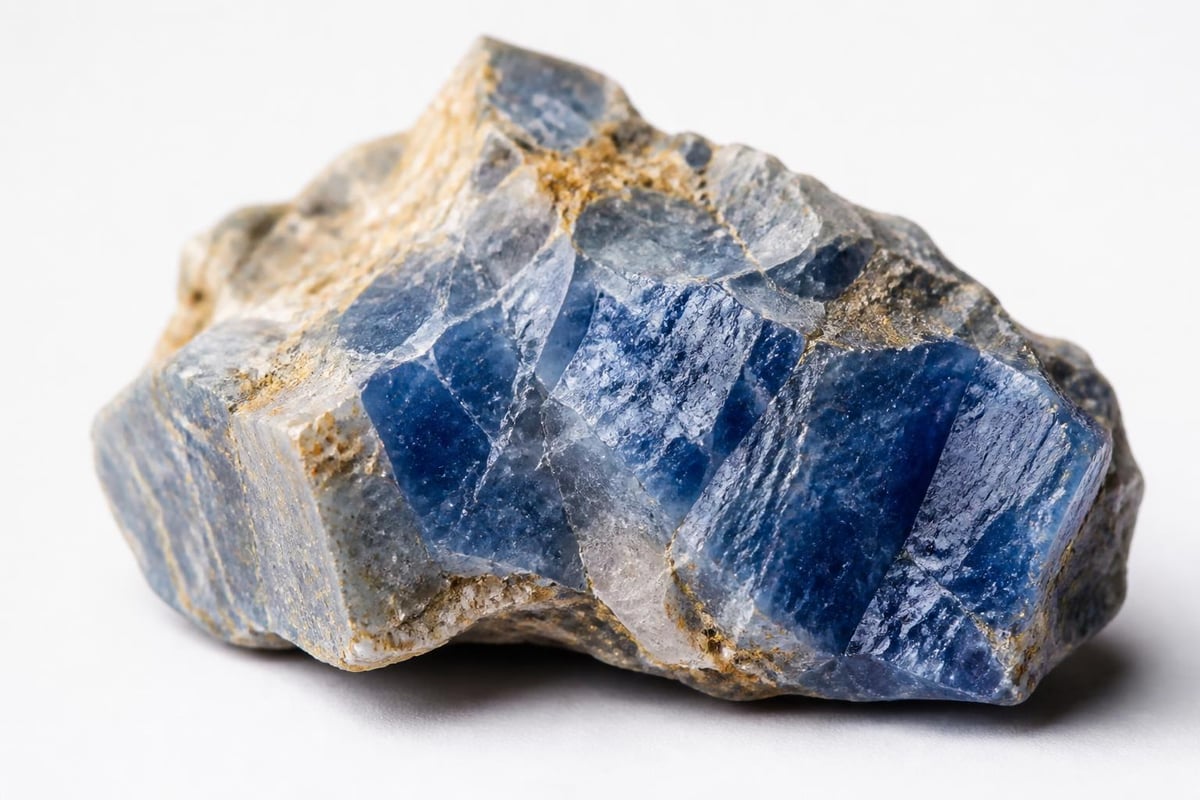
The gemstone market recognizes several blue stones as particularly prestigious, with values ranging from accessible to extraordinary depending on quality, size, and origin.
Sapphire represents the quintessential blue gemstone, belonging to the corundum mineral family. While corundum comes in various colors, blue sapphire remains the most recognized and valued variety. The finest specimens, particularly those from Kashmir, Myanmar, and Sri Lanka, command premium prices due to their velvety blue appearance and exceptional clarity.
| Sapphire Quality Factor | Description | Impact on Value |
|---|---|---|
| Color Saturation | Vivid, pure blue without gray or brown | High |
| Clarity | Minimal inclusions visible to naked eye | Medium to High |
| Cut Quality | Precision cutting maximizing brilliance | Medium |
| Origin | Kashmir, Myanmar, Sri Lanka preferred | Variable |
| Size | Larger stones increasingly rare | Exponential |
Named for its resemblance to seawater, aquamarine presents a lighter, more delicate blue than sapphire. This beryl family member forms in pegmatite deposits and can grow to remarkable sizes while maintaining clarity. The most valuable aquamarines display a pure, saturated blue without green undertones, though many specimens naturally show slight greenish hints.
Few stones that are blue possess turquoise's historical significance. Civilizations from ancient Egypt to Native American cultures have treasured this opaque blue stone for thousands of years. Turquoise forms in arid regions where copper-rich groundwater interacts with aluminum and phosphorus, creating its distinctive robin's egg blue to greenish-blue appearance.
Turquoise quality considerations:
Beyond the well-known varieties, several rare stones that are blue captivate specialists and collectors with their unique properties and limited availability.
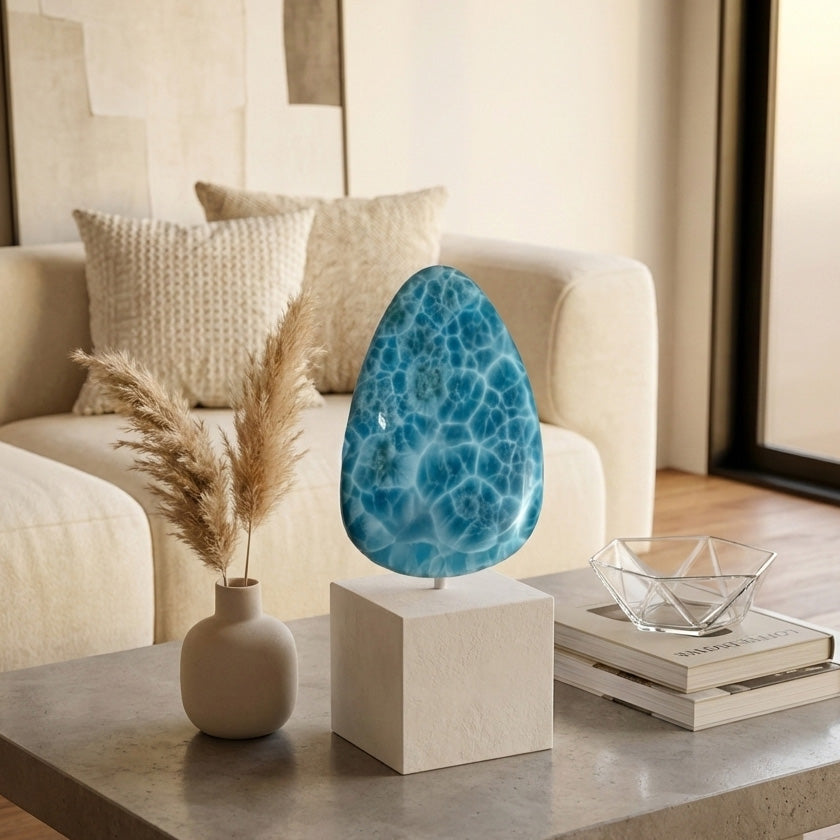
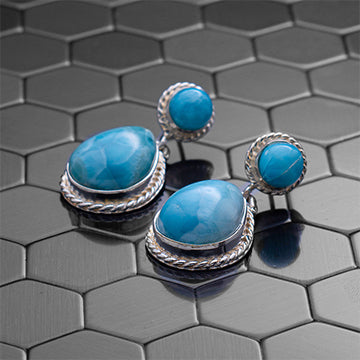
Larimar stands out among rare blue stones due to its singular geographic origin. Found exclusively in a small mountainous region of the Dominican Republic, this volcanic blue stone displays patterns reminiscent of sunlight dancing on Caribbean waters. The benefits of larimar extend beyond aesthetics, as many enthusiasts value its calming energy and connection to the ocean.
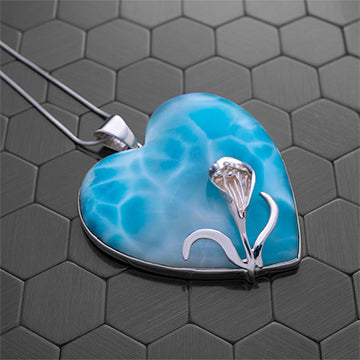
Larimar's blue coloration varies from pale sky blue to deep volcanic blue, with the most prized specimens showing intense, saturated color with distinctive white streaking patterns. The stone's relative softness (4.5-5 on the Mohs scale) requires careful setting in jewelry, but its beauty makes it highly sought after. When seeking authentic larimar pieces, Larimar Pendants showcase the gemstone's natural patterns while protecting its delicate surface through thoughtful design.
Discovered in 1967 near Mount Kilimanjaro, tanzanite created immediate excitement in the gem world. This blue-violet variety of zoisite exhibits strong pleochroism, appearing different colors when viewed from different angles. Tanzanite's limited geographic occurrence and the likelihood that mines may be depleted within decades contributes to its investment appeal.
Among all stones that are blue, natural blue diamonds represent the pinnacle of rarity and value. The presence of boron atoms within the diamond's crystal structure creates blue coloration, with the famous Hope Diamond being the most renowned example. Blue diamonds command extraordinary prices, with the finest specimens selling for millions per carat at auction.
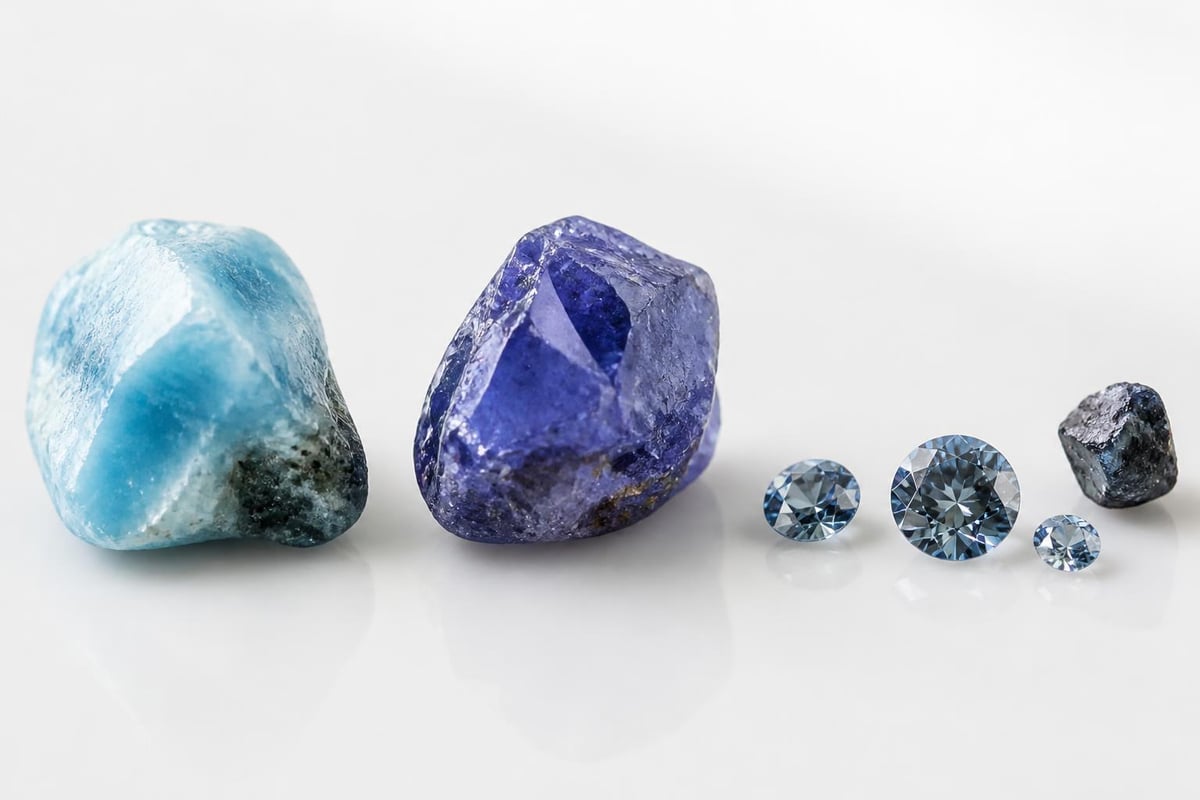
The geological processes creating stones that are blue span millions of years and require specific environmental conditions. Different blue stones form through distinct mechanisms, each leaving characteristic signatures within the finished gemstone.
Some blue gemstones crystallize directly from molten rock or mineral-rich fluids. Larimar forms in volcanic environments where hot, mineral-laden water percolates through cavities in basaltic rock. As these hydrothermal solutions cool, they deposit layers of blue pectolite crystals. This volcanic origin contributes to larimar's unique appearance and exceptional rarity.
Blueschist metamorphic rocks form under high-pressure, low-temperature conditions typically found in subduction zones. The blue mineral glaucophane characterizes these rocks, though blueschist itself rarely appears in jewelry due to its structure. However, understanding these metamorphic processes helps gemologists identify and authenticate blue stones.
Turquoise exemplifies secondary mineral formation, developing when groundwater carrying dissolved copper encounters aluminum-phosphate minerals in existing rocks. This process occurs near Earth's surface over geological timeframes, creating turquoise deposits in arid and semi-arid regions worldwide.
When assessing stones that are blue, professionals and collectors apply specific criteria to determine quality and value. While each stone type has unique considerations, several universal factors influence desirability.
Hue, tone, and saturation form the foundation of color evaluation:
The most valuable blue stones typically display strong, pure blue hue with medium to medium-dark tone and vivid saturation. However, personal preference plays a significant role, and some collectors specifically seek lighter or darker variations.
Different blue gemstones have varying clarity expectations. While sapphires and aquamarines should ideally be transparent with minimal visible inclusions, stones like turquoise and larimar are naturally opaque or translucent. Understanding typical clarity characteristics for each stone type prevents unrealistic expectations.
| Gemstone Type | Expected Clarity | Inclusion Tolerance |
|---|---|---|
| Sapphire | Transparent | Low to Medium |
| Aquamarine | Transparent | Very Low |
| Tanzanite | Transparent | Low |
| Larimar | Translucent to Opaque | High (patterns valued) |
| Turquoise | Opaque | High (matrix acceptable) |
| Blue Topaz | Transparent | Very Low |
Proper cutting maximizes a blue stone's beauty while minimizing material waste. Transparent stones that are blue benefit from precision faceting that enhances brilliance and color saturation. Opaque stones like turquoise and larimar typically receive cabochon cuts that showcase color patterns and provide durability.
The versatility of stones that are blue makes them ideal for diverse jewelry applications. Different blue stones suit different design aesthetics and wearing occasions, from casual daily wear to formal statement pieces.
Mohs hardness directly impacts jewelry suitability:
Understanding these durability differences helps jewelers and consumers make informed decisions about appropriate settings and wearing habits.
Contemporary jewelry design embraces the full spectrum of blue gemstones, with certain stones naturally complementing specific aesthetics. Various blue gemstones offer designers a palette ranging from pale, ethereal blues to deep, saturated navy tones.
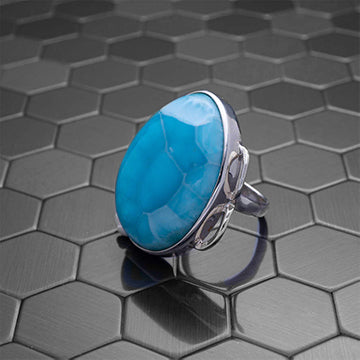
Modern minimalist designs often feature clean-lined settings that let single blue stones speak for themselves. Geometric bezels work beautifully with cabochon-cut larimar or turquoise, emphasizing their organic patterns.
Vintage-inspired pieces frequently incorporate sapphires or aquamarines surrounded by diamond halos or intricate metalwork, echoing Art Deco or Victorian aesthetics.
Bohemian and artisan styles gravitate toward unique blue stones with distinctive character, particularly larimar with its Caribbean-inspired patterns or turquoise with dramatic matrix webbing.
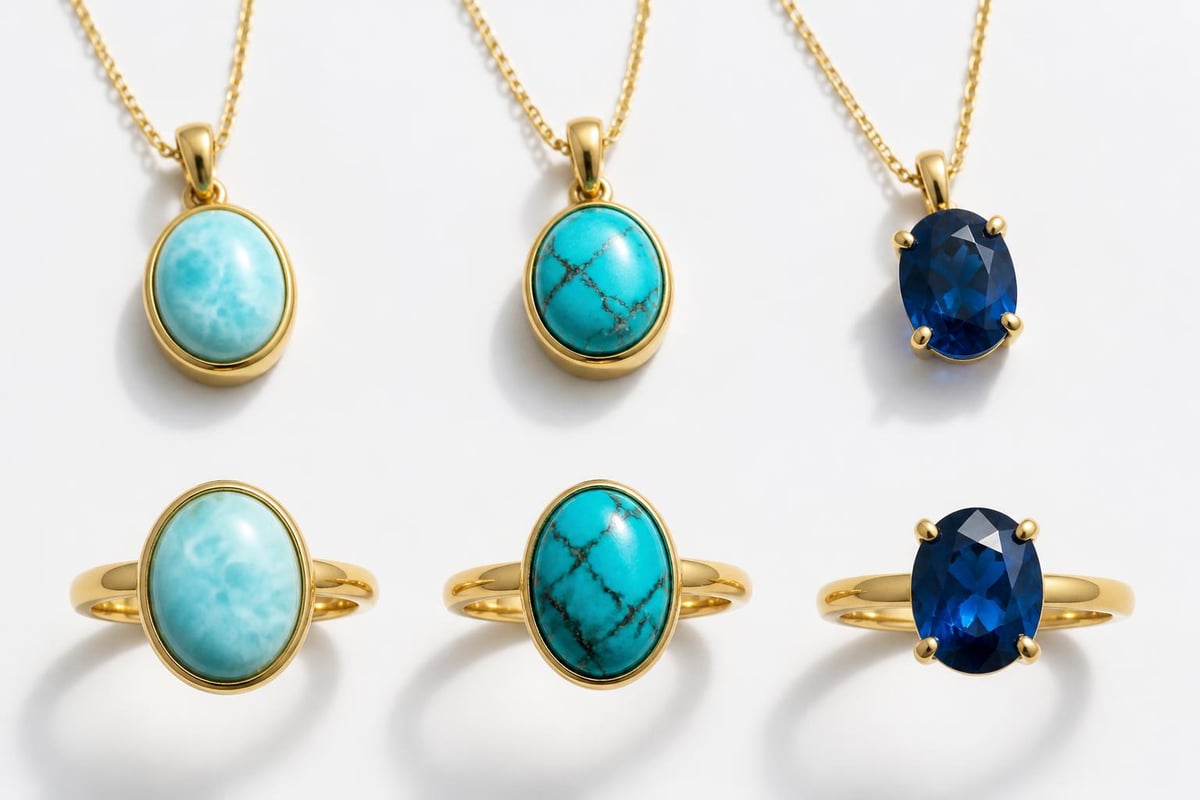
The origin of stones that are blue significantly impacts their characteristics, value, and availability. Different deposits produce stones with distinctive qualities reflecting their unique formation conditions.
Sapphire production centers on several key regions, each known for specific quality characteristics. Kashmir sapphires, though rarely available today, set the standard for velvety blue appearance. Myanmar produces excellent material with rich color, while Sri Lankan sapphires often display lighter, more brilliant blues. Australian sapphires tend toward darker tones with slight green undertones.
Aquamarine mining occurs in Brazil, Pakistan, Madagascar, and several African nations. Brazilian material, particularly from Minas Gerais, historically produces the finest color saturation.
Turquoise deposits span the American Southwest, Iran, China, and Egypt. Persian turquoise from Iran's Nishapur region represents the quality benchmark with its pure, robin's egg blue color.
Modern consumers increasingly prioritize ethical sourcing when purchasing stones that are blue. Responsible mining practices, fair labor conditions, and environmental stewardship influence purchasing decisions. Small-scale artisanal mining operations, particularly for rarer stones like larimar, often provide direct economic benefits to local communities while maintaining traditional extraction methods.
Understanding common treatments applied to blue gemstones helps consumers make informed purchasing decisions and properly care for their jewelry.
Many blue stones undergo heat treatment to improve color and clarity. Sapphires and tanzanites routinely receive heat treatment, an accepted practice that permanently enhances their appearance. Treated stones should be disclosed by reputable sellers, though prices typically reflect treatment status.
Porous stones like turquoise often receive stabilization treatment, where resin or polymer fills microscopic spaces, improving durability and color consistency. While this treatment changes the stone's natural state, it significantly extends wearability, particularly in jewelry applications.
Some blue topaz results from irradiation treatment of colorless topaz, creating stable blue coloration unavailable in nature. Surface coatings, conversely, represent temporary enhancements that may wear over time and should be disclosed.
Proper care preserves the beauty of stones that are blue across generations. Different stones require different maintenance approaches based on their physical and chemical properties.
For hard, durable stones (sapphire, aquamarine):
For softer, porous stones (turquoise, larimar):
Store blue gemstone jewelry separately to prevent scratching. Harder stones can damage softer ones, so individual compartments or soft pouches prevent contact. Remove jewelry before activities involving harsh chemicals, extreme temperatures, or physical impact.
Apply cosmetics, hairspray, and perfumes before donning blue gemstone jewelry, as chemicals in these products may affect certain stones, particularly porous varieties like turquoise.
The market for stones that are blue demonstrates interesting patterns reflecting both timeless appeal and contemporary trends. Certain blue gemstones appreciate consistently, while others experience cyclical popularity.
Sapphires and blue diamonds maintain strong investment potential due to enduring demand, limited high-quality supply, and universal recognition. Particularly rare varieties, such as Kashmir sapphires or vivid blue diamonds, have shown consistent appreciation over decades.
Rare blue stones like larimar and tanzanite present different investment considerations. Limited geographic sources create supply constraints, potentially supporting long-term value. However, these stones require educated buyers who appreciate their unique characteristics.
Recent years show increased interest in unique, rare stones that are blue rather than traditional varieties. Consumers seeking distinctive pieces that tell a story gravitate toward gemstones with singular origins or unusual characteristics. This trend benefits rare materials like larimar, whose exclusive Dominican source and ocean-inspired appearance appeal to collectors seeking something beyond conventional blue stones.
Environmental and ethical considerations increasingly influence purchasing decisions, with consumers willing to pay premiums for responsibly sourced material with transparent supply chains.
Throughout history, stones that are blue have carried profound symbolic meaning across cultures. Ancient Egyptians prized turquoise, believing it offered protection and spiritual power. Sapphires adorned royal crowns and religious artifacts, symbolizing divine favor and wisdom. The categorization of gemstones by color reveals how blue stones consistently represent qualities like truth, loyalty, and tranquility across diverse traditions.
Medieval Europeans believed sapphires protected against poisoning and treachery, while Eastern traditions associated blue stones with celestial connection and spiritual awakening. These historical associations continue influencing modern gemstone selection, with many choosing blue stones for engagement rings specifically for their symbolism of faithfulness and enduring love.
With valuable stones that are blue commanding significant prices, authentication becomes crucial. Several techniques help distinguish natural stones from synthetic or simulated materials.
Gemological laboratories employ sophisticated equipment to definitively identify stones. Microscopic examination reveals characteristic inclusions and growth patterns unique to natural formation. Spectroscopic analysis identifies chemical composition, while specialized instruments measure optical properties like refractive index and specific gravity.
While professional testing provides certainty, several observations help preliminary assessment:
Understanding the difference between natural, synthetic, and simulated stones that are blue helps consumers make informed choices aligned with their preferences and budgets.
Synthetic stones possess identical chemical composition and crystal structure to their natural counterparts but form in laboratories rather than geological environments. Synthetic sapphires, for instance, are true corundum created through controlled processes. While less valuable than natural material, quality synthetics offer beauty and durability at accessible prices.
Simulants merely resemble blue gemstones without sharing their composition. Blue glass, cubic zirconia, and spinel may simulate sapphires, while dyed howlite commonly imitates turquoise. These materials serve legitimate purposes in costume jewelry but should never misrepresent as natural gemstones.
Several factors will shape the future availability and value of stones that are blue. Depletion of certain deposits, particularly for geographically restricted stones, may affect long-term supply. Climate change impacts mining conditions and water availability in certain regions, potentially affecting production.
Technological advances in treatment and synthesis continue evolving, creating materials increasingly difficult to distinguish from natural stones without professional testing. This underscores the importance of purchasing from reputable sources with proper disclosure practices.
Growing emphasis on sustainability and ethical sourcing will likely increase demand for stones with transparent, responsible supply chains. Smaller-scale operations producing unique materials like larimar from artisan sources may benefit from this trend as consumers seek authentic connections to their jewelry's origins.
Gemological discoveries occasionally introduce new blue stones to the market. While major discoveries are rare, continued exploration in remote regions periodically yields surprising finds. Detailed lists of blue gemstones document both established and emerging varieties, helping enthusiasts stay informed about market developments.
The remarkable diversity of stones that are blue reflects Earth's geological complexity and nature's artistic capacity. From the intense depth of sapphires to the tranquil patterns of larimar, each blue gemstone offers unique beauty rooted in specific formation conditions and mineral compositions. Whether you're drawn to the rarity of single-source stones or the timeless elegance of classic blue gems, understanding these materials enhances appreciation for their natural wonder. Larimar Creations brings the exceptional beauty of Caribbean blue stones to discerning collectors worldwide, offering handcrafted pieces that celebrate these geological treasures with authenticity and artistry.