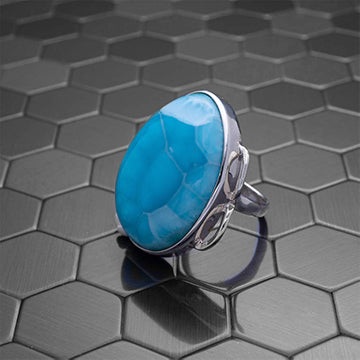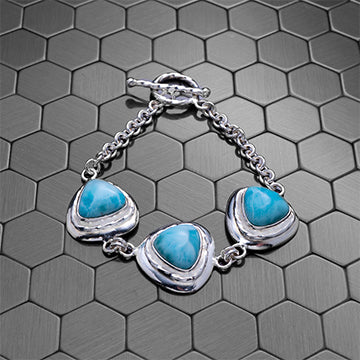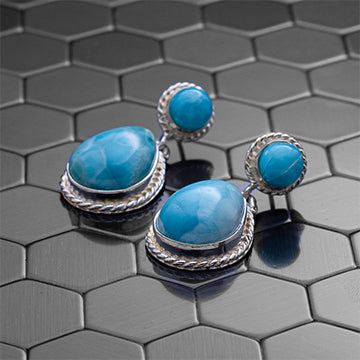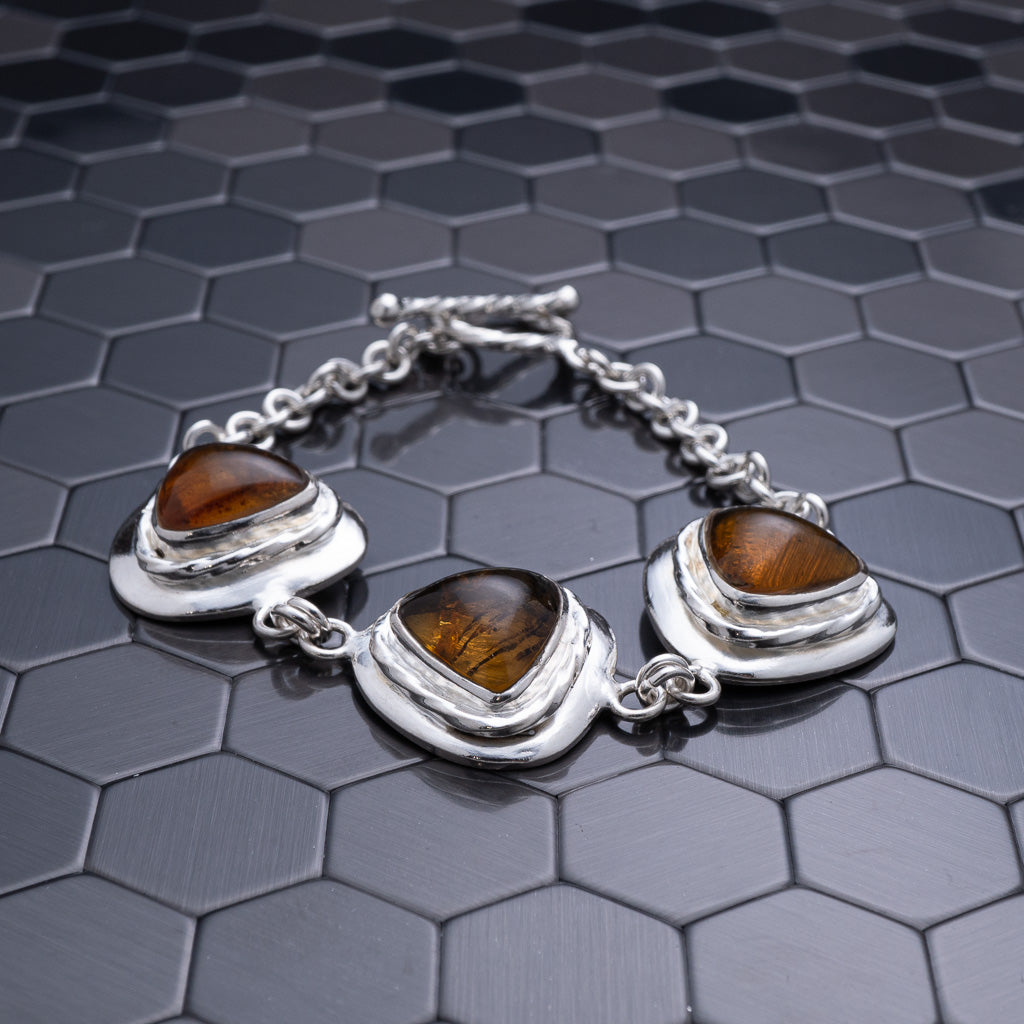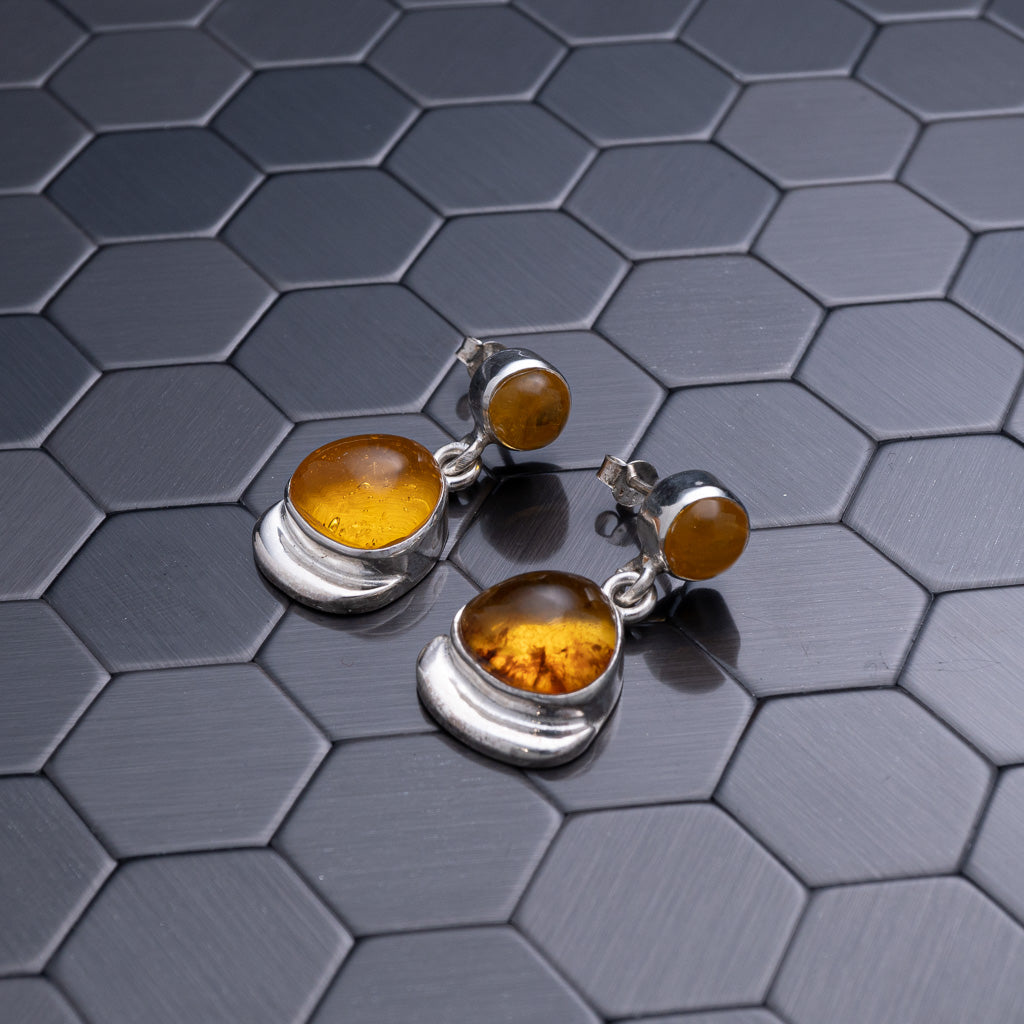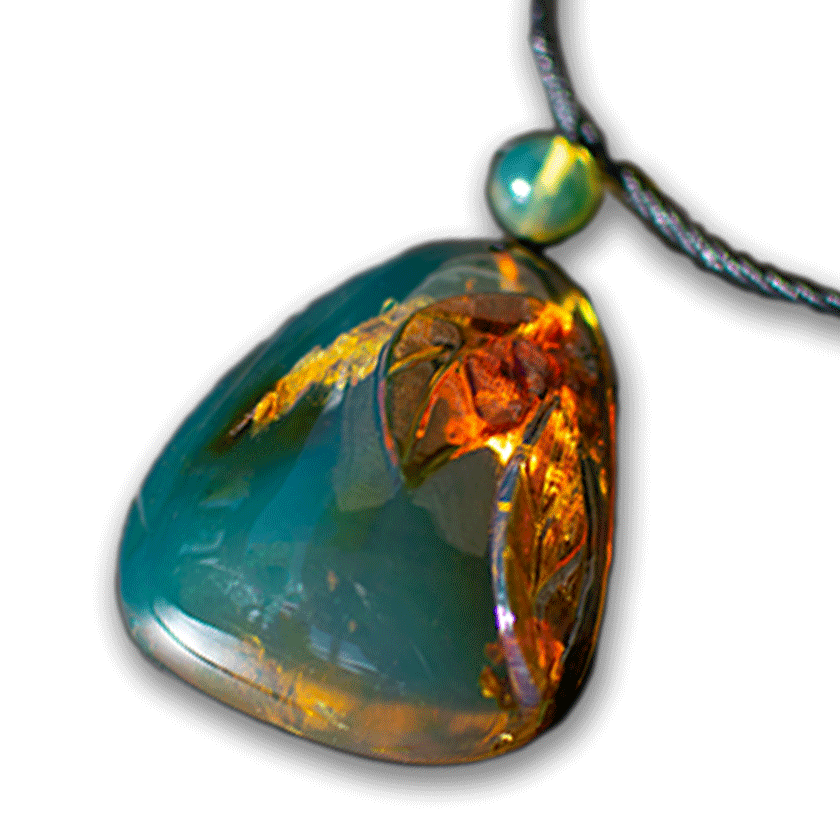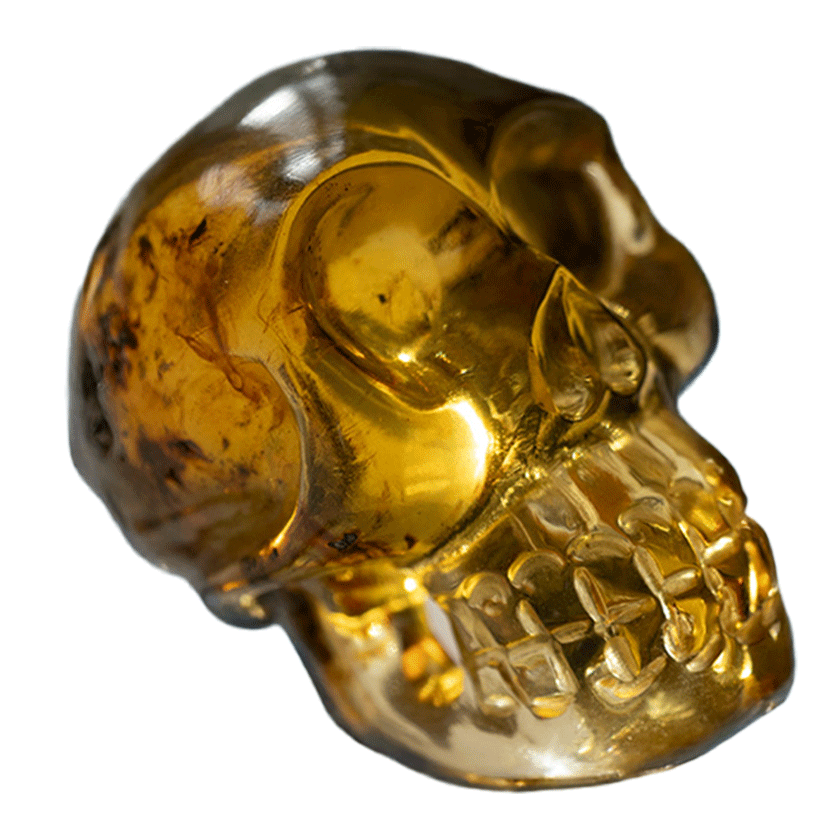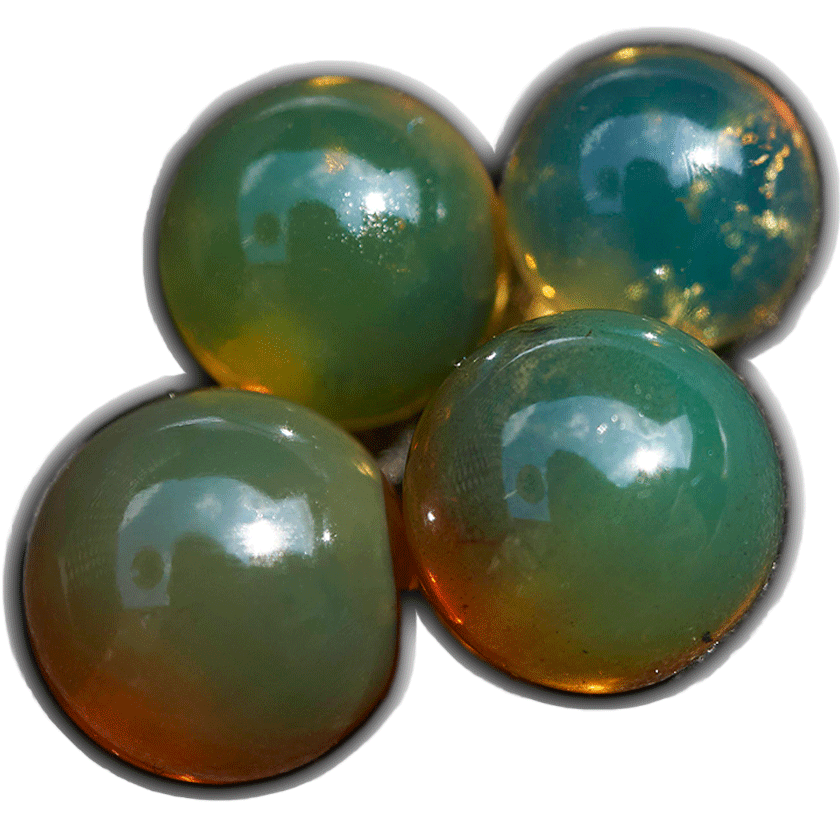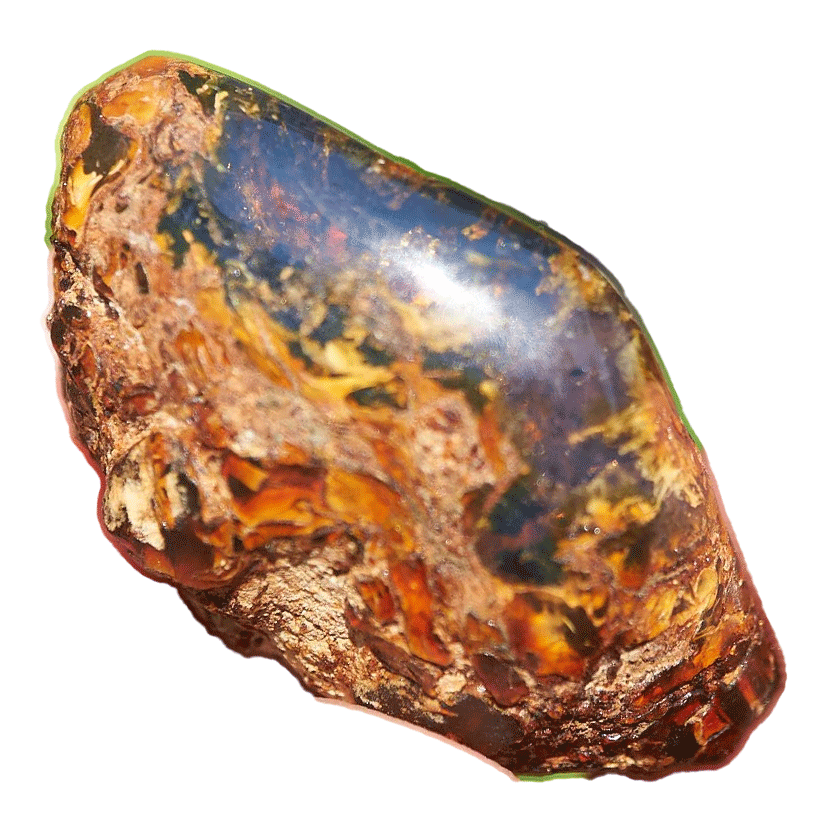


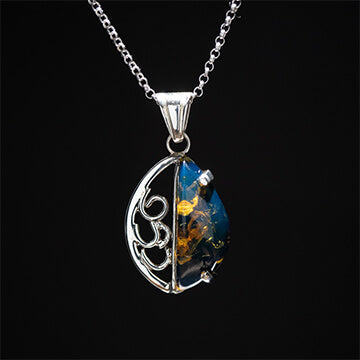
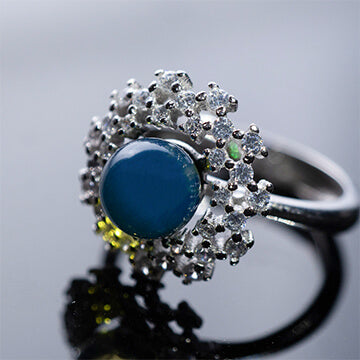
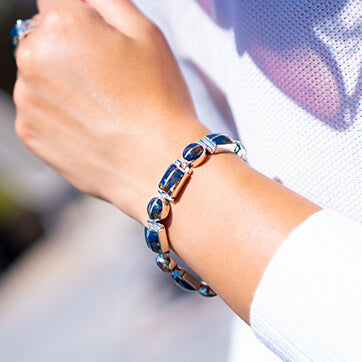
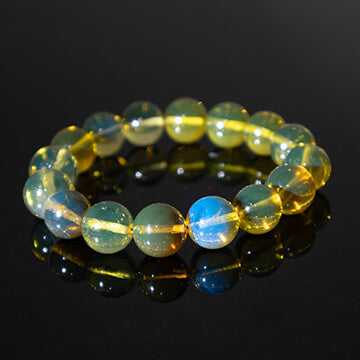
Handcrafted in DR.

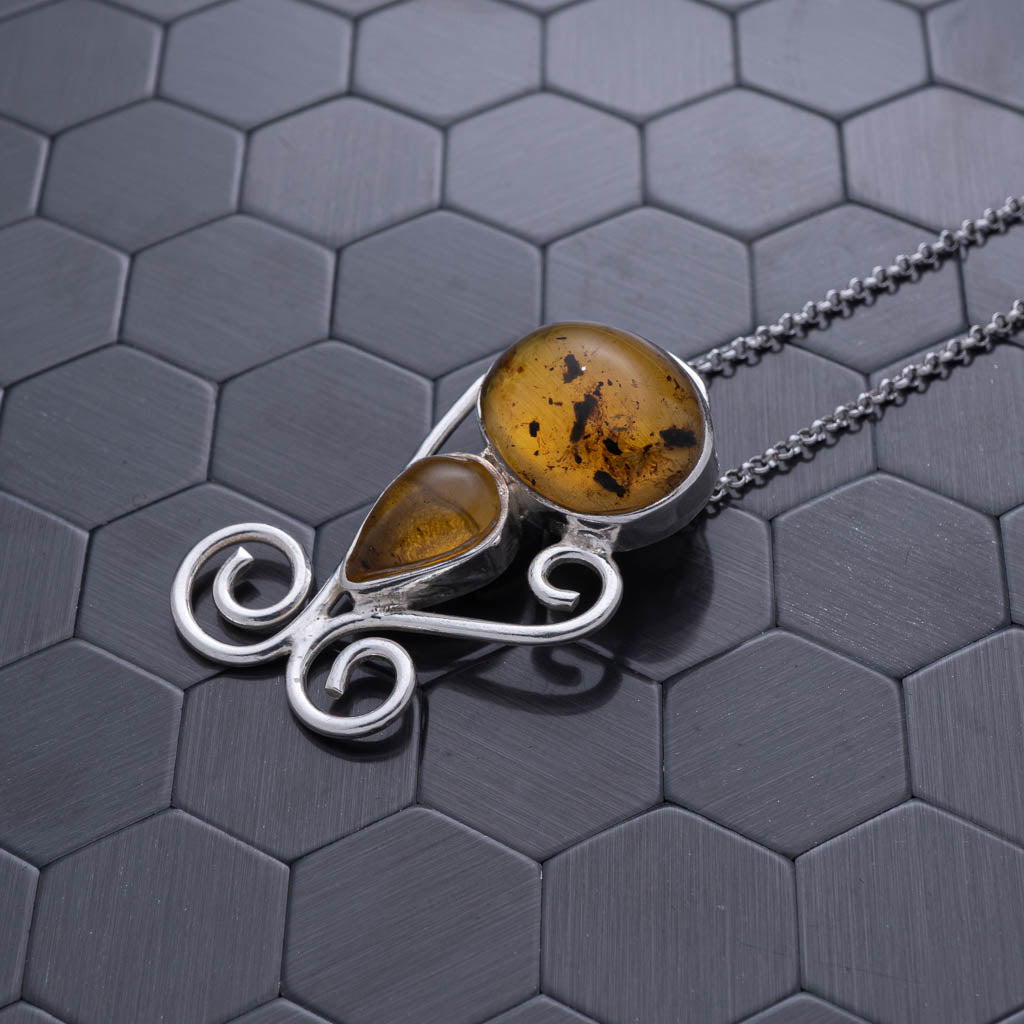
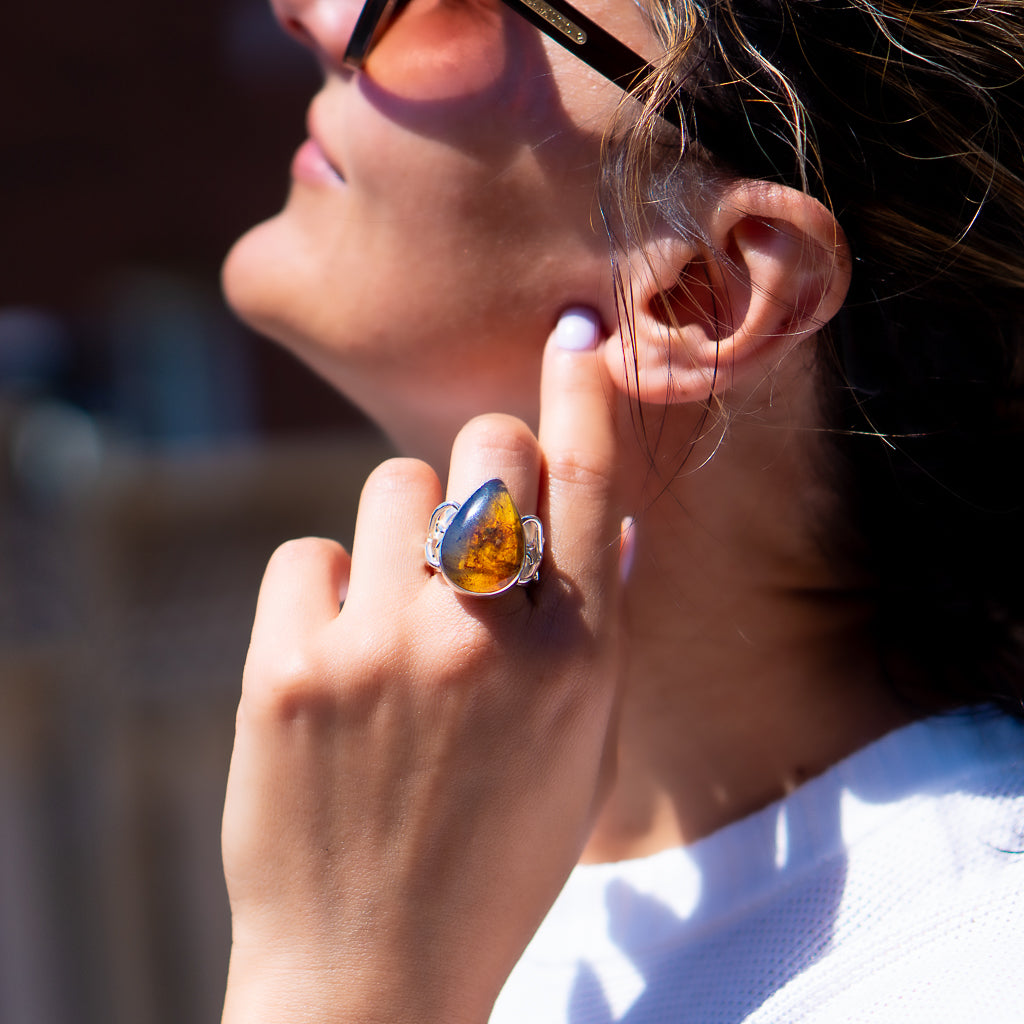
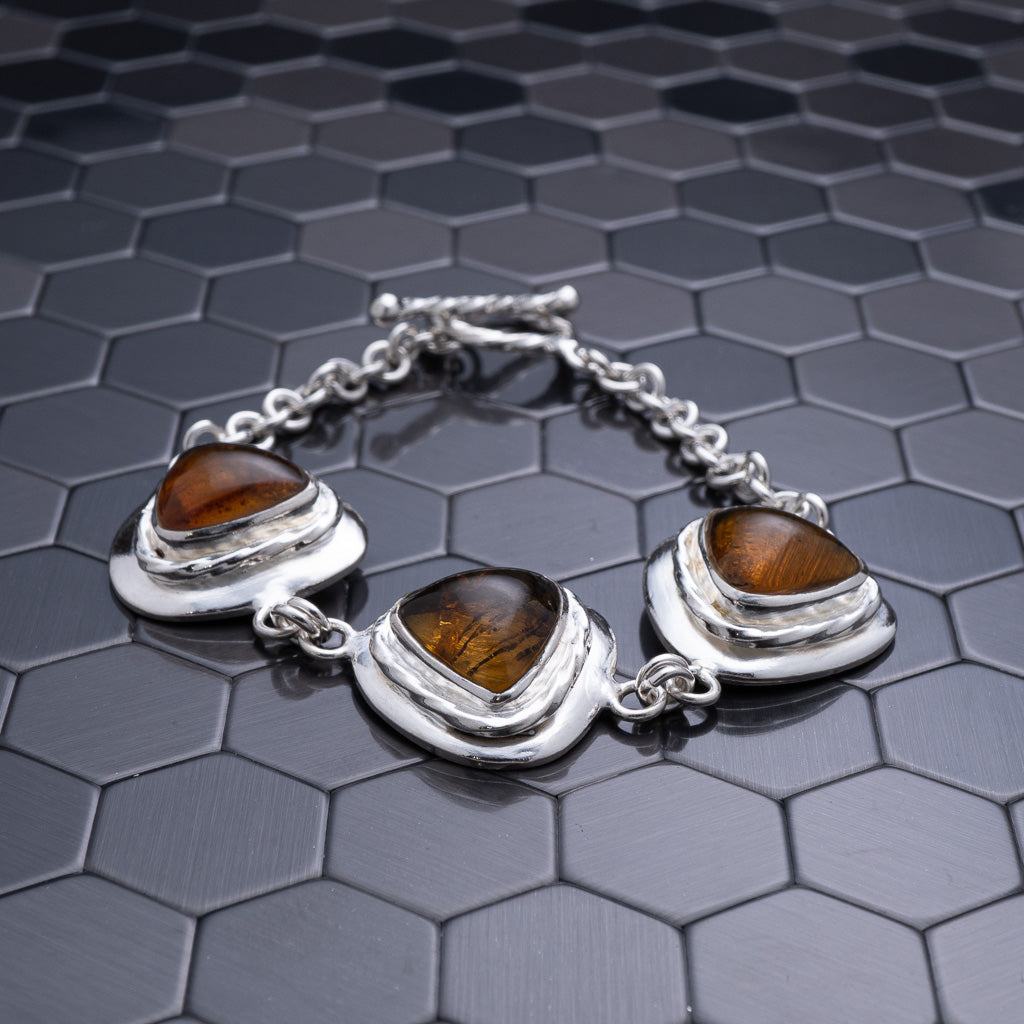
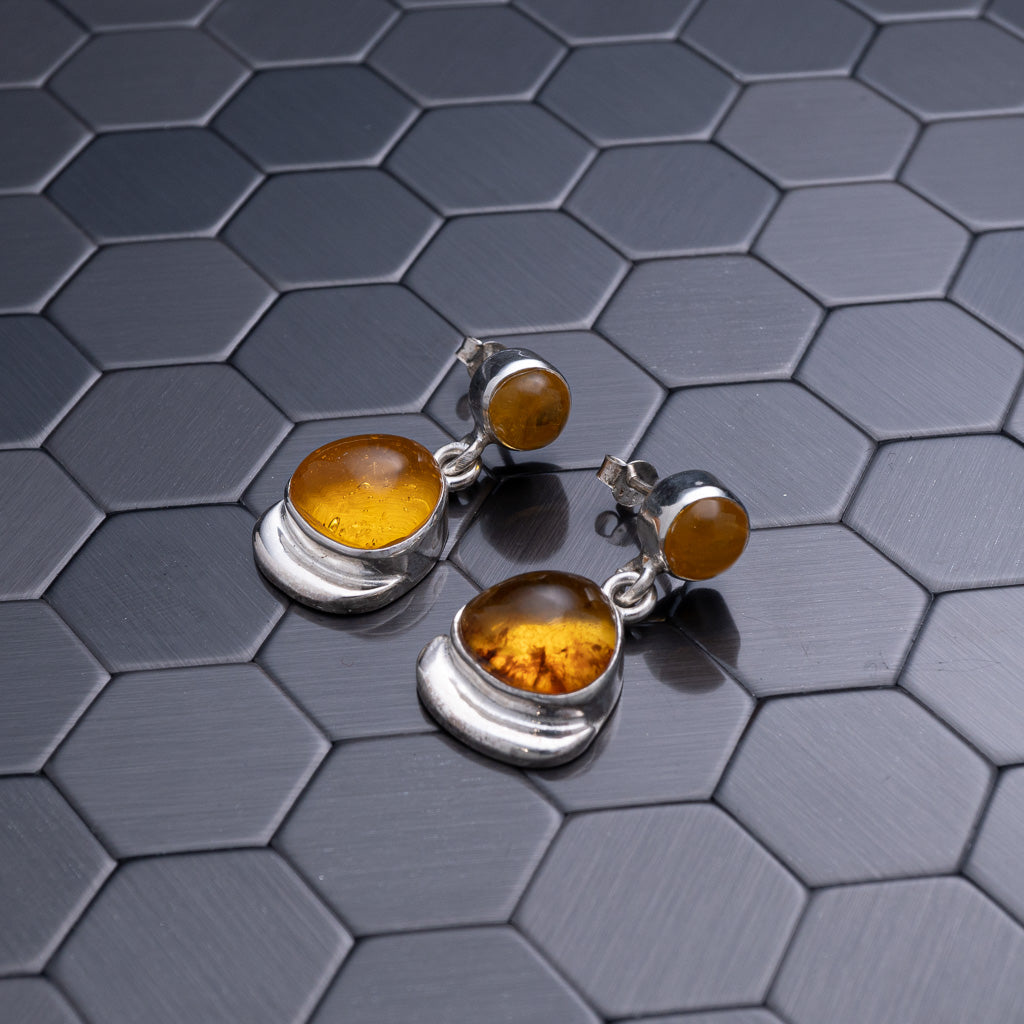


100% Handcrafted in DR.

The allure of a blue precious stone has captivated humanity for millennia, representing everything from royalty and spirituality to tranquility and wisdom. These remarkable geological treasures range from the deeply saturated blues of sapphires to the rare, ocean-inspired hues of Caribbean gemstones. Understanding the characteristics, value factors, and unique properties of blue precious stones helps collectors, jewelry enthusiasts, and gift-givers make informed decisions when selecting pieces that will be cherished for generations. Whether you're drawn to classic varieties or seeking rare specimens, the world of blue gemstones offers extraordinary diversity in color, composition, and cultural significance.
The classification of gemstones into precious and semi-precious categories has evolved significantly over the past century, though certain blue stones have consistently commanded premium prices in the marketplace. Traditionally, only four gemstones earned the "precious" designation: diamond, ruby, sapphire, and emerald. Among these, sapphire stands as the quintessential blue precious stone, though it's worth noting that the gemstone world now recognizes exceptional specimens of many blue varieties as equally valuable.
Key factors determining blue precious stone value include:
The geological conditions required to produce blue coloration in gemstones are relatively uncommon, making many blue precious stone varieties inherently rare. Color in blue gemstones typically results from trace elements like iron, titanium, or copper interacting with the crystal structure during formation. The International Gem Society provides detailed information about blue gemstone properties and quality factors that influence their market position.
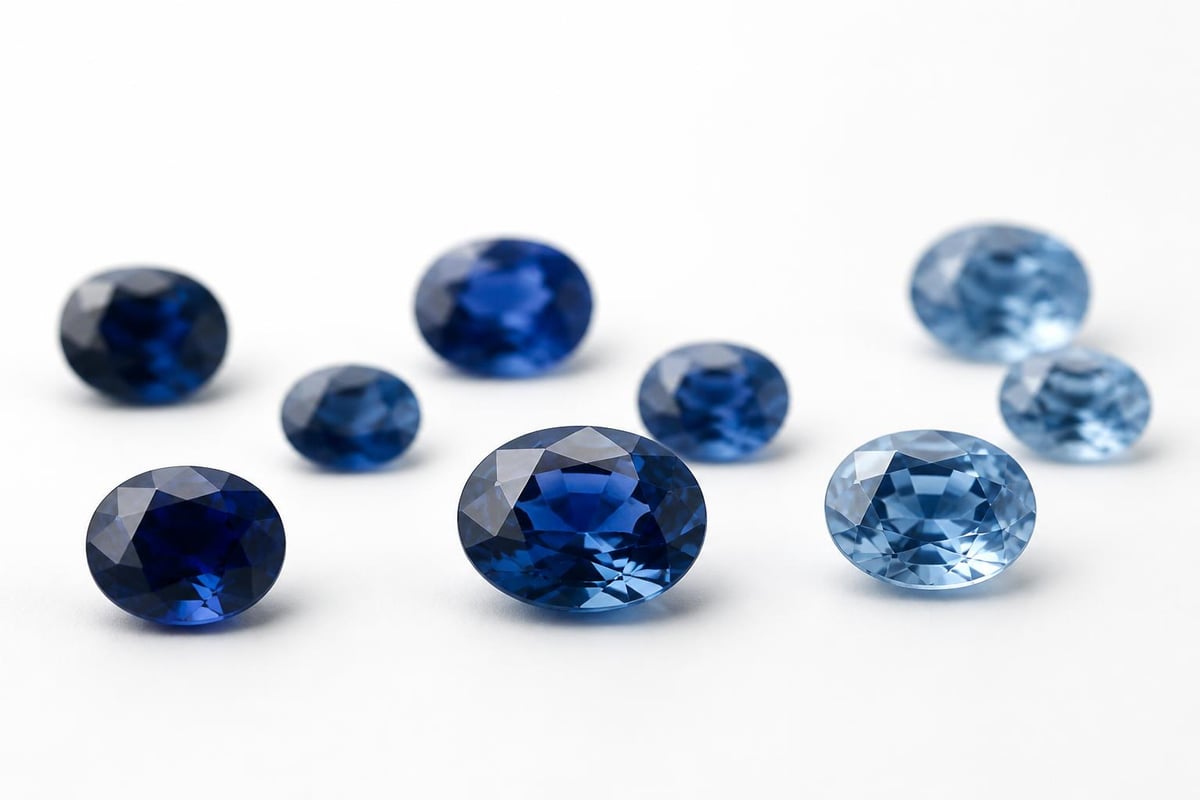
Blue gemstones display remarkable color variation, from pale sky blue to nearly black navy tones. This spectrum results from different mineral compositions and trace element concentrations. Cornflower blue sapphires from Kashmir represent one extreme, while the turquoise blues of certain rare Caribbean stones occupy another distinct position on the color wheel.
Professional gemologists evaluate blue precious stone color using three primary criteria: hue (the actual color), tone (lightness or darkness), and saturation (color intensity or purity). The most valuable specimens typically exhibit medium to medium-dark tones with vivid saturation and minimal gray or brown modifying colors.
Sapphire, a variety of the mineral corundum, ranks among the most recognized blue precious stones globally. While sapphires occur in virtually every color, blue remains the most sought-after and valuable. The finest blue sapphires originate from Kashmir, Myanmar, and Sri Lanka, though significant deposits exist in Madagascar, Australia, and Montana.
Kashmir sapphires command extraordinary prices due to their velvety cornflower blue color and extreme rarity. Most Kashmir material was mined over a century ago, making authenticated pieces highly collectible. Myanmar sapphires offer rich royal blue tones, while Sri Lankan stones often display lighter, more vibrant blues.
| Sapphire Origin | Typical Color Characteristics | Relative Availability |
|---|---|---|
| Kashmir | Velvety cornflower blue | Extremely rare |
| Myanmar (Burma) | Rich royal blue | Limited |
| Sri Lanka | Bright medium blue | Moderate |
| Madagascar | Variable blue tones | Good |
| Australia | Dark blue to teal | Abundant |
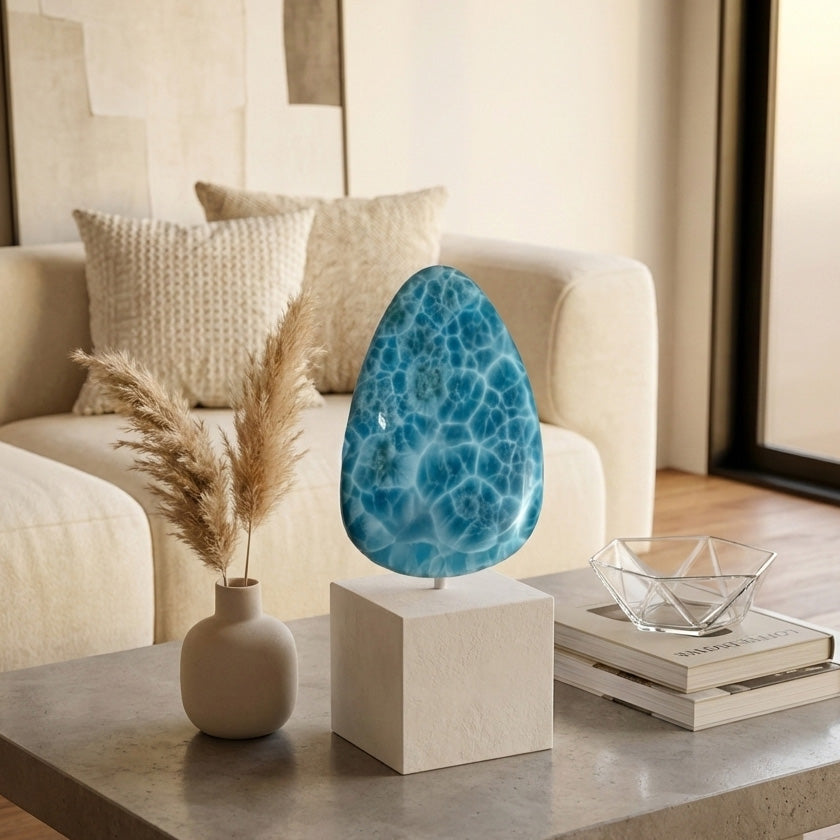
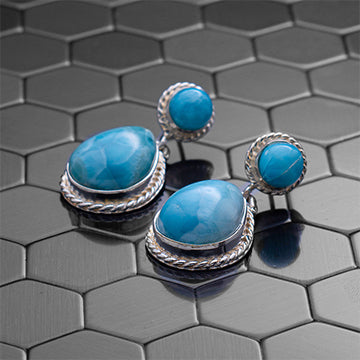
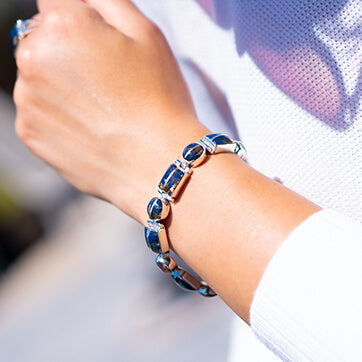
Found exclusively in the Dominican Republic, Larimar represents one of the rarest blue precious stone varieties in the world. This unique pectolite gemstone displays mesmerizing patterns reminiscent of Caribbean waters, with colors ranging from pale sky blue to deep volcanic blue. The distinctive appearance results from copper substitution within the crystal structure, a geological occurrence found nowhere else on Earth.
Larimar's exceptional rarity stems from its singular geographic source and limited mining accessibility. Unlike sapphires or aquamarines found on multiple continents, Larimar exists in only one small mountainous region, making each piece inherently unique. The stone's formation required specific volcanic conditions millions of years ago, creating a blue precious stone that captures the essence of the Caribbean Sea.
Collectors particularly value Larimar specimens displaying intense volcanic blue coloration with distinctive white patterns resembling ocean waves. The gemstone's relatively recent discovery in 1974 means it continues to gain recognition among discerning jewelry enthusiasts seeking alternatives to traditional blue precious stones.
Aquamarine, named for its seawater hues, belongs to the beryl mineral family alongside emerald. This blue precious stone typically exhibits lighter, more delicate blue tones than sapphire, though exceptional specimens can display saturated color. The finest aquamarines originate from Brazil, though significant deposits exist in Pakistan, Madagascar, and several African nations.
The gemstone's clarity often surpasses that of other blue precious stone varieties, with eye-clean specimens being relatively common. Heat treatment frequently enhances aquamarine's blue color by removing greenish undertones, a standard industry practice that doesn't significantly impact value when properly disclosed.
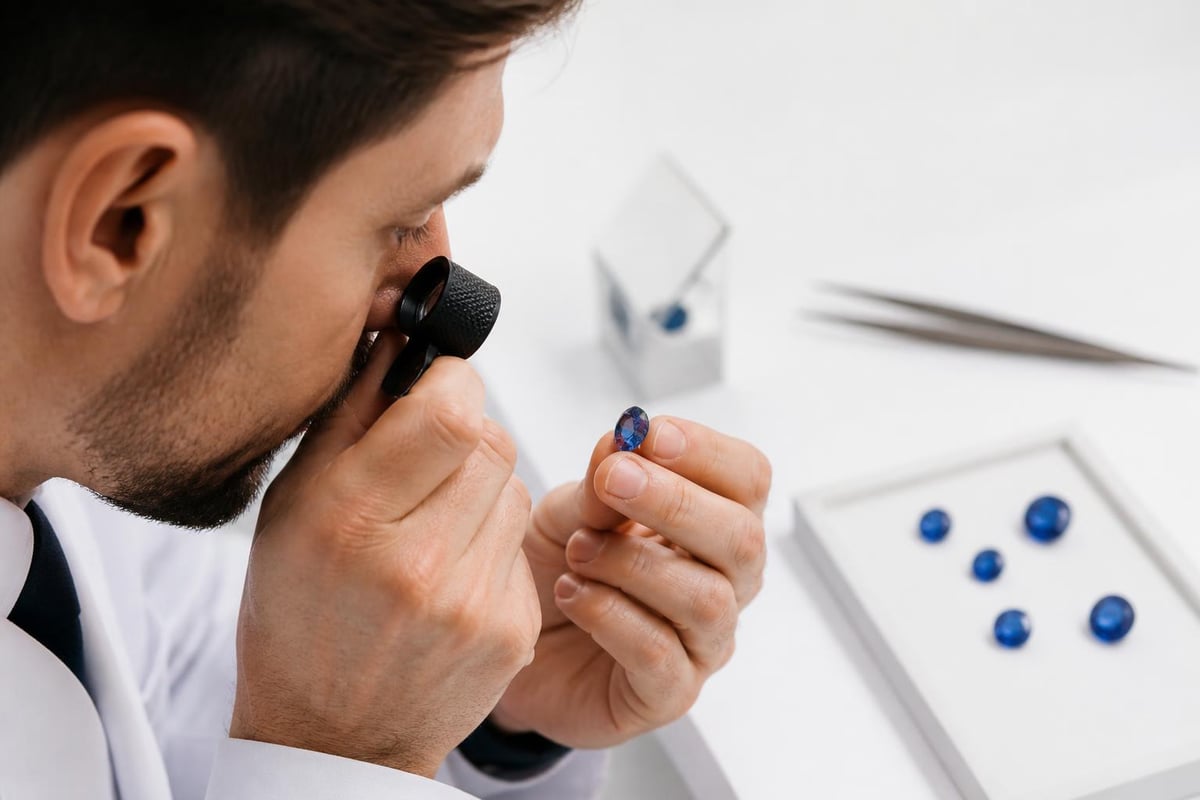
Clarity expectations vary significantly among blue precious stone types, with some varieties naturally forming with greater inclusion content than others. Sapphires often contain silk-like rutile needle inclusions, which can actually enhance value when they create desirable optical phenomena like asterism in star sapphires.
Clarity grading considerations:
Understanding these natural inclusion patterns helps buyers set realistic expectations. A blue precious stone from a Type III category with minimal visible inclusions may be exceptionally rare and valuable, while the same inclusion level in a Type I stone would significantly reduce desirability.
Proper cutting maximizes a blue precious stone's inherent beauty by optimizing light return and color appearance. Master lapidaries consider each rough crystal's unique characteristics when determining the ideal cutting approach, balancing maximum weight retention against optimal visual appeal.
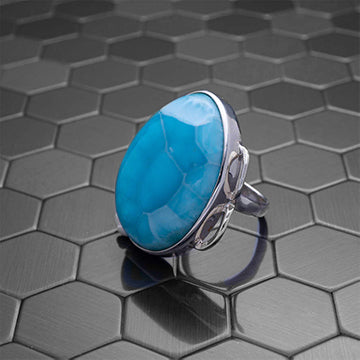
For transparent blue precious stones like sapphire and aquamarine, faceted cuts showcase brilliance and color. The oval cut remains popular for sapphires, as it balances light performance with material efficiency. Larimar and other translucent to opaque blue stones typically receive cabochon cuts that highlight their unique patterns and optical effects.
According to comprehensive guides on blue gemstones, cut quality can impact a stone's perceived value by 20-40%, making it crucial to evaluate proportions, symmetry, and polish quality alongside color and clarity.
Throughout history, civilizations have attributed special powers and meanings to blue precious stone varieties. Ancient Persians believed the earth rested on a giant sapphire, with its reflection coloring the sky. Medieval clergy wore sapphires to symbolize heaven, while ancient Greeks associated blue stones with prophecy and divine favor.
Different cultures developed unique interpretations of blue precious stone symbolism:
These symbolic associations continue influencing modern jewelry choices, with many individuals selecting blue precious stone pieces for engagement rings, spiritual practices, or meaningful gifts.
Contemporary interest in crystal healing has renewed focus on the purported metaphysical properties of blue precious stone varieties. While scientific evidence for these claims remains limited, many people report positive experiences incorporating blue gemstones into wellness practices.
Blue gemstone benefits are often associated with calming energy, enhanced communication, and emotional balance. Practitioners suggest that blue precious stones may support throat chakra activation, promoting clear self-expression and authentic communication. Whether approached from a metaphysical or purely aesthetic perspective, the tranquil hues of blue gemstones undeniably create a sense of peace and serenity.
Different blue precious stone varieties suit specific jewelry applications based on their hardness, durability, and visual characteristics. Understanding these practical considerations ensures your investment remains beautiful and intact through years of wear.
| Blue Precious Stone | Mohs Hardness | Best Jewelry Uses | Daily Wear Suitability |
|---|---|---|---|
| Sapphire | 9 | All jewelry types | Excellent |
| Aquamarine | 7.5-8 | Rings, pendants, earrings | Very good |
| Larimar | 4.5-5 | Pendants, earrings, protected ring settings | Moderate |
| Blue Topaz | 8 | All jewelry types | Very good |
| Tanzanite | 6-6.5 | Pendants, earrings, occasional rings | Fair |
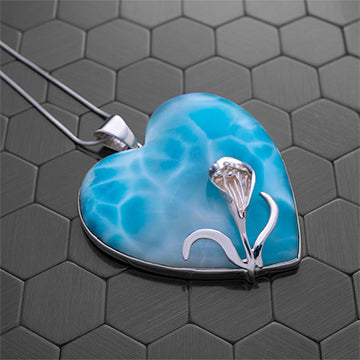
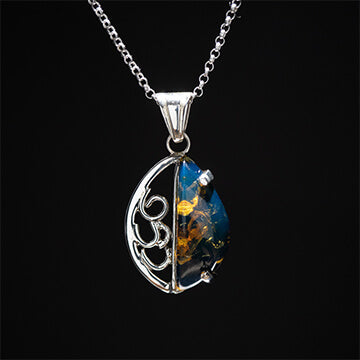
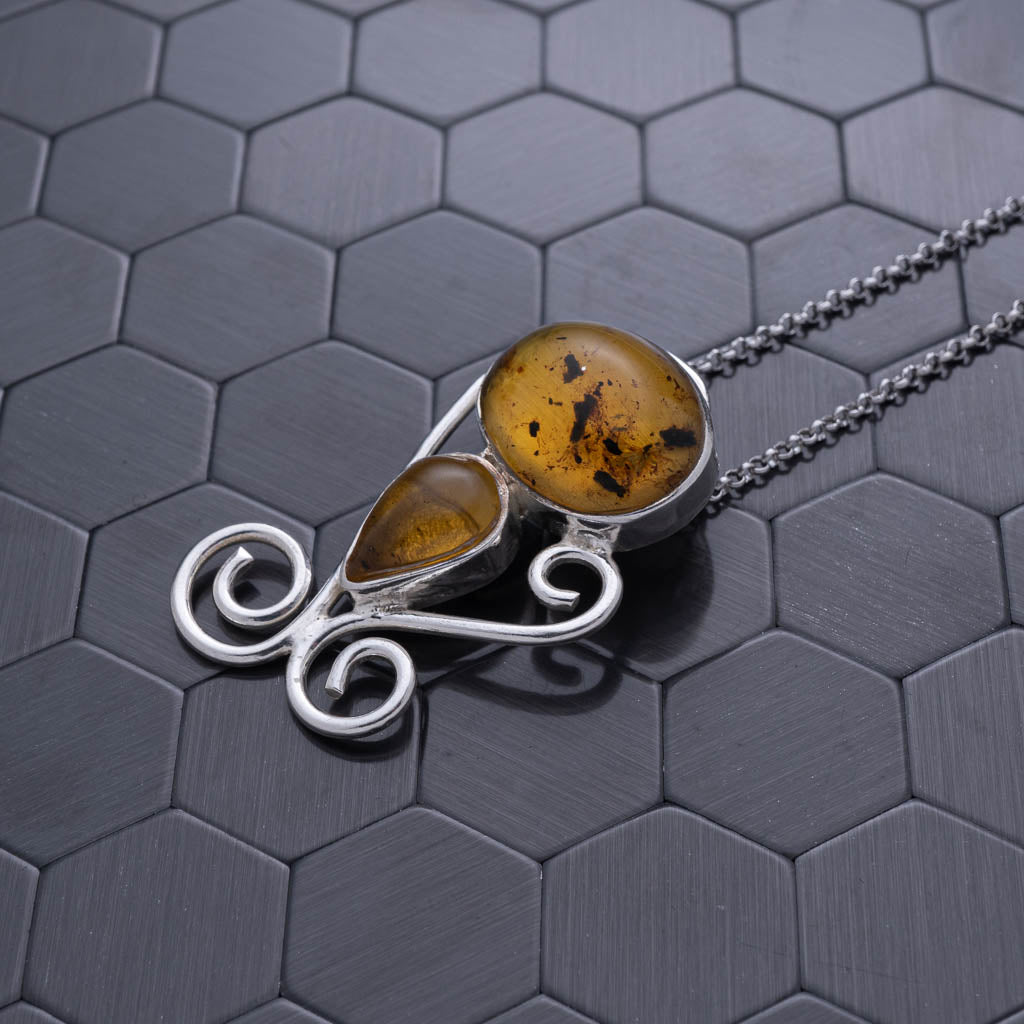
For daily wear rings, sapphire's exceptional hardness makes it the most durable blue precious stone choice. However, Larimar Pendants offer an excellent way to showcase this rare Caribbean gemstone while protecting it from the impacts that rings typically endure. The elevated position of pendant settings reduces exposure to accidental contact while keeping the stone's beauty prominently displayed.
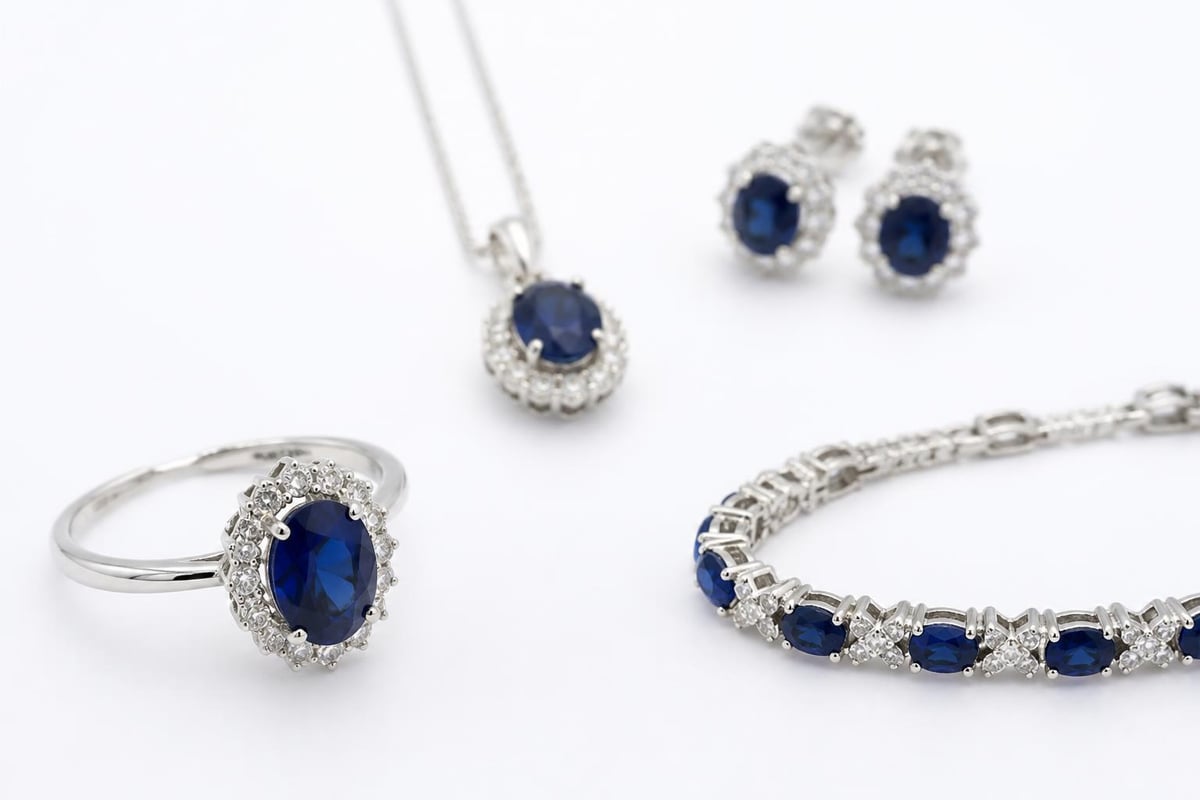
Blue precious stone prices span an enormous range, from affordable treated topaz to six-figure Kashmir sapphires. Establishing a realistic budget helps narrow options while ensuring you acquire quality stones that retain value over time.
Price influencing factors ranked by impact:
Natural, untreated blue precious stones generally command premium prices compared to enhanced specimens. However, certain treatments like standard sapphire heat treatment are so widely accepted that they minimally impact value when properly disclosed. Understanding which treatments are acceptable versus which significantly reduce value helps buyers make informed decisions.
The best value often exists in the "nearly perfect" category, where minor characteristics invisible to the naked eye create significant price reductions compared to flawless specimens. Working with reputable dealers who provide gemological certificates ensures you understand exactly what you're purchasing.
Proper care extends the life and beauty of blue precious stone jewelry. Different varieties require specific cleaning approaches based on their physical properties and potential sensitivities.
Safe cleaning methods by stone type:
Never use ultrasonic or steam cleaners on blue precious stone jewelry without first verifying the stone type and treatment status. Fracture-filled, clarity-enhanced, or porous gemstones can be permanently damaged by these methods. When in doubt, simple warm water with mild soap and a soft brush provides safe cleaning for all varieties.
Individual storage prevents blue precious stone jewelry from scratching softer pieces or being damaged by harder materials. Sapphire jewelry, with its extreme hardness, can easily scratch gold settings or other gemstones if stored loosely in a jewelry box.
Store each piece in a separate soft pouch or lined compartment. Keep blue precious stone jewelry away from extreme temperature changes, which can cause thermal shock in certain varieties. Remove jewelry before engaging in activities involving chemicals, including household cleaners, chlorine pools, and beauty products that may contain harsh ingredients.
Annual professional inspections ensure prongs remain secure and settings haven't loosened through normal wear. This preventive maintenance protects against loss while providing opportunities to professionally clean pieces using methods appropriate for each specific blue precious stone variety.
Reputable gemological laboratories provide certificates documenting a blue precious stone's characteristics, origin, and treatment status. These reports offer crucial verification, particularly for significant purchases where substantial investment is involved.
Key information in gemological certificates:
Major laboratories including GIA, AGL, and Gübelin provide internationally recognized certifications for blue precious stone varieties. While certification adds cost, it provides essential documentation for insurance purposes and confirms authenticity when purchasing high-value specimens.
Most blue precious stones available today have undergone some form of treatment to enhance their appearance. Understanding which treatments are standard industry practice versus which significantly affect value helps buyers make informed decisions.
Heat treatment is nearly universal in sapphire and aquamarine, considered acceptable when disclosed. More extensive treatments like beryllium diffusion in sapphire or irradiation in blue topaz should result in substantial price reductions compared to untreated material. Some blue precious stone varieties, like Larimar with its natural benefits, are typically sold in untreated condition, making them particularly appealing to collectors seeking natural stones.
According to resources from GemsVisor on blue gemstones, requesting treatment disclosure and certification before purchase protects buyers from overpaying for extensively enhanced material marketed as natural.
Fine blue precious stone specimens have demonstrated strong appreciation over recent decades, particularly rare varieties from classic sources. Kashmir sapphires, Paraíba tourmalines, and other exceptional blue stones have outperformed many traditional investment vehicles, though gemstone investing requires expertise and patience.
Several factors drive blue precious stone investment potential:
Investment-grade blue precious stones typically exhibit exceptional color, high clarity, significant size, and documented natural origin. These pieces appeal to serious collectors willing to pay premium prices for the finest examples.
Successful blue precious stone collecting balances personal passion with market understanding. Rather than pursuing every variety, many collectors focus on specific categories: stones from particular geographic regions, untreated specimens, or examples showcasing exceptional color.
Documentation proves crucial for collection building. Maintain purchase records, certifications, and provenance information for each piece. Photograph your blue precious stone specimens under consistent lighting conditions to track any changes and create insurance documentation.
Collections need not require enormous budgets to be meaningful. Focusing on a single underappreciated variety allows collectors to acquire multiple fine examples while developing deep expertise. As detailed guides on mining locations demonstrate, many beautiful blue precious stone varieties remain accessible to collectors at various price points.
Growing awareness of mining's environmental and social impacts has increased demand for ethically sourced blue precious stone varieties. Responsible mining operations prioritize worker safety, fair compensation, environmental rehabilitation, and community benefit.
Several certification programs and industry initiatives promote ethical blue precious stone sourcing:
Buyers concerned about ethical sourcing should inquire about supply chain transparency and support jewelers committed to responsible practices. Some blue precious stone varieties, particularly those from small-scale operations with direct community benefit, offer compelling ethical advantages over mass-market alternatives.
Traditional gemstone mining can significantly impact local ecosystems through land disruption, water usage, and habitat alteration. However, the relatively low volume of blue precious stone extraction compared to industrial mining means environmental footprints vary dramatically between operations.
Small-scale mining operations producing rare varieties like Larimar often have minimal environmental impact compared to large mechanized mines. Supporting these artisanal operations, particularly those implementing land rehabilitation and sustainable practices, represents an environmentally conscious choice for blue precious stone acquisition.
Lab-created alternatives exist for some blue precious stone varieties, including sapphire and aquamarine. While these synthetics offer identical chemical composition at lower prices, they lack the geological romance and rarity that make natural blue precious stones culturally and emotionally significant to many buyers.
The blue precious stone market continues evolving as new deposits are discovered and previously overlooked varieties gain appreciation. Recent years have seen increased recognition of rare blue stones from unusual sources, with collectors seeking distinctive alternatives to traditional options.
Market dynamics favor blue precious stone varieties offering unique characteristics unavailable in more common materials. Stones with singular geographic origins, distinctive visual properties, or compelling origin stories attract premium interest from discerning buyers seeking differentiation.
As detailed by jewelry guides on blue gems, consumer preferences increasingly favor authenticity and uniqueness over mass-produced uniformity. This trend benefits rare blue precious stone varieties with limited availability and distinctive appearance.
Advanced gemological equipment enables increasingly sophisticated blue precious stone analysis, helping separate natural from synthetic material and detecting ever-more-subtle treatments. This technological progress protects buyers while challenging sellers to maintain rigorous disclosure standards.
Digital platforms have democratized blue precious stone access, connecting buyers directly with miners and small-scale dealers worldwide. This disintermediation can reduce costs while presenting authentication challenges for buyers lacking gemological expertise. Balancing opportunity with appropriate caution requires developing relationships with trusted sources and investing in proper certification for significant purchases.
Additional resources from experts like those at Argent-Asher's guide to blue gemstones help consumers navigate increasingly complex markets by providing education about blue precious stone varieties, quality factors, and fair pricing.
The world of blue precious stone varieties offers remarkable diversity, from classic sapphires to rare Caribbean treasures, each with unique characteristics and appeal. Understanding quality factors, proper care requirements, and ethical sourcing considerations empowers buyers to make confident decisions when acquiring these geological marvels. Whether you're drawn to the timeless elegance of sapphire or the distinctive patterns of rare Caribbean stones, Larimar Creations specializes in handcrafted jewelry featuring exceptional blue precious stone specimens, offering worldwide shipping and authentic, quality pieces that showcase nature's most captivating blue gemstones.