
FREE WORLD WIDE SHIPPING
HANDCRAFTED IN THE DOMINICAN REPUBLIC
30% DISCOUNT APPLIED AT CHECKOUT
FREE WORLD WIDE SHIPPING
HANDCRAFTED IN THE DOMINICAN REPUBLIC
30% DISCOUNT APPLIED AT CHECKOUT
FREE WORLD WIDE SHIPPING
HANDCRAFTED IN THE DOMINICAN REPUBLIC
30% DISCOUNT APPLIED AT CHECKOUT
FREE WORLD WIDE SHIPPING
HANDCRAFTED IN THE DOMINICAN REPUBLIC
30% DISCOUNT APPLIED AT CHECKOUT
FREE WORLD WIDE SHIPPING
HANDCRAFTED IN THE DOMINICAN REPUBLIC
30% DISCOUNT APPLIED AT CHECKOUT
FREE WORLD WIDE SHIPPING
HANDCRAFTED IN THE DOMINICAN REPUBLIC
30% DISCOUNT APPLIED AT CHECKOUT
100% Handcrafted in DR.
by Admin August 17, 2026 6 min read
Amber can look luminous and effortless once it is finished, but the stringing process deserves a patient hand. Unlike hard mineral gemstones, amber is fossilized tree resin with a warm, lightweight feel and a comparatively soft surface. Knowing how to string amber beads correctly helps preserve their polish, protect their drill holes, and create jewelry worthy of this rare natural material.
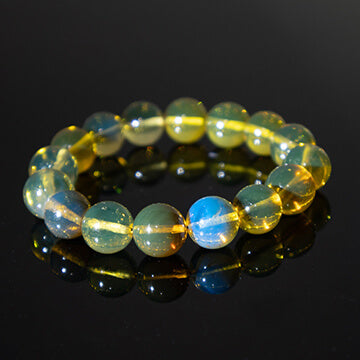
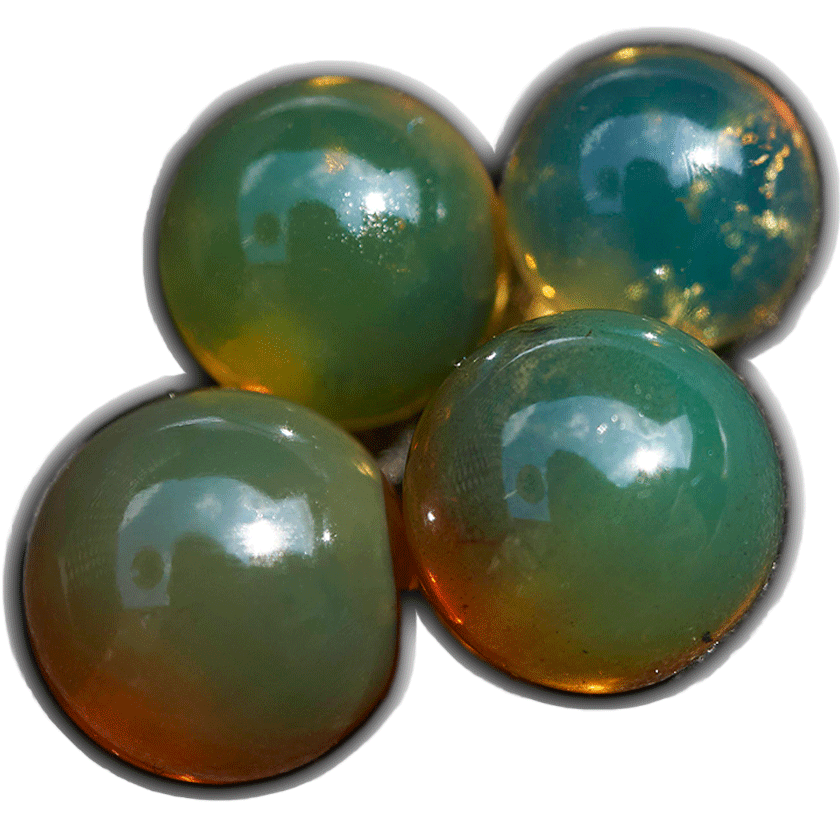
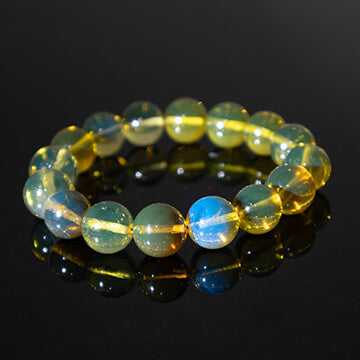
Whether you are making a delicate necklace, a meaningful bracelet, or a strand of Dominican Blue Amber beads with remarkable sunlit color, the aim is the same: let every bead sit securely without pressure, abrasion, or unnecessary weight.
Amber ranks only about 2 to 2.5 on the Mohs scale of hardness. It is far more vulnerable to scratching and chipping than quartz, agate, or many common jewelry stones. Its beauty also lies in its surface - a soft, glassy glow that can be dulled by rough handling, metal friction, or harsh cleaning products.
The holes of amber beads are especially important. A bead can crack if the hole is too small for the chosen cord, if a knot is pulled too tightly against it, or if a rigid wire repeatedly rubs its inner edge. This does not mean amber is too delicate to wear. It simply means every material in the design should be chosen with intention.
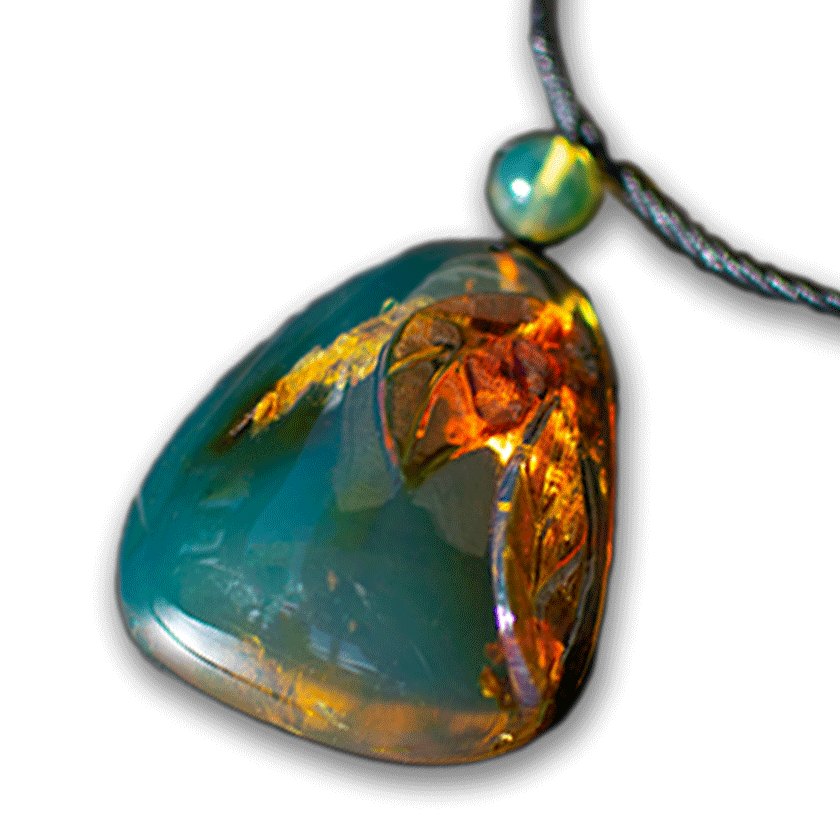
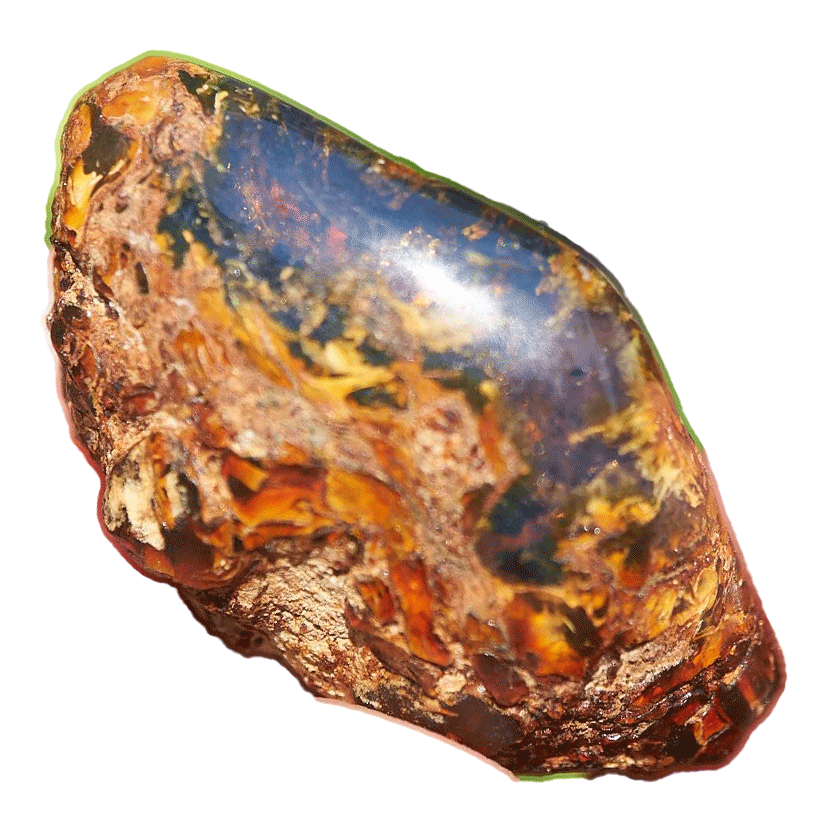
Authentic Dominican amber often contains natural variation: tiny inclusions, internal lines, shifts in transparency, or a deeper blue-green flash when viewed in sunlight. These details are part of its character, not flaws to disguise. Handle every bead as an individual piece of Caribbean history.
Before starting, arrange your beads on a soft towel or bead board. A towel prevents them from rolling away and cushions them if they slip from your fingers. Keep metal tools away from the beads themselves whenever possible.
For a traditional knotted necklace, silk bead cord is often the most graceful choice. It drapes beautifully, reduces bead-to-bead contact, and gives a refined finish that suits translucent amber. Choose a cord size that passes through the hole twice if you plan to knot between beads. If that is not possible, use a fine single-strand knotting technique or select a slightly thinner cord.
For a more durable everyday bracelet or a design with larger holes, high-quality braided nylon cord can work well. It is strong, flexible, and available in subtle colors that will not compete with honey, cognac, green, or blue amber. Avoid rough cords that feel abrasive between your fingers.
Flexible beading wire is useful for structured designs, but it requires extra care. It can create a clean, contemporary look when paired with small spacers and a secure clasp, yet wire is less forgiving than silk. If you use it, make sure the holes are smooth, use soft protective components near the clasp, and do not pull the strand tight enough to make beads grind together.
Elastic cord is practical for a simple stretch bracelet, especially with lightweight round beads. The trade-off is longevity. Elastic eventually stretches and can wear at the drill holes, so it is best reserved for casual pieces rather than a cherished collector strand.
Lay out the entire design before threading a single bead. Look at color, size, shape, and clarity from a normal viewing distance. A thoughtfully arranged strand may move from lighter golden amber at the clasp to richer cognac tones at the center, or place the most striking blue amber bead where it catches the light most often.
Check each drill hole under good lighting. Remove loose dust by gently blowing it away or using a very soft, dry brush. Do not force a needle or reamer into a hole that seems tight. If a bead does not fit the cord, change the cord size rather than risking damage to the bead.
For a knotted necklace, cut a length of silk at least 24 inches longer than the planned finished length. That extra room gives you enough cord for knots, clasp attachments, and comfortable handling. For a wire-strung piece, allow several additional inches on each end for crimping and finishing.
If you are using silk, stretch it gently before beginning. This reduces later slack without stressing the material. Thread the needle carefully, then secure the first end with a bead tip or temporary stopper so the beads cannot slide off while you work.
Slide one amber bead at a time onto the cord. Do not rush a bead down the full length of the strand, especially if it is faceted, irregular, or heavy. Hold the bead near the hole and guide it gently. This keeps the cord from dragging across the inner edge with unnecessary force.
For a necklace, knotting between each bead is one of the best ways to protect amber. The knots create small cushions, preventing beads from rubbing against one another during wear. They also offer peace of mind: if the cord ever breaks, only one bead is likely to fall free.
To form a knot, bring it close to the bead with a knotting awl, tweezers, or the tip of a fine pin. Do not press the tool into the amber. The knot should sit snugly beside the bead, but it should not visibly compress the cord or pull against the drill hole.
A small spacer can make a strand feel more tailored, particularly when combining amber with sterling silver, gold-filled accents, or another gentle gemstone. But spacers are not required. In fact, metal spacers can scratch amber over time if they have sharp edges or if the bracelet is worn loosely enough for movement.
If you want added separation without metal, silk knots are the safer choice. You can also use smooth, lightweight materials that do not overpower the amber's natural glow. Keep the focus on the resin's warmth, transparency, and one-of-a-kind inclusions.
For necklaces and non-stretch bracelets, a clasp should be secure, proportionate, and easy to operate. A small lobster clasp, spring ring, or hook-and-eye closure can all work, depending on the style. Use bead tips or clamshell findings to conceal knots near the clasp and give the ends a polished appearance.
With beading wire, attach the clasp using quality crimp beads or crimp tubes. Cover the crimp if desired, but check that the cover does not pinch the wire. With silk, secure the final knot firmly inside the bead tip, trim the excess cord neatly, and close the tip gently with nylon-jaw pliers or protected pliers.
Before wearing the finished piece, test it with a light pull. You are checking the cord, knots, and clasp - not testing amber's strength. The strand should feel secure while retaining a soft, natural drape.
The most common mistake is treating amber like a hard stone. Do not use heavy wire, sharp-edged spacers, or tightly packed beads that click together with every movement. Avoid overtightening knots, especially beside thinner beads or beads with visibly narrow drill-hole walls.
Do not clean your finished strand in an ultrasonic cleaner, steam cleaner, or chemical jewelry dip. Amber responds best to a soft, dry cloth after wear. Keep it away from perfume, hairspray, hand sanitizer, and prolonged heat, which can affect its surface over time.
Storage matters, too. Place amber jewelry in a soft pouch or a lined compartment, separate from diamonds, metal chains, and harder gemstones. A beautiful strand should not lose its luster because it was stored beside something harder than itself.
A carefully strung piece begins with authentic material. Look for beads with clear origin information, honest descriptions of natural inclusions, and craftsmanship that respects the character of amber. Dominican amber is especially prized for its clarity and range of color, including the elusive blue varieties that can appear golden indoors and vividly blue under sunlight or ultraviolet light.
At Larimar Creations, the appeal of authentic Caribbean stones is never just their color. It is the sense that each piece carries a distinct origin, formed over time and shaped by hand into something personal. When selecting amber beads, favor quality drilling, balanced shapes, and a finish that allows the natural material to speak for itself.
A well-strung amber strand should feel almost weightless, glow warmly against the skin, and move with quiet confidence. Give the process time, and each knot, clasp, and carefully chosen bead will help turn a remarkable piece of the Caribbean into jewelry made to be worn and treasured.
Sign up to get the latest on sales, new releases and more …
9 min read
6 min read
9 min read