
FREE WORLD WIDE SHIPPING
HANDCRAFTED IN THE DOMINICAN REPUBLIC
30% DISCOUNT APPLIED AT CHECKOUT
FREE WORLD WIDE SHIPPING
HANDCRAFTED IN THE DOMINICAN REPUBLIC
30% DISCOUNT APPLIED AT CHECKOUT
FREE WORLD WIDE SHIPPING
HANDCRAFTED IN THE DOMINICAN REPUBLIC
30% DISCOUNT APPLIED AT CHECKOUT
FREE WORLD WIDE SHIPPING
HANDCRAFTED IN THE DOMINICAN REPUBLIC
30% DISCOUNT APPLIED AT CHECKOUT
FREE WORLD WIDE SHIPPING
HANDCRAFTED IN THE DOMINICAN REPUBLIC
30% DISCOUNT APPLIED AT CHECKOUT
FREE WORLD WIDE SHIPPING
HANDCRAFTED IN THE DOMINICAN REPUBLIC
30% DISCOUNT APPLIED AT CHECKOUT
100% Handcrafted in DR.
by Admin October 04, 2026 6 min read
A jewelry box filled with stones that could have come from anywhere no longer holds the same appeal. The most compelling rare gemstone trends are rooted in a more personal idea of luxury: knowing where a stone came from, recognizing what makes its color extraordinary, and choosing a piece that carries a real connection to place. For lovers of Caribbean gemstones, that means the soft ocean-blue character of Larimar and the remarkable light of Dominican blue amber are taking on fresh significance.
These are not trends built on novelty alone. They reflect a lasting shift toward materials with a story, limited natural supply, and artisan character. Jewelry buyers are looking beyond familiar diamonds and uniform, mass-produced color. They want the irregular cloud patterns in a Larimar cabochon, the ancient inclusions held in amber, and the confidence that comes with authentic origin.
For years, fine jewelry often centered on standardized measures of value: carat weight, precise matching, and recognizable names. Those details still matter, especially for investment-minded buyers, but they are no longer the entire conversation. A rare gemstone can be desirable because no other example looks quite the same.
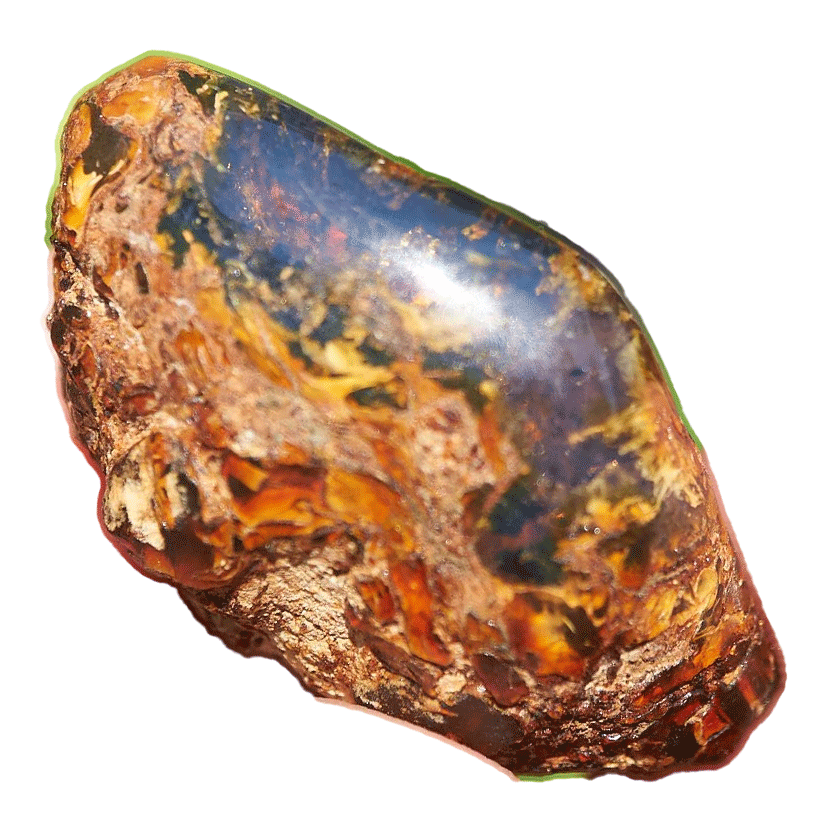
This is especially true for opaque and organic gemstones. A Larimar stone may show pale sky blue, rich turquoise, white marbling, or a deeper volcanic matrix. Rather than treating variation as a flaw, discerning buyers increasingly see it as evidence of nature's hand. The same principle applies to amber, where each piece preserves its own arrangement of color, clarity, bubbles, or ancient inclusions.
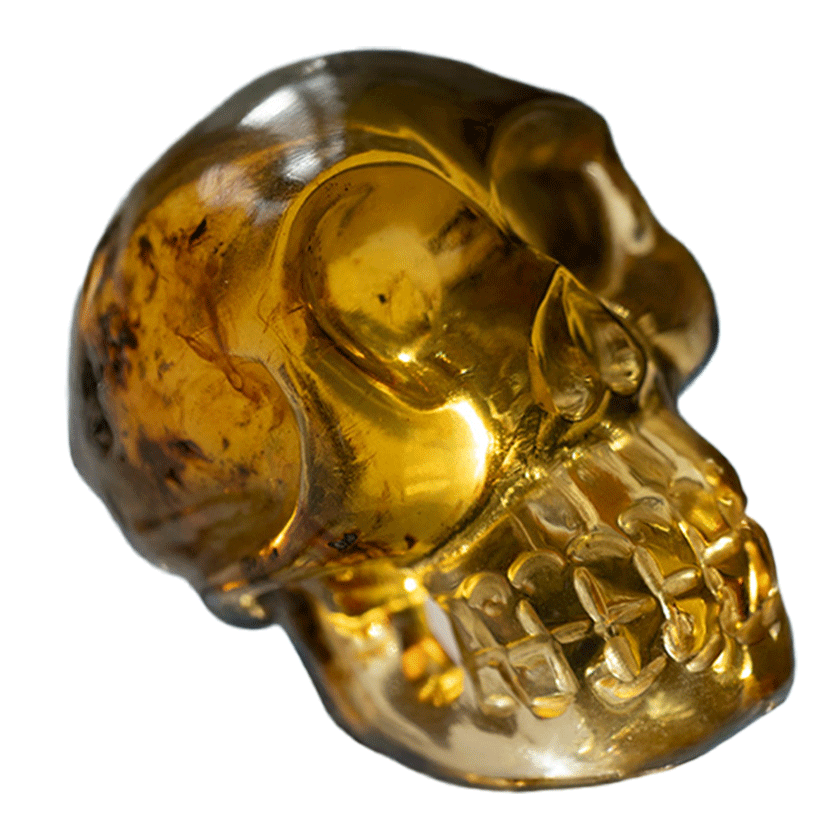
The result is jewelry that feels chosen rather than simply purchased. A pendant can recall a favorite coastline. A ring can become a marker of a meaningful occasion. A hand-carved amber piece can appeal as much to a collector as to someone searching for an unusual gift.
Origin has become one of the clearest signals of value in rare stones. Buyers are asking thoughtful questions: Where was this gemstone mined? Is the material natural? Has it been treated? Who shaped it into jewelry? These are practical questions, but they also deepen the romance of a piece.
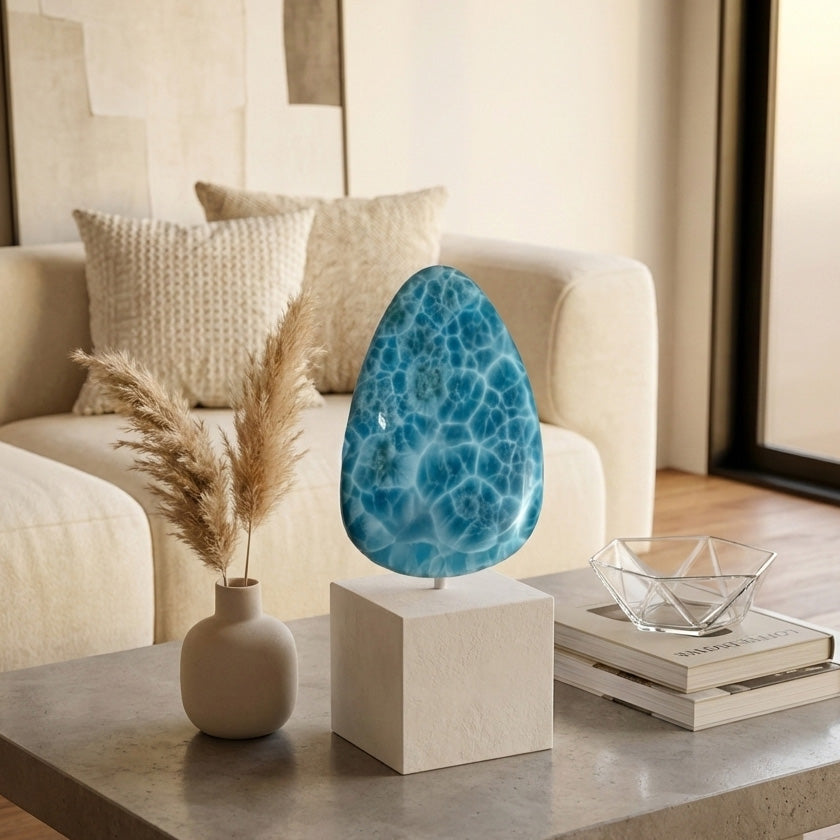
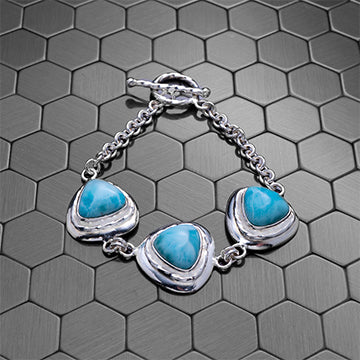
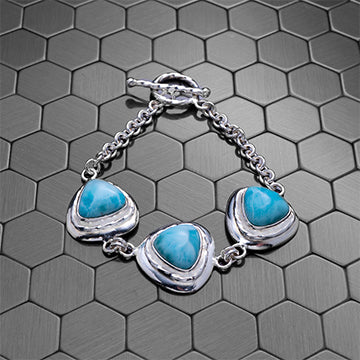
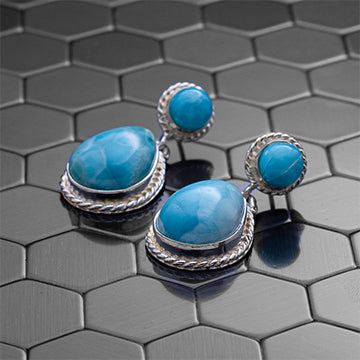
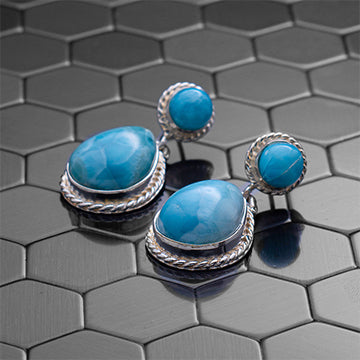
Larimar is found only in the Dominican Republic, making its Caribbean identity inseparable from its appeal. Its blue shades evoke water and open sky, yet the stone was formed through a geological process far more dramatic than its tranquil appearance suggests. A genuine Larimar jewel is not just blue stone jewelry. It is a rare expression of a single place.
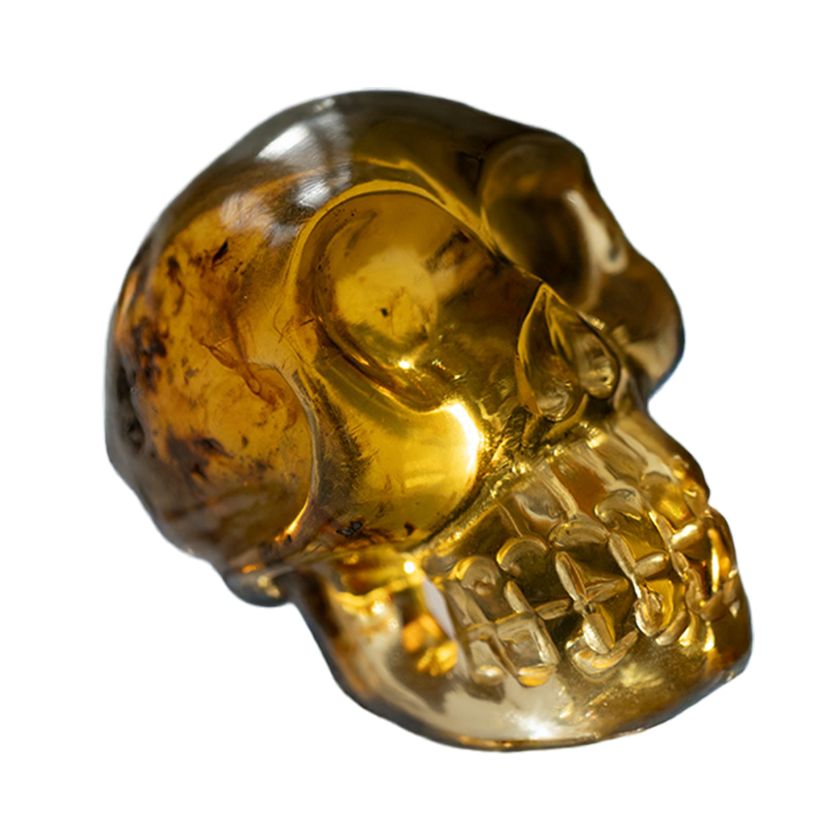
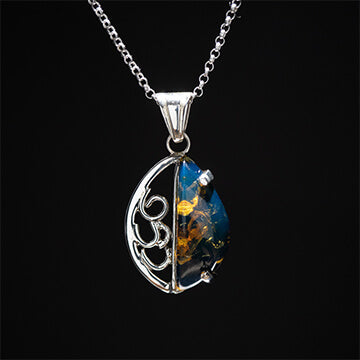
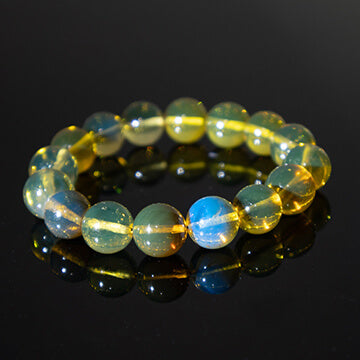
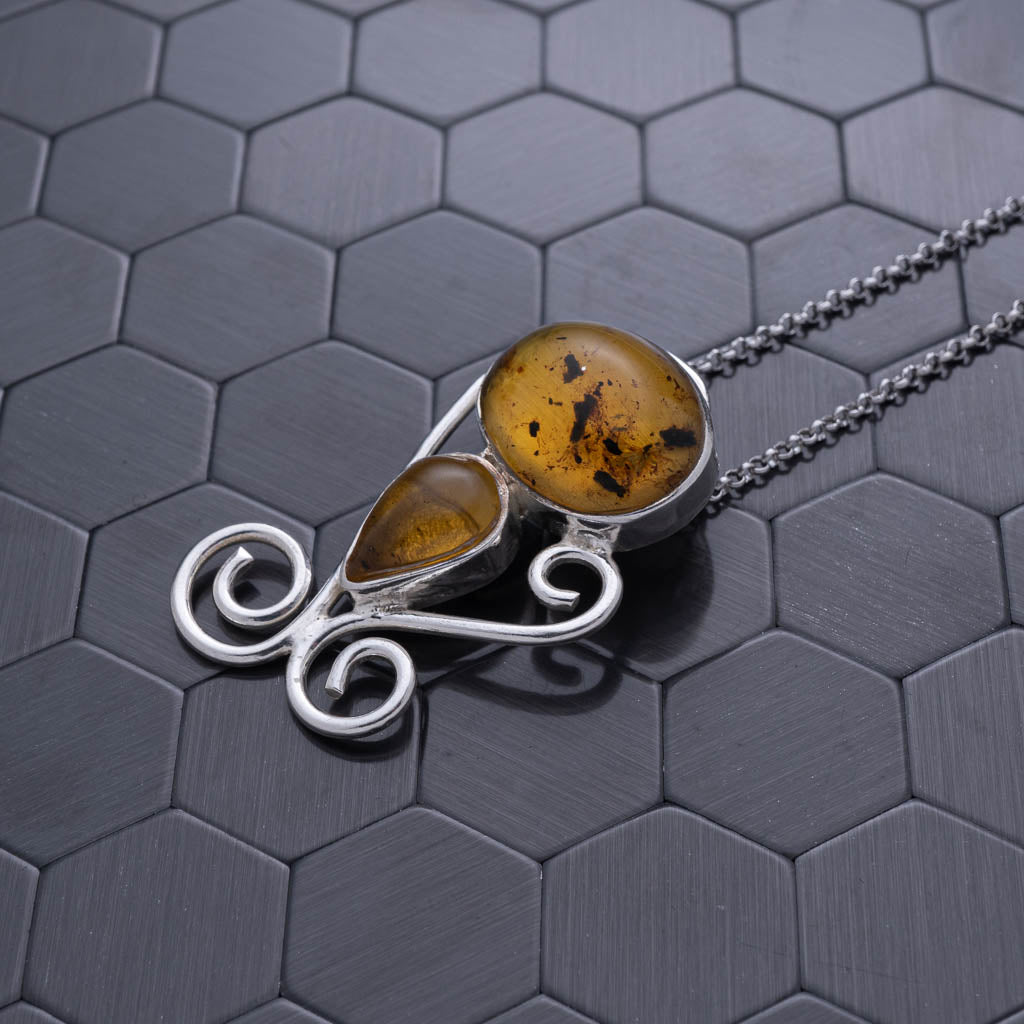
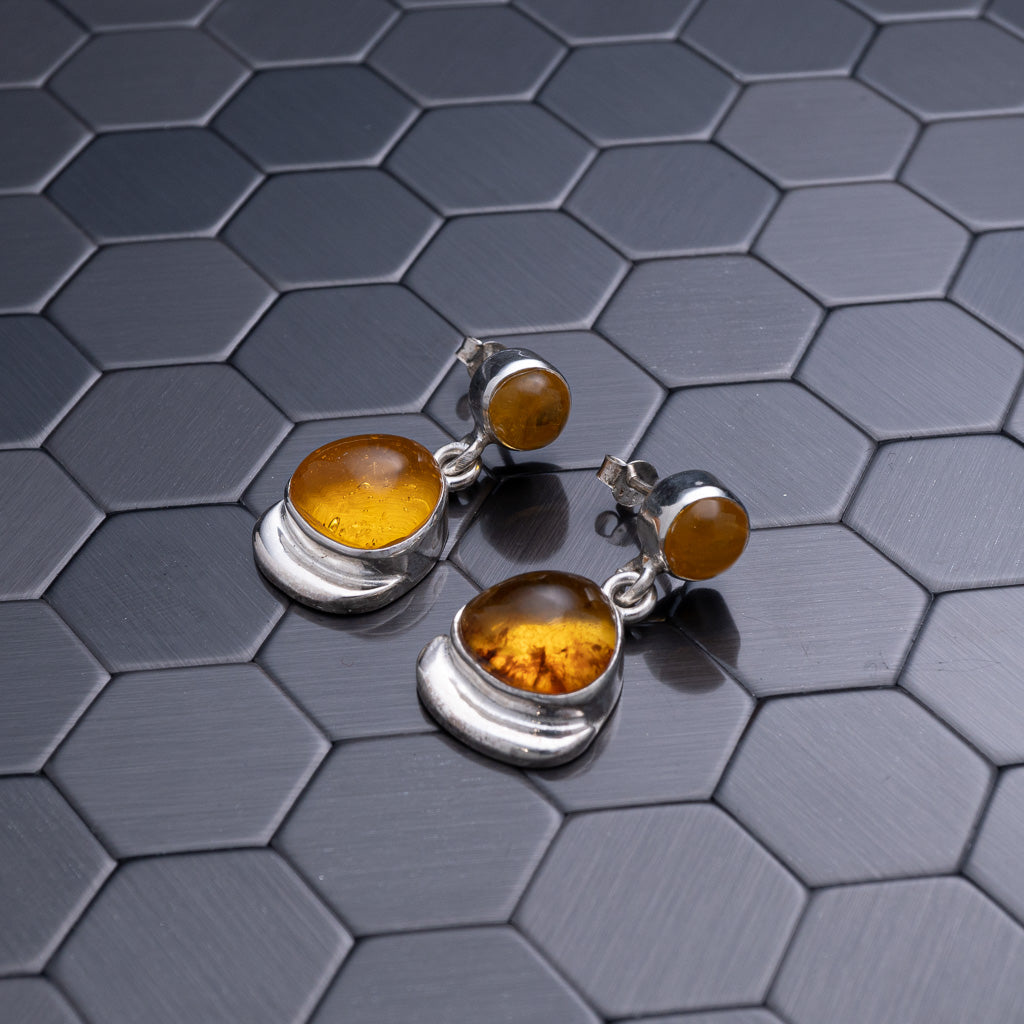
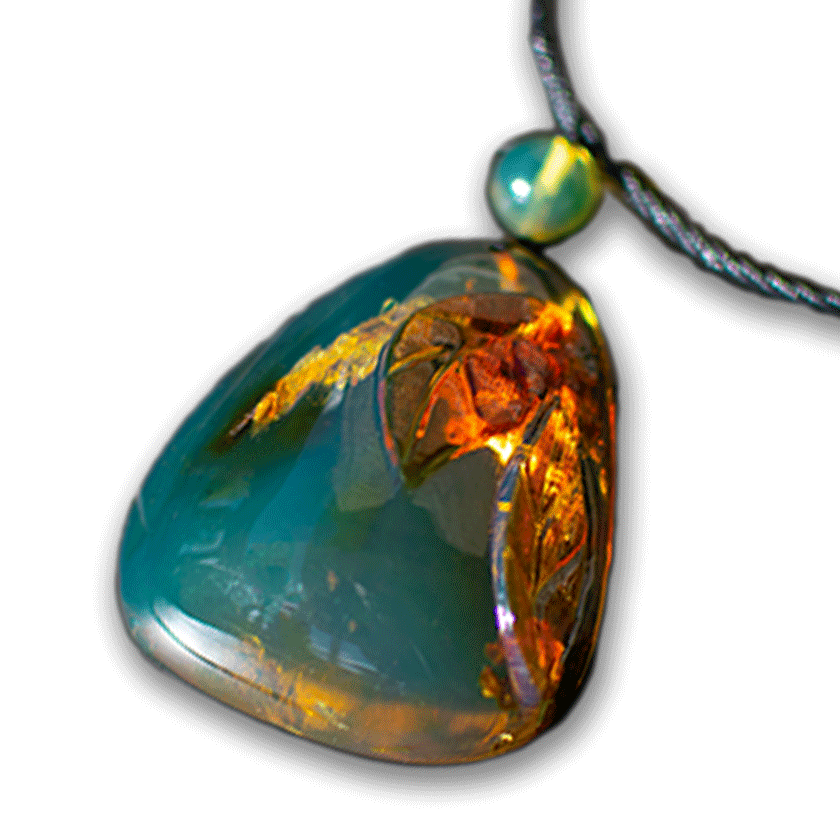
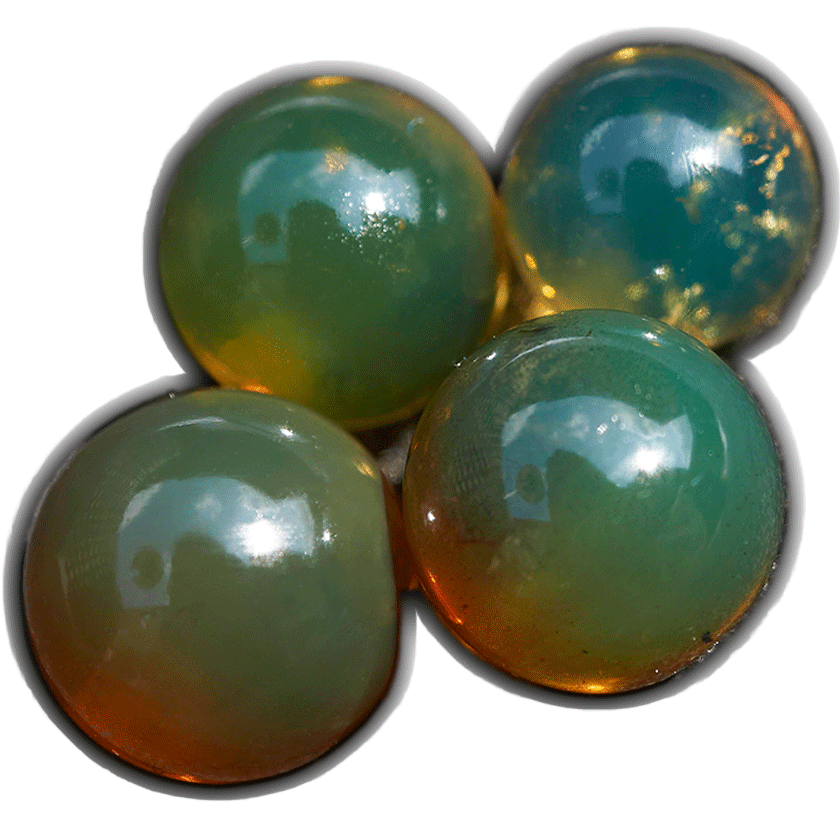
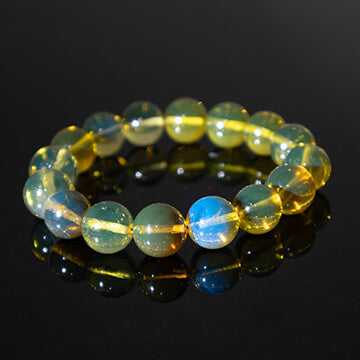
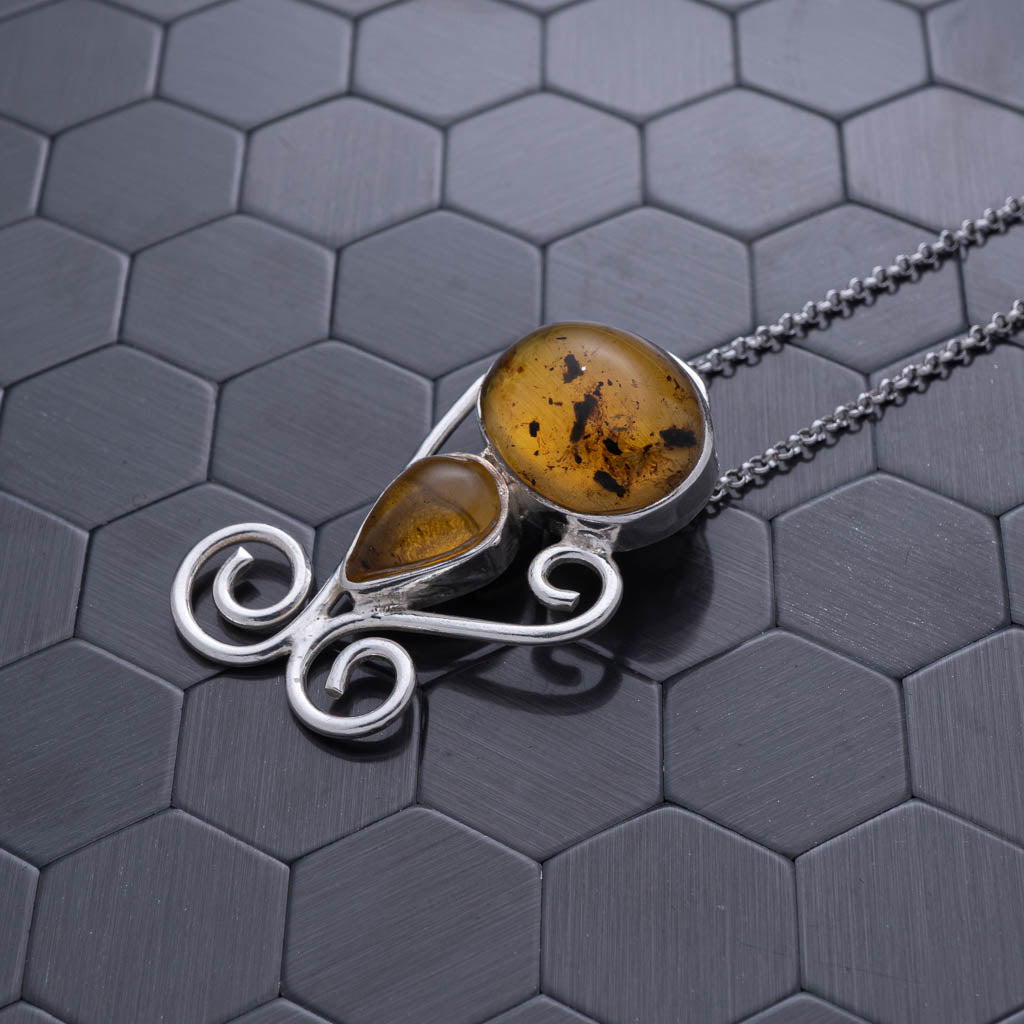
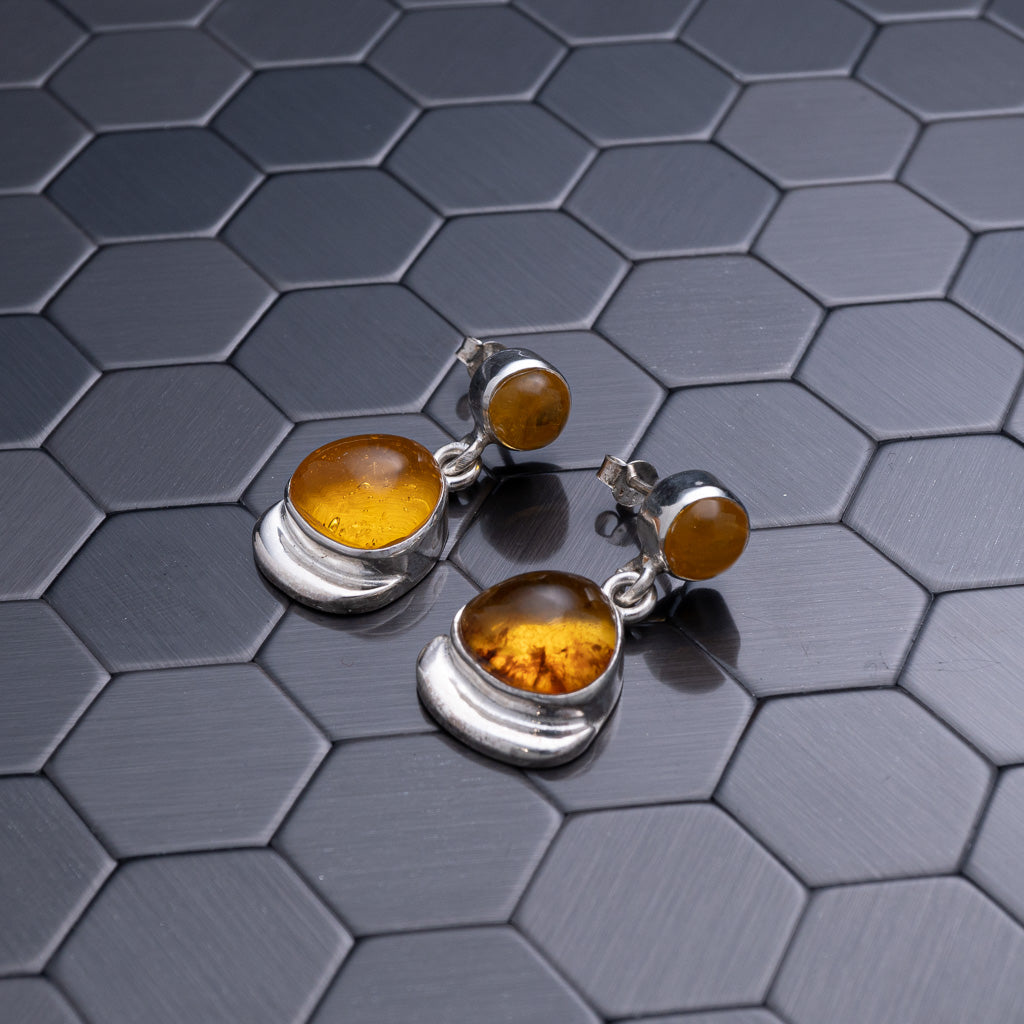
Dominican amber has an equally distinctive heritage. While amber is found in several parts of the world, the Dominican Republic is celebrated for exceptionally clear material and remarkable inclusions. Dominican blue amber is particularly admired for its unusual optical behavior. Under natural light it may appear warm honey, cognac, or golden-brown, while under ultraviolet light it can reveal a vivid blue fluorescence. The exact effect varies with the individual specimen, its cut, its clarity, and the light around it.
That variation is essential to communicate honestly. Not every piece of Dominican amber will display the same blue intensity, and an overly dramatic claim can obscure what makes genuine material special. Authenticity, certification, and transparent descriptions protect the buyer while honoring the stone itself.
As interest in rare gemstones grows, so does the need for careful sourcing. Amber can be imitated with glass, plastic, resin, or pressed material. Larimar may be misrepresented, dyed, or confused with other blue stones. A trusted seller should clearly identify a gemstone's origin and nature, particularly when rarity is central to the purchase.
Certification and expert verification are not merely technical details. They give a buyer confidence that the luminous amber in a pendant or the blue cabochon in a ring is what it is represented to be. For a gift, that confidence becomes part of the meaning passed from one person to another.
Among the strongest rare gemstone trends is a move away from perfectly even color. Buyers still appreciate high-grade material, but many now favor stones with visible personality: a Larimar pattern that resembles sea foam, an amber bead with a glowing interior, or a cabochon whose natural markings create a miniature landscape.
This preference changes how jewelry is designed. Instead of forcing every stone into identical calibrated shapes, artisans can let the material lead. A freeform Larimar pendant may follow the most beautiful area of color in the rough. An amber carving may be shaped around a fossil inclusion rather than cutting it away. The finished piece becomes a collaboration between geology and craftsmanship.
There is a trade-off. Highly individual stones are harder to match, which makes coordinated sets and replacement pieces less predictable. A shopper seeking identical earrings may prefer carefully selected, closely matched cabochons. Someone who values singularity may choose an asymmetrical design or a one-of-a-kind statement pendant. Neither preference is better - they simply express different ideas of beauty.
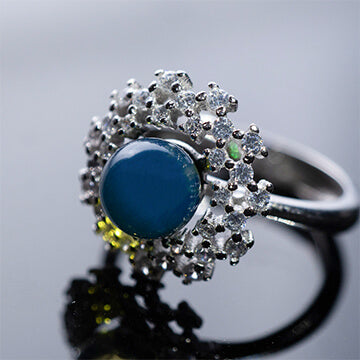
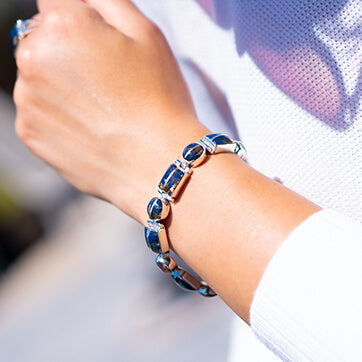
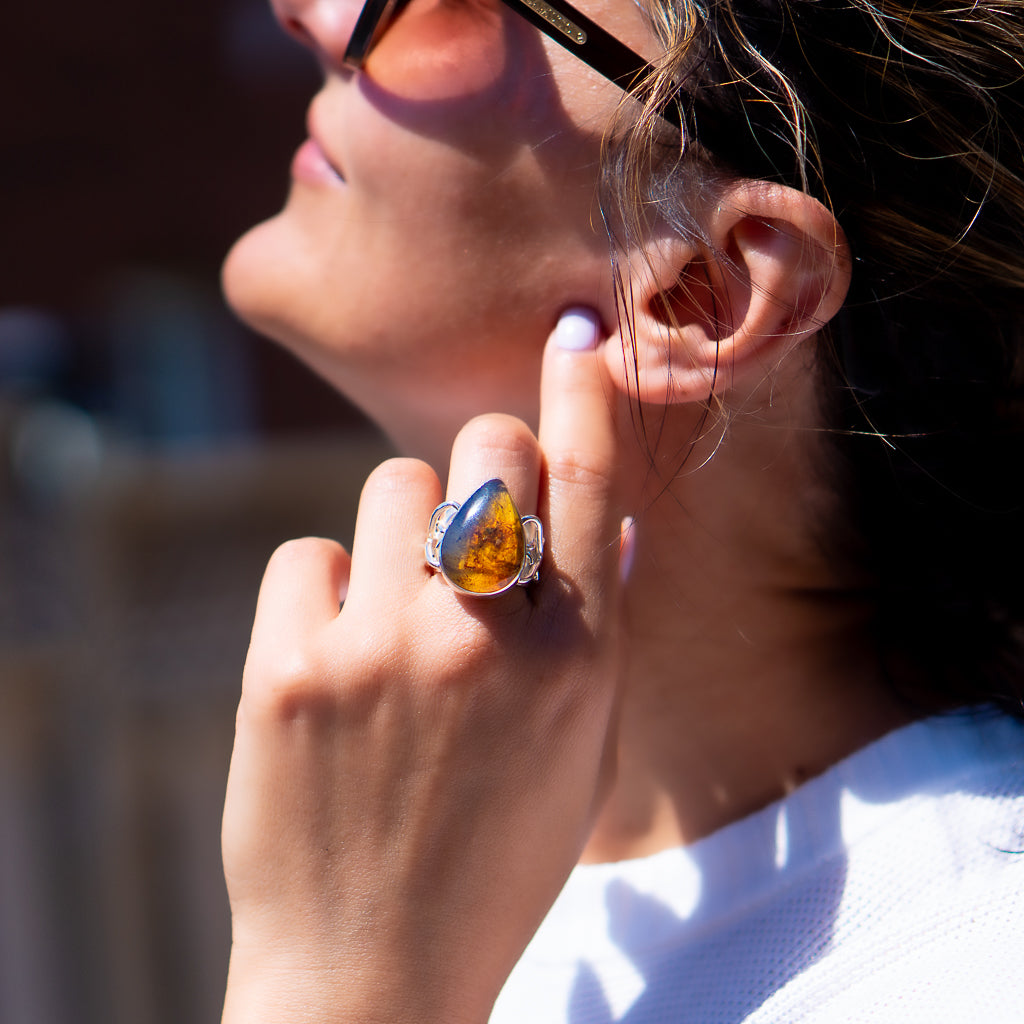
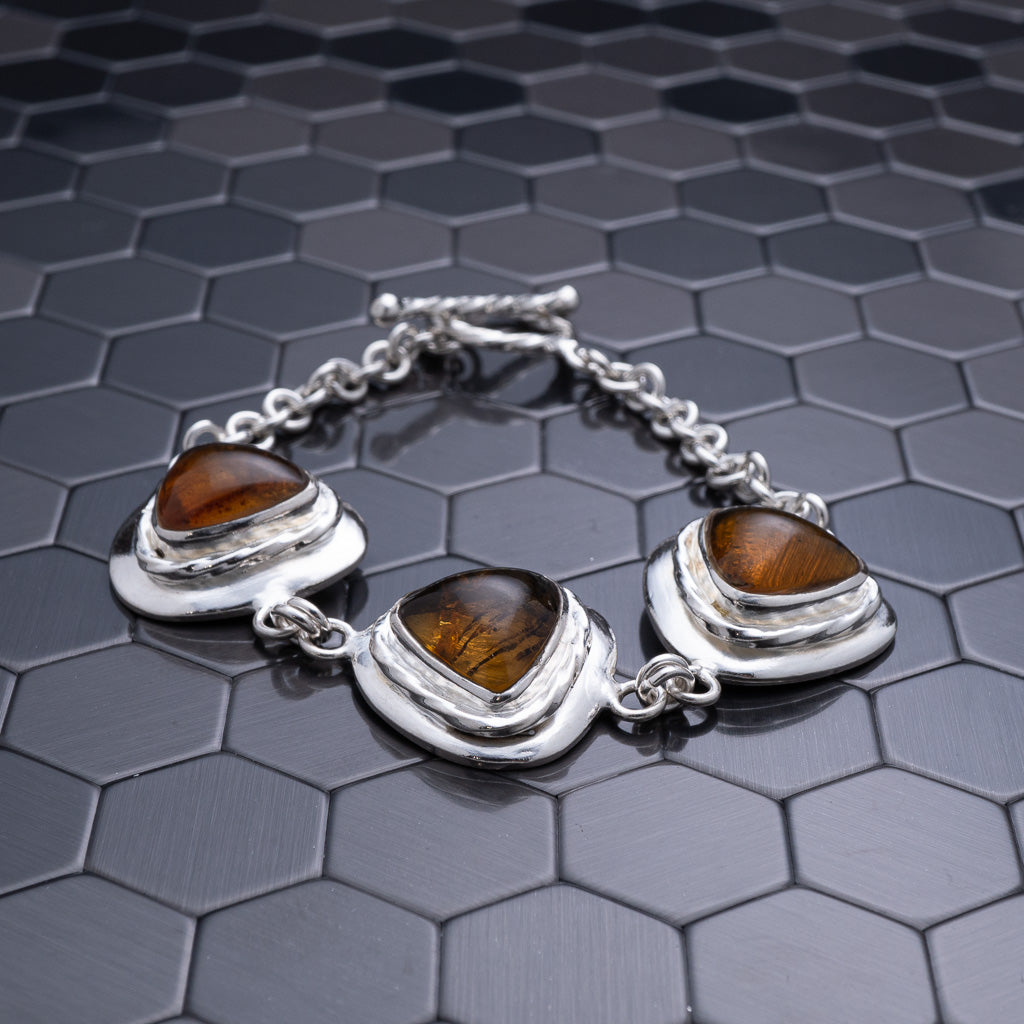
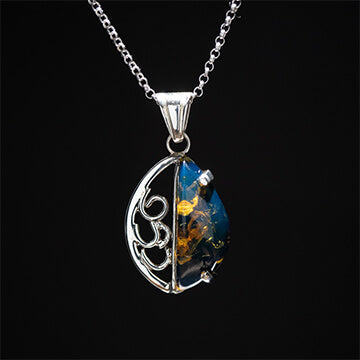
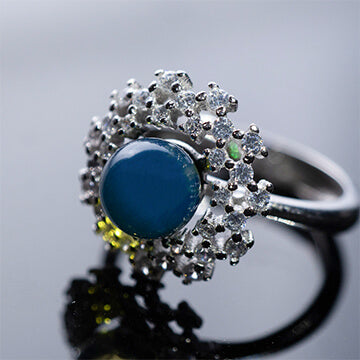
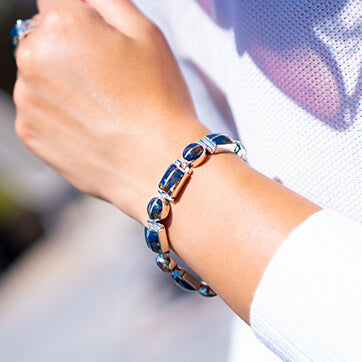
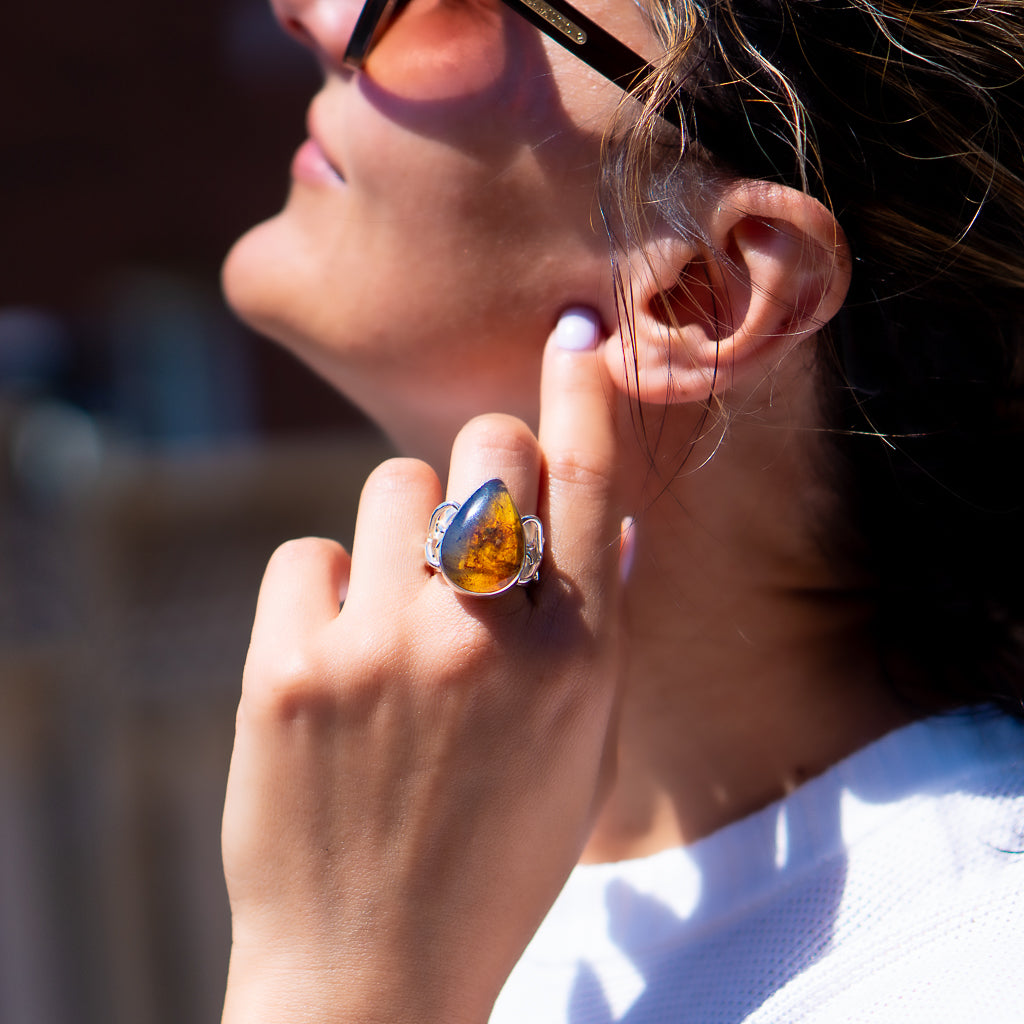
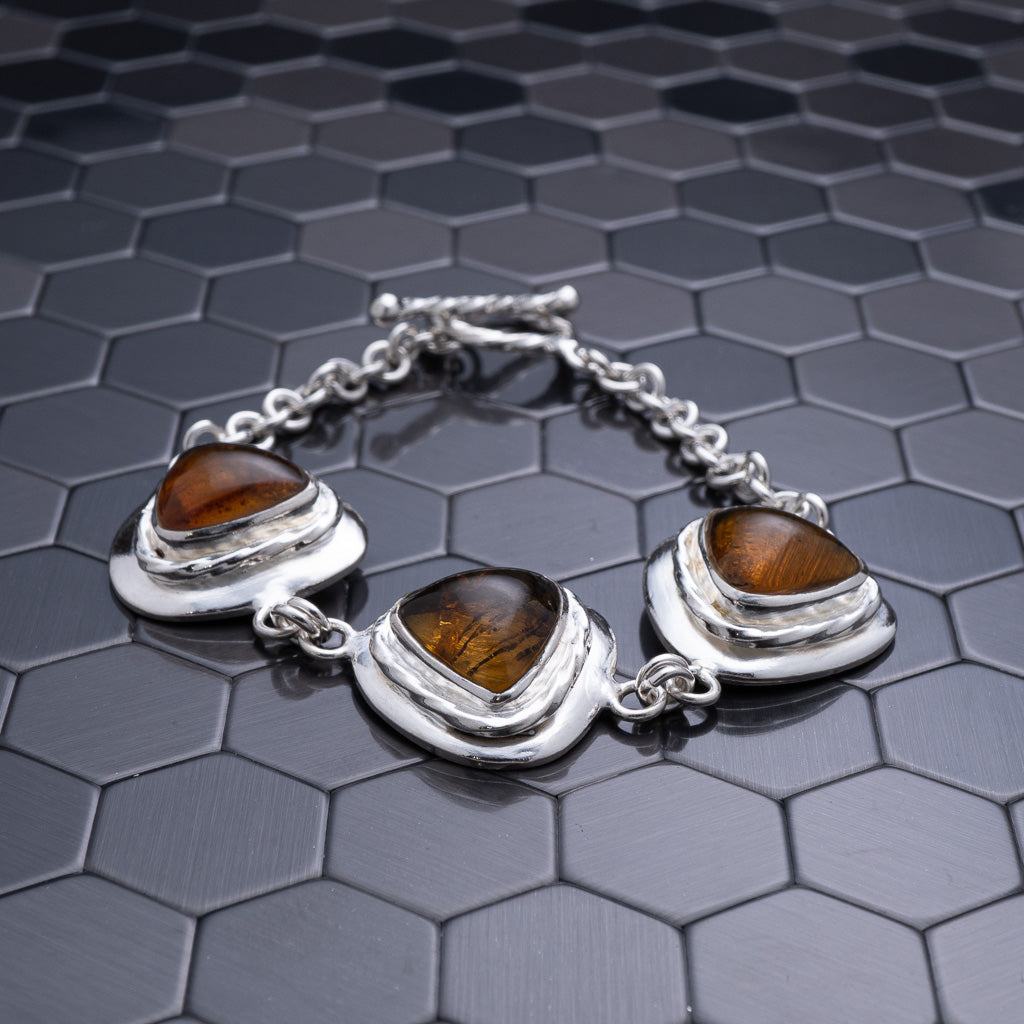
Rare stones are moving into everyday wardrobes, not just formal events. The modern collector wants a piece that can be worn with linen, silk, denim, or an evening dress. That has increased interest in designs that feel substantial yet comfortable: polished cabochon rings, clean-lined pendants, slim bracelets, and earrings that bring color close to the face without overwhelming it.
Larimar is especially well suited to this mood. Its blue-and-white palette can feel serene and refined against silver, while gold settings bring warmth and a more elevated contrast. Dominican amber offers a different kind of versatility. Golden pieces create a soft glow for daily wear, while blue amber makes an intriguing conversation piece for collectors and those drawn to jewelry with a more mysterious presence.
The best setting depends on the stone and the wearer. Amber is lighter than many gemstones and can be ideal for larger silhouettes, but it is also softer and deserves mindful wear. Larimar likewise benefits from care, especially in rings and bracelets that encounter frequent contact. Selecting a design with a protective bezel or a thoughtfully raised setting can balance visibility with durability.
The line between gemstone collecting and jewelry collecting is becoming less rigid. A fine Larimar cabochon, a polished amber specimen, fossil amber, carved figures, and strands of beads can all be appreciated as objects of natural art. Yet many buyers also want to wear or display them in ways that feel personal.
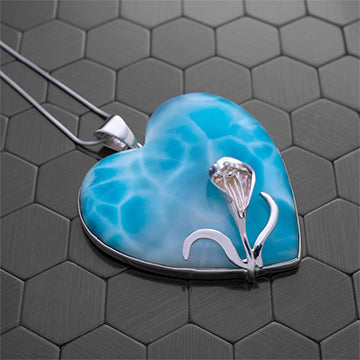
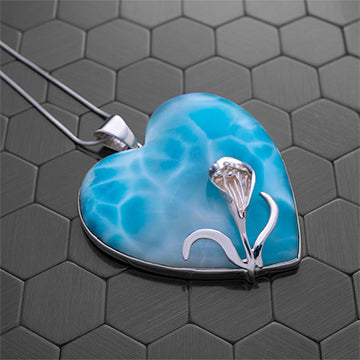
This has given renewed relevance to pieces beyond conventional rings and earrings. Carvings offer scale and detail. Loose cabochons invite custom design. Amber tasbih can hold spiritual and cultural significance while highlighting the warmth of natural material. Heart pendants remain meaningful for anniversaries, birthdays, and gestures of affection, especially when the stone itself is uncommon.
For collectors, rarity is not only about scarcity. It is about quality within a category: exceptional blue color in Larimar, compelling pattern, clear amber, notable fluorescence, or a well-preserved inclusion. For gift buyers, the story may matter even more than technical grading. The right piece is the one that feels as though it could only belong to the person receiving it.
A trend can inspire a purchase, but a rare gemstone should hold its appeal after the season changes. Start with the visual response. Does the color feel alive to you? Are you drawn to the quiet, ocean-like movement of Larimar or the warm, ancient glow of amber? Personal connection is not a lesser form of value. It is often what makes a jewel worth wearing for years.
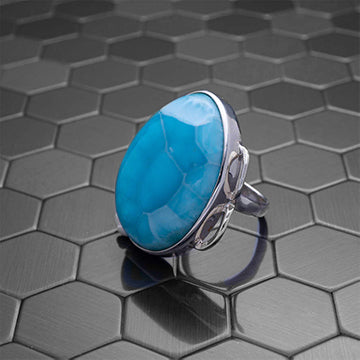
Then consider construction and care. Ask whether the piece is intended for daily wear or occasional wear, whether the setting protects the stone, and whether the scale suits your lifestyle. A large Larimar ring can be unforgettable, but a pendant may be the more practical choice for someone who works with their hands. A delicate amber carving may be better kept for special occasions than worn during active travel.
Finally, choose authenticity over exaggerated promises. Genuine Dominican stones, carefully crafted jewelry, and clear information about material and origin offer a more enduring kind of luxury than a passing color trend. At Larimar Creations, that belief begins with respect for the Caribbean materials themselves.
A rare gemstone does not need to shout to be unforgettable. Sometimes it is the calm blue of an ocean-born stone, or a flash of blue light inside resin formed millions of years ago, that stays with you long after you take the jewelry off.
Sign up to get the latest on sales, new releases and more …
8 min read
6 min read
6 min read