Your Cart is Empty

The combination of jewelry and silver has captivated humanity for millennia, representing both artistic expression and enduring value. Silver's lustrous appearance, malleability, and affordability compared to other precious metals have made it a cornerstone of jewelry design across cultures and centuries. In 2026, this timeless pairing continues to evolve with new techniques, sustainability practices, and design innovations while honoring traditional craftsmanship. Whether you're a collector, jewelry enthusiast, or someone seeking the perfect piece, understanding the nuances of jewelry and silver opens doors to appreciating both historical significance and contemporary creativity.
Silver purity determines not only the value of jewelry pieces but also their durability and appearance over time. The concept of fineness in precious metals establishes standardized measurements that help consumers make informed decisions when purchasing silver jewelry.
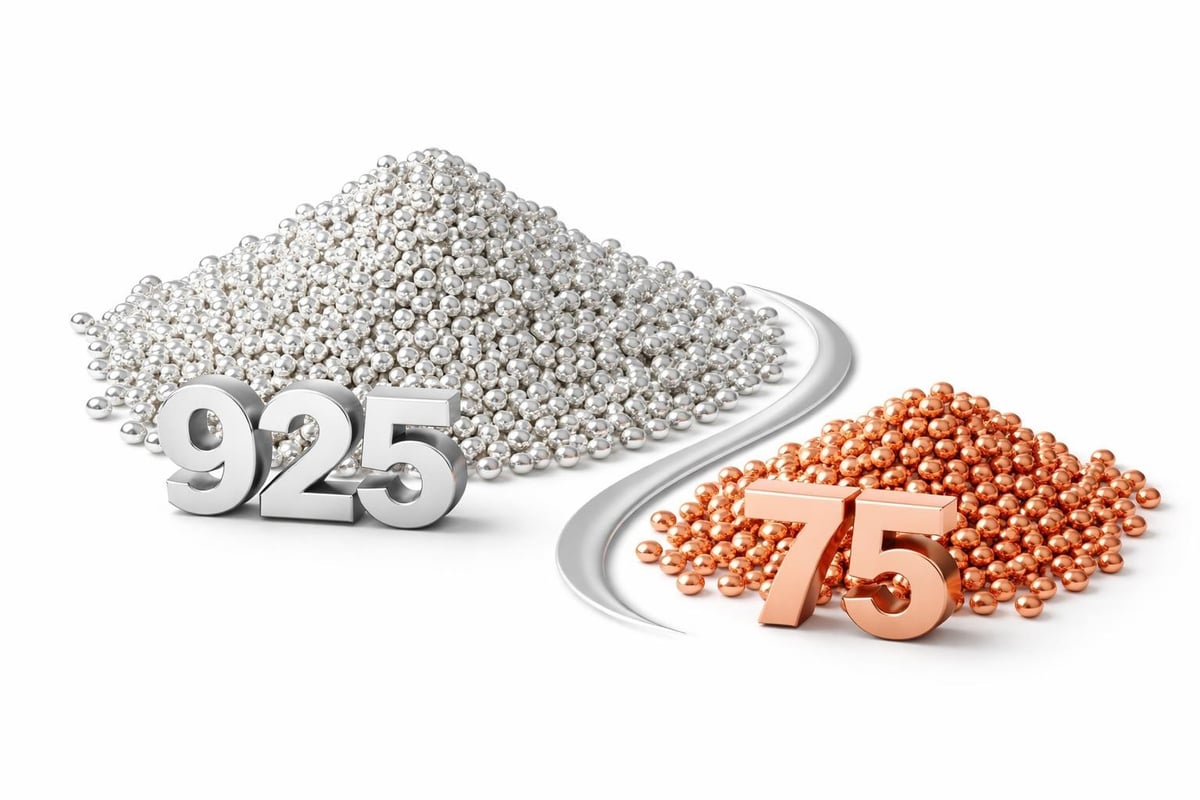
Sterling silver represents the industry standard for quality silver jewelry, containing 92.5% pure silver and 7.5% other metals, typically copper. This alloy achieves the perfect balance between beauty and strength, as pure silver alone would be too soft for everyday wear.
The addition of copper or other metals provides:
Modern innovations have introduced alternatives like Argentium sterling silver, which replaces some copper content with germanium. This modification creates a tarnish-resistant alloy that maintains its brilliance longer than traditional sterling silver, appealing to jewelry owners who want minimal maintenance.
Silver hallmarks serve as the jewelry industry's authentication system, providing crucial information about origin, purity, and manufacturer. These tiny stamps or engravings protect consumers and preserve the integrity of silver jewelry markets worldwide.
| Hallmark Type | Information Provided | Example Marks |
|---|---|---|
| Purity Mark | Silver content percentage | 925, Sterling, .925 |
| Maker's Mark | Manufacturer identification | Initials, symbols, logos |
| Date Mark | Year of manufacture | Letter codes, year stamps |
| Assay Office | Testing location | City symbols, office codes |
Understanding these markings empowers buyers to verify authenticity and quality. Reputable jewelers, including those specializing in unique stones like larimar jewelry, often provide detailed information about the silver used in their settings and can explain the significance of various hallmarks.
The malleability of silver allows artisans to create diverse styles ranging from delicate filigree work to bold contemporary statements. This versatility explains why jewelry and silver remain inseparable in both high fashion and everyday accessories.
Silver's workability enables craftspeople to employ techniques passed down through generations while incorporating cutting-edge technology. Hand-forging, engraving, and repoussé techniques create textures and details that machines cannot replicate, while modern tools allow for precision previously impossible.
Contemporary designers experiment with:
The Silver Institute reports increasing demand for silver jewelry that combines traditional craftsmanship with modern aesthetics, particularly among younger consumers who value both sustainability and artistry.
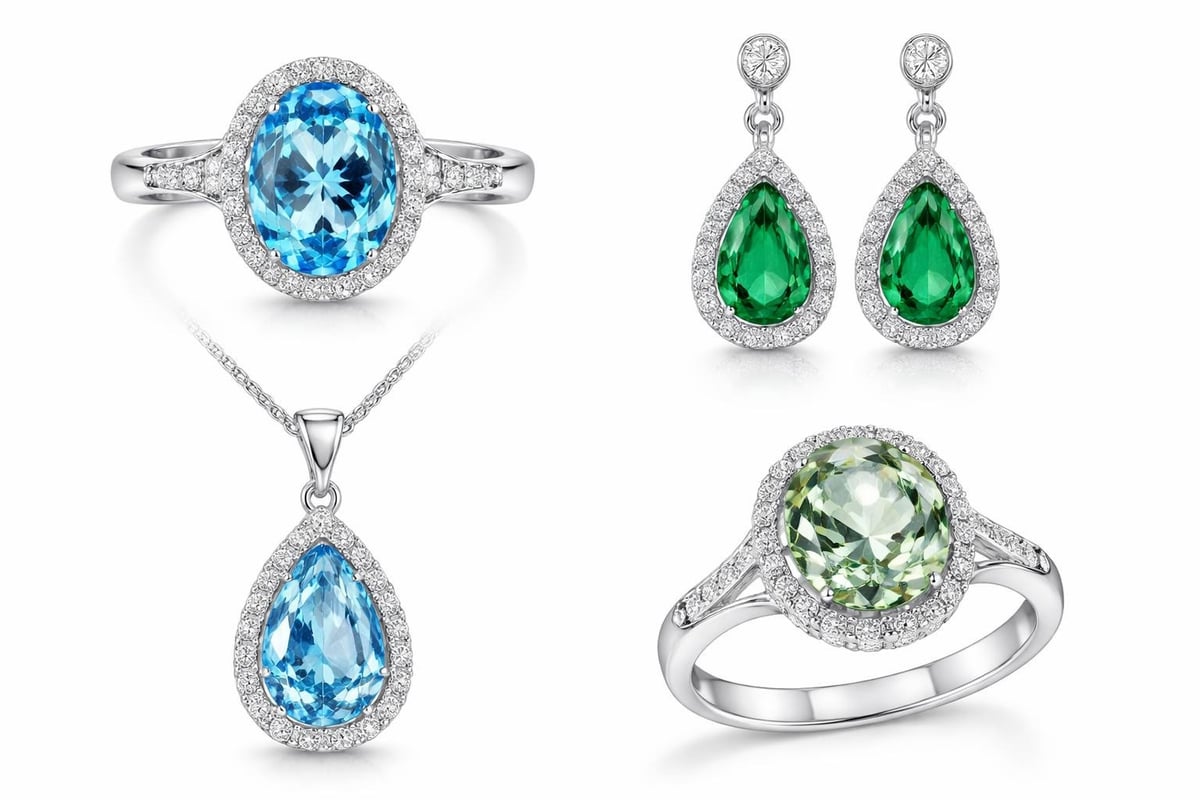
Silver's neutral, cool tone complements virtually every gemstone color, making it an ideal setting material for rare and precious stones. Unlike yellow gold, which can alter the apparent color of certain gems, silver provides a clean backdrop that allows the stone's true beauty to shine.
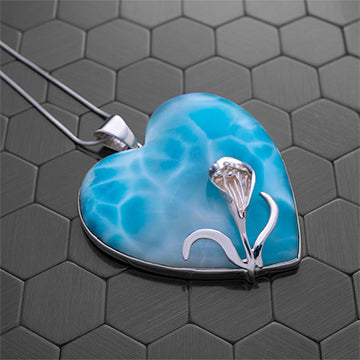
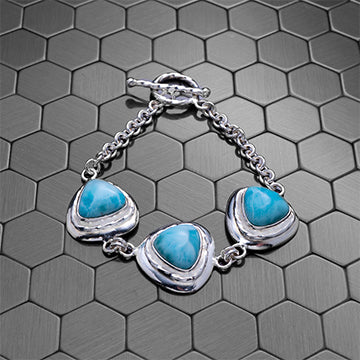
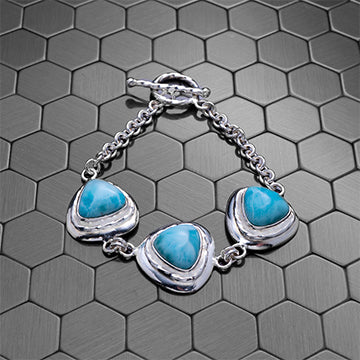
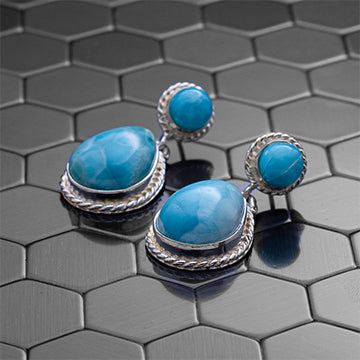
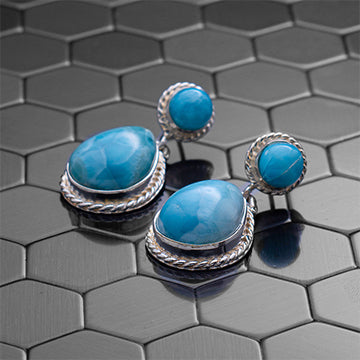
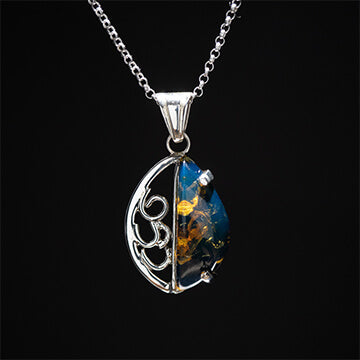
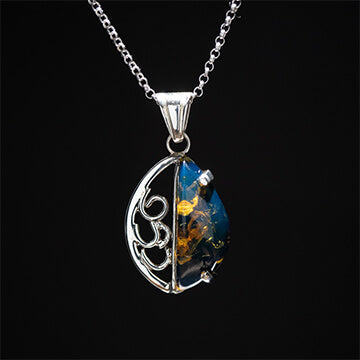
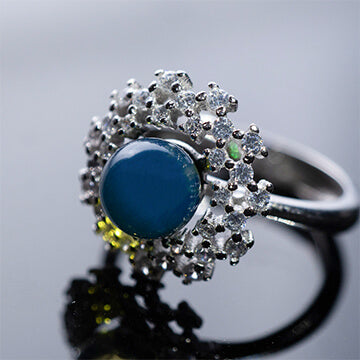
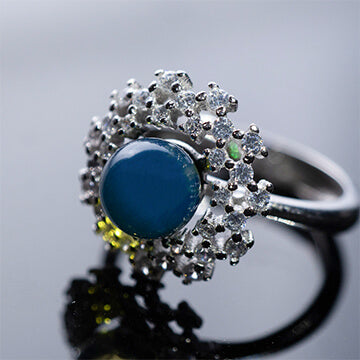
This quality makes silver particularly suitable for showcasing unique gemstones such as larimar, with its distinctive Caribbean blue hues. For example, larimar pendants set in silver create a harmonious combination where the metal's brightness enhances the stone's natural patterns and translucency without competing for attention.
Proper care ensures that jewelry and silver pieces maintain their beauty across generations. Understanding tarnish prevention and cleaning techniques protects your investment while preserving the craftsmanship inherent in each piece.
Tarnish develops when silver reacts with sulfur compounds in air, moisture, or certain materials. This natural chemical process creates a dark layer on the surface, though it doesn't indicate damage to the underlying metal.
Common tarnish accelerators include:
Prevention strategies:
Different cleaning approaches suit various jewelry types and tarnish levels. Gentle methods preserve intricate details and protect gemstone settings, while more aggressive techniques remove heavy tarnish buildup.
| Cleaning Method | Best For | Frequency |
|---|---|---|
| Microfiber cloth polishing | Light tarnish, regular maintenance | Weekly or as needed |
| Warm water with mild soap | General cleaning | Monthly |
| Commercial silver polish | Moderate tarnish | Every 3-6 months |
| Professional cleaning | Heavily tarnished or delicate pieces | Annually |
For jewelry combining silver with gemstones, research the specific stone's properties before cleaning. Some gems are porous or sensitive to chemicals, requiring specialized care approaches. The FAQs section of reputable jewelry retailers often provides stone-specific care instructions.
The relationship between jewelry and silver extends beyond aesthetics into financial considerations. Silver's intrinsic value as a precious metal, combined with craftsmanship and design, creates pieces that can appreciate over time.
Silver prices fluctuate based on industrial demand, economic conditions, and precious metal markets. While jewelry typically includes markup for design and craftsmanship, the underlying silver content provides baseline value that pure fashion jewelry lacks.
In 2026, several factors influence silver jewelry investment potential:
Handcrafted jewelry and silver pieces from skilled artisans often command premium prices that reflect their uniqueness and the time invested in creation. Unlike mass-produced items, these pieces offer:
Collectors increasingly seek pieces that combine quality materials with distinctive design, particularly when featuring rare gemstones. The story behind the creation often enhances value beyond the materials alone.
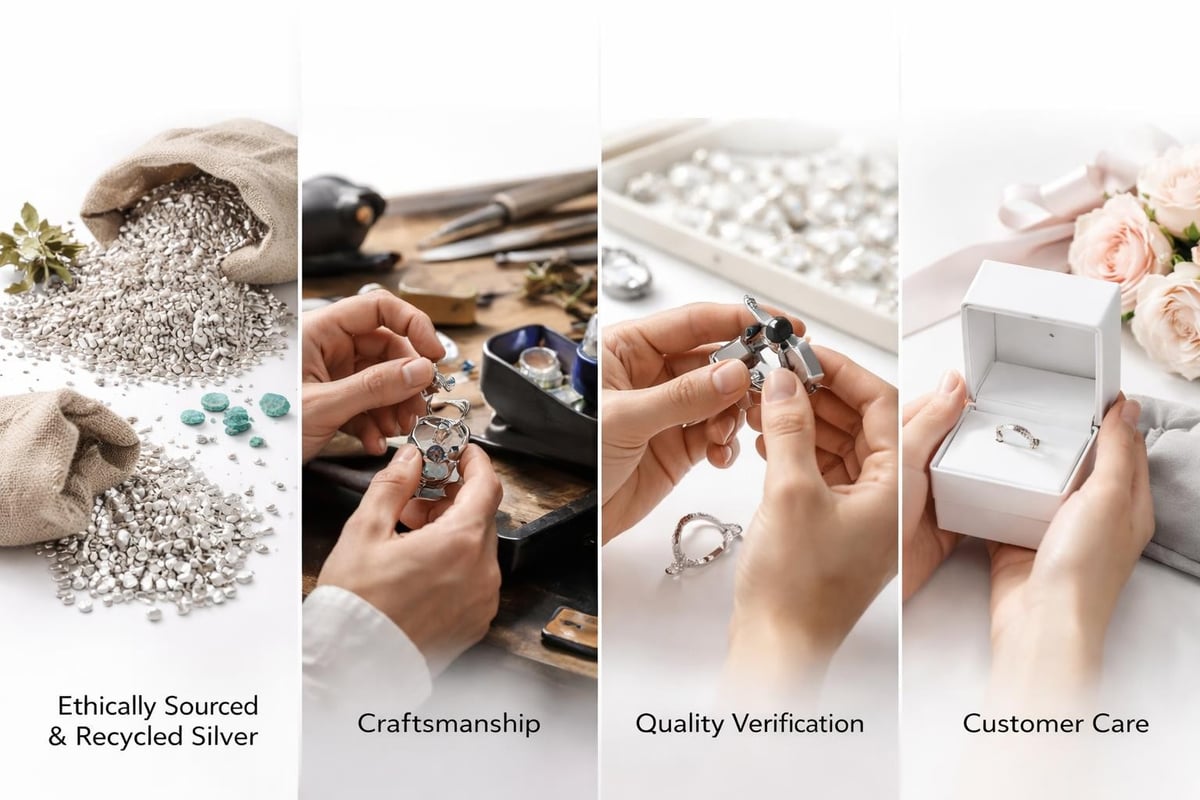
Modern consumers prioritize transparency in jewelry production, driving industry-wide improvements in how jewelry and silver reach the market. Ethical considerations now influence purchasing decisions as much as aesthetics and price.
Recycled silver reduces environmental impact while maintaining the same quality as newly mined metal. The recycling process melts and refines existing silver from various sources, including:
Environmental advantages:
When new silver is necessary, responsible mining operations implement environmental protections, fair labor practices, and community engagement. Certifications and third-party audits verify compliance with ethical standards.
Transparency in sourcing builds consumer trust. Reputable jewelers provide information about their silver's origins and can demonstrate commitment to ethical practices. This accountability extends to payment security and business operations, creating comprehensive ethical frameworks.
Throughout history, jewelry and silver have held profound cultural meanings beyond ornamentation. Different societies attributed spiritual, medicinal, and social significance to silver, traditions that continue influencing contemporary design.
Ancient civilizations developed distinctive silversmithing techniques that influenced modern jewelry making. Historic American silversmithing represents one scholarly area documenting these traditions, while contemporary designers like Sangeeta Boochra demonstrate how cultural heritage inspires modern silver jewelry.
Regional traditions include:
In 2026, jewelry designers draw inspiration from global traditions while creating pieces that resonate with contemporary values. This fusion respects heritage while addressing modern aesthetics and lifestyle needs.
Silver's affordability compared to gold or platinum makes it accessible for emerging designers to experiment with cultural motifs and innovative techniques. This accessibility democratizes fine jewelry, allowing more people to own meaningful, quality pieces.
Selecting jewelry and silver pieces requires understanding quality indicators beyond just the silver content. Craftsmanship, design integrity, and seller reputation all contribute to a purchase that provides lasting satisfaction.
When examining potential purchases, consider multiple factors that indicate overall quality and value:
Physical inspection points:
Design and construction:
Established jewelers provide authentication guarantees, detailed product information, and customer support that protects your investment. Research potential sellers through reviews and evaluate their transparency about materials, sourcing, and business practices.
Quality retailers offer:
Understanding a company's refund policy before purchase provides security and demonstrates the seller's confidence in their products.
The evolution of jewelry and silver continues as designers respond to changing fashion sensibilities, technological capabilities, and consumer preferences. Current trends reflect broader cultural movements toward personalization, sustainability, and meaningful adornment.
Clean lines, geometric shapes, and understated elegance dominate contemporary silver jewelry design. This minimalist approach emphasizes quality materials and expert craftsmanship over excessive ornamentation.
Popular minimalist elements include:
Contrasting with minimalism, bold statement jewelry makes dramatic fashion impacts. Oversized silver pieces, sculptural forms, and unconventional materials create conversation-starting accessories.
These pieces often feature:
The versatility of jewelry and silver allows designers to serve both aesthetic preferences, from whisper-quiet elegance to bold artistic statements that command attention.
Bespoke silver jewelry creation allows individuals to own truly unique pieces that reflect personal style, commemorate special occasions, or honor meaningful relationships. The customization process transforms jewelry from accessory to heirloom.
Creating personalized jewelry and silver pieces typically follows a structured approach that ensures the final product meets expectations:
Even without full custom design, many jewelers offer personalization that makes pieces unique:
| Personalization Type | Examples | Typical Timeline |
|---|---|---|
| Engraving | Names, dates, messages | 1-2 weeks |
| Stone selection | Choose specific gems | Immediate to 4 weeks |
| Size customization | Resize rings, adjust lengths | 1-3 weeks |
| Finish options | Polished, matte, oxidized | 1-2 weeks |
| Setting modifications | Change prong to bezel, etc. | 2-4 weeks |
For rings specifically, accurate sizing ensures comfortable wear. Many retailers provide ring sizing tools to help customers determine their correct size before ordering.
The neutral beauty of silver creates harmonious partnerships with countless gemstone varieties. Understanding which stones complement silver settings helps create cohesive, visually striking jewelry pieces.
Blue, green, and purple stones achieve natural synergy with silver's cool metallic sheen. These combinations create sophisticated, calming aesthetics that work across casual and formal occasions.
Particularly stunning pairings:
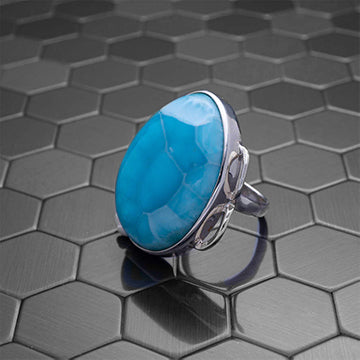
The unique qualities of larimar make it especially compelling in silver settings, where the metal's brightness enhances the stone's natural patterns and translucent depths.
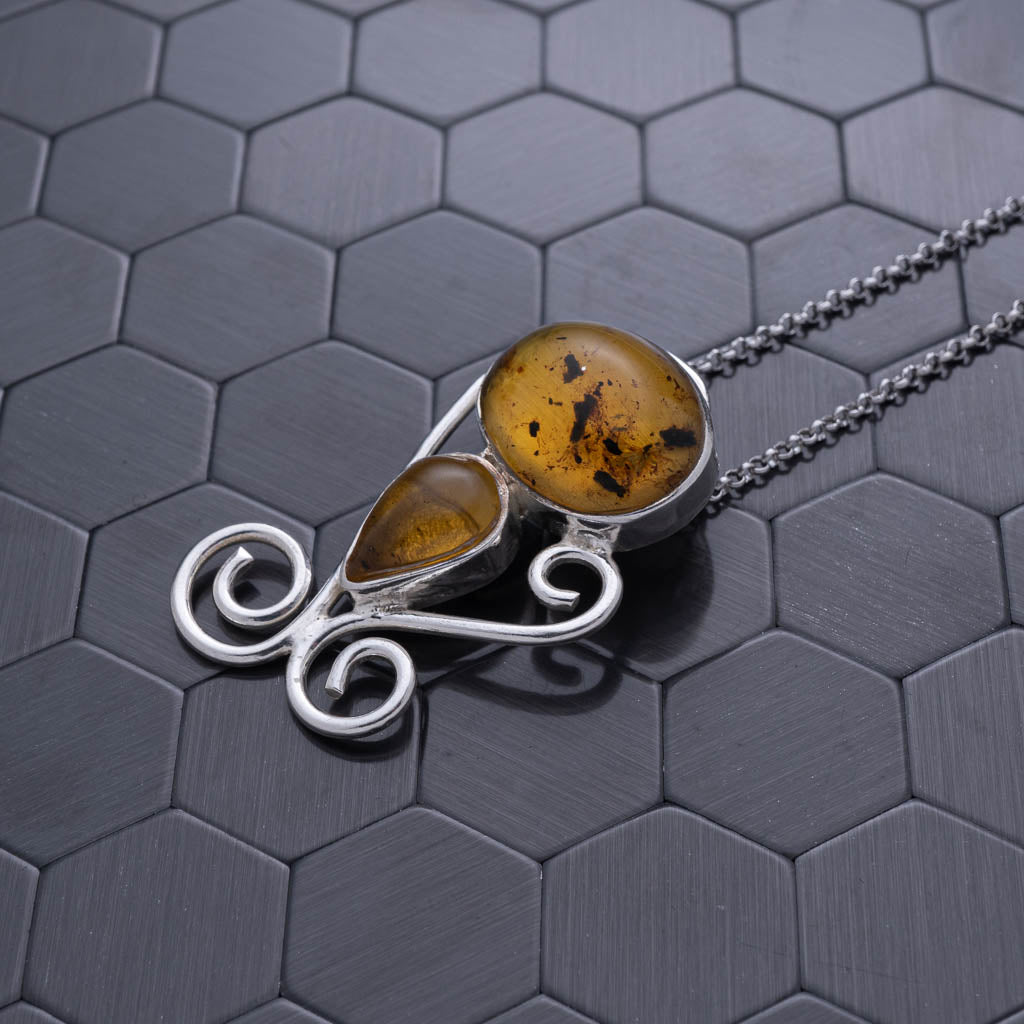
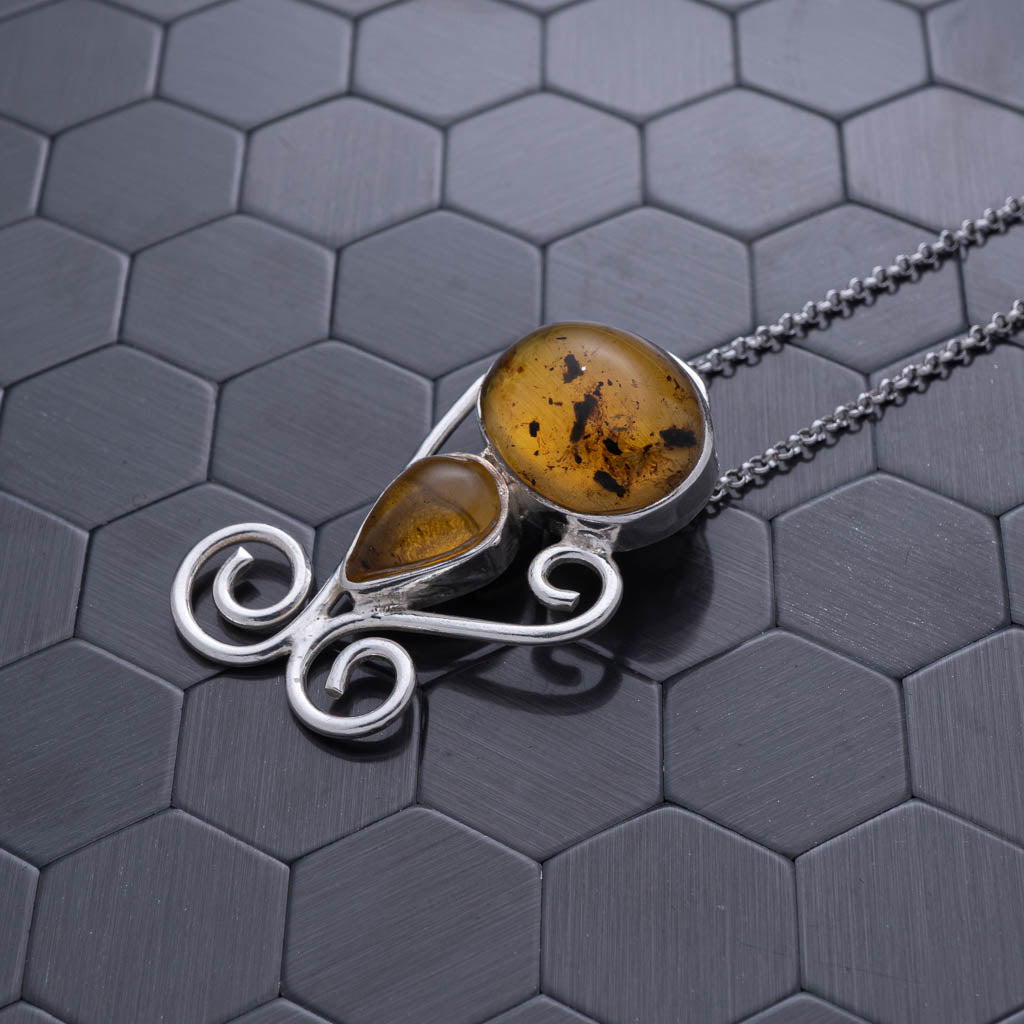
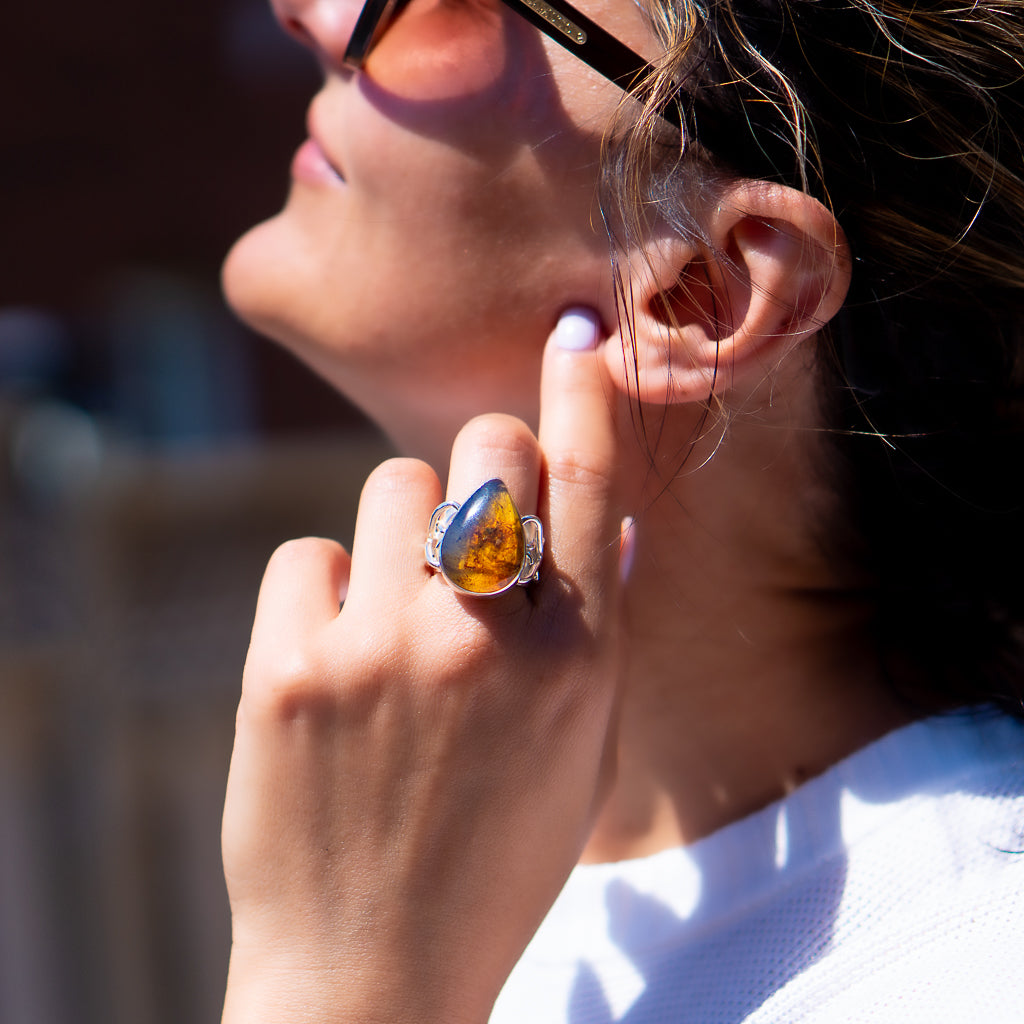
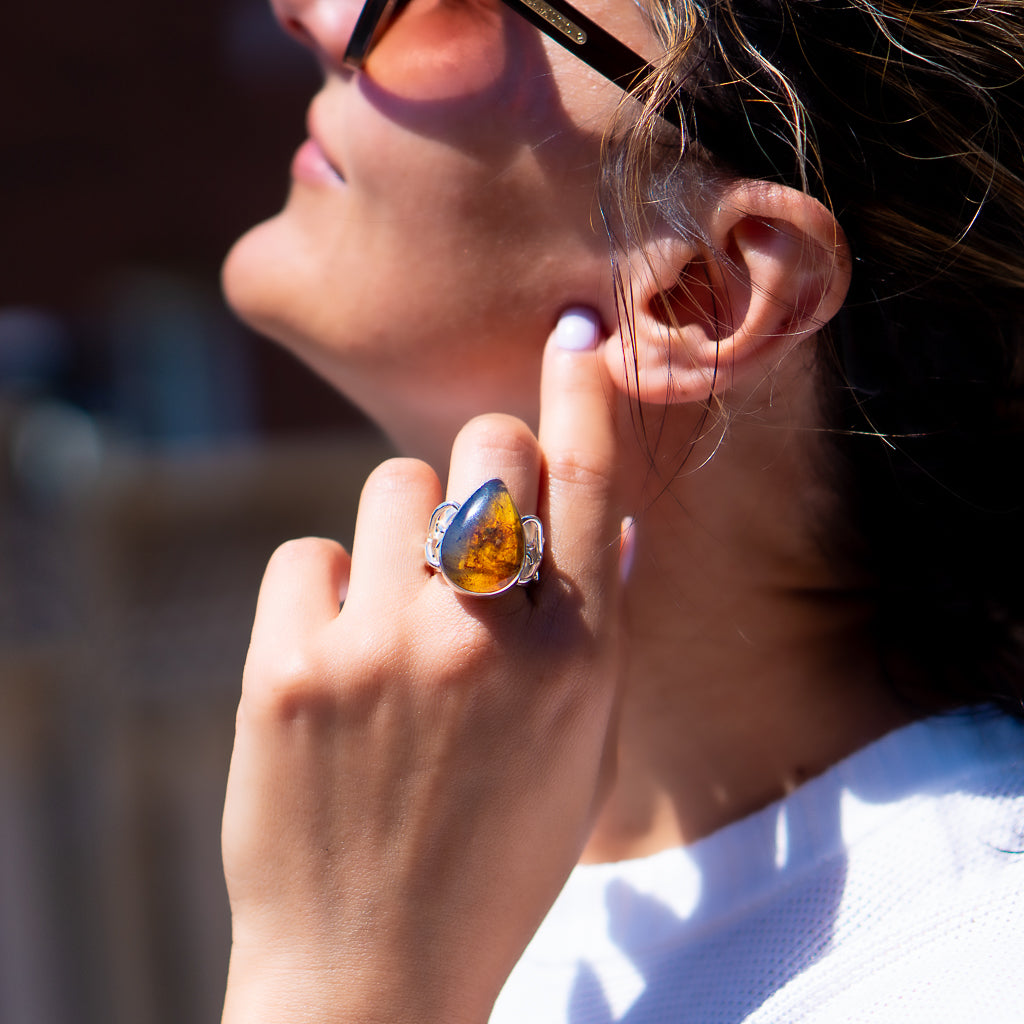
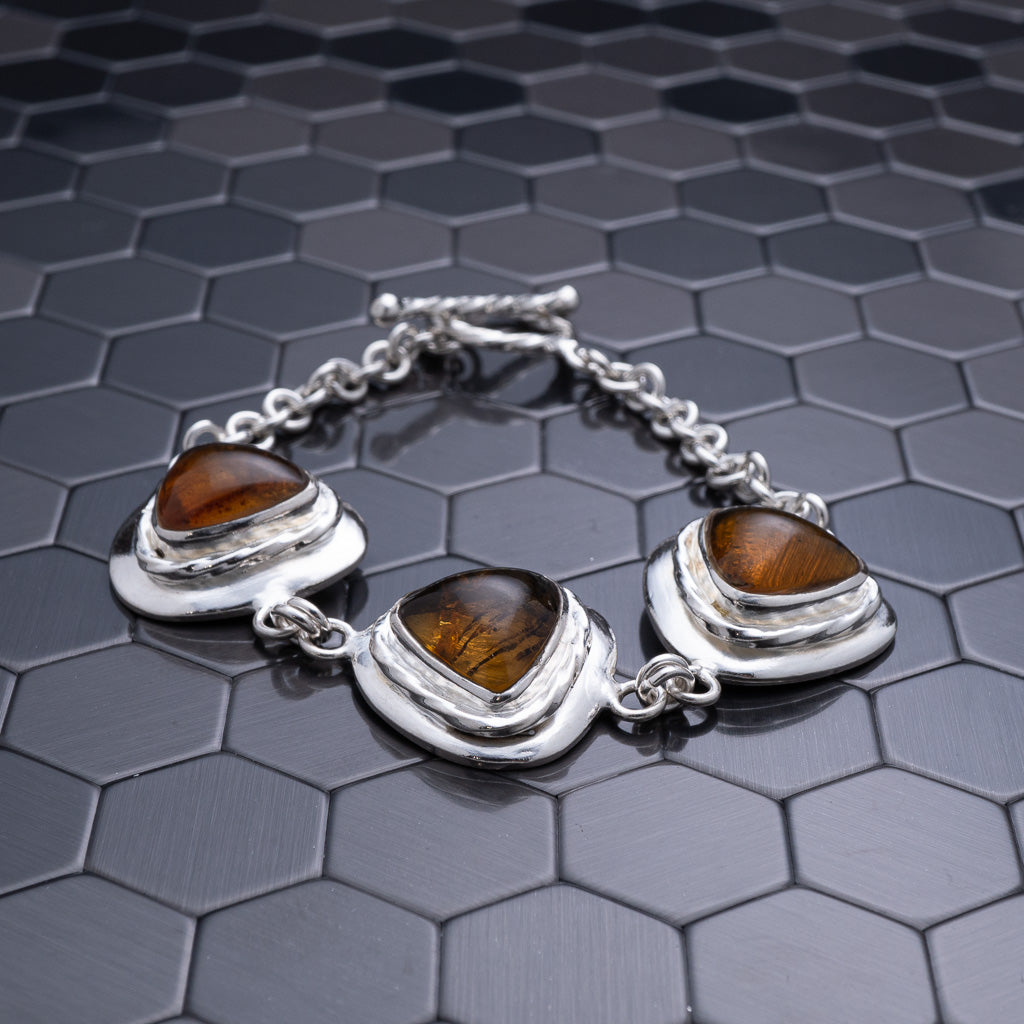
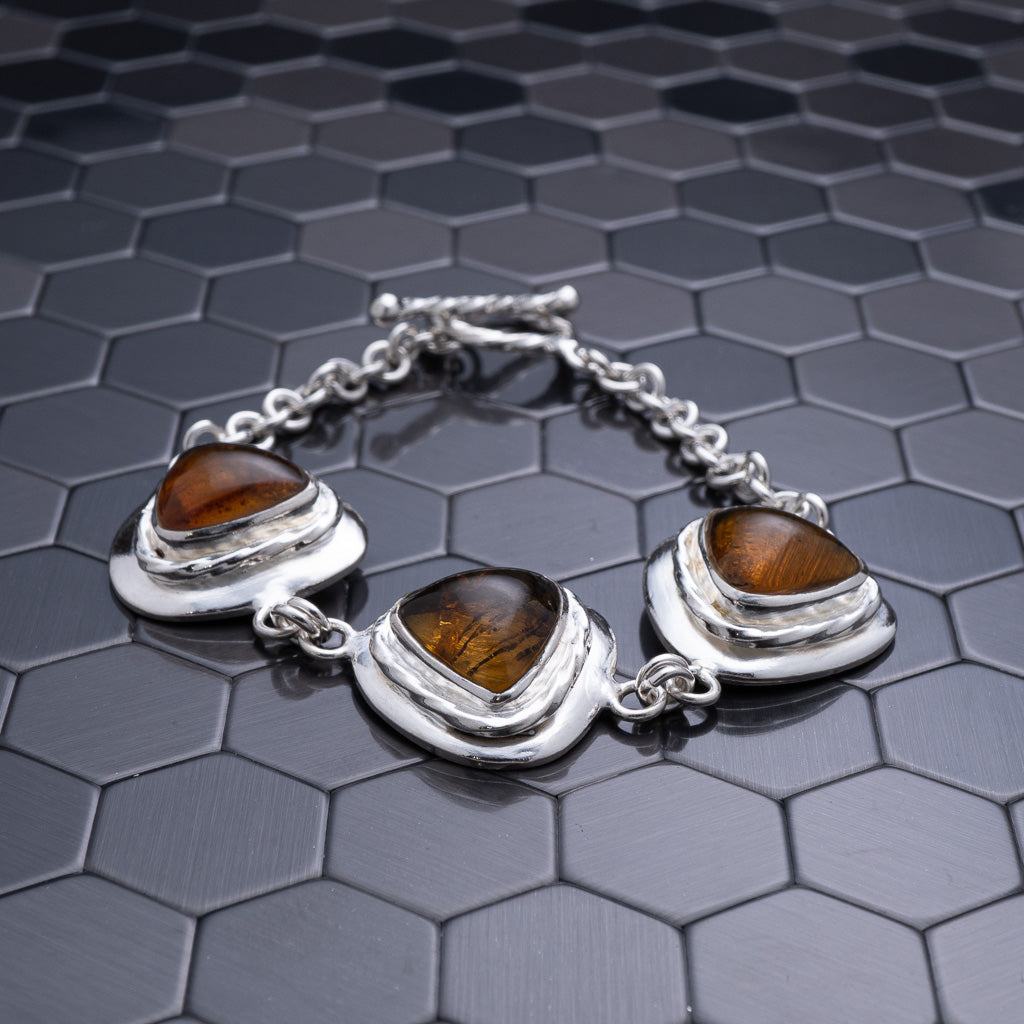
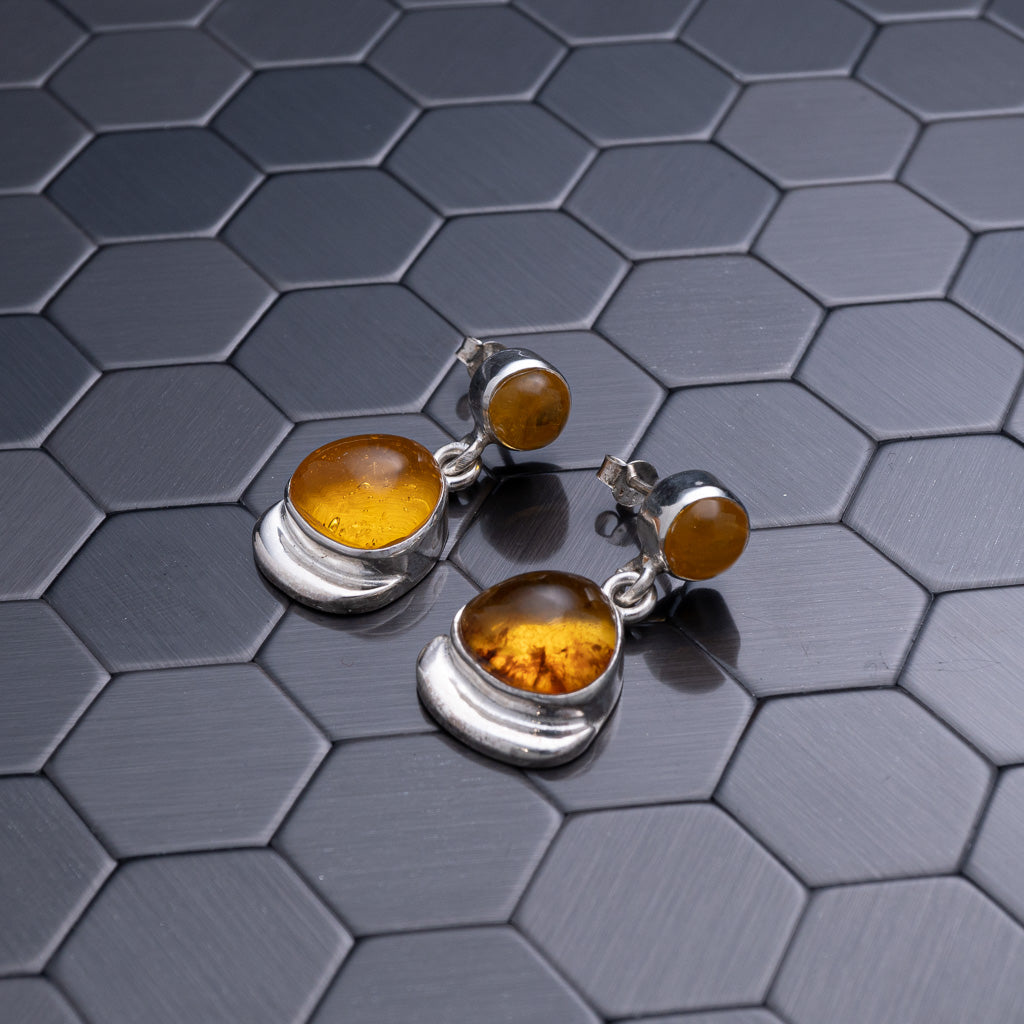
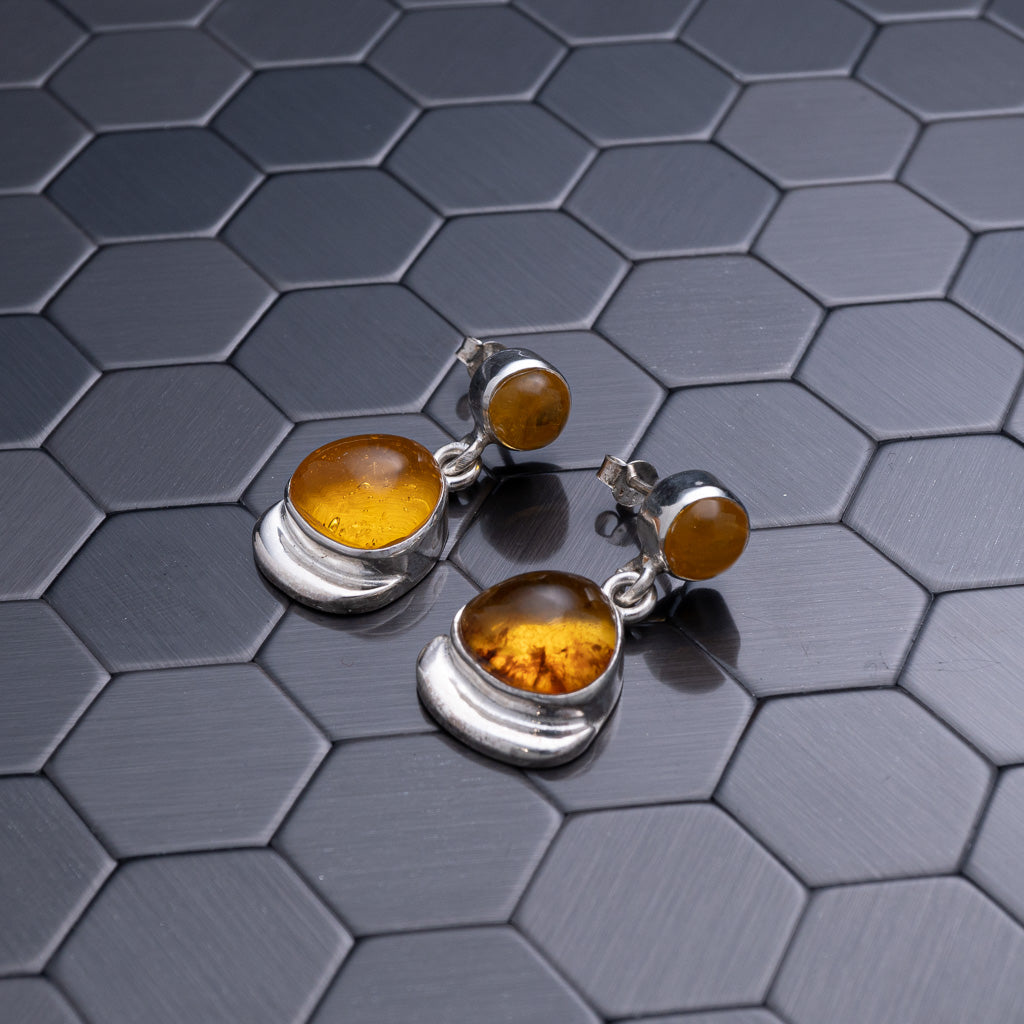
While less traditional, warm-colored gemstones in silver settings create striking contrasts that challenge conventional jewelry design. Amber, coral, and even rubies gain unexpected sophistication when paired with silver rather than yellow gold.
These unconventional combinations appeal to those seeking distinctive pieces that stand apart from typical jewelry offerings. The contrast between warm stones and cool metal creates visual interest and demonstrates confident personal style.
Understanding the enduring appeal of jewelry and silver empowers you to make informed decisions whether you're purchasing, collecting, or caring for precious pieces. The combination of quality materials, skilled craftsmanship, and thoughtful design creates jewelry that transcends temporary trends to become lasting treasures. Larimar Creations brings this philosophy to life through handcrafted pieces that showcase rare gemstones in expertly crafted silver settings, offering worldwide shipping so collectors everywhere can experience the distinctive beauty of larimar and Dominican blue amber jewelry.