




Larimar
Blue Amber
Green Amber
Amber Carvings
More

by Admin November 03, 2026 6 min read

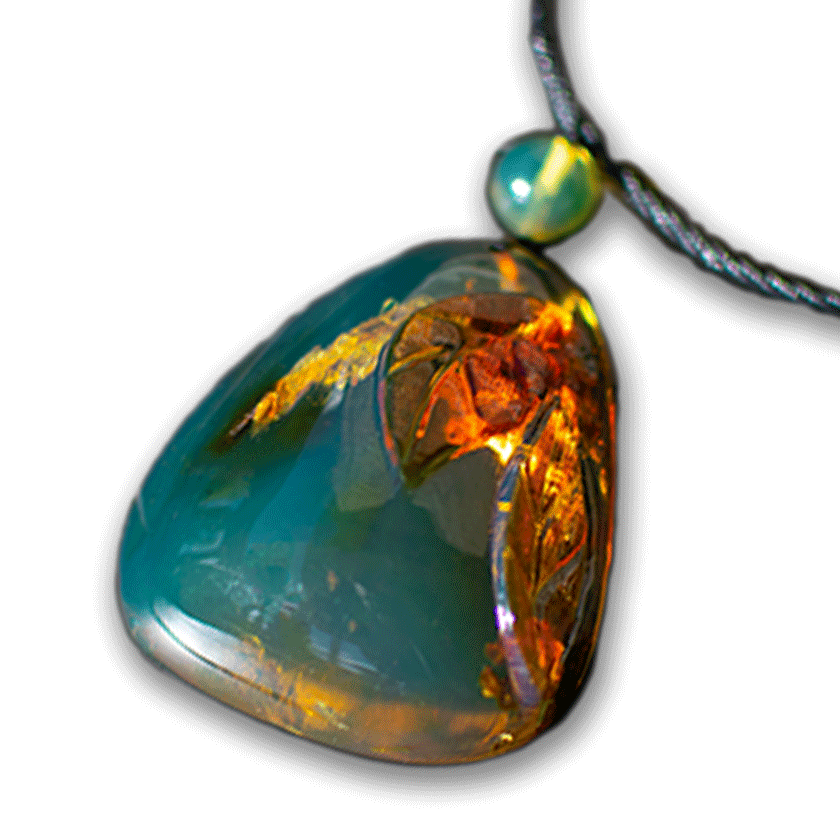
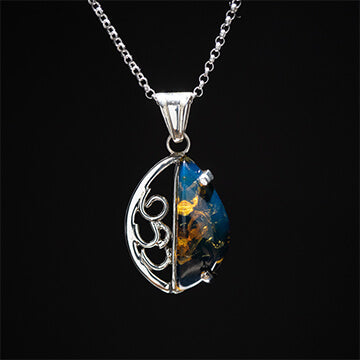
A blue amber pendant can shift from honey-gold to an electric blue glow under ultraviolet light. A fine Larimar ring can hold the soft, rolling color of Caribbean water in a single cabochon. These are not details a jewelry appraisal document should reduce to “blue stone” or “amber pendant.” For a rare gemstone piece, accurate documentation is part of protecting the beauty, provenance, and value you chose.

An appraisal is not merely a number on a page. It is a professional record of what the jewelry is, what it is made from, and the purpose the stated value is meant to serve. Whether you are insuring a beloved piece, preparing an estate, or building a collection of Caribbean gemstones, the quality of that record matters.

What jewelry appraisal documents are designed to do

Jewelry appraisal documents identify an item and assign a value for a stated market and purpose on a specific date. That last point is essential. Jewelry values are not fixed forever, and the correct value depends on why the appraisal was prepared.

The most common type is an insurance replacement appraisal. It estimates the expected cost to replace a comparable item with one of like kind and quality through an appropriate retail channel. This figure can be higher than what you paid, particularly after increases in metal, gemstone, or labor costs. It is also usually higher than resale value.

A fair market value appraisal is different. It considers the price a willing buyer and willing seller might reasonably agree upon, often for estate planning, charitable donation, or division of property. A liquidation or resale appraisal reflects a different selling environment again. Asking an appraiser to specify the assignment is not a technicality. It helps prevent an insurance figure from being mistaken for a cash-offer figure later.

For one-of-a-kind Larimar and Dominican amber jewelry, a thoughtful description can be just as valuable as the final number. A replacement policy can only respond well when the insurer understands what must be replaced.

What a complete appraisal should include

A useful document lets a person who has never seen your jewelry understand its defining qualities. The description should begin with the basics: item type, metal type and fineness, dimensions, total weight when appropriate, maker’s marks, and the condition observed at the time of examination.

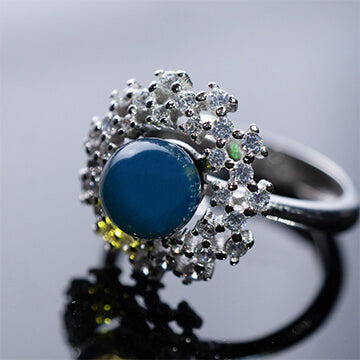
The gemstone section should be more exacting. For a Larimar cabochon, the document may record its shape, measurements, approximate weight if it can be determined, body color, pattern, translucency, cut, setting style, and any visible features that affect value. Describing the stone as Larimar rather than simply “blue gemstone” is critical, but so is recognizing the difference between a pale, lightly patterned stone and a high-grade piece with vivid blue color and distinctive ocean-like movement.

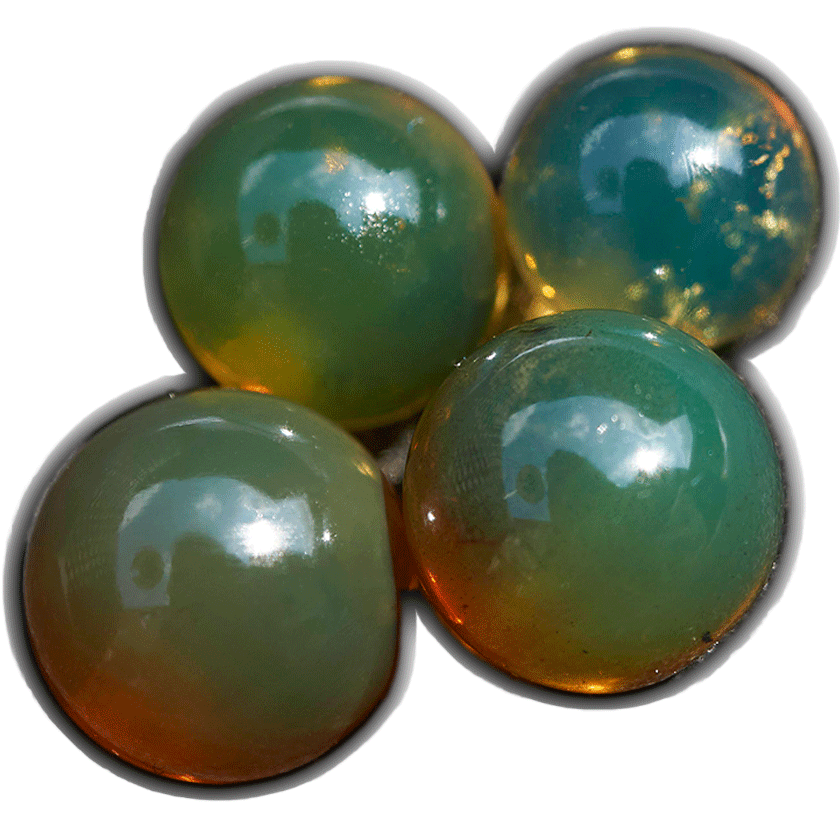
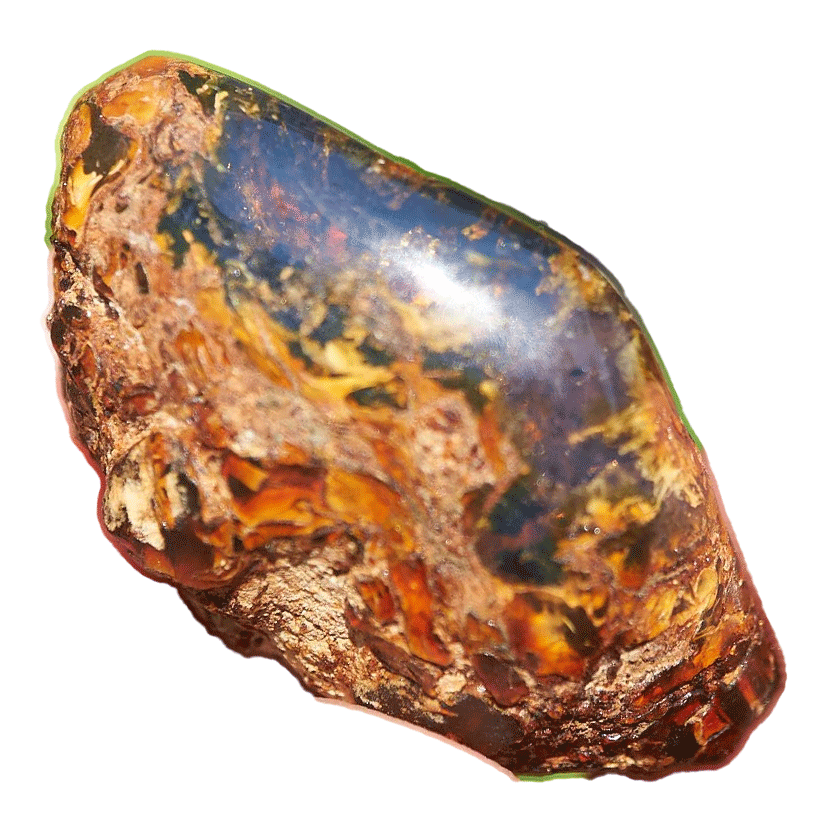
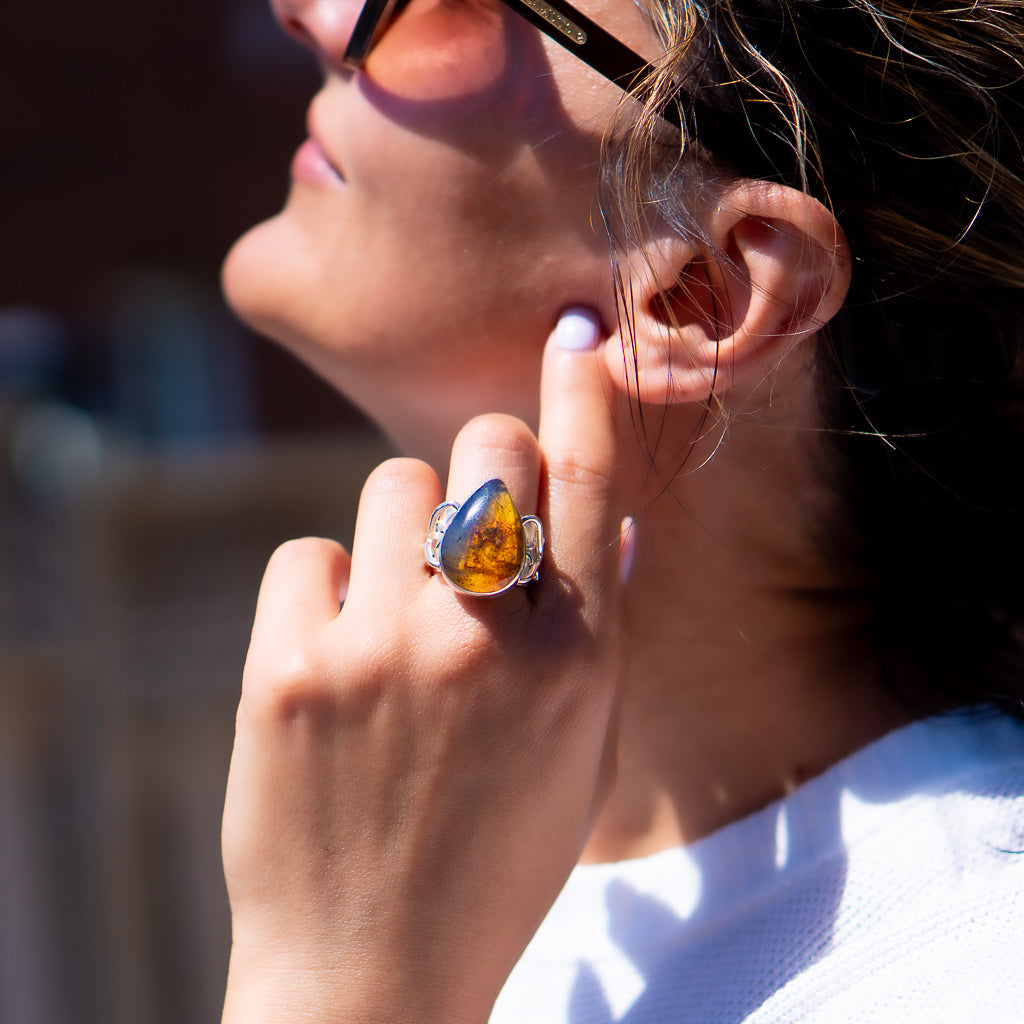
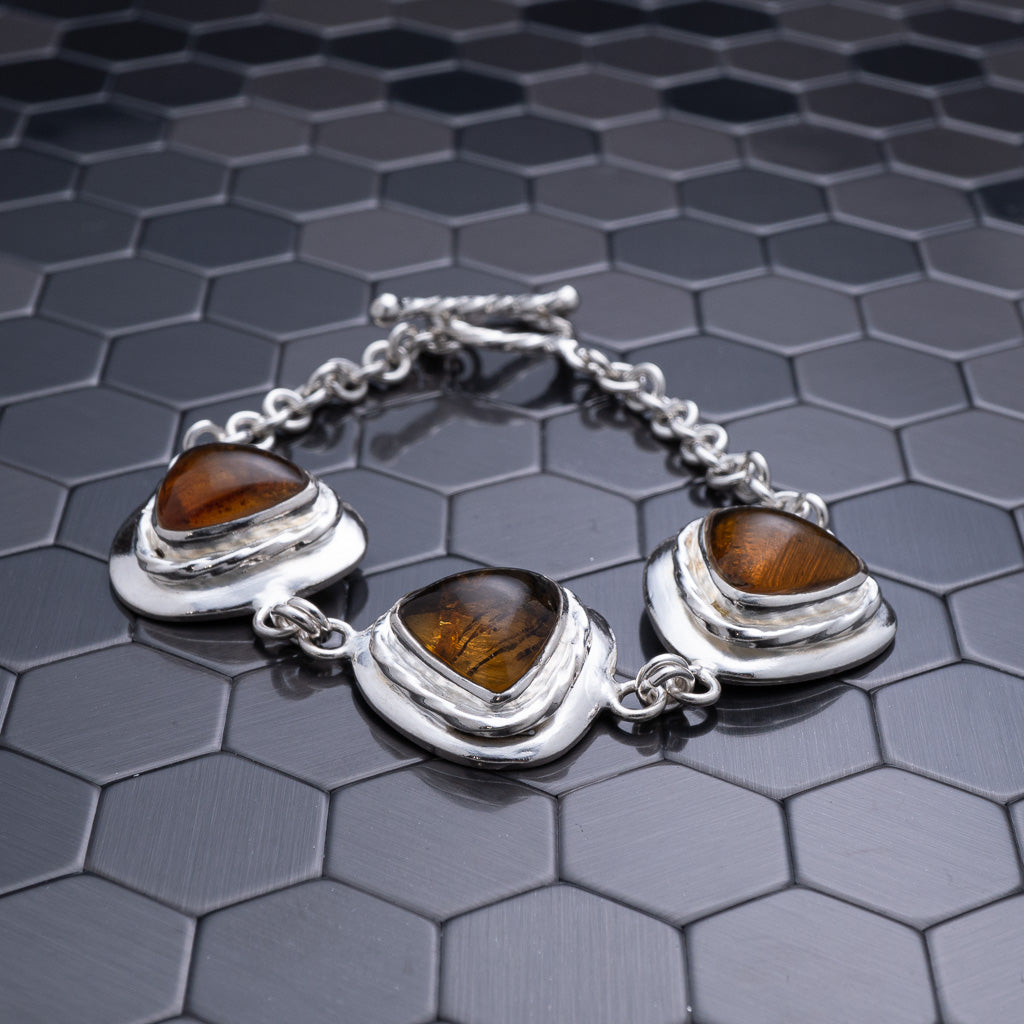
For amber, details may include color, transparency, fluorescence, dimensions, polish, carving or beadwork, and inclusions. Dominican Blue Amber deserves particularly careful language. Its blue effect is often best seen under certain lighting or against a dark background, so photographs and descriptive notes help preserve what makes the piece exceptional. If an item is represented as Dominican in origin, the appraisal should not treat that statement as proven fact unless the appraiser has an appropriate basis for doing so.

A complete appraisal commonly includes high-quality photographs of the full piece and close-ups of notable details, along with the appraiser’s name, qualifications, signature, date, intended use, and a clear value conclusion. It should also disclose any limiting conditions, such as a stone that could not be removed from its mounting for testing.

An appraisal is not the same as an authenticity certificate

This distinction is especially meaningful for buyers of rare gemstones. An appraisal addresses identification, description, condition, and value. A gemstone certificate or laboratory report addresses gemological findings, which may include material identification, detectable treatments, and sometimes origin opinions. A receipt records the transaction. Each document has a separate role.

A retailer’s authenticity documentation can establish what was represented and purchased, including the material, origin claim, or certification accompanying the piece. Keep it with your sales receipt, product details, and any gem report. Together, these records create a clearer history than any single sheet of paper can provide.

Do not assume an appraisal automatically verifies every origin claim. Larimar is associated exclusively with the Dominican Republic, but a professional appraiser should still describe the evidence and scope of their examination. Amber presents additional complexity: natural amber, copal, reconstructed amber, and imitation materials can look similar to an untrained eye. Dominican Blue Amber is valued for its rarity and optical character, making qualified identification especially worthwhile.

Why generic descriptions can leave you underprotected

Insurance claims often begin with a practical question: what exactly was lost, stolen, or damaged? “Silver pendant with blue stone” gives an insurer little basis for sourcing a true replacement. It may lead to a generic substitute that has none of the original piece’s gem quality, hand-finished character, or Caribbean identity.

This does not mean every appraisal needs poetic language. Precision is more useful than flourish. The best description connects the facts that create value: sterling silver or gold, handcrafted construction, stone measurements, quality characteristics, origin documentation where available, and a photograph that accurately shows the piece.

There is also a trade-off to consider. An appraisal that overstates the value may raise your insurance premium without improving the replacement outcome. One that is too vague or too low may leave you unable to replace a special piece at current market cost. The goal is a credible, well-supported value, not the largest number possible.

When to obtain or update an appraisal

A new purchase may come with documentation that is sufficient for a modest insurance schedule, but it depends on your insurer and the value of the item. Ask what they require before assuming a receipt alone will be accepted. For a significant Larimar pendant, Dominican Blue Amber ring, or collector-grade carving, an independent appraisal can add useful detail.

Update an existing appraisal after a major market shift, a substantial repair or redesign, a change in the item’s condition, or the addition of new documentation. Many owners choose to review insurance appraisals every two to five years. The right interval depends on the piece’s value, its materials, and how quickly replacement costs are moving.

If your jewelry has been altered, do not wait until a claim to document it. A new setting, resized ring, replacement stone, or repaired clasp can change both the identification record and the value. Keep dated photographs as well, especially for pieces you wear often.

Choosing an appraiser for unusual gemstones

Credentials matter, but relevant experience matters too. Seek an independent appraiser with formal gemological education, clear valuation methodology, and a fee structure that does not depend on the appraised value. A qualified professional should be comfortable explaining which value definition they are using and what they could, or could not, verify during the examination.

For uncommon materials, ask direct questions. Have they worked with amber, including blue-fluorescing Dominican material? How will they distinguish visual observation from laboratory confirmation? Can they describe a patterned cabochon without treating all blue stones as equivalent? An appraiser does not need to be a specialist in every gem, but they should recognize when additional testing or a laboratory opinion is appropriate.

Bring every relevant record to the appointment: purchase receipt, certificate, prior appraisal, repair invoices, photographs, and details about provenance. This information does not replace the appraiser’s independent judgment, but it gives them a stronger foundation for an accurate report.

Store the documents as carefully as the jewelry

Keep a digital copy of the appraisal, receipt, certificate, and photographs in secure cloud storage, separate from the jewelry itself. Save the original paper documents in a dry, protected place. If a piece is stored in a safe or safety deposit box, make sure a trusted person knows how to locate the paperwork if needed.

For collectors, it can help to maintain a simple inventory with the item name, date acquired, purchase price, current appraisal date, and storage location. This is not glamorous, but it turns a collection into a record that can be managed, insured, and passed on with confidence.

A remarkable gemstone deserves more than a vague description after it leaves your hands. Document its materials, character, and story while you can see every detail clearly. Then wear your piece of the Caribbean with the quiet assurance that its beauty has been properly remembered.

Jewelry Appraisal Documents: What They Should Prove - Larimar Creations

Jewelry Appraisal Documents: What They Should Prove

6 min read

Learn what jewelry appraisal documents should include, when you need them, and how to protect rare Larimar and Dominican amber with confidence for years ahead.
Read More
12 Caribbean Gift Examples With Lasting Meaning - Larimar Creations

12 Caribbean Gift Examples With Lasting Meaning

6 min read

Find Caribbean gift examples with lasting meaning, from rare Larimar jewelry and Dominican blue amber to collector stones, keepsakes, and heirloom pieces.
Read More
Gemstone Color Grading and True Color Value - Larimar Creations

Gemstone Color Grading and True Color Value

6 min read

Gemstone color grading reveals how hue, tone, and saturation shape the beauty, rarity, and value of Larimar, Dominican amber, and more.
Read More