
FREE WORLD WIDE SHIPPING
HANDCRAFTED IN THE DOMINICAN REPUBLIC
BEST QUALITY LARIMAR
FREE WORLD WIDE SHIPPING
HANDCRAFTED IN THE DOMINICAN REPUBLIC
BEST QUALITY LARIMAR
FREE WORLD WIDE SHIPPING
HANDCRAFTED IN THE DOMINICAN REPUBLIC
BEST QUALITY LARIMAR
FREE WORLD WIDE SHIPPING
HANDCRAFTED IN THE DOMINICAN REPUBLIC
BEST QUALITY LARIMAR
FREE WORLD WIDE SHIPPING
HANDCRAFTED IN THE DOMINICAN REPUBLIC
BEST QUALITY LARIMAR
FREE WORLD WIDE SHIPPING
HANDCRAFTED IN THE DOMINICAN REPUBLIC
BEST QUALITY LARIMAR
100% Handcrafted in DR.
by Admin November 23, 2026 5 min read
A gemstone can catch the eye in an instant, but its origin is what gives it a lasting story. When comparing natural versus synthetic gemstones, the real distinction is not simply whether one is beautiful and the other is not. It is about formation, rarity, value, individuality, and the connection you feel when you wear a piece of the earth or the Caribbean.
For a fine jewelry purchase, a meaningful gift, or a collector’s next cabochon, understanding that distinction helps you choose with confidence. A laboratory-created stone may offer impressive visual consistency. A natural Larimar or Dominican amber, however, carries a history no production process can repeat.
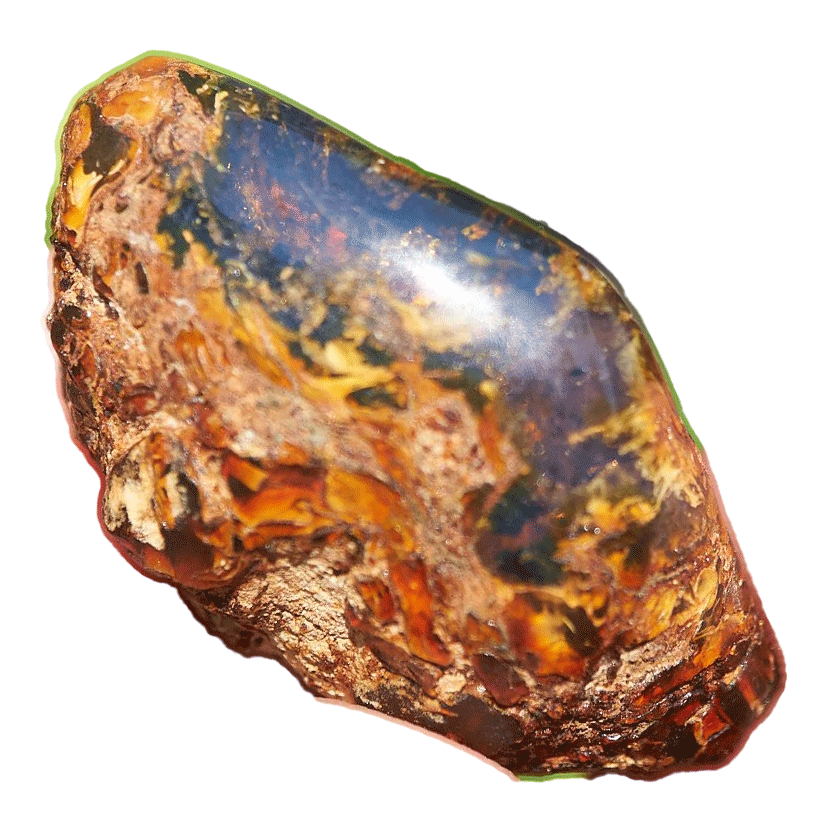
A natural gemstone forms through geological processes without human intervention in its creation. Some stones crystallize under enormous pressure far below the earth’s surface. Others, such as amber, originate from organic material transformed over millions of years. Every natural gemstone has its own internal character: variations in color, inclusions, patterns, and texture that reflect its journey.
A synthetic gemstone is made by people in a laboratory or controlled industrial setting. In gemological terms, a true synthetic has essentially the same chemical composition, crystal structure, and physical properties as its natural counterpart. Lab-created sapphire and ruby are familiar examples. They are real corundum, but they were grown in a lab rather than formed in the earth.
That technical definition matters because the word “synthetic” is often used loosely. Some products marketed as synthetic gemstones are actually simulants or imitations. These may resemble a natural gem but have a different composition altogether. Glass, plastic, dyed resin, and composite materials can all imitate the look of a treasured stone without being the stone itself.
Origin influences much more than a gemstone’s label. It can affect scarcity, visual character, long-term desirability, and the meaning a buyer attaches to a piece.
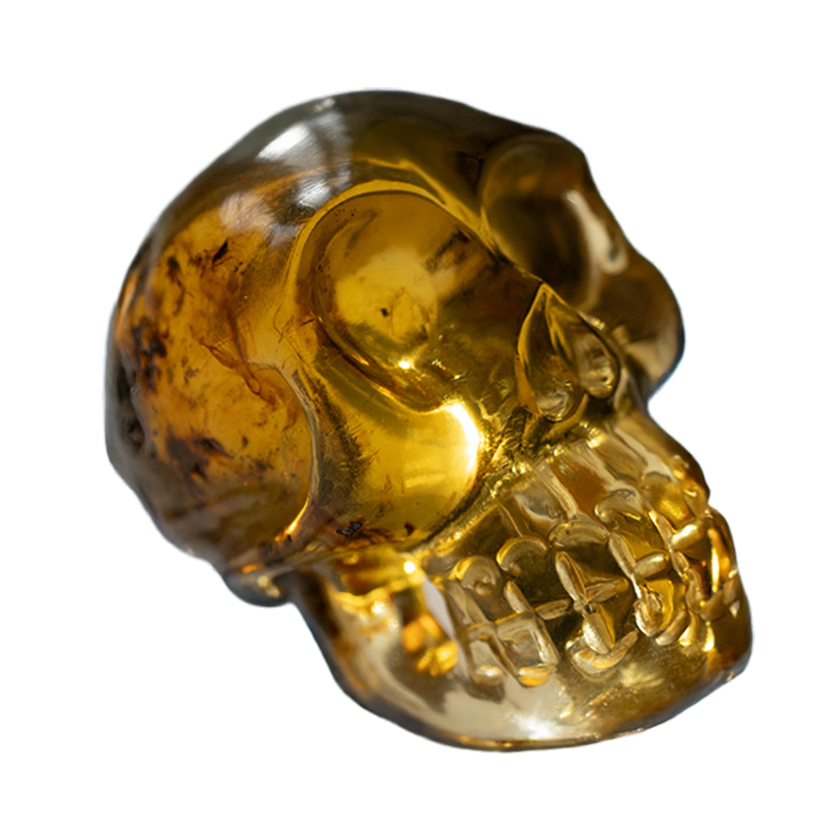
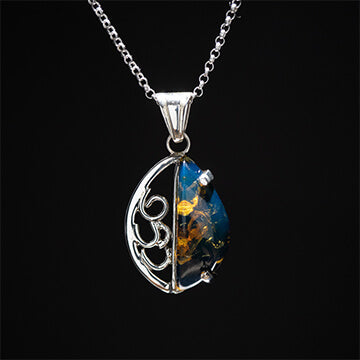
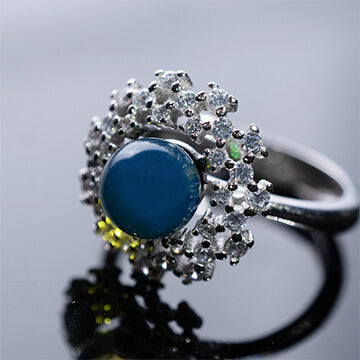
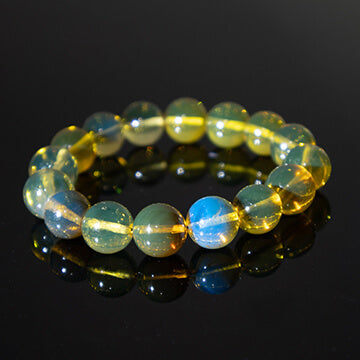
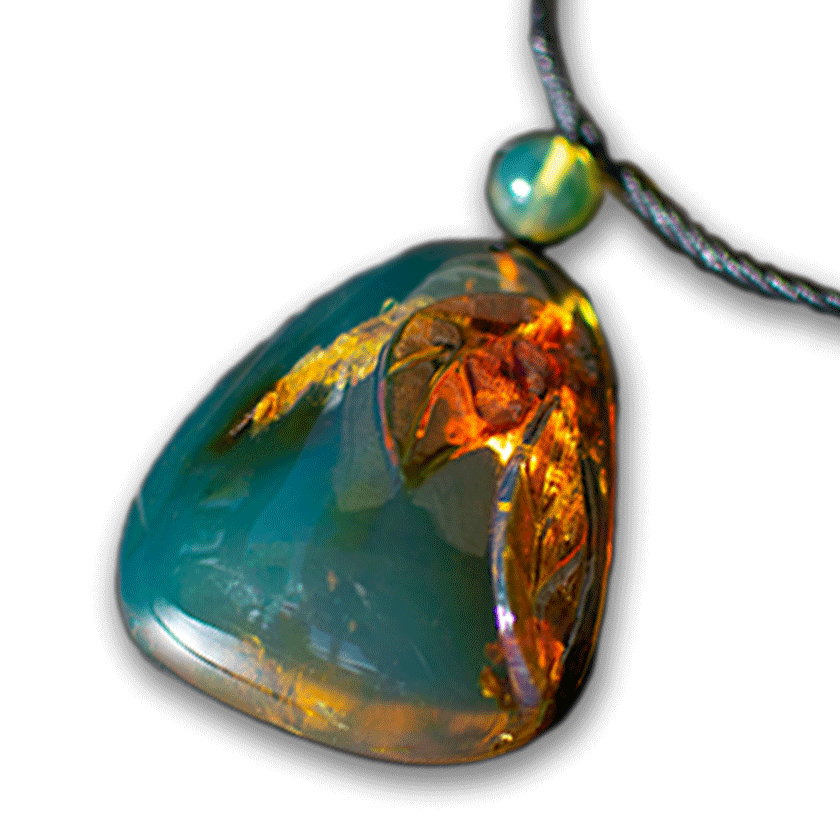
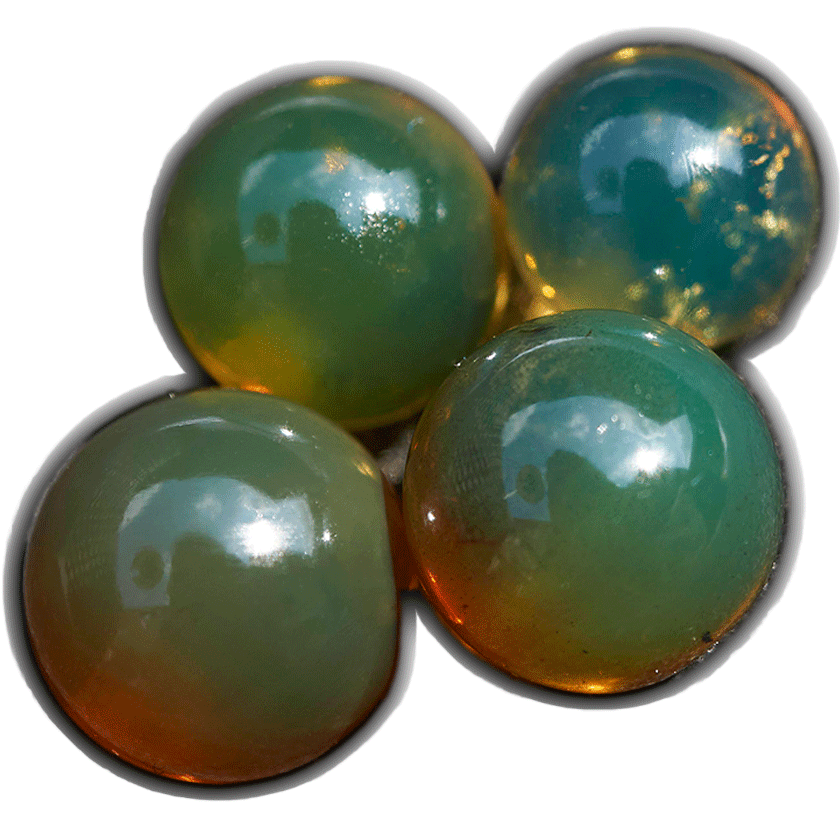
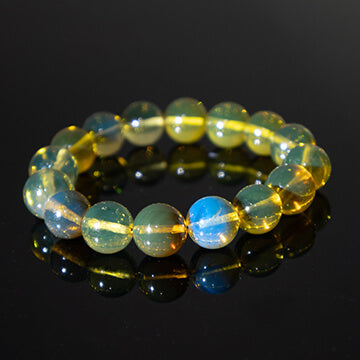
Natural gemstones are finite. A mine can become difficult to access, yield lower-quality material, or close entirely. Larimar is found only in the Dominican Republic, giving its serene blue patterns a singular place in the world of gems. Dominican blue amber is equally distinctive, prized for its exceptional clarity and the rare blue glow it can reveal under ultraviolet light.
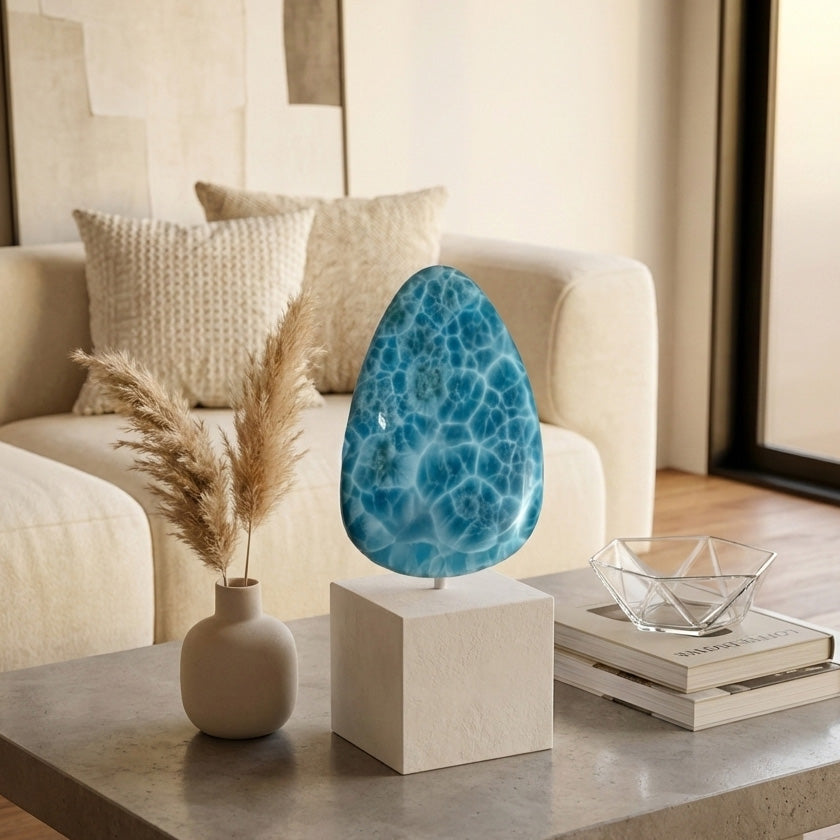
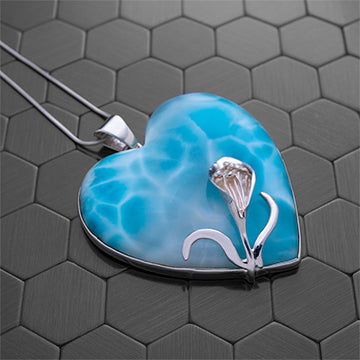
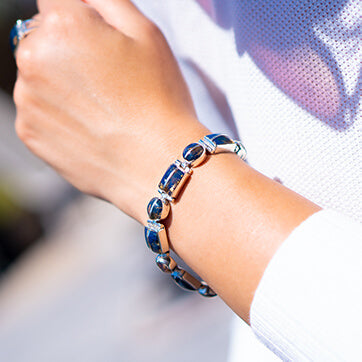
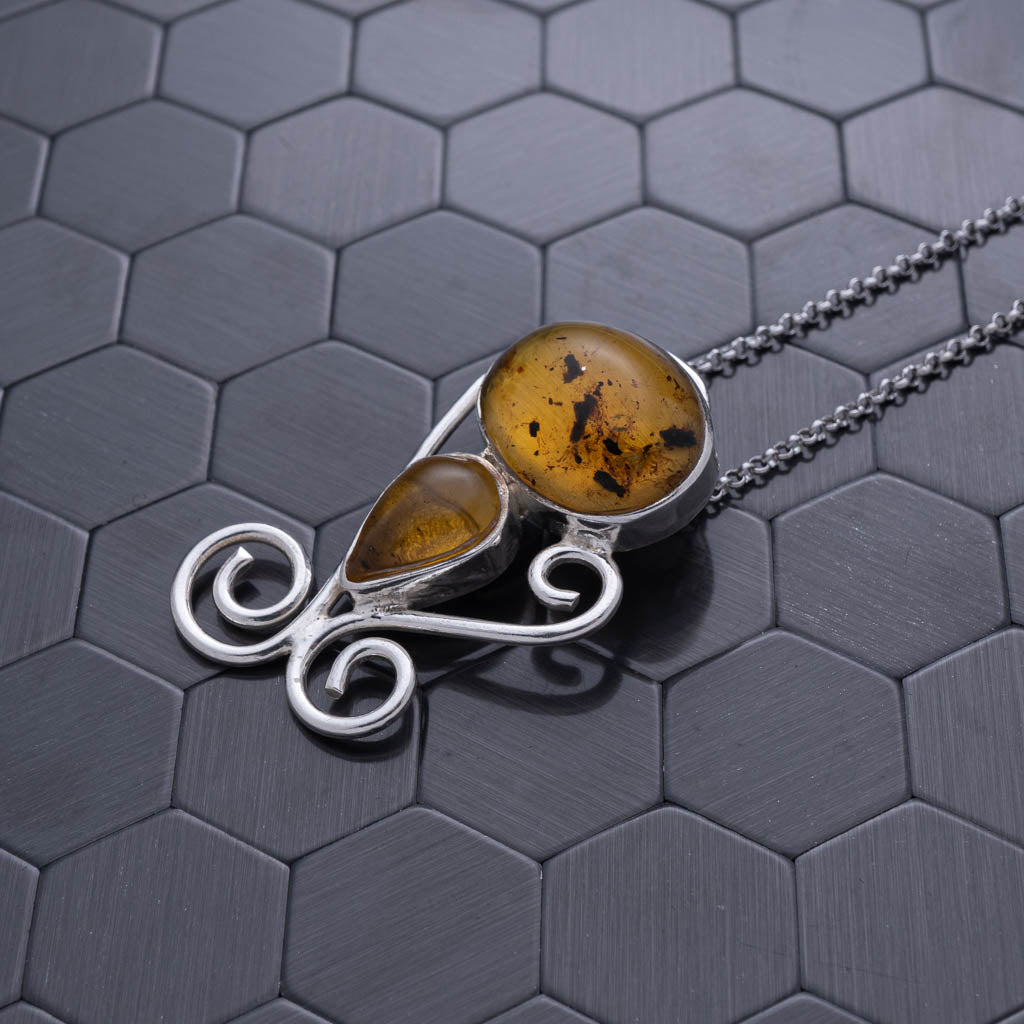
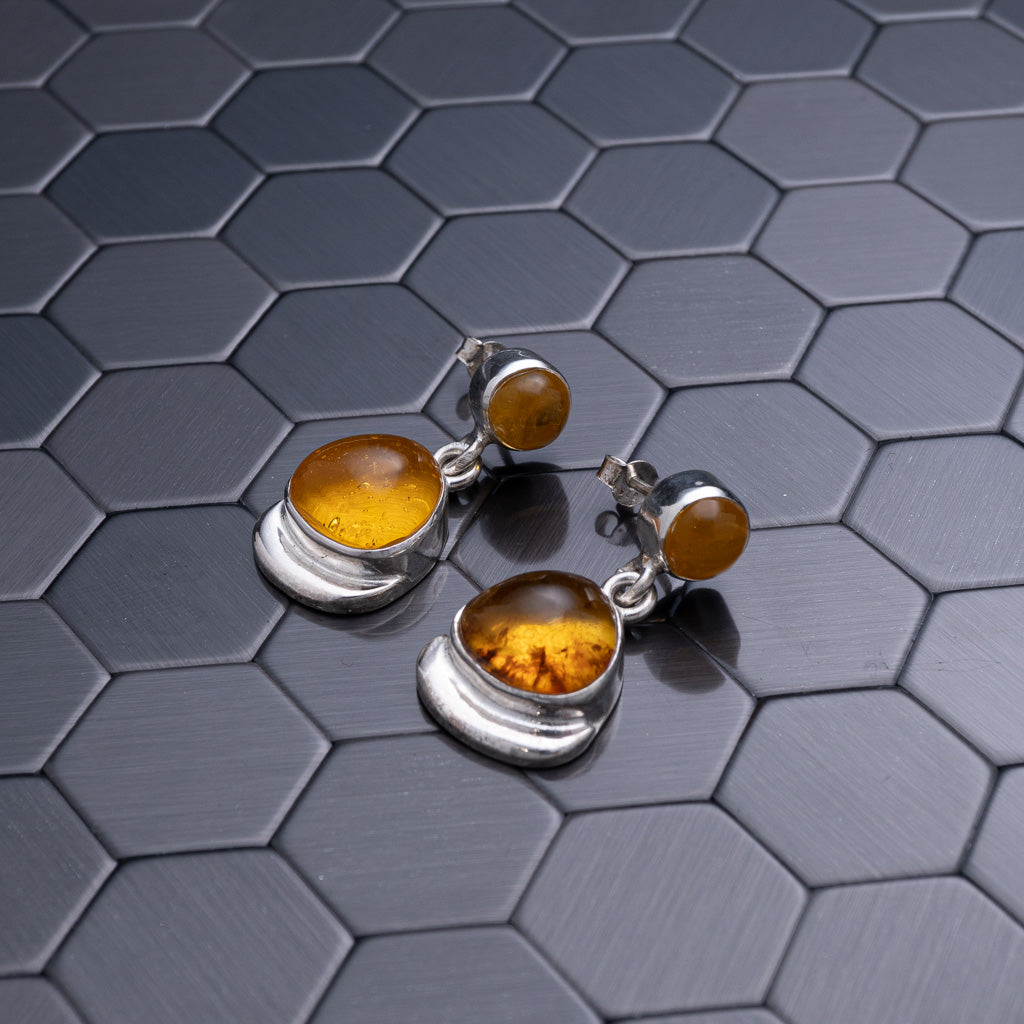
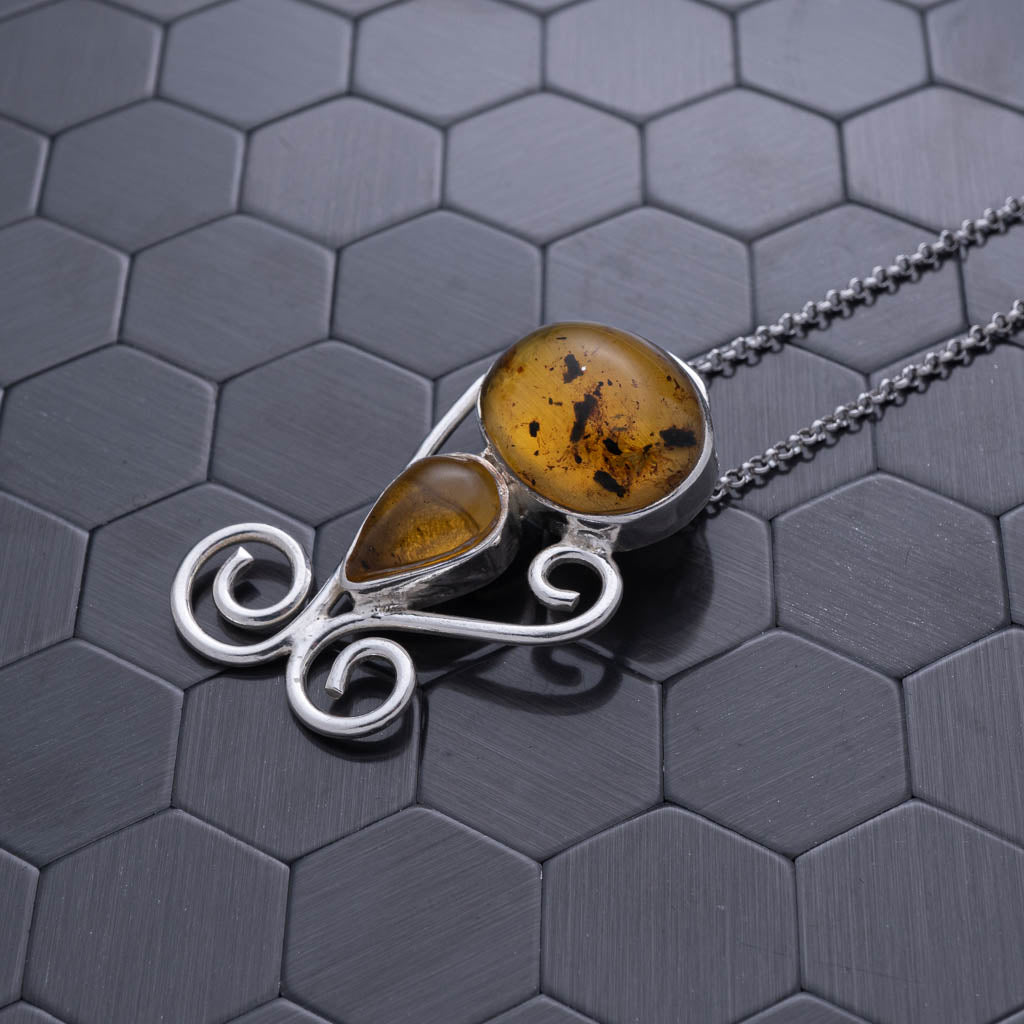
That rarity cannot be mass-produced. Natural stones also tend to show individuality. One Larimar cabochon may resemble gentle waves over pale sand, while another carries deeper blue pools and delicate white marbling. One amber pendant may glow honey-gold in daylight; another may hold botanical inclusions or a mysterious blue cast. These differences are not flaws to be corrected. They are part of what makes a natural gemstone personal.
Synthetic stones offer a different kind of appeal. They can be more readily available, often less expensive, and more uniform in color and clarity. For someone seeking a precisely matched pair of earrings or a larger gemstone within a certain budget, that predictability can be useful. It is simply a different proposition from wearing a rare material with a traceable natural origin.
Buyers sometimes assume that every natural gemstone is completely untouched after mining. In reality, many natural gems receive accepted treatments to improve appearance or durability. Heat treatment, for example, is common for certain colored stones. Amber may be carefully polished, shaped, or worked into beads and cabochons. These finishing processes do not automatically make a gemstone synthetic.
The key is honest disclosure. A reputable seller should clearly distinguish among a natural stone, a treated natural stone, a laboratory-created stone, and an imitation. This is especially important when a purchase is being made for collection, investment-minded ownership, or a sentimental occasion.
For rare Caribbean gems, provenance deserves special attention. Authentic Larimar should be represented as Dominican Larimar, not simply as a blue stone. Genuine Dominican amber should be identified honestly, especially when a seller makes claims about blue amber, insects, fossils, or other inclusions. Certification and knowledgeable sourcing help support the story behind the piece.
Larimar and amber each have imitations that can look convincing in photographs. Blue-dyed howlite, glass, resin, and polymer materials may be sold as or confused with Larimar. Pressed amber, copal, plastic, and modern resin can also be mistaken for genuine amber.
Unlike a lab-grown diamond or sapphire, Larimar is not commonly available as a true laboratory-grown equivalent for jewelry buyers. When a material imitates its ocean-blue appearance, it is generally best described as an imitation or simulant, not synthetic Larimar.
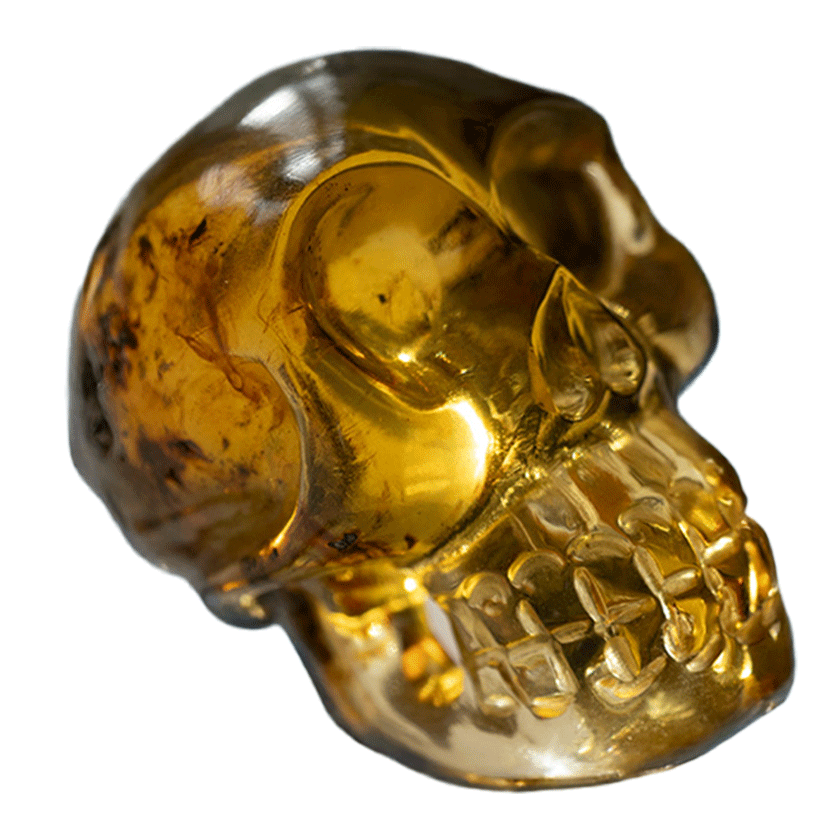
Amber requires similar care in language. Amber is fossilized tree resin, formed over immense spans of time. Materials can mimic its warm glow, but modern resin is not ancient amber. Copal is natural tree resin as well, yet it is much younger and has not undergone the same long fossilization process. These distinctions directly affect rarity, durability, and value.
A beautiful gemstone should invite questions, not discourage them. Before purchasing, ask the seller what the material is, where it comes from, whether it has been treated, and whether documentation is available. Clear answers are a sign of confidence and care.
Photographs can reveal color and design, but they cannot always show a stone’s full personality. Natural Larimar may shift from misty blue to richer turquoise depending on lighting. Blue amber can appear golden or nearly colorless in ordinary light, then show a remarkable blue fluorescence under ultraviolet light. A trustworthy product description should set realistic expectations rather than promise one identical appearance in every setting.
Price can be informative, too. An unusually large, perfectly uniform, exceptionally clear “Larimar” offered at a very low price deserves a closer look. So does amber marketed with dramatic inclusions but little explanation of origin or authenticity. Natural materials vary, and rarity has value.
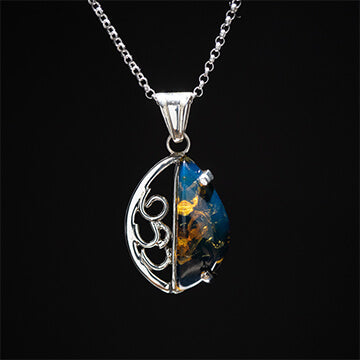
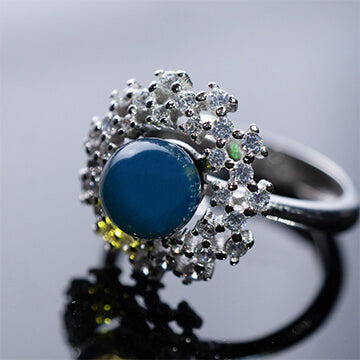
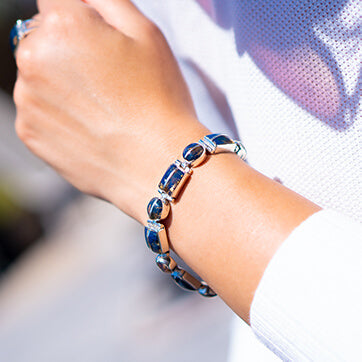
For collectors, details such as cut, size, pattern, polish, and inclusion type can be as important as the gemstone name. For jewelry buyers, workmanship matters alongside the stone itself. A thoughtfully designed setting should protect the gem, complement its character, and make it comfortable to wear. Handcrafted jewelry allows a one-of-a-kind stone to remain the center of attention rather than forcing it into a mass-produced mold.
Natural gemstones and synthetic gemstones can both be valid choices, depending on what you value most. Synthetic stones can offer accessible beauty and consistent appearance. Natural stones offer rarity, geological or organic history, and the pleasure of owning something that will never be exactly duplicated.
Neither choice needs to be framed as universally better. A lab-created stone may be the right fit for a buyer prioritizing size, budget, or matching color. A natural gemstone is often the more meaningful choice for someone drawn to origin, collector appeal, and the subtle details that make a piece unmistakably their own.
With Larimar and Dominican amber, authenticity carries particular weight. These are not generic fashion colors. They are rare Caribbean materials connected to a specific place, shaped by nature, and brought to life through skilled craftsmanship. At Larimar Creations, that connection between certified stone, Dominican origin, and handcrafted design is central to the experience.
The best gemstone is the one whose story feels true to you. If you want perfect uniformity, a synthetic stone may suit the moment. If you are looking for the ocean-blue movement of genuine Larimar or the ancient light held within Dominican amber, choose a natural piece with honest provenance. Its small variations are not something to overlook. They are the signature of a treasure formed only once.
Sign up to get the latest on sales, new releases and more …
8 min read
5 min read
5 min read