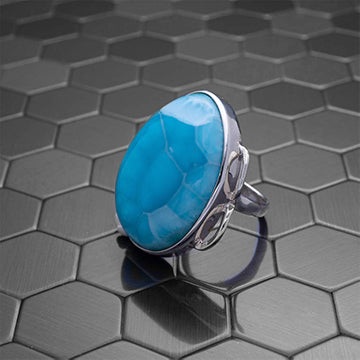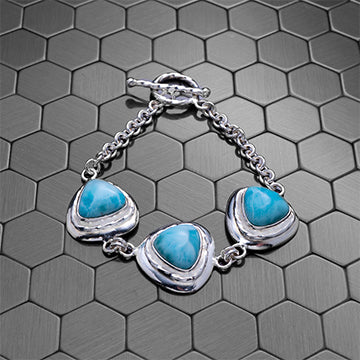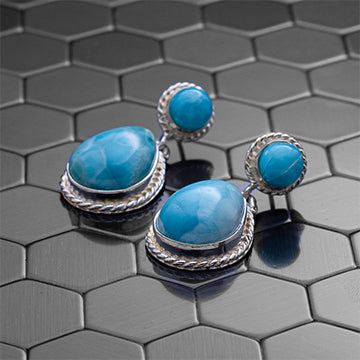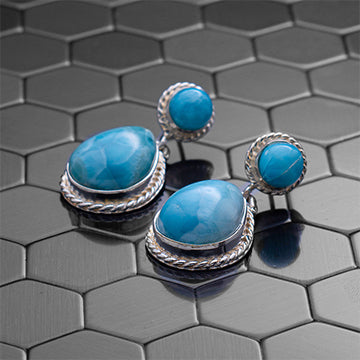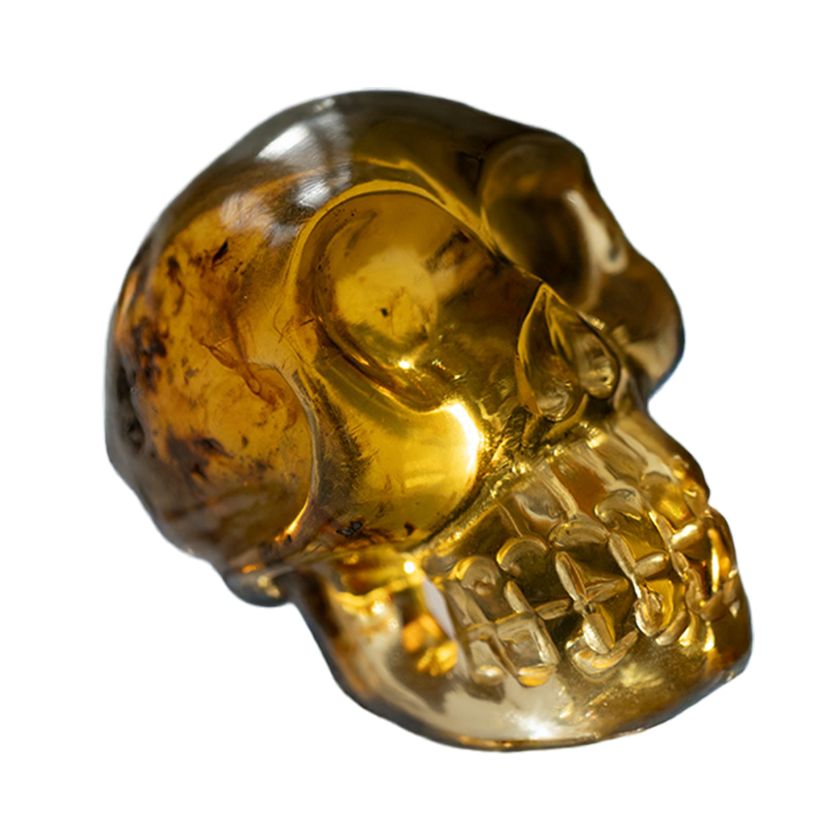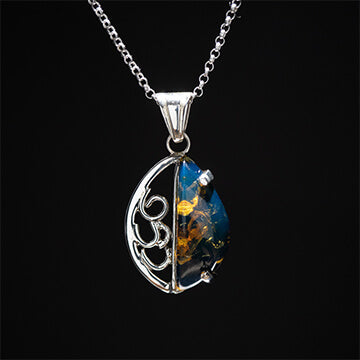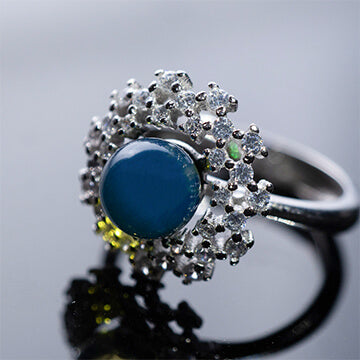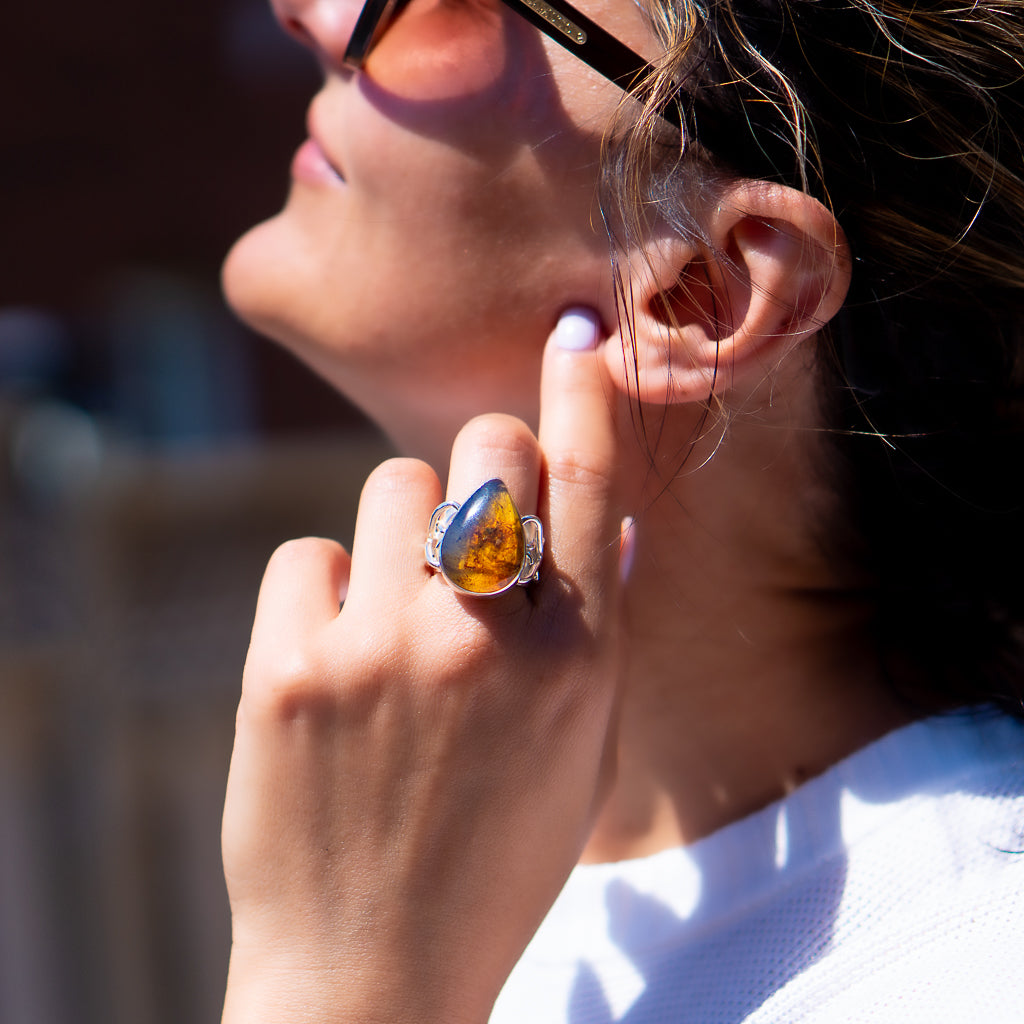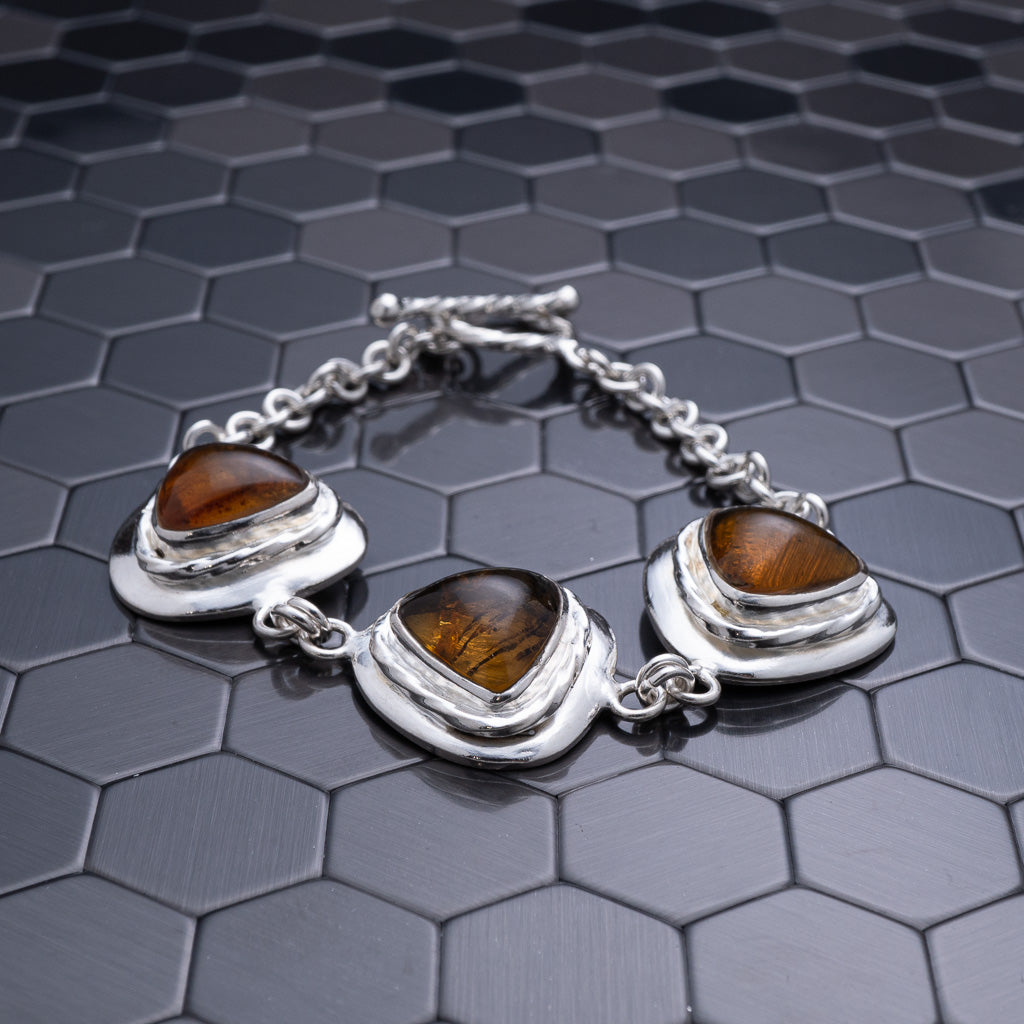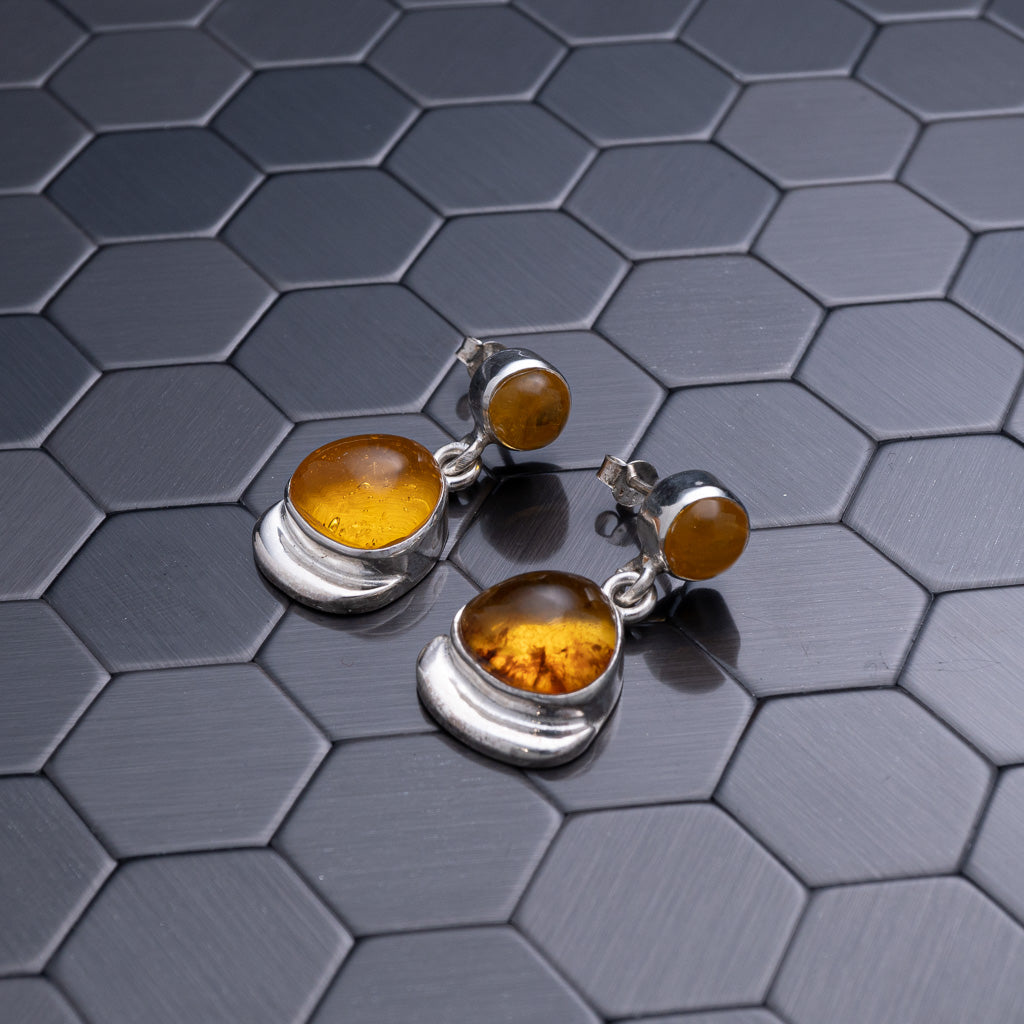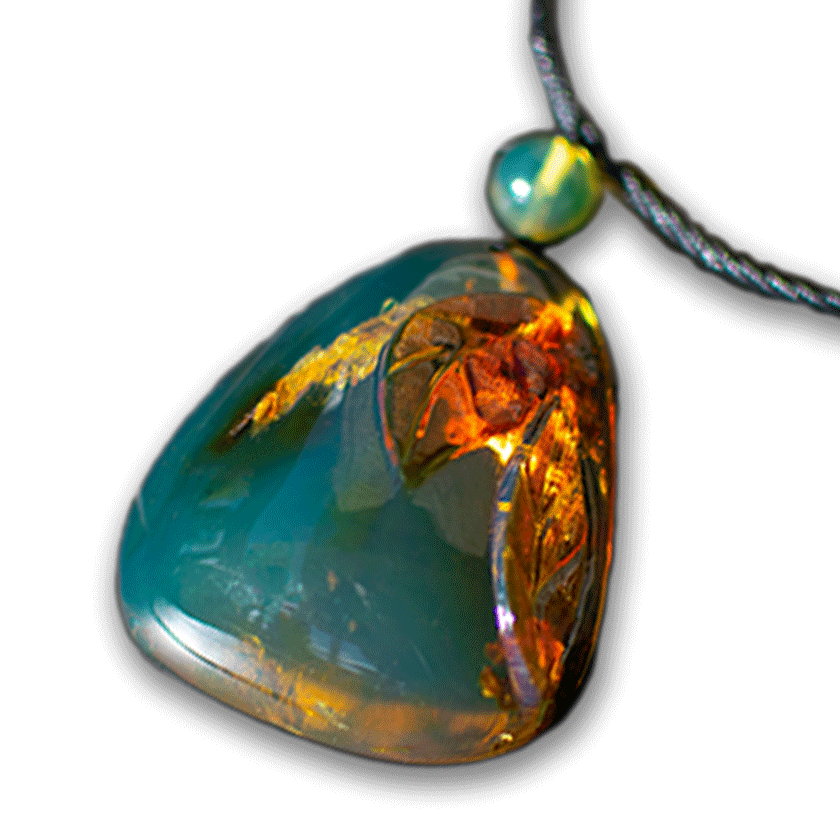


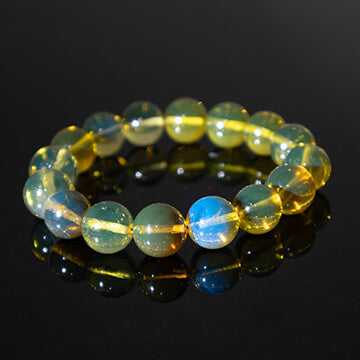
Handcrafted in DR.

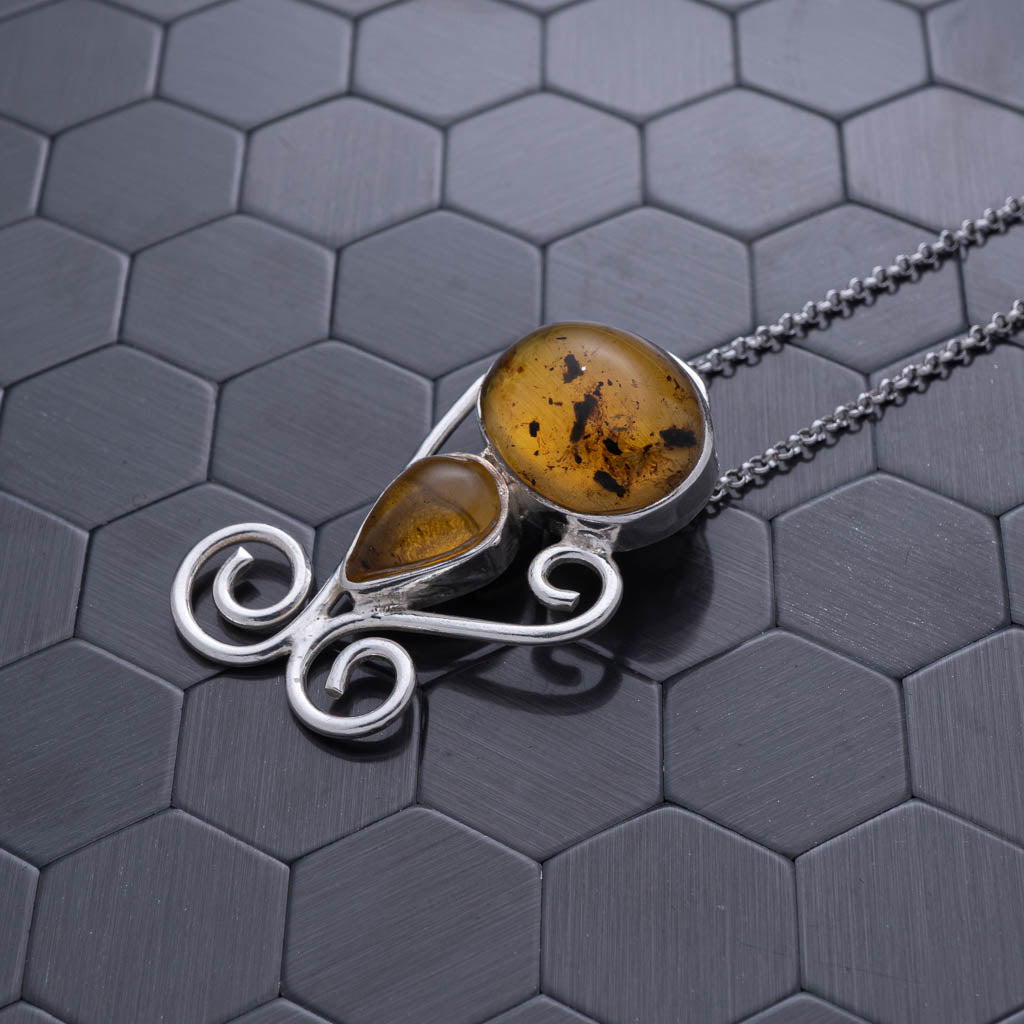
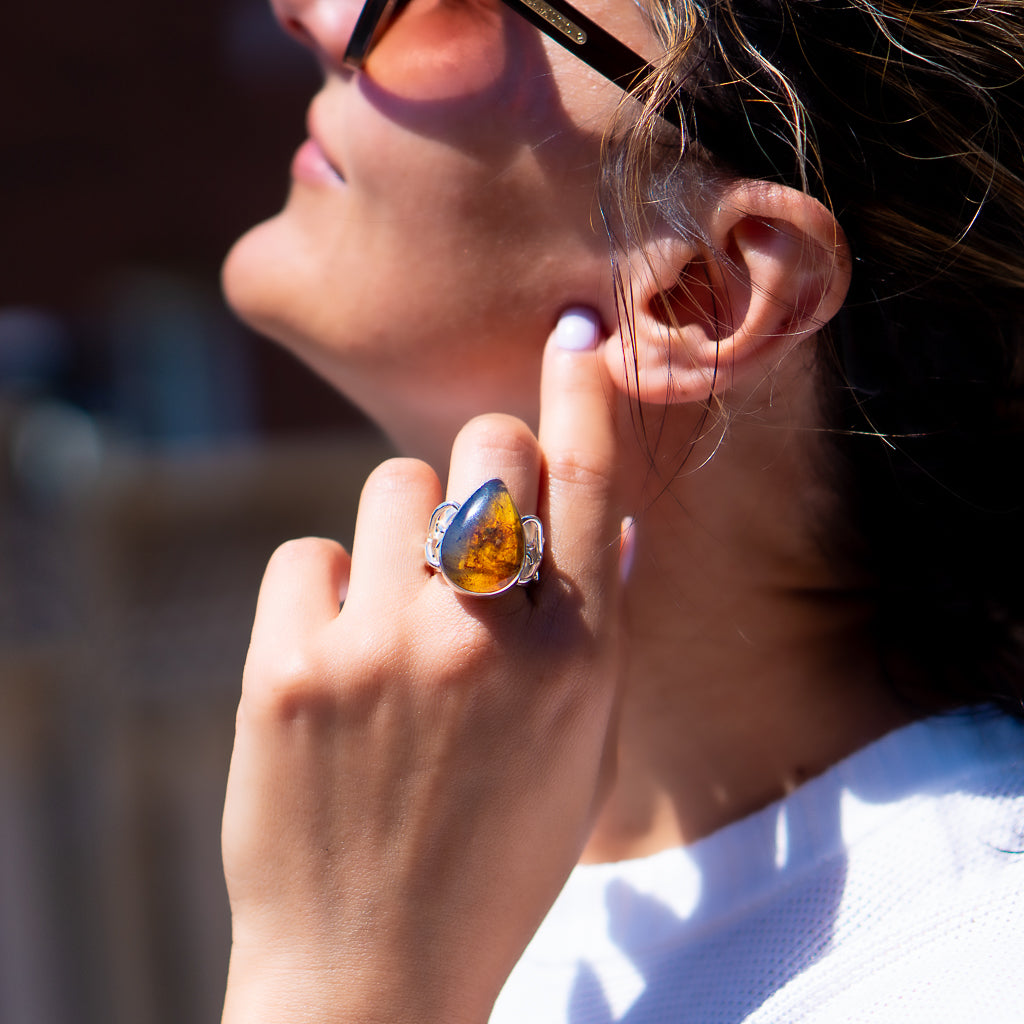
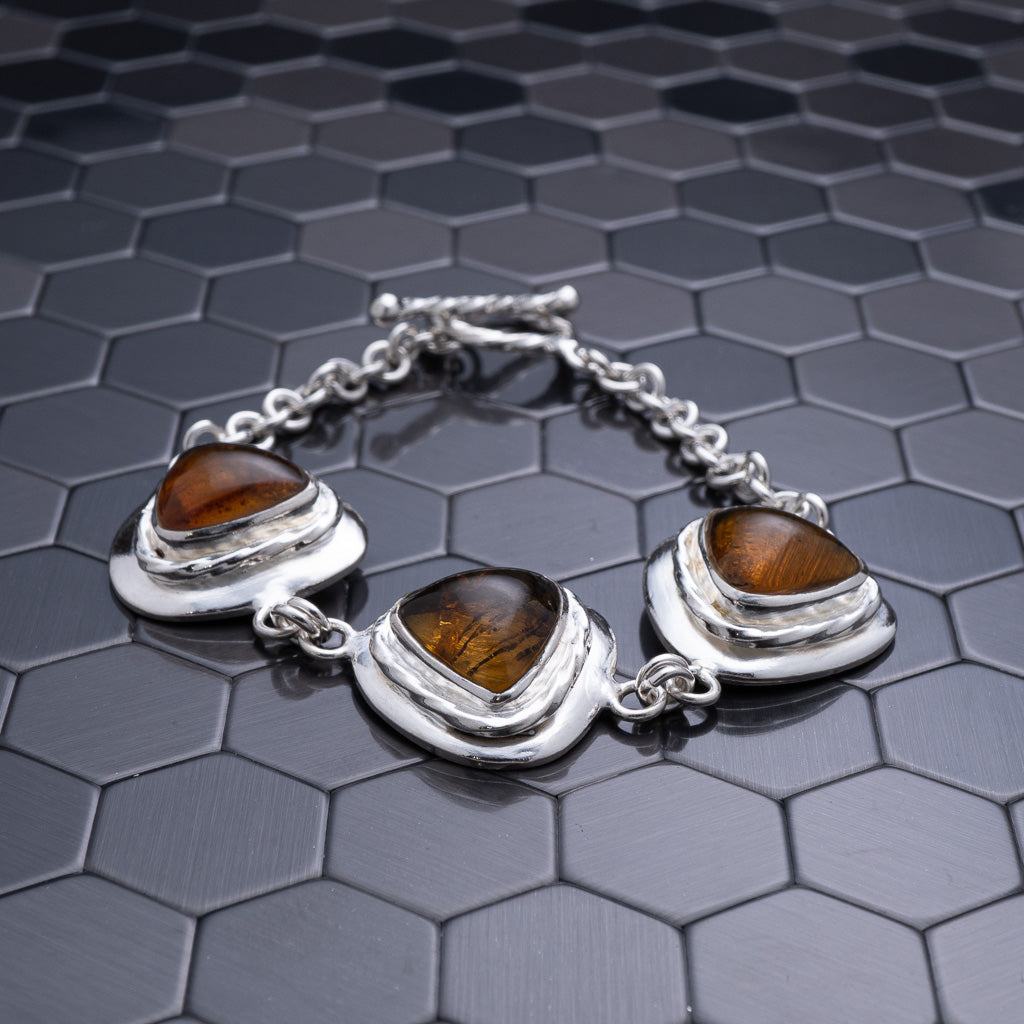
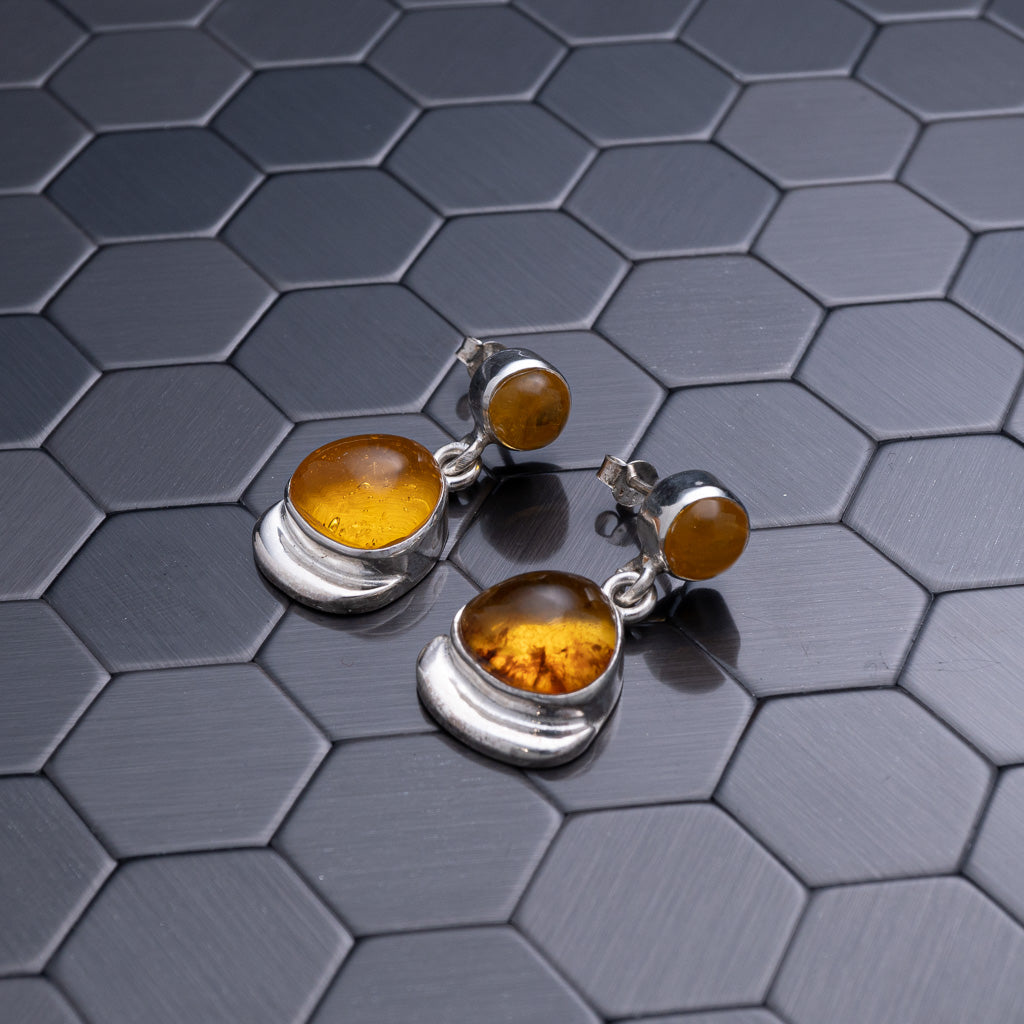


100% Handcrafted in DR.

The allure of Larimar lies not only in its captivating sky-blue hues but also in its extraordinary rarity as the world's only known source exists in the Dominican Republic. As demand for this unique gemstone has grown, so too has the prevalence of imitations flooding the market. Understanding how to identify genuine Larimar has become essential knowledge for collectors, jewelry enthusiasts, and anyone seeking to invest in authentic pieces that capture the true essence of this Caribbean treasure.
Genuine Larimar is a rare blue variety of pectolite, a mineral that forms through volcanic activity in specific geological conditions. The International Gem Society's comprehensive guide to pectolite explains the unique formation process that gives this stone its distinctive characteristics. What sets authentic Larimar apart is its exclusive origin in a single mountain range within the Barahona province of the Dominican Republic.
The formation process creates specific visual markers that distinguish genuine Larimar from substitutes:
The geological conditions that produce genuine Larimar simply don't exist elsewhere on Earth. This gemstone forms when hot gases push through volcanic rocks, creating cavities where copper-infused pectolite crystallizes over millions of years. The copper content gives Larimar its signature blue coloration, while the varying concentrations create the unique patterns in each stone.
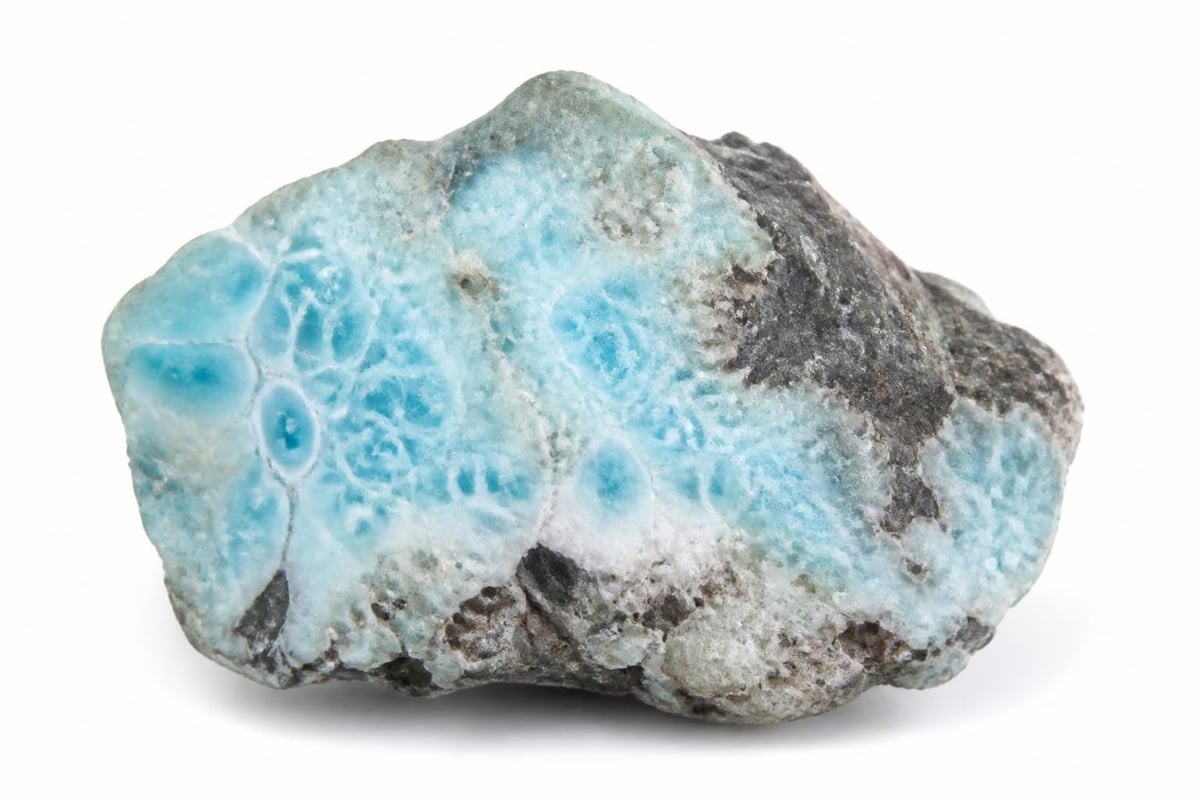
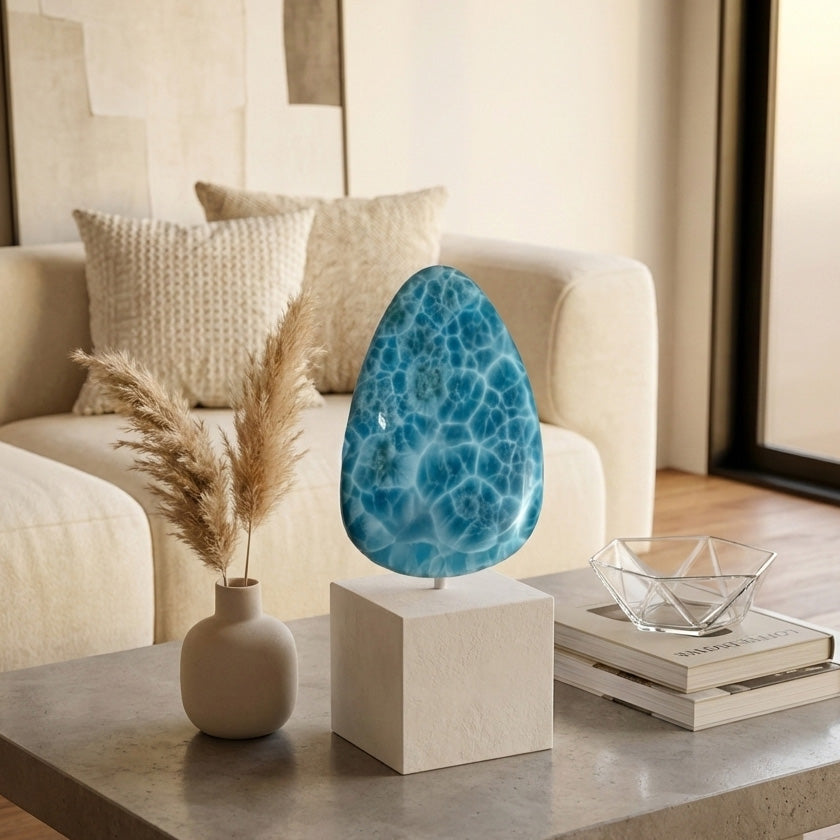
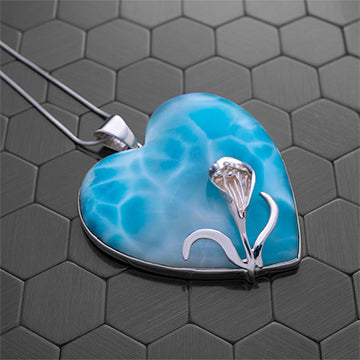
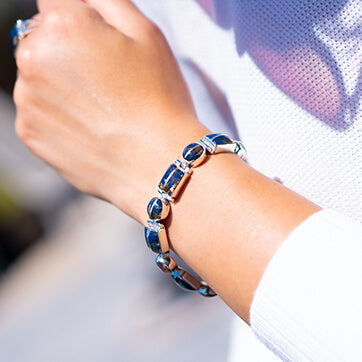
Authentic Larimar exhibits distinctive visual characteristics that trained eyes can recognize. The most reliable feature is the pattern of white streaking that resembles sunlight dancing on Caribbean waters. This natural marbling occurs as calcium-rich areas contrast with copper-saturated zones during formation.
| Feature | Genuine Larimar | Common Imitations |
|---|---|---|
| Color consistency | Natural gradients with variations | Uniform or artificial-looking blues |
| White patterns | Irregular, organic veining | Regular, painted, or absent |
| Translucency | Varies naturally within stone | Typically uniform throughout |
| Surface texture | Smooth but with natural inclusions | Often too perfect or visibly artificial |
The color spectrum in genuine Larimar never appears artificial or overly saturated. Natural stones display subtle transitions between shades, creating depth that flat-colored imitations cannot replicate. The most prized specimens feature vibrant volcanic blue tones, yet even lighter specimens maintain authentic characteristics through their natural patterning.
When examining potential purchases, observe how light interacts with the stone. Genuine Larimar often shows a subtle play of light across its surface, particularly in higher-grade specimens. This effect results from the stone's internal structure and cannot be convincingly replicated in dyed alternatives.
Beyond visual inspection, gemological testing provides definitive authentication. Professional laboratories employ sophisticated equipment to analyze the physical and chemical properties unique to genuine Larimar. The gem identification techniques used by certified gemologists include refractive index measurement, specific gravity testing, and spectroscopic analysis.
Refractive index testing measures how light bends through the gemstone, with genuine Larimar typically showing readings between 1.599 and 1.628. Specific gravity tests reveal density measurements that fall within a narrow range for authentic specimens. These numerical values, when combined, create a fingerprint that distinguishes real Larimar from lookalikes.
Modern laboratories also employ Raman spectroscopy to identify the molecular structure of gemstones. The Swiss Gemmological Institute's research on spectroscopic methods demonstrates how these advanced techniques can definitively separate natural gems from treated or synthetic alternatives. For Larimar specifically, this technology detects the pectolite mineral signature that no imitation can replicate.
Professional testing includes:
The market contains several materials frequently misrepresented as genuine Larimar. Understanding these substitutes helps buyers make informed decisions when selecting authentic pieces.
Manufactured glass represents the most common imitation, often marketed as "Caribbean blue stone" or similar ambiguous names. These substitutes typically lack the natural white veining of genuine Larimar and display unnaturally uniform coloration. Glass imitations also feel different to the touch, often warmer initially and sometimes showing tiny air bubbles under magnification.
Ceramic materials dyed blue present another challenge. These pieces may include artificial patterns attempting to mimic Larimar's natural veining, but close inspection reveals painted or printed surfaces rather than internal structural patterns.
Other natural stones, particularly howlite and magnesite, are sometimes dyed blue and sold as Larimar. These materials accept dye readily and can achieve convincing blue hues. However, dyed stones typically show color concentration in fractures and crevices, where dye accumulates during treatment. Genuine Larimar's color permeates the stone naturally and uniformly distributes according to copper content, not surface absorption.
| Imitation Type | Key Identifying Features | Detection Method |
|---|---|---|
| Dyed howlite | Color concentrates in cracks | Acetone test, magnification |
| Blue glass | Too uniform, possible bubbles | Temperature test, inclusion check |
| Synthetic ceramic | Surface patterns, wrong hardness | Scratch test, weight comparison |
| Treated quartz | Different luster, harder | Hardness test, density measurement |
Not all genuine Larimar exhibits the same quality level. Industry professionals use specific criteria to grade authentic stones, which significantly impacts value and desirability. Understanding these standards helps buyers select pieces that meet their preferences and budget.
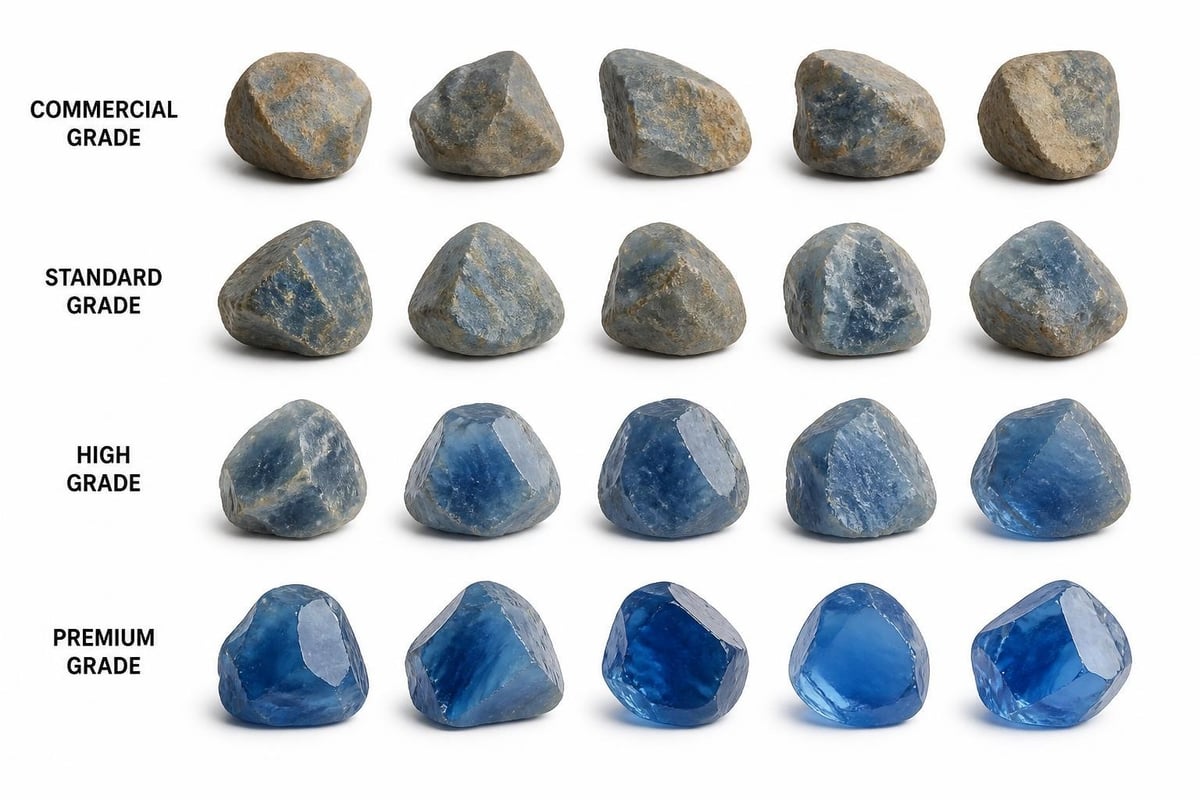
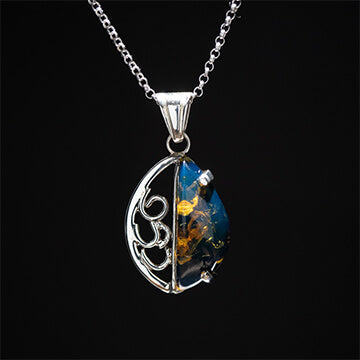
Premium Grade (AAA): Features intense volcanic blue coloration with minimal white areas, exceptional translucency, and striking pattern definition. These rare specimens command the highest prices and often appear in Larimar pendants from master craftspeople who recognize their superior quality.
High Grade (AA): Displays strong blue tones with attractive white veining patterns. These stones offer excellent visual appeal while remaining more accessible than premium specimens. The color remains vivid, though some lighter areas may be present.
Medium Grade (A): Shows noticeable blue coloration mixed with more prominent white zones. While less intense than higher grades, these genuine Larimar pieces still exhibit authentic characteristics and natural beauty at moderate price points.
Commercial Grade: Contains blue tinting with substantial white or gray areas. These authentic stones suit buyers seeking genuine Larimar at entry-level prices or for pieces where the gemstone accent complements larger designs.
Purchasing genuine Larimar from reputable sources provides assurance through proper documentation. Established dealers maintain direct relationships with Dominican miners and can trace each stone's journey from extraction to finished jewelry.
Certificates from recognized gemological laboratories add another layer of verification. While not every Larimar piece requires laboratory certification, higher-value items benefit from independent analysis confirming authenticity and quality grade. These documents become particularly valuable for investment-grade specimens or significant jewelry pieces.
When working with jewelers specializing in authentic Dominican gemstones, ask about their sourcing practices. Transparent suppliers willingly discuss their supply chain and can explain how they verify each stone's authenticity before incorporating it into finished designs. The Larimar jewelry collections from dedicated craftspeople reflect this commitment to authenticity.
How a stone responds to cleaning and wear can provide additional authentication clues. Genuine Larimar requires specific care protocols due to its relatively soft nature and sensitivity to certain chemicals. Understanding proper maintenance not only preserves your investment but also helps confirm authenticity through the stone's behavior.
Cleaning protocols for genuine stones:
Genuine Larimar can be damaged by harsh chemicals, particularly acids and chlorine. If a supposedly authentic piece shows no sensitivity to chemical exposure or survives treatments that should harm real Larimar, this raises authenticity concerns. Similarly, authentic stones will show appropriate wear patterns over time, developing a gentle patina rather than sudden surface degradation typical of imitations.
The proper techniques for repairing Larimar gemstone jewelry demonstrate how authentic stones respond to professional restoration, another distinguishing characteristic that separates genuine specimens from substitutes.
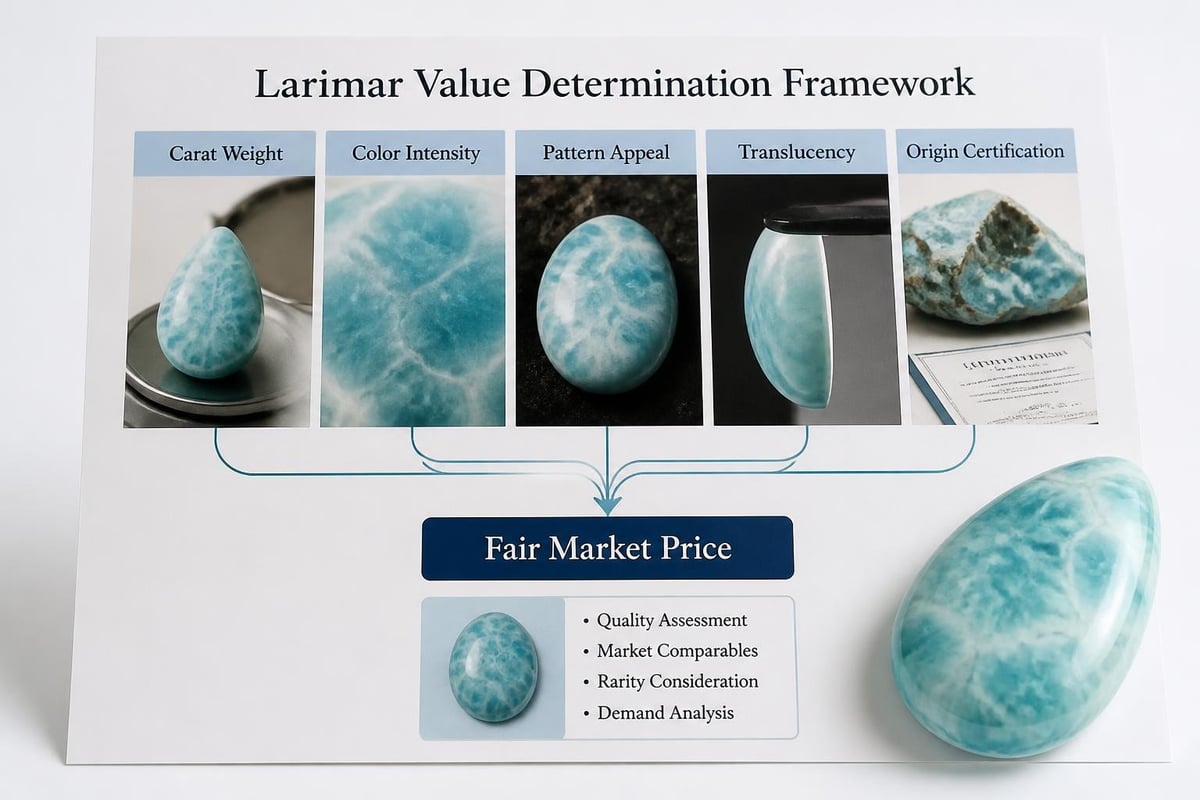
Price can signal authenticity, though it shouldn't be the sole determining factor. Genuine Larimar commands specific price ranges based on quality, size, and market conditions. Understanding typical pricing helps identify suspiciously cheap offerings that likely involve imitations.
| Quality Grade | Price Range (per carat) | Typical Applications |
|---|---|---|
| Premium (AAA) | $40-80+ | Statement jewelry, collector pieces |
| High (AA) | $20-40 | Fine jewelry, special occasions |
| Medium (A) | $10-20 | Everyday jewelry, mixed designs |
| Commercial | $5-10 | Accent stones, casual pieces |
These ranges fluctuate based on market dynamics, but they provide baseline expectations. Pieces priced significantly below these ranges warrant skepticism unless reasonable explanations exist, such as promotional sales from established dealers. Conversely, extremely high prices should correlate with exceptional quality, size, or craftsmanship rather than routine specimens.
Education remains your strongest tool in identifying genuine Larimar. Engaging with expert sources, handling authenticated specimens, and learning from experienced collectors builds the intuition necessary for confident authentication. Visiting specialized retailers who focus exclusively on Dominican gemstones provides hands-on learning opportunities.
Compare multiple genuine Larimar pieces across quality grades to understand the natural variation within authentic stones. This exposure trains your eye to recognize the subtle characteristics that define real Larimar while spotting the telltale signs of imitations. Handle both rough and polished specimens to appreciate how processing affects appearance without changing fundamental properties.
Join online communities and forums where collectors share experiences and knowledge. These groups often discuss recent market developments, new imitation techniques, and authentication tips based on collective expertise. Photographic comparisons within these communities help members develop visual discrimination skills.
Recommended learning approaches:
How genuine Larimar is cut and set can enhance or diminish its inherent beauty. Skilled artisans understand the stone's unique properties and work with its natural characteristics rather than against them. Quality craftsmanship respects the gemstone's patterns, orienting cuts to showcase the most attractive features.
The best jewelers select cutting styles that maximize color display while minimizing waste of this precious material. Cabochon cuts remain most popular for Larimar, as the smooth, domed surface highlights the stone's natural patterns and subtle translucency. Faceted cuts appear less frequently but can create stunning effects in higher-translucency specimens.
Settings for genuine Larimar should protect the stone while allowing light interaction. Experienced designers at Larimar Creations understand that proper mounting prevents damage to the relatively soft gemstone while displaying its beauty optimally. The setting choice itself can reflect the maker's confidence in the stone's authenticity, with premium settings typically reserved for verified genuine specimens.
Genuine Larimar represents more than beautiful jewelry; it's a finite natural resource with potential investment value. As the single known deposit continues producing, questions about long-term availability influence collecting strategies and market dynamics.
Scarcity dynamics: Unlike gemstones found in multiple global locations, Larimar's singular source creates inherent scarcity. Mining challenges, including difficult terrain and artisanal extraction methods, limit annual production regardless of demand.
Quality preservation: Premium specimens become increasingly rare as the most accessible, highest-quality deposits deplete. This natural progression affects availability of top-tier genuine Larimar over time.
Authentication importance: As the market matures, proper documentation and provenance become increasingly crucial for maintaining and proving value. Well-documented pieces from known sources will likely command premiums over undocumented specimens, even if quality appears comparable.
Collectors focusing on investment potential should prioritize premium-grade genuine Larimar with complete documentation. These pieces offer the strongest long-term value proposition, combining exceptional quality with verified authenticity. Working with established dealers who maintain detailed records ensures future buyers can verify authenticity confidently.
Armed with knowledge about genuine Larimar characteristics, authentication methods, and quality standards, buyers can approach purchases with confidence. The combination of visual inspection, understanding of proper pricing, and selection of reputable sources creates a comprehensive authentication strategy.
Before finalizing any Larimar purchase, systematically evaluate these critical factors:
Trust your instincts when something seems questionable. If a deal appears too good to be true or a seller cannot answer basic questions about sourcing and authenticity, consider it a warning sign. Legitimate dealers welcome questions and provide transparent information about their genuine Larimar offerings.
The investment in authentic, quality-verified Larimar pays dividends through lasting beauty, enduring value, and the satisfaction of owning a truly unique piece of the Caribbean's geological heritage. Whether selecting a personal treasure or a meaningful gift, genuine Larimar carries significance beyond its aesthetic appeal, representing millions of years of natural artistry captured in a single, irreplaceable gemstone.
Authenticating genuine Larimar requires understanding its unique geological origins, visual characteristics, and proper verification methods, but the effort ensures you acquire authentic pieces of this rare Caribbean treasure. When you're ready to explore verified, high-quality Larimar jewelry crafted with expertise and authenticity, Larimar Creations offers meticulously sourced pieces backed by deep knowledge of Dominican gemstones, ensuring every item showcases the true beauty that only genuine Larimar can provide.