
Larimar
Blue Amber
Green Amber
Amber Carvings
More

by Admin September 26, 2026 6 min read

A Larimar cabochon can hold the look of shallow Caribbean water, cloud movement, and sunlit foam in a single polished stone. Yet not every blue cabochon carries the same rarity, beauty, or value. This larimar cabochon grading guide helps buyers look beyond first impressions and understand what truly distinguishes an exceptional Dominican Larimar gemstone.

Larimar is naturally varied. Its color, pattern, clarity, and shape are formed within the stone, not manufactured to follow a uniform standard. That individuality is part of its appeal, but it also means grading requires a thoughtful eye. The finest cabochon is not always the bluest stone in every setting. Balance matters: rich color, beautiful natural pattern, skilled cutting, and an honest presentation of the gem all work together.

What Determines Larimar Cabochon Quality?

Unlike diamonds, Larimar does not have one universal grading system used by every seller. Reputable collectors and jewelers generally evaluate it through a combination of visual qualities and craftsmanship. Color leads the conversation, but pattern, polish, thickness, stability, and provenance deserve equal attention.

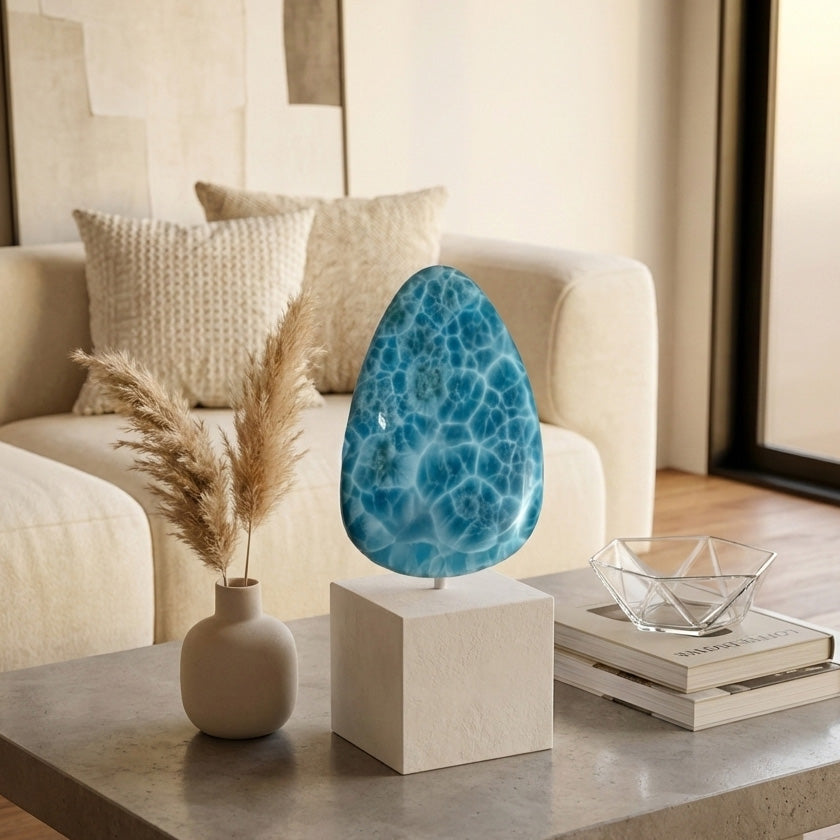
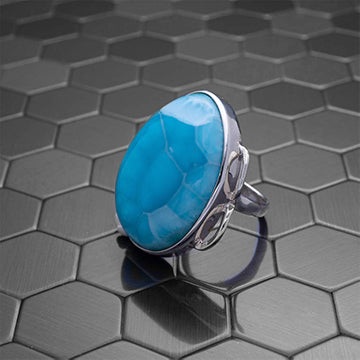
A cabochon is a gemstone cut with a smooth, domed top rather than facets. This style is ideal for Larimar because it allows the stone's cloud-like blue patterns to remain uninterrupted. It also makes the cutter's skill highly visible. A well-made cabochon should feel intentional from every angle, with a balanced dome and a clean, reflective finish.

Natural inclusions, white areas, and matrix are not automatically flaws. In fact, they often create the distinctive ocean-like character that makes Larimar so personal. The question is whether these features enhance the composition or distract from it.

Larimar Cabochon Grading Guide: Color First

Color is usually the strongest driver of Larimar value. The most sought-after material displays a vivid medium-to-deep blue, often compared with clear Caribbean water. Collectors may call this premium blue or volcano blue, although these are trade descriptions rather than official grades.

The highest-quality blue tends to look alive rather than flat. It has enough saturation to appear striking, yet enough brightness to reveal the stone's natural movement. A beautiful cabochon should remain appealing in daylight as well as indoor light. Some stones become gray, overly pale, or washed out away from a product photo, so viewing images or video in varied lighting can be helpful when buying online.

Paler blue Larimar can still be lovely and highly wearable. Soft sky-blue stones offer a gentler look in silver jewelry, while blue-green material can have a tropical character of its own. White Larimar is generally more available and usually commands a lower price, but an elegant white-and-blue composition may be more visually memorable than a solid but lifeless blue stone.

Be cautious with color that appears unnaturally uniform, intensely electric, or concentrated only near the surface. Authentic Larimar is a natural pectolite from the Dominican Republic, and its color normally shows organic variation. Certification and transparent sourcing provide more confidence than color claims alone.

A Practical Color Scale

At the entry level, Larimar may be mostly white, light blue, or mixed with visible matrix. Mid-grade stones often show attractive sky-blue areas with clear white patterning. Premium material displays stronger blue coverage, pleasing saturation, and harmonious pattern. The rarest collector-grade cabochons combine exceptional blue with minimal distracting inclusions and an especially evocative natural design.

This scale is useful, but it is not a rule that should override taste. A large pale cabochon with dramatic white waves may be the perfect centerpiece for a statement pendant, while a smaller deep-blue stone can shine in a refined ring.

Read the Pattern, Not Just the Blue

Larimar's pattern is its signature. The finest patterns resemble rolling waves, shifting clouds, lace, or foam across blue water. They look naturally composed rather than random, creating depth without making the stone appear busy.

White patterning is desirable when it has movement and contrast. A few well-placed white streaks can intensify the surrounding blue and give the cabochon its Caribbean identity. Too much opaque white may reduce the overall blue presence, particularly if the buyer is seeking collector-grade color. Similarly, heavy brown, gray, or black matrix can lower value when it interrupts the face of the stone, though it may appeal to those who prefer a more earthy, raw expression.

Look at the cabochon as a whole. A strong stone has a focal point and visual rhythm. Its pattern should not feel crowded into one corner or leave the rest of the surface empty. This matters especially in rings and pendants, where the gemstone is viewed at close range.

Cut, Shape, and Polish Reveal Craftsmanship

A beautiful piece of rough Larimar can lose much of its potential in careless cutting. The cutter must work around fractures, color zones, and natural matrix while preserving enough material for a durable cabochon. That is why an expertly cut stone deserves attention even when its color is not the darkest available.

The dome should be smooth and proportionate to the stone's size. A cabochon that is too flat can look dull, while an excessively high dome may be difficult to set or wear comfortably. Its base should be stable, and the outline should be symmetrical unless the stone is deliberately cut into a freeform shape.

Polish is another important signal. Premium Larimar should have a luminous, even surface that reflects light cleanly. Scratches, pits, dull patches, or visible sanding marks suggest lower finishing quality. Small natural texture variations can occur, but they should not compromise the stone's beauty or durability.

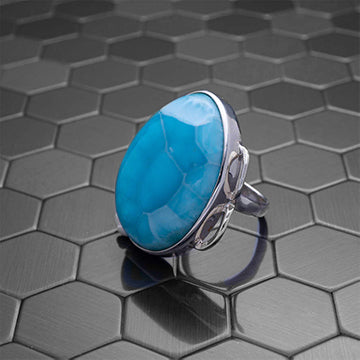
Shape affects both value and design possibilities. Calibrated ovals, rounds, and pear shapes are convenient for jewelry settings and can carry a premium when cut precisely. Freeform cabochons celebrate the natural rough and often make one-of-a-kind pendants or collector pieces. Neither is inherently better. The right choice depends on whether you value matching, setting ease, or singular character.

Clarity, Fractures, and Stability

Larimar is not judged by transparency in the way many faceted gems are. It is typically opaque to translucent, and its internal character is part of the material. Still, examine the surface for cracks, open fractures, or weak areas, particularly near thin edges and corners.

A stable cabochon should feel solid and be properly polished over its natural features. Surface-reaching fractures may affect long-term wear, especially in rings and bracelets that encounter frequent impact. Small healed lines or internal features are different from active cracks, but a seller should describe them clearly.

Thickness matters, too. A very thin cabochon may be more vulnerable during setting and daily wear. This is not a concern for every pendant or display stone, but it becomes more relevant for jewelry intended to be worn often.

Authenticity and Dominican Origin

True Larimar comes from the Dominican Republic, making origin central to its story and value. Because its name is widely recognized, buyers should be wary of vague descriptions, unusually low prices, and sellers unable to explain a stone's origin. A blue gemstone labeled as Larimar should not be treated as authentic solely because it resembles photographs seen online.

Ask for clear product images, accurate dimensions, and material disclosure. For higher-value cabochons, certification or documentation adds welcome assurance. At Larimar Creations, the focus on authentic, certified Dominican gemstones reflects the level of confidence collectors and jewelry buyers should expect when choosing this rare Caribbean stone.

Authenticity also means respecting natural variation. A seller who presents each cabochon individually, rather than promising identical color and pattern across every piece, is offering a more credible view of Larimar's character.

Choosing the Right Grade for Your Piece

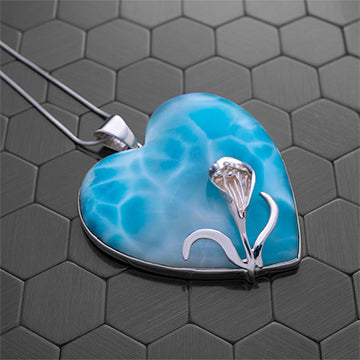
The best grade depends on how you plan to enjoy the stone. For a collector, prioritize rare blue saturation, a distinctive pattern, excellent polish, and documented origin. For a ring, choose a stable cabochon with a smooth finish, a practical profile, and enough color presence to stand out against the setting. For a meaningful gift, an ocean-like pattern or heart-shaped cut may matter more than strict collector criteria.

Size can also shift the decision. Larger cabochons naturally show more pattern, but they may include more variation or matrix. Smaller stones can deliver concentrated blue at a more accessible price. Rather than asking which grade is universally best, ask which stone continues to draw your eye after you have considered its details.

A fine Larimar cabochon should feel like more than a blue gemstone. Choose the one whose color and natural movement make you pause, because that is the piece that will continue to feel like a small, wearable piece of the Caribbean.

Larimar Gem: Discovery, Properties & Jewelry Guide

Larimar Gem: Discovery, Properties & Jewelry Guide

8 min read

Discover the rare larimar gem from the Dominican Republic. Learn about its unique properties, mining origins, and how to identify authentic pieces.
Read More
How to Buy Gemstone Cabochons With Confidence

How to Buy Gemstone Cabochons With Confidence

6 min read

Learn how to buy gemstone cabochons with confidence, checking origin, cut, polish, and value so you choose a rare stone made to be treasured for years.
Read More
Meaningful Gemstone Heart Gifts With Lasting Beauty - Larimar Creations

Meaningful Gemstone Heart Gifts With Lasting Beauty

5 min read

Meaningful gemstone heart gifts pair rare Caribbean beauty with personal sentiment. Learn how Larimar and Dominican amber make a lasting gift for years ahead.
Read More