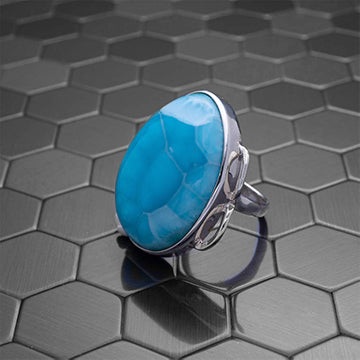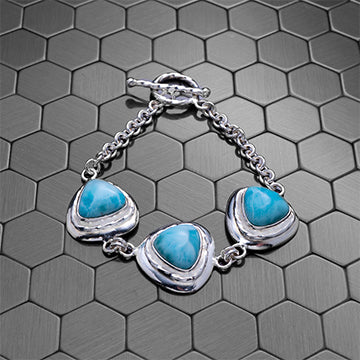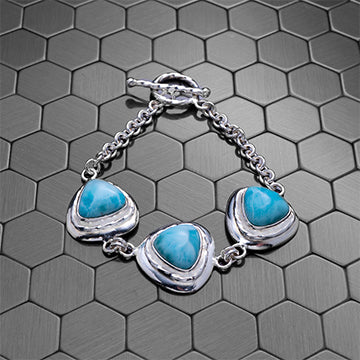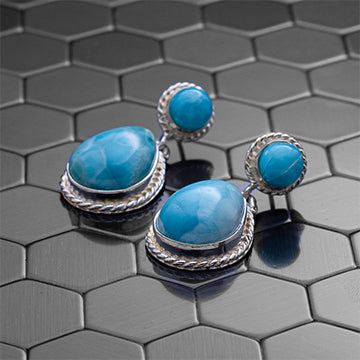


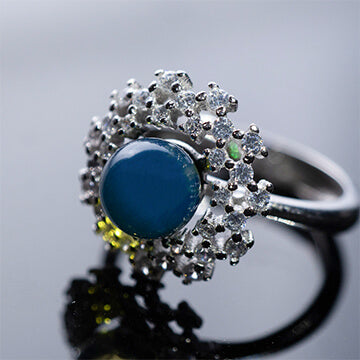
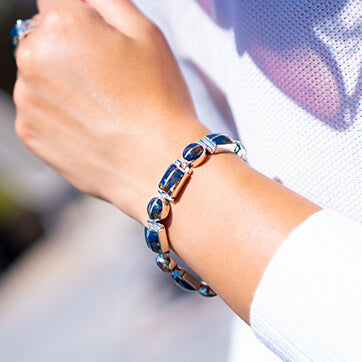
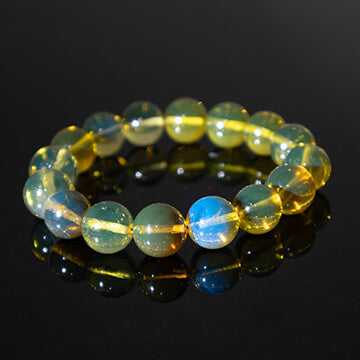
Handcrafted in DR.

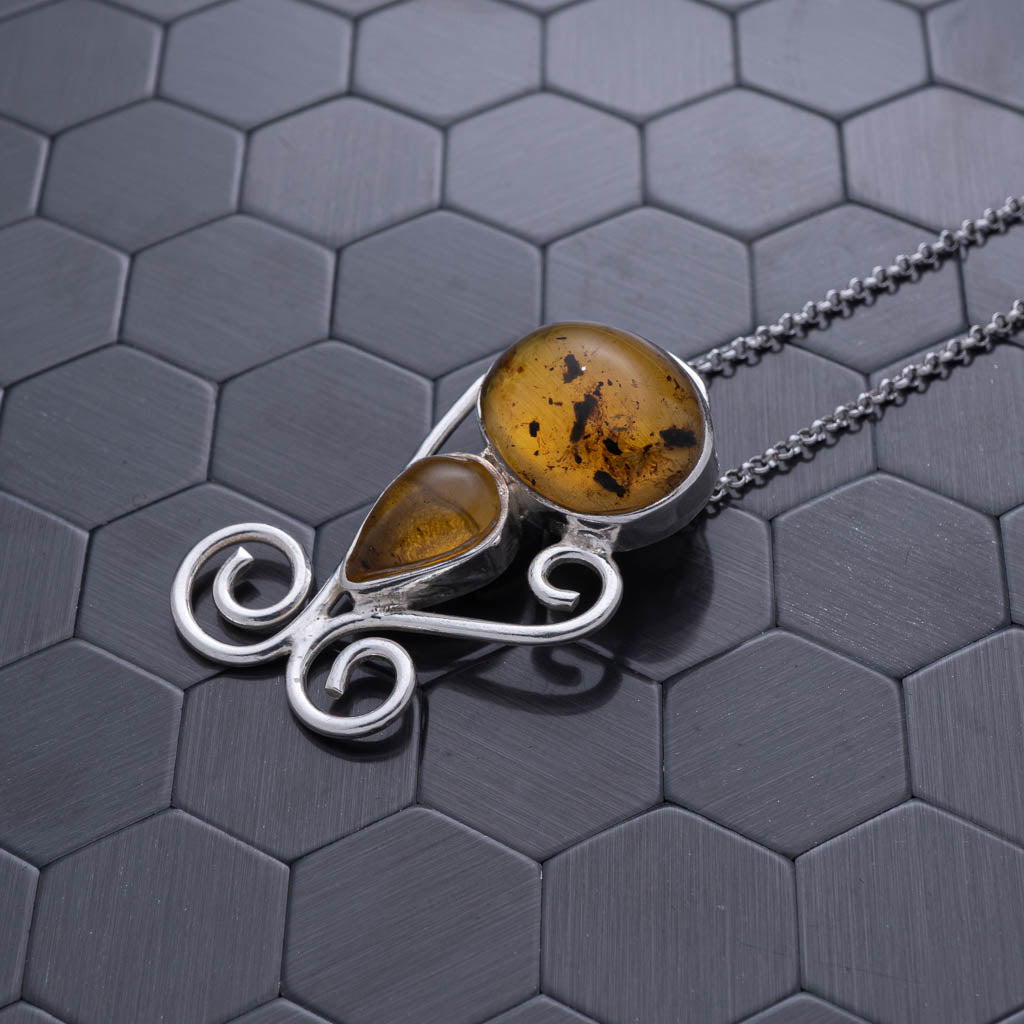
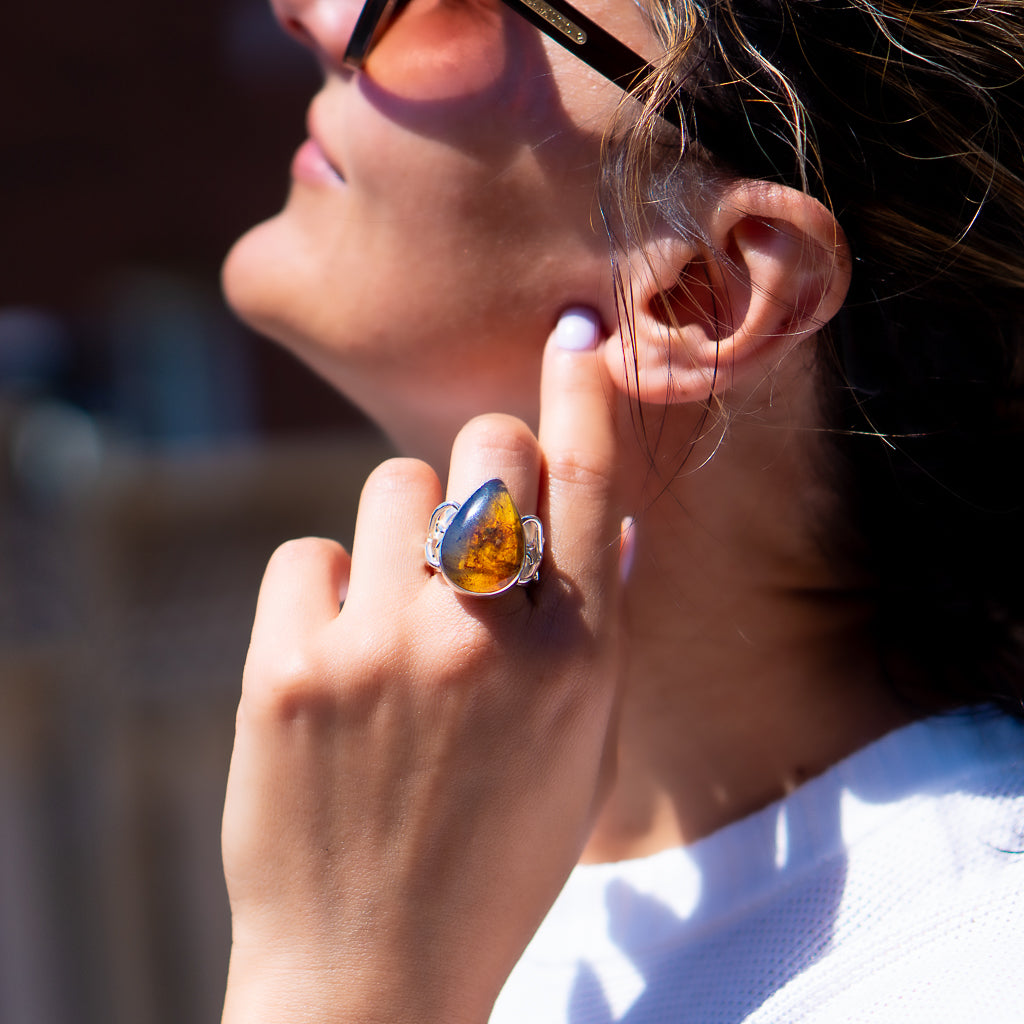
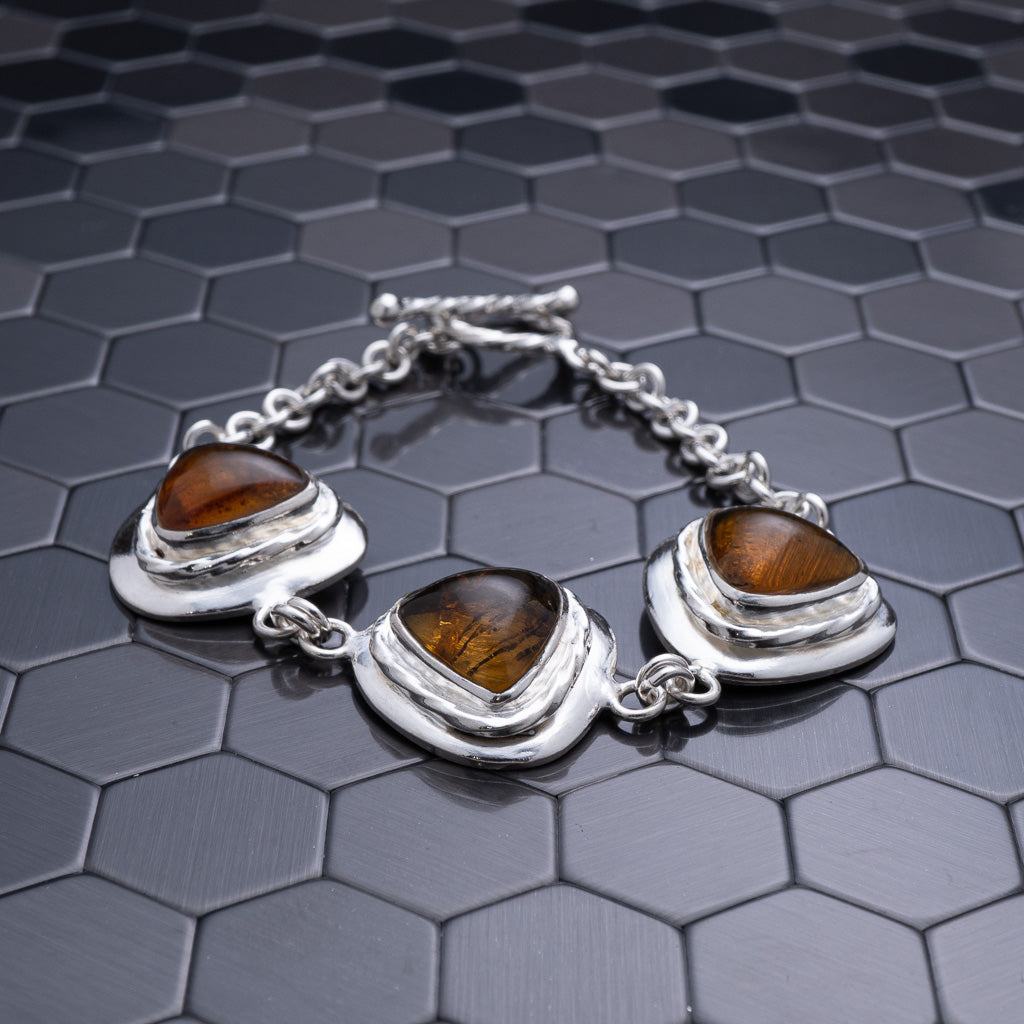
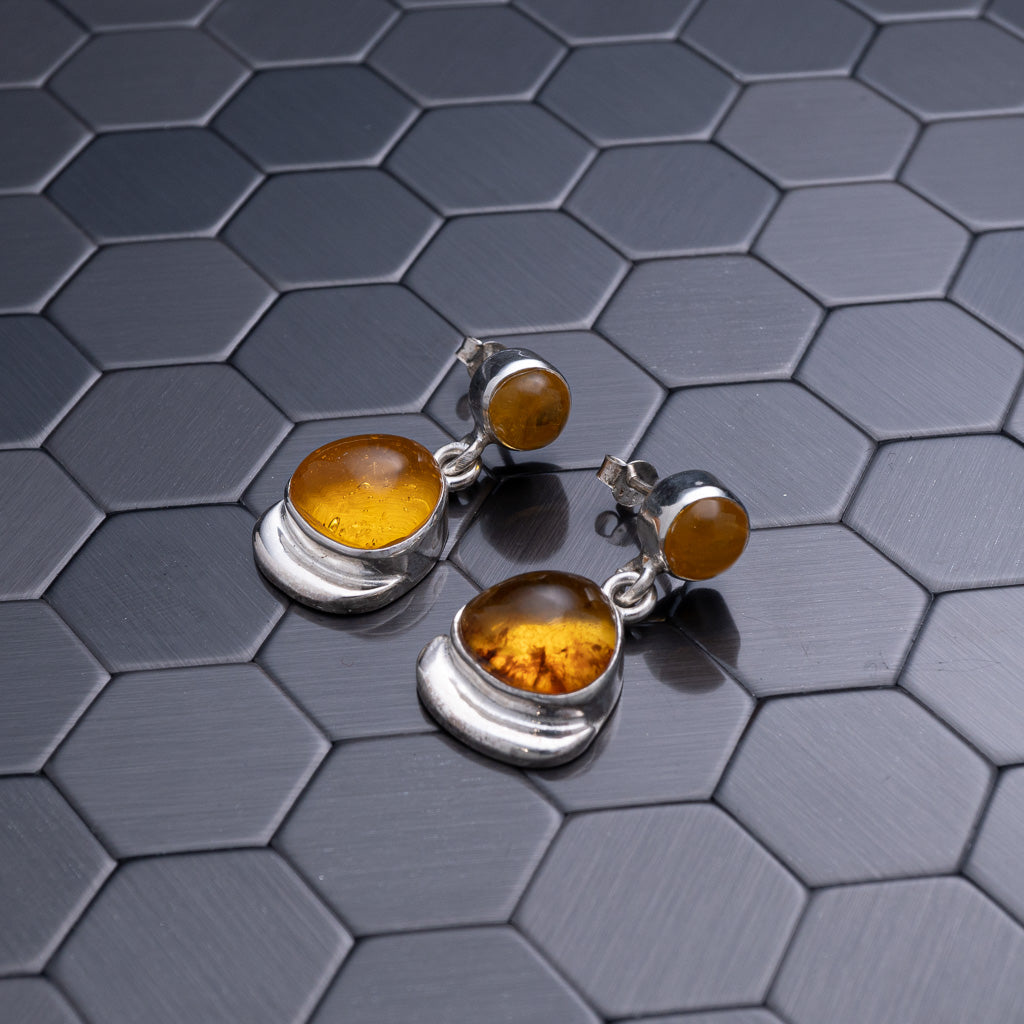


100% Handcrafted in DR.

The allure of larimar rock captivates collectors, jewelry enthusiasts, and gemstone experts worldwide. This rare blue variety of pectolite exists in only one location on Earth, making it among the most geographically exclusive gemstones available today. Understanding the geological formation, physical characteristics, and market value of this Caribbean treasure provides essential knowledge for anyone interested in acquiring authentic pieces or appreciating the craftsmanship behind quality larimar jewelry.
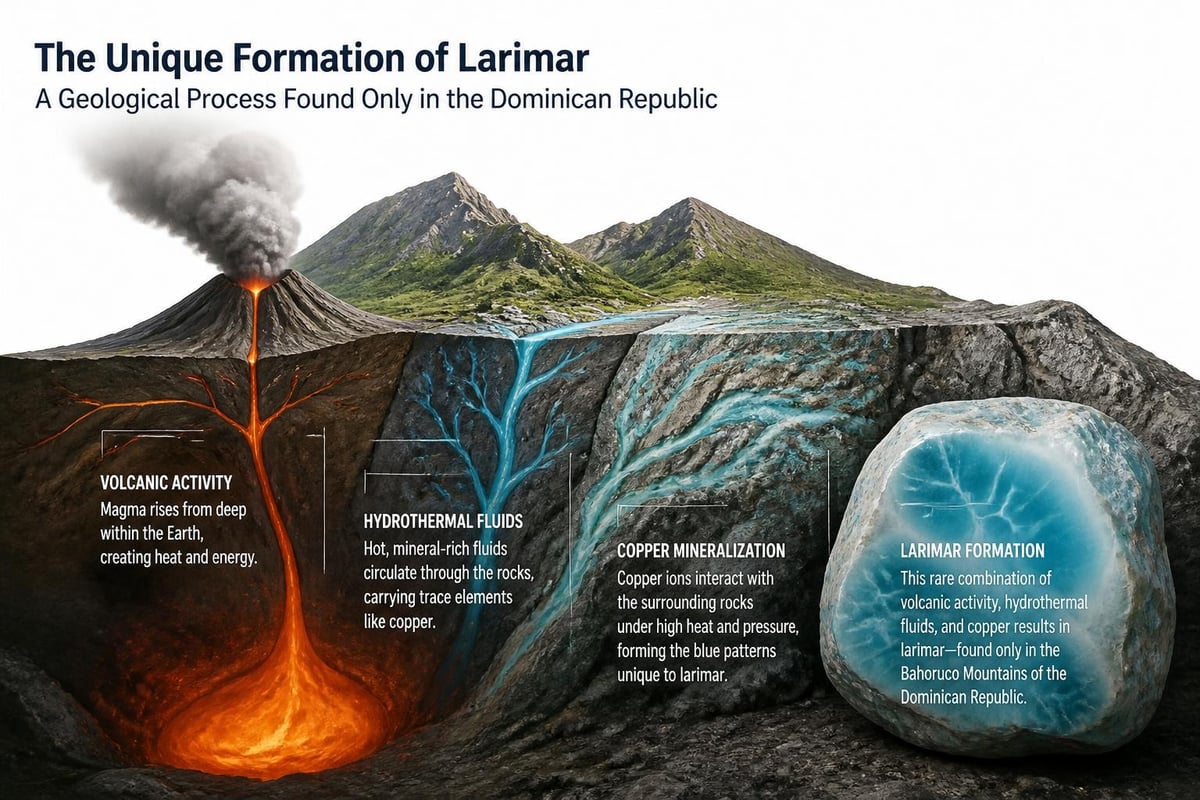
Larimar rock forms through a unique combination of volcanic activity and specific mineral conditions found exclusively in the Dominican Republic's Bahoruco mountain range. The gemstone develops within volcanic tubes and cavities where copper-rich fluids interact with calcium and silicate minerals under precise temperature and pressure conditions.
Unlike gemstones found across multiple continents, larimar rock occurs in just one mining region near the village of Los Chupaderos in the Barahona province. This geographical limitation contributes significantly to the stone's rarity and market value. The official Dominican Republic mining regulations govern extraction practices to ensure sustainable mining while protecting artisanal miners.
The formation process began millions of years ago during periods of intense volcanic activity. As lava flows cooled and contracted, they created voids and fissures. Hydrothermal fluids carrying dissolved minerals percolated through these spaces, depositing layers of pectolite enriched with copper ions. The copper substitution within the crystal structure creates the distinctive blue coloration that differentiates larimar from common gray or white pectolite varieties.
Extraction occurs primarily through artisanal mining methods in mountainous terrain. Miners work in challenging conditions, following veins of larimar rock through hand-dug tunnels and shafts. The legal framework governing Dominican Republic mining operations establishes guidelines for permits, safety standards, and environmental protections.
Weather patterns significantly impact mining operations. The rainy season from May through November can flood underground workings, limiting access to productive veins. Dry months offer optimal conditions, yet the physical demands remain substantial. Each piece recovered represents considerable human effort, adding to the stone's intrinsic value beyond its aesthetic appeal.
The scientific classification of larimar rock falls under the mineral pectolite, with the chemical formula NaCa₂Si₃O₈(OH). What distinguishes gem-quality larimar from ordinary pectolite is the copper content that produces varying shades of blue, from pale sky blue to deep volcanic blue.
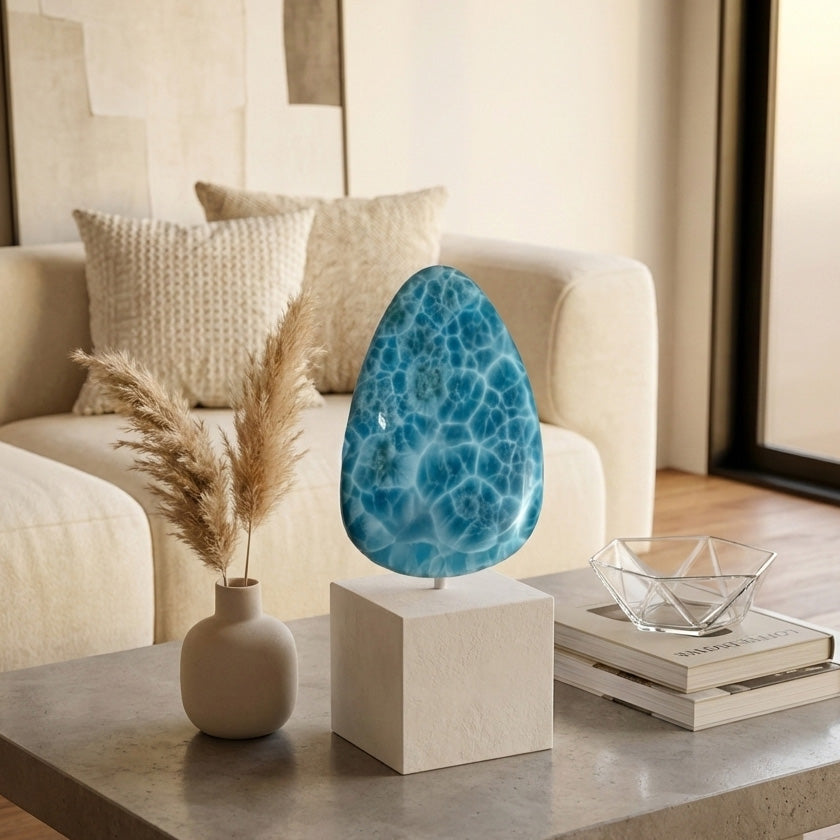
According to the Handbook of Mineralogy pectolite data, larimar crystallizes in the triclinic system. Individual crystals typically form elongated, needle-like structures, though massive aggregates constitute the material used in jewelry applications. The fibrous internal structure creates distinctive patterns resembling ocean waves or billowing clouds.
Key Physical Specifications:
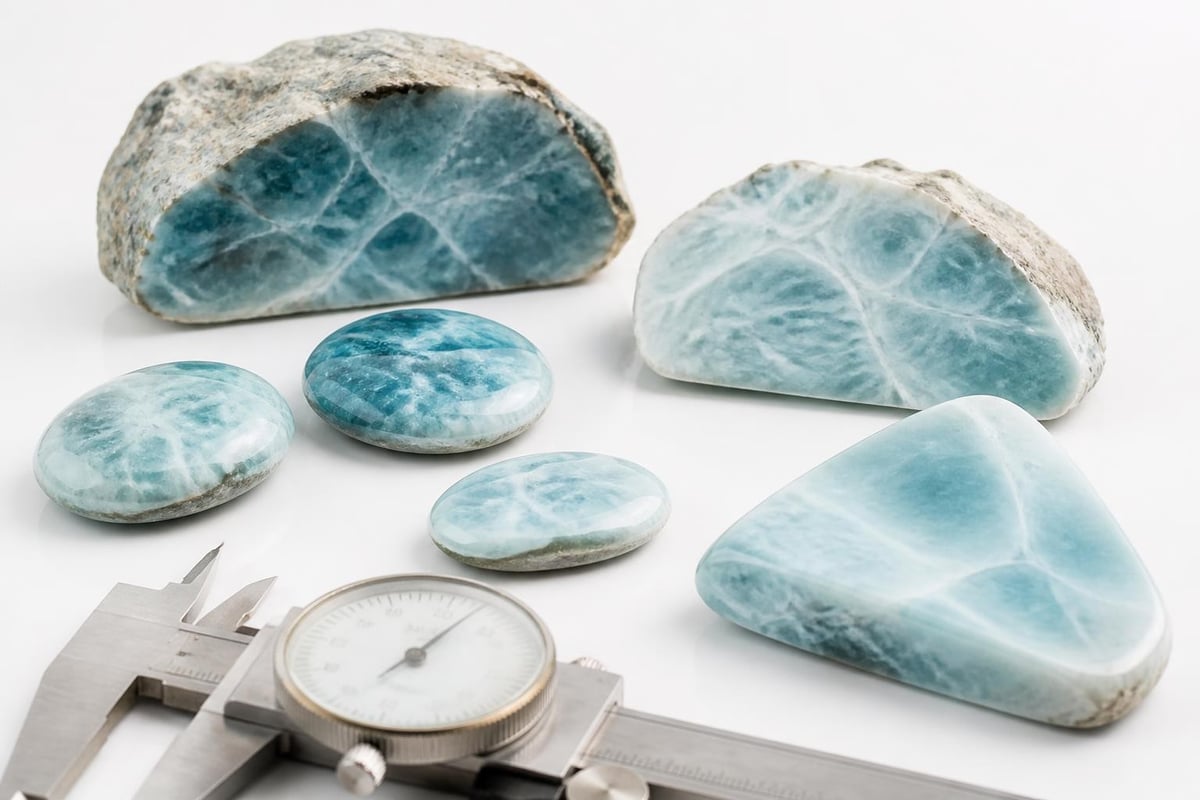
Larimar rock exhibits remarkable color diversity within its blue spectrum. The most valued specimens display intense, saturated blues with white patterns that create visual depth. Color intensity correlates directly with copper concentration, while the characteristic white streaking results from calcite inclusions or areas of lower copper content.
| Color Grade | Description | Relative Value |
|---|---|---|
| Volcanic Blue | Deep, intense blue with minimal white | Highest |
| Caribbean Blue | Medium blue with moderate patterning | High |
| Sky Blue | Light blue with significant white areas | Moderate |
| Greenish Blue | Blue-green tones with varied patterns | Variable |
The gemological properties documented by GemDat help distinguish authentic larimar from imitations. Natural larimar displays unique internal fibrous patterns impossible to replicate artificially. These organic formations create one-of-a-kind appearances in each stone.
Distinguishing genuine larimar rock from imitations requires understanding specific diagnostic features. As demand increases, market imitations including dyed howlite, synthetic glass, and treated quartzite have emerged. Professional gemological testing provides definitive authentication, yet several visual indicators help preliminary assessment.
Authentic larimar exhibits fibrous internal structures visible under magnification. These needle-like crystal formations create the characteristic flowing patterns. The stone displays varying translucency, with thinner sections allowing light transmission while thicker areas remain opaque.
Authentication Checklist:
Professional gemological laboratories utilize advanced equipment for conclusive identification. WebMineral's technical specifications provide reference data for comparative analysis. Spectroscopic examination reveals copper's absorption characteristics unique to larimar. Microscopic observation under polarized light confirms the triclinic crystal structure and optical properties consistent with pectolite.
Specific gravity testing through hydrostatic weighing differentiates larimar from common substitutes. Glass imitations typically measure between 2.4 and 2.8, overlapping larimar's range, but lack the fibrous internal structure. Dyed howlite, while visually similar, shows lower hardness (3.5) and different refractive properties.
The value of larimar rock depends on multiple interrelated factors. Unlike standardized gemstone grading systems for diamonds or colored stones, larimar assessment combines objective physical properties with subjective aesthetic preferences. Understanding these value determinants helps both collectors and consumers make informed purchasing decisions.
Color intensity ranks as the most significant pricing factor. Stones displaying deep, saturated blue with minimal white command premium prices. Pattern distribution affects value, with sought-after configurations including uniform color, dramatic contrast patterns, and representations suggesting natural imagery like ocean waves or cloud formations.
Size considerations differ from many gemstones. While larger pieces generally cost more, exceptionally colored smaller stones may exceed poorly colored larger specimens in per-carat value. The relationship between size and price follows a geometric rather than linear progression for top-quality material.
| Quality Factor | Impact on Value | Premium Range |
|---|---|---|
| Intense volcanic blue | Very High | 200-400% |
| Large size (50+ carats) | High | 150-250% |
| Artistic pattern | Moderate | 120-180% |
| Minimal inclusions | Moderate | 110-150% |
| Excellent polish | Low | 105-120% |
The single-source nature of larimar rock creates inherent scarcity that supports long-term value appreciation. As accessible deposits diminish and demand increases, prices have risen steadily over the past two decades. Investment-grade pieces require exceptional color, substantial size, and minimal flaws.
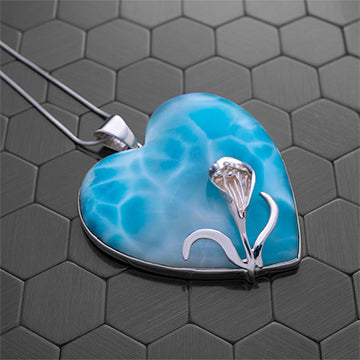
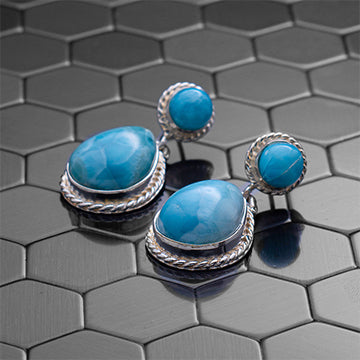
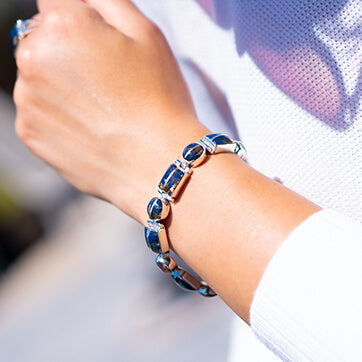
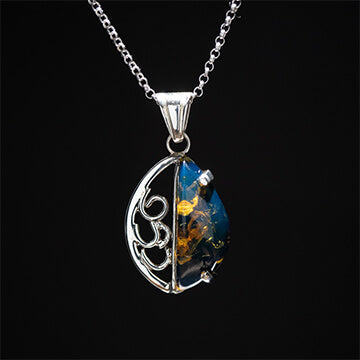
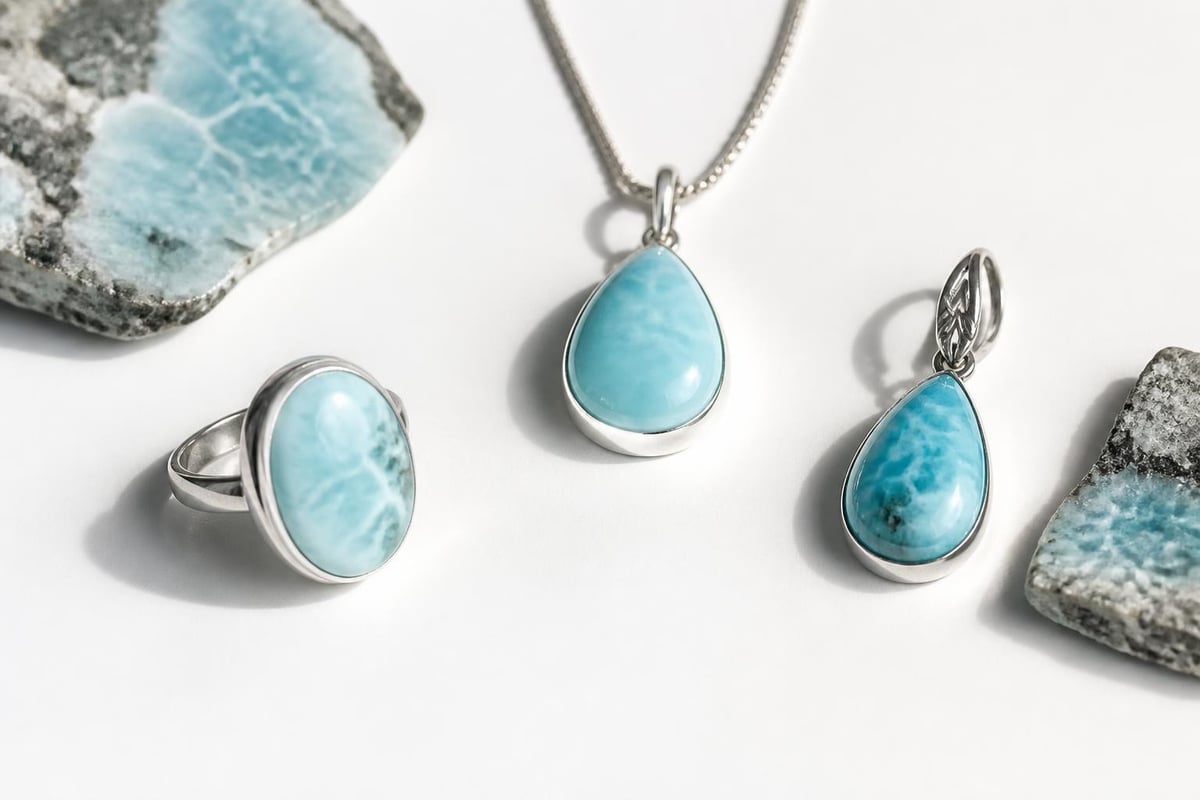
Contemporary jewelry designers increasingly incorporate larimar into high-end creations, expanding market awareness beyond traditional Caribbean tourism channels. Larimar jewelry collections showcase the stone's versatility across various design aesthetics, from minimalist modern settings to elaborate artisan pieces.
Proper care preserves larimar rock's beauty and structural integrity. The stone's moderate hardness and perfect cleavage require thoughtful handling to prevent damage. Understanding appropriate cleaning methods and storage practices extends the lifespan of larimar jewelry and specimens.
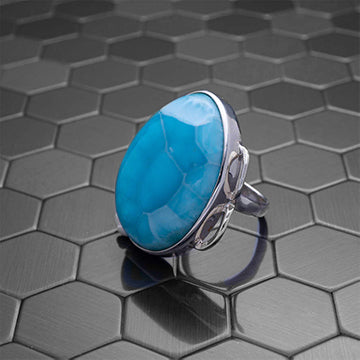
Larimar's hardness rating of 4.5 to 5 makes it suitable for jewelry worn occasionally rather than daily-wear rings exposed to repeated impact. The material performs well in pendants, earrings, and brooches where abrasion risk remains minimal. Protective settings that shield stone edges from direct contact reduce chipping potential.
Recommended Practices:
Gentle cleaning methods preserve larimar's polish and prevent damage. Warm water with mild soap applied using a soft cloth provides safe routine cleaning. Ultrasonic cleaners and steam cleaning are contraindicated due to the stone's cleavage planes, which may cause fracturing under vibration or thermal stress.
Professional repolishing can restore luster to scratched surfaces. The fibrous structure allows skilled lapidaries to remove superficial damage and renew the stone's appearance. Deeper structural cracks or chips require more extensive work, potentially reducing stone size during repair.
Beyond physical properties, larimar rock holds cultural importance in Dominican heritage and attracts interest from metaphysical communities. The stone's discovery story and Caribbean origins contribute to its mystique and appeal across diverse consumer segments.
Miguel Méndez and Peace Corps volunteer Norman Rilling rediscovered larimar in 1974, though local residents had known about the blue stones for generations. Méndez named the stone by combining his daughter Larissa's name with "mar," the Spanish word for sea, creating "larimar." This naming captures both personal significance and the stone's oceanic coloration.
The discovery formalized mining operations and introduced larimar to international markets. Prior to 1974, occasional specimens circulated locally without commercial recognition. Systematic extraction and marketing transformed larimar from a regional curiosity into a globally recognized gemstone.
Proponents of crystal healing attribute various properties to larimar rock, including stress reduction, enhanced communication, and emotional balance. These beliefs, while lacking scientific validation, contribute to market demand among consumers interested in holistic wellness practices. The stone's calming blue colors naturally evoke tranquil associations with ocean and sky.
Cultural tourism in the Dominican Republic incorporates larimar as a signature souvenir representing Caribbean beauty and geological uniqueness. Visitors seek authentic pieces as mementos, driving sustained demand that supports local artisan communities and mining operations.
Responsible sourcing ensures larimar rock reaches consumers through ethical supply chains that support mining communities while minimizing environmental impact. The concentrated mining region creates opportunities for direct relationships between miners, processors, and retailers committed to fair trade principles.
Reputable dealers maintain traceability from mine to market. This transparency verifies authenticity while ensuring miners receive fair compensation. Small-scale artisanal operations dominate larimar extraction, making direct purchasing relationships feasible. Companies committed to ethical practices often visit mining regions, establish ongoing supplier relationships, and document sourcing origins.
Ethical Sourcing Indicators:
Artisanal larimar mining creates relatively minimal environmental disruption compared to industrial mining operations. The hand-worked shafts and tunnels affect limited surface areas. However, responsible operators implement measures to prevent watershed contamination and restore worked sites when deposits exhaust.
Consumer preference for ethically sourced gemstones has increased pressure throughout the supply chain to document responsible practices. Retailers who prioritize these values differentiate themselves in competitive markets while contributing to sustainable resource management.
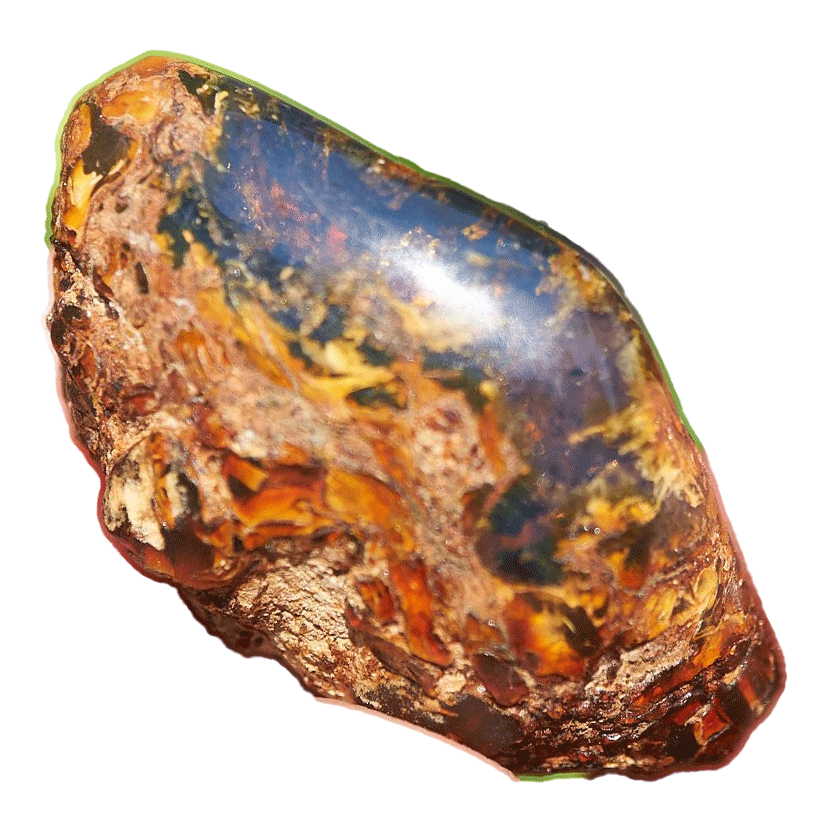
Transforming rough larimar rock into polished gemstones requires specialized knowledge and equipment. Lapidary artists who work with larimar must understand its structural characteristics to maximize color display while minimizing loss from the stone's cleavage planes.
The fibrous crystal structure influences cutting orientation decisions. Skilled cutters examine rough material to identify optimal cutting directions that emphasize color intensity and pattern display. Cabochon cuts predominate in larimar jewelry, as the rounded forms showcase the stone's color depth and internal patterning while avoiding sharp edges vulnerable to chipping.
Free-form cutting allows lapidaries to follow natural color zones, creating organic shapes that maximize attractive material while minimizing waste. Standardized calibrated sizes serve commercial jewelry production, though custom cutting for individual pieces permits greater creative expression.
Achieving high-quality polish on larimar requires progressive refinement through increasingly fine abrasive grits. The fibrous structure can create directional polish variations if technique proves inadequate. Master lapidaries produce mirror-finish surfaces that maximize light reflection and color saturation.
Treatment disclosure remains important in the larimar market. Authentic stones require no enhancement beyond cutting and polishing. Reputable sources provide untreated material, allowing the stone's natural beauty to stand without artificial modification.
Building a larimar rock collection or investing in high-quality specimens requires strategic approaches. Understanding quality gradations, pricing trends, and authentication methods helps collectors make informed acquisition decisions that provide both aesthetic enjoyment and potential value appreciation.
Focused collecting strategies might emphasize specific color ranges, exceptional patterns, large specimens, or historically significant pieces. Diversified collections incorporate quality examples across various price points and characteristics. Documentation including photographs, measurements, and acquisition details creates valuable records supporting future valuations.
Collection Focus Options:
Tracking auction results, dealer pricing, and market trends informs acquisition timing and valuation. Limited supply from the single-source location creates conditions favoring long-term value retention for quality material. Seasonal fluctuations related to Caribbean tourism patterns may present purchasing opportunities during slower travel periods.
Networking within collector communities provides access to private sales and expert knowledge. Gem and mineral shows offer opportunities to examine diverse material, compare quality, and establish dealer relationships. Online marketplaces expand access but require enhanced diligence regarding authentication.
Larimar rock represents a unique convergence of geological rarity, natural beauty, and cultural significance that continues captivating enthusiasts worldwide. Understanding its formation, properties, and value factors enables informed appreciation and acquisition decisions. Whether you're drawn to larimar's serene ocean colors, its exclusive Caribbean origins, or its investment potential, Larimar Creations offers expertly crafted jewelry showcasing this exceptional gemstone's finest qualities with authenticity guaranteed and worldwide shipping available.